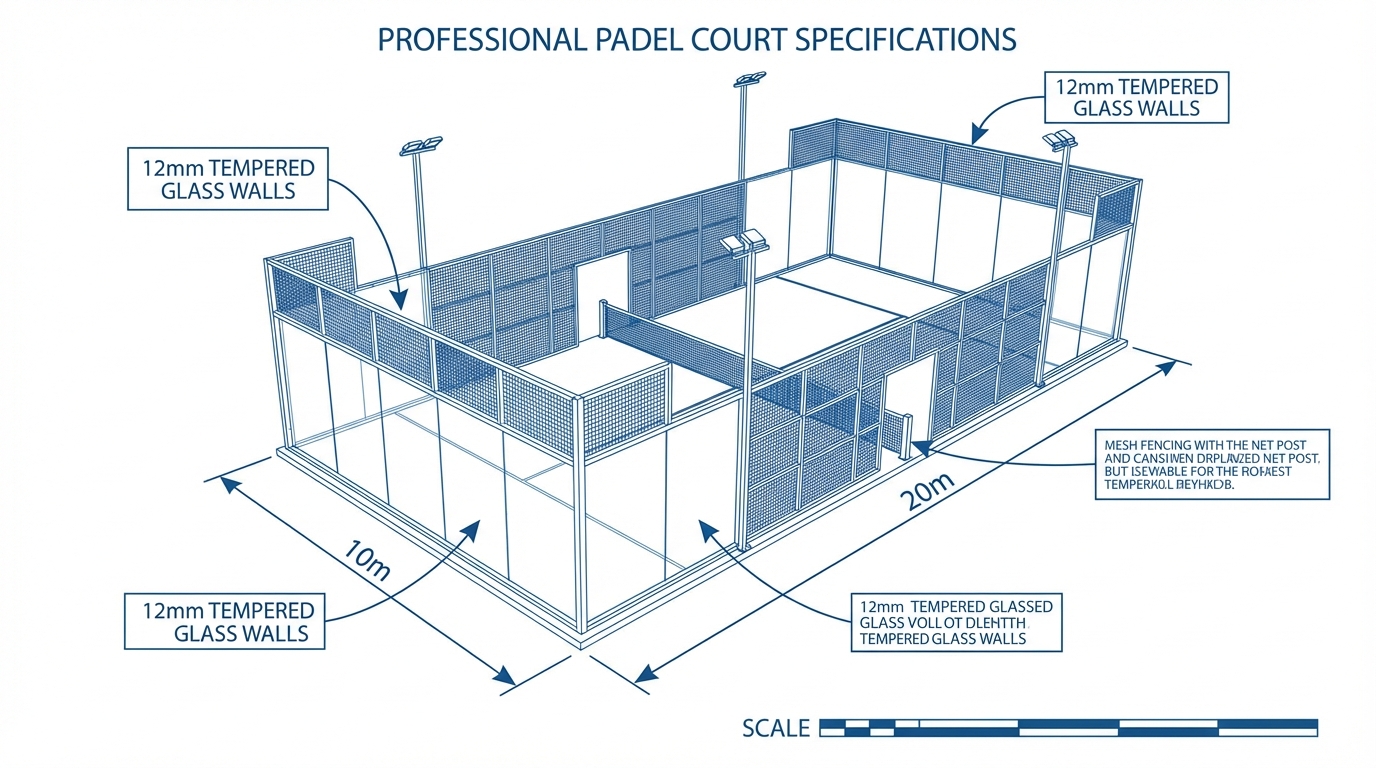
Padel is a high-action racquet sport combining elements of tennis and squash, and to build it in San Diego, you must secure a 10m x 20m space with professional-grade glass and turf specifications. The rise of padel san diego is shifting the local racquet sport landscape, leaving many developers looking for a clear path toward building facilities that balance professional play with social profitability. Traditional tennis facilities require massive footprints, while the surge in other sports has left a gap for a more dynamic, high-skill-ceiling sport that maximizes revenue per square foot.
What is the growing appeal of padel san diego?
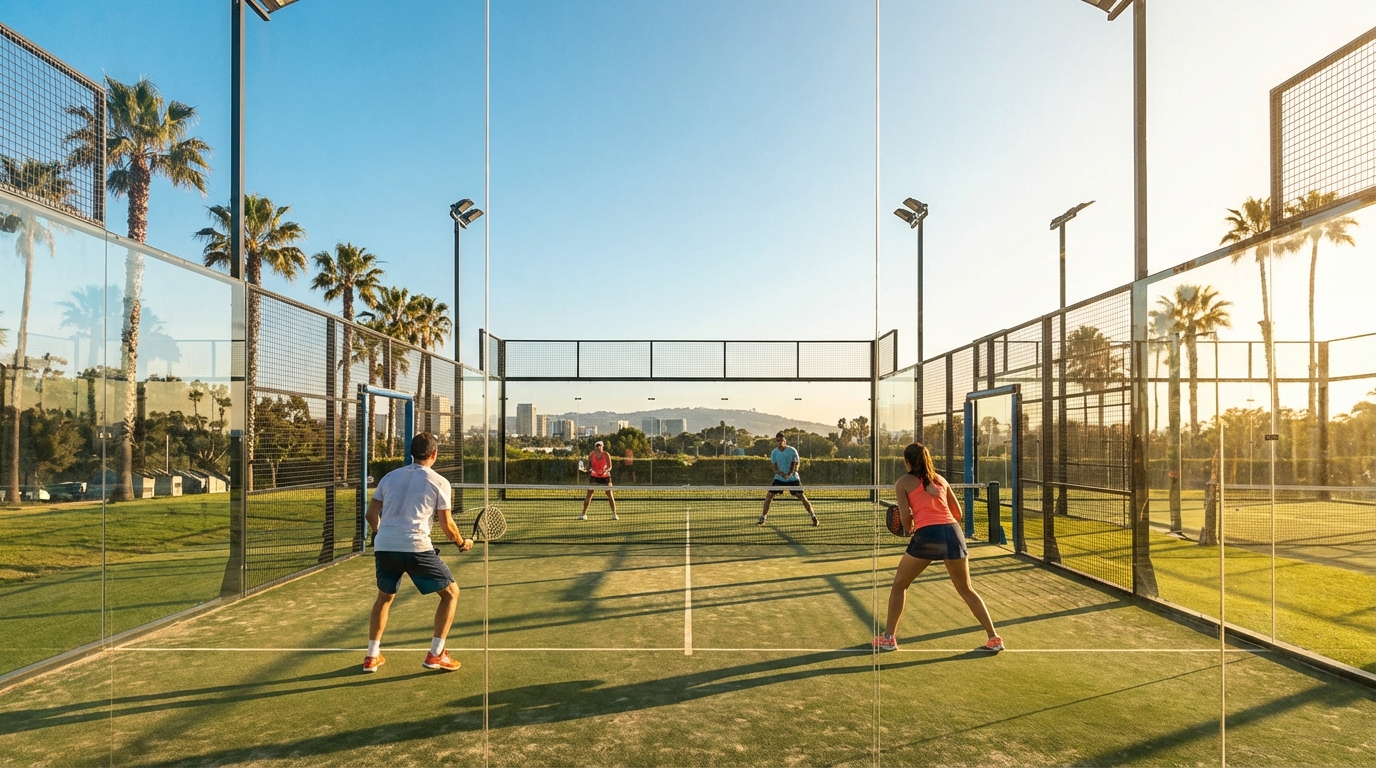
Padel is becoming the region’s premier social sport because it blends tennis strategy with squash-like wall play in a compact, doubles-only format. This unique combination makes padel san diego highly attractive to Southern California’s active professional demographic.
The Hybrid Nature of the Sport
The game is played on a court roughly one-third the size of a tennis court, surrounded by glass walls. These walls are not just boundaries; they are active parts of the game that allow for creative defensive and offensive maneuvers.
But that’s not all. The compact nature of the court ensures that players are always close to the action, leading to longer and more exciting rallies.
Social and Networking Dynamics
The sport’s doubles-only format fosters a unique community atmosphere that is highly attractive to local professionals. It encourages constant communication and teamwork, making it an ideal environment for networking and building social bonds.
Here is the kicker:
- High engagement for all skill levels.
- Shorter learning curve than tennis.
- Increased social interaction per match.
The following table summarizes the core components of the sport’s regional appeal:
Key Takeaway: The social nature and accessible mechanics of the sport make it a prime candidate for community-centric facility development.
| Feature | Impact on Growth |
|---|---|
| Doubles Format | Higher social engagement and networking |
| Glass Walls | Unique tactical depth and longer rallies |
| Smaller Footprint | More courts and players per square foot |
What makes a court design unique for padel san diego?
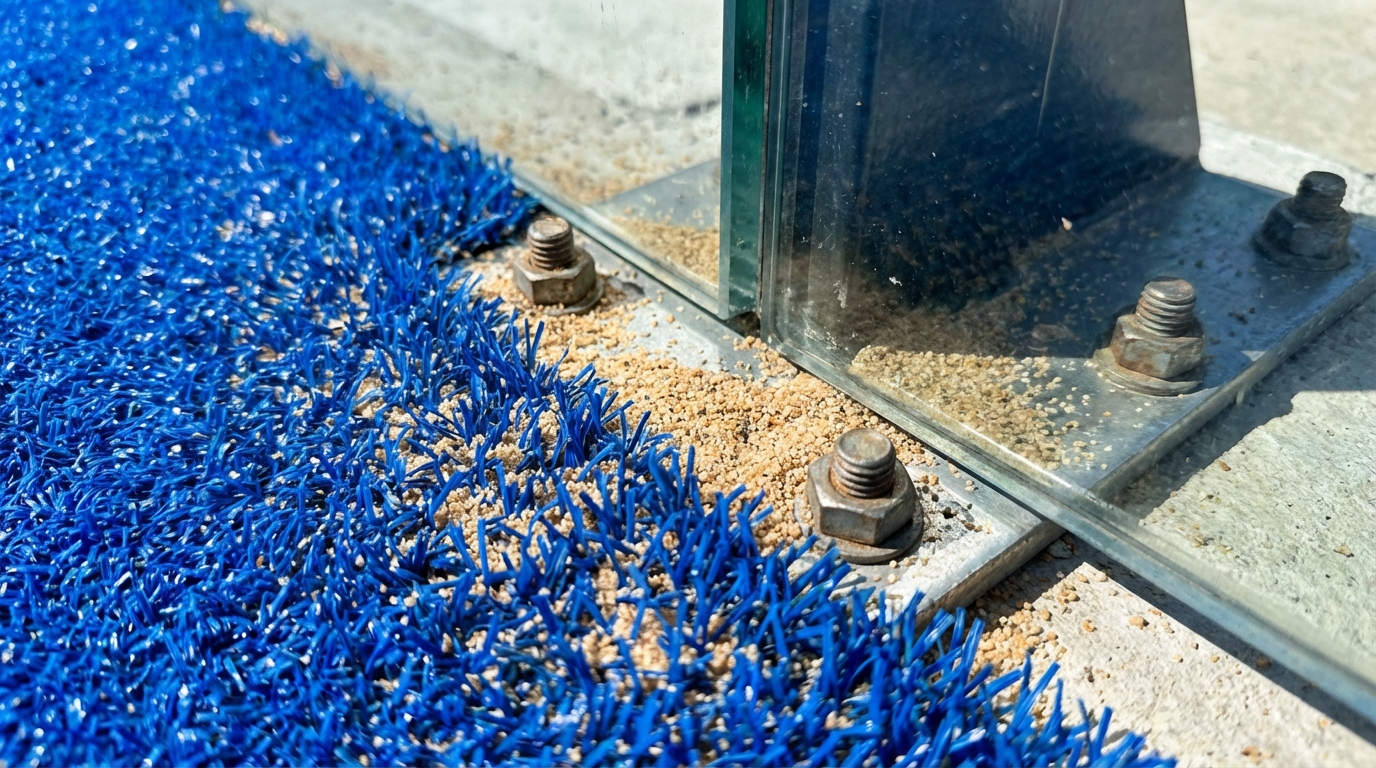
Unique padel courts feature tempered glass walls for rebound play and specialized synthetic turf on a perfectly level concrete base. Designing a successful padel san diego facility demands an understanding of specialized materials and structural aesthetics to ensure a premium player experience.
Specialized Glass Wall Systems
The tempered glass panels must be engineered to withstand high-impact play while providing perfect clarity for spectators. These walls are the defining characteristic of the sport, allowing the ball to be played off the bounce from the back or sides.
Premium Synthetic Turf Surfaces
Selecting the right turf is critical for ensuring a consistent ball bounce and preventing player injuries. Most professional courts use sand-dressed monofilament turf that allows for controlled sliding and optimal traction.
Think about this:
- High-density monofilament fibers.
- Precise sand infill levels.
- UV-resistant materials for outdoor use.
The following table outlines the technical requirements for high-quality court surfaces:
Key Takeaway: Structural integrity and surface quality are the two most important factors in court longevity and player satisfaction.
| Component | Technical Standard |
|---|---|
| Glass Panels | 10mm to 12mm Tempered Safety Glass |
| Turf Type | Sand-dressed Synthetic Monofilament |
| Lighting | 500-750 Lux LED Systems |
How to find a location for padel san diego facilities?
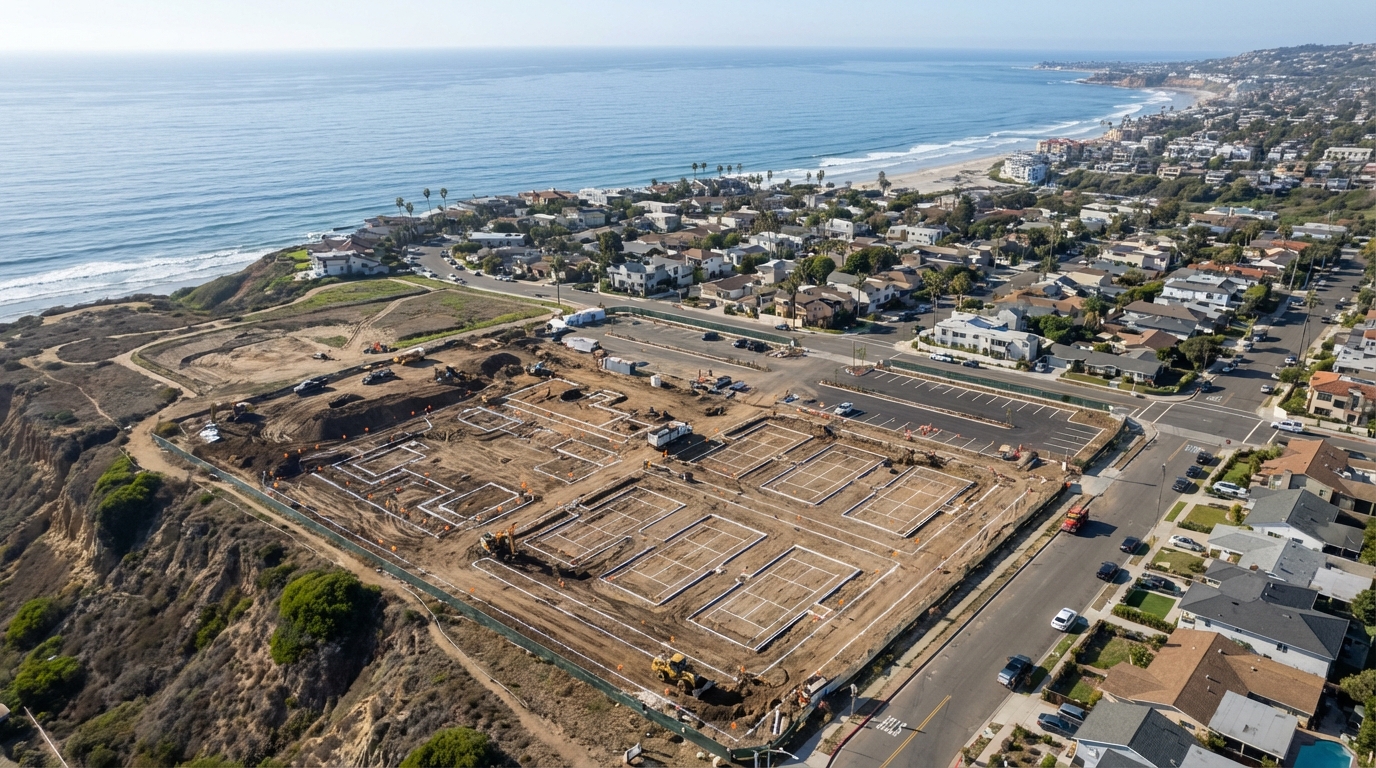
Finding a location requires a minimum vertical clearance of 6 to 8 meters and a footprint large enough for multiple 200-square-meter courts. The success of padel san diego investments depends heavily on securing a venue that meets these strict horizontal and vertical clearance standards.
Vertical Clearance Requirements
For indoor facilities, the ceiling height is a non-negotiable factor for professional-grade play. Players frequently use high lobs as a tactical reset, meaning any obstruction below 6 meters will disrupt the game’s flow.
But here is the catch. Even if the space looks large, low-hanging HVAC systems or lighting fixtures can render a potential location unusable for competitive events.
Urban vs. Suburban Zoning
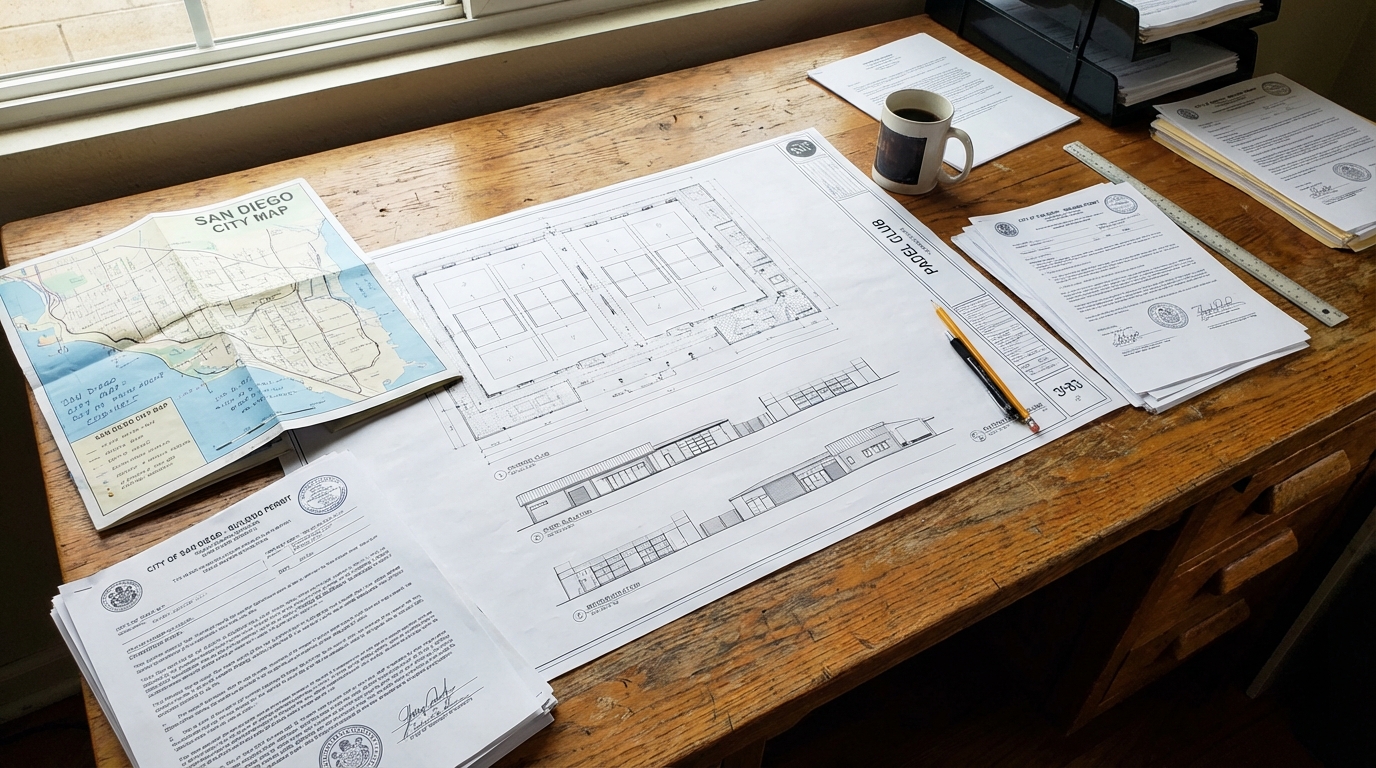
Developers must choose between converting industrial warehouses in urban centers or developing new outdoor complexes in coastal areas. Each option carries different zoning challenges, particularly regarding noise levels and lighting for night play.
Consider these location factors:
- Proximity to high-density professional hubs.
- Availability of ample parking.
- Ease of access via public transport or major highways.
The following table compares the two primary location strategies for new facilities:
Key Takeaway: A site’s height and zoning potential are more important than its initial square footage when evaluating long-term facility viability.
| Location Type | Primary Advantage | Major Challenge |
|---|---|---|
| Urban Warehouse | Climate control and year-round play | High rent and ceiling height limits |
| Coastal Outdoor | Scenic appeal and natural airflow | Weather exposure and salt corrosion |
What are the specs for padel san diego court construction?
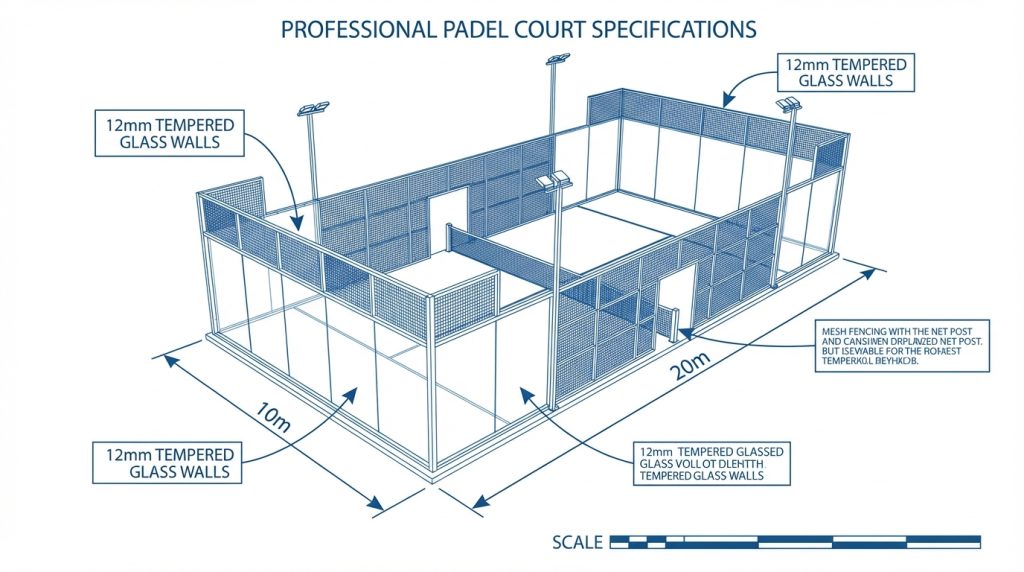
Standard specifications demand 10m x 20m internal dimensions, galvanized steel frames, and 10-12mm thick tempered glass panels. When planning your padel san diego project, adhering to these international dimensions is the first step toward building a competition-ready venue.
Concrete Slab Engineering
The sub-base is the most critical part of the construction process, as any imperfection will lead to irregular ball bounces. A reinforced concrete slab must be poured with extreme precision to ensure a perfectly level surface with adequate drainage.
Structural Frame and Mesh Integrity
The court cage is typically constructed from galvanized steel to prevent rust, especially in coastal environments. The mesh panels must be flush with the glass to ensure the ball doesn’t take unpredictable bounces during play.
Believe it or not:
- Galvanized steel prevents sea-salt corrosion.
- Flush-mounted mesh improves playability.
- Anti-vibration systems reduce court noise.
The following table details the essential construction measurements for a standard court:
Key Takeaway: Precision in the foundation and frame assembly prevents the most common structural failures in high-usage clubs.
| Spec | Measurement |
|---|---|
| Internal Dimensions | 10 meters x 20 meters |
| Minimum Height | 6 meters (Recommended 8m) |
| Glass Thickness | 10mm or 12mm |
Is indoor or outdoor best for padel san diego courts?
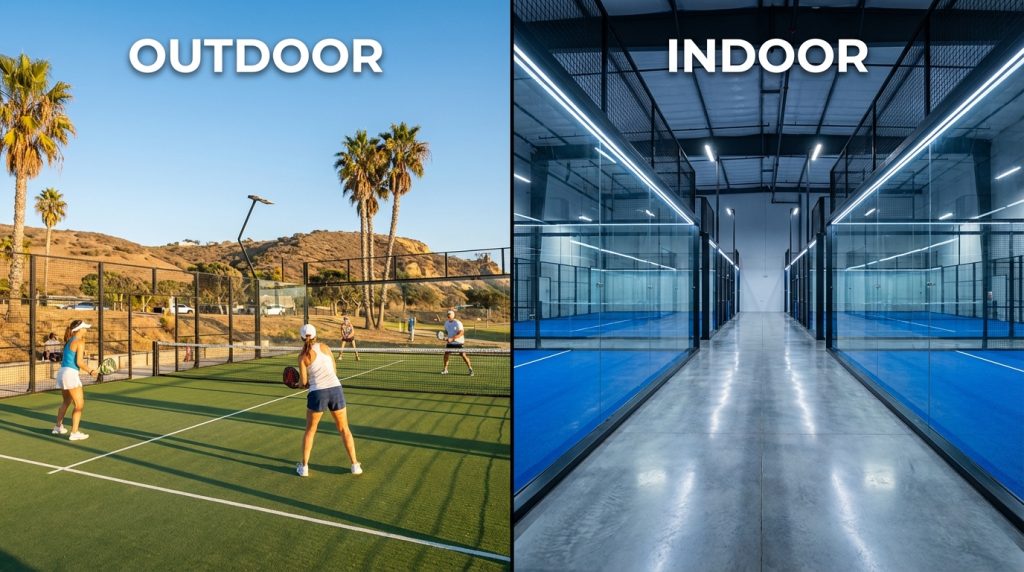
Indoor courts offer weather consistency and better lighting control, while outdoor courts leverage San Diego’s scenic climate and lower construction costs. Choosing the right environment for padel san diego play will dictate your operational costs and your ability to offer year-round programming.
Weather Protection and Consistency
Indoor environments eliminate the variables of wind and sun glare, which are often cited by professional players as critical for high-level matches. This consistency allows for a more predictable playing experience regardless of the season.
But that’s not all. Climate-controlled facilities can operate 24/7 without being affected by the heat of summer or occasional winter rains.
Maintenance and Longevity Factors
Outdoor structures are exposed to the elements, requiring more frequent maintenance of the turf and metal frames. In a coastal city, the salt air can accelerate corrosion if the steel is not properly treated or galvanized.
Keep this in mind:
- Indoor courts require lower surface maintenance.
- Outdoor courts offer a more “social” summer vibe.
- Roofed outdoor courts offer a middle-ground solution.
The following table compares the operational aspects of indoor and outdoor facilities:
Key Takeaway: The choice between indoor and outdoor depends on your target demographic’s preference for climate control versus the Southern California lifestyle.
| Factor | Indoor Court | Outdoor Court |
|---|---|---|
| Weather Impact | Zero | High (Sun/Wind/Rain) |
| Maintenance | Low | Moderate to High |
| Capital Expense | High (HVAC/Building) | Low to Moderate |
Why is community focus key for padel san diego clubs?
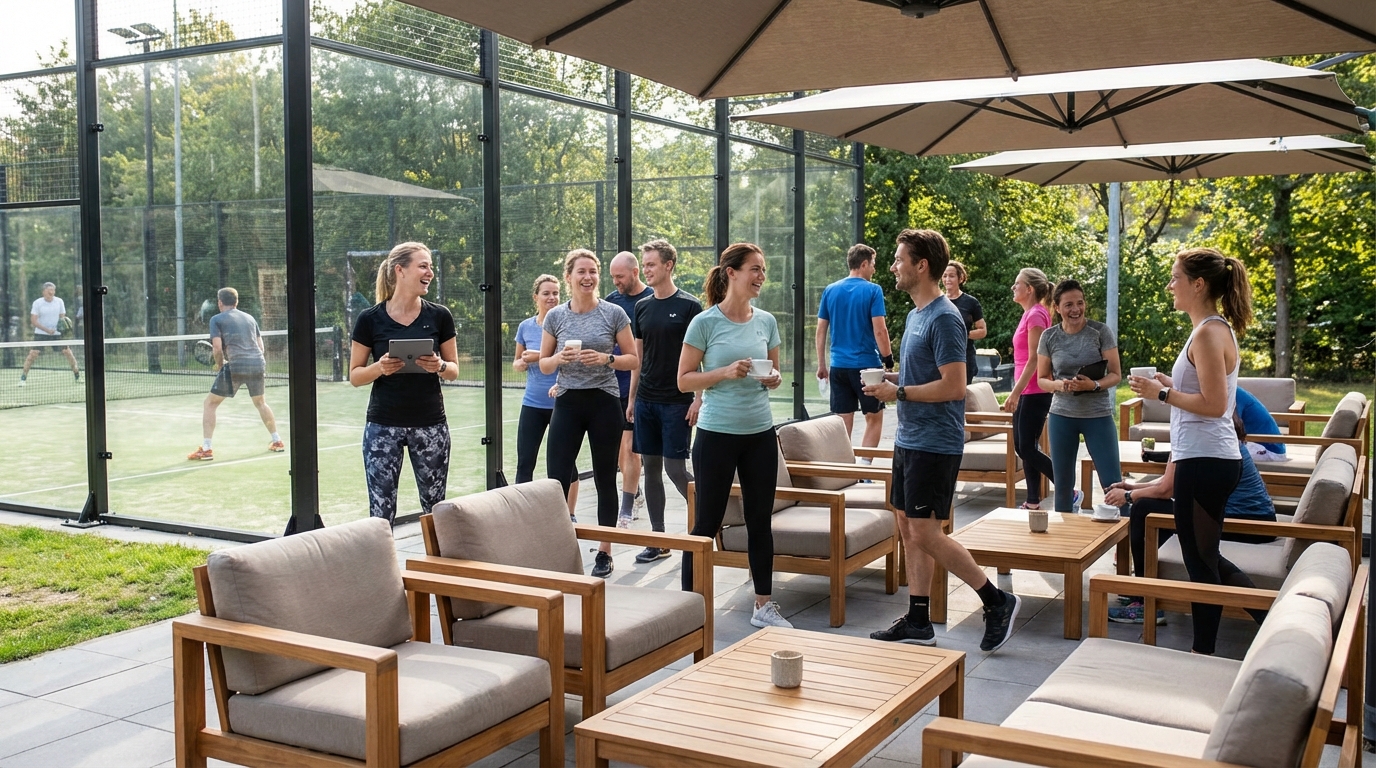
A community-focused approach ensures high retention rates by integrating social amenities, matchmaking services, and professional coaching programs. A successful padel san diego facility is more than a collection of courts; it is a hub for social interaction and consistent engagement.
Open Play and Matchmaking Systems
Digital tools and on-site staff ensure that no player is ever without a game, regardless of their skill level. By organizing “round robin” events and “open play” slots, clubs can help new members find partners quickly.
Social Amenities and Hospitality
Integrating health-focused cafes and recovery zones significantly enhances the member experience. Players often spend more time socializing after a match than they do on the court itself.
Here is the kicker:
- Cafes increase secondary revenue.
- Pro shops drive equipment sales.
- Lounge areas foster community bonds.
The following table highlights the essential community elements for a modern club:
Key Takeaway: Investing in the “third space” beyond the court is what turns a casual player into a loyal, long-term member.
| Community Element | Primary Benefit |
|---|---|
| Matchmaking Apps | Higher court utilization rates |
| On-site Coaching | Player skill development and retention |
| Social Lounge | Increased dwell time and retail spend |
How to integrate multi-sport padel san diego facilities?
Integration involves designing shared infrastructure where padel serves as the anchor alongside pickleball, fitness zones, or golf simulators. Strategic developers are now looking at padel san diego as the core of comprehensive multi-sport entertainment complexes.
Synergy with Other Racquet Sports
Sharing infrastructure between different sports can maximize the utility of a single facility. For example, locker rooms, check-in desks, and cafes can serve players from multiple disciplines simultaneously.
Functional Fitness and Recovery
Adding boutique gyms or yoga spaces creates a one-stop-shop for athletic wellness. Many players appreciate the ability to warm up or recover in a dedicated space right next to the courts.
But wait, there’s more:
- Yoga and stretching zones.
- Cryotherapy or massage rooms.
- Functional training areas.
The following table shows how different sports can complement a primary facility:
Key Takeaway: Multi-sport integration diversifies the customer base and protects the facility against shifts in sports popularity.
| Added Sport/Service | Demographic Synergy |
|---|---|
| Pickleball | High crossover with racquet enthusiasts |
| Golf Simulators | Corporate and evening entertainment |
| Boutique Gym | Health-conscious daily users |
What are the tech specs for padel san diego enclosures?
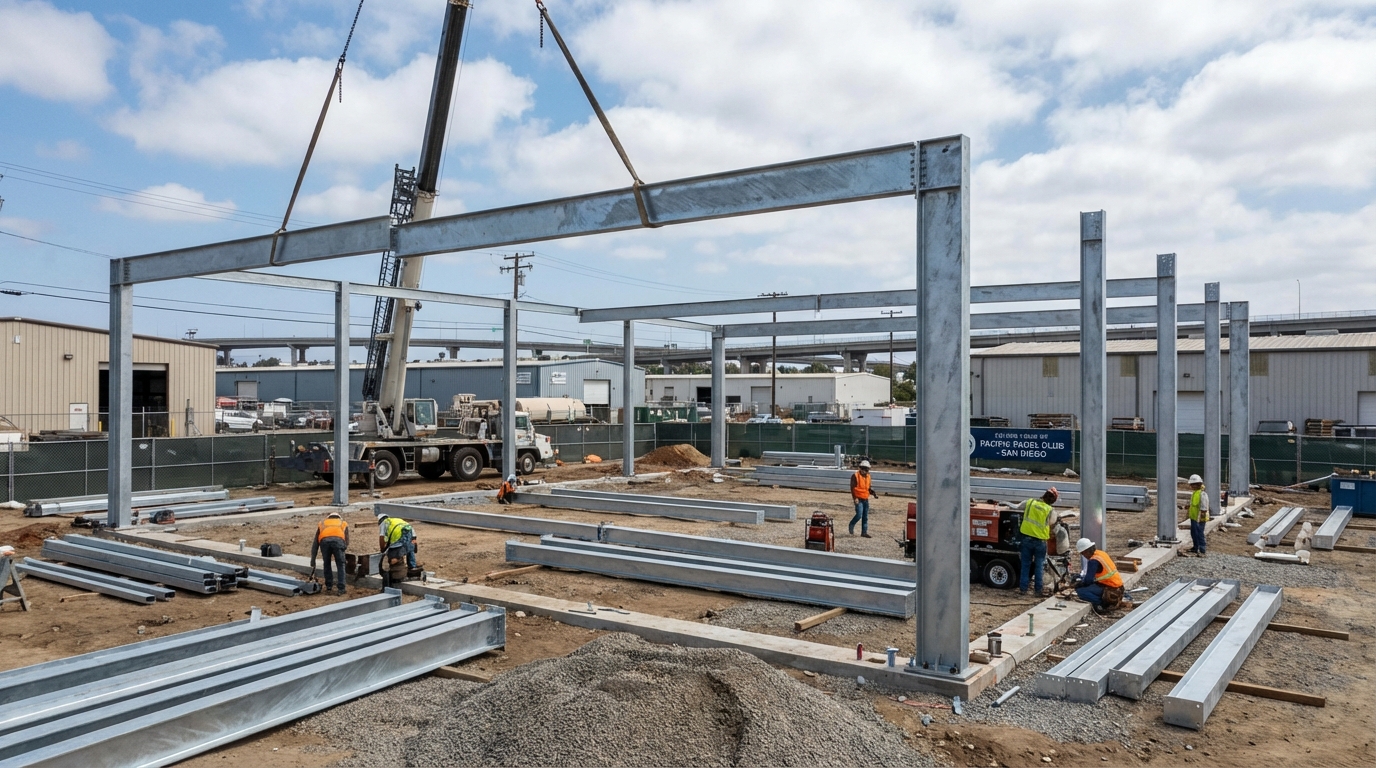
Technical enclosures must use reinforced panoramic glass or standard mesh frames that meet international safety and impact standards. The choice of enclosure for padel san diego defines the spectator experience and the overall premium feel of your facility.
Panoramic vs. Standard Frames
Panoramic courts remove the vertical pillars at the back of the court, offering an unobstructed view for spectators and cameras. This design is highly sought after for tournament courts and high-end private clubs.
Safety and Impact Standards
All glass used in these enclosures must meet rigorous safety standards to handle the force of players running into the walls. High-tensile glass and reinforced corners are essential for preventing breakage during high-intensity play.
Here is the deal:
- 12mm glass is preferred for panoramic designs.
- Laser-cut steel components ensure precision.
- Impact-resistant coatings enhance safety.
The following table summarizes the differences between enclosure types:
Key Takeaway: While more expensive, panoramic enclosures provide a “wow factor” that is essential for attracting high-level tournaments.
| Enclosure Type | Visual Appeal | Best Use Case |
|---|---|---|
| Standard | Good | Practice and casual play |
| Panoramic | Excellent | Center courts and broadcasting |
| Super Panoramic | Elite | International tournaments |
How to ensure profitability for a padel san diego investment?
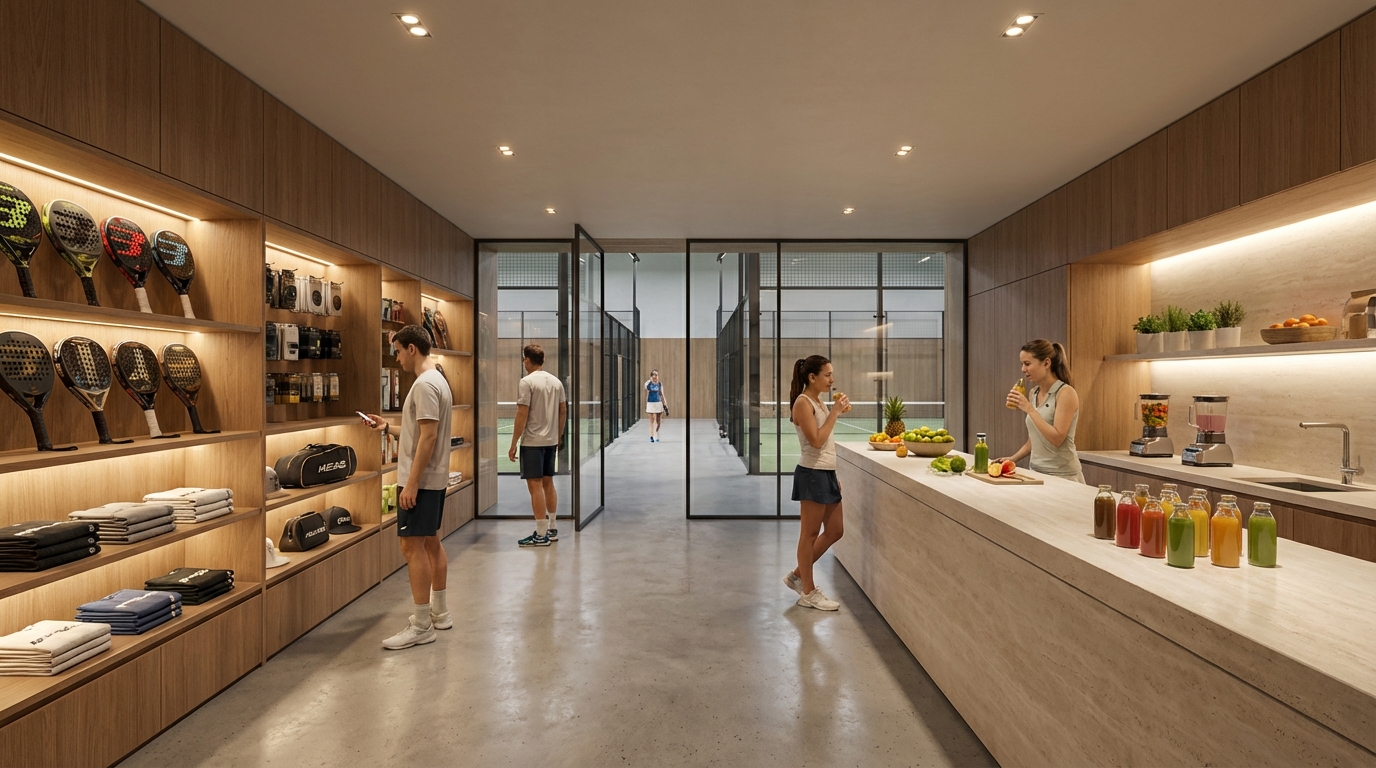
Profitability is ensured through diversified revenue streams including memberships, equipment rentals, private lessons, and high-margin hospitality. Calculating the ROI for padel san diego requires a multi-faceted approach to revenue generation beyond simple court bookings.
Diversified Revenue Streams
Successful clubs do not rely solely on court fees. They leverage memberships, high-end retail in the pro shop, and professional coaching clinics to stabilize their monthly income.
But that’s not all. Corporate team-building events and amateur tournaments can provide significant revenue spikes throughout the year.
Dynamic Pricing Models
Implementing peak-hour surcharges and off-peak discounts ensures that courts are utilized as much as possible. Automated booking systems can help manage these price fluctuations based on real-time demand.
Consider these revenue drivers:
- Paddle and ball rentals.
- Branded apparel sales.
- Food and beverage margins.
The following table breaks down typical revenue distribution in a profitable club:
Key Takeaway: A balanced revenue model that includes hospitality and retail is more resilient than one based purely on court time.
| Revenue Source | Estimated Contribution |
|---|---|
| Court Bookings | 50-60% |
| Coaching & Clinics | 15-20% |
| F&B and Retail | 20-30% |
What is the future outlook for padel san diego?
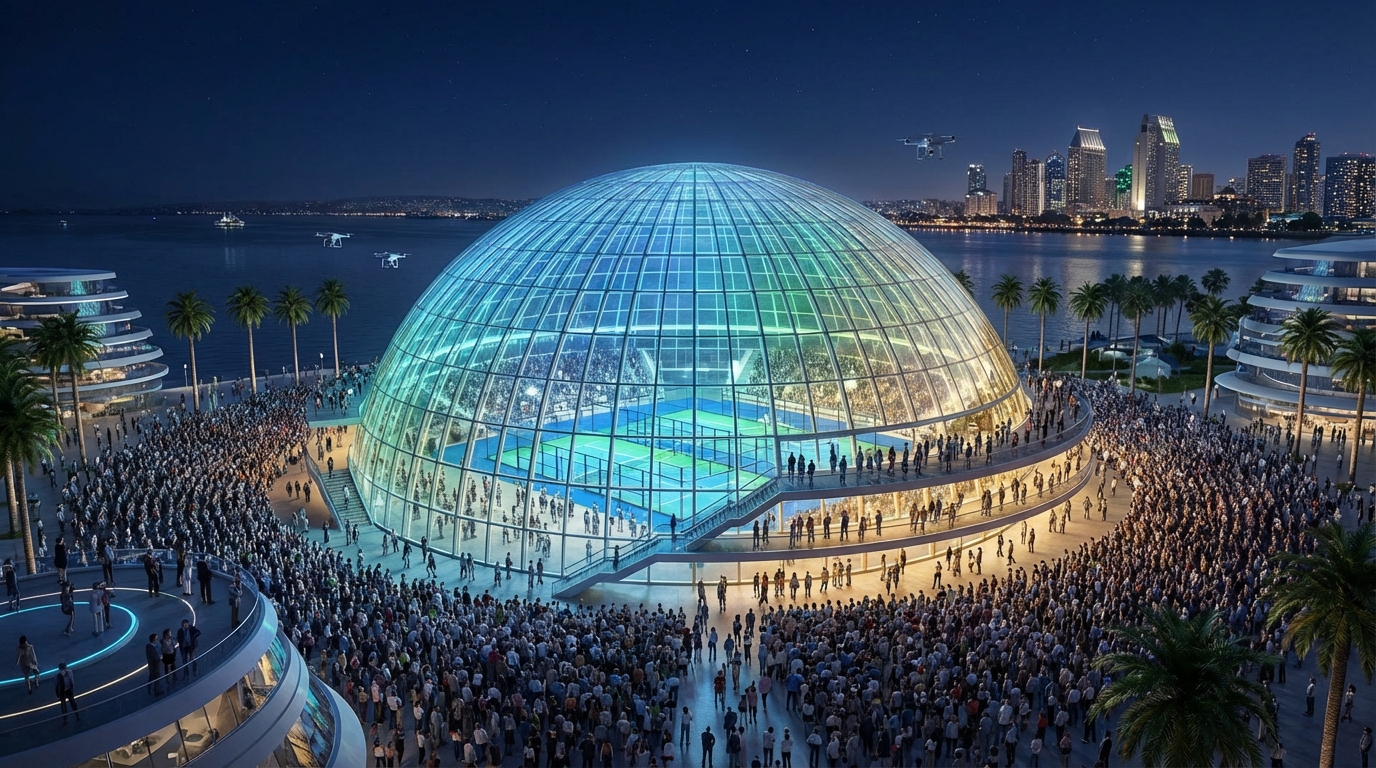
The future looks bright as the sport moves toward Olympic recognition and sees a surge in local youth programs and premium indoor facility development. The momentum behind padel san diego suggests that this is only the beginning of a long-term shift in the local recreational market.
Olympic Aspirations and Global Growth
The sport’s potential inclusion in the 2032 Olympics is driving current interest and massive investment in the United States. This global recognition adds a layer of prestige that attracts both sponsors and high-net-worth players.
Developing Local Youth Talent
Junior programs are essential for creating a sustainable, long-term community. By introducing the sport to younger generations, clubs ensure a steady stream of players for decades to come.
Check this out:
- School outreach programs.
- Youth-specific equipment.
- Regional junior tournaments.
The following table predicts the primary growth areas for the next five years:
Key Takeaway: The transition from a niche hobby to a mainstream athletic staple is well underway in Southern California.
| Growth Driver | Expected Impact |
|---|---|
| Olympic Inclusion | Massive increase in public awareness |
| Youth Academies | Sustainable long-term player base |
| Tech Integration | Better fan and player experiences |
FAQ: Frequently Asked Questions
Can I build a padel court in my own backyard in San Diego?
Yes, as long as you have a 10m x 20m level area and your local residential zoning allows for the necessary fence heights and night lighting.
What’s the best type of glass for professional padel court walls?
The industry standard is 10mm or 12mm tempered safety glass, which provides the durability needed for high-impact play and a consistent ball rebound.
Can I convert an existing tennis court into multiple padel courts?
Absolutely, and it is a very efficient use of space; one standard tennis court footprint can usually accommodate two to three padel courts.
What’s the best way to maintain the turf surface for longevity?
You should regularly brush the turf to redistribute the sand infill, which prevents compaction and ensures the ball continues to bounce as intended.
Can I integrate a bar or restaurant into my padel facility plan?
Yes, adding hospitality is highly recommended because it strengthens the “club” atmosphere and creates a significant secondary revenue stream.
Building a world-class facility requires the right balance of technical precision and community design. If you are ready to bring this exciting sport to your property or investment portfolio, contact us today for expert guidance on construction and facility management. This proactive approach ensures your facility remains a cornerstone of the regional athletic landscape as the sport moves into its next phase of evolution.