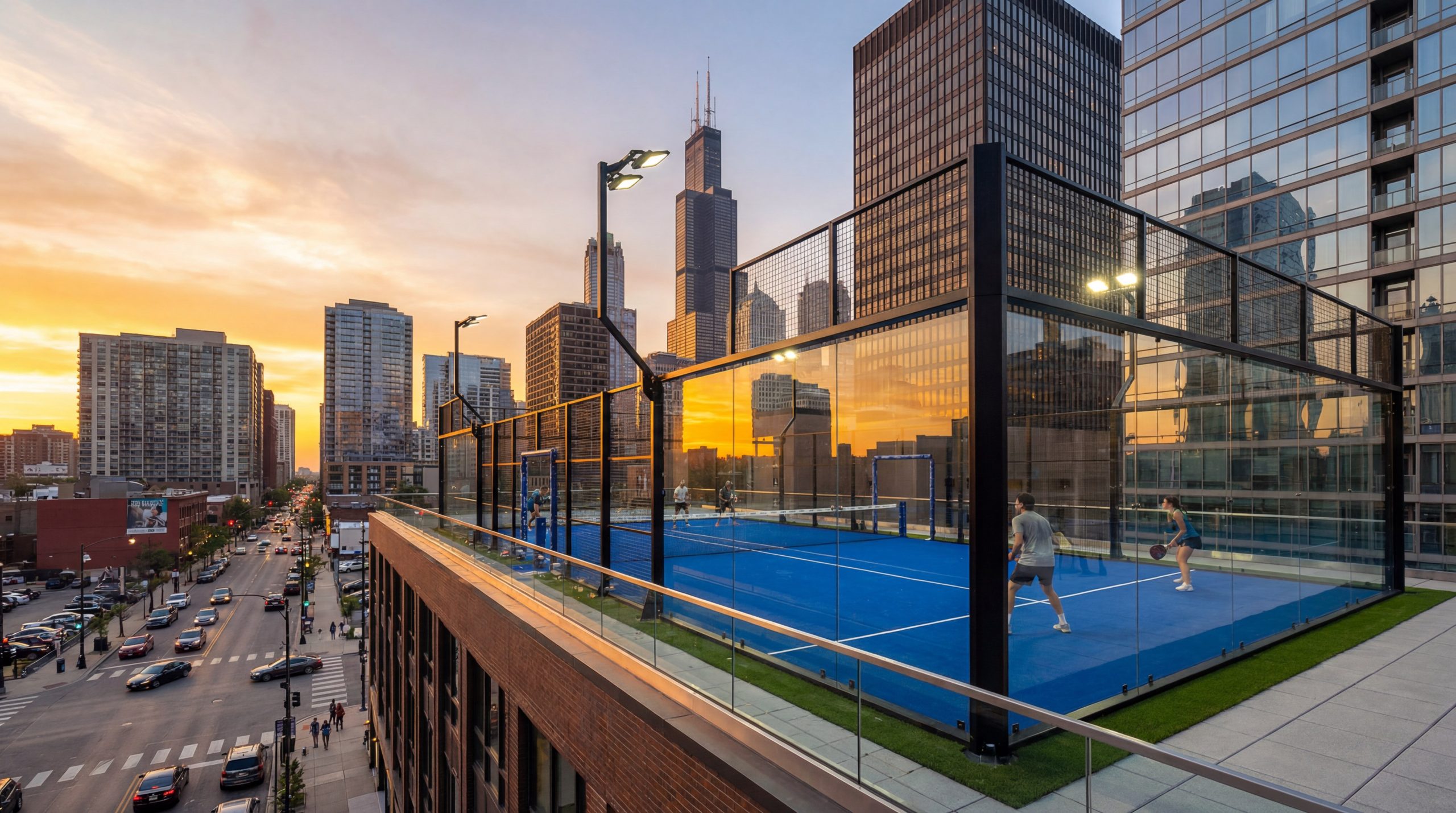
padel chicago is a high-growth racquet sport played in glass-walled courts that offers a lucrative real estate opportunity for Windy City developers. You are likely seeing traditional sports facilities reach peak capacity, leaving players frustrated with long wait times and aging infrastructure. This lack of premium, social sports hubs creates a massive void in the local market. By building a dedicated facility, you solve the scarcity problem while positioning your business at the forefront of the “new golf” phenomenon.
Why is padel chicago the fastest-growing sport for investors?
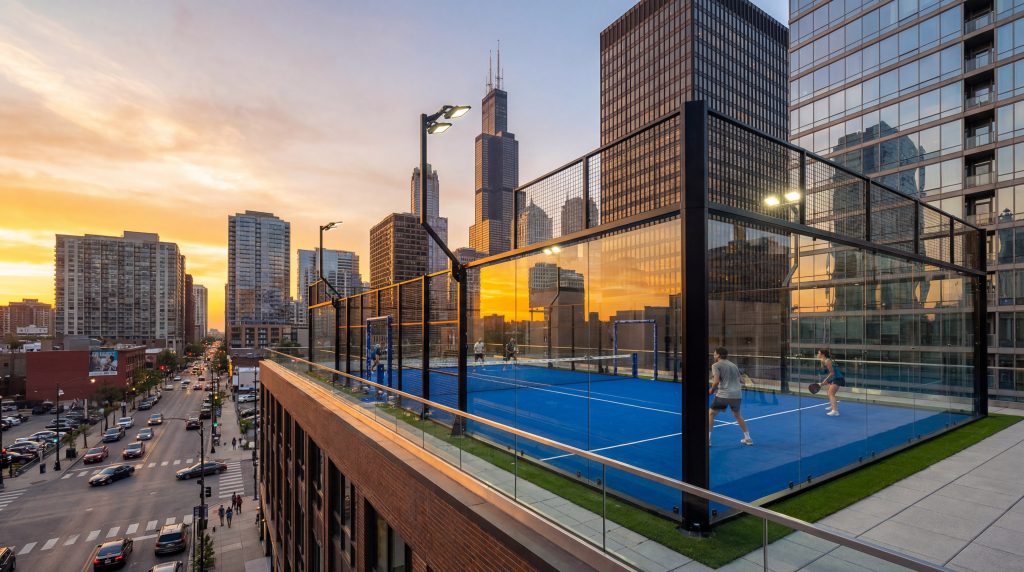
padel chicago represents the premier investment opportunity in the Midwest because it captures a high-net-worth demographic seeking social competition. You are entering a market where the demand for modern, high-end courts far outstrips the current supply.
Think about this:
The sport requires 30% less space than a traditional tennis court but generates double the hourly revenue.
What is the primary draw for local athletes?
Players are flocking to the sport because it combines the strategy of tennis with the accessibility of squash. You will find that beginners can sustain long rallies within their first thirty minutes of play.
Can you scale this business model?
You can easily scale a facility by integrating multi-use amenities that drive secondary revenue streams. This increases the total value of every member who walks through your doors.
- Tiered membership programs.
- Corporate networking tournament packages.
- On-site retail for professional rackets and gear.
The following data highlights why regional investors are shifting their capital toward this recreational asset.
Key Takeaway: High player retention and low barriers to entry for beginners make this a stable, long-term commercial asset.
| Metric | Investment Impact |
|---|---|
| Space Efficiency | Three courts fit in the footprint of one tennis court. |
| Player Density | Always played as doubles, ensuring four paying users per court. |
| Social Upsell | High demand for post-game lounge and café services. |
What makes padel chicago different from tennis or pickleball?
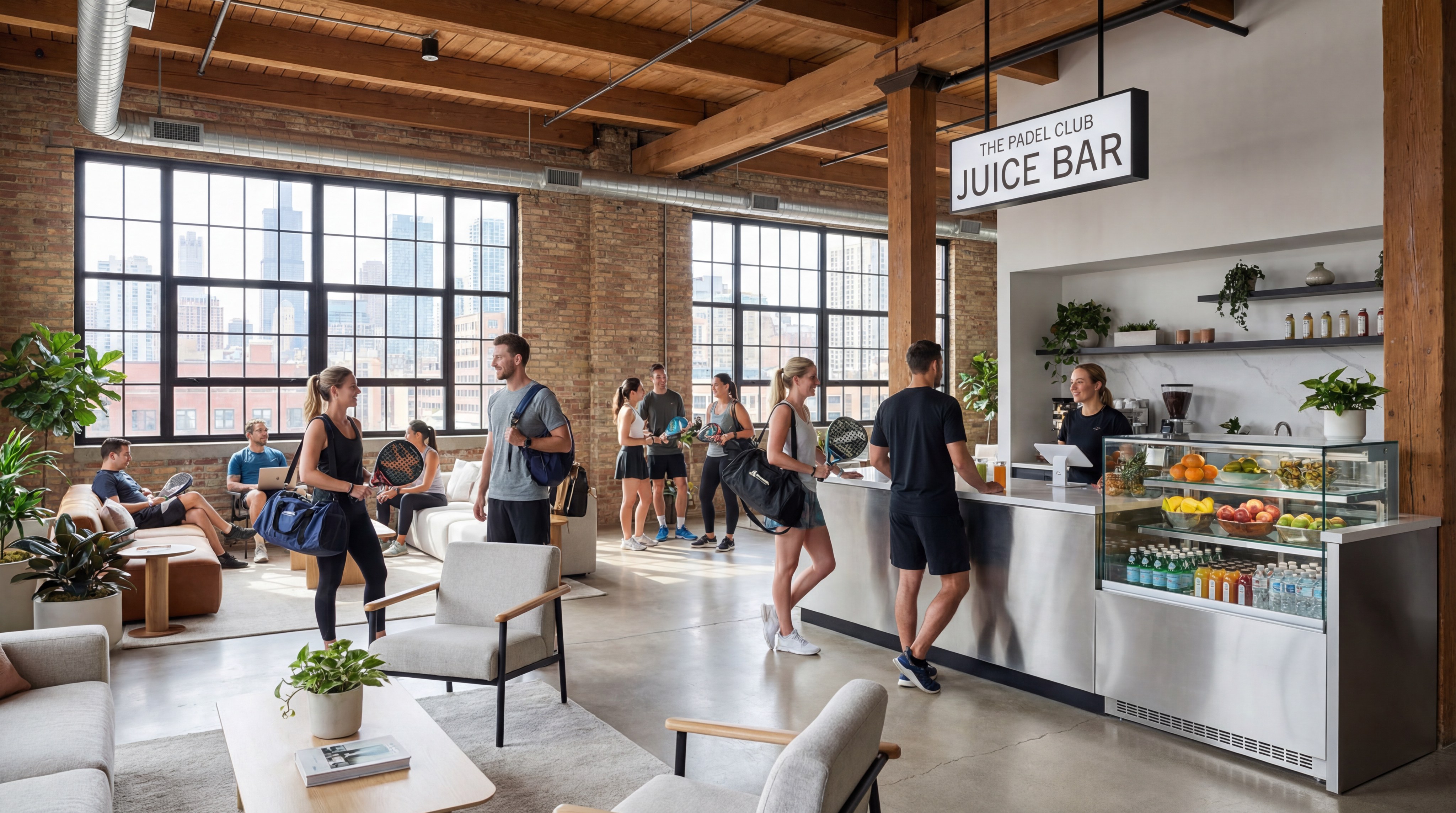
Padel chicago distinguishes itself by utilizing tempered glass walls for rebound play and a smaller, enclosed court that emphasizes strategy over raw power. You will notice the game feels more intimate and social than tennis, yet more athletic than pickleball.
Make no mistake:
The “cage” environment creates a unique spectator experience that keeps energy levels high.
How do the mechanics change the game?
The use of the walls means the ball is rarely “out,” leading to longer points and more intense cardiovascular exercise. You don’t need a powerful serve to dominate, which levels the playing field for different age groups.
Why does the equipment matter for your club?
You will need to provide specialized carbon-fiber rackets that are perforated rather than strung. These rackets are durable and offer a distinct “pop” that players find incredibly satisfying.
- Solid-core rackets for maximum control.
- Low-compression balls designed for wall rebounds.
- Monofilament turf that prevents joint strain.
An analysis of player preferences shows a clear trend toward the technical depth that this sport provides.
Key Takeaway: The unique combination of wall play and specialized equipment creates a “sticky” user experience that tennis cannot replicate.
| Feature | Padel Advantage |
|---|---|
| Ball Play | Walls keep the ball in motion longer, increasing active play time. |
| Court Size | 20m x 10m allows for more courts in urban warehouses. |
| Learning Curve | Mastery takes time, but basic play is immediate. |
How is the padel chicago market evolving for commercial clubs?
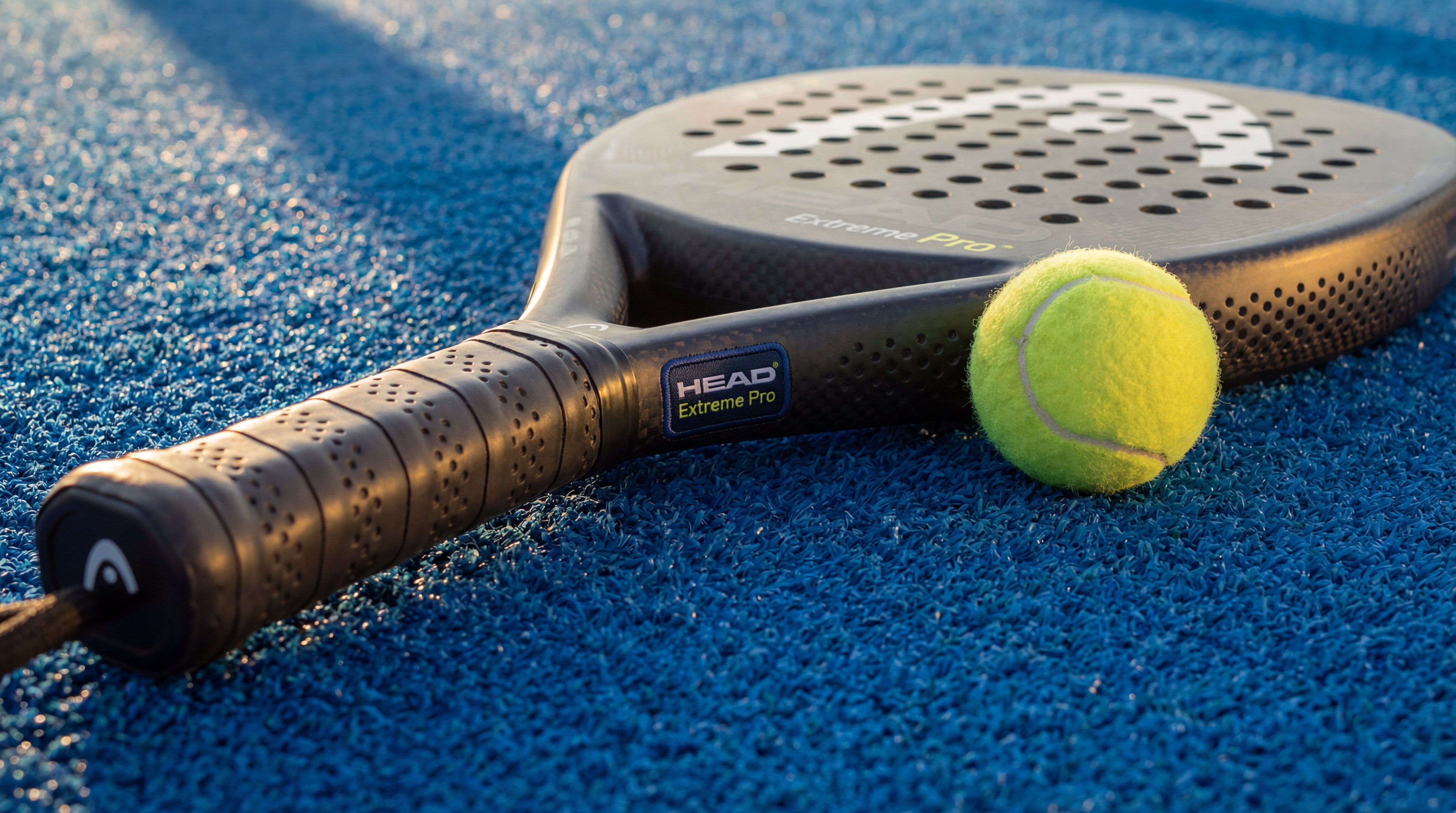
The commercial evolution of padel chicago is rapidly moving toward “lifestyle hubs” that prioritize networking as much as the sport itself. You are no longer just building a gym; you are constructing a private sanctuary for professionals.
Here is the bottom line:
The race for prime real estate is accelerating as more developers realize the ROI potential of urban conversion projects.
Who is the target demographic for new clubs?
Your primary audience consists of urban professionals aged 25–55 who value efficiency and social status. These individuals are looking for a “third space” between work and home that offers premium amenities.
What is the current competitive landscape?
The market is shifting from early adopters in the suburbs to boutique centers located directly in the city’s business districts. You must focus on exclusivity to stand out in this growing competitive field.
- Increased demand for 24/7 facility access.
- Growing interest in inter-club league play.
- Expansion of youth academies to build future membership.
The following table summarizes the market shift toward premium recreational facilities in the Illinois area.
Key Takeaway: Positioning your facility as a premium social club rather than a public court is the key to maximizing membership fees.
| Market Phase | Strategy |
|---|---|
| 2024 (Early) | First-to-market suburban warehouses. |
| 2025 (Current) | Luxury boutique clubs in industrial urban zones. |
| 2026 (Projected) | High-density rooftop and mixed-use developments. |
Where are the best zones to launch padel chicago facilities?
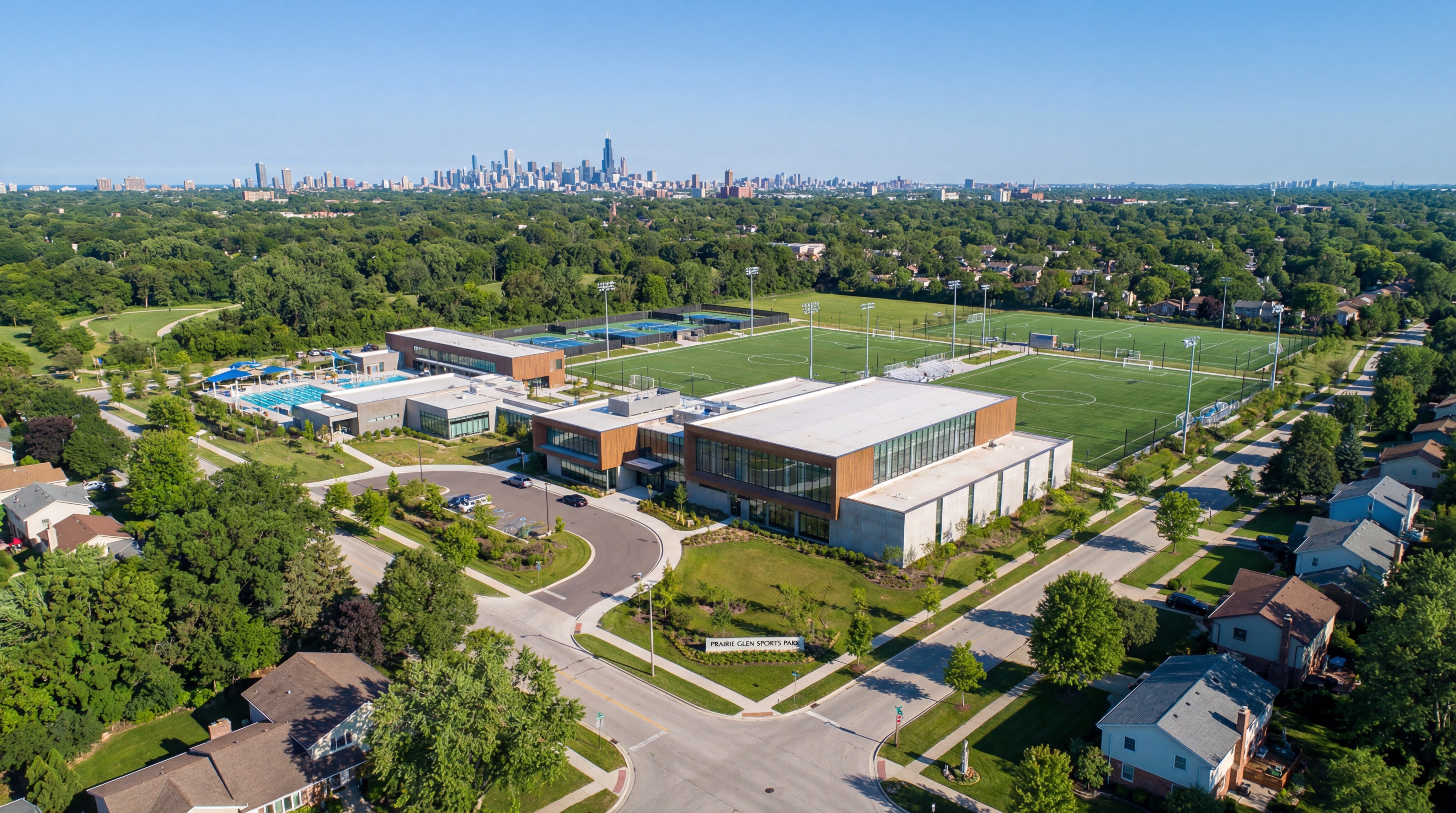
Launching padel chicago facilities requires identifying industrial-zoned areas with high ceilings and proximity to affluent residential corridors. You should look for neighborhoods undergoing gentrification where warehouse space is still accessible but foot traffic is increasing.
The secret is simple:
Accessibility is the bridge between a hobbyist and a loyal member.
Why are industrial warehouses ideal?
You need at least 25 feet of vertical clearance to accommodate high lobs without the ball hitting the ceiling. Industrial sites often provide the wide-open spans necessary for multiple court clusters.
Which neighborhoods offer the highest potential?
Focus on areas near the North Side or West Loop where the concentration of your target demographic is highest. These locations allow you to capture the “after-work” crowd and weekend social players simultaneously.
- Repurposed manufacturing plants.
- Underutilized retail anchor spaces.
- Transit-oriented development zones.
A strategic analysis of site selection reveals that location remains the most significant predictor of facility utilization.
Key Takeaway: Ceiling height and proximity to professional hubs are non-negotiable factors for a successful facility launch.
| Zone Type | Pros | Cons |
|---|---|---|
| Urban Industrial | High ceilings, ample space. | Higher lease costs. |
| Suburban Corporate | Lower rent, loyal local base. | Commute times for city dwellers. |
| Mixed-Use Retail | High visibility, shared parking. | Zoning and noise restrictions. |
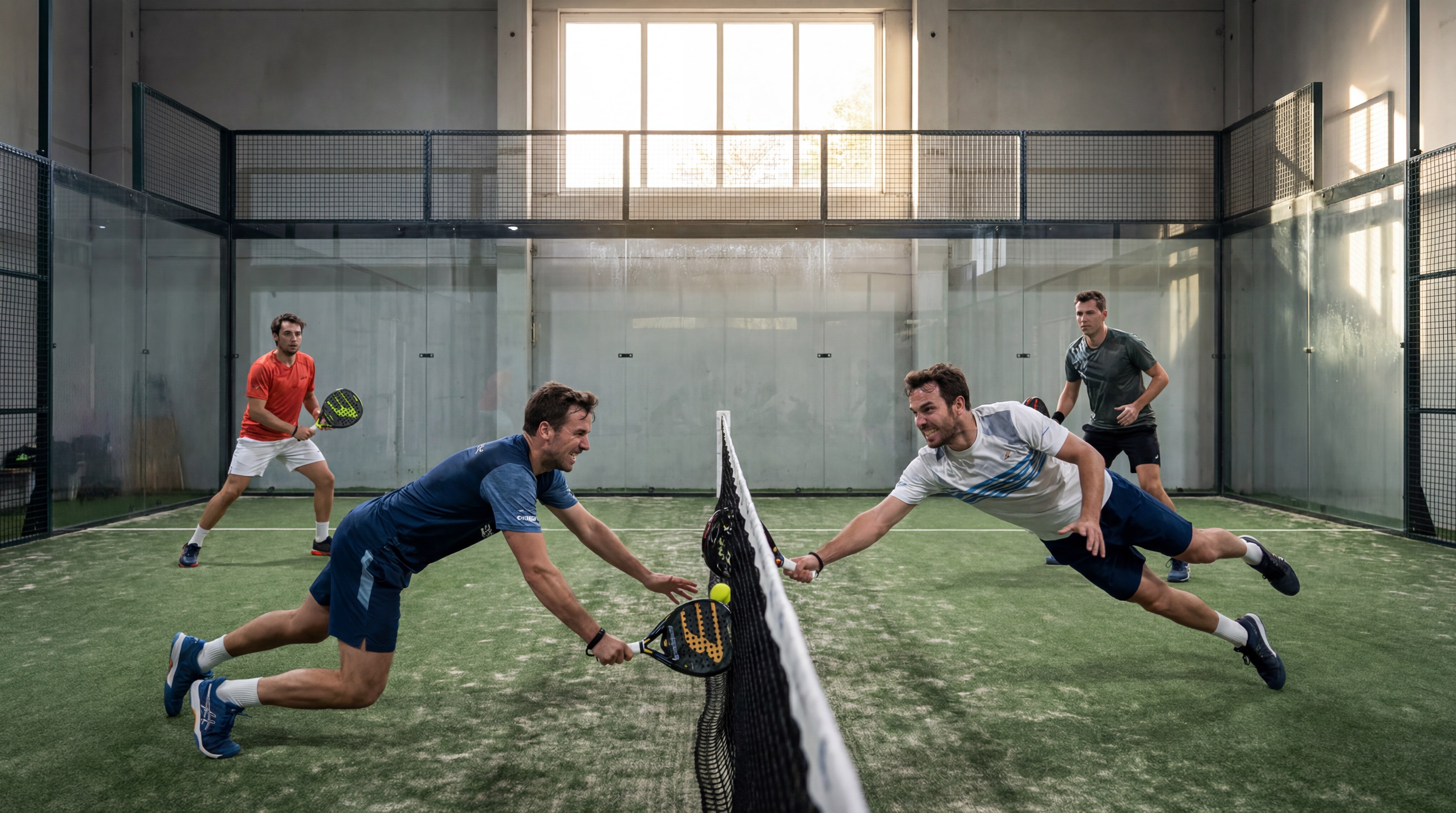
padel chicago offers a unique “mixer” environment that is far more conducive to business networking than traditional racquet sports. You will find that the doubles-only format forces constant communication and teamwork among players.
The reality is this:
Deals are being signed in the lounge long after the final point is played.
How does the sport facilitate networking?
Because the court is small and the game is played in pairs, conversation flows naturally between points. You can host corporate events where participants rotate partners, ensuring everyone meets and interacts.
Why should businesses sponsor your leagues?
Corporations are looking for wellness initiatives that actually engage their employees. By offering corporate memberships, you provide a high-value perk that boosts morale and fosters professional relationships.
- “Business and Birds” morning mixers.
- Sponsored Friday night tournament series.
- Branding opportunities on glass court walls.
The data suggests that social engagement is the primary driver of club longevity and secondary spend.
Key Takeaway: Leveraging the social nature of the sport creates a community-driven revenue model that survives market fluctuations.
| Social Element | Business Benefit |
|---|---|
| Doubles Format | Encourages teamwork and partnership. |
| Lounge Culture | Extends the time spent at the facility. |
| Tournament Play | Creates high-visibility branding for sponsors. |
Why is indoor play vital for padel chicago success?
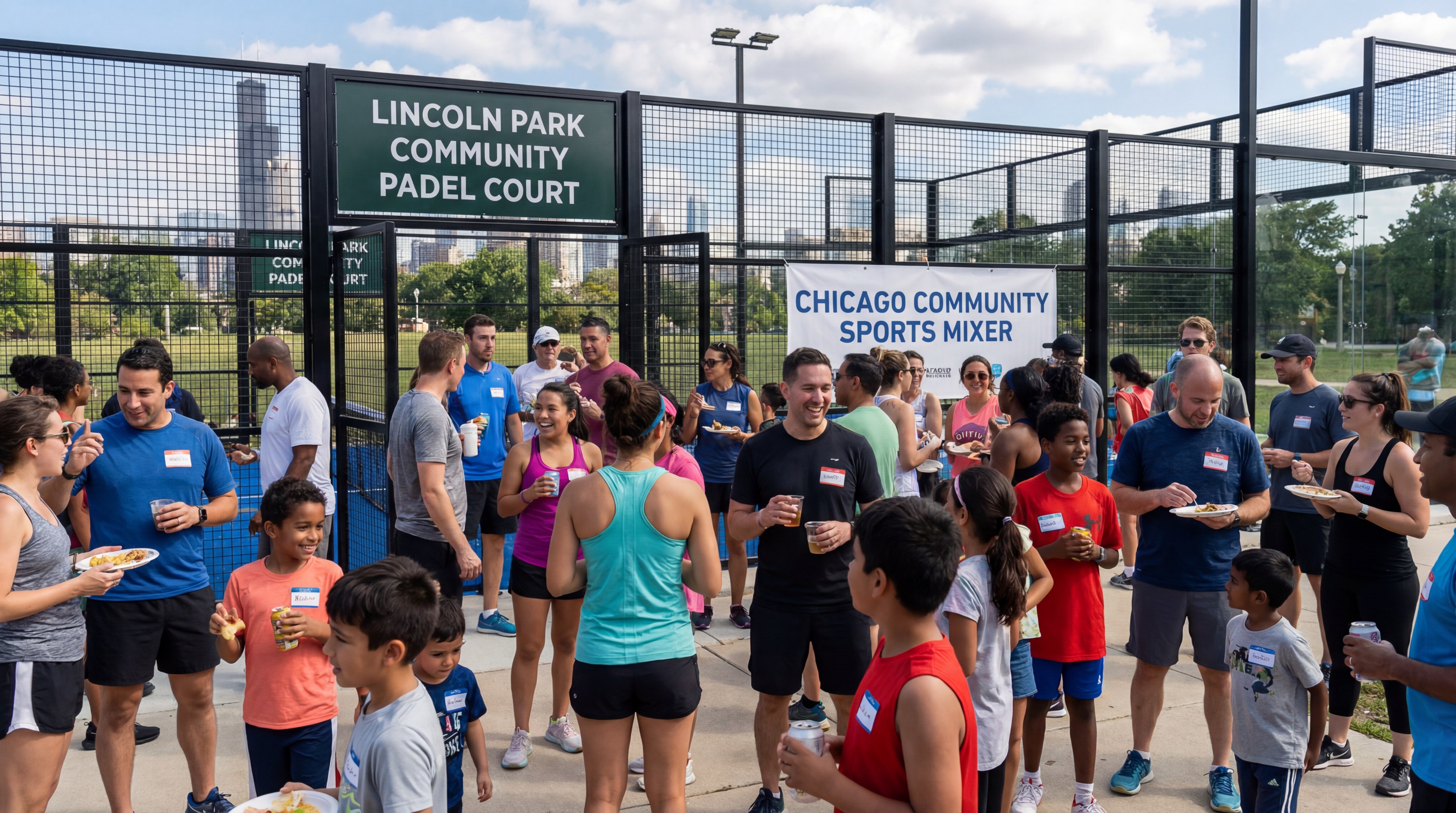
Indoor play is essential for padel chicago because the city’s extreme climate would otherwise limit your revenue to only four or five months a year. You need a climate-controlled environment to protect the specialized turf and glass from the elements.
Think about the weather:
Chicago winters will empty an outdoor court, but an indoor facility stays booked year-round.
How does climate control affect game quality?
Humidity and cold can change the bounce of the ball and cause condensation on the glass walls. You must invest in high-efficiency HVAC systems to ensure the “rebound” mechanics remain consistent for your players.
What are the design benefits of indoor hubs?
You can create an all-weather sanctuary that includes luxury locker rooms, saunas, and coworking spaces. This transforms your court into a daily destination regardless of the blizzard outside.
- Insulated walls for acoustics.
- High-intensity LED lighting for night play.
- Premium surfaces that stay dry and safe.
Strategic planning for indoor facilities ensures that your business maintains a steady cash flow through every season.
Key Takeaway: Year-round accessibility is the only way to sustain a profitable membership model in the Midwest.
| Season | Outdoor Status | Indoor Status |
|---|---|---|
| Summer | High demand, weather risks. | Peak comfort, consistent play. |
| Winter | Non-operational. | Max capacity, premium rates. |
| Spring/Fall | Unpredictable rain/wind. | 100% uptime guaranteed. |
How do you start padel chicago court construction?
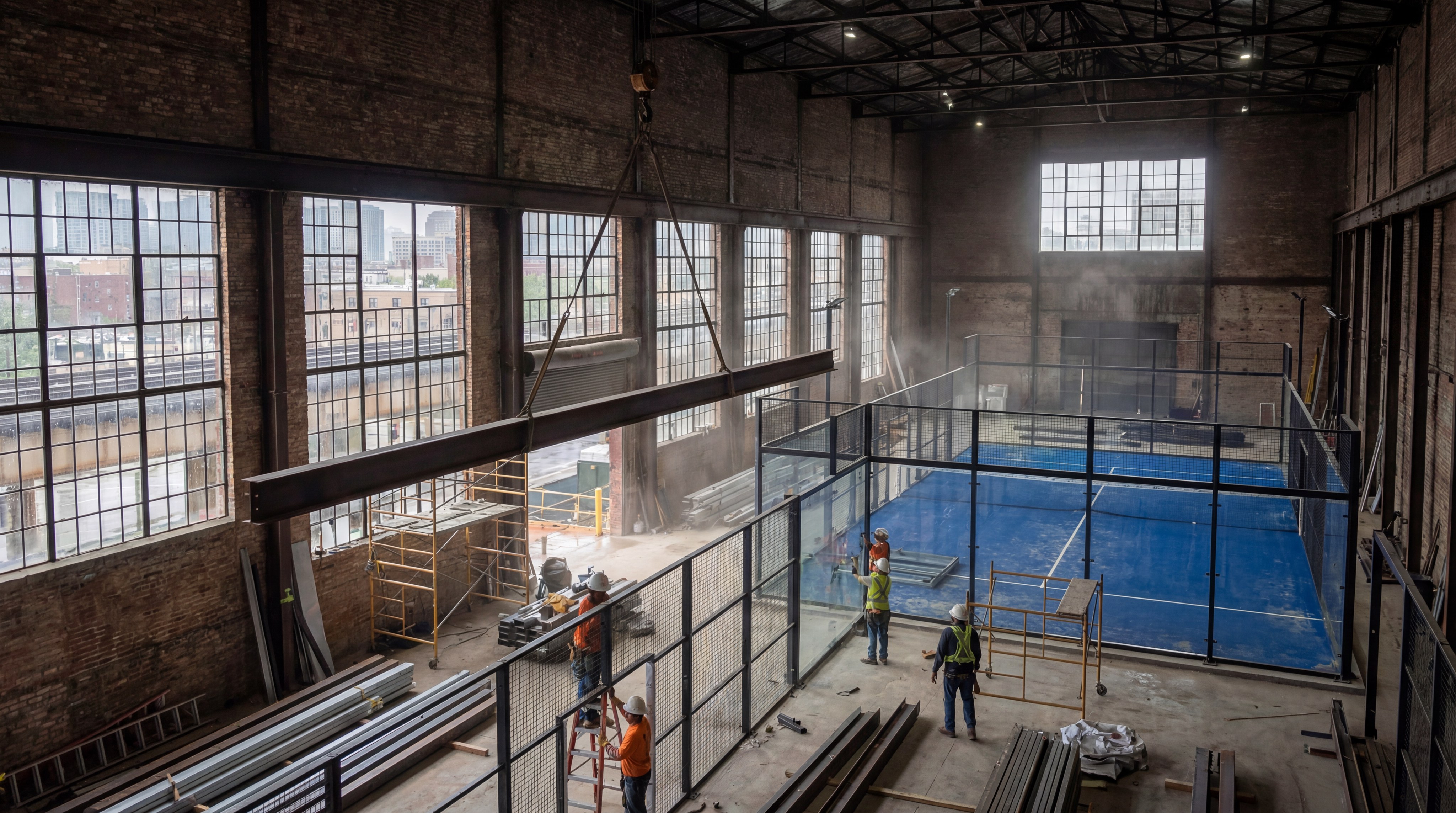
Starting padel chicago court construction begins with a reinforced concrete foundation and a precision-engineered steel frame. You must ensure that your site meets international standards to attract competitive players and professional tournaments.
It’s a technical process:
Precision is the difference between a world-class court and a liability.
What are the first steps in the build?
You need to pour a 15cm reinforced concrete slab with a 1% slope for drainage, even if you are building indoors. This provides the perfectly level surface required for the turf and glass installation.
How do you choose the right materials?
You should opt for zinc-rich primer steel frames to prevent rust in Chicago’s humid summers. Tempered safety glass is mandatory to handle the impact of players running into the walls during intense rallies.
- 10mm or 12mm tempered glass panels.
- Professional-grade monofilament synthetic turf.
- Integrated LED projector poles.
Following these engineering steps ensures your facility is both durable and compliant with national safety regulations.
Key Takeaway: Investing in high-quality materials during the initial build phase reduces long-term maintenance costs and improves player safety.
| Component | Standard Specification |
|---|---|
| Foundation | 15cm reinforced concrete. |
| Glass | Tempered safety glass (10-12mm). |
| Lighting | 8 LED projectors per court (200W+). |
What are the future trends for padel chicago real estate?
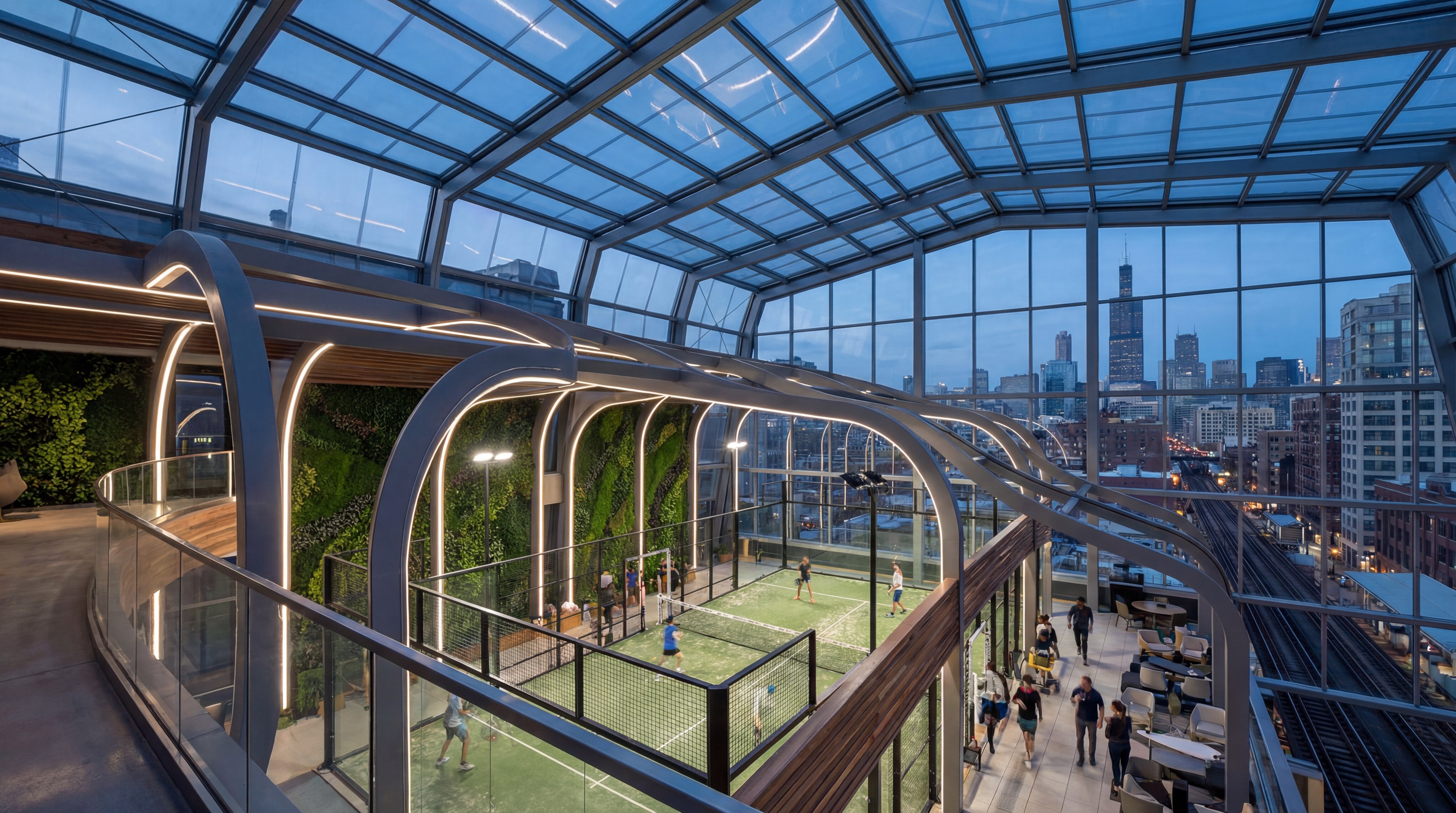
The future of padel chicago real estate involves the integration of courts into mixed-use developments and luxury residential towers. You will see courts appearing on rooftops and as centerpiece amenities for new corporate headquarters.
Look ahead:
The sport is evolving from a standalone facility into a core requirement for high-end urban living.
Will rooftop courts become common?
You can expect developers to utilize rooftop space to offer panoramic city views while maximizing square footage. This “lifestyle” approach justifies higher premium rates and attracts a younger, trend-conscious demographic.
How will technology integrate into the build?
You will eventually see smart courts equipped with automated video recording and AI-driven performance tracking. This allows players to review their matches and share highlights instantly on social media.
- Automated court booking apps.
- Live-streaming capabilities for tournaments.
- Biometric access for 24/7 members.
An analysis of urban trends shows that multi-functional spaces are the future of city-center recreation.
Key Takeaway: Moving toward tech-integrated and rooftop facilities will separate the market leaders from basic court operators.
| Trend | Market Impact |
|---|---|
| Rooftop Courts | Increases property value and “wow” factor. |
| AI Coaching | Provides value-add services without extra staff. |
| Mixed-Use | Guarantees foot traffic from residents and workers. |
Which technical specs are needed for padel chicago courts?
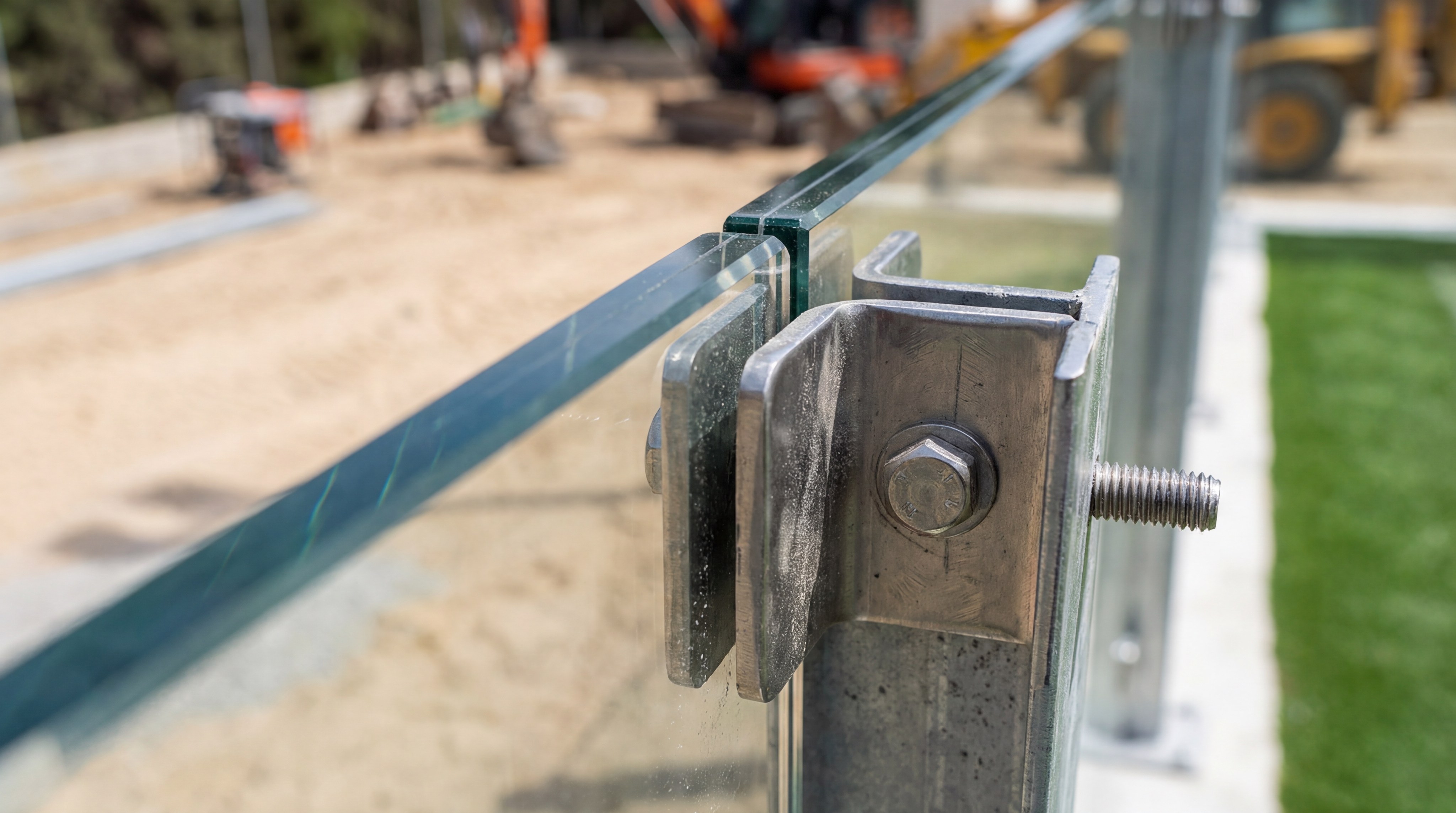
Technical specifications for padel chicago courts must adhere to a strict 10-meter by 20-meter footprint with specific tolerances for glass and mesh. You cannot afford to cut corners on the fastening systems, as these are the primary points of stress during a match.
Don’t miss the details:
The interaction between the glass and the ball defines the entire playing experience.
What is the ideal glass configuration?
You should use a panoramic glass design for center courts to allow for unobstructed viewing for spectators. This requires thicker 12mm glass to maintain structural integrity without the support of vertical metal beams.
How does the turf affect the game speed?
You need to select turf based on the desired “speed” of the court; textured monofilament provides better grip and a more consistent bounce. You must also ensure the sand infill is evenly distributed to prevent dead spots.
- Fibrillated turf for slower, beginner play.
- Monofilament for fast, professional matches.
- Blue or terracotta colors for high contrast.
A detailed technical audit of your build will ensure that your facility meets the expectations of high-level athletes.
Key Takeaway: Precision in the glass-to-frame fastening and turf selection is vital for a professional-grade bounce and player safety.
| Specification | Requirement |
|---|---|
| Court Size | 10m (W) x 20m (L). |
| Net Height | 88cm at center, 92cm at posts. |
| Mesh Quality | Electro-welded wire to prevent sagging. |
What are the ROI projections for a padel chicago business?
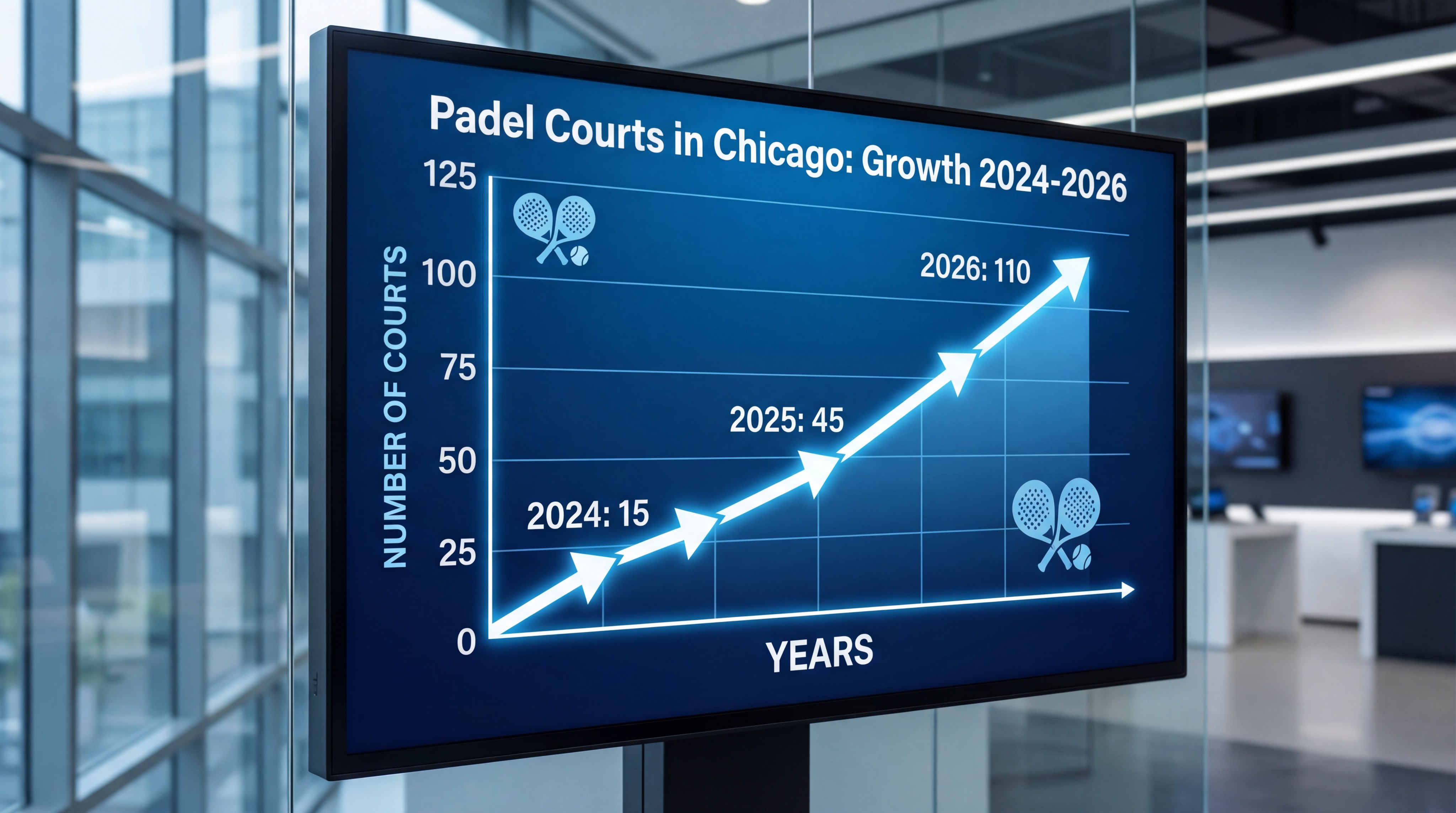
The ROI projections for a padel chicago business show a potential break-even point within 24 to 36 months depending on your membership model and location. You are looking at a high-margin business where operational costs are relatively low once the initial construction is complete.
The numbers don’t lie:
The growth trajectory for the next three years is vertical.
What are the primary revenue drivers?
You will generate income through a mix of monthly dues, hourly court rentals, and academy fees. Your lounge and retail sections should contribute an additional 15–20% to your total gross revenue.
How do you minimize operational overhead?
You can use automated lighting and HVAC systems that only activate when a court is booked via your app. This ensures you aren’t wasting energy during off-peak hours while maintaining a premium experience.
- Dynamic pricing for peak/off-peak hours.
- Automated ball machine rentals.
- Self-service pro-shop kiosks.
Looking at the financial forecasts, the scalability of this model makes it one of the most attractive ventures in the current sports market.
Key Takeaway: Diversifying revenue through memberships and retail while automating overhead is the path to rapid profitability.
| Revenue Stream | Projected Contribution |
|---|---|
| Court Rentals | 50% |
| Memberships | 30% |
| Retail/Cafe | 20% |
*
Summary of Solutions
By investing in this market, you solve the problem of facility scarcity, tap into a high-spending demographic, and secure a first-mover advantage in a booming social sport. Our brand vision is to transform the city’s recreational landscape into a hub of networking and athletic excellence. To begin your journey into this profitable market, contact us today for a custom consultation.
*
Frequently Asked Questions
Can I build a padel court in a standard Chicago warehouse?
Yes, provided the ceiling height is at least 25 feet and you have approximately 2,500 square feet available per court including safety margins.
What’s the best way to handle the local climate for outdoor courts?
If building outdoors, you must use galvanized steel and specialized drainage systems to survive the winter freeze-thaw cycles.
Can I convert an existing tennis court into padel courts?
Absolutely. You can typically fit three professional padel courts in the space of one standard tennis court, tripling your player capacity.
What is the average cost of a professional court installation?
A high-end indoor court typically ranges from $25,000 to $45,000 for equipment and setup, excluding site preparation and foundation work.
Can I operate a club without full-time on-site staff?
Yes, modern clubs utilize mobile apps for booking, biometric entry systems, and automated lighting to run “staff-light” or 24/7 operations.