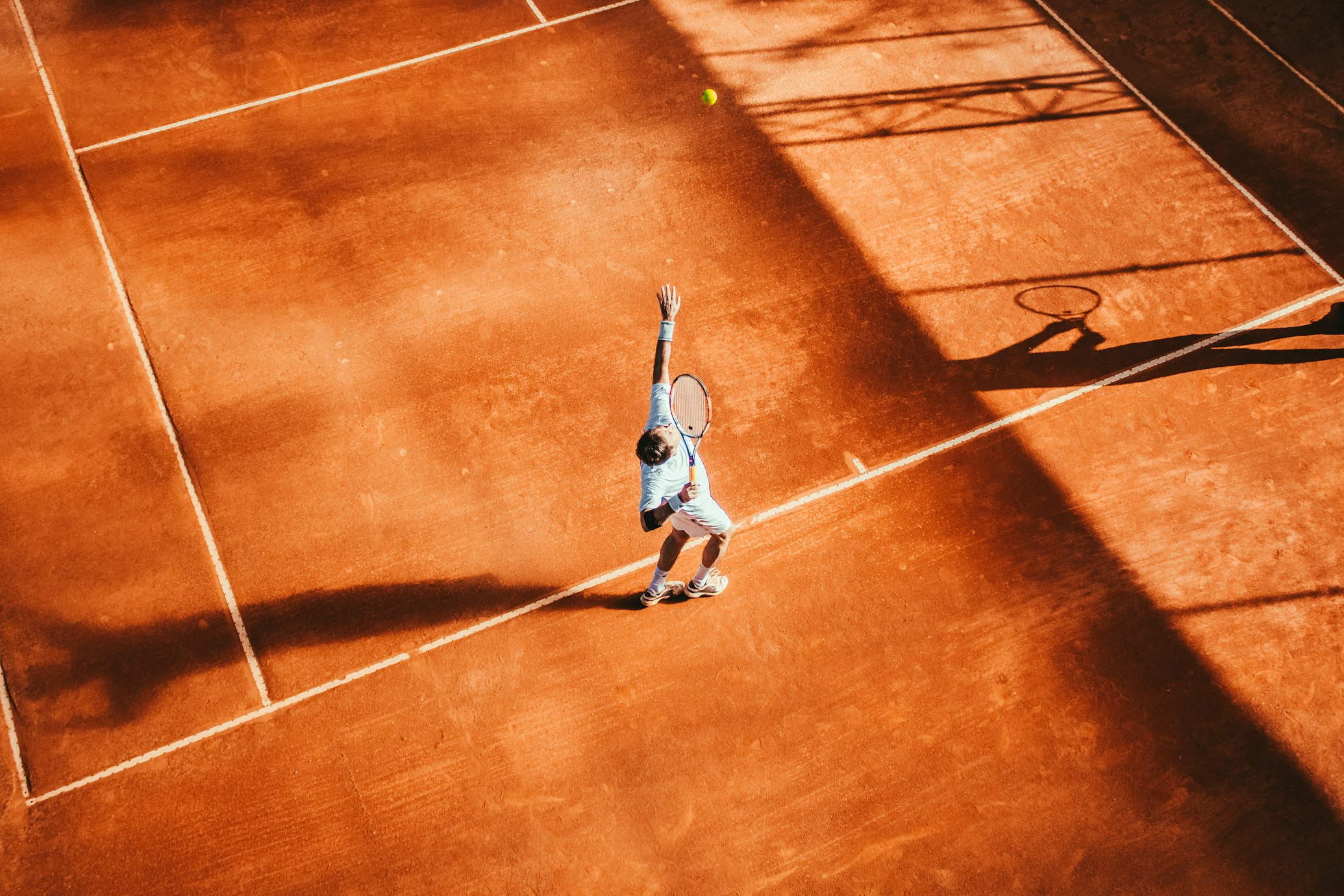
Padel is a fast-paced, glass-enclosed racquet sport that blends the high-energy volleys of tennis with the strategic wall-play of squash. Many Philadelphia athletes find themselves stuck in a rut with repetitive gym routines or solo workouts that provide little social fulfillment. This lack of engagement leads to burnout and a plateau in fitness progress, making you feel more like a machine than a member of a vibrant community. The solution lies in padel philadelphia, a sport designed for connection and accessibility that is currently transforming the city’s athletic landscape into a dynamic hub of social interaction.
1. What is the appeal of padel philadelphia for local athletes?

Padel philadelphia appeals to players because it offers a shorter learning curve than tennis while providing a more intense cardiovascular workout than pickleball. In the bustling neighborhoods of the city, athletes are flocking to this hybrid sport because it maximizes the physical benefits of a compact court.
Understanding the fusion of tennis and squash
The game is played on a synthetic turf surface that is roughly one-third the size of a standard tennis court. Unlike traditional sports, the presence of glass walls allows the ball to remain in play after hitting the enclosure, creating longer and more engaging rallies.
- Solid Paddles: Uses perforated rackets rather than strings for easier control.
- Underhand Serving: Reduces the technical advantage of power-servers.
- Doubles Only: Guarantees a social environment for every match.
- Enclosed Play: Utilizes the walls to create a unique 3D gameplay experience.
And here is the kicker:
You don’t need years of training to enjoy a competitive match with your friends.
Key Takeaway: The sport bridges the gap between casual recreation and high-level competition, making it the perfect fit for Philly’s diverse athletic demographic.
| Feature | Description | Benefit |
|---|---|---|
| Court Size | 10m x 20m | Faster pace with less running. |
| Walls | Tempered Glass | Keeps the ball in play longer. |
| Scoring | Tennis Style | Easy to learn for racket fans. |
Analysis: The structural design of the court encourages tactical thinking over raw power, democratizing the sport for all ages.
2. Why is padel philadelphia the next big community hub?

These facilities act as more than just courts; they are social engines designed to foster deep connections among padel philadelphia enthusiasts. In an era of digital isolation, these clubs provide a physical “third space” where residents can gather, compete, and relax.
Fostering connections beyond the scoreboard
Because the sport is played almost exclusively in a doubles format, it forces players to communicate and cooperate constantly. This innate social requirement makes the sport an ideal vehicle for building new friendships and networking within the local business community.
Look:
The layout of modern clubs prioritizing viewing areas and lounges ensures that the action continues long after the final point.
- Gender Inclusive: Women represent nearly 40% of the global player base.
- Post-Match Amenities: Clubs often feature wellness facilities like saunas and cafes.
- Urban Integration: Facilities are often repurposed from old industrial sites to revitalize neighborhoods.
Key Takeaway: The social infrastructure of these clubs is purposefully built to combat urban loneliness by centering activity around shared goals.
| Social Factor | Impact | result |
|---|---|---|
| Team Format | Forced Interaction | High community engagement. |
| Lounge Spaces | Post-game bonding | Improved member retention. |
| Clinics | Skill-based groups | Rapid social networking. |
Analysis: Data suggests that clubs with built-in social zones see significantly higher recurring visits than pure-play athletic facilities.
3. What wellness benefits does padel philadelphia offer players?
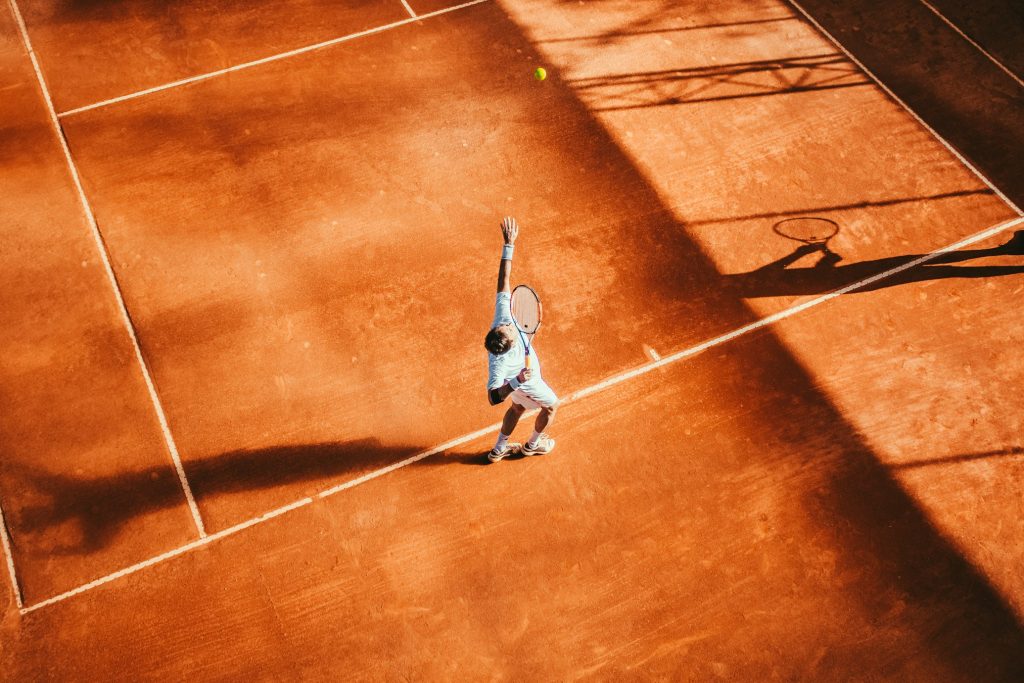
Playing padel philadelphia offers a comprehensive wellness experience that targets cardiovascular health, mental agility, and joint-friendly movement. For those in the city looking for a sustainable long-term exercise, the synthetic turf and glass rebounds provide a lower-impact alternative to hard-court sports.
Improving cardiovascular health and reaction times
The fast-paced nature of the game requires constant micro-adjustments in footwork, which significantly improves balance and coordination. Regular play can burn over 600 calories per hour while simultaneously sharpening your cognitive processing speeds through ball-trajectory analysis.
But here is the real secret:
The mental “flow state” achieved during a rally acts as a powerful stress-reliever for busy professionals.
- Low Impact: Synthetic turf reduces the strain on knees and ankles.
- Mental Focus: Requires split-second decision-making.
- Full Body: Engages the core, upper body, and legs.
Key Takeaway: Integrating this sport into your weekly routine provides a high-ROI workout that balances physical exertion with mental recovery.
| Health Metric | Padel Impact | Level |
|---|---|---|
| Caloric Burn | 600+ per hour | High |
| Joint Stress | Minimal | Low |
| Reflex Speed | Constant training | Extreme |
Analysis: The combination of aerobic and anaerobic exercise makes it one of the most efficient sports for modern metabolic health.
4. Which gear is essential for mastering padel philadelphia?

To excel in padel philadelphia, you need specialized equipment that differs from tennis, including stringless rackets and low-compression balls. Understanding your gear is the first step toward improving your win-rate and preventing common court injuries.
Choosing the right racket and technical apparel
Rackets come in three main shapes: round for control, teardrop for balance, and diamond for power. For beginners in Philadelphia, starting with a round racket allows for a larger “sweet spot,” which helps build confidence during those initial rallies.
Look at it this way:
The right shoes are non-negotiable, as you need a specific “herringbone” grip to handle the sand-infused turf safely.
- Technical Socks: Prevent blisters during rapid lateral movements.
- Moisture-Wicking Gear: Essential for Philly’s humid summer months.
- Protective Eyewear: Recommended for high-intensity indoor sessions.
Key Takeaway: Customizing your equipment to your specific playing style can dramatically accelerate your progression from a novice to an intermediate player.
| Equipment | Selection Criteria | Recommended For |
|---|---|---|
| Round Racket | Wide sweet spot | Beginners/Defensive. |
| Diamond Racket | High balance | Advanced/Aggressive. |
| Padel Shoes | Deep grip pattern | All skill levels. |
Analysis: Professional-grade gear transitions the user from reactive play to proactive strategy by providing more consistent ball feedback.
5. How does padel philadelphia compare to pickleball and tennis?

Comparing padel philadelphia to its counterparts reveals a sport that captures the athleticism of tennis with the proximity and social speed of pickleball. The defining difference is the 360-degree environment where the walls are your best friend rather than an obstacle.
Analyzing court size and gameplay mechanics
In tennis, the game is won at the baseline or the net, but in padel, the game is won through geometry and patience. The ability to let a ball pass you, hit the glass, and then play it on the rebound introduces a layer of strategy that other sports simply lack.
But here is the kicker:
The underhand serve removes the “ace” advantage, ensuring that rallies are long and physically demanding for both sides.
- Padel: High strategy, wall rebounds, 10m x 20m court.
- Pickleball: No-hit zones (kitchen), lightweight paddles, slow ball speeds.
- Tennis: Large courts, overhand serves, high impact on joints.
Key Takeaway: Padel offers the most balanced “middle ground,” providing a steep tactical challenge without requiring the immense court coverage of tennis.
| Sport | Primary Difficulty | Physical Strain |
|---|---|---|
| Tennis | Technical stroke | High |
| Pickleball | Short-game dinks | Low |
| Padel | Wall geometry | Moderate |
Analysis: The “Golden Point” scoring often used in padel tournaments ensures high-stakes drama and efficient match times.
6. Where are the best locations for padel philadelphia today?

Finding a game of padel philadelphia has become significantly easier as premium clubs open in refurbished transit depots and industrial zones. These locations are strategically chosen for their high ceilings and vast square footage, which are essential for professional-grade court installations.
Identifying premier clubs in the Greater Philadelphia area
Many new clubs are emerging in areas like Northern Liberties and Center City, offering members flexible access to high-end amenities. These venues prioritize a “private club” feel while remaining open to the public through clinics and introductory sessions.
Look:
A 90,000-square-foot facility can house multiple court types, ensuring you never have to wait long for a match.
- Repurposed Sites: Former SEPTA depots offer the perfect architectural footprint.
- Full Service: Locations typically include pro-shops and full-service locker rooms.
- Accessible: Most premier clubs are located near major transit lines for commuter convenience.
Key Takeaway: The move toward large-scale urban sports hubs is modernizing the Philadelphia landscape while providing valuable recreational space.
| Venue Type | Key Advantage | Best For |
|---|---|---|
| Industrial Conversion | Climate control | Year-round play. |
| Multi-Sport Hub | Network variety | Families and teams. |
| Private Boutique | Luxury amenities | Networking & Pros. |
Analysis: Geographic concentration in transitioning neighborhoods suggests the sport is a key driver of urban redevelopment.
7. How to build a professional padel philadelphia court facility?

Building a padel philadelphia court requires specific engineering, including a reinforced concrete base and high-specification tempered glass. To meet professional standards, developers must ensure the structure can withstand both the impact of high-speed play and the environmental demands of the Northeast.
Technical specifications for professional-grade courts
The foundation must be a perfectly level 4-inch concrete slab to prevent the glass panels from shifting over time. Using galvanized steel for the frame is essential for preventing rust, especially if the court is in a semi-outdoor or humid environment.
But here is the real kicker:
The choice of “curly” vs. “monofilament” turf will dictate the speed of play and the maintenance requirements of the facility.
- Glass: 12mm thickness is the gold standard for safety and bounce.
- Lighting: LED systems must provide 400-600 lux for optimal visibility.
- Net Systems: Must be high-tension to prevent sagging during intensive matches.
Key Takeaway: Professional construction is a complex investment that yields superior player safety and a much longer facility lifespan.
| Component | Professional Standard | Purpose |
|---|---|---|
| Glass | 12mm Tempered | Structural safety. |
| Lighting | 8-projector LED | Visibility. |
| Turf | Monofilament | Consistent slide. |
Analysis: High-quality materials reduce long-term maintenance costs by over 40% compared to “budget” court builds.
8. What social events define the padel philadelphia experience?

Community engagement is the lifeblood of padel philadelphia, with clubs hosting everything from beginner clinics to high-stakes tournaments. These events aren’t just about winning; they are about integrating new players into the city’s growing network of racquet sport fans.
Hosting tournaments and league nights
Leagues are typically organized by skill level, ensuring that everyone looks forward to a competitive but fair match every week. Round-robin formats are particularly popular in Philly because they allow you to rotate partners and meet a larger cross-section of the club’s membership.
Look at the upside:
Corporate events are increasingly moving from the golf course to the padel court for a more modern team-building experience.
- Junior Academies: Developing the next generation of Philly athletes.
- Exhibition Matches: Watching pros play to learn advanced tactics.
- Themed Socials: Combining sport with local food and drink culture.
Key Takeaway: A robust events calendar is what separates a world-class sports club from a basic court rental facility.
| Event Type | Target Audience | Primary Goal |
|---|---|---|
| Round Robin | Solo players | Social matching. |
| Ladder League | Competitive types | Official ranking. |
| Clinics | Newcomers | Skill development. |
Analysis: Participation in organized club events is the fastest-known way for a player to jump from beginner to intermediate status.
9. How does technology enhance the padel philadelphia game?

The modern padel philadelphia experience is heavily augmented by technology, from smart-booking apps to AI-driven video analysis. These tools make it easier than ever to track your progress, find partners, and reserve your spot on the court with a few taps.
Integrating smart courts and digital coaching
Many premium venues now feature “Play-Sights” or similar camera systems that record your matches for later review. This allows you to analyze your positioning and footwork, providing a level of self-coaching that was previously available only to professional athletes.
But here is the kicker:
Automated “Matchmaking” algorithms in club apps help find the perfect partner based on your current skill rating.
- Auto-Scoreboards: Digital displays that track the match in real-time.
- Video Playback: Instant analysis of your last point.
- Smart Access: Keyless entry for members during off-peak hours.
Key Takeaway: Tech-forward clubs provide a more streamlined and data-driven path to athletic improvement compared to traditional parks.
| Tech Feature | User Benefit | impact |
|---|---|---|
| Booking Apps | Schedule control | High convenience. |
| Video Analysis | Visual learning | Faster improvement. |
| Skill Ratings | Fair matchups | Better game quality. |
Analysis: Digital integration increases player engagement by gamifying the learning process through data and rankings.
10. What does the future look like for padel philadelphia?
The future of padel philadelphia is one of rapid expansion and deeper cultural integration into the city’s identity. As the sport gains Olympic consideration, local interest will only surge, leading to more public-private partnerships and school-level programming.
Anticipating growth and new urban installations
We expect to see the sport expand beyond private clubs and into public parks, making it accessible to a wider demographic of Philadelphians. This “democratization” of the sport will solidify it as a permanent staple of the city’s recreational offerings for decades to come.
Look at it this way:
The current boom is just the beginning of a larger shift toward high-speed, social fitness.
- Public Courts: Future city council initiatives to build courts in local parks.
- College Programs: University-level teams and club leagues.
- National Tournaments: Philly becoming a stop for major US padel tours.
Key Takeaway: The sport is not a passing trend; it is a structural shift in how urban dwellers engage with fitness and community.
| Trend | Estimated Timeline | Impact |
|---|---|---|
| Public Park Courts | 2026-2027 | Increased accessibility. |
| Collegiate Leagues | 2027 | Youth growth. |
| AI-Coaching Kiosks | 2026 | Enhanced training. |
Analysis: The scalable nature of padel courts (smaller than tennis) makes them the ideal candidate for future urban green-space planning.
Frequently Asked Questions
- Is padel philadelphia harder than pickleball?
It is physically more demanding than pickleball due to the larger court and the need to play off the walls. However, the basic strokes are very easy to pick up, making it extremely beginner-friendly. - Can I play indoors to avoid the winter weather?
Yes, the majority of professional clubs in the city offer indoor, climate-controlled environments so you can play year-round regardless of the snow or humidity. - Do I need to buy a racket before my first session?
Most clubs offer high-quality racket rentals for a small fee. This allows you to try different weights and shapes before making a purchase. - What is the best way to find a partner?
Most local clubs use a dedicated app where you can list your skill level and join open matches hosted by other members. - How many people do I need to play?
Padel is almost always played as doubles (2 vs. 2). If you don’t have a team of four, the clubs’ matchmaking systems will help fill the remaining spots.
Our Stance
At Padel39, we believe that the soul of any city is its community, and nothing builds community quite like the shared energy of the court. We are committed to leading the charge in urban sports innovation by providing the tools and spaces where athletes of all levels can thrive. If you are ready to experience the most exciting sport in the world, contact us today to find a court or book your first clinic.