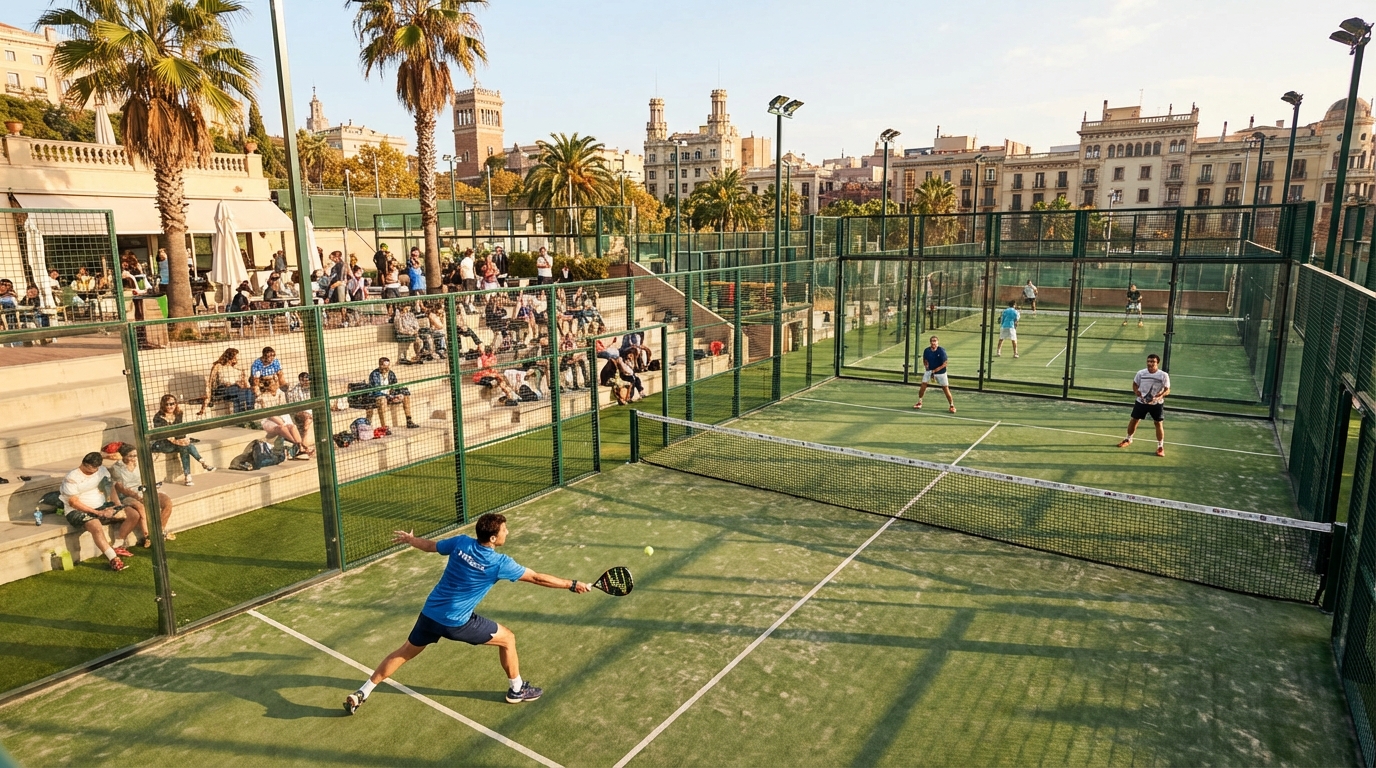
Padel in Spain is a high-growth sports ecosystem characterized by world-class infrastructure and a social lifestyle that investors can replicate to achieve premium facility returns. You might notice that your current sports facility is struggling to attract a younger, high-spending demographic despite the rising global interest in racquet sports. Without the right technical knowledge and cultural integration, your investment risks becoming a generic court that fails to engage the lucrative padel spain? community. We provide the blueprint to transform your space into a high-performance hub that mirrors the success of the Spanish model.
What makes the coast ideal for padel spain?
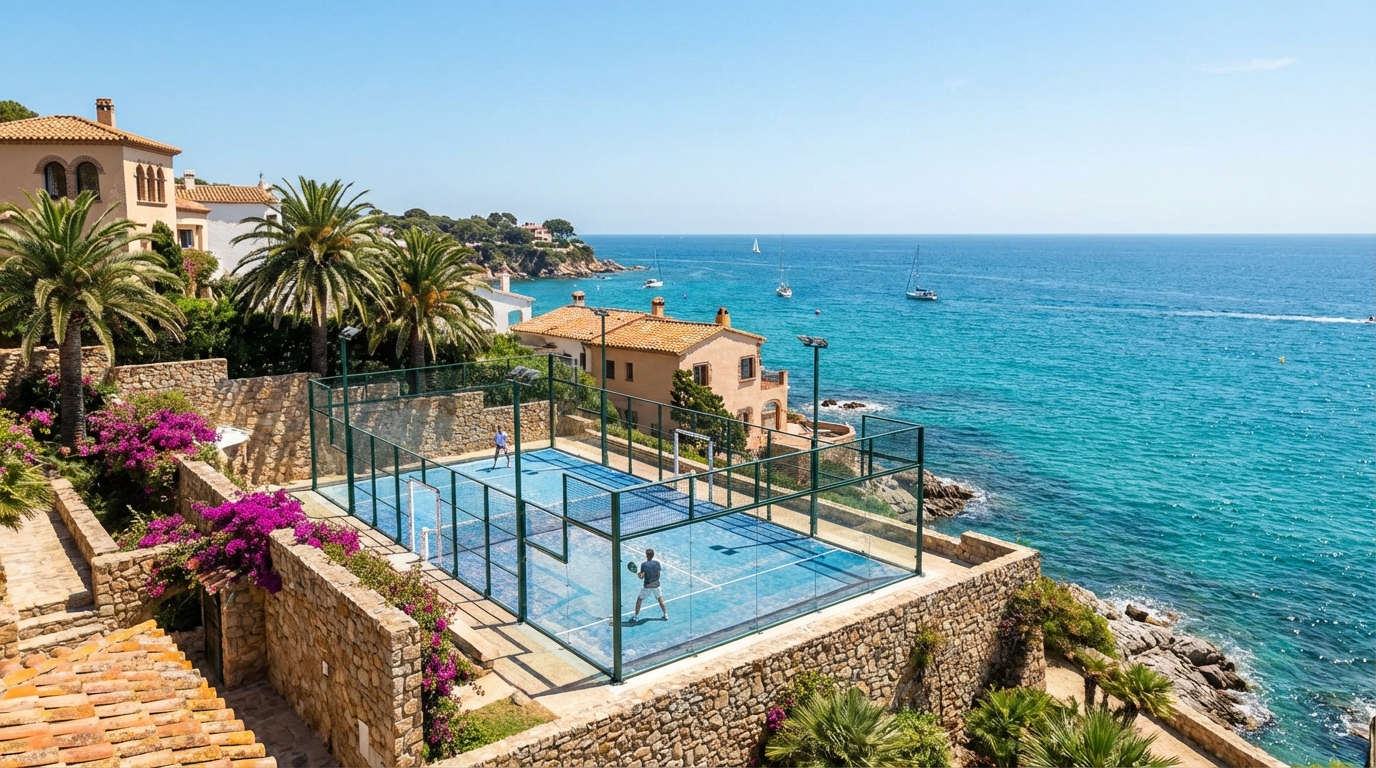
The Spanish coast is ideal because its moderate Mediterranean climate allows for year-round outdoor play, maximizing the operational hours of every padel spain? installation. Coastal regions leverage natural light and sea breezes to create a premium atmosphere that traditional indoor gyms cannot match. This environment specifically appeals to luxury tourists and high-net-worth residents looking for an active social lifestyle.
Mediterranean views and refreshing sea breezes
Coastal facilities often position their courts to face the horizon, enhancing the player experience through aesthetic appeal. High-grade glass walls are essential here to withstand salt air while maintaining crystal-clear visibility.
Think about it:
- Players stay longer when the environment is scenic.
- Natural ventilation reduces the need for expensive cooling systems.
- Visual appeal drives social media marketing for your club.
High density of beachfront clubs and facilities
The concentration of clubs along the shoreline creates a competitive yet collaborative sports hub. You can find everything from community courts to five-star resort facilities within a short distance.
But wait, there’s more:
Professional clubs in these areas often integrate “beach club” amenities to increase secondary revenue. This density ensures a constant flow of players for tournaments and social mixers.
Key Takeaway: You can achieve higher court occupancy and premium pricing by choosing coastal or scenic locations that offer natural ventilation and visual prestige.
| Feature | Coastal Benefit | Impact on ROI |
|---|---|---|
| Climate | 300+ Playable Days | Maximized Booking Revenue |
| Aesthetics | Scenic Branding | Higher Membership Retention |
| Airflow | Natural Cooling | Lower Utility Expenses |
Strategic coastal placement allows facilities to charge up to 40% more for court rentals compared to standard urban centers.
How does central padel spain? compare to the coast?
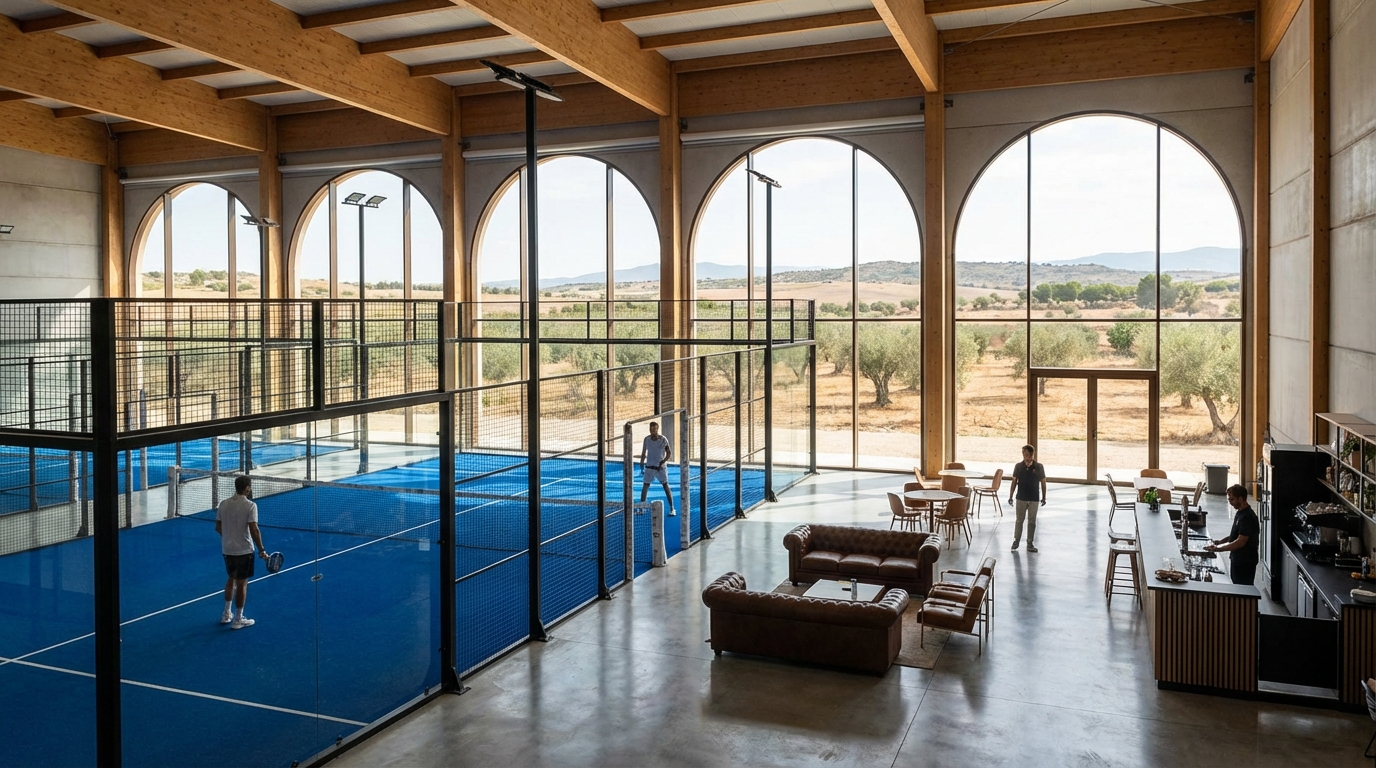
Central Spain focuses on high-capacity indoor infrastructure and climate-controlled environments to ensure consistent playability regardless of extreme seasonal temperatures. While the coast relies on natural beauty, central padel spain? hubs prioritize technological excellence and professional training facilities. These urban centers are designed for the dedicated player who values performance and technical coaching over leisure.
Urban infrastructure and indoor facility excellence
Inland cities like Madrid utilize large-scale industrial warehouses converted into premium sports centers. These facilities offer a controlled environment that eliminates the variables of wind and rain.
Look:
- Integrated LED lighting systems ensure professional visibility 24/7.
- High-ceiling structures allow for the “lob” shots essential to high-level play.
- Acoustic treatments improve the social atmosphere during peak hours.
Professional training academies in the capital
The central region is the heart of the coaching industry, hosting elite academies that attract international talent. You will find that these clubs focus heavily on structured lessons and player development programs.
- High-frequency clinics.
- Multi-court tournament layouts.
- Video analysis suites for technical feedback.
Key Takeaway: Investing in central or urban locations requires a focus on indoor court technology and professional coaching staff to attract a serious, recurring clientele.
| Aspect | Central/Inland | Coastal/Resort |
|---|---|---|
| Primary Focus | Technical Training | Leisure & Social |
| Court Type | Indoor/Roofed | Outdoor/Panoramic |
| Target Market | Local Professionals | Tourists & Expats |
Urban facilities should prioritize high-tech surfaces and lighting to compensate for the lack of natural outdoor ambiance.
Why is padel spain? booming in Andalusia?
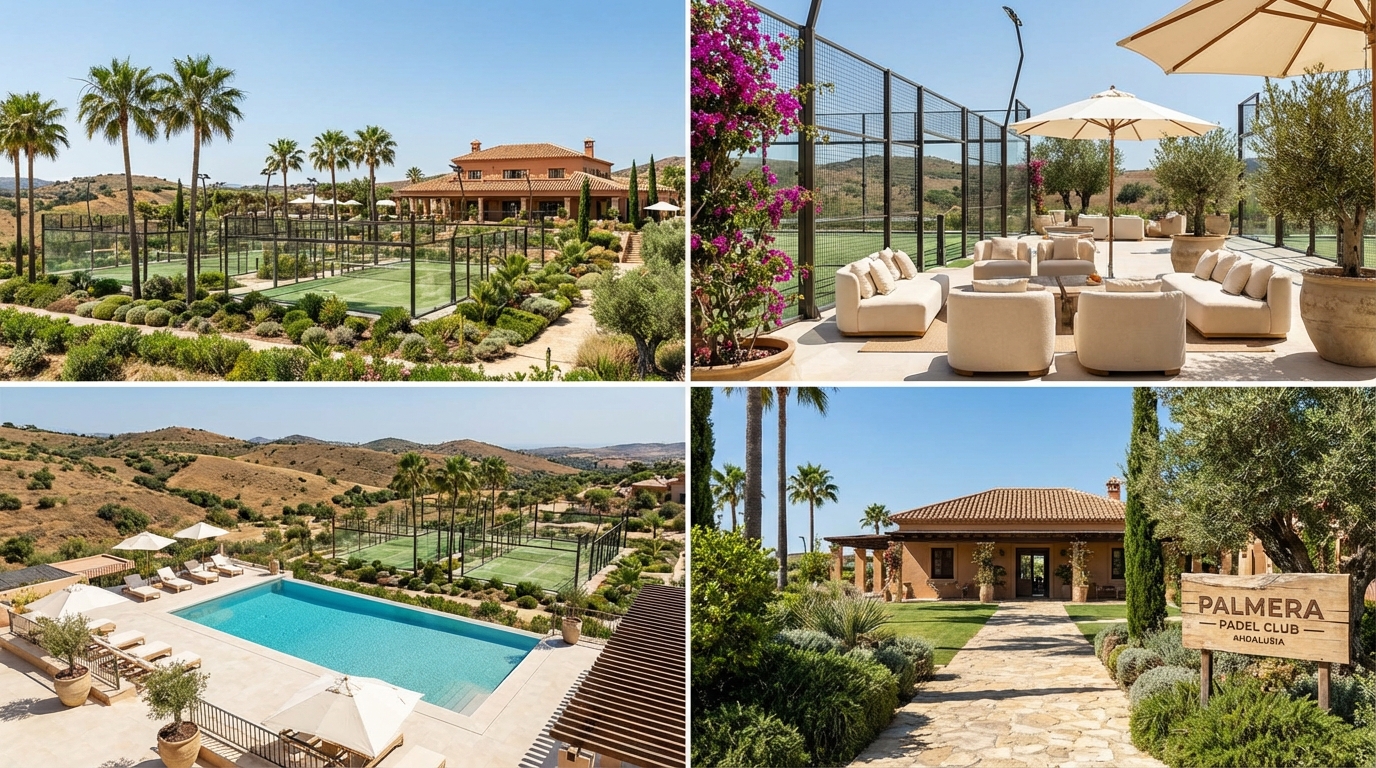
Andalusia is booming because it serves as the historical birthplace of the sport in Europe, offering an authentic padel spain? experience that blends tradition with luxury. The region’s infrastructure is specifically tailored to high-end sports tourism, making it a global benchmark for resort-style court management. You can see the influence of Marbella’s elite clubs in every aspect of the region’s sports development.
The historical birthplace of the sport in Marbella
Marbella introduced the first courts in the 1970s, setting a standard for exclusivity and social prestige. Today, this heritage translates into a mature market with very high player proficiency and expectations.
Here is the deal:
- Heritage builds immediate brand trust for new clubs.
- The local culture prioritizes the sport as a primary social activity.
- Established networks make it easier to host high-profile professional events.
Luxury resorts and exclusive sporting experiences
Southern Spain has mastered the art of integrating sports into the hospitality sector. Many five-star resorts now consider high-quality courts as essential as a swimming pool or golf course.
Actually:
The demand for “panoramic” court designs is highest here to match the upscale surroundings. These courts remove structural barriers to provide an unobstructed view for spectators.
Key Takeaway: Emulating the Andalusian model means focusing on high-end aesthetics and social prestige to attract a luxury-oriented demographic.
| Factor | Andalusian Model | Business Value |
|---|---|---|
| Design | Panoramic Glass | Premium Visual Appeal |
| Service | Concierge Matchmaking | Higher Social Engagement |
| Culture | Post-Match Socials | Increased Food & Beverage Sales |
Authentic Andalusian-style clubs generate significant secondary revenue through high-end hospitality services integrated into the sports facility.
Where are the top clubs for padel spain? in Barcelona?
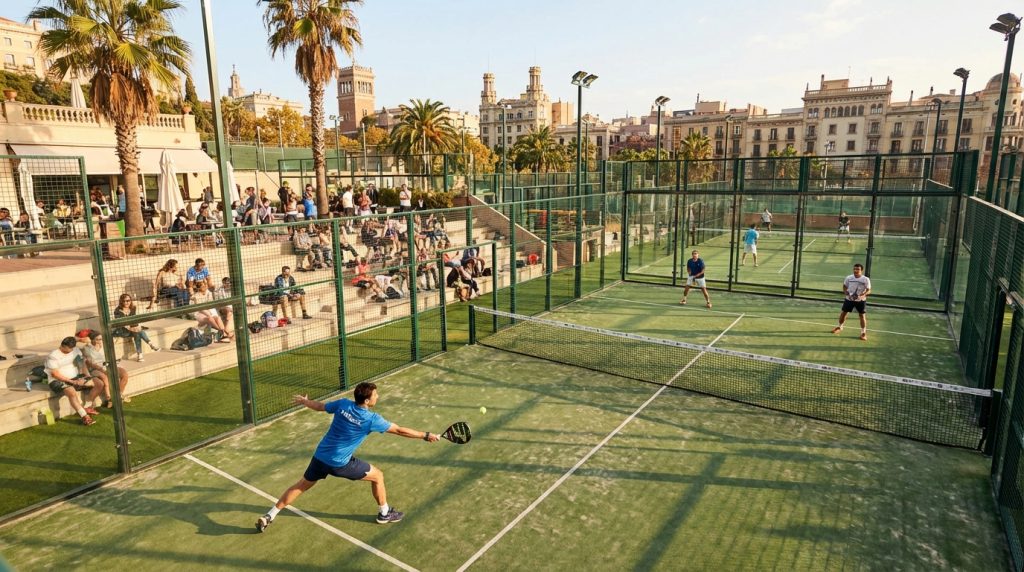
The top clubs in Barcelona are typically located in urban coastal pockets or historic sporting societies that offer a blend of sea views and high-level competitive play. In Barcelona, padel spain? is deeply integrated into the city’s active, design-conscious culture. You will find facilities that emphasize modern architecture and social inclusivity, reflecting the city’s cosmopolitan identity.
Iconic courts overlooking the sea and Montjuïc
Clubs situated on the hills of Montjuïc or right on the Mediterranean coastline offer some of the most visually stunning match settings in the world. These locations are highly sought after for corporate events and international exhibitions.
Think about it:
- Prime locations allow for higher membership fees.
- Panoramic views provide a natural backdrop for televised matches.
- Proximity to urban centers ensures high weekday traffic.
Modern urban hubs for social and competitive matches
Barcelona’s industrial districts have been revitalized into sleek, modern padel hubs that cater to the tech and creative sectors. These clubs often feature the latest in synthetic turf technology for consistent ball bounce.
In essence:
- Mobile apps for court booking are standard.
- Automated lighting systems reduce operational staff requirements.
- Modern locker rooms and cafes attract the “after-work” crowd.
Key Takeaway: In metropolitan markets, your success depends on combining architectural design with smart technology to serve a busy, professional population.
| Urban Priority | Implementation | Member Benefit |
|---|---|---|
| Accessibility | Near Public Transit | Reduced Travel Time |
| Technology | Automated Bookings | 24/7 Facility Access |
| Design | Industrial Chic | “Instagrammable” Spaces |
Designing your club with a focus on urban aesthetics can attract lucrative corporate partnerships and sponsorship deals.
How can beginners experience padel spain? in Madrid?
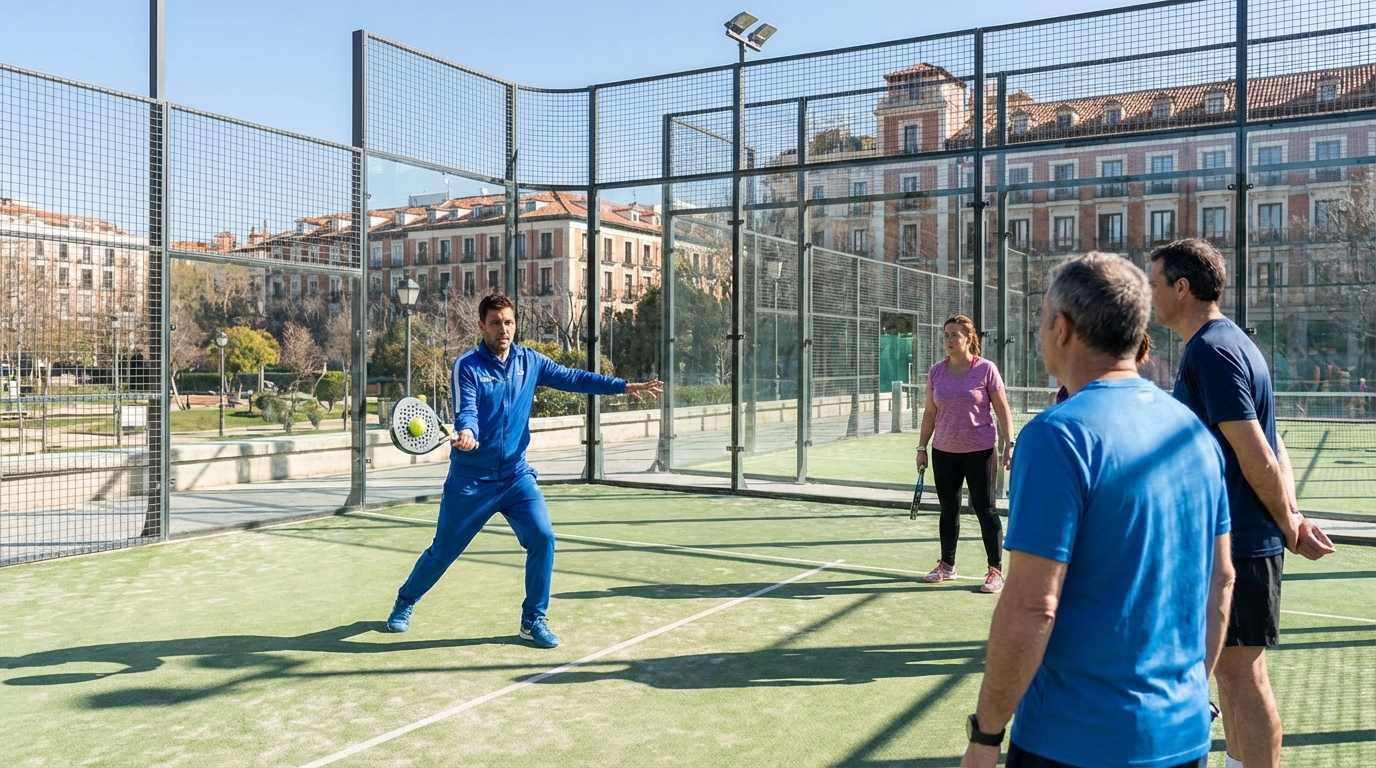
Beginners in Madrid can experience the sport through massive municipal sports centers and specialized “Intro” clinics designed to build fundamental skills quickly. The city serves as a padel spain? gateway, offering accessible price points and a low barrier to entry for new players. You will find that the beginner market is the largest growth sector for any new facility.
Intro sessions at local community sports centers
Public facilities in Madrid make the sport accessible to everyone, regardless of their socioeconomic status. This creates a massive pipeline of new players who eventually move to private clubs.
Let’s dive in:
- Hourly rentals are affordable for trial sessions.
- Group lessons allow beginners to learn in a low-pressure environment.
- Equipment rental services eliminate the need for an initial large investment.
Casual social mixers to meet fellow enthusiasts
The social aspect of the sport is emphasized from day one, with “Americano” style tournaments specifically for lower-ranked players. This builds a community that keeps people coming back.
The best part?
You don’t need a partner to play; clubs use ranking systems to match you with similar players. This “matchmaking” service is a key retention tool for club owners.
Key Takeaway: By offering structured beginner programs and social matchmaking, you can secure a loyal customer base that grows with your facility.
| Program Type | Target Goal | Retention Strategy |
|---|---|---|
| Discovery Clinics | Skill Acquisition | Discounted First Lesson |
| Social Mixers | Community Building | Post-Game Drink Included |
| Ranking Leagues | Long-term Progress | Monthly Trophy Events |
Facilities that focus 20% of their court time on beginner development see a 35% increase in long-term membership stability.
What budget is needed for padel spain? holidays?
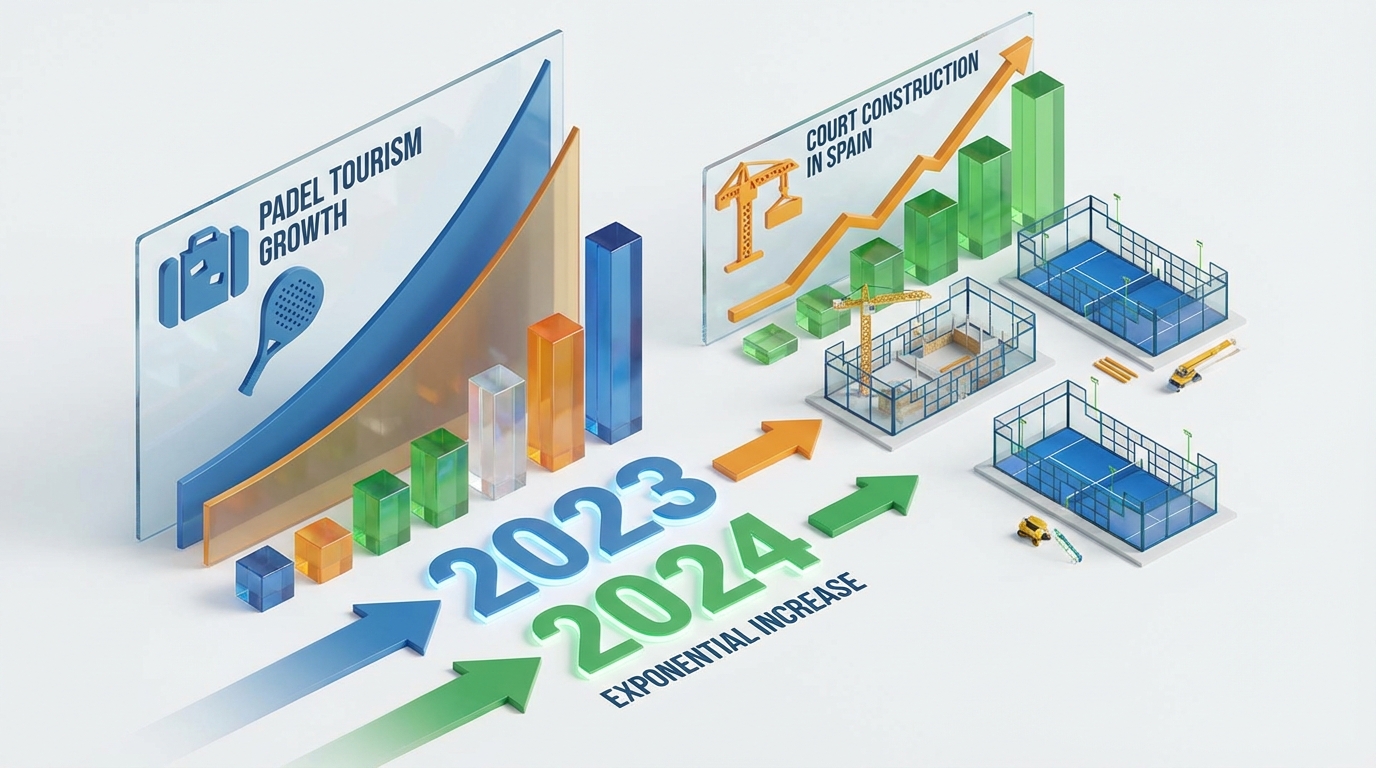
The budget for a sports-focused trip depends on whether you opt for a local community experience or a luxury academy-led package. Managing a padel spain? budget involves balancing court fees, coaching, and premium equipment rentals. For a business owner, understanding these price points helps you position your own facility’s pricing strategy relative to the global market.
Comparative breakdown of low-cost and luxury packages
Budget travelers often use municipal courts where fees are minimal, while luxury seekers pay for all-inclusive resort packages. The disparity in pricing reflects the level of service and court quality provided.
Make no mistake:
- Luxury packages include pro-level coaching and video analysis.
- Low-cost options rely on community matchmaking and self-organized play.
- Mid-range “sports hotels” are the fastest-growing sector for international groups.
Analysis of court rentals and professional coaching fees
In Spain, court rentals are remarkably affordable compared to the US or Northern Europe, often ranging from €15 to €40 per hour. However, private coaching from a former pro can exceed €80 per hour.
Look:
- Peak hours (after 6 PM) always command a premium.
- Group lessons significantly lower the cost per person while increasing court revenue.
- Subscription models provide the most predictable income for club owners.
Key Takeaway: Tiered pricing allows you to capture both the volume of casual players and the high margins of dedicated enthusiasts.
| Expense Category | Budget Range (Daily) | Service Level |
|---|---|---|
| Court Rentals | €10 – €25 | Standard Play |
| Pro Coaching | €40 – €100 | Technical Mastery |
| Gear Rental | €5 – €15 | Entry-Level Rackets |
Analyzing the Spanish price floor allows international developers to set competitive rates that reflect local purchasing power.
When is the best season for padel spain? travel?
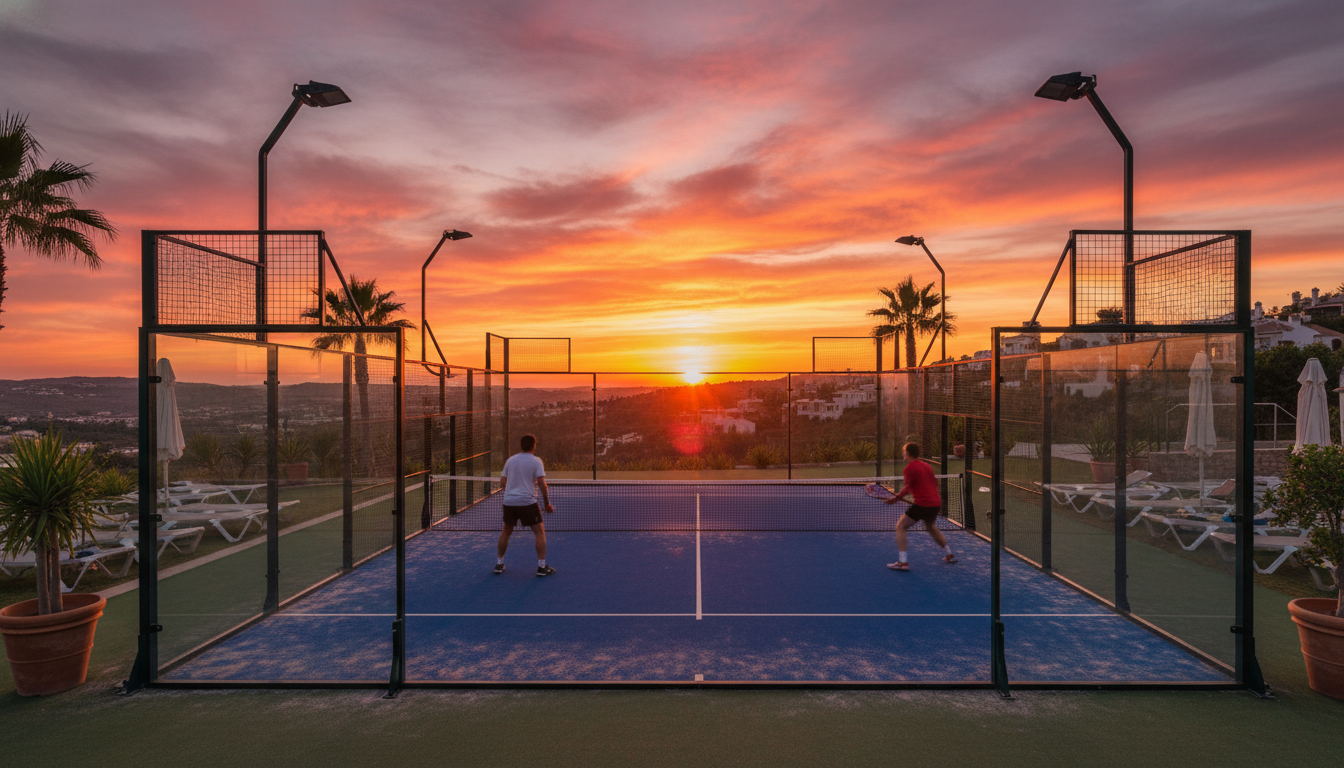
The best season for outdoor play is during the spring (April-June) and autumn (September-October) when temperatures remain mild enough for high-intensity matches. During these months, the padel spain? market reaches peak activity, with outdoor courts booked weeks in advance. If you are operating a facility in a region with extreme weather, installing a roofed system is the only way to ensure 365-day revenue.
Optimal spring and autumn temperatures for outdoor play
These “shoulder seasons” provide the perfect balance of sun and cool air, preventing player fatigue and heat stroke. The ball also reacts most predictably in these humidity levels.
Interestingly enough:
- Evening matches under floodlights are a cultural staple during these months.
- Tournament schedules are most dense in May and October.
- High-altitude inland clubs offer a cooler alternative during early summer.
Managing the peak summer heat in southern regions
In July and August, outdoor play in the south is nearly impossible during midday. This is where indoor centers or facilities with high-quality roofing systems dominate the market.
Actually:
Many clubs switch to a “split shift” schedule, opening very early in the morning and staying open until 2 AM. This flexibility is crucial for maintaining cash flow during heatwaves.
Key Takeaway: Climate-proof your investment by incorporating roofed or indoor courts to mitigate the impact of seasonal weather shifts.
| Season | Playability | Revenue Strategy |
|---|---|---|
| Spring | 100% Outdoor | High-Volume Tournaments |
| Summer | Indoor/Late Night | Early Bird Discounts |
| Autumn | 100% Outdoor | Corporate Retreats |
Roofed courts can increase your summer revenue by 60% in regions prone to extreme heat or frequent rain.
What gear should you pack for padel spain? trips?
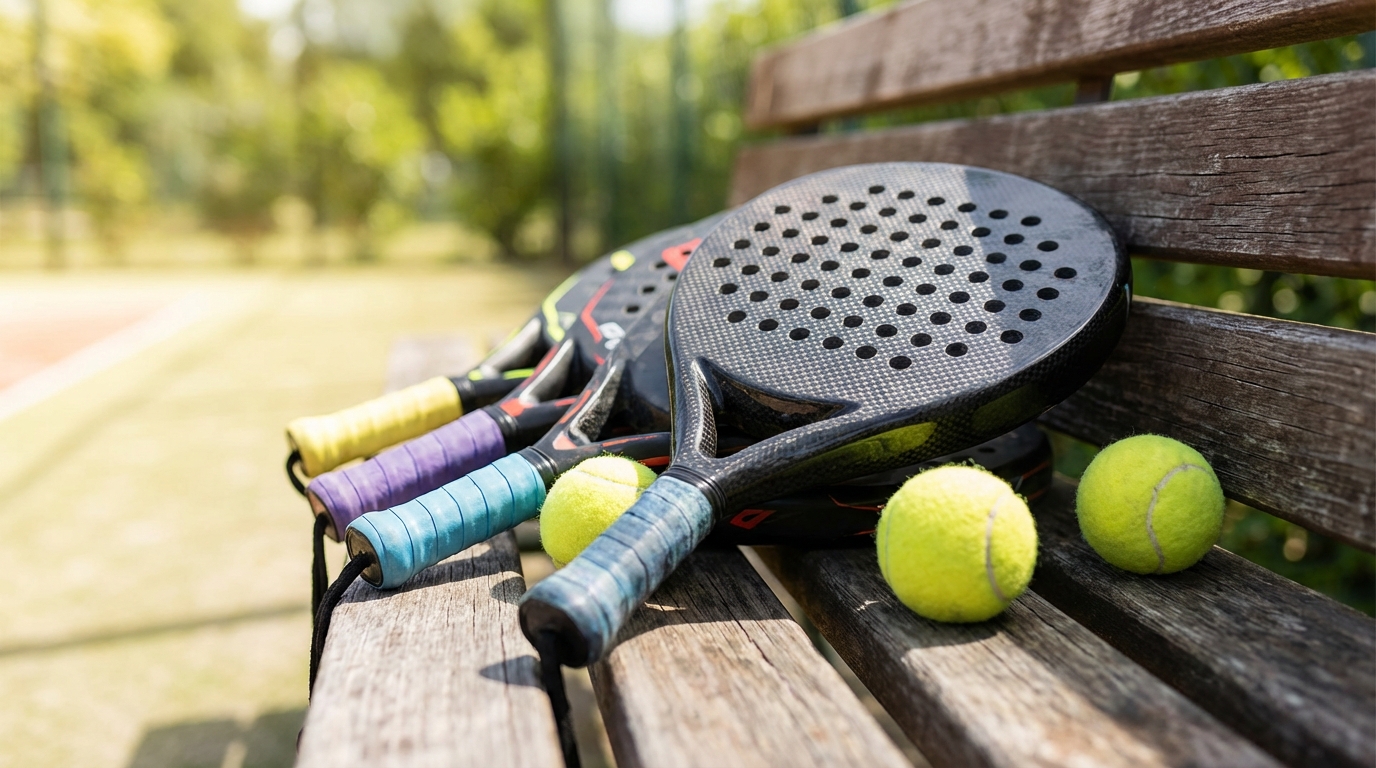
You should pack a high-balance carbon fiber racket and specialized clay-court or “omni” shoes designed to grip the sand-filled synthetic turf. Proper gear is essential for the padel spain? experience, as the high-intensity nature of the game can lead to injury if using substandard equipment. For club owners, stocking a pro-shop with these specific items provides a significant secondary income stream.
Essential racket choices for different humidity levels
The racket you use in a dry inland city may perform differently in a humid coastal town. Soft foam cores are often preferred in the heat to maintain control over the ball’s increased “pop.”
Think about it:
- Carbon fiber provides the durability needed for high-frequency play.
- Overgrips should be changed every 2-3 matches to maintain a secure hold.
- Racket protectors save your investment from the glass walls and mesh.
Proper footwear for artificial turf and sand surfaces
The “herringbone” sole pattern is the industry standard for preventing slips on the sand-filled turf. Using standard tennis shoes can lead to ankle injuries due to the different lateral movement patterns.
But wait, there’s more:
Professional shoes offer reinforced lateral support for the frequent pivots and lunges. This technical requirement creates a recurring sales opportunity for your pro-shop.
Key Takeaway: Providing high-quality gear rentals and a curated pro-shop ensures player safety while boosting your facility’s total revenue.
| Gear Item | Recommended Feature | Benefit to Player |
|---|---|---|
| Racket | Carbon Frame | Durability & Power |
| Shoes | Herringbone Sole | Traction & Safety |
| Balls | Pressurized (High Alt) | Consistent Bounce |
A well-managed pro-shop can contribute up to 15% of a club’s total annual turnover through gear sales and restringing services.
How does padel spain? culture connect players?
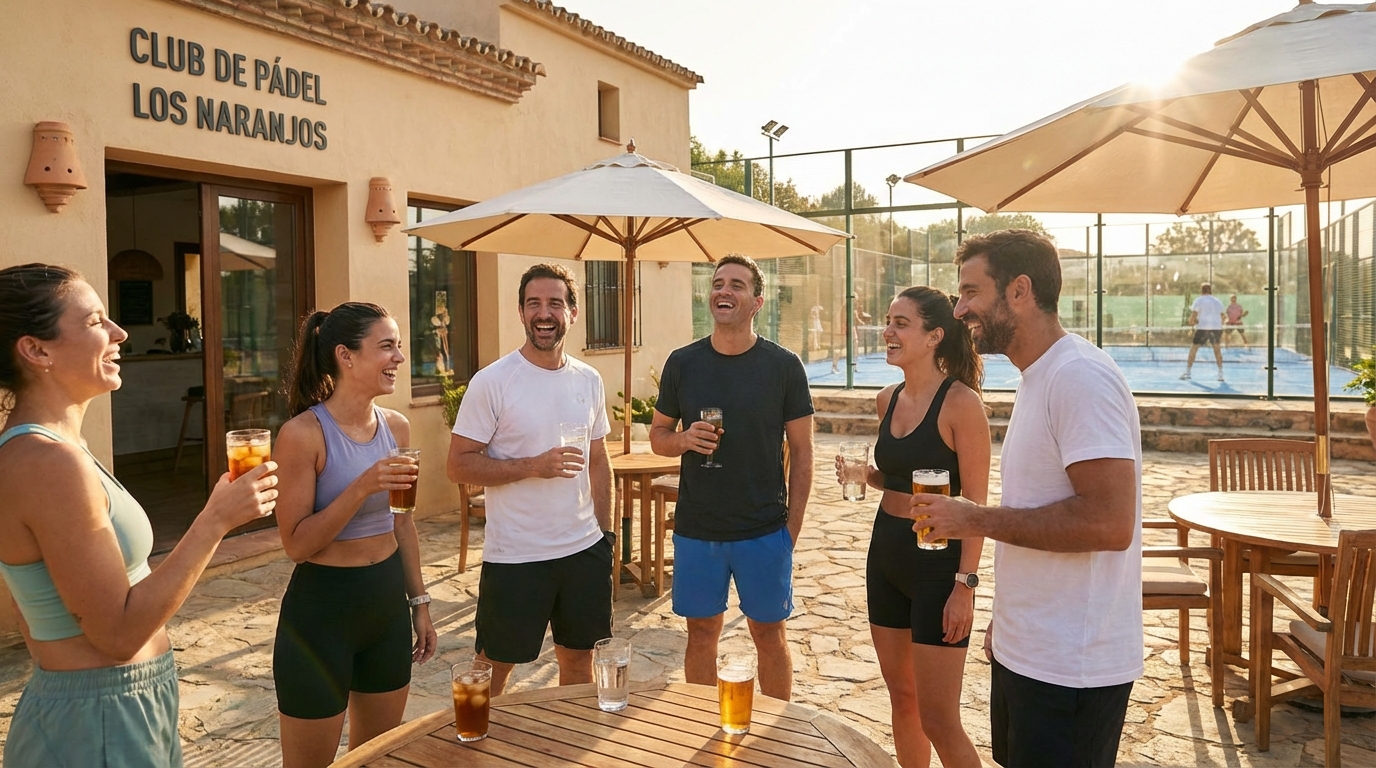
The culture connects players through the “tercer tiempo” (third half) tradition, where social interaction after the match is just as important as the game itself. In a padel spain? setting, the court is a social equalizer where business deals are closed and lifelong friendships are formed. You must design your facility with social spaces—like bars, lounges, and terraces—to foster this essential community spirit.
The social post-match “tercer tiempo” tradition
This cultural phenomenon involves teams sharing drinks and tapas immediately after their booking ends. It transforms a one-hour court rental into a three-hour hospitality experience.
Look:
- Integrated bars and cafes increase the “dwell time” of your members.
- Social spaces should have a clear view of the courts to keep players engaged.
- Seasonal events and themed nights strengthen the club’s “tribe” feel.
Community integration through local tournaments
Regular “mix-ins” and ladder leagues ensure that players are constantly meeting new people. This prevents the “clique” culture that can sometimes alienate new members in traditional sports.
The best part?
The sport is naturally inclusive across ages and genders. This diversity makes your facility a vibrant community hub rather than just a gym.
Key Takeaway: Your facility is a social club first and a sports center second; prioritize hospitality infrastructure to maximize long-term member loyalty.
| Cultural Element | Facility Requirement | Social Outcome |
|---|---|---|
| Tercer Tiempo | Bar/Cafe Area | High Social Bonding |
| Mix-ins | Community Manager | New Member Integration |
| Team Leagues | Ranking Board | Healthy Competition |
Facilities that invest in high-quality social areas report 25% higher member retention rates over three years.
How to build a court inspired by padel spain??
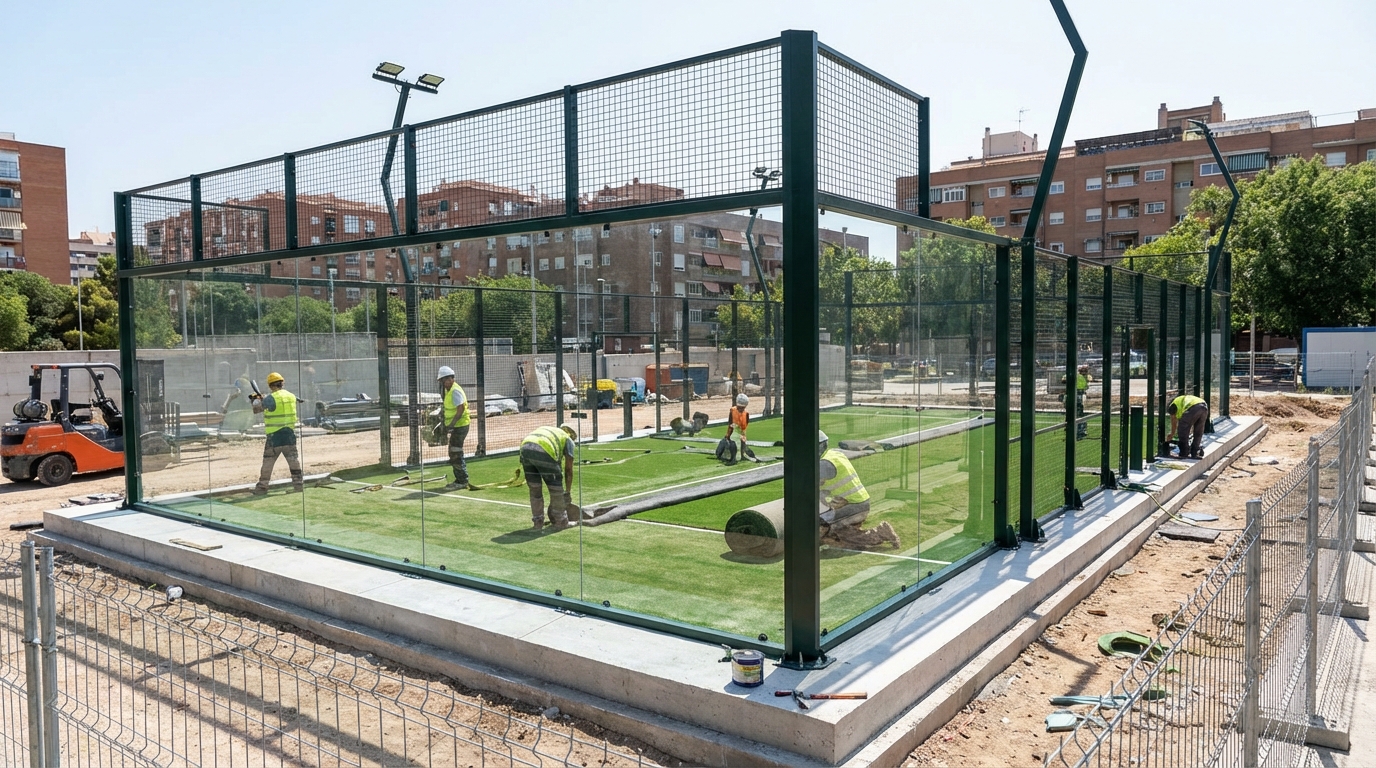
To build an authentic court, you must strictly follow FIP (International Padel Federation) dimensions and use premium tempered glass and galvanized steel structures. Building a court that reflects the padel spain? standard requires a one-stop manufacturing partner who can provide OEM customization at factory prices. You need to focus on materials that ensure a 20-year design life while providing a professional-grade playing surface.
Selecting official FIP dimensions and materials
A standard court is exactly 10×20 meters. Using anything less than 12mm tempered safety glass is a liability risk that professional facilities cannot afford to take.
Here is the deal:
- Hot-dip galvanized steel prevents rust in any climate.
- Modular designs allow for fast, 24-hour installation on-site.
- Customized logos and colors help you build your own distinct brand identity.
Choosing synthetic turf for authentic playability
The “grass” is the most important part of the player’s experience. High-density, EU-standard compliant fibrillated turf ensures a consistent ball bounce and reduces joint impact.
Look:
- Monofilament turf offers a more “professional” feel but requires more maintenance.
- Proper sand infill (silica) is crucial for the ball’s spin and bounce.
- Blue turf has become the global standard for better ball visibility on camera.
Key Takeaway: Direct factory procurement allows you to save 30% on high-specification materials, ensuring your project is both premium and profitable.
| Component | Standard Requirement | Benefit |
|---|---|---|
| Glass | 12mm Tempered | Player Safety |
| Structure | Galvanized Steel | 20-Year Lifespan |
| Turf | High-Density Fibrillated | Authentic Play |
Buying direct from the manufacturer eliminates middleman markups and allows for full customization of the court’s structural engineering.
Conclusion
Building a successful sports facility requires more than just laying down turf; it requires an understanding of the cultural and technical DNA that made the Spanish model a global phenomenon. We have explored how location, climate-proofing, and high-end aesthetics drive ROI, and how the social “tercer tiempo” transforms a court into a community. By adopting these Spanish-inspired standards, you can solve the problem of low engagement and stagnant revenue in your current sports portfolio.
Our mission is to empower you to create world-class destinations with premium materials at factory-direct prices. Whether you are developing a luxury resort in the Maldives or an urban hub in London, we provide the engineering and support needed to bring your vision to life. To start your journey toward a high-performance sports investment, contact us today for a personalized consultation and a custom quote.
FAQ
Can I build a padel court on an existing tennis court?
Absolutely. You can typically fit two to three padel courts within the footprint of a single traditional tennis court, significantly increasing your revenue per square foot.
What’s the best glass thickness for a commercial court?
12mm tempered safety glass. It is the industry standard for commercial facilities as it provides the necessary durability to withstand high-impact ball play and player contact.
How do I know if my location needs a roof?
It depends. If your region experiences more than 60 days of rain per year or consistent temperatures above 35°C, a roofing system is essential to protect your booking schedule and player comfort.
How much maintenance does the turf require?
Minimal. You simply need to brush the sand infill regularly to ensure it is evenly distributed and remove any organic debris to prevent drainage issues.
What is the average lead time for a custom court?
Usually 4 to 6 weeks. Our factory-direct model ensures rapid production, and we provide formal quotations within 24 hours to keep your project on schedule.