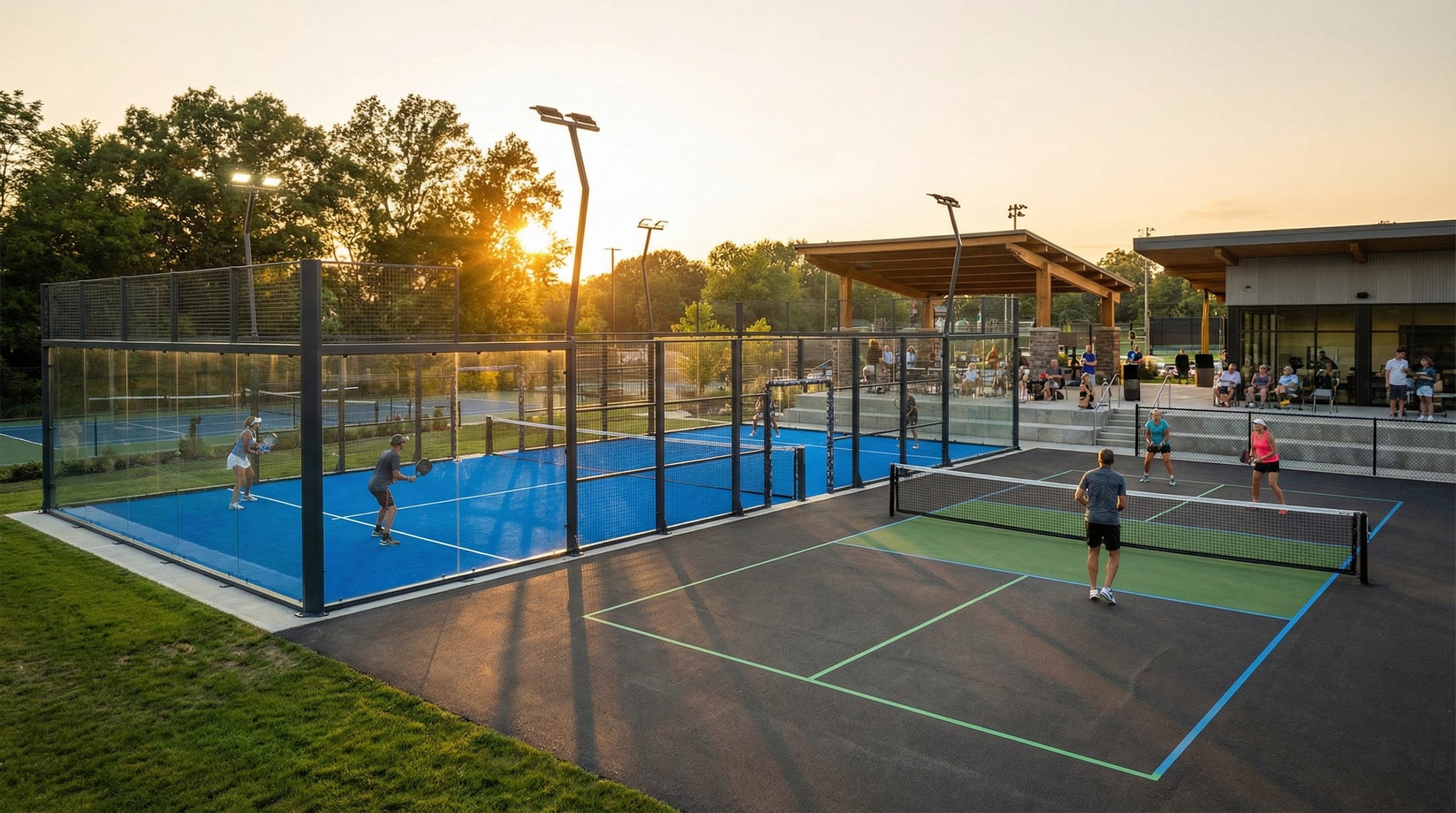
No, padel is not the same as pickleball, even though both are rapidly growing racket sports that offer incredible social engagement. You might find yourself standing at a sports complex, looking at two different courts and feeling confused about which path to take. Choosing the wrong infrastructure for your facility or the wrong gear for your game can lead to wasted capital and a frustrating lack of progress. Understanding the technical nuances of padel court construction is the first step toward making a smart investment or becoming a better player.
Why is padel the same as pickleball for court space?
Dimensional Discrepancy
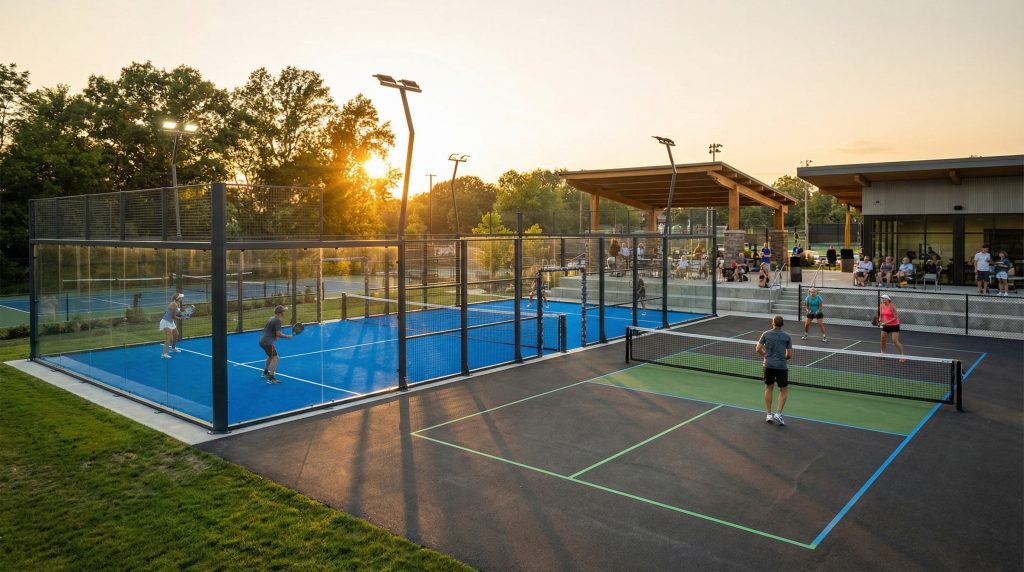
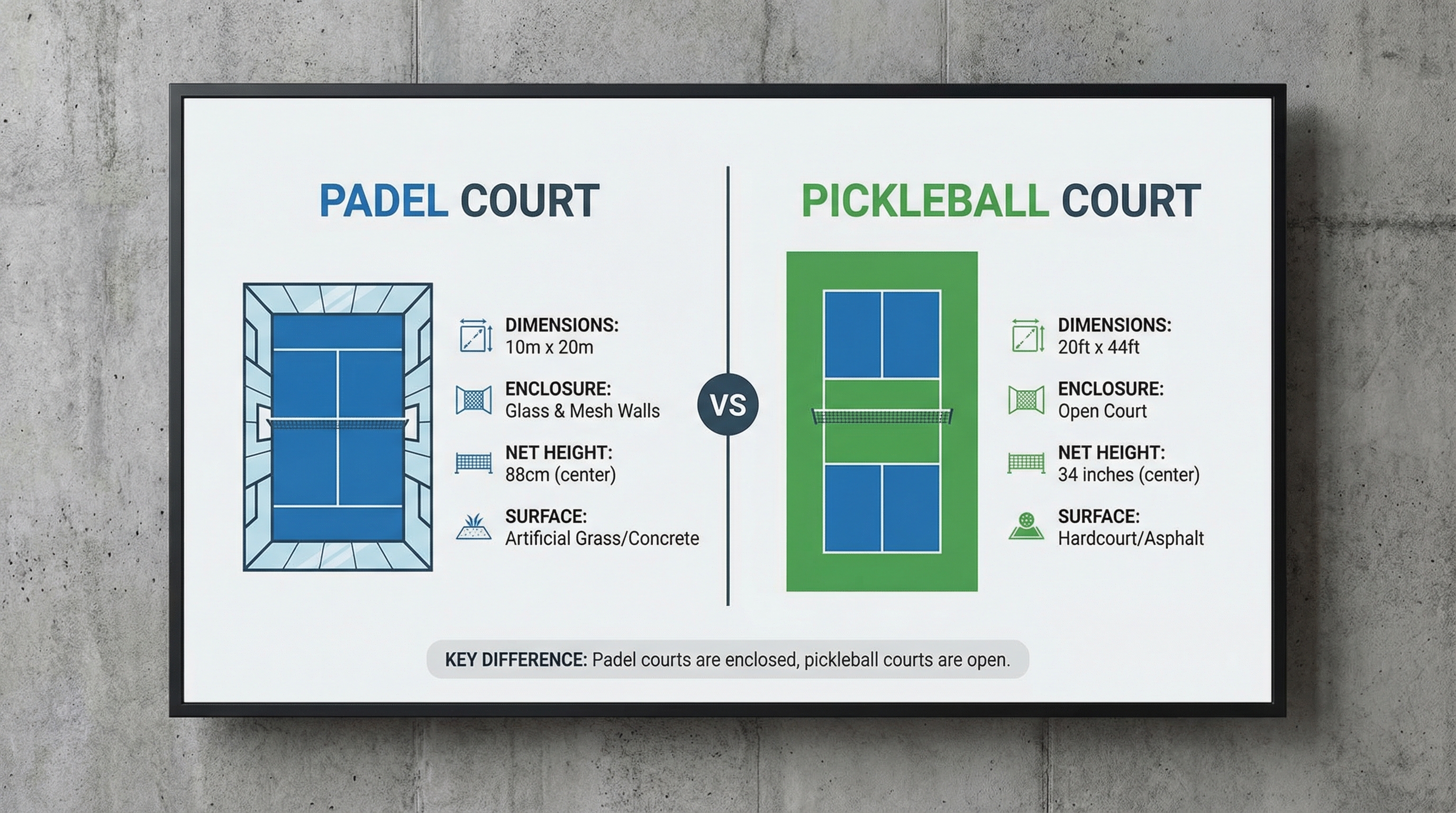
The answer is a definitive no, as padel requires a significantly larger footprint than a standard pickleball layout. A standard court for the former measures 20 meters by 10 meters, while the latter only requires 20 feet by 44 feet. This difference means you cannot simply swap one for the other without major structural changes.
- Padel Footprint: 200 square meters.
- Pickleball Footprint: Approximately 82 square meters.
- Surface Material: Artificial turf vs. Acrylic hardcourt.
Key Takeaway: You must plan for a larger area and specific reinforced sub-bases when building for padel compared to the smaller, simpler requirements of pickleball.
| Feature | Padel Standards | Pickleball Standards |
|---|---|---|
| Footprint | 20m x 10m | 44ft x 20ft |
| Surface | Artificial Turf / Sand | Acrylic Hardcourt |
| Enclosure | Glass & Steel Mesh | Open or Low Fence |
The significant difference in square footage makes padel a more substantial architectural undertaking for any sports facility.
Is padel the same as pickleball for racket technology?
Material Engineering
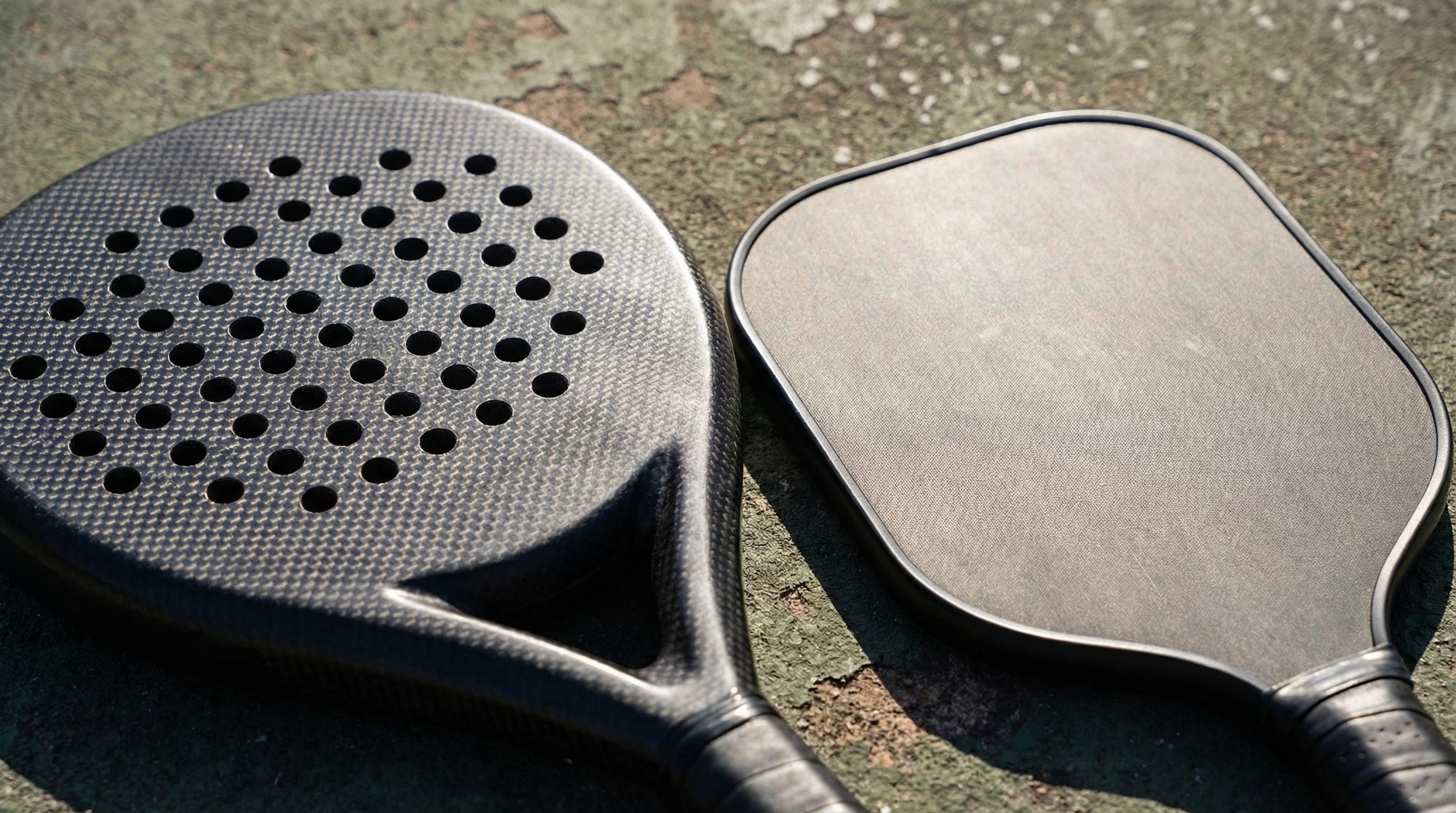
They are fundamentally different tools, as latest padel rackets are much thicker and use pressurized cores for power. While pickleball paddles are thin and use honeycomb polymer, padel rackets feature EVA foam and carbon fiber frames. This design difference handles the vastly different ball physics of each sport.
Wait, there is more.
The hitting surface of a padel racket is perforated with holes to reduce wind resistance and weight. Pickleball paddles remain solid to maximize the “pop” of the plastic ball. Choosing the wrong equipment will lead to immediate damage or poor performance.
Key Takeaway: Racket thickness and core density are specialized for the specific ball type used in each sport.
| Component | Padel Racket | Pickleball Paddle |
|---|---|---|
| Core Material | EVA / Foam | Polymer Honeycomb |
| Thickness | 38mm (Standard) | 13mm – 16mm |
| Ball Type | Pressurized Felt | Perforated Plastic |
Engineering differences ensure that each racket provides the specific dampening or power required for its respective game.
Is padel the same as pickleball regarding game rules?
Scoring and Flow
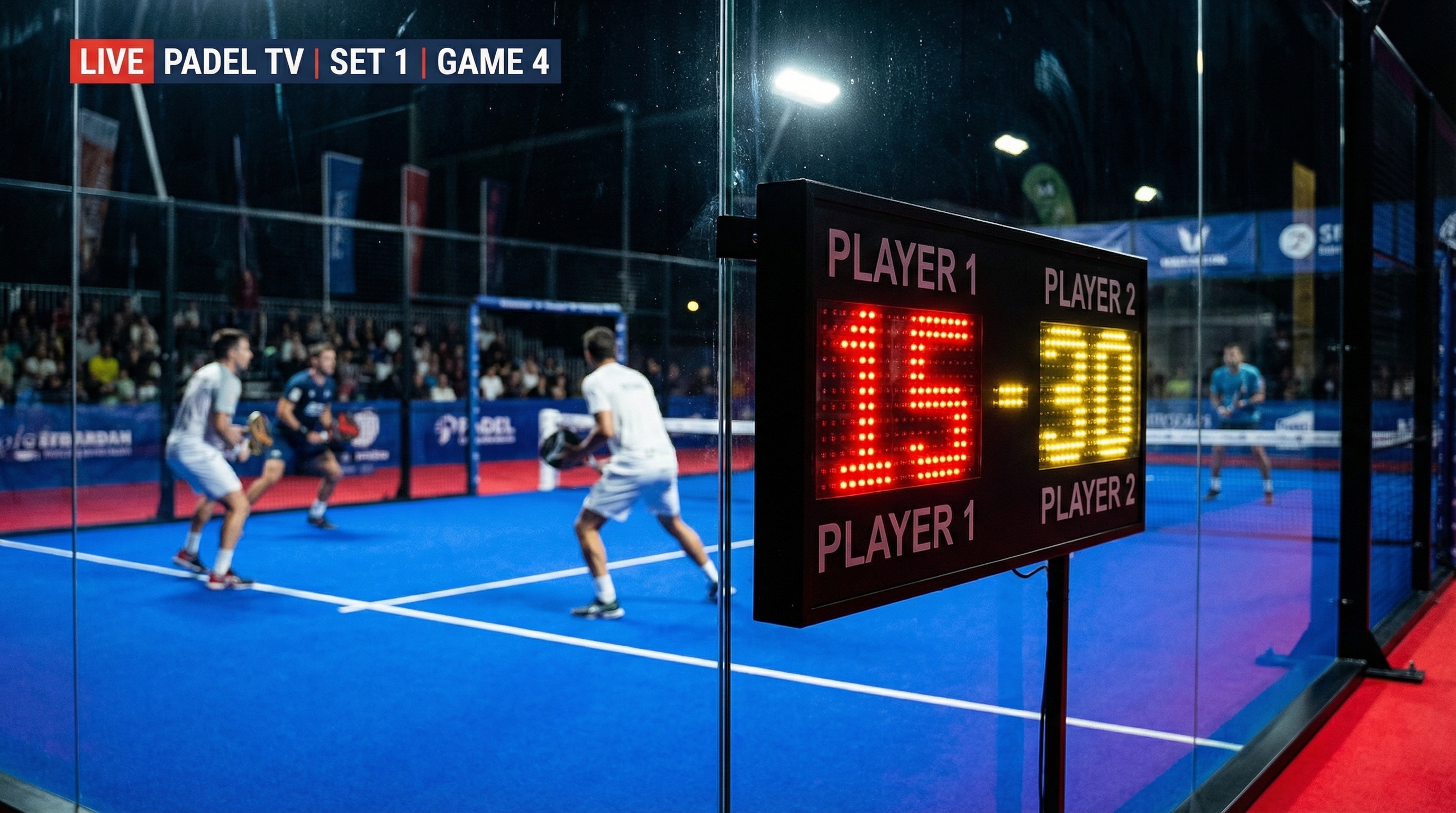
The rules are not the same because padel follows traditional tennis scoring while pickleball uses a side-out system. In padel, you count 15, 30, and 40, whereas the other sport usually plays to 11 or 15 points. This creates a very different mental pace during competitive matches.
- Net Height: 88cm (Padel) vs 34 inches (Pickleball).
- Match Format: Usually best of three sets for padel.
- Players: Always played in doubles for professional padel.
Key Takeaway: Scoring protocols and net hardware are distinct, requiring different officiating knowledge and equipment tensioning.
| Rule Attribute | Padel Protocol | Pickleball Protocol |
|---|---|---|
| Scoring Style | Tennis (15-Game-Set) | Rally / Side-out (11/15) |
| Net Center Height | 88 cm | 34 inches |
| Player Count | Always Doubles | Singles & Doubles |
Understanding the scoring flow is essential for players transitioning between these two popular racket sports.
Is padel the same as pickleball for wall play?
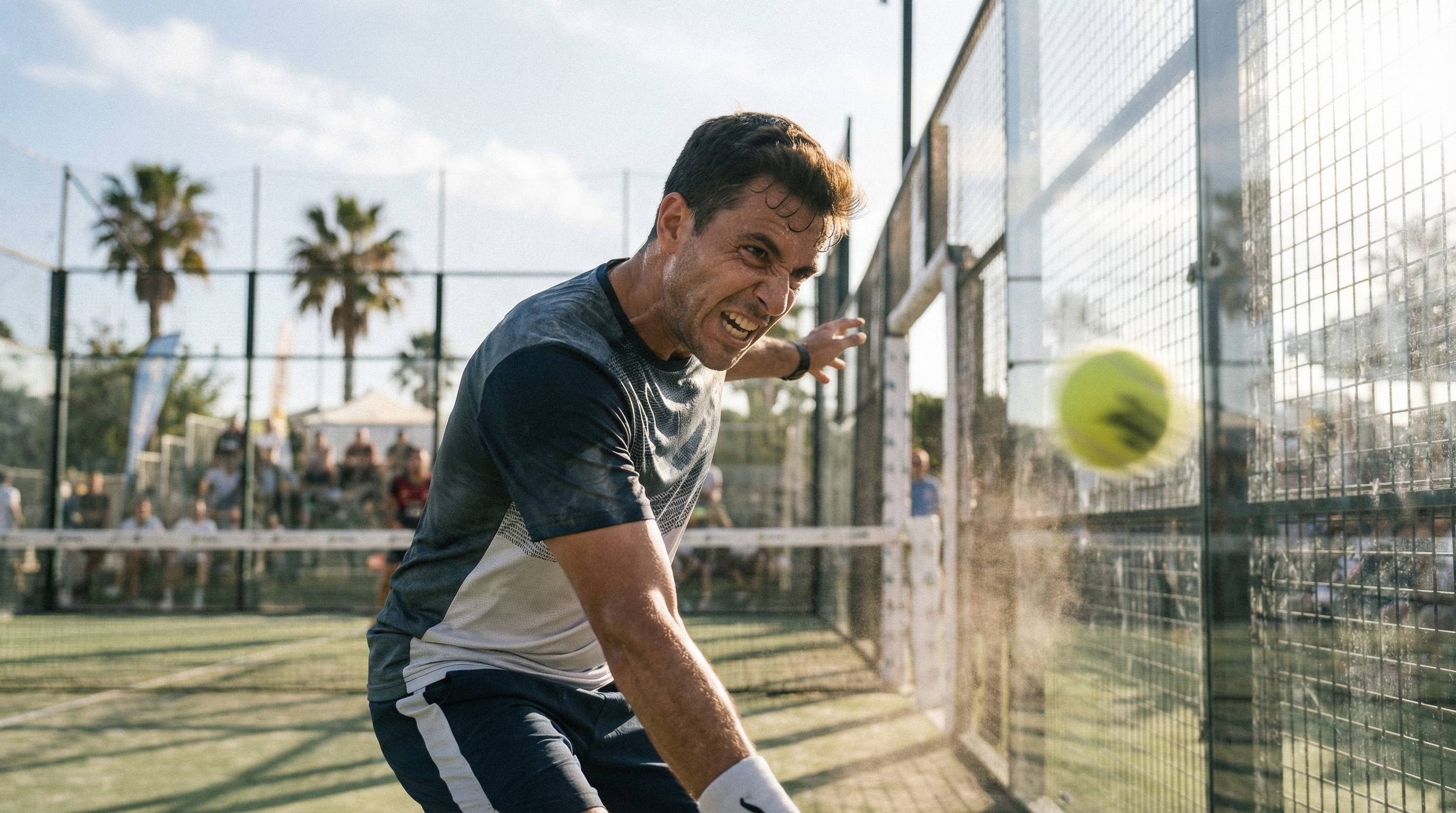
Structural Interaction
No, the interaction with boundaries is the most significant mechanical difference between the two sports. When you evaluate market demand in pickleball vs padel, the glass walls of padel are its most defining feature. In pickleball, the ball is dead once it leaves the court lines.
The result?
Padel players use the tempered glass as a strategic tool to keep the ball in play after a bounce. This requires specialized 10mm or 12mm glass panels that can withstand high-impact forces from players and balls. Construction costs for these walls are a major factor for any developer.
Key Takeaway: Wall interaction is exclusive to padel and dictates the entire engineering requirement of the court slab.
| Structural Element | Padel Requirement | Pickleball Requirement |
|---|---|---|
| Boundary Type | 3m-4m Glass/Mesh | Low Netting / Lines |
| Ball Interaction | Playable off walls | Dead on contact |
| Slab Load | High (Glass weight) | Standard |
The glass enclosure transforms a simple court into a dynamic three-dimensional playing environment.
Is padel the same as pickleball for serving?
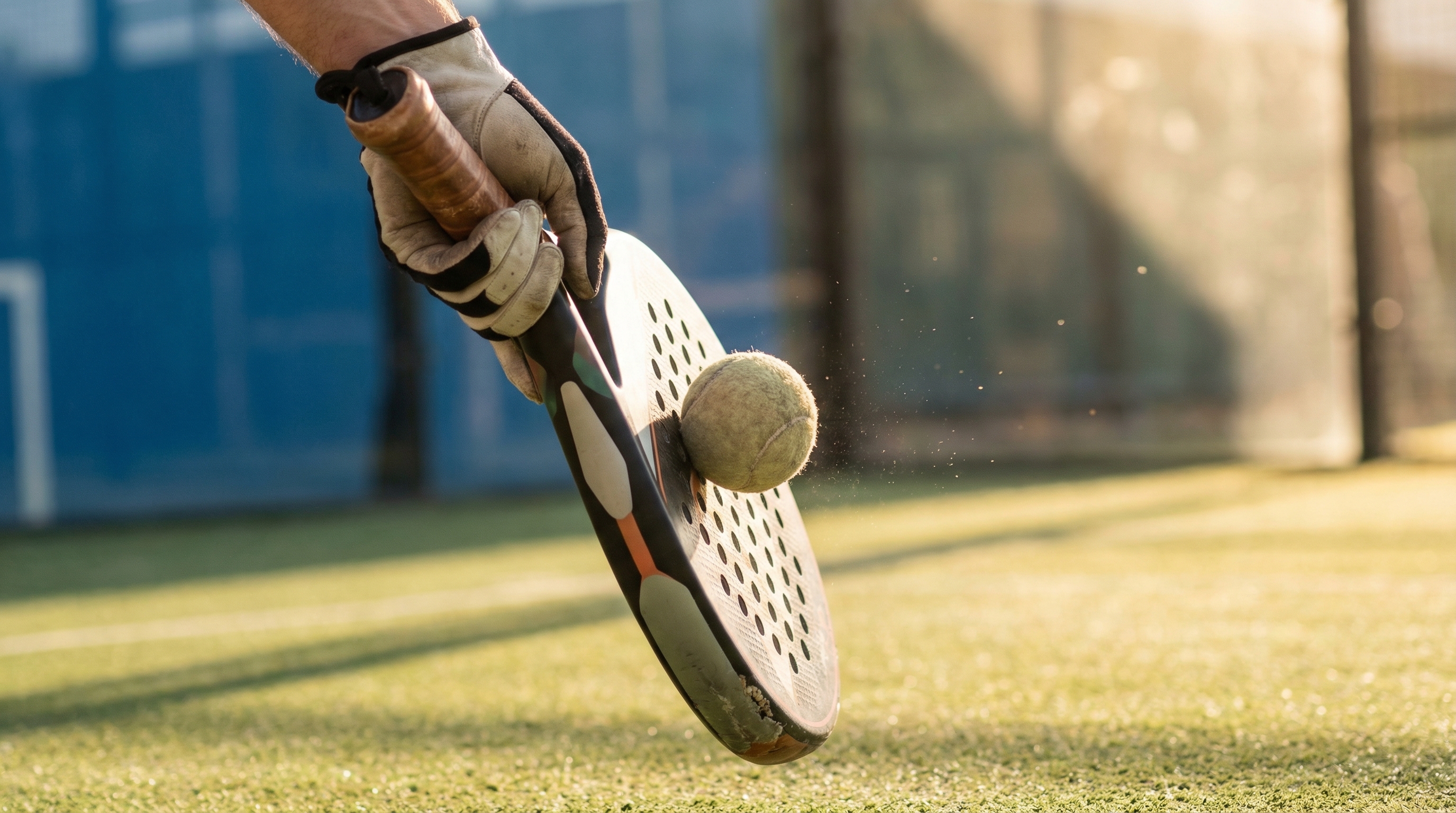
Service Execution
No, they are different because padel requires the ball to bounce before you strike it underhand. Pickleball allows for a “volley” serve where the ball is hit out of the air at waist level. These mechanics change the initial speed and trajectory of every rally.
- Target Zone: Diagonal service box for both.
- Second Serve: Padel allows two attempts; pickleball allows one.
- Strike Height: Must be at or below the waist or navel.
Key Takeaway: Service mechanics influence both the learning curve for beginners and the tactical setup of the court.
| Serve Factor | Padel Standard | Pickleball Standard |
|---|---|---|
| Strike Point | Below Waist (Post-bounce) | Below Navel (Volley/Drop) |
| Target Area | Diagonal Service Box | Diagonal (Past Kitchen) |
| Second Serve | Yes | No |
Even though both use underhand motions, the post-bounce requirement in padel demands better timing from the server.
Is padel the same as pickleball for cardio?
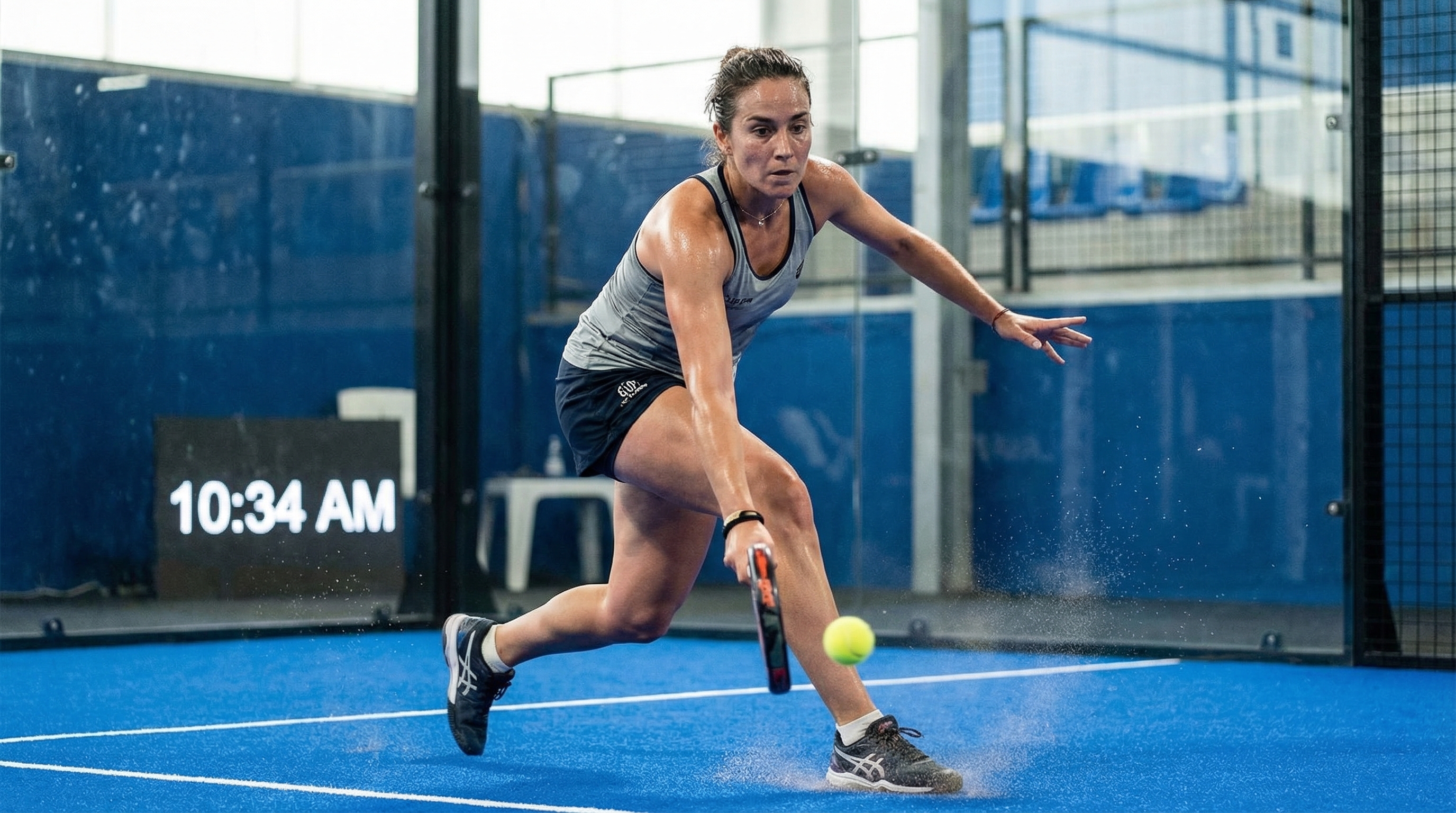
Physical Demand
The cardio experience is not the same because padel typically results in longer rallies and more vertical movement. High-quality padel court construction includes turf that allows for sliding, which changes the impact on your joints. Pickleball focuses more on quick, short-range reflexes at the kitchen line.
Look:
The presence of walls in padel means the ball returns to the center more often, extending the point. This leads to a higher average heart rate and greater caloric burn per match. You will find yourself sprinting backward and jumping much more frequently in a padel match.
Key Takeaway: Padel is generally more physically demanding due to the 360-degree nature of wall-assisted rallies.
| Fitness Metric | Padel Profile | Pickleball Profile |
|---|---|---|
| Rally Length | Long (Wall recovery) | Moderate |
| Movement Type | 360-Degree / Vertical | Lateral / Forward |
| Joint Impact | Low (Turf cushioning) | Moderate (Hardcourt) |
While both offer great exercise, padel provides a more intense aerobic workout for most amateur players.
Is padel the same as pickleball for socializing?
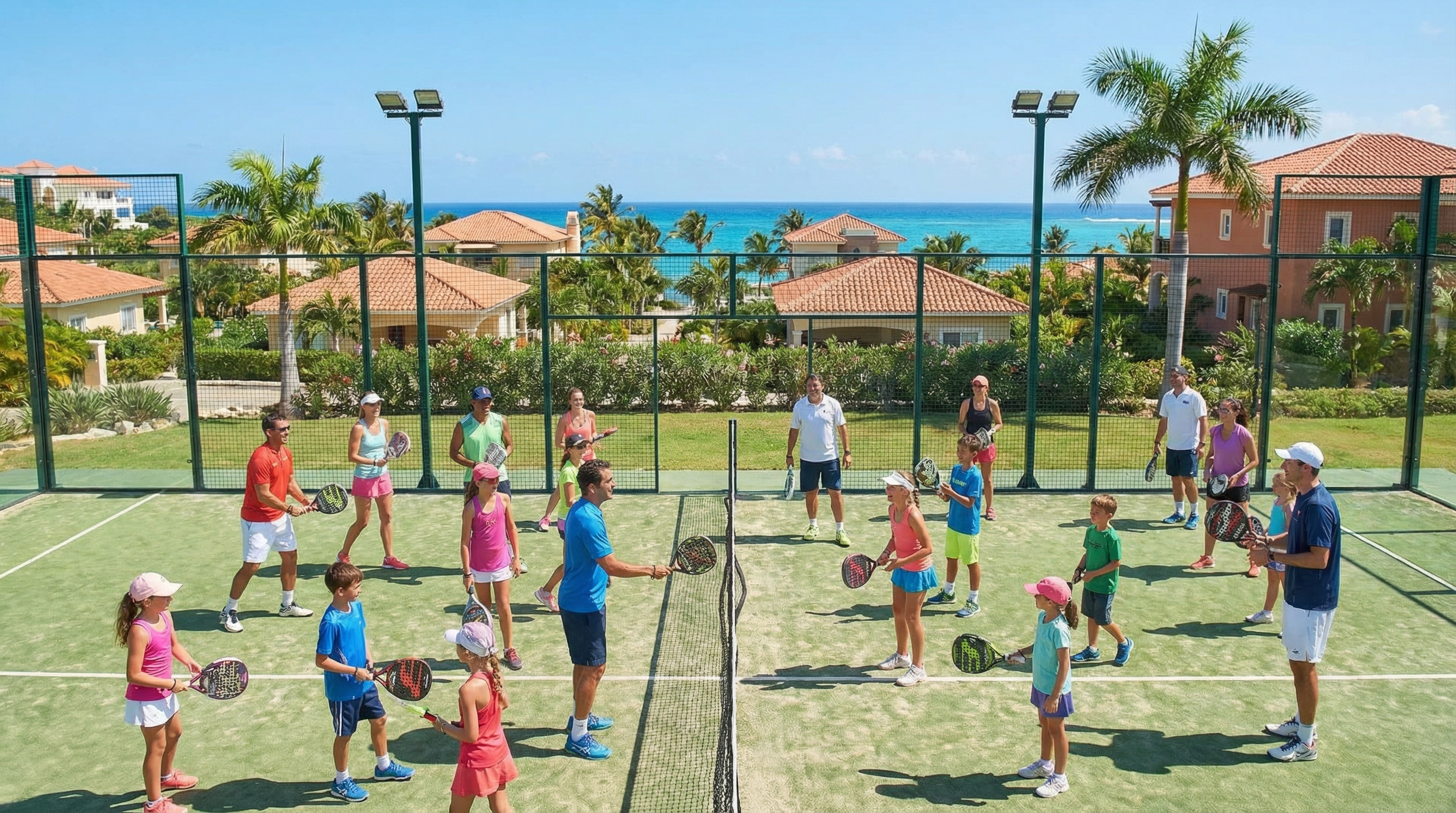
Community Dynamics
They are not the same because they often cater to different facility types and demographic expectations. Padel has a strong presence in luxury resorts and private clubs where amenities are more premium. Pickleball is deeply rooted in public parks and community centers across North America.
- Atmosphere: Padel often has a “club” vibe; pickleball has a “community” feel.
- Learning Curve: Both are easy to start, but padel has a higher technical ceiling.
- Retail Sales: Padel gear typically commands higher price points and margins.
Key Takeaway: Both sports are socially driven, but padel is often positioned as a more exclusive and premium offering.
| Demographic Factor | Padel Market | Pickleball Market |
|---|---|---|
| Primary Format | 4-Player Social | 2 or 4-Player Social |
| Coaching Need | High (Wall technique) | Low to Moderate |
| Facility Vibe | Club / Resort | Public Park / Community |
Choosing between the two often depends on the level of investment and the specific audience you wish to attract.
Is padel the same as pickleball for expansion?
Monetization Potential
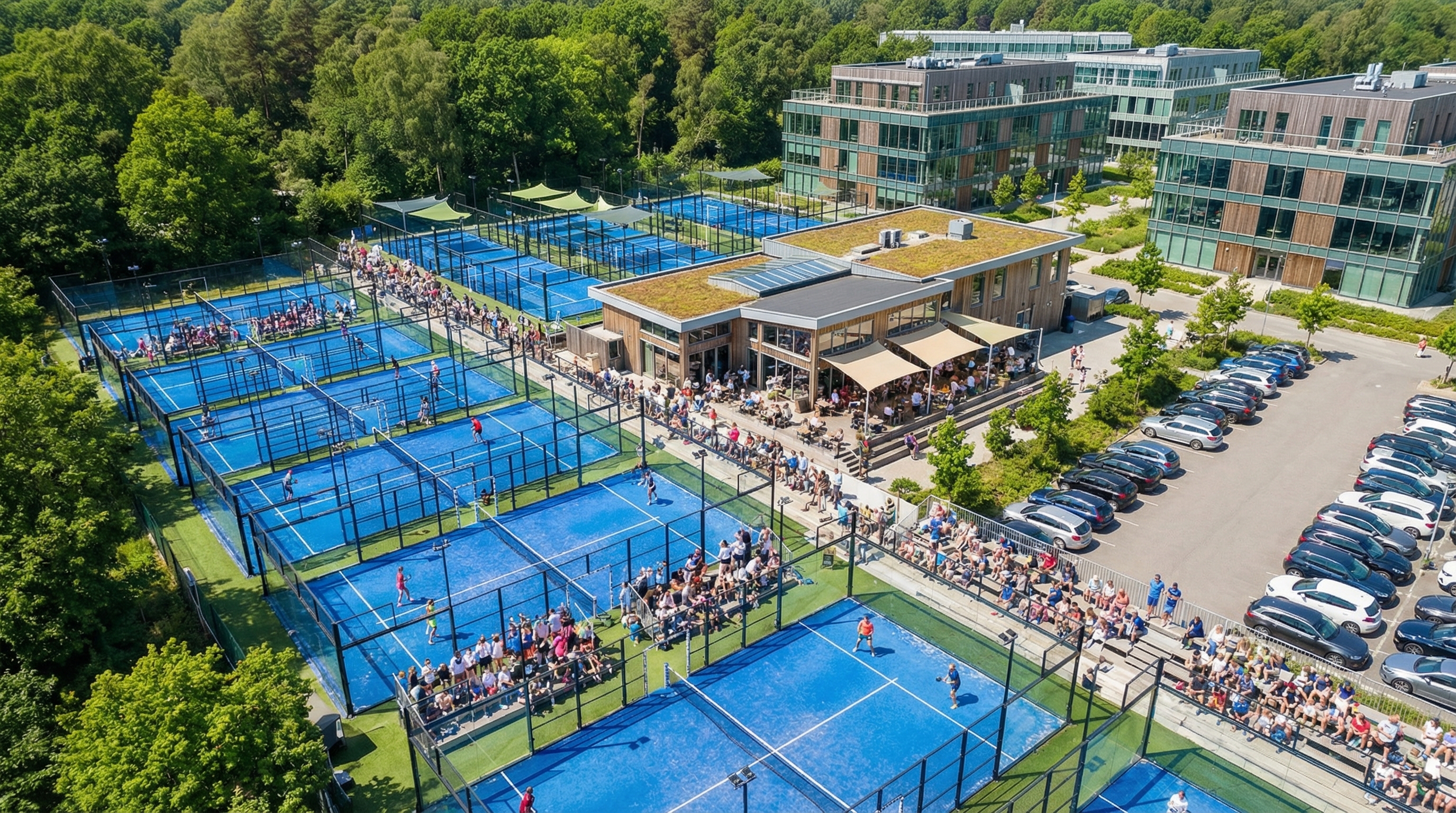
Growth patterns are not the same, as padel dominates the Middle East and Europe while pickleball leads in the US. If you are planning a roofed padel court, the monetization strategy involves higher hourly rates. Pickleball relies on high turnover and high volume due to the smaller court size.
Wait, there is more.
The revenue per square meter can be higher for padel in regions where it is considered a premium activity. Investors often prefer the long-term retention of padel clubs due to the specialized coaching required. Players stay longer when they have professional instruction to master the complex wall play.
Key Takeaway: Regional popularity and monetization models vary significantly, with padel offering a more premium revenue path.
| Growth Metric | Padel Trend | Pickleball Trend |
|---|---|---|
| Dominant Region | Europe / ME | North America |
| Monetization | Private Membership / Rent | Public / Community |
| Retail Margin | High (Rackets/Bags) | Moderate (Paddles) |
Understanding these commercial differences is vital for any developer looking to maximize their facility’s return.
Is padel the same as pickleball for site builds?
Foundation and Lighting
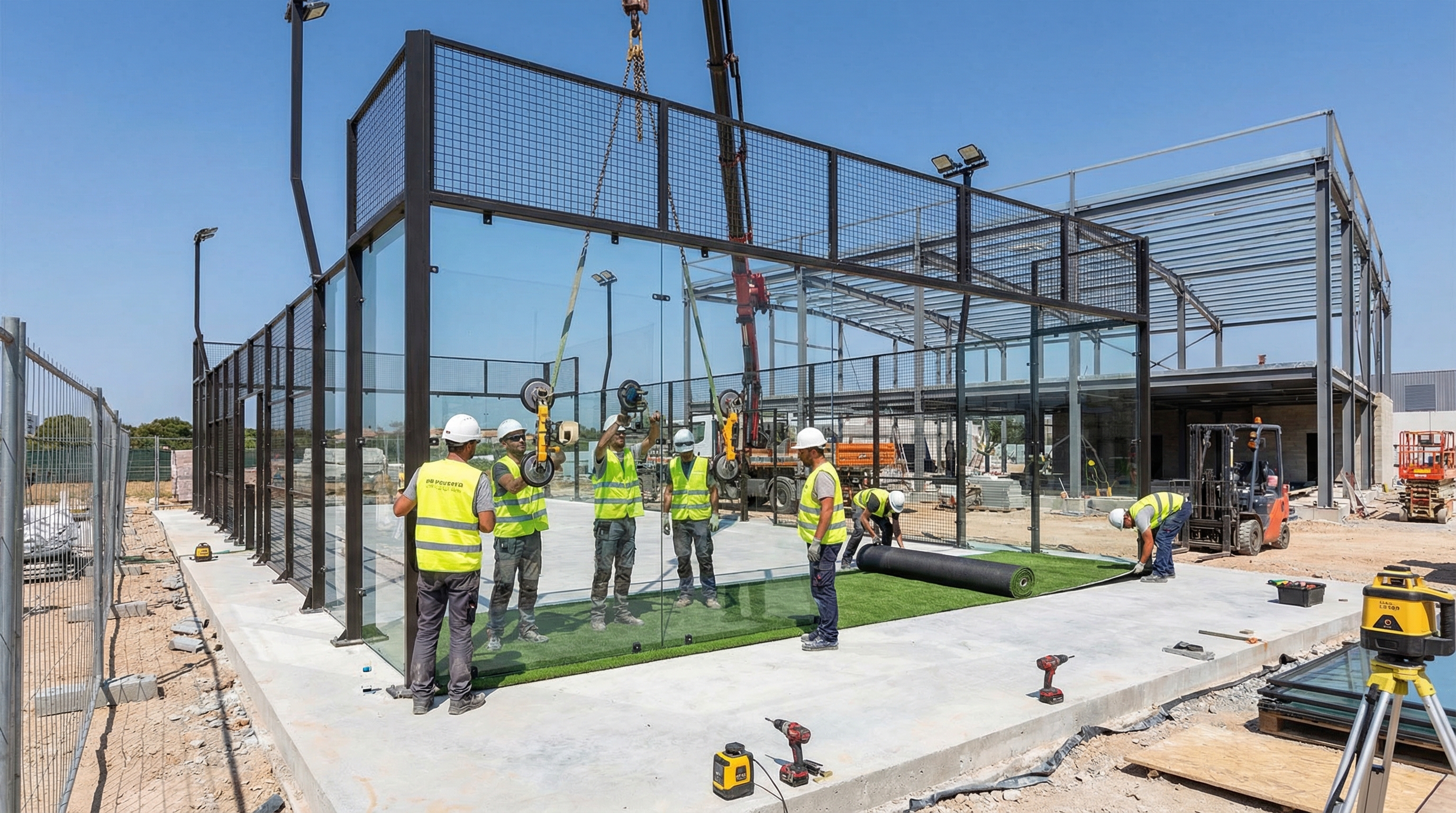
The engineering requirements are not the same because padel structures exert much higher force on the ground. You need a reinforced concrete slab to anchor the heavy steel pillars and glass panels. Pickleball courts can often be built on standard asphalt or concrete with minimal reinforcement.
- Lighting: Padel requires integrated 6-meter poles; pickleball uses standard court lights.
- Drainage: Both require specific slopes, but padel turf needs better porosity.
- Anchoring: Padel requires deep bolts to secure the glass cage.
Key Takeaway: Building a padel court is a specialized civil engineering task that far exceeds the complexity of a pickleball court.
| Construction Task | Padel Specification | Pickleball Specification |
|---|---|---|
| Foundation | Reinforced Slab + Anchors | Standard Asphalt/Concrete |
| Fencing | Structural Steel + Glass | Standard Chain-link |
| Lighting | Integrated 6m LED Poles | Peripheral / Overhead |
The structural demands of the glass walls make the foundation the most critical part of a padel build.
Is padel the same as pickleball for indoor sites?
Vertical Clearance
No, they are not the same for indoor use because padel gameplay requires much more ceiling height. You need at least 6 meters of clear height for amateur play and 9 meters for professional matches. Pickleball can easily function in lower gymnasiums or converted warehouses.
The result?
Your selection of latest padel rackets will be useless if the ceiling is too low to execute a proper lob. This verticality is a core part of the sport’s strategy and cannot be ignored during the design phase. Facilities with low ceilings are better suited for pickleball conversions rather than padel.
Key Takeaway: Indoor padel requires significant vertical clearance to allow for the lobs and high bounces that define the game.
| Facility Element | Padel Indoor | Pickleball Indoor |
|---|---|---|
| Ceiling Height | 6m – 9m (Critical) | 4m – 6m (Flexible) |
| Wind Load | High (Glass resistance) | Low (Open mesh) |
| Climate Control | Recommended | Standard |
Ensuring proper height is the difference between a professional-grade facility and a frustrating playing experience.
*
The Future of Racket Sports
The choice between these two sports depends on your space, budget, and target community. At SuperbPadel, our vision is to lead the global expansion of high-end sports facilities by providing the most durable and aesthetically pleasing courts on the market. Whether you are a developer or a club owner, choosing the right partner ensures your project succeeds from day one.
Are you ready to elevate your facility to international standards? Contact us today to start your custom project.
FAQ
Can I play padel on a pickleball court?
No, the court sizes are different and you would lack the essential glass walls needed for padel rules.
What’s the best surface for reducing player injuries?
The artificial turf used in padel is generally superior for joint health as it allows for controlled sliding.
Can I build a padel court yourself?
No, the structural requirements for glass installation and steel anchoring require professional engineering and specialized tools.
What’s the best height for an indoor facility?
A minimum of 6 meters is required, but 8 to 9 meters is the professional standard for elite play.
Can I convert a tennis court into these sports?
Yes, you can typically fit three pickleball courts or two padel courts on one standard tennis footprint.