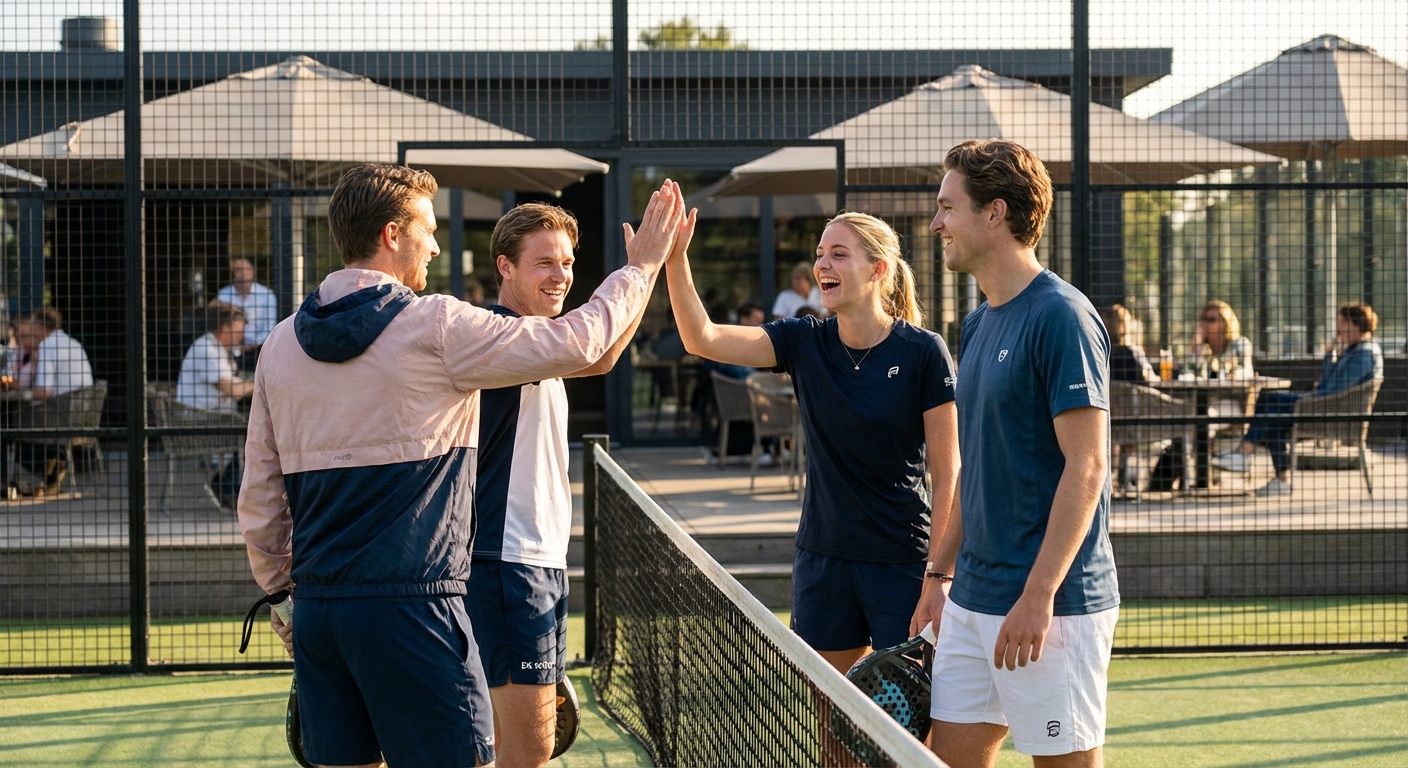
The current pickleball vs padel popularity explosion is a response to the growing demand for social, low-impact, and highly engaging racket sports. You might notice your traditional sports club struggling with declining membership or underutilized tennis courts. This trend can be frustrating, especially when you see newer facilities thriving by adopting these modern alternatives. By understanding how to build these communities, you can revitalize your business and secure long-term player loyalty. Naturally, analyzing pickleball vs padel popularity is the first step toward a successful facility conversion.
What is the current pickleball vs padel popularity?
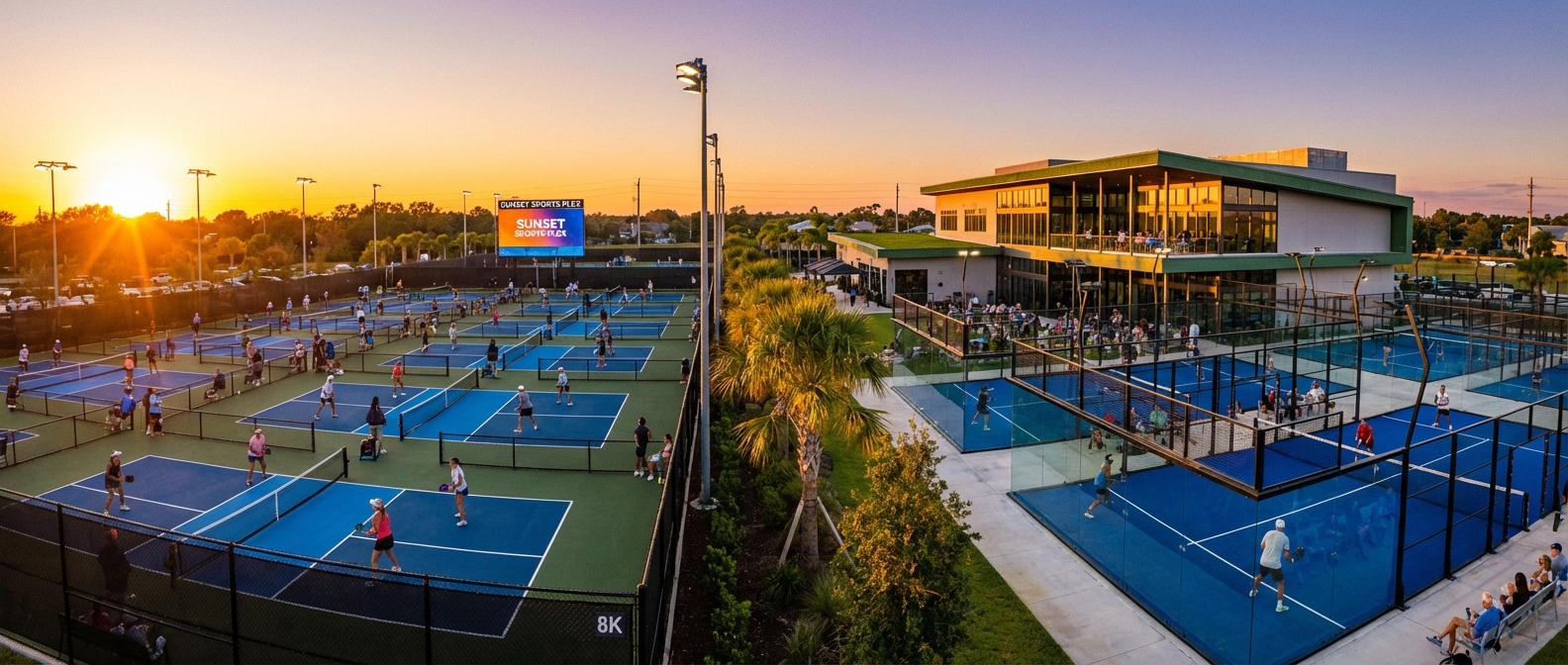
Current pickleball vs padel popularity is reaching record highs across the globe, with each sport dominating different geographic regions. You will find that while pickleball has become a cultural staple in North America, padel is the undisputed leader in Europe and the Middle East. This rise is fueled by the social nature of the games and their relatively low physical barrier to entry.
Understanding the global player base
The demographic reach of these sports is incredibly broad, spanning from young professionals to active retirees. You can leverage this to create a multi-generational community at your facility. But that’s not all.
- High participation rates among women.
- Strong appeal to former tennis players.
- Rapid growth in urban centers.
Regional dominance and market trends
Regional trends show that padel has over 30 million active players, particularly in countries like Spain and Italy. You should note that https://info.betflag.it/info-giochi/scommesse-sportive/tipologie-di-scommessa/padel/ provides insights into how these players engage with professional match results. Here’s the kicker:
- Spain remains the global padel epicenter.
- Pickleball is the fastest-growing sport in the US.
- Middle Eastern nations are investing heavily in courts.
| Metric | Pickleball | Padel |
|---|---|---|
| Primary Region | North America | Europe/LatAm |
| Est. Global Players | 10M+ | 30M+ |
| Social Level | High | Very High |
This table illustrates the massive scale and regional differences between the two thriving racket sport markets.
Key Takeaway: Both sports are experiencing unprecedented growth, making them prime candidates for facility investment.
How did these racket sports begin?
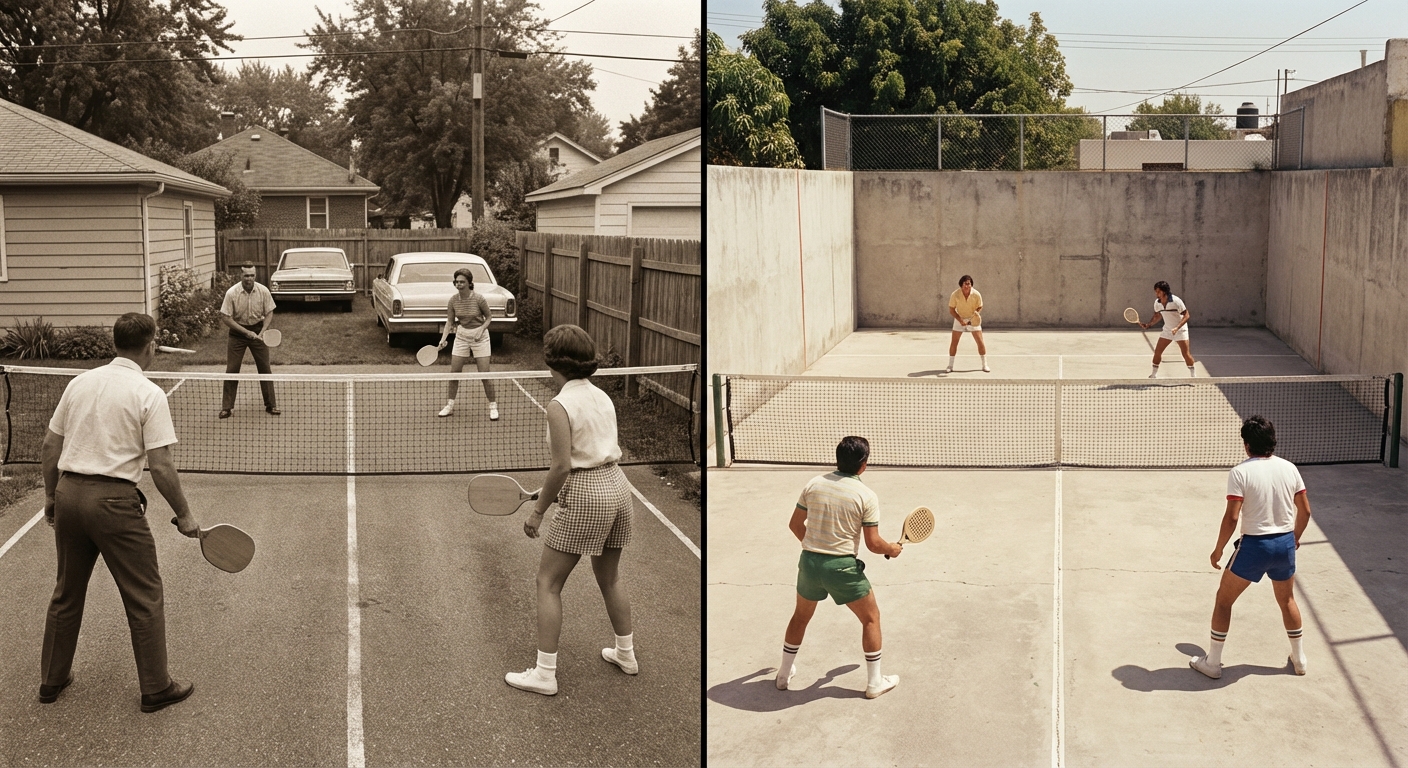
The origins of pickleball vs padel popularity trace back to the mid-1960s, where both sports were created as backyard or private solutions for families. You can see that they weren’t designed in labs but born from a desire for accessible recreation. Pickleball emerged in Washington State, while padel was founded in Acapulco, Mexico.
The American birth of pickleball
Pickleball was invented by three fathers who wanted to entertain their bored children during the summer. You might be surprised to learn it was originally played with improvised equipment on an old badminton court. Truth be told:
- Invented in 1965.
- Named after a family dog or a “pickle boat.”
- Designed for all ages to play together.
Padel’s evolution from high society
Padel began when a Mexican businessman wanted a tennis court but didn’t have enough space on his property. You will notice that he built walls around a smaller court to prevent the ball from escaping into the brush. Look:
- Created in the late 1960s.
- Standardized later in Spain.
- Evolved into a professionalized sport.
| Origin Detail | Pickleball | Padel |
|---|---|---|
| Year Founded | 1965 | 1969 |
| Creator | Joel Pritchard | Enrique Corcuera |
| Initial Setting | Backyard Court | Private Estate |
Tracing the roots of these sports reveals how their informal beginnings helped shape their current social-first identities.
Key Takeaway: Their history as “family-first” games is the foundation of their modern social success.
What are the key court size differences?
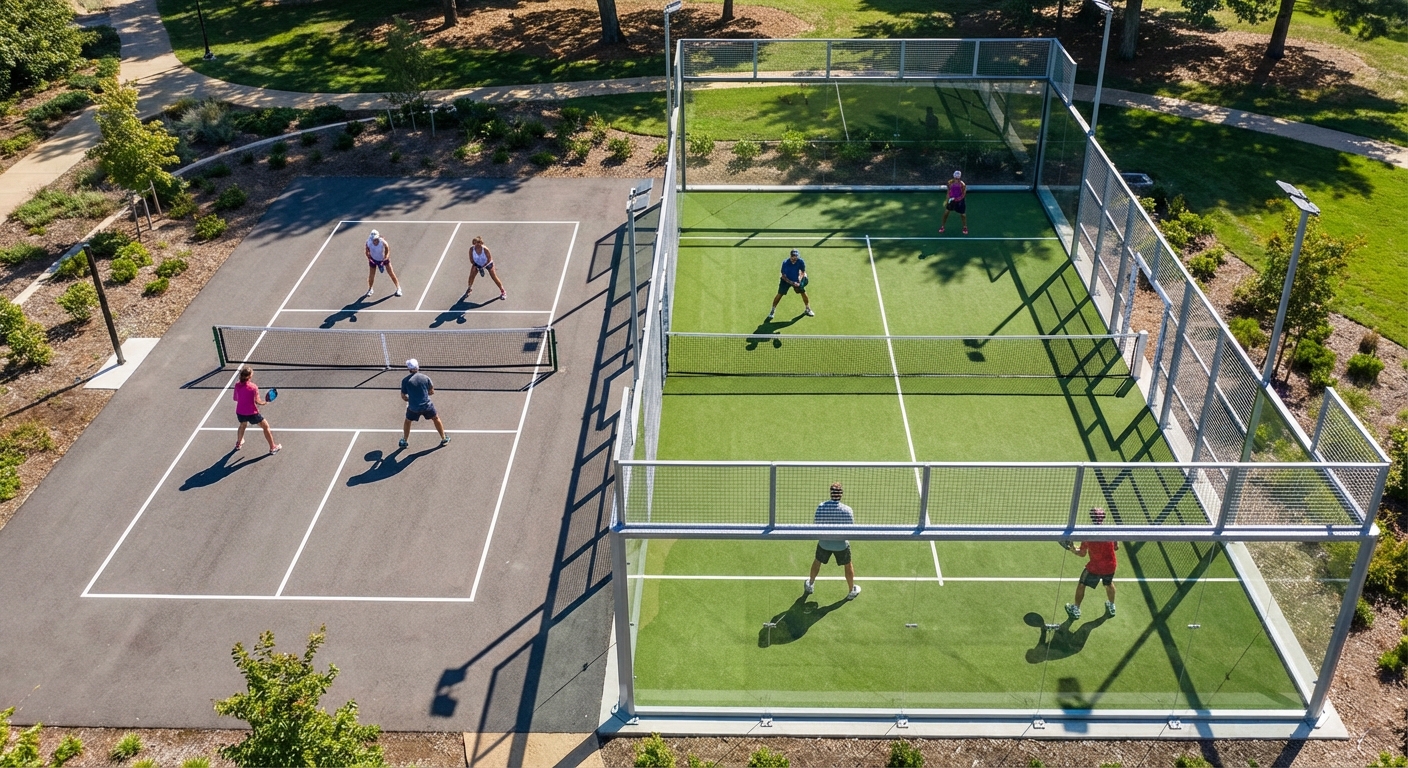
The primary difference is that padel courts are significantly larger and enclosed by glass walls, whereas pickleball courts are smaller and open. You need to consider these dimensions when planning your facility layout. Padel requires a 20×10 meter footprint, while pickleball uses a 13.4×6.1 meter area.
Comparing dimensions and net heights
Pickleball courts are essentially the size of a badminton court, making them very space-efficient. You can often fit four pickleball courts into the space of one standard tennis court. The point is:
- Pickleball: 13.4 x 6.1m.
- Padel: 20 x 10m.
- Pickleball net: 86cm at center.
Understanding the glass wall dynamics
Padel courts are defined by their 3-meter high glass and mesh walls which are part of the game. You must account for the higher installation costs of these structural elements. https://info.betflag.it/info-giochi/scommesse-sportive/tipologie-di-scommessa/padel/ often details how these walls affect match outcomes. Here’s the kicker:
- Walls allow for off-the-glass play.
- Creates longer, more strategic rallies.
- Requires specific architectural certification.
| Dimension | Pickleball | Padel |
|---|---|---|
| Court Length | 13.4 meters | 20 meters |
| Court Width | 6.1 meters | 10 meters |
| Enclosure | None (Open) | Glass & Mesh Walls |
Choosing the right court type depends on your available space and the specific gameplay experience you want to offer.
Key Takeaway: Padel requires more space and infrastructure, while pickleball offers maximum court density for owners.
Which gear do you need to start playing?
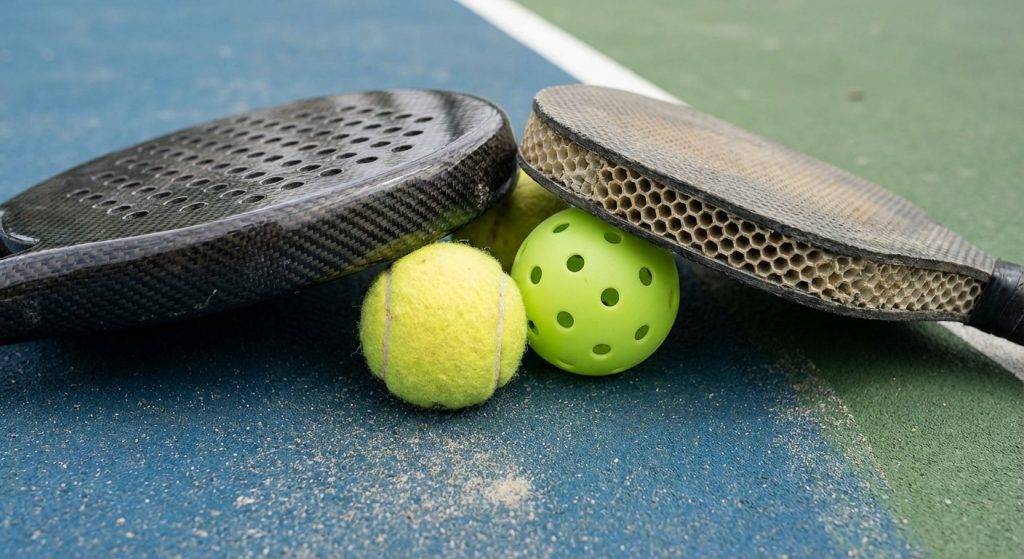
Starting pickleball vs padel popularity initiatives requires investing in specialized rackets, paddles, and balls that differ significantly from tennis. You cannot simply use tennis rackets as the physics of the ball impact are entirely different. Pickleball uses solid paddles, while padel uses perforated carbon fiber rackets.
Rackets vs Paddles: technical differences
Padel rackets are thick, stringless, and have holes to reduce wind resistance. You will find that pickleball paddles are thinner and solid, designed to hit a light plastic ball. Make no mistake:
- Padel: Perforated carbon fiber.
- Pickleball: Solid honeycomb core.
- Both use wrist straps for safety.
Ball pressure and surface materials
Pickleball uses a perforated plastic ball that moves slower through the air, while padel uses a pressurized felt ball. You will notice that padel balls look like tennis balls but have lower internal pressure. Here is the deal:
- Pickleball: “Wiffle” style plastic.
- Padel: Pressurized rubber and felt.
- Low pressure facilitates wall play.
| Equipment | Pickleball | Padel |
|---|---|---|
| Hitting Tool | Solid Paddle | Perforated Racket |
| Ball Type | Plastic / Perforated | Felt / Pressurized |
| Surface Type | Hardcourt | Artificial Turf + Sand |
Proper equipment is essential for both player safety and the intended strategic depth of each sport.
Key Takeaway: You must stock sport-specific gear as tennis equipment is incompatible with either game’s mechanics.
Is pickleball or padel faster to learn?
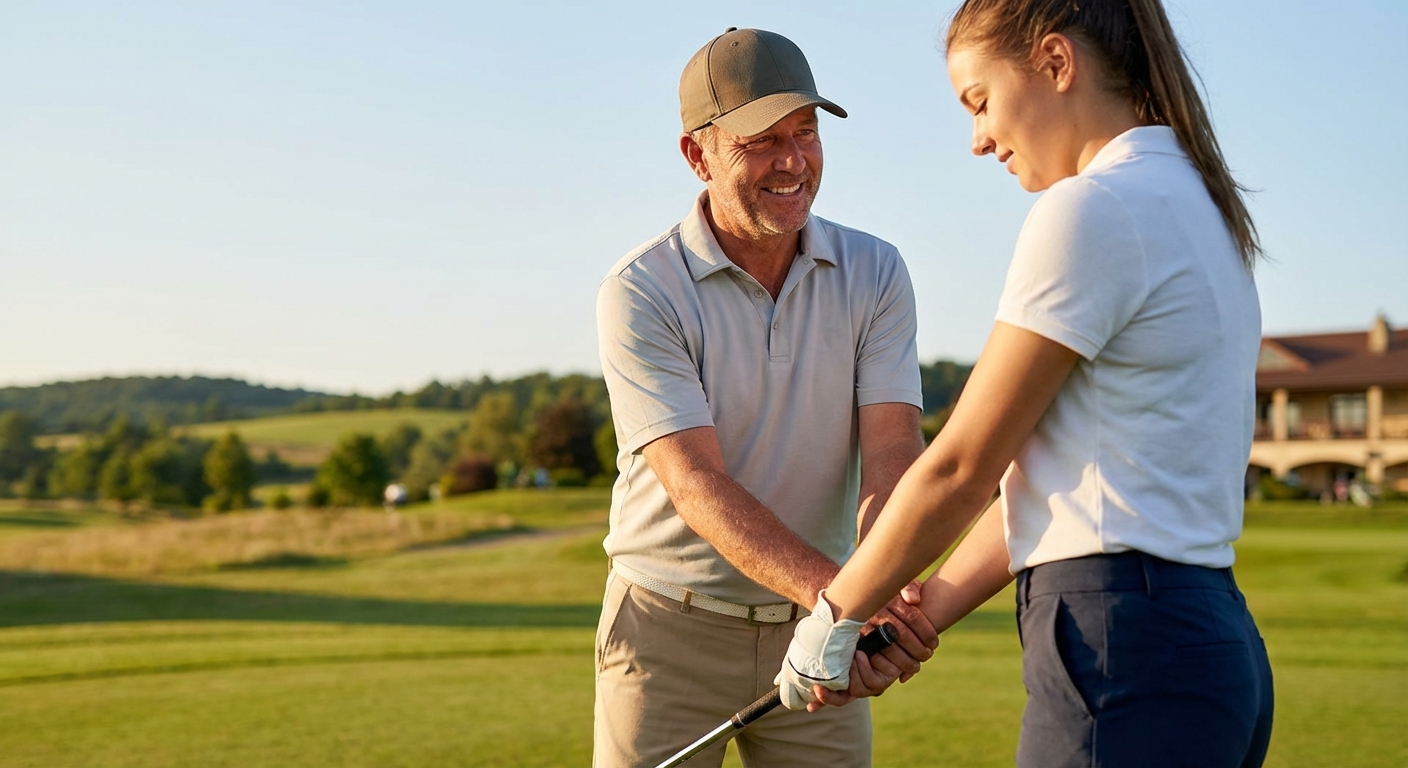
Learning both sports is significantly faster than mastering tennis, making them ideal for casual players. You can expect a complete beginner to be playing competitive rallies within their first hour on the court. This high “fun-to-effort” ratio is a major driver of their success.
The learning curve for beginners
Pickleball’s underhand serve and slower ball speed make it extremely welcoming for seniors and children. You don’t need years of coaching to enjoy a game with friends. But that’s not all.
- Underhand serving is easy to master.
- Smaller court reduces running distance.
- Rules are intuitive for newcomers.
Mastering the wall bounce in padel
Padel has a slightly steeper curve because you must learn to judge the ball’s bounce off the glass walls. You will find that this adds a layer of “chess-like” strategy to every point. Check it out: https://info.betflag.it/info-giochi/scommesse-sportive/tipologie-di-scommessa/padel/. Here’s the kicker:
- Wall play extends the rallies.
- Teamwork is essential in doubles.
- Strategic positioning beats raw power.
| Feature | Pickleball | Padel |
|---|---|---|
| Initial Learning | 15-30 Minutes | 30-60 Minutes |
| Physical Demand | Low to Moderate | Moderate |
| Strategy Level | Tactical (Dinking) | High (Wall Play) |
Beginners are often drawn to pickleball for immediate success, while padel attracts those seeking a deeper tactical challenge.
Key Takeaway: Both sports offer immediate gratification, which is crucial for retaining new club members.
Why is padel booming across Europe?
The boom in pickleball vs padel popularity across Europe is largely due to the sport’s massive success in Spain and its social “club” culture. You can see from market data that infrastructure is expanding rapidly to meet the demand of millions of new players. Italy, Sweden, and the UK are currently seeing the highest growth rates.
Projections for the European market
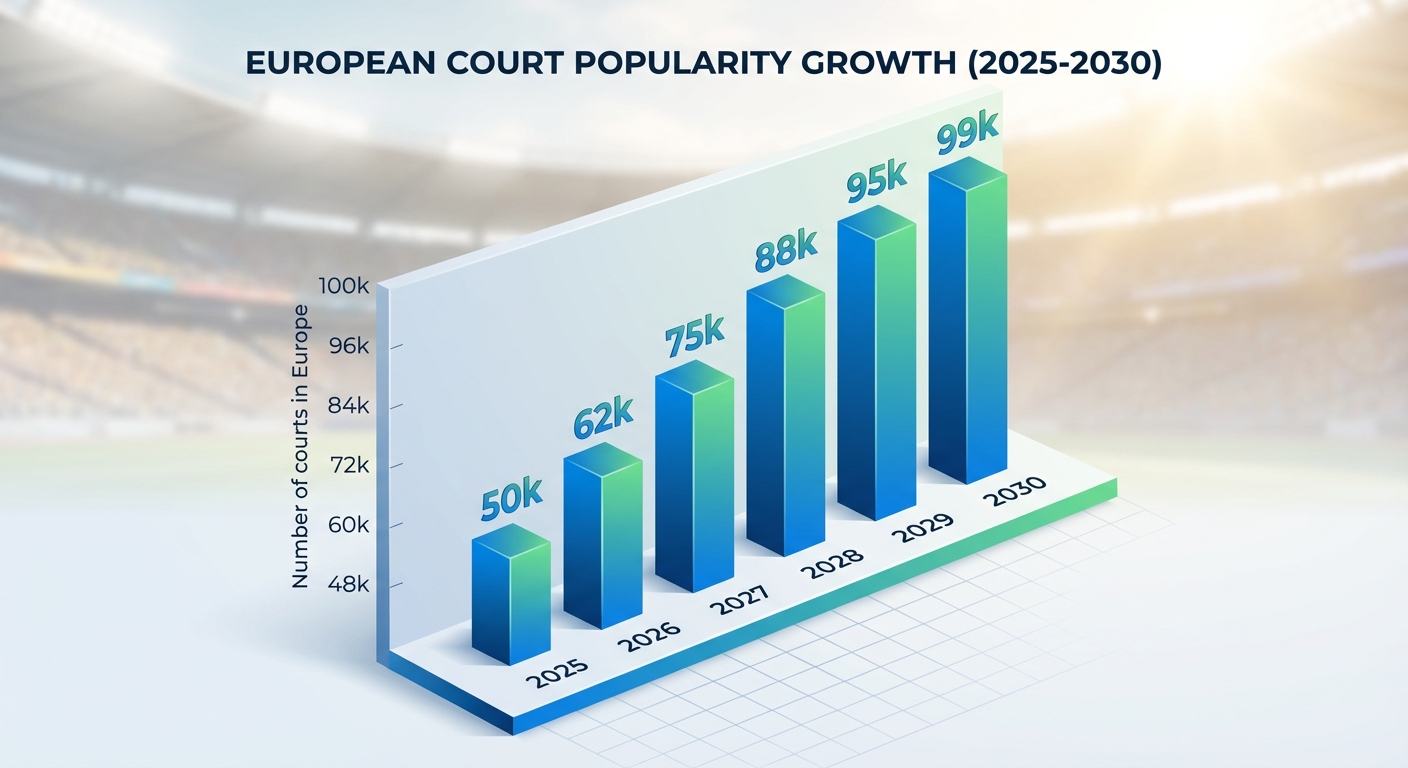
Estimates suggest that Europe will reach nearly 100,000 padel courts by the year 2030. You should recognize this as a massive opportunity for sports facility development and franchising. The trend is clear:
- Projected 80% growth in courts.
- Diversification of tennis facilities.
- Rise of dedicated indoor padel hubs.
Success in Spain and the Middle East
Spain has over 20,000 courts already, proving the long-term sustainability of the model. You will notice that the Middle East is now following this blueprint with luxury resorts and high-end clubs. Look:
- Strong celebrity and athlete backing.
- Integration with high-end hospitality.
- Focus on the social “après-sport” experience.
| Year | Est. European Courts | Market Maturity |
|---|---|---|
| 2025 | 50,000 | Emerging |
| 2027 | 75,000 | Growth |
| 2030 | 99,000 | Mature |
As shown in the data, the infrastructure boom shows no signs of slowing down over the next five years.
Key Takeaway: Padel has become a professionalized industry in Europe with multi-billion dollar investment potential.
What makes these sports so social?
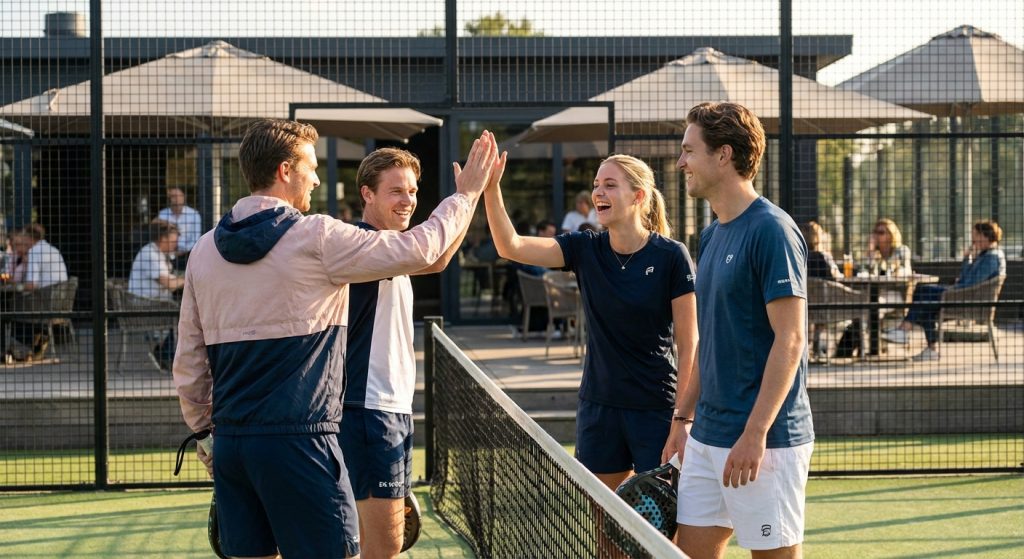
The high social value comes from the proximity of players on the court and the fact that they are primarily played as doubles. You will find that it is much easier to hold a conversation during a padel or pickleball match than during tennis. This makes the sports perfect for networking and community building.
Teamwork and communication styles
Because you are playing so close to your partner, constant communication is the only way to win. You must coordinate movement and strategy in real-time. Make no mistake:
- Doubles play is the standard.
- Smaller courts foster chatter.
- Shared victories build strong bonds.
The “Après-sport” club culture
Many facilities find that players stay for hours after their matches to socialize at the club bar or café. You can monetize this by offering food and beverage services alongside your court rentals. https://info.betflag.it/info-giochi/scommesse-sportive/tipologie-di-scommessa/padel/ illustrates the professional community that has grown around the sport. Here’s the kicker:
- Socializing is as important as the game.
- Club lounges increase revenue.
- Tournaments create local community events.
| Social Aspect | Impact on Club | Player Benefit |
|---|---|---|
| Doubles Format | Higher court utilization | Easier to find games |
| Close Proximity | More active atmosphere | Constant interaction |
| Club Vibe | Increased F&B sales | Networking opportunities |
The community aspect is what keeps players coming back week after week, far more than just the exercise.
Key Takeaway: Building a social ecosystem around your courts is the most effective way to ensure long-term profitability.
Can you bet on professional padel matches?
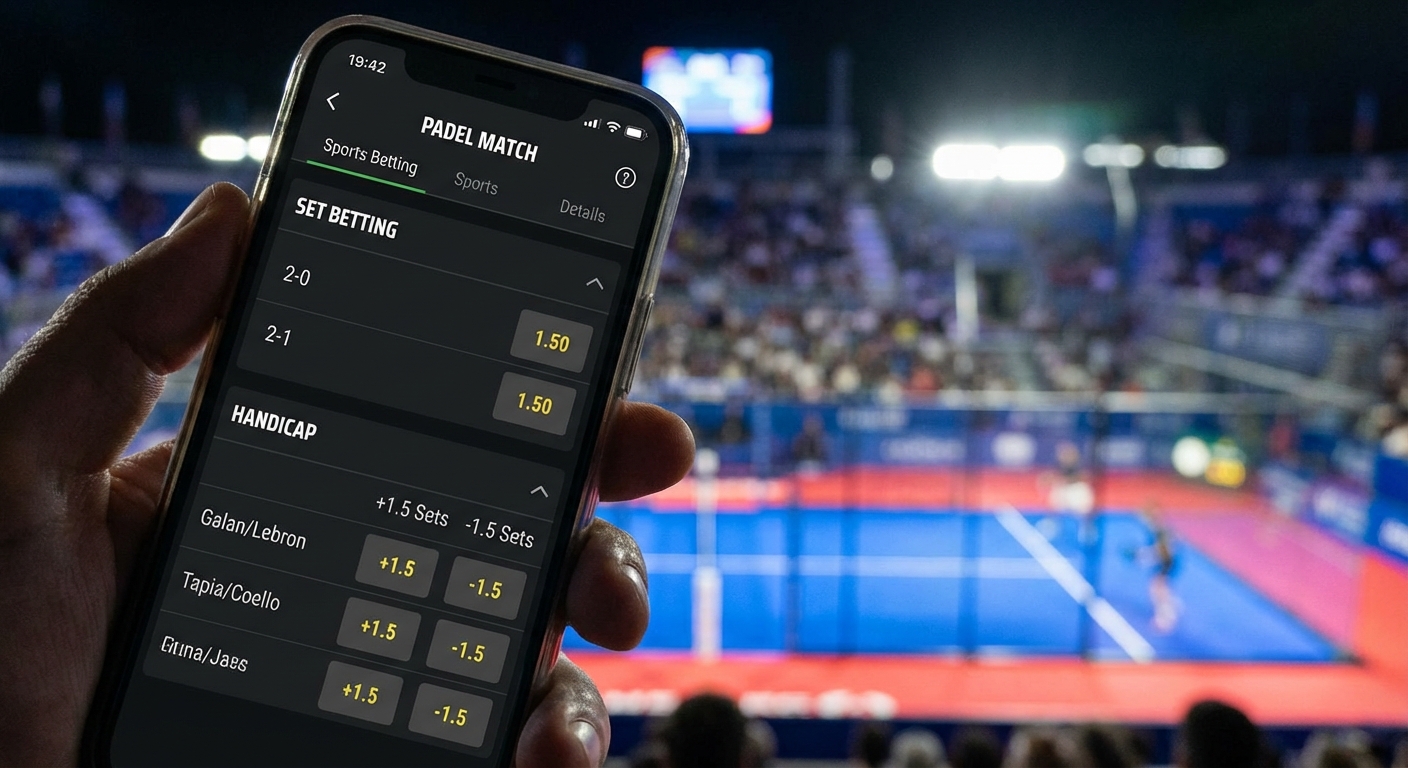
Professional betting on pickleball vs padel popularity events is now a reality thanks to the global professionalization of tours like Premier Padel. You can access a wide variety of markets, including match winners, set scores, and handicap games. This indicates that the sport has matured into a mainstream athletic endeavor.
Understanding common match outcomes
Betting markets often focus on the total number of games or whether a specific pair will win a set. You will find that these markets are highly dynamic due to the fast pace of the game. Look at this:
- Match Winner (Head to Head).
- Set Betting (Exact Scores).
- Over/Under Total Games.
Handicaps and set betting explained
Handicaps are used to level the playing field when a top-ranked pair faces lower-seeded opponents. You should consult professional guides like https://info.betflag.it/info-giochi/scommesse-sportive/tipologie-di-scommessa/padel/ to understand the specific rules regarding player retirements. Here’s the kicker:
- Handicaps apply to total games won.
- “Yes/No” on a player winning a set.
- Live betting during major tournaments.
| Market Type | Description | Risk Level |
|---|---|---|
| Head to Head | Direct match winner | Moderate |
| Set Betting | Predict exact set score | High |
| Under/Over | Total games played | Low |
The existence of robust betting markets proves that these sports have moved beyond being just casual hobbies.
Key Takeaway: Professional tours and betting interest are elevating these sports to the level of traditional global athletics.
What does the growth look like for 2030?
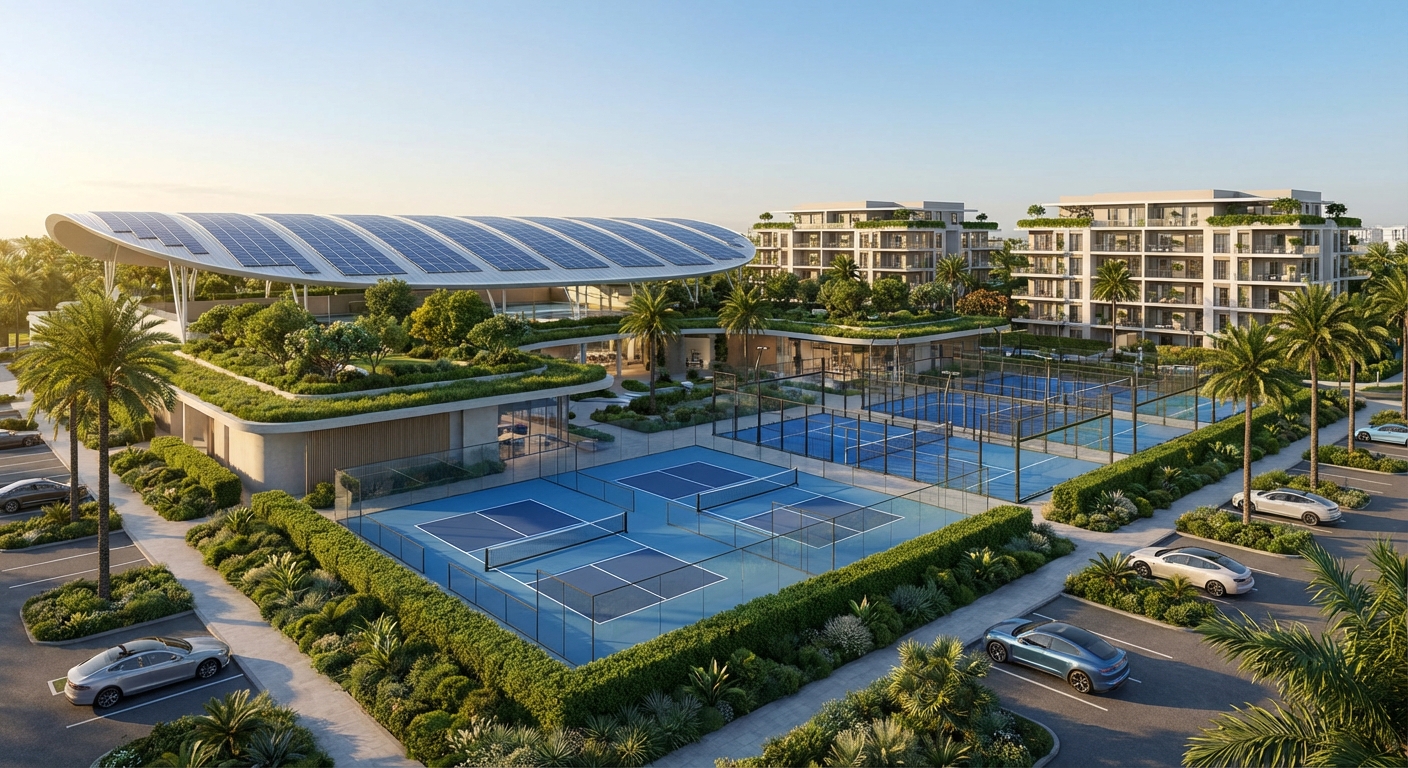
The growth outlook for 2030 suggests a complete transformation of the racket sport industry into a more diversified and tech-integrated landscape. You will see existing tennis clubs converting underused space into multi-sport hubs. This shift is driven by the need for higher ROI per square meter of facility space.
Investing in future court facilities
Investors are increasingly looking at padel and pickleball as “recession-proof” fitness assets. You can expect more automated booking systems and sustainable court materials to become the industry standard. The trend is:
- Conversion of indoor warehouses.
- Integration with smart-club tech.
- Sustainable “green” court designs.
Adaptation of existing tennis clubs
Traditional clubs that fail to adapt risk becoming obsolete as younger players flock to more social alternatives. You should consider a phased approach to adding new courts to gauge local interest. https://info.betflag.it/info-giochi/scommesse-sportive/tipologie-di-scommessa/padel/ highlights how professional play is driving amateur participation. Here’s the kicker:
- Increased member retention rates.
- Higher revenue per court hour.
- Attracting a younger demographic.
| Factor | Impact by 2030 | Strategy |
|---|---|---|
| Court Density | 4x higher than tennis | Maximize footprint |
| Technology | Automated entry/lighting | Reduce labor costs |
| Diversity | Multi-sport offerings | Future-proof revenue |
The future belongs to clubs that embrace variety and leverage the social energy of these burgeoning sports.
Key Takeaway: Strategic diversification into these sports today will define the market leaders of the next decade.
Which sport should you choose today?
You should choose between pickleball vs padel popularity based primarily on your available capital and the existing sporting culture in your region. If you have limited space and a lower budget, pickleball is the logical entry point. Conversely, if you want a premium, high-tech offering with deeper tactical play, padel is the superior investment.
Key takeaways for players
Players often gravitate toward the sport that has the strongest local community and easiest access to courts. You will find that both offer excellent health benefits and a fantastic way to meet new people. But that’s not all.
- Pickleball is easier on the joints.
- Padel offers more strategic depth.
- Both are incredibly fun and addictive.
Choosing based on your playstyle
Your personal playstyle and competitive drive should dictate which racket you pick up first. You will likely enjoy pickleball if you love fast reflexes and “kitchen” play. On the other hand, if you enjoy the complexity of walls and overhead smashes, padel is for you. Here’s the kicker:
- Fast-paced? Choose pickleball.
- Socially intensive? Choose padel.
- Competitive and tactical? Try both.
| Preference | Recommendation | Primary Draw |
|---|---|---|
| Easy Entry | Pickleball | Instant success |
| Tactical Depth | Padel | Glass wall strategy |
| Social Hub | Padel | Premium club feel |
Regardless of your choice, the most important step is to get on the court and experience the energy firsthand.
Key Takeaway: The “correct” choice is the one that best matches your local market’s demand and your long-term business goals.
FAQ: Navigating the Racket Sport Boom
Can I play Padel on a Pickleball court?
No. Padel requires a larger footprint and specific structural glass walls that are essential to the game’s mechanics.
What’s the best way to introduce these sports to an old club?
Start with a pilot program or a pop-up court to gauge interest before committing to permanent structural changes.
How do I know if my local market prefers Padel or Pickleball?
Analyze existing regional participation data and conduct a survey among your current club members to see which sport they have heard of or tried.
Can I use a regular tennis ball for Pickleball?
Absolutely not. The plastic perforated ball is essential for the “slow” physics that make pickleball accessible and strategic.
What happens if a player withdraws in a pro match for betting purposes?
Generally, bets are refunded or voided unless the specific outcome has already been determined by the point of retirement.
If you are ready to transform your facility and capitalize on these global trends, contact us today to discuss your court installation and community-building strategy. We specialize in helping facility owners solve the problem of underutilized space while maximizing player engagement and revenue.
At the intersection of social connectivity and athletic innovation, we empower you to build the future of sports recreation.