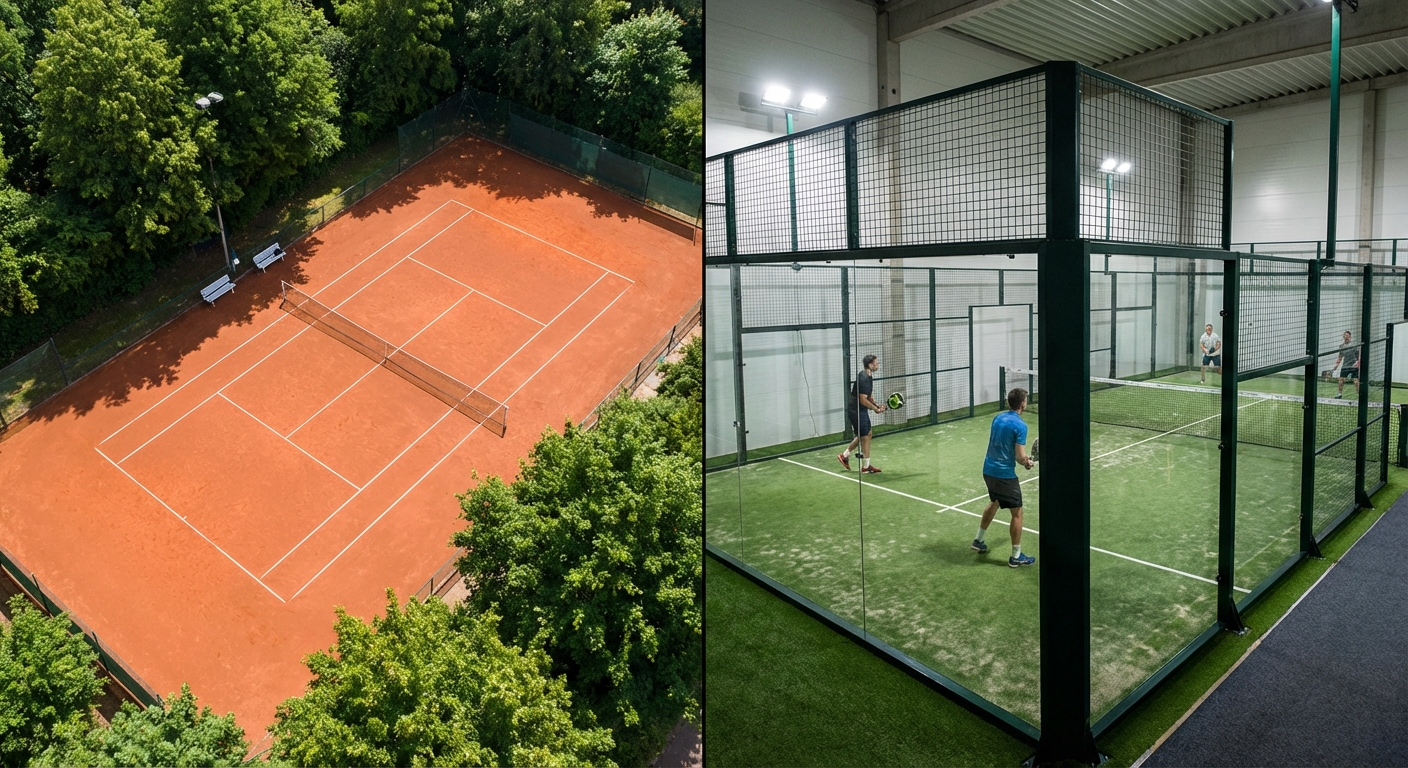
Padel was invented in the sun-drenched city of Acapulco, Mexico, by a man named Enrique Corcuera in 1969. You might be searching for a dynamic sport that blends the elegance of tennis with the proximity of squash, yet you find many options too physically demanding or difficult to learn. It is incredibly frustrating to feel excluded from the world’s fastest-growing sport simply because you lack the historical context or technical knowledge to get started. By uncovering the story of where was padel invented and learning the blueprints for its construction, you can master this social phenomenon and even bring the court to your own backyard.
1. Where was padel invented and by whom?
Padel was first created by Enrique Corcuera in 1969 within the borders of his private estate in Acapulco. When you investigate where was padel invented, you find that this Mexican businessman wanted to play a racket sport but lacked the space for a full tennis court.
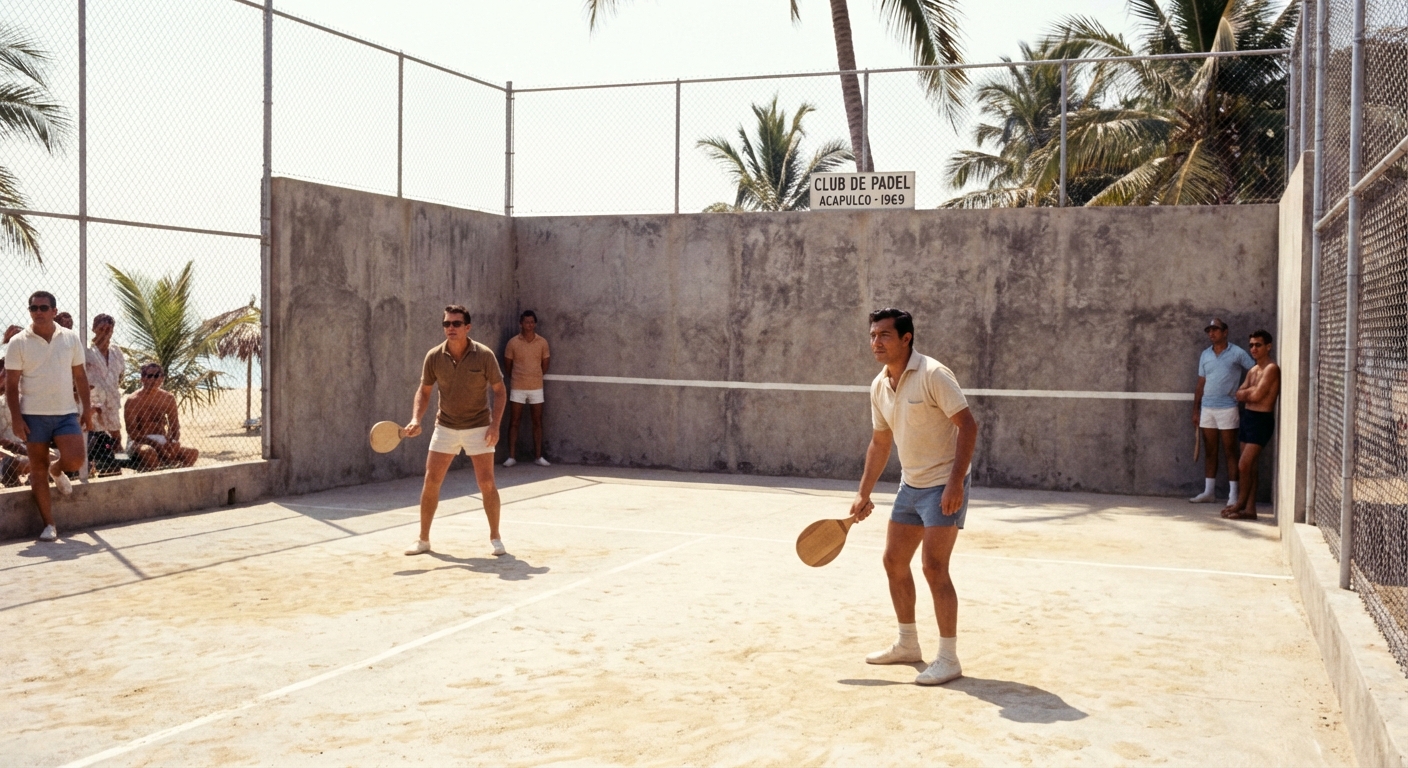
The story of Enrique Corcuera in Acapulco?
The founder was a passionate lover of fronton who faced a unique spatial problem at his holiday home. Because his yard was surrounded by walls and lush vegetation, he decided to adapt the game to fit the existing environment.
But that’s not all…
- Enrique Corcuera was the primary visionary.
- His wife, Viviana, helped establish the early rules.
- The original court used wooden paddles.
Why the first court was built in 1969?
The 1969 construction served as a practical solution to prevent tennis balls from flying into his neighbor’s property. He utilized the masonry walls of his house as boundaries, allowing the ball to stay in play longer and creating a unique strategic element.
Here is the best part…
- Masonry walls provided a natural rebound surface.
- The limited space required a shorter racket design.
- Family members could play together regardless of age.
The accidental birth of a global phenomenon?
What started as a private hobby for the Mexican elite quickly evolved into a regulated sport with international appeal. You are looking at a game that was born from necessity but thrived because of its addictive, high-speed nature and social accessibility.
Believe it or not…
- The first “racket paddle” sets were custom-made.
- Guests from Spain were the first to export the idea.
- It took decades to standardize the modern glass walls.
Key Takeaway: Enrique Corcuera’s 1969 invention in Acapulco transformed a spatial limitation into the foundational logic of a world-renowned sport.
| Attribute | Origin Detail |
|---|---|
| Inventor | Enrique Corcuera |
| Location | Acapulco, Mexico |
| Year | 1969 |
| Initial Name | Racket Paddle |
This historical foundation establishes the necessary context for understanding the sport’s rapid European expansion.
2. How did padel spread from Mexico to Spain?
The sport traveled to Spain in 1975 when Prince Alfonso de Hohenlohe, a friend of Corcuera, built the first European courts in Marbella. Learning where was padel invented helps you appreciate how a vacation hobby was successfully transplanted into the elite sporting clubs of the Mediterranean coast.
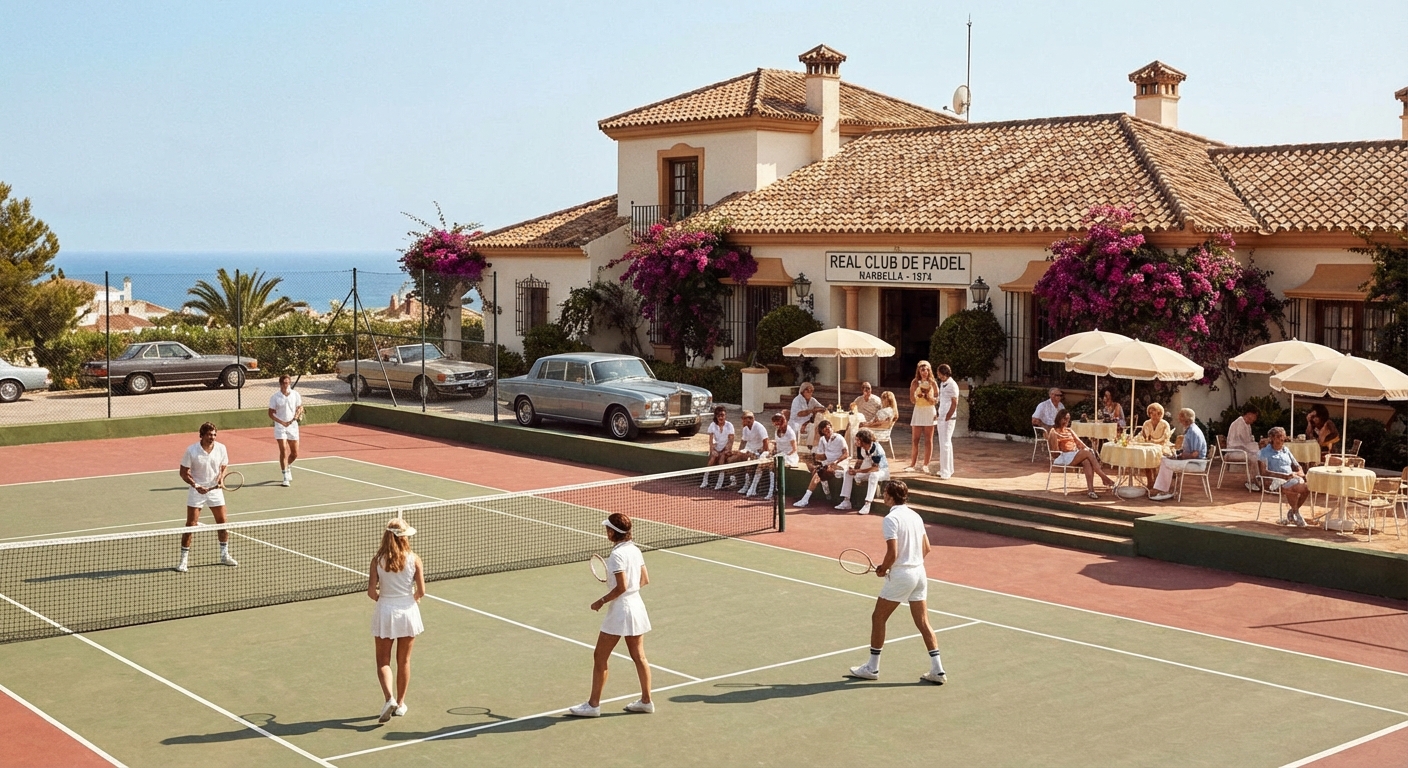
The Marbella connection and the 1975 expansion?
Hohenlohe was so impressed by the game in Acapulco that he immediately constructed two courts at the Marbella Club. This introduction turned the seaside resort into the gateway for the sport’s massive growth across the Iberian Peninsula.
Wait, there’s more…
- Marbella became the European epicenter of the game.
- The initial players were high-society international tourists.
- The courts were modified slightly for better public durability.
Royal influence on the sport’s early growth?
The popularity of the game skyrocketed when King Juan Carlos de Borbón and tennis champions began playing at exclusive clubs. Their endorsement provided the prestige needed to attract investment and the development of more facilities throughout the country.
It gets even better…
- King Juan Carlos was a frequent and visible player.
- Famous tennis icons helped validate the sport’s competitive side.
- Media coverage of these figures accelerated public interest.
The transition from elite clubs to public popularity?
By the early 2000s, the sport moved beyond exclusive circles to become a staple of public parks and residential complexes. You can now find thousands of clubs across Spain, making it the most played racket sport in the country after traditional tennis.
But wait, there’s more…
- Over 500 clubs existed by the year 2000.
- Residential buildings began including courts as amenities.
- Affordable equipment made the game accessible to everyone.
Key Takeaway: The sport’s journey from an exclusive Mexican estate to Spanish public parks was fueled by royal patronage and celebrity influence.
| Era | Growth Milestone |
|---|---|
| 1975 | First courts built in Marbella, Spain |
| 1980s | Adoption by Spanish Royalty and athletes |
| 1991 | Formation of the International Padel Federation |
| 2005 | Total Spanish clubs exceed 1,000 |
This progression demonstrates how social endorsement can transform a niche activity into a mainstream athletic staple.
3. What exactly is padel and how do you play?
Padel is a racket sport played in doubles on an enclosed court where the walls are active participants in the game. When you consider where was padel invented, you see that the where was padel invented spirit of using surroundings is still the core mechanic of every match today.
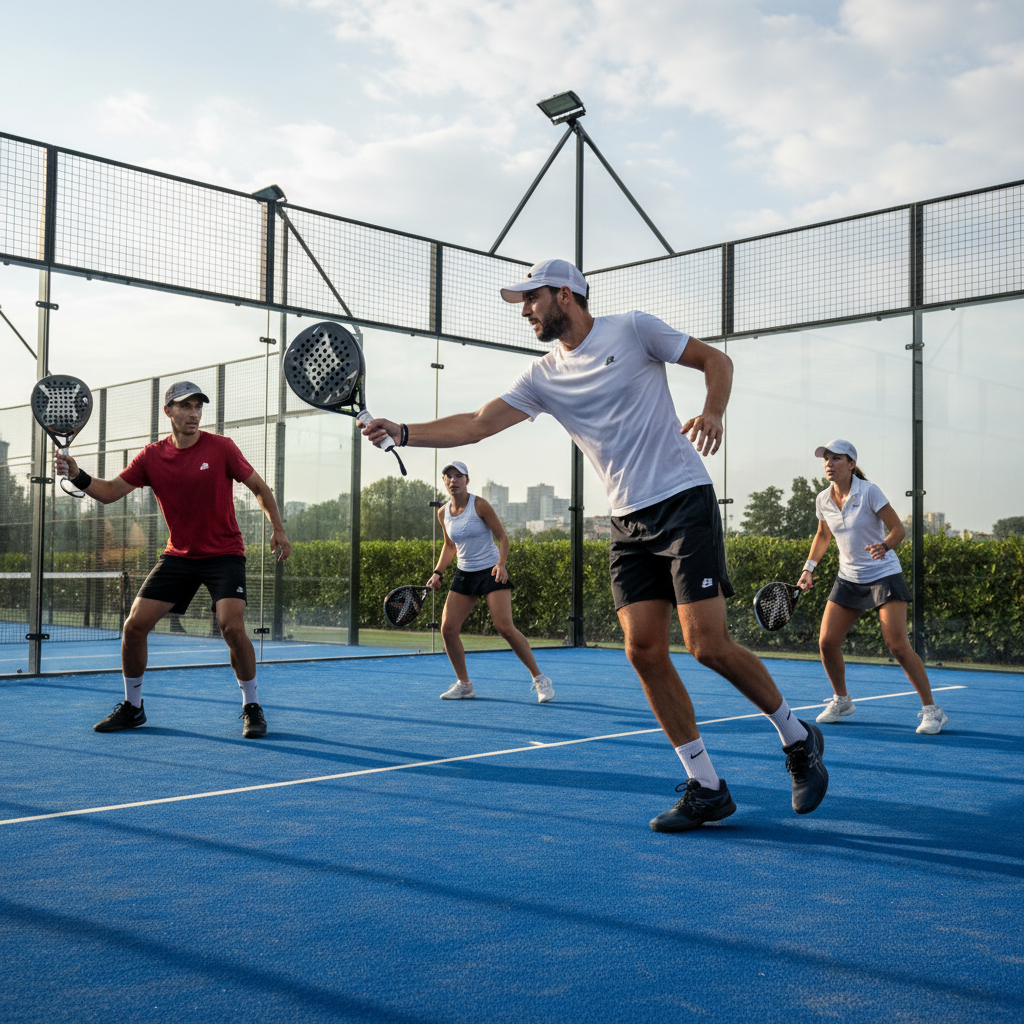
Defining the doubles-only format?
Official competitive matches are almost exclusively played by two teams of two players each. This format emphasizes teamwork, positioning, and strategic ball placement rather than the sheer physical power often seen in singles tennis.
Think about this…
- Communication with your partner is vital for success.
- The court layout is optimized for four people.
- Rallies tend to be longer than in other racket sports.
Essential rules for using the walls?
You are allowed to let the ball hit the glass walls after it bounces on the ground to keep the point alive. This unique feature means you must anticipate rebounds and use the angles of the enclosure to outsmart your opponents.
But that’s not all…
- The ball must hit the ground before touching a wall.
- You can hit the ball against your own glass to send it over.
- The metal mesh creates unpredictable, challenging bounces.
Understanding the unique scoring system?
The scoring mirrors traditional tennis, using 15, 30, 40, and game points across sets. However, many professional matches now utilize the “Golden Point” to decide deuce games, adding an extra layer of tension and excitement.
Here is the best part…
- Sets are usually won by the first team to reach six games.
- A tie-break is played if the score reaches six-all.
- The Golden Point eliminates long, repetitive deuce cycles.
Key Takeaway: Padel is a tactical, doubles-centric game that rewards spatial awareness and the clever use of its glass-enclosed environment.
| Rule Category | Description |
|---|---|
| Players | 2 vs 2 (Doubles) |
| Serve | Underhand, below waist level |
| Wall Use | Valid after the ball bounces on turf |
| Scoring | 15, 30, 40, Game (Tennis style) |
Analyzing these rules reveals why the game is often described as “chess on a court.”
4. What equipment do you need to start playing?
To start playing, you need a specialized stringless racket, pressurized balls, and footwear designed for artificial turf traction. Even since the time where was padel invented, the equipment has evolved from heavy wood to lightweight, high-tech carbon fiber materials.
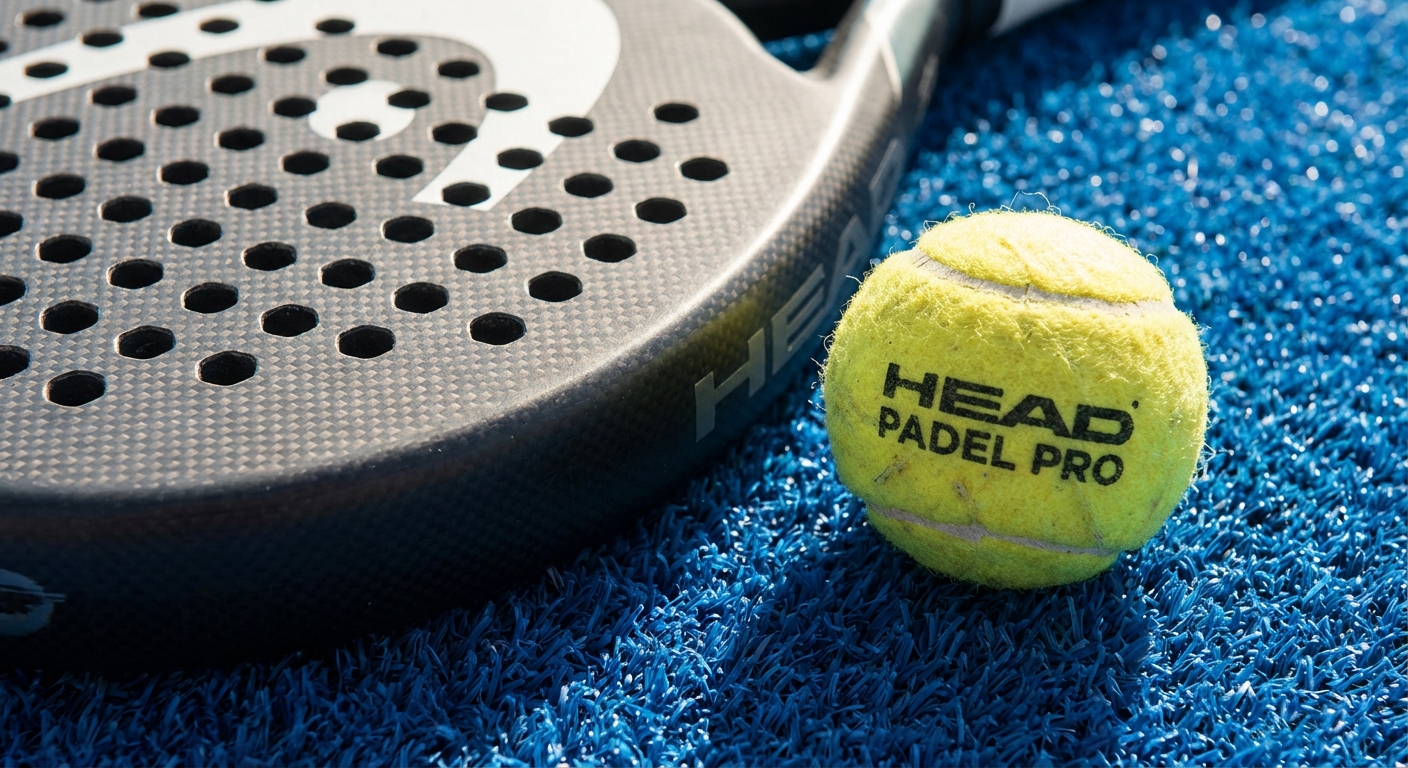
Features of the perforated stringless racket?
Unlike tennis rackets, these are solid frames with holes drilled into the surface to reduce wind resistance and weight. You will find that they are much shorter, providing better control and making them easier to handle for beginners.
Believe it or not…
- Most rackets use an EVA foam or polyethylene core.
- The thickness is standardized at 38 millimeters.
- A wrist strap is mandatory for safety during play.
Comparing padel balls to standard tennis balls?
While they look nearly identical, these balls have slightly less internal pressure to account for the smaller court size. This lower pressure ensures the ball doesn’t bounce too high or travel too fast, keeping the game balanced for wall play.
Wait, there’s more…
- They are the same size as tennis balls.
- The bounce height is strictly regulated by federations.
- Yellow is the most common color for high visibility.
Choosing the right footwear for court traction?
You must wear shoes with a “herringbone” or “omni” sole pattern to handle the sand-filled turf surface. Proper shoes prevent sliding and reduce the risk of ankle injuries during the quick lateral movements required in every rally.
It gets even better…
- Herringbone soles offer the best grip on sandy turf.
- Lateral support is crucial for the sport’s frequent pivots.
- Cushioning helps protect your joints on hard concrete bases.
Key Takeaway: Investing in a foam-core racket and specific clay-court shoes is essential for performance and injury prevention.
| Equipment Item | Key Specification |
|---|---|
| Racket | Stringless, max 38mm thickness |
| Balls | Low pressure, high durability |
| Shoes | Herringbone or Omni sole patterns |
| Safety | Mandatory wrist strap on the racket |
This equipment list provides the technical starting point for any player entering the court.
5. How does padel differ from traditional tennis?
Padel differs from tennis primarily through its smaller court size, the use of walls, and a mandatory underhand serve. Recalling where was padel invented, you see that the where was padel invented concept was specifically designed to be a more compact and social alternative to the lawn game.
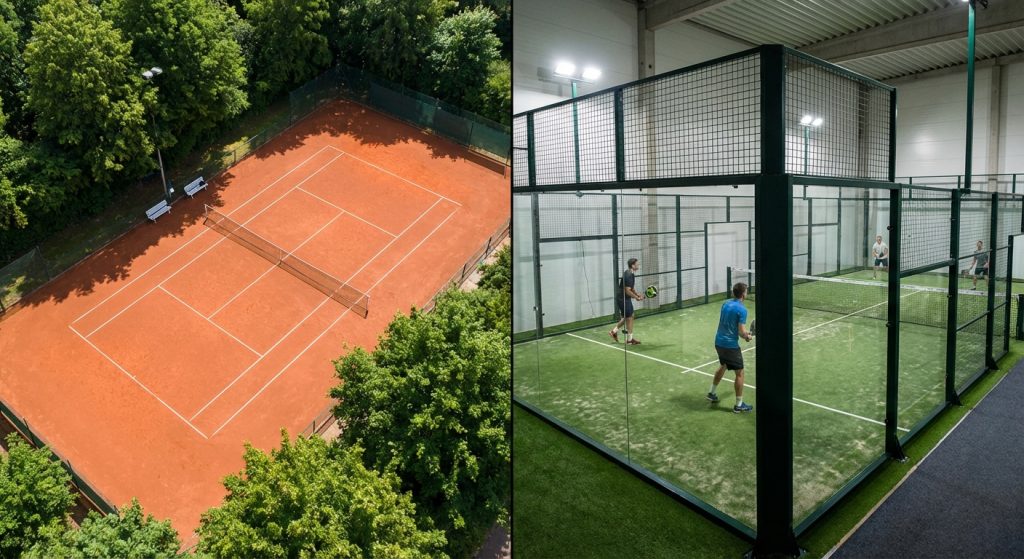
Contrasting court dimensions and layouts?
The court is exactly 20 meters long and 10 meters wide, which is roughly 25% smaller than a standard tennis court. This reduction in space makes it easier for you to cover the area, leading to longer rallies and more frequent ball contact.
Think about this…
- Less running is required to reach the ball.
- The proximity to opponents increases the game’s social feel.
- You can play comfortably in urban spaces with less land.
The role of the glass walls in gameplay?
In tennis, if the ball passes you, the point is over, but here, the glass acts as a second chance. You can play the ball off the back or side walls, which fundamentally changes how you think about defense and offensive angles.
But wait, there’s more…
- Walls allow for unique “boasts” and defensive lobs.
- The “fence” or mesh can cause unpredictable rebounds.
- Tennis skills translate, but wall timing must be learned.
Differences in serve technique and speed?
The serve must be hit underhand and at or below waist level, making it much easier to return than a 120mph tennis serve. This ensures that every point starts with a rally rather than an immediate ace, keeping the focus on strategy.
Here is the best part…
- Beginners can master the serve in just one session.
- The ball must bounce once in the server’s box first.
- You get two attempts to hit a valid serve.
Key Takeaway: By lowering the serve difficulty and adding walls, the sport prioritizes long rallies and tactical depth over raw athletic power.
| Feature | Padel | Tennis |
|---|---|---|
| Court Size | 10m x 20m | 10.97m x 23.77m |
| Walls | Active part of play | Out of bounds |
| Serve | Underhand | Overhand |
| Format | Mostly Doubles | Singles and Doubles |
The data highlights why players transitioning from tennis often find the new sport refreshing yet challenging.
6. What are the official dimensions of a padel court?
A standard court measures 20 meters in length and 10 meters in width, divided by a central net. Reflecting on where was padel invented, the dimensions were originally dictated by the space available in Enrique Corcuera’s garden, but they are now strictly standardized.
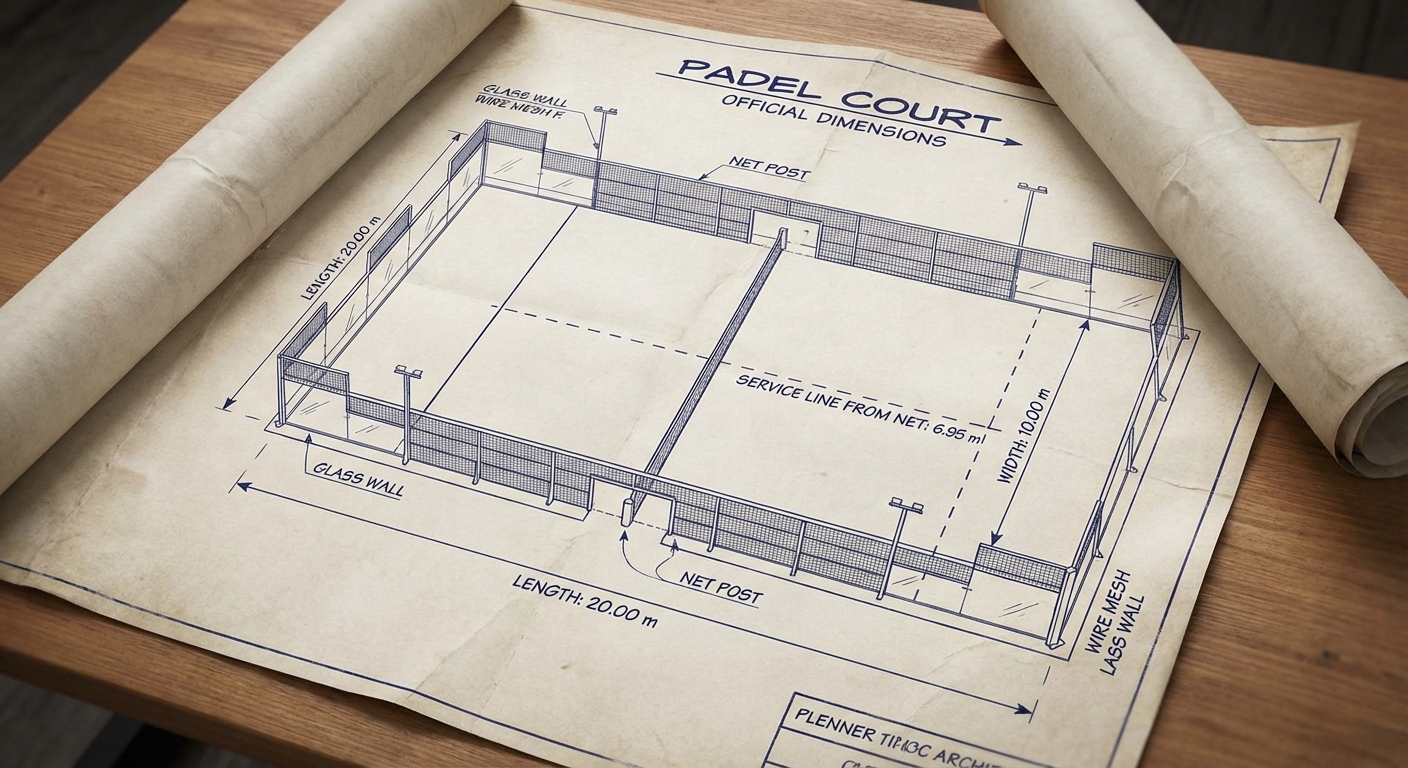
Standard width and length measurements?
The playing area is a rectangle where each half is a perfect 10×10 meter square. This symmetry allows for consistent movement patterns and ensures that both the offensive and defensive zones are clearly defined for the players.
But that’s not all…
- The total area required is 200 square meters.
- The court is 10 meters wide at the net line.
- Tolerance for error in construction is very low.
Required height for glass and mesh panels?
The back walls must be 3 meters high, often with an additional 1 meter of metal mesh on top for a total of 4 meters. The side walls use a combination of glass and mesh to allow for ventilation and different types of ball interaction.
Wait, there’s more…
- Glass panels must be perfectly vertical and flush.
- Mesh height varies along the side of the court.
- Structural posts must not interfere with the glass surface.
The specific placement of the service lines?
Service lines are positioned 6.95 meters from the net, creating the boxes where the ball must land during a serve. Unlike tennis, there is no “double alley,” as the entire width of the court is used for both serving and general play.
It gets even better…
- A central line divides the service area into two boxes.
- The lines are usually 5 centimeters wide.
- Accuracy in line painting is critical for official matches.
Key Takeaway: Precise adherence to the 10x20m layout and wall height regulations is what separates a professional court from a casual setup.
| Component | Standard Dimension |
|---|---|
| Total Length | 20 Meters |
| Total Width | 10 Meters |
| Back Wall Height | 3 Meters (Glass) + 1 Meter (Mesh) |
| Net Height | 88cm (Center) to 92cm (Ends) |
These measurements provide the blueprint for any construction project or facility planning.
7. Which materials are used to build a padel court?
The construction requires high-quality tempered glass, artificial turf, and a robust steel frame for the enclosure. Since the era where was padel invented, the materials have shifted from simple concrete walls to transparent glass that offers better visibility for spectators of the game where was padel invented.
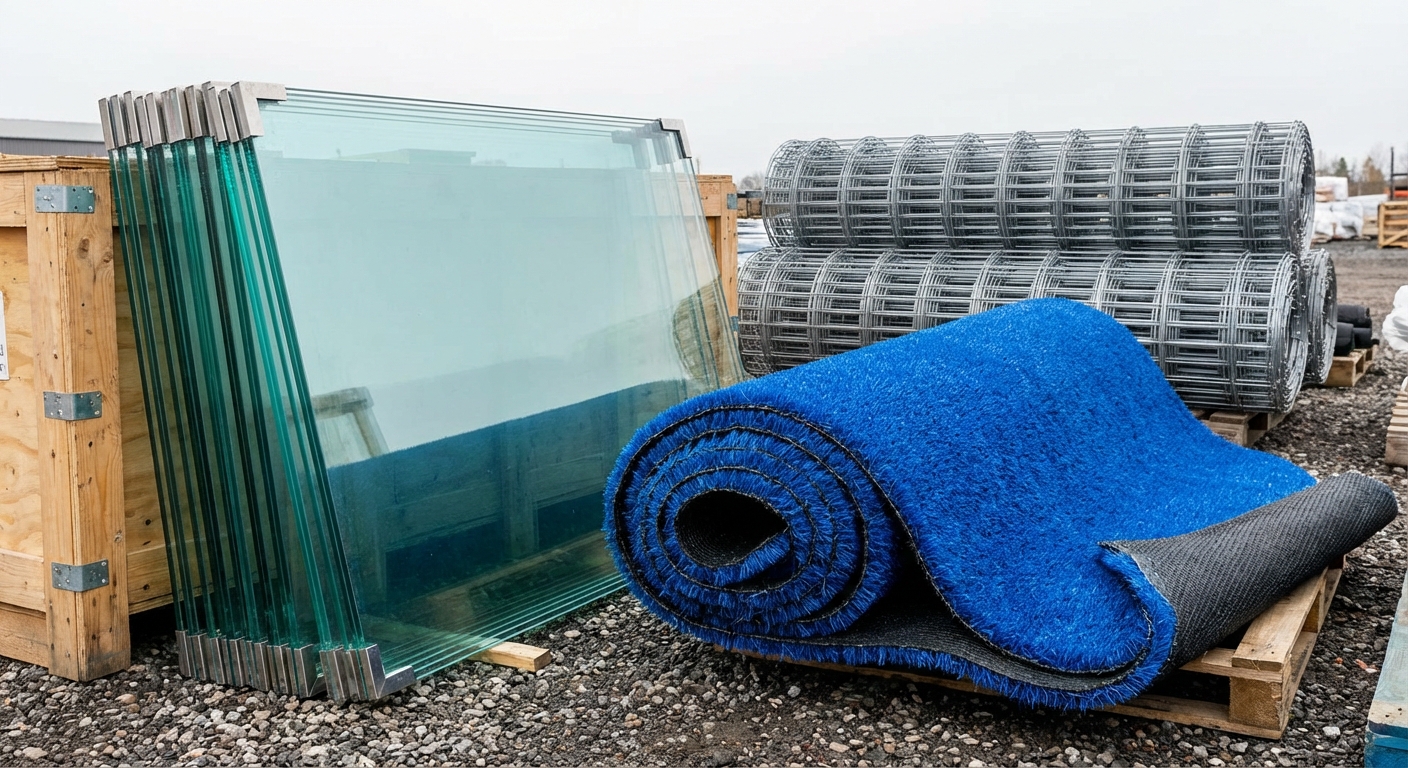
Selecting tempered glass for safety and bounce?
You must use tempered or laminated glass with a thickness of at least 10mm to 12mm to ensure it can withstand high-impact ball hits. This material provides a consistent, predictable bounce that is essential for the high-speed tactical rallies that define the sport.
Believe it or not…
- Tempered glass is designed to shatter into safe, blunt pieces.
- It offers 100% visibility for television and spectators.
- Specialized fixings prevent the glass from vibrating excessively.
Choosing high-quality artificial turf surfaces?
The surface is typically made of monofilament or fibrillated synthetic grass filled with a specific amount of fine silica sand. This combination allows you to slide safely while ensuring the ball has the correct friction for spin and speed.
Wait, there’s more…
- Blue is the most popular color for professional courts.
- The sand must be evenly distributed to prevent dead spots.
- Drainage is built into the turf for outdoor installations.
Metal mesh specifications for the enclosure?
The wire mesh used for the sides must be rigid enough to provide a consistent bounce but flexible enough to be safe for players. It is usually electro-welded or simple torsion mesh, finished with a galvanized or powder-coated protective layer.
Think about this…
- Mesh allows for airflow in outdoor settings.
- It creates a “wildcard” bounce compared to the flat glass.
- The frame must be anchored deeply into a concrete base.
Key Takeaway: Using 12mm tempered glass and specialized monofilament turf ensures both player safety and professional-grade gameplay.
| Material | Purpose |
|---|---|
| Tempered Glass | Rebound surface and spectator visibility |
| Artificial Turf | Player traction and ball speed control |
| Silica Sand | Turf stabilization and sliding ability |
| Galvanized Steel | Structural integrity and mesh support |
Selection of these materials directly impacts the longevity and maintenance requirements of the facility.
8. How do you construct a padel court at home?
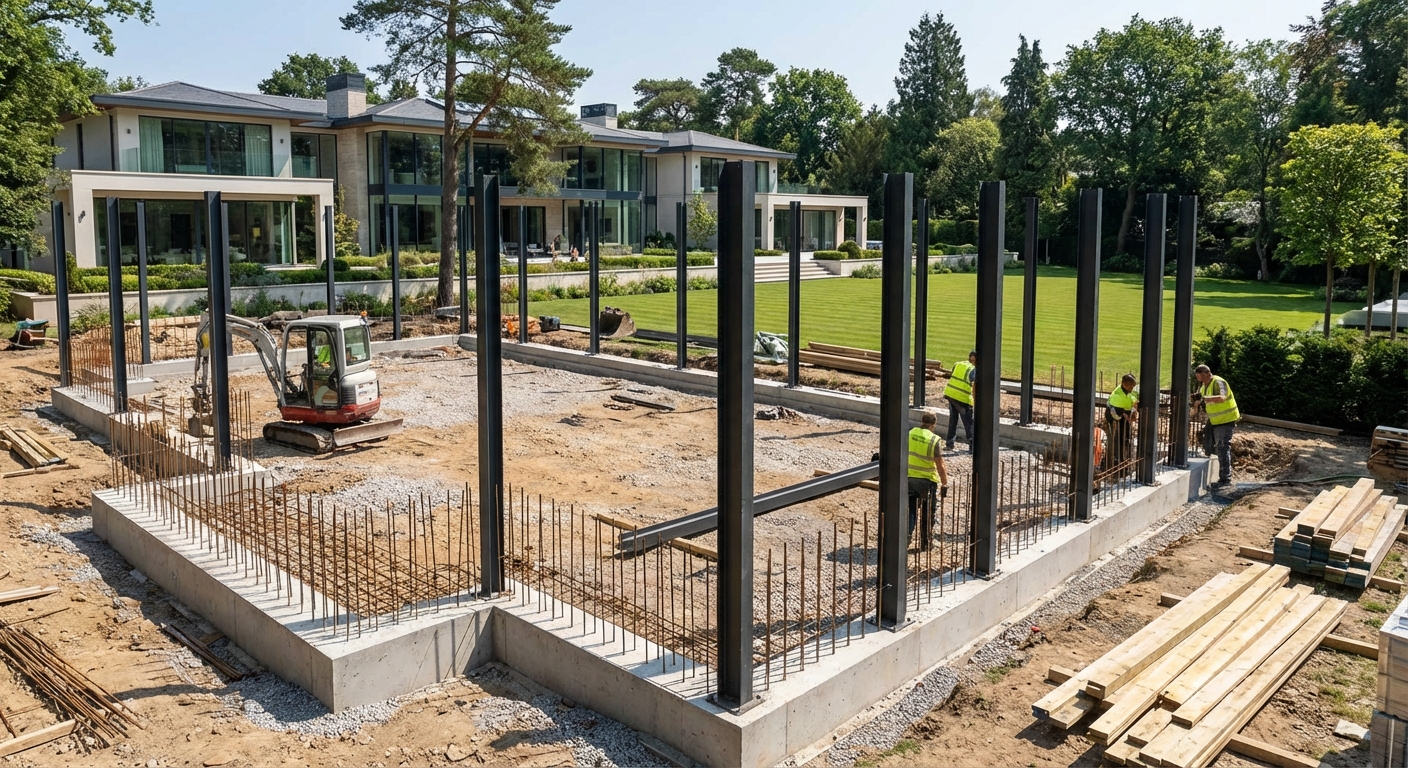
Building a court at home involves pouring a reinforced concrete slab, assembling the steel frame, and installing the glass and turf. While the first court was built in a garden where was padel invented, modern home installations require professional engineering to handle the weight of the glass panels.
Preparing the concrete or asphalt foundation?
You need a perfectly level base, usually a 15cm thick reinforced concrete slab, to support the several tons of glass and steel. Proper drainage is also essential, especially if you are building outdoors, to prevent water from pooling under the artificial turf.
Here is the best part…
- A laser-leveled base prevents irregular ball bounces.
- Perimeter beams provide the necessary anchor points.
- Asphalt is a viable, slightly cheaper alternative to concrete.
Installing the structural pillars and lighting?
Once the base is cured, you must bolt the steel pillars into the perimeter and install the LED lighting masts. Professional-grade lighting is usually mounted at 6 meters high to ensure the entire court is illuminated without causing glare for the players.
But wait, there’s more…
- LED lights are the standard for energy efficiency.
- Pillars must be perfectly plumb to hold the glass.
- Underground conduits should be planned for the wiring.
Adding the net and surface sand infill?
The final steps involve laying the turf, brushing in the silica sand, and tensioning the net between the two central posts. You must ensure the sand is distributed at approximately 3kg per square meter to provide the perfect balance of grip and slide.
It gets even better…
- Sand prevents the turf from moving or wrinkling.
- The net height must be checked at the center and ends.
- Regular brushing will keep the surface in peak condition.
Key Takeaway: A successful home build relies on a laser-leveled concrete foundation and high-output LED lighting for 24-hour play.
| Construction Step | Critical Success Factor |
|---|---|
| Foundation | 100% level and reinforced concrete |
| Structural Frame | Corrosion-resistant galvanized steel |
| Glass Fitting | Heavy-duty gaskets and secure bolts |
| Turf Infill | Even distribution of kiln-dried silica sand |
Following this sequence ensures a durable court that mimics the quality of professional clubs.
9. Why is padel becoming so popular worldwide?
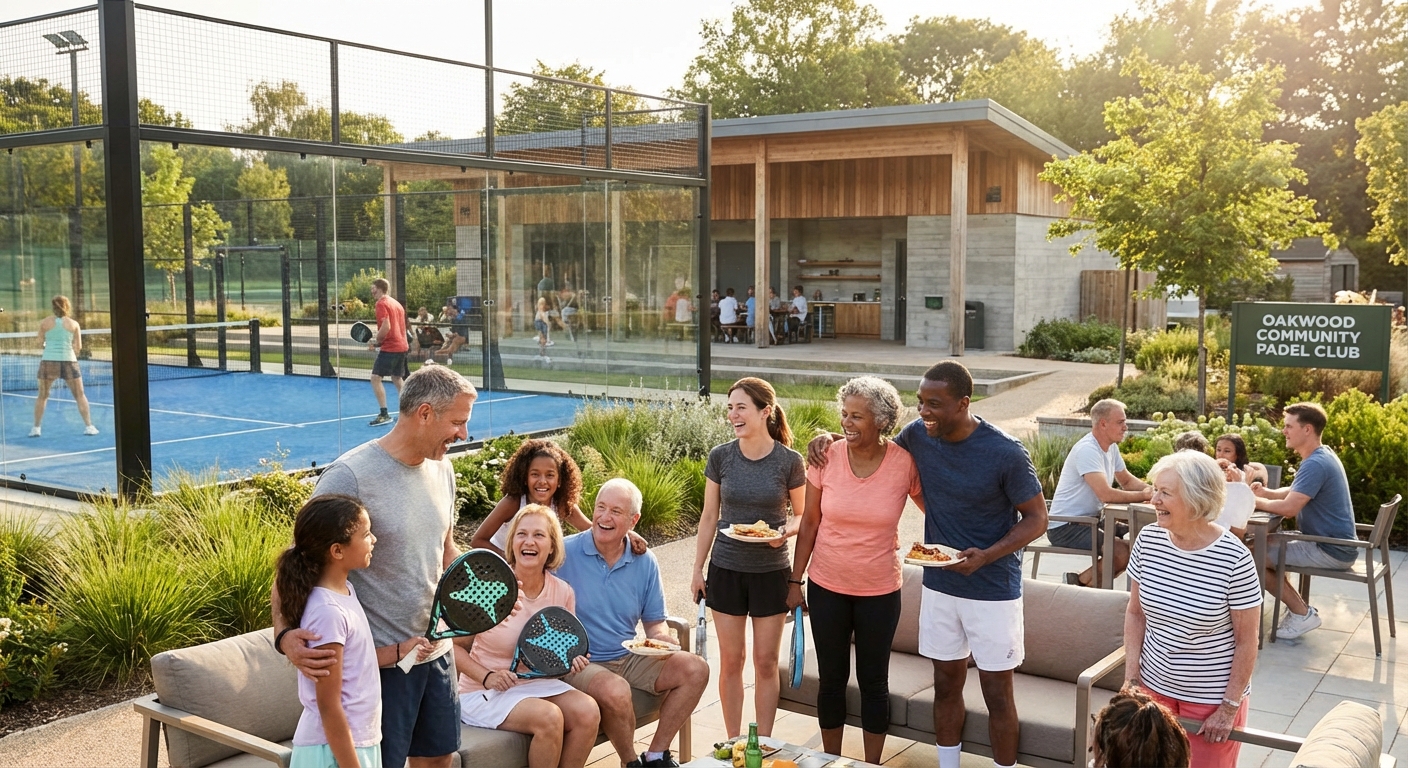
The global surge in popularity is driven by its low learning curve, high social engagement, and the growth of professional tours. Looking back at where was padel invented, you can see that the where was padel invented focus on family play has successfully scaled into a global community of millions of players.
The social benefits of the four-player game?
Because the game is played in a small, enclosed space, it is much easier to talk and laugh with your friends and opponents. This social atmosphere makes the sport feel more like a community gathering than a traditional high-stress competitive match.
Think about this…
- Post-match social “clinics” are a major part of the culture.
- It is easy to find games through mobile apps and clubs.
- The doubles format encourages networking and friendships.
Accessibility for players of all ages and skills?
You don’t need years of training to enjoy a rally, as the underhand serve and shorter rackets make the entry barrier very low. Children, seniors, and former tennis players all find the game rewarding because it prioritizes positioning over pure speed.
But that’s not all…
- Fitness levels are less of a barrier than in tennis.
- The walls act as an equalizer between different skill levels.
- It is a “lifetime sport” that people play well into their 70s.
Impact of the professional world tour circuit?
The rise of professional championships has brought high-definition coverage and sponsorship to the sport, inspiring a new generation of players. You can now watch top athletes perform incredible “out of court” shots that showcase the extreme athleticism possible in the game.
Wait, there’s more…
- Professional tours visit over 20 countries annually.
- Social media highlights of crazy rallies go viral easily.
- Top players are becoming household names in Europe and LatAm.
Key Takeaway: Padel’s success lies in its ability to be both an elite professional sport and a welcoming social hobby for beginners.
| Growth Driver | Impact Description |
|---|---|
| Social Factor | High interaction due to enclosed doubles play |
| Learning Curve | Beginners can play fun matches in one hour |
| Media Influence | Viral highlights and professional tour growth |
| Urban Fit | Smaller court size works in crowded cities |
This combination of factors suggests the sport’s growth is a long-term shift in the global athletic landscape.
10. What are the key rules for competitive matches?
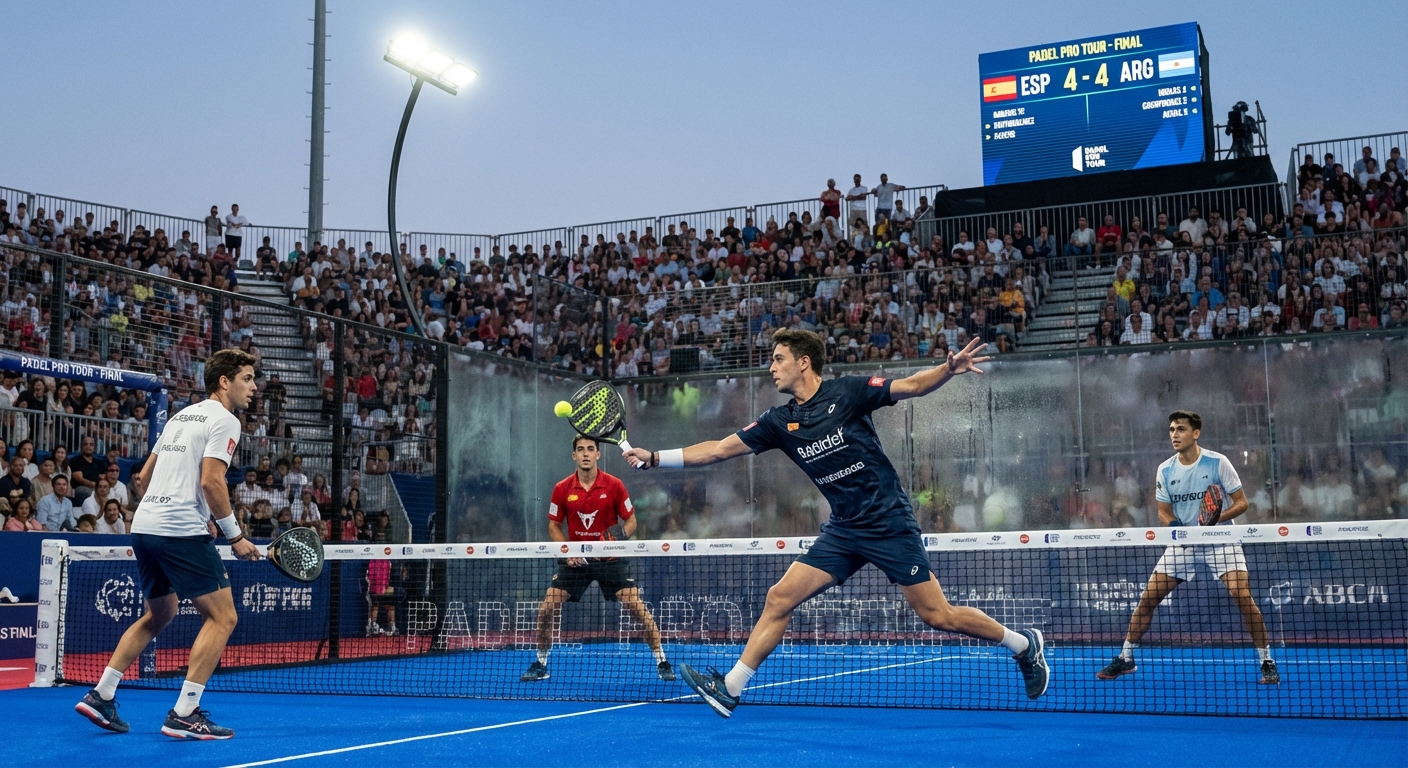
Competitive play is governed by specific regulations regarding serves, wall interactions, and scoring breaks. Understanding where was padel invented helps you realize that the rules were designed to keep the ball in motion and maximize the fun of the rebound.
Regulations regarding the underhand serve?
The server must stand behind the service line and hit the ball after a bounce, ensuring the contact point is below the waist. The ball must then travel diagonally across the net and land within the opponent’s opposite service box to be considered valid.
Believe it or not…
- If the ball hits the net and lands in the box, it’s a “let.”
- Hitting the metal mesh on a serve is an immediate fault.
- You have two serves, just like in traditional tennis.
Valid versus invalid wall bounces?
A ball is only in play if it hits the ground on the opponent’s side before touching the glass or the metal fence. Once it has bounced on the turf, it can hit any number of walls and remain “live” as long as it hasn’t bounced on the ground a second time.
Wait, there’s more…
- Hitting the glass directly is considered “out.”
- You can use your own glass to return a difficult ball.
- The ball remains live if it hits the top of the fence after a bounce.
The “Golden Point” and set structure rules?
In many modern tournaments, when the score reaches 40-40, a single deciding point is played to determine the winner of the game. The receiving team gets to choose which side they want to return the serve from, adding a final layer of strategy to the game.
It gets even better…
- Golden Point speeds up match times for television.
- Matches are typically decided by the best of three sets.
- Tie-breaks are played to seven points with a two-point lead.
Key Takeaway: Mastery of the underhand serve and the “bounce-then-wall” rule is the baseline for any competitive player.
| Rule Detail | Match Regulation |
|---|---|
| Serve Contact | Below the waist, after a ground bounce |
| Wall Contact | Must bounce on opponent’s turf first |
| Golden Point | Deciding point at 40-40 (Deuce) |
| Winning Set | First to 6 games (with a 2-game lead) |
These rules ensure a fast-paced environment that remains fair and strategically complex for all participants.
Frequently Asked Questions
- Can I play padel if I have never played tennis before?
Absolutely; the game is designed with a shorter racket and underhand serve, making it significantly easier for beginners to start having fun during their very first session. - What’s the best surface material for a private court?
The industry standard is monofilament artificial turf, which provides excellent durability and a consistent ball bounce while being softer on your joints than concrete. - How do I know if a padel racket is the right weight?
Generally, beginners should choose a lighter racket between 350g and 365g to ensure better maneuverability and to reduce the risk of developing “tennis elbow” or shoulder strain. - Can I build a padel court in my own backyard?
Yes, provided you have a flat area of at least 200 square meters and you check local zoning laws regarding the height of the glass walls and the installation of floodlights. - What is the most important rule for beginners to remember?
The most critical rule is that the ball must always hit the ground on the opponent’s side before it touches any of the surrounding glass walls or metal mesh.
Conclusion
Padel is more than just a sport; it is a global social revolution that solves the problem of difficult-to-master racket games. By integrating the walls into the field of play, it offers a unique blend of strategy and accessibility that traditional sports often lack. Whether you are interested in the history of Enrique Corcuera’s backyard or looking to install your own professional court, the path to mastery starts with understanding these core principles. Our brand is committed to providing the insights you need to join this thriving community and elevate your game. If you have any questions about equipment, rules, or construction, please contact us today to speak with an expert.