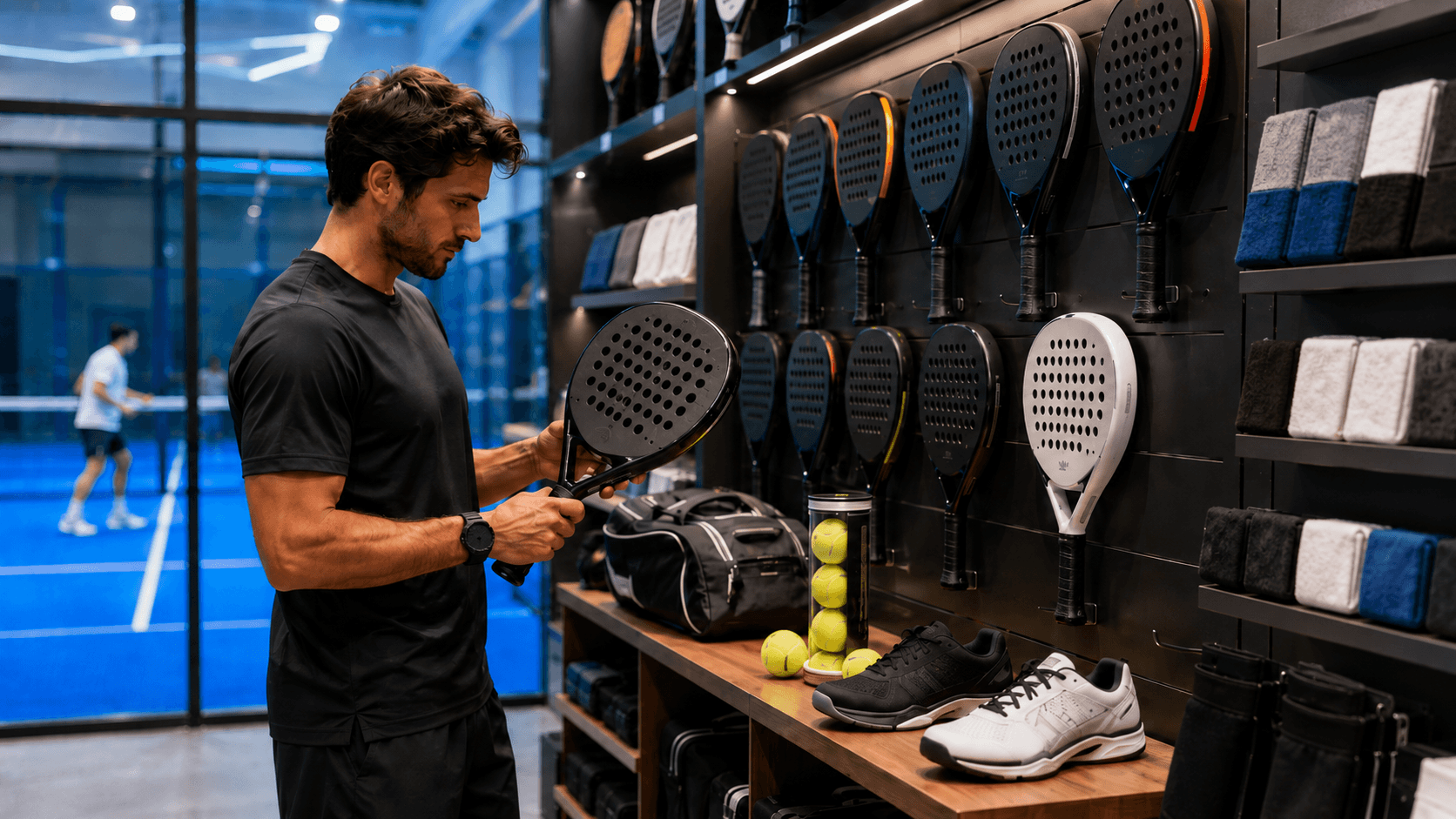
Choosing equipment for the juego de padel requires balancing your skill level with specific technical features like racket shape, shoe grip, and ball pressure. Entering the court with the wrong gear is a recipe for frustration, leaving you struggling with a racket that is too heavy or shoes that slip on the turf.
You risk unnecessary injuries like “tennis elbow” and your progress may plateau because your tools are working against your technique. This guide provides a definitive roadmap to selecting high-quality gear to ensure you experience the full fast-paced thrill of the sport without being held back.
What defines the modern juego de padel?

The modern juego de padel is a high-speed hybrid of tennis and squash played within a glass-enclosed court where the walls are active participants. It is often described as a social, fast-paced environment that has captured the interest of over 25 million players globally.
Unlike other sports where the ball is “out” once it passes you, the glass walls here keep the point alive for longer rallies. This creates a unique tactical challenge that prioritizes positioning and strategy over raw power.
Key Takeaway: The game relies on wall rebounds and team synergy rather than raw power to win points.
| Feature | Description |
|---|---|
| Origin | Acapulco, Mexico (late 1960s) |
| Players | Primarily 2 vs 2 |
| Key Element | Use of surrounding walls |
What are the basic rules of a juego de padel?
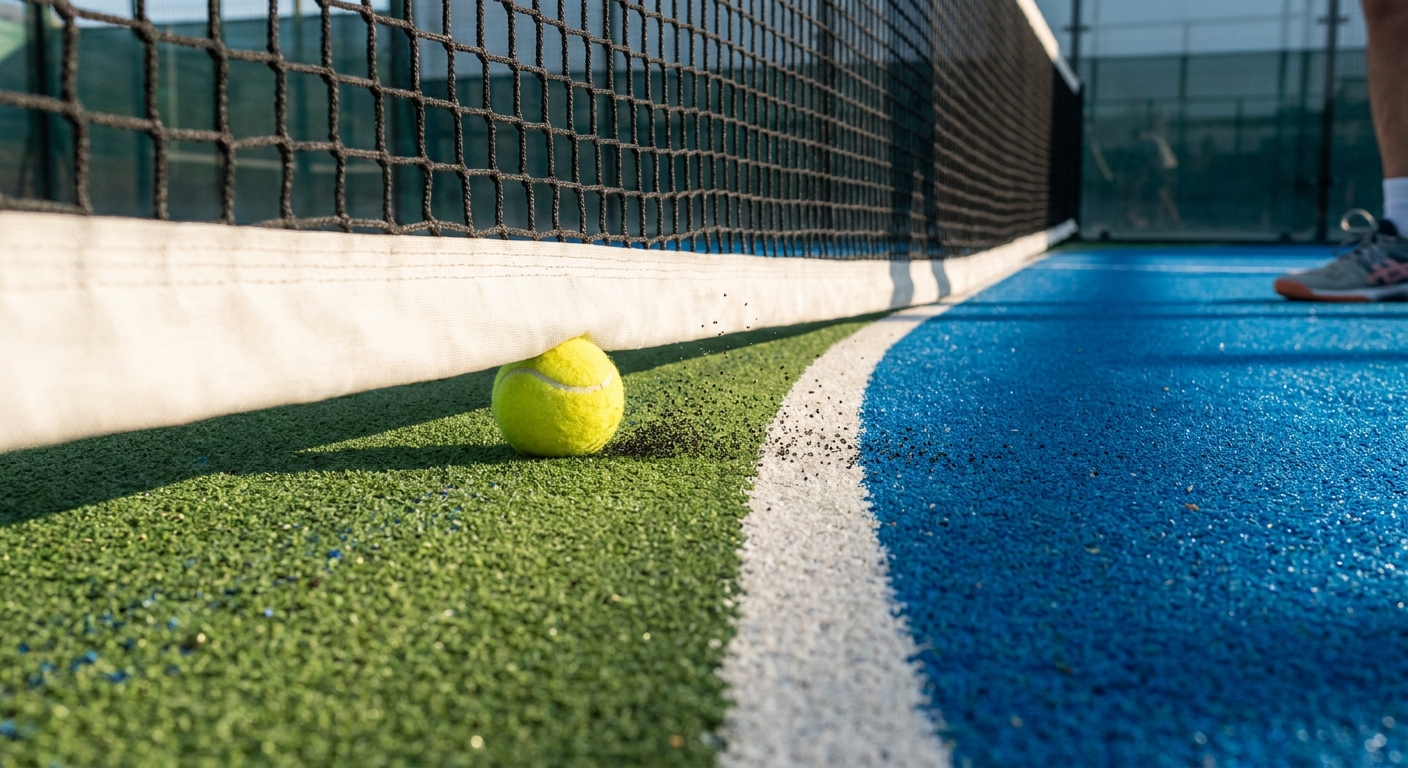
The rules of a juego de padel focus on an underhand serve and the strategic use of surrounding glass walls during active play. While the scoring system mirrors tennis, the way you initiate a point and interact with the boundaries is unique.
You should master these basics before investing in advanced equipment. Knowing how the ball reacts to the mesh versus the glass will dictate what kind of racket weight you can handle.
Key Takeaway: Points are won when the ball bounces twice on the opponent’s side or they hit the net or out of bounds.
| Rule Category | Requirement |
|---|---|
| Sets | Best of 3 or 5 sets |
| Games | First to 6 games (with 2-game lead) |
| Service | Ball must bounce once before serving |
How to choose a racket for a juego de padel?
Selecting a racket for the juego de padel involves evaluating three main shapes: round for control, teardrop for balance, and diamond for power. These “palas” are stringless and made of composite materials like carbon fiber or fiberglass to handle the impact of the ball.
The weight and balance of the racket will determine how quickly you can react at the net. Beginners usually benefit from lighter frames that offer a larger sweet spot for consistent contact.
Key Takeaway: Beginners should start with a round-shaped racket to prioritize control and avoid early injuries.
| Racket Shape | Primary Benefit | Skill Level |
|---|---|---|
| Round | Control | Beginner |
| Teardrop | Versatility | Intermediate |
| Diamond | Power | Professional |
Which balls are required for a juego de padel?
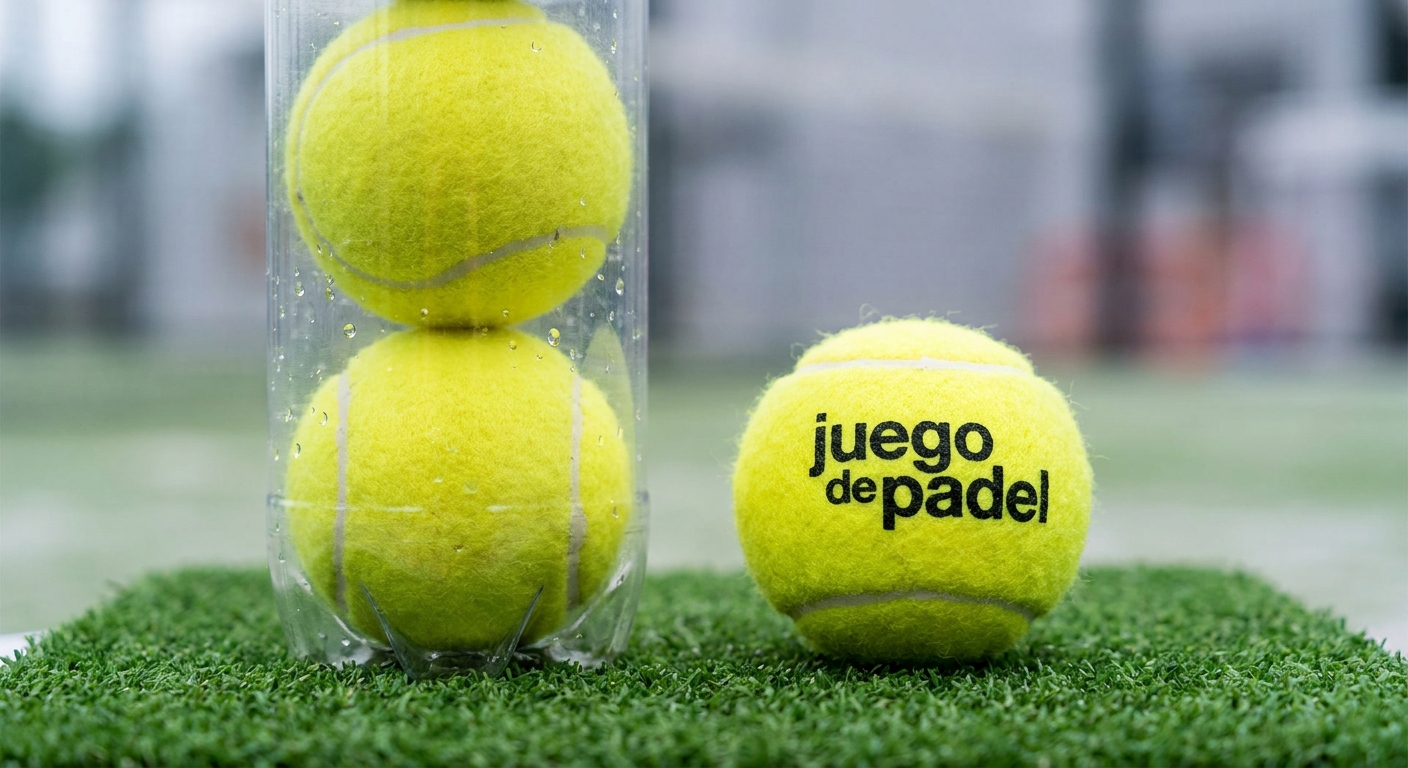
You must use low-pressure balls designed specifically for the dimensions and pace of a juego de padel court. Although they look identical to tennis balls, they are engineered with different internal pressures to accommodate the smaller, enclosed environment.
Standard tennis balls will bounce too high and move too fast for the glass walls. Using the correct ball ensures the game remains tactical rather than just a contest of speed.
Key Takeaway: Using the correct low-pressure ball is essential for the tactical, slow-paced rallies typical of the sport.
| Specification | Padel Ball Value |
|---|---|
| Color | Yellow or White |
| Bounce | Lower than tennis balls |
| Material | High-quality rubber |
Why specific shoes are vital for a juego de padel?
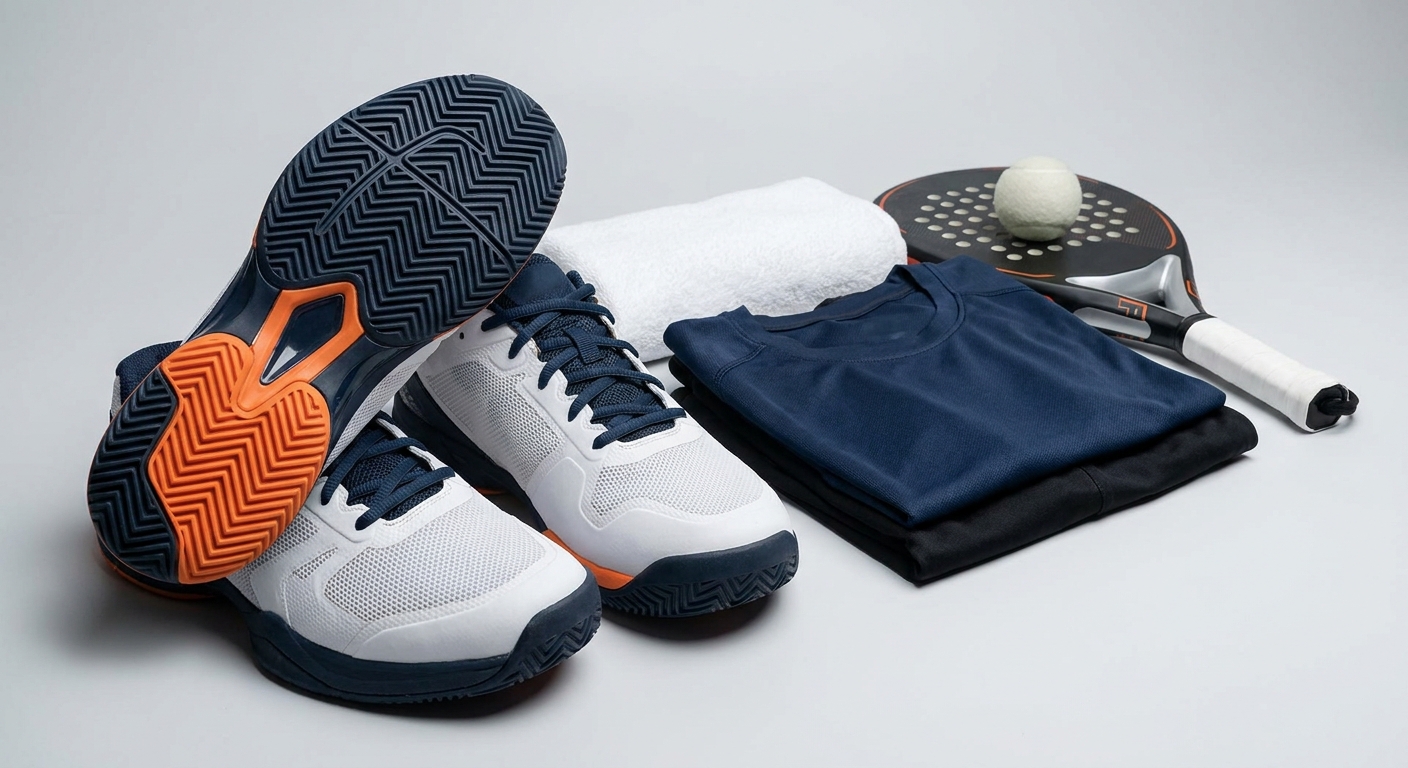
Specialized footwear for the juego de padel provides the necessary lateral support and traction required for sandy synthetic turf. Many players underestimate the importance of their shoes, but the constant pivoting and sudden stops can lead to joint strain if you wear standard runners.
The goal is to find a balance between grip and the ability to slide. Without the right sole pattern, you might find yourself stuck in the turf or slipping during a crucial defensive lob.
Key Takeaway: Dedicated shoes prevent slipping and protect your joints from high-strain movements.
| Feature | Benefit |
|---|---|
| Omni Sole | Best for grip on sand-heavy turf |
| Clay Sole | Great for sliding and durability |
| Reinforced Toe | Protects against friction |
How is the court built for a juego de padel?
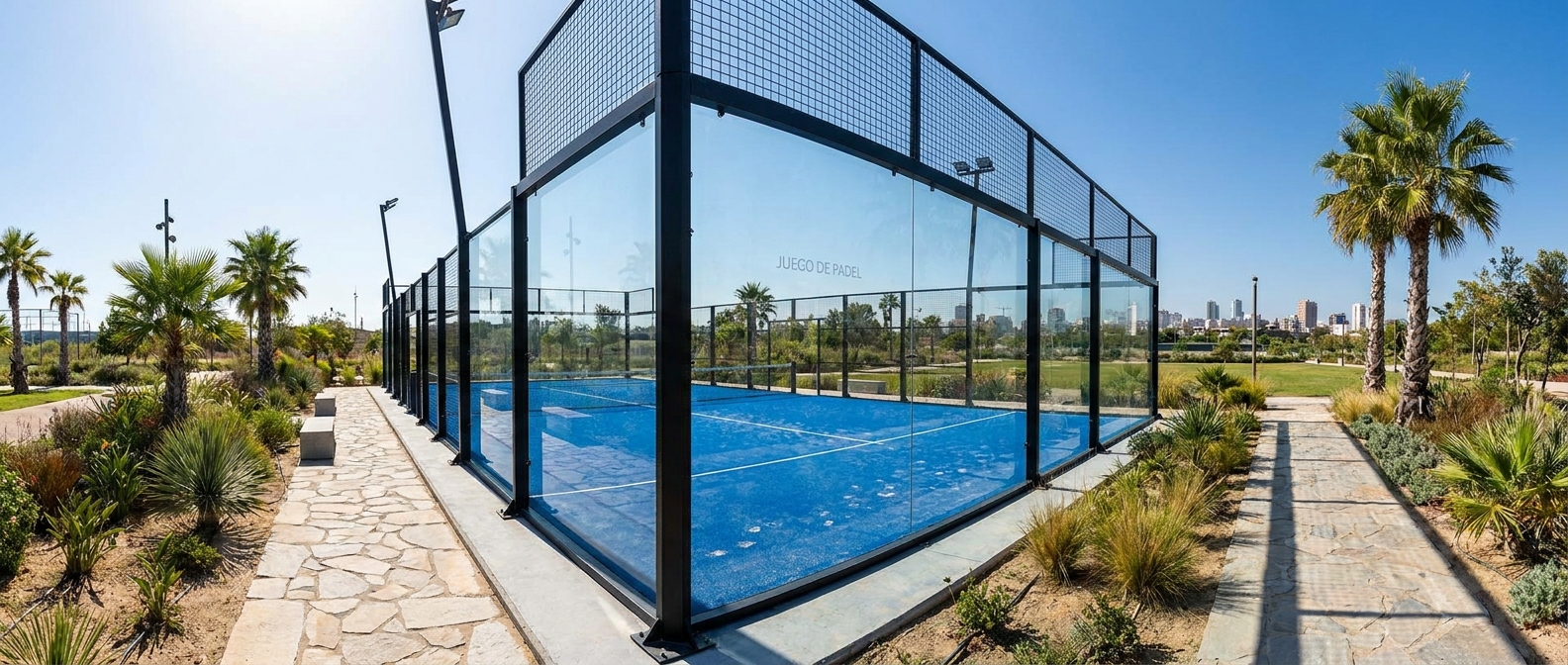
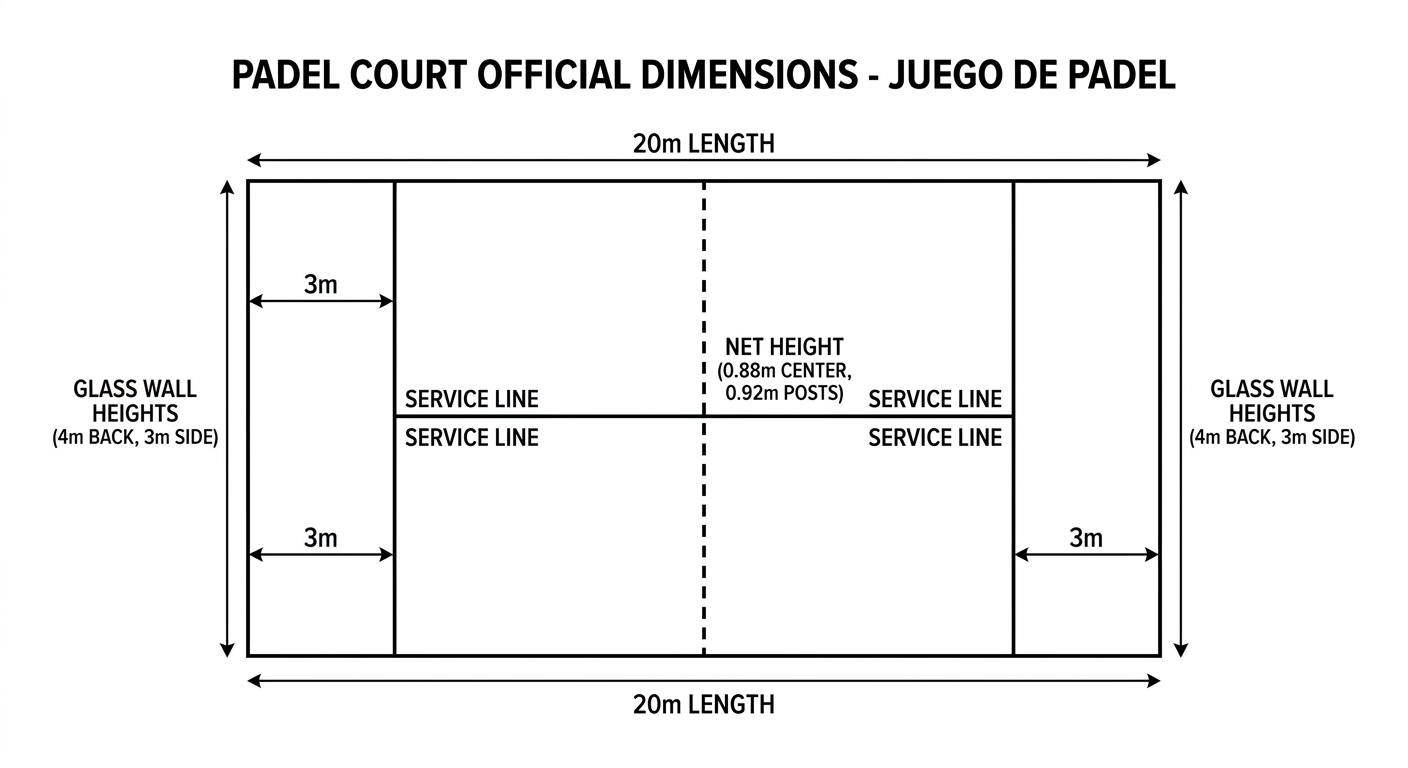
Professional courts for a juego de padel are constructed with tempered glass, galvanized steel frames, and high-density artificial turf. The court dimensions are strictly 20 meters long by 10 meters wide, divided by a net in the middle.
The quality of the court construction affects how the ball bounces and how safe the players feel. Modern designs often prioritize visibility and durability to enhance both the playing and viewing experience.
Key Takeaway: High-end courts utilize hot-dip galvanized steel and anti-explosion glass for long-term durability and safety.
| Court Component | Specification |
|---|---|
| Structure | Hot-dip galvanized steel |
| Glass | 12mm Tempered (EN 12150 standard) |
| Lighting | IP66 Waterproof LED floodlights |
How does tennis vary from a juego de padel?
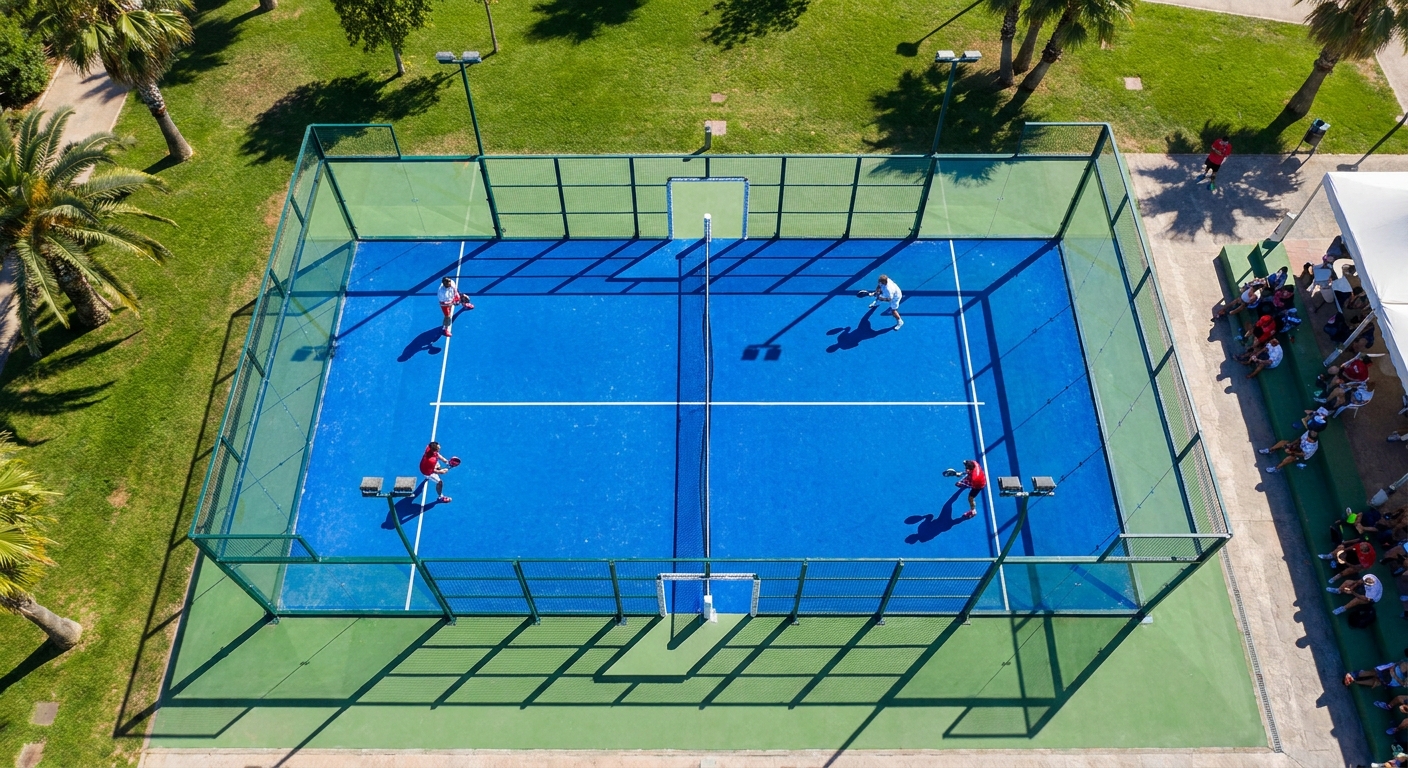
The primary differences between tennis and the juego de padel lie in the court size, the use of walls, and the underhand service motion. While they share a scoring system, the tactical approach is vastly different due to the enclosed space.
In tennis, power is often the deciding factor in winning a point. In this sport, patience and placement are more important because the walls can return almost any hard shot back into play.
Key Takeaway: This sport rewards patience and tactical placement over the raw serve speed found in tennis.
| Category | Tennis | Padel |
|---|---|---|
| Serve | Overhand (High Power) | Underhand (Below Waist) |
| Racket | Stringed | Solid / Perforated |
| Out-of-bounds | Outside lines | After wall hit without bounce |
What strategies dominate a juego de padel?
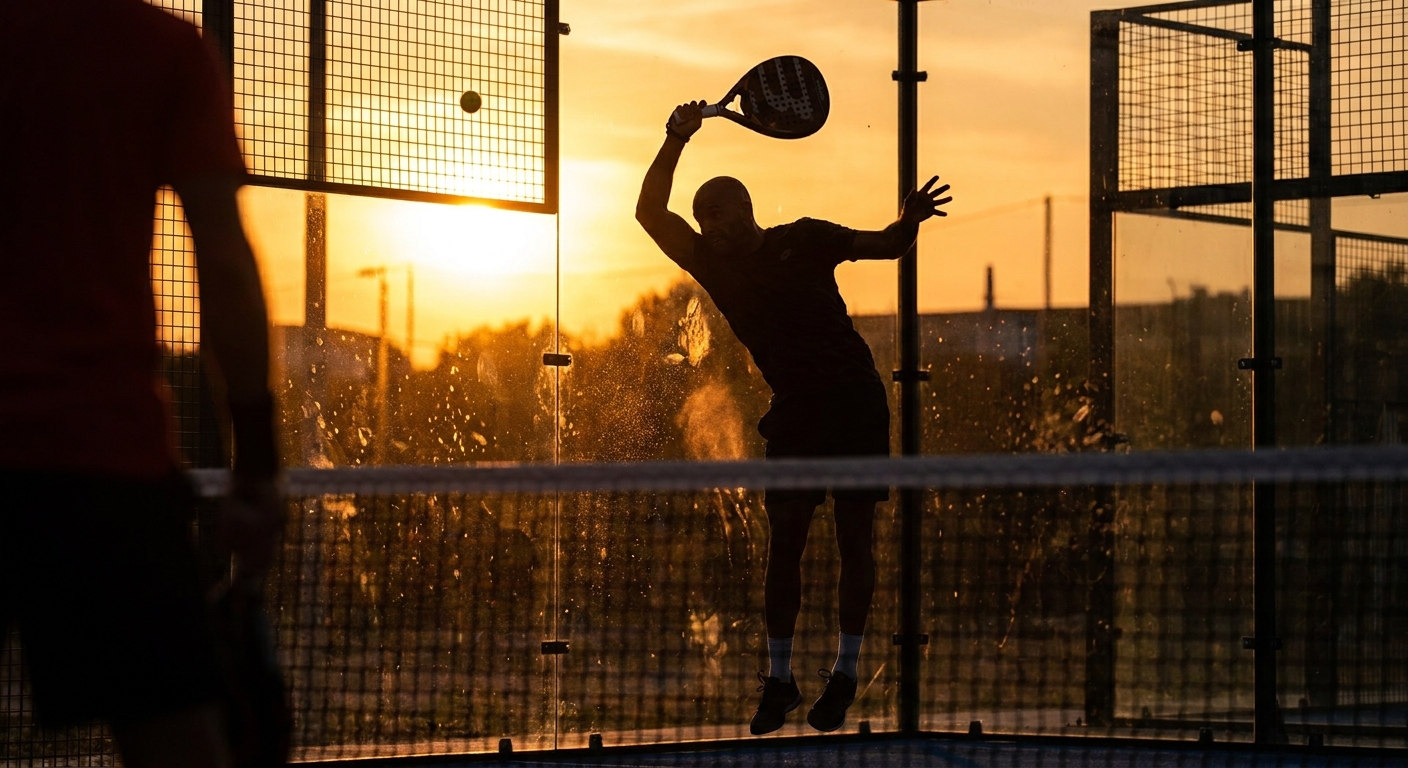
Dominant strategies in a juego de padel prioritize net positioning and using the glass walls to reset the defensive play. You will find that the team that controls the area near the net usually dictates the tempo of the match.
Winning isn’t always about who hits the hardest. Instead, it’s about who can force the opponents into a difficult position using lobs and angled shots.
Key Takeaway: Mastering the rebound off the glass gives you more time to choose your next shot and stay in the point.
| Strategy Phase | Objective |
|---|---|
| Defense | Use the walls to slow down the game |
| Transition | Lob the opponents to take the net |
| Attack | Aim for the corners or the opponent’s feet |
What are the health benefits of a juego de padel?
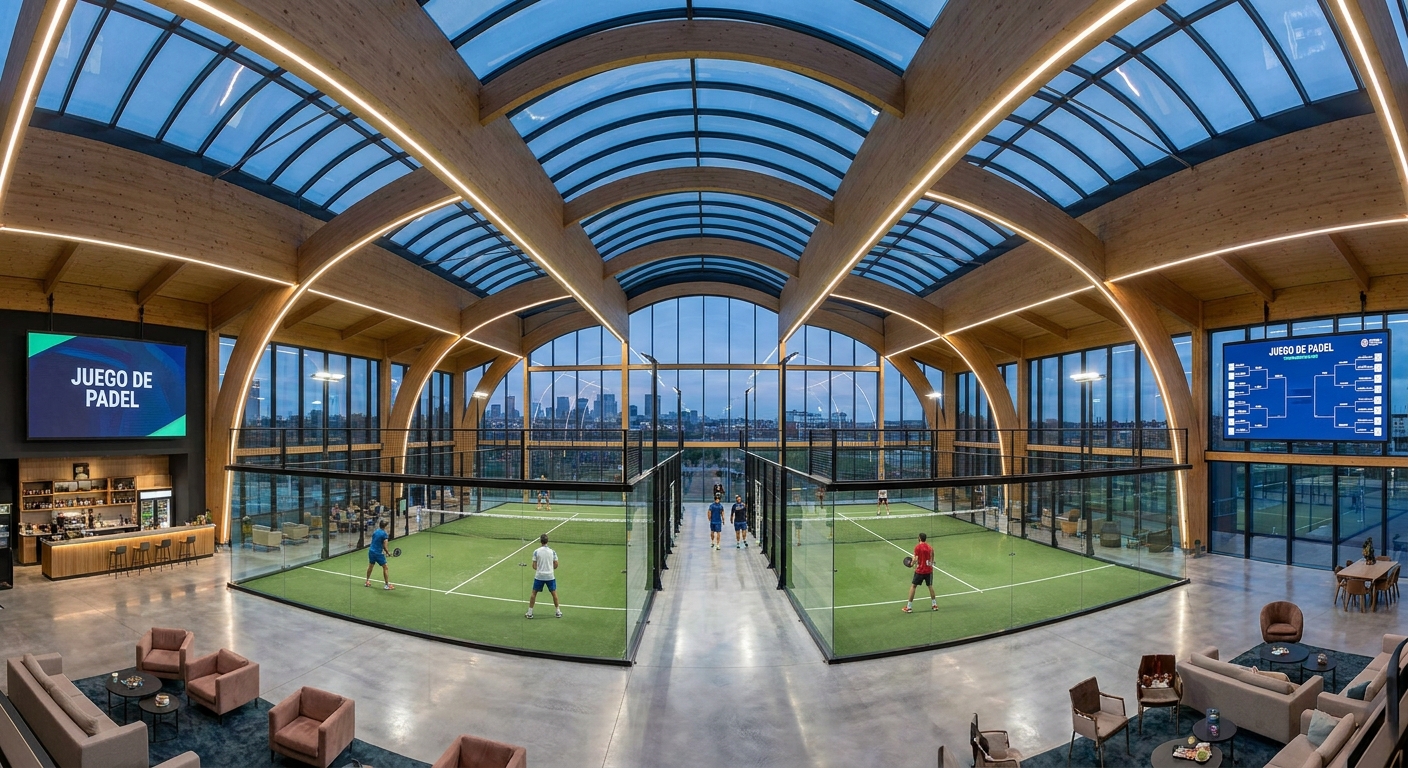
The juego de padel offers a high-intensity cardiovascular workout that improves reflexes, agility, and social mental health. Because it is usually played in doubles, it provides a social outlet that keeps players motivated to return to the court.
It is considered a low-impact sport compared to running or football, making it accessible for people of all ages. You can burn a significant number of calories while having fun with friends.
Key Takeaway: It is a low-impact alternative to other high-intensity sports, reducing stress on joints while burning calories.
| Benefit Area | Impact |
|---|---|
| Physical | Tones legs and glutes |
| Mental | Reduces stress through social play |
| Skill | Enhances spatial awareness |
Who leads the professional juego de padel?
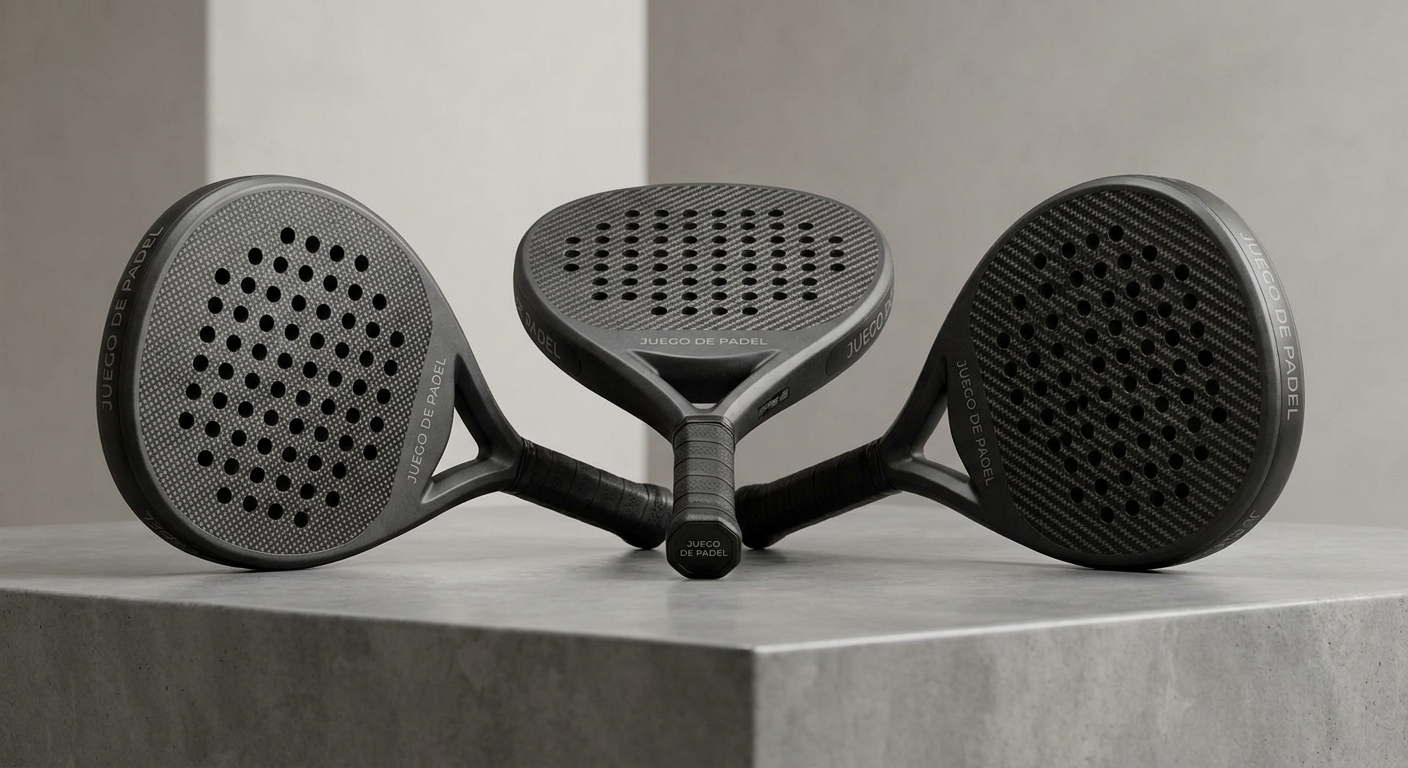
The professional scene for the juego de padel is led by top-tier athletes from Spain and Argentina who compete in globally recognized tours. These players showcase incredible athleticism and have helped the sport grow into a massive commercial success.
Following the pros can give you insights into the best equipment and tactical trends. Many of the innovations in racket technology are driven by the needs of these elite competitors.
Key Takeaway: The professional circuit is unified under a single global governing body, ensuring high-level competition worldwide.
| Player Name | Nationality | Key Attribute |
|---|---|---|
| Alejandro Galán | Spanish | Power and Precision |
| Juan Lebrón | Spanish | Versatility and Strength |
| Beatriz González | Spanish | Speed and Youthful Talent |
*
Frequently Asked Questions
Can I use regular tennis shoes for a juego de padel?
No, it is not recommended. Tennis shoes often lack the specific deep-groove grip required for the sandy artificial turf, which can lead to dangerous slips and ankle injuries.
What’s the best racket for a beginner?
A round-shaped racket is the best choice. It features a larger sweet spot in the center, providing more control and making it much easier to hit the ball consistently as you learn.
Can I play a juego de padel individually?
The sport is almost exclusively played as doubles. While some specialized single-player courts do exist, the official rules and social essence of the game are designed for pairs.
What’s the best court surface?
Synthetic turf is the gold standard for club and professional play. It provides a consistent ball bounce and, when treated with the correct amount of sand, allows for safe player slides.
Can I use tennis balls if I don’t have padel balls?
It is better to avoid them entirely. Tennis balls have higher internal pressure and will bounce too much for the small court, making the game difficult to control and less tactical.
*
Conclusion
Choosing the right equipment for the juego de padel is the foundation of a great playing experience. Whether you are selecting a teardrop-shaped racket for versatility, investing in high-grip footwear, or even planning a professional court installation with premium materials, every choice impacts your performance and safety. Ready to elevate your game? Focus on quality, understand the rules, and step onto the court with confidence. For those looking to build their own professional facility or upgrade their gear, contact us today to explore the latest in panoramic and standard court technology.