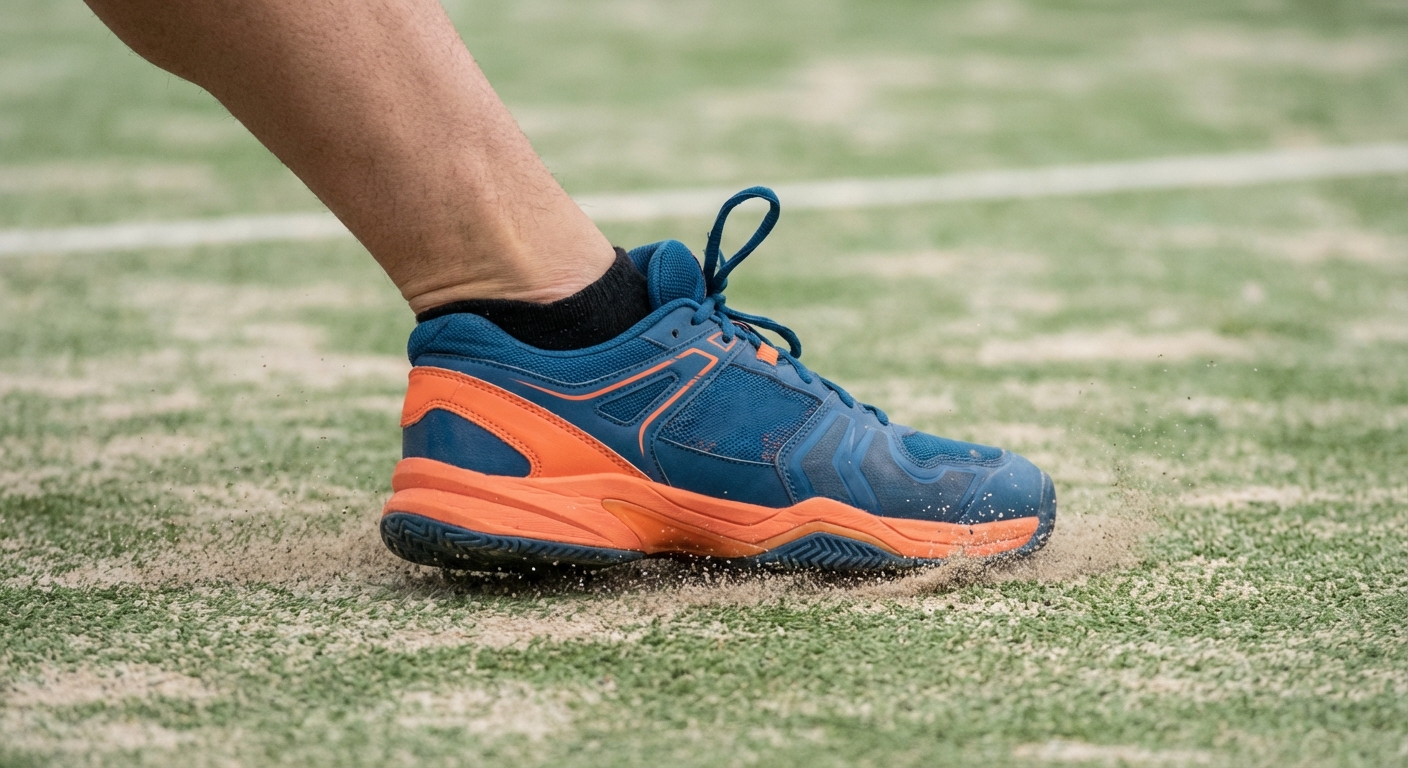
The best padel shoes are high-performance footwear specifically engineered to handle the lateral movements, sudden stops, and pivoting required on synthetic turf courts. You may find yourself struggling with generic sneakers that lack the necessary grip, causing you to slip and potentially twist an ankle during a critical match. This lack of specialized traction not only hinders your agility but also ruins the enjoyment of the game on premium Standard Padel Court surfaces. Fortunately, choosing the best padel shoes provides the stability and specialized soles needed to dominate every set with total confidence.
What are the best padel shoes for court performance?
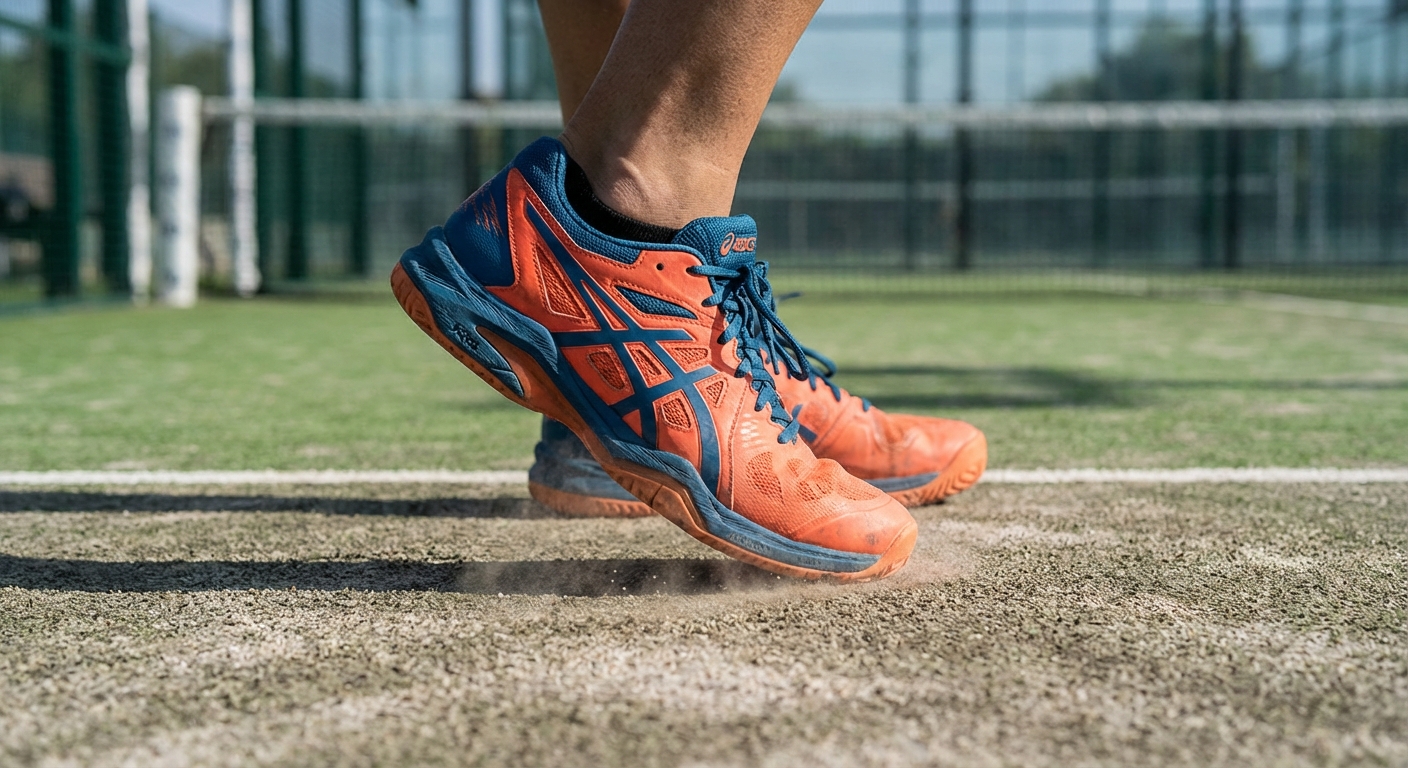
The best padel shoes prioritize explosive movement by balancing lightweight construction with high-tensile structural support. You need gear that facilitates quick transitions from defense to attack without adding unnecessary weight to your feet.
How does weight influence your speed?
Reducing the overall weight of your footwear is the quickest way to improve your reaction time on the court. Most professional players look for materials like synthetic mesh that offer strength without the bulk of traditional leather.
- Increases vertical jump height.
- Reduces fatigue during long three-set matches.
- Enables faster lateral sprints across the court.
The best part? Modern polymers are now stronger than ever, ensuring you don’t sacrifice durability for speed.
Can upper materials improve agility?
Think about it: your foot needs to feel “locked in” to execute a perfect smash. Seamless upper constructions prevent internal friction and allow the shoe to move as a direct extension of your body.
- Enhanced breathability for temperature regulation.
- Reinforced toe caps for dragging movements.
- Adaptive lacing systems for a custom fit.
But wait, there’s more; a flexible upper allows for natural foot flexion, which is essential for maintaining balance during low volleys.
Which sole makes the best padel shoes for high grip?
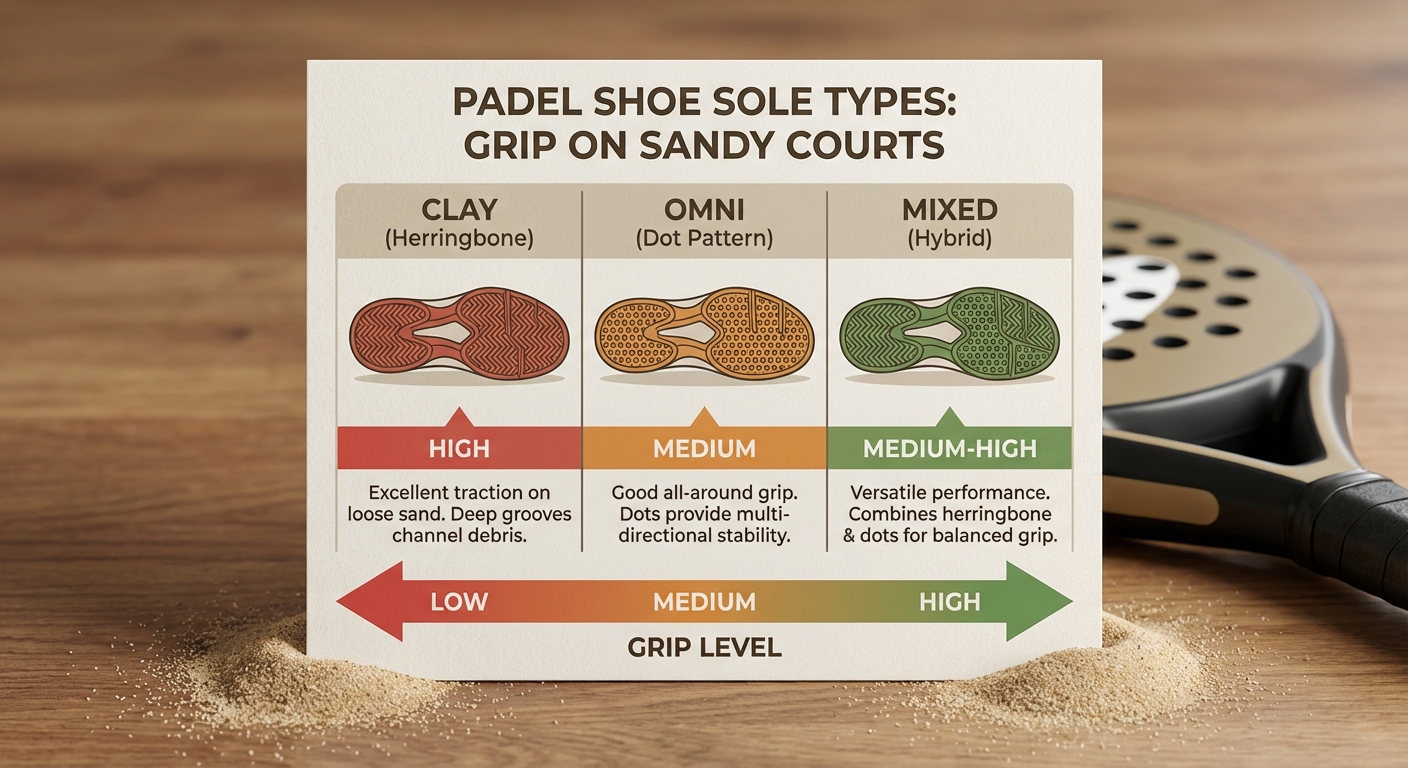
The best padel shoes utilize a “Clay” or “Herringbone” sole pattern to channel sand and provide maximum traction on Padel Grass surfaces. You will find that these specialized zig-zag grooves are essential for preventing the dangerous sliding often associated with improper footwear.
What is the advantage of Clay soles?
Clay soles are the gold standard for players who prioritize grip above all else. These deep grooves are designed to “bite” into the sand, ensuring you can stop on a dime even during the most aggressive lunges.
- Superior sand displacement to prevent hydroplaning.
- Maximum surface area contact for heavy stops.
- Extended lifespan on abrasive synthetic surfaces.
Here is the kicker: without this specific pattern, you are effectively playing on ice when the court is freshly sanded.
Why choose Omni or Mixed soles?
It gets better: not every court requires a deep clay tread. If you frequently play on low-sand Mondo turf, an Omni sole with small circular studs might provide a better balance between grip and sliding capability.
- Omni soles: Best for modern, textured turf.
- Mixed soles: A hybrid design for versatile facility use.
- Pivot points: Integrated circular zones for easier turning.
| Sole Type | Best Surface | Grip Level |
|---|---|---|
| Clay | High-Sand Turf | Maximum |
| Omni | Low-Sand Turf | High |
| Mixed | Multi-Surface | Balanced |
The selection of a sole pattern must be directly correlated to the amount of silica sand present on your primary court.
Key Takeaway: Matching the sole pattern to the specific court friction level is the most critical technical decision you will make for your performance.
How do comfort features define the best padel shoes?
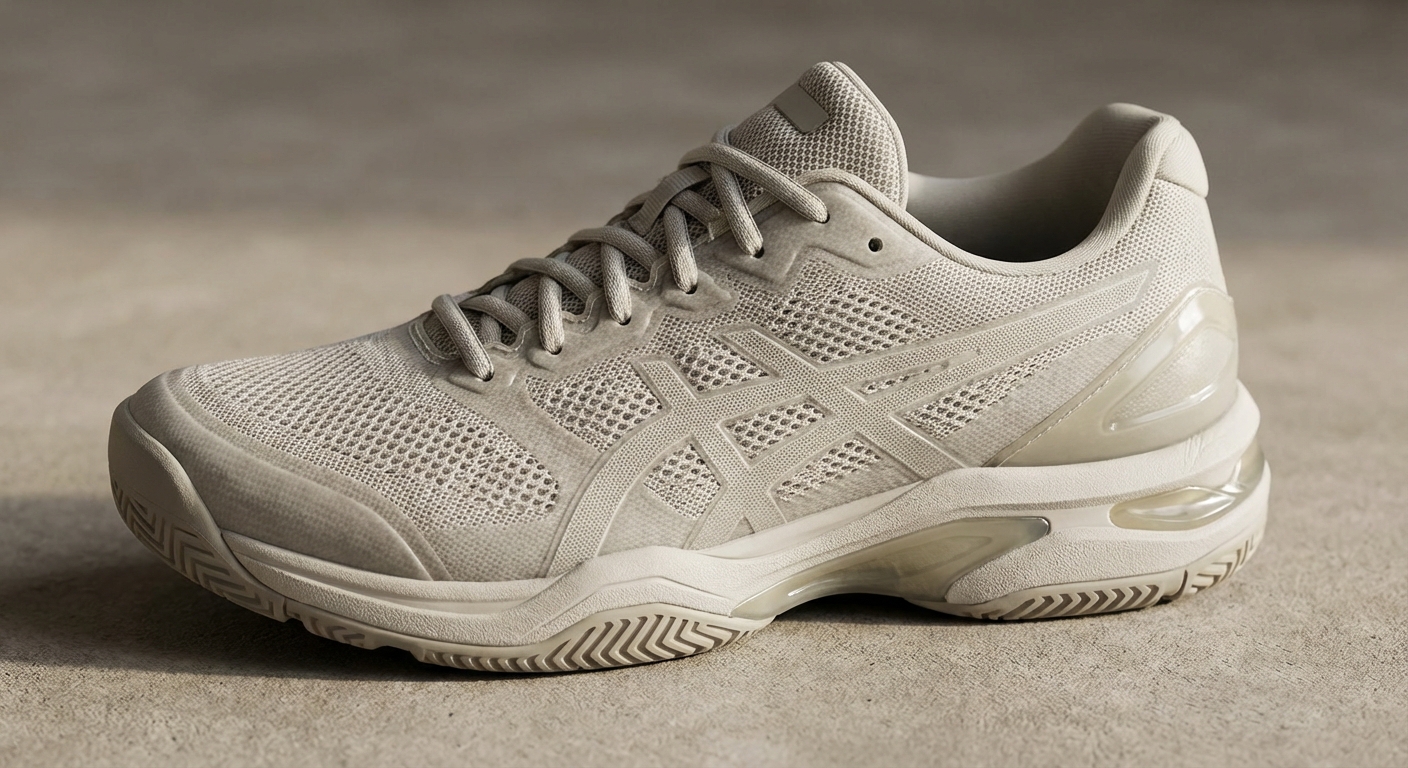
The best padel shoes incorporate advanced shock-absorption systems to protect your joints from the repetitive impact of jumping and landing on hard sub-surfaces. You should look for foam or gel inserts in the heel and forefoot to minimize the risk of chronic knee and back pain.
How vital is midsole cushioning?
High-density EVA foam serves as the primary barrier between your foot and the rigid court structure. This material absorbs kinetic energy during a landing and returns it as propulsion for your next step.
- Prevents plantar fasciitis during intense play.
- Dampens vibrations through the leg.
- Maintains structural shape over months of use.
The best part? You can play for hours longer when your joints aren’t absorbing 100% of the court’s impact.
Is breathability a luxury or necessity?
You might be wondering: does a ventilated shoe really change the game? In a humid Roofed Padel Court, sweat buildup can lead to blisters and significant discomfort that ruins your focus.
- Perforated mesh panels for constant airflow.
- Moisture-wicking interior linings to keep feet dry.
- Orthopedic insoles for improved air circulation.
Believe it or not, a dry foot is a secure foot, as it prevents internal sliding that causes friction burns.
| Comfort Tech | Function | Benefit |
|---|---|---|
| Gel Inserts | Impact Absorption | Joint Safety |
| EVA Foam | Energy Return | Propulsion |
| Mesh Panels | Air Ventilation | Cool Feet |
Advanced cushioning and airflow management are the silent partners that keep you competitive during the final set of a marathon match.
Key Takeaway: Prioritizing impact protection and moisture control ensures long-term player health and sustained focus during tournament play.
Why is stability crucial for the best padel shoes design?
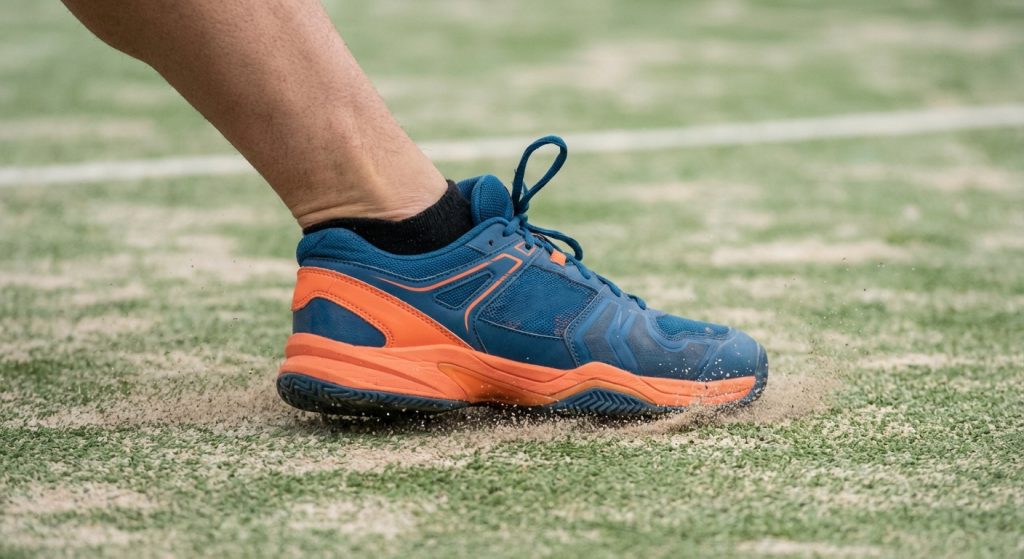
The best padel shoes feature reinforced lateral outriggers that provide a wide, stable base for high-speed sideways movements. You need this structural integrity when sprinting toward the glass on a Panoramic Padel Court to recover a difficult lob.
What are lateral reinforcements?
Lateral stabilizers are rigid structures placed on the outer edge of the shoe to prevent the foot from rolling over. These are non-negotiable for padel, where 80% of the movement is side-to-side rather than forward.
- Prevents common ankle sprains and ligament tears.
- Ensures a flat, grounded feel during heavy lunges.
- Protects the upper material from abrasive side-wall contact.
Here is the kicker: a shoe without lateral support is essentially a ticking time bomb for your ankle health.
How does torsional control work?
Think about it: when you twist to hit a backhand, your shoe experiences massive rotational stress. A rigid shank in the arch prevents the shoe from twisting too far, protecting your midfoot from injury.
- Anti-torsion shanks made of carbon or TPU.
- Deep heel cups for rearfoot lockdown.
- Midfoot bridges to support the arch.
But wait, there’s more; this rigidity actually helps transfer power from your legs into your stroke more efficiently.
| Stability Element | Role | Risk Reduced |
|---|---|---|
| Lateral Outrigger | Side Support | Ankle Roll |
| Torsional Shank | Arch Rigidity | Midfoot Strain |
| Heel Counter | Lockdown | Heel Slippage |
Structural stability transforms a standard athletic shoe into a specialized tool capable of handling the unique torque of competitive padel.
Key Takeaway: Stability features provide the necessary insurance for your joints, allowing for aggressive court coverage without fear of injury.
Do surfaces affect the choice of the best padel shoes?
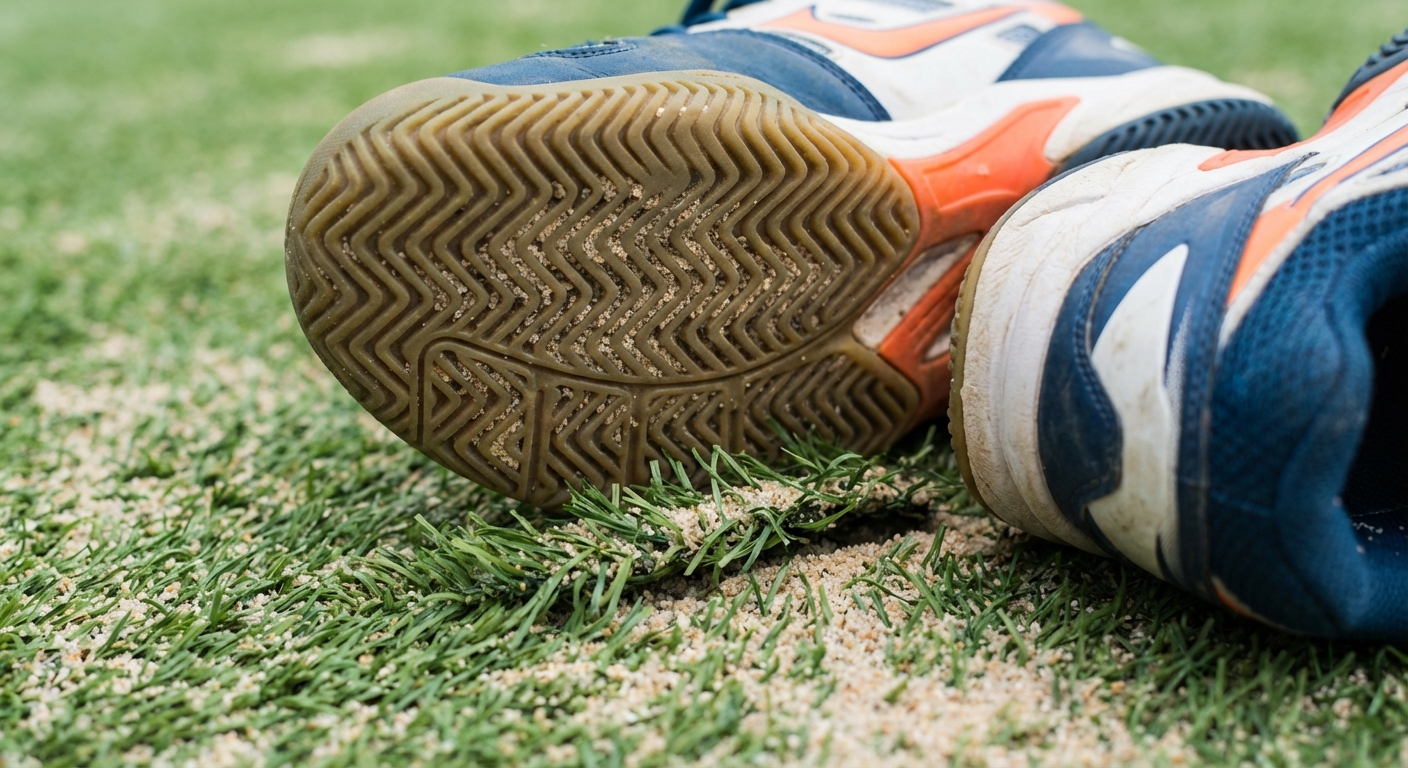
The best padel shoes must be calibrated to the specific density and texture of the synthetic turf you play on. You will find that a shoe designed for a sandy traditional court will perform poorly on the textured, sandless fibers of newer professional facilities.
Does sand volume change grip needs?
High-sand courts act almost like a liquid surface, requiring deep herringbone treads to clear the debris and reach the turf. If you play on older clubs, this is the only way to maintain traction during a defensive recovery.
- Deep grooves to prevent “floating” on sand layers.
- Harder rubber compounds to resist sand abrasion.
- Aggressive tread patterns for maximal bite.
The best part? These soles actually help “clean” the court surface as you move, keeping your contact points clear.
What about textured Mondo turf?
It is no secret: the professional circuit has moved toward textured fibers that require less sand. On these surfaces, you want a sole that allows for a slight, controlled slide rather than a jarring, immediate stop.
- Shorter studs for better rotational freedom.
- Softer rubber for improved grip on dry fibers.
- Flexible soles to accommodate faster footwork.
But wait, there’s more; playing with too much grip on a dry, textured court can actually lead to knee strain as your foot “catches” the turf.
| Surface Type | Optimal Sole | Movement Focus |
|---|---|---|
| High Sand | Clay (Deep) | Traction |
| Low Sand | Omni/Mixed | Pivoting |
| Indoor/Mat | Flat/Omni | Speed |
The friction coefficient of your local court is the single most important environmental factor in determining your footwear selection.
Key Takeaway: Adjusting your tread depth based on court sand levels optimizes your ability to both stop safely and slide effectively.
How do skill levels change best padel shoes requirements?
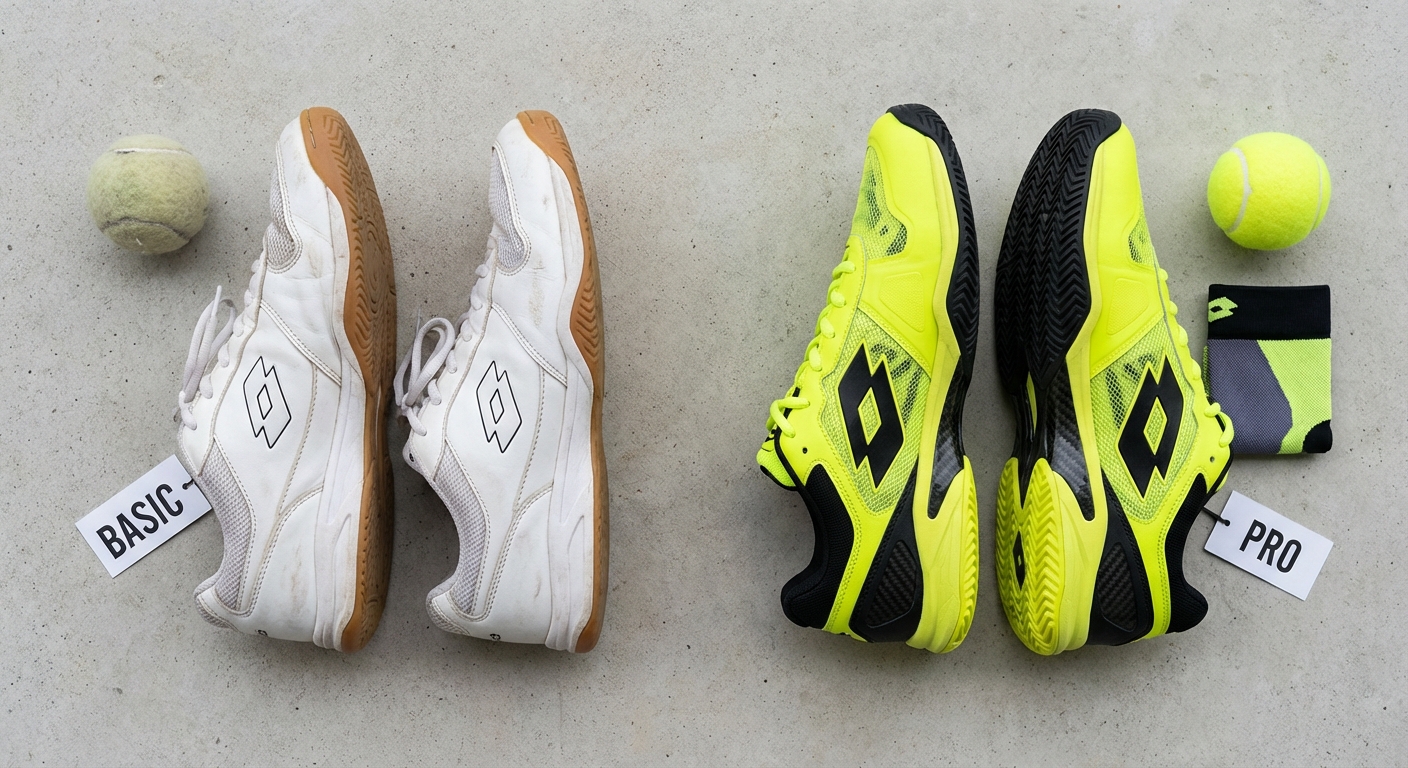
The best padel shoes for a beginner focus on comfort and basic protection, while professional models prioritize extreme stability and energy return. You should assess your frequency of play and intensity of movement before investing in the most expensive technical models.
What do beginners really need?
If you are just starting, your movements are likely less aggressive and your court time is limited. You should prioritize a shoe that fits your foot shape perfectly and provides adequate cushioning to prevent initial soreness.
- Reasonable price point for entry-level gear.
- Standard EVA cushioning for general comfort.
- Multi-surface soles for versatility.
Think about it: there is no need to buy a $200 carbon-fiber shoe if you are only playing once a month with friends.
Why do pros require specialized tech?
Here is the deal: competitive players exert massive forces on their shoes through jumping and explosive sprints. They require premium materials that won’t compress or lose their grip after just a few weeks of intensive training.
- High-abrasion outsoles for 10+ hours of weekly use.
- Advanced lateral stabilizers for tournament-level speed.
- Lightweight materials to minimize swing weight.
The best part? Professional shoes are often built with higher quality control to ensure they perform exactly the same in the final set as the first.
| Skill Level | Hours/Week | Key Tech Focus |
|---|---|---|
| Beginner | 1-2 | Comfort/Value |
| Regular | 3-6 | Cushioning/Grip |
| Professional | 7+ | Stability/Durability |
Your progression in the sport should be mirrored by the technical sophistication of the footwear you choose to wear on the court.
Key Takeaway: Aligning your footwear investment with your actual playing intensity prevents overspending while ensuring you have the necessary protection.
What specific tech goes into the best padel shoes for men?
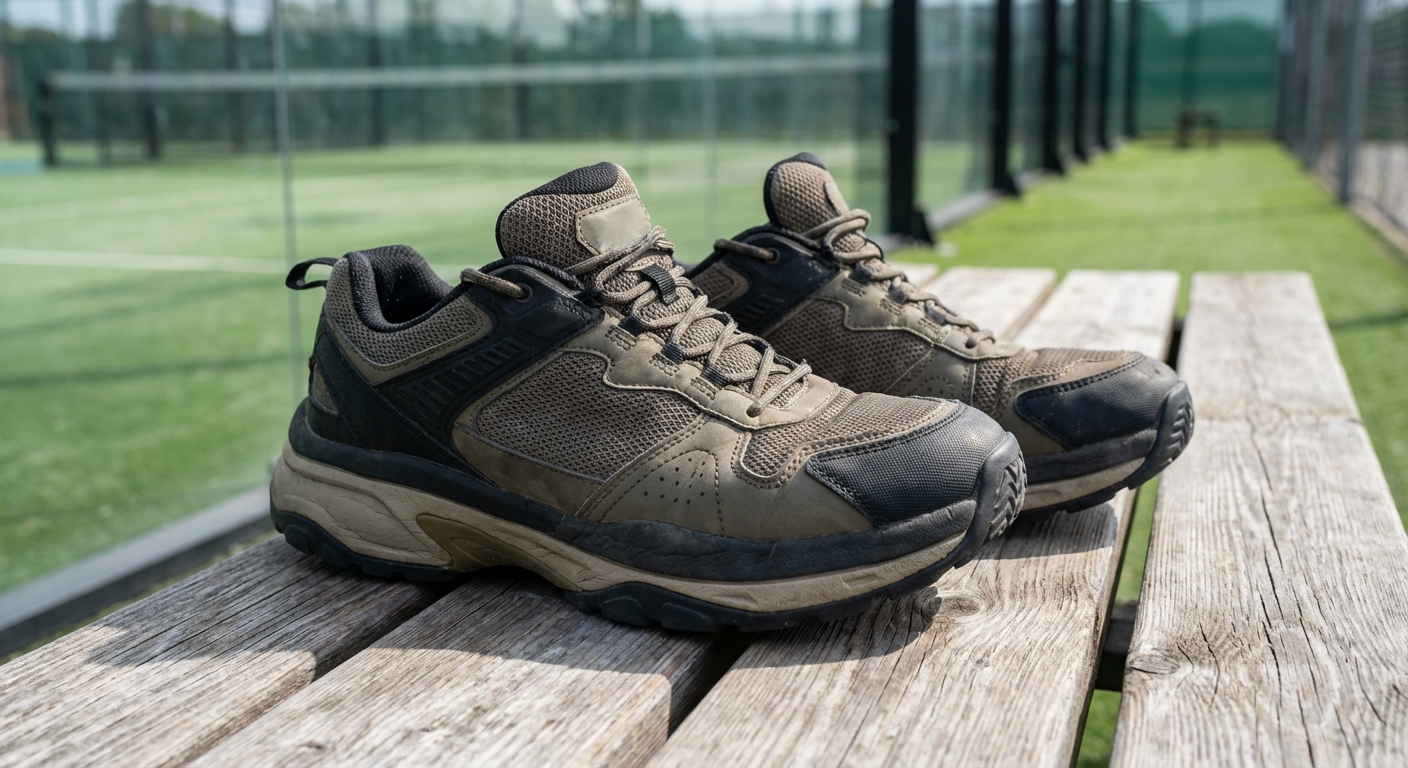
The best padel shoes for men are typically designed with a wider last and higher-volume cushioning to accommodate greater body weight and impact force. You will find that these models emphasize heavy-duty materials in the midsole to prevent early foam collapse.
Why is midsole density important?
Men’s shoes often utilize multi-density foams where the heel is firmer to handle the initial impact of a landing. This prevents the “bottoming out” feeling that can occur in lighter, softer shoes during a heavy lunge.
- Extended longevity for players over 80kg.
- Better energy return for explosive smashes.
- Maintains arch height under heavy load.
The best part? A firmer midsole provides a more responsive court feel, allowing you to react faster to short balls.
Are reinforced toe caps necessary?
It is no secret: many male players tend to drag their trailing foot during a low volley or smash. Without a thick, abrasion-resistant toe cap, you will burn a hole through your shoes in less than a month.
- Double-stitched toe boxes for extra durability.
- Rubberized overlays to protect the mesh.
- Extended outsole wraps to guard the front.
But wait, there’s more; these reinforcements also protect your toes from painful impacts against the court glass or net posts.
| Men’s Feature | Function | Benefit |
|---|---|---|
| High-Volume Foam | Impact Management | Joint Longevity |
| Wide Last | Foot Expansion | Comfort |
| Toe Guard | Abrasion Resistance | Durability |
Men should look for structural “over-engineering” to ensure their shoes can withstand the high-torque movements typical of a power-based game.
Key Takeaway: Choosing models with high-density materials and reinforced wear zones is essential for male players who play an aggressive, high-impact style.
Why are women’s models among the best padel shoes options?
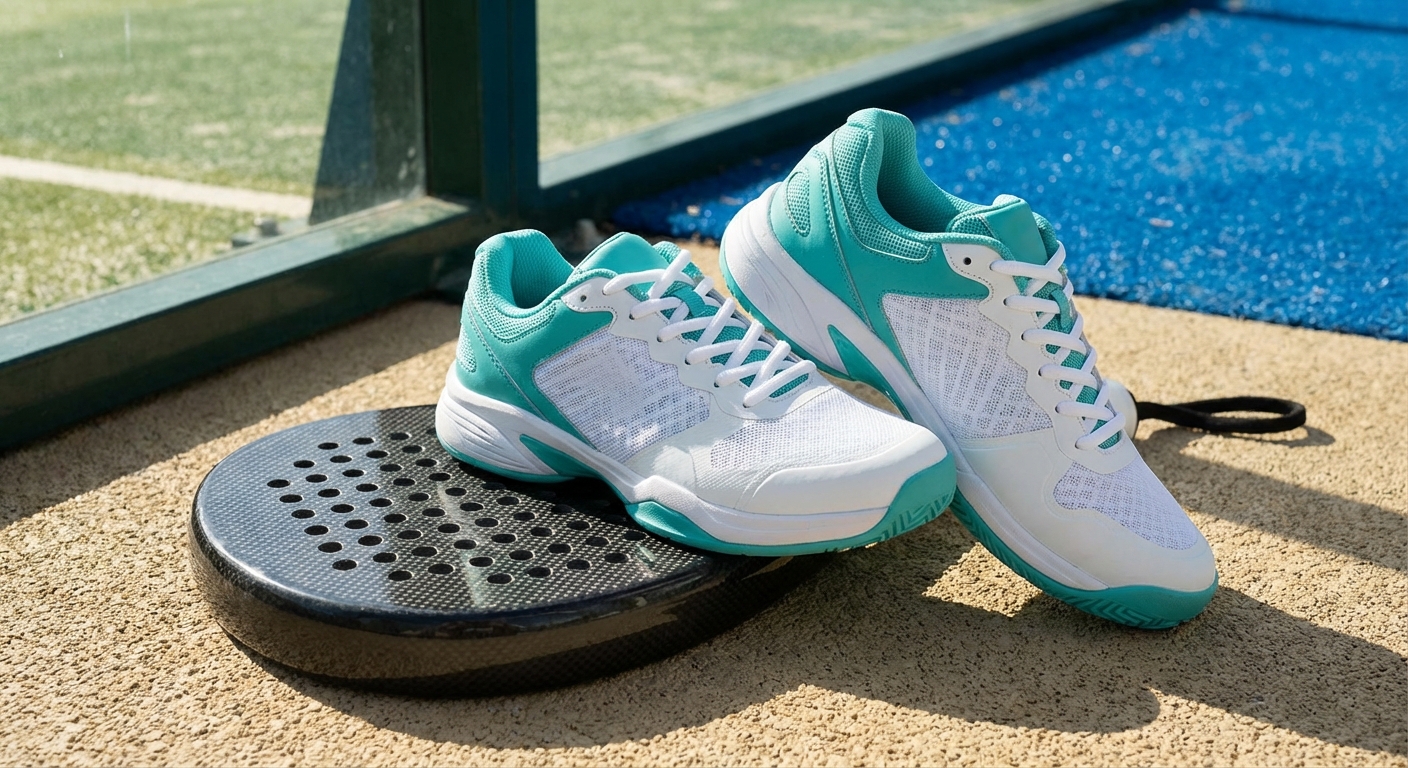
The best padel shoes for women are engineered with a narrower heel cup and specific arch support tailored to female biomechanics. You will benefit from a lighter overall weight that promotes agility and reduces leg fatigue during fast-paced rallies.
How does the ‘last’ affect fit?
A woman’s foot is typically narrower at the heel relative to the forefoot compared to a man’s. Specialized female models prevent the heel slippage that causes blisters and a feeling of instability during quick turns.
- Contoured heel cups for total lockdown.
- Narrower midfoot to support the arch properly.
- Lighter synthetic overlays to reduce bulk.
Here is the kicker: a shoe that actually fits your foot shape allows you to move with 100% confidence, knowing you won’t slip inside the shoe.
Is flexibility more important for women?
Think about it: agile play often requires more frequent, smaller steps. Women’s shoes are often designed with more forefoot flex grooves to allow for a more natural, rolling motion of the foot during these transitions.
- Improved flexibility for rapid footwork.
- Soft-touch interior fabrics to prevent irritation.
- Lower profile midsoles for better court feel.
But wait, there’s more; this increased flexibility helps in maintaining balance when stretching for those low, difficult corner shots.
| Women’s Feature | Function | Benefit |
|---|---|---|
| Narrow Heel | Secure Lockdown | No Blisters |
| Flex Grooves | Natural Motion | Agility |
| Lightweight Build | Fatigue Reduction | Speed |
Female-specific engineering prioritizes anatomical accuracy and lightweight performance to match the fast, tactical nature of the women’s game.
Key Takeaway: Utilizing female-specific footwear ensures the shoe works with your anatomy rather than against it, maximizing both speed and comfort.
Can budget models compete with the best padel shoes?
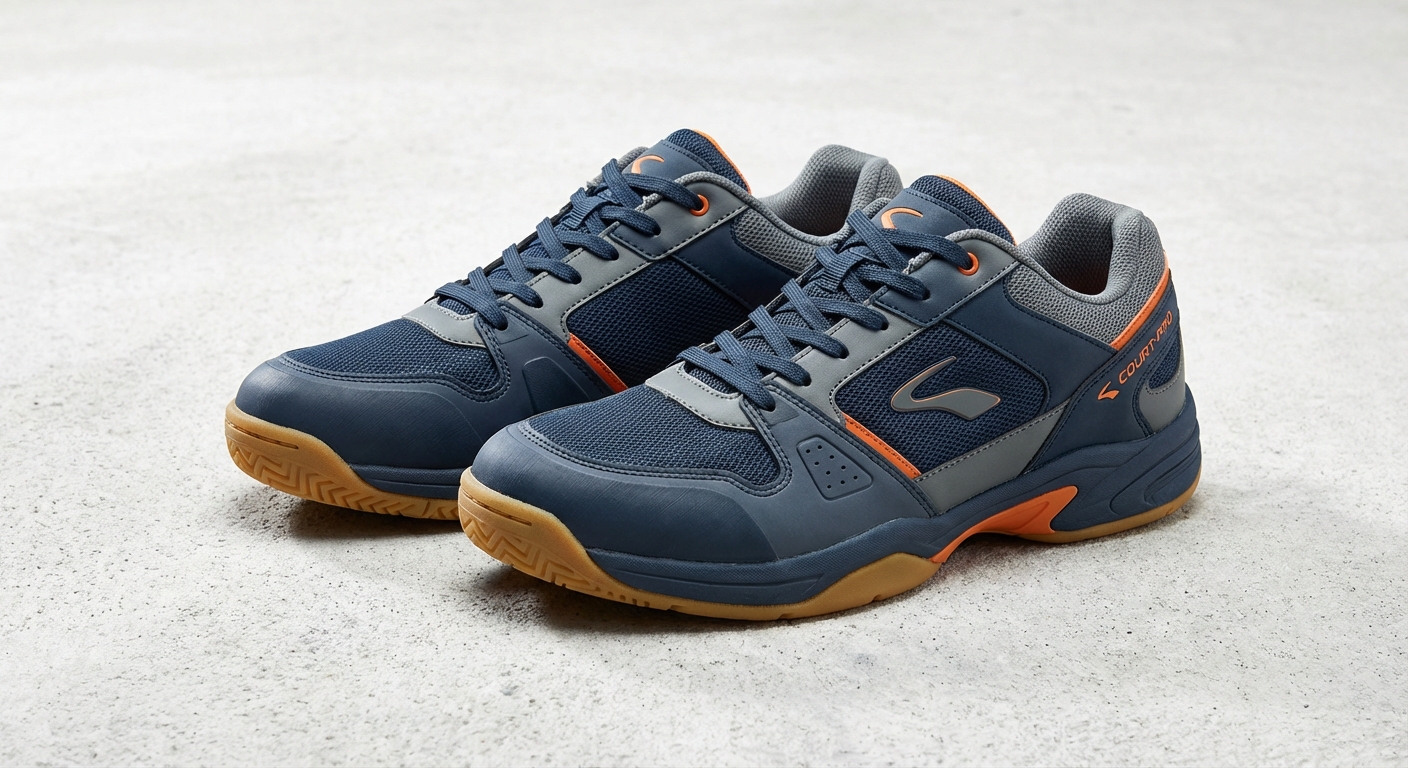
The best padel shoes on a budget still offer the essential herringbone sole and basic lateral support required for safe play. You do not always need the most expensive carbon-fiber tech if you are a recreational player who avoids extreme competitive lunges.
Where can you save money?
Many premium manufacturers release “take-down” versions of their flagship models. These shoes often use slightly heavier but equally durable materials and proven foam technologies from previous seasons.
- Use of standard EVA foam instead of high-rebound gels.
- Synthetic leather uppers instead of technical knits.
- Simplified lacing systems for lower production cost.
The best part? These “older” technologies are still vastly superior to using a running shoe or a generic sneaker on the court.
What are the deal-breakers for cheap shoes?
It is no secret: some budget shoes cut corners that affect safety. You must ensure that even a low-cost model has a rigid midfoot and a dedicated padel-specific outsole to avoid injury.
- Avoid “foam-only” soles that lack a rubber tread.
- Ensure there is at least some lateral outrigger.
- Check that the toe box is reinforced.
Believe it or not, a mid-range shoe on sale is often a better investment than the absolute cheapest model available at a big-box store.
| Budget Factor | What to Accept | What to Avoid |
|---|---|---|
| Material | Synthetic Mesh | Thin Plastic |
| Cushioning | Basic EVA | No Cushioning |
| Outsole | Full Rubber | Foam Exposed |
Budget-conscious players can still achieve professional-level safety by focusing on core structural features over marketing gimmicks.
Key Takeaway: Prioritizing a proper rubber tread and midfoot rigidity allows you to play safely without needing the most expensive professional tech.
How to maintain and protect your best padel shoes?
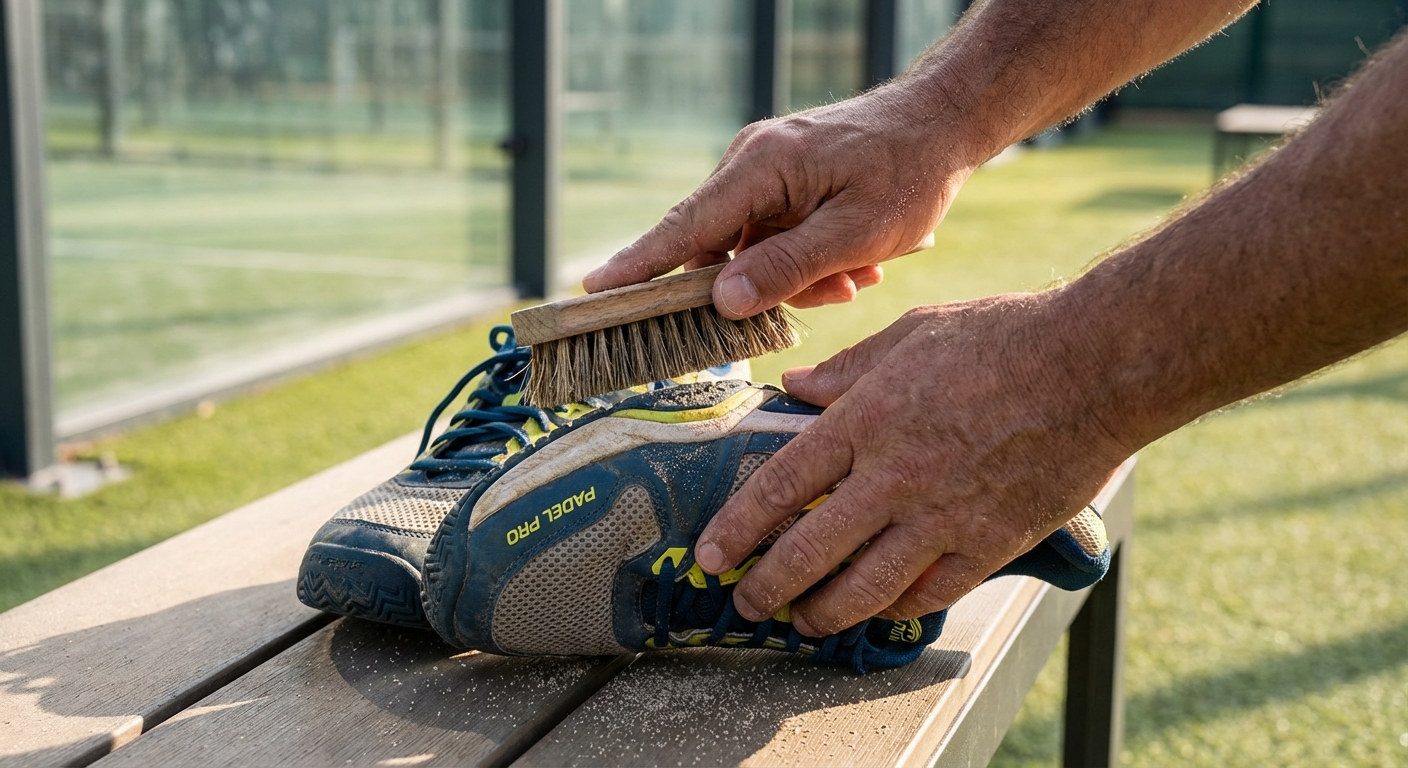
The best padel shoes can last twice as long if you regularly remove sand from the interior and brush the outsoles after every match. You should treat your footwear as a precision tool that requires basic care to maintain its grip and structural integrity.
Why is sand removal critical?
Sand trapped inside the shoe acts like sandpaper, grinding away at the lining and your socks. It also fills the tread grooves, which significantly reduces the grip level of your shoes during your next session.
- Brush the soles after playing on sandy courts.
- Shake out the interior to remove abrasive grit.
- Wipe down the uppers with a damp cloth to remove salt.
Here is the kicker: most “worn out” shoes are actually just clogged with sand and sweat that has hardened the materials.
When is it time to replace them?
Think about it: even if the shoe looks fine, the internal foam eventually loses its ability to absorb impact. If you start feeling unusual knee pain or notice the tread is smooth in the forefoot, it is time for an upgrade.
- Monitor the depth of the herringbone grooves.
- Check for “wrinkle lines” in the midsole foam.
- Replace every 6-12 months for regular players.
But wait, there’s more; a fresh pair of shoes can actually improve your performance by restoring the energy return you didn’t realize you had lost.
Key Takeaway: Consistent maintenance and timely replacement are the final steps in ensuring your footwear remains an asset rather than a liability on the court.
*
Frequently Asked Questions
Can I wear tennis shoes for padel?
Yes, but only if they have a clay court sole. Standard hard-court tennis shoes lack the deep grooves needed to handle the sand on a padel court, which can lead to dangerous slips.
What’s the best way to clean padel shoes?
Use a soft brush and lukewarm water with mild soap. Avoid the washing machine at all costs, as the heat and agitation can break down the adhesives and the internal cushioning foam.
Can I use running shoes on a padel court?
No, you should never use running shoes. They lack lateral support and have a high center of gravity, which makes ankle sprains extremely likely during the frequent side-to-side movements of padel.
Can I play padel in indoor soccer shoes?
It is not recommended. While they are flat and stable, the rubber compounds and tread patterns are designed for polished floors or turf, not the unique mix of fibers and sand found in padel.
What is the life expectancy of professional shoes?
For a regular player (3 times a week), expect 6 to 8 months. Competitive players who play daily may need to replace their gear every 3 to 4 months to maintain peak grip and cushioning.
*
Choosing the right footwear is the foundation of a successful padel experience, ensuring you stay injury-free while moving with maximum agility. At Superbpadel, we believe that every element of your game—from the Padel Structure to the shoes on your feet—must meet the highest standards of quality. If you are ready to upgrade your facility or need expert advice on professional court builds, contact us today to speak with our technical team. Our vision is to empower the global padel community with factory-direct, premium infrastructure that drives the sport forward. Elevate your game with Superbpadel, where engineering excellence meets the passion of the court.