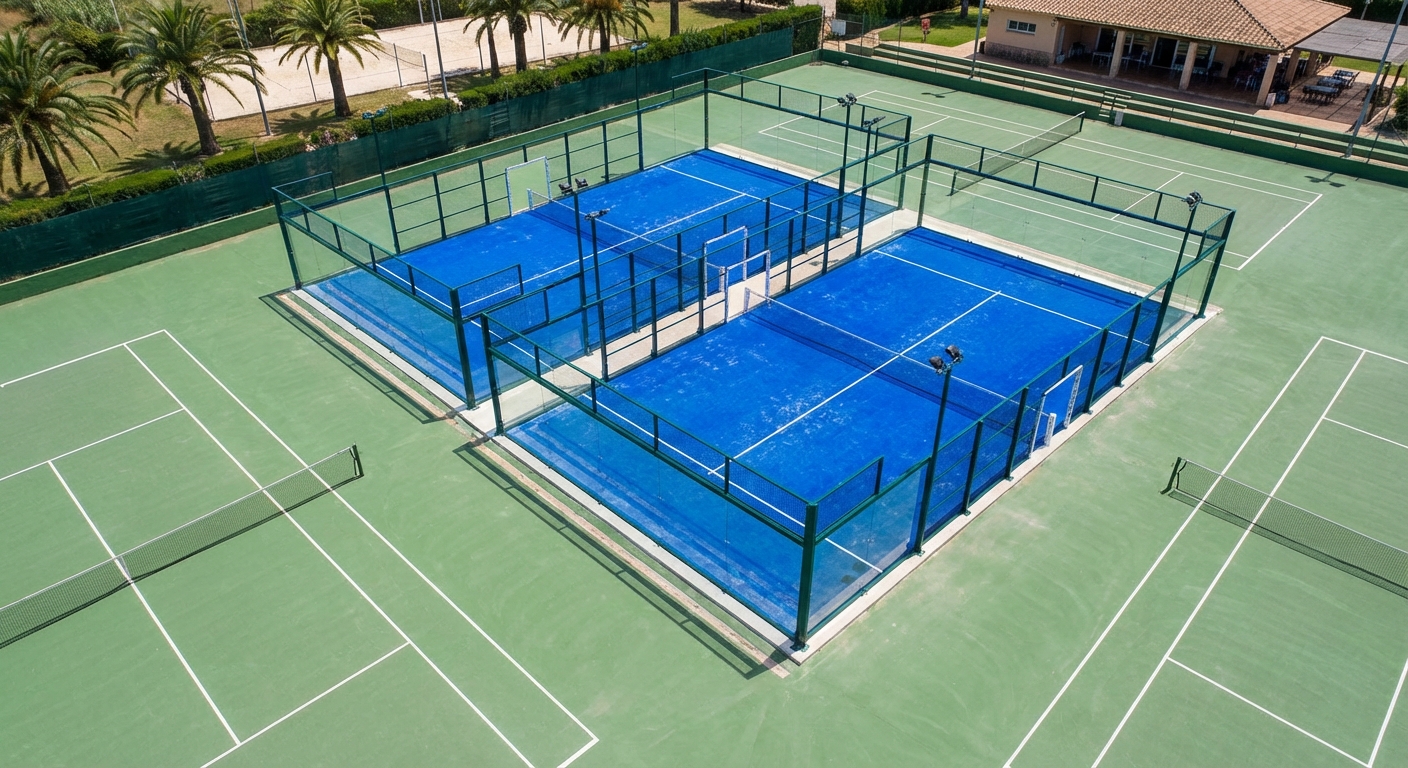
A padel ball court is a 20m x 10m enclosed sports facility designed for a fast-paced racket sport, built through a process of ground stabilization, structural framing, and turf installation. Investing in a professional padel ball court is a strategic move for any sports facility looking to diversify its offerings.
Imagine you are managing a club where the tennis courts are often empty, yet your members are craving a more social and energetic activity. The problem is that installing a sub-par playing area can lead to high maintenance costs and significant injury risks for your clients. We provide the ideal solution with high-durability structures that ensure long-term profitability and safety.
What is the definition of a professional padel ball court?
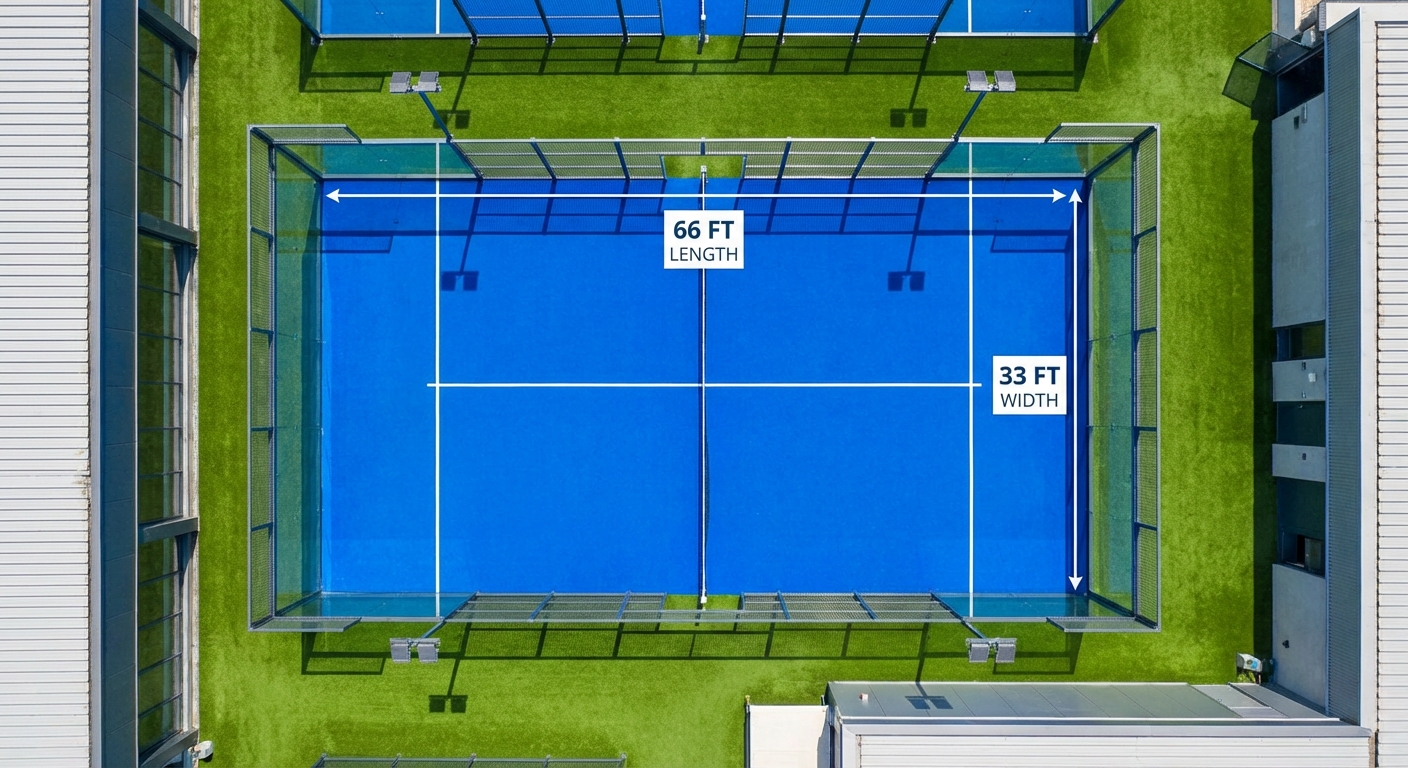
A professional padel ball court is a specialized playing area enclosed by glass and metallic mesh walls that are integral to the gameplay. These courts are designed to host doubles play, focusing on strategy and quick reflexes rather than just power. You will find that the integration of walls allows for unique rebounds that keep the ball in play longer.
Why choose this sport for your facility?
But here is the kicker:
- High revenue per square meter compared to tennis.
- Social engagement that appeals to all age groups.
- Low entry barrier for new and recreational players.
You will see immediate interest from your community when you introduce this dynamic sport. It requires less space than traditional courts, allowing you to maximize your land use effectively.
Key Takeaway: A padel ball court is a high-yield investment that combines social play with professional-grade construction.
What are the official padel ball court dimensions in feet?
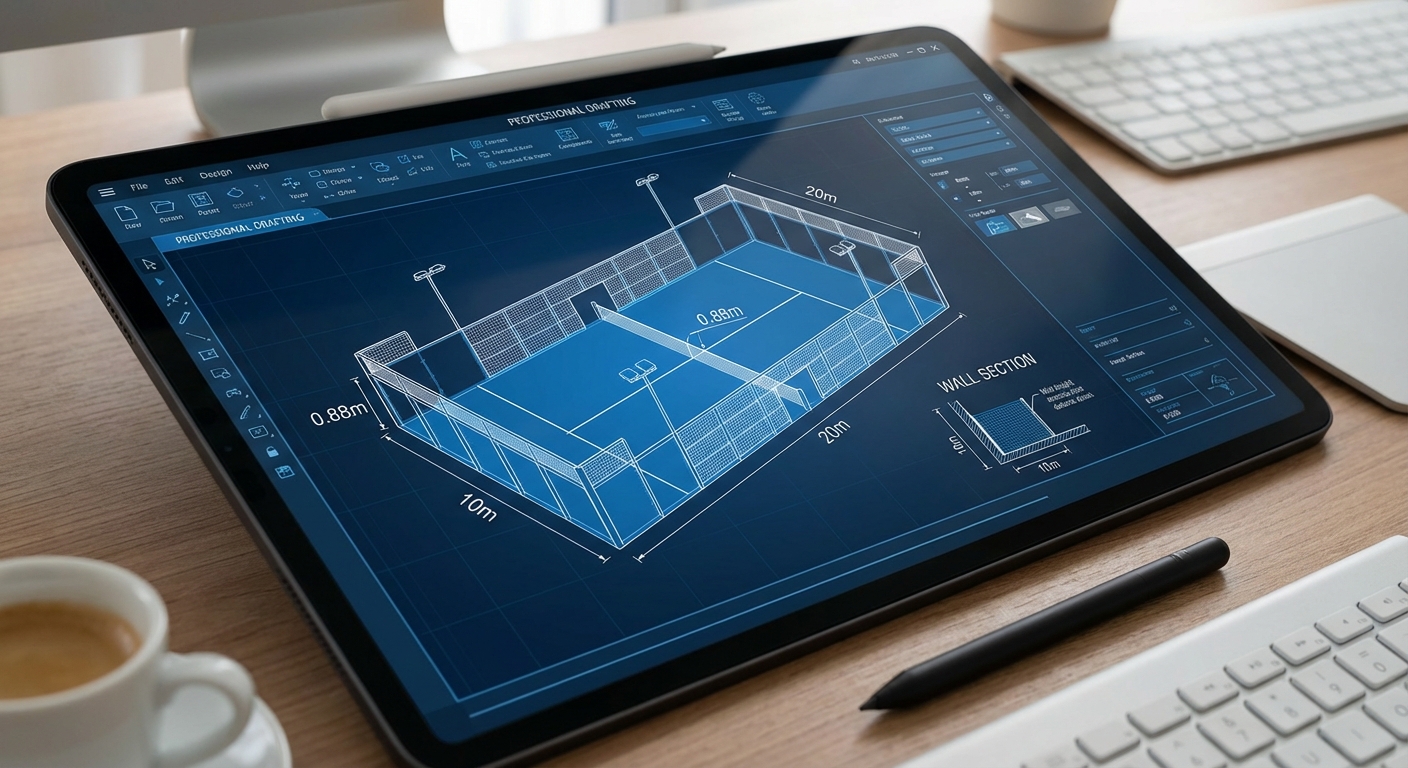
Understanding the padel ball court size in imperial units is essential for developers working in specific international markets. The playing area forms a precise rectangle that allows for the tactical wall-based gameplay the sport is known for. You must ensure these measurements are exact to maintain the integrity of the game.
How do the foot-based measurements break down?
Think about this:
- 66 feet in total length.
- 33 feet in total width.
- 22.8 feet from the net to the service line.
You need to ensure the perimeter is exactly 66 by 33 feet to meet global expectations. This sizing allows for the fast rebounds that define the sport’s unique mechanics.
Key Takeaway: Standardizing to 66′ x 33′ ensures your facility is ready for any professional-level play.
Summary of Imperial Specifications
| Feature | Feet (ft) | Requirement |
|---|---|---|
| Total Length | 66 ft | Mandatory |
| Total Width | 33 ft | Mandatory |
| Service Line Distance | 22.8 ft | From Net |
How many meters are required for a standard padel ball court?
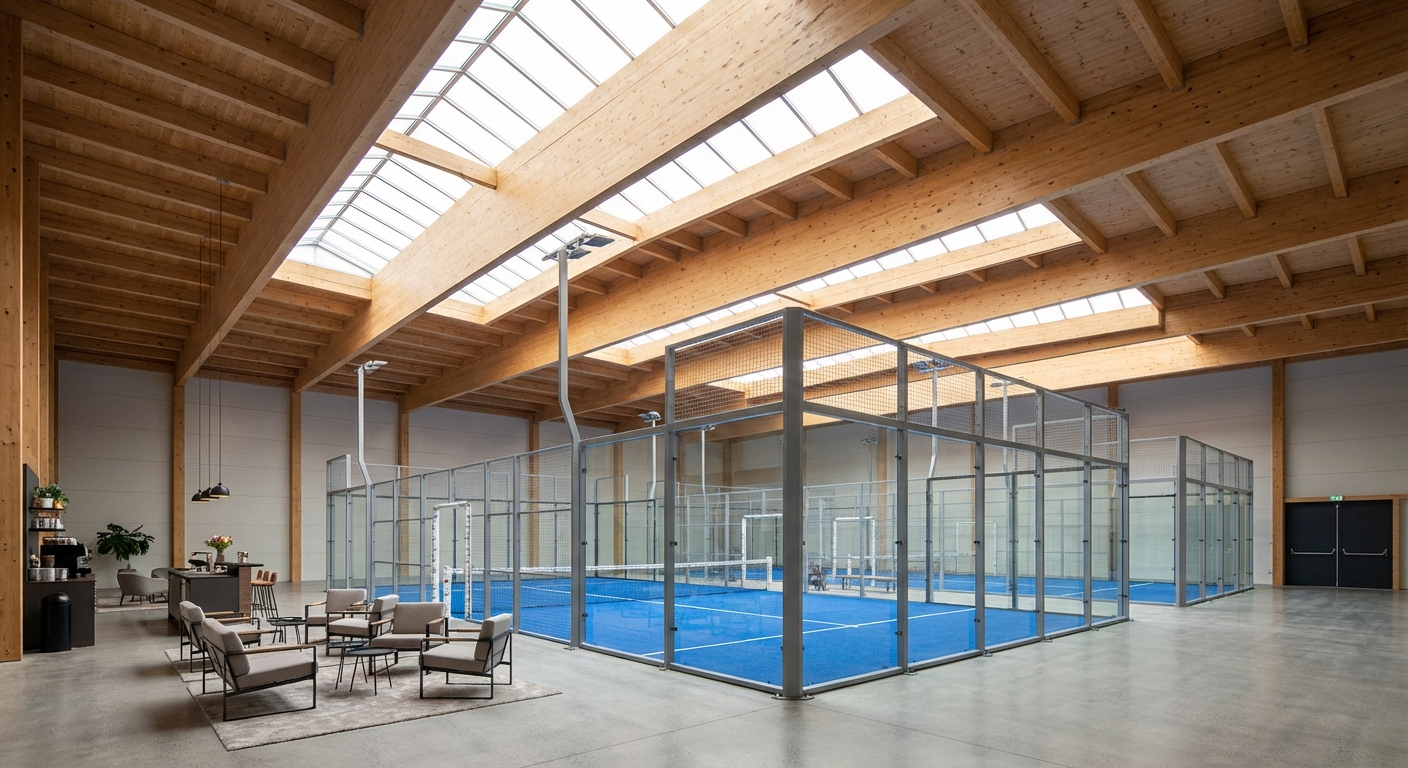
The international standard for a padel ball court is strictly defined in meters by global governing bodies. This metric footprint is the foundation for every competitive club and tournament worldwide. You should plan your site layout based on these 20-meter by 10-meter specifications to ensure total compliance.
What are the metric layout requirements?
Here is the deal:
- 20 meters long and 10 meters wide.
- 10-meter by 10-meter squares for each side.
- 6.95 meters from the net to the service line.
You will notice that these dimensions are half the width of a tennis court but nearly as long. This creates a compact yet intense environment for players.
Key Takeaway: Adhering to the 20m x 10m metric standard is non-negotiable for professional certification.
Summary of Metric Specifications
| Component | Meters (m) | Standard |
|---|---|---|
| Playing Area Length | 20.0 m | FIP Standard |
| Playing Area Width | 10.0 m | FIP Standard |
| Net Height (Center) | 0.88 m | Maximum |
What is the ideal height for a high-end padel ball court?
The vertical dimension of a padel ball court is just as important as its length and width for high-level lobs. Indoor facilities must provide enough clearance to prevent the ball from striking the ceiling during standard play. You want to offer players the freedom to use the full height of the court for defensive strategies.
What are the ceiling height standards?
You might be wondering:
- 6 meters minimum clearance for recreational play.
- 8 meters or more for professional tournament standards.
- Clear space free from beams or lighting fixtures.
You should aim for the 8-meter mark if you plan to host high-tier competitions. This allows for the high-lopping shots that are crucial for breaking an opponent’s rhythm.
Key Takeaway: Higher ceilings directly translate to a better player experience and higher club prestige.
Summary of Height Standards
| Usage Level | Minimum Height | Recommended |
|---|---|---|
| Recreational | 6.0 m | Acceptable |
| Professional | 8.0 m | Gold Standard |
| Lighting Clearance | 6.0 m | Minimum |
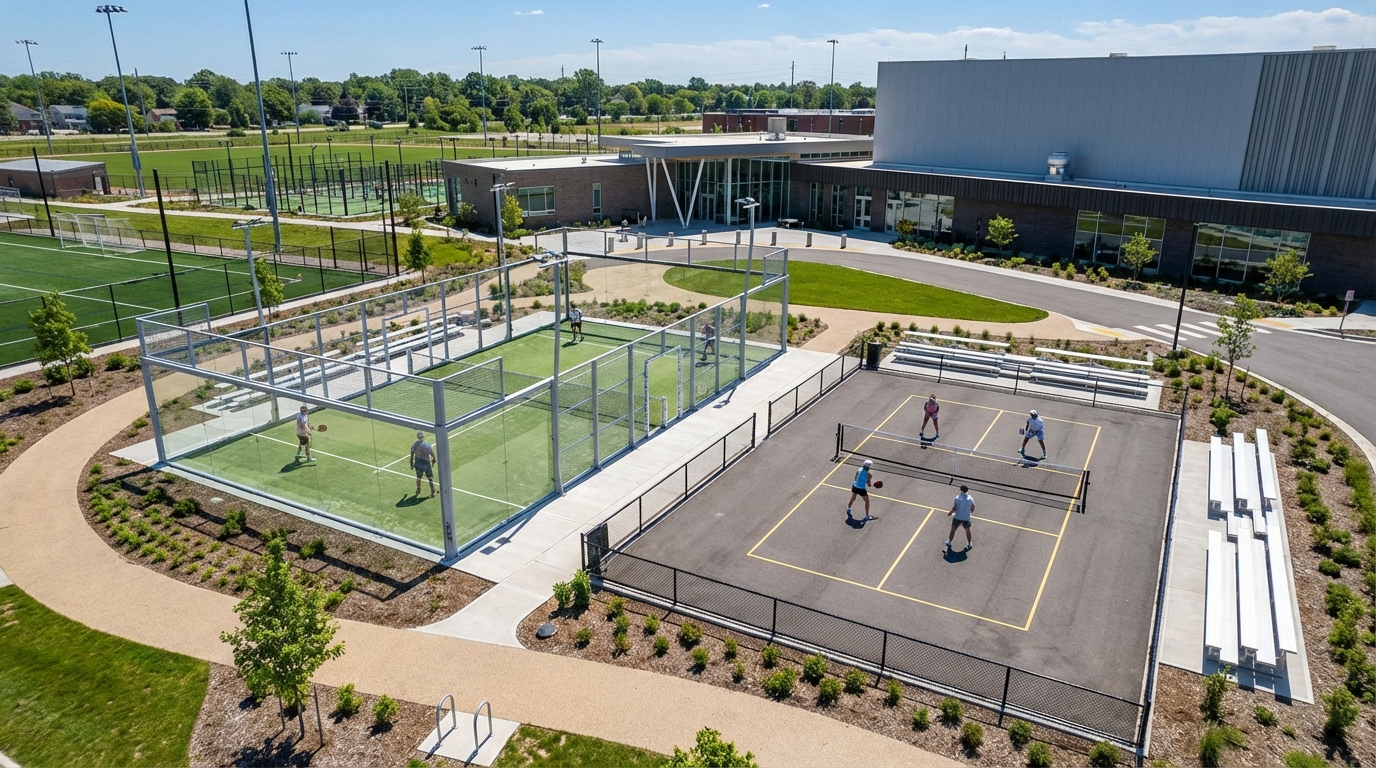
How does a padel ball court size compare to pickleball?
Comparing a padel ball court to a pickleball court reveals significant differences in both space and structural requirements. While both sports are growing rapidly, they serve different demographic needs and facility layouts. You need to understand these spatial differences before deciding which sport to prioritize for your development.
Is padel much larger than pickleball?
Look at it this way:
- Padel courts are 20m x 10m, while pickleball is roughly 13.4m x 6.1m.
- Padel requires approximately 2.5 times more surface area.
- Padel involves complex wall structures, unlike the open pickleball setup.
You will find that padel is a more substantial infrastructure project but offers a unique “spectacle” for viewers. The glass walls make it a centerpiece of any modern sports club.
Key Takeaway: Padel requires more space and investment than pickleball but offers a more premium, enclosed experience.
Summary of Sport Comparisons
| Metric | Padel Court | Pickleball Court |
|---|---|---|
| Area | 200 sqm | ~82 sqm |
| Enclosure | Glass & Mesh | None |
| Net Height | 0.88 m | 0.86 m |
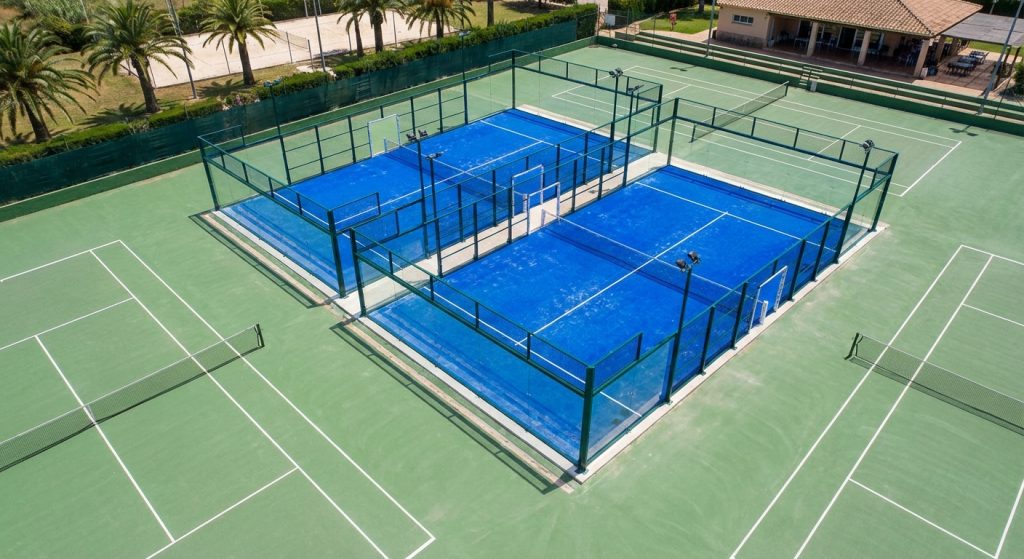
What makes a padel ball court different from a tennis court?
The fundamental difference between a padel ball court and a tennis court lies in the “playability” of the surrounding walls. In tennis, hitting the fence or wall means the point is over, whereas in this sport, it is often just the beginning. You can fit two of these specialized courts into the footprint of a single standard tennis court.
Can you optimize space with multiple courts?
And the best part?
- Two courts fit in one 23.77m x 10.97m tennis area.
- Doubles play on every court maximizes player density.
- Higher turnover and rental fees per square meter of land.
You should consider converting underutilized tennis spaces to increase your club’s revenue potential. This switch allows you to host eight players in the space where previously only four could play.
Key Takeaway: Padel offers double the player capacity and revenue potential of a traditional tennis court.
Summary of Space Optimization
| Factor | Padel (Double) | Tennis (Double) |
|---|---|---|
| Players | 4 | 4 |
| Space Needed | 200 sqm | ~600+ sqm |
| Wall Usage | Integral | Out of Play |
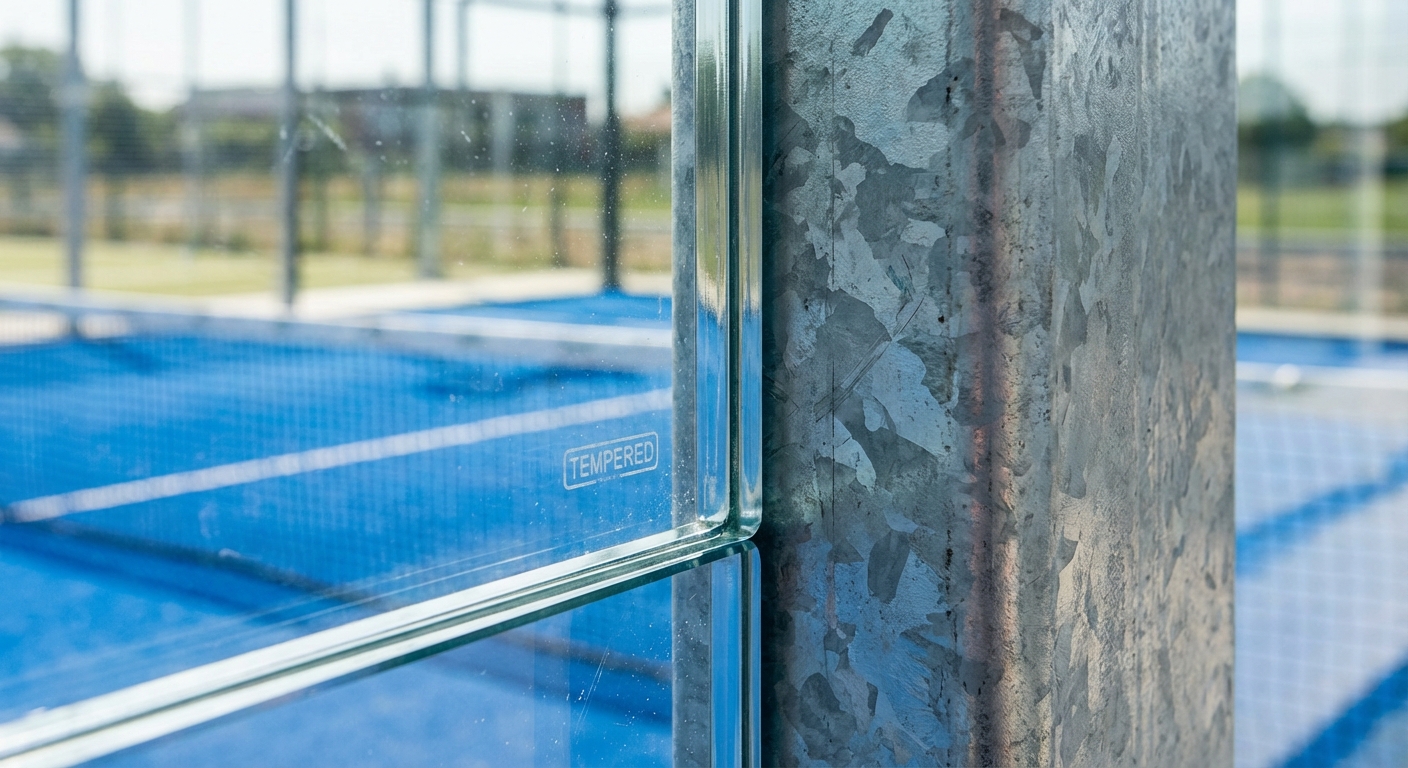
Which materials are used to build a durable padel ball court?
Selecting the right materials for your padel ball court is the difference between a five-year lifespan and a twenty-year investment. You must prioritize tempered glass and galvanized steel to withstand the high-impact nature of the game. High-quality materials also reduce the noise and vibration that can disturb nearby residents.
What are the core material components?
Believe me when I say:
- 12mm tempered safety glass for maximum impact resistance.
- Hot-dip galvanized steel for rust-free structural longevity.
- High-density monofilament Padel Grass for consistent ball bounce.
You will find that investing in premium turf and glass now prevents costly replacements later. These components must meet international safety standards to protect your players and your business.
Key Takeaway: Durable materials like tempered glass and galvanized steel are essential for safety and ROI.
Summary of Material Grades
| Material | Specification | Benefit |
|---|---|---|
| Glass | 12mm Tempered | Safety & Rebound |
| Steel | Galvanized | Weather Resistance |
| Surface | Monofilament Turf | Player Traction |
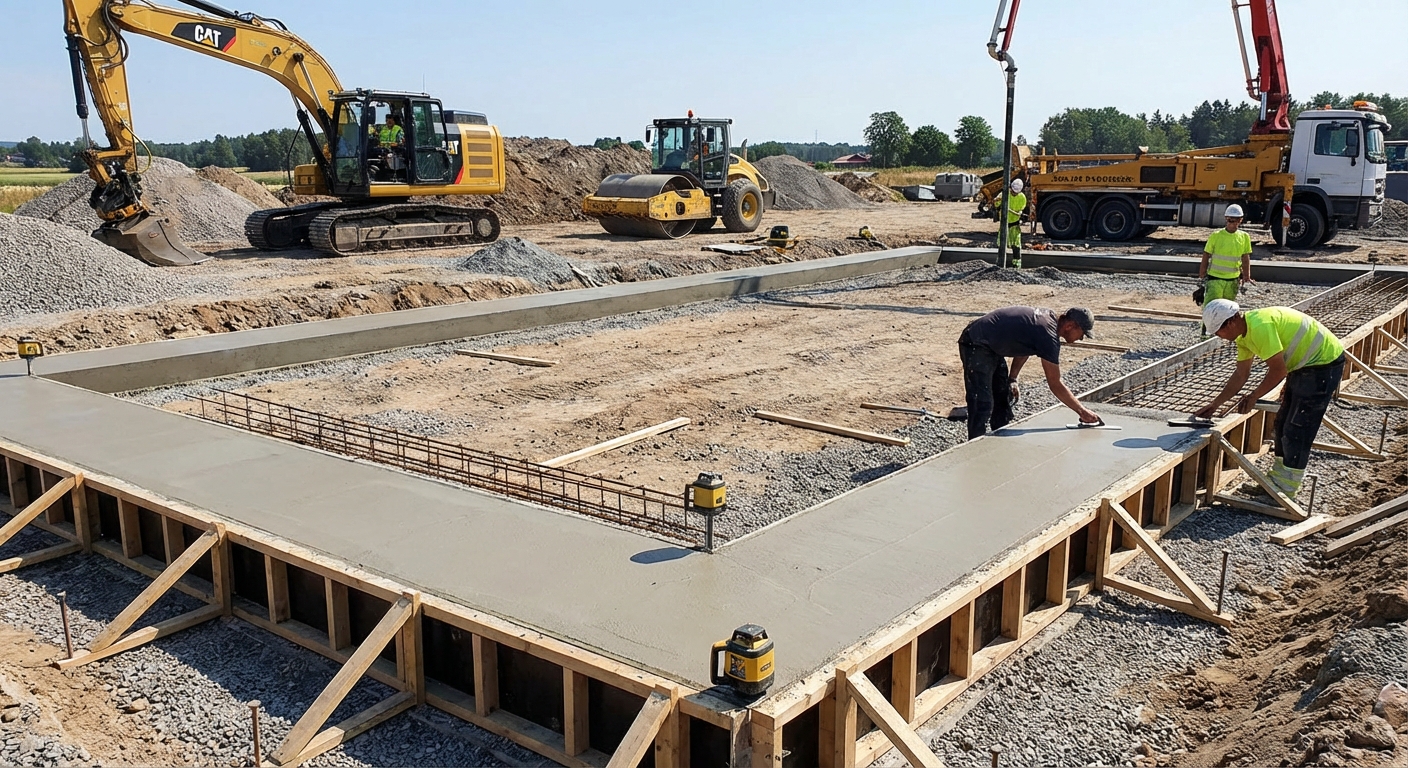
What are the major steps to construct a padel ball court?
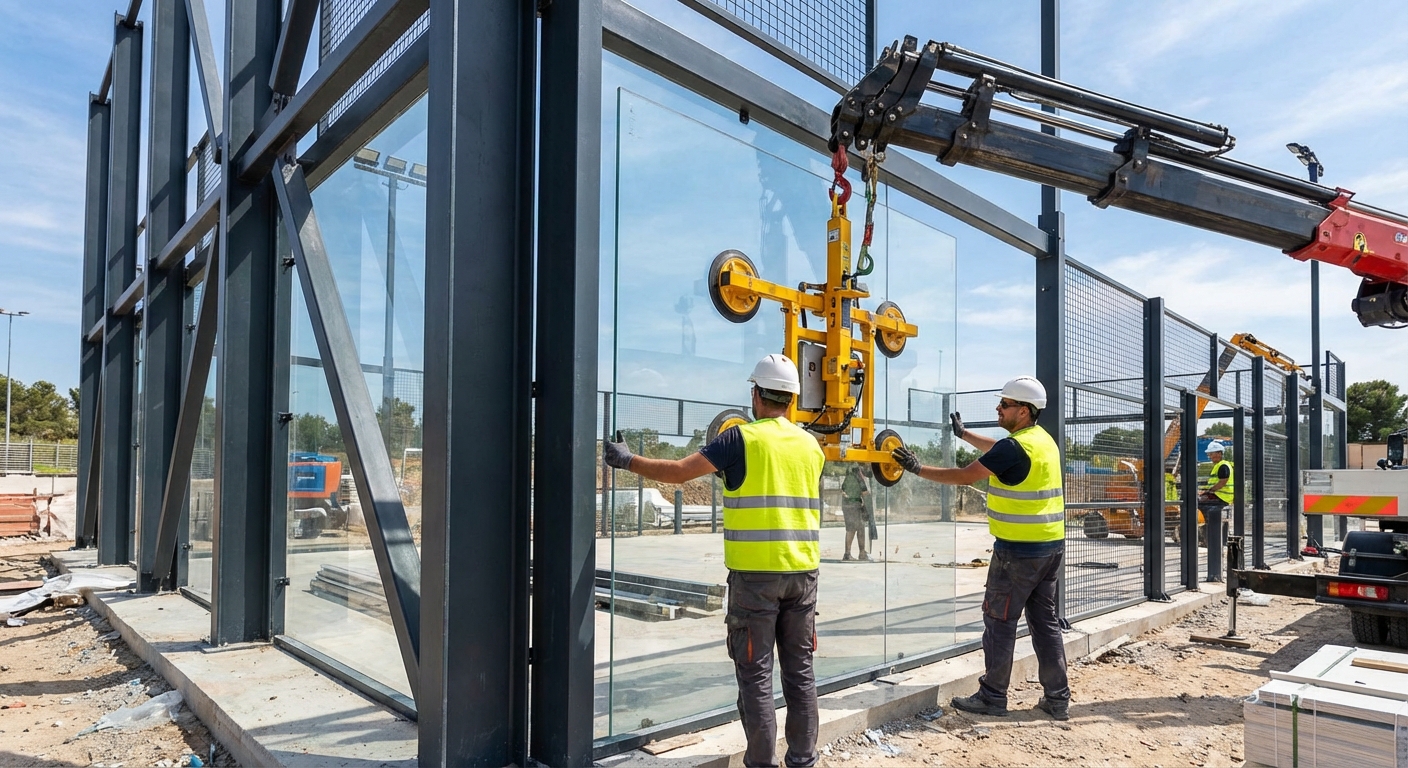
The process of building a padel ball court requires a systematic approach, starting with a perfectly level foundation. If the base is even slightly slanted, the glass panels will not align, and the ball bounce will be inconsistent. You must hire professional installers who understand the tolerances required for these sophisticated structures.
How does the build process unfold?
It gets even better:
- Excavation and pouring a reinforced concrete or asphalt slab.
- Erection of the steel pillar and mesh framework.
- Precision installation of the glass panels using neoprene layers.
You should always verify the curing time of your concrete base before laying the artificial turf. A rushed foundation can lead to drainage issues that ruin the playing surface within months.
Key Takeaway: Professional installation of a level foundation is the most critical step in the build.
Summary of Construction Steps
| Phase | Action | Critical Factor |
|---|---|---|
| Base | Concrete Pouring | Perfect Leveling |
| Frame | Steel Assembly | Structural Integrity |
| Finish | Turf & Sand | Fiber Resilience |
How much does it cost to build a premium padel ball court?
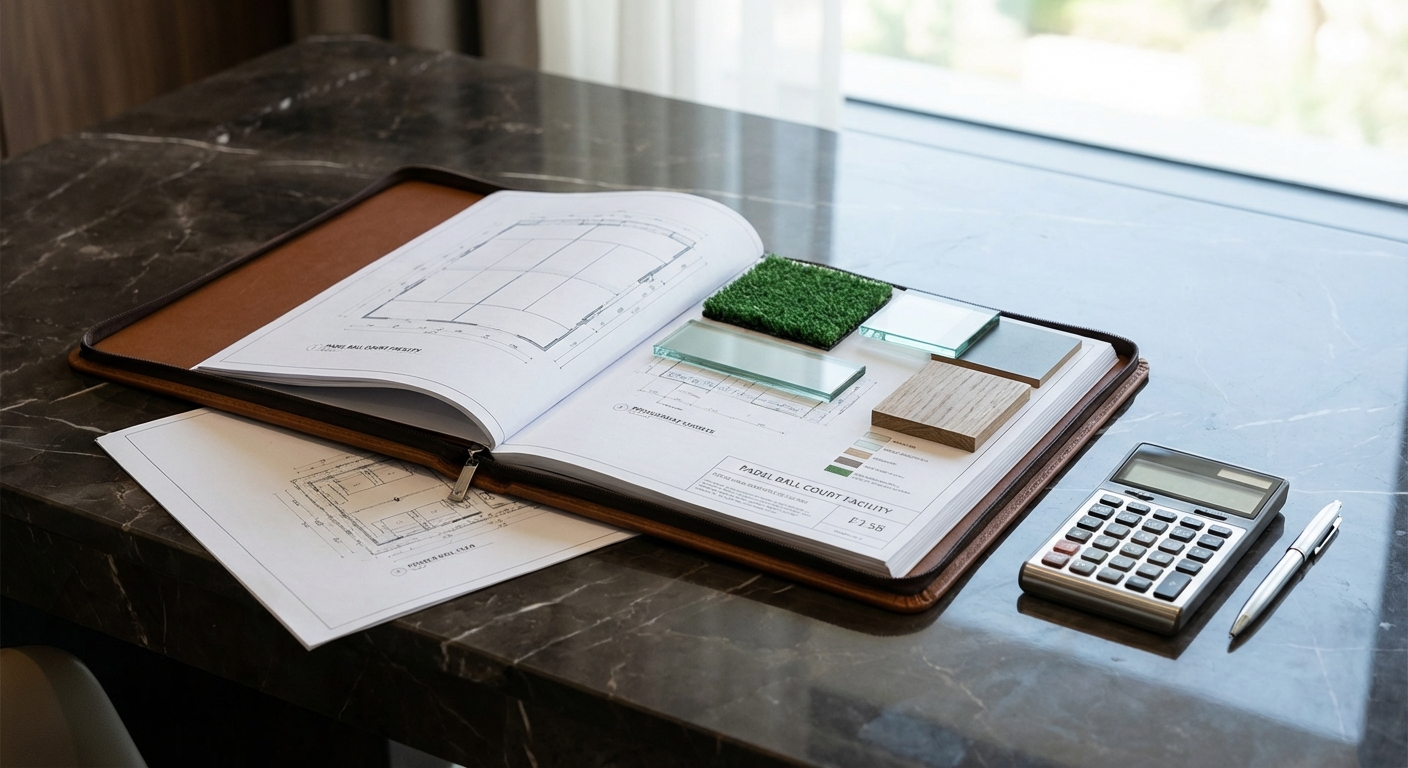
The financial outlay for a padel ball court varies based on soil conditions, lighting choices, and the model of the court. While the initial cost is higher than a simple court, the return on investment is often achieved within the first two years. You should view this as a capital asset that adds significant value to your property.
What factors drive the total price?
Consider this:
- Panoramic designs offer higher prestige but cost more.
- High-efficiency Padel LED Lighting reduces operational utility costs.
- Custom branding and color options enhance your club’s marketing.
You will see that choosing a panoramic model allows you to charge premium booking fees for the “center court” experience. Efficiency in lighting and maintenance will protect your margins in the long run.
Key Takeaway: Premium models and LED systems offer the best long-term financial performance.
Summary of Cost Drivers
| Driver | Impact | Recommended Action |
|---|---|---|
| Court Model | $20k – $50k+ | Choose Panoramic |
| Lighting | Low Watts | Use 200W LEDs |
| Groundwork | Variable | Soil Test First |
What else should you know about your new padel ball court?
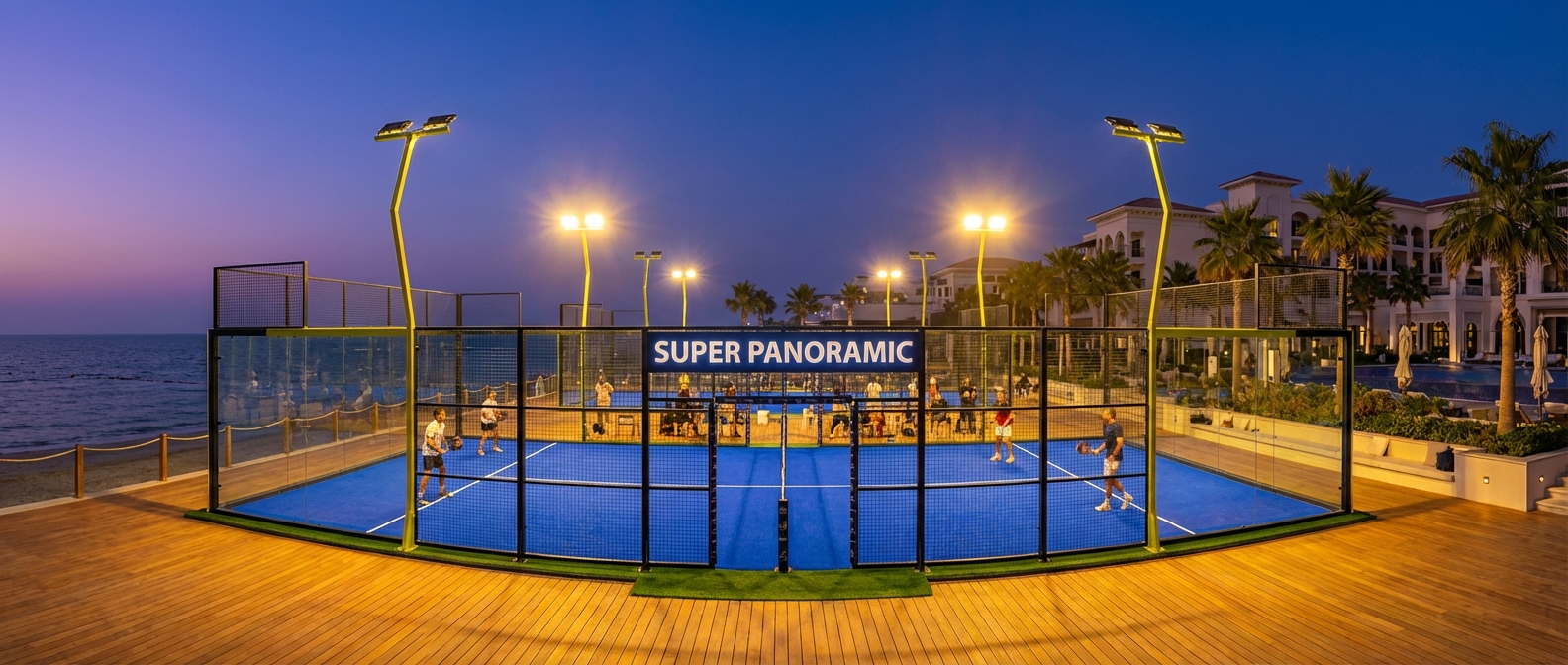
Maintenance and player safety are the final pieces of the puzzle when managing a successful padel ball court facility. Regular checks of the glass bolts and sand distribution will ensure the court remains in peak condition for years. You must establish a routine that keeps the playing experience consistent for your members.
How do you maintain the playing surface?
Follow this logic:
- Brushing the turf weekly to prevent sand compaction.
- Cleaning glass panels to maintain spectator visibility.
- Checking net tension and structural bolts quarterly.
You will maintain a high reputation by ensuring the court is always clean and the ball bounce is predictable. A well-maintained court is your best marketing tool for attracting elite players.
Key Takeaway: Consistent maintenance protects your investment and ensures a premium sports experience.
Common Construction and Maintenance FAQ
Can I build a court on top of an existing tennis court?
Concise Judgment: Yes, provided the existing foundation is reinforced to support the concentrated weight of the glass walls.
What’s the best material for outdoor court structures?
Concise Judgment: Hot-dip galvanized steel is the only option that offers the necessary rust resistance for outdoor environments.
How do I know if my ceiling is high enough?
Concise Judgment: Measure from the highest point of the playing surface; if it is below 6 meters, you will need to lower the floor.
Can I customize the color of the turf and steel?
Concise Judgment: Absolutely, premium manufacturers offer a full range of RAL colors to match your club’s branding.
Building a world-class sports facility starts with choosing the right partner. At SuperbPadel, we don’t just sell equipment; we provide the engineering excellence required to turn your vision into a profitable reality. If you are ready to elevate your club, contact us today for a custom quote and design consultation. Let’s build the future of sports together.