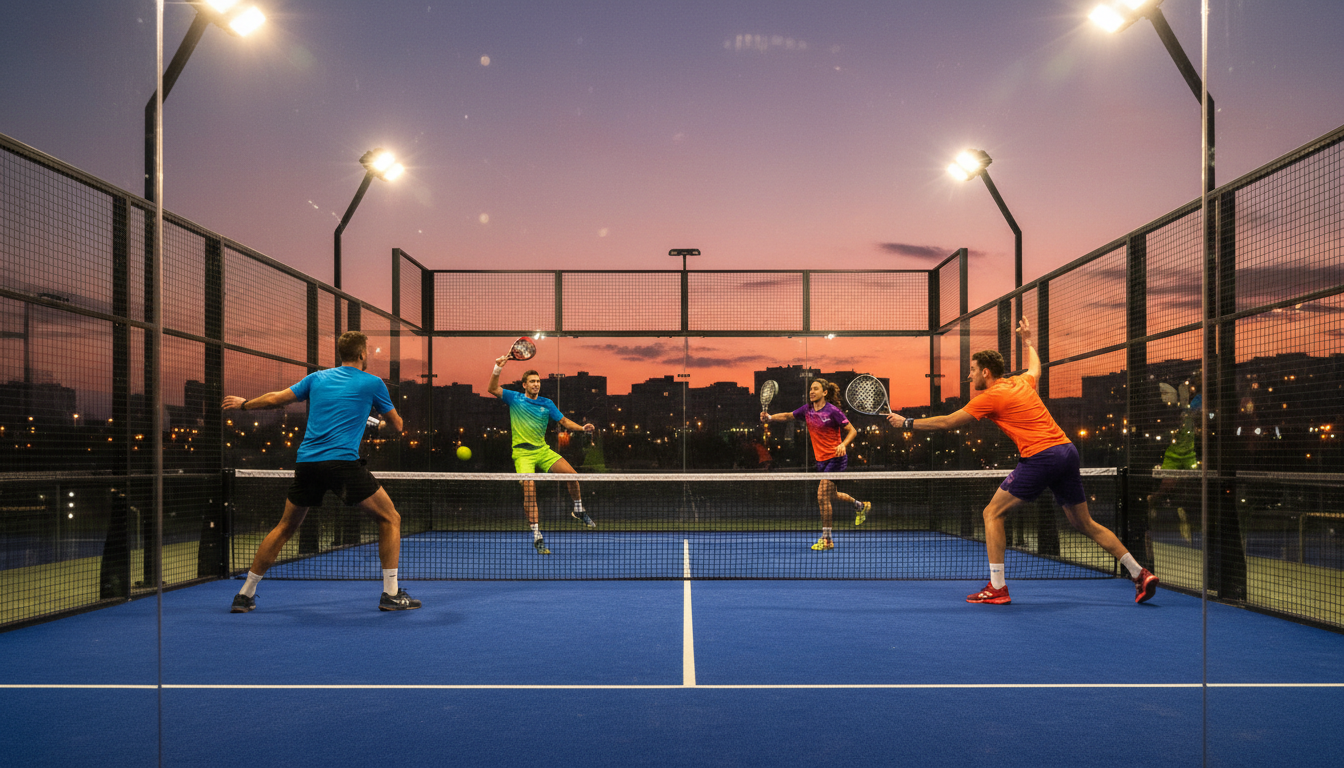
tenis para padel is a high-speed racket sport played on a small, glass-enclosed court that combines elements of traditional tennis and squash. Many enthusiasts and investors find themselves confused by the technical terminology, often leading to poor equipment choices or substandard court builds. This lack of clarity can result in injuries or facilities that deteriorate within months. We are here to simplify the process and show you how to construct a professional-grade facility that stands the test of time.
What is tenis para padel and why is it booming?
The term tenis para padel refers to the sport of Padel, a discipline that has seen explosive growth due to its social nature and lower barrier to entry compared to tennis. As more people discover this dynamic game, the demand for specialized courts is reaching record highs across the globe. You can learn more about these emerging industry trends to understand why so many clubs are transitioning into this space.
Is it tennis or is it padel?
Wait, there’s more to the distinction than just the name. While often called “tennis for padel,” the sport utilizes a solid, perforated paddle rather than a strung racket.
- Court Size: It is much smaller than a standard tennis court.
- Enclosures: Glass walls are part of the legal playing surface.
- Dynamics: Points last longer due to the ability to play off the walls.
Why is the global demand rising so fast?
You might be wondering if this is a temporary trend, but the data suggests a permanent shift in sports culture. The compact nature of the sport allows for more players to occupy less square footage, making it a dream for urban developers.
Key Takeaway: Understanding that padel is a distinct sport with specialized infrastructure is the first step toward building a successful club.
| Feature | Tennis | Padel |
|---|---|---|
| Court Size | 23.77m x 8.23m | 20m x 10m |
| Walls | Non-playable boundaries | Playable Glass/Mesh |
| Racquet | Strung fiber/gut | Solid Perforated |
Proper equipment and court identification prevent long-term player dissatisfaction and maintenance errors.
What are the dimensions of a standard tenis para padel court?
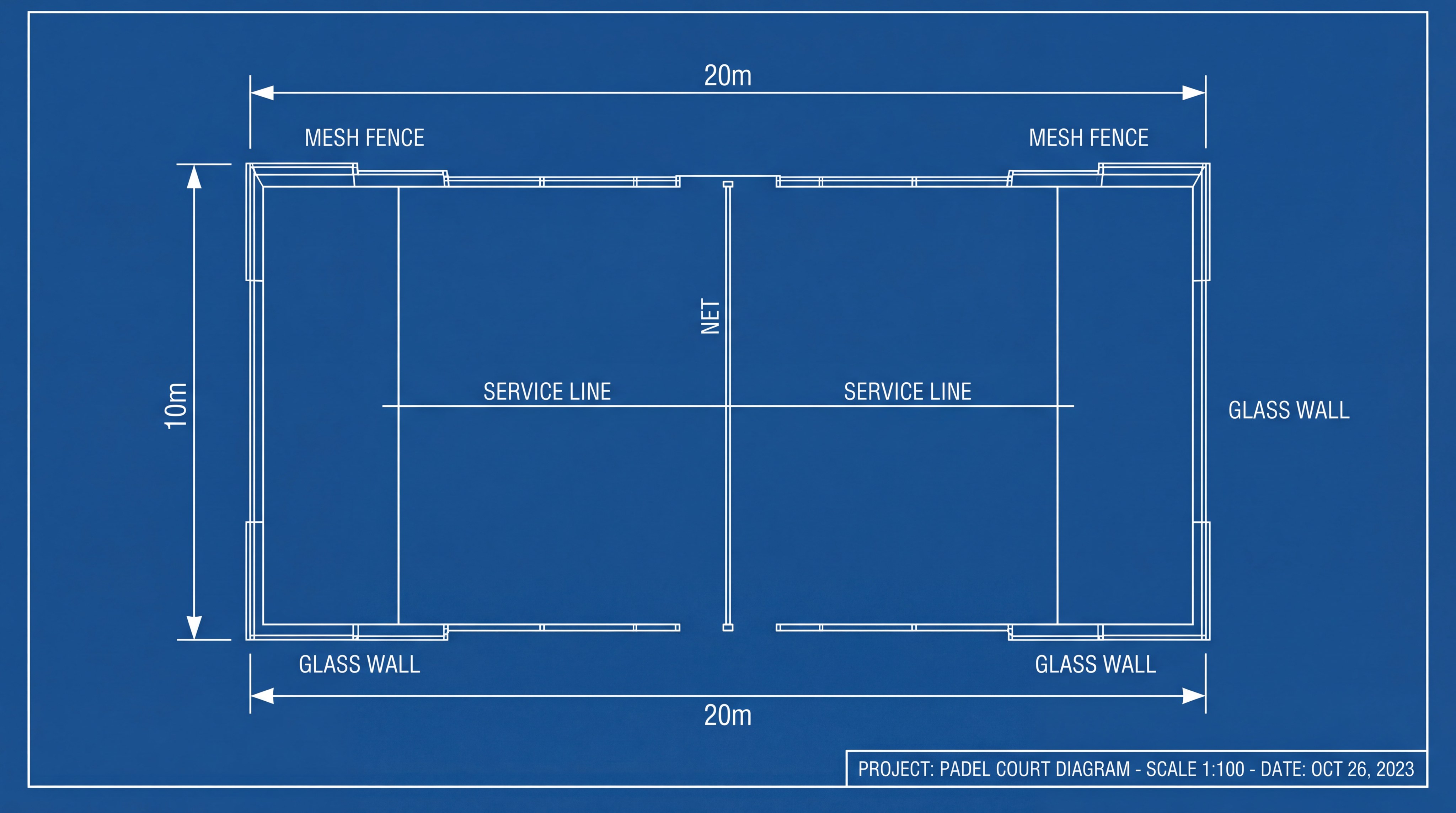
A standard tenis para padel court must measure exactly 20 meters in length and 10 meters in width to comply with international regulations. These standard dimensions ensure that the physics of the ball bounce remains consistent regardless of where in the world you play. Precision in these measurements is the difference between a professional facility and a casual backyard setup.
What is the official playing area size?
Before you start digging, check if your plot can accommodate the required 200 square meters of interior space. Every centimeter counts when installing the steel post structures that support the glass.
- Net Height: 0.88m at the center and 0.92m at the posts.
- Tolerance: Professional builds allow for nearly zero deviation in side-to-side leveling.
How much surrounding space is required?
You might be wondering about the safety zones required for high-level competitive play. Professional setups often require an additional 2-meter buffer zone on the sides to allow players to chase balls outside the door.
Key Takeaway: Adherence to the 20x10m ratio is mandatory for the sport’s physics to function correctly during play.
| Dimension | Specification | Importance |
|---|---|---|
| Length | 20 Meters | Impact on ball flight |
| Width | 10 Meters | Cross-court distance |
| Net Height | 0.88m – 0.92m | Difficulty scaling |
Technical precision in dimensions ensures that your facility is eligible for official tournaments and professional certifications.
Which turf is best for tenis para padel performance?
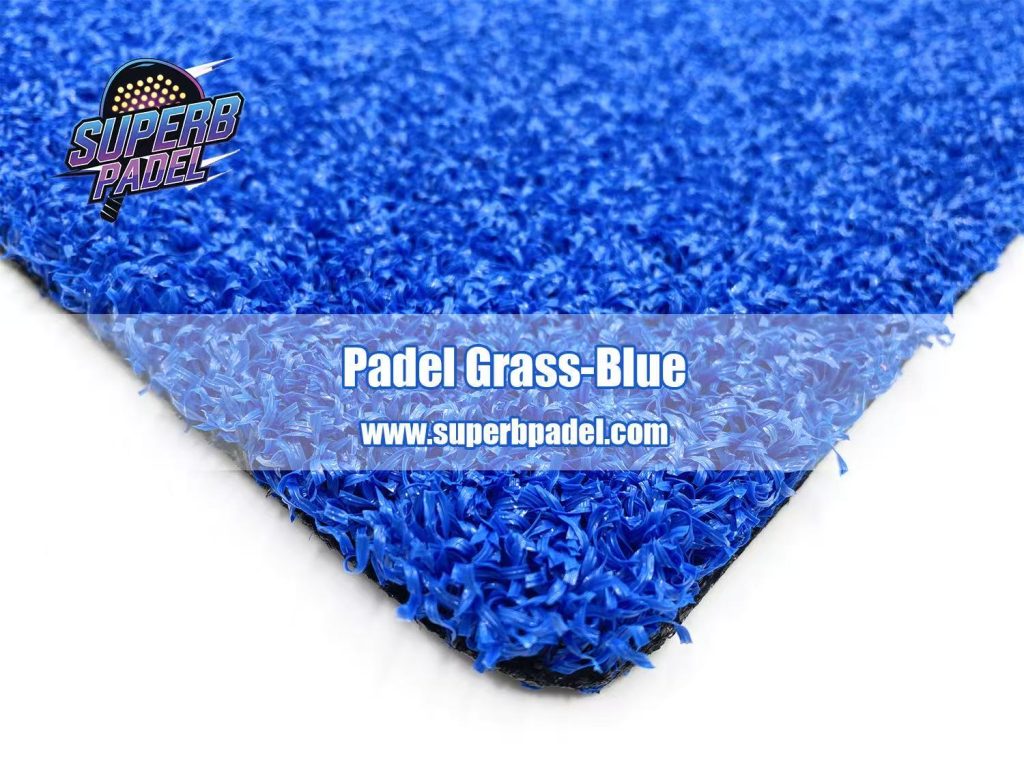
The best turf for tenis para padel is a monofilament texturized synthetic grass designed specifically to handle lateral movement and sand distribution. Unlike lawn tennis, these surfaces use a specific amount of fine silica sand to allow for controlled sliding. Choosing the right density ensures that the players’ joints are protected from the high-impact nature of the sport.
Monofilament vs. Fibrillated: Which wins?
Wait, there’s more to turf selection than just the color of the grass. While fibrillated grass is traditional, modern monofilament fibers provide better resilience and a more natural ball bounce.
- Fiber Height: Usually ranges between 10mm and 12mm.
- Infill: Rounded silica sand prevents fiber abrasion.
- Durability: High stitch density leads to a longer lifecycle under heavy use.
How does sand affect the bounce?
You might be wondering why you can see sand on some courts but not on others. Texturized turf “hides” the sand better, providing a consistent aesthetic while maintaining the necessary grip for professional play.
Key Takeaway: Textured monofilament turf offers the best balance of low maintenance and professional playing characteristics.
| Turf Type | Grip Level | Maintenance Needs |
|---|---|---|
| Monofilament | High | Low – Medium |
| Fibrillated | Medium | High (Regular brushing) |
| Texturized | Very High | Low |
Surface choice directly impacts player safety and the long-term profitability of your sports facility.
Why does glass quality matter in tenis para padel?
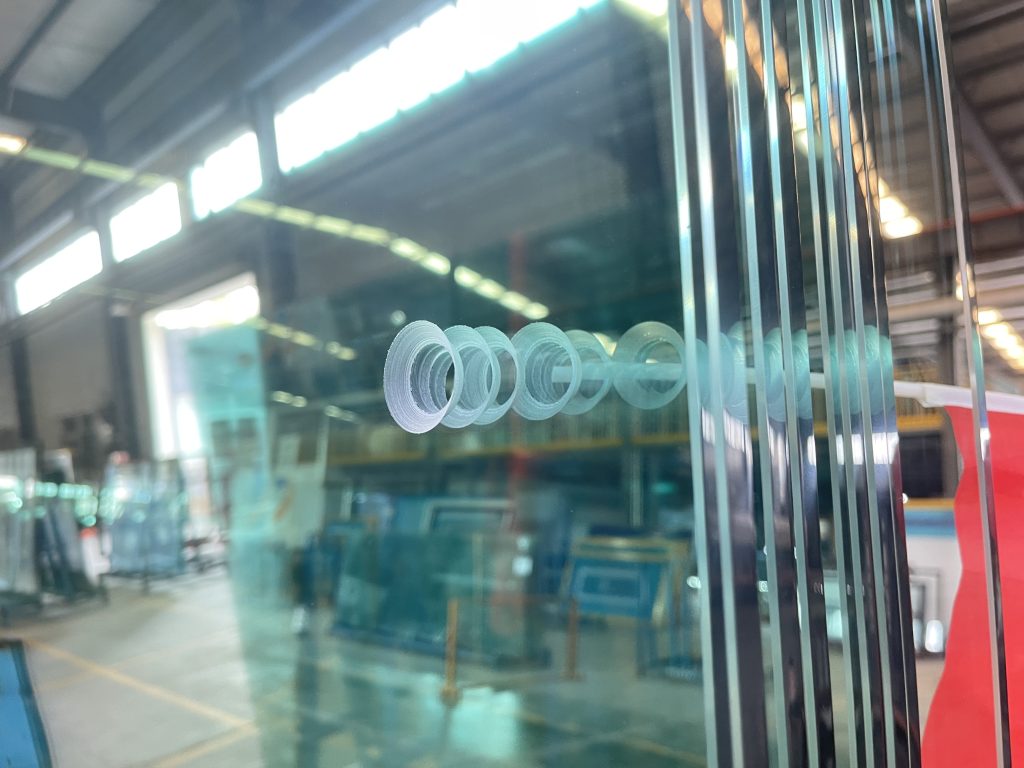
Glass quality is vital for tenis para padel because the walls are a primary component of gameplay, requiring perfect rebound and structural safety. High-quality tempered glass is used because it can withstand the impact of players hitting the wall at high speeds. For those looking at premium construction options, understanding the difference between glass thicknesses is essential for safety.
Is 10mm or 12mm glass better?
Wait, there’s more than just thickness to consider when you are designing your court walls. While 10mm is standard for pillars, 12mm glass is required for panoramic courts to provide the necessary rigidity without side supports.
- Tempering: Must meet international safety certifications.
- Edge Finishing: Polished edges prevent stress fractures over time.
- Mounting: Stainless steel fixings are required to prevent rust and glass slippage.
How do mesh fences integrate with glass?
You might be wondering how the transition from glass to metal affects the game’s logic. The mesh fencing must be perfectly flush with the glass to prevent erratic bounces during play.
Key Takeaway: Always opt for 12mm tempered glass if you are building in windy areas or choosing a panoramic design.
| Thickness | Best Application | Rigidity |
|---|---|---|
| 10mm | Standard pillar courts | Standard |
| 12mm | Panoramic / Pro courts | High |
Strategic selection of glass thickness ensures maximum visibility for spectators and absolute safety for the athletes.
Standard vs. Panoramic: Which tenis para padel court suits you?
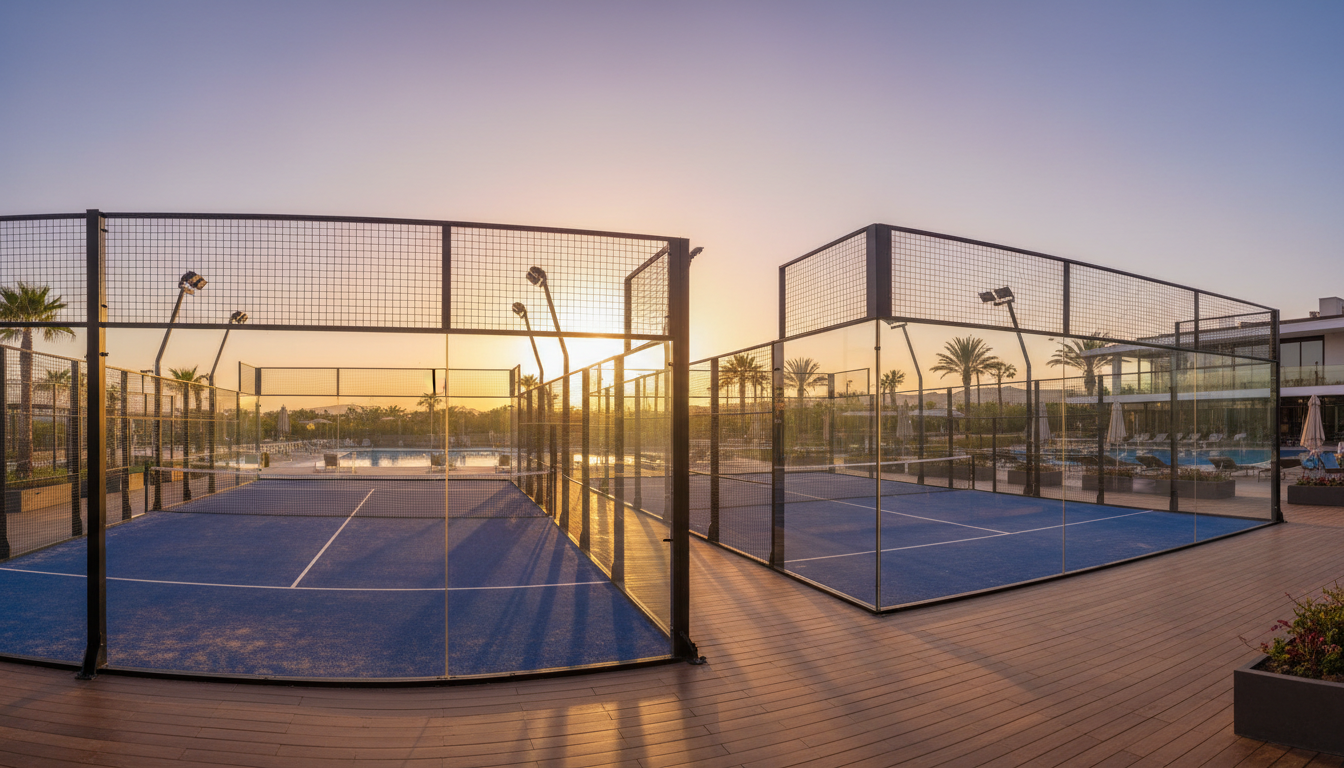
Deciding between a standard or panoramic tenis para padel court depends on whether your priority is budget-friendly durability or premium spectator visibility. A standard court utilizes steel pillars every few meters, while a panoramic court provides an unobstructed view through thick glass. For those focusing on commercial club growth, the panoramic model is often the preferred choice for center courts.
What is the “Full Vision” advantage?
Wait, there’s more to a panoramic view than just looking good for social media. It allows coaches and spectators to see every angle of the footwork without steel beams blocking the line of sight.
- Aesthetics: Provides a luxury feel to any high-end sports club.
- Broadcasting: Essential for facilities that plan to stream match play.
- Player Experience: Feels more “open” and spacious than standard builds.
When should you choose standard pillars?
You might be wondering if a standard court is “worse,” but the reality is quite different. Standard courts are easier to install, highly robust, and often better suited for high-traffic public schools or training academies.
Key Takeaway: Choose panoramic for your “show” courts and standard models for training areas to optimize your return on investment.
| Model | Visibility | Installation Speed |
|---|---|---|
| Standard | Good | Fast |
| Panoramic | Excellent | Precise |
Balancing facility aesthetics with functional durability allows for a more versatile business model.
Why choose a roofed structure for tenis para padel?
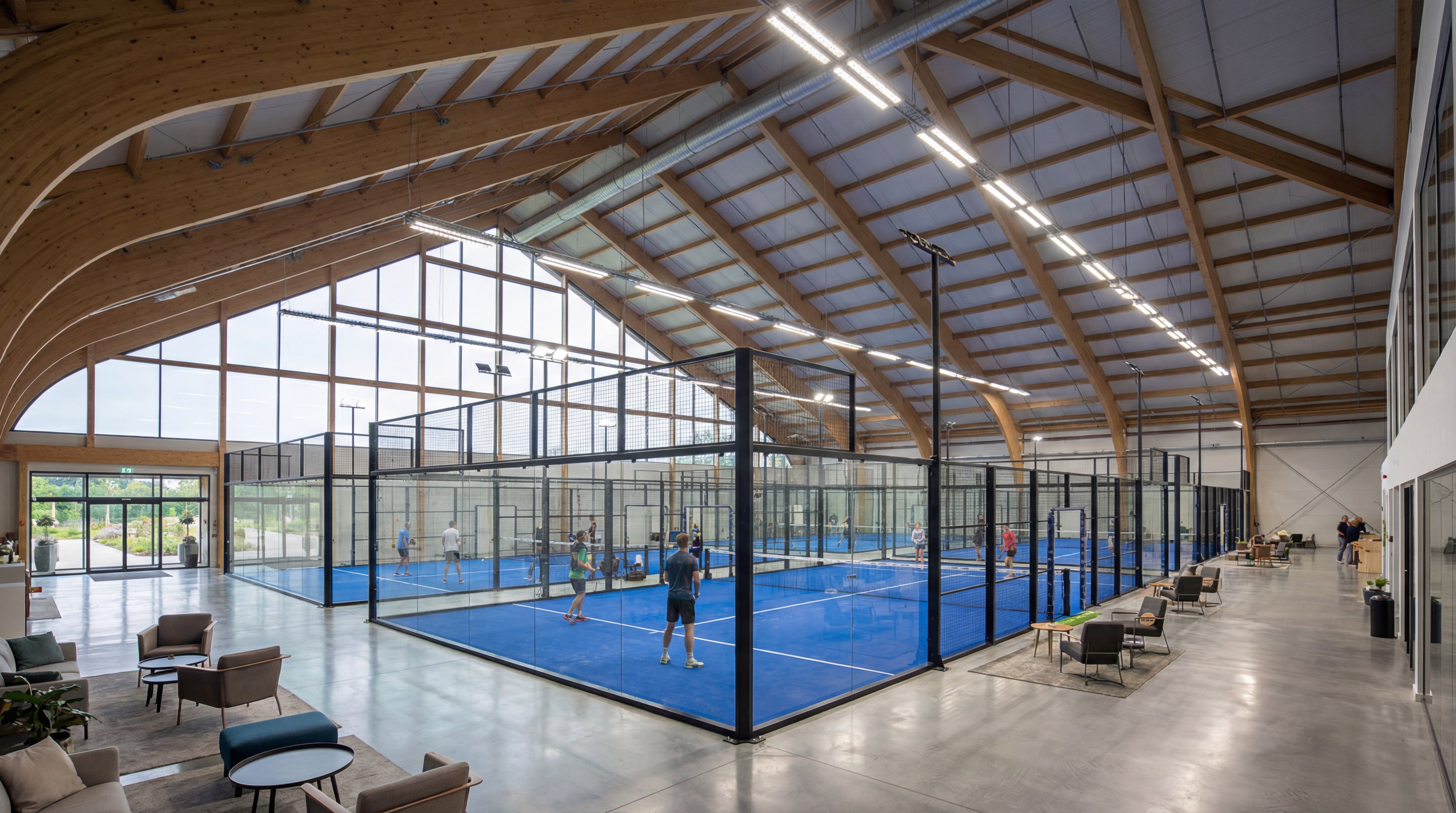
Choosing a roofed structure for tenis para padel ensures your facility remains operational 365 days a year, regardless of rain or excessive heat. Many owners realize too late that weather cancellations can destroy a club’s profitability in a single season. By investing in all-weather solutions, you guarantee a consistent experience for members and a steady stream of booking revenue.
How to ensure play rain or shine?
Wait, there’s more to roofing than just a simple cover; height is the most critical factor. Padel involves “lobs,” meaning a low ceiling will render the court unplayable for advanced athletes.
- Clearance: A minimum of 7 to 8 meters of height is required.
- Ventilation: Proper airflow prevents the “greenhouse effect” during summer months.
- Lighting: Roofed courts require integrated LED systems for perfect visibility.
What are the structural requirements?
You might be wondering if any tent will do, but specialized padel canopies must withstand local wind and snow loads. Professional structural engineering is required to ensure the roof doesn’t interfere with the court’s glass wall stability.
Key Takeaway: A roofed court typically achieves a much faster ROI by eliminating “down days” caused by bad weather.
| Environment | Open Court | Roofed/Indoor |
|---|---|---|
| Precipitation | 0% Revenue | 100% Revenue |
| UV Exposure | High turf wear | Protected turf |
Protecting your investment with a roof increases the lifespan of the turf and glass components significantly.
How is a professional tenis para padel court built?
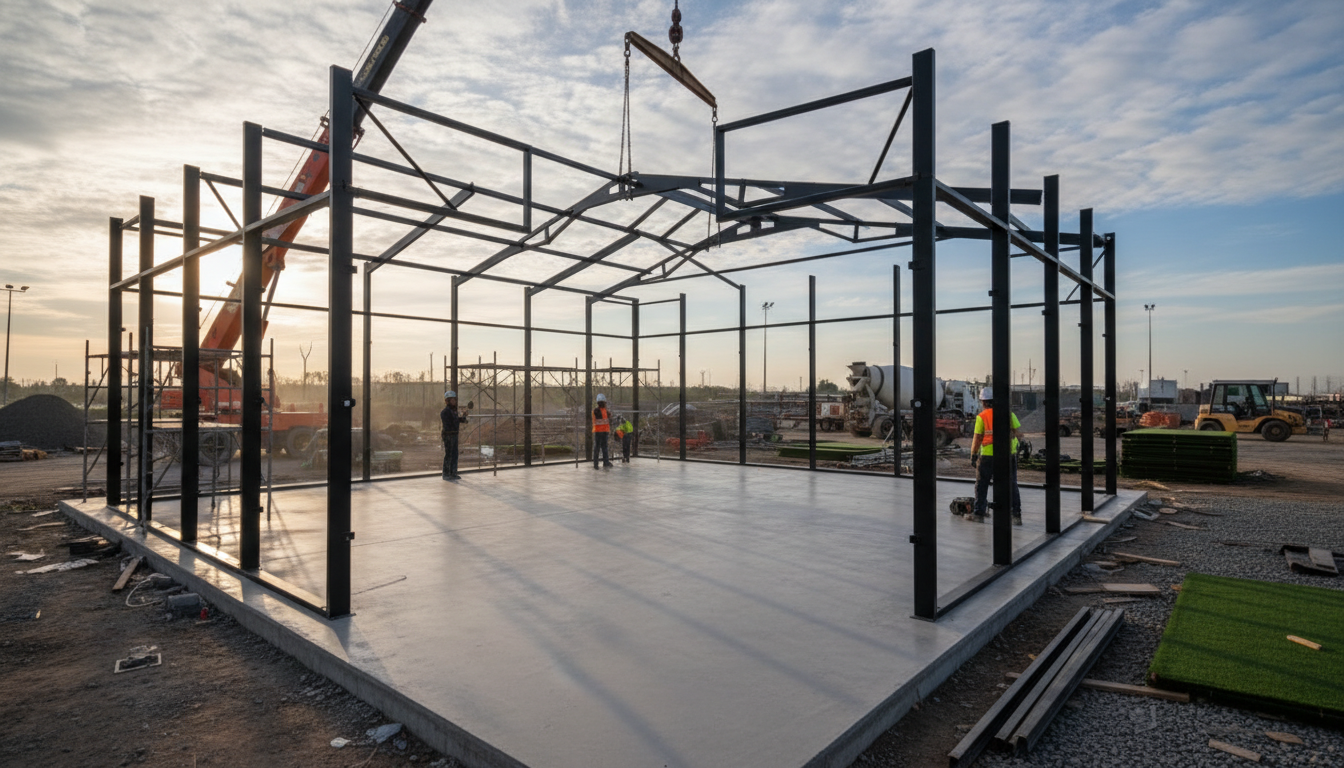
Building a professional tenis para padel court requires a four-step process: site preparation, steel structure installation, glass mounting, and turf laying. The foundation must be a perfectly level concrete slab with specific drainage slopes to avoid water pooling beneath the grass. If the base is not level, the glass panels may shatter due to uneven stress points during the bolting process.
How to prepare the foundation?
Wait, there’s more to the base than just pouring concrete and hoping for the best. You need a porous concrete base or a precisely angled slope to ensure moisture doesn’t rot the turf fibers from underneath.
- Curing: The slab must be fully cured before the first steel bolt is drilled.
- Perimeter: A reinforced concrete ring beam is often used to secure the heavy glass.
How long does installation take?
You might be wondering if this is a month-long project, but a seasoned crew can usually install the structure in under 10 days. The time-consuming part is generally the earthworks and foundation drying.
Key Takeaway: The foundation is the most critical phase; skipping leveling checks will ruin the final playing experience.
| Construction Phase | Primary Focus | Estimated Time |
|---|---|---|
| Foundation | Perfect Leveling | 1-2 Weeks |
| Steel Work | Vertical Alignment | 3 Days |
| Glass/Turf | Safety & Sand | 2 Days |
Precision at the foundation level prevents expensive structural repairs and ensures the safety of the glass walls.
Is investing in tenis para padel profitable today?
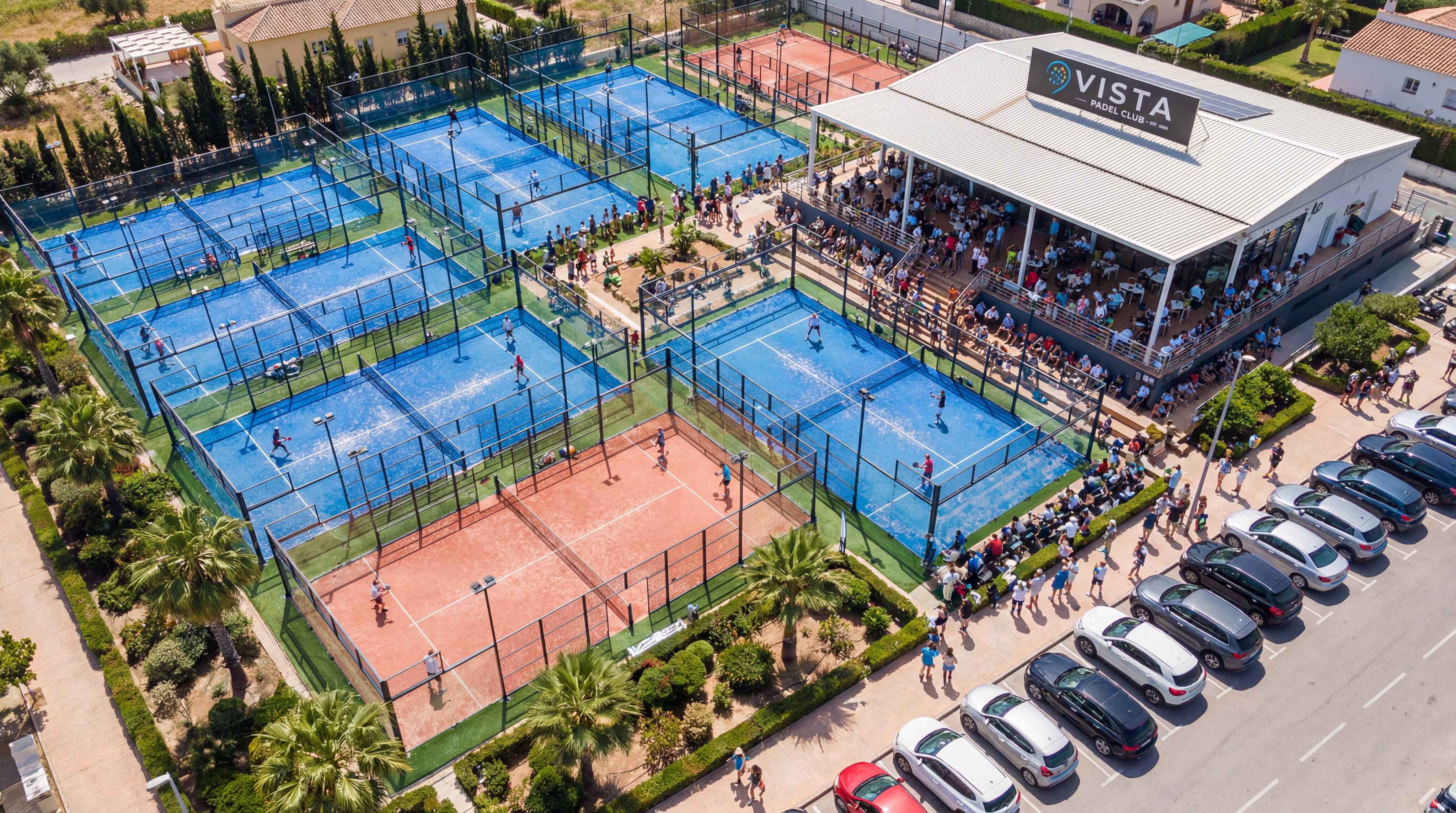
Investing in tenis para padel is highly profitable because you can fit three padel courts into the same space as one traditional tennis court. This exponential increase in player density means you can generate triple the booking fees from the same land area. To see how others have successfully scaled their sports businesses, you can read about our company history and the clubs we have helped launch.
What is the ROI per court?
Wait, there’s more to the math than just the booking hours of the court itself. Padel is a four-player game by default, meaning every hour sold brings in four active consumers to your pro shop or cafeteria.
- Space Usage: 200m² per court vs 600m²+ for tennis.
- Churn: High-speed games lead to higher refreshment sales and equipment rental needs.
How to calculate operational costs?
You might be wondering about the overhead like electricity and cleaning supplies for the glass. Modern LED lighting and low-maintenance turf mean that your ongoing monthly expenses remain surprisingly manageable.
Key Takeaway: Padel offers the highest revenue-per-square-meter of almost any racket sport in the modern market.
| Metric | Tennis | Padel |
|---|---|---|
| Players per Slot | 2 | 4 |
| Maintenance | High (Clay/Refurb) | Low |
| Income Potential | Baseline | 3x-4x higher |
Maximizing court density allows for a more robust community and faster recurring revenue.
How do you maintain a tenis para padel facility?
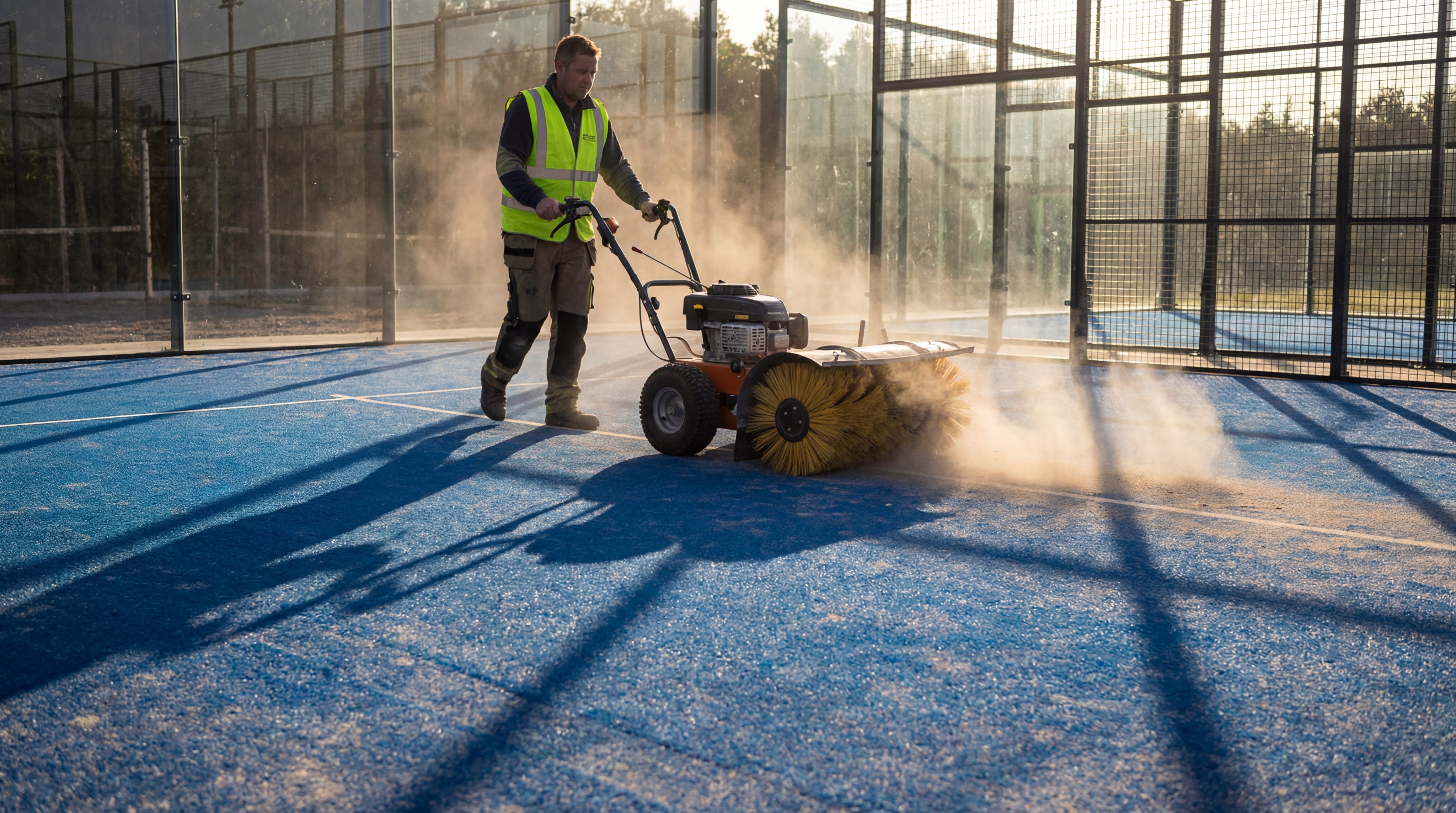
Maintaining a tenis para padel facility involves weekly turf brushing to redistribute sand and regular glass cleaning to ensure maximum visibility for players. Because the sand tends to migrate toward the corners during play, it is essential to brush it back toward the high-traffic “T” zones. Neglecting this maintenance can lead to slippery spots and premature wear of the artificial grass fibers.
How often should you brush the sand?
Wait, there’s more to brushing than just moving sand around for the sake of appearances. Consistent distribution prevents the turf from matting down, which preserves the bounce quality for years longer.
- Frequency: High-traffic clubs should brush at least twice a week.
- Equipment: Use a soft-bristle brush designed specifically for synthetic sports turf.
When to replace the net?
You might be wondering about the small components like the net and the central tension strap. These should be inspected monthly for fraying, as a sagging net ruins the competitive integrity of the match.
Key Takeaway: Regular preventive maintenance can extend the lifespan of your court turf by up to 50%.
| Task | Suggested Frequency | Objective |
|---|---|---|
| Brushing | Weekly | Avoid sand compaction |
| Glass Cleaning | Daily/Weekly | Aesthetic & Clarity |
| Bolt Tightening | Quarterly | Structural integrity |
Proactive facility management reduces long-term capital expenditure and keeps members returning.
Who builds the best tenis para padel courts globally?
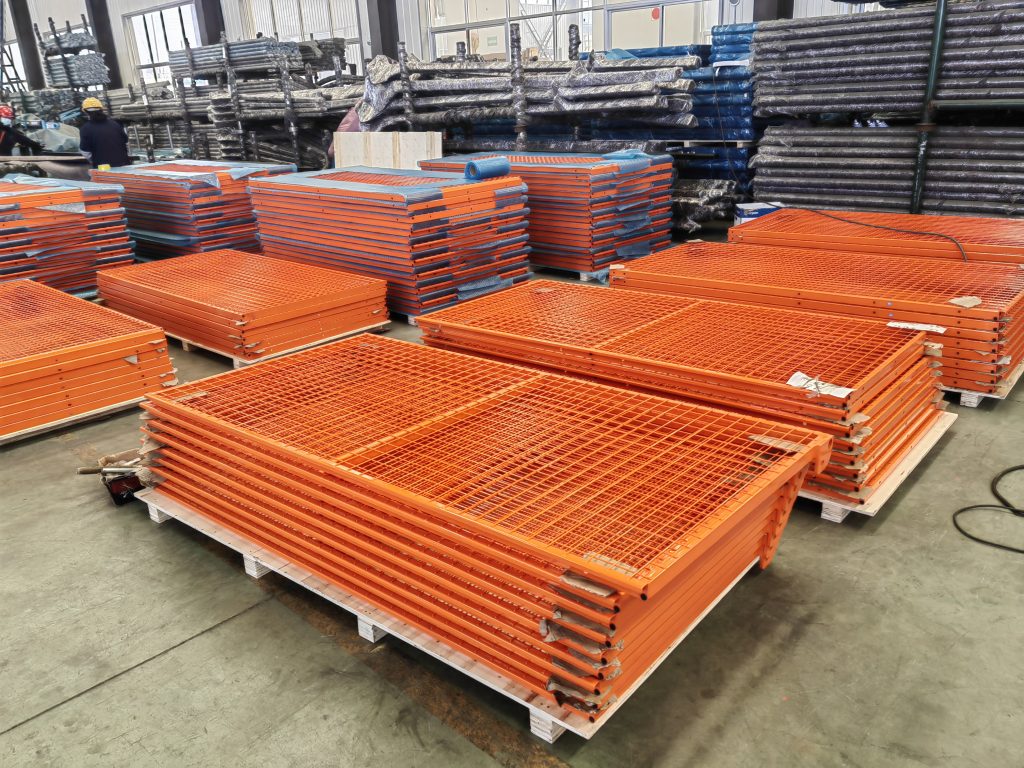
The best manufacturers of tenis para padel courts are those who control the entire supply chain, from steel fabrication to high-tech turf production. Choosing a professional partner ensures that every component is tested for international competition standards and safety. If you are ready to explore high-end manufacturing, contact us today to discuss your specific project needs and get a custom quote.
Why does certification matter?
Wait, there’s more than just a warranty to consider when selecting your construction partner. Certification ensures that the steel is treated for anti-corrosion and the glass is tempered to handle extreme temperatures and impact.
- CE Marking: Vital for facilities operating within the European Union.
- Wind Resistance: Crucial for outdoor installations in coastal regions.
What is the quality guarantee?
You might be wondering what happens after the sale is finalized and the court is built. A reputable builder provides long-term support and a comprehensive warranty on the structural frame and the turf fibers.
Key Takeaway: Partnering with a specialized manufacturer reduces the risk of structural failure and ensures a professional finish.
| Factor | Professional Builder | Generic Contractor |
|---|---|---|
| Specialized Steel | Yes | No |
| Safety Certification | Guaranteed | Variable |
Investing in a certified manufacturer provides peace of mind and a superior athlete experience.
FAQ
- Can I convert an old tennis court into tenis para padel? Yes, you can typically fit three padel courts into the space of one full tennis court, making it a very efficient conversion.
- What’s the best orientation for an outdoor court? To avoid sun glare in players’ eyes during peak hours, it is best to align the court in a North-South orientation.
- How do I know if the glass is safe? Always ensure the glass carries a tempered safety certification and has a minimum thickness of 10mm for standard builds.
- Can I install a court in my backyard? Absolutely, provided you have a level concrete foundation and sufficient space for the 20×10 meter footprint.
- How do I know if my turf needs more sand? If you notice areas where the ball bounce is dead or the surface feels slippery, it is likely time to redistribute or add silica sand.
The world of tenis para padel is moving at an incredible pace, transforming empty land into vibrant, profitable sports hubs. From selecting the right 12mm tempered glass to ensuring your monofilament turf is properly sanded, every technical detail contributes to the success of your club. By focusing on longevity, player safety, and professional dimensions, you can build a facility that serves your community for decades. We are committed to helping you navigate every step of this engineering journey with expert precision. If you are ready to transition from a dreamer to a court owner, contact us today to begin your build.