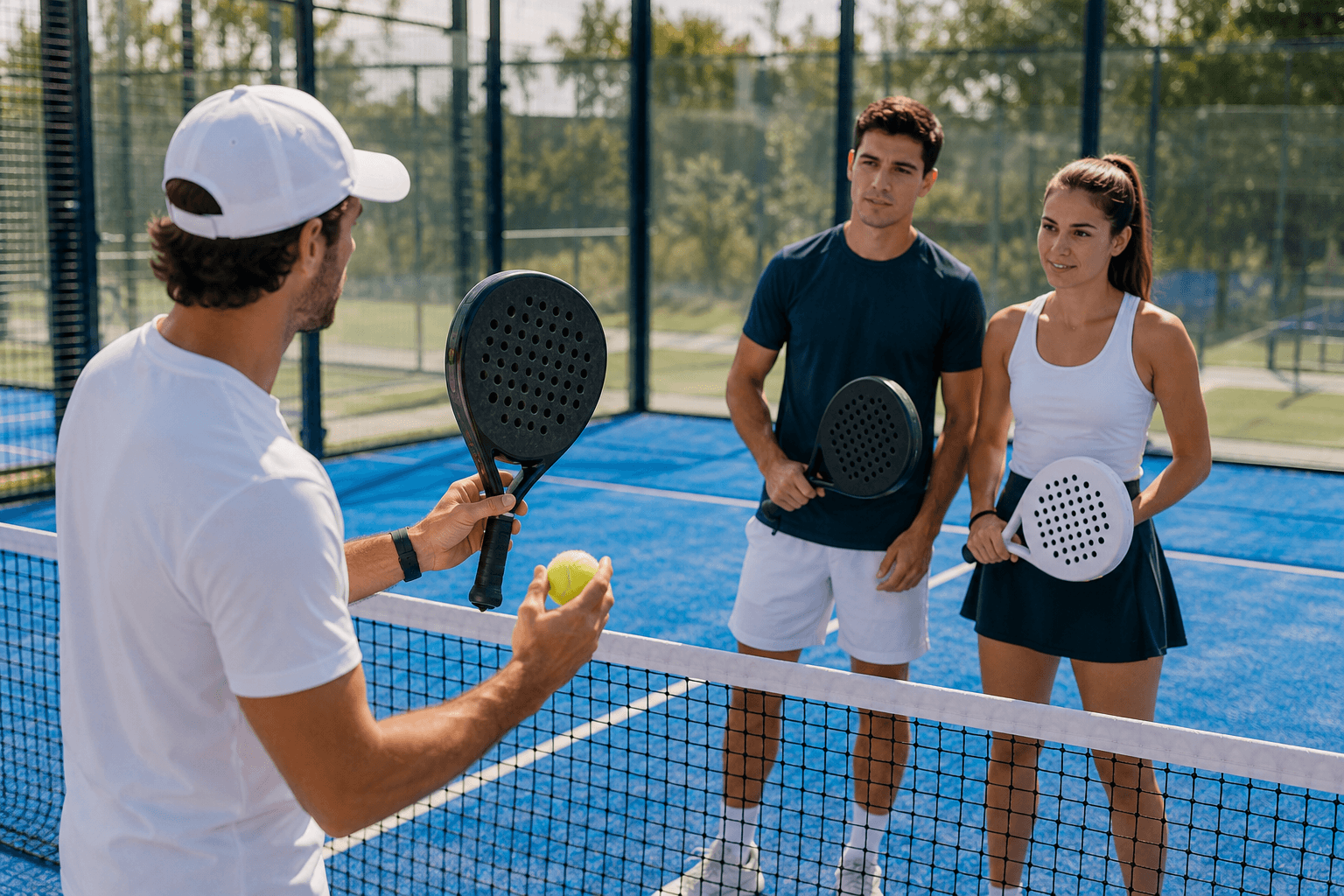
To explain padel to new players, you should describe it as a social, accessible hybrid of tennis and squash played in a glass-enclosed court. Many newcomers feel intimidated by the walls and stringless racquets, fearing the learning curve is too steep for their current athletic ability. If you don’t grasp the fundamental mechanics early, you risk feeling disconnected during matches and missing the immense physical rewards of padel que es. This guide provides a comprehensive breakdown of everything a beginner needs to know to step onto the court with confidence.
What is the core definition of padel que es?
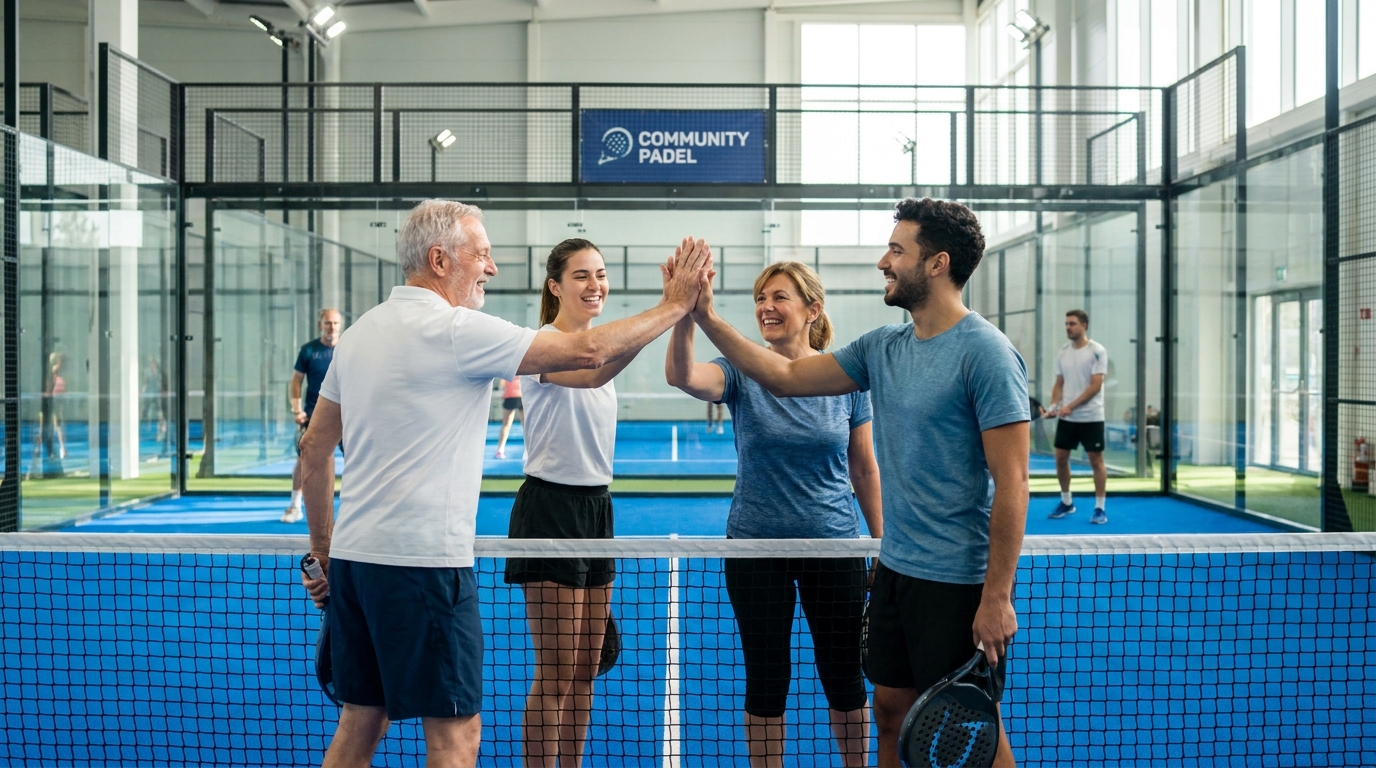
To understand padel que es, you must view it as a social, four-player game played on an enclosed court roughly one-third the size of a tennis court. It utilizes solid, perforated paddles instead of stringed racquets and incorporates the surrounding walls into active play. This combination makes it uniquely engaging for players of all skill levels.
Is it a mix of tennis and squash?
The sport borrows the net and scoring system from tennis while adopting the enclosed wall environment found in squash. You will find that the ball remains in play much longer because the glass walls act as a safety net for wide shots.
- Net Height: Similar to tennis, creating a familiar barrier.
- Enclosure: Glass and mesh walls allow for rebounds.
- Racquets: Solid paddles provide better control for beginners.
Why is it usually played in doubles?
Padel is inherently designed as a team sport to maximize the social interaction and tactical depth of the game. Let’s be honest: the compact court size makes singles play exhausting, while doubles allows for strategic positioning and communication.
Can anyone play regardless of age?
One of the greatest strengths of this sport is its low physical entry barrier compared to more explosive racquet games. It focuses more on placement and finesse than raw power, allowing seniors and children to compete effectively.
| Age Group | Ease of Play Metric | Primary Focus |
|---|---|---|
| Children (6-12) | Very High | Coordination and Fun |
| Adults (18-50) | High | Social Competition |
| Seniors (55+) | High | Reflexes and Finesse |
Analysis: Data suggests that the inclusive design of the court and equipment allows for multigenerational play that is rare in other competitive sports.
Key Takeaway: Padel is defined by its accessibility and the strategic use of walls, making it a “chess-like” physical game for everyone.
Where did the historical roots of padel que es begin?
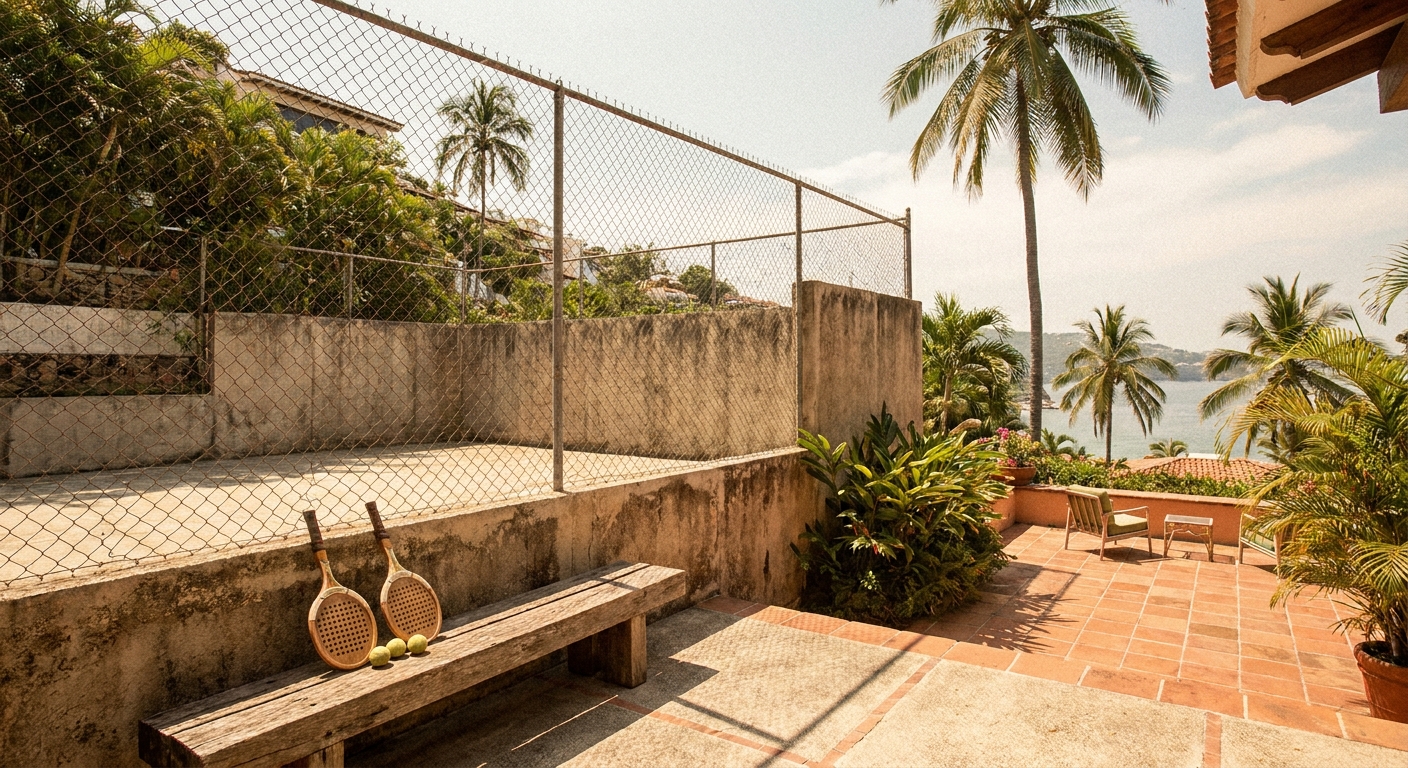
The history of padel que es dates back to 1969 in Acapulco, Mexico, where Enrique Corcuera modified his fronton court with walls to prevent balls from escaping. This necessity-driven invention eventually evolved into a professional sport that utilizes modern infrastructure to support international growth.
Who was Enrique Corcuera?
Corcuera was a Mexican businessman who wanted to play a racquet sport at home but lacked the space for a full tennis court. Here is the kicker: he built walls around a smaller plot of land simply to avoid chasing balls into the neighboring yard.
How did the sport reach Spain and Argentina?
A Spanish prince visited Corcuera, fell in love with the game, and brought the concept back to the Costa del Sol in 1974. From there, it spread like wildfire through South America and Europe.
- 1969: Initial invention in Acapulco, Mexico.
- 1974: First European courts built in Marbella, Spain.
- 1980s: Massive explosion in popularity across Argentina.
Why did it become a global phenomenon?
The sport’s viral growth is fueled by its social nature and the fact that four people can play in a very small footprint. You can easily see why facility owners prefer it over tennis; more players per square meter means higher club engagement.
| Milestone | Country | Impact |
|---|---|---|
| Invention | Mexico | Created the wall-play mechanic |
| Expansion | Spain | Professionalized the circuit |
| Modern Era | Global | Fastest growing racquet sport |
Analysis: Historical data suggests that padel’s growth in Europe exceeded tennis adoption rates due to lower maintenance costs and higher player density.
Key Takeaway: Born from architectural limitations in Mexico, padel’s history is a testament to how social connection can drive global athletic trends.
How does the fundamental gameplay of padel que es work?
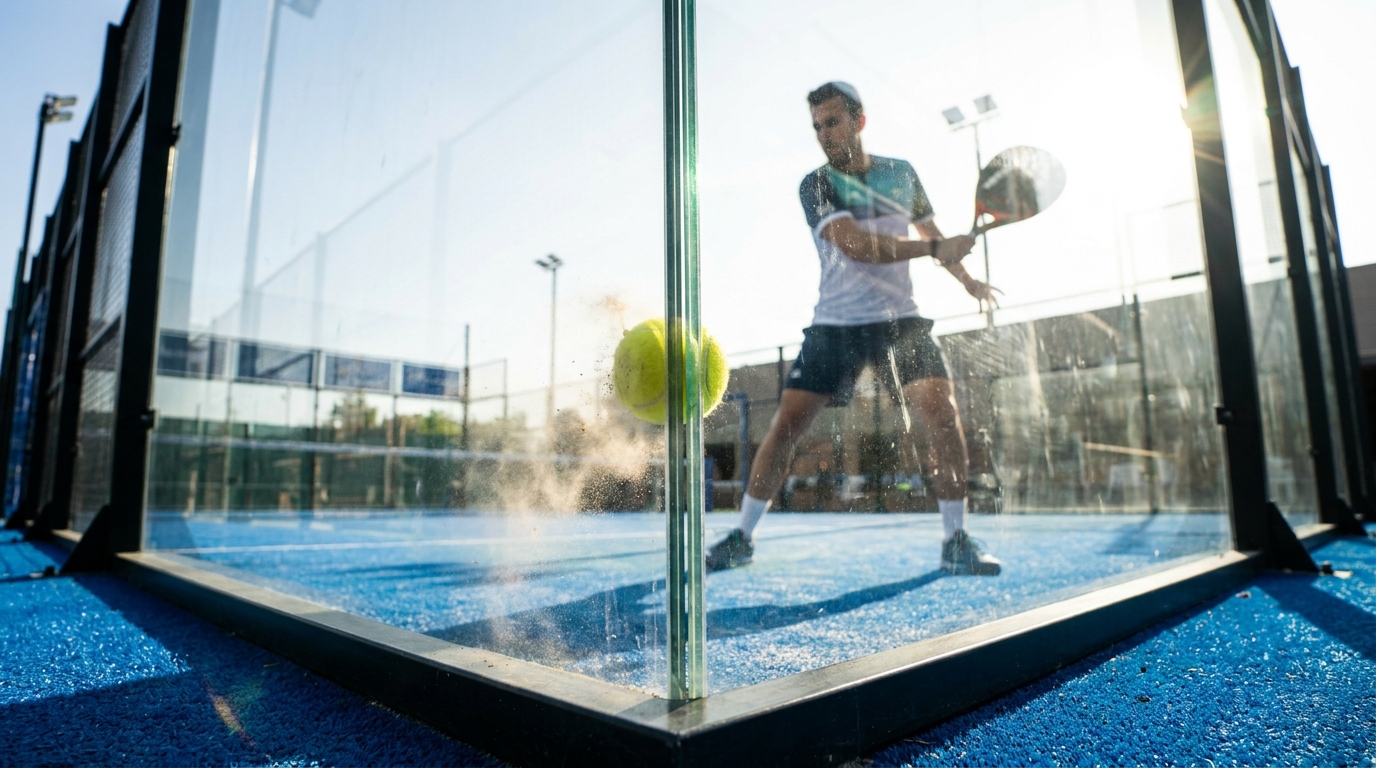
The gameplay of padel que es involves hitting a ball over a central net while using the surrounding glass and mesh walls to keep the ball in play after it bounces. It prioritizes ball control and positioning over the raw power often seen in other sports.
How do the walls impact the game?
The glass walls give you a “second chance” to hit the ball after it has already passed you. Think about it: instead of the point ending when a ball goes wide, you simply wait for the rebound and strike.
What is the primary objective of a match?
Your goal is to move your opponents out of position to force an error or a double bounce on their side. Success in this game comes from patience and finding the right angles rather than hitting the ball as hard as possible.
- Double Bounce: If the ball bounces twice, you win the point.
- Net Errors: Hitting the net ends the rally.
- Wall Direct: Hitting the wall before the ground is an out.
Is the game faster or slower than tennis?
While the rallies are often longer, the reaction time required is actually quite high because of the proximity of the players. The smaller court dimensions mean you are always just a few steps away from the action.
| Feature | Padel Dynamics | Effect on Player |
|---|---|---|
| Rally Length | Long | Increased cardio and fun |
| Ball Speed | Moderate | More time for strategy |
| Movement | Short Bursts | Lower joint impact |
Analysis: The interaction between the players and the enclosure creates a unique rhythm that rewards anticipation over sheer physical strength.
Key Takeaway: Gameplay mastery in padel is achieved by embracing the walls as teammates rather than obstacles.
What are the precise court dimensions for padel que es?
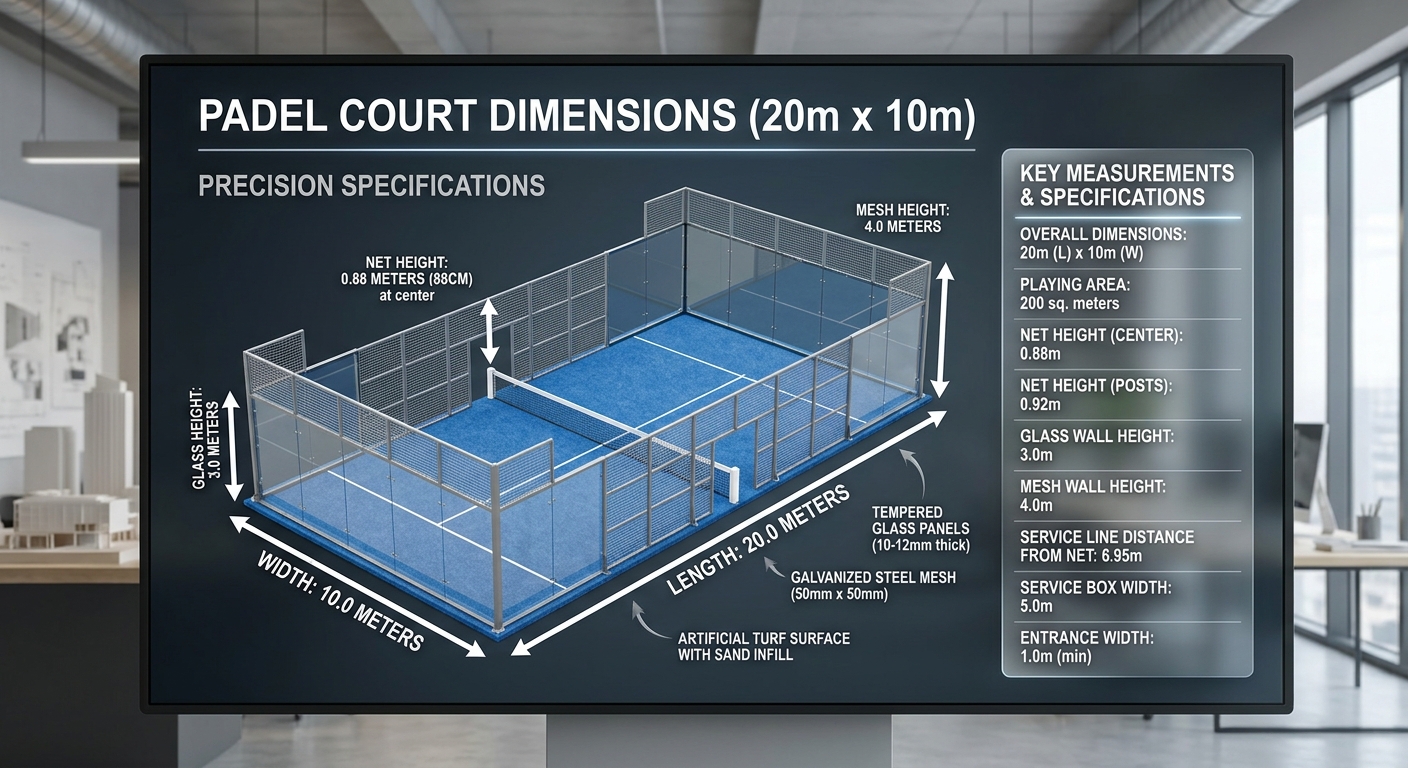
A court for padel que es is a 20m x 10m rectangle, divided by a net that stands 88cm high at the center. These specialized courts are enclosed by a combination of high-strength tempered glass and metallic mesh sections.
How big is the service box?
The court is split into two 10×10 halves, with service lines located 6.95 meters from the central net. But wait, there’s more: the service boxes are exactly 5 meters wide, providing a clear target for every underhand serve.
What materials are the walls made of?
The back walls and parts of the sides are made of 10mm or 12mm tempered safety glass to ensure a consistent bounce. The remaining side sections consist of metallic mesh, which creates an unpredictable rebound that challenges your reflexes.
- Glass Height: Typically 3 meters at the back and sides.
- Mesh Height: Extends up to 4 meters to keep balls in.
- Total Area: 200 square meters of playing surface.
Why is the court surface so unique?
The floor is usually made of high-quality artificial turf filled with a specific type of fine sand. This sand allows you to slide safely and ensures that the ball bounces consistently regardless of the weather.
| Component | Standard Dimension | Material Requirement |
|---|---|---|
| Length | 20 Meters | Galvanized Steel |
| Width | 10 Meters | Tempered Glass |
| Net Height | 88 Centimeters | Nylon Mesh |
Analysis: Modern court engineering focuses on balancing glass transparency for spectators with structural rigidity for consistent ball rebound performance.
Key Takeaway: The compact, enclosed nature of the padel court ensures high-intensity play with minimal downtime between points.
Which essential equipment is required for padel que es?
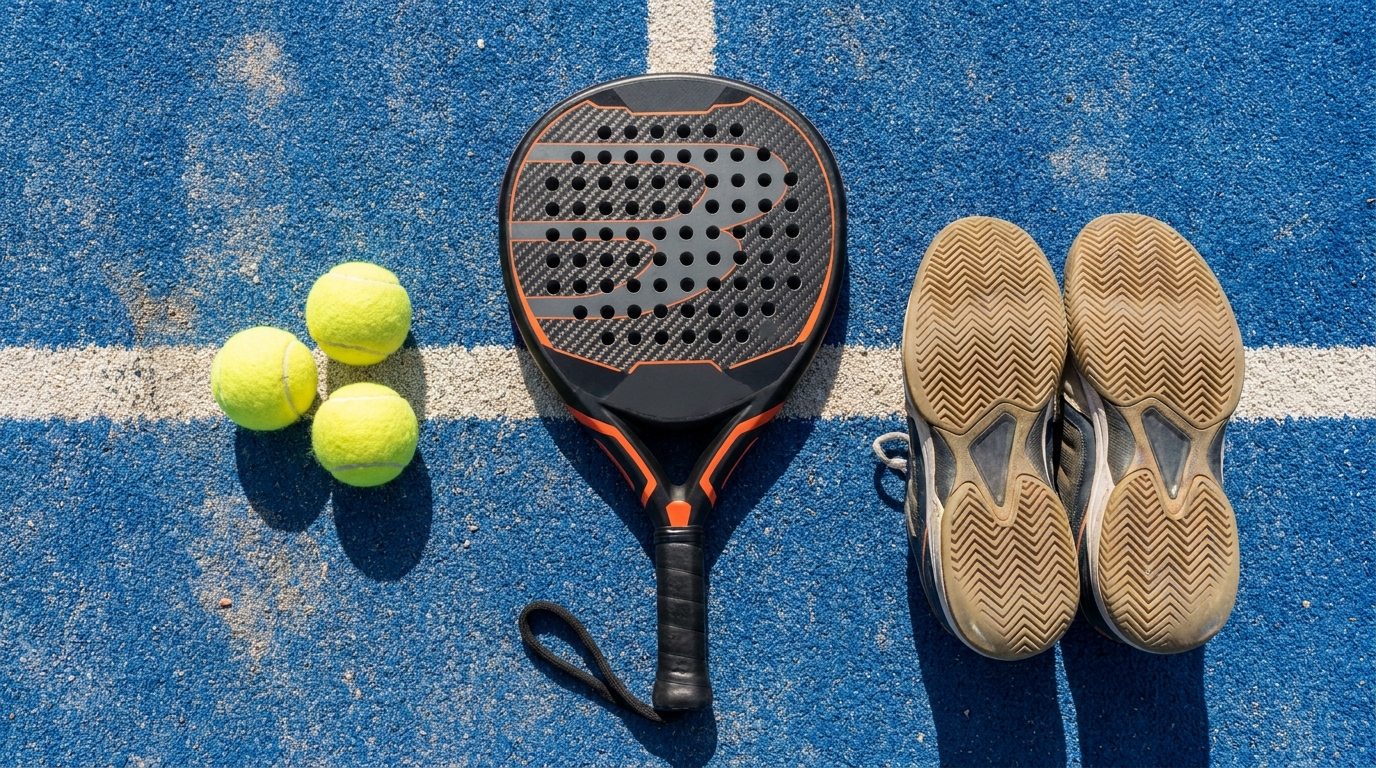
To play padel que es, you need three specific items: a solid padel racquet (pala), pressurized padel balls, and non-marking court shoes with specific grip. Using the correct gear is vital to prevent injury and improve your ball control.
How does a padel racquet differ from tennis?
Unlike tennis racquets, padel paddles are stringless and made from composite materials with holes drilled into the face. You will notice they are much shorter, which makes them easier to swing in the tight spaces of the court.
Are the balls just under-pressurized tennis balls?
While they look identical, padel balls have less internal pressure to account for the smaller court size. It gets better: the lower pressure ensures the ball doesn’t fly off the court every time you make a solid contact.
- Round Shape: Best for beginners due to a large sweet spot.
- Teardrop Shape: Offers a balance of power and control.
- Diamond Shape: Reserved for pros seeking maximum power.
Do I really need specialized padel shoes?
Yes, because the sand-filled turf requires a specific “herringbone” or “omni” sole pattern to prevent slipping. Regular running shoes lack the lateral support needed for the frequent side-to-side movements typical of a match.
| Item | Beginner Recommendation | Key Benefit |
|---|---|---|
| Racquet | Round Shape | Maximum Control |
| Balls | Padel-Specific | Consistent Bounce |
| Shoes | Herringbone Sole | Traction on Sand |
Analysis: Investing in a round-shaped racquet significantly reduces the frustration of unforced errors during the first few months of play.
Key Takeaway: Choosing the right racquet shape—typically round for beginners—is the most critical equipment decision a new player can make.
What are the official gameplay rules of padel que es?
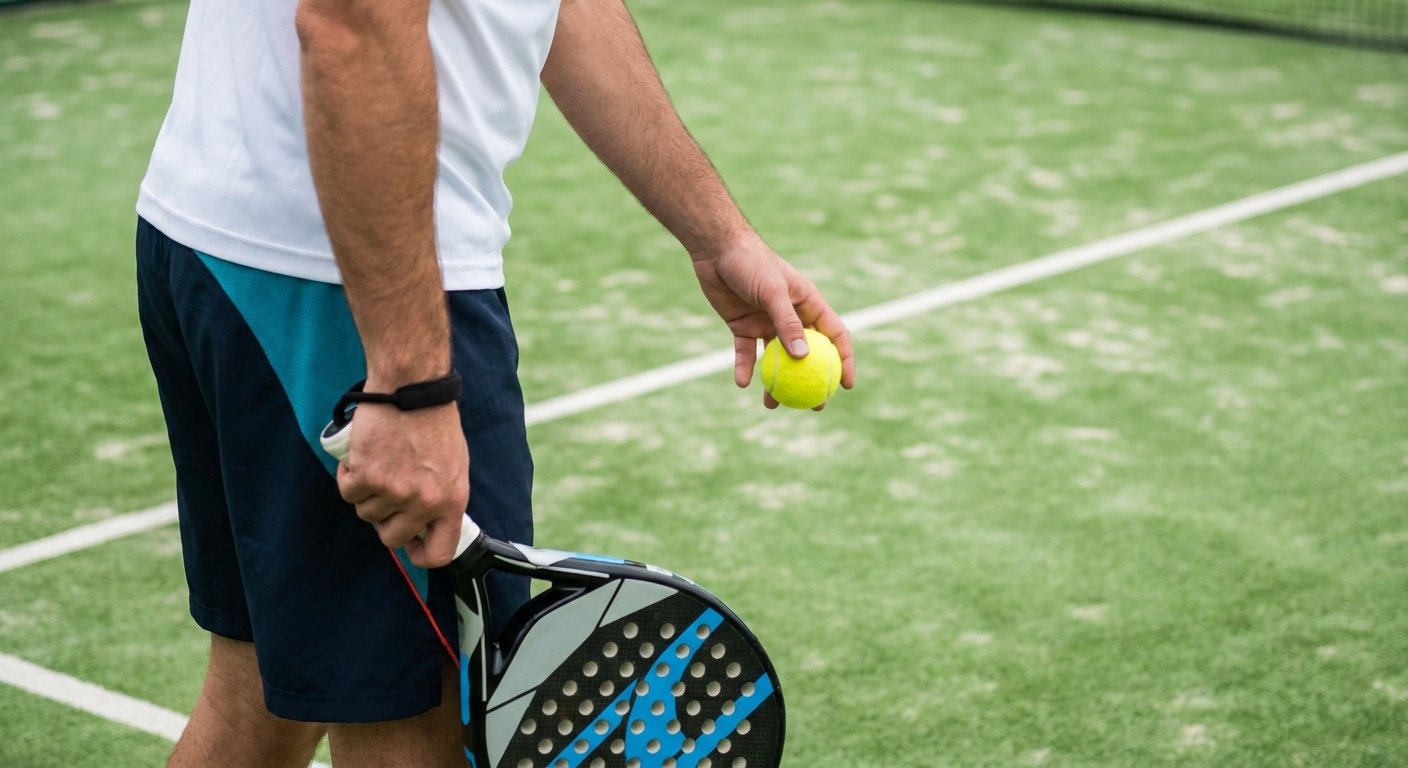
The rules of padel que es mandate that the ball must always bounce on the ground before hitting a wall or fence during a serve. The game is played on a specialized turf surface to ensure player safety and consistent movement during long rallies.
How do you execute a legal serve?
You must strike the ball underhand at or below waist height after letting it bounce once behind the service line. You might be wondering about the direction; the serve must always travel diagonally into the opponent’s service box.
When is the ball considered “out”?
A ball is out if it hits the fence or the glass directly before touching the ground on the opponent’s side. However, if the ball bounces once and then hits the wall, it is still live and must be returned.
- Service Fault: Ball hits the fence after the first bounce.
- Direct Out: Ball hits the glass without touching the floor.
- Net Touch: Point continues if the ball crosses after hitting the net.
Can you play the ball off your own glass?
You are allowed to hit the ball against your own glass wall to propel it over the net to the other side. This “self-pass” is a vital defensive tactic when you are pinned deep in your own corner.
| Action | Result | Rule Detail |
|---|---|---|
| Bounce then Wall | In Play | Essential for long rallies |
| Direct to Wall | Point Lost | Ball must hit floor first |
| Underhand Serve | Required | Prevents power dominance |
Analysis: The complexity of padel rules stems from the interaction between the ball and the three distinct surfaces: ground, glass, and mesh.
Key Takeaway: Padel rules reward patience and positioning, particularly the underhand serve which prevents the immediate “ace” advantage found in other sports.
How does tennis differ from padel que es?
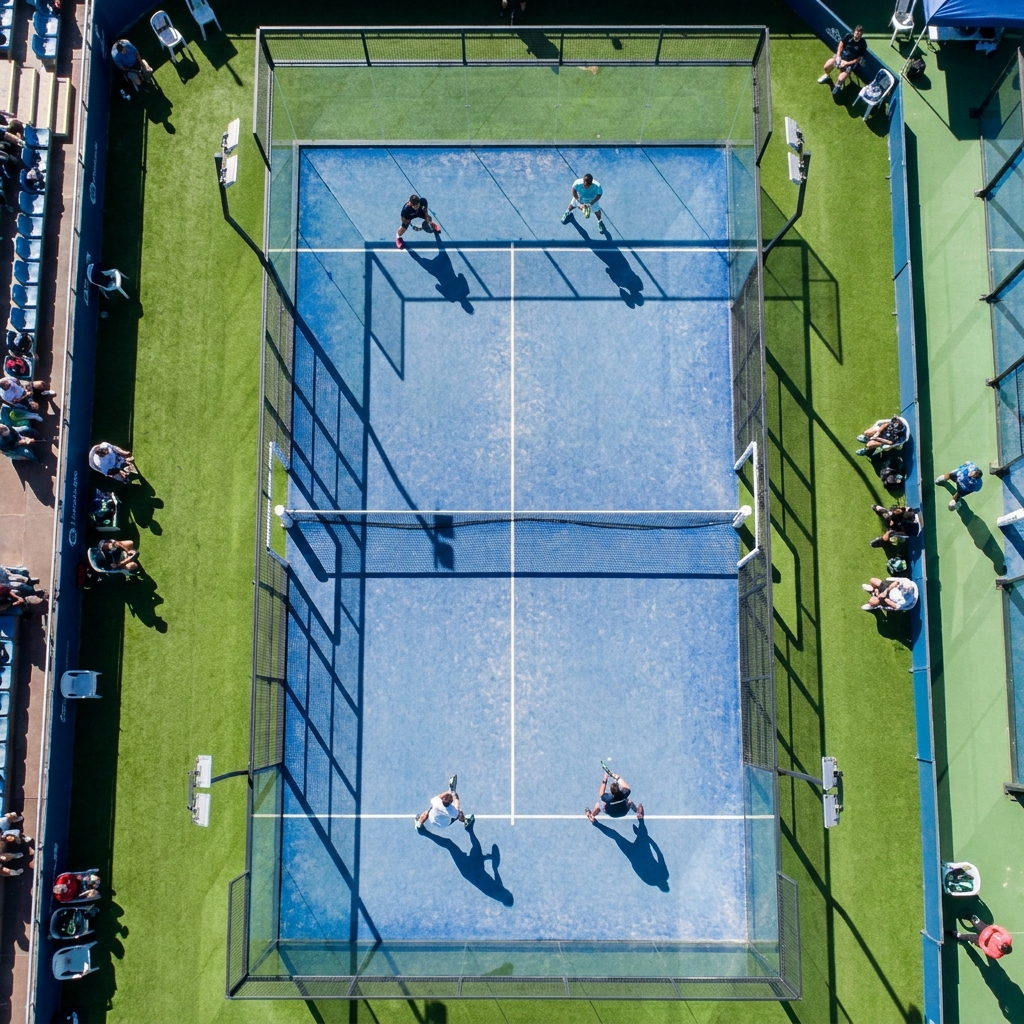
While sharing a similar aesthetic, padel que es differs from tennis in its reliance on wall-play, smaller court dimensions, and the use of solid paddles. These differences make the sport much easier for beginners to pick up and enjoy immediately.
Is the court size significantly different?
A padel court is much smaller, measuring only 10 by 20 meters, which reduces the amount of running required. Let’s look at the facts: less space means you spend more time hitting the ball and less time chasing it.
Which sport is easier to learn for a beginner?
The underhand serve and the shorter racquet length make it much simpler to start a rally in padel. You don’t need years of technical training to have a fun, competitive game with your friends during your first visit.
- Serve: Underhand (Padel) vs. Overhand (Tennis).
- Enclosure: Walls (Padel) vs. Open Space (Tennis).
- Players: Always 4 (Padel) vs. 2 or 4 (Tennis).
How does the role of power compare?
In tennis, power is often the deciding factor, but in padel, hitting the ball too hard often results in an easy rebound for your opponent. Strategy and placement are far more important than how fast you can swing your racquet.
| Comparison | Tennis | Padel |
|---|---|---|
| Learning Curve | Steep | Shallow |
| Cardio Type | High Intensity | Aerobic / Social |
| Equipment | Stringed Racquet | Solid Paddle |
Analysis: Padel offers a more immediate sense of achievement for new athletes because the mechanics are more intuitive than traditional racquet sports.
Key Takeaway: Tennis is a game of space and power, whereas padel is a game of angles and persistence.
How does the unique scoring system of padel que es function?
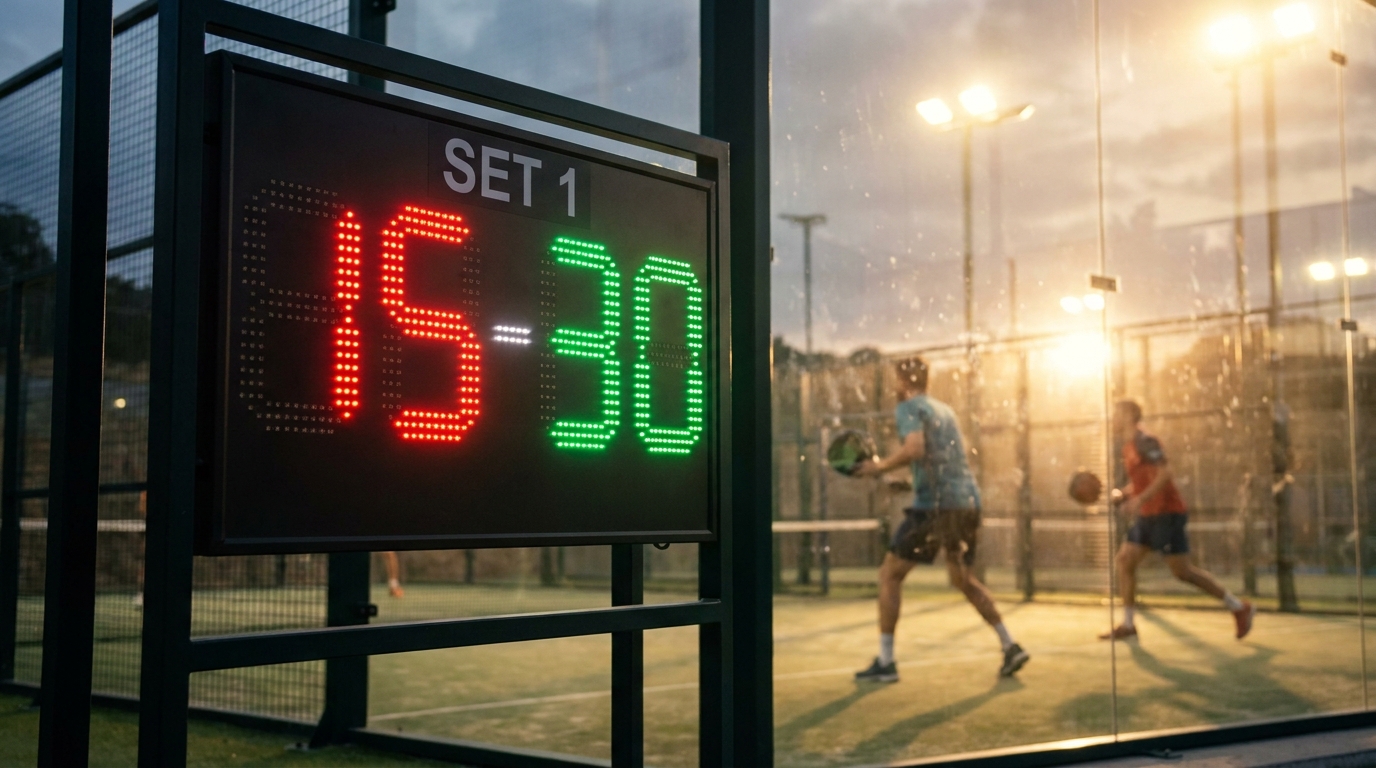
The scoring in padel que es follows the traditional format of 15, 30, 40, and Game. The integrity of the match is maintained by a stable court environment that keeps the pace consistent for every set played.
What are sets and matches?
Matches are typically played as the best of three sets, with each set consisting of six games. Here’s the deal: you must win a set by at least two games, or a tie-break is played at 6-6.
How does the “Golden Point” rule work?
In many professional and club circuits, a “Golden Point” is played if the score reaches deuce (40-40). This means the winner of the very next point wins the game, adding a layer of high-stakes pressure to the match.
- 15: The first point won.
- 30: The second point won.
- 40: The third point won.
- Game: The fourth point won (unless at deuce).
When do players switch sides of the court?
You and your partner will switch sides after every odd-numbered game, such as 1, 3, and 5. This ensures that any environmental factors, like sun or wind in outdoor courts, are shared equally between the teams.
| Score Label | Points Required | Context |
|---|---|---|
| Deuce | 40 – 40 | Tie in the game |
| Golden Point | Next point wins | No-ad scoring |
| Tie-Break | First to 7 points | Played at 6 – 6 in sets |
Analysis: Scoring consistency allows players from other racquet backgrounds to transition into the sport with minimal cognitive load regarding match progression.
Key Takeaway: Mastering the scoring system is the easiest part of padel, as it mirrors the familiar rhythm of most world-class racquet sports.
What are the main physical benefits of padel que es?
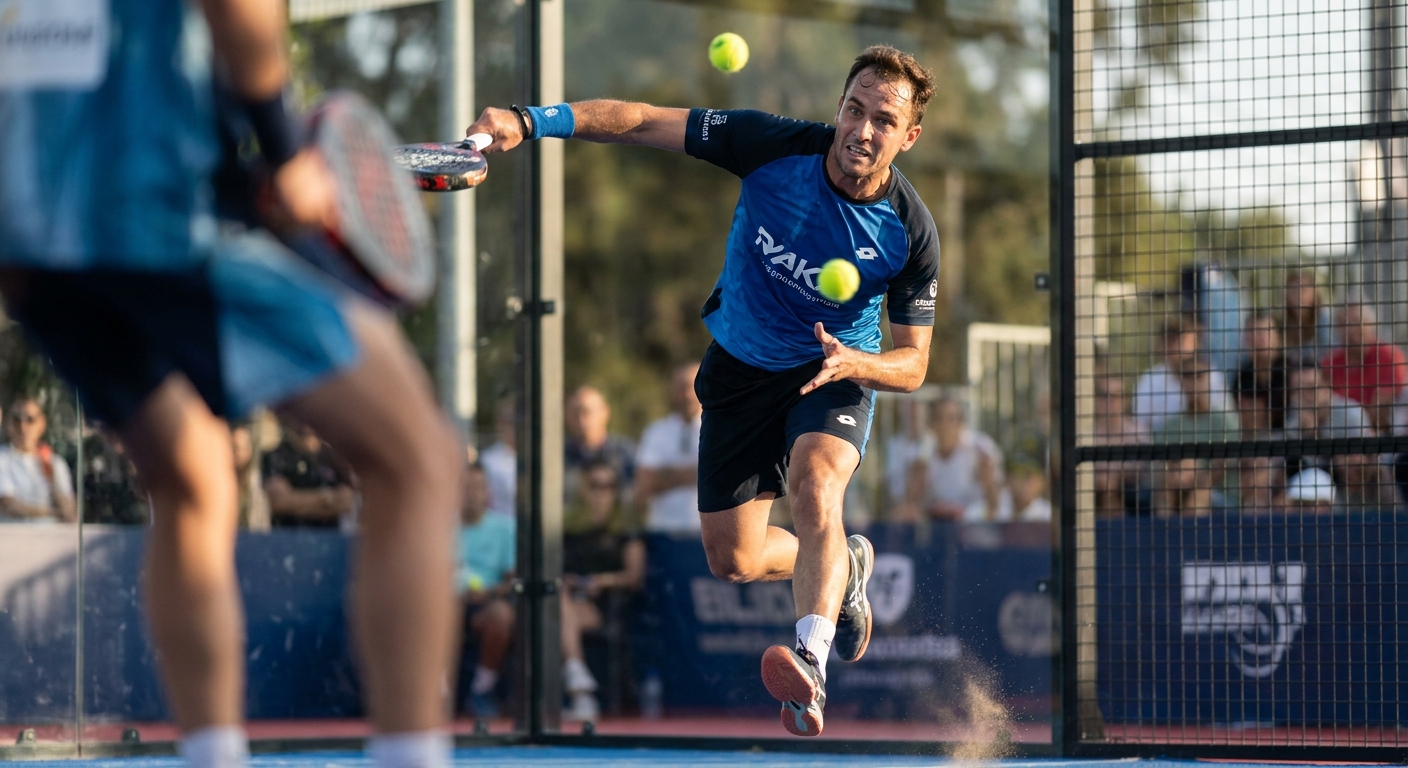
Playing padel que es offers a high-intensity aerobic workout that improves cardiovascular health, coordination, and reflexes. Because the court is smaller, you engage in constant movement without the extreme joint strain found in larger sports.
How many calories can you burn in an hour?
A typical match can help you burn between 400 and 700 calories depending on the intensity of the rallies. You won’t believe it, but because the game is so fun, you often don’t realize how hard your heart is working.
Does it improve mental agility?
The “strategic chess” aspect of anticipating wall rebounds keeps your brain engaged throughout the match. You are constantly calculating angles and opponent positions, which sharpens your focus and decision-making skills under pressure.
- Reflexes: Quick exchanges at the net improve reaction time.
- Strength: Frequent lunges build significant glute and leg power.
- Heart Health: Constant movement provides excellent aerobic conditioning.
Why is it considered a “low impact” sport?
The synthetic turf and sand surface provide better cushioning for your knees and ankles than concrete or hard courts. This makes it an ideal choice for lifelong participation, even as you age or recover from other injuries.
| Benefit Category | Impact on Health | Long-term Result |
|---|---|---|
| Cardiovascular | Aerobic conditioning | Improved endurance |
| Muscular | Tones legs and core | Better balance |
| Mental | Stress reduction | Enhanced social mood |
Analysis: Regular play provides an elite cardiovascular workout while remaining gentle enough to sustain a healthy lifestyle for decades.
Key Takeaway: Padel is a rare sport that provides an elite cardiovascular workout while remaining gentle enough for lifelong participation.
Where can you find the best facilities for padel que es?
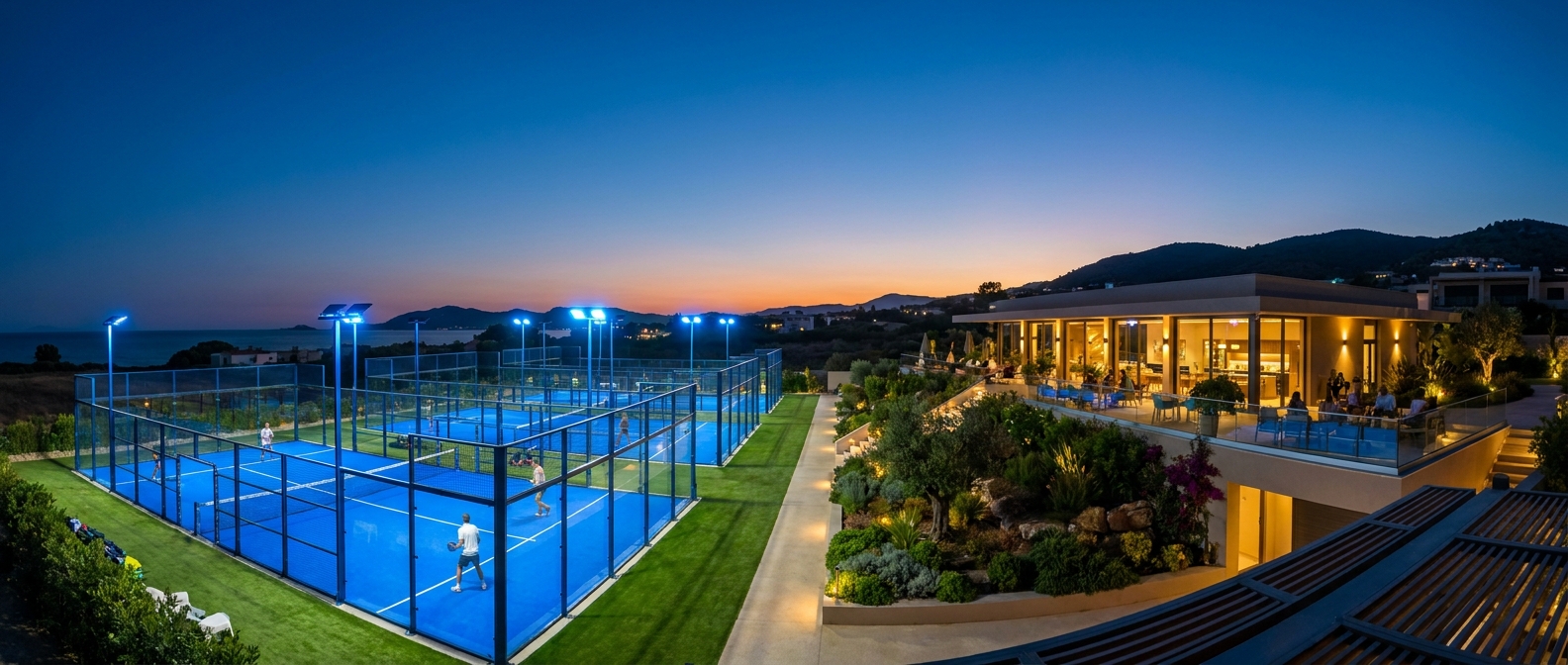
Finding facilities for padel que es is becoming easier as clubs worldwide adopt high-quality court structures and booking apps. When looking for a place to play, prioritize clubs that invest in professional-grade equipment and active community events.
What should I look for in a local club?
The bottom line? You should look for well-maintained turf, clear glass walls, and high-quality LED lighting for evening matches. A good club will also have a pro-shop where you can rent different racquet shapes to find your preference.
Are there apps for finding playing partners?
Platforms like Playtomic have revolutionized how you find matches by ranking your skill level and matching you with similar players. This takes the stress out of finding a foursome and ensures you always have a competitive game waiting.
- Court Quality: Look for consistent sand distribution.
- Amenities: Locker rooms and social areas enhance the experience.
- Coaching: Availability of intro classes for new players.
How do I book my first court session?
Most modern facilities allow you to book online or through an app, often in 60 or 90-minute intervals. Once you arrive, the club staff will usually provide a brief orientation to the specific court rules and equipment rentals.
| Facility Feature | Importance for Beginners | Why it Matters |
|---|---|---|
| Rental Gear | Very High | Try before you buy |
| LED Lighting | High | Play after work hours |
| Social Bar | Medium | Build your community |
Analysis: Facility accessibility is the primary driver of the sport’s viral growth, as urban centers can fit three courts in a single footprint.
Key Takeaway: The best padel experience starts with a well-maintained court and a club culture that welcomes newcomers with open arms.
Padel is more than just a game; it is a global movement centered on community, strategy, and health. Understanding padel que es is your entry point into a lifestyle that balances competitive spirit with social fun. At Superbpadel, we are committed to building the infrastructure that makes these world-class experiences possible. From factory-direct manufacturing to international installation, we ensure that every player has access to a safe and professional playing environment. Ready to bring this exciting sport to your local community? Contact us today to start your project and join the global padel revolution.
FAQ
Can I play padel if I have never played tennis?
Yes, many players find it easier because the underhand serve and shorter racquets allow for immediate success.
What’s the best racquet for a complete beginner?
A round-shaped racquet is recommended as it offers the largest sweet spot and maximum ball control.
Can I use running shoes on a padel court?
It is not recommended because they lack the lateral support and specific grip needed for sand-filled turf.
What’s the best way to practice wall rebounds?
The best method is to spend 15 minutes hitting against the glass alone to understand the different bounce angles.
Can I play padel with only two people?
While official matches are for doubles, you can practice one-on-one on a standard court to improve your precision.