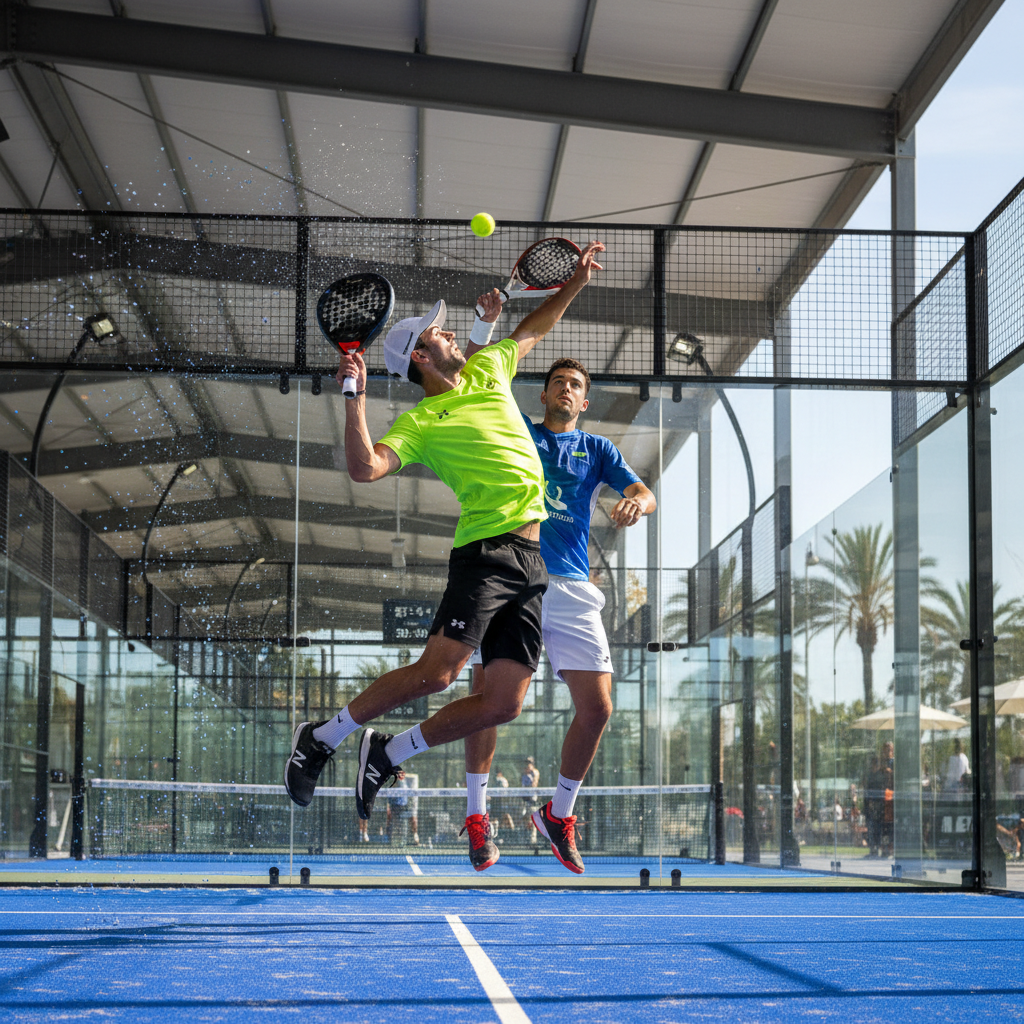
The average cost to build a padel court typically ranges from £55,000 to £80,000 for a professional-grade installation.
Many investors feel overwhelmed by technical specifications and hidden fees when planning their first sports facility. This confusion often leads to significant budget overruns or the installation of low-quality equipment that fails within a few years. By understanding how much to build a padel court really costs and working directly with a manufacturer, you can eliminate middleman markups and secure a world-class court.
How much to build a padel court in a new location?
Starting a project from scratch depends heavily on the initial site excavation and clearance required for your land. You should expect to spend between £3,000 and £5,000 for professional site surveying and heavy machinery preparation.
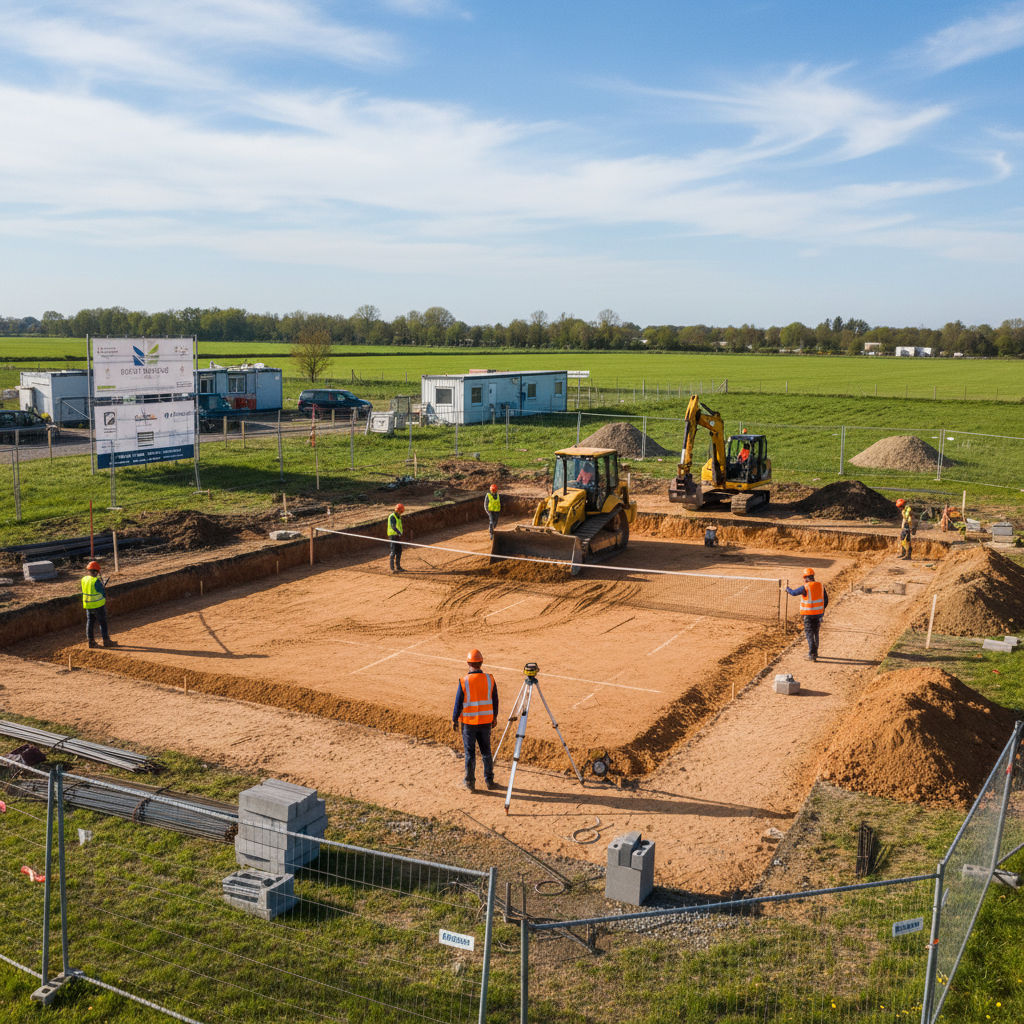
Preparing the site for development
You might be wondering if you can skip the soil testing phase to save on the initial bill. Skipping this step often leads to uneven sinking once the heavy glass panels are installed on top.
- Conduct a thorough soil density test.
- Clear all vegetation and large rocks.
- Grade the land to ensure a 1% slope for water runoff.
Key Takeaway
Proper site preparation prevents expensive structural repairs and ensures the longevity of your playing surface.
| Initial Phase | Estimated Cost | Duration |
|---|---|---|
| Site Surveying | £1,500 | 2 Days |
| Earthworks & Clearance | £3,500 | 5 Days |
| Drainage Installation | £4,000 | 3 Days |
The table above illustrates the foundational costs associated with preparing a raw site for professional court assembly.
How much to build a padel court on a solid foundation?
The cost of a reinforced concrete foundation typically accounts for 40% of the total budget when calculating how much to build a padel court for commercial use. You must invest in a high-quality perimeter ring beam to support the massive weight of the steel and glass structure.
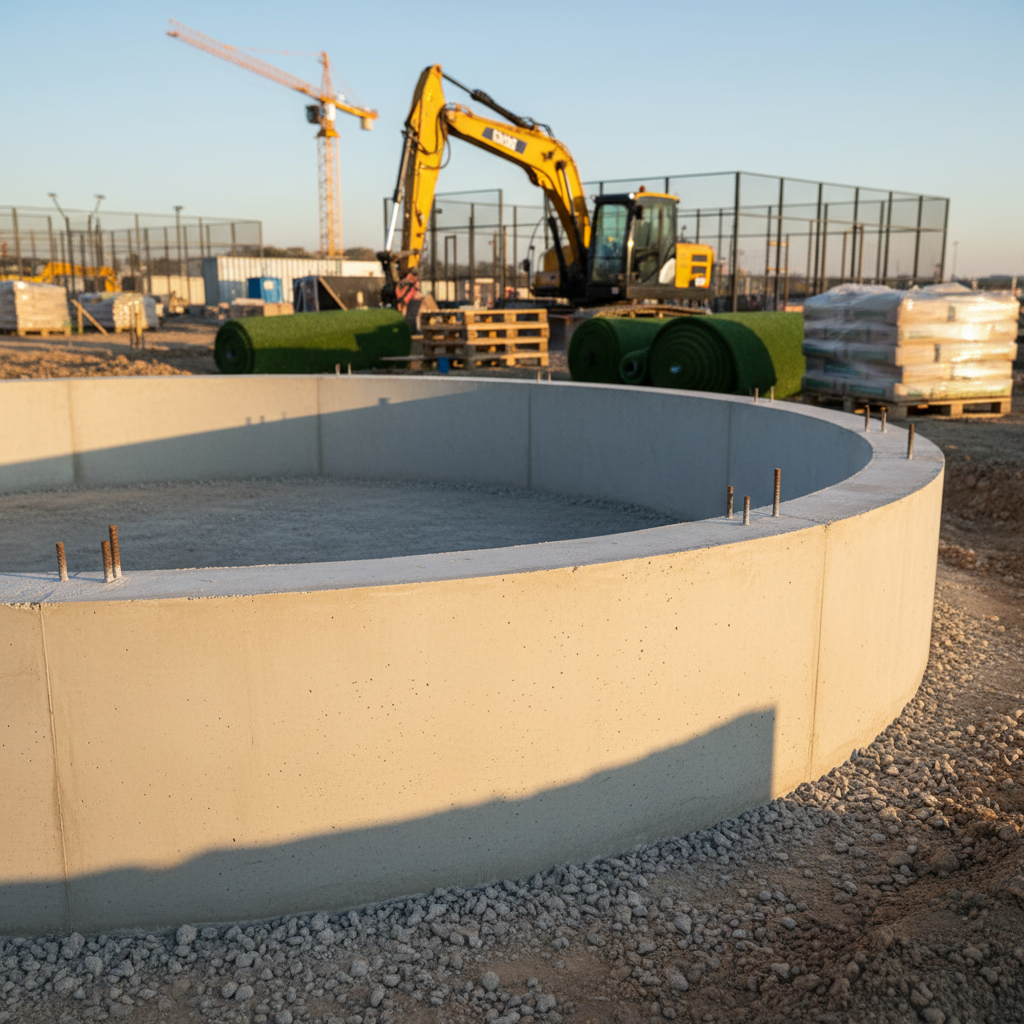
Engineering the perimeter ring beam
But here is the kicker: without a structural engineer’s design, your court could shift during high winds or heavy storms. A reinforced concrete beam ensures that the base plates remain anchored firmly for decades of use.
- Use 25/30 grade concrete for maximum strength.
- Integrate steel rebar for structural reinforcement.
- Ensure the surface is laser-leveled to within 3mm.
Key Takeaway
The foundation is the most critical safety element and should never be compromised to save a few thousand pounds.
| Foundation Element | Specification | Importance |
|---|---|---|
| Concrete Grade | C25/C30 | High |
| Ring Beam Depth | 400mm – 600mm | Critical |
| Surface Tolerance | +/- 3mm | High |
This data reflects the technical standards required to provide a stable platform for high-impact sports.
How much to build a padel court using modular frames?
The structural steel frame usually costs between £15,000 and £22,000 depending on the design and finish you choose. You will find that modular frames are the industry standard because they allow for rapid on-site assembly without specialized welding.
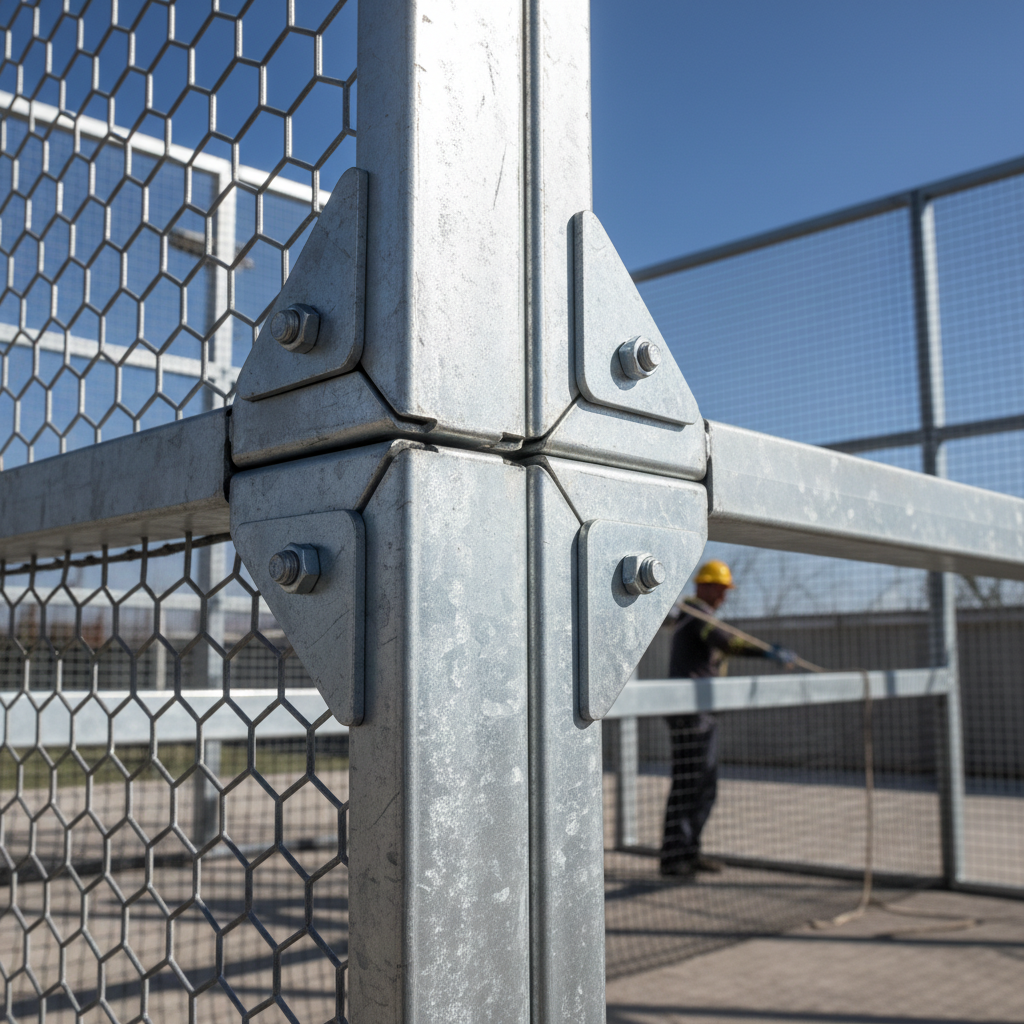
Choosing the right steel finish
Ready for the good part? Hot-dip galvanization provides a 20-year rust-free guarantee, making it the most cost-effective choice for outdoor venues.
- Select powder-coated finishes for custom branding.
- Ensure all bolts are stainless steel to prevent corrosion.
- Opt for 100x100mm pillars for maximum stability.
Key Takeaway
Modular steel frames simplify the construction process and reduce the labor hours required for a successful installation.
| Frame Component | Material | Benefit |
|---|---|---|
| Main Pillars | Galvanized Steel | Anti-Corrosion |
| Connectors | Modular Zinc | Fast Assembly |
| Mesh Panels | Electro-welded | Impact Resistance |
The following comparison highlights why material selection dictates the long-term maintenance costs of your metal structure.
How much to build a padel court with safety glass?
Premium 12mm tempered safety glass typically adds £5,000 to £8,000 to the total of how much to build a padel court for a public facility. You must prioritize safety over price when choosing glass panels, as thinner alternatives carry a much higher risk of shattering.
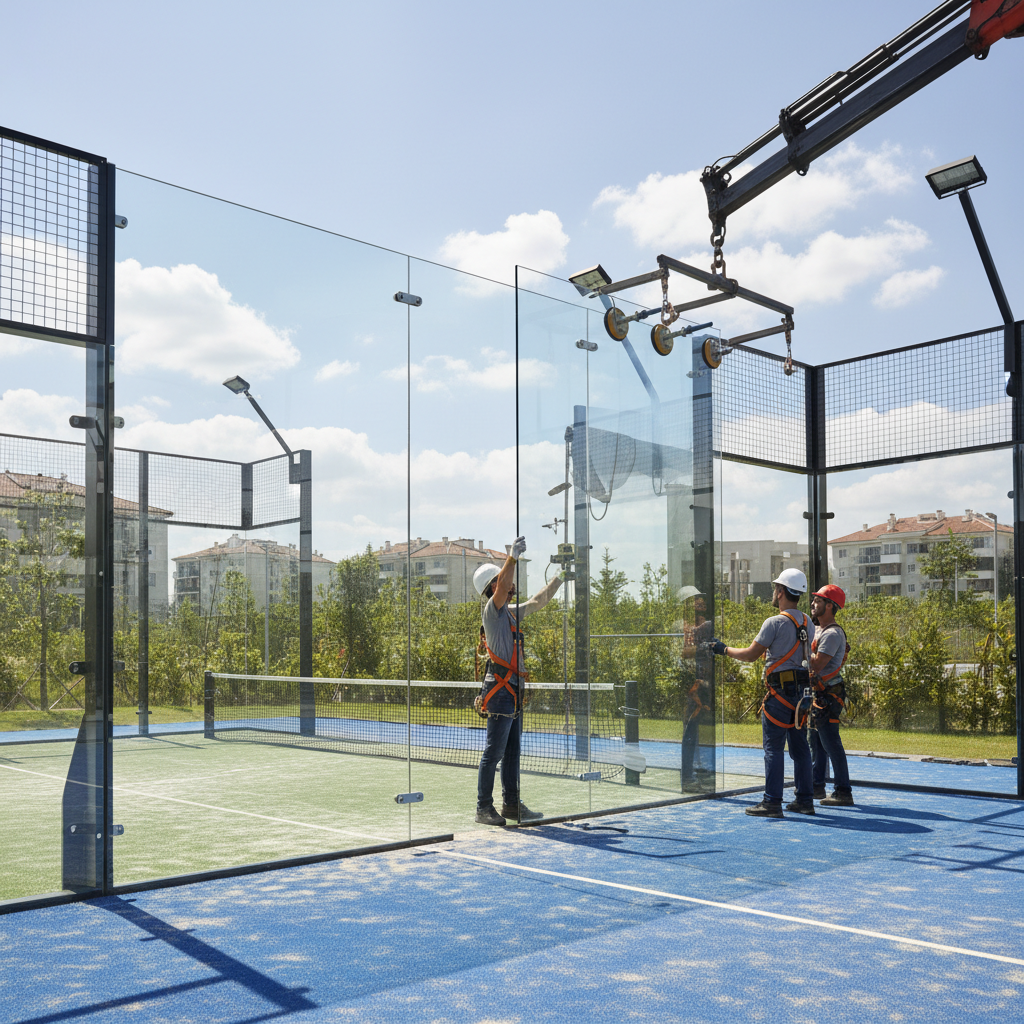
Standard vs Anti-Explosion glass
What is the real story behind glass pricing? While 10mm glass is cheaper, the 12mm anti-explosion variant provides the consistent ball rebound that professional players demand.
- Insist on EN 12150 European safety certifications.
- Use specialized suction tools for safe installation.
- Verify the edges are polished to prevent micro-cracks.
Key Takeaway
Investing in thicker, certified glass reduces liability risks and provides a superior playing experience for your members.
| Glass Type | Thickness | Safety Level |
|---|---|---|
| Standard Tempered | 10mm | Medium |
| Premium Safety | 12mm | High |
| Anti-Explosion | 12mm+ | Maximum |
This analysis provides a clear overview of how glass specifications impact both safety and project costs.
Professional artificial turf installation generally costs between £5,000 and £7,000 including the specialized silica sand infill. You will see that the turf quality determines how the ball moves and how much strain is placed on the players’ joints.
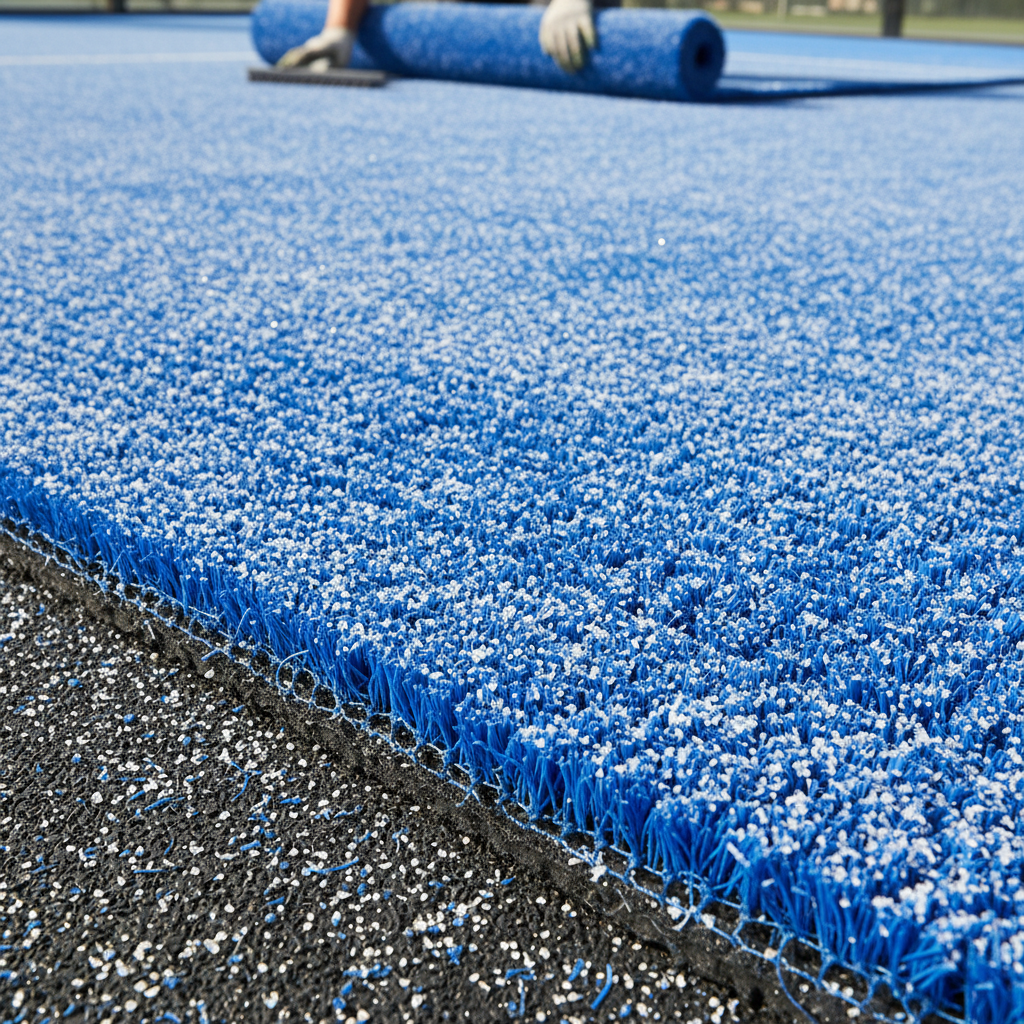
Selecting the fiber density
You might be wondering why some turf types are significantly cheaper than others on the market today. Lower-priced turf often has a lower stitch rate, leading to bald spots and uneven play within just one year.
- Choose fibrillated turf for heavy commercial use.
- Use kiln-dried silica sand for even distribution.
- Ensure the backing is UV-resistant for outdoor courts.
Key Takeaway
High-density turf ensures a professional ball bounce and lasts up to 50% longer than budget alternatives.
| Turf Feature | Specification | User Benefit |
|---|---|---|
| Pile Height | 12mm – 15mm | Speed Control |
| Stitch Rate | 50,000+ per m2 | Durability |
| Sand Infill | 3kg per m2 | Player Safety |
The detailed metrics above showcase the requirements for a high-performance playing surface that withstands daily usage.
How much to build a padel court: the cost analysis?
A comprehensive budget breakdown reveals that the structural components and groundworks form 75% of how much to build a padel court in today’s market. You can optimize your spending by allocating more funds to the foundation while saving on aesthetic customizations.
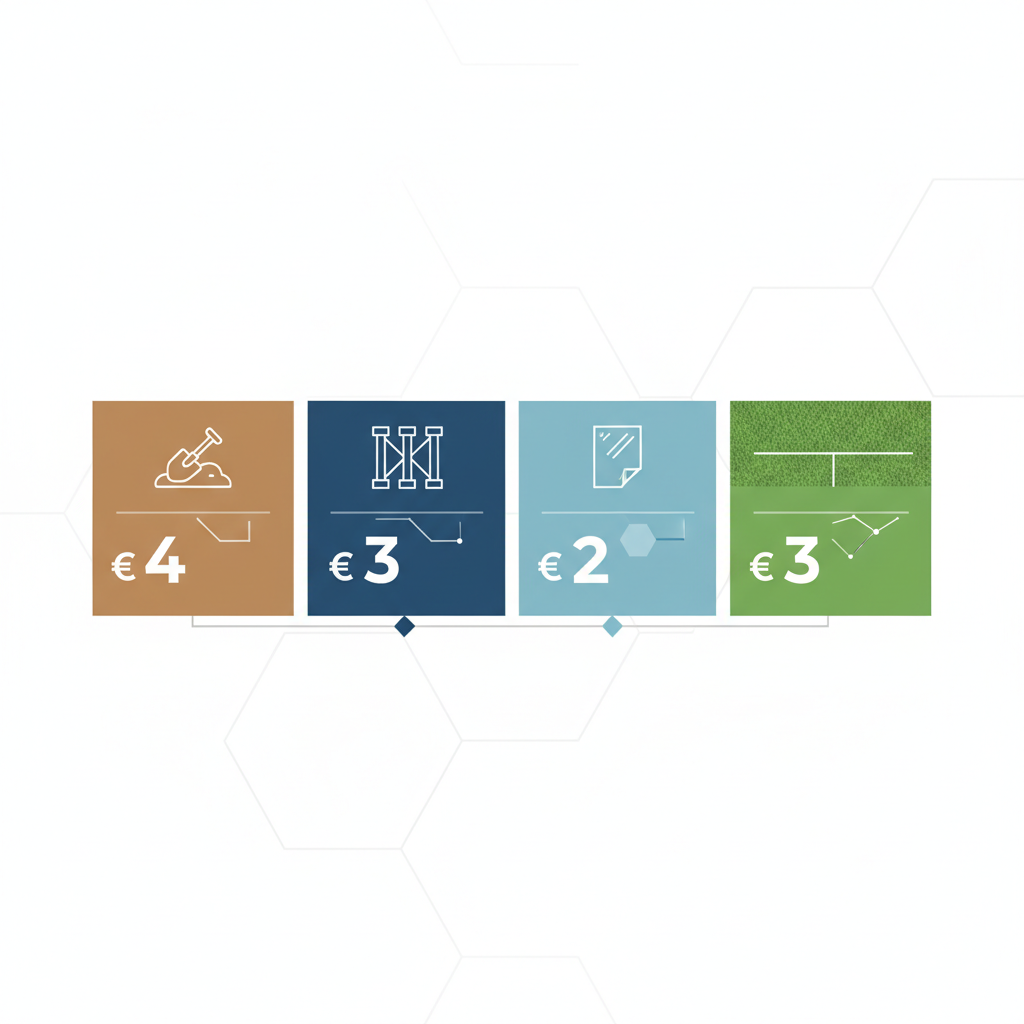
Managing your project budget
Here is the deal: buying your hardware directly from the manufacturer can save you up to 30% compared to local middleman distributors. This saving can then be reinvested into better lighting or amenities.
- Compare three separate quotes for groundworks.
- Buy factory-direct for the steel and glass.
- Include a 10% contingency fund for unforeseen site issues.
Key Takeaway
Smart procurement and detailed cost tracking are the only ways to prevent budget inflation during the construction phase.
| Cost Category | Percentage | Avg. Cost (£) |
|---|---|---|
| Civil Engineering | 40% | £28,000 |
| Steel & Glass | 35% | £24,500 |
| Lighting & Turf | 15% | £10,500 |
| Project Management | 10% | £7,000 |
This summary highlights the typical financial allocation required to successfully complete a single court project.
How much to build a padel court with LED lights?
A high-intensity LED lighting system typically adds between £5,500 and £8,000 to the total construction bill. You should prioritize IP66-rated waterproof lights to ensure your court remains functional during the evening hours without high energy costs.
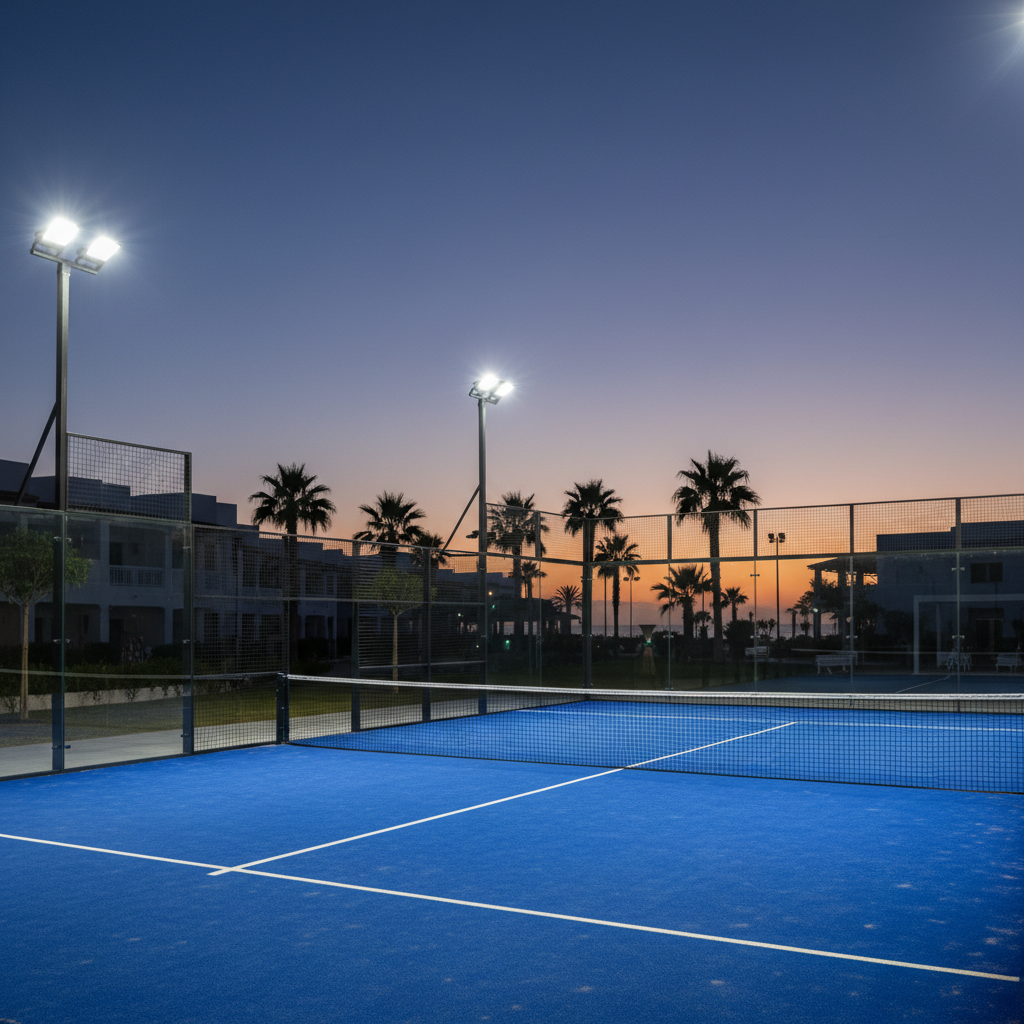
Maximizing evening revenue
But here is the kicker: courts without lighting lose up to 40% of their potential booking revenue during the winter months. LED systems pay for themselves within two years through increased rental hours.
- Install 200W or 300W LED floodlights.
- Ensure 500+ lux uniformity across the court.
- Use flicker-free drivers for video recording.
Key Takeaway
Professional lighting is an essential investment for any commercial facility looking to maximize its return on investment.
| Light Spec | Requirement | Importance |
|---|---|---|
| Power | 200W x 8 Units | High |
| Waterproofing | IP66 Rated | Critical |
| Color Temp | 5000K – 6000K | High |
The following technical data outlines the necessary standards for providing high-quality illumination for competitive play.
How much to build a padel court for public play?
Commercial clubs must budget for robust fencing and high-traffic accessories when planning how much to build a padel court for the general public. You will find that spectator seating and access pathways often add another £5,000 to the final project invoice.
Enhancing the player experience
Ready for the good part? Courts that offer a social atmosphere and premium amenities can charge 20% more for hourly bookings than basic facilities.
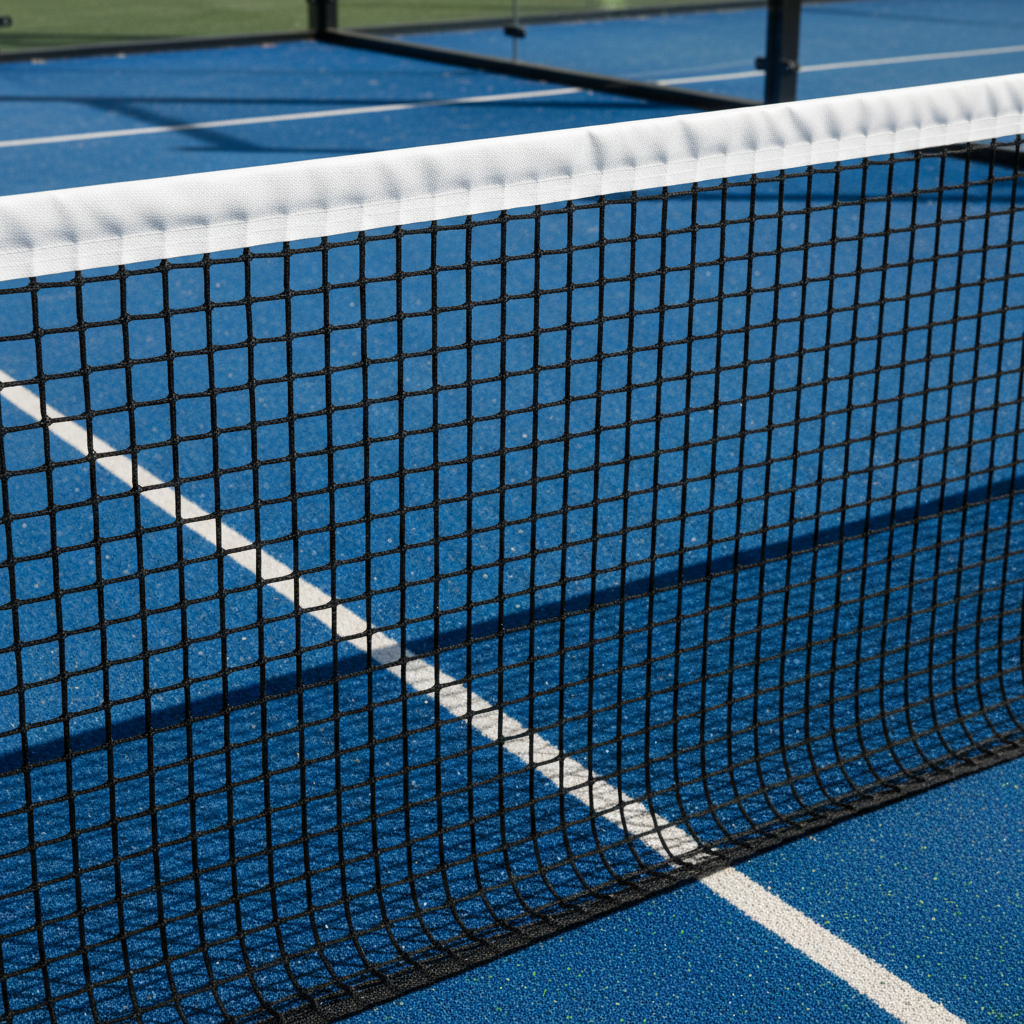
- Install professional nets with center straps.
- Add protective padding to the door frames.
- Include benches and water stations for players.
Key Takeaway
Small details in the finishing stage significantly impact player retention and the overall reputation of your sports club.
| Accessory | Purpose | ROI Impact |
|---|---|---|
| Professional Net | Durability | Low |
| Frame Padding | Safety | Medium |
| Social Seating | Atmosphere | High |
This breakdown identifies the peripheral items that contribute to a high-quality user experience and long-term club success.
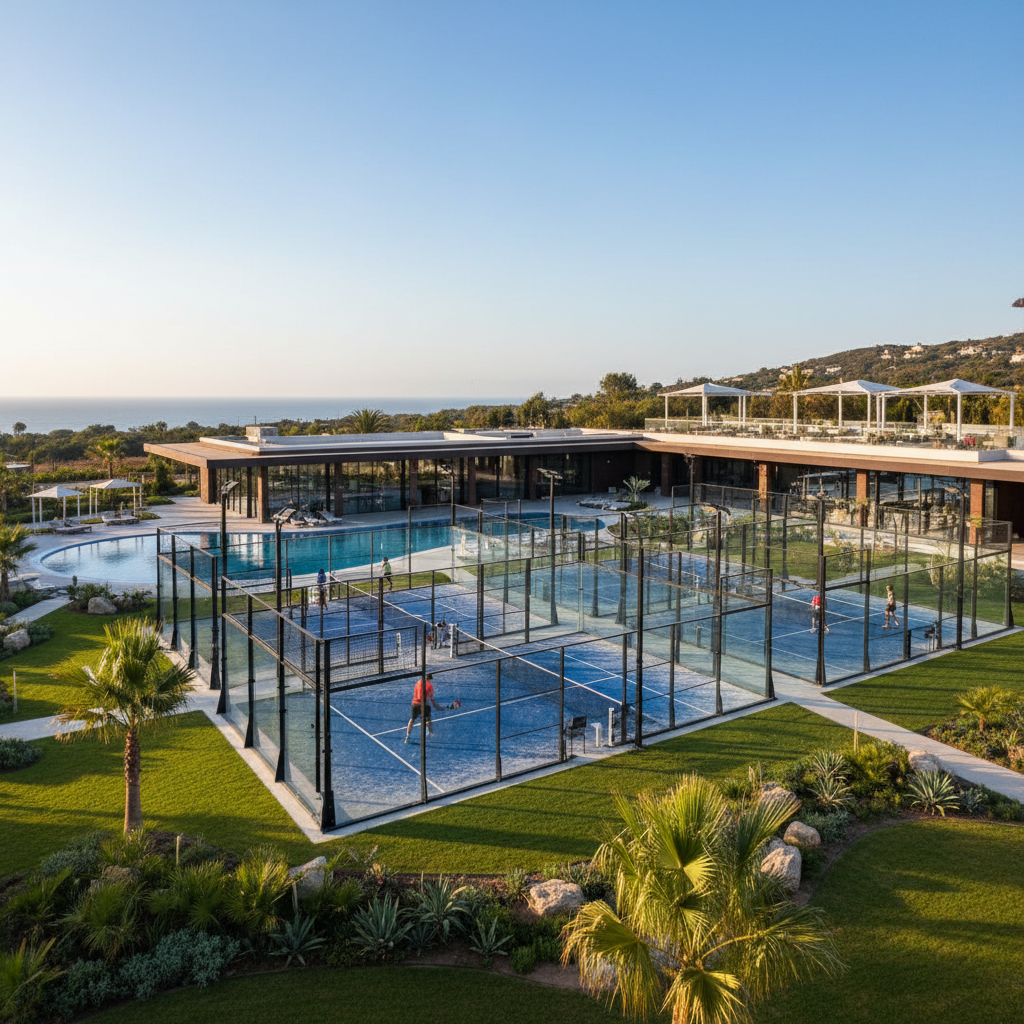
How much to build a padel court in a luxury resort?
Luxury installations often feature panoramic glass designs which can push the total construction cost above £85,000. You will realize that these premium models provide an unobstructed view that attracts high-end clients and tournament organizers.
The panoramic advantage
What is the real story about panoramic courts? They replace traditional rear pillars with thickened glass, creating a visually stunning facility that serves as a centerpiece for any resort.
- Use 12mm or 15mm glass for extra strength.
- Integrate the court into the existing landscape.
- Choose customized colors to match the resort branding.
Key Takeaway
Panoramic designs offer a significant aesthetic advantage that justifies a higher premium for elite sports facilities.
| Court Type | Visual Appeal | Relative Cost |
|---|---|---|
| Standard | Good | Base |
| Panoramic | Excellent | +15% |
| Super Panoramic | Elite | +25% |
The table above compares different court designs to help you select the model that fits your venue’s prestige level.
How much to build a padel court for long-term ROI?
Most commercial operators see a full return on their initial investment when determining how much to build a padel court within 24 to 30 months. You can achieve this by maintaining high occupancy rates and keeping operational maintenance costs at a minimum.
Minimizing maintenance expenses
You might be wondering how to keep your court in top condition without spending thousands on specialized cleaning every month. Regular brushing of the turf is all that is needed to prevent sand compaction and drainage issues.
- Brush the turf once every two weeks.
- Tighten structural bolts every six months.
- Inspect the glass panels for chips regularly.
Key Takeaway
Proactive maintenance extends the life of your court to 20 years and preserves the resale value of your facility.
| Maintenance Task | Frequency | Cost |
|---|---|---|
| Turf Brushing | Fortnightly | Minimal |
| Sand Top-up | Yearly | £300 |
| Glass Inspection | Monthly | Time Only |
This final set of data shows that low ongoing costs make padel courts one of the most profitable sports investments available.
Building a world-class padel facility is a strategic investment that balances initial construction quality with long-term revenue potential. By prioritizing a solid foundation and professional-grade materials, you ensure your court remains a community hub for decades. We are committed to helping you navigate every step of the process, from initial design to final installation. Our factory-direct solutions provide the quality you need at a price that maximizes your profitability. Please contact us today to receive a detailed quote and start your journey toward owning a premier sports facility.
FAQ
Q1: Can I install a padel court on an existing concrete parking lot?
Yes, provided the concrete is at least 150mm thick and level. You will still need to install a perimeter ring beam to anchor the glass panels safely.
Q2: What’s the best way to reduce the total project cost?
Buy direct from the manufacturer. You can save up to 30% by eliminating distributor markups and managing the local groundworks independently.
Q3: Can I customize the color of the turf and the steel frame?
Absolutely. You can choose any RAL color for the frame and select from blue, green, or terracotta turf to match your branding.
Q4: How do I know if the glass is safe for a public club?
Check for the EN 12150 certification. This ensures the glass has been tempered to European safety standards and will crumble into small, safe pieces if it ever breaks.
Q5: What’s the best lighting setup for 24-hour play?
We recommend 8 high-efficiency LED floodlights of 200W each. This setup provides 500+ lux, which is the standard required for professional and televised matches.