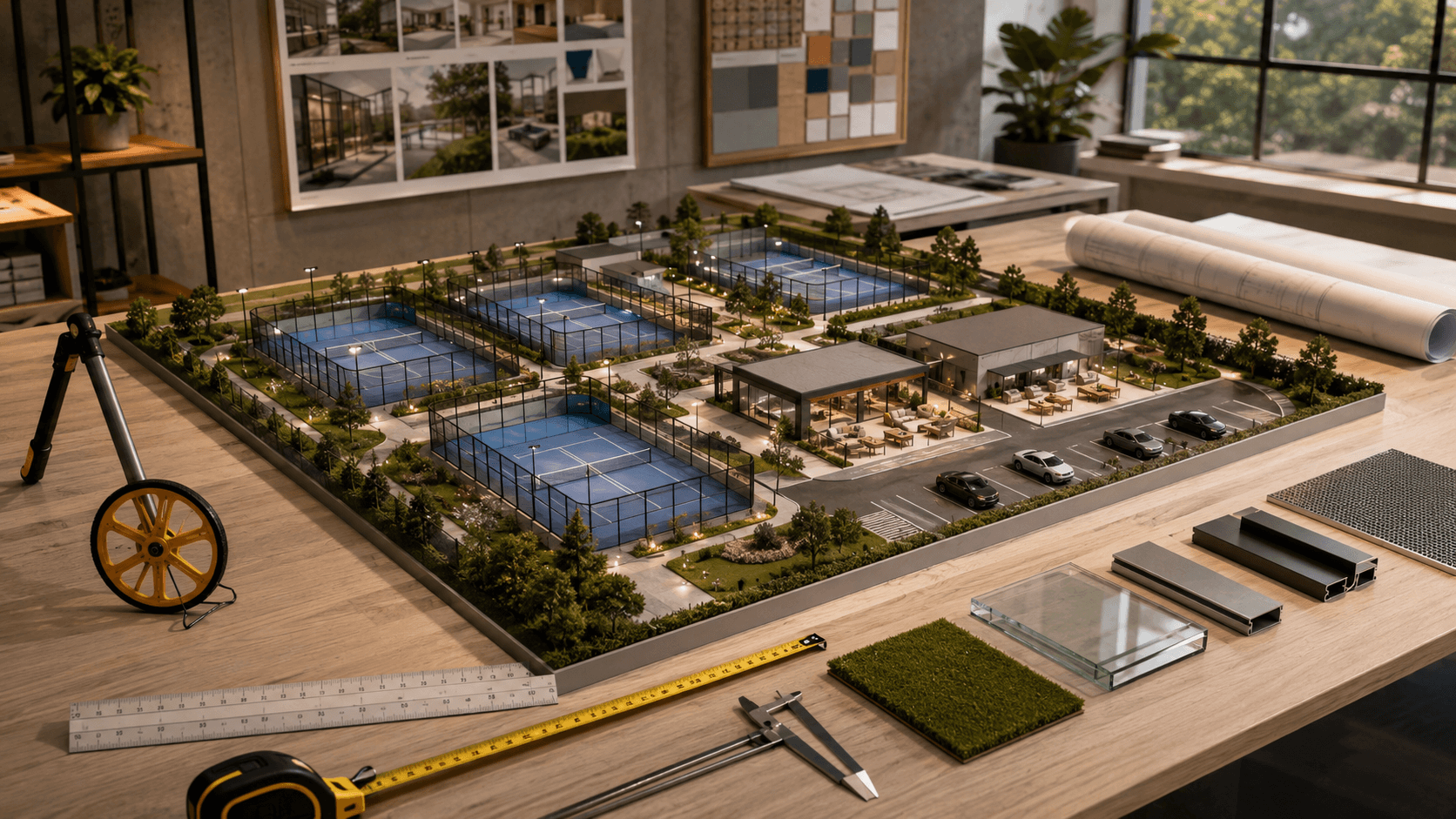
To plan a facility using padel court size in feet, you must account for the standard playing area of 65′ 7″ by 32′ 10″ plus the additional safety clearance required for competitive play. You have likely seen the rapid growth of this sport and recognize the potential for a high-ROI sports club, but converting metric specifications to imperial units is where many developers encounter expensive mistakes. Imagine the frustration of completing a foundation only to realize your glass walls cannot be secured because the perimeter was measured incorrectly. By mastering the exact padel court size in feet, you can confidently design a professional layout that maximizes player satisfaction and revenue.
What is the official padel court size in feet?
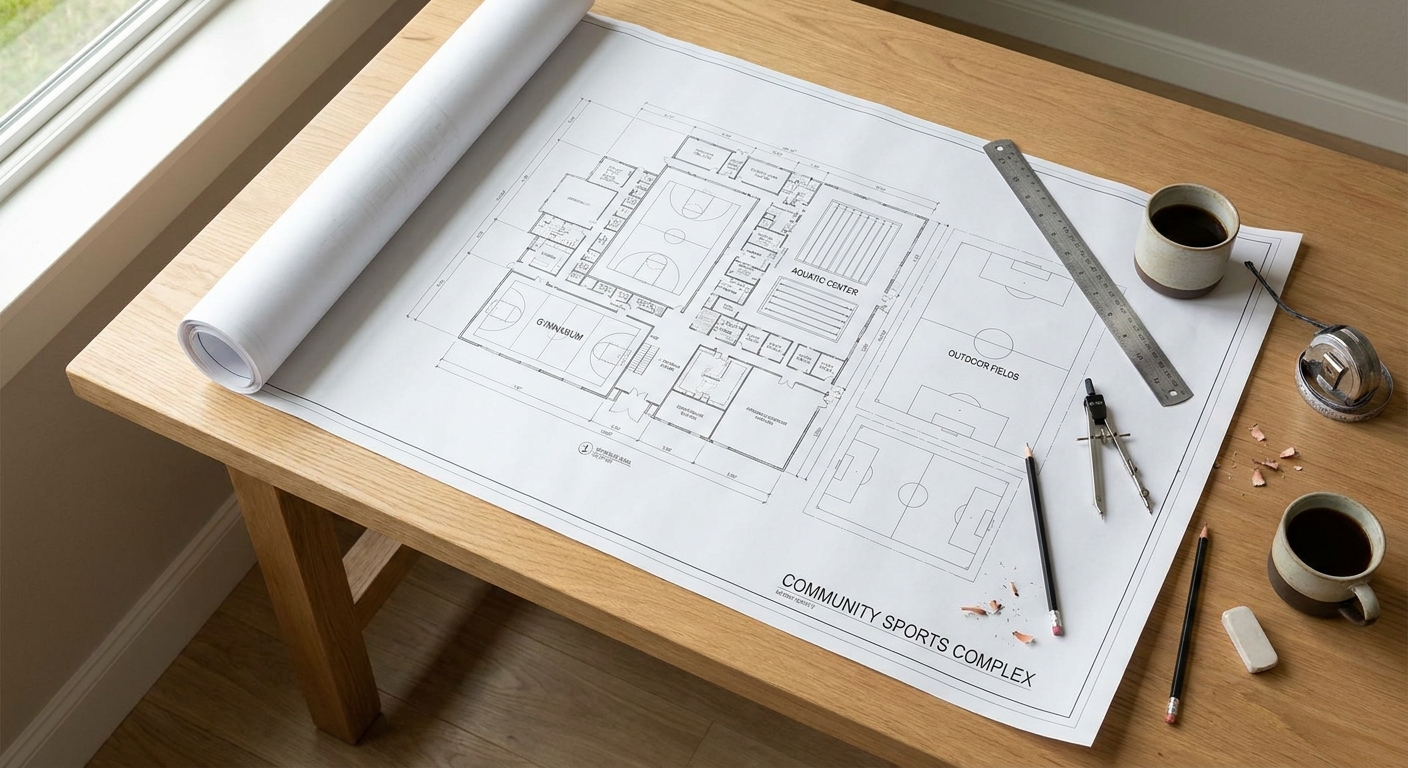
The official playing area of a standard doubles court is exactly 65′ 7″ long by 32′ 10″ wide. When you are assessing your site, the padel court size in feet provides the necessary baseline for every other design decision. This 2:1 ratio is strictly enforced by international federations to ensure a consistent bounce and pace of play.
Why is length critical for player movement?
Is the length more important than the width? For padel, the length dictates the depth of defensive play and how much room a player has to retrieve a ball off the back glass.
Think about it:
- A regulation length of 65′ 7″ allows for tactical lobs.
- Proper spacing prevents players from colliding with the mesh.
- It ensures enough room for the service boxes to function.
The bottom line is that cutting corners on length will immediately lower the quality of your matches.
How wide should the playing surface be?
The width of 32′ 10″ is designed specifically for doubles play, allowing two teammates to cover the net effectively. If the width varies, the angles of the shots change, making the game feel more like squash or tennis.
Here is the deal:
- Standard width is 10 meters (32′ 10″).
- This allows for quick lateral shifts.
- Most professional structures use these exact dimensions.
Key Takeaway: Using precise imperial measurements for the playing area ensures that your court feels professional to experienced players and simplifies the installation of pre-fabricated components.
| Dimension Type | Metric Value | Imperial Value |
|---|---|---|
| Playing Length | 20.0 m | 65′ 7″ |
| Playing Width | 10.0 m | 32′ 10″ |
| Total Area | 200 sq m | 2,152 sq ft |
These foundational figures act as the starting point for any successful facility blueprint.
Why does padel court size in feet matter for planning?
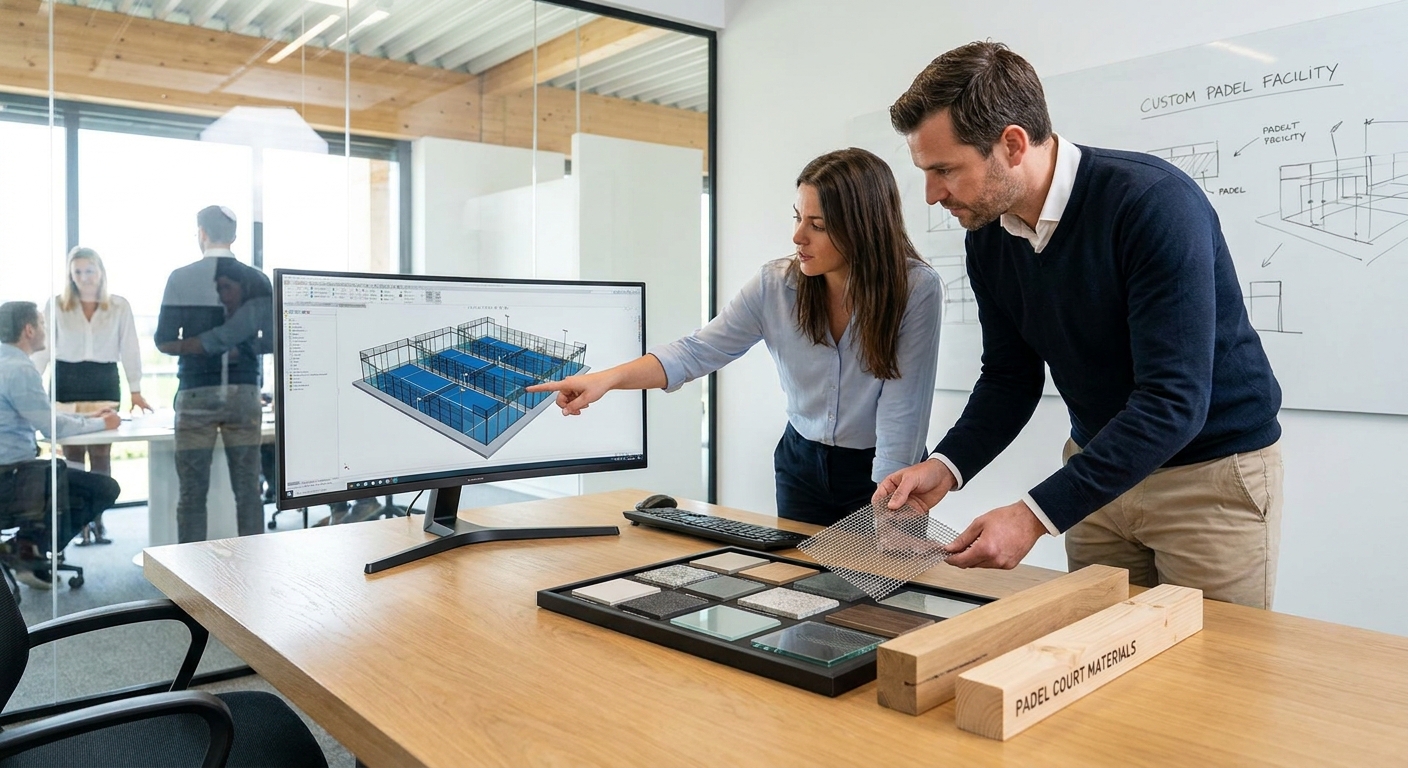
Understanding the padel court size in feet is essential for land acquisition and determining the number of units that will fit on your property. If you miscalculate the footprint, you may find yourself with wasted space that could have generated additional booking fees. Precise measurements allow you to maximize your land use and ensure a high density of courts.
How does this affect your budget?
Every extra foot of concrete or turf carries a specific cost that can add up across multiple courts. By knowing the exact dimensions, you can order materials with minimal waste and avoid the “rush fees” associated with last-minute adjustments.
But wait, there’s more:
- Accurate measurements prevent permit delays.
- They ensure your drainage systems are properly placed.
- Contractors prefer working with standardized imperial units.
What are the logistics of court assembly?
Most high-quality court components are manufactured to fit a specific footprint. If your site preparation doesn’t match the padel court size in feet required by the manufacturer, the modular steel structure will not align correctly.
Here is the kicker:
- Components are designed for a 20m x 10m base.
- Shifting to 65′ 7″ x 32′ 10″ prevents installation gaps.
- It protects your long-term structural warranty.
Key Takeaway: Strategic planning based on accurate measurements reduces construction risk and ensures that your facility layout is optimized for the highest possible court count.
| Planning Stage | Metric Consideration | Imperial Action |
|---|---|---|
| Concrete Base | 20.4m x 10.4m | Pour 67′ x 34′ |
| Turf Order | 200 sq m | Order 2,200 sq ft |
| Lighting Posts | 6m Height | Install at 19′ 8″ |
Meticulous planning at this stage sets the tone for a smooth and predictable construction process.
What is the total padel court size in feet with safety zones?
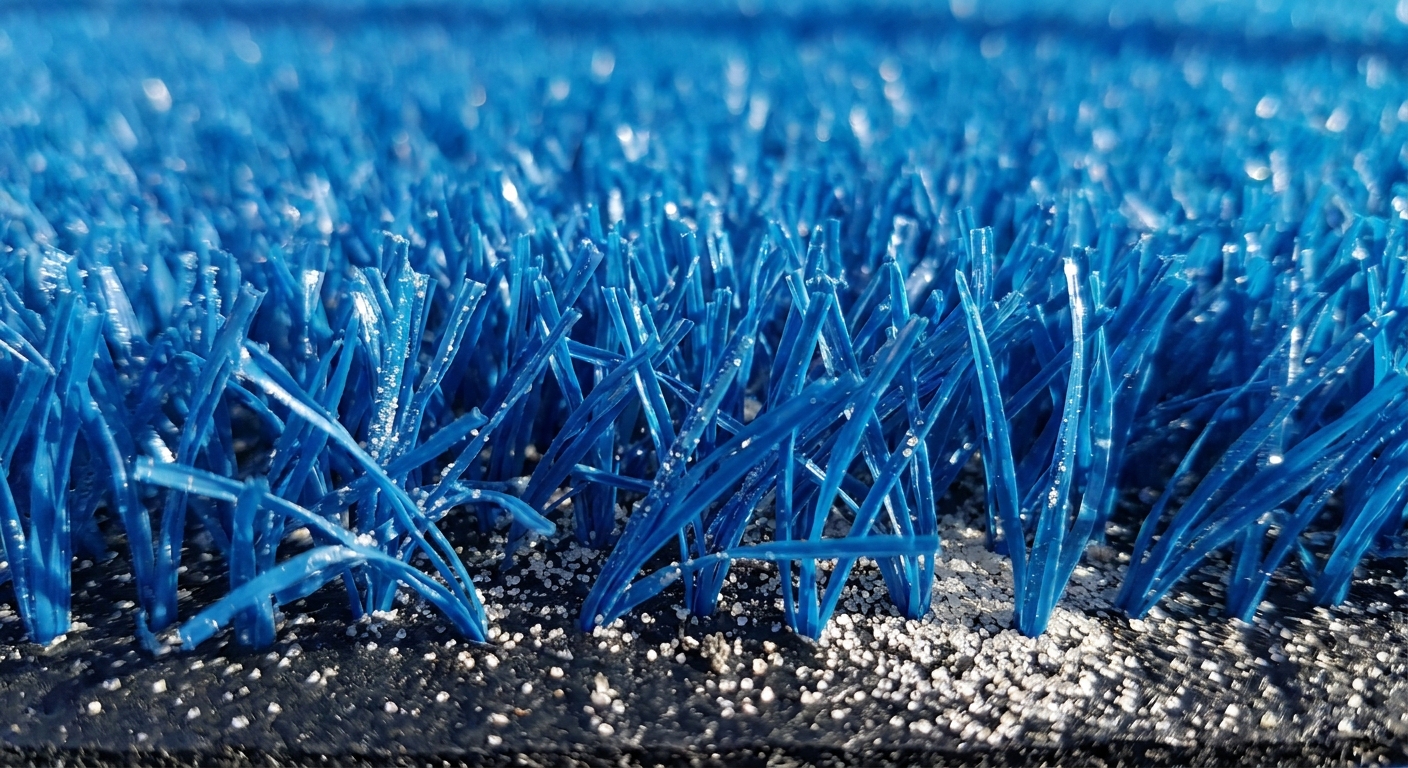
The total footprint, including safety zones, typically requires an area of roughly 72′ 2″ by 39′ 4″ to accommodate high-level competition. This extended padel court size in feet allows players to run outside the court to retrieve “smashed” balls that bounce over the fence. If your club intends to host tournaments, these zones are not optional.
How much room is needed for run-backs?
Professional play requires a clearance of at least 2 meters (6′ 7″) on either side of the court entrances. Without this buffer, you are limiting the level of play your facility can host.
It gets better:
- More space means higher player safety.
- It allows for the installation of spectator seating.
- Referees need these zones for better visibility.
Why are access paths important for clubs?
You must account for how players move between courts and the clubhouse without disrupting ongoing matches. A 3-foot dedicated walkway between courts is the industry standard for premium clubs.
The best part?
- It improves the “flow” of your facility.
- It makes maintenance and glass cleaning easier.
- It prevents congestion during peak hours.
Key Takeaway: Planning for a larger footprint that includes safety and access zones increases the prestige of your club and ensures compliance with professional tournament standards.
| Zone Category | Dimensions in Feet | Purpose |
|---|---|---|
| Inner Play | 65′ 7″ x 32′ 10″ | Active Gameplay |
| Run-Back Zone | 6′ 7″ per side | Out-of-court play |
| Spectator Buffer | 3′ 0″+ | Safety and Viewing |
Integrating these zones into your initial design prevents the facility from feeling cramped or dangerous.
How do walls affect the padel court size in feet?
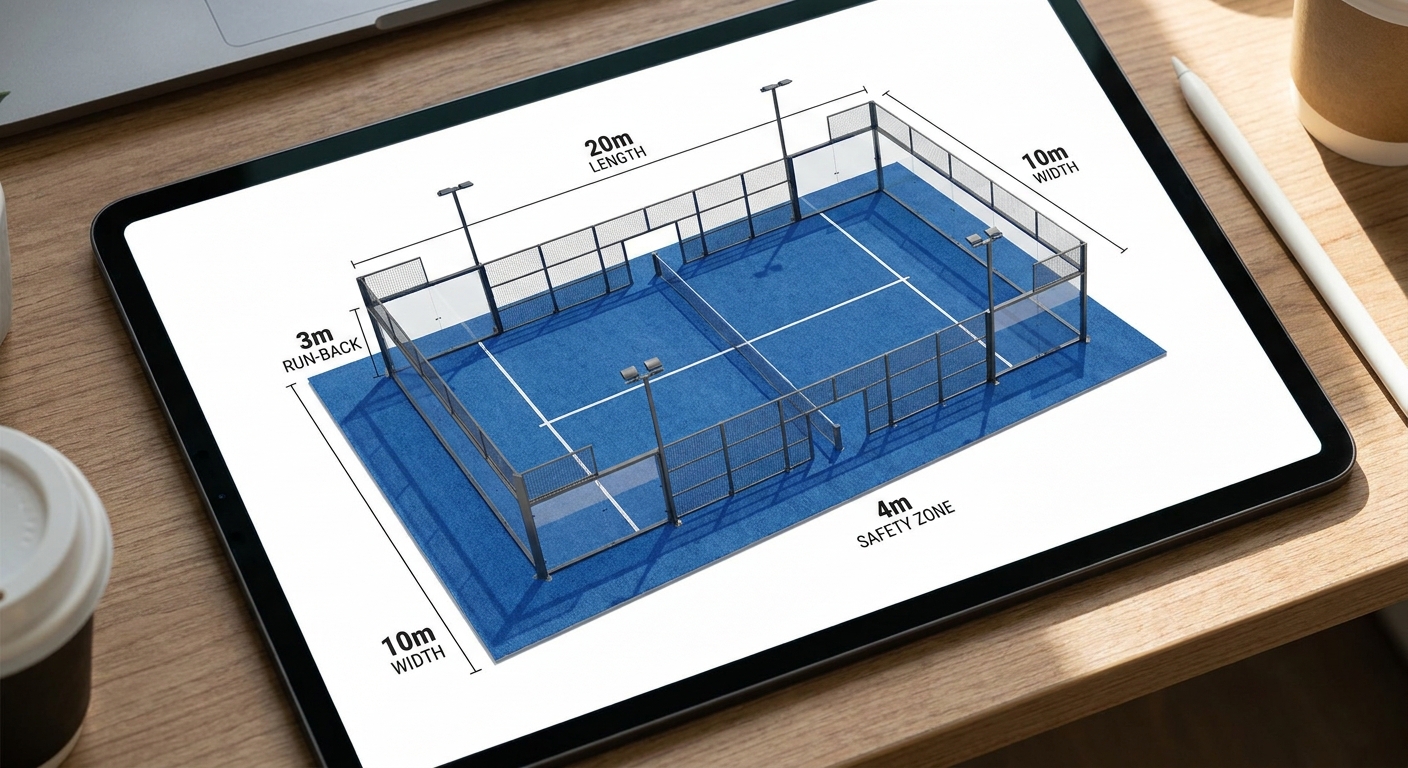
The walls define the boundaries of the padel court size in feet and must reach a height of 13′ 1″ to be considered regulation. These walls consist of tempered glass panels at the back and a mixture of glass and metallic mesh along the sides. Choosing a Panoramic Padel Court design can enhance visibility while maintaining these critical heights.
What is the standard glass height?
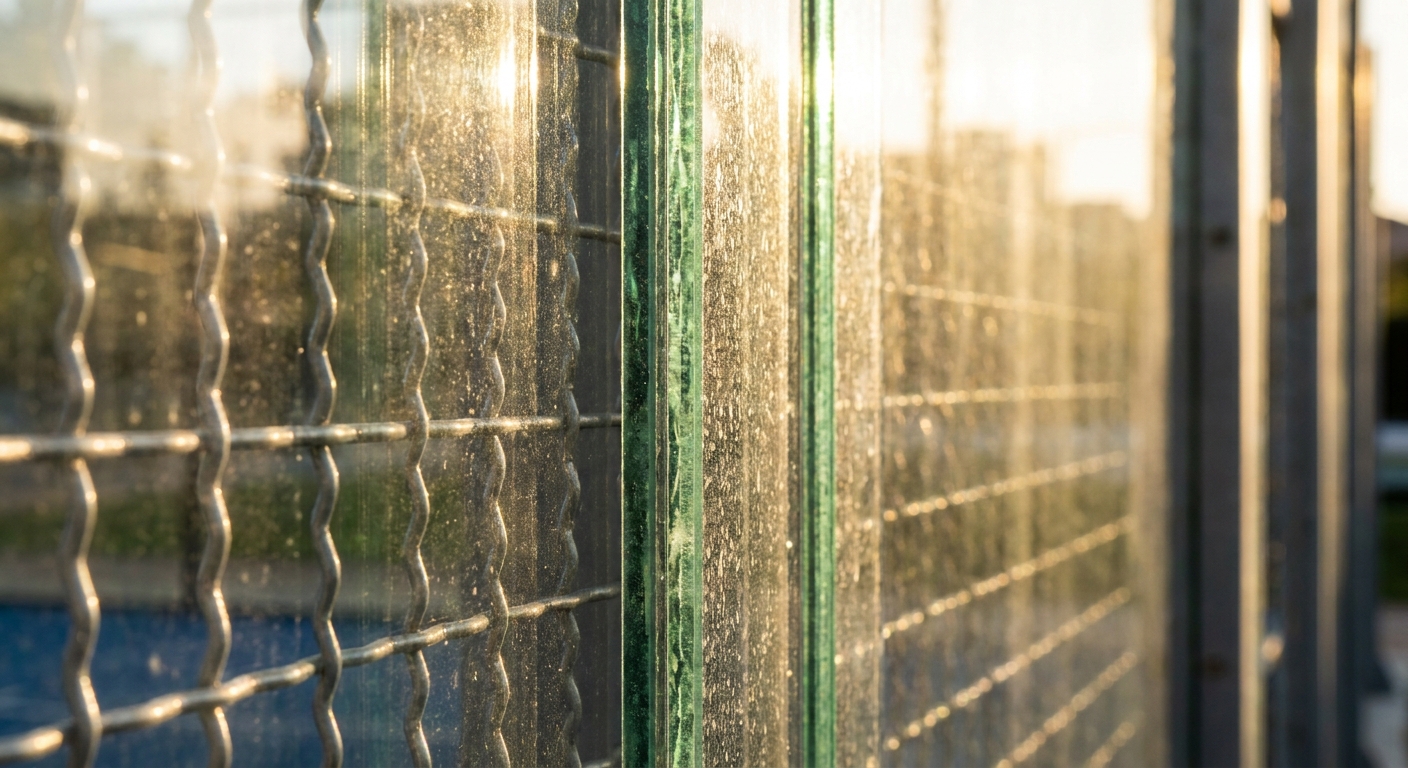
The back wall typically features 3 meters (9′ 10″) of glass, which is then topped with 1 meter (3′ 3″) of mesh. This ensures that even high-speed shots are contained within the playing area.
Here is the deal:
- Glass must be at least 10mm or 12mm thick.
- Mesh should be flush with the glass surface.
- Structural posts must support high impact loads.
Can wall design improve the player experience?
Better visibility makes the game more engaging for spectators and helps coaches monitor multiple matches. Modern structures often remove the vertical posts between glass panels at the rear to create a seamless view.
Think about it:
- Panoramic designs attract more spectators.
- They offer a premium aesthetic for luxury clubs.
- The playing dimensions remain exactly 65′ 7″ x 32′ 10″.
Key Takeaway: Wall height and transparency are vital for maintaining the physics of the game while offering a high-end experience that justifies premium booking rates.
| Wall Section | Material | Height (Feet/Inches) |
|---|---|---|
| Rear Glass | Tempered Safety Glass | 9′ 10″ |
| Top Mesh | Galvanized Steel | 3′ 3″ |
| Total Height | Mixed | 13′ 1″ |
Correct wall installation is what transforms a standard sports court into a true padel environment.
Is the indoor padel court size in feet different?
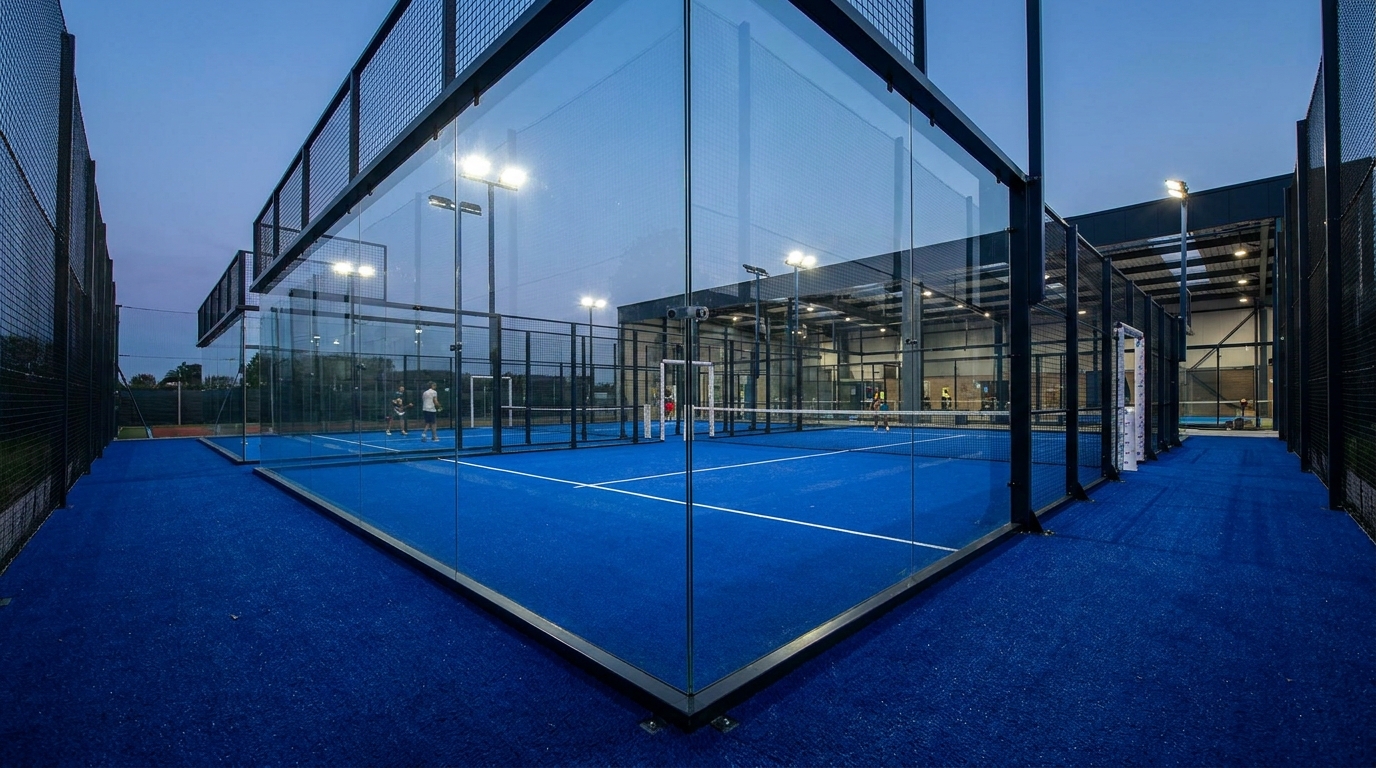
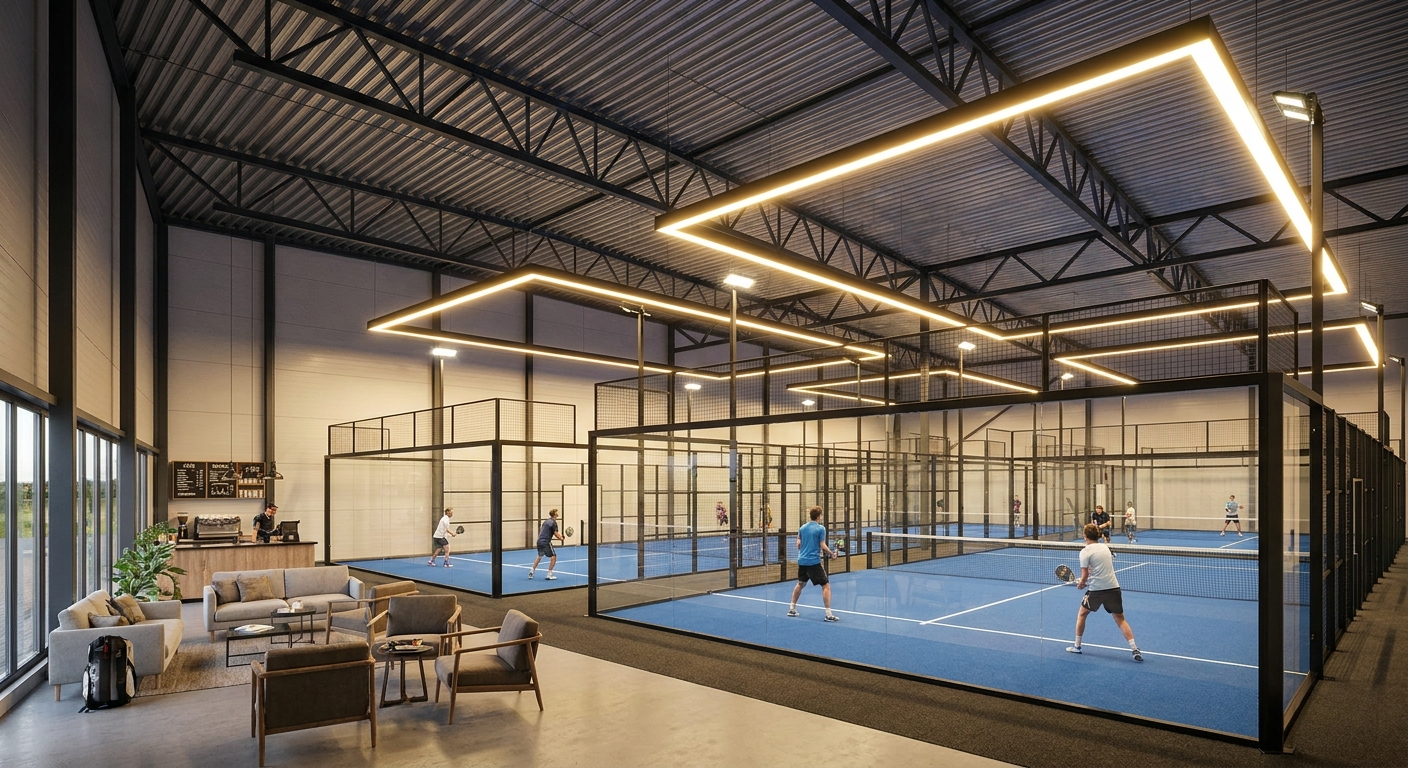
While the ground-level padel court size in feet remains identical, indoor facilities must carefully monitor their vertical clearance to allow for defensive lobs. A ceiling height of at least 19′ 8″ is required, though professional venues prefer 26′ 3″ or higher. If your ceiling is too low, players will find it impossible to execute the “glob” (lob), which is a fundamental defensive shot.
How to measure clearance accurately?
You must measure from the highest point of the turf to the lowest hanging obstacle, such as lighting fixtures or structural beams. If a light hangs at 18 feet, that is your effective ceiling height.
It gets better:
- High ceilings improve air circulation.
- They allow for larger, more effective LED arrays.
- Professional players gravitate toward venues with “clean” air space.
Do lights interfere with the court area?
Lighting posts are typically 6 meters (19′ 8″) tall and should be positioned so they do not obstruct the playing field or safety zones. Modern LED systems are designed to offer uniform brightness across the entire footprint.
Here is the kicker:
- Use 4 to 8 LED floodlights per court.
- Position them outside the mesh enclosure.
- Ensure they are tilted to minimize glare.
Key Takeaway: Indoor facility planning is a 3D puzzle; you must ensure that both floor dimensions and vertical clearance support all styles of competitive play.
| Vertical Feature | Minimum Feet | Preferred Feet |
|---|---|---|
| Ceiling Height | 19′ 8″ | 26′ 3″ |
| Light Mounting | 19′ 0″ | 22′ 0″ |
| HVAC Clearance | 18′ 0″ | 25′ 0″ |
Vertical space is just as valuable as floor space when creating a world-class indoor padel destination.
How to fit multiple padel court size in feet units?
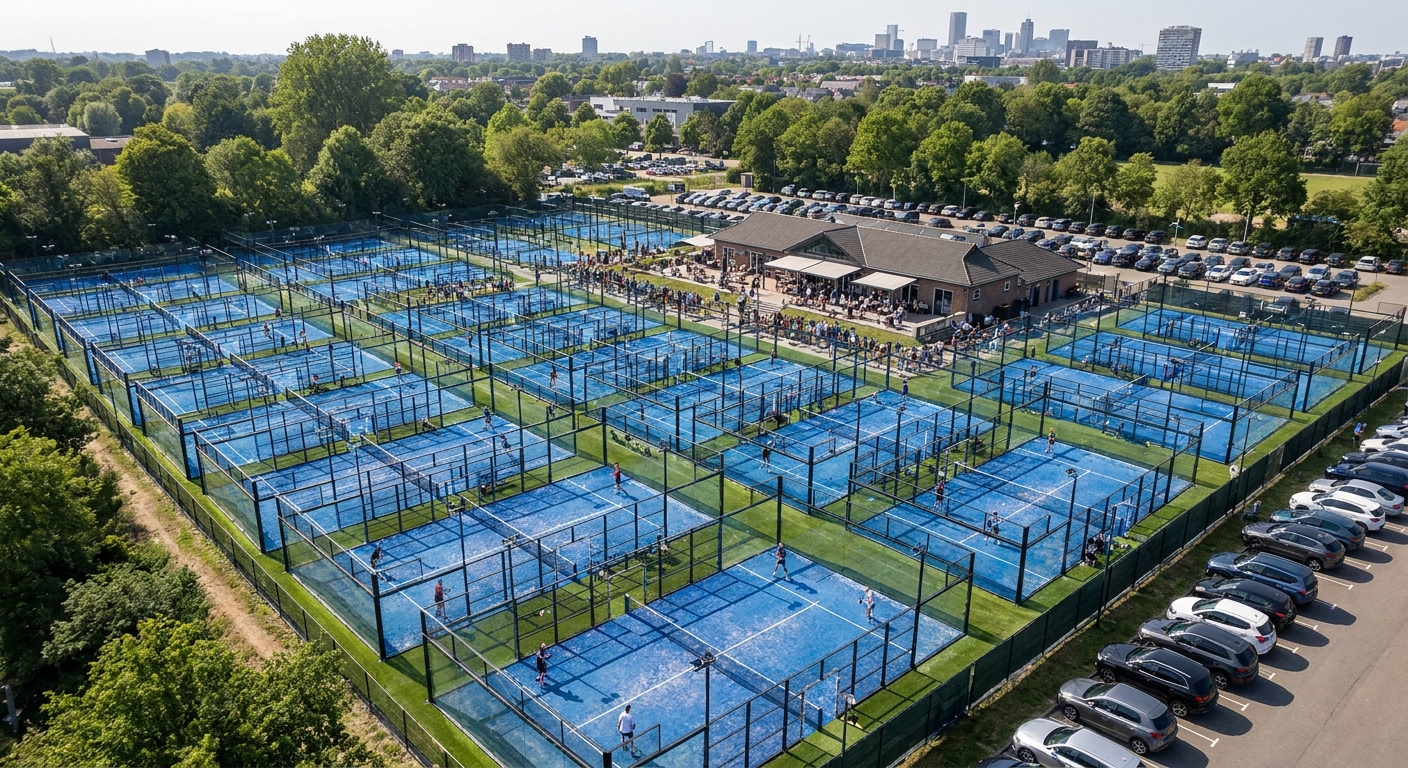
When planning a multi-court facility, you should allow for a 4 to 6-foot gap between parallel units to ensure structural stability and player safety. While the padel court size in feet for a single unit is compact, the aggregate footprint of several courts requires careful alignment. Efficient spacing allows you to fit more courts into a smaller area compared to traditional sports.
What is the best court orientation?
Most developers prefer a side-by-side layout, which allows for central walkways and a unified lighting grid. This layout is more efficient for managing large crowds during tournaments or club events.
The best part?
- You can share structural supports in some designs.
- Maintenance access is simplified with a central path.
- It creates a more social atmosphere for members.
Can you build courts back-to-back?
If your land is long and narrow, a back-to-back layout might be necessary. This requires a small gap to allow for the glass panels to be cleaned and for structural vibration to dissipate.
Here is the deal:
- Leave a 2-foot minimum gap between back walls.
- Ensure enough drainage for the central area.
- Align the courts to prevent shadows.
Key Takeaway: Smart multi-court layouts maximize revenue per square foot, often allowing you to double the number of courts compared to tennis in the same space.
| Layout Configuration | Total Width for 2 Units | Total Width for 4 Units |
|---|---|---|
| Side-by-Side (5′ gap) | ~71′ | ~147′ |
| Back-to-Back (2′ gap) | ~134′ | ~270′ |
| Compact Grid | Varies | 150′ x 150′ |
Selecting the right layout depends on your specific land geometry and the desired member experience.
Does net height change the padel court size in feet?
The net sits exactly in the middle of the 65′ 7″ length and must maintain a specific height to keep the game balanced. In relation to the padel court size in feet, the net is 10 meters long and spans the entire width of the playing area. Unlike tennis, the net is slightly lower, which encourages faster net play and more aggressive volleys.
What are the precise net heights?
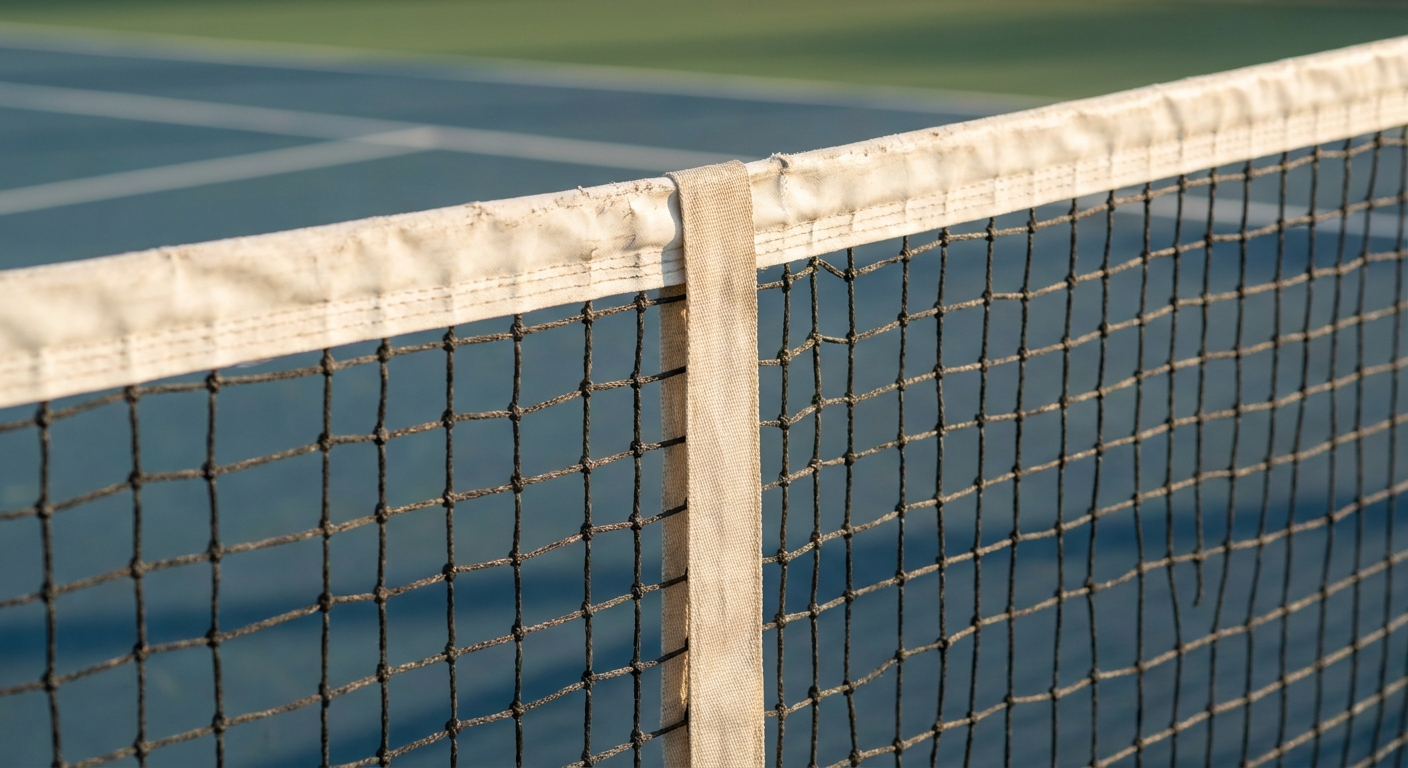
The center of the net should be 0.88 meters (34.6 inches), while the posts stand at 0.92 meters (36.2 inches). This slight curve is standard and must be checked regularly during maintenance.
But wait, there’s more:
- Net tension affects the rebound of a direct hit.
- The center strap must be securely anchored.
- High-quality mesh prevents the ball from passing through.
Where should the service lines be placed?
The service line is located 6.95 meters (22′ 10″) from the net. This measurement is crucial because the compact nature of the court makes the service box a primary target for tactical serves.
Think about it:
- The service box is 22′ 10″ long.
- It is divided by a central line into two equal halves.
- Accurate marking is essential for fair play.
Key Takeaway: Net and line accuracy are the final touches that ensure your facility meets international competitive standards and provides a fair playing field.
| Net Element | Height (Inches) | Metric Height |
|---|---|---|
| Center Strap | 34.6″ | 0.88 m |
| Net Post Top | 36.2″ | 0.92 m |
| Maximum Width | 394.0″ | 10.00 m |
Small adjustments to net height can significantly alter the rhythm and difficulty of a match.
How to compare padel court size in feet to tennis?
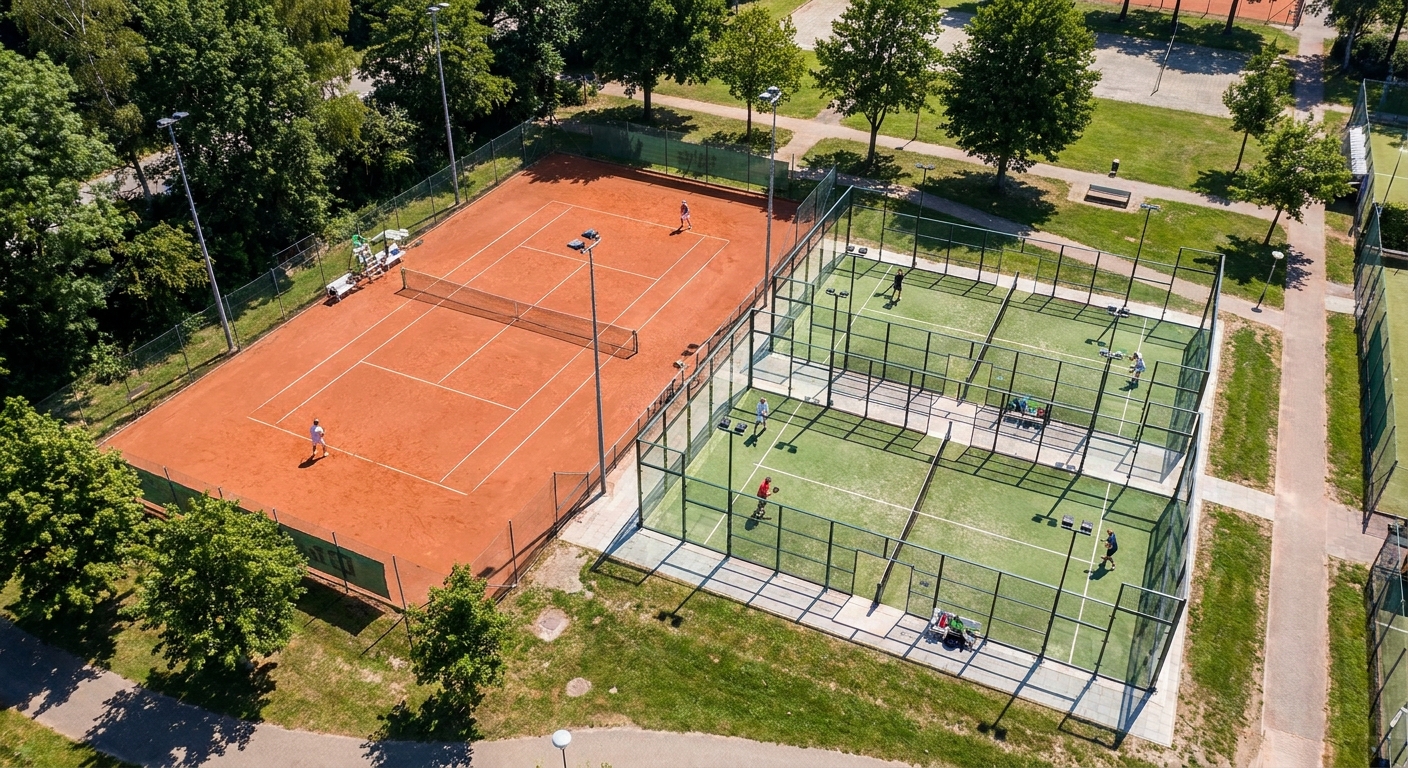
A standard padel court size in feet is roughly one-third the size of a doubles tennis court, allowing for much higher land efficiency. This comparison is the primary reason why investors are flocking to padel; you can generate more booking revenue from the same footprint. For a facility owner, this means higher player density and more diverse social interactions.
Can you fit three padel courts in one tennis court area?
While two padel courts fit comfortably into a standard tennis court space (120′ x 60′), three courts might be possible if you reduce the safety buffers. However, keeping two high-quality courts is usually better for player retention.
It gets better:
- Padel matches are almost always doubles (4 players).
- A tennis court typically hosts 2 to 4 players.
- You can host 8 players in the same space as 2-4 tennis players.
What about the maintenance comparison?
Padel courts require less surface maintenance than clay or natural grass tennis courts. Using high-quality Padel Grass ensures a consistent playing experience for years with only periodic sand redistribution.
Here is the kicker:
- Padel turf lasts 5-8 years under heavy use.
- Glass cleaning is the most frequent maintenance task.
- Modern structures are hot-dip galvanized for rust protection.
Key Takeaway: The superior land-use efficiency of padel makes it a more profitable investment for sports clubs and real estate developers looking for high utility.
| Sport | Footprint (Feet) | Players per Court | Efficiency |
|---|---|---|---|
| Tennis | 120′ x 60′ | 2-4 | Low |
| Padel | 72′ x 40′ | 4 | High |
| Pickleball | 44′ x 20′ | 2-4 | Very High |
Comparing these dimensions highlights why padel is the strategic choice for modern sports business expansion.
What surface fits the padel court size in feet?
The internal playing surface must cover the full 2,152 square feet of the interior padel court size in feet with premium synthetic turf. This turf is typically 12mm to 15mm high and is filled with silica sand to stabilize the fibers and provide a consistent bounce. Choosing the right density of turf is essential for both player comfort and the durability of the facility.
Why is sand infill necessary?
Sand allows players to pivot and slide without straining their joints, while also keeping the turf fibers upright. Without proper infill, the turf would flatten quickly and lose its grip.
Here is the deal:
- Use kiln-dried silica sand for best results.
- Spread roughly 3kg to 5kg per square meter.
- Brush the sand regularly to keep it level.
Can you customize the turf color?
While blue is the international standard for professional televised matches, you can choose green, red, or even black to match your club’s branding. This does not change the physical dimensions or the game dynamics.
Think about it:
- Blue offers the best contrast for the yellow ball.
- Green is a classic look for outdoor residential courts.
- Custom colors help establish a unique brand identity.
Key Takeaway: The playing surface is the most intimate point of contact for the player; investing in high-quality turf and proper sand maintenance is non-negotiable for success.
| Turf Feature | Specification | Benefit |
|---|---|---|
| Fiber Type | Monofilament/Fibrillated | Durability and Grip |
| Pile Height | 12mm – 15mm | Official Ball Bounce |
| Infill Material | Silica Sand | Joint Safety |
A well-maintained surface ensures that your courts remain a favorite destination for local athletes.
How to order a custom padel court size in feet?
When you are ready to build, you can request a custom padel court size in feet from a manufacturer to fit specific residential or non-standard spaces. While the 20m x 10m standard is best for clubs, a manufacturer with Padel Structure expertise can provide OEM/ODM services to adapt the design to your unique site constraints. This flexibility is vital for urban developments or high-end backyard projects.
What information does the factory need?
You should provide a detailed CAD drawing or a site survey in feet to ensure the engineering team can customize the structural anchors. This prevents installation errors and ensures the court is perfectly centered in your available space.
The best part?
- You can integrate your brand logo into the turf.
- Custom structural colors are available via RAL codes.
- You can choose between panoramic or standard frames.
How do you get an accurate quotation?
Requesting a quote should include your specific location, the number of courts, and any customization requirements. A professional manufacturer will provide a formal response within 24 hours to help you move your project forward.
Here is the deal:
- Specify indoor or outdoor installation.
- Select your glass thickness (10mm vs 12mm).
- Request detailed installation manuals and video support.
Key Takeaway: Working directly with a factory allows you to cut out middlemen, reduce procurement costs, and receive a product that is tailored to your exact facility needs.
| Ordering Step | Action Required | Result |
|---|---|---|
| Site Survey | Measure Total Area | Precision Blueprint |
| Quote Request | Select Court Model | Price and Specs |
| Customization | Design Logo/Colors | Brand Consistency |
Your facility’s success begins with a partnership that understands both the technical metrics and your business vision.
*
Planning a facility using the correct padel court size in feet is the difference between a thriving sports destination and a costly construction failure. We have helped over 500 clients globally transform empty spaces into world-class padel clubs by providing factory-direct pricing and precision-engineered structures. Whether you are looking for standard, panoramic, or roofed solutions, “we” have the expertise to bring “your” vision to life. Our commitment to international quality standards ensures that every court we deliver is built for performance, safety, and a 20-year design life. To take the first step in your facility journey, contact us today for a comprehensive consultation and a personalized quotation.
FAQ
Can I build a single-player (singles) court?
Yes, official singles courts are narrower, measuring 20 meters by 6 meters (65′ 7″ x 19′ 8″). They are an excellent way to fill narrow spaces on your plot while offering a unique training option for players.
What is the best foundation for these dimensions?
A reinforced concrete slab with a thickness of 15cm to 20cm is the industry standard. It must be perfectly level to ensure that the glass panels align correctly and that water drains away from the playing surface.
How many courts can I fit in an acre of land?
You can typically fit between 8 and 10 padel courts on an acre, depending on the layout and the size of your clubhouse facilities. This high density is what makes padel such an attractive real estate investment.
Do I need special permits for the 13-foot walls?
In most jurisdictions, yes, because the structure exceeds 10 feet and is considered a permanent fixture. You should consult with a local engineer to ensure your wind-load calculations meet local building codes.
How long does a typical installation take?
Once the concrete base is ready, a professional crew can install a standard court in 3 to 5 days. The modular design of modern courts allows for quick assembly using standard tools and remote guidance.