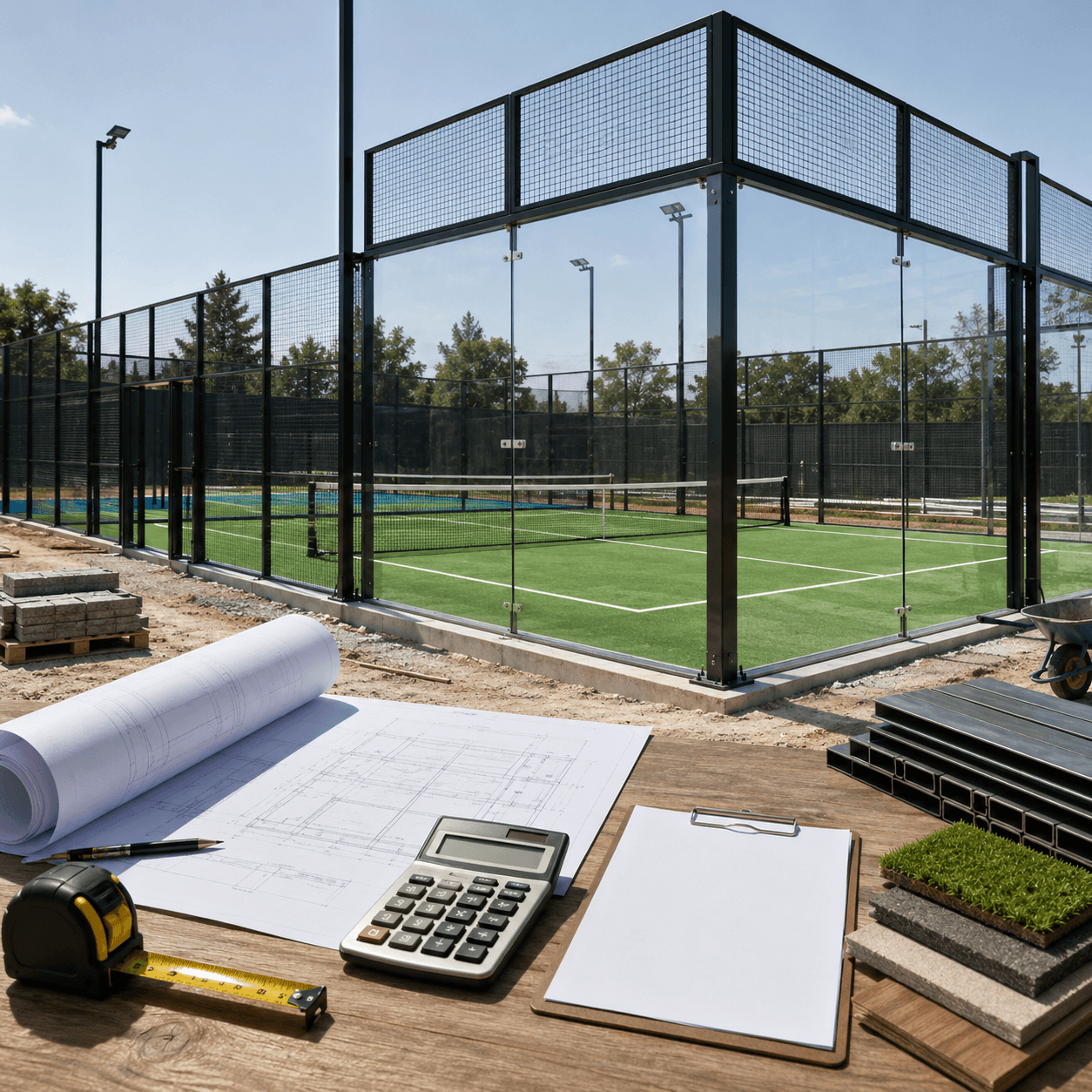
You can control costs when building a padel tennis court by prioritizing professional site preparation, selecting standard structural designs over premium aesthetics, and procurement directly from the manufacturer. Imagine you are ready to capitalize on the global padel boom, but the initial quotes you receive are wildly over your projected budget. This financial friction can stall your project before the first pillar is anchored, leaving your land vacant and your investment capital tied up in planning. By focusing on the essential drivers of the cost to build a padel tennis court , you can achieve a professional-grade facility while reducing unnecessary expenditures by up to 20%.
What are the main drivers of the cost to build a padel tennis court?
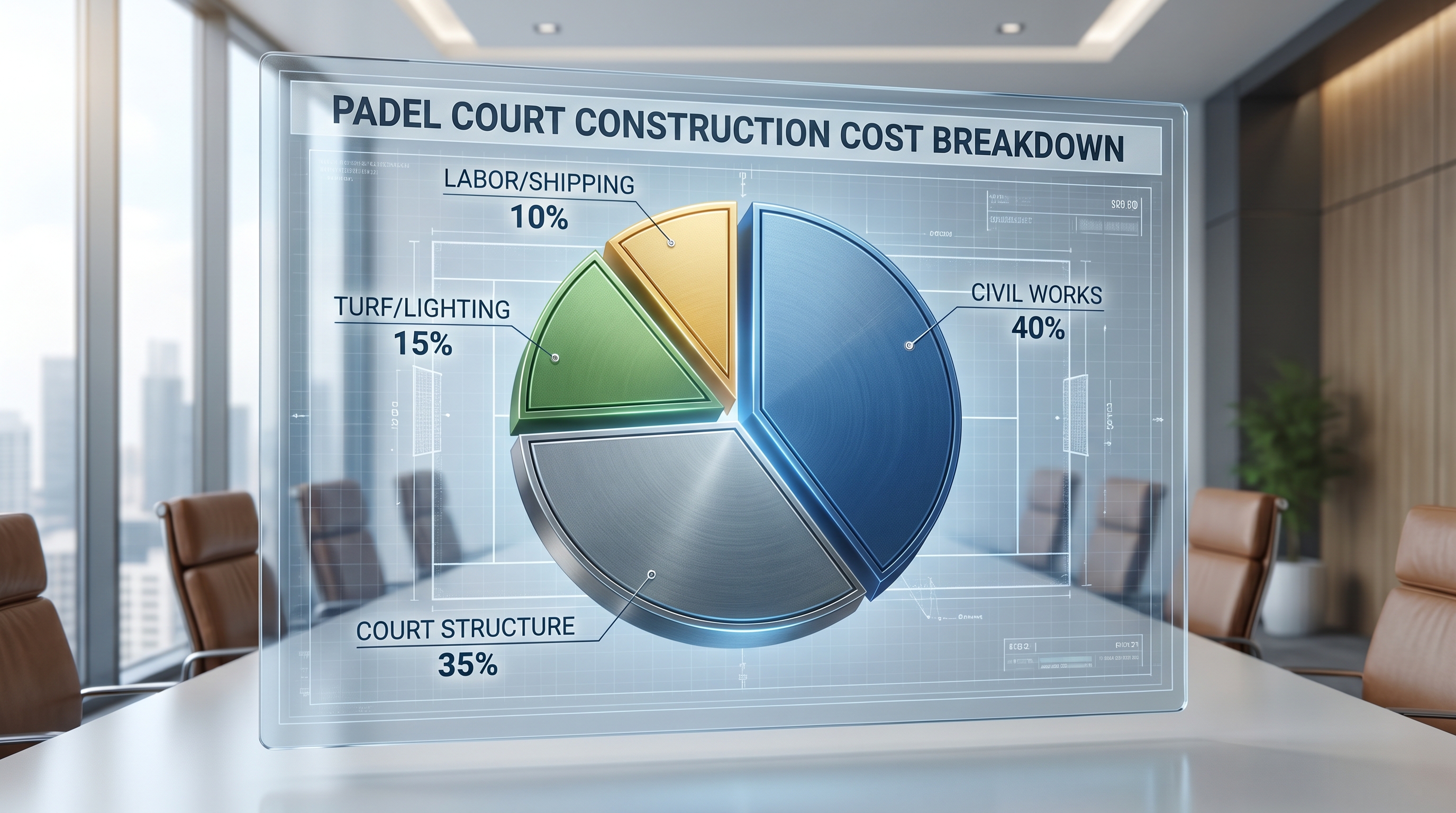
The primary drivers for your investment include civil engineering, court materials, and specialized labor for installation. Understanding these components is the only way to manage the total cost to build a padel tennis court without compromising the safety or playability of your facility.
Civil engineering usually represents the largest variable expense, as it depends entirely on your local soil conditions and drainage requirements. Proper planning here prevents structural issues that could double your long-term maintenance spend.
Managing civil engineering and foundation expenses
The foundation is the literal bedrock of your court investment and dictates the level of precision for the rest of the build. You must decide between a reinforced concrete perimeter or a full porous slab based on your local climate and drainage needs.
Here is the deal:
- Full slabs offer the best stability for high-traffic clubs.
- Ring beams can save on material costs in stable soil areas.
- Poor foundations lead to glass misalignment and costly repairs.
Balancing material quality and structural integrity
Steel quality and the galvanization process are non-negotiable if you want the structure to last more than a few seasons. Choosing high-grade materials ensures that your court remains rust-free and safe for players in all weather conditions.
- Hot-dip galvanizing: Essential for outdoor courts in humid or coastal areas.
- Powder coating: Provides the aesthetic finish while adding an extra layer of protection.
- Mesh quality: Thicker steel mesh prevents sagging and maintains rebound consistency.
Key Takeaway: Focusing your budget on a high-quality foundation and galvanized steel prevents catastrophic structural failures that would otherwise balloon your long-term expenses.
| Expense Category | Typical % of Budget | Cost Management Strategy | |
|---|---|---|---|
| Civil Works | 40% | Secure a soil report to avoid excavation surprises. | |
| Court Structure | 35% | Opt for hot-dip galvanized steel for longevity. | |
| Turf & Lighting | 15% | Invest in LED to lower monthly operational costs. | |
| Labor & Shipping | 10% | Consolidate shipments to fill containers. |
Use this breakdown to allocate your capital effectively across the major construction phases.
How does site prep affect the cost to build a padel tennis court?
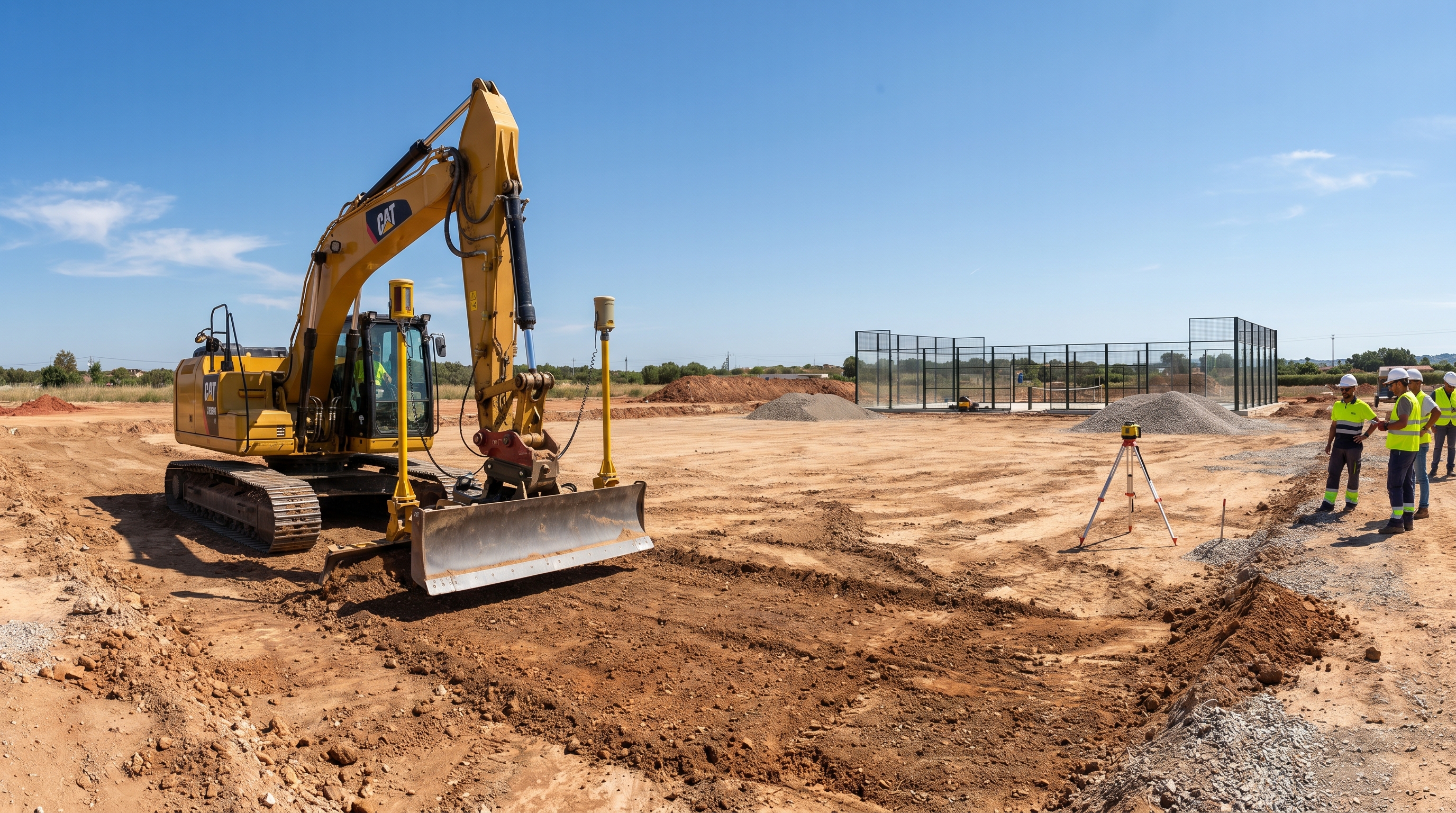
Proper site preparation reduces your expenses by ensuring the ground is level and stable before any expensive materials arrive. Neglecting the terrain can significantly increase the cost to build a padel tennis court due to the need for corrective excavation and drainage work.
You should aim for a site with existing flat ground to minimize the amount of earth that needs to be moved. If the ground is not perfectly level, the glass panels will not fit into the frame, causing expensive delays.
Optimizing ground leveling and excavation
Excavation costs can spiral if your team hits rock or unmanageable clay layers unexpectedly. Hiring a professional surveyor before you break ground is a smart move to prevent these “hidden” budget drains.
But wait, there’s more:
- Laser-guided leveling ensures a perfect 1% slope for water runoff.
- Proximity to utilities reduces the cost of running electrical lines.
- Easy site access for heavy machinery lowers equipment rental fees.
Determining the right concrete slab requirements
A 15cm reinforced concrete slab is the industry standard for commercial courts that need to withstand heavy daily play. While it may seem like a high upfront cost, it provides the necessary stability to keep your glass panels secure.
- Reinforcement: Rebar or mesh prevents the concrete from cracking over time.
- Porosity: Porous concrete aids in natural drainage for outdoor installations.
- Curing time: Allow at least 7-10 days for the slab to set before installing the frame.
Key Takeaway: Spending more on professional leveling and a robust concrete slab prevents the massive expense of fixing a sinking or uneven court later.
| Site Factor | Impact on Cost | Savings Recommendation | |
|---|---|---|---|
| Soil Stability | High | Use existing stable ground to avoid deep pilings. | |
| Slope Precision | Medium | Use laser-guided systems to get the 1% grade right. | |
| Utility Access | Low | Build near existing power sources to save on trenching. |
Ensuring the site is correctly graded is the most effective way to avoid installation complications.
Can court design lower the cost to build a padel tennis court?
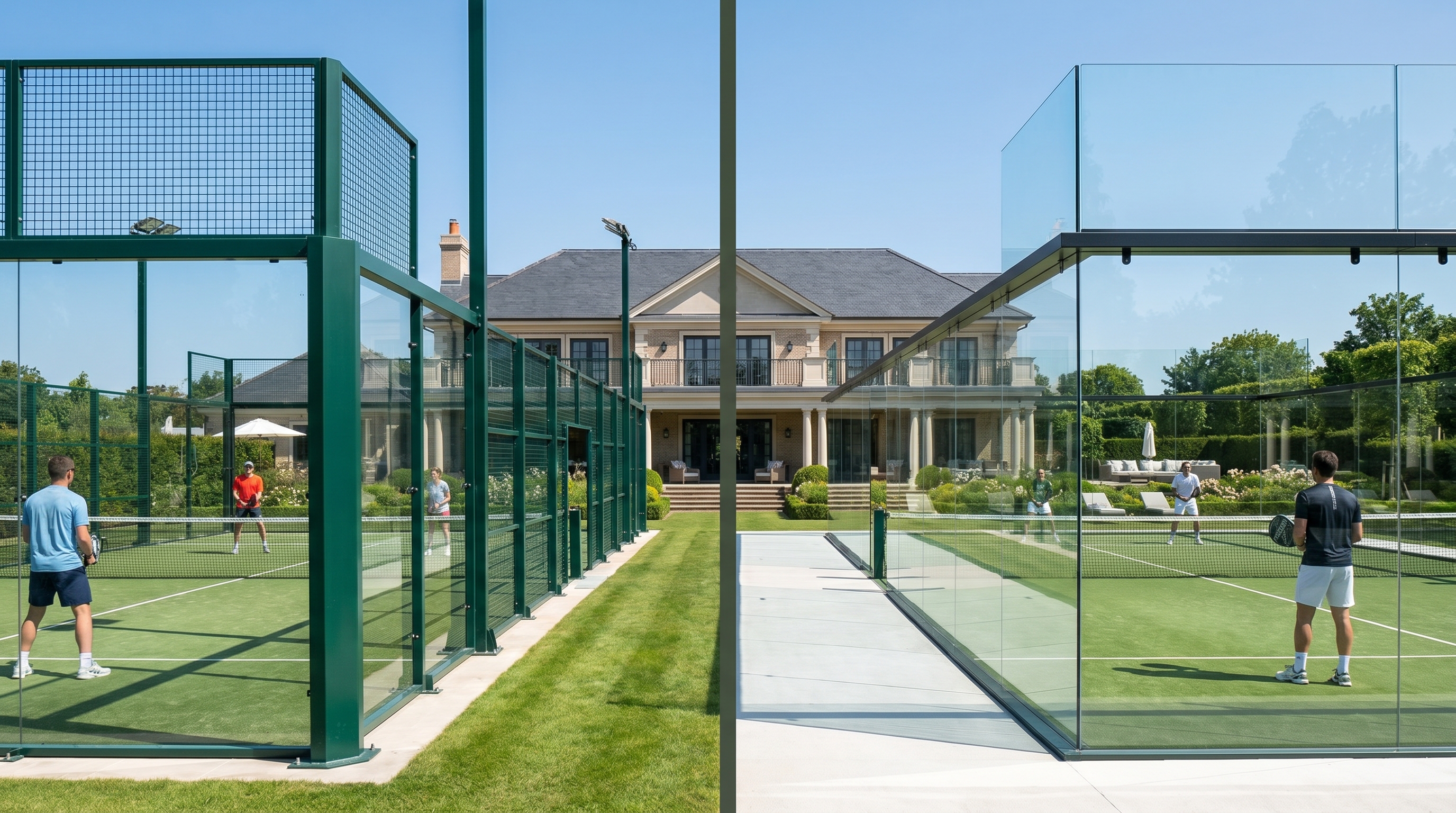
Selecting a standard structural design instead of a panoramic model is one of the most effective ways to lower the initial cost to build a padel tennis court . While panoramic designs look sleek, the standard frame utilizes more pillars, making it easier and more affordable to manufacture and ship.
You should consider the intended use of your facility before opting for premium aesthetics. For training centers or private residential courts, the standard model offers exceptional durability at a much lower price point.
Benefits of the standard padel court design
The standard court model is robust and specifically engineered to handle high wind loads and heavy player impact. Because the structure uses more vertical supports, the glass panels are typically smaller and more affordable to replace.
Here is the deal:
- Standard frames are easier for local crews to install correctly.
- They offer the highest structural stability for outdoor environments.
- Replacement parts are more readily available and cheaper to ship.
Evaluating the ROI of panoramic models
Panoramic courts are designed for televised tournaments and high-end clubs where spectator visibility is the top priority. While the initial investment is 15-25% higher, the prestige can allow you to charge premium booking fees.
- Aesthetics: Unobstructed views attract high-net-worth members.
- Marketing: These courts look better in social media promotional content.
- Complexity: Requires thicker glass and specialized cranes for installation.
Key Takeaway: Opting for a standard court design provides the same playing experience as a panoramic model while significantly reducing your capital requirements.
| Feature | Standard Court | Panoramic Court | |
|---|---|---|---|
| Pillar Frequency | High (Every 2 meters) | Minimal (Open back/sides) | |
| Glass Thickness | 10mm or 12mm | Always 12mm | |
| Initial Cost | Baseline | +15% to +25% | |
| Target Audience | Training & Clubs | High-end Clubs & Tournaments |
Choosing the standard design is the smartest path for rapid facility expansion on a budget.
Does glass choice affect the cost to build a padel tennis court?
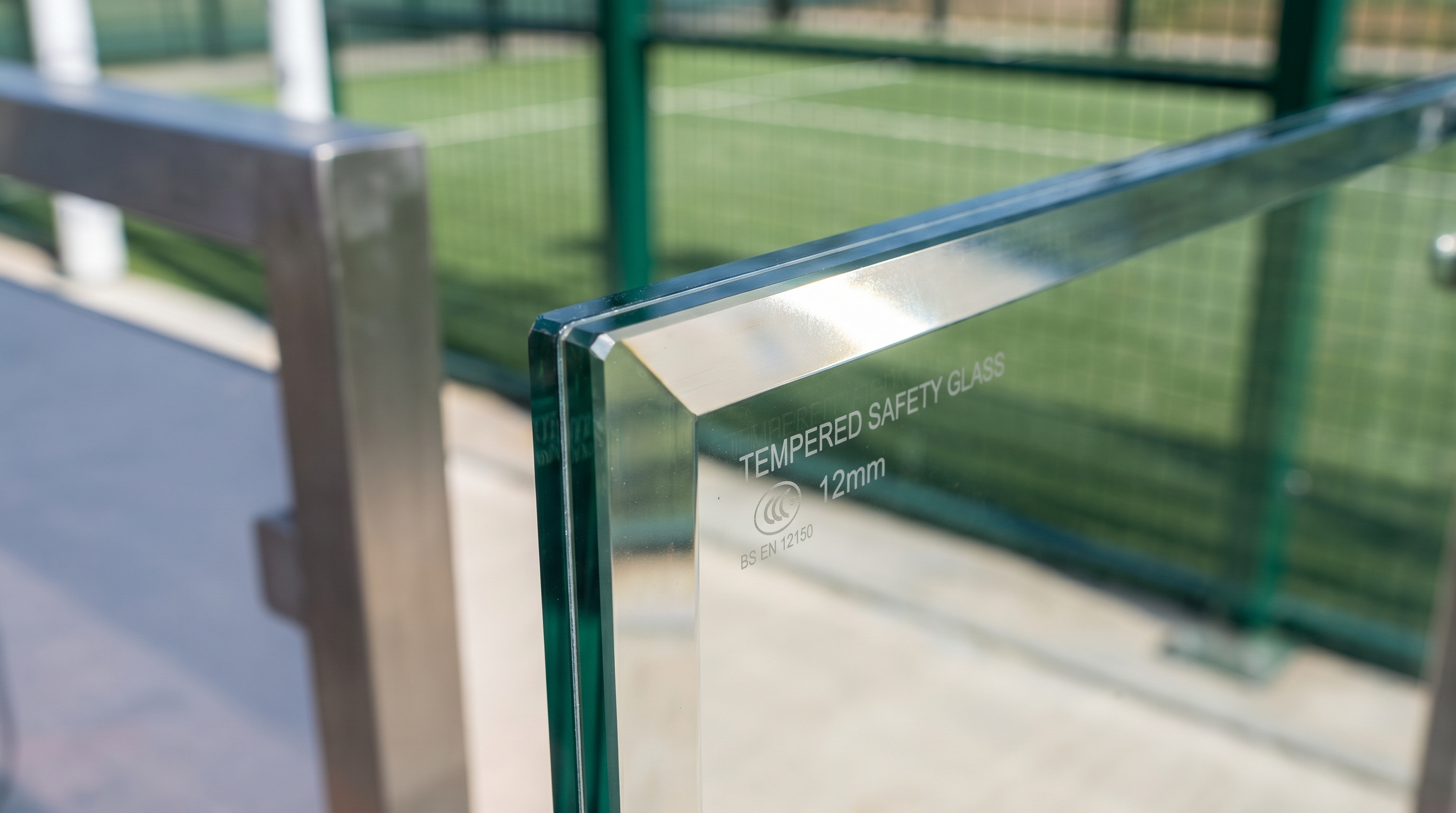
The thickness of the glass panels you select directly impacts the weight of the shipment and the price of the court kit. You can optimize the cost to build a padel tennis court by choosing 10mm tempered glass for standard frames while reserving 12mm glass for premium panoramic models.
Tempered glass is a safety requirement that should never be bypassed to save money. This material is designed to crumble into small, blunt granules rather than sharp shards if it ever breaks during a match.
Comparing 10mm vs 12mm tempered glass
10mm glass is the standard for most recreational and club-level courts globally. It provides a consistent rebound for 90% of players while being significantly lighter and easier to handle during the installation process.
But wait, there’s more:
- 10mm glass reduces the total weight of your shipping container.
- 12mm glass offers a “stiffer” rebound that professional players often prefer.
- Thicker glass is mandatory for panoramic structures to compensate for fewer pillars.
Understanding safety standards and liability
Using non-certified glass is a major risk that could lead to legal liabilities and increased insurance premiums for your club. You must ensure that all glass panels meet international safety standards such as EN 12150-1.
- Certification marks: Look for permanent etchings on the glass corners.
- Edge finish: Beveled edges prevent chipping during the assembly phase.
- Durability: High-quality tempered glass resists spontaneous shattering from thermal stress.
Key Takeaway: Using 10mm glass for standard structures is a safe and effective way to lower material and shipping costs without hurting play quality.
| Glass Thickness | Best Use Case | Cost Impact | |
|---|---|---|---|
| 10mm Tempered | Standard Courts | Cost-effective and lighter to ship. | |
| 12mm Tempered | Panoramic Courts | Premium feel but higher weight and price. | |
| Safety Certification | All Installations | Non-negotiable for liability protection. |
Verify the certification of your glass to ensure long-term safety and lower insurance costs.
How do turf specs impact the cost to build a padel tennis court?
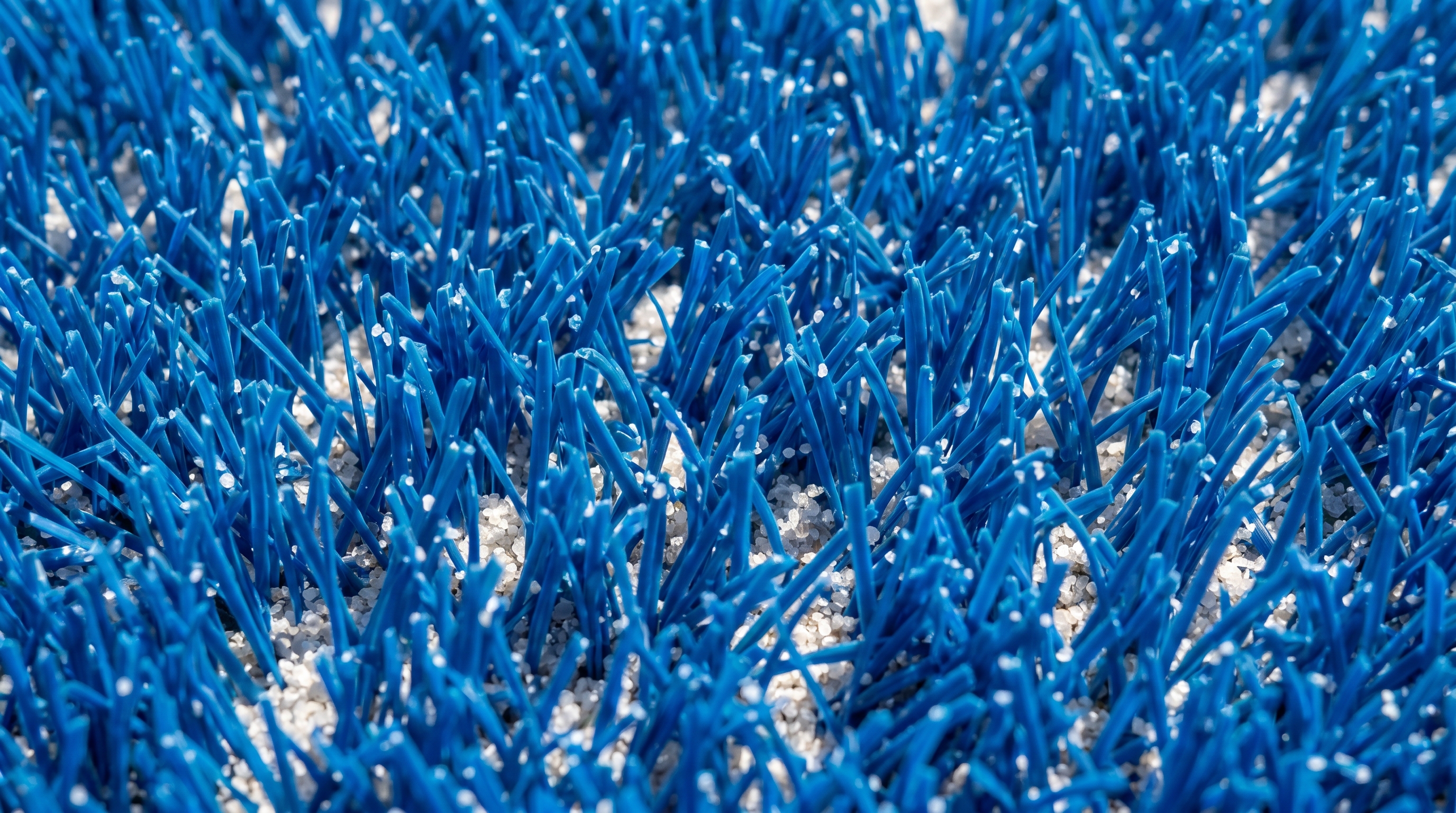
High-quality turf may have a higher upfront price, but it dramatically lowers the long-term cost to build a padel tennis court by extending the replacement cycle. You should prioritize monofilament grass fibers because they maintain their upright position longer than cheaper fibrillated options.
Synthetic grass is the most frequently replaced component of a padel court. By investing in professional-grade turf now, you can avoid the labor and material costs of a full resurfacing project for several extra years.
Monofilament vs fibrillated grass options
Fibrillated grass is often the entry-level choice, but it tends to flatten and become “slick” quickly under heavy use. Monofilament fibers are more durable and provide the consistent ball bounce that club members expect.
Here is the deal:
- Monofilament turf reduces the risk of player injuries from slipping.
- It requires less sand redistribution than lower-grade grass.
- Blue turf is the industry standard for visibility, though custom colors are available.
Maximizing sand infill and drainage efficiency
The type of sand you use is just as important as the grass itself for maintaining the court’s performance. You should always use kiln-dried silica sand to prevent clumping and ensure that the court drains properly after rain.
- Sand quantity: Too much sand makes the ball skid; too little damages the fibers.
- Infill level: Maintain sand at 2-3mm below the top of the grass fibers.
- Longevity: Proper sand management can extend your turf life by 20%.
Key Takeaway: Choosing high-density monofilament turf is the most effective way to reduce the frequency of expensive court resurfacing projects.
| Turf Type | Lifespan | Performance | |
|---|---|---|---|
| Fibrillated | 3-5 Years | Good for residential/low-use. | |
| Monofilament | 5-8 Years | Standard for professional clubs. | |
| Textured/Curled | 6-9 Years | Best for high-performance and low maintenance. |
Investing in premium monofilament fibers now will save you thousands in future replacement labor.
Can lighting choices reduce the cost to build a padel tennis court?
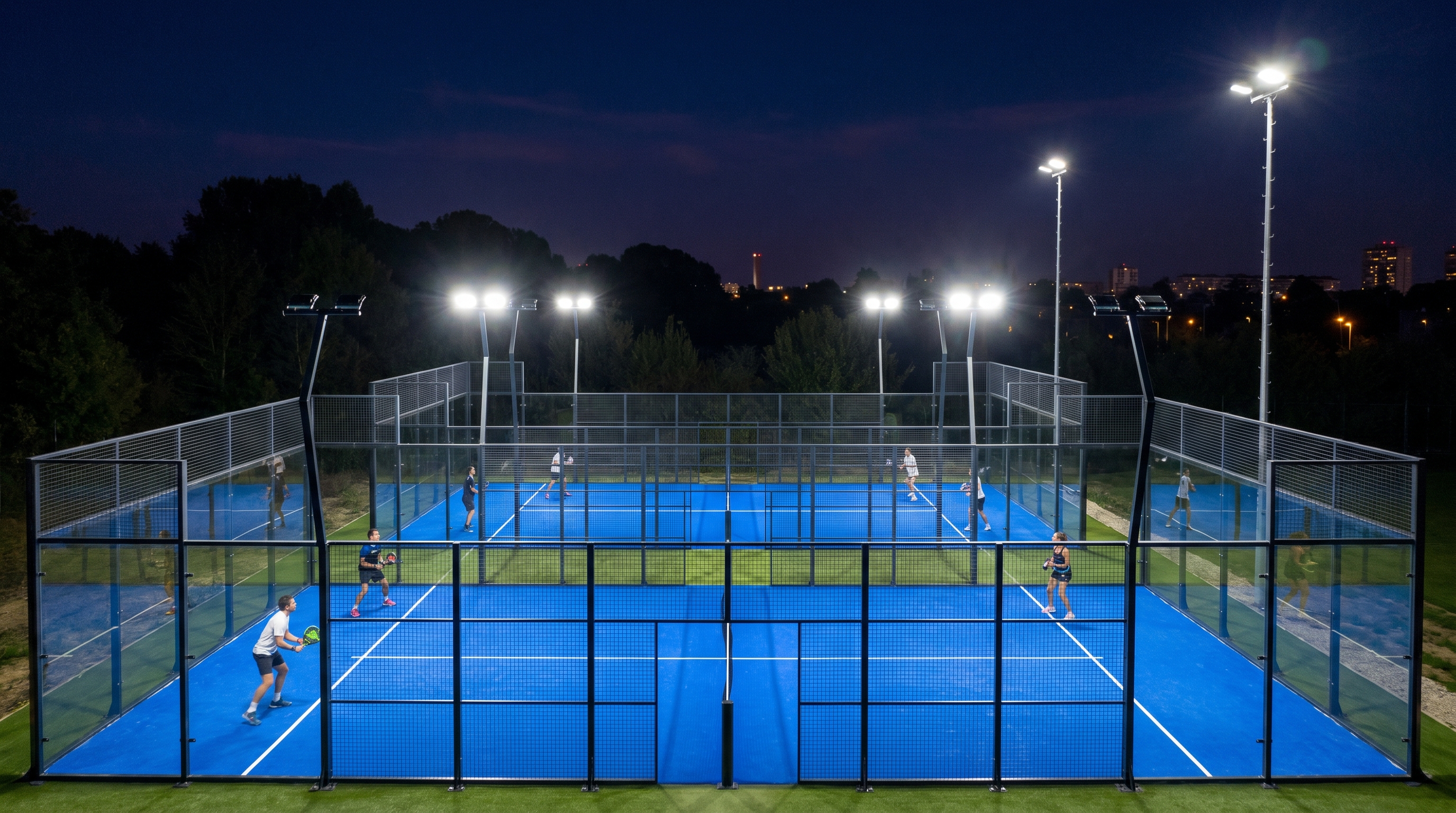
Switching to LED systems is the most effective way to minimize both the installation and operational cost to build a padel tennis court. Modern LED floodlights use 50% less energy than traditional metal halide lamps and offer a much longer operational life of up to 50,000 hours.
You should opt for integrated LED systems that provide uniform light distribution across the entire playing surface. This prevents dark spots and shadows that can frustrate players and lead to a poor club reputation.
LED vs traditional metal halide systems
Metal halides are cheaper to buy initially but are extremely expensive to run and maintain. They require a warm-up period and lose their brightness significantly over time, whereas LEDs offer instant illumination and consistent clarity.
But wait, there’s more:
- LEDs produce less heat, making them ideal for indoor padel facilities.
- They improve the quality of video recordings for club tournaments.
- Maintenance is virtually zero, as you won’t need to change bulbs for years.
Pole positioning and wiring efficiency
Strategic placement of your lighting poles can reduce the total amount of electrical cabling and trenching required. Using four high-output poles instead of eight can save on both hardware costs and labor hours.
- Lux levels: Aim for 500-750 lux for professional-level competition.
- Optics: Choose wide-angle lenses to ensure light reaches the court corners.
- Wiring: Use marine-grade cables for outdoor courts to prevent corrosion.
Key Takeaway: Integrated LED lighting systems drastically lower your monthly utility bills and eliminate the ongoing labor cost of bulb replacements.
| System Type | Energy Use | Bulb Life | Light Quality | |
|---|---|---|---|---|
| Metal Halide | High | 10,000 Hours | Yellowish, dims over time. | |
| Standard LED | Low | 50,000 Hours | Crisp white, consistent. | |
| Premium LED | Lowest | 75,000+ Hours | Optimal for TV/Recording. |
LED lighting is a mandatory investment for any club operator looking to maximize profitability.
Does professional supervision lower the cost to build a padel tennis court?
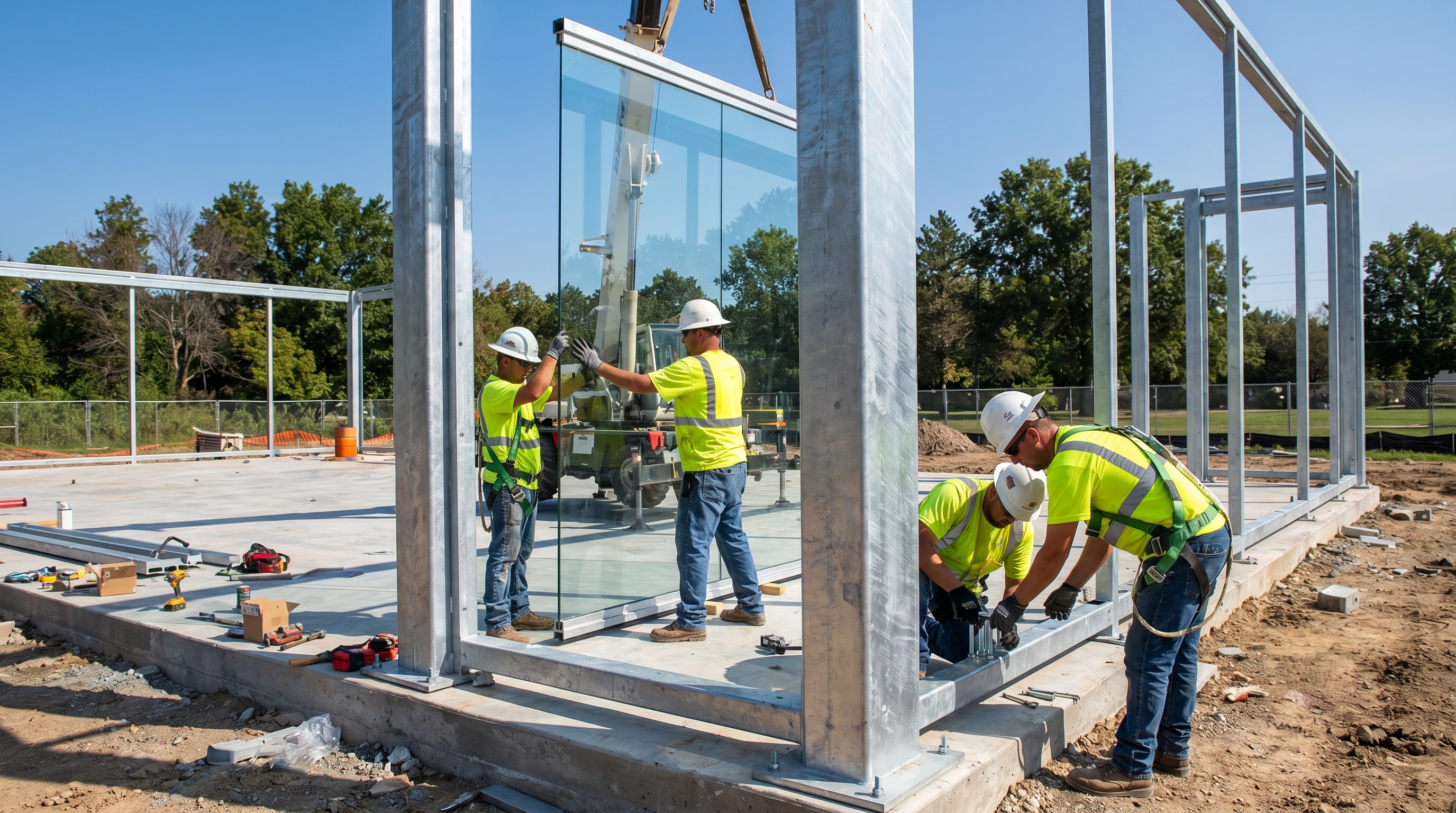
Hiring a professional lead supervisor while using local labor for heavy lifting is a great way to manage the cost to build a padel tennis court. This hybrid approach ensures that the critical alignments are handled by an expert while you save on the travel costs of a full specialized crew.
You must remember that padel courts require sub-millimeter precision during the base anchoring and glass installation. A single mistake in the frame leveling can lead to a shattered glass panel, which costs over $1,000 to replace.
The value of professional installation supervision
A certified supervisor ensures that the metallic structure is perfectly square and that the glass is tensioned correctly within the frame. This expertise is what keeps your manufacturer warranty valid and protects your long-term investment.
Here is the deal:
- Supervisors identify site issues before they cause permanent damage.
- They ensure the turf is laid with the correct tension to avoid wrinkles.
- Expert guidance prevents common mistakes that lead to structural rattles.
Estimating equipment rental and labor costs
You will need to factor in the daily rental rates for forklifts or small cranes needed to move the heavy glass crates. Providing these tools for your local crew allows the supervisor to work efficiently and finish the project faster.
- Forklifts: Essential for offloading the 40HQ containers.
- Glass suction cups: Non-negotiable for safely handling the large tempered panels.
- Torque wrenches: Ensures every bolt is tightened to the manufacturer’s specification.
Key Takeaway: Paying for a specialized supervisor prevents the massive financial loss associated with glass breakage and improper structural anchoring.
| Labor Model | Cost Level | Risk Level | Recommendation | |
|---|---|---|---|---|
| Full DIY | Lowest | Very High | Avoid; glass breakage is too likely. | |
| Local Crew + Lead | Medium | Low | Best balance of cost and quality. | |
| Full Specialist Team | High | Lowest | Recommended for large, 5+ court clubs. |
Supervision is the cheapest “insurance policy” you can buy during the construction phase.
How do logistics impact the total cost to build a padel tennis court?
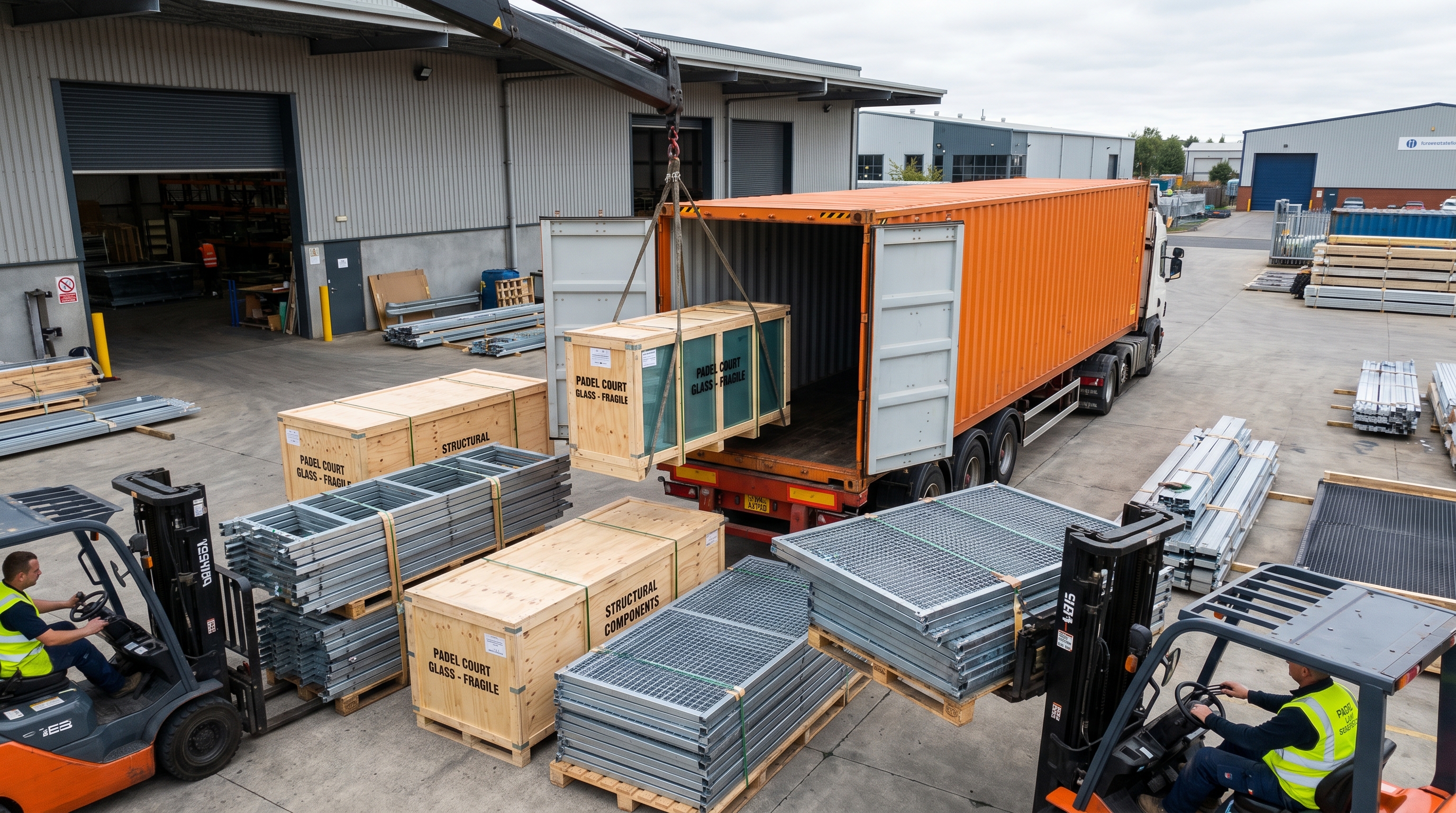
Optimizing your container loading and port selection can save you thousands on the final cost to build a padel tennis court. Shipping a padel court involves complex sea freight and local trucking, so filling a full 40HQ container is much more efficient than shipping single units.
You should verify the HS codes with your customs broker to ensure you are not overpaying on import duties. Logistics can represent up to 15% of your total invoice, making it a key area for strategic cost reduction.
Strategies for container and freight optimization
Most manufacturers can fit two complete padel court kits into a single 40ft high-cube container. If you are only building one court, consider partnering with another local investor to share the shipping space and split the freight fees.
But wait, there’s more:
- Choose the port of entry closest to your site to minimize inland trucking.
- Ask for a detailed packing list to ensure all components are “nested” efficiently.
- Verify fuel surcharges and container availability before finalizing your order.
Accounting for import duties and local transport
The “last mile” delivery from the port to your construction site is often overlooked by first-time buyers. You must ensure that your site can accommodate a 40ft trailer and that you have a forklift ready for immediate offloading.
- Customs clearance: Hire an experienced broker to handle the paperwork.
- Demurrage fees: Unload the container quickly to avoid daily port storage charges.
- Insurance: Always purchase transit insurance to protect against sea-freight damage.
Key Takeaway: Ordering two courts at once or sharing a container with a neighbor drastically reduces the per-unit shipping cost of your project.
| Logistic Factor | Potential Savings | Action Plan | |
|---|---|---|---|
| Container Sharing | High | Fit two court kits in one 40HQ container. | |
| Port Proximity | Medium | Use the nearest port to reduce inland trucking. | |
| Duty Verification | Low | Use correct HS codes to avoid tariff overcharges. |
Efficient logistics management ensures your budget goes toward the court, not the transport.
What maintenance prevents the long-term cost to build a padel tennis court?
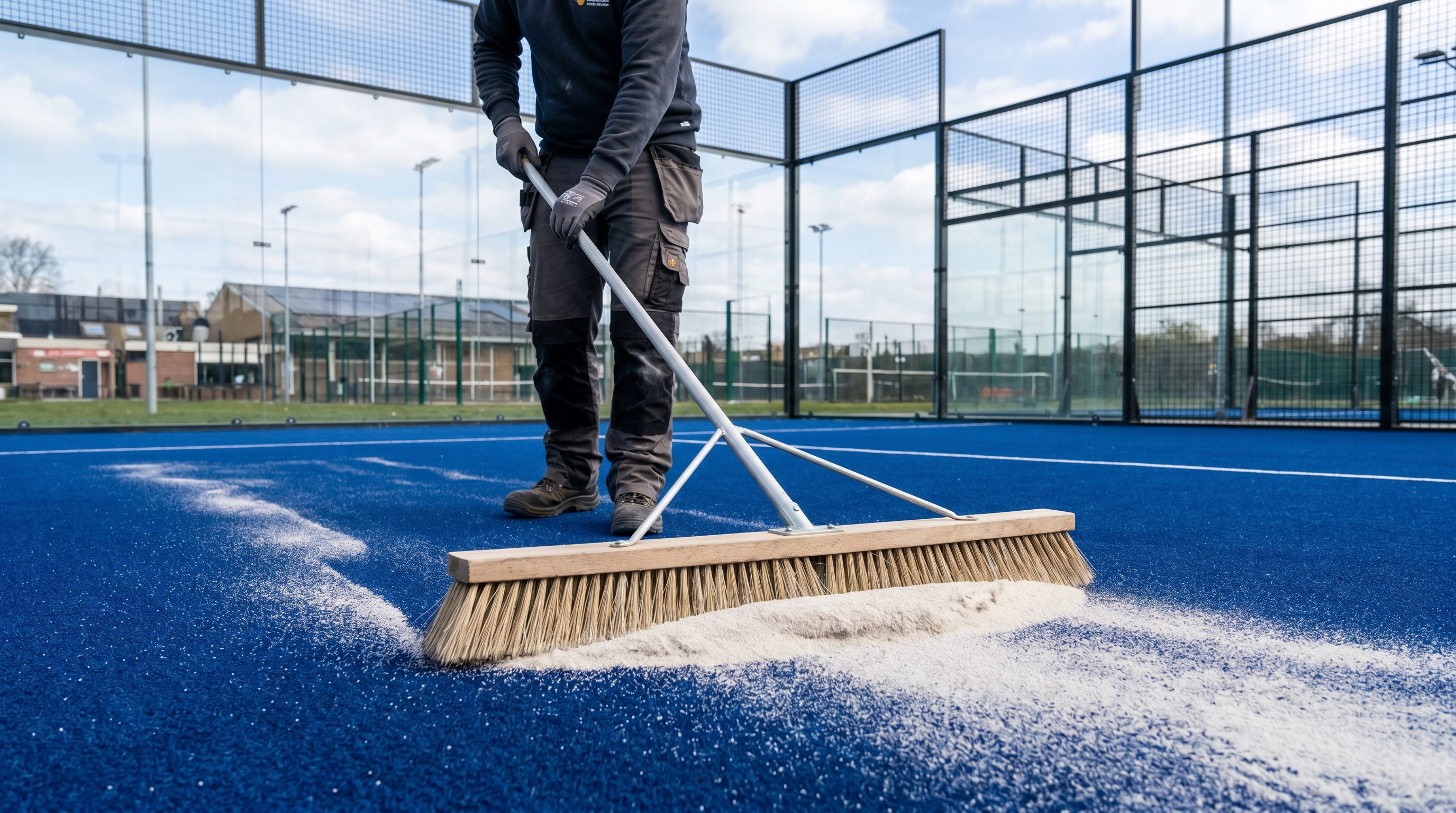
Preventative maintenance is the ultimate strategy for controlling the total lifetime cost to build a padel tennis court. Spending just two hours a week on basic grooming can double the lifespan of your synthetic grass and prevent the need for expensive structural repairs.
You must view maintenance as an investment rather than a chore. Neglected courts develop uneven sand levels and loose glass connectors, which leads to lost booking revenue and potential safety hazards.
Weekly turf grooming and sand redistribution
Brushing the turf regularly prevents the sand from clumping and ensures that the grass fibers remain upright. This simple task maintains the “like-new” playability of the court and keeps your members coming back.
Here is the deal:
- Move sand from the edges back to high-traffic areas like the service line.
- Use a triangular brush for the most even distribution.
- Regular grooming prevents the court surface from becoming dangerously slippery.
Monthly structural inspections and cleaning
Checking the tightness of all bolts and connectors on the glass panels is vital for preventing spontaneous shattering. Clean glass also improves the aesthetic appeal of your facility and justifies higher rental rates.
- Glass cleaning: Remove sweat and fingerprints to prevent permanent stains.
- Bolt check: Vibrations from play can loosen connectors over time.
- Mesh inspection: Look for signs of oxidation or paint chipping on the frame.
Key Takeaway: A consistent maintenance schedule is the most effective way to protect your investment and avoid premature replacement costs.
| Maintenance Task | Frequency | Benefit | |
|---|---|---|---|
| Turf Brushing | Weekly | Extends grass life by 3+ years. | |
| Glass Inspection | Monthly | Prevents shattering and ensures safety. | |
| Sand Top-up | Annually | Maintains ball bounce and player comfort. |
Regular grooming is the cheapest way to keep your court in professional condition.
Can bulk ordering lower the cost to build a padel tennis court?
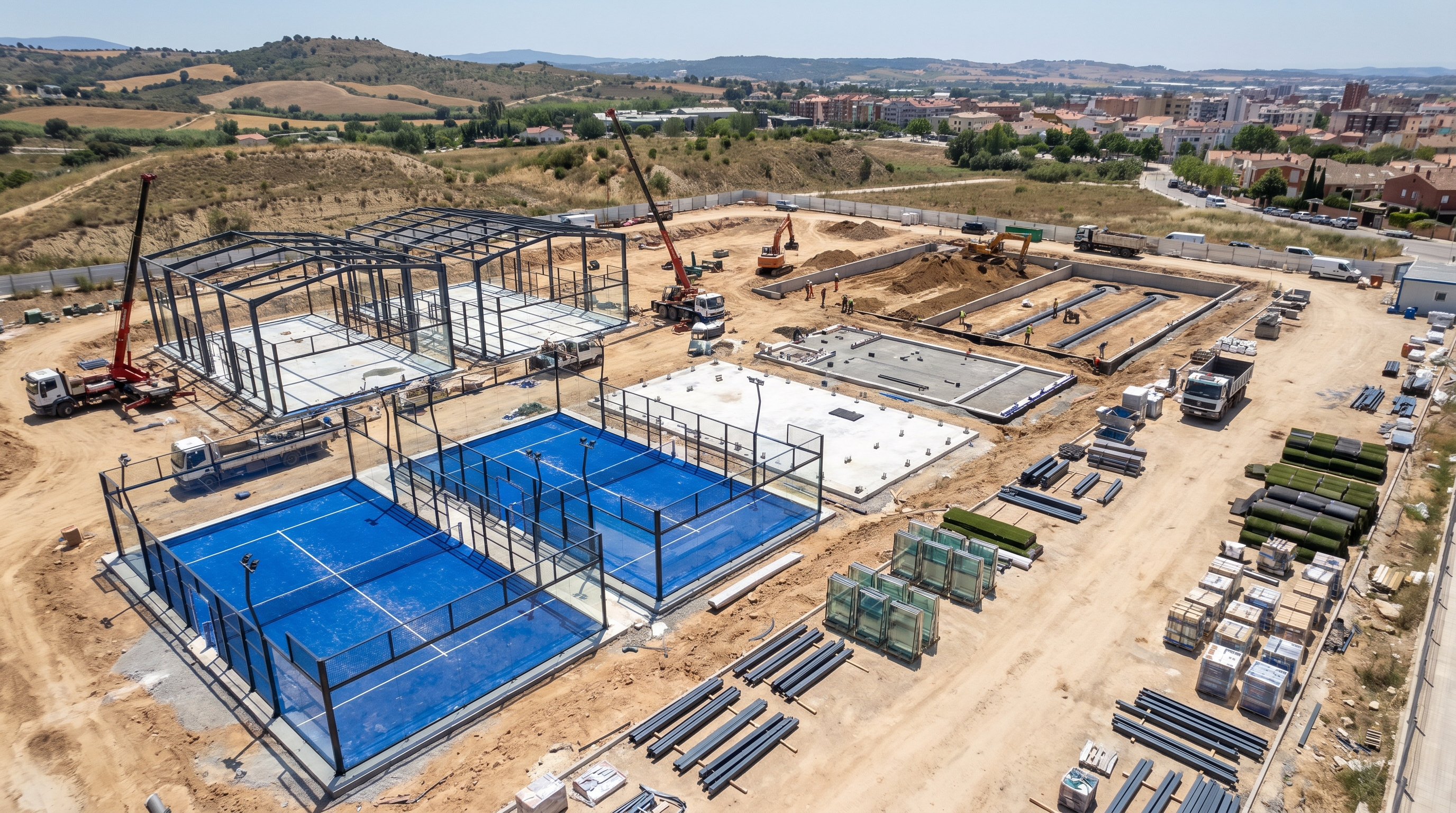
Bulk ordering gives you the strongest leverage to lower the per-unit cost to build a padel tennis court when developing a multi-court club. Manufacturers offer significant discounts for orders of four or more courts because the factory setup and shipping processes become much more efficient.
You can maximize your return on investment by building multiple courts in a single phase. This allows the installation team to stay on-site and complete the courts sequentially, spreading their travel and lodging costs across the entire project.
Leveraging economies of scale in manufacturing
When a factory produces several identical court kits, the setup time for machinery is reduced, and raw materials can be purchased at a discount. These savings are passed directly to you, the buyer, in the form of lower “stepped” pricing.
But wait, there’s more:
- Bulk orders often include free branded accessories like nets and ball storage.
- Standardizing your court colors across the facility simplifies future maintenance.
- Larger orders receive higher priority in the production and shipping queue.
Sharing installation and logistical expenses
The cost of flying in a professional supervisor is the same whether they oversee one court or five. By expanding your facility count, you drastically lower the “per-court” installation fee and maximize the use of rented equipment like cranes and forklifts.
- Shared shipping: Fill multiple containers to get the best sea-freight rates.
- Labor efficiency: Crews become faster as they move from court to court.
- Infrastructure: Foundation and drainage work is cheaper when handled as one large project.
Key Takeaway: Consolidating your purchase into a multi-court order is the most effective way to unlock wholesale pricing and lower your total capital expenditure.
| Number of Courts | Discount Potential | Efficiency Benefit | |
|---|---|---|---|
| 1 Court | Baseline | Full shipping and travel costs per unit. | |
| 2-3 Courts | 5-10% | Shared 40HQ container space. | |
| 4+ Courts | 15-20%+ | Wholesale pricing and shared labor. |
Building more courts at once is the fastest way to achieve a lower per-unit investment cost.
Conclusion
Controlling the costs of your padel project requires a strategic balance between high-quality structural components and smart logistical planning. By focusing on professional site preparation, selecting standard court designs, and leveraging the economies of scale that come with bulk ordering, you can build a premium facility that maximizes your return on investment. We have solved the problem of unforeseen expenses by providing a clear roadmap for your foundation, materials, and installation needs. Whether you are building a private court or a multi-court commercial club, we can help you navigate the complexities of procurement and logistics to ensure your project stays on budget and on schedule.
Join the padel revolution with a partner that understands the nuances of factory-direct quality and cost-efficient construction. Our vision is to empower investors worldwide with durable, high-performance courts that deliver an exceptional player experience. Don’t let budget uncertainty stall your growth; contact us today to receive a personalized quote and expert consultation for your upcoming facility.
FAQ
Can I build a padel court on an existing tennis court?
Yes, this is one of the fastest ways to lower your expenses. Converting a hard tennis court allows you to utilize the existing concrete or asphalt base, which removes the need for expensive new excavation and civil work.
What’s the best way to get an accurate quote?
You should use a specialized cost calculator or request a formal quotation that includes the structural enclosure, glass, and turf. This ensures you have a reliable baseline for the materials before you begin engaging with local contractors for the foundation.
Does building multiple courts at once really save money?
Absolutely, and the savings are significant. You benefit from shared mobilization costs for the construction crew and equipment, bulk shipping discounts, and a much lower per-unit price for the metallic structures.
Is an indoor padel court more expensive than an outdoor one?
The court kit itself costs about the same, but the building envelope adds significant expense. While indoor courts require a high-clearance roof structure, they offer much lower long-term maintenance costs and consistent year-round booking revenue.
What is the most common mistake that increases project price?
Ignoring standard court dimensions and soil reports in the early stages often leads to the most expensive fixes. Nothing halts a construction project quicker than discovering the land is unlevel or unstable after the materials have already arrived on-site.