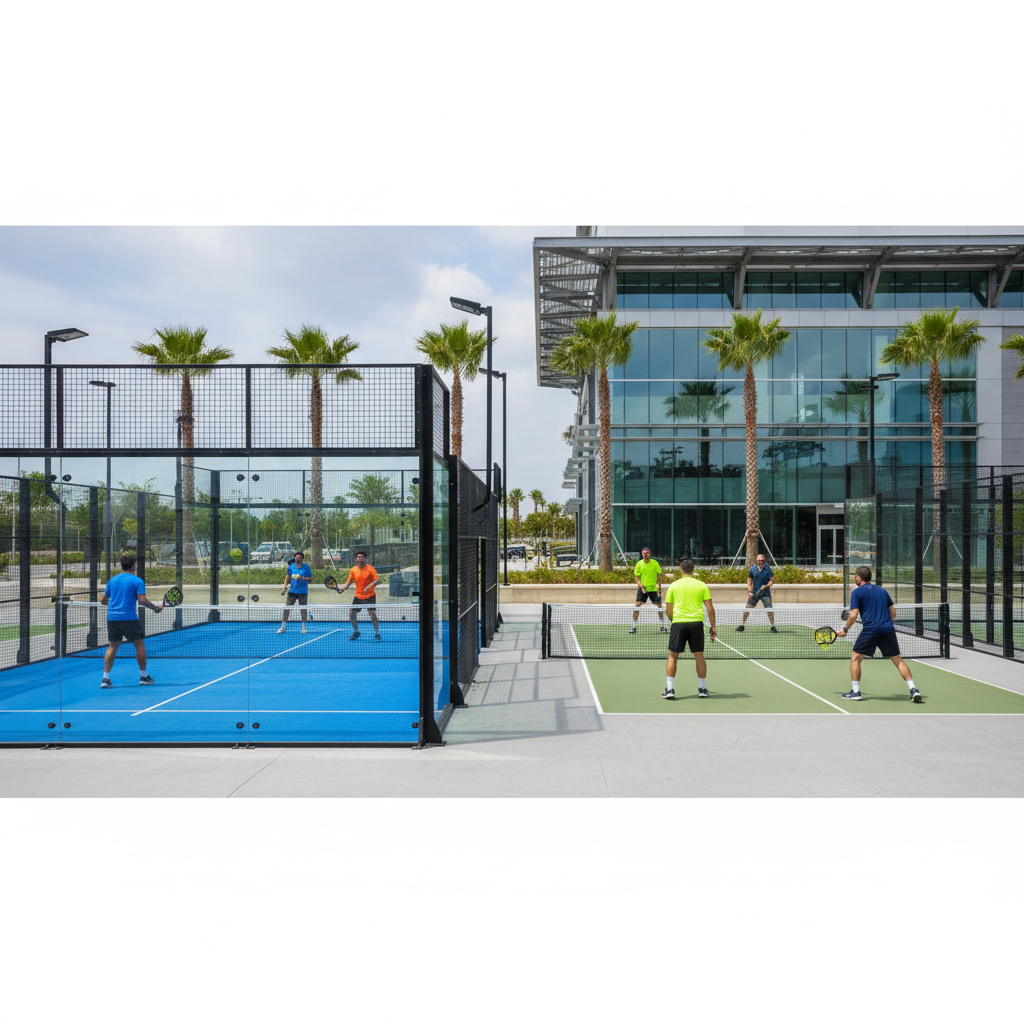
Padel is a glass-enclosed racket sport played on a 20x10m court, while pickleball utilizes a perforated plastic ball on a smaller surface, and constructing both requires specialized ground engineering and material selection. Many facility developers struggle to understand the distinct structural requirements of these two sports, often leading to incorrect foundation depths or poor spatial planning. This confusion agitates your project timeline and results in unexpected costs when glass panels or court surfaces fail to meet safety standards. The solution is to work with an expert in padel and pickle to ensure your facility is built to professional standards by visiting padel and pickle.
What defines the essence of padel and pickle?
The essence of padel and pickle lies in their focus on social accessibility, high-density player participation, and fast-paced rallies within compact court dimensions. These sports maximize land utility while providing an engaging experience for players of all skill levels.
What is the core gameplay of padel?
Padel is a doubles sport played within a glass enclosure that allows players to use the walls for rebounds during play. This unique feature creates a dynamic environment where strategy and positioning are more important than raw power.
- Enclosure: A frame consisting of 12mm tempered glass and metallic mesh.
- Racket: A solid, stringless carbon fiber or composite paddle.
- Scoring: Follows the standard tennis scoring system of 15, 30, and 40.
- Service: Conducted underhand to ensure a controlled start to the rally.
How does pickleball differ in style?
Look at this: Pickleball emphasizes low-impact net play and “dinking” strategies on a court without surrounding walls. It uses a hollow plastic ball that moves slower than a tennis ball, making it easier for beginners to master.
- Court Surface: A hard acrylic surface similar to a tennis court.
- Ball: A lightweight plastic sphere with 26 to 40 holes.
- Paddle: A rigid, lightweight face typically made of polymer or graphite.
- Kitchen: A 7-foot non-volley zone near the net that prevents overhead smashes.
Here is why: These sports foster a strong community atmosphere because the small court size allows for easy conversation between players. This makes them ideal for multi-generational clubs and residential developments.
- Inclusivity: Accessible for children, adults, and seniors alike.
- Engagement: Frequent ball contact keeps players active and entertained.
- Socializing: The compact layout encourages post-game interactions.
- Learning Curve: Players can reach a competitive level much faster than in tennis.
Key Takeaway: Padel and pickle serve as high-density social sports that maximize land usage and player engagement.
| Feature | Padel | Pickleball |
|---|---|---|
| Primary Wall Use | Active Rebounds | Boundary Only |
| Ball Material | Pressurized Rubber/Felt | Perforated Plastic |
| Play Format | Almost Exclusively Doubles | Singles and Doubles |
The combination of these sports in a single facility targets a wide range of age groups and skill levels effectively.
Why invest in growing padel and pickle facilities?
Investing in padel and pickle allows facility owners to tap into the world’s fastest-growing sports markets while generating significantly higher revenue per square foot than traditional tennis. The rapid growth of these sports ensures a steady stream of members and high court occupancy rates.
What is the ROI on these courts?
The best part? You can accommodate up to four times the number of players in the space required for one tennis court. This density leads to increased booking fees and more efficient use of commercial land.
- Player Density: Up to 4 players per 200sqm in padel.
- Turnover: High demand leads to 12 or more booking sessions per day.
- Revenue: Ancillary income from equipment rentals and coaching programs.
- Longevity: High-quality steel and glass structures require minimal long-term maintenance.
How do they attract new demographics?
Look at this: These sports are trending heavily among millennials and active professionals who seek social fitness options. By offering these facilities, your club becomes a modern destination for the most active spending demographic.
- Corporate Appeal: Excellent for team-building events and business leagues.
- Family Usage: Parents and children can play together comfortably.
- Health Focus: Lower injury rates attract former tennis players with joint issues.
- Social Media: The aesthetic nature of the courts makes them highly shareable.
What makes the build sustainable?
Here is why: Modern construction materials are designed to withstand heavy use while minimizing environmental impact and energy costs. Using LED lighting and durable synthetic turf ensures your facility operates efficiently for decades.
- Energy Efficiency: LED floodlights reduce power consumption by up to 60%.
- Durability: Galvanized steel frames prevent rust and structural degradation.
- Maintenance: Routine cleaning and sand brushing are all that is required.
- Weather Resistance: Materials are treated to handle UV exposure and heavy rain.
Key Takeaway: The financial viability of these sports is driven by high player density and low operational overhead.
| Investment Metric | Padel/Pickleball | Traditional Tennis |
|---|---|---|
| Players per 800sqm | 16-24 Players | 4 Players |
| Maintenance Needs | Low (Turf/Acrylic) | High (Clay/Grass) |
| Market Growth | Rapid Expansion | Stable/Declining |
Strategic investment in these facilities maximizes the profit potential of every square meter of your property.
How large are padel and pickle court footprints?
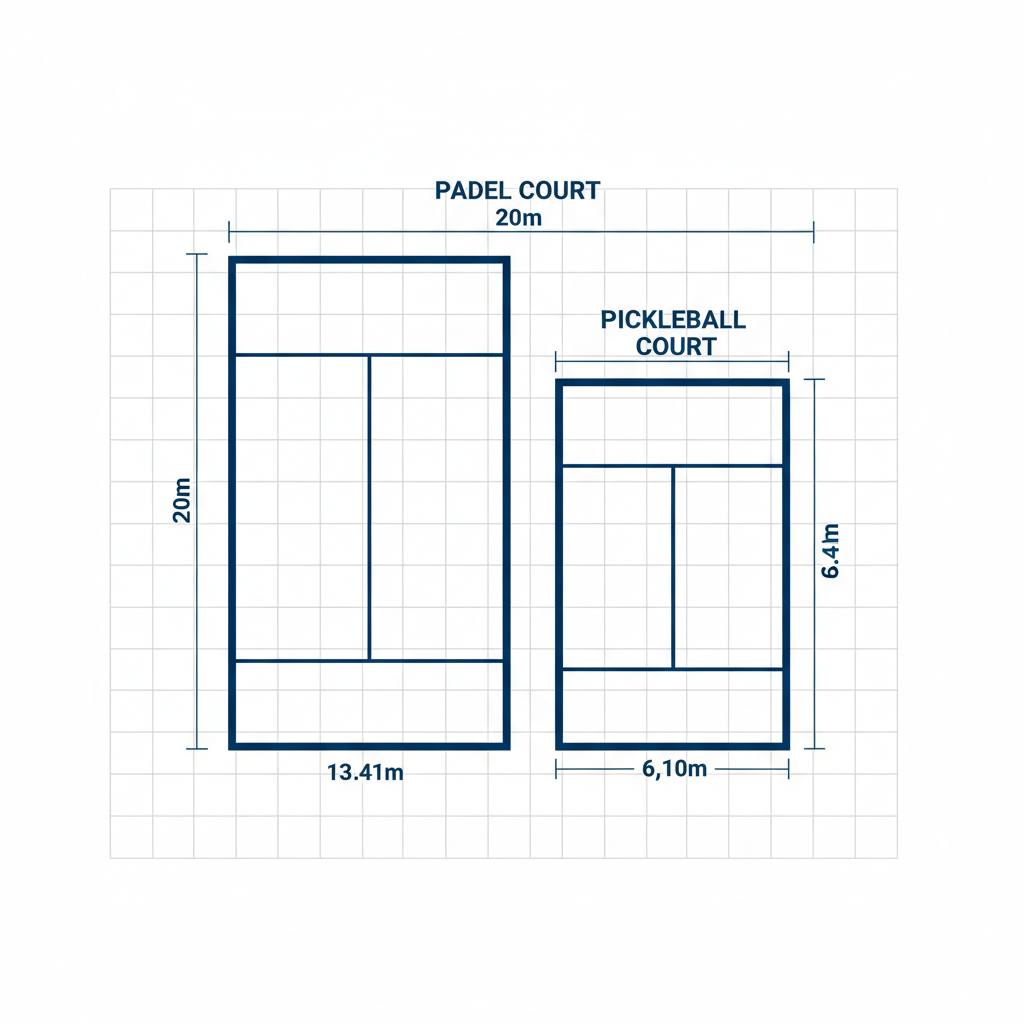
The footprints of padel and pickle courts differ, with padel requiring a 200-square-meter area and pickleball needing a smaller 81-square-meter surface. Precise spatial planning is required to accommodate safety zones and spectator walkways between courts.
What are the exact padel dimensions?
The best part? A standard padel court measures 20 meters in length and 10 meters in width, enclosed by glass and mesh. You must also leave room for the structural pillars that support the enclosure.
- Internal Area: Exactly 10m x 20m for the playing surface.
- Height Requirement: At least 6 meters of clear height for indoor builds.
- Glass Height: 3 meters at the back walls and 2 meters on the sides.
- Total Footprint: Allow 11m x 21m for structural clearance and access.
What are the pickleball space requirements?
Look at this: Pickleball courts are 13.41 meters long and 6.10 meters wide, which is identical to a doubles badminton court. However, you must include a safety run-off area of at least 2.5 meters on all sides.
- Playing Lines: 6.1m x 13.41m (20ft x 44ft).
- Total Recommended Area: 10.36m x 18.29m for professional play.
- Net Height: 34 inches at the center and 36 inches at the posts.
- The Kitchen: Extends 7 feet from the net on both sides of the court.
How to plan for multi-court layouts?
Here is why: Planning multiple courts requires careful consideration of “buffer zones” to prevent players from colliding or being distracted by adjacent matches. Effective layouts optimize player flow and spectator visibility.
- Buffer Zones: At least 3 meters between parallel padel courts.
- Walkways: Dedicated paths of 1.5 meters for player movement.
- Orientation: North-South orientation is best to avoid sun glare during play.
- Drainage: A slight slope of 0.5% to 1% is necessary for outdoor runoff.
Key Takeaway: Accurate measurement ensures that both the 200sqm padel area and the smaller pickleball footprint fit safely within your site.
| Dimension | Padel Court | Pickleball Court |
|---|---|---|
| Internal Playing Area | 200 Square Meters | 81.75 Square Meters |
| Standard Enclosure | Glass and Mesh Cage | Low Fencing or Open |
| Minimum Clear Height | 6.0 Meters | 5.0 Meters |
Consulting with a technical engineer ensures the foundation matches the specific load-bearing needs of each court type.
What surfaces work best for padel and pickle?
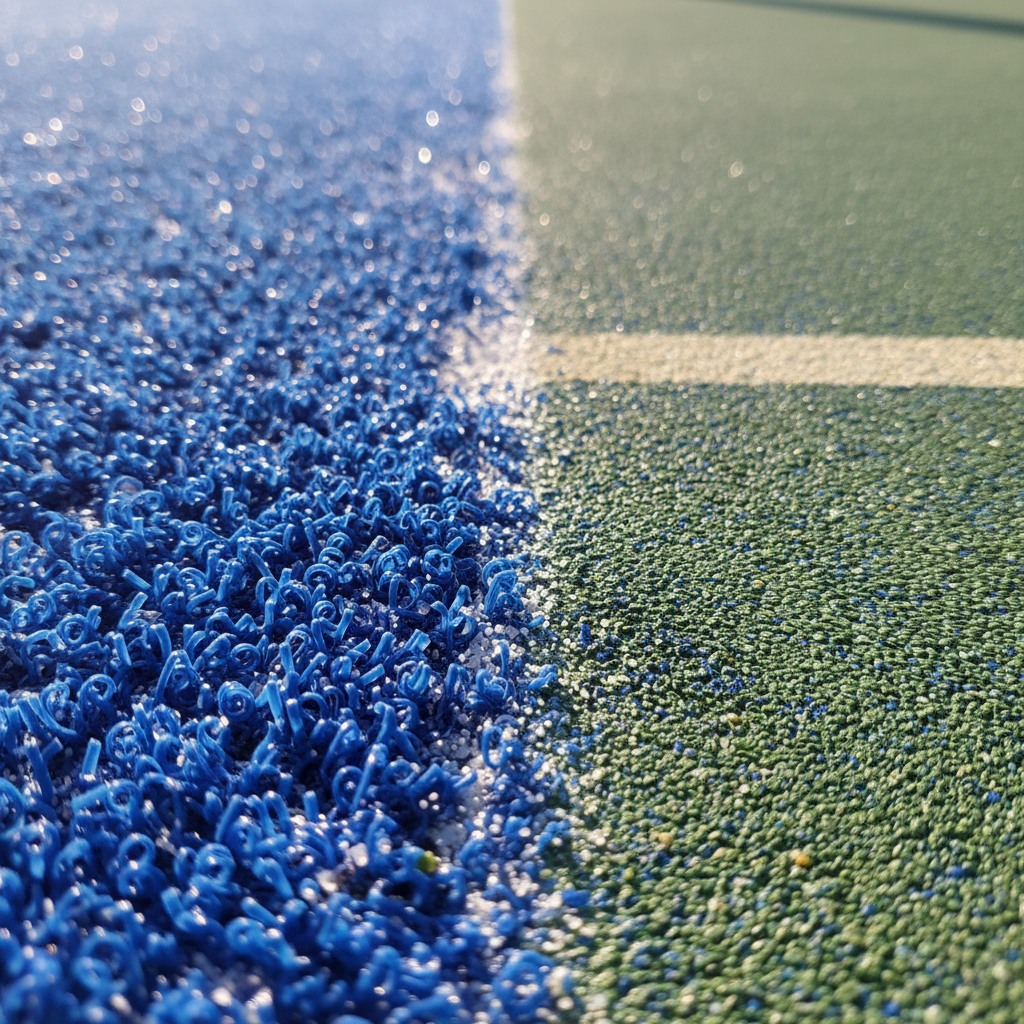
Selecting the right surfaces for padel and pickle involves choosing between sand-filled synthetic turf for ball slide or textured acrylic for predictable plastic ball bounce. The surface choice impacts player safety, ball speed, and the overall maintenance schedule of the facility.
Which turf is ideal for padel?
The best part? Professional padel courts use monofilament or fibrillated synthetic turf that is filled with fine silica sand. This setup allows players to slide safely while maintaining a consistent and true ball bounce.
- Monofilament Turf: Offers the highest durability and a premium aesthetic.
- Sand Infill: Requires 10-15kg of silica sand per square meter.
- Fiber Height: Usually ranges between 10mm and 12mm.
- Drainage: Perforated backing ensures the court dries quickly after rain.
What are the pickleball surface options?
Look at this: Pickleball requires a hard, textured acrylic coating applied over a concrete or asphalt base. This surface provides the necessary friction for the plastic ball to bounce correctly without sliding.
- Acrylic Coating: Multi-layer systems provide vibrant colors and grip.
- Cushion Layers: Rubberized sub-layers can be added for joint protection.
- Friction Level: Must be high enough to prevent slipping during quick pivots.
- Maintenance: Only requires regular power washing to remove debris.
How to choose between indoor and outdoor?
Here is why: Indoor surfaces can utilize specialized PVC or wood, whereas outdoor courts must prioritize UV resistance and moisture management. Your choice determines the technical grade of the adhesives and coatings used.
- UV Protection: Outdoor turf must have a high Tencate rating to prevent fading.
- Heat Absorption: Lighter colors are preferred for outdoor courts in hot climates.
- Slip Resistance: Outdoor acrylics must include specific aggregates for wet grip.
- Base Quality: All surfaces require a perfectly level Class A concrete slab.
Key Takeaway: Padel requires sand-filled turf for movement, while pickleball needs textured acrylic for ball response.
| Surface Type | Padel (Turf) | Pickleball (Acrylic) |
|---|---|---|
| Ball Interaction | Slide and High Bounce | Predictable and Firm |
| Infill Material | Silica Sand | None |
| Player Impact | Soft (Joint Friendly) | Firm (High Feedback) |
Understanding these surface interactions is vital for providing a high-quality experience that keeps players coming back to your facility.
Which glass specs ensure padel and pickle safety?
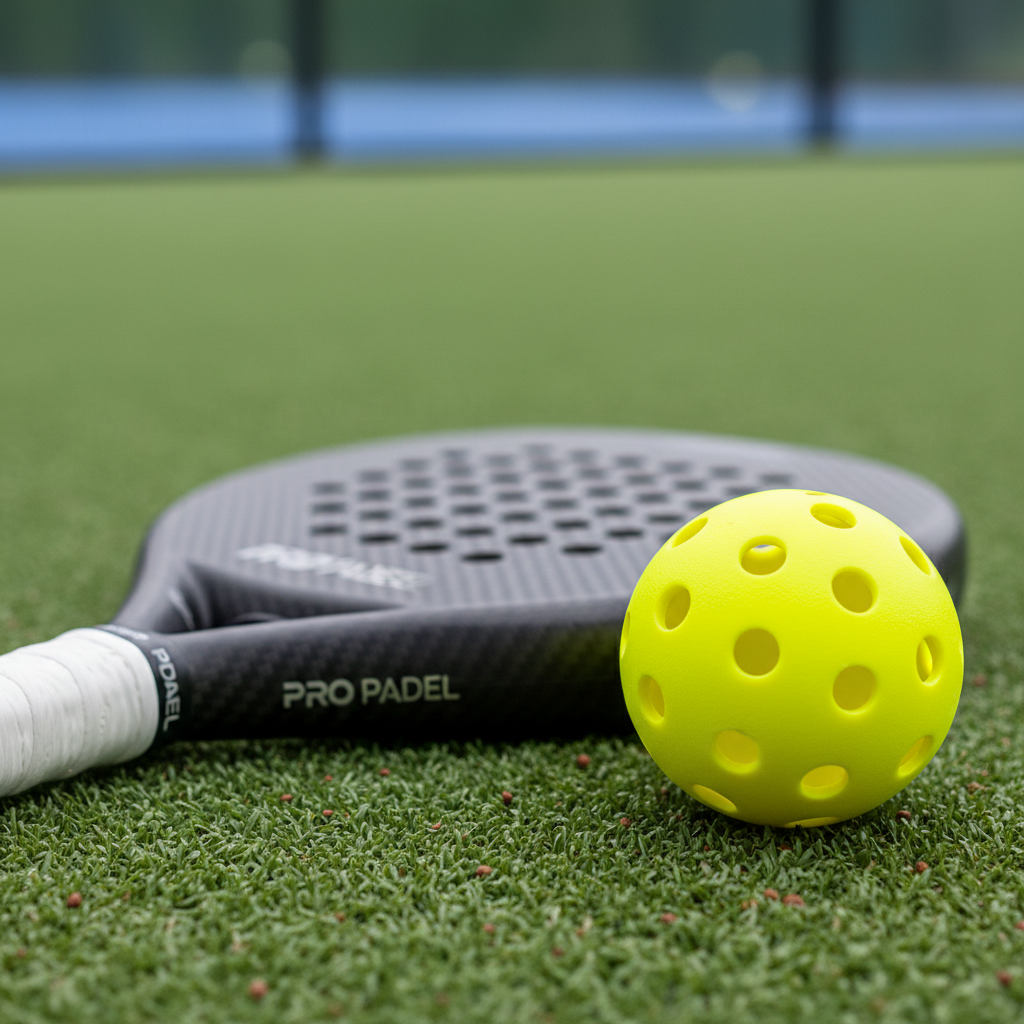
High-grade tempered glass ensures padel and pickle players stay safe by providing a structural rebound surface that can withstand high-velocity impact. In padel construction, the glass acts as a critical structural component that must handle both ball strikes and player collisions.
What is the standard glass thickness?
The best part? Industry standards recommend 12mm tempered glass for commercial facilities because it offers superior stability and a more consistent ball bounce. While 10mm glass is available, 12mm is the preferred choice for safety and performance in high-traffic clubs.
- 12mm Glass: The benchmark for professional and commercial padel courts.
- 10mm Glass: Sometimes used for residential or low-impact private courts.
- Tempering: Increases the strength of the glass by up to five times.
- Heat Soaking: A process that identifies and eliminates glass with impurities.
How is the glass secured safely?
Look at this: The glass panels are mounted using high-tensile stainless steel fasteners and EPDM rubber gaskets to prevent metal-on-glass contact. This floating installation allows the glass to flex slightly under pressure without breaking.
- Countersunk Bolts: Ensure the bolt head is flush with the glass surface.
- Rubber Gaskets: Protect the glass edges from vibration and moisture.
- Panel Alignment: Precision leveling prevents “dead spots” in the rebound.
- Bushings: Nylon or plastic inserts prevent friction between steel and glass.
What are the safety certifications needed?
Here is why: Using glass that meets EN 12150-1 standards is essential for liability protection and ensuring player safety during intense matches. These certifications prove that the glass will break into small, blunt granules rather than sharp shards.
- EN 12150-1: The European standard for thermally toughened safety glass.
- Edge Polishing: Prevents stress fractures from starting at the corners.
- Laser Etching: Every panel should have a permanent safety certification mark.
- Impact Rating: Certified to withstand a 50kg impact at professional speeds.
Key Takeaway: 12mm tempered safety glass is the gold standard for performance, durability, and player protection.
| Specification | Standard Grade | Professional Grade |
|---|---|---|
| Thickness | 10mm | 12mm |
| Certification | Basic Tempered | EN 12150-1 High Impact |
| Fixation System | Standard Brackets | Countersunk Stainless Steel |
Selecting the correct glass specifications protects your investment and ensures your court remains a safe asset for many years.
How to light padel and pickle courts effectively?
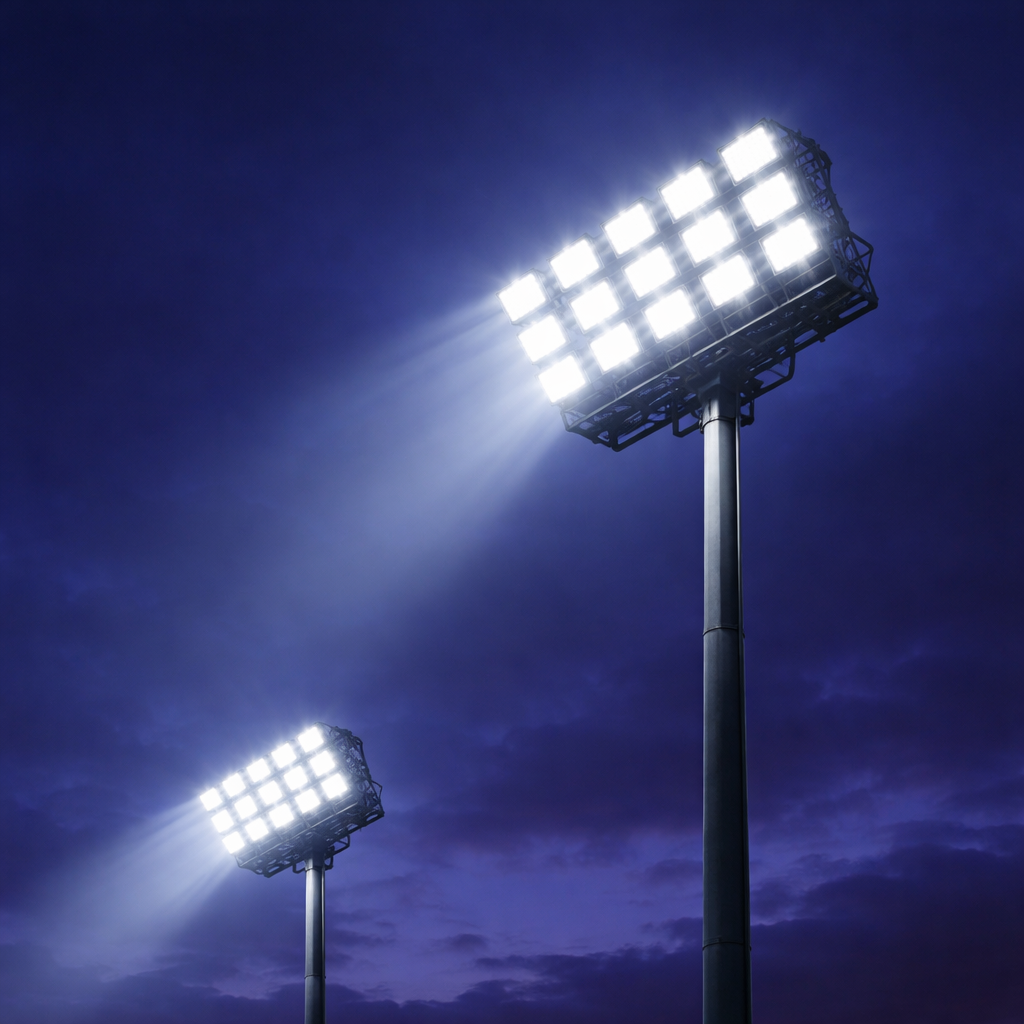
Effective lighting for padel and pickle courts requires asymmetric LED systems that provide uniform brightness without creating glare for the players. Quality illumination is a key driver for evening court bookings and professional tournament hosting.
What are the lux level requirements?
The best part? A minimum of 300 lux is required for social play, while professional facilities should aim for 500 to 750 lux to accommodate high-speed action and filming. Uniformity ensures that there are no dark patches where the ball could be lost from sight.
- Recreational: 200-300 Lux (suitable for casual residential use).
- Club Level: 400-500 Lux (ideal for competitive league play).
- Tournament: 750+ Lux (required for HD broadcasting).
- Uniformity: A ratio of >0.7 is necessary for consistent visibility across the court.
Why use asymmetric LED floodlights?
Look at this: Asymmetric LEDs focus light directly onto the playing surface while blocking it from shining upwards into the players’ eyes during lobs. This technology reduces “light spill” and ensures neighbors are not disturbed by bright floodlights.
- Glare Control: Prevents blinding players during overhead shots.
- Efficiency: 200W LEDs can replace old 400W metal halide fixtures.
- Instant Start: LEDs turn on immediately without a warm-up period.
- IP Rating: A minimum of IP65 is required for waterproof outdoor use.
How should the poles be positioned?
Here is why: Standard court layouts use four to eight poles positioned at the corners or midpoints to create a balanced cross-lighting effect. This configuration minimizes shadows and ensures the ball is clearly visible from any angle on the court.
- Pole Height: 6 meters is the standard for outdoor court stability and spread.
- Construction: Galvanized steel poles prevent rust and withstand wind loads.
- Internal Wiring: Keeps cables safe from weather and accidental damage.
- Smart Controls: Dimmable systems allow for energy savings during off-peak hours.
Key Takeaway: 500 Lux LED systems with asymmetric lenses provide the safest and most efficient environment for evening play.
| Lighting Feature | Traditional Halide | Modern LED |
|---|---|---|
| Energy Consumption | High | 60% Lower |
| Maintenance Life | 5,000 Hours | 50,000+ Hours |
| Light Quality | Flickers / Yellow | Constant / Daylight |
Investing in high-quality lighting increases your facility’s daily operational hours and provides a premium experience for all members.
What steel structures support padel and pickle courts?
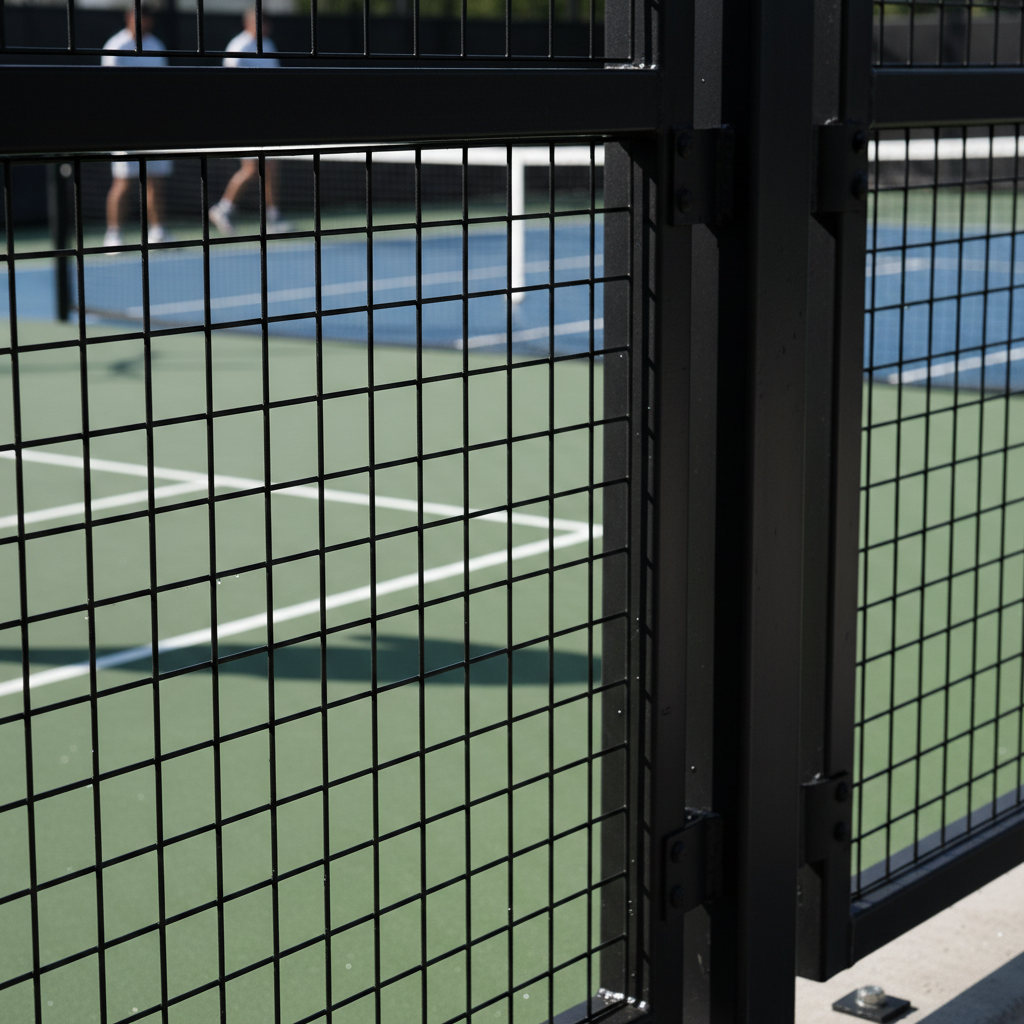
The steel structures supporting padel and pickle courts must be hot-dip galvanized to provide a rigid, rust-resistant frame for glass and mesh panels. The integrity of the steel frame determines how the court responds to heavy ball impacts and environmental stresses.
What is the best steel grade for courts?
The best part? Using Q235B or S235 grade carbon steel that has been hot-dip galvanized ensures that the frame will not rust from the inside out. This is particularly important for outdoor courts exposed to rain, humidity, and coastal salt air.
- Galvanization: A zinc coating of 80-100 microns is the industry standard.
- Steel Thickness: Main pillars should be at least 3mm to 4mm thick.
- Powder Coating: Provides a durable, UV-resistant finish in any color.
- Modular Assembly: Laser-cut parts ensure a perfect fit during on-site installation.
How does mesh tension affect play?
Look at this: The metallic mesh sections must be perfectly flat and high-tensioned to ensure the ball bounces predictably when it hits the cage. Professional courts use electro-welded mesh with a 50x50mm grid for maximum durability.
- Wire Gauge: 4mm diameter steel wire is required for rigidity.
- Weld Quality: Smooth joints prevent injuries to players’ hands and rackets.
- Vibration Control: Rubber dampeners between the mesh and pillars reduce noise.
- Anti-Corrosion: The mesh must be galvanized and coated just like the pillars.
What are the structural design options?
Here is why: You can choose between “Standard,” “Panoramic,” and “Super Panoramic” structures depending on the visibility requirements of your center. Panoramic designs remove the rear pillars to give spectators an unobstructed view of the action.
- Standard Frame: The most cost-effective and rigid structural option.
- Panoramic: Uses thicker glass to compensate for fewer supporting pillars.
- Super Panoramic: Features a minimal frame for a “TV-ready” professional appearance.
- Customization: Frames can be powder-coated to match your club’s brand colors.
Key Takeaway: Hot-dip galvanized steel with a modular design is essential for preventing rust and ensuring a 20-year lifespan.
| Component | Standard Specification | Premium Specification |
|---|---|---|
| Frame Finish | Painted Carbon Steel | Hot-Dip Galvanized + Powder Coat |
| Mesh Type | Standard Welded | Anti-Vibration Electro-Welded |
| Pillar Thickness | 3.0mm | 4.0mm |
A well-engineered steel structure provides the safety and performance levels needed to attract high-level tournaments to your facility.
How to plan for padel and pickle build budgets?
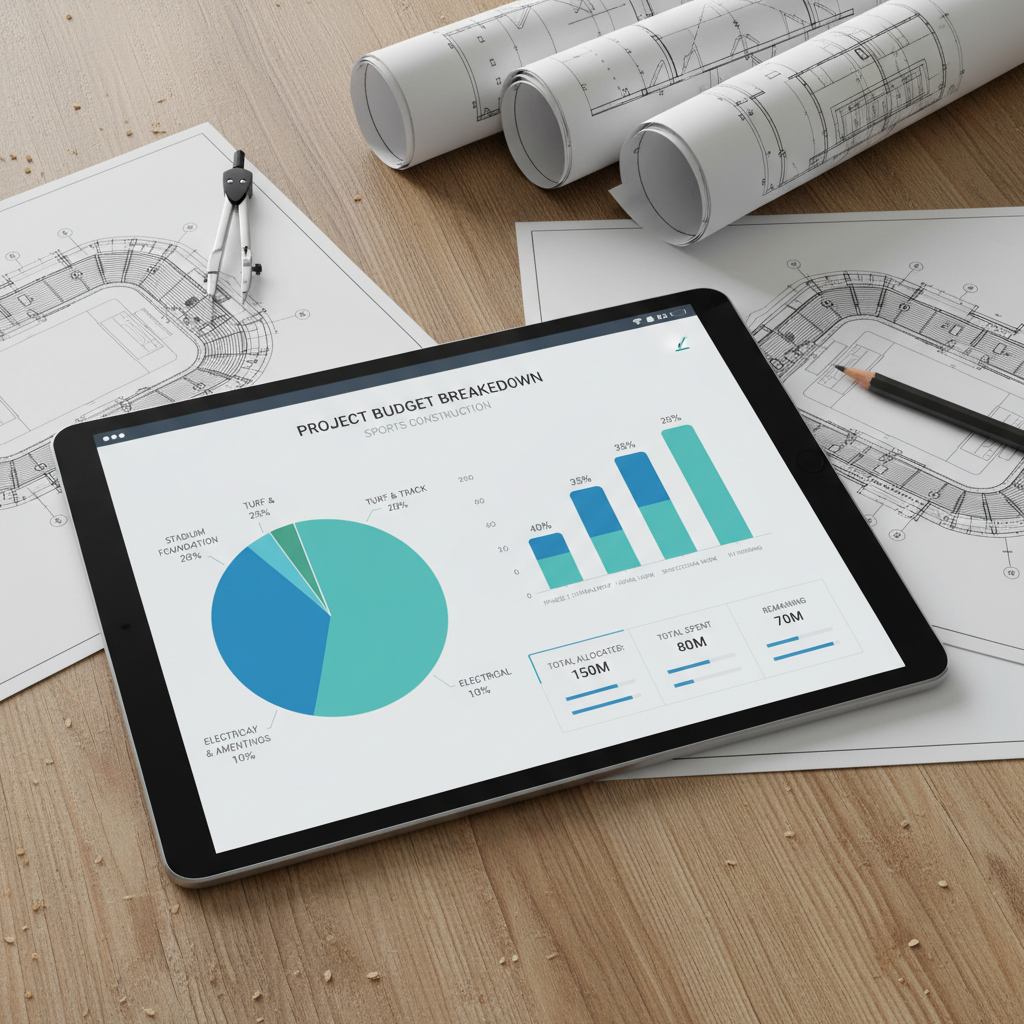
Planning for padel and pickle budgets involves balancing the costs of factory-direct equipment, specialized civil works, and professional installation labor. A clear understanding of these costs prevents budget overruns and ensures a faster return on your initial investment.
What are the main cost categories?
The best part? You can save up to 30% on the total project by sourcing your equipment directly from the manufacturer rather than through local resellers. The budget must account for equipment, shipping, concrete works, and lighting installation.
- Court Equipment: Steel, glass, turf, and lighting modules.
- Civil Works: Ground leveling and the reinforced concrete foundation.
- Logistics: Sea freight, customs clearance, and local trucking.
- Labor: Specialist installation of the structure, glass, and turf.
How to estimate foundation costs?
Look at this: The concrete foundation is the most variable expense because it depends on your local soil conditions and material prices. A 15-20cm reinforced concrete slab is the standard requirement for supporting the weight of a padel court.
- Concrete Strength: Minimum C25/30 grade for long-term stability.
- Reinforcement: Steel mesh is necessary to prevent the slab from cracking.
- Perimeter Ring: A deeper “beam” around the edges to bolt down the pillars.
- Leveling: The slab must be level within +/- 3mm to ensure a true ball bounce.
Where can you find budget efficiencies?
Here is why: You can optimize your budget by installing multiple courts at once to share the costs of shipping containers and heavy machinery rentals. Choosing standard court designs rather than custom panoramic models also reduces equipment costs.
- Bulk Shipping: Two courts typically fit into one 40ft high-cube container.
- Local Material: Source silica sand locally to save on heavy freight costs.
- Phased Building: Start with two courts and expand as your membership grows.
- Direct Procurement: Buying from the factory eliminates middleman markups.
Key Takeaway: Equipment and foundation each represent about 50% of the total project cost for a new facility.
| Item | Estimated Padel Cost | Estimated Pickleball Cost |
|---|---|---|
| Equipment | $15,000 – $25,000 | $5,000 – $10,000 |
| Foundation | $8,000 – $12,000 | $4,000 – $7,000 |
| Installation | $3,000 – $5,000 | $1,500 – $3,000 |
Detailed financial planning ensures your project is completed on time and remains profitable from the first day of operation.
What permits are needed for padel and pickle?
Permits for padel and pickle construction typically cover land usage, noise management, and structural safety to comply with local municipality codes. Securing these approvals before you start building is critical to avoiding fines or forced project shutdowns.
Is planning permission always required?
The best part? Many residential courts fall under “permitted development” if they are below a certain height, but all commercial facilities require a formal planning application. You must verify if your land is zoned for recreational or commercial use.
- Zoning: Confirm the land is approved for sports or fitness activities.
- Setbacks: Ensure the court is far enough from property lines.
- Height: Lighting poles must comply with local vertical height limits.
- Usage: Check if a “Change of Use” permit is needed for the site.
How to handle noise regulations?
Look at this: Pickleball generates a distinct “pop” sound that can be a concern in quiet residential areas, often requiring a noise impact study. Strategic placement of the courts or the installation of sound-dampening acoustic mesh can help meet local requirements.
- Sound Barriers: Fencing materials designed to absorb high-frequency noise.
- Placement: Position courts away from residential windows and doors.
- Hours of Operation: Limit play times to standard daytime hours if needed.
- Acoustic Walls: Using solid barriers at one end to deflect sound waves.
What environmental permits are needed?
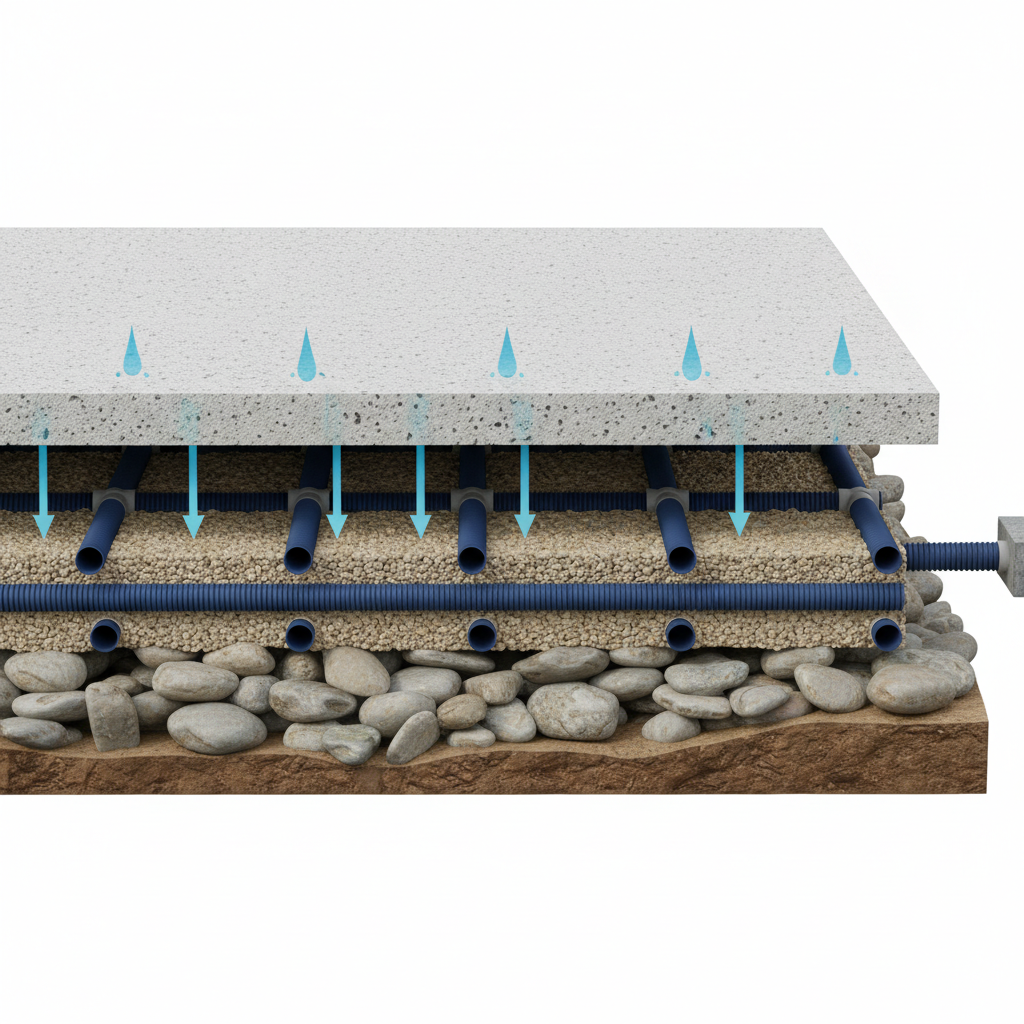
Here is why: Large concrete slabs create non-permeable surfaces that can affect local water runoff, necessitating a professional drainage plan. Many regions require you to manage rainwater on-site through specialized drainage systems.
- Drainage Plan: Calculated runoff management to prevent local flooding.
- Permeable Surfaces: Some areas allow for porous asphalt in pickleball builds.
- Soil Stability: Testing ensures the ground can handle the heavy concrete slab.
- Sustainability: Using eco-friendly materials can speed up the approval process.
Key Takeaway: Consult with a local planning expert early to manage noise assessments and drainage permits correctly.
| Permit Type | Requirement | Typical Challenge |
|---|---|---|
| Zoning Permit | Land Use Approval | Incorrect Property Designation |
| Building Permit | Structural Safety | Foundation or Glass Compliance |
| Acoustic Permit | Noise Management | Neighbor Objections to “Pop” Sound |
Professional legal and technical preparation ensures your sports facility is fully compliant and protected against future litigation.
Why choose us for your padel and pickle project?
Choosing us for your padel and pickle project ensures you receive factory-direct engineering expertise, high-quality materials, and comprehensive installation support. We act as your technical partner to ensure every court is built to professional standards, regardless of your location.
What is our manufacturing advantage?
The best part? We manufacture all steel and glass components in our own facility, allowing us to maintain strict quality control and offer the most competitive pricing. By shipping directly from our factory to your site, we eliminate unnecessary costs.
- Experience: Over 15 years in specialized racquet sports construction.
- Customization: Full support for custom colors, logos, and dimensions.
- Response Time: We provide detailed quotations within 24 hours.
- Global Shipping: Proven logistics network delivering to over 50 countries.
How do we support your installation?
Look at this: We provide a complete package of 3D structural drawings, foundation blueprints, and video installation guides to your local construction crew. Our engineers are available for remote consultations to ensure the glass and turf are set perfectly.
- Blueprints: Detailed foundation plans tailored to your specific site.
- Manuals: Step-by-step guides for every component of the assembly.
- Video Guides: Visual walkthroughs for complex phases like glass mounting.
- Support: Direct access to our technical team for real-time troubleshooting.
What is our commitment to quality?
Here is why: We only use CE-certified tempered glass and hot-dip galvanized steel to ensure your facility is a durable, high-performance asset for the long term. Our comprehensive warranties provide you with financial security and peace of mind.
- Structural Warranty: 10-year coverage for the galvanized steel frame.
- Turf Warranty: 5-year guarantee against fading and fiber loss.
- Certifications: Compliance with EN 12150-1 and ISO 9001 quality standards.
- Safety: Every panel of glass is heat-soaked to prevent spontaneous breakage.
Key Takeaway: Factory-direct procurement combined with professional engineering support reduces your total cost and project risk.
| Service Feature | Benefit to the Owner |
|---|---|
| Direct Factory Price | 30% Savings vs Local Resellers |
| Engineering Support | Correct Foundation and Glass Install |
| Premium Materials | 20-Year Lifespan and High Safety |
Partnering with an experienced manufacturer is the most effective way to guarantee your facility becomes the premier sports destination in your community.
Next Steps for Your Facility
The global demand for high-quality racquet sports facilities is at an all-time high. To capitalize on this opportunity, you need a partner who understands the technical precision required for elite court construction. Our vision is to provide facility owners with the most durable, professional-grade infrastructure possible to foster community and generate sustainable profits. Whether you are building a private backyard court or a large-scale commercial center, we are ready to assist with every technical detail. Don’t risk your investment with generic construction companies that lack sport-specific expertise.
Contact us today to receive your custom quotation and expert site analysis.
Frequently Asked Questions
Can I build a padel court on a standard tennis court?
Yes, but the existing tennis court foundation must be reinforced to support the heavier load of the glass panels. Standard tennis slabs are usually 10cm thick, while padel requires 15-20cm of reinforced concrete.
What’s the best way to prevent rust in coastal areas?
The best way is to ensure all steel components are hot-dip galvanized and finished with a UV-resistant powder coating. This provides a metallurgical bond that protects the steel from salt air and high humidity.
How do I know if my soil is stable enough for construction?
You should conduct a professional geotechnical soil test before pouring the concrete slab. This test determines the soil’s load-bearing capacity and prevents the court from sinking or cracking over time.
Is it possible to install lighting on an existing court?
Yes, provided there is a sufficient electrical supply nearby to power the LED modules. Modern LED systems can be retrofitted onto existing posts or integrated into new structural pillars relatively easily.
Should I build padel or pickleball first for my club?
You should analyze your local market demand and the available space on your property. Padel often commands higher rental fees, while pickleball allows for more courts in a smaller area with a lower initial cost.