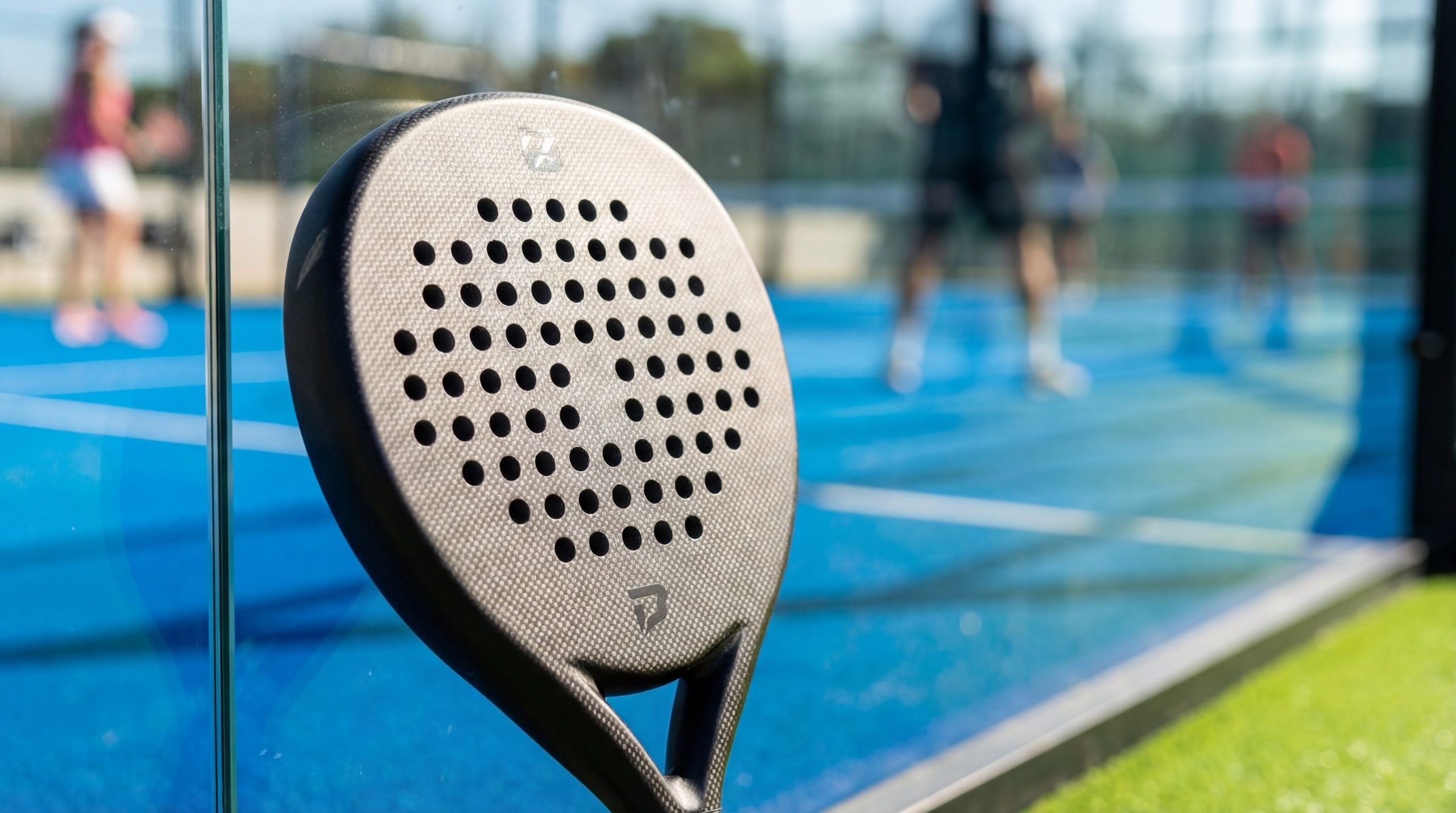
High-performance Wilson padel rackets are professional-grade sporting instruments defined by their unique geometric molds and high-density foam cores, built by layering carbon fiber or fiberglass over specialized EVA frames to optimize on-court performance. You likely know the frustration of stepping onto the court with gear that feels “off” or sluggish during a critical smash. This lack of synergy between player and equipment doesn’t just hurt your score; it can lead to unnecessary fatigue or strain. By mastering the technical anatomy of wilson padel rackets, you can build a customized strategy that turns every volley into a calculated advantage.
Which shape should I choose for Wilson padel rackets?
You choose the shape of Wilson padel rackets based on your desired balance between defensive control and explosive offensive power. Here is the deal: the geometry of the frame determines where the “sweet spot” sits on the face.
Round Shapes for Control
Round models provide a large, centralized sweet spot that is very forgiving. This design is perfect if you prioritize consistency and want to minimize unforced errors. It allows you to feel more connected to the ball during slow-paced defensive exchanges.
Diamond Shapes for Power
Diamond frames shift the weight toward the top of the head. Think about this: when you swing, that top-heavy distribution creates massive leverage for smashes. Advanced players often prefer this for its aggressive finishing potential.
Teardrop Versatility
Teardrop designs offer a hybrid approach that sits comfortably in the middle. They provide a balanced feel that supports both baseline defense and net-side attacks.
- Round: Defensive, high control, large sweet spot.
- Diamond: Offensive, high power, high sweet spot.
- Teardrop: All-rounder, balanced weight, versatile sweet spot.
Key Takeaway: Match your racket shape to your specific role on the court to maximize your efficiency.
| Shape | Primary Benefit | Skill Level |
|---|---|---|
| Round | Maximum Control | Beginner to Intermediate |
| Diamond | Explosive Power | Advanced |
| Teardrop | Versatile Play | Intermediate to Pro |
Choosing a round shape provides the highest level of forgiveness for players still refining their technical strike.
How does the balance impact Wilson padel rackets?
The balance in Wilson padel rackets dictates how the weight is distributed between the head and the handle, directly affecting your maneuverability. Look: even a slight shift in balance can completely change how heavy the racket feels during a fast volley.
High Balance Leverage
High-balance rackets are head-heavy, providing the momentum needed for powerful overheads. While they offer more “plow-through” force, they can be harder to move quickly at the net.
Low Balance Agility
Low-balance rackets feel lighter in the hand because the weight is concentrated near the grip. The best part? This gives you incredible reaction speed for quick defensive blocks and reflex volleys.
- Head-Heavy: Ideal for power-hitters.
- Even-Balance: The standard for all-court players.
- Head-Light: Perfect for defensive specialists.
Key Takeaway: Test different balance points to find the right mix of swing speed and stability.
| Balance Type | Weight Center | Player Advantage |
|---|---|---|
| Head-Heavy | Toward the tip | Smash leverage |
| Even | Middle | Adaptability |
| Head-Light | Toward the handle | Reflex speed |
A head-light balance is significantly more effective for players who rely on quick wrist movements and defensive retrieval.
What is the ideal weight for Wilson padel rackets?
The ideal weight for Wilson padel rackets typically ranges from 355g to 375g to ensure a stable striking platform without causing arm fatigue. You might be wondering: does a few grams really make a difference? Absolutely, especially during a long three-set match.
Light for Prevention
Lighter rackets, usually under 360g, are easier on the elbow and shoulder. They allow for faster swing speeds but may vibrate more when facing high-speed shots.
Heavy for Stability
Heavier rackets over 370g provide more mass behind the ball. This mass absorbs more of the impact, offering a more “solid” feel and increased power for advanced players.
- Under 355g: Maximum injury prevention.
- 360g – 370g: Standard competitive weight.
- Over 375g: Pro-level power and stability.
Key Takeaway: Prioritize a weight that you can swing comfortably for two hours without losing form.
| Weight Class | Range (grams) | Impact Feel |
|---|---|---|
| Light | <360g | High Maneuverability |
| Medium | 360g-370g | Balanced Stability |
| Heavy | >370g | Maximum Power |
Selecting a medium-weight racket offers the most reliable performance for players who transition frequently between defense and offense.
What core technologies are found in Wilson padel rackets?
The core technologies in Wilson padel rackets utilize varying densities of EVA foam to manage energy return and vibration dampening. Simply put: the core is the “engine” of your racket.
Soft EVA Comfort
Soft EVA foam provides a “trampoline effect” that helps launch the ball with less effort. It is excellent for absorbing vibrations, making it a top choice for players concerned about joint health.
Firm EVA Precision
Firm EVA cores offer more resistance and precision. Why does this matter? Because when you hit the ball hard, the foam doesn’t deform as much, allowing for a more direct and powerful response.
- Soft Foam: Higher ball exit, more comfort.
- Firm Foam: More control, higher power potential.
- Hybrid Cores: A blend for varied response speeds.
Key Takeaway: Choose your core density based on whether you want the racket to do the work or if you prefer to generate your own power.
| Core Type | Texture | Energy Return |
|---|---|---|
| Soft EVA | Compressible | High (Springy) |
| Firm EVA | Dense | Direct (Powerful) |
| Pro Foam | Responsive | Technical |
Soft EVA cores are inherently more forgiving for players who struggle to generate depth from the back of the court.
Why does the face material matter for Wilson padel rackets?
Face materials in Wilson padel rackets are critical because they determine the “feel” and durability of the hitting surface. It gets better: the interaction between the ball and the face material dictates how much spin you can apply.
Fiberglass Flexibility
Fiberglass is a softer, more flexible material. It provides a comfortable touch and is generally more affordable, making it ideal for those learning the game’s nuances.
Carbon Fiber Stiffness
Carbon fiber is the gold standard for premium performance. The truth is: its stiffness provides an explosive response and much higher durability over time compared to fiberglass.
- Fiberglass: Soft feel, easy to play.
- Carbon (3K/12K): Stiff, durable, high performance.
- Textured Faces: Enhanced grip for spin.
Key Takeaway: Invest in carbon fiber if you play frequently and want a racket that retains its “pop” longer.
| Material | Durability | Ball Feel |
|---|---|---|
| Fiberglass | Moderate | Soft & Elastic |
| Carbon Fiber | High | Stiff & Precise |
| Carbon Composite | High | Balanced |
Carbon fiber faces provide the necessary rigidity for advanced players who demand consistent ball output during high-intensity rallies.
What defines the frame construction of Wilson padel rackets?
Frame construction in Wilson padel rackets relies on tubular carbon fiber structures to ensure maximum rigidity and impact resistance. The frame is the skeleton that holds everything together.
Structural Integrity
The tubular design allows the racket to withstand the high forces of a smash without warping. Without a strong frame, the energy of your swing would be lost to vibration.
Impact Protection
Modern frames are built to handle the occasional brush against the glass walls. However, the internal weave is what prevents microscopic fractures from turning into major breaks.
- Tubular Carbon: Lightweight and incredibly strong.
- Reinforced Bridges: Reduces torque during off-center hits.
- Integrated Protectors: Guards against wall scrapes.
Key Takeaway: A well-built frame ensures that the energy from your arm is transferred directly to the ball.
| Feature | Material | Purpose |
|---|---|---|
| Frame Tube | Carbon Fiber | Rigidity |
| Heart/Bridge | Reinforced Resin | Stability |
| Outer Edge | Shielding Tape | Abrasion Resistance |
High-quality tubular carbon construction is the primary factor in preventing frame deformation during aggressive overhead plays.
How do I choose the right grip for Wilson padel rackets?
Selecting the right grip for Wilson padel rackets involves finding a diameter that allows for comfort without sacrificing wrist mobility. Think about this: a grip that is too small forces you to squeeze too hard, leading to “tennis elbow.”
Proper Sizing
The general rule is that you should be able to fit your index finger between your fingertips and your palm when holding the racket. If the gap is too small, you need an overgrip.
Overgrip Benefits
Overgrips aren’t just for size; they provide moisture-wicking properties. They keep the racket from slipping in your hand during intense, sweaty matches.
- Standard Grip: The base layer of the handle.
- Overgrip: Customizable layers for size and tackiness.
- Hesacore/Textured: Ergonomic options for better hold.
Key Takeaway: Regularly replace your overgrip to maintain a secure and confident hold on your gear.
| Grip Factor | Ideal State | Impact |
|---|---|---|
| Diameter | Index finger gap | Muscle relaxation |
| Texture | Tacky/Sticky | Slip prevention |
| Thickness | Custom | Vibration damping |
An appropriately sized grip significantly reduces the risk of long-term tendonitis by allowing for a more relaxed hand position.
Which playing styles are supported by Wilson padel rackets?
Different playing styles are supported by Wilson padel rackets through specific series designed for either defensive consistency or aggressive finishing. The best part? You can find gear tailored to your specific role.
The Aggressive Attacker
If you live at the net and love to smash, you need gear that maximizes leverage. Look for diamond shapes and head-heavy balances to crush the ball out of the court.
The Defensive Wall
Defensive players value control and maneuverability. Round shapes with low balance allow you to dig out low balls and keep the rally going until your opponent makes a mistake.
- Attacker: High power, high balance.
- Defender: High control, low balance.
- Counter-Puncher: Teardrop versatility.
Key Takeaway: Identify your “on-court persona” before committing to a specific racket technology.
| Style | Racket Priority | Strategic Goal |
|---|---|---|
| Aggressive | Power / Smash | Ending the point |
| Defensive | Control / Lob | Extending the rally |
| All-Court | Balance / Versatility | Adapting to play |
Aggressive players benefit most from head-heavy configurations that amplify the speed of their overhead strikes.
How can I extend the lifespan of Wilson padel rackets?
You extend the lifespan of Wilson padel rackets by protecting them from extreme temperatures and physical abrasion. But wait, there’s more: the core of your racket is sensitive to the environment.
Thermal Protection
Never leave your racket in the trunk of a hot car. Extreme heat softens the EVA foam, permanently “killing” the pop and responsiveness of the core.
Physical Guards
Using a transparent protector on the frame edge can save your racket from the inevitable scrapes against the wall or floor. It’s a small investment for a big return in longevity.
- Thermal Bags: Regulates temperature.
- Frame Protectors: Prevents cracks from impacts.
- Dry Storage: Prevents moisture from affecting the face.
Key Takeaway: Treat your racket like a precision instrument to ensure it performs at its peak for years.
| Risk Factor | Consequence | Solution |
|---|---|---|
| High Heat | Softened core | Thermal bag |
| Wall Impact | Frame cracks | Edge protector |
| Moisture | Weight gain | Dry storage |
Using a thermal-lined bag is the single most effective way to preserve the internal elastic properties of the foam core.
What are the signs to upgrade Wilson padel rackets?
You recognize signs to upgrade Wilson padel rackets when you notice a loss of internal elasticity or visible structural fractures. Even the best gear eventually reaches the end of its performance life.
The “Dead” Sound
If your racket starts making a dull “thud” instead of a crisp “ping,” the core has likely lost its memory. This means you’ll have to swing much harder to get the same results.
Visible Fractures
Hairline cracks in the frame or face are warning signs. Once the structural integrity is compromised, the racket can no longer distribute energy safely or effectively.
- Loss of Power: Core exhaustion.
- Excessive Vibration: Structural failure.
- Visible Cracks: Safety hazard.
Key Takeaway: Don’t wait for a total break to upgrade; performance drops long before the racket snaps.
| Sign | Probable Cause | Recommendation |
|---|---|---|
| Dull Sound | Core Fatigue | Replace |
| Vibrations | Delamination | Replace |
| Surface Cracks | Impact Stress | Replace |
Upgrading your racket once the core loses its elasticity prevents you from developing bad habits or overcompensating with physical force.
Building the perfect toolkit for your game is a journey of technical discovery and strategic refinement. By understanding the nuances of shape, balance, and core technology, you empower yourself to dominate the court with confidence. We are dedicated to providing the engineering that meets your ambition. To find the gear that matches your specific playing style, contact us today and let us help you elevate your performance to the next level.
FAQ
Can I use a tennis overgrip on my Wilson padel rackets?
Yes, you can. While tennis options are popular for their sweat absorption, you must ensure the added thickness does not interfere with your ability to feel the octagonal handle edges.
What’s the best way to test the balance of my racket?
You can balance the racket on your finger at the bridge. If the head dips quickly, it is head-heavy; if it stays level or dips toward the handle, it is even or head-light.
How do I know if my racket core has gone soft?
It has likely lost its elasticity if you notice a significant decrease in ball exit speed or if the racket feels “dead” and vibrates excessively during standard hits.
Can I play with a small crack in the frame?
No, you should avoid this. A crack compromises the structural integrity, meaning the racket can no longer absorb impact correctly and may eventually snap during a high-speed play.
How do I know if I need a heavier racket?
You might need more weight if you feel the racket “fluttering” or being pushed back when you block a fast shot from your opponent.