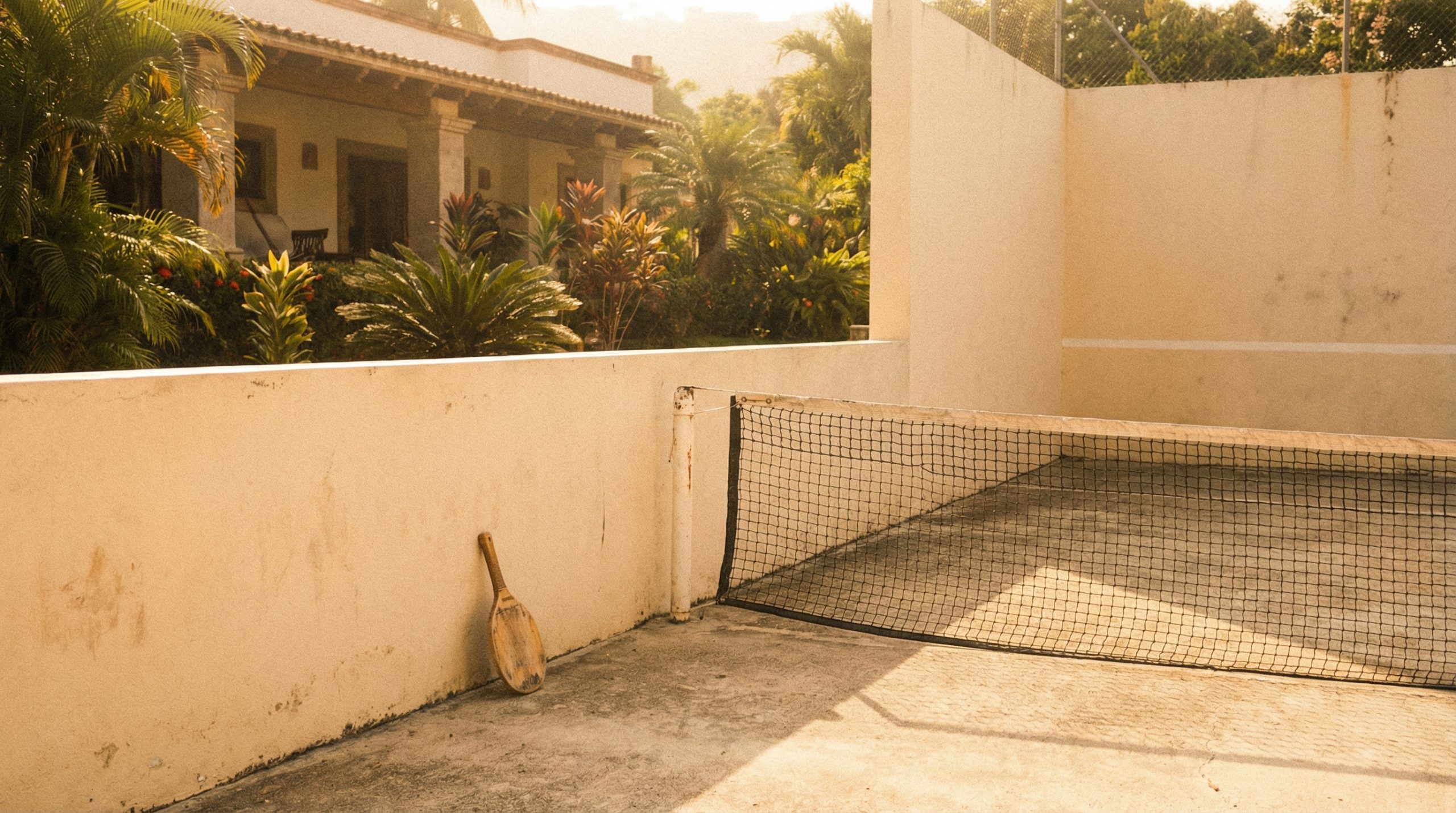
Padel was officially invented in 1969 by Enrique Corcuera in Acapulco, Mexico. You might struggle to find a sport that balances high-intensity cardio with a low technical entry barrier for beginners. Traditional racket sports often leave you chasing balls more than hitting them, leading to early frustration and burnout. By discovering when was padel invented, you unlock a game that emphasizes fun and social strategy over raw power.
Exactly when was padel invented and where did it start?
The specific year of 1969 marks when was padel invented as a creative solution for a residential backyard. It began in Acapulco, Mexico, as a modified version of tennis designed to fit into a smaller, walled-in space. This unique environment changed the trajectory of racket sports forever.
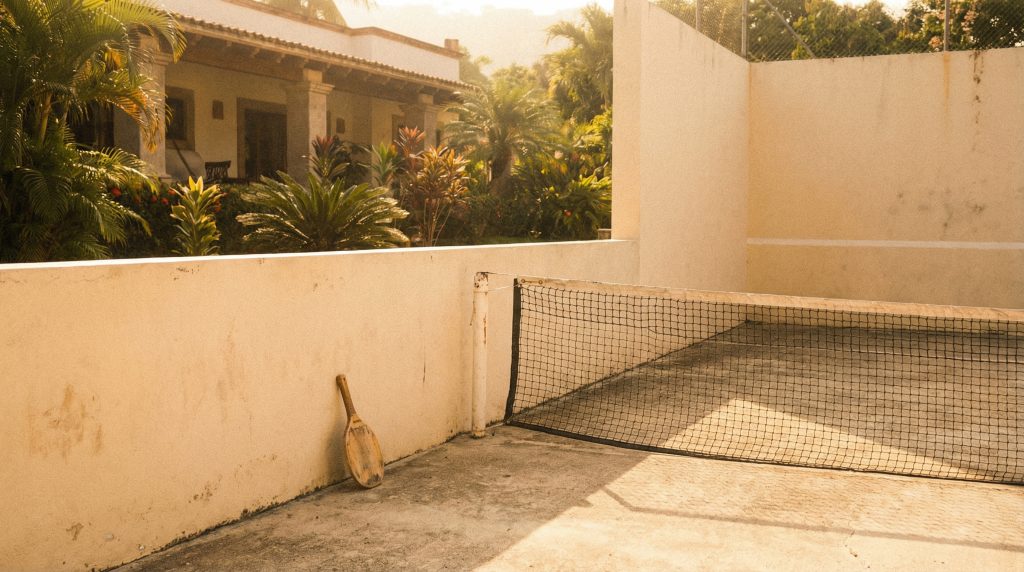
The Acapulco Origin story
Look no further. Enrique Corcuera wanted a tennis court at his vacation home but faced a significant lack of space. He decided to build a 20×10 meter court instead of a standard size.
- He used walls to keep the ball in play.
- He lowered the net height for better flow.
- He used wooden paddles instead of stringed rackets.
Modern evolution of the game
The game has come a long way since its humble Mexican beginnings. While the core dimensions remain the same, the technology behind the glass and turf has seen massive improvements.
| Element | 1969 Specification | Modern Standard |
|---|---|---|
| Wall Material | Concrete/Cement | Tempered Glass |
| Surface | Concrete | Artificial Turf |
| Court Size | 20m x 10m | 20m x 10m |
Key Takeaway: The physical constraints of a private garden led to the birth of a global sporting phenomenon.
The following guide analyzes how spatial limitations can drive innovation in athletic court design.
Who was the person who knew when was padel invented?
Enrique Corcuera is the visionary individual who defined when was padel invented in the late sixties. As a businessman in Acapulco, he had the resources and the curiosity to experiment with different sports mechanics. His invention was not a planned commercial venture but a personal hobby that gained traction among his wealthy social circle.
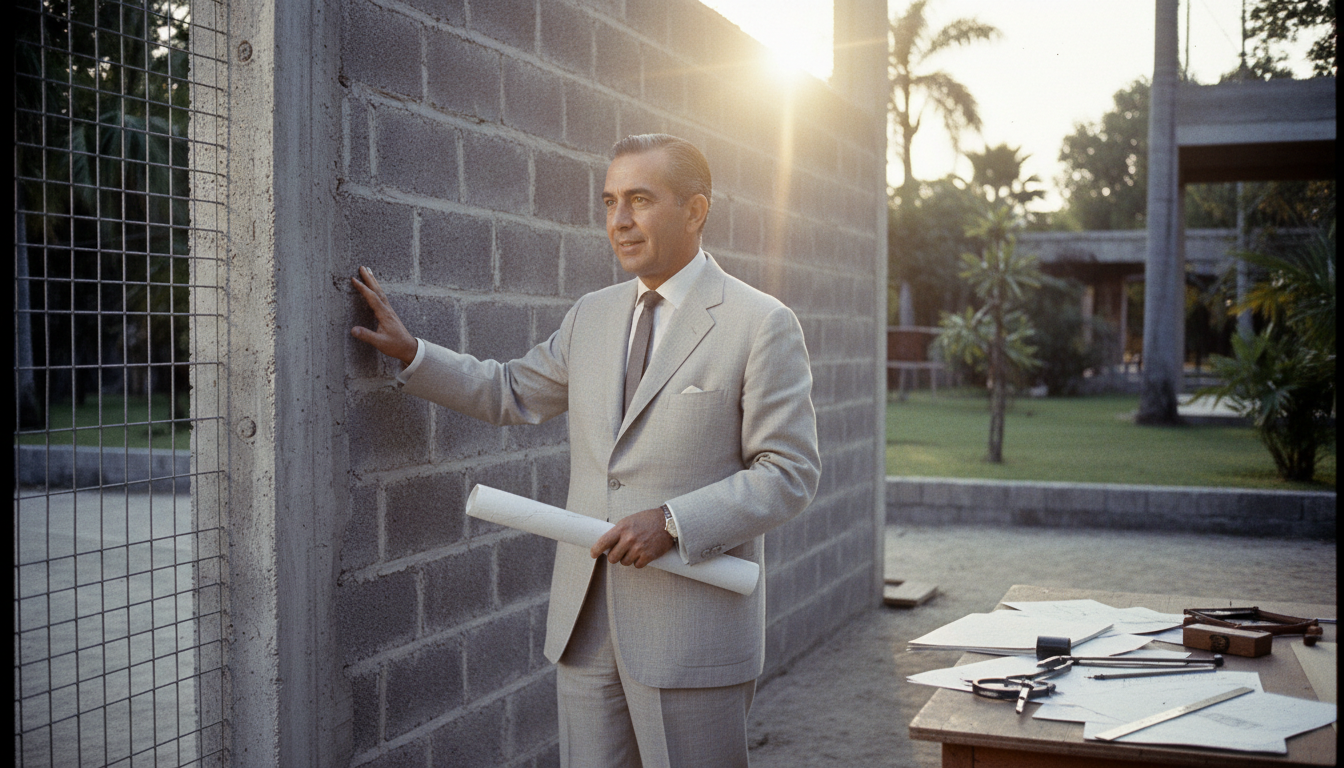
The inventor’s creative process
Here is why it worked. Corcuera noticed that hitting a tennis ball against a wall allowed for a much faster pace than traditional open courts. He synthesized elements of platform tennis and squash to create something entirely new.
- Focus on defensive play.
- Integration of rebound physics.
- Emphasis on doubles participation.
Spreading the word in Spain
The sport transitioned from a local Mexican secret to a European trend when Alfonso de Hohenlohe visited Corcuera. He loved the game so much that he brought the concept back to the Costa del Sol.
| Role | Name | Contribution |
|---|---|---|
| Inventor | Enrique Corcuera | Created the rules and first court. |
| Promoter | Alfonso de Hohenlohe | Built the first European courts. |
| Early Adopters | Marbella Socialites | Popularized the sport in Spain. |
Key Takeaway: Personal networking and high-society endorsements were the primary drivers of the sport’s early international spread.
This section investigates the impact of influential figures on the rapid adoption of niche sports across different continents.
What rules were set when was padel invented for players?
The foundational rules were established during the period when was padel invented to ensure the game remained accessible. While it borrows the scoring system from tennis, the mechanics of the serve and the use of the walls are what define its character. You must understand how to master padel serve rules as a new player to maintain the flow of the game.
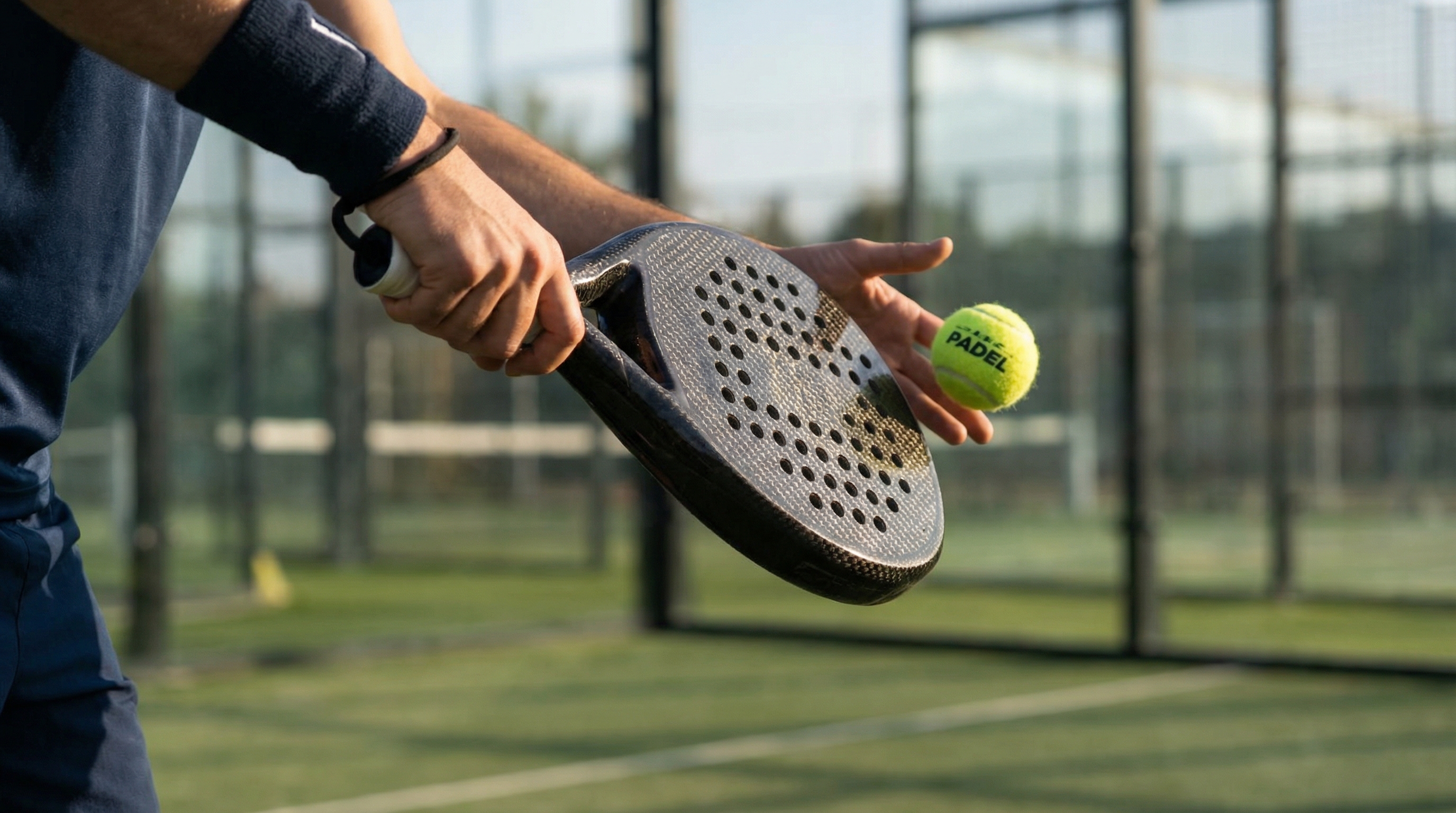
Scoring and serve mechanics
But wait, there is more. Unlike tennis, the serve must be executed underhand and at or below waist level. This rule was designed to prevent the serve from being an overwhelming advantage, focusing instead on the rally.
- Points are counted as 15, 30, 40, and game.
- The ball must bounce once before hitting a wall.
- Serves must land in the diagonal service box.
Use of the glass walls
The most exciting aspect of the rules is the ability to play the ball off the walls. This keeps the ball in play much longer and rewards players who can predict angles.
| Rule Type | Action | Permitted? |
|---|---|---|
| Service | Overhand smash | No |
| Gameplay | Bounce off own glass | Yes |
| Scoring | Golden Point (Deuce) | Yes (In some tours) |
Key Takeaway: The rules were specifically crafted to prioritize long rallies and strategic placement over sheer physical power.
This analysis explores how rule variations between racket sports affect the duration and intensity of a standard match.
How did court sizes differ when was padel invented?
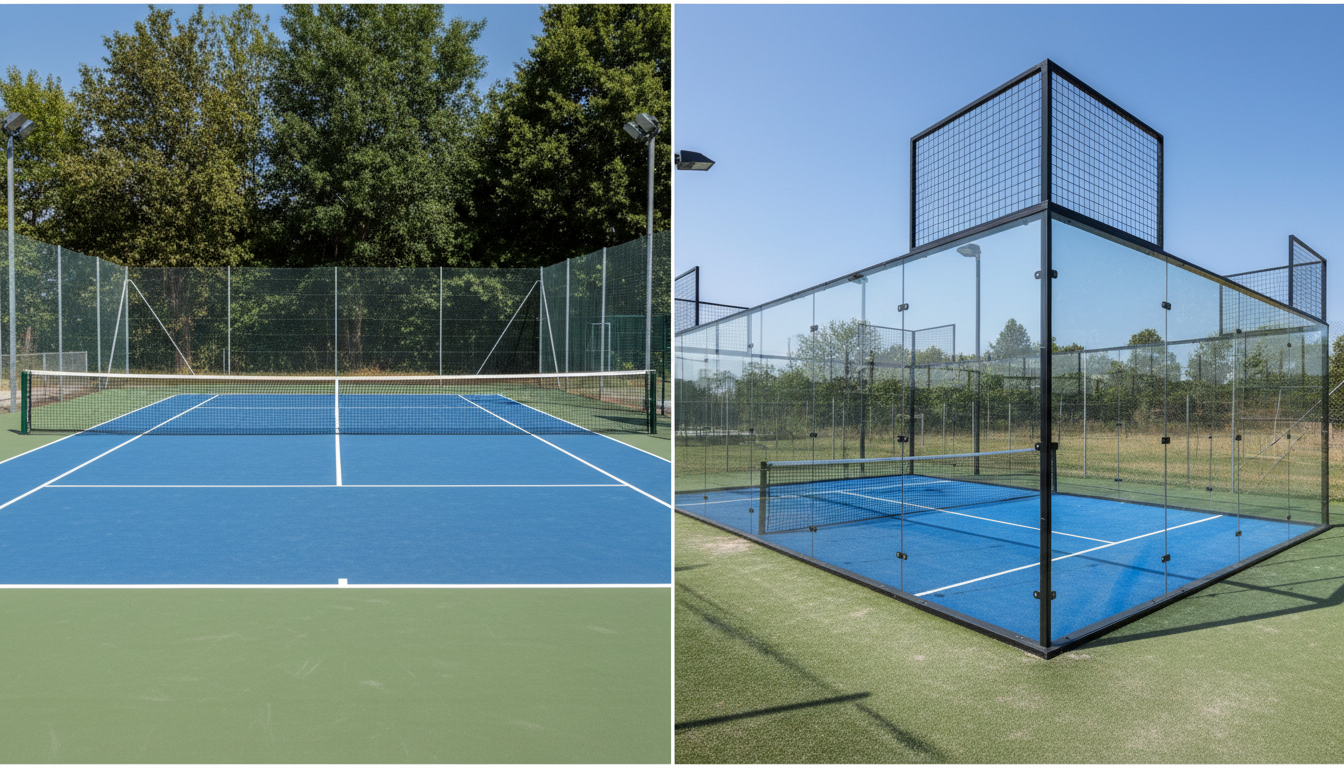
Spatial efficiency was the main priority when was padel invented in Enrique’s garden. A standard padel court is exactly 10 meters wide and 20 meters long, which is roughly 25% smaller than a tennis court. This compact size is why the sport is almost exclusively played in doubles, as four players fill the space perfectly.
Dimensions and boundaries
It gets better. Because the court is smaller, you spend less time running long distances and more time reacting to fast shots. This makes it an ideal sport for urban environments where real estate is at a premium.
- Total Area: 200 square meters.
- Net Height: 88cm at the center.
- Wall Height: 3 to 4 meters.
The layout of the cage
The enclosure is divided into service zones and the main playing area. The back walls are usually made of transparent glass to allow spectators to see the action clearly from all angles.
| Feature | Padel Court | Tennis Court |
|---|---|---|
| Length | 20m | 23.77m |
| Width | 10m | 10.97m (Doubles) |
| Enclosure | Glass and Mesh | Open Space |
Key Takeaway: The smaller court dimensions foster a more intimate and communicative environment between teammates.
The data below examines the relationship between court size and the average number of shots per rally in professional play.
Community was at the heart of the experience when was padel invented for social gatherings. Because you are physically closer to your partner and opponents, the game naturally encourages conversation and laughter. Many players find that they can easily how to experience padel spain as a player or tourist because the club culture is so welcoming.

Built-in teamwork requirements
Think about this. Since you are playing in a 10×10 meter square with another person, communication becomes your most valuable weapon. You cannot cover the entire court alone, so you must learn to move in sync with your partner.
- Constant verbal cues are necessary.
- Social bonding happens during every changeover.
- Post-match drinks are a staple of the culture.
Inclusivity across age groups
The sport is uniquely accessible to children and seniors alike. Because the physical strain is lower than in squash or tennis, families can play together without one person dominating the game.
| Social Factor | Impact on Growth | Popularity Level |
|---|---|---|
| Ease of Entry | High | Extreme |
| Networking | Medium | High |
| Family Play | High | High |
Key Takeaway: Padel functions as much as a social club as it does a competitive athletic discipline.
This section reviews how social interaction metrics correlate with the long-term retention of club members.
What equipment was used when was padel invented at first?
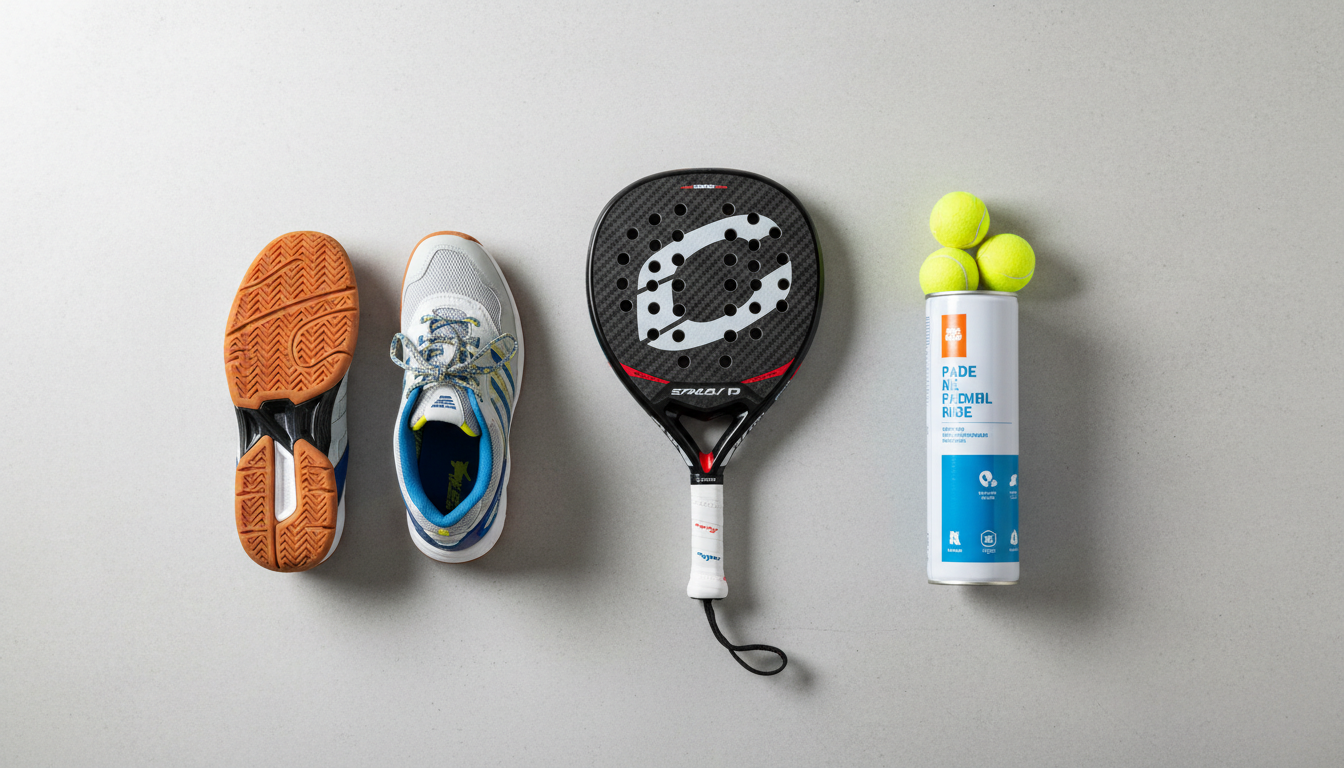
The gear looked very different when was padel invented compared to the high-tech options available today. Originally, players used heavy wooden paddles that lacked the aerodynamic properties of modern carbon fiber frames. You also need to understand how to explain what is padel ball to new players because the ball is slightly smaller and less pressurized than a tennis ball.
The evolution of the racket
The bottom line? Modern rackets are made of lightweight materials like EVA foam and carbon fiber to reduce injury risk. These rackets feature holes to reduce air resistance and allow for massive amounts of spin.
- Shape: Round, Teardrop, or Diamond.
- Weight: Usually between 350g and 380g.
- Surface: Smooth or textured for extra grip.
Footwear and ball specs
You cannot wear standard running shoes on a padel court. The combination of artificial turf and sand requires a herringbone (clay) sole to prevent slipping during sharp lateral movements.
| Equipment | Material | Purpose |
|---|---|---|
| Racket | Carbon/Glass Fiber | Control and Power |
| Ball | Low-pressure Rubber | Slower Bounce |
| Shoes | Herringbone Sole | Traction on Sand |
Key Takeaway: Equipment innovation has transformed the game from a slow-paced hobby into a lightning-fast professional sport.
This guide analyzes how equipment weight and balance affect the prevalence of common injuries like “tennis elbow.”
How do you build a court like when was padel invented?
The engineering standards have shifted significantly since the time when was padel invented in a private yard. Today, building a court requires a solid concrete foundation followed by the installation of a metallic structure and tempered glass panels. If you want to create a premium facility, you must consider the drainage and lighting systems to ensure 24/7 playability.

Foundation and structure
Simply put. You need a level surface. Most courts use a 15cm thick reinforced concrete slab to ensure that the glass panels remain perfectly vertical over time.
- Galvanized steel frames for rust prevention.
- 10mm to 12mm tempered glass for safety.
- LED lighting mounted at 6 meters high.
Selecting the right turf
The “grass” is actually synthetic monofilament fibers filled with fine silica sand. This sand allows players to slide safely and ensures that the ball bounces consistently across the entire surface.
| Component | Standard Choice | Premium Choice |
|---|---|---|
| Glass | Standard Framed | Panoramic (No pillars) |
| Turf | Fibrillated | Texturized (WPT Style) |
| Lights | Halogen | 200W LED |
Key Takeaway: Modern court construction prioritizes visibility and player safety through advanced materials science.
The following text investigates the cost-to-benefit ratio of installing panoramic versus standard glass walls.
What skills were needed when was padel invented for fun?
Strategic thinking was prioritized over raw power during the years when was padel invented. You don’t need to be an elite athlete to enjoy a competitive match if you understand the “geometry” of the court. Newcomers should learn how to start playing padel as a complete beginner by focusing on the lob and the use of the back glass.
Mastering the defensive lob
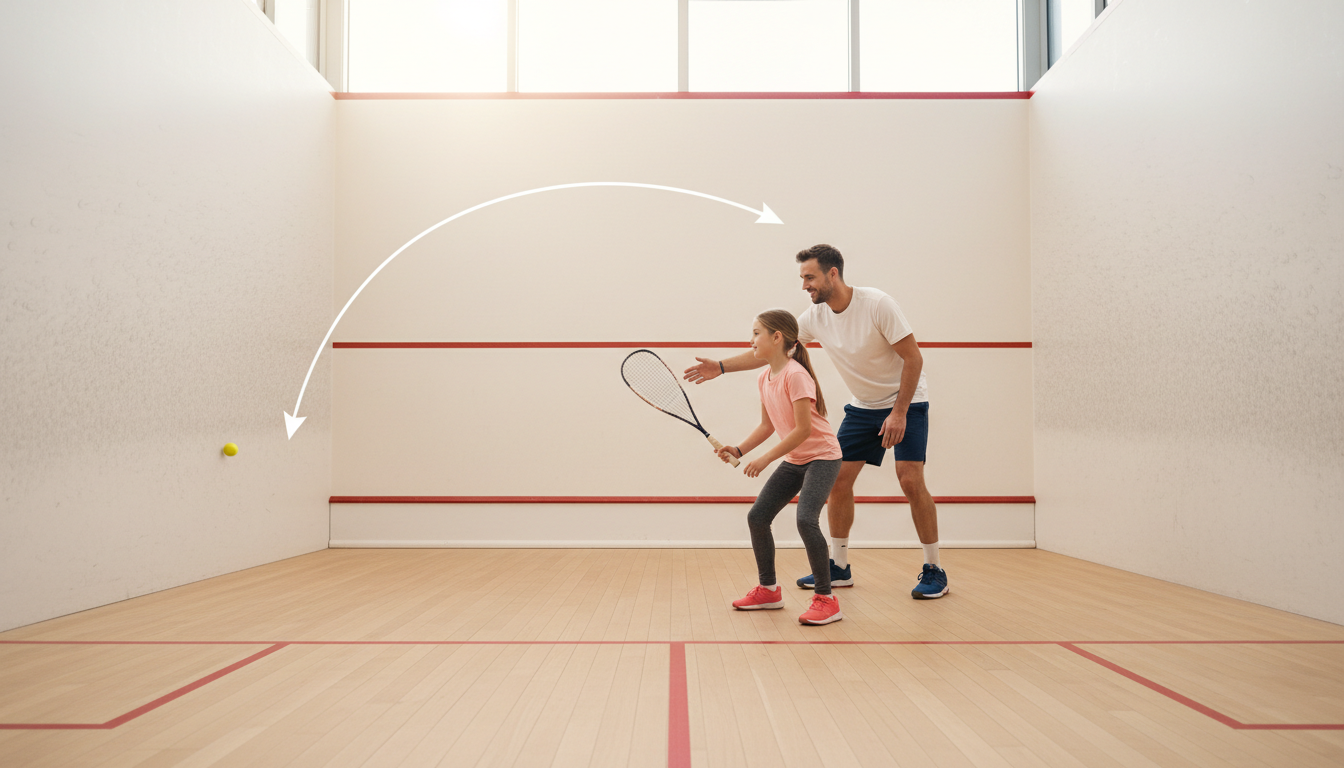
Believe it or not. The lob is the most important shot in the game. It forces your opponents away from the net and gives you time to retake the offensive position.
- High trajectory is better than depth.
- Aim for the back corners to trap opponents.
- Wait for the ball to hit the glass before hitting.
Understanding the rebound
Using the walls effectively is what separates a tennis player from a padel player. You must learn to let the ball pass you, hit the glass, and then strike it on the rebound for a more controlled shot.
| Skill | Description | Difficulty |
|---|---|---|
| Bandeja | A defensive overhead smash. | Medium |
| Chiquita | A soft shot to the feet. | High |
| Bajada | Hitting the ball after a high bounce. | Medium |
Key Takeaway: Patience and positioning are far more valuable than the ability to hit the ball hard.
This analysis details how ball-tracking technology helps players improve their reaction times on glass rebounds.
How has growth exploded since when was padel invented?
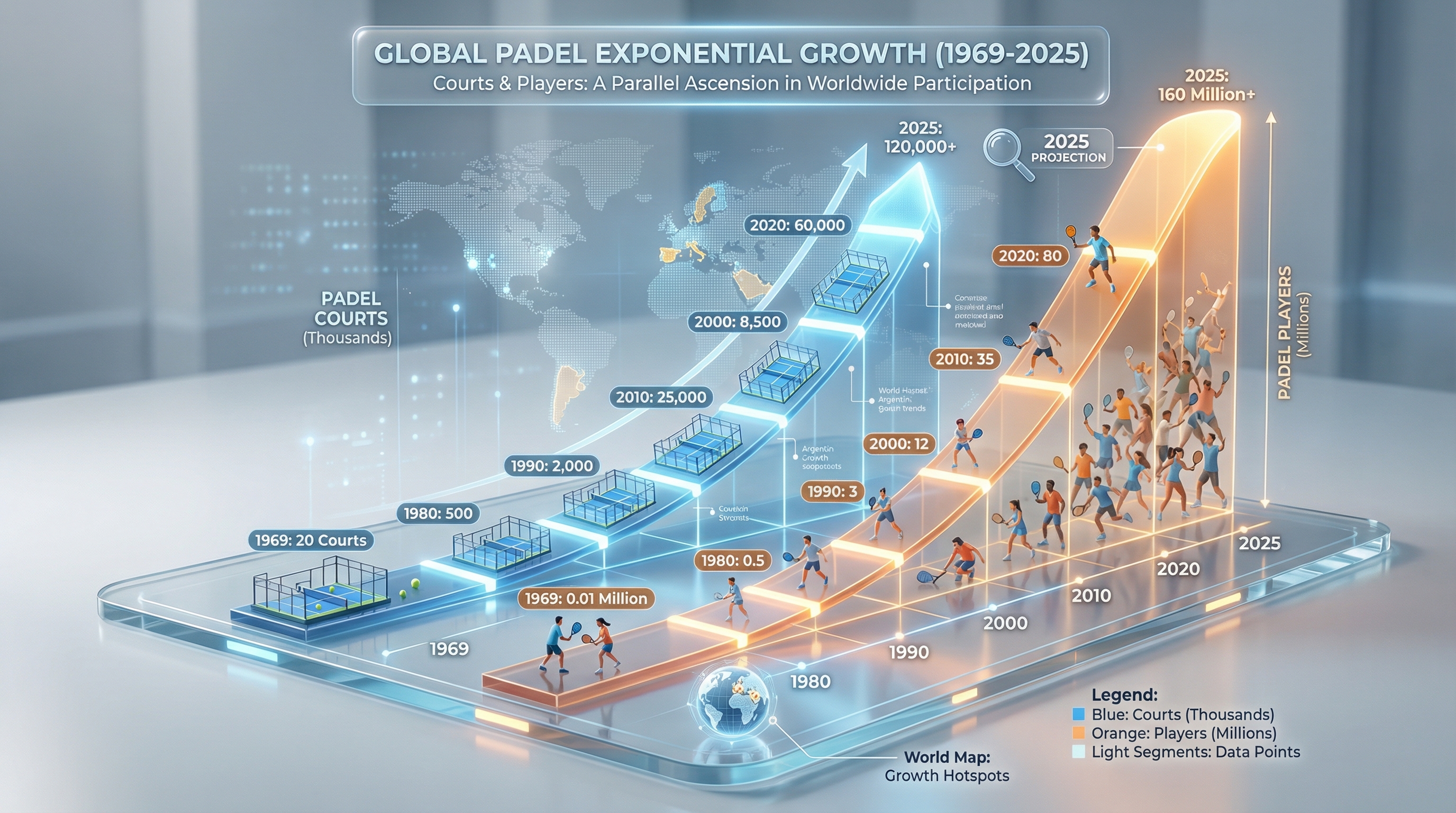
The statistical rise of the sport since when was padel invented is nothing short of extraordinary. What started as a single court in Acapulco has grown into a global industry with over 25 million active players. It is currently the fastest-growing sport in the world, with thousands of new courts being built every year in Europe, the Middle East, and Asia.
Global expansion numbers
The best part? Padel is no longer just a Spanish or Argentine obsession. Countries like Sweden, Italy, and the UAE have seen a 300% increase in court construction over the last five years.
- Spain: 20,000+ courts.
- Argentina: 10,000+ courts.
- Sweden: 3,500+ courts.
The road to the Olympics
There is a massive push to include the sport in the Olympic Games. To qualify, the sport must be played in a high number of countries across multiple continents, a milestone that it has already surpassed.
| Decade | Estimated Courts | Global Presence |
|---|---|---|
| 1970s | <50 | Mexico, Spain |
| 1990s | 2,000 | Latin America, Europe |
| 2020s | 50,000+ | Worldwide |
Key Takeaway: Padel’s growth is driven by its high profitability for club owners and its addictive nature for players.
This study examines the socio-economic factors that allowed padel to overtake tennis in participation rates in specific regions.
What is the pro legacy from when was padel invented?
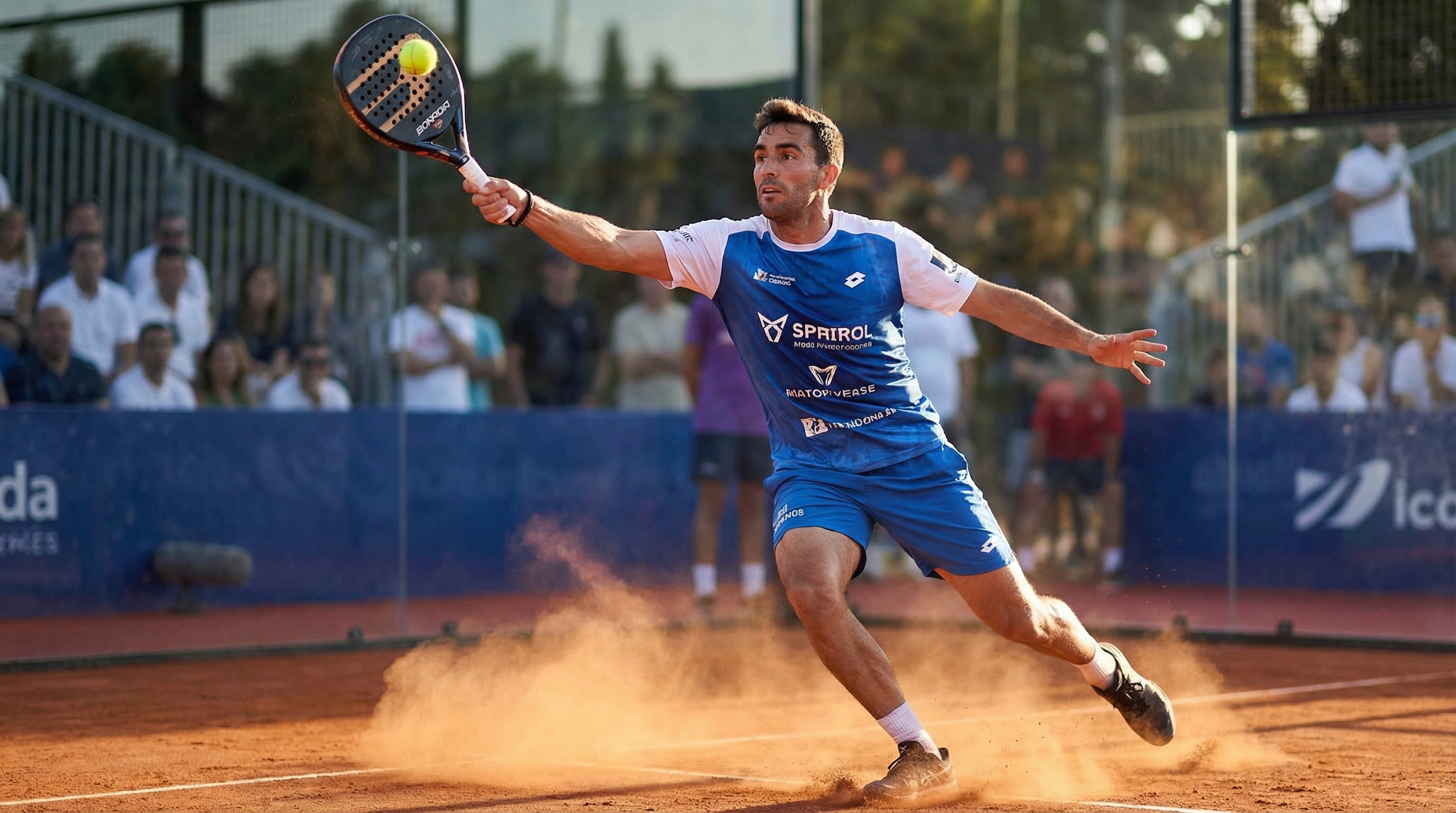
The professional circuit has reached heights never imagined when was padel invented. Today, professional players are global icons with massive sponsorship deals and a rigorous travel schedule. Fans who want to stay engaged should learn how to follow the world padel tour throughout the season to witness the evolution of athletic technique.
The professionalization of play
Want to know a secret? Professional matches are played at a speed that makes the 1969 version of the game look like slow motion. The introduction of specialized “pro” balls and texturized court surfaces allows athletes to hit “kick smashes” that bounce out of the court entirely.
- Prize pools in the millions.
- Live broadcasting in over 100 countries.
- Advanced data analytics for every match.
Top-tier athletes to watch
The sport is currently dominated by Spanish and Argentine players, but international talent is rising fast. The level of athleticism required to cover the court in a pro doubles match is immense.
| Metric | Professional Level | Amateur Level |
|---|---|---|
| Smash Speed | 120+ km/h | 60-80 km/h |
| Rally Length | 15+ shots | 4-6 shots |
| Training | 6+ hours/day | 2-3 hours/week |
Key Takeaway: The professionalization of the sport has created a roadmap for youth development programs worldwide.
The final analysis explores how television broadcasting rights have impacted the design of modern panoramic padel stadiums.
Whether you are looking to enter the world of competitive racket sports or simply want a new way to stay active with friends, padel offers the perfect solution. Its rich history and innovative court design make it a unique addition to the sporting landscape. If you are ready to start your own facility or need expert guidance on court construction, contact us today.
Frequently Asked Questions
Can I build a padel court in my own backyard?
Yes, provided you have at least 200 square meters of flat space and the necessary local building permits. You will also need to consider a reinforced concrete foundation to support the glass walls.
What’s the best way for a tennis player to transition to padel?
Focus on slowing down your game and learning to use the glass walls to your advantage. Tennis players often try to hit the ball too hard, which is less effective in padel than strategic placement.
How do I know if a padel racket is the right weight for me?
Concise judgment: start with a mid-weight racket (around 360g) to find a balance between power and maneuverability. Heavy rackets can cause arm fatigue, while light rackets may lack the power needed for smashes.
Can I play padel singles if I don’t have four players?
Yes, but you will need a specialized singles court, which is 6 meters wide instead of 10. Playing singles on a standard doubles court is significantly more exhausting and not the traditional way to enjoy the sport.
What’s the best surface for a professional-grade padel court?
Concise judgment: texturized monofilament synthetic grass is the current gold standard. It provides the best grip for players and the most consistent ball bounce for high-level competitive play.