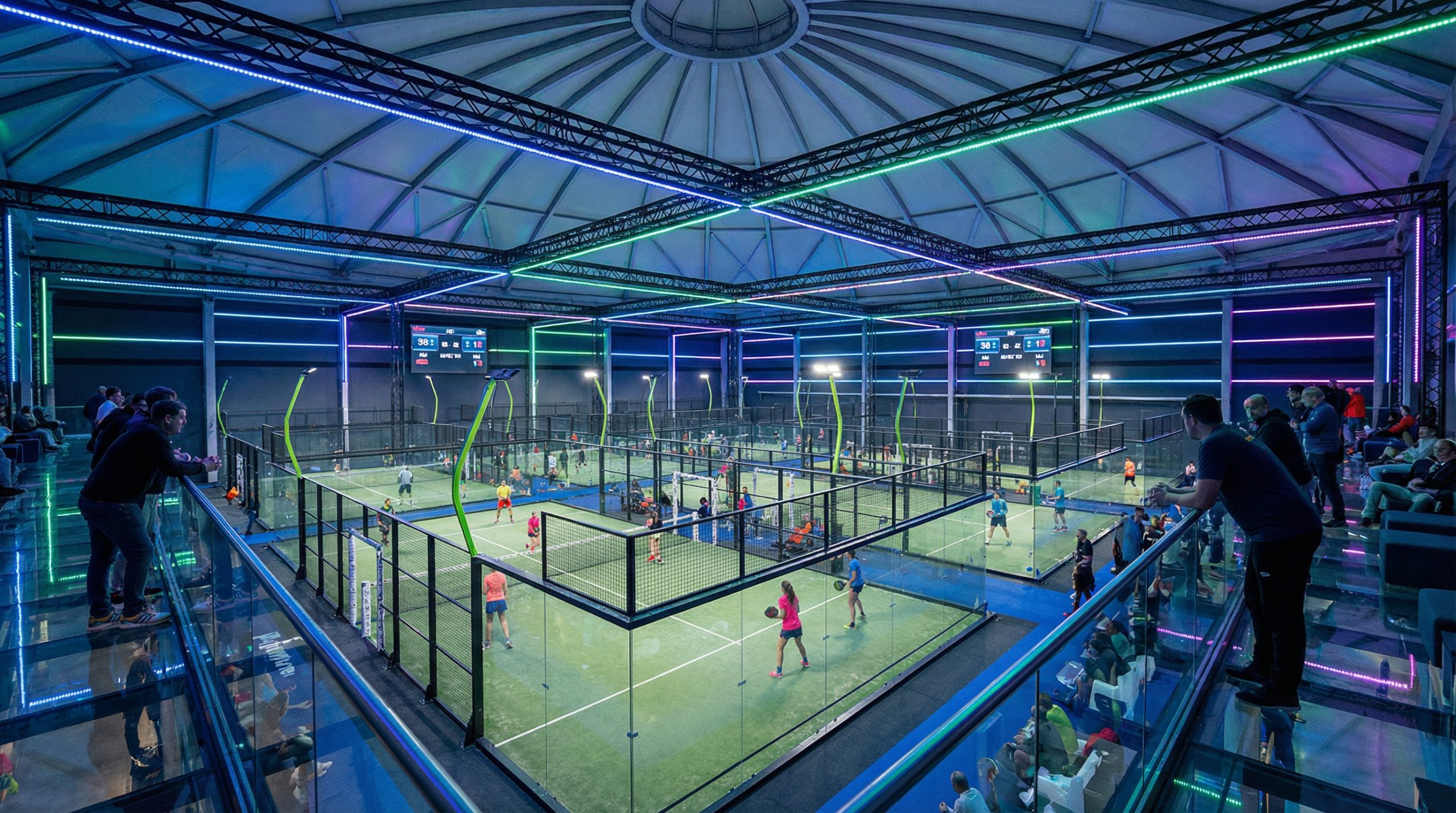
The global sports landscape is witnessing an unprecedented surge in padel participation, with new clubs and equipment lines appearing in every major city. However, for entrepreneurs entering this space, the “gold rush” often leads to a common pitfall: launching a business that looks exactly like everyone else’s. Without a distinct identity and high-quality infrastructure, new ventures struggle with low player retention, inconsistent revenue, and a failure to stand out in an increasingly crowded market. This guide provides a strategic blueprint for defining what modern padel brands represent and the technical steps required to build a sustainable, premium presence in the industry.
1. What defines successful padel brands in today’s market?
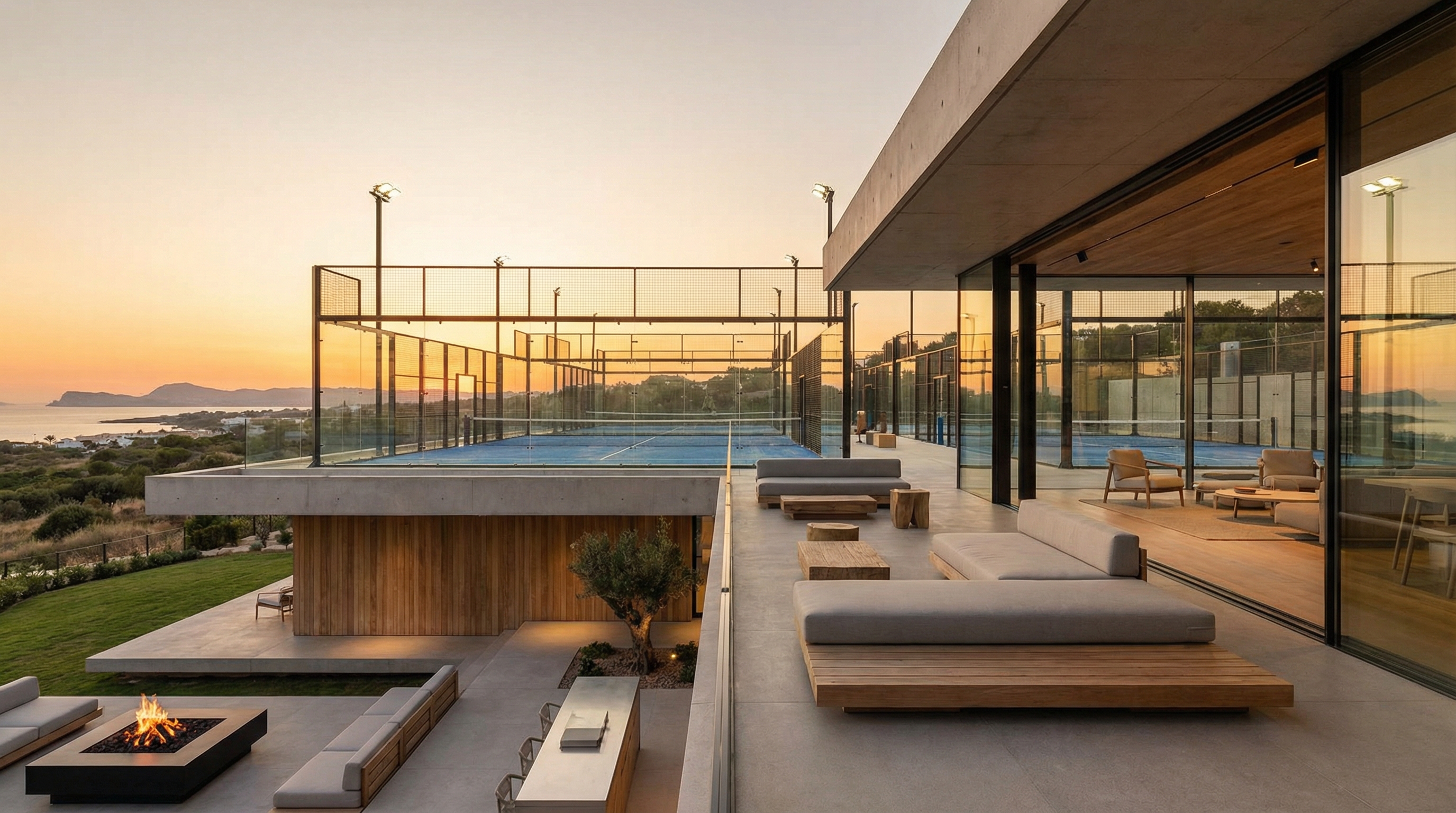
In the current hyper-competitive sports landscape, successful padel brands are defined by their ability to seamlessly merge technical excellence with a relatable social narrative. You must understand that consumers are no longer just looking for a racket or a court, but are seeking an entry point into a specialized community. The most effective organizations in this space prioritize a holistic approach that balances the rigors of professional-grade equipment with the accessibility of a lifestyle brand. By focusing on these dual tracks, you ensure that your venture resonates with both elite competitors and weekend enthusiasts alike.
To achieve this balance, you must look beyond the immediate transaction and focus on the long-term value proposition offered to your target audience. This involves a commitment to aesthetic consistency, technical superiority, and an unwavering focus on the end-user experience across all digital and physical touchpoints. When you align your operational goals with the emotional needs of the player, you create a brand that is both resilient and highly scalable.
Think about it:
- Lifestyle Integration: Increases player retention and social sharing by making the sport part of a daily routine.
- Technical Innovation: Justifies premium pricing and professional adoption through measurable performance benefits.
- Operational Trust: Reduces churn and builds long-term equity by providing a reliable and safe playing environment.
The intersection of lifestyle and performance
You must recognize that modern athletes view their equipment as an extension of their personal brand and social identity. This means your products should not only perform at the highest level during intense matches but also look sophisticated in a social or retail setting. By curating a visual language that speaks to both fashion and function, you capture a broader share of the market that values versatility. Your goal is to create a seamless transition for the player from the high-intensity environment of the court to the relaxed atmosphere of the club lounge.
The most successful ventures treat every design choice as a strategic opportunity to reinforce this intersection of utility and style. You should invest in materials that offer a premium tactile feel while maintaining the structural integrity required for professional play. When your brand becomes synonymous with this balanced approach, you foster a sense of pride and belonging among your customers. This emotional resonance is what ultimately drives word-of-mouth marketing and organic community growth in a crowded marketplace.
Innovation as a brand pillar
True leadership in the sports equipment sector is often rooted in a relentless pursuit of technological advancement and material science. You must position your brand at the forefront of innovation by constantly exploring new manufacturing techniques and performance-enhancing features. Whether you are experimenting with novel carbon fiber weaves or revolutionary core densities, your commitment to R&D serves as a powerful differentiator. This proactive stance signals to the market that you are not merely a participant but a pioneer shaping the future of the sport.
Innovation should also extend to the way you interact with your customers and gather data to improve your offerings. You can leverage feedback loops and performance analytics to refine your product iterations, ensuring that each new release solves a specific pain point for the player. By making technical progress a core part of your brand narrative, you attract the most discerning and influential segments of the padel community. This reputation for cutting-edge quality creates a protective moat around your business, making it difficult for low-cost competitors to gain traction.
Reliability and market trust
In an industry experiencing rapid expansion, the ability to deliver consistent quality is perhaps your most significant competitive advantage. You build market trust by ensuring that every product leaving your facility or every match played on your courts meets a rigorous set of standards. Players need to know that their equipment will perform predictably under pressure and that their playing environment is maintained to the highest safety levels. When you prioritize reliability over short-term cost savings, you lay the foundation for a legacy brand that can withstand market fluctuations.
Trust is also fostered through transparent communication and a commitment to exceptional customer support at every stage of the journey. You should be open about your manufacturing processes, the origin of your materials, and the steps you take to ensure environmental and social responsibility. This level of honesty builds a deep psychological bond with your audience, transforming casual users into passionate brand advocates. In the long run, the integrity of your brand will be the primary driver of customer lifetime value and sustainable profitability.
| Brand Pillar | Strategic Objective | Key Outcome |
|---|---|---|
| Lifestyle | Community Integration | High Player Retention |
| Technical | Performance Excellence | Premium Market Position |
| Trust | Operational Consistency | Long-term Brand Equity |
Key Takeaway: Success depends on balancing high-performance technology with a lifestyle-oriented community narrative.
2. Why is identity crucial for new padel brands?
Establishing a unique identity is the only way to ensure that your padel brands do not get lost in a sea of generic competitors. In a market where physical products often share similar technical specifications, it is the emotional and visual “wrapper” that dictates consumer preference. You must craft a narrative that clearly articulates why your brand exists and what specific problems it solves for the modern player. Without this strategic clarity, your marketing efforts will likely lack the focus necessary to cut through the noise of a saturated global market.
Your identity serves as the organizational DNA that informs every decision, from the colors of your logo to the tone of your social media posts. It provides a framework for consistency, ensuring that whether a player is interacting with your brand in Tokyo or Madrid, the experience feels cohesive. When you invest the time to define your core values and visual language, you create a recognizable entity that players can trust. This level of professional polish is essential for attracting high-value partnerships and securing your place as a market leader.
It gets better:
- Visual Design: Creates instant recognition on the court and across various digital platforms.
- Target Messaging: Connects with the specific needs and aspirations of your chosen audience segment.
- Value Proposition: Explains clearly why players should choose your products or facilities over the alternatives.
Differentiating in a saturated market
The rapid influx of new players and businesses means that “being good” is no longer enough to guarantee success in the padel industry. You must identify a specific angle or niche that allows your brand to stand out from the standardized offerings currently available. This might involve focusing on extreme durability, avant-garde design, or a specific community-focused mission that others have neglected. By carving out a unique space, you reduce the need to compete solely on price, which is a race to the bottom for most new ventures.
Effective differentiation requires a deep understanding of your competitors’ weaknesses and a willingness to take bold creative risks. You should analyze the market landscape to find the “white space” where player needs are not being met by existing brands. Once you find this opening, you must commit to it fully, ensuring that your unique selling proposition is integrated into every aspect of your business. This focused approach allows you to build a small but fiercely loyal following that will eventually become the engine for your broader expansion.
Attracting the right demographic
Not every padel player is your ideal customer, and trying to appeal to everyone usually results in appealing to no one. You need to use your brand identity as a filter to attract the specific demographic that aligns with your price point and values. Whether you are targeting high-net-worth individuals who demand luxury or young urbanites seeking social connection, your messaging must be tailored accordingly. This strategic alignment ensures that your marketing budget is spent on the individuals most likely to convert and remain loyal.
When you speak directly to the desires and pain of a specific group, your brand becomes a solution rather than just another option. You should use language, imagery, and platforms that resonate with your target’s lifestyle and daily habits. For example, a performance-focused brand should emphasize technical data and professional testimonials, while a lifestyle-oriented brand might focus on social events and aesthetics. By being specific, you create a magnetic effect that draws in the right players while naturally filtering out those who are not a fit.
Supporting long-term scalability
A well-defined brand identity acts as a strategic North Star that guides your business through various stages of growth and evolution. As you consider opening new locations or launching secondary product lines, your core values ensure that the “soul” of the brand remains intact. You can use your established identity as a template for expansion, making it easier to train new staff and maintain quality control across borders. This consistency is what allows a single successful club or product to grow into a global empire.
Think of your identity as the foundation of a building; the stronger it is, the higher you can safely build. When your brand has a clear purpose, it becomes much easier to make difficult decisions about where to invest your resources and which opportunities to pass up. Scalability is not just about doing more; it is about doing more of the right things in a way that reinforces your market position. A robust brand identity ensures that every new venture you undertake adds to your cumulative reputation rather than diluting it.
| Identity Factor | Impact on Growth | Competitive Edge |
|---|---|---|
| Visual Polish | Brand Recognition | Higher Perceived Value |
| Niche Focus | Customer Loyalty | Price Inelasticity |
| Strategic Consistency | Global Scalability | Operational Efficiency |
Key Takeaway: A strong brand identity acts as a filter for the right customers and a blueprint for global expansion.
3. How do padel brands select the right equipment manufacturing partners?
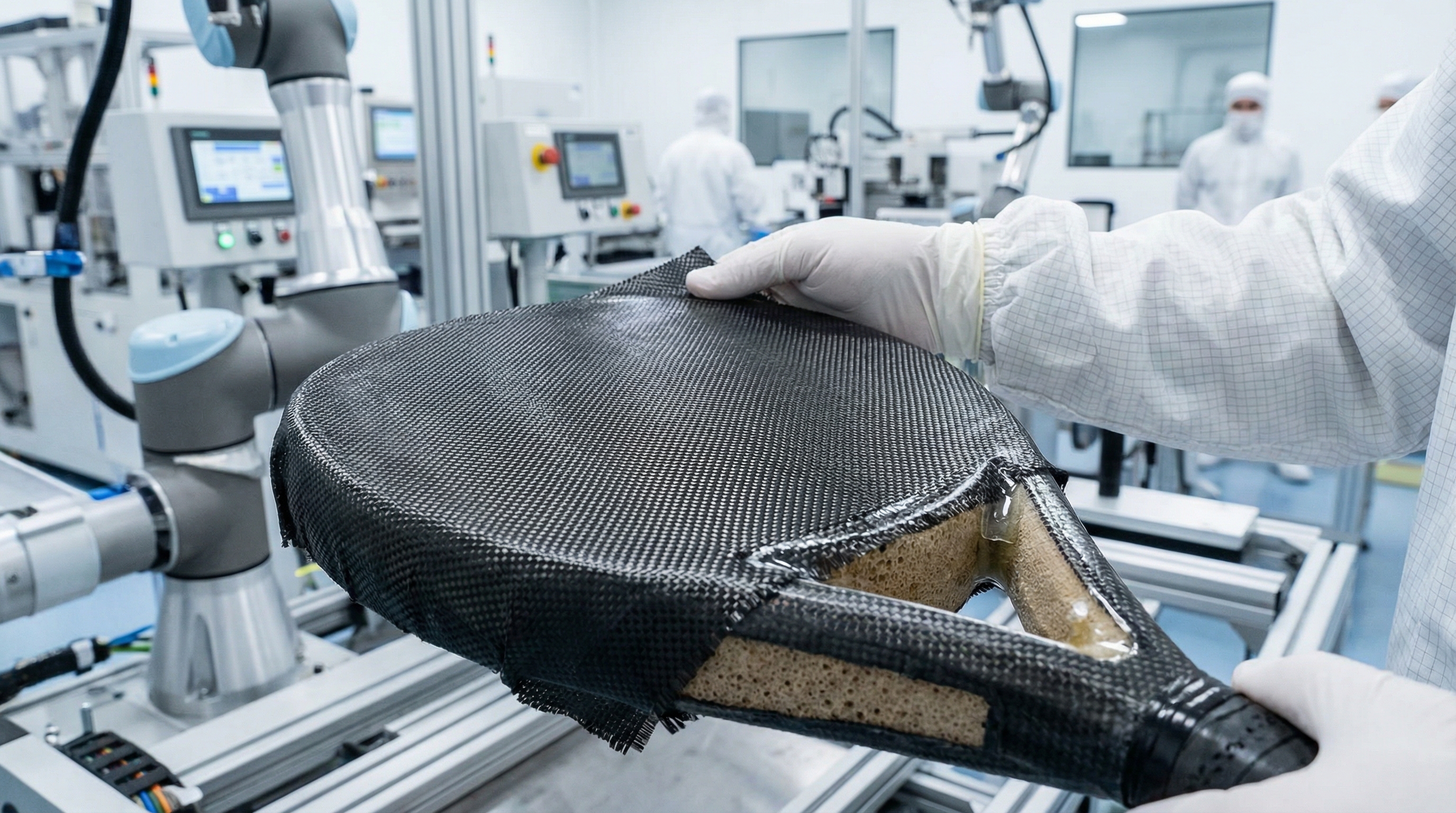
The selection of a manufacturing partner is one of the most critical decisions for padel brands because it directly dictates the quality of the physical product. You must vet potential partners not just on their price lists, but on their technical mastery and their ability to innovate alongside your brand. A poor partnership can lead to inconsistent product batches, high return rates, and a complete breakdown of player trust. Conversely, a strong manufacturing relationship acts as a force multiplier, allowing you to bring superior products to market with confidence.
You should seek out partners who demonstrate a transparent workflow and a commitment to using high-grade raw materials. It is essential to conduct site visits or request detailed audit reports to ensure that their production standards align with your brand’s premium positioning. When you find a manufacturer that shares your vision for excellence, they become a silent co-author of your brand’s success. This collaboration is what allows you to maintain a competitive edge in an industry where technical nuances can make or break a player’s experience.
Consider these factors:
- Material Quality: Critical for ensuring product lifespan, player safety, and consistent performance on the court.
- Design Flexibility: Highly important for brand differentiation and creating a unique visual identity in the market.
- Scalability: Essential for ensuring that your supply chain can keep up with the increasing demands of a growing brand.
Evaluating production capabilities
Before signing any agreements, you must perform a comprehensive audit of a factory’s technical capabilities and quality control measures. You need to know if they have experience working with specific materials like 3K, 12K, or 18K carbon fiber and how they manage resin distribution. Consistency is the hallmark of a professional manufacturer, and you should ask for data regarding their defect rates and testing protocols. A partner that can guarantee uniformity across thousands of units is vital for maintaining your brand’s reputation for excellence.
Furthermore, you should evaluate their ability to handle complex structural requirements, such as customized frame shapes or innovative hole patterns. You want a partner who isn’t just following a template but is capable of pushing the boundaries of what is possible in racket engineering. Ask about their research and development department and whether they can assist you in prototyping new designs from scratch. The right manufacturer will have the machinery and the expertise to transform your creative concepts into high-performance reality.
Customization and white-labeling options
For entrepreneurs looking to enter the market quickly, finding a flexible white-label partner can be a highly efficient strategy. You should look for manufacturers that offer a wide range of “open molds” while still allowing for significant aesthetic and technical customization. This allows you to create a product that feels unique and high-end without the massive upfront cost of developing proprietary molds. However, you must ensure that even with a white-label approach, the final product reflects your brand’s specific standards for foam density and weight balance.
Customization should extend beyond the physical product to include your branding, packaging, and even the technical manuals provided to the customer. You want your manufacturing partner to be an invisible extension of your team, providing a product that arrives ready for the retail shelf. When you have the ability to tweak the specifications—such as the balance point or the stiffness of the frame—you can tailor your offerings to specific player levels. This flexibility is key to building a diverse product portfolio that caters to the entire spectrum of the padel market.
Ethical and sustainable sourcing
In today’s global economy, your brand is judged not only by the quality of its products but also by the ethics of its supply chain. You should prioritize manufacturing partners who adhere to fair labor practices and utilize sustainable production methods whenever possible. Modern players are increasingly conscious of their environmental footprint and are more likely to support brands that demonstrate a commitment to social responsibility. By selecting an ethical partner, you protect your brand from future reputational risks and align yourself with the values of the next generation of consumers.
Sustainability can also be a powerful marketing tool that differentiates you from more traditional, high-waste competitors. You might look for manufacturers that use recycled materials in their packaging or those that have implemented energy-efficient processes in their factories. When you can prove that your products are made with care for both the player and the planet, you build a deeper level of trust with your audience. This commitment to ethics becomes a core part of your brand identity, attracting like-minded customers and employees who want to be part of a positive movement.
| Selection Criteria | Importance | Key Requirement |
|---|---|---|
| Technical Mastery | Critical | Experience with 18K Carbon |
| R&D Support | High | In-house Prototyping |
| Supply Chain Ethics | Medium | Certified Fair Labor |
Key Takeaway: Manufacturing partners must offer a blend of technical innovation and ethical consistency to protect your brand reputation.
4. What role does infrastructure play for facility-based padel brands?

For any brand focused on operating clubs or courts, infrastructure is the primary physical manifestation of your padel brands’ value. You must view your facility not just as a place to play, but as a high-performance environment that dictates the player’s level of enjoyment and safety. High-quality infrastructure reduces your long-term maintenance costs and ensures that the facility remains visually appealing for marketing purposes. When you invest in premium materials from the start, you are essentially investing in the longevity and profitability of your brand.
The layout and structural integrity of your courts will determine the “flow” of your club and how players interact with your brand during their visit. You should prioritize layouts that maximize spectator visibility while maintaining a sense of privacy and exclusivity for the players. By focusing on the technical details—such as the quality of the galvanized steel and the thickness of the tempered glass—you signal to your customers that you take their sport seriously. This professional-grade environment is what allows you to charge premium rates and maintain high occupancy levels year-round.
Think about it:
- Covered Structures: Guarantees 365-day availability and protects your revenue from the unpredictability of seasonal weather.
- Premium Materials: Lowers long-term repair costs and significantly improves the safety profile of your facility.
- Social Layouts: Increases secondary spend through food and beverage services while fostering a strong sense of community.
Creating an all-weather playing environment
One of the biggest threats to the financial stability of a padel club is the volatility of the weather, which can lead to frequent cancellations and lost revenue. You should consider the strategic advantage of implementing a roofed padel court to ensure that your facility remains operational regardless of rain or extreme heat. This infrastructure choice allows you to offer consistent scheduling for leagues, tournaments, and coaching sessions, which is vital for player retention. A covered environment also protects your courts from UV damage and moisture, extending the lifespan of your turf and net systems.
Furthermore, a climate-controlled or sheltered environment creates a more comfortable experience for spectators and social visitors. You can create a year-round social hub where people feel welcome to linger even when they are not playing, driving up your secondary revenue streams. By removing the “weather variable” from your business model, you make your brand more reliable in the eyes of your members. This reliability is a cornerstone of professional branding, positioning your facility as a premier destination that players can depend on every single week.
Durability and structural integrity
You must never compromise on the quality of the raw materials used in your court construction, as this is the most direct point of contact between the player and your brand. Using high-grade steel with anti-corrosion treatments ensures that your courts remain safe and sturdy even in high-humidity or coastal environments. The glass panels must be engineered to withstand the repeated high-impact force of players and balls, meeting all international safety certifications. When your infrastructure is built to last, your brand gains a reputation for being a “serious” player in the industry that values the safety of its community.
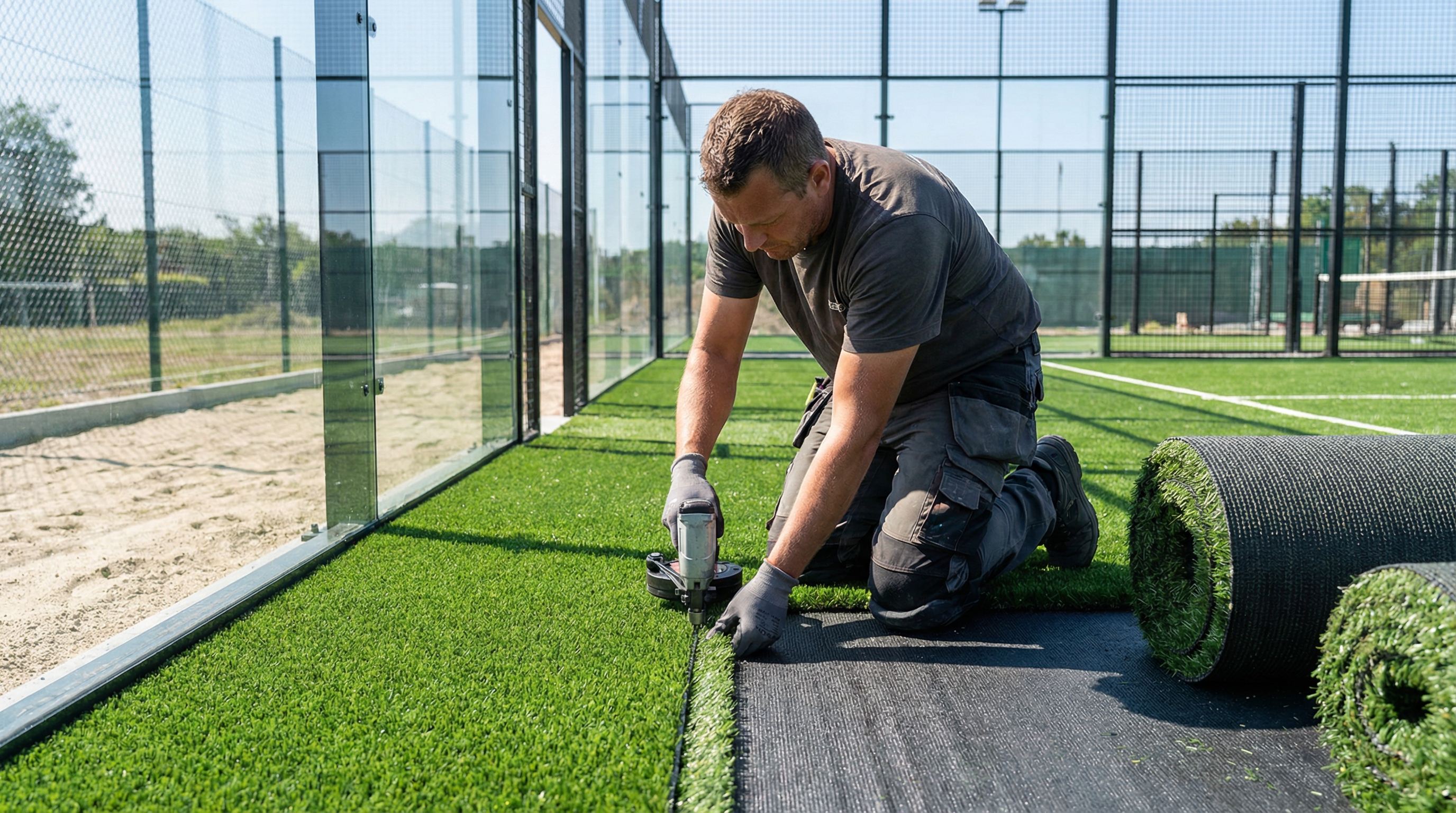
Investing in durability also has a direct impact on your bottom line by reducing the frequency and cost of repairs. You should choose turf that is specifically designed for high-traffic use, ensuring that it maintains its friction and bounce characteristics over several years. A well-constructed court looks newer for longer, which is essential for attracting high-end corporate events and sponsors who want to be associated with quality. Your facility’s physical condition is a silent ambassador for your brand; make sure it speaks of excellence and long-term stability.
Enhancing the spectator experience
Modern padel is as much about the community as it is about the competition, and your infrastructure should reflect this social reality. You should design your courts with clear sightlines and comfortable seating areas that encourage people to stay and watch the matches. High-quality glass and minimal-pillar designs allow for a panoramic viewing experience that makes the sport more engaging for newcomers. When you create an environment that is welcoming to non-players, you expand your brand’s reach and create a more vibrant, energetic atmosphere.
Think about incorporating “social zones” like cafes, pro-shops, or even workspaces into your facility layout to maximize the time players spend on-site. The longer a person stays at your club, the more likely they are to engage with your other products, services, and community events. You are not just selling court time; you are selling a social experience that happens to center around a sport. By prioritizing the spectator experience, you turn your facility into a destination that serves as the “third place” for your players between work and home.
| Facility Component | Economic Benefit | Player Experience |
|---|---|---|
| Roofed Systems | Uninterrupted Revenue | Year-round Comfort |
| High-Grade Glass | Lower Liability | Professional Safety |
| Pro-Shop/Cafe | Secondary Revenue | Community Hub |
Key Takeaway: Infrastructure is the physical proof of your brand’s quality; investing in durability secures long-term profitability.
5. How can padel brands optimize court aesthetics for better engagement?
The visual appeal of your facility is a critical component of modern marketing for padel brands, especially in the age of social media. You must design your courts to be “Instagrammable,” creating an environment that players are excited to capture and share with their own networks. High-end aesthetics don’t just look good; they create a psychological sense of value that justifies premium membership fees and attracts higher-level tournaments. When your facility looks like a professional arena, your players will feel and play like professional athletes.
You can use color, lighting, and specialized glass designs to create a unique atmosphere that sets your brand apart from the standard local club. Every aesthetic choice should be intentional and aligned with your overall brand identity, whether that is minimalist and modern or vibrant and high-energy. By paying attention to these visual details, you turn a functional sports space into a curated brand experience. This level of detail is what creates a lasting impression on your visitors and keeps them coming back to your specific brand of padel.
It gets better:
- Panoramic Glass: Offers high “Instagrammability” and unmatched spectator visibility for a truly premium feel.
- Custom Turf Colors: Reinforces brand recognition and creates a unique visual signature for your facility.
- Lighting Quality: Enhances the professional feel of the court and improves the quality of video broadcasts and photos.
The impact of panoramic views
To truly elevate your brand’s physical presence, you should consider the installation of a super panoramic padel court which eliminates traditional pillars for a seamless glass look. This design choice provides an unobstructed view of the action, making it ideal for high-stakes matches and professional filming. From a player’s perspective, the absence of bulky structural elements creates a sense of openness and luxury that traditional courts simply cannot match. This “wow factor” is a powerful tool for attracting influencers and media coverage, which provides free promotion for your brand.
Beyond the marketing benefits, panoramic courts significantly improve the spectator experience by allowing everyone in the vicinity to see the game clearly from any angle. This makes your facility a preferred choice for hosting tournaments and exhibitions, as it caters to both live and remote audiences. The investment in panoramic technology signals that your brand is at the cutting edge of industry trends and is committed to providing the best possible environment for the sport. When you lead with high-end design, you position your brand as the gold standard in your local or regional market.
Color psychology and branding
You should strategically use color throughout your facility to reinforce your brand identity and influence the mood of your players. While traditional blue turf is common, choosing a custom color that aligns with your logo or corporate palette can make your courts instantly recognizable. You might use darker, more muted tones to create a sense of exclusivity and focus, or bright, high-contrast colors to evoke energy and excitement. The key is consistency; your turf, frames, and perimeter branding should work together to tell a unified visual story.
Color can also be used to improve the playability of the courts by providing better contrast between the ball and the playing surface. You should test how different lighting conditions affect your chosen colors to ensure that the environment remains functional at all times of the day. When players enter your facility and see a perfectly coordinated color scheme, they immediately perceive a higher level of professionalism. This attention to detail builds confidence in your brand and makes the overall experience feel more premium and well-curated.
Lighting as a design element
Professional-grade LED lighting is essential for both the functionality of your courts and the overall “vibe” of your facility during evening hours. You should invest in lighting systems that provide uniform coverage without creating glare or shadows that can interfere with the game. Beyond simple visibility, the design of your light poles and the temperature of the light can dramatically change the look and feel of your club. Warm lighting can create a more social, welcoming atmosphere, while cool, bright lighting is often preferred for a high-intensity, competitive feel.
Effective lighting also plays a major role in the quality of the content created at your facility, such as match recordings or social media posts. You want to ensure that players look good and the action is clear whenever a camera is pointed at your courts. Modern lighting systems can even be integrated with smart controls to adjust intensity based on the time of day or the specific event being hosted. By treating lighting as a core design element rather than an afterthought, you enhance the premium nature of your brand and improve the user experience.
| Aesthetic Feature | Branding Impact | Engagement Metric |
|---|---|---|
| Panoramic Glass | Luxury Positioning | Social Media Shares |
| Custom Turf | Instant Recognition | Brand Recall |
| Smart LED | Professional Vibe | Content Quality |
Key Takeaway: High-end aesthetics like panoramic glass and custom lighting transform courts into marketing assets.
6. What are the financial considerations for emerging padel brands?
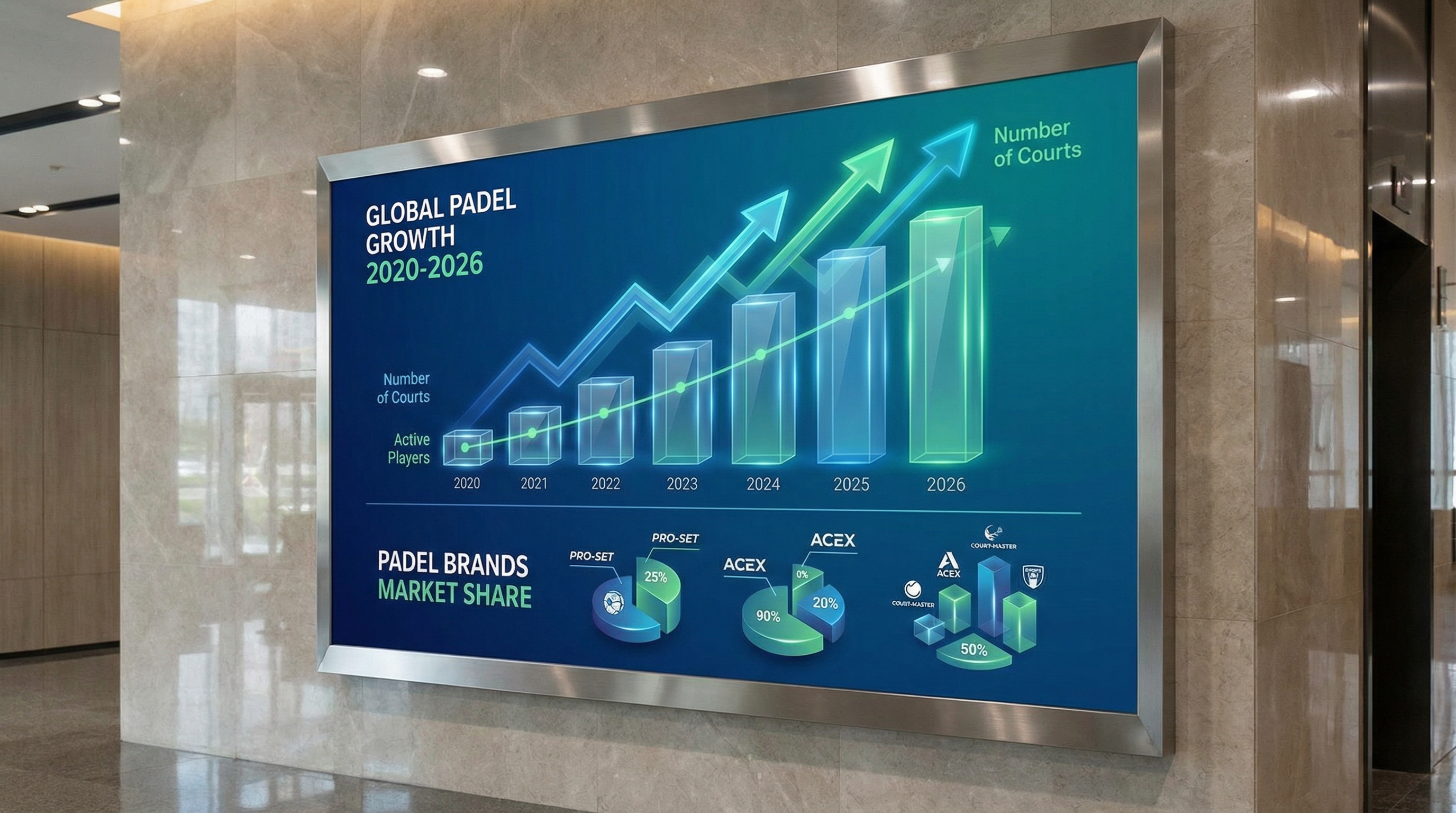
Building and sustaining successful padel brands requires a sophisticated understanding of both capital expenditure and operational cash flow. You must balance the high upfront costs of quality equipment and infrastructure with a realistic plan for generating long-term returns. Many new brands fail because they underestimate the ongoing costs of maintenance, marketing, and staffing required to keep a facility or product line competitive. By taking a data-driven approach to your finances, you can ensure that your brand remains profitable and resilient in any economic climate.
You should explore diverse revenue streams to protect your business from the risks of relying solely on a single source of income. This might involve a mix of retail sales, membership fees, coaching academies, and corporate event hosting. When you diversify your income, you create a more stable financial foundation that allows you to reinvest in the growth and innovation of your brand. Smart financial management is the engine that powers your ability to scale and maintain the high standards that your players expect.
Check this out:
- Indoor Optimization: Maximizes court occupancy regardless of time or weather, ensuring a steady stream of revenue throughout the year.
- Ancillary Services: Increases revenue per player through high-margin offerings like professional coaching and premium retail.
- Logistics Efficiency: Protects your profit margins against the rising costs of raw materials and international shipping.
Balancing initial Capex and long-term ROI
The initial investment in high-quality courts and facilities can be substantial, but it is often the most effective way to ensure long-term profitability. You should learn how to build safe, durable, and profitable indoor padel courts to maximize your return on investment over the coming years. While cheaper materials might save you money in the short term, they often lead to higher maintenance costs and a faster decline in brand reputation. A premium facility attracts a higher-paying clientele, which allows you to recoup your initial capital expenditure more quickly through increased court fees.
You must also consider the “opportunity cost” of downtime caused by poor-quality infrastructure or weather-related closures. By investing in durable, all-weather solutions from day one, you ensure that your “revenue machine” is running as often as possible. Use detailed financial modeling to understand your break-even point and how different occupancy levels will affect your cash flow. When you view your initial capital as a strategic investment in brand equity, you are more likely to make decisions that lead to sustainable, multi-year success.
Diversifying revenue streams
To build a truly resilient brand, you should look beyond simple court rentals and explore the full ecosystem of the sport. You can establish a high-margin pro-shop that sells your branded equipment, apparel, and accessories directly to your most loyal players. Implementing a structured coaching academy not only provides a steady income but also helps to grow the local player base and increase court occupancy during off-peak hours. Corporate sponsorships and hosting local tournaments can also provide significant infusions of cash while raising your brand’s profile in the community.
You might also consider offering “lifestyle” amenities such as a health bar, a recovery lounge, or specialized fitness classes tailored to padel players. These ancillary services turn your facility into a comprehensive wellness destination, increasing the average spend per visitor. When you provide multiple ways for players to engage with and spend money on your brand, you become less vulnerable to fluctuations in court demand. This diversified approach is what separates a simple “court owner” from a sophisticated and profitable padel brand.
Cost management in manufacturing
For brands focused on equipment and apparel, managing the complexities of the global supply chain is essential for maintaining healthy profit margins. You must work closely with your manufacturing partners to optimize the cost of raw materials without sacrificing the performance of the final product. Bulk purchasing agreements and long-term contracts can help you hedge against price volatility in carbon fiber, foam, and specialized fabrics. Additionally, you should analyze your logistics and shipping routes to find the most efficient way to get your products from the factory to the end consumer.
Efficient inventory management is also crucial, as holding too much stock can tie up your capital, while having too little can lead to lost sales opportunities. You should use data-driven forecasting to predict demand for different racket models and sizes, adjusting your production cycles accordingly. By keeping your overhead low and your supply chain lean, you can remain competitive even as larger players enter the market. Financial discipline in manufacturing allows you to reinvest your profits into marketing and R&D, fueling the continuous growth of your brand.
| Revenue Type | Profit Margin | Stability |
|---|---|---|
| Court Rental | Moderate | Variable |
| Retail (Pro-Shop) | High | Seasonal |
| Coaching Academy | High | Consistent |
Key Takeaway: Diversification and all-weather optimization are the keys to a resilient and profitable financial model.
7. How do padel brands maintain quality and safety standards?
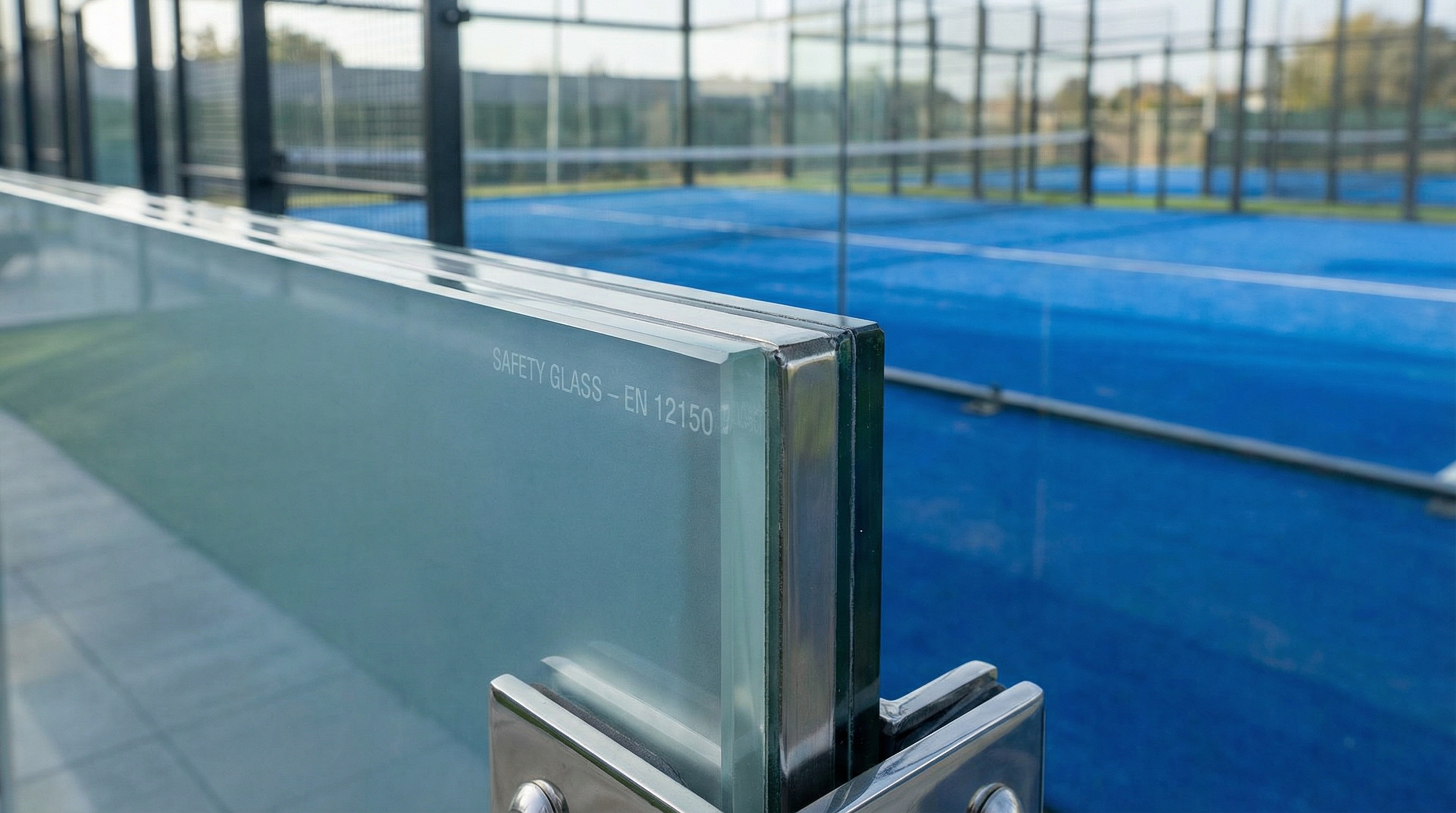
The reputation of your padel brands is inextricably linked to the safety and reliability of your products and facilities. You must establish a “zero-compromise” culture when it comes to quality control, ensuring that every touchpoint meets or exceeds international standards. A single high-profile injury or a batch of faulty equipment can cause irreparable damage to your brand’s credibility and lead to significant legal liabilities. By prioritizing safety, you are not just protecting your players; you are protecting the long-term value of your business.
Maintaining these standards requires a combination of rigorous initial testing and ongoing maintenance protocols. You should be proactive in educating your staff and your customers about the proper use and care of your products. Transparency is key here; you should be open about your safety certifications and the measures you take to ensure a premium experience. When your community knows that you prioritize their well-being above all else, their loyalty to your brand becomes unshakable.
Think about it:
- Impact Testing: Ensure all glass meets tempered safety requirements and frames can withstand high-velocity collisions.
- Turf Maintenance: Regular brushing and sand redistribution are essential for maintaining proper grip and preventing player slips.
- Structural Integrity: Annual checks on galvanized steel frames and tension systems are necessary to prevent corrosion and structural failure.
Rigorous material testing
You must ensure that your manufacturing partners use standardized testing methods to verify the strength and durability of every component. This includes “stress tests” for racket frames, impact resistance tests for tempered glass, and friction tests for playing surfaces. You can learn more about the specific standards required for professional-grade manufacturing to ensure you are selecting the best possible partners. By demanding documented proof of quality, you eliminate the guesswork and ensure that your products are truly “fit for purpose” in a high-intensity sport.
Testing should not be a one-time event but a continuous process that occurs throughout the production cycle. You should randomly audit production batches to ensure that the quality remains consistent over time and across different manufacturing runs. If a material fails to meet your specifications, you must be prepared to reject it immediately, regardless of the impact on your delivery timelines. This commitment to excellence is what defines a premium brand and builds the high level of trust necessary for long-term market leadership.
Regular facility audits
For those operating clubs, you must implement a strict schedule of preventative maintenance to ensure that your courts remain in peak condition. This includes daily inspections of the glass and netting, as well as weekly maintenance of the turf to ensure even sand distribution and optimal bounce. You should keep detailed logs of these audits, which can serve as vital documentation in the event of an insurance claim or legal dispute. A well-maintained facility not only feels safer but also looks more professional and inviting to high-end players and corporate sponsors.
Staff training is a critical component of your maintenance strategy, as your on-site team is your first line of defense against equipment failure. You should ensure that everyone from the front desk staff to the coaching team knows how to identify and report potential safety hazards. By creating a culture of “safety first,” you empower your team to take ownership of the facility’s condition. This proactive approach prevents small issues from turning into major problems, saving you money and protecting your brand’s reputation for excellence.
Certification and transparency
In a market filled with new and unproven entrants, official safety certifications act as a powerful signal of your brand’s legitimacy. You should prominently display your compliance with international standards such as CE, ISO, or specific sports federation certifications. Being transparent about where your materials are sourced and how your products are tested builds a deep sense of confidence among discerning consumers. This level of openness is particularly important when you are selling high-ticket items like professional courts or premium carbon fiber rackets.
Transparency also extends to how you handle issues when they do arise, such as product recalls or equipment malfunctions. If a problem is identified, you should communicate clearly and quickly with your customers, offering solutions that prioritize their safety and satisfaction. Handling a crisis with integrity can actually strengthen your brand loyalty by demonstrating that you value your customers’ trust more than your short-term profits. In the digital age, your reputation for honesty and safety is your most valuable asset; guard it fiercely.
| Standard Category | Maintenance Task | Frequency |
|---|---|---|
| Structural | Steel Corrosion Check | Annual |
| Safety | Glass Panel Inspection | Daily |
| Performance | Turf Brushing | Weekly |
Key Takeaway: Quality control and transparency build the trust necessary for a premium brand to thrive.
8. What marketing strategies work best for padel brands?
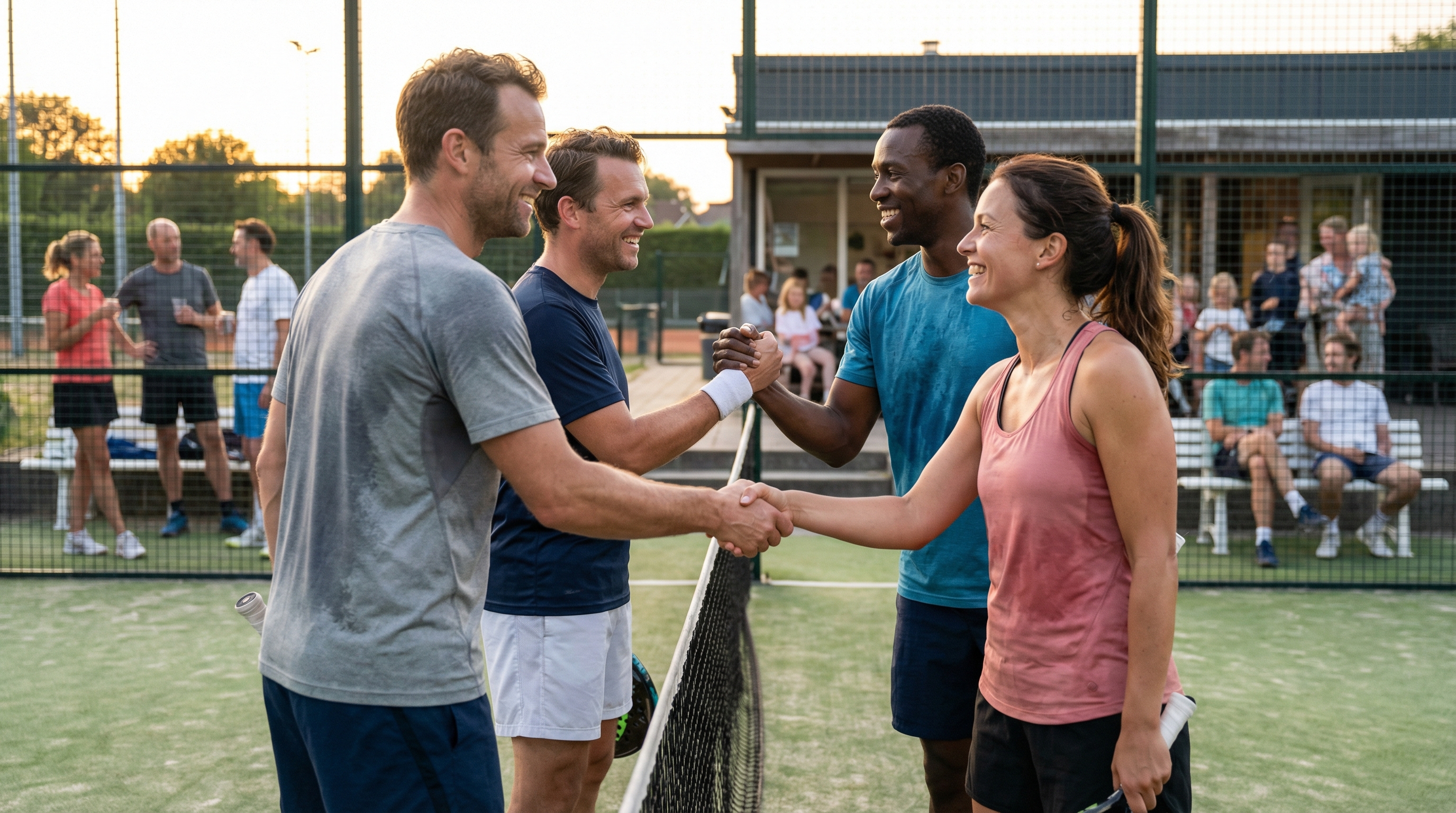
Effective marketing for padel brands must go beyond simple advertising and focus on building an authentic community around the sport. You need to leverage the social nature of padel by creating content and experiences that players actually want to share with their own networks. Digital marketing should be used to provide value—such as tips for improving gameplay or insights into the latest equipment technology—rather than just pushing sales. When you position your brand as a helpful authority in the space, you build a relationship with your audience that is based on mutual respect and expertise.
You should also look for ways to bring your brand into the “real world” through events, sponsorships, and local partnerships. Padel is a physical, social sport, and your marketing efforts should reflect that by facilitating real-life connections between players. By combining a strong digital presence with a vibrant physical community, you create a multi-dimensional brand that is hard for competitors to replicate. Success in padel marketing is about being present wherever the players are, both online and on the court.
It gets better:
- Influencer Collabs: Provides immediate social proof and reaches a highly engaged, targeted audience of active players.
- Educational Content: Positions your brand as a trusted authority, driving long-term SEO and customer loyalty.
- Local Events: Creates direct engagement with potential customers and builds a strong, visible community around your brand.
Leveraging local influencers and pros
Partnering with the right individuals can provide your brand with instant credibility and access to a pre-built community of enthusiasts. You should look for local professional players, respected coaches, or even social media influencers who have a genuine passion for the sport. By providing them with your equipment or access to your facility, you create organic opportunities for them to showcase your brand to their followers. This type of “earned media” is often much more effective than traditional advertising because it comes with a built-in level of trust and authenticity.
When selecting influencers, focus on engagement and community reputation rather than just raw follower counts. You want to work with people who are actively involved in the padel scene and whose values align with your own brand identity. Encourage your partners to create honest, creative content that highlights the unique features of your products or the atmosphere of your club. This collaborative approach turns your marketing into a conversation, making your brand feel more approachable and integrated into the local sports culture.
Content-driven digital marketing
In the digital age, your brand’s online presence is often the first point of contact for potential customers. You should invest in high-quality video and written content that educates, inspires, and entertains your target audience. This might include “how-to” videos for beginners, deep dives into the science of racket construction, or interviews with professional players. By providing this value for free, you build a “content moat” that keeps your brand top-of-mind whenever a player is looking for new equipment or a place to play.
Your digital strategy should also prioritize search engine optimization (SEO) to ensure that your brand appears when players are searching for padel-related information. Use your blog and social media platforms to answer the most common questions your customers have, using the language and terminology of a true expert. Consistent, high-value content builds your authority over time, making it much easier to convert casual browsers into paying customers. Remember, you aren’t just selling a product; you are selling your expertise and your passion for the game.
Hosting community tournaments
There is no better way to showcase the “soul” of your brand than by hosting well-organized, high-energy tournaments and social events. These gatherings provide a platform for players of all levels to test their skills, meet new partners, and experience your brand’s culture firsthand. You should focus on creating an inclusive environment that caters to different skill tiers, ensuring that everyone from beginners to pros feels welcome. A successful tournament generates a massive amount of user-generated content, as players share their wins, losses, and experiences on social media.
Use these events as an opportunity to collect data and feedback directly from your core audience. You can set up product testing stations where players can try out your latest rackets or offer exclusive discounts to tournament participants. By creating these “peak experiences,” you build a deep emotional connection with your community that lasts long after the final match is over. Tournaments are the ultimate proof of your brand’s commitment to the growth and vibrancy of the sport, solidifying your position as a community leader.
| Strategy | Primary Benefit | Success Metric |
|---|---|---|
| Influencers | Social Proof | Referral Traffic |
| Education | Authority | SEO Rankings |
| Events | Direct Sales | Participant Conversion |
Key Takeaway: Community-driven marketing converts players into long-term brand advocates through authenticity.
9. How can padel brands build a loyal community of players?
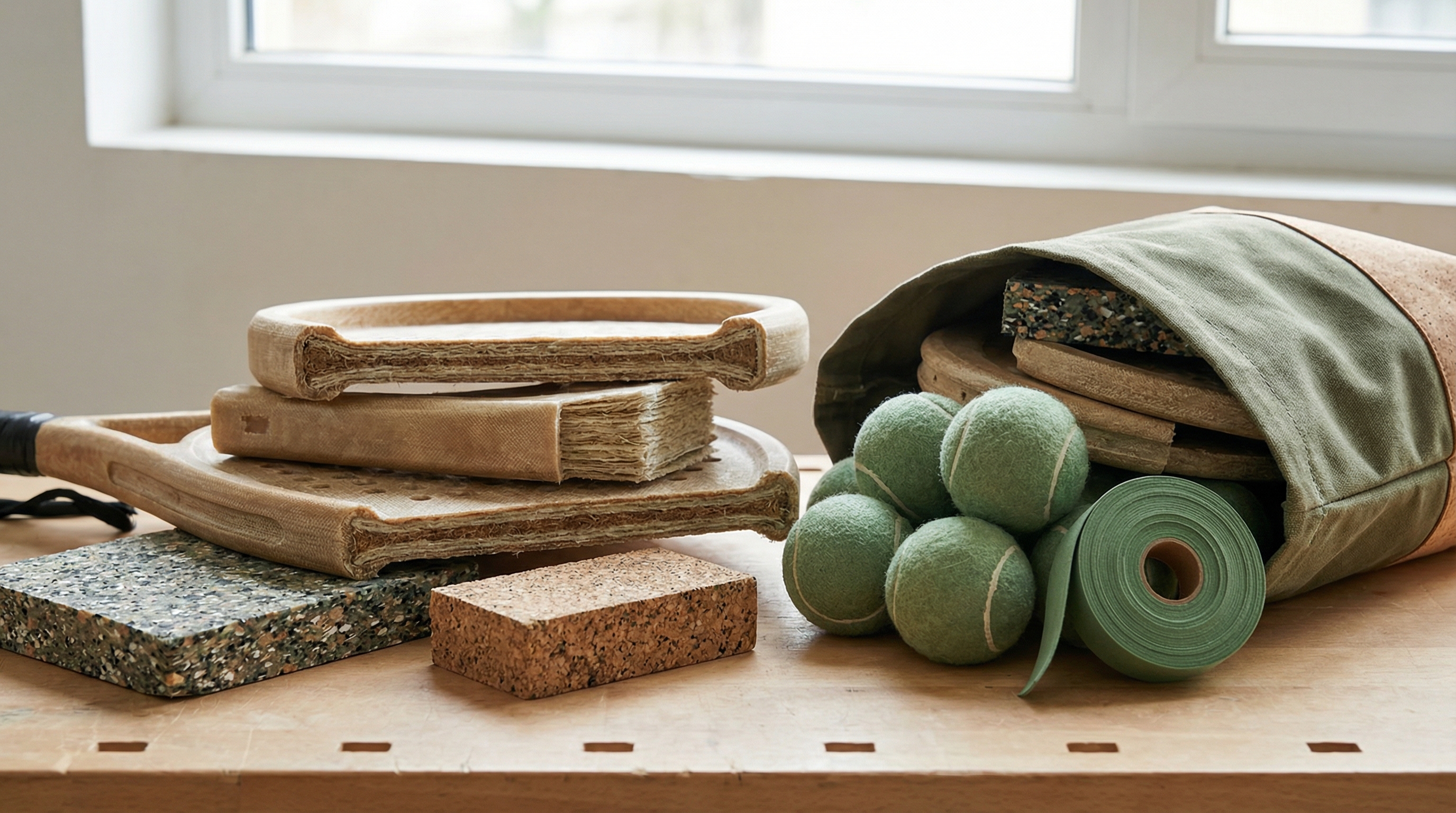
Building a community is the ultimate “defensive strategy” for padel brands, as it creates a loyal base that is resistant to the lure of lower prices from competitors. You must move beyond the “transactional” model of business and focus on creating a sense of belonging and identity for your players. This involves providing spaces and systems that facilitate social interaction and make it easy for people to find match partners and friends. When players feel like they are part of a family, they become your most effective and passionate brand ambassadors.
A strong community is built on consistency, accessibility, and a genuine interest in the player’s journey. You should implement technology and programs that reward long-term engagement and make the experience of playing as frictionless as possible. By listening to your members and evolving your offerings based on their needs, you show that you value their contribution to the brand. In the end, the strength of your community will be the most accurate predictor of your brand’s long-term health and growth.
Think about it:
- Loyalty Tiers: Provides tangible rewards for frequent play, increasing the switching cost for players considering other brands.
- Social Spaces: Fosters deep interpersonal friendships, making your facility a central part of the player’s social life.
- Booking Technology: Removes the friction of organizing matches, creating a professional and modern image for your brand.
Implementing membership reward programs
You should design a loyalty system that provides clear, escalating value to your most frequent players and customers. This might include tiered membership levels that offer priority booking, discounts on pro-shop items, or exclusive access to “members-only” events and clinics. By rewarding the behavior you want to see—such as frequent play or product referrals—you create a positive feedback loop that strengthens the bond with your brand. A well-designed program makes players feel seen and appreciated, which is a powerful driver of long-term retention.
Beyond financial discounts, you should offer “experiential rewards” that money can’t buy, such as a private session with a top coach or a “sneak peek” at new product launches. These exclusive perks make your members feel like insiders, deepening their emotional investment in the brand’s success. You should use a simple, digital interface for your loyalty program so that players can easily track their progress and redeem their rewards. When your most loyal customers feel like they are getting a “premium” deal, they are much more likely to stick with you through market changes.
Your physical facility should be designed to encourage people to arrive early and stay late, transforming the club into a vibrant social center. This means investing in high-quality lounge areas, cafes, or bars where players can relax and discuss their matches over a drink or a meal. You can host regular “mix-in” sessions or social mixers where individual players are paired with others of a similar skill level, helping them expand their social circle. The goal is to make your club the place where people’s “padel lives” happen, making it an indispensable part of their weekly routine.
The social atmosphere of your club is a direct reflection of your brand’s personality and values. Whether you want to be known as a high-performance training center or a fun, family-oriented social club, your physical space and staff interactions must align with that vision. You should hire staff who are not just efficient, but also passionate about building relationships with the members. When players feel a personal connection to the people running the club, they are much more likely to forgive minor issues and remain loyal over the long term.
Utilizing technology for seamless booking
In the modern world, the ease with which a player can interact with your brand is a major factor in their overall satisfaction. You should invest in a branded mobile app or a high-quality online booking system that makes it incredibly easy to reserve courts, find match partners, and pay for services. This technology should also integrate with your loyalty program and provide personalized notifications about upcoming events or specialized coaching clinics. By removing the administrative “headaches” of organizing a game, you allow your players to focus on what they love most: playing the sport.
Technology also provides you with invaluable data about player habits, peak times, and product preferences. You can use this information to optimize your court scheduling, tailor your marketing messages, and even decide which new products to launch. A seamless digital experience reinforces your brand’s image as a modern, professional, and forward-thinking organization. When you combine the “high-touch” social experience of the club with the “high-tech” convenience of a modern app, you create a powerful competitive advantage that is hard to beat.
| Community Pillar | Action Item | Long-term Goal |
|---|---|---|
| Recognition | Tiered Loyalty App | High Customer LTV |
| Interaction | Social Matchmaking | Reduced Member Churn |
| Efficiency | Frictionless Booking | Brand Trust |
Key Takeaway: Loyal communities are built on recognition, social interaction, and technological convenience.
10. What is the future outlook for global padel brands?
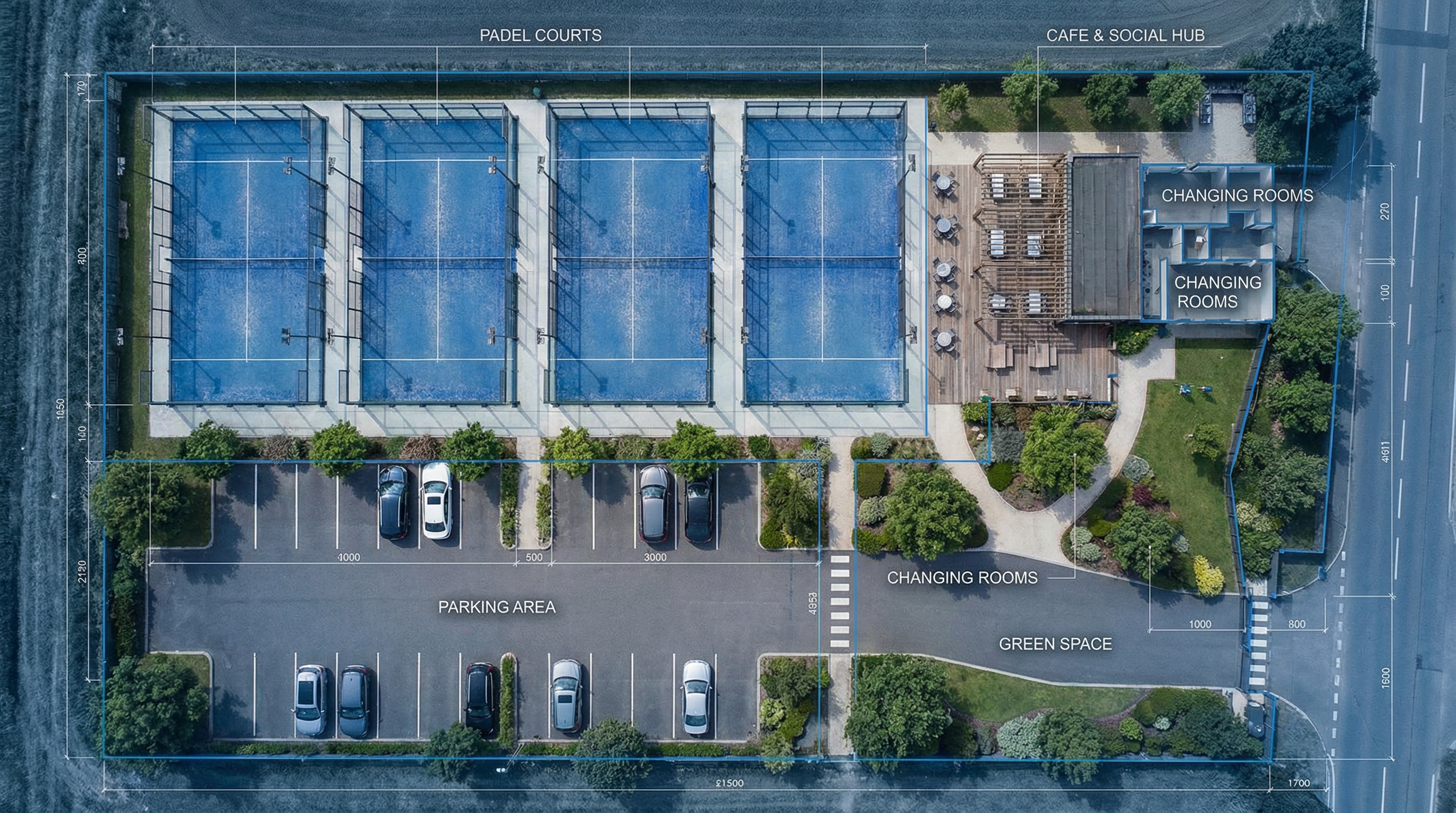
The future for padel brands is incredibly bright, as the sport continues to expand into new geographical territories and integrate with advanced technologies. You must stay ahead of the curve by anticipating changes in consumer behavior, such as the increasing demand for data-driven performance tracking and sustainable products. The brands that will dominate the next decade are those that can scale their operations globally while maintaining the “local community” feel that makes the sport so special. By keeping an eye on the horizon, you can position your brand to capitalize on the next wave of industry growth.
We are likely to see a shift toward more integrated ecosystems where hardware, software, and physical facilities work together to provide a seamless player experience. You should be prepared to embrace innovations like AI-powered coaching, smart court analytics, and eco-friendly manufacturing materials. The industry is maturing, and with that maturity comes a higher expectation for professionalism and social responsibility. Your ability to adapt to these trends will determine whether your brand remains a leader or becomes a relic of the early “gold rush” phase.
It gets better:
- AI Performance Tech: Investment in video and data tracking will allow you to offer professional-level insights to every amateur player.
- Global Expansion: Localizing your marketing and supply chain for the US and Asian markets will unlock massive new revenue streams.
- Eco-Materials: Shifting your R&D toward sustainable and recyclable composite materials will align your brand with future environmental regulations.
Expansion into emerging markets
While the sport has already seen massive success in Europe and South America, the next frontier for growth lies in North America, Asia, and the Middle East. You should look for opportunities to establish an early presence in these regions, whether through equipment distribution or facility partnerships. Entering a market early allows you to shape the local culture and become the “default” brand for new players as they discover the sport. However, you must be prepared to localize your brand’s messaging and operations to respect the unique cultural and economic realities of each new region.
Global expansion also requires a scalable supply chain and a robust digital presence that can handle international logistics and multi-language customer support. You might consider partnering with local distributors who have a deep understanding of their specific market’s retail landscape and player preferences. By thinking globally but acting locally, you can build a brand that resonates across borders while maintaining its core identity. The brands that successfully navigate this international expansion will be the ones that achieve true “iconic” status in the world of sports.
Integration of smart court technology
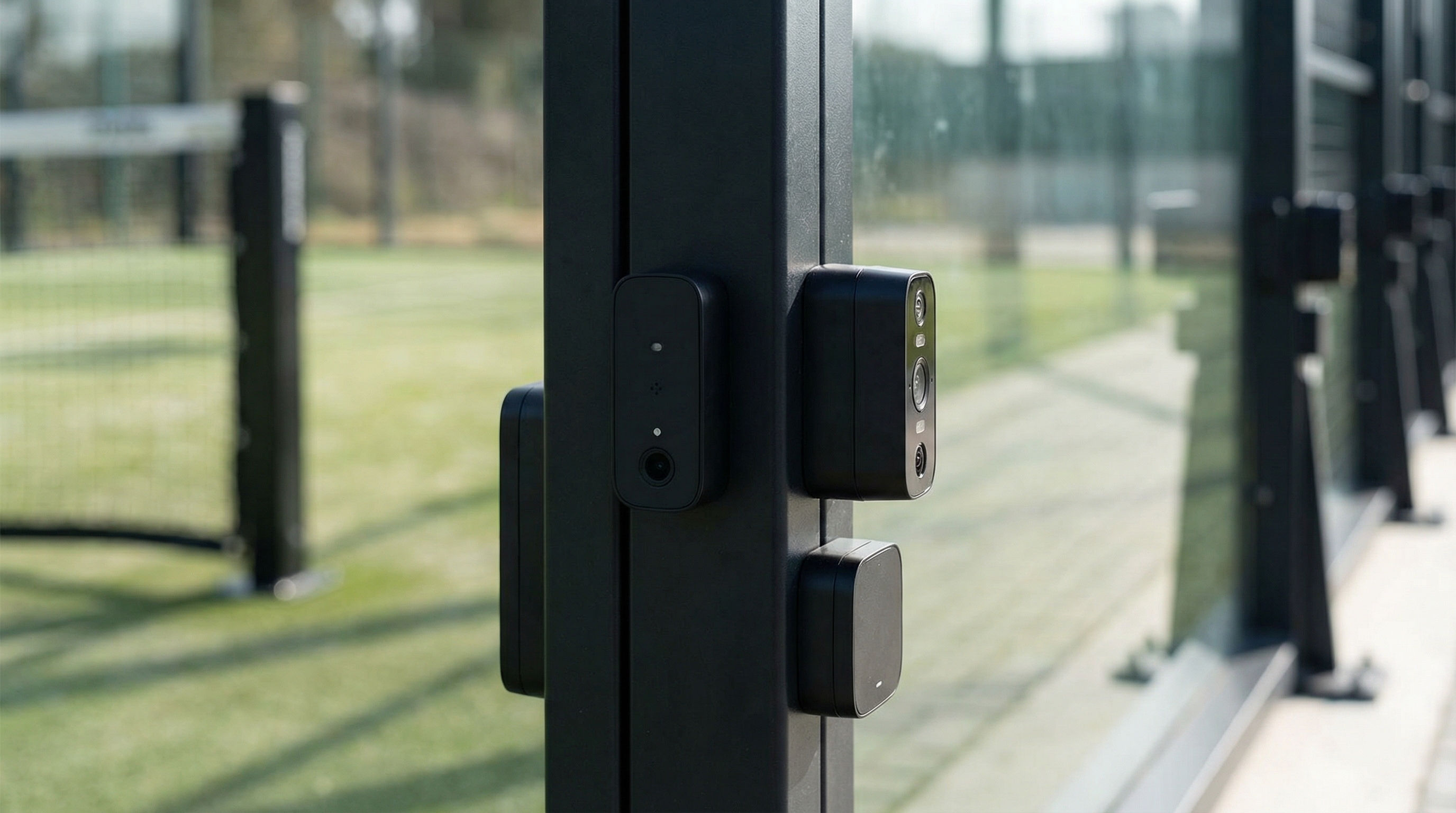
The next generation of padel players will expect more than just a place to play; they will want data and feedback that helps them improve their game. You should explore the integration of cameras and AI sensors into your court infrastructure to provide players with automated highlights, match statistics, and technical analysis. This technology turns a standard match into a professional-level experience, adding immense value to your membership and court fees. As a brand, providing these insights positions you as a leader in the intersection of sports and technology.
Smart technology also offers operational benefits, such as automated lighting control and occupancy tracking that can help you manage your facility more efficiently. You can use the data gathered from your “smart courts” to refine your coaching programs and identify the most popular times for different types of events. By making data a core part of your brand’s value proposition, you attract the growing segment of “quantified self” athletes who value measurable progress. This technological edge is a powerful way to differentiate your brand in an increasingly sophisticated market.
Sustainable and eco-friendly branding
As the environmental impact of manufacturing becomes a central concern for consumers, your brand must lead the way in sustainable innovation. You should investigate new composite materials for rackets that are easier to recycle and manufacturing processes that minimize carbon emissions and waste. Brands that proactively adopt green practices will be better positioned to navigate future regulations and attract the support of environmentally conscious investors and customers. Sustainability is no longer a “nice to have”; it is a strategic necessity for any brand that wants to thrive in the long term.
You can also implement eco-friendly practices at your facilities, such as using solar power for lighting, implementing water-recycling systems, and reducing single-use plastics in your cafes. Communicating these efforts to your community builds a sense of shared purpose and makes your players feel good about their association with your brand. When you integrate environmental responsibility into your brand’s DNA, you create a story that is both authentic and inspiring. The future belongs to brands that can balance profitability with a deep respect for the planet and the people who live on it.
| Trend | Innovation Focus | Potential Revenue |
|---|---|---|
| AI Analytics | Video/Match Analysis | Subscription Services |
| New Markets | Localization Strategy | Global Licensing |
| Sustainability | Bio-Composites | Premium Eco-Lines |
Key Takeaway: The future of padel branding lies in the integration of AI, global localization, and sustainable manufacturing.
*
FAQs
Can I build a padel brand without manufacturing my own rackets?
Yes. Many successful brands utilize white-label partnerships with established manufacturers. The key is to provide unique designs and ensure rigorous quality control over the final product to maintain your brand’s reputation.
What’s the best way to differentiate my padel brand from competitors?
Focus on a specific niche—whether it is high-end luxury facilities with panoramic courts or a performance-driven equipment line for advanced athletes. Combining a strong visual identity with superior customer service is the most effective way to stand out.
How do I know if my padel brand is ready for international expansion?
Your brand is ready when you have a proven, profitable business model in your home market, a scalable supply chain, and a digital presence that attracts inquiries from outside your current region.
Summary
Building a padel brand requires a blend of creative identity, technical excellence, and strategic infrastructure. By focusing on quality manufacturing, all-weather facility solutions, and community engagement, you can create a brand that thrives in the competitive global market. If you are ready to start building your professional facility, contact us today to explore our factory-direct solutions.