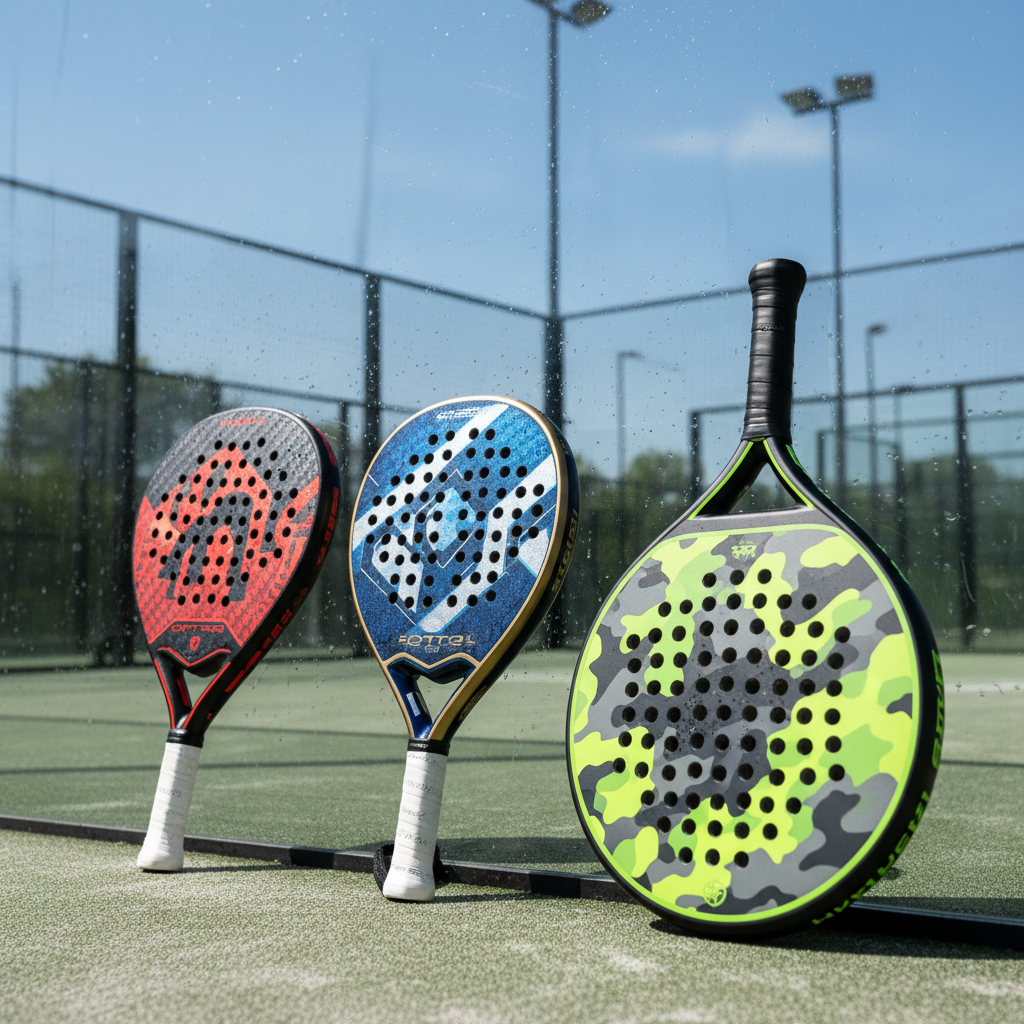
The best padel rackets are precision-engineered sports tools that combine advanced carbon fiber composites with specialized internal foam cores. You likely face the frustration of selecting equipment that loses its “pop” or causes persistent elbow strain after only a few competitive matches. This technical degradation forces you to spend more on frequent replacements and compromises your performance on the court. We provide the structural blueprints and engineering insights necessary to identify and construct gear that survives the rigors of professional play.
What defines the best padel rackets for professional play?
The best padel rackets are defined by structural uniformity and the use of high-modulus materials that resist mechanical fatigue. You must look for a build that offers a consistent hitting surface across the entire face of the racket. This consistency ensures that the ball responds predictably regardless of the impact velocity or environmental conditions.
Identifying elite material standards
Here is the deal:
Professional builds prioritize materials that offer a high strength-to-weight ratio to maximize swing speed without sacrificing stability. You should check for specific components during your procurement process:
- High-modulus carbon fiber (12K or 18K)
- High-recovery EVA foam cores
- Integrated vibration dampening systems
- Reinforced frame bridges
These elements work together to create a tool that feels solid yet responsive. You will notice that professional players rarely use fiberglass because it lacks the necessary rigidity for high-level power.
Key Takeaway: Professional rackets are distinguished by their structural integrity and use of high-grade carbon filaments to ensure long-term performance stability.
| Performance Metric | Professional Standard | Amateur Standard |
|---|---|---|
| Primary Material | 12K/18K Carbon Fiber | Fiberglass/3K Carbon |
| Core Recovery | Ultra-Fast | Moderate |
| Vibration Control | Internal Silicone | Basic Foam |
The following data compares the standard specifications found in elite equipment versus entry-level retail options.
How does frame material impact the best padel rackets?
The best padel rackets rely on full carbon fiber frames to ensure the structure remains rigid under high-impact stress. You will find that carbon frames prevent the “trampoline effect” from becoming a permanent deformity in the racket’s shape. This rigidity is essential for maintaining the sweet spot’s location over hundreds of games.
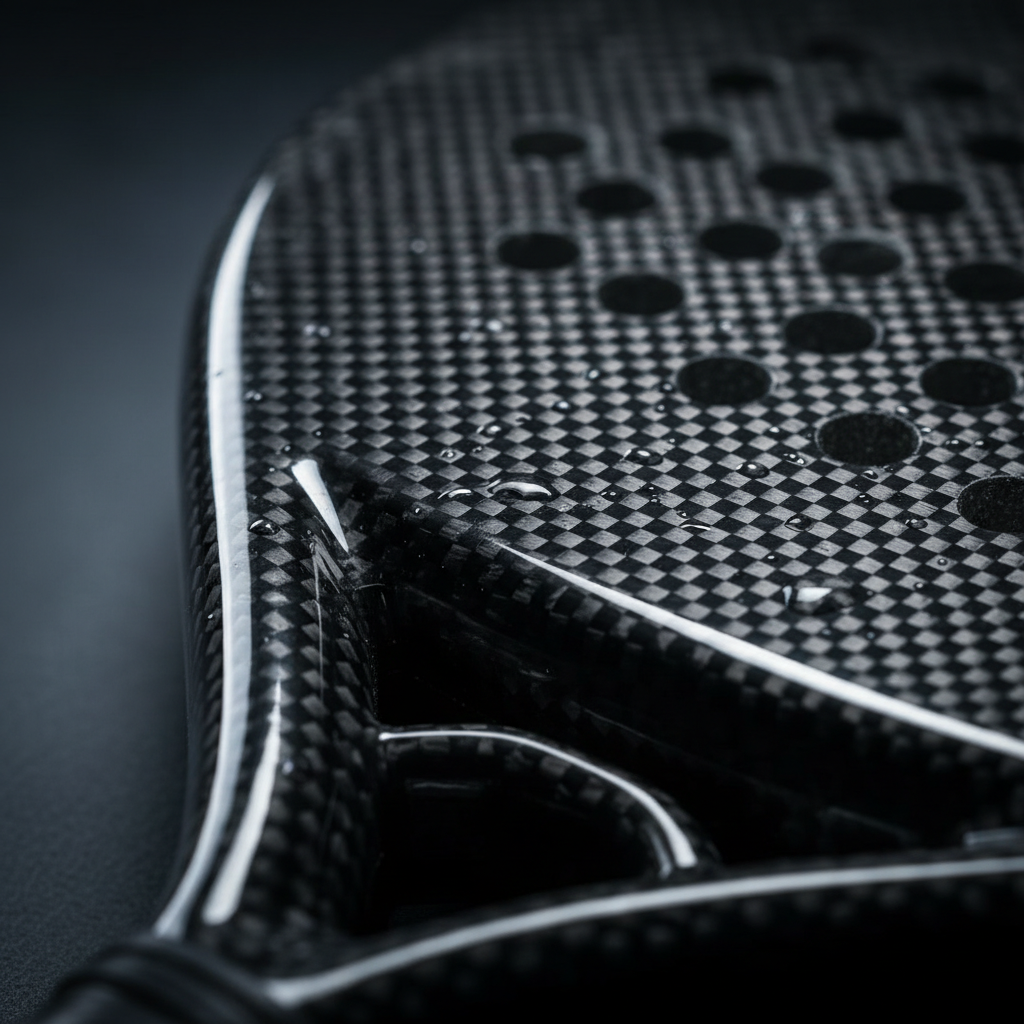
Comparing carbon and fiberglass frames
What’s the real story?
Fiberglass frames are often softer and more forgiving for beginners, but they degrade much faster under heavy use. You should opt for carbon fiber if you play more than twice a week to avoid frame softening. Carbon provides the necessary tension to support the internal foam core effectively.
- 100% Carbon: Maximum longevity
- Fiberglass: High flexibility
- Carbon-Kevlar: Impact resistance
- Hybrid blends: Intermediate comfort
Key Takeaway: Frame durability is dictated by the carbon-to-fiberglass ratio, with 100% carbon frames providing the longest functional lifespan.
| Frame Material | Durability Rating | Impact Feel |
|---|---|---|
| Full Carbon | High | Stiff/Powerful |
| Fiberglass Blend | Medium | Soft/Flexible |
| Reinforced Kevlar | Ultra-High | Rigid/Stable |
A detailed analysis of frame materials shows why carbon remains the gold standard for competitive longevity.
Why is shape the most critical factor for the best padel rackets?
You choose the best padel rackets based on shape because it dictates where the balance and sweet spot are located. The shape determines how the weight is distributed, which directly affects your maneuverability and power output. Selecting the wrong shape often leads to poor timing and increased physical fatigue.
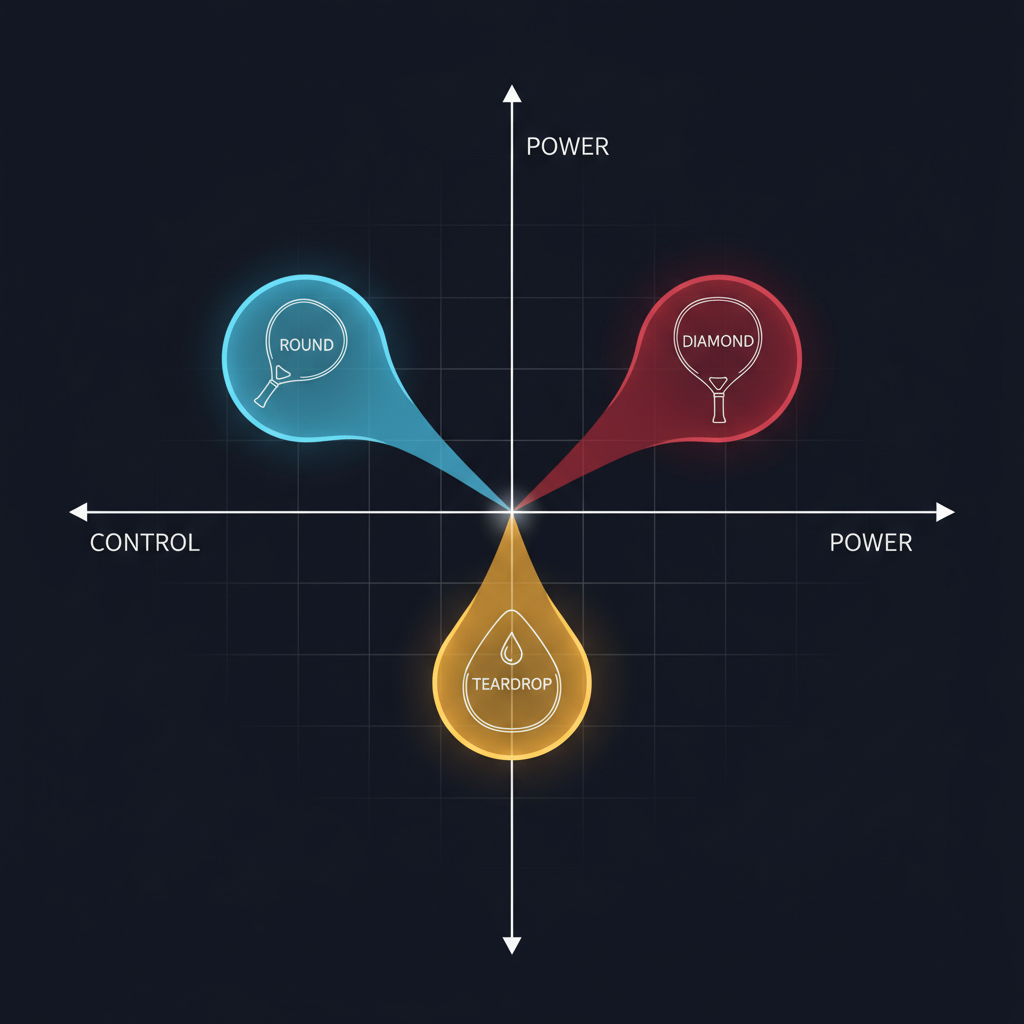
Mastering the power of diamond shapes
The best part?
Diamond shapes move the weight to the top of the head, creating a lever effect that generates massive power. You need a higher skill level to manage this shape because the sweet spot is significantly smaller. It is the preferred choice for aggressive players who want to end points with smashes.
- Top-heavy balance for leverage
- Smaller, elevated sweet spot
- Increased swing weight
- Optimized for overhead shots
Key Takeaway: Shape dictates the leverage and sweet spot location; round for control and diamond for maximum offensive output.
| Shape | Sweet Spot | Main Advantage |
|---|---|---|
| Round | Center | Maximum Control |
| Diamond | Top | Maximum Power |
| Teardrop | Mid-High | Versatility |
This comparison highlights how shape influences the physical mechanics of every shot you take.
How do foam densities alter the best padel rackets?
Understanding foam density is vital for the best padel rackets because it determines how much energy is returned to the ball. You will experience a “harder” feel with high-density EVA foam, which provides more power but requires more arm strength. Softer polyethylene foams offer a “spring” effect that is more comfortable for your elbow.
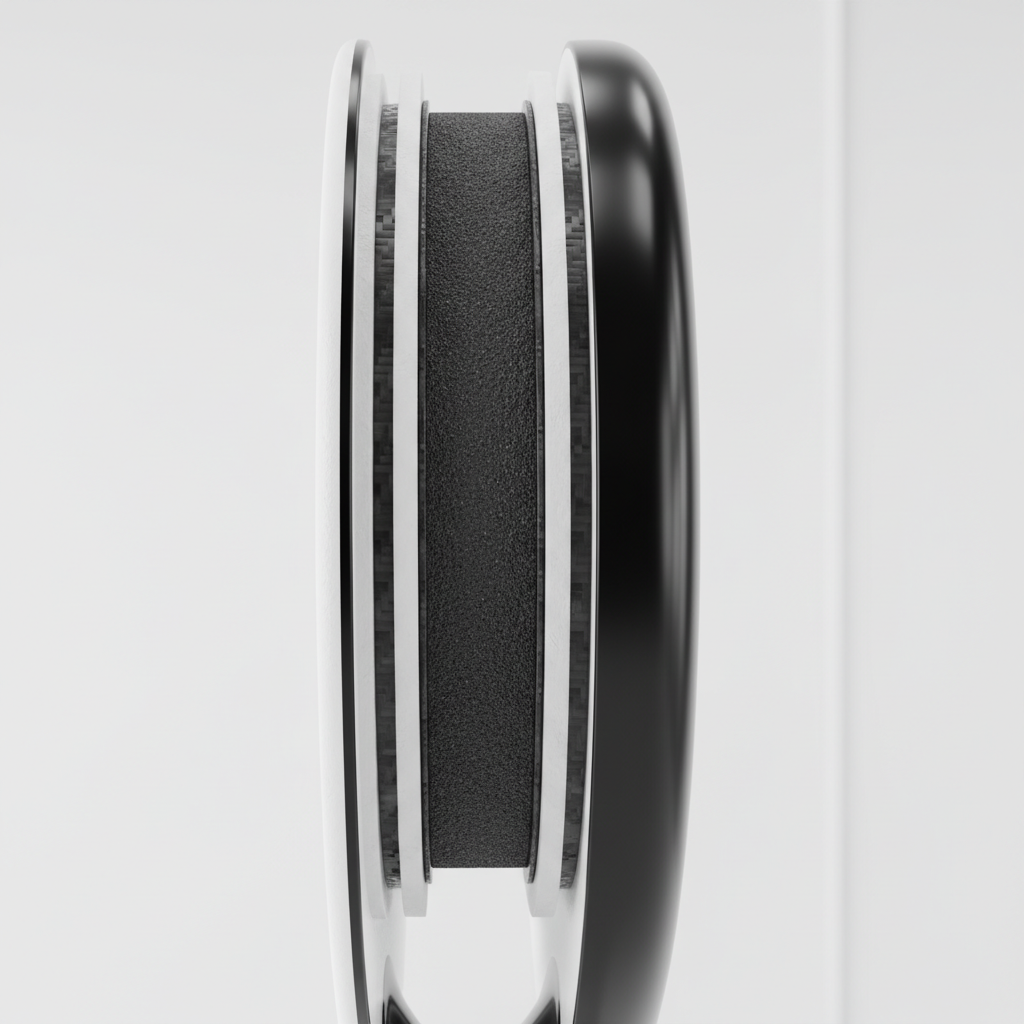
Exploring EVA versus polyethylene
Look:
Hard EVA foam is known for its memory and its ability to return to its original shape instantly. You get more control on fast balls because the core doesn’t compress as much. However, softer cores are better for players recovering from injuries or those who play a slower game.
- Hard EVA: Direct power
- Polyethylene: Vibration absorption
- Hybrid: All-around play
- Multi-layer: Variable response
Key Takeaway: Core density determines the “touch” of the racket, with harder EVA being the standard for competitive power.
| Foam Type | Sensation | Elasticity |
|---|---|---|
| Hard EVA | Dry/Direct | High |
| Soft FOAM | Plush/Springy | Low |
| Hybrid | Balanced | Medium |
The following table breaks down the technical differences between the most common core materials.
What balance should you choose for the best padel rackets?
The best padel rackets feature specific balance points that either prioritize head-heavy power or handle-heavy speed. You can measure balance by finding the pivot point where the racket sits level on your finger. A high balance makes the racket feel heavier during the swing, adding kinetic energy to your overheads.
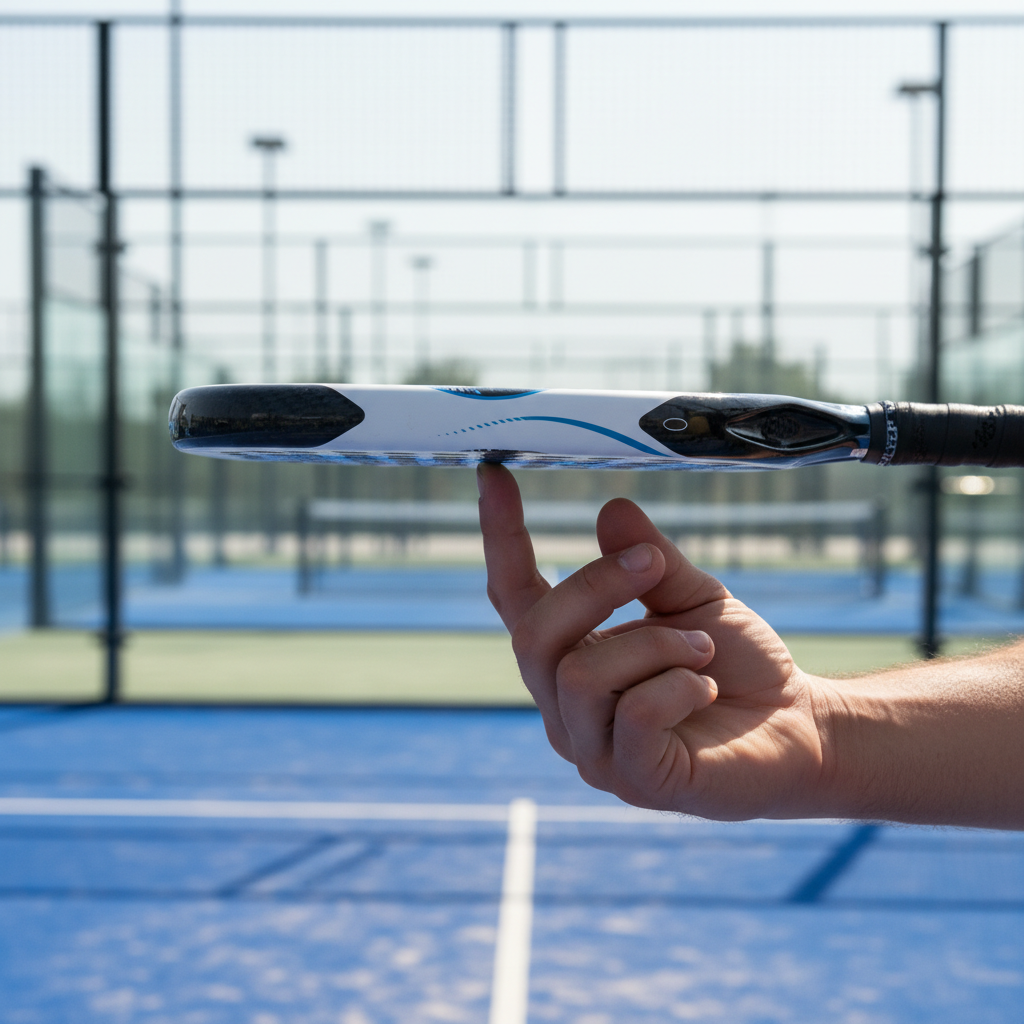
Testing high and low balance
It gets better:
You can actually customize your balance by adding lead tape or using different overgrips. You should choose a low balance if you struggle with wrist fatigue during long matches. Professional players often move the balance slightly higher to gain an edge in attacking plays.
- High Balance: Offensive leverage
- Even Balance: Neutral stability
- Low Balance: Defensive speed
- Custom: Personalized weighting
Key Takeaway: Balance affects the perceived weight and swing speed; high balance adds power, while low balance enhances agility.
| Balance Type | Weight Dist. | Style |
|---|---|---|
| Low | Near Handle | Defensive |
| Even | Middle | All-Round |
| High | Near Head | Offensive |
This breakdown illustrates how weight distribution impacts the physical effort required for different strokes.
How can carbon weaves change the best padel rackets?
Selecting the best padel rackets requires an analysis of fiber counts like 12K or 18K to match your swing speed. You will find that a higher “K” count generally indicates a stiffer hitting surface. Stiffer surfaces transfer more energy to the ball but require you to provide your own pace.
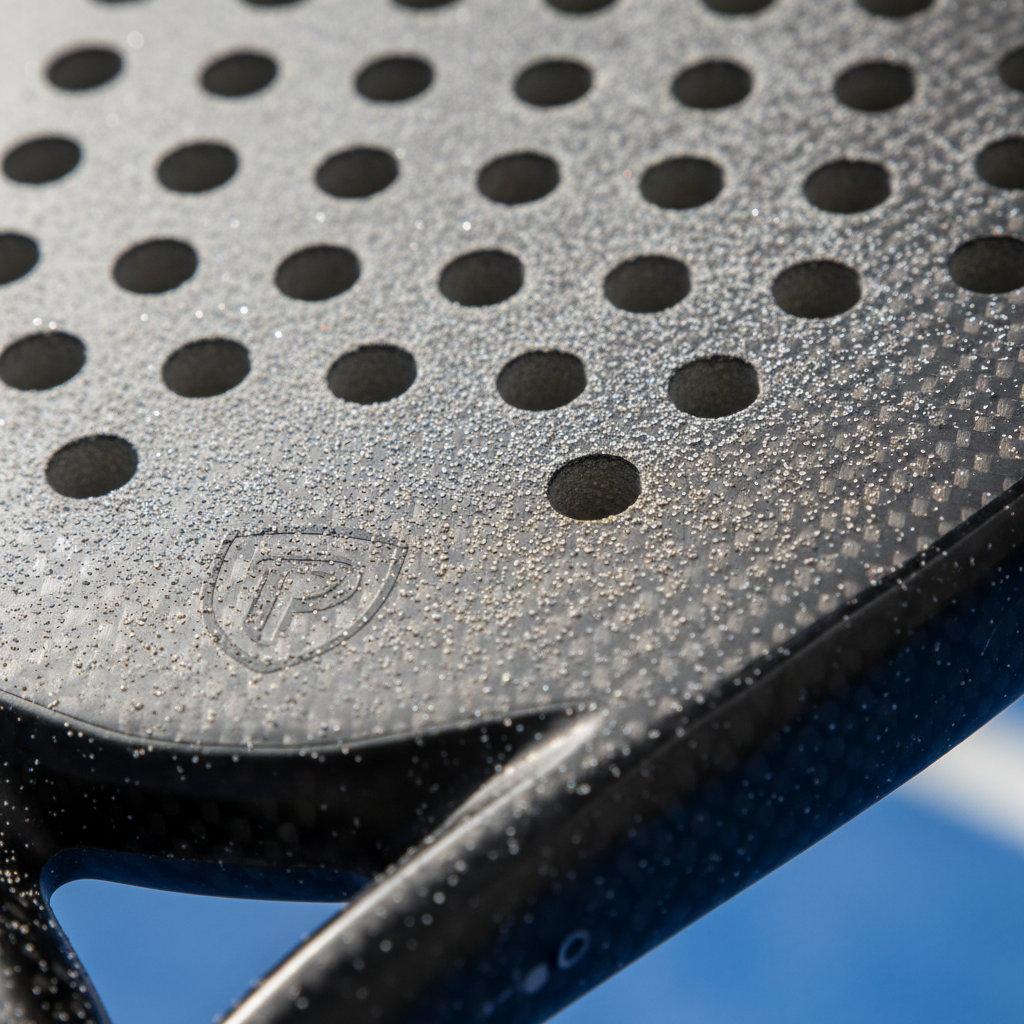
Understanding the K count impact
Ready for the good part?
A 3K weave is more flexible and offers a larger “sweet spot” feel, making it great for intermediate players. You should graduate to 12K or 18K as your technique improves and your swing speed increases. Professional models almost exclusively use 18K for its uncompromising power and response.
- 3K: High flexibility
- 12K: Advanced stiffness
- 18K: Elite power
- Twill: Structural reinforcement
Key Takeaway: Higher carbon counts provide a stiffer hitting surface, which translates to more power for players with advanced technique.
| Carbon Weave | Stiffness | Level |
|---|---|---|
| 3K | Moderate | Intermediate |
| 12K | High | Advanced |
| 18K | Ultra-High | Professional |
The stiffness of the carbon weave directly correlates to the potential ball exit speed you can achieve.
Which surface textures provide the best padel rackets with spin?
You gain a competitive edge with the best padel rackets by utilizing 3D molded textures or sandpaper finishes for extra ball grip. These textures allow the racket to “bite” the ball during slices and volleys. You will notice that advanced players rely on this friction to keep the ball low after it hits the glass.
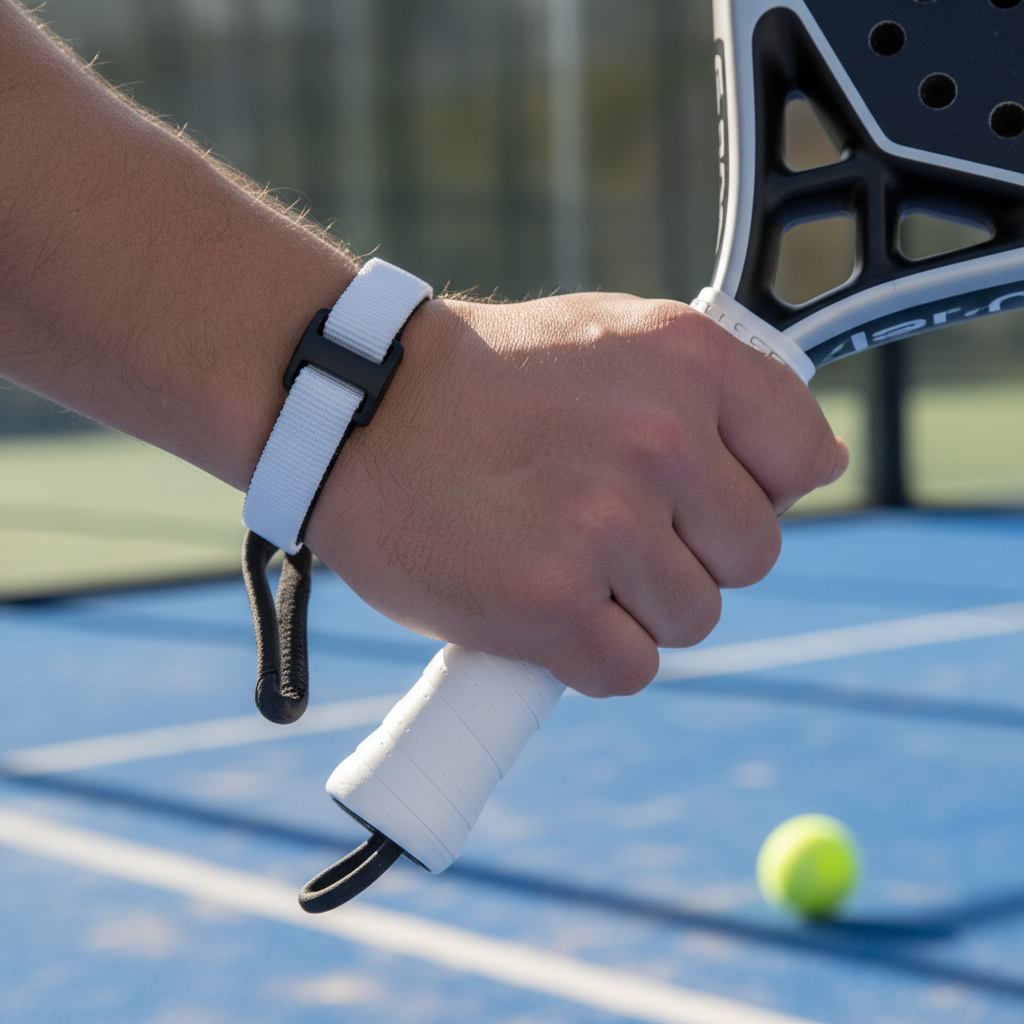
Evaluating molded vs grit surfaces
This is where it gets interesting:
Molded 3D patterns are part of the carbon face and will never wear off, ensuring consistent spin for years. You might prefer sandpaper finishes for extreme spin, but be aware that the grit can smooth out over time. Choose your texture based on how much “slice” you incorporate into your tactical game.
- 3D Molded: Permanent friction
- Sandpaper: Maximum grip
- Smooth: Linear control
- Hexagonal: Multi-directional spin
Key Takeaway: Surface texture is the primary driver of spin; molded patterns offer the best long-term performance value.
| Texture Type | Spin Potential | Durability |
|---|---|---|
| 3D Molded | High | Excellent |
| Sandpaper | Ultra-High | Low |
| Smooth | Low | N/A |
The data shows that while sandpaper provides the most grip, molded textures are superior for professional durability.
How do you assemble the best padel rackets for power?
Building the best padel rackets involves bonding multiple carbon layers to a core with precise resin distribution to avoid dead spots. You must ensure that the resin-to-fiber ratio is perfectly balanced during the molding process. Excess resin makes the racket heavy and brittle, while too little causes the layers to delaminate.
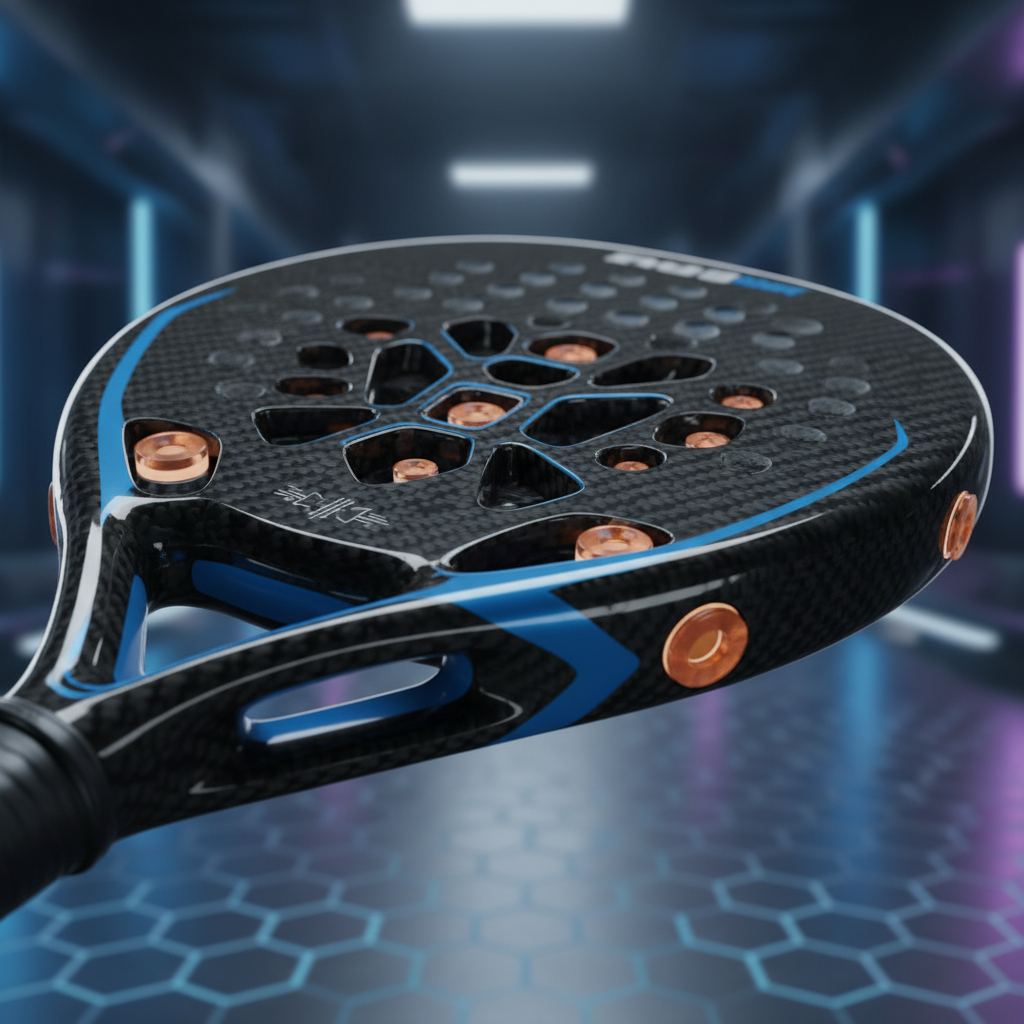
Mastering the resin-to-fiber ratio
You might be wondering:
How does the baking process affect the final product you use? The curing temperature determines the final hardness of the carbon and the stability of the foam core. You need precise heat control to prevent the materials from becoming too soft or dangerously brittle.
- Vacuum Bagging: Air removal
- Heat Pressing: Fiber bonding
- Multi-layering: Power stacking
- UV-Coating: Surface protection
Key Takeaway: Power is built during the bonding phase; a precise resin ratio ensures a responsive and energetic sweet spot.
| Phase | Critical Factor | Risk |
|---|---|---|
| Resin App | Uniformity | Dead Spots |
| Vacuuming | Pressure | Weight Flux |
| Curing | Temperature | Brittleness |
Precision assembly is the only way to ensure that the internal components work as a single, powerful unit.
What quality control ensures the best padel rackets?
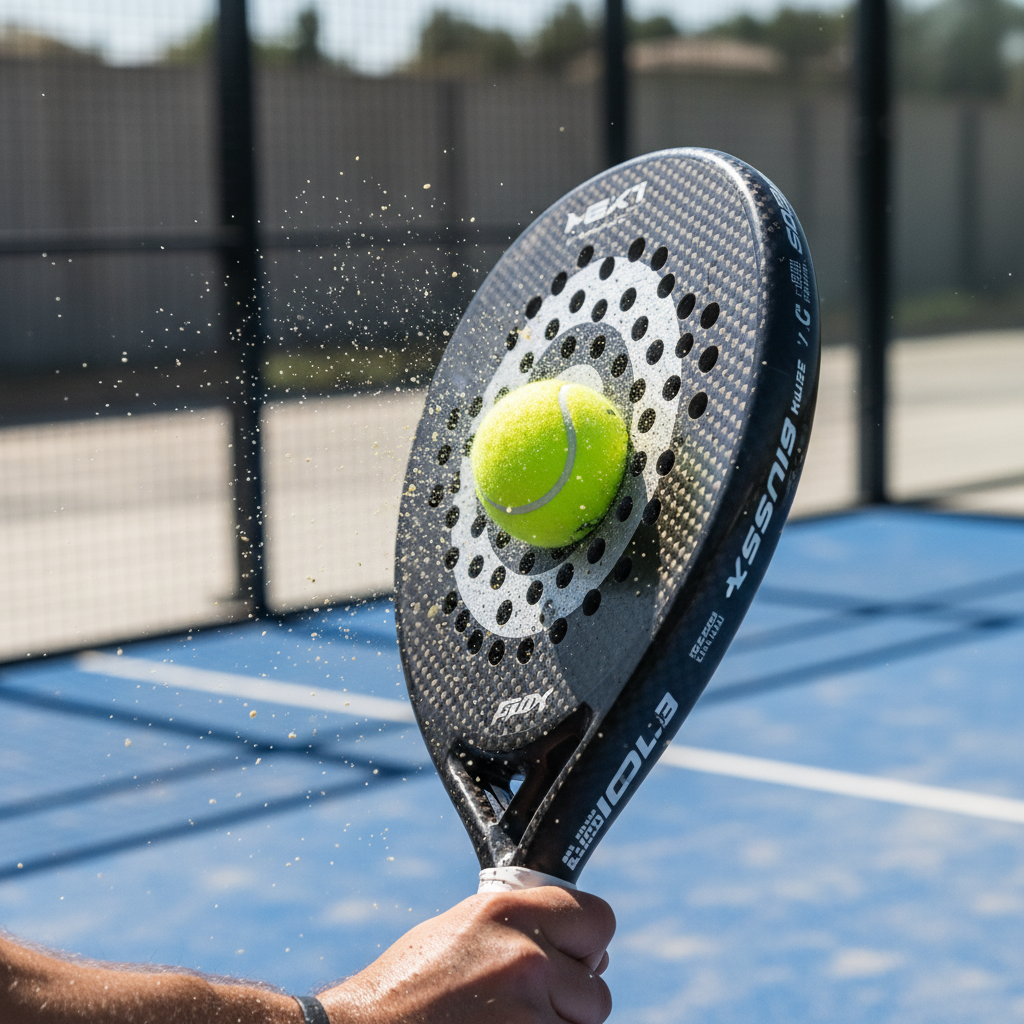
Professional manufacturers of the best padel rackets use strict weight and balance tolerances to ensure every unit feels identical. You should expect no more than a 2-gram deviation in weight between rackets of the same model. This consistency is crucial when you need to replace a broken racket mid-tournament without changing your feel.
Implementing stress and weight tests
Here is the deal:
Visual inspections under UV light can reveal micro-cracks that are invisible to the naked eye. You should look for rackets that have passed a “Shore test” for foam hardness. This ensures the core provides the exact level of power promised by the manufacturer.
- Digital Scales: Weight precision
- Balance Beams: Distribution check
- Shore Durometer: Hardness testing
- UV Scanning: Structural flaws
Key Takeaway: Quality control prevents equipment failure; strict adherence to tolerances ensures consistent professional performance.
| QC Check | Tolerance | Method |
|---|---|---|
| Weight | +/- 2 grams | Digital Scale |
| Balance | +/- 1 mm | Balance Beam |
| Hardness | Shore 50-60 | Durometer |
Strict testing protocols are the hallmark of a premium manufacturer dedicated to professional standards.
How do you maintain the best padel rackets for peak integrity?
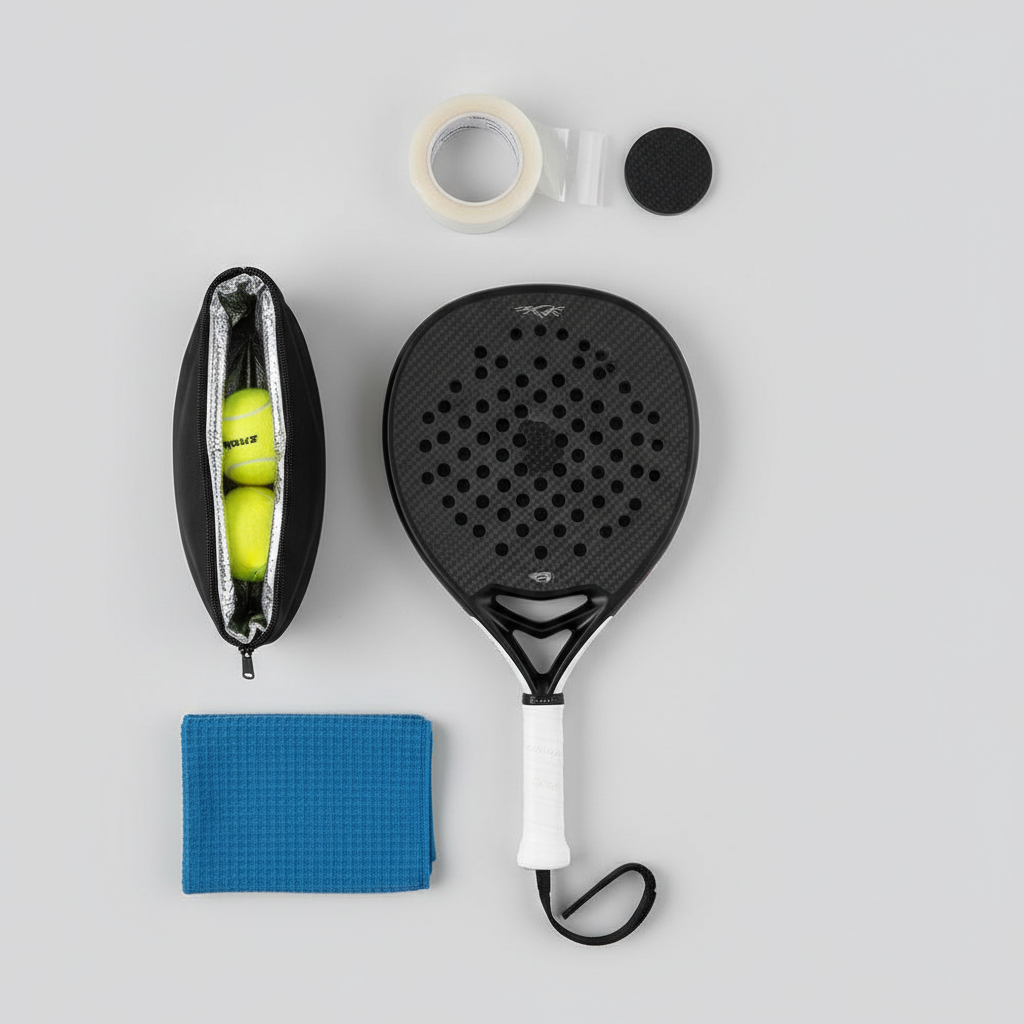
Protecting the best padel rackets from extreme temperatures and physical impacts is the only way to preserve their structural lifespan. You should never leave your gear in a hot car, as heat can liquefy the resins holding the carbon together. Once the resin softens, the racket loses its “pop” and becomes permanently dead.
Managing storage and protection
But here’s the kicker:
A simple frame protector can save your racket from terminal cracks when you scrape the glass walls. You should also change your overgrip every few matches to maintain a secure hold and absorb sweat. This prevents moisture from reaching the handle’s core and compromising the internal structure.
- Thermal Bags: Temp control
- Frame Guards: Impact safety
- Overgrip Changes: Grip maintenance
- Dry Storage: Moisture protection
Key Takeaway: Proactive maintenance extends the life of premium gear; protecting the racket from heat is non-negotiable for performance.
| Task | Frequency | Benefit |
|---|---|---|
| Overgrip Change | Every 3 Games | Grip/Hygiene |
| Protector Check | Monthly | Frame Safety |
| Bag Storage | Always | Temp Control |
Regular maintenance ensures that your investment continues to perform at the highest level for many months.
*
Summary and Next Steps
We have analyzed the technical foundations of elite equipment, from the carbon fiber weaves to the chemical composition of the internal foam. By understanding these structural elements, you can finally stop guessing and start selecting gear based on objective engineering standards. Our vision is to empower every player with the knowledge used by professional manufacturers to create high-performance tools. If you are ready to upgrade your inventory or need specific technical advice, contact us today to speak with a specialist.
*
FAQ Section
What’s the best weight for a competitive player?
A judgment of 365g to 375g is standard. This range provides enough mass for powerful smashes while remaining light enough for quick defensive reactions at the net.
How do I know if my racket core is dead?
A judgment of “hollow sound” is the primary indicator. When the foam loses elasticity, the racket will sound flat and vibrate excessively upon impact with the ball.
Can I use a diamond racket as a beginner?
A judgment of “not recommended” applies here. The small sweet spot and high balance of diamond rackets make them very difficult to control for new players.
What’s the best way to clean my racket face?
A judgment of “slightly damp cloth” is best. Avoid using harsh chemicals or excessive water, as these can degrade the surface texture and seep into the core.
How do I know if I need a new overgrip?
A judgment of “loss of tackiness” is the key sign. If the handle feels slippery or shows visible wear, replace it immediately to maintain control and safety.