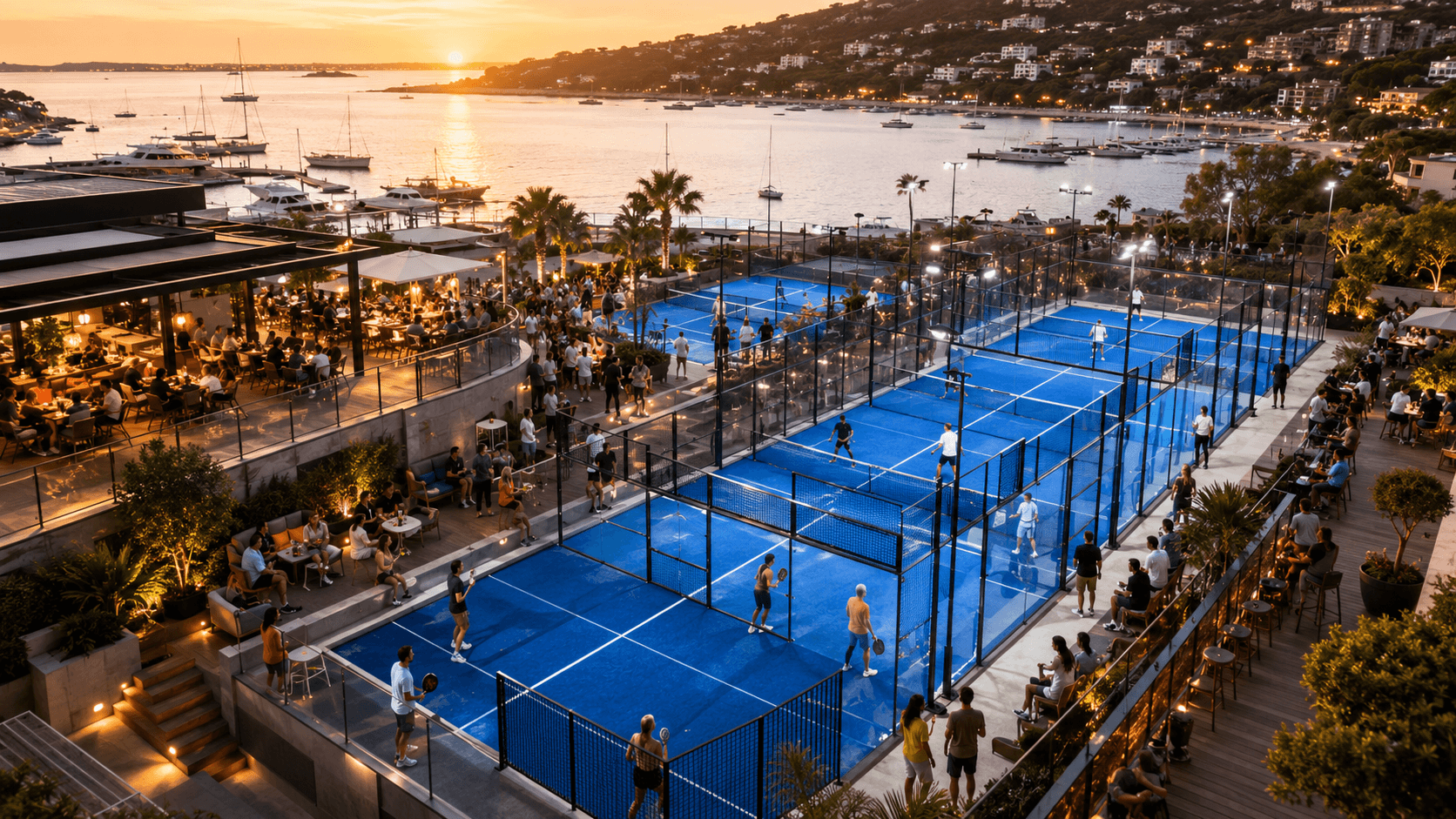
You maximize revenue and ROI by combining high-performance court infrastructure with strategic booking management and diversified secondary income streams. Many investors see a vacant lot and imagine a simple court, but they often overlook the technical nuances that drive long-term profitability. This oversight leads to frequent surface repairs, dissatisfied players, and stagnant growth that drains your initial capital. Starting a professional bay padel project allows you to capture the massive demand for social sports while securing a resilient, high-yield business model.
What is the potential ROI of a bay padel project?
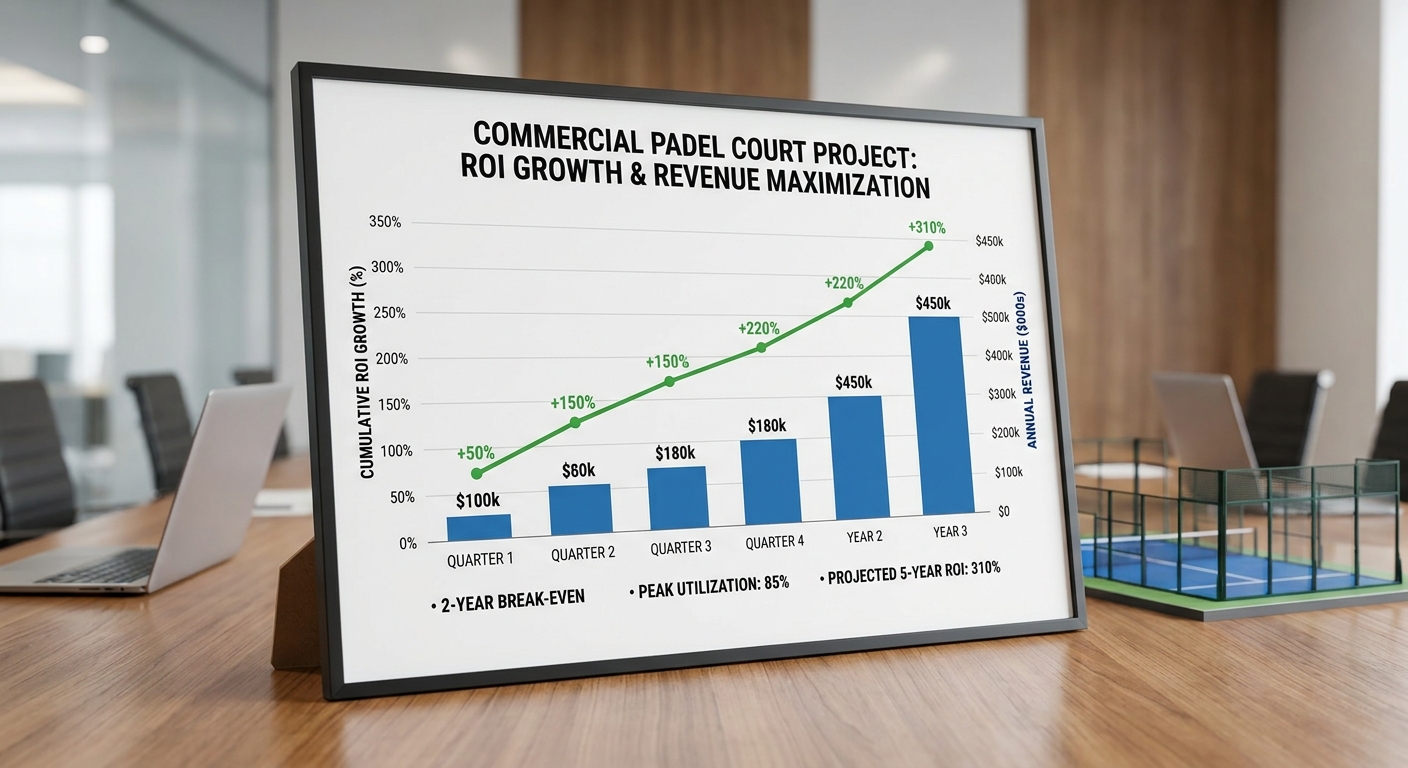
The return on investment for a bay padel project typically reaches break-even within 24 to 36 months under optimal management. High player density allows you to generate significantly more revenue per square meter than traditional tennis facilities.
Understanding your primary revenue drivers
You need to identify the specific channels that will provide consistent cash flow during the first year of operation. Because four players use a small footprint, your hourly court fees accumulate much faster than in other sports.
- Peak-hour court rentals.
- Off-peak discounted memberships.
- Tournament entry fees.
- Corporate sponsorship packages.
The reality is this: your court is a high-yield asset that works best when occupied at least 70% of the day.
Calculating the payback period
You should focus on minimizing your initial construction time to start generating revenue as quickly as possible. Every week of delay in the setup of your bay padel project represents lost booking fees and potential member churn.
Key Takeaway: Tracking your occupancy rate daily is the most effective way to ensure you meet your three-year ROI targets.
| Metric | Target Value | Impact on ROI |
|---|---|---|
| Occupancy Rate | 75% | High |
| Break-even Point | 30 Months | High |
| Annual Growth | 15% | Medium |
Strategic monitoring of these metrics ensures your project stays on the path to full capital recovery.
Why does surface selection impact a bay padel project?
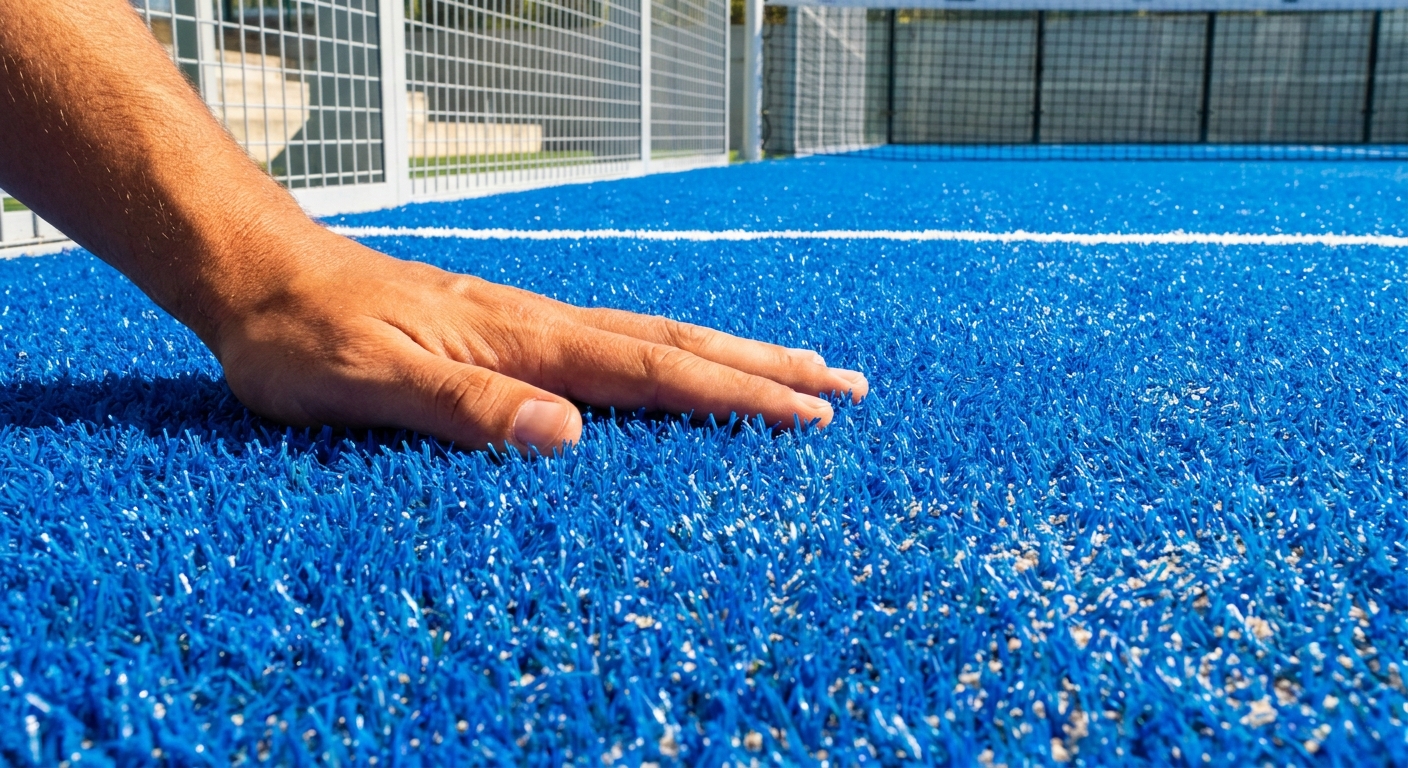
Surface selection directly impacts a bay padel project by determining player safety and the overall frequency of repeat bookings. If the turf is too hard or lacks consistent sand distribution, players will experience joint fatigue and seek better facilities elsewhere.
Choosing the right turf for player comfort
You want to select a fiber density that provides a professional feel while remaining durable under high-frequency use. A high-quality monofilament or fibrillated turf ensures that the ball reacts predictably during intense rallies.
- Monofilament for professional aesthetics.
- Fibrillated for heavy commercial use.
- Textured turf for low sand displacement.
But here is the kicker: the color of your turf can even influence your social media marketing success.
Improving the aesthetic appeal of your court
You can use vibrant blue or deep green surfaces to make your facility look more attractive in promotional photography. Players love sharing their matches online, and a visually striking bay padel project serves as free organic advertising.
Key Takeaway: Investing in premium turf reduces injury risks and keeps your regular clientele coming back every week.
| Surface Type | Durability | Player Comfort | Maintenance Need |
|---|---|---|---|
| Textured Turf | Very High | High | Low |
| Fibrillated | High | Medium | Medium |
| Monofilament | Medium | High | High |
Selecting a high-comfort surface is the most direct way to ensure long-term player retention for your facility.
How can court performance boost a bay padel project?
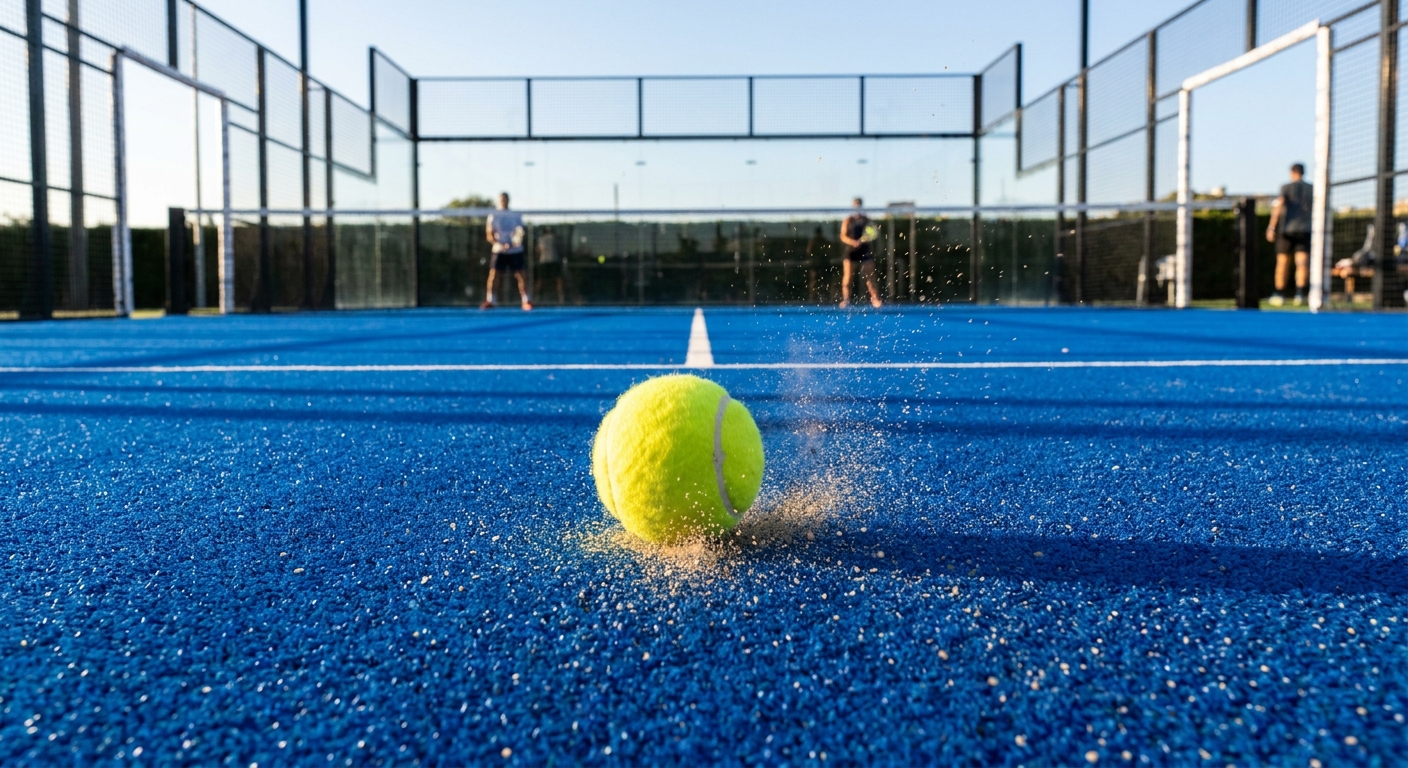
Court performance boosts a bay padel project by providing the consistent ball bounce and wall reaction that advanced players demand. High-level competitors will pay a premium for courts where the glass and turf perform to international standards.
Ensuring consistent ball reaction
You must ensure that the glass panels and the turf work in harmony to provide a reliable playing experience. If the ball dies on the glass or bounces irregularly on the floor, the competitive integrity of the match is compromised.
- 12mm tempered safety glass.
- Uniform sand infill levels.
- Precision-leveled concrete base.
The best part? Professional-grade performance allows you to host sanctioned tournaments which carry much higher revenue potential.
Attracting competitive tournament play
You should design your bay padel project to meet the technical requirements of local and regional sports federations. Hosting competitive events not only brings in entry fees but also establishes your brand as a leader in the community.
Key Takeaway: Superior technical performance justifies higher hourly rates and attracts the most loyal, high-spending players.
| Performance Factor | Revenue Impact | Player Perception |
|---|---|---|
| Ball Bounce | High | Essential |
| Glass Clarity | Medium | Aesthetic |
| Grip Levels | High | Safety |
Focusing on these technical details ensures your facility remains the top choice for serious athletes.
Can long-term durability save a bay padel project money?
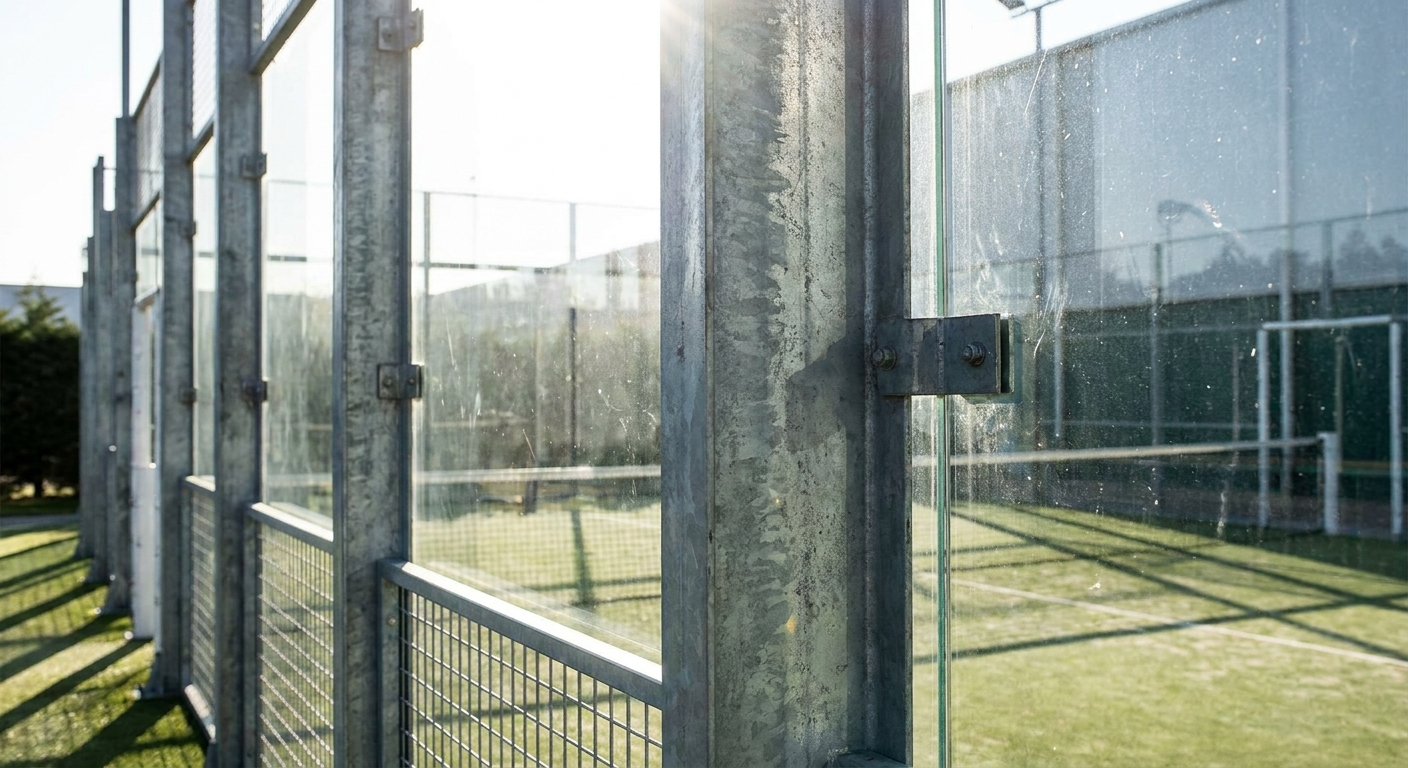
Long-term durability saves a bay padel project money by drastically reducing the need for structural repairs and component replacements over a ten-year horizon. Choosing weather-resistant materials prevents the degradation that often plagues cheaper, low-quality installations.
Investing in galvanized steel frames
You should prioritize frames that have undergone hot-dip galvanization to prevent rust, especially in humid or coastal environments. A corroded structure is not only an eyesore but a significant safety hazard for your customers.
- Anti-corrosion powder coating.
- Reinforced structural joints.
- UV-resistant mesh fencing.
Think about it: every day your court is closed for repairs is a day you are losing pure profit.
Reducing the frequency of glass replacement
You can minimize breakage risks by choosing certified tempered glass that withstands high-impact hits from players and balls. Durable glass maintains its clarity over time, ensuring that spectators can always enjoy a clear view of the action.
Key Takeaway: High-quality materials represent a higher upfront cost but result in a much lower total cost of ownership.
| Component | Lifespan | Maintenance Level | Risk Level |
|---|---|---|---|
| Galvanized Frame | 15+ Years | Low | Very Low |
| Tempered Glass | 10+ Years | Low | Medium |
| Turf Surface | 5-7 Years | Medium | High |
Building for durability ensures your profits aren’t eaten up by avoidable maintenance expenses in the future.
What maintenance is required for a bay padel project?
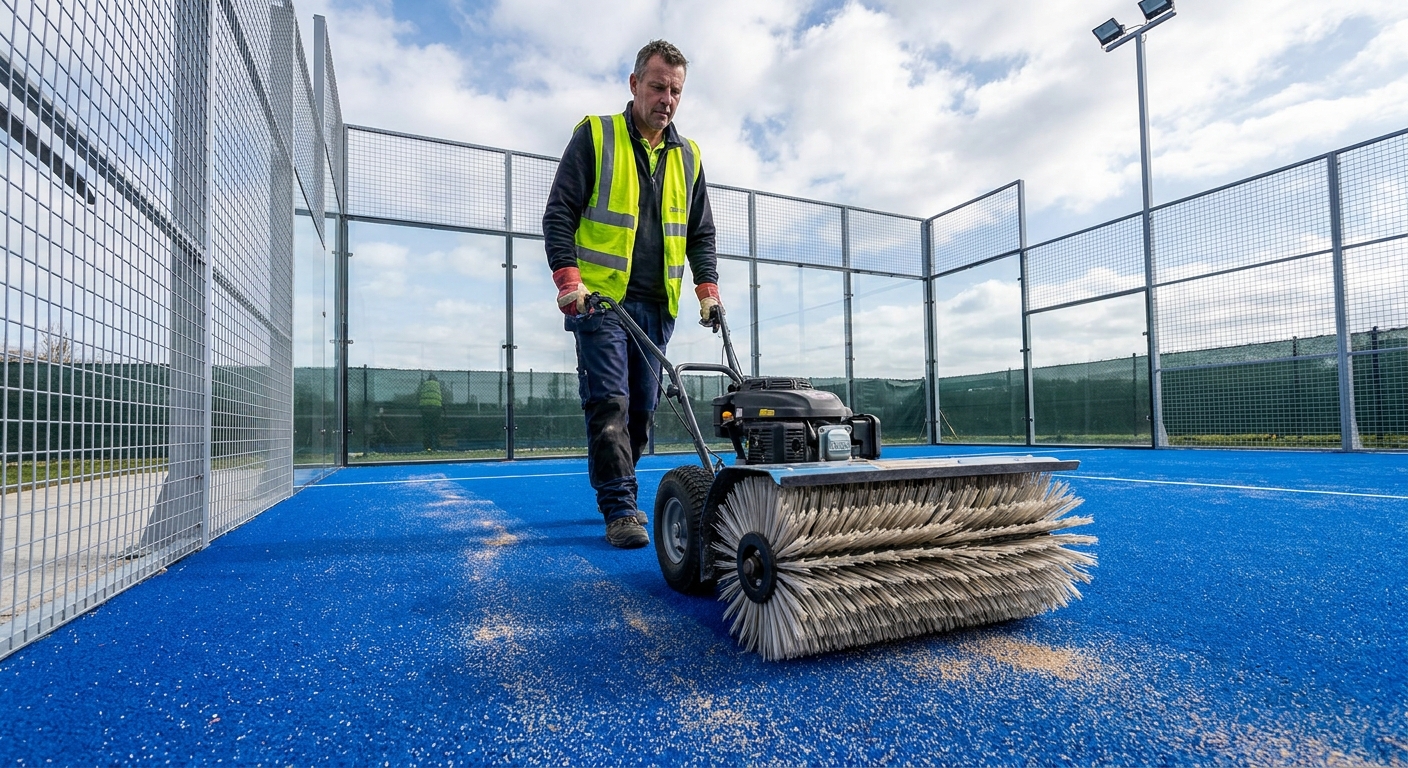
Standard maintenance for a bay padel project includes daily debris removal, weekly turf brushing, and monthly glass cleaning to ensure optimal play. Neglecting these simple tasks leads to sand compaction, which ruins the drainage and makes the surface dangerously slippery.
Managing the artificial turf infill
You need to redistribute the silica sand regularly to ensure the turf fibers remain upright and protected from mechanical wear. Uneven sand distribution creates “dead spots” on the court that frustrate players and shorten the lifespan of the grass.
- Rotating brush machinery.
- Sand level checks.
- Moss and weed prevention.
It gets better: a well-maintained court looks brand new for years, helping you maintain high rental prices.
Keeping the glass panels crystal clear
You should establish a routine for wiping down sweat and handprints from the glass to maintain the premium feel of the facility. Clear glass is essential for the “panoramic” experience that many modern bay padel project designs aim to provide.
Key Takeaway: A clean, well-groomed facility is your best marketing tool for attracting affluent members and corporate partners.
| Task | Frequency | Time Required | Tool Needed |
|---|---|---|---|
| Brushing | Weekly | 30 Minutes | Power Brush |
| Glass Cleaning | Daily | 15 Minutes | Squeegee |
| Sand Top-up | Quarterly | 2 Hours | Silica Sand |
Consistent upkeep preserves the aesthetic and functional value of your investment, protecting your long-term ROI.
How to optimize court bookings for a bay padel project?
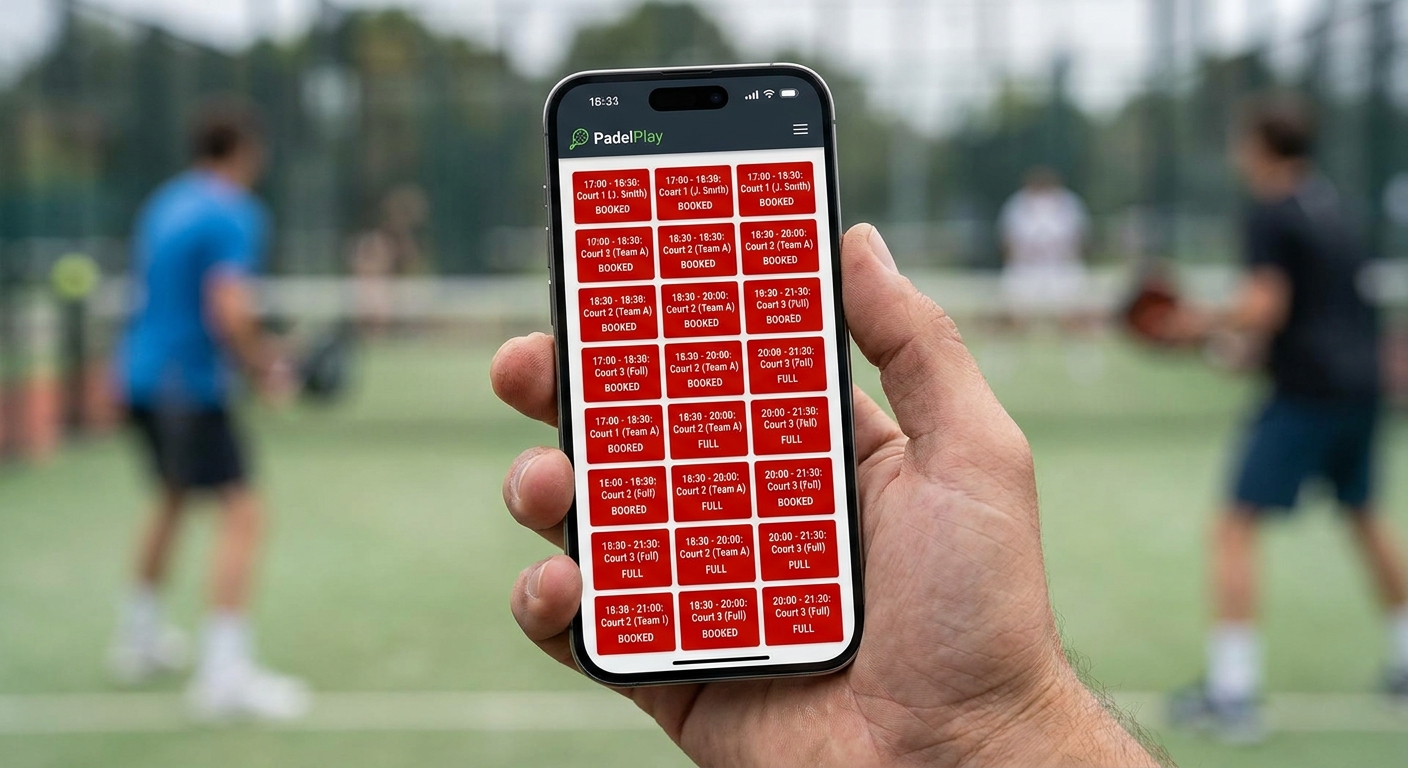
You optimize court bookings for a bay padel project by implementing automated scheduling software and dynamic pricing models that respond to player demand. Moving away from manual booking reduces administrative overhead and eliminates the risk of double-booked courts.
Implementing dynamic pricing strategies
You can maximize your revenue by charging premium rates during evening “rush hours” while offering discounts during early morning or midday slots. This strategy incentivizes players to fill up the gaps in your schedule that would otherwise go unused.
- Early bird discounts.
- Last-minute “filler” rates.
- Prime-time surcharges.
- Package deal bundles.
But wait, there’s more: an integrated app allows players to find partners, which increases the total number of bookings you receive.
Leveraging automation for 24/7 access
You should consider keyless entry systems that allow players to access the facility even when staff are not present. This level of convenience makes your bay padel project the easiest place to play in the city, boosting your loyalty metrics.
Key Takeaway: Reducing the friction between wanting to play and booking a court is the fastest way to increase occupancy.
| Booking Method | Efficiency | User Experience | Labor Cost |
|---|---|---|---|
| Automated App | Very High | Excellent | Zero |
| Website Portal | High | Good | Low |
| Phone Calls | Low | Poor | High |
Modernizing your booking process is a critical step in scaling your revenue without increasing your operational headcount.
Which surface materials fit a bay padel project’s budget?
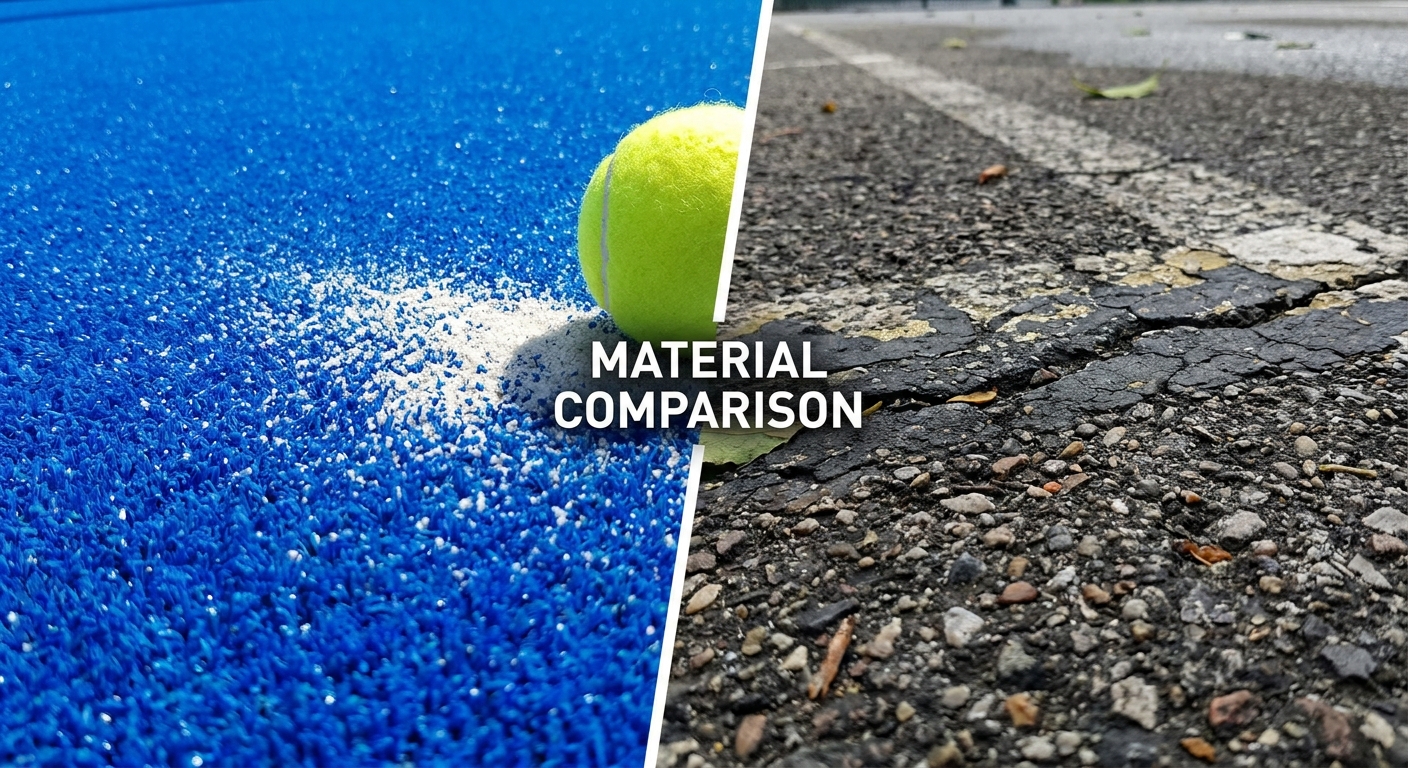
The best surface materials for a bay padel project budget are high-density artificial turfs specifically designed for racket sports, as they balance cost with extreme longevity. While concrete or asphalt might seem cheaper initially, they lack the player safety features required for a commercial club.
Comparing artificial turf to hard surfaces
You should avoid basic hard courts because the lack of shock absorption leads to player injuries and negative reviews. Artificial turf provides a cushioned experience that allows people to play multiple times per week without knee or ankle pain.
- Superior drainage for outdoor play.
- UV-stabilized polyethylene fibers.
- Consistent traction in all weather.
Here is the kicker: high-quality turf actually pays for itself by reducing your long-term maintenance and insurance liabilities.
Selecting the right infill material
You can choose between different grades of silica sand to find a balance between performance and budget. Rounded sand particles are preferred as they do not “cut” the turf fibers, extending the life of your bay padel project significantly.
Key Takeaway: Prioritizing high-grade turf over cheap alternatives is the most effective way to protect your initial capital investment.
| Material | Initial Cost | Durability | Player Value |
|---|---|---|---|
| Premium Turf | Moderate | High | Very High |
| Economy Turf | Low | Medium | Low |
| Hard Court | High | High | Very Low |
Focusing on specialized sports turf ensures that your budget is allocated toward features that actually generate revenue.
How do amenities add value to a bay padel project?
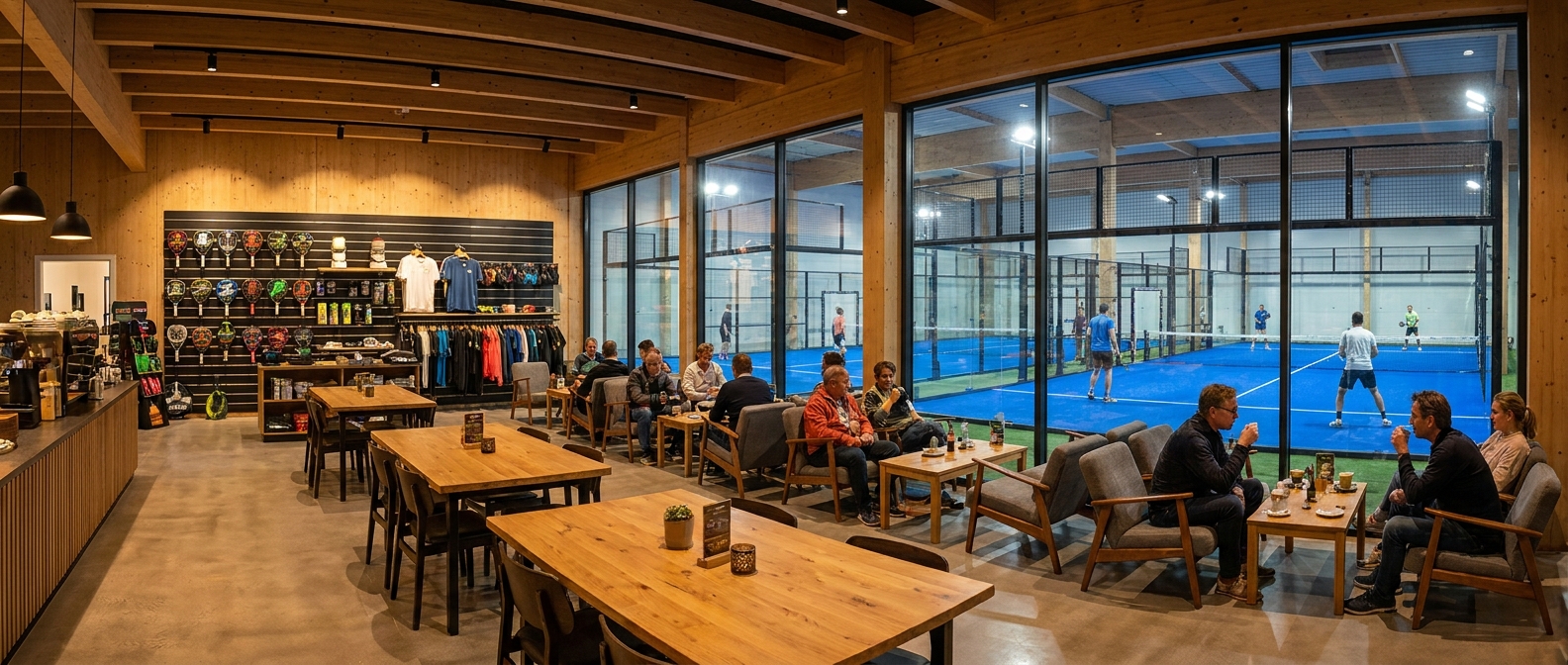
Amenities add value to a bay padel project by creating additional revenue streams through food, beverage, and retail sales that supplement your court hire fees. A successful facility is more than just a place to play; it is a social hub where people spend their time and money.
Building a profitable pro shop
You can increase your average revenue per user by selling rackets, balls, and specialized padel apparel on-site. Players often prefer to buy from a trusted source where they can test different racket models before making a purchase.
- Demo racket rentals.
- Consumables like balls and grips.
- Branded club merchandise.
- Stringing services.
The reality is this: your ancillary income can often cover your monthly utility bills and staff wages.
Offering high-quality social spaces
You should integrate a cafe or bar area where players can socialize after their matches with a drink or a snack. This “third place” atmosphere encourages members to stay longer, which increases their overall lifetime value to your business.
Key Takeaway: Diversifying your income beyond court rentals makes your business model more resilient to seasonal fluctuations.
| Amenity | Revenue Potential | Setup Cost | Customer Retention |
|---|---|---|---|
| Cafe/Bar | High | Moderate | Very High |
| Pro Shop | Medium | Low | High |
| Changing Rooms | Low | High | Essential |
Adding social and retail elements transforms a simple sports project into a comprehensive lifestyle destination.
What are the staffing needs for a bay padel project?
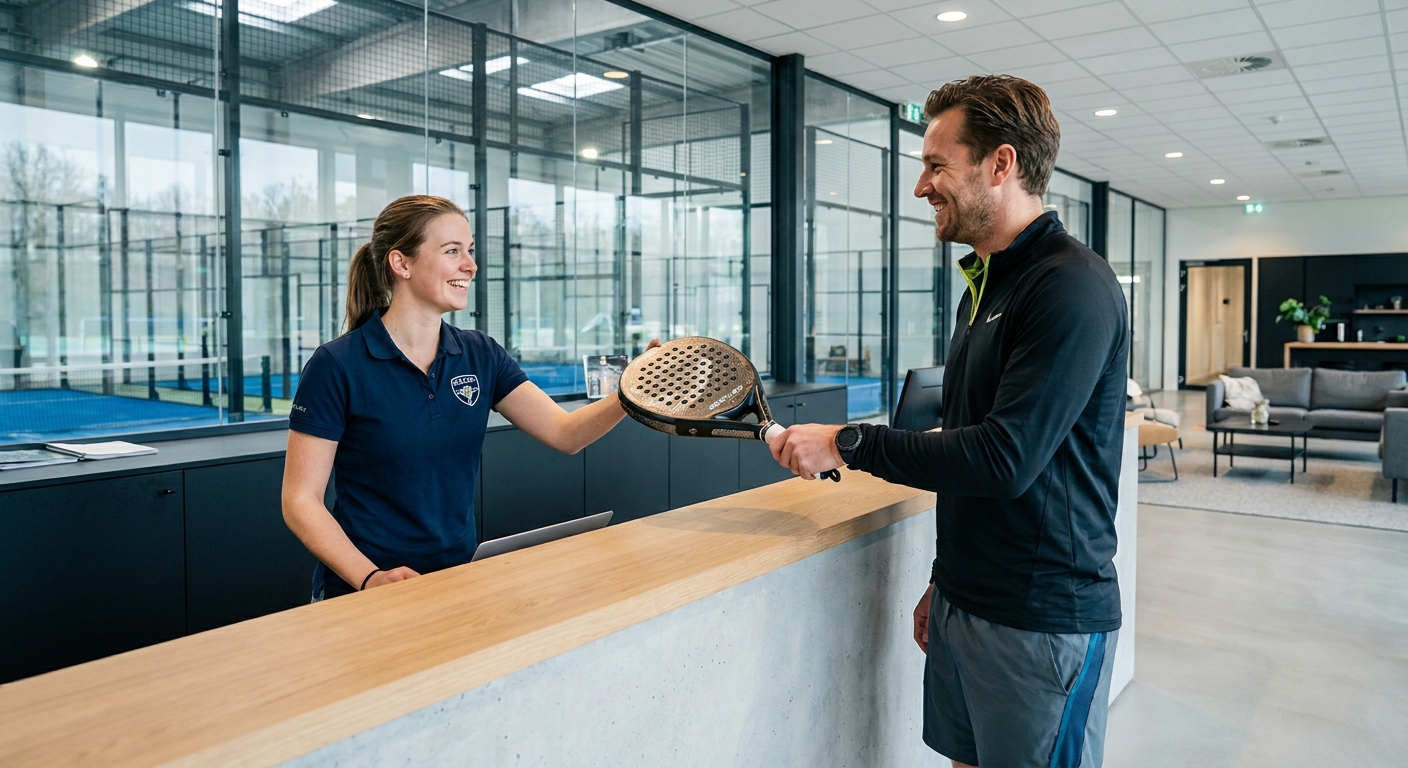
The staffing needs for a bay padel project are generally low, requiring only a facility manager, a maintenance technician, and specialized coaches for lesson revenue. Because of automation, you can run a highly profitable club with a very lean operational team.
Hiring professional padel coaches
You should look for certified coaches who can drive revenue through private lessons, group clinics, and youth academies. Coaches act as the primary ambassadors for your brand and are instrumental in building a loyal player community.
- Revenue-share coaching models.
- Group clinic scheduling.
- Introductory “First-Timer” sessions.
The best part? Successful coaches often bring their own following of players to your facility, ensuring immediate occupancy.
Managing the facility with minimal overhead
You can use a facility manager to handle high-level operations like marketing, sponsorship, and event planning. For day-to-day tasks, a part-time maintenance worker is usually sufficient to keep the courts in top condition.
Key Takeaway: Outsourcing specialized roles like coaching allows you to scale your services without increasing your fixed salary costs.
| Role | Necessity | Payment Model | Revenue Contribution |
|---|---|---|---|
| Head Coach | High | Revenue Share | Very High |
| Manager | Medium | Salary | High |
| Technician | High | Hourly | Indirect (ROI Protection) |
A lean, efficient team allows you to keep more of your revenue as profit while maintaining a high level of service.
Is community building vital for a bay padel project?
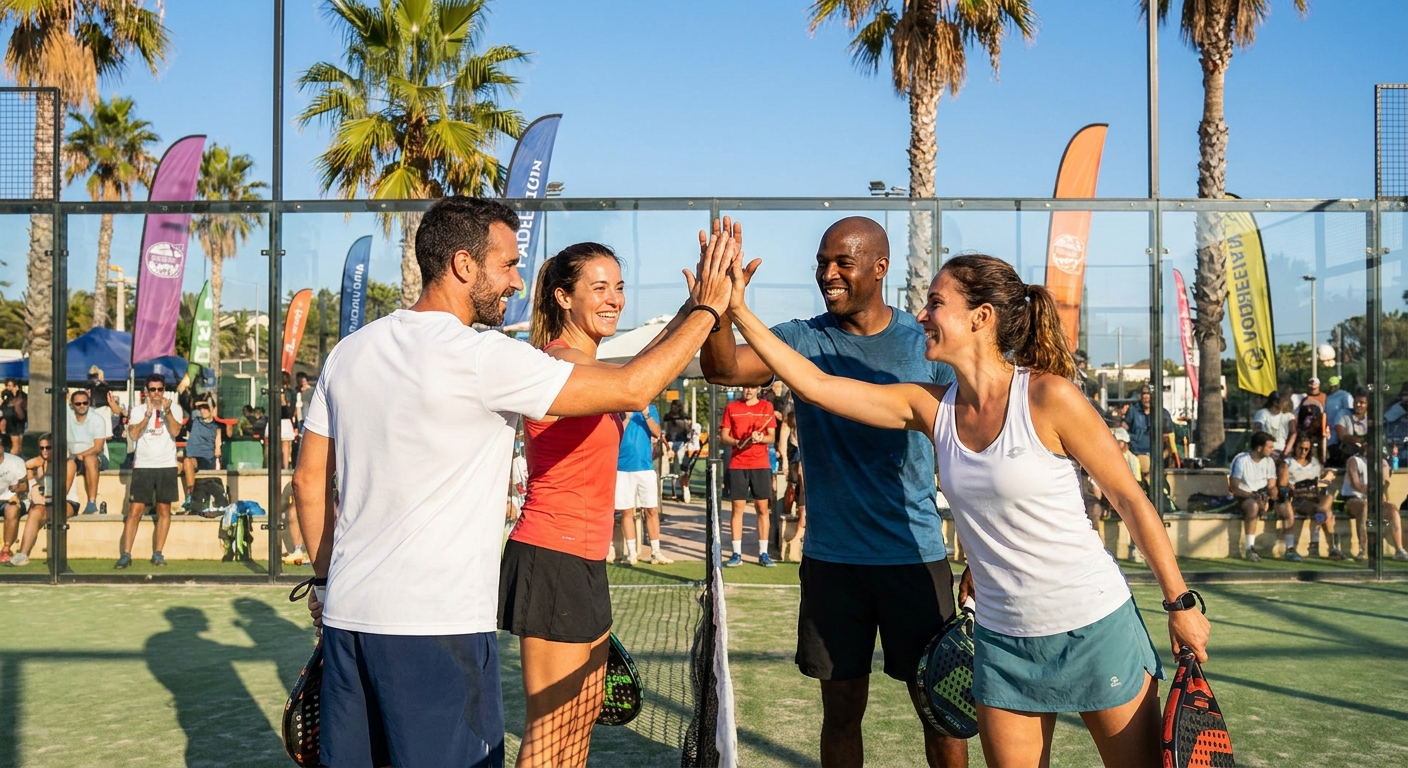
Community building is vital for a bay padel project because it transforms casual visitors into long-term members who provide a predictable monthly income. A strong social environment reduces your churn rate and creates a self-sustaining ecosystem of players.
Organizing social tournaments and leagues
You should host weekly “Americano” style tournaments and ladder leagues to help players meet new partners of their own skill level. These events create a sense of belonging and friendly competition that keeps players engaged with your facility.
- Ladder rankings for all levels.
- Mixed-doubles social nights.
- Corporate league competitions.
Think about it: a player with a community is ten times more likely to renew their membership than a lone player.
Using digital platforms to engage members
You can use WhatsApp groups or a dedicated club app to facilitate match-making and announce upcoming events. Active digital engagement ensures that your bay padel project stays at the top of your customers’ minds throughout the week.
Key Takeaway: Focus on the social experience as much as the sport itself to build a recession-proof community.
| Strategy | Engagement Level | Retention Impact | Cost |
|---|---|---|---|
| Ladder Leagues | Very High | High | Low |
| Member Apps | High | Moderate | Moderate |
| Social Nights | Medium | High | Low |
A thriving community is the ultimate safeguard for your revenue and the long-term success of your sports venture.
Final Thoughts on Scaling Your ROI
Building a world-class facility is a complex journey that requires the right balance of engineering, marketing, and community management. If you are ready to transform your vision into a profitable reality, contact us today to receive a customized quote and expert consultation. We solve the common problems of poor court performance and high maintenance costs by delivering factory-direct, premium solutions designed for maximum ROI. Our vision is to empower investors to build thriving sports hubs that deliver value for decades.
Frequently Asked Questions
Can I customize the court colors for my brand?
Absolutely. We offer full OEM support to match your specific branding and aesthetic requirements for any project size.
What’s the best way to reduce my initial setup costs?
Buying direct. By eliminating middlemen and sourcing directly from the manufacturer, you can save up to 30% on your procurement.
How do I know if my site is suitable for a padel court?
A site audit is essential. Standard courts require a 20×10 meter footprint plus a perimeter for safe player movement and structural foundations.
Can I install these courts in a coastal area?
Yes, but you must choose galvanized frames. Our structures are engineered with high-grade anti-corrosion materials specifically for harsh environmental conditions.
What’s the best way to manage courts without on-site staff?
Use automation. Integrating keyless entry with your booking software allows for a seamless, staff-free user experience during off-peak hours.