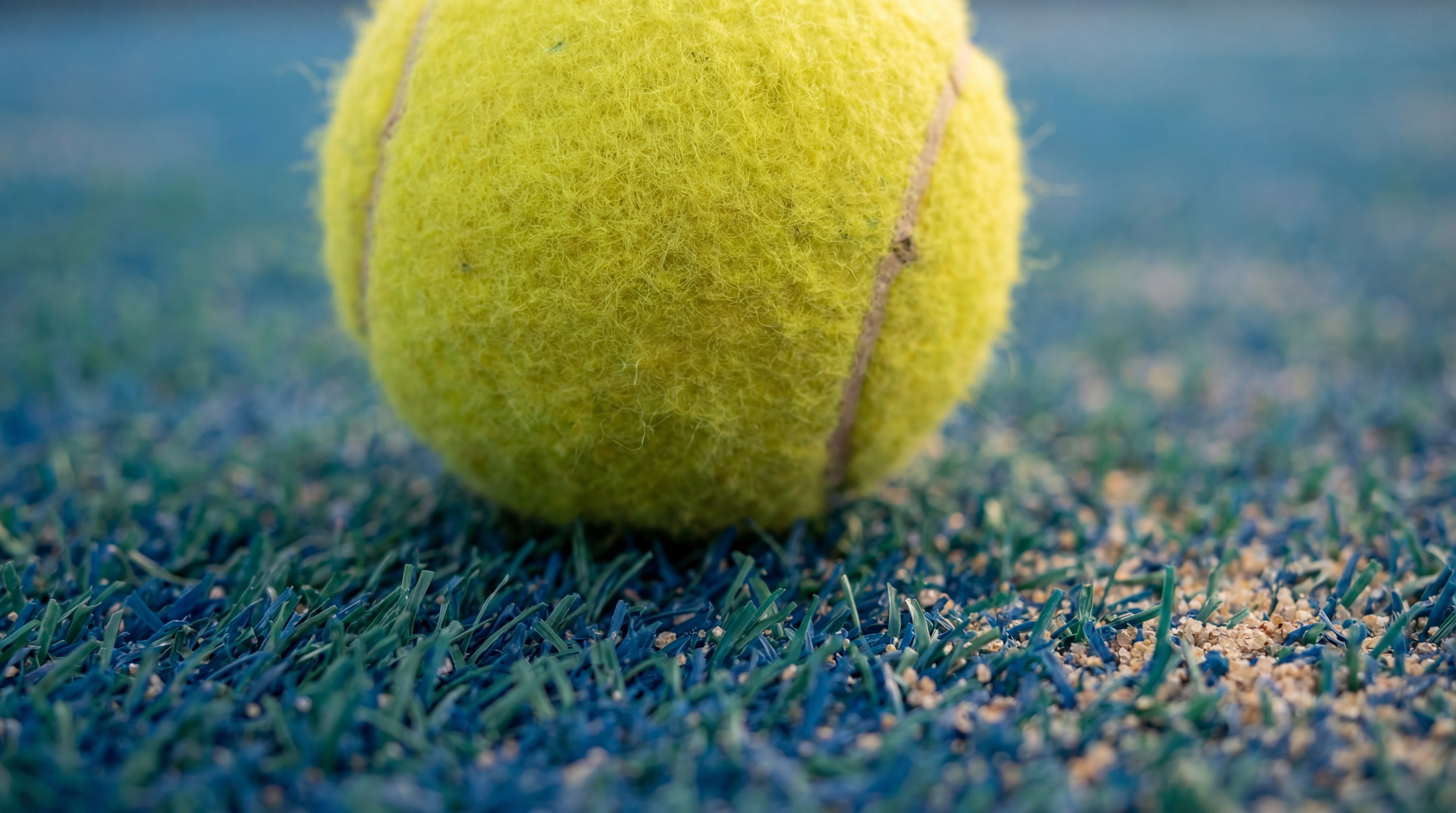
A pelota de padel is a pressurized rubber sphere coated in synthetic or natural felt designed specifically for the dimensions and wall-rebound requirements of a padel court, built through a precision vulcanization and gas injection process.
You are in the middle of a high-stakes set when you notice the rally length shortening and the “pop” disappearing from your overheads. Flat, lifeless balls ruin the tactical flow of the game, frustrating players and diminishing the professional atmosphere of your club. The solution lies in mastering the anatomy and manufacturing of a high-quality pelota de padel to ensure consistent performance.
What is the primary purpose of a pelota de padel?
The primary purpose is to provide a consistent, low-speed bounce that facilitates the tactical, wall-based rallies unique to this sport. Every pelota de padel is engineered to balance durability with aerodynamic drag.
Optimizing the Game Flow
Look:
- Slower speeds allow for defensive recovery.
- High-density rubber ensures the ball doesn’t deform on impact.
- The felt grip aids in applying spin.
Professional clubs rely on these specifications to maintain a high standard of play. You will find that high-quality felt is essential for air resistance.
Key Takeaway: The design focuses on control over raw power to suit the 20×10 meter court environment.
The following table outlines the fundamental role of the ball in match dynamics.
| Feature | Impact on Play |
|---|---|
| Tactical Bounce | Allows for wall-play strategy |
| Air Resistance | Keeps the ball within court bounds |
| Felt Grip | Enables slice and topspin |
How does a pelota de padel differ from tennis balls?
The main difference lies in the internal pressure and the resulting bounce height required for the smaller court size. When you choose a pelota de padel, you are selecting a ball with roughly 10-11 PSI compared to the higher pressure of tennis alternatives.
Comparing Physical Dimensions
But that’s not all:
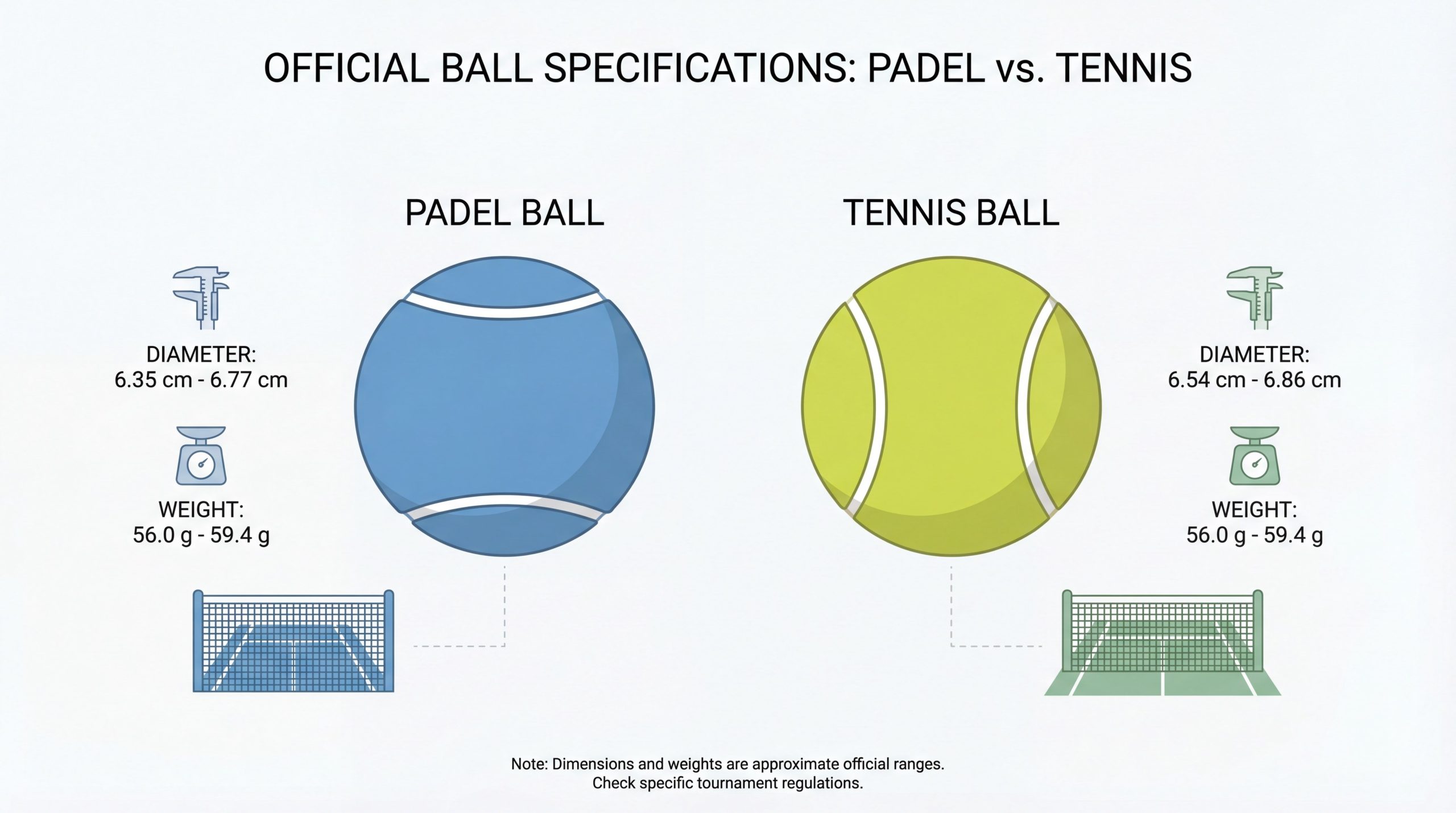
- Padel balls have a diameter between 6.35 cm and 6.77 cm.
- Tennis balls are slightly larger and faster.
- The weight remains similar to maintain arm health.
Choosing the right ball prevents the game from becoming uncontrollably fast. You must ensure players use the correct equipment to avoid injuries.
Key Takeaway: Lower pressure is the defining characteristic that separates padel equipment from tennis gear.
Review the physical comparisons between these two ball types below.
| Metric | Padel Ball | Tennis Ball |
|---|---|---|
| Diameter | 6.35 – 6.77 cm | 6.54 – 6.86 cm |
| Typical PSI | 10 – 11 | 14+ |
| Bounce (2.54m drop) | 135 – 147 cm | 135 – 147 cm (Higher speed) |
Why is the PSI level critical for a pelota de padel?
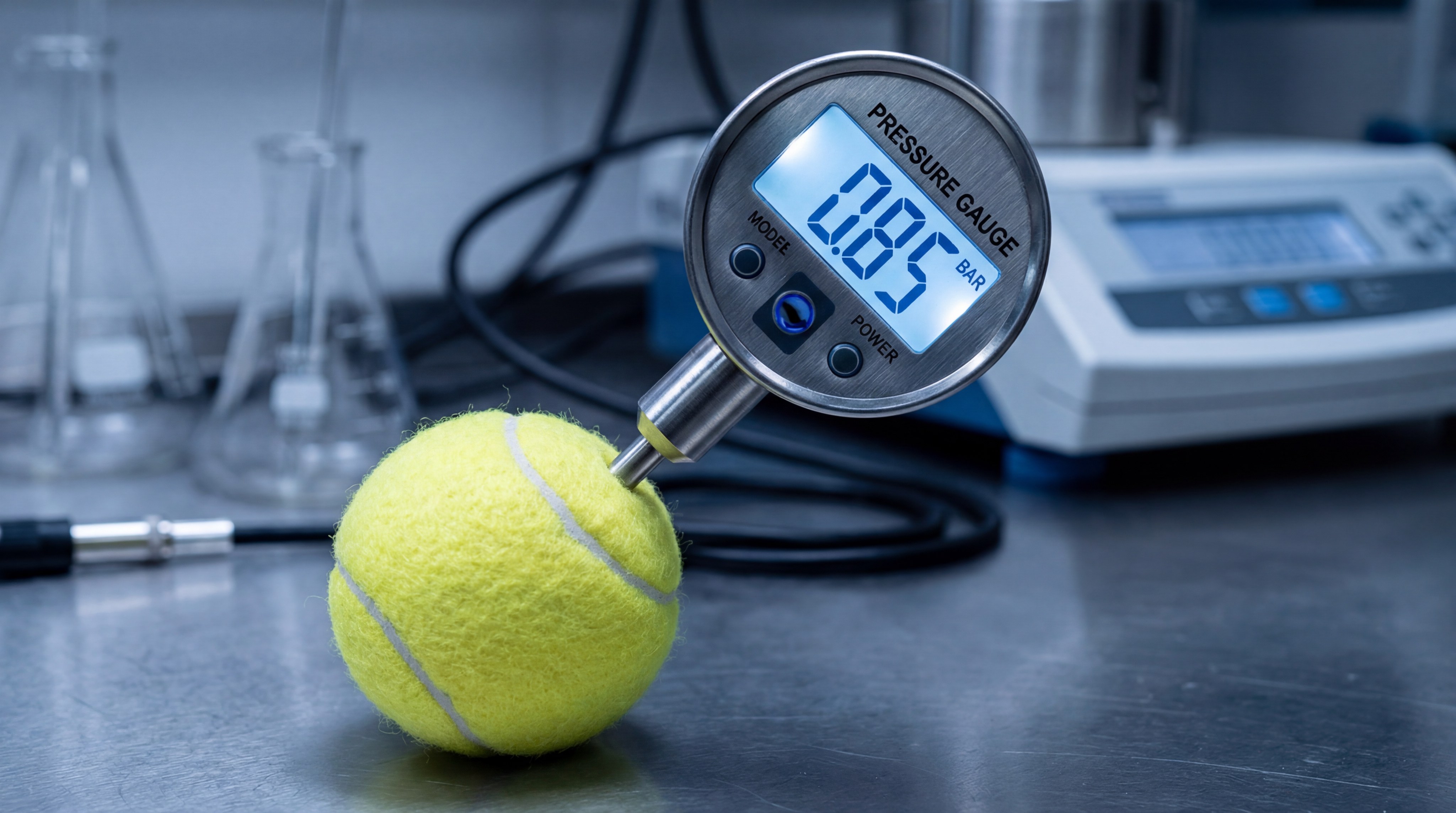
PSI levels determine the “liveliness” of the ball and how effectively it travels through the air after impact. A professional pelota de padel requires precise internal pressure to ensure the bounce remains within the regulatory 135cm to 147cm range.
The Effect of Altitude
Here is the deal:
- High altitude areas require lower-pressure balls.
- Sea-level courts often use higher-pressure versions.
- Consistent PSI reduces the risk of player elbow injuries.
Maintaining the correct pressure is non-negotiable for professional tournament organizers. You should test your batches regularly for consistency.
Key Takeaway: Internal gas pressure dictates the speed of the game and the reliability of wall rebounds.
This table highlights how pressure influences specific performance metrics.
| Pressure Level | Flight Speed | Bounce Height |
|---|---|---|
| Low (<10 PSI) | Slow | Under 135 cm |
| Optimal (11 PSI) | Controlled | 135 – 147 cm |
| High (>12 PSI) | Excessive | Over 147 cm |
How does a pelota de padel interact with glass walls?
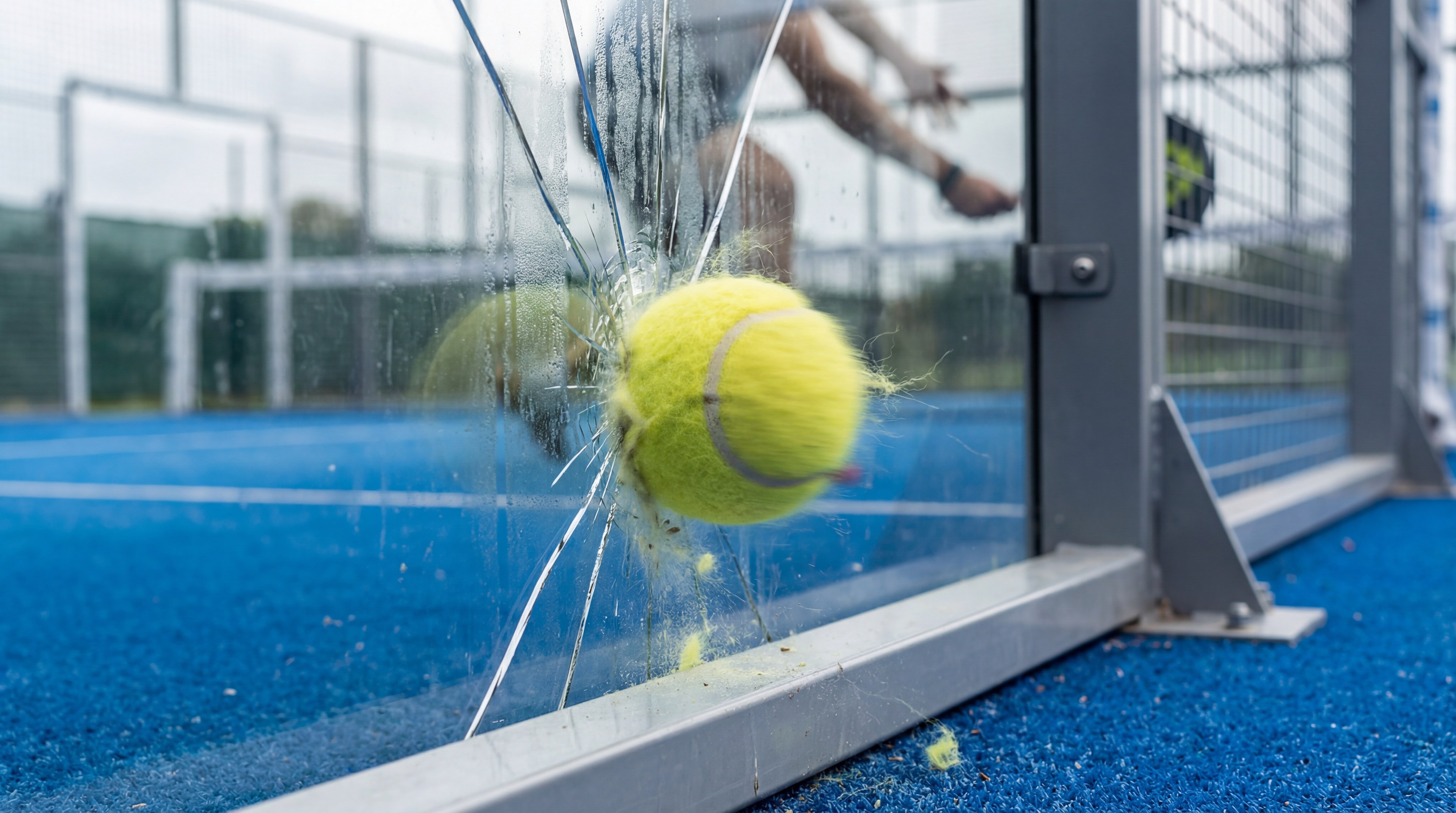
Interaction with glass walls requires a specific compression ratio to ensure the ball rebounds predictably rather than sliding. Using a high-quality pelota de padel ensures that the friction between the felt and the glass creates the necessary spin for advanced play.
Maximizing Rebound Elasticity
Look:
- The ball must compress slightly upon hitting the wall.
- Felt quality prevents the ball from slipping on humid glass.
- Energy return from the core determines the speed of the rebound.
You need equipment that respects the physics of the court walls. This interaction is what makes the sport unique.
Key Takeaway: Predictable wall interaction is only possible when the ball’s elasticity is tuned to the glass surface.
Understand the rebound dynamics through this interaction summary.
| Surface | Rebound Type | Energy Loss |
|---|---|---|
| Tempered Glass | High Elasticity | Minimal |
| Metallic Mesh | Irregular | Moderate |
| Synthetic Turf | Dampened | High |
What materials are inside a pelota de padel core?
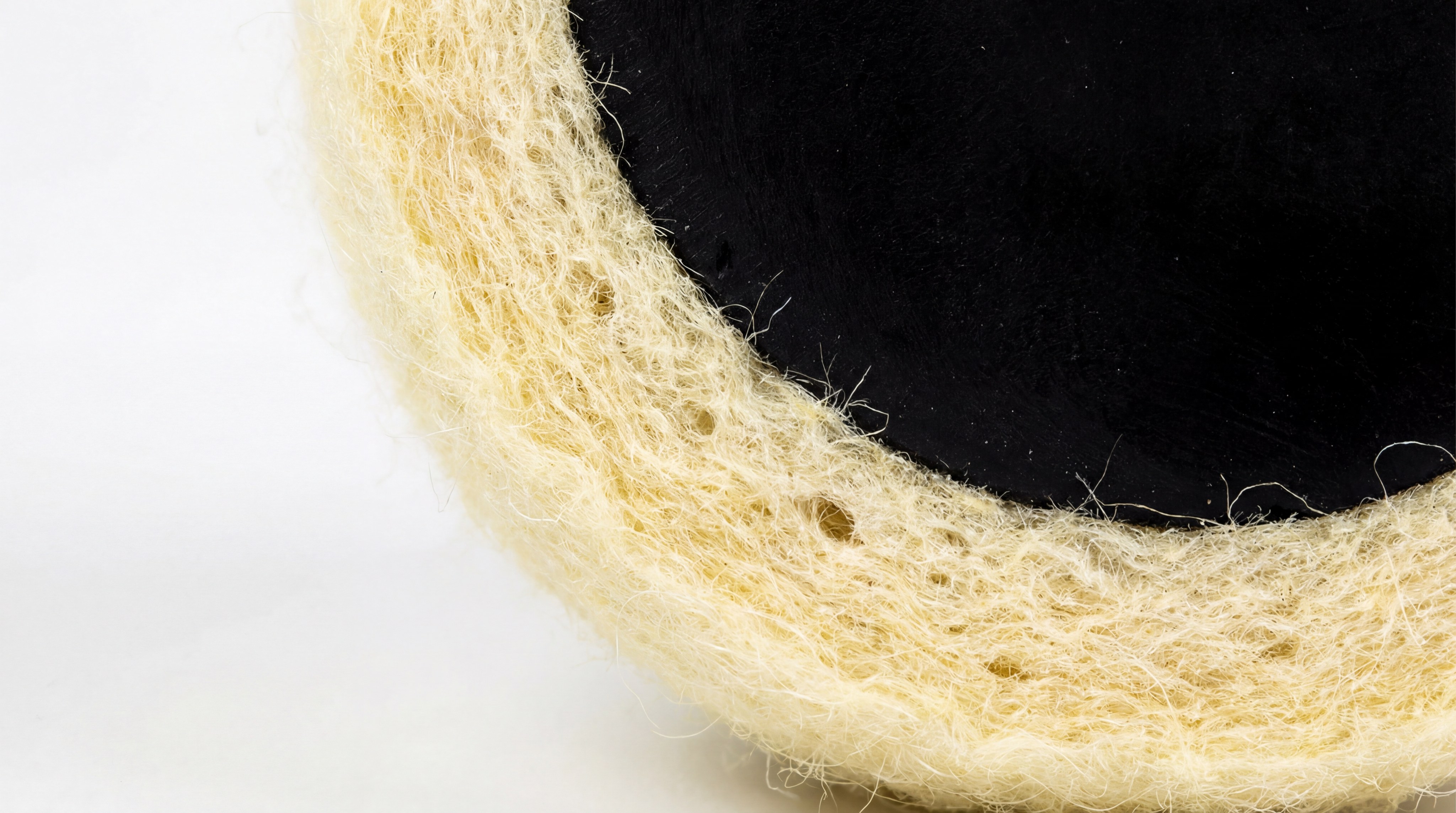
The core is constructed from high-density rubber that has been vulcanized to withstand thousands of high-velocity impacts. Inside every pelota de padel, you will find a hollow center injected with nitrogen or pressurized air to provide structure.
Anatomy of the Rubber Shell
But that’s not all:
- Natural rubber is mixed with chemical additives for durability.
- The thickness of the shell influences the ball’s weight.
- Vulcanization fuses two half-shells into a single unit.
Quality cores prevent the ball from losing its shape during a match. You can tell a premium ball by the uniformity of its internal wall.
Key Takeaway: The rubber core is the engine of the ball, providing the essential bounce and structural integrity.
The internal components contribute to the following physical properties.
| Component | Material | Benefit |
|---|---|---|
| Internal Gas | Nitrogen/Air | Maintains bounce height |
| Rubber Shell | High-Density Polymer | Impact resistance |
| Adhesive Layer | Industrial Bonding | Keeps felt attached |
Which pelota de padel suits your specific court type?
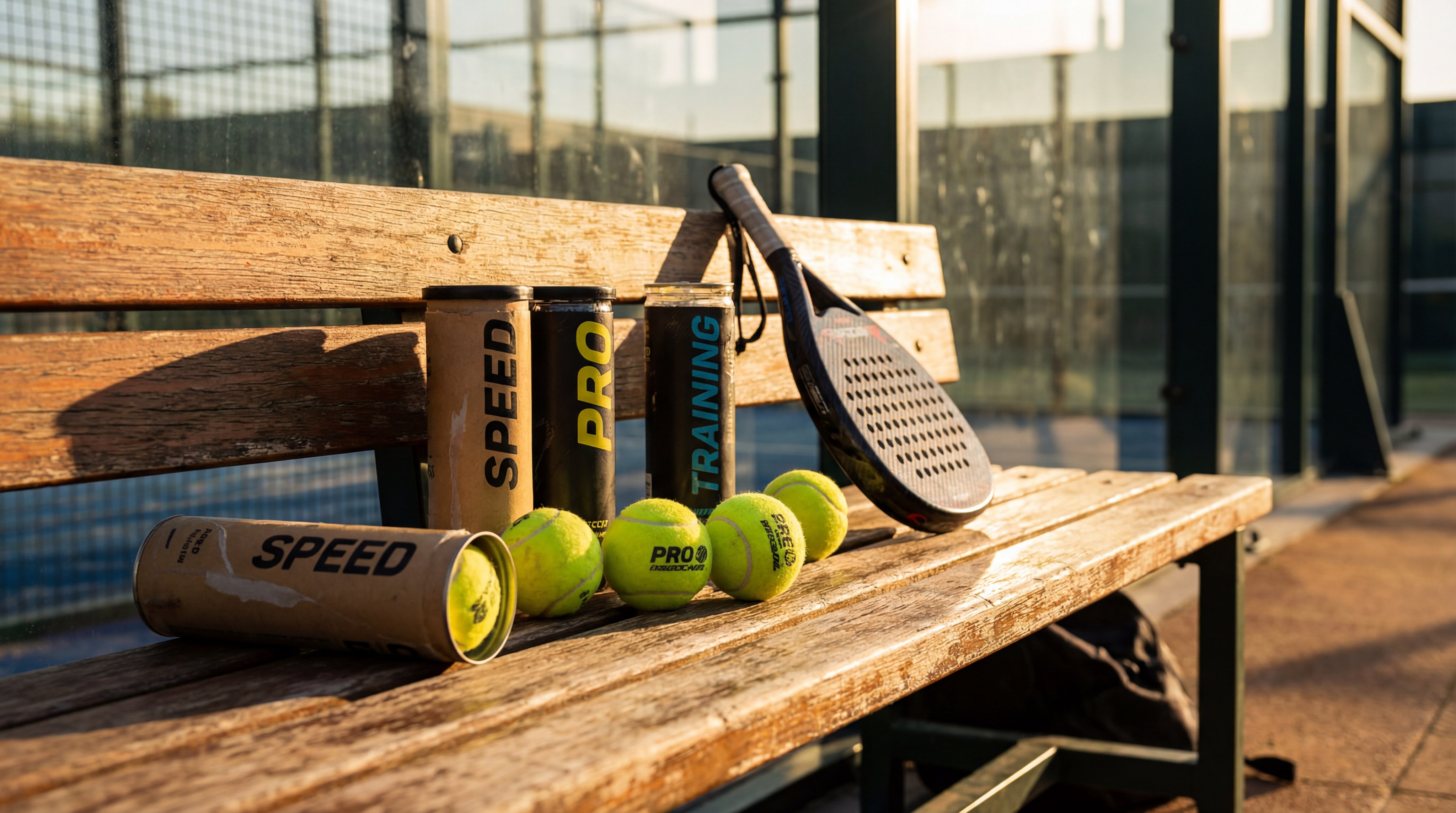
The best choice depends on whether you are playing on a traditional court or a modern panoramic setup. Selecting the right pelota de padel involves matching the ball’s speed rating to the surface friction of your turf.
Speed vs. Control Balls
Here is the deal:
- “Speed” balls are better for slower, humid courts.
- “Pro” or “Control” balls suit fast, dry conditions.
- Beginners should opt for balls with higher wool content for slower play.
You must align your inventory with the skill levels of your players. Fast balls on a fast court can make the game too difficult for newcomers.
Key Takeaway: Matching ball speed to court conditions ensures a balanced and enjoyable match experience.
Use this guide to select the appropriate ball for your facility.
| Court Condition | Recommended Ball | Main Benefit |
|---|---|---|
| Cold/Humid | Speed Version | Offsets heavy air |
| Hot/Dry | Control Version | Prevents over-bouncing |
| Beginner Play | High-Felt Version | Increases reaction time |
How can you maintain a pelota de padel longer?
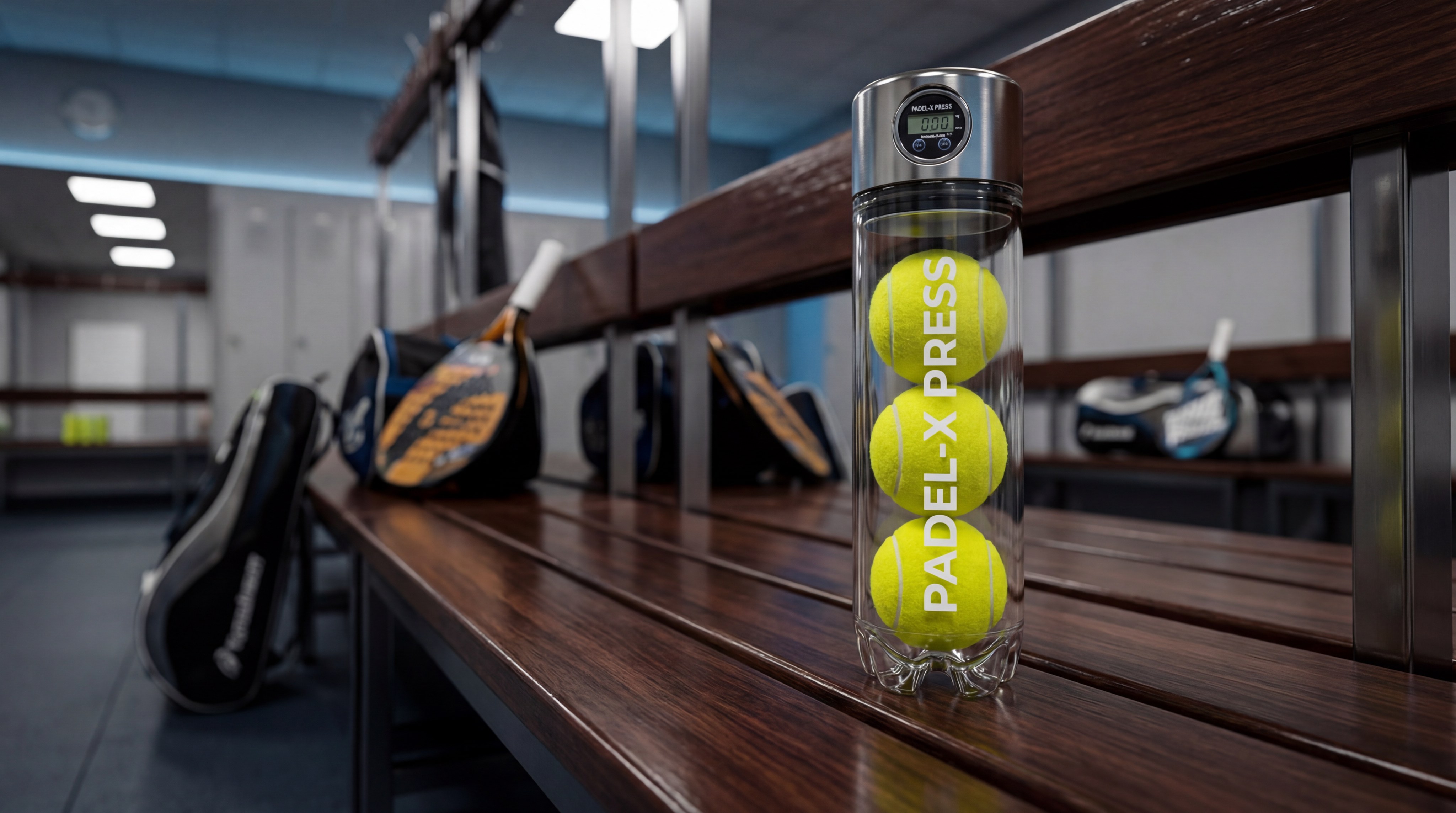
Maintenance requires storing the balls in a pressurized environment to counteract the natural gas seepage that occurs through the rubber core. A pelota de padel begins to lose its competition-grade bounce the moment the original canister is unsealed.
Utilizing Pressurization Tubes
Look:
- Tubes can restore internal PSI between sessions.
- Proper storage doubles the lifespan of your equipment.
- Keeping balls dry prevents the felt from becoming heavy.
You can save significant costs by investing in pressurization technology for your club. It ensures every match starts with a high-performance ball.
Key Takeaway: Active pressure maintenance is the only way to prevent balls from going “flat” prematurely.
Compare the lifespan of maintained versus neglected balls below.
| Storage Method | Expected Lifespan | Performance Quality |
|---|---|---|
| Open Air | 1-2 Matches | Rapidly declining |
| Original Tube | 3-4 Matches | Moderate |
| Pressure Tube | 6-10 Matches | High/Consistent |
Is a tennis ball heavier than a pelota de padel?
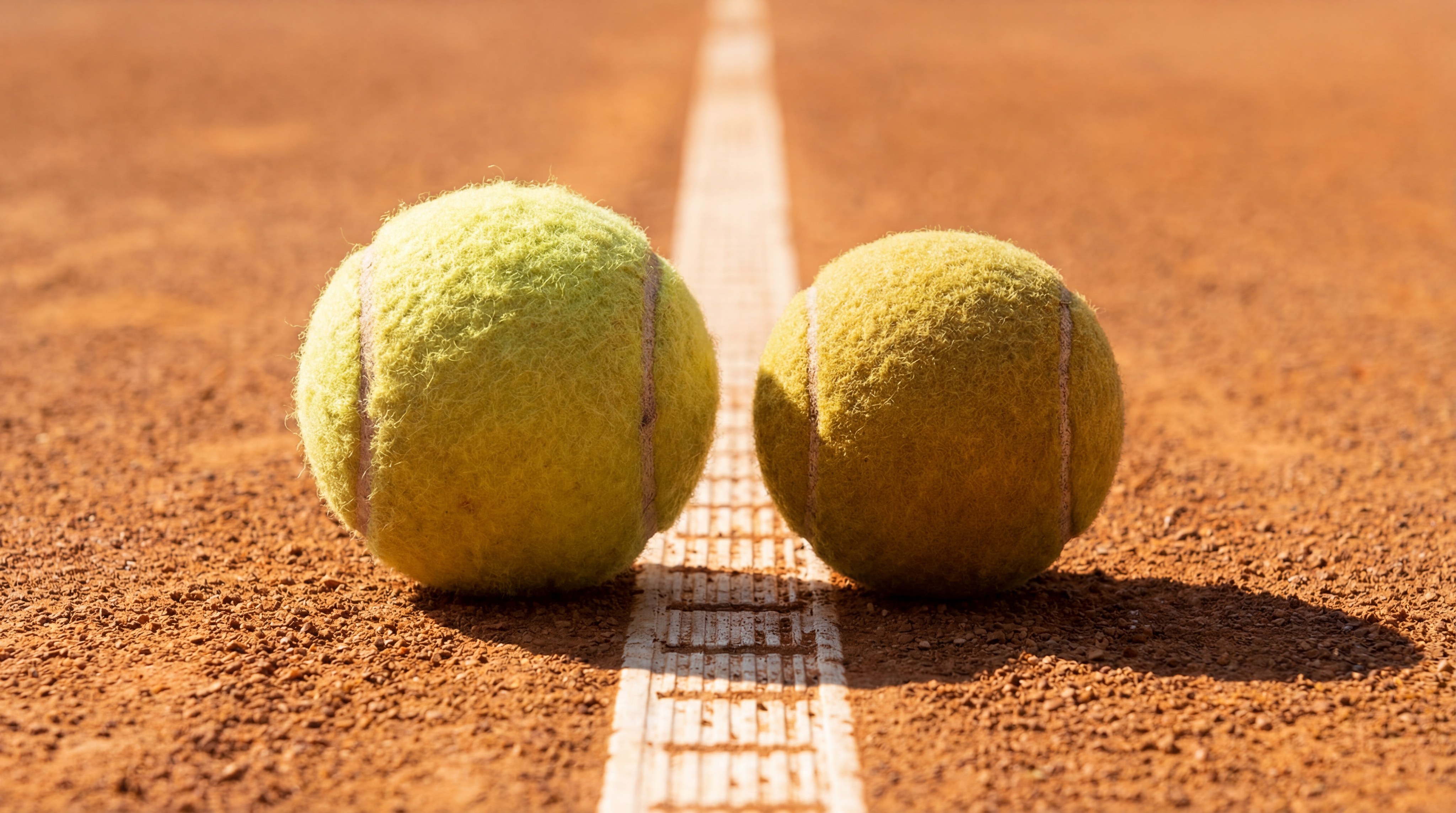
Generally, the weight range is identical, but the perceived weight changes due to how the felt and pressure interact with the air. When you learn more about the official standards, you see that a pelota de padel must fall between 56.0 and 59.4 grams.
Weight Distribution and Aero-Drag
But that’s not all:
- Thick felt on padel balls increases air resistance.
- The ball feels “heavier” in flight because it slows down faster.
- Tennis balls cut through the air with less drag.
You need to understand these nuances to provide the right advice to transition players. The weight is balanced to protect the player’s elbow from repetitive strain.
Key Takeaway: While physical weights are similar, the aerodynamic profile makes the padel ball feel more substantial during play.
This table details the official weight and size specifications.
| Attribute | Padel Regulation | Tennis Regulation |
|---|---|---|
| Weight | 56.0g – 59.4g | 56.0g – 59.4g |
| Diameter | 6.35cm – 6.77cm | 6.54cm – 6.86cm |
| Material | Rubber + Felt | Rubber + Felt |
How do factories manufacture a pelota de padel?
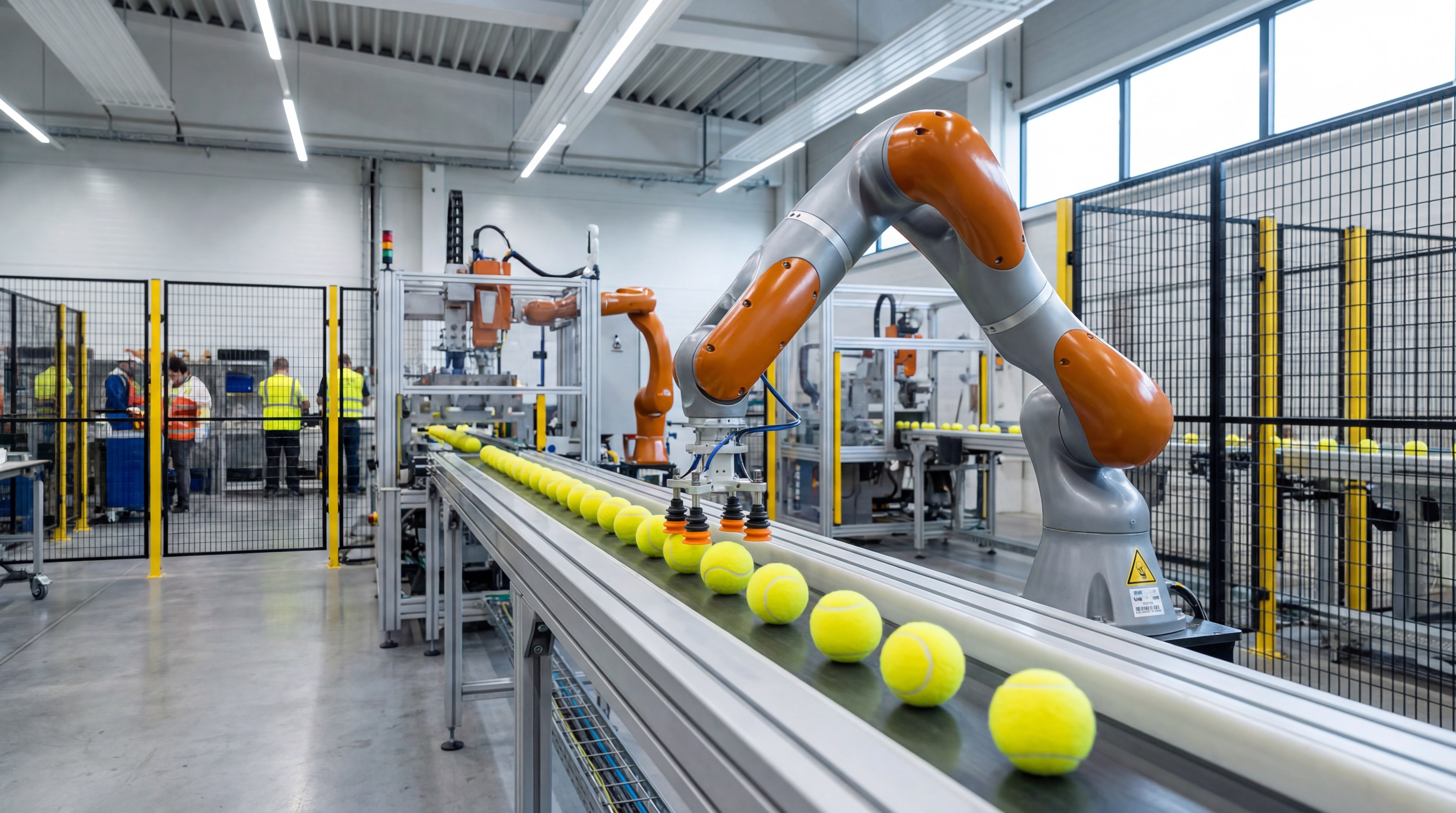
Factories manufacture these balls using a multi-step process involving rubber compounding, shell molding, and automated felting. Every pelota de padel passes through a vulcanization chamber where the pressure is set by injecting specific gas mixtures.
Precision Assembly Steps
Here is the deal:
- Rubber is kneaded with sulfur and pigments.
- Robotic arms ensure the “dog-bone” felt is applied without gaps.
- Quality control tests every batch for bounce height.
Manufacturing requires strict adherence to international standards. You should source from factories that utilize advanced automation for consistency.
Key Takeaway: Professional manufacturing combines chemical engineering with robotic precision to ensure every ball is identical.
The manufacturing sequence follows these critical phases.
| Phase | Description | Output |
|---|---|---|
| Compounding | Mixing raw materials | Rubber Sheets |
| Molding | High-heat vulcanization | Sealed Core |
| Felting | Adhesive/Fabric application | Finished Ball |
What is the future of pelota de padel technology?
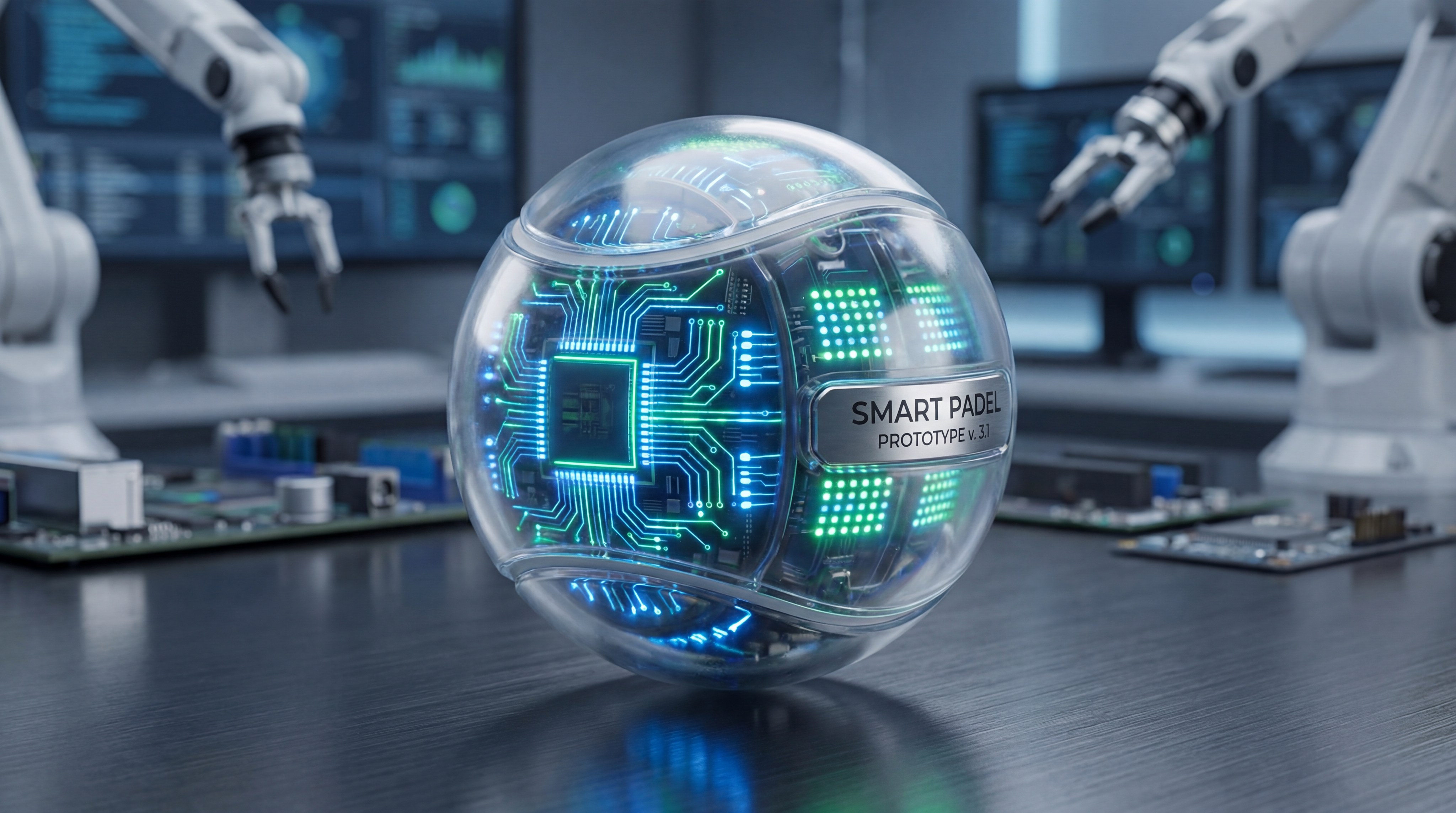
The future of technology involves sustainable materials and integrated sensors that track ball speed and spin in real-time. If you contact industry experts, you will find that the next generation of pelota de padel aims to be 100% recyclable.
Smart Balls and Sustainability
Look:
- Microchips can now measure impact force.
- Biodegradable cores are being developed to reduce waste.
- Synthetic felts are becoming more moisture-resistant.
You are seeing a shift toward equipment that helps players analyze their performance. These innovations will redefine how we train for professional play.
Key Takeaway: Innovation is moving toward data-driven performance and environmentally friendly production methods.
Expected technological advancements include the following categories.
| Innovation | Purpose | Status |
|---|---|---|
| Smart Core | Real-time data tracking | Prototyping |
| Recycled Felt | Environmental impact reduction | Limited Release |
| Nitrogen Core | Longer pressure retention | Available |
Conclusion
Investing in the right ball technology solves the frustration of inconsistent play and reduces equipment costs over time. By understanding the manufacturing and maintenance of the perfect ball, you ensure your club remains at the forefront of the sport. If you are ready to upgrade your facility with premium courts or equipment, contact us today to find the perfect solution. Our vision is to empower every padel club with professional-grade infrastructure that inspires peak performance.
FAQ: Common Questions About Padel Balls
- Can I play padel with a tennis ball? No. Tennis balls are too fast and bouncy for the tactical requirements of a padel court.
- What’s the best way to store them? Use a pressurizer. This prevents gas from leaking out and maintains the bounce quality.
- How many matches do they last? Usually 1 to 3. High-intensity play wears down the felt and reduces internal pressure quickly.
- Are all yellow balls the same? No. Padel balls have lower pressure and thicker felt than tennis balls.
- Does temperature affect the bounce? Yes. Cold air makes the ball feel heavier and reduces the internal gas pressure.