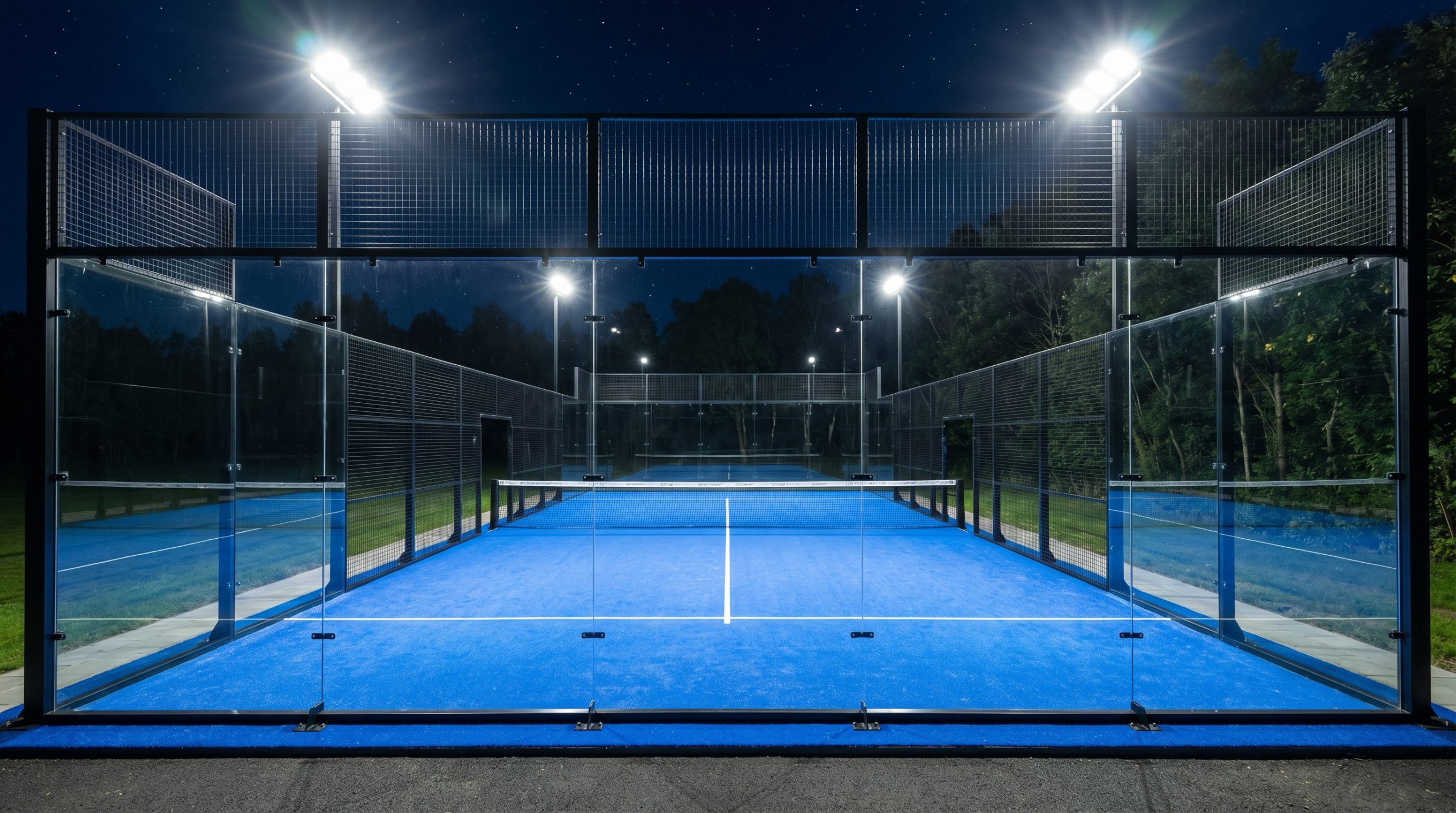
Playing padel is a dynamic racquet sport that combines elements of tennis and squash within a glass-enclosed court, and building a professional facility requires specific technical engineering for both the structure and the surface. Many sports club owners and real estate developers struggle with low engagement rates and high maintenance costs of traditional sports infrastructure. Without the right technical knowledge or a clear understanding of the game’s mechanics, you risk investing in a facility that fails to attract premium members or requires constant, expensive repairs. This comprehensive guide provides the necessary blueprint for mastering the user experience of playing padel while outlining the structural standards required to construct a world-class facility.
What are the rules for playing padel?
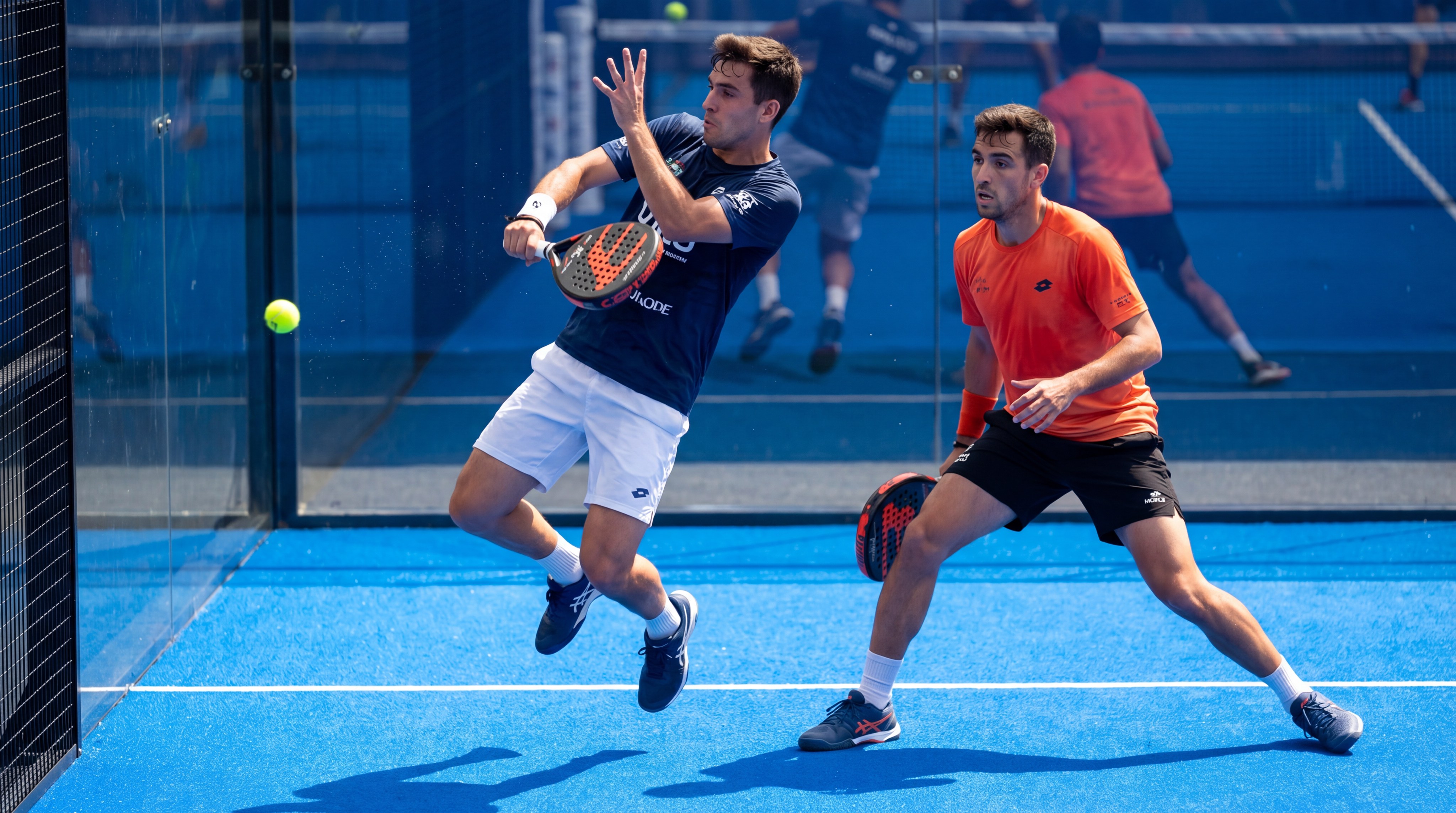
Basic rules for playing padel involve a doubles-only format where players use the glass walls to keep the ball in play after it bounces on the ground. The game is known for its fast-paced rallies and strategic use of the perimeter to outmaneuver opponents.
Serving and wall mechanics
The serve must be hit underhand and cross-court into the opponent’s service box. Here’s the deal: once the ball is in play, it can hit the glass walls after a bounce, allowing for unique defensive recoveries.
- Balls must bounce once before hitting a wall.
- Hitting the metallic fence directly is a fault.
- Players can hit the ball against their own glass wall to pass it over the net.
Key Takeaway: Mastery of the wall-rebound mechanic is what defines the strategic depth and unique appeal of the game.
| Rule Category | Description |
|---|---|
| Players | 2 vs 2 (Doubles only) |
| Ground Bounce | Maximum 1 bounce permitted |
| Wall Use | Active after ground bounce |
| Service Style | Underhand below waist height |
Understanding these fundamental mechanics is essential for designing a court that accommodates high-speed play and safety.
Why is layout key for playing padel?
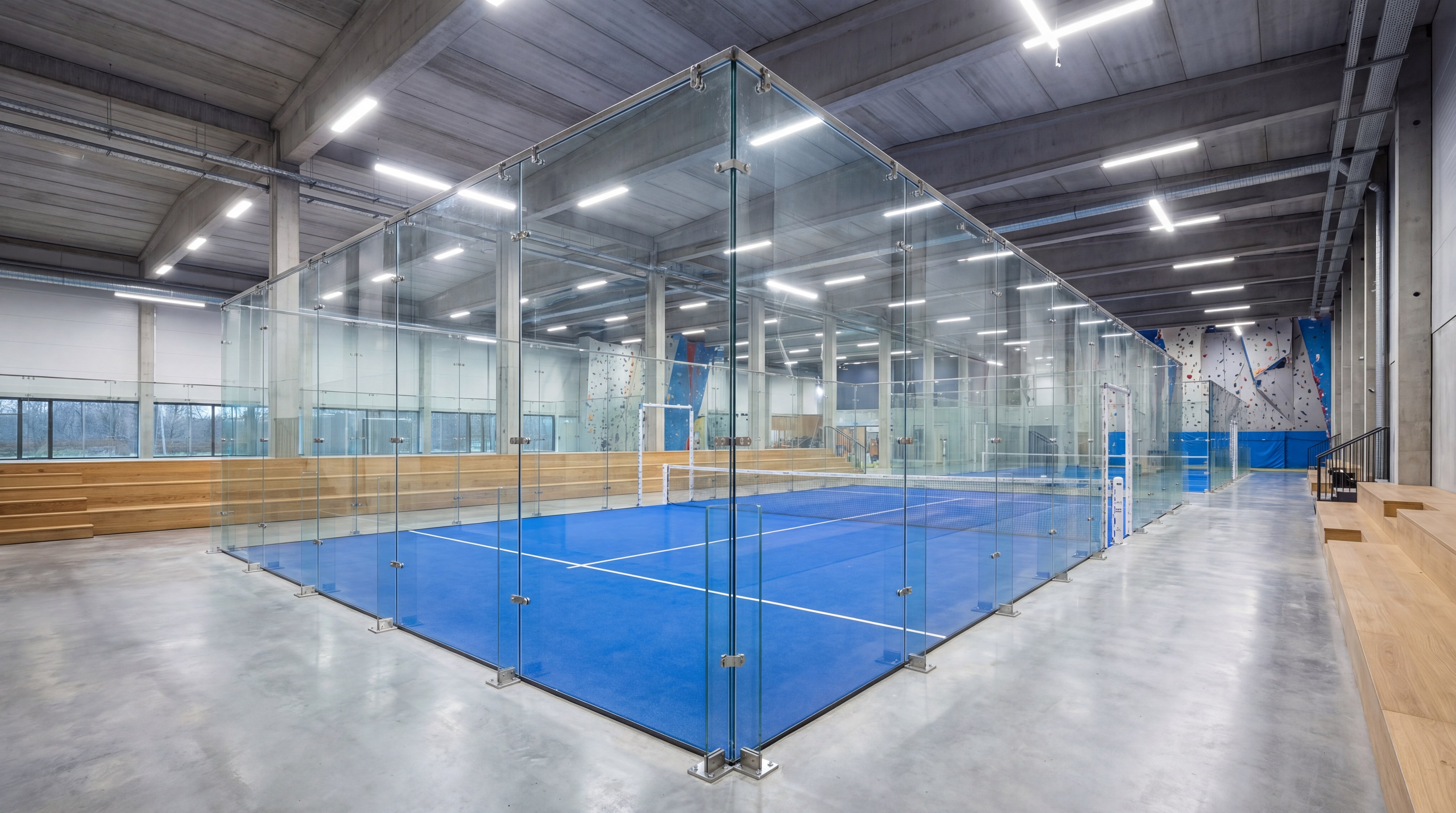
The spatial layout for playing padel is defined by a 20×10 meter court surrounded by tempered glass and metallic mesh. This specific footprint allows for intense doubles action while fitting into spaces that would be too small for traditional tennis.
Standard dimensions and aesthetics
A regulation court requires exactly 200 square meters of playing surface divided by a central net. You must ensure the back walls reach four meters in height to maintain international competition standards.
But wait, there’s more:
- Side walls are typically three meters high.
- Service lines are marked 6.95 meters from the net.
- Panoramic designs eliminate rear posts for better visibility.
Key Takeaway: Precise adherence to international dimensions ensures the facility is eligible for tournaments and provides a professional experience.
| Feature | Specification |
|---|---|
| Total Size | 10m x 20m |
| Glass Thickness | 12mm Tempered |
| Net Height | 88cm (Center) |
| Wall Height | 4m (Back) |
Correct layout planning prevents structural overlaps and ensures your facility meets the expectations of high-level players.
How is scoring done while playing padel?
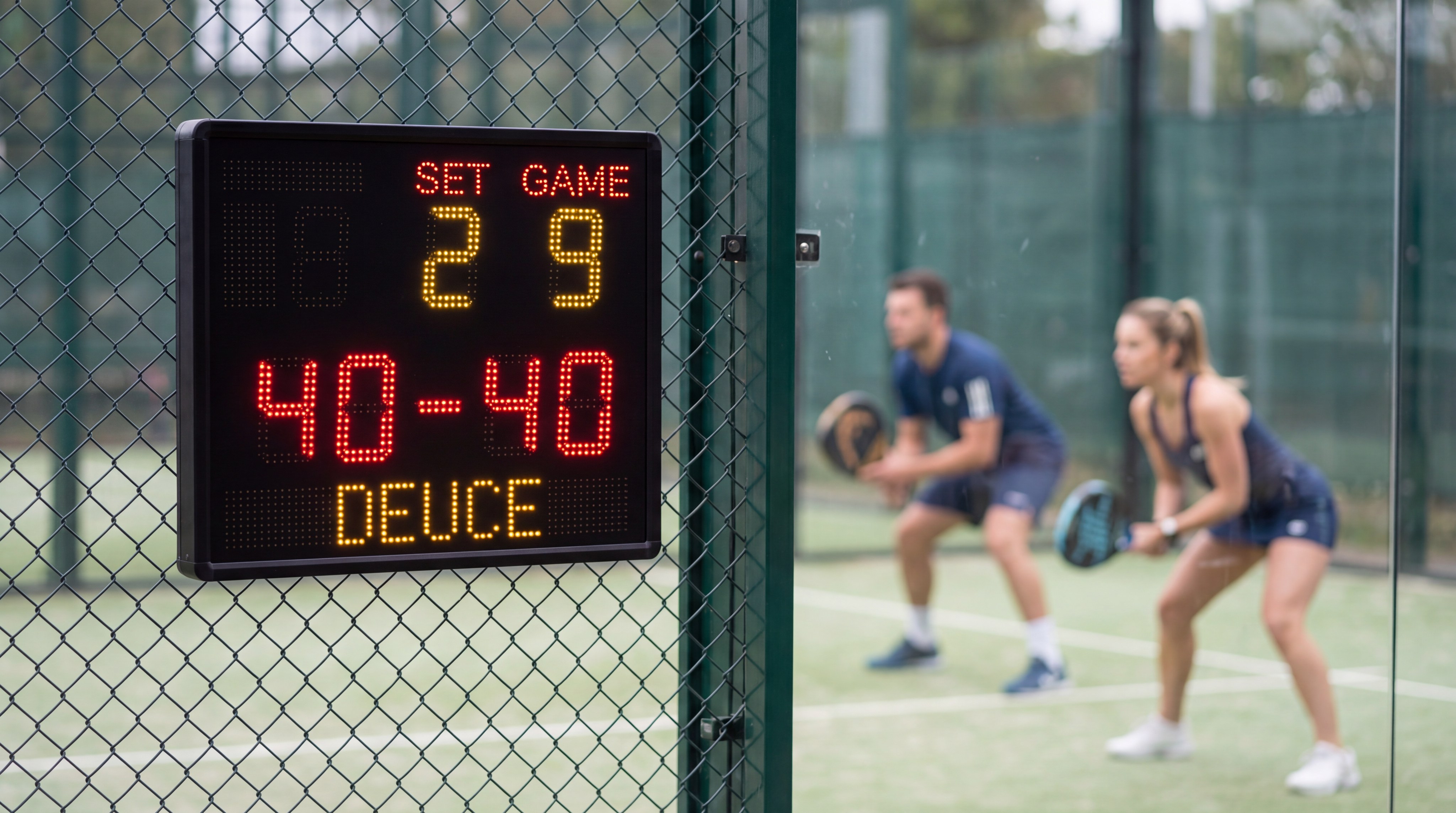
Scoring while playing padel follows the traditional racquet sport sequence of 15, 30, and 40, leading to a game win. Matches are generally played as the best of three sets, making it familiar to those with a tennis background.
The golden point and tie-breaks
Many professional circuits have adopted the “Golden Point” to speed up matches at deuce. This creates high-stakes moments where the winner of a single point takes the entire game.
- Tie-breaks are played to seven points at 6-6 in a set.
- Sets are won by the first team to reach six games with a two-game lead.
- The Golden Point removes the “Advantage” phase of scoring.
Key Takeaway: The “Golden Point” rule is a critical tactical moment that requires high mental focus and aggressive positioning from both players.
| Scoring Phase | Mechanism |
|---|---|
| Game Points | 15, 30, 40, Game |
| Set Victory | 6 Games (2-game lead) |
| Match Format | Best of 3 sets |
| Tie-break | First to 7 points |
Integrating digital scoreboards that support Golden Point settings can significantly enhance the professional atmosphere of your club.
What gear is used for playing padel?
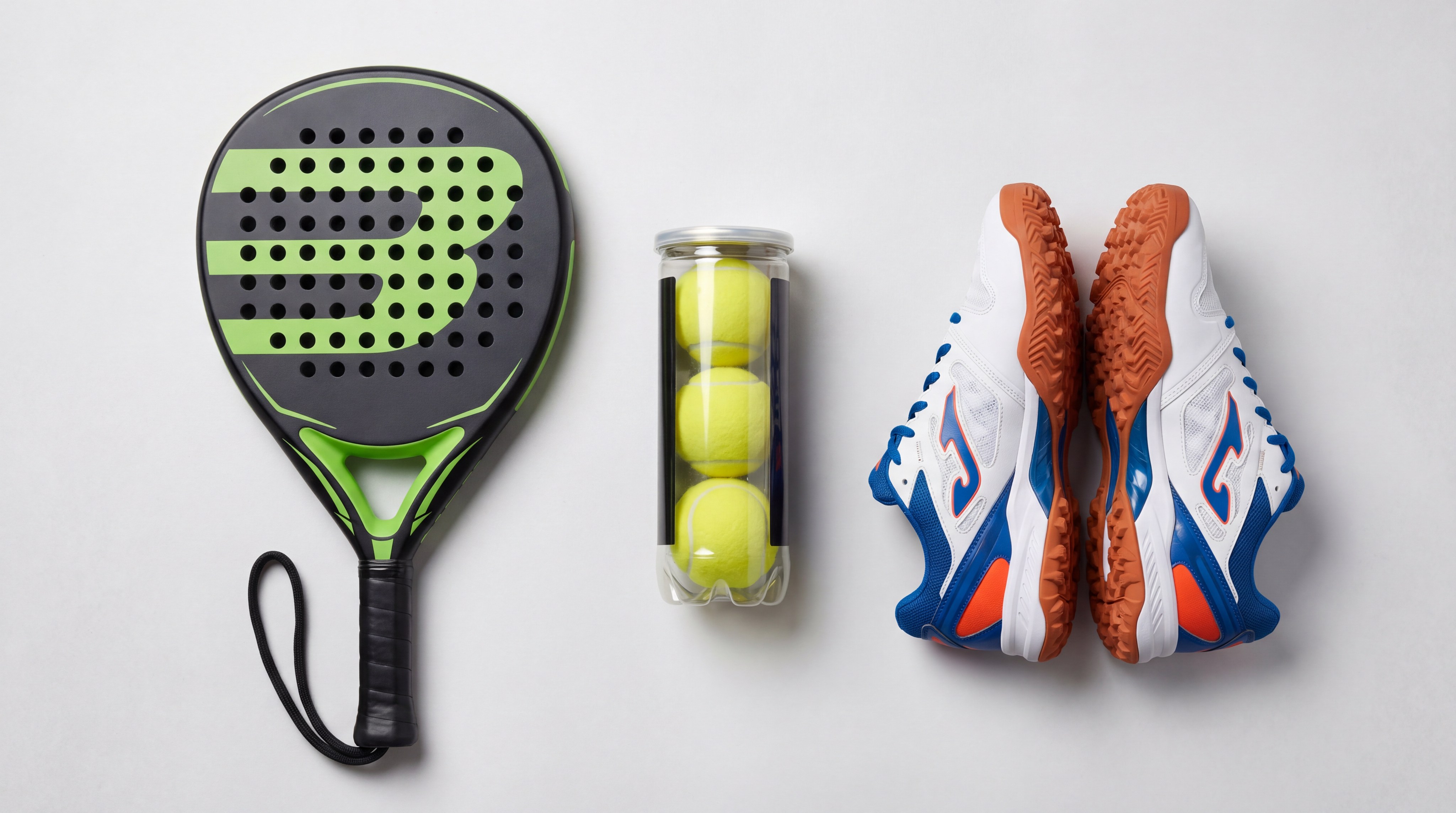
Professional gear for playing padel includes a perforated composite racquet and specialized low-pressure balls. Because the court is smaller than a tennis court, the equipment is designed to prioritize control and spin over raw power.
Racquet and turf requirements
Padel racquets are stringless and come in various shapes like round, teardrop, or diamond. The surface you play on is just as important as the racquet in your hand.
Check this out:
- Monofilament turf offers the most consistent ball bounce.
- Round racquets provide maximum control for beginners.
- Specialized shoes prevent slipping on the sand-filled grass.
Key Takeaway: Investing in high-density, professional-grade turf is the most effective way to reduce long-term maintenance costs and player injury.
| Equipment | Commercial Role |
|---|---|
| Racquets | High-margin rental opportunity |
| Padel Balls | High-turnover retail product |
| Specialized Turf | Core infrastructure longevity |
| Padel Shoes | Essential for player safety |
Providing premium rental gear is an excellent secondary revenue stream that improves the overall accessibility of your facility.
What are team roles in playing padel?
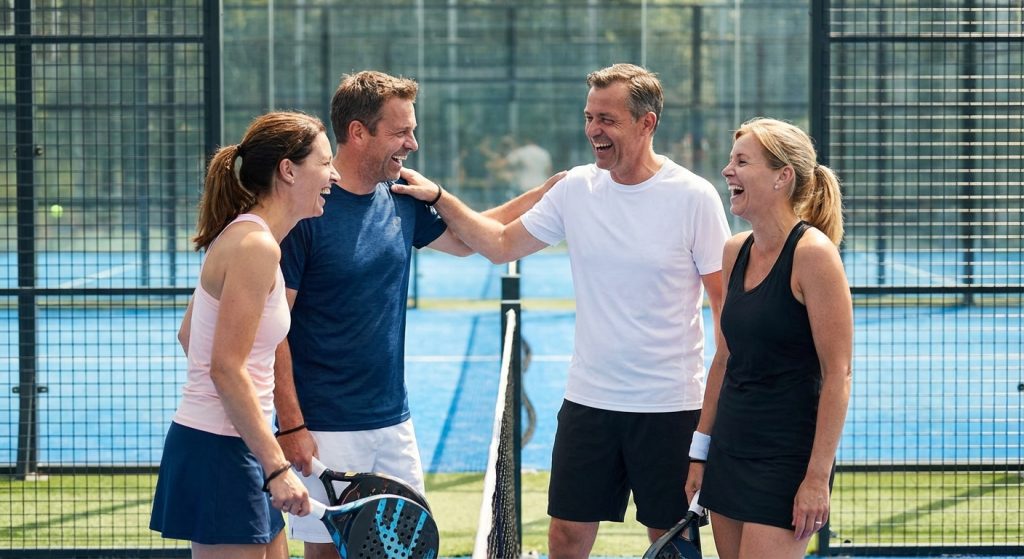
Success in playing padel depends on two partners moving in sync to control the net and defend the back walls. The game is highly social and requires constant communication to cover the middle of the court.
Positioning and transitions
Players must master the “pendulum” movement, where they stay aligned as they move from defense to attack. Controlling the net is the primary objective for any competitive team.
- Attacking players stand 2-3 meters from the net.
- Defensive players stay behind the service line to manage glass rebounds.
- Partners should move together to close gaps in the center.
Key Takeaway: Team coordination is more important than individual skill, making padel an ideal sport for corporate networking and club social events.
| Position | Tactical Goal |
|---|---|
| At the Net | Execute volleys and smashes |
| Back Court | Defensive lobs and wall play |
| Mid-Court | Transition zone to be avoided |
| Diagonal | Cross-court coverage |
Properly spaced courts allow for coaching clinics that focus on these team dynamics, increasing your facility’s utilization.
How to serve when playing padel?
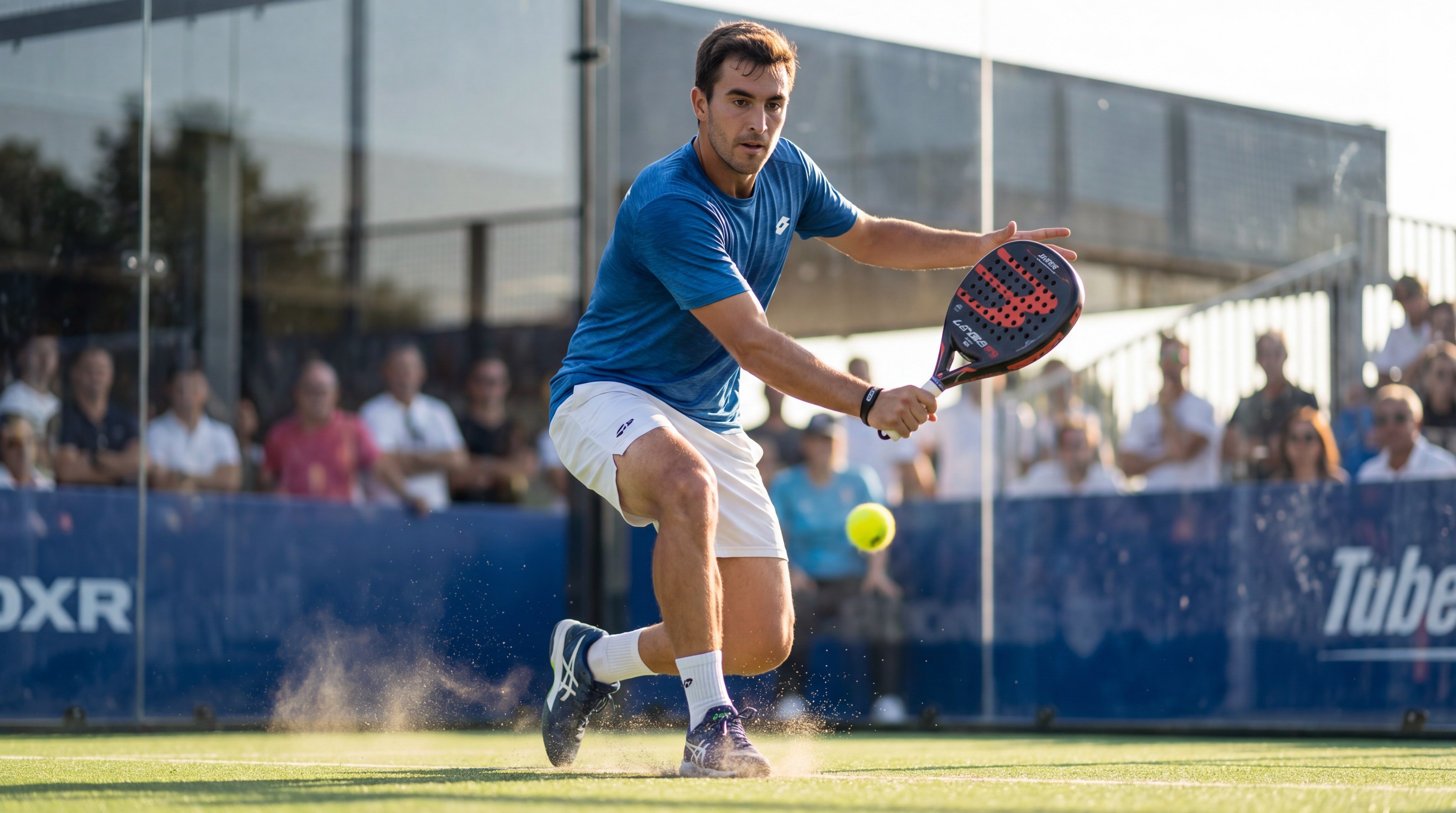
Executing an underhand serve below waist height is the mandatory method for starting a point when playing padel. Unlike tennis, the serve is a tactical tool used to take the net rather than an attempt to hit an ace.
Service rules and placement
The ball must bounce once behind the service line before being struck. It then has to land in the diagonally opposite service box to be considered valid.
The bottom line is:
- The serve must stay below waist height at impact.
- Hitting the metallic fence after the bounce is a fault.
- Servers get two attempts before losing the point.
Key Takeaway: A tactical serve focuses on placement and spin, allowing the serving team to transition quickly to an attacking position at the net.
| Serve Rule | Description |
|---|---|
| Impact Point | Below waist level |
| Target Area | Diagonal service box |
| Fault Type | Ball hitting fence after bounce |
| Let Rule | Ball touches net and lands in box |
A well-designed court with high-quality netting ensures that serves and points are not interrupted by equipment failure.
How to build courts for playing padel?
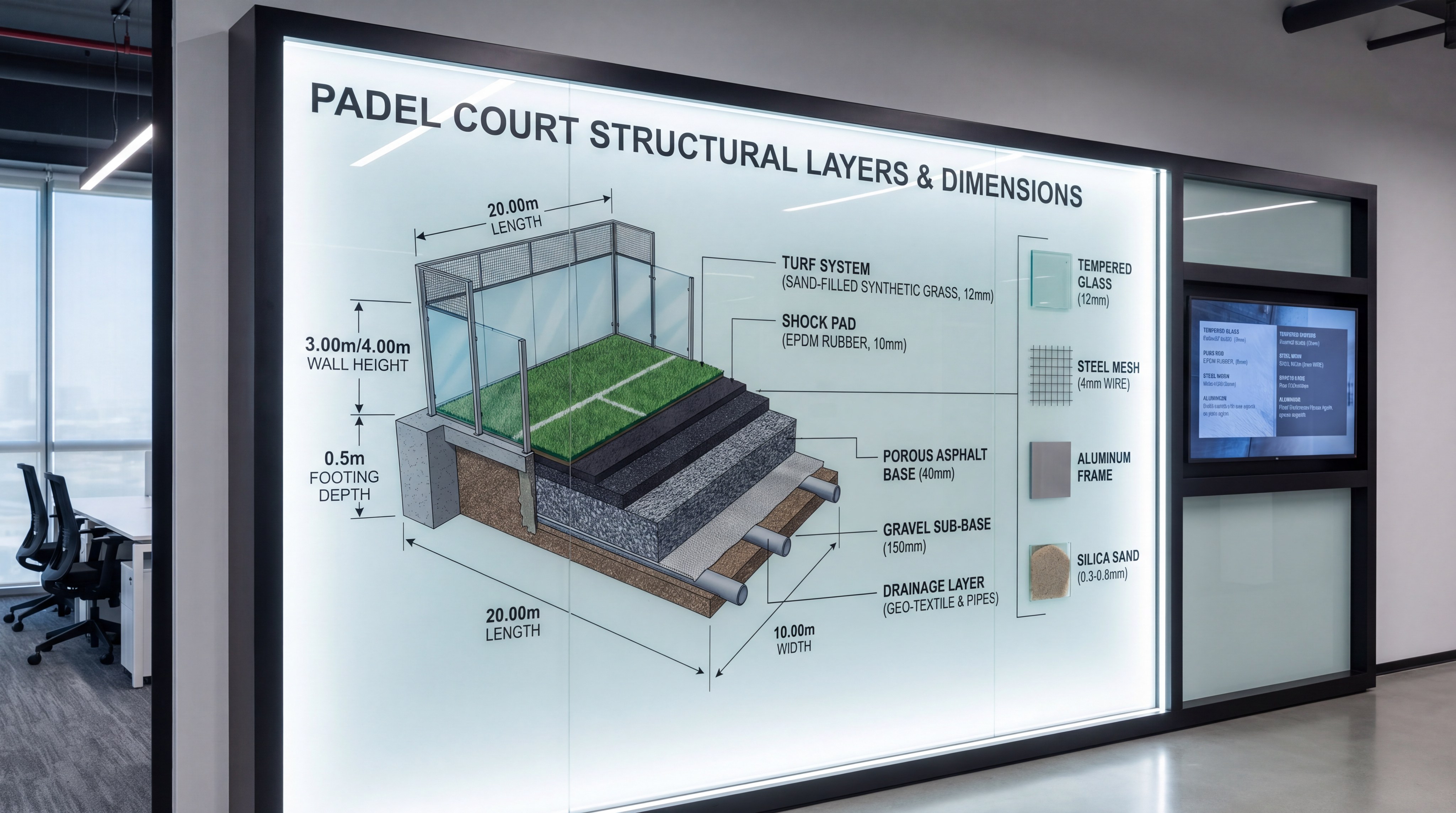
When building a professional venue for playing padel, you must use hot-dip galvanized steel and a reinforced concrete slab. This ensures the structure can withstand the impact of players and environmental stressors.
Construction and engineering standards
The foundation must be perfectly level with an integrated drainage system for outdoor installations. High-efficiency LED lighting is also required to support evening bookings and 24/7 revenue potential.
- Galvanized steel prevents rust in coastal or humid environments.
- 12mm tempered safety glass is the international industry standard.
- Modular designs allow for faster on-site assembly.
Key Takeaway: Buying directly from a manufacturer ensures that your technical specifications meet international certifications while eliminating middleman costs.
| Component | Standard |
|---|---|
| Structure | Hot-dip galvanized steel |
| Foundation | 15cm Reinforced concrete |
| Lighting | 8x 200W IP66 LED |
| Glass | EN 12150 Safety Standard |
Technical excellence in the construction phase reduces future maintenance liabilities and guarantees a 20-year design life for the facility.
Why pick premium glass for playing padel?
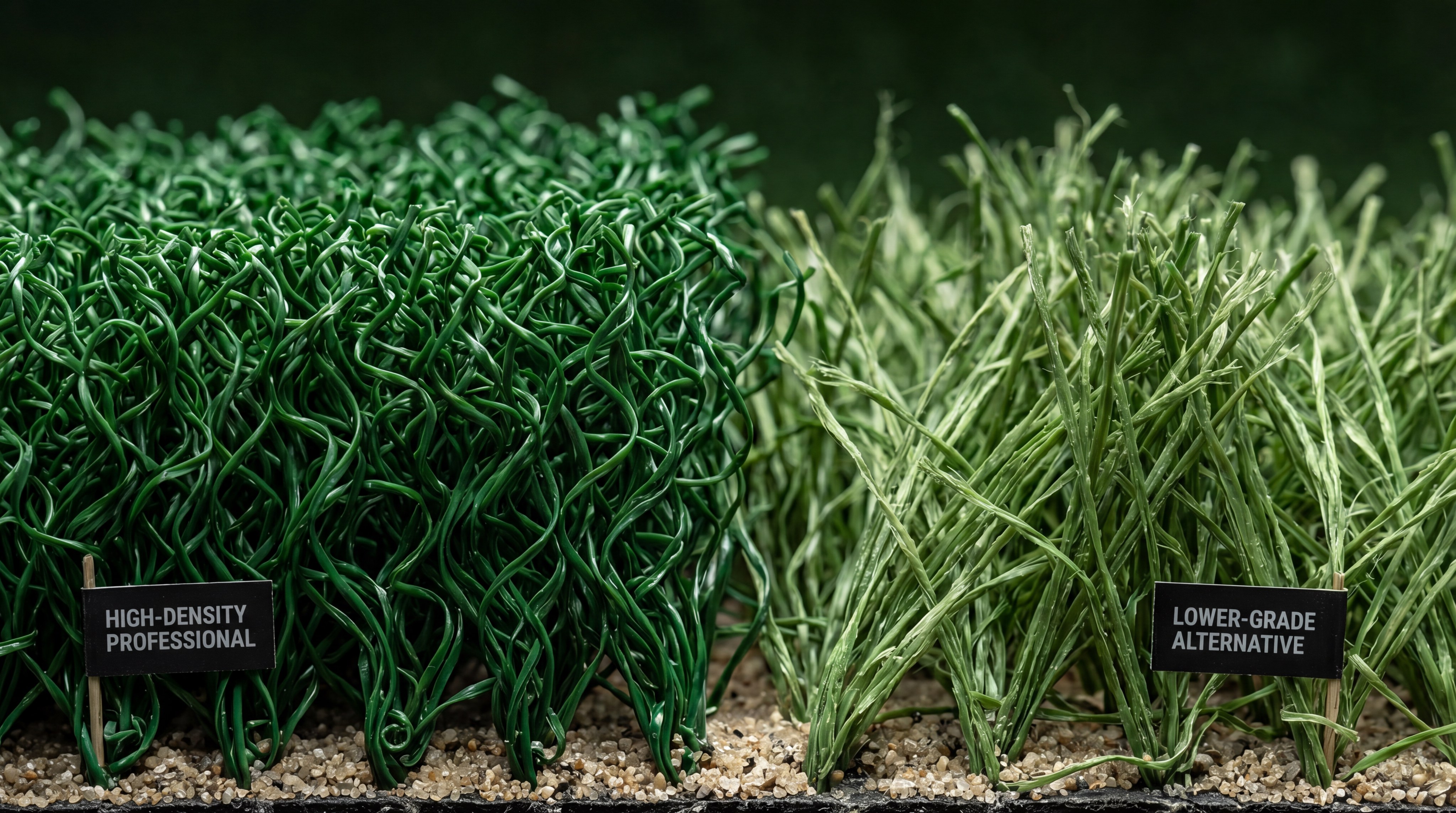
Selecting high-density monofilament turf is essential for maintaining a consistent ball bounce while playing padel. The interaction between the ball, the glass, and the turf defines the quality of the playing experience.
Materials and safety compliance
Safety is the highest priority for commercial facilities. Anti-explosion glass and UV-resistant turf protect both the players and your long-term investment from degradation.
Here’s the deal:
- 12mm glass provides superior rebound and safety over 10mm options.
- Monofilament fibers offer higher durability for high-traffic clubs.
- UV coatings prevent steel and turf from fading in the sun.
Key Takeaway: Premium materials mitigate project liability and ensure the facility remains a top-tier destination for several years.
| Material | Primary Benefit |
|---|---|
| 12mm Tempered Glass | Impact resistance and safety |
| Monofilament Turf | Low maintenance and durability |
| Galvanized Steel | 20-year corrosion protection |
| IP66 LED Lights | All-weather performance |
Quality materials attract more discerning members who are willing to pay a premium for a superior playing environment.
What space is needed for playing padel?
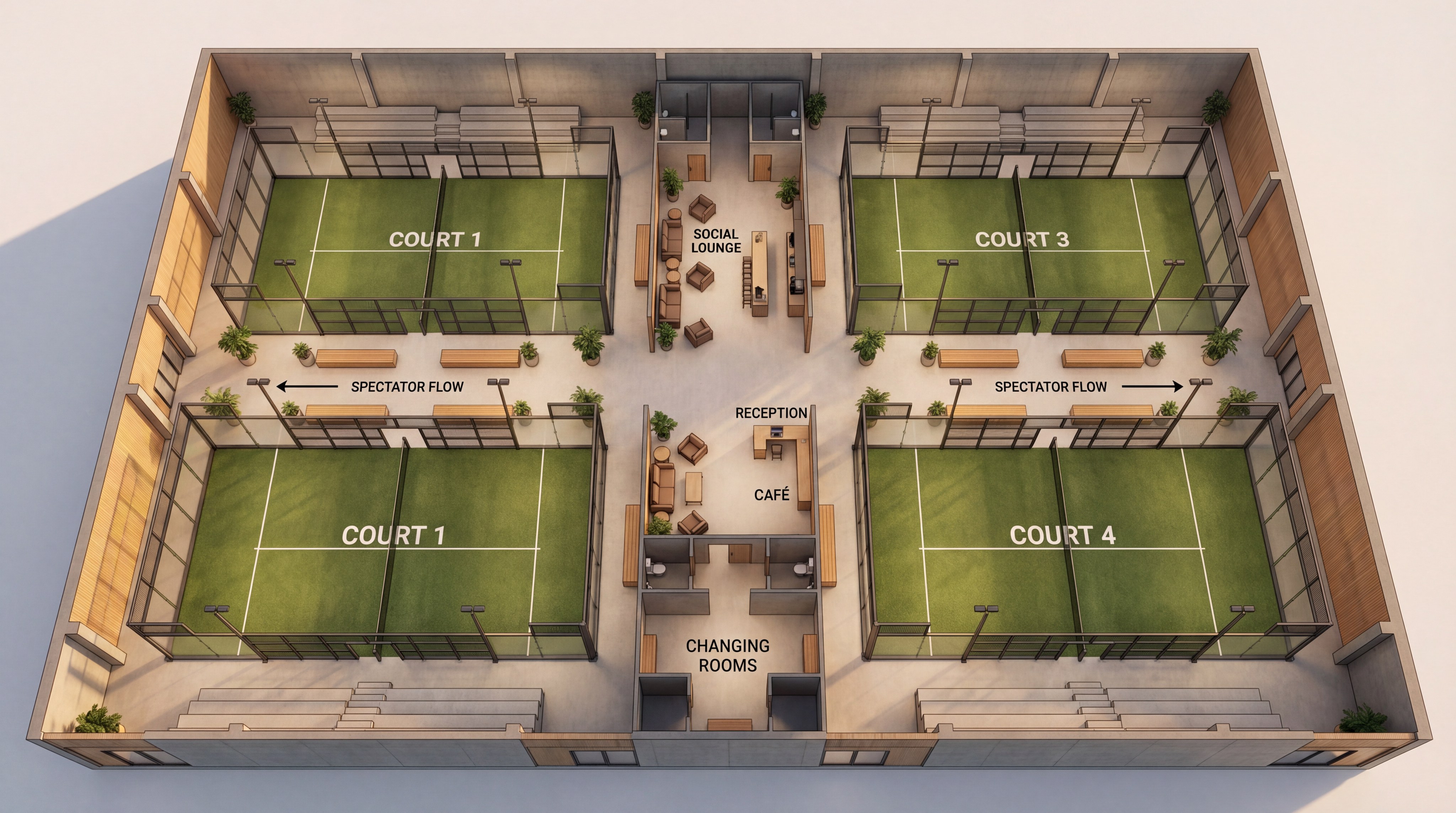
Total area requirements for playing padel include the court footprint plus clearance for spectator flow and ceiling height. Planning the social zones around the courts is just as important as the playing area itself.
Indoor and outdoor planning
Indoor facilities must have a minimum ceiling height of seven meters to allow for lobs. When building multiple courts, you should leave at least two meters between structures for safe movement.
It gets better:
- Multi-court layouts increase revenue per square meter.
- Social lounges and cafés improve member retention rates.
- Proper spectator flow enhances the tournament experience.
Key Takeaway: Strategic spatial planning, especially regarding ceiling height, is critical for the tactical viability and commercial success of a center.
| Planning Factor | Requirement |
|---|---|
| Court Footprint | 200 sqm |
| Ceiling Height | 7m Minimum (9m Preferred) |
| Spacing | 2m Between structures |
| Slab Area | ~231 sqm per court |
Maximizing your square footage through smart floor plans is the fastest way to achieve a high return on investment.
What are the FAQs for playing padel?
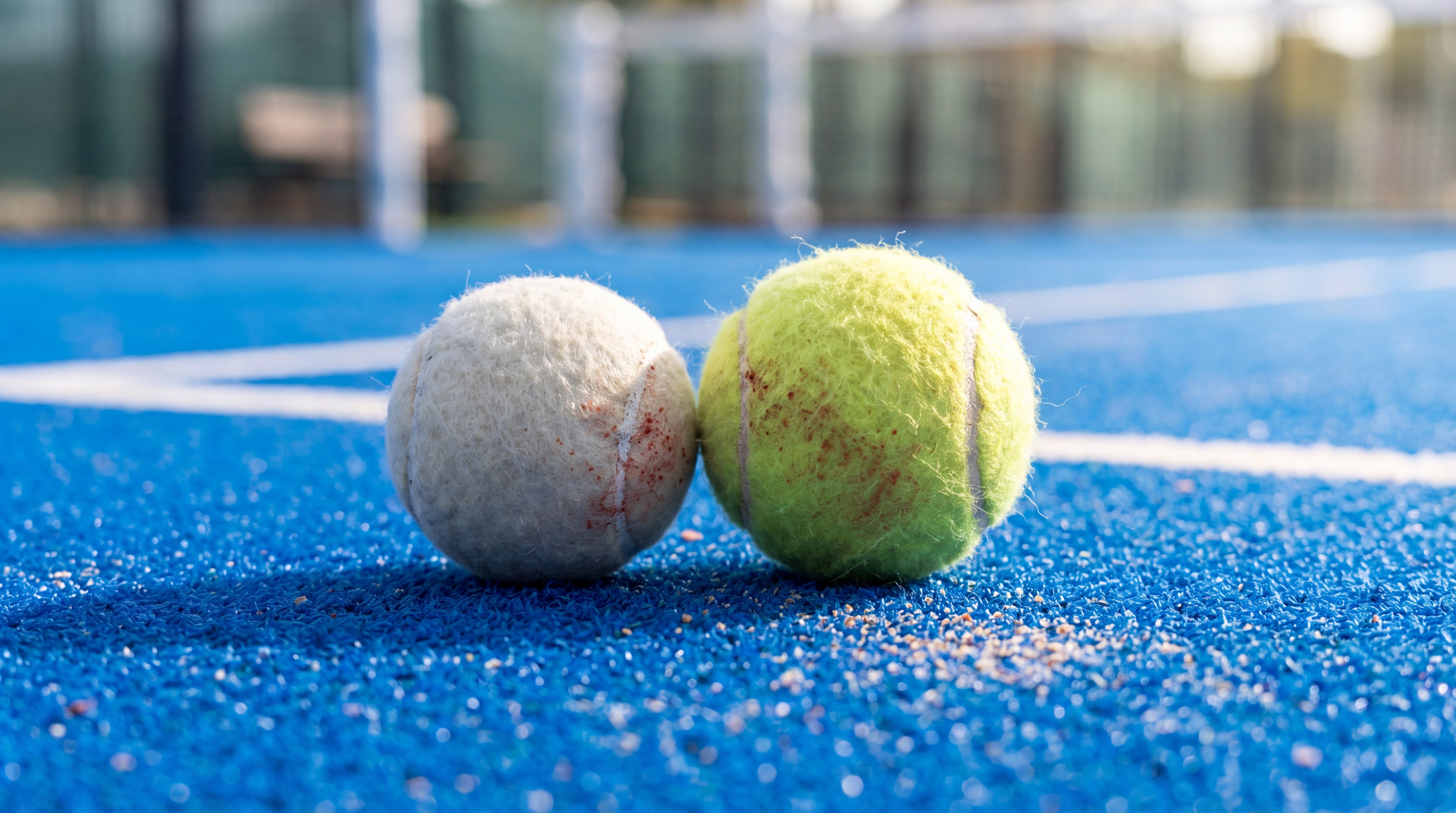
Common questions about playing padel often center on maintenance, equipment compatibility, and ROI for facility owners. Understanding these nuances helps you provide better service to your members and manage your assets effectively.
Maintenance and conversions
Existing tennis courts can often be converted into multiple padel courts, doubling or tripling your booking capacity. Regular maintenance ensures the court stays in peak condition for years.
- Brushing the turf weekly redistributes sand for a flat surface.
- Checking bolt tension monthly maintains structural integrity.
- Converting underused space can significantly boost revenue.
Key Takeaway: A proactive maintenance routine and smart space conversion are the most effective ways to ensure high facility uptime and profitability.
| Activity | Frequency |
|---|---|
| Turf Brushing | Weekly |
| Structural Check | Monthly |
| Glass Cleaning | Bi-weekly |
| Turf Replacement | Every 5-7 years |
By addressing player concerns and maintenance needs early, you build a reputation for quality that sustains long-term growth.
The global surge in the popularity of this sport offers a unique commercial opportunity for those ready to invest in high-quality infrastructure. By mastering the mechanics of playing padel and adhering to rigorous technical standards for construction, you can solve the common problems of low member engagement and high operational costs. Our factory-direct solutions provide the durable, professional-grade components you need to build a standout sports destination. We are committed to helping you transform your vision into a high-performance facility that delivers measurable results.
Ready to launch your project? contact us today for a professional consultation and factory-direct quote to start your journey in the world of padel.
FAQ Section
Can I play padel with standard tennis balls?
No, because padel balls have lower internal pressure specifically designed for the smaller court and composite racquets. Using tennis balls can lead to unpredictable bounces and potentially damage your equipment.
What’s the best ceiling height for an indoor court?
A minimum of seven meters is required, but nine to ten meters is the professional preference. High ceilings are necessary to accommodate the defensive lobs that are a central part of the game’s strategy.
How do I know if my glass is safe for commercial use?
Check if the glass complies with the European EN 12150 standard for tempered safety glass. This certification ensures the panels can withstand high-velocity impacts without catastrophic shattering.
Can I install a padel court on an existing tennis court?
Yes, and this is a common way to increase revenue per square meter. A single tennis court footprint can typically accommodate two or three padel courts depending on the available perimeter space.
What is the average lifespan of a professional court structure?
Over 20 years, provided you use hot-dip galvanized steel and follow a basic monthly maintenance routine. The turf itself is the only component that typically needs replacement every five to seven years.