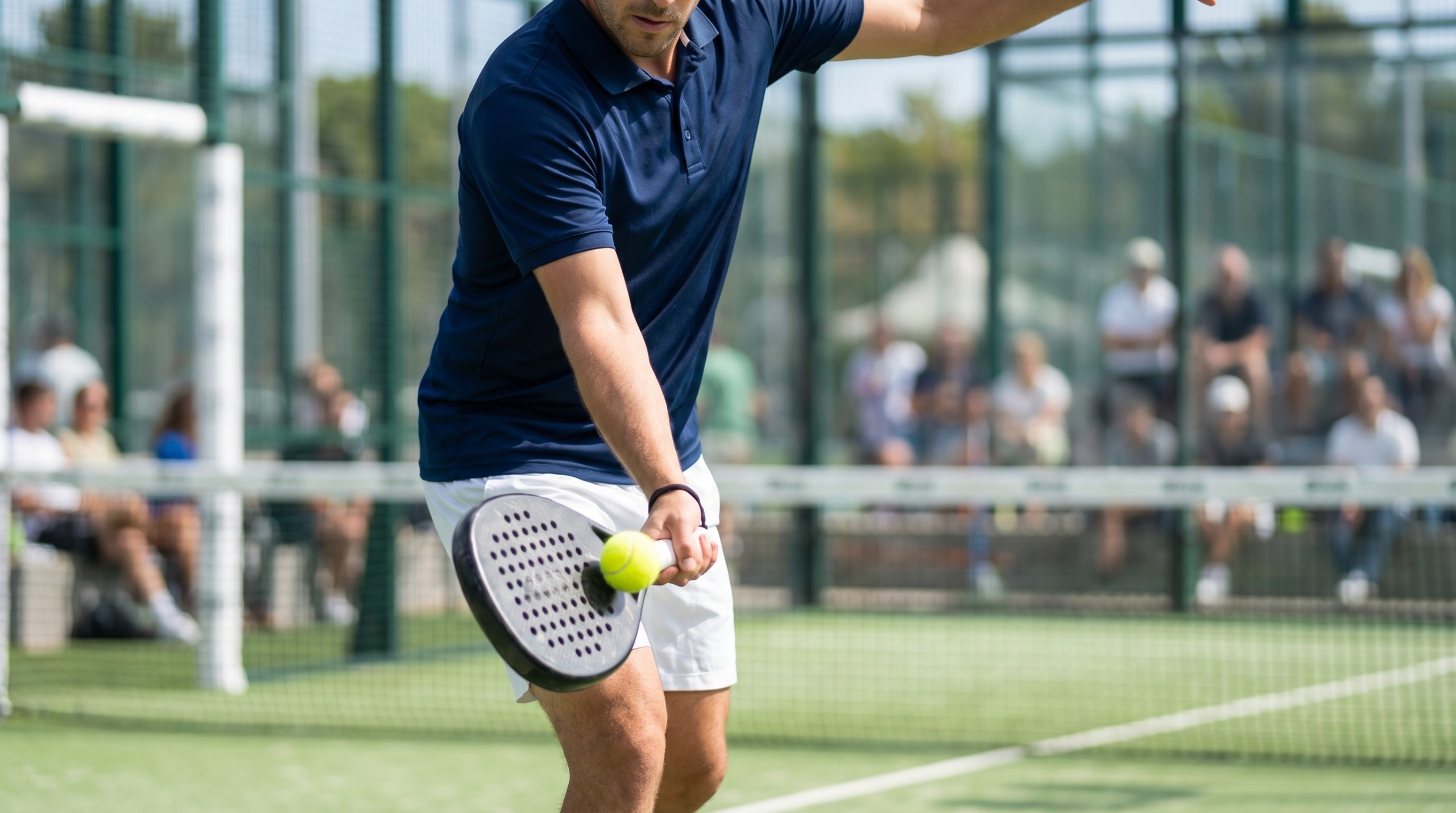
Many sports club owners and real estate developers struggle to maximize their facility’s revenue because traditional tennis courts occupy too much space and offer a steep learning curve for new members. This inefficiency leads to vacant time slots, high maintenance costs, and a lack of social engagement that drives long-term membership retention. By integrating padel que es into your portfolio, you provide a high-density, social, and easy-to-learn alternative that optimizes your square footage and attracts a diverse demographic of active players.
What defines the surface of padel que es and its performance?
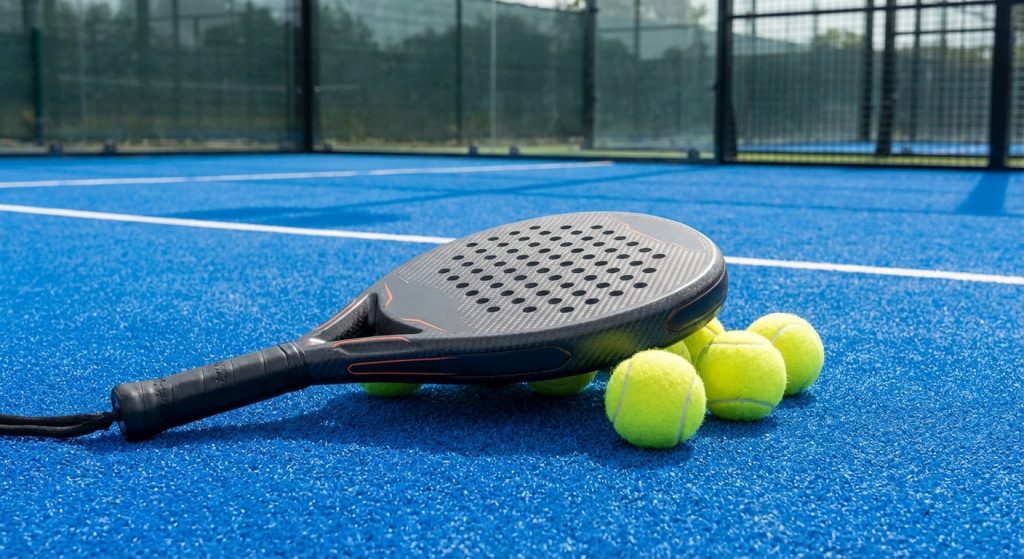
The playing surface for padel que es consists of specialized synthetic turf that must provide a consistent ball bounce and player safety through controlled friction. This artificial grass is typically filled with fine silica sand to facilitate the “sliding” movements common in professional play while protecting the fibers from premature wear.
Technical specifications of padel turf
The best part?
- Fiber material: 100% Polyethylene (PE) for UV resistance.
- Pile height: Standard range between 10mm and 12mm.
- Stitch rate: High density (20,000+ per sqm) for durability.
You must ensure the turf meets international drainage standards to prevent water pooling during outdoor use. High-performance monofilament fibers are generally preferred for commercial facilities due to their resilience under heavy foot traffic.
Infill and player safety mechanics
Look:
- Silica sand must be kiln-dried and rounded to prevent abrasion.
- Even distribution prevents “dead spots” in the ball bounce.
- Anti-slip properties reduce the risk of joint injuries.
Proper infill levels are the primary factor in determining the longevity of the court’s aesthetic and functional quality. Without regular brushing and sand leveling, the turf fibers can flatten, leading to a faster, less predictable game.
Key Takeaway
| Feature | Professional Standard | Benefit |
|---|---|---|
| Fiber Type | Monofilament PE | Enhanced durability and UV protection |
| Sand Infill | 80% Silica / 20% Round | Consistent bounce and joint safety |
| Pile Height | 12mm | Optimal speed and grip ratio |
Technical turf selection directly correlates to the recurring maintenance costs and the overall satisfaction of your club members.
How do you start a padel que es construction project?
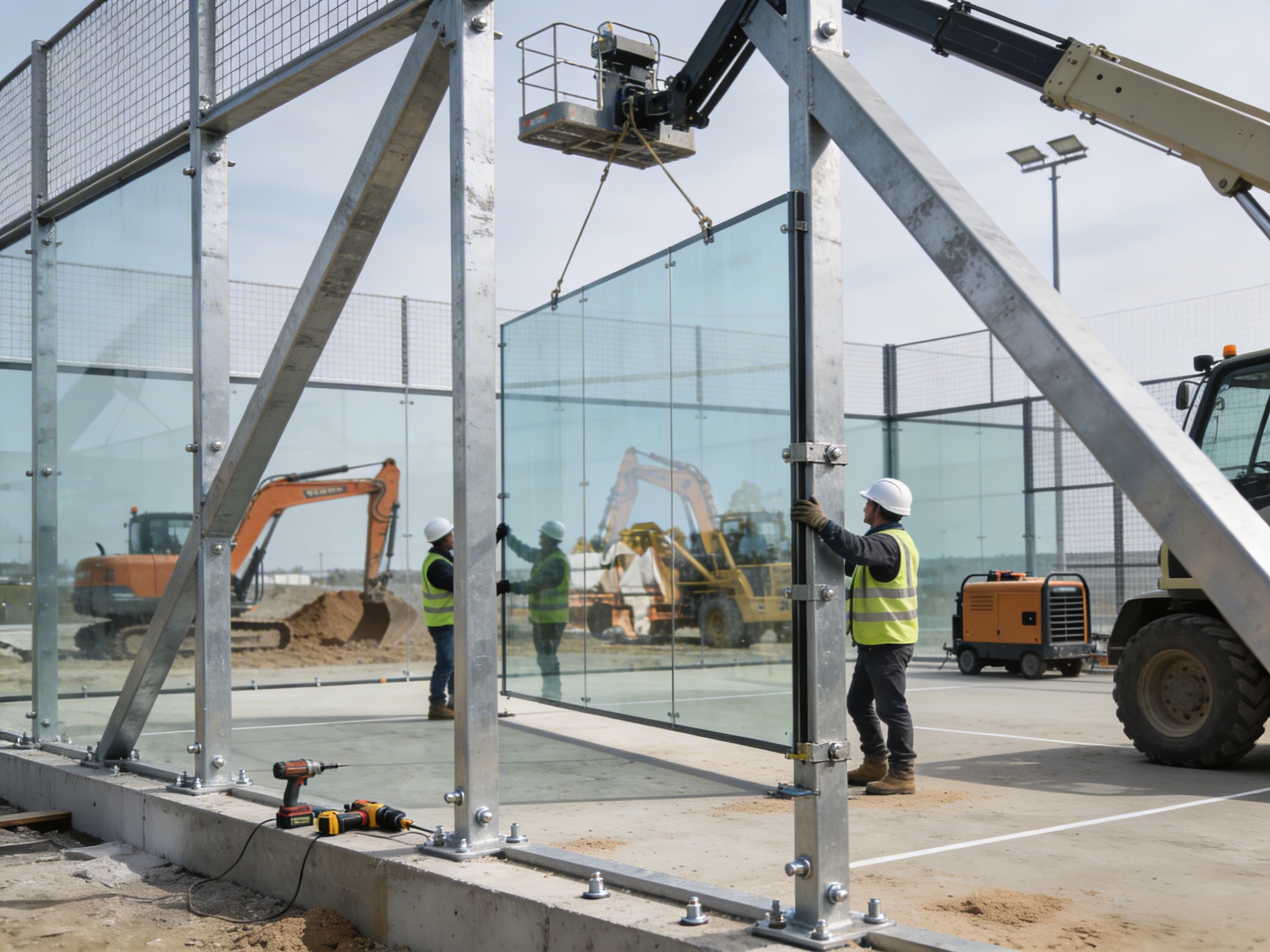
Starting a padel que es construction project requires a precise concrete foundation that acts as the anchor for the modular steel structure and glass panels. Engineering the base with proper drainage and leveling is the most critical step to ensure the 10×20 meter court remains stable over decades of use.
Foundation and site preparation
Here is why:
- Reinforced concrete slabs must be at least 15cm thick.
- A 1% slope from the center to the sides aids water runoff.
- Anchor bolts must be chemically set into the cured concrete.
The site must be cleared of all organic material and compacted to prevent shifting or cracking of the slab. Using a laser-leveling system during the pour is essential for meeting the strict flatness tolerances required by international federations.
Modular steel frame assembly
The secret?
- Hot-dip galvanized steel prevents corrosion in humid climates.
- Powder-coated finishes provide aesthetic appeal and extra protection.
- Pre-drilled modular components allow for rapid on-site assembly.
A professional crew can typically assemble the metallic structure in less than three days once the foundation is ready. This modularity allows for efficient shipping and minimizes the specialized labor required for a successful installation.
Key Takeaway
| Phase | Critical Requirement | Outcome |
|---|---|---|
| Sub-base | Laser-leveled reinforced concrete | Long-term structural stability |
| Framing | Hot-dip galvanized modular steel | Rust resistance and fast assembly |
| Anchoring | M12 chemical expansion bolts | Safety under high impact and wind |
A robust foundation serves as the silent guarantor of your court’s safety and performance longevity.
Why is design vital for padel que es spectator engagement?
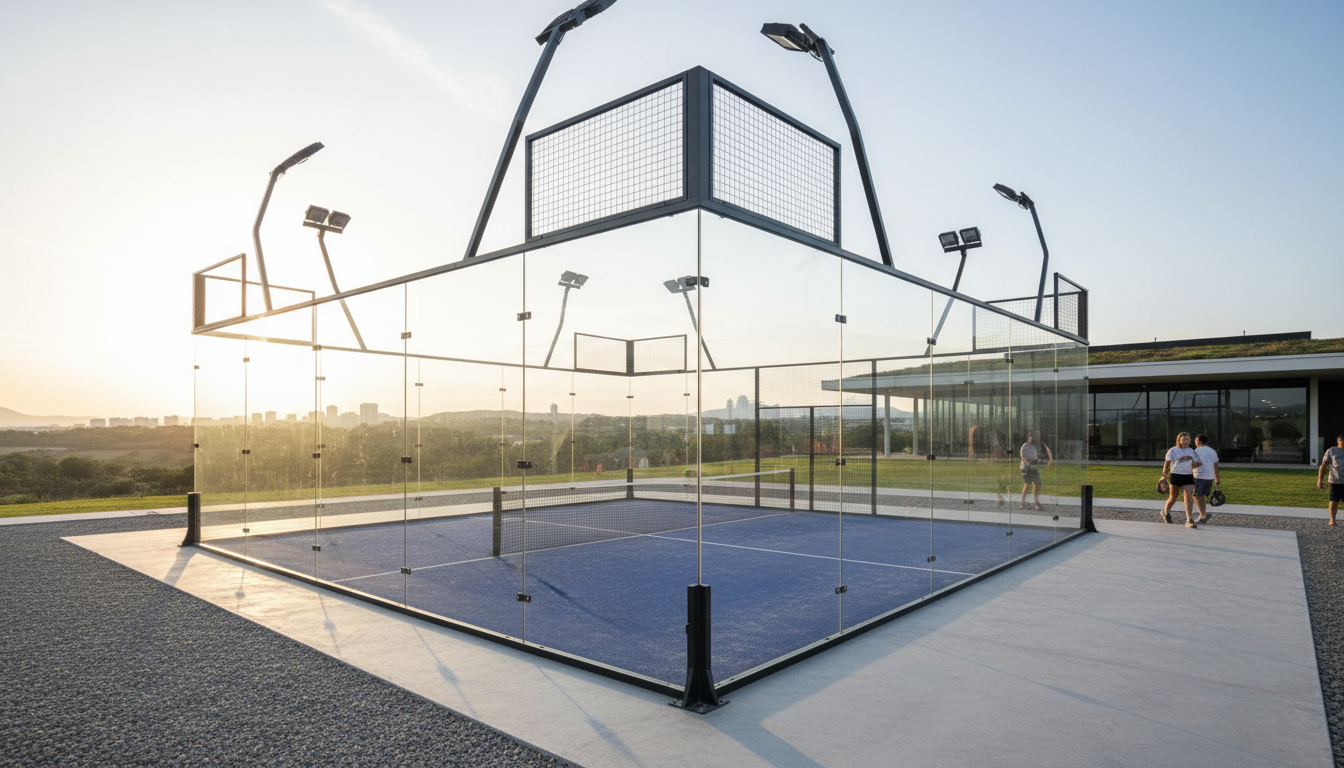
Modern architecture for padel que es focuses on maximizing visibility through panoramic designs that eliminate vertical structural posts in the back walls. This “full glass” approach creates a premium aesthetic that is highly sought after by luxury resorts and professional sports broadcasting teams.
Benefits of panoramic court designs
The best part?
- 12mm tempered glass provides a completely unobstructed view.
- Reduced structural shadows improve player focus and ball tracking.
- It serves as a visual centerpiece for high-end sports facilities.
Spectators can watch the action from any angle without peering through metallic mesh or steel pillars. While these courts require more precise engineering for wind loads, the return on investment is often higher due to the premium branding opportunities.
Integrating aesthetics and functionality
Look:
- Custom RAL colors allow the court to match your brand identity.
- Hidden wiring for LED lighting maintains a clean architectural profile.
- Corner finishes can be rounded for a sleek, contemporary look.
Design isn’t just about looks; it’s about creating an environment where players feel they are participating in a top-tier event. Thoughtful court placement within your facility can also improve foot traffic flow and secondary revenue from food and beverage sales.
Key Takeaway
| Design Type | Best For | Visual Impact |
|---|---|---|
| Standard | High-volume clubs/Training | Functional and cost-effective |
| Panoramic | Tournament play/Streaming | High visibility and elite feel |
| Super Panoramic | Luxury resorts/Hotels | Maximum prestige and modern aesthetics |
Investing in panoramic designs transforms a simple sports court into a prestigious architectural asset for your property.
How does gameplay speed define padel que es professionally?
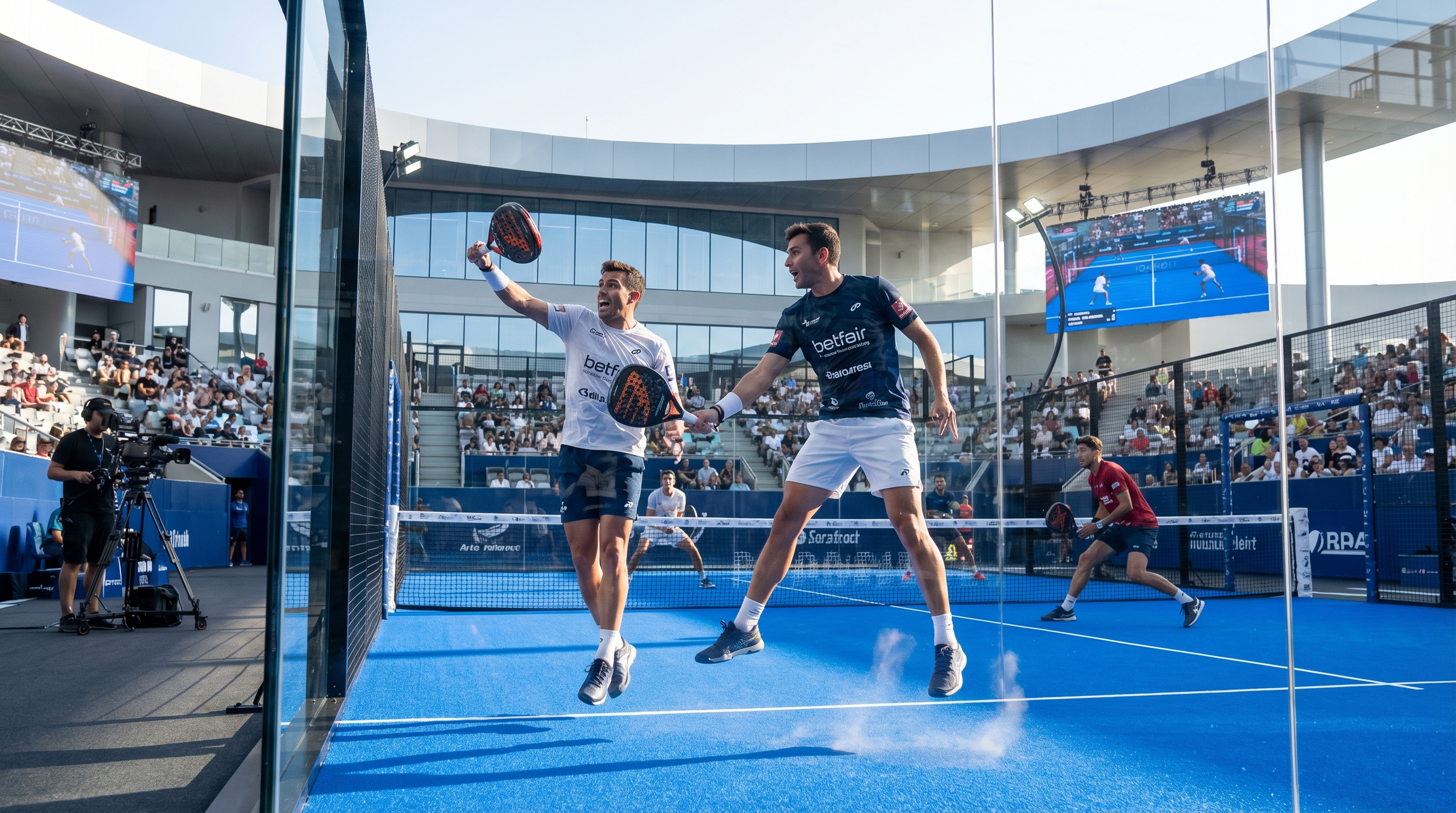
Professionally, the speed of padel que es is defined by the interaction between the low-pressure ball, the turf density, and the rebound efficiency of the 12mm tempered glass walls. Unlike tennis, where power often ends the point quickly, padel relies on strategic placement and the defensive use of the enclosure to prolong rallies.
Managing ball rebound mechanics
Here is why:
- Tempered glass must be 10mm or 12mm for professional bounce.
- The tension of the metallic mesh affects “cage” play strategy.
- Proper sand levels on the turf dictate the speed of ball skidding.
Advanced players use the walls to change the rhythm of the game, forcing opponents into uncomfortable positions. The structural rigidity of the glass panels ensures that the ball loses minimal energy during a rebound, maintaining a fast-paced environment.
The role of strategic positioning
The best part?
- Doubles play requires constant communication and synchronized movement.
- The “Australian” formation is common in professional service games.
- Control of the net is the primary objective for winning points.
Because the court is smaller than a tennis court, reflexes and anticipation are more valuable than raw serving power. This creates a game that is mentally taxing but physically accessible to a wide range of skill levels.
Key Takeaway
| Gameplay Element | Impact on Speed | Strategic Goal |
|---|---|---|
| Glass Walls | High rebound retention | Use walls to reset defensive play |
| Mesh Panels | Unpredictable bounce | Create difficult angles for rivals |
| Turf Grip | Influences ball skid | Control ball height after the bounce |
Understanding the physical mechanics of the court allows facility managers to better educate their members on advanced play.
Who is the target demographic for padel que es facilities?
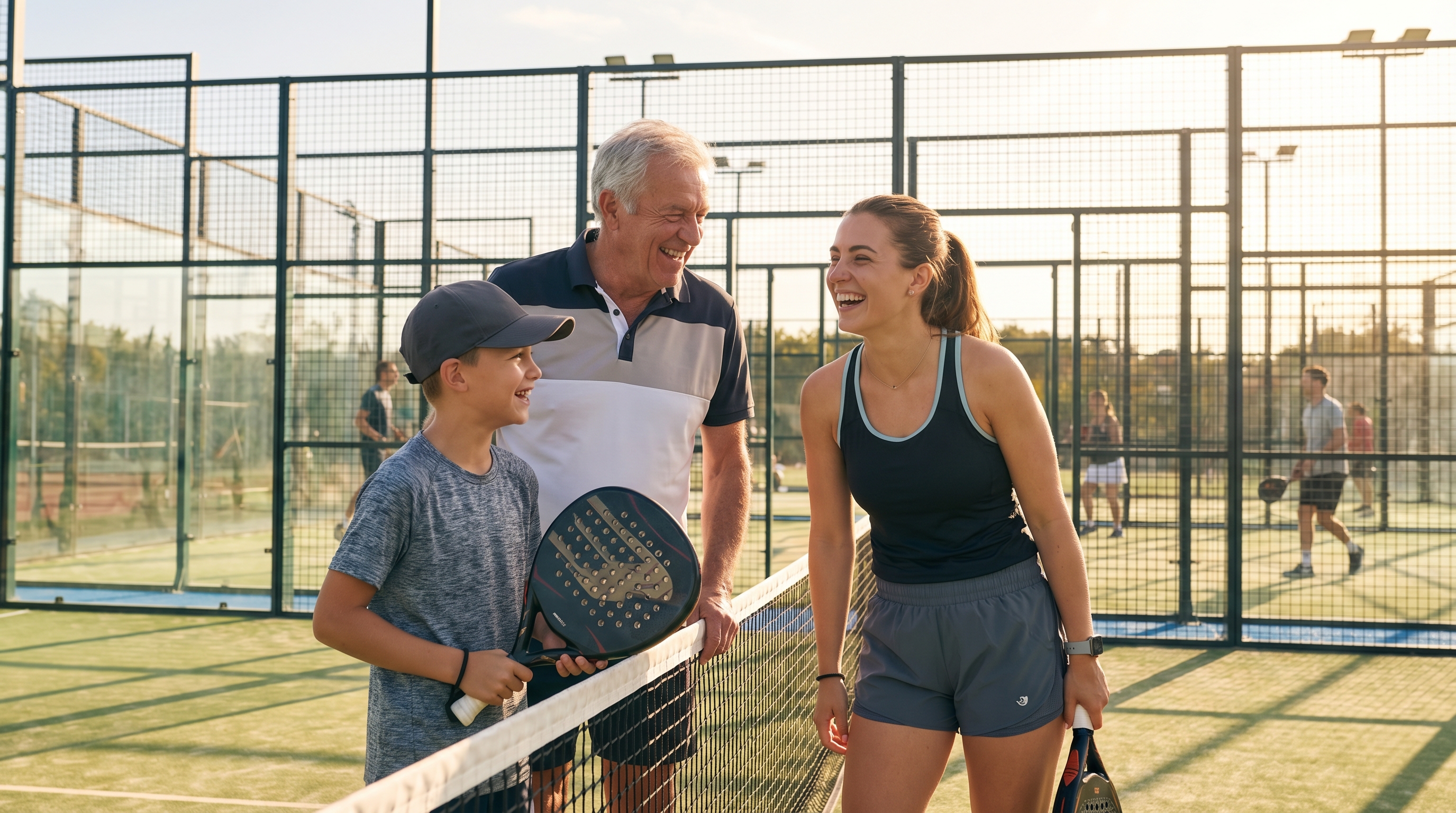
The primary demographic for padel que es facilities is incredibly broad, encompassing children as young as six to seniors in their late seventies due to the sport’s low-impact nature. For club owners, this means your court can be occupied from early morning by retirees and late into the evening by working professionals.
Attracting family and social groups
The secret?
- Padel is naturally social since it is almost exclusively played in doubles.
- The learning curve is significantly shorter than tennis or squash.
- Mixed-gender matches are common and highly competitive.
Look: families find the sport appealing because parents and children can play together without a massive skill gap. This inclusivity drives higher court utilization rates during off-peak hours compared to more specialized sports.
Corporate and professional segments
Here is why:
- Matches usually last 60 to 90 minutes, fitting into busy schedules.
- Networking happens naturally during the changeovers and post-match.
- Corporate team-building events find padel more accessible than golf.
High-income professionals are drawn to the strategic depth of the game and the premium nature of modern padel clubs. Providing amenities like showers and a café alongside your courts can significantly increase the average spend per visitor.
Key Takeaway
| User Segment | Utilization Time | Primary Driver |
|---|---|---|
| Seniors | Weekday Mornings | Low-impact cardio and social health |
| Professionals | Weeknights/Weekends | Stress relief and networking |
| Youth | Afternoons/Holidays | Coordination and team sports skills |
A diverse player base ensures a steady revenue stream across all operating hours of your sports facility.
What are the historical roots of padel que es in Mexico?
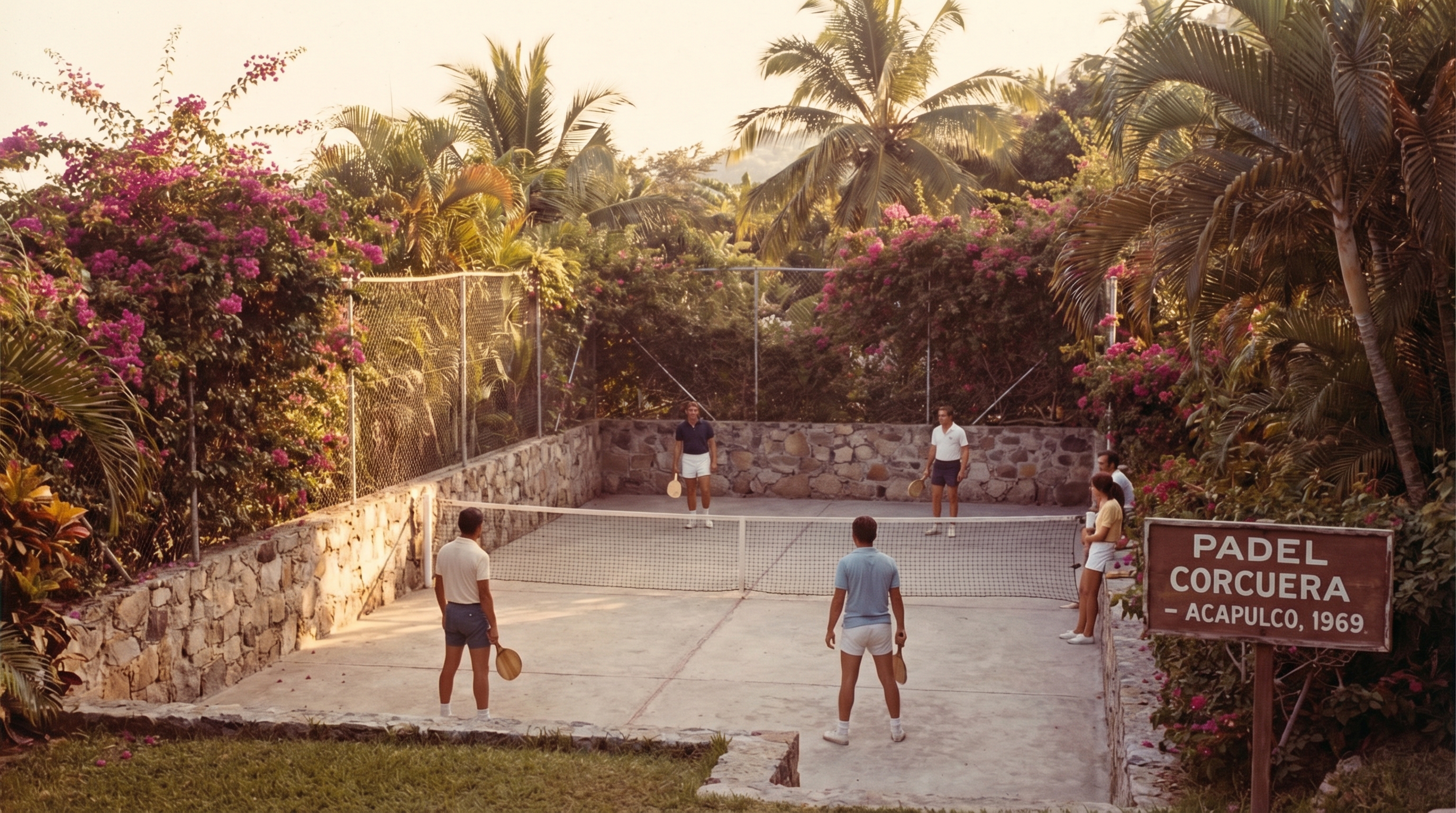
The history of padel que es began in 1969 when Enrique Corcuera, a Mexican businessman, modified a small area of his garden in Acapulco with walls to keep his tennis balls from falling into his neighbor’s property. This innovation inadvertently created a new sport where the walls became an integral part of the gameplay, leading to the formalized rules we follow today.
The innovation of Enrique Corcuera
The best part?
- Original courts used stone walls instead of modern tempered glass.
- The court dimensions were limited by the available garden space.
- Wooden “paddles” were used before composite rackets were developed.
Look: Corcuera’s “Padel-Tennis” was initially a private game for Mexico’s elite, but its contagious fun quickly caught the attention of international visitors. It was through these social connections that the sport eventually migrated to Spain and Argentina.
Evolution from a garden game to a global sport
Here is why:
- Alfonso de Hohenlohe introduced the game to Marbella, Spain in 1974.
- Standardization of rules occurred in the 1990s with the first World Championship.
- Modern engineering replaced heavy walls with safe, modular glass.
Today, what started as a solution to a space problem in Mexico is the world’s fastest-growing racket sport. Understanding these roots helps players appreciate the strategic “walled” nature that distinguishes padel from its predecessors.
Key Takeaway
| Milestone | Year | Significance |
|---|---|---|
| First Court | 1969 | Invention by Enrique Corcuera in Acapulco |
| Spain Launch | 1974 | Marbella Club becomes the European hub |
| Global Expansion | 2010s | Massive commercial boom across 90+ countries |
The heritage of padel emphasizes its identity as a social sport born from creative problem-solving.
What rules govern the padel que es competitive experience?
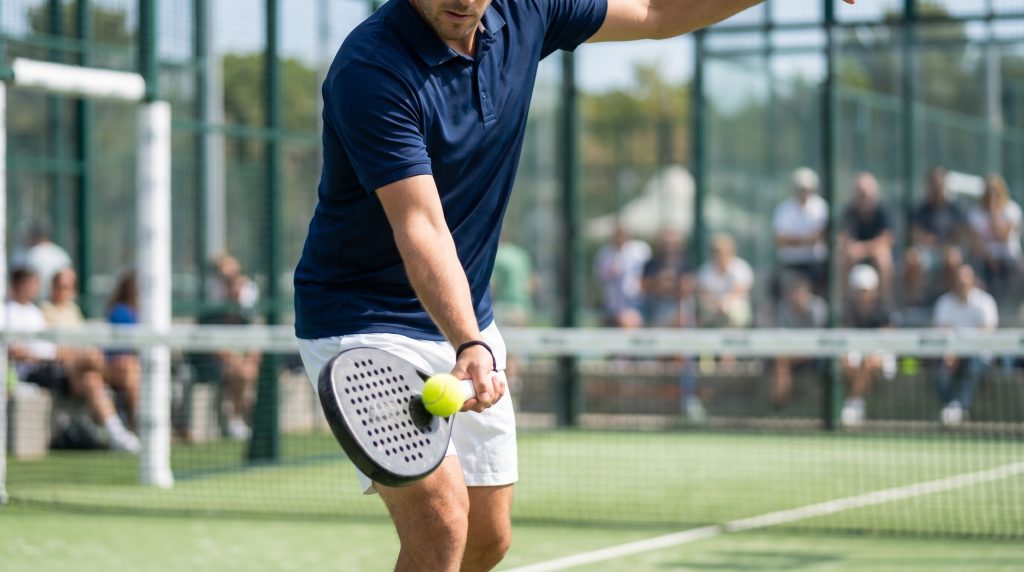
Standard rules for padel que es mandate an underhand serve where the ball must be hit at or below waist level after a single bounce in the service box. The scoring system follows the traditional tennis format (15, 30, 40, Game), but the inclusion of the walls as “in-play” surfaces after the first bounce completely changes the tactical approach.
Mastering the service and return
The secret?
- The server must keep at least one foot on the ground.
- The ball must land in the diagonally opposite service box.
- If the ball hits the metallic fence after the bounce, it is a fault.
Players have two service attempts, just like in tennis. However, because the serve is underhand, the advantage of the server is less about power and more about placement and forcing a difficult return.
Navigating the “out of court” play
Look:
- Pro rules allow players to run outside the court to retrieve a ball.
- The door area must be clear of obstructions for safety.
- The ball remains live if it bounces on the ground and then hits glass.
Professional matches often feature spectacular “outs” where players sprint through the court doors to smash a ball back over the wall. This high-energy element is a crowd favorite and highlights the agility required at elite competitive levels.
Key Takeaway
| Action | Legal | Illegal (Fault) |
|---|---|---|
| Serve | Hit below the waist after a bounce | Overhand serve or hitting the fence |
| Return | Hits ground then glass | Hits glass directly without ground bounce |
| Scoring | 15, 30, 40, Deuce (Golden Point) | Variable sets (must be best of 3) |
Strict adherence to international rules ensures your facility is ready to host sanctioned tournaments and professional rankings.
Which equipment is essential for playing padel que es?
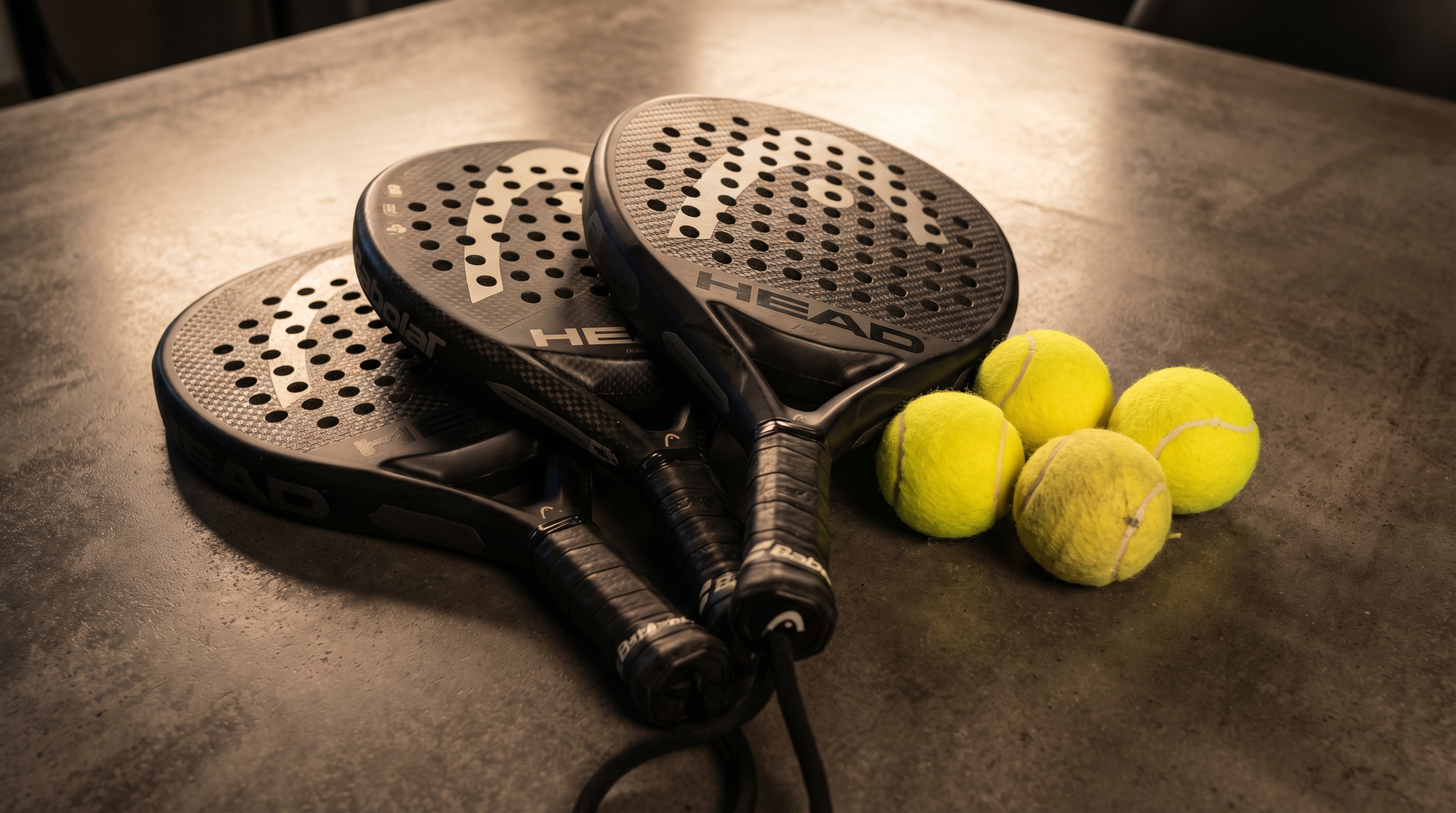
To play padel que es correctly, you must use a specialized stringless racket (pala) with a perforated surface and low-compression balls designed specifically for the sport. Using standard tennis balls is discouraged because their higher pressure causes an excessive bounce that ruins the strategic wall-play fundamental to the game.
Selecting the right padel racket (Pala)
Here is why:
- Round shapes offer more control for beginners and defensive players.
- Diamond shapes provide higher power for advanced attacking players.
- Teardrop (Hybrid) shapes offer a balance for intermediate skill levels.
The core material is usually made of EVA foam or polyethylene, wrapped in layers of carbon fiber or fiberglass. Look: the weight of the racket (typically 350g to 380g) is a key factor in preventing “padel elbow” and improving swing speed.
Ball and footwear requirements
The best part?
- Padel balls have less internal pressure than tennis balls.
- Herringbone (Clay) soles provide the best grip on sand-filled turf.
- Moisture-wicking apparel is essential for long, high-intensity rallies.
Proper footwear is the most overlooked piece of equipment by beginners. Without the right sole pattern, players will slide uncontrollably on the silica sand, which can lead to ankle sprains or inefficient movement.
Key Takeaway
| Equipment | Purpose | Recommended Feature |
|---|---|---|
| Racket (Pala) | Striking the ball | Carbon fiber frame for durability |
| Padel Ball | Regulated bounce | Low pressure for strategic play |
| Shoes | Grip and stability | Herringbone sole for turf traction |
Equipping your club’s pro-shop with high-quality gear is an excellent way to generate ancillary revenue and improve player performance.
How does padel que es compare to other racket sports?
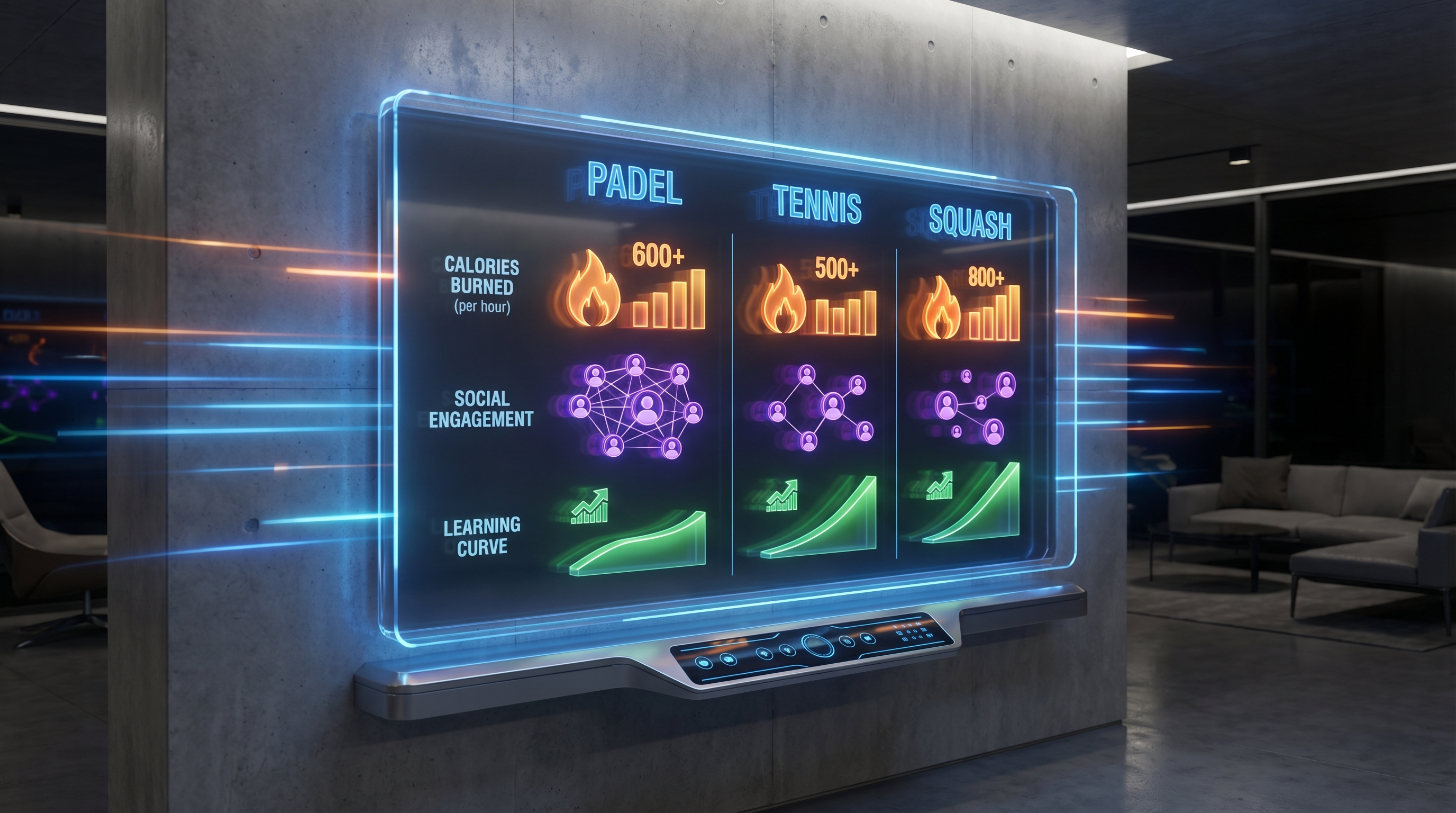
In the competitive landscape of racket sports, padel que es stands out by offering higher caloric burn than tennis with a significantly easier learning curve for new players. While squash is more physically demanding in terms of high-intensity sprints, padel wins on social engagement due to its mandatory doubles format and smaller court size.
Caloric burn and physical demands
The secret?
- Players cover less distance than in tennis but move more frequently.
- Average caloric burn per hour is between 600 and 800 kcal.
- Low-impact movements reduce the risk of long-term joint wear.
Here is why: the smaller court means you are always near the action, requiring constant micro-adjustments and split-step timing. This keeps the heart rate consistently high without the extreme cardiovascular peaks found in squash.
Learning curve and accessibility
Look:
- Beginners can play a satisfying match after just one lesson.
- The underhand serve removes the most difficult barrier of tennis.
- Strategy is more important than raw physical strength.
This accessibility is why padel is often called “the sport for everyone.” You don’t need years of training to enjoy a competitive rally, making it the perfect choice for sports centers looking to grow their active community quickly.
Key Takeaway
| Metric | Padel | Tennis | Squash |
|---|---|---|---|
| Learning Curve | Easy / Immediate | Hard / Technical | Medium / Physical |
| Social Aspect | High (Doubles) | Medium (Singles/Doubles) | Low (Singles) |
| Caloric Burn | 600-800 kcal/hr | 500-700 kcal/hr | 800-1000 kcal/hr |
Padel offers the best balance of health benefits and social fun, making it the most marketable sport for modern facilities.
What lighting standards apply to padel que es night matches?
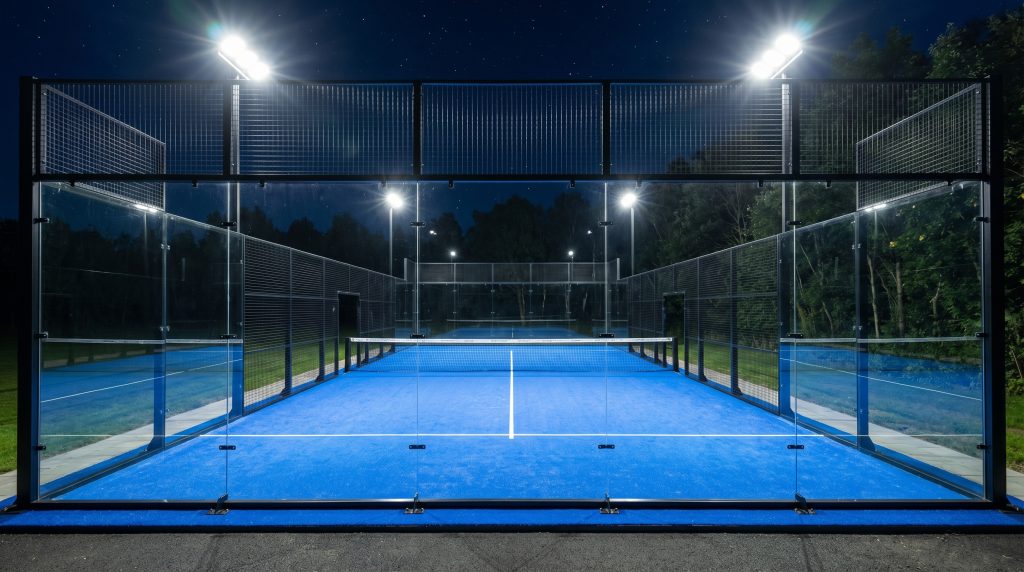
Lighting for padel que es must provide uniform illumination of at least 500 lux for recreational play and up to 750 lux for professional tournaments. High-efficiency LED floodlights are the industry standard because they provide “instant on” capability and significantly lower energy consumption than traditional metal halide bulbs.
Optimizing visibility and reducing glare
The best part?
- Eight LED floodlights (200W-300W each) are the standard per court.
- Asymmetric lenses reduce glare for players looking up at lobs.
- Uniformity ratios must exceed 0.7 to avoid dark spots on the turf.
Look: poor lighting doesn’t just ruin the game; it’s a safety hazard. Players must be able to track a fast-moving ball against the glass and mesh without being blinded by poorly positioned light poles.
Operational efficiency for club owners
Here is why:
- LEDs have a lifespan of 50,000+ hours, reducing maintenance.
- IP66 waterproof ratings are essential for outdoor installations.
- Smart control systems allow for remote dimming and scheduling.
Investing in high-quality lighting allows your facility to operate 24/7, maximizing your booking potential. Automated lighting systems can be linked to your reservation software, ensuring lights only turn on when a court is paid for.
Key Takeaway
| Standard | Requirement | Benefit |
|---|---|---|
| Light Level | 500 – 750 Lux | Professional visibility and safety |
| Technology | LED with IP66 Rating | 60% energy savings and weather resistance |
| Uniformity | > 0.7 GR | Consistent ball tracking across the court |
Professional lighting is the difference between a court that is empty at dusk and one that is booked until midnight.
*
FAQ
Can I build a padel court on an existing tennis court space?
Yes, you can typically fit two standard 10x20m padel courts into the space of one regulation tennis court, doubling your potential revenue.
What’s the best way to maintain the synthetic turf?
The most effective method is regular brushing (once every 2-3 weeks) to redistribute the silica sand and keep the fibers upright.
Can I install these courts in high-wind coastal areas?
Yes, but you must ensure the steel structure is hot-dip galvanized and the glass is 12mm thick to meet specific local wind-load engineering requirements.
What is the average lifespan of a professional padel court?
A well-maintained court with a galvanized steel frame and quality turf has a design life of over 20 years.
Do I need a special permit for the lighting poles?
Most regions require a standard electrical and structural permit for sports lighting; always check with local zoning laws before installation.
*
Conclusion
Padel has transitioned from a niche garden experiment in Mexico to a global powerhouse in the sports industry. For investors and facility managers, it represents a unique opportunity to provide a high-engagement, low-impact sport that maximizes space and community participation. By focusing on professional construction standards—from the reinforced foundation to the precision of LED lighting—you ensure a safe and prestigious environment for your members.
Superbpadel stands at the forefront of this revolution, providing factory-direct, modular solutions engineered for durability and performance. We help you solve the challenges of facility underutilization and high maintenance by delivering world-class infrastructure tailored to your specific site needs. If you are ready to elevate your sports project, contact us today to receive a customized quote and expert consultation on your journey to building a premier padel destination.