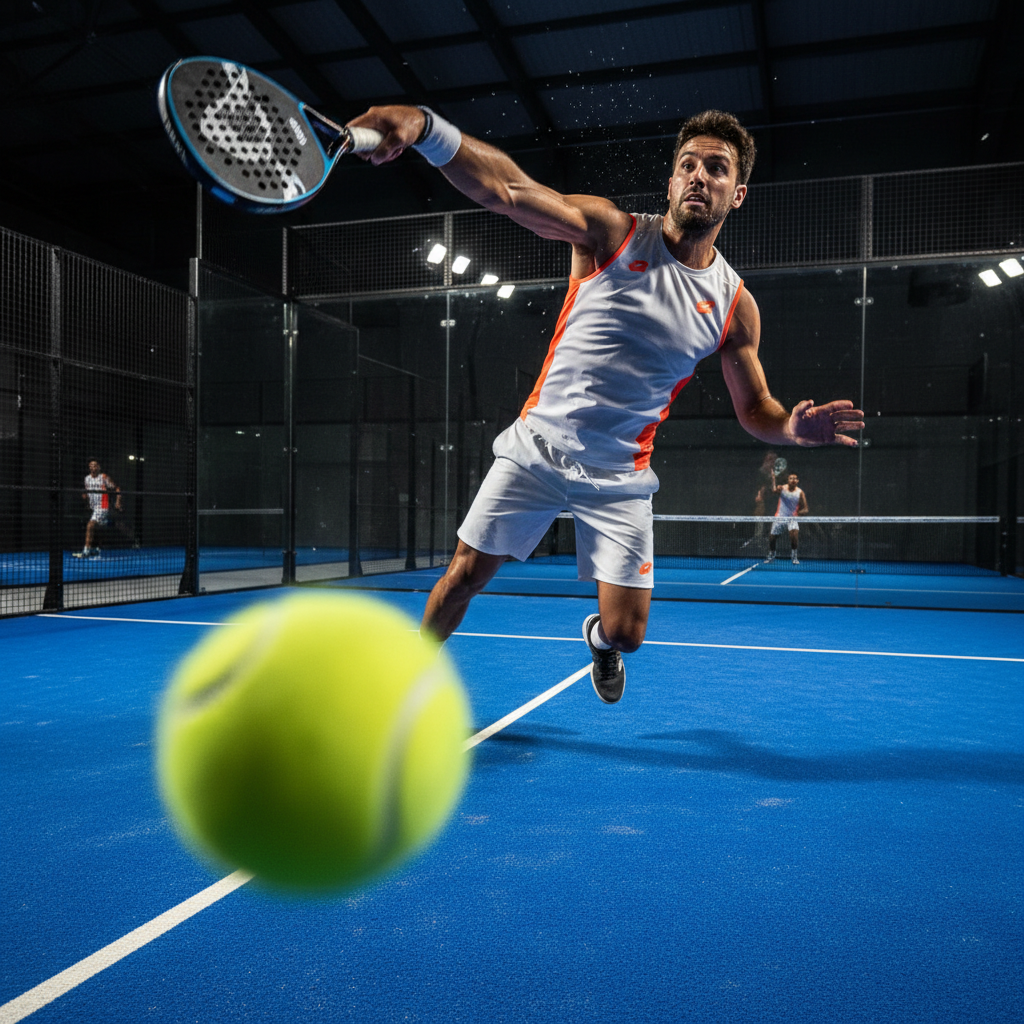
Padel is a social racket sport played in enclosed glass courts, combining the best elements of tennis and squash into a high-intensity, strategic game. You might be seeing these courts pop up in every city, yet the technical difficulty of building a professional-grade facility often stops investors in their tracks. Without precise engineering and the right materials, you risk creating a court that is either unsafe or commercially unviable. By understanding que es padel, you can unlock a high-yield sports business that fosters a vibrant community and delivers massive returns.
Why is que es padel the fastest growing sport?
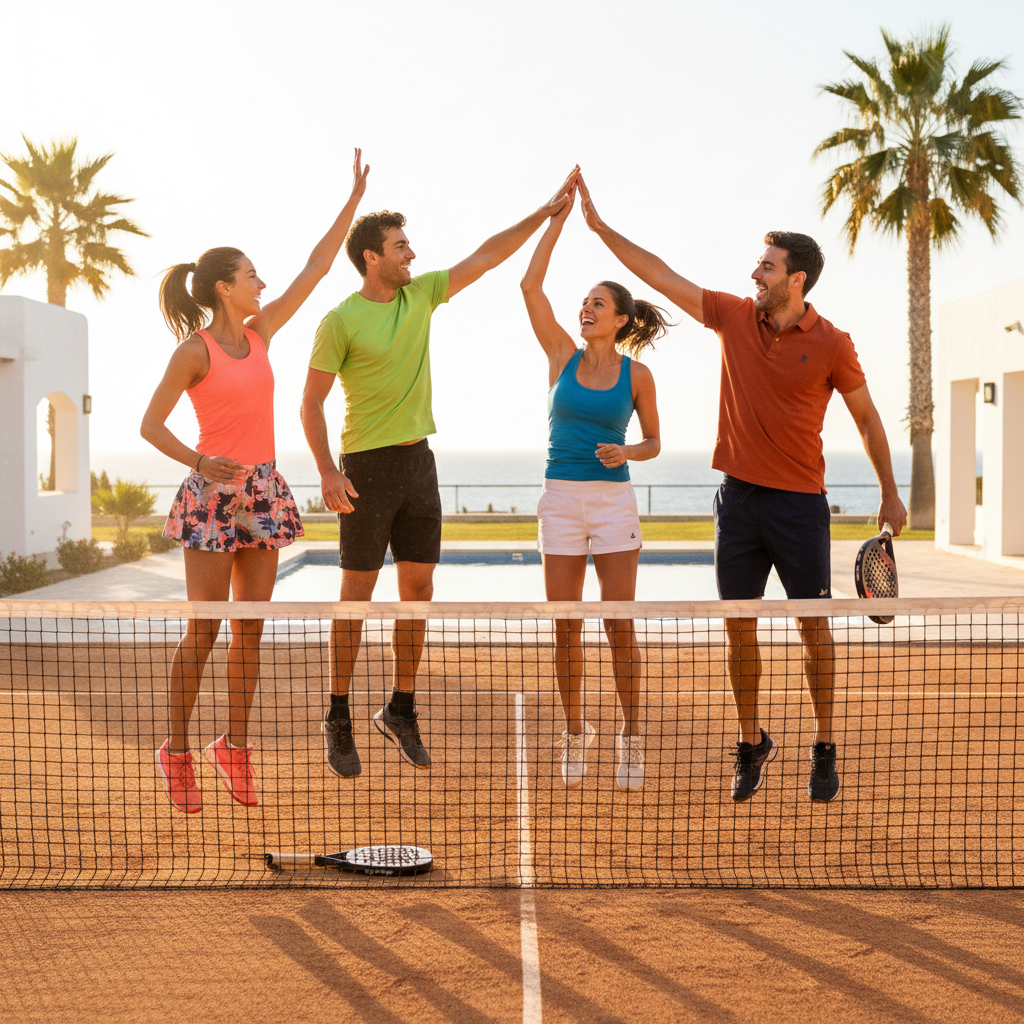
The global expansion of this discipline is fueled by its social nature and the fact that it is significantly easier to learn than traditional tennis. Understanding que es padel helps you recognize why it has become the preferred choice for urban athletes looking for community-driven exercise. You will find that the smaller court size and glass walls keep the ball in play longer, reducing the frustration common in other racket sports.
The best part? This sport is almost exclusively played in doubles, which naturally turns every match into a social event or a networking opportunity. You can foster a tight-knit community at your facility by hosting mixers and social tournaments.
- Encourages teamwork and communication.
- Lowers the barrier for beginner interaction.
- Drives high traffic to club cafes and bars.
Massive land use efficiency
Check this out: you can actually fit three of these courts in the same space usually occupied by a single tennis court. This allows you to host twelve paying customers simultaneously in a footprint that previously only served four.
- Triples the revenue per square meter.
- Increases the number of booking slots available.
- Makes urban real estate more profitable for sports.
Key Takeaway: Padel’s efficiency and social appeal make it a dominant force in the modern sports market.
| Feature | Advantage | Business Impact |
|---|---|---|
| 4-Player Format | Social interaction | Higher F&B revenue |
| 200sqm Footprint | Space efficiency | 3x court density |
| Glass Enclosure | Longer rallies | Higher player retention |
This structural and social synergy ensures that the sport remains a top choice for commercial club developers worldwide.
What are the origins of que es padel?
The game was invented in 1969 by Enrique Corcuera in Acapulco, Mexico, after he realized his backyard didn’t have enough space for a full tennis court. The history of que es padel is a testament to creative engineering, as he used existing walls to keep the ball within the playing area. You can see how this private hobby quickly evolved into a professional industry once it reached the elite clubs of Spain.
The backyard innovation in Mexico
Believe it or not: the entire sport exists because a homeowner wanted to stop the ball from flying into his neighbor’s garden. Corcuera’s original 10×20 meter dimensions are still the global gold standard used in professional construction today.
- Original courts used concrete walls.
- High walls allowed for “second-chance” shots.
- Compact size favored strategic placement.
The professional shift in Spain
Wait, there is more: after arriving in Marbella in 1974, the sport was refined with glass walls to make it a spectator-friendly experience. You will find that Spain is now the world leader in both player count and court manufacturing technology.
- Introduced transparent safety glass.
- Standardized the scoring and professional rules.
- Created the first global professional tours.
Key Takeaway: The evolution from a private Mexican hobby to a Spanish professional powerhouse defines the sport’s high-end appeal.
| Milestone | Location | Result |
|---|---|---|
| First Court | Mexico (1969) | Defined 10x20m size |
| Glass Walls | Spain (1970s) | Improved spectator viewing |
| Pro Circuits | Global (1990s) | Standardized competition |
Understanding this history allows you to market your facility as part of a prestigious, international sporting tradition.
How do you play and score que es padel?
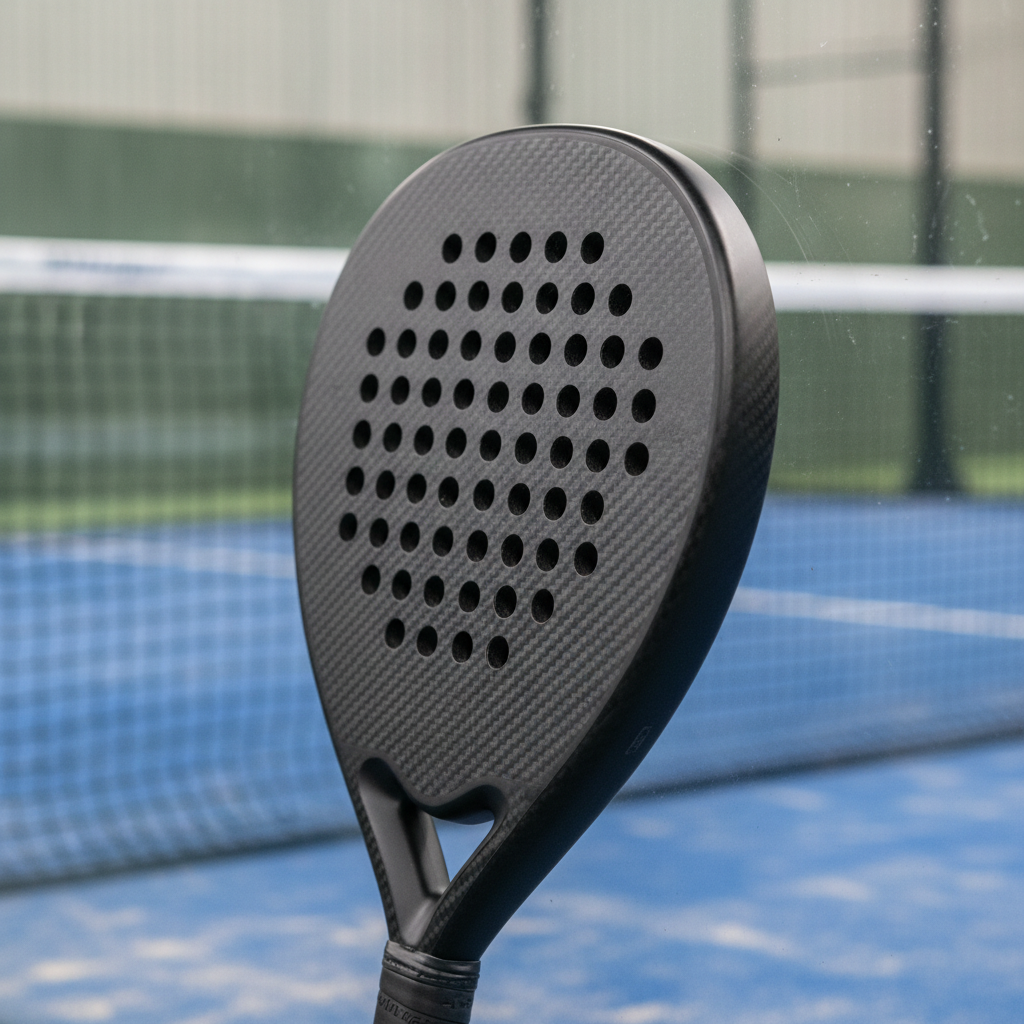
You follow traditional tennis scoring of 15, 30, and 40, but you must learn to use the glass walls to keep the rally alive. To master que es padel, you need to understand that the ball can bounce off the glass after hitting the floor, giving you more time to react. You will find that the strategy is much more about positioning and patience than hitting the ball as hard as possible.
Using the walls for defense
Look: the glass is your best friend when you are under pressure from a fast shot. You can let the ball pass you, hit the back glass, and then strike it on the rebound to reset the point.
- Extends the length of every rally.
- Rewards tactical movement over power.
- Allows for creative “off-the-wall” shots.
The underhand serve requirement
Ready for the good part? Unlike tennis, you must serve underhand at or below waist level, which ensures that points start with a manageable rally every time. This rule makes the game accessible to seniors and children while still offering professional depth.
- Reduces double-fault frustration.
- Places emphasis on the first volley.
- Serve must land in the diagonal box.
Key Takeaway: The rules are designed to maximize active play time and reward strategic intelligence over raw physical force.
| Rule Type | Padel Standard | Player Benefit |
|---|---|---|
| Service | Underhand | Easier to start points |
| Scoring | 15-30-40-Set | Familiar and competitive |
| Enclosure | Ball stays in play | Longer, exciting rallies |
This unique rule set creates a low barrier to entry while maintaining a high skill ceiling for competitive athletes.
What gear do you need for que es padel?
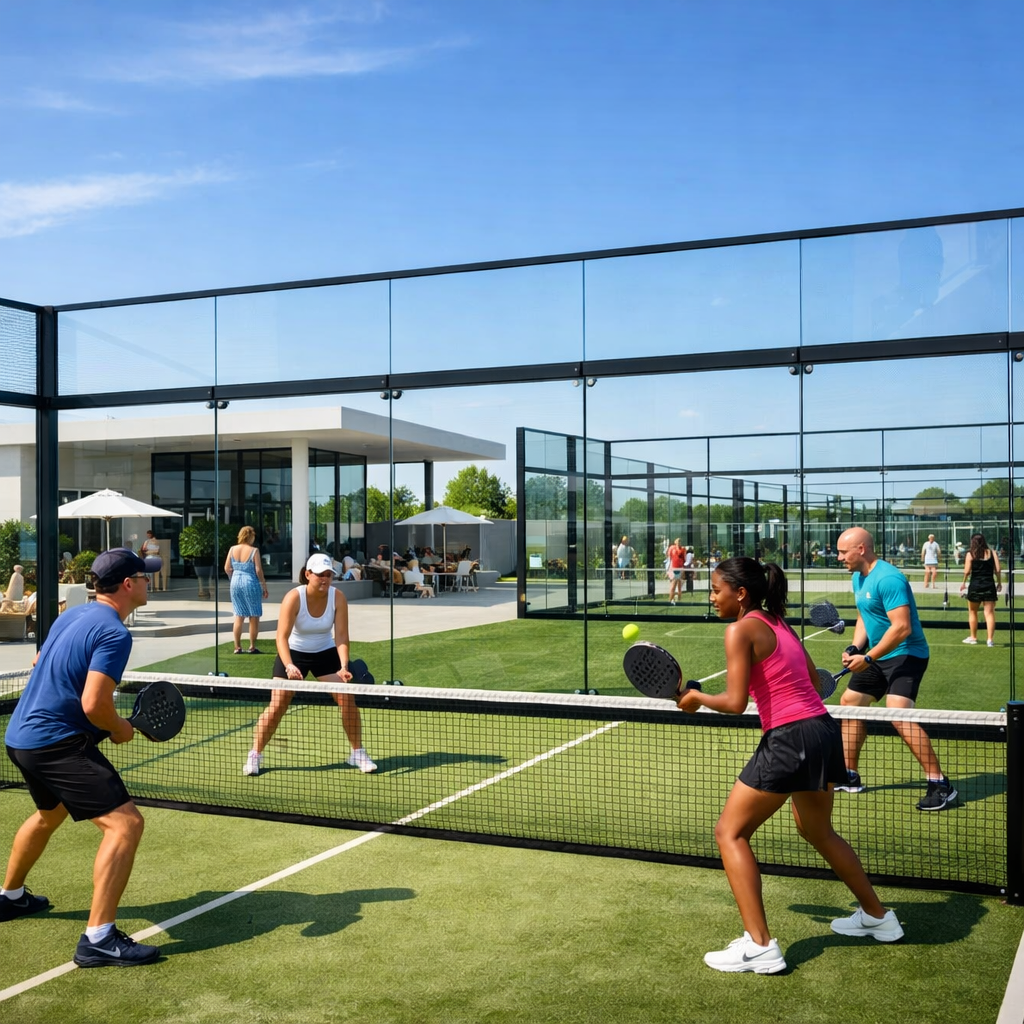
You need a solid carbon fiber racket without strings, low-compression balls, and specialized shoes with a herringbone sole for grip. Investing in the right equipment for que es padel is essential to prevent injuries and ensure a consistent playing experience. You should offer a variety of gear in your club’s pro-shop to help beginners find the perfect match for their style.
Selecting the right pala shape
The truth is: the shape of your racket determines whether you have more control or more power during a match. You will notice that round rackets have a larger sweet spot, making them ideal for new players.
- Round: Maximum control and comfort.
- Teardrop: Balanced for intermediate players.
- Diamond: High power for professionals.
Essential court shoes and balls
Simply put: you cannot wear standard running shoes because they don’t provide the lateral support needed for the sandy turf. You need a deep tread pattern to handle the silica sand infill without slipping during fast turns.
- Herringbone soles for maximum traction.
- Reinforced sides for lateral stability.
- Padel balls have lower internal pressure.
Key Takeaway: Providing high-quality rental gear is a vital secondary revenue stream that improves the overall safety of your facility.
| Gear Item | Feature | Function |
|---|---|---|
| Racket (Pala) | EVA Foam Core | Shock absorption |
| Shoes | Clay/Herringbone Sole | Grip on sandy turf |
| Balls | 10% Less Pressure | Slower, tactical play |
Equipping your members with professional-grade gear ensures they enjoy the sport safely and return to your club frequently.
What is the layout for a que es padel court?
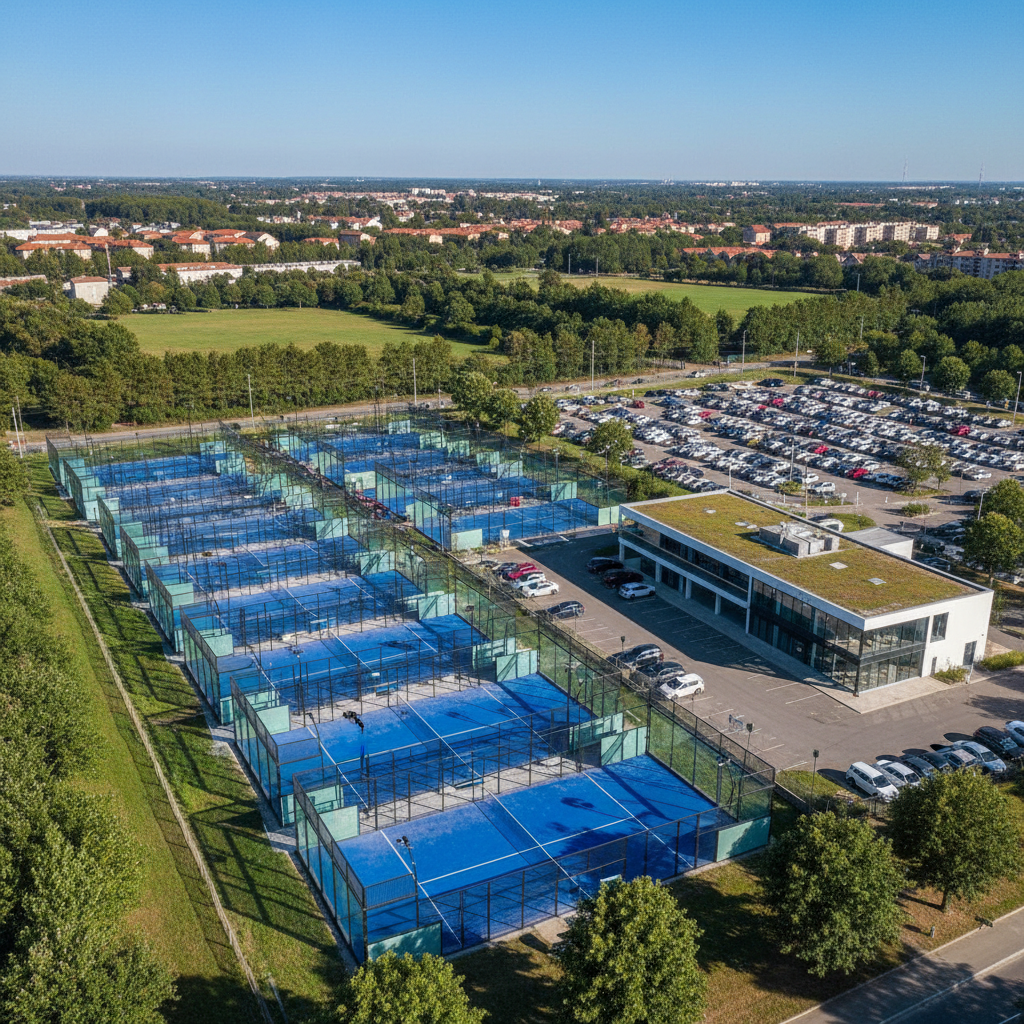
The standard court is a rectangle 10 meters wide by 20 meters long, enclosed by a mix of glass and metallic mesh. Designing a world-class facility starts with understanding que es padel structural layouts to ensure you meet international tournament standards. You must account for the height of the walls and the safety clearance around the perimeter when planning your build.
Precise playing dimensions
Here is the deal: every centimeter matters when you are installing the steel frame and the glass panels. You will find that a 10×20 meter playing area is the non-negotiable standard for any commercial or professional facility.
- 10 meters wide for doubles play.
- 20 meters total length.
- Divided by a net at 10 meters.
Safety zones and ceiling height
What’s the real story? If you are building indoors, you need at least 6 meters of clear height, though 8 to 10 meters is preferred for professional lobs. You should also leave space outside the gates for players to run out and retrieve smashes.
- Minimum 6m ceiling for indoor.
- 2m safety zone outside the gates.
- Net height of 88cm at the center.
Key Takeaway: A precision-engineered layout is the foundation of a safe, professional, and commercially successful sports destination.
| Zone | Dimensions | Purpose |
|---|---|---|
| Main Court | 10m x 20m | Active playing area |
| Service Box | 5m x 5m | Diagonal serve target |
| Back Walls | 4m Height | Rebound and spectator view |
Strategic planning of your court layout ensures you can host sanctioned events and provide a premium experience for members.
How do you build a que es padel glass wall?
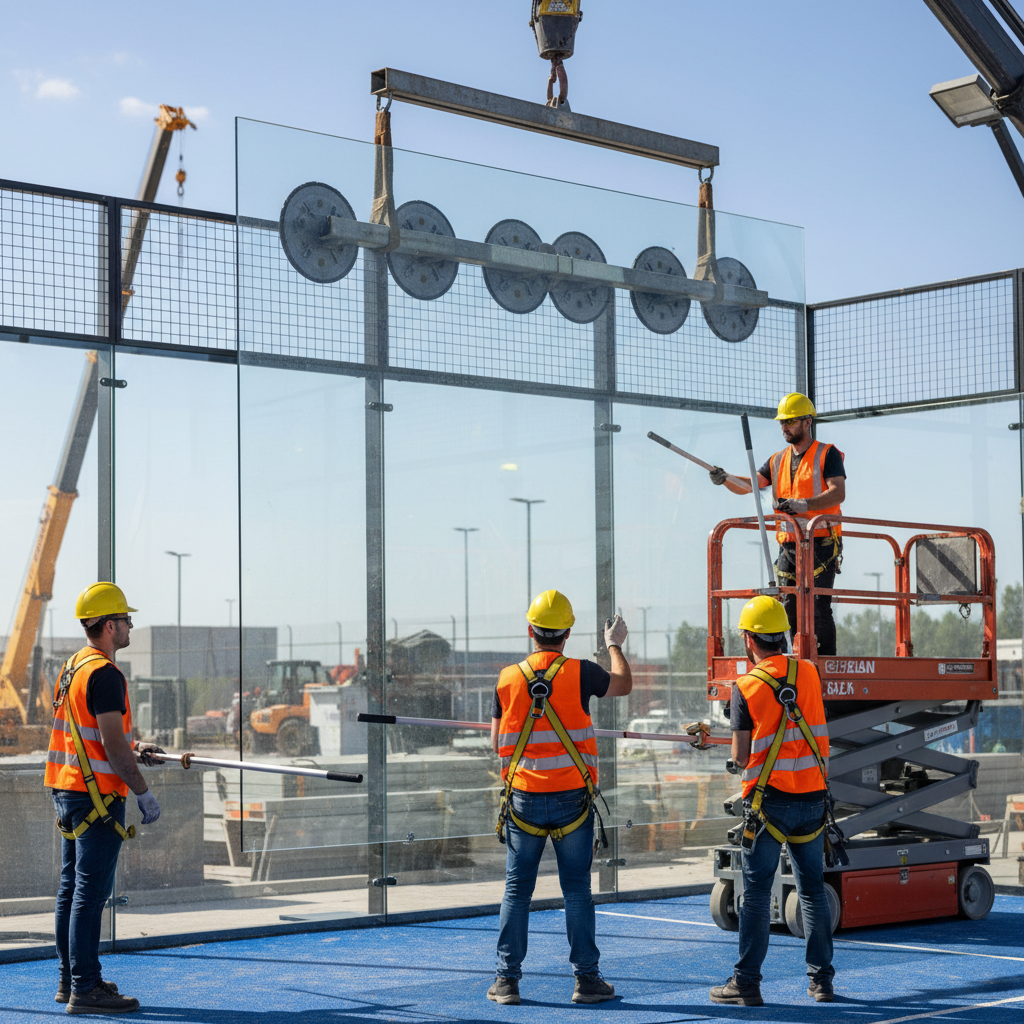
You must use 10mm or 12mm tempered safety glass installed with EPDM gaskets to absorb the vibrations of ball impacts. The glass enclosure is the most critical technical component in que es padel construction for ensuring both visibility and player safety. You will find that professional installers use specialized suction cranes to position these heavy panels with millimeter precision.
Choosing 12mm tempered glass
But wait, there’s more: 12mm glass is the industry standard for high-end clubs because it provides a truer ball bounce and superior structural integrity. You should always prioritize tempered glass, which crumbles into safe, small pieces if it ever sustains a catastrophic hit.
- 12mm offers better sound insulation.
- Increased resistance to player impact.
- Perfectly flat surface for consistent bounce.
Secure mounting and vibration control
Think about it: the way you bolt the glass to the steel frame determines the lifespan of your enclosure. You must use high-quality stainless steel fixings and rubber washers to prevent any metal-on-glass contact that could cause cracks.
- EPDM gaskets prevent structural stress.
- Countersunk holes for a flush finish.
- Heavy-duty steel pillars for support.
Key Takeaway: Investing in 12mm tempered glass and professional mounting hardware reduces long-term maintenance costs and boosts safety.
| Component | Industry Standard | Benefit |
|---|---|---|
| Glass Panel | 12mm Tempered | Superior impact safety |
| Gaskets | High-grade EPDM | Vibration dampening |
| Fixings | Stainless Steel | Rust and fatigue resistance |
A perfectly installed glass wall ensures that your facility remains safe for high-intensity play while looking professional for years.
What is the turf for a que es padel surface?
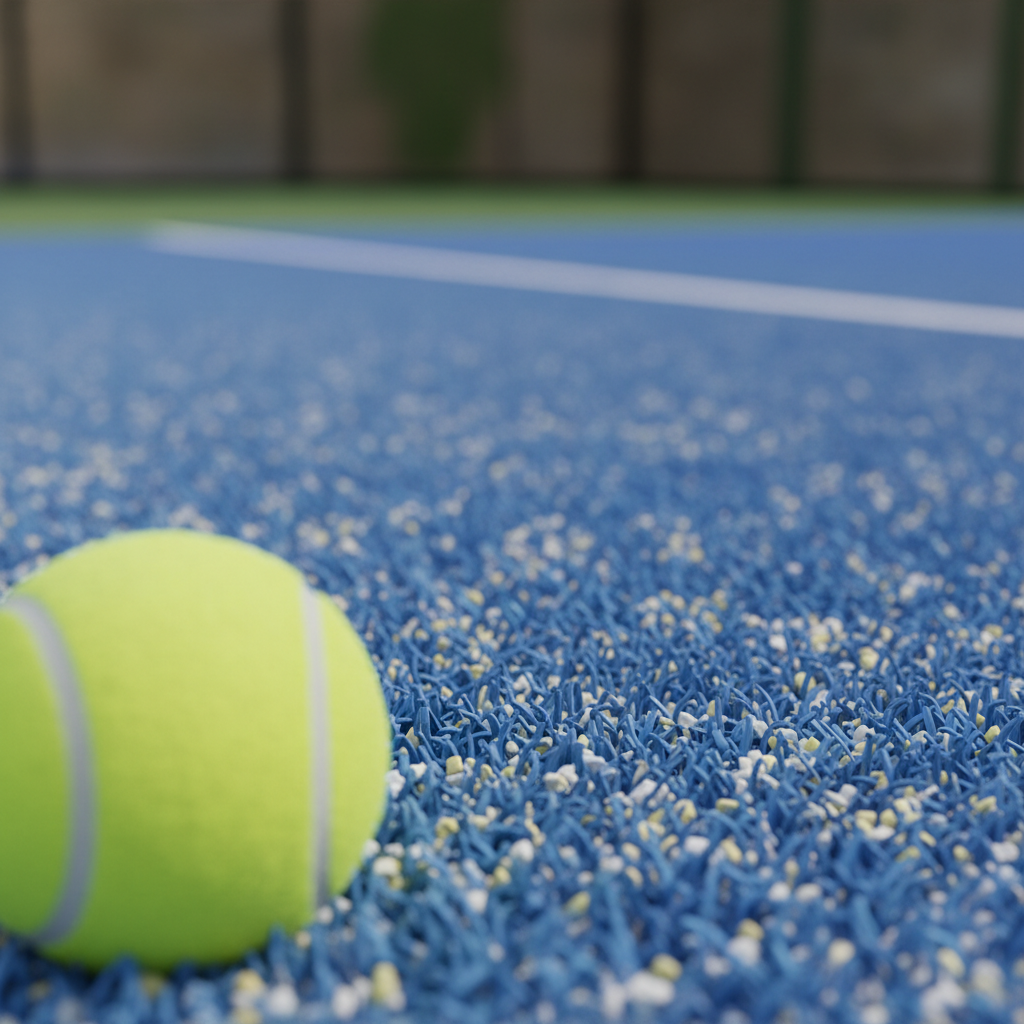
The playing surface is composed of high-density artificial turf specifically designed to hold a thin layer of silica sand for player traction. Choosing the right synthetic grass is vital for the playability and longevity of que es padel courts at your facility. You will find that monofilament fibers are the preferred choice for professional clubs due to their durability and natural look.
Benefits of monofilament fibers
Check this out: monofilament turf stays upright longer and resists the “matting” effect that occurs in high-traffic areas. You can ensure a consistent ball bounce across the entire court by selecting a high-density fiber with UV protection.
- Superior resilience under heavy use.
- Better aesthetic for luxury clubs.
- Reduced friction for player safety.
The function of silica sand
The best part? The sand is not just for decoration; it weights the turf down and allows players to perform controlled slides to reach difficult balls. You must use kiln-dried, rounded silica sand to prevent the turf fibers from being cut or damaged over time.
- 1.5kg to 3kg of sand per sqm.
- Enables defensive sliding moves.
- Prevents the turf from shifting.
Key Takeaway: A premium monofilament turf with the correct silica sand infill is essential for professional performance and player joint protection.
| Turf Feature | Monofilament | Fibrillated |
|---|---|---|
| Durability | Excellent | Good |
| Aesthetic | Natural Grass Look | Synthetic Look |
| Playability | Consistent Bounce | Faster, lower bounce |
Selecting the highest grade of turf directly impacts player satisfaction and reduces the frequency of costly surface replacements.
How do you light a que es padel facility?
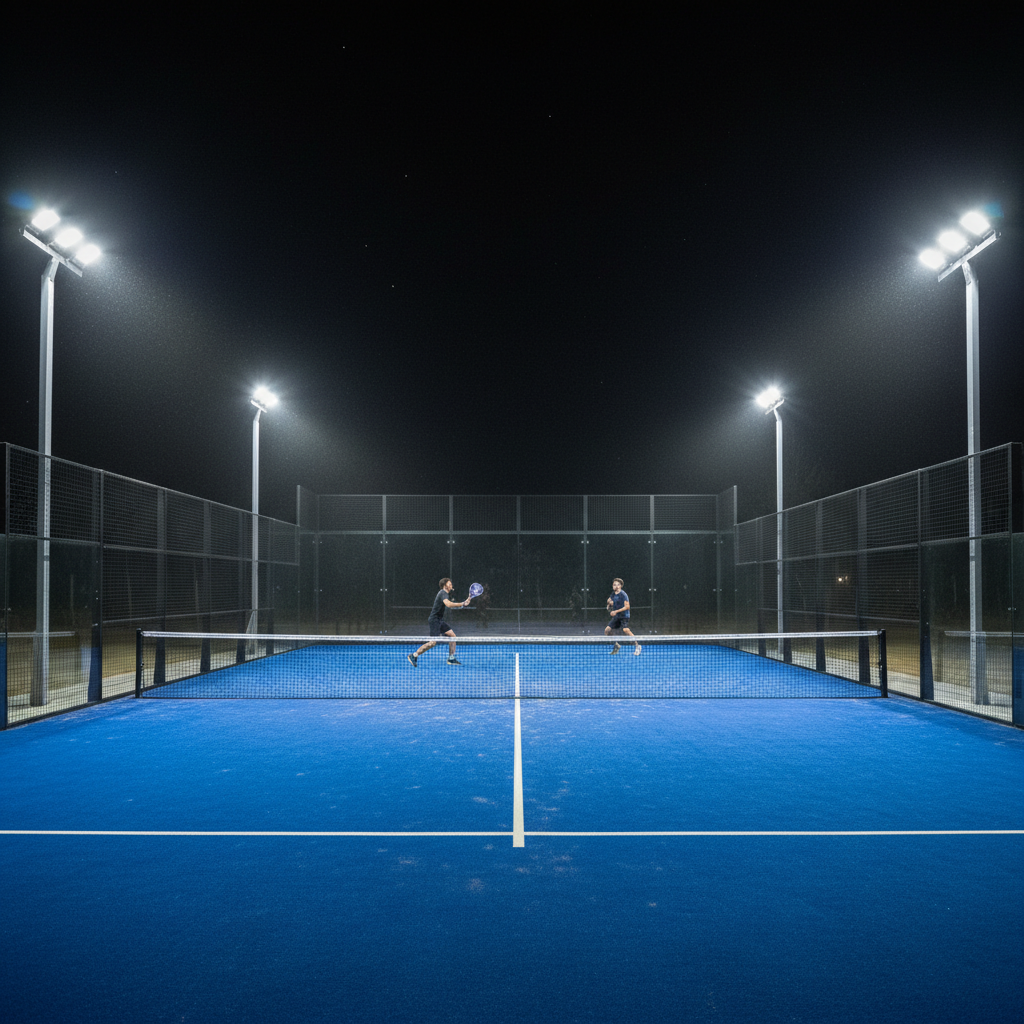
You use eight LED floodlights mounted on 6-meter masts to ensure a minimum of 500 Lux across the entire playing surface. Lighting is a core element of que es padel facility design because the majority of court rental revenue is generated after sunset. You should invest in asymmetric lenses to direct the light onto the turf while minimizing glare for the players.
Achieving uniform illumination
The deal is this: you must avoid creating “dark spots” in the corners where the ball could be lost from view during a high-speed rally. You will notice that professional-grade LEDs provide instant brightness without the long warm-up times of older metal halide bulbs.
- 8 LED units per standard court.
- Minimum 500 Lux for club matches.
- 750 Lux for televised tournaments.
Energy efficiency and automation
Ready for the good part? Modern lighting systems can be linked to your booking software so that the lights only turn on when a session is paid for and scheduled. This drastically reduces your operational overhead and makes your club more environmentally friendly.
- 70% energy savings vs traditional bulbs.
- Integrated smart-club controls.
- Long lifespan reduces maintenance.
Key Takeaway: High-quality LED lighting extends your business hours and significantly enhances the premium atmosphere of your sports club.
| Metric | Recommendation | Benefit |
|---|---|---|
| Light Level | 500 – 750 Lux | Pro-level visibility |
| Mast Height | 6 Meters | Reduced player glare |
| Technology | LED Asymmetric | Low cost / High clarity |
Properly lit courts are essential for capturing high-quality social media content, which serves as powerful marketing for your sports facility.
What is the ROI for a que es padel project?
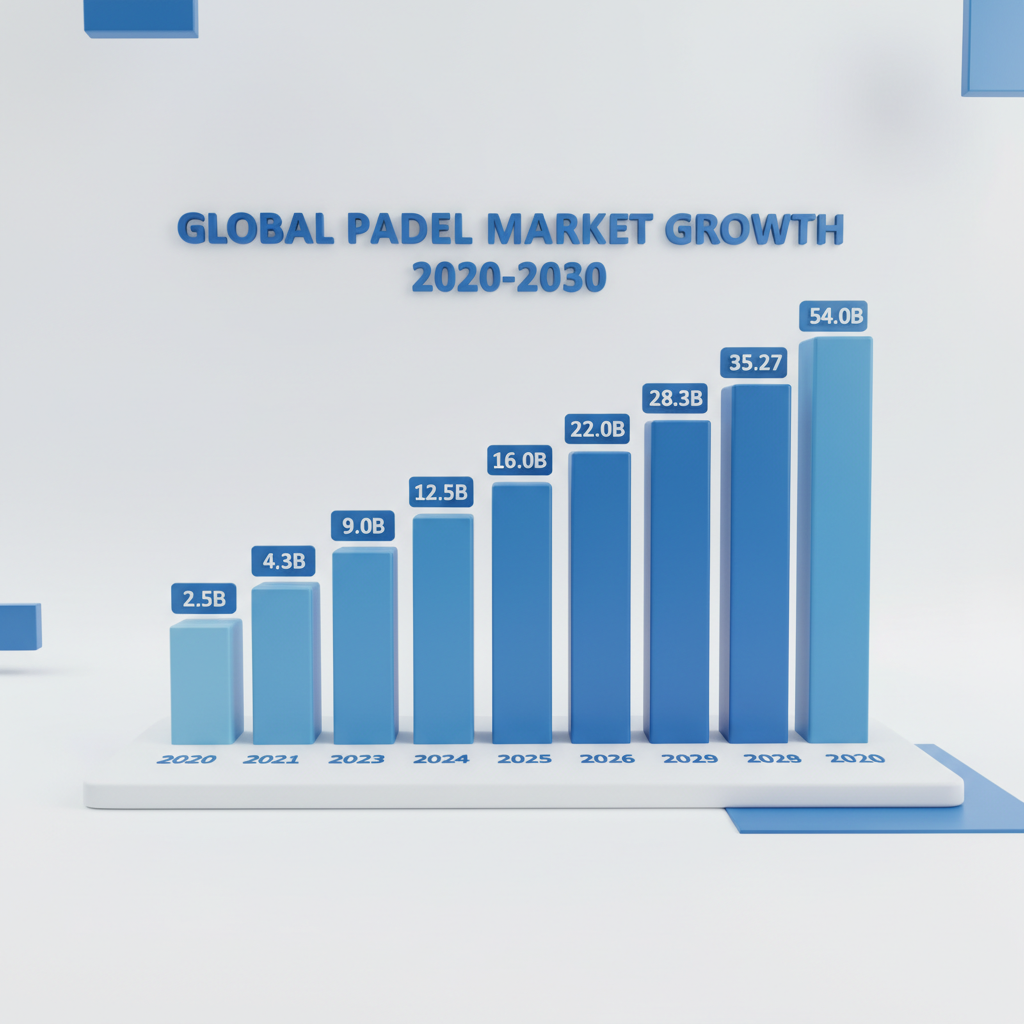
Most investors see a full return on investment within 18 to 36 months because the sport allows for 4 players in a small footprint with high hourly rates. Understanding que es padel economics reveals that this model is one of the most resilient and profitable in the fitness industry. You will find that the high player density per square meter consistently outperforms tennis, squash, and traditional gyms.
High-density revenue model
Think about it: you are collecting fees from four people simultaneously on a plot of land that is only 200 square meters. You can further maximize your profits by implementing peak-hour pricing and automated, staff-free booking systems.
- 4 paying players per court hour.
- 3 courts fit in 1 tennis footprint.
- Low staffing requirements.
Multiple secondary revenue streams
Wait, there is more: a successful club doesn’t just sell court time; it sells a lifestyle through coaching, retail, and hospitality. You can significantly boost your ROI by offering professional clinics, selling high-end rackets, and serving healthy food and beverages.
- Private and group coaching fees.
- Racket rentals and pro-shop sales.
- Tournament sponsorship revenue.
Key Takeaway: The combination of low maintenance costs and high player demand makes padel an exceptionally low-risk sports investment.
| Metric | Estimated Value | Business Impact |
|---|---|---|
| Build Cost | $25k – $45k / court | Initial Capex |
| Hourly Rate | $40 – $120 | Primary Revenue |
| Break-Even | 1.5 – 3 Years | Fast Capital Recovery |
Market data shows the sport is currently in an explosive growth phase, providing a unique window for investors to establish market dominance.
How do you maintain a que es padel court?
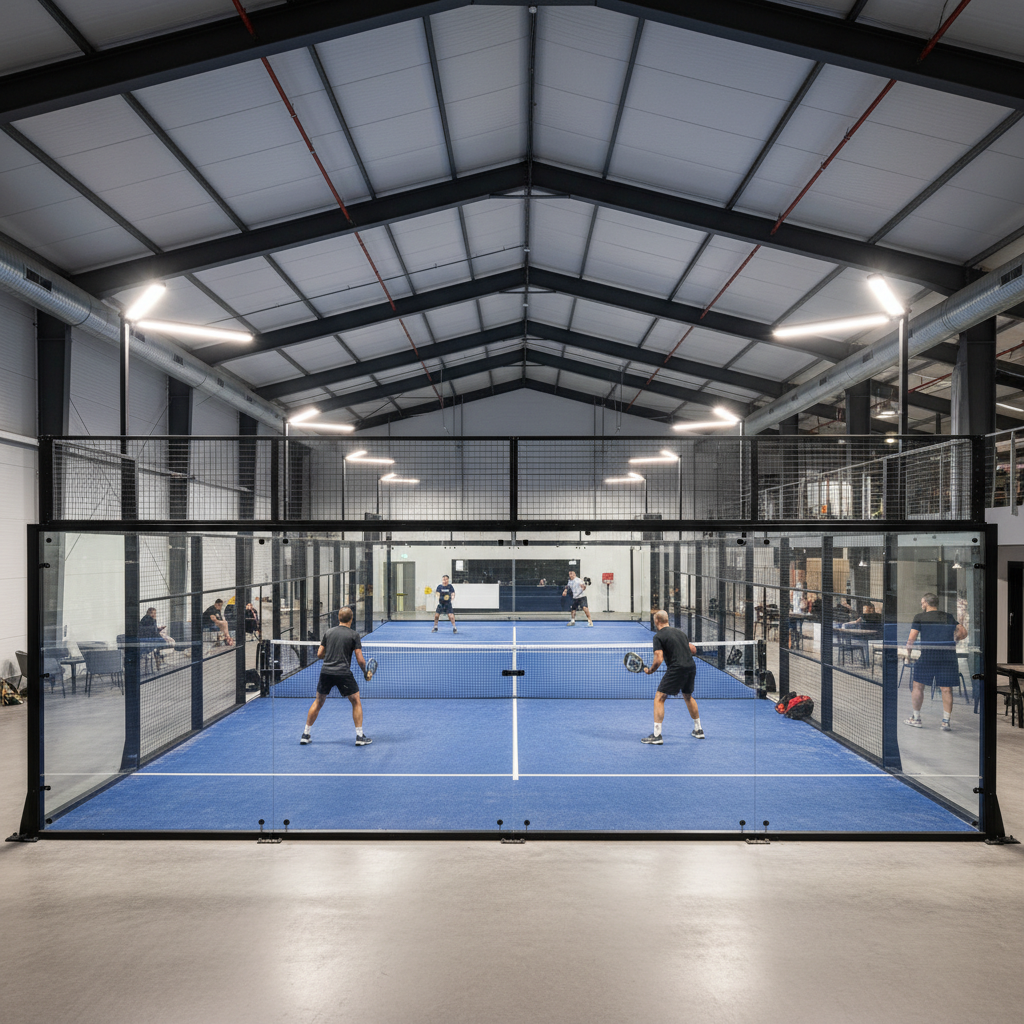
You must brush the silica sand weekly to prevent it from clumping and clean the glass surfaces to keep the court looking like new. Routine maintenance is the only way to protect your que es padel investment and ensure the safety of your club members. You will find that a well-maintained court not only lasts longer but also allows you to justify higher premium booking rates.
Surface and sand redistribution
Here is the deal: if you don’t brush the sand, it will migrate to the corners, leaving the high-traffic areas of the turf exposed and slippery. You should use a specialized power broom once a week to redistribute the sand and keep the fibers standing upright.
- Prevents premature turf wear.
- Ensures a consistent ball bounce.
- Reduces the risk of player slips.
Structural and glass safety checks
The best part? A quick bi-weekly inspection of the bolts and gaskets can prevent expensive repairs or dangerous glass breakages. You should ensure the metallic mesh is tightly fastened to prevent annoying rattling sounds that can disturb nearby residents.
- Bi-weekly glass cleaning for clarity.
- Quarterly structural bolt inspection.
- Check net tension and hardware.
Key Takeaway: Consistent, low-cost maintenance doubles the lifespan of your court and keeps player satisfaction levels at an all-time high.
| Task | Frequency | Purpose |
|---|---|---|
| Sand Brushing | Weekly | Even surface traction |
| Glass Cleaning | Bi-Weekly | Visual appeal / Safety |
| Bolt Tightening | Quarterly | Structural integrity |
A dedicated maintenance schedule ensures your facility remains the premier destination for serious players who demand high-quality playing conditions.
Conclusion: Leading the Padel Revolution
Building a world-class sports facility requires a strategic blend of technical engineering and community focus. You no longer have to navigate the complexities of court construction alone or worry about the durability of your investment. SuperbPadel is dedicated to providing the high-performance materials and expert guidance needed to transform your vision into a high-revenue reality. We believe in the power of this sport to build lasting communities and deliver exceptional commercial results through superior design. If you are ready to capitalize on the world’s fastest-growing racket sport, contact us today for a comprehensive consultation. Join the global movement and build a legacy that brings people together through the power of elite sport.
FAQ
Q1: Can I convert my existing tennis court into padel courts?
Absolutely. You can typically fit two to three padel courts on the footprint of a single tennis court, which instantly triples your potential revenue per square meter.
Q2: What’s the best way to choose between 10mm and 12mm glass?
While 10mm is often used for private residences, we always recommend 12mm tempered glass for commercial clubs to ensure maximum durability and superior ball rebound quality.
Q3: How much ceiling height do I need for an indoor facility?
You need a minimum of 6 meters of clear height, but for professional play, we recommend aiming for 8 to 10 meters to allow for high lobs.
Q4: Why is silica sand necessary on the artificial turf?
Silica sand acts as a weight to keep the turf flat and provides the specific friction level required for players to slide safely without catching their shoes on the fibers.
Q5: When should I plan to replace the synthetic turf surface?
In a high-traffic commercial setting, you should budget for a turf replacement every 5 to 7 years to maintain the highest safety and performance standards.