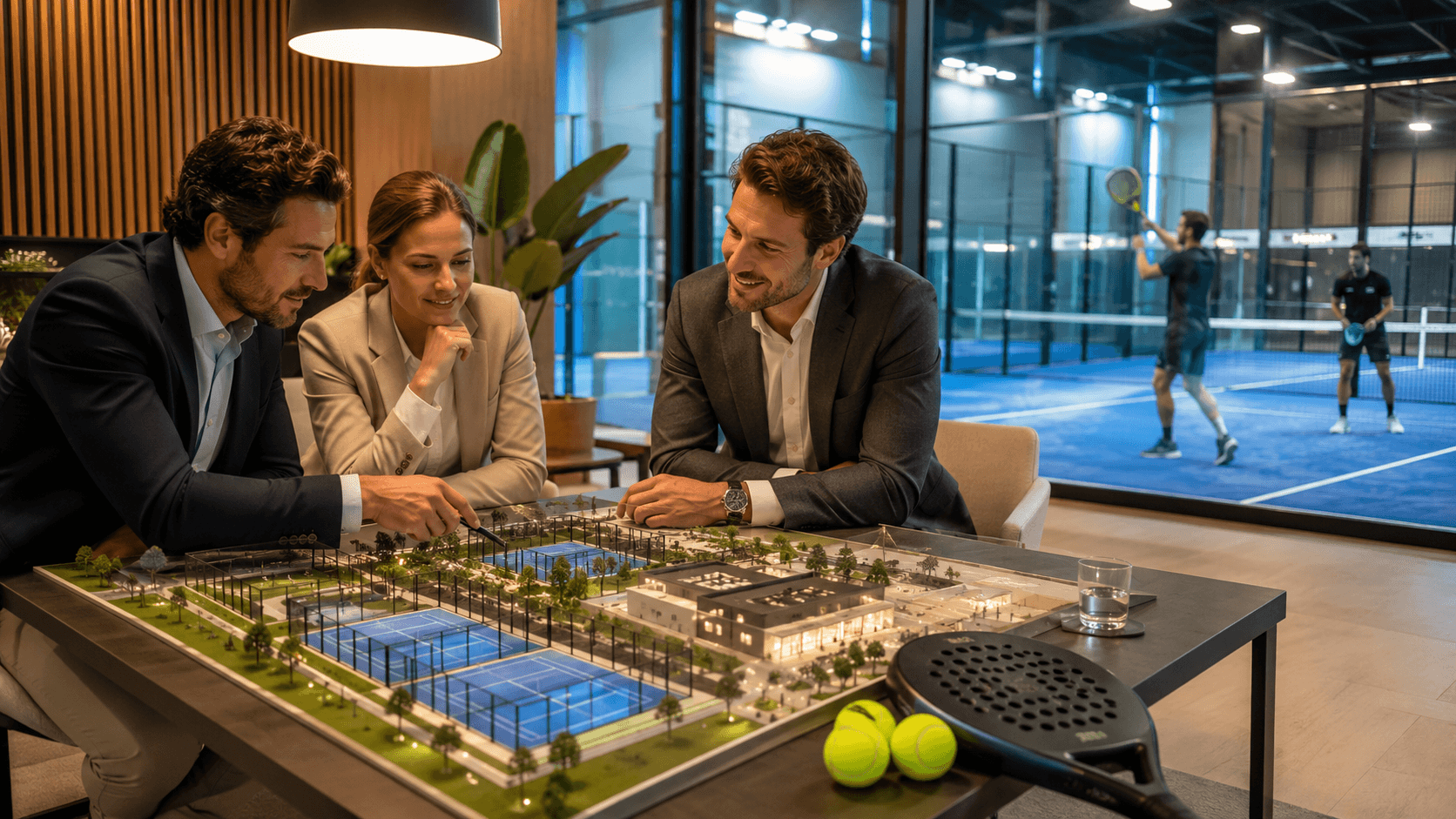
Investing in the racquet sports market requires a clear understanding of the fastest-growing global trend to avoid sinking capital into outdated facilities. You might feel hesitant about entering a new market without knowing if it is a passing fad or a sustainable goldmine. By mastering the fundamentals of what is padel sport, you can leverage its high-density player model to maximize your real estate ROI and stay ahead of the competition.
What is padel sport and how does it work?
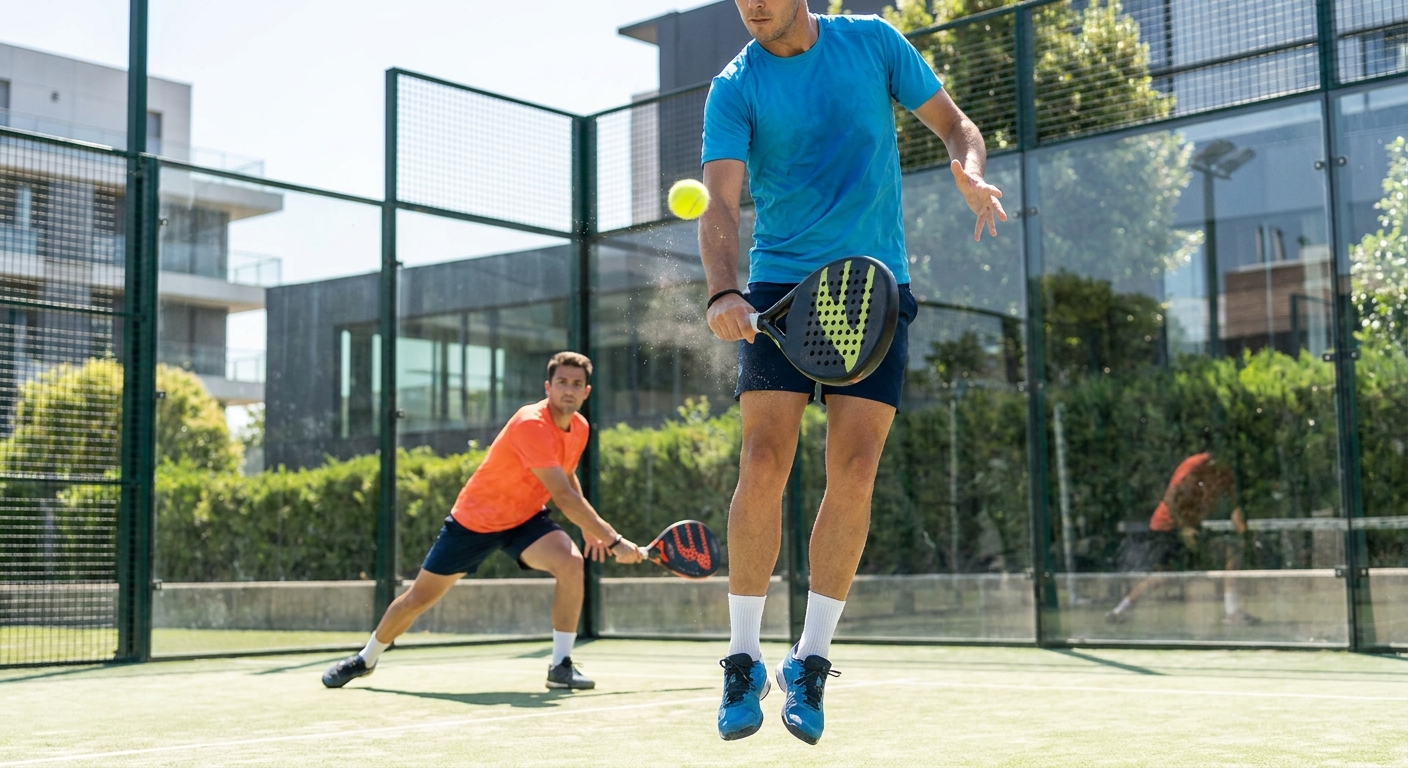
Padel is a high-energy racquet sport played on a small, enclosed court that combines the tactical depth of tennis with the rebounding action of squash. It is primarily played in doubles, which makes it an incredibly social experience for players of all ages and skill levels.
Think of it this way. The court is your arena where the walls are actually your teammates, allowing you to keep the ball in play even after it passes you. This unique mechanic creates longer rallies and more excitement than traditional racquet games.
The Anatomy of the Court
A standard court measures 20 meters by 10 meters, making it much more compact than a tennis court. It is surrounded by walls made of tempered glass and metallic mesh that act as part of the playable surface.
- Tempered Glass: Allows for clear spectator viewing and consistent ball bounce.
- Metallic Mesh: Adds an element of unpredictability to the game.
- Synthetic Turf: Provides the necessary grip and cushioning for intense lateral movements.
Key Takeaway: Padel is a social, high-density sport that utilizes wall rebounds to create accessible yet deep gameplay for everyone.
| Feature | Specification |
|---|---|
| Players | 4 (Doubles Format) |
| Court Size | 20m x 10m |
| Wall Material | Glass & Steel Mesh |
The strategic use of enclosures makes this sport inherently more engaging for beginners than traditional open-court games.
What is padel sport compared to tennis?
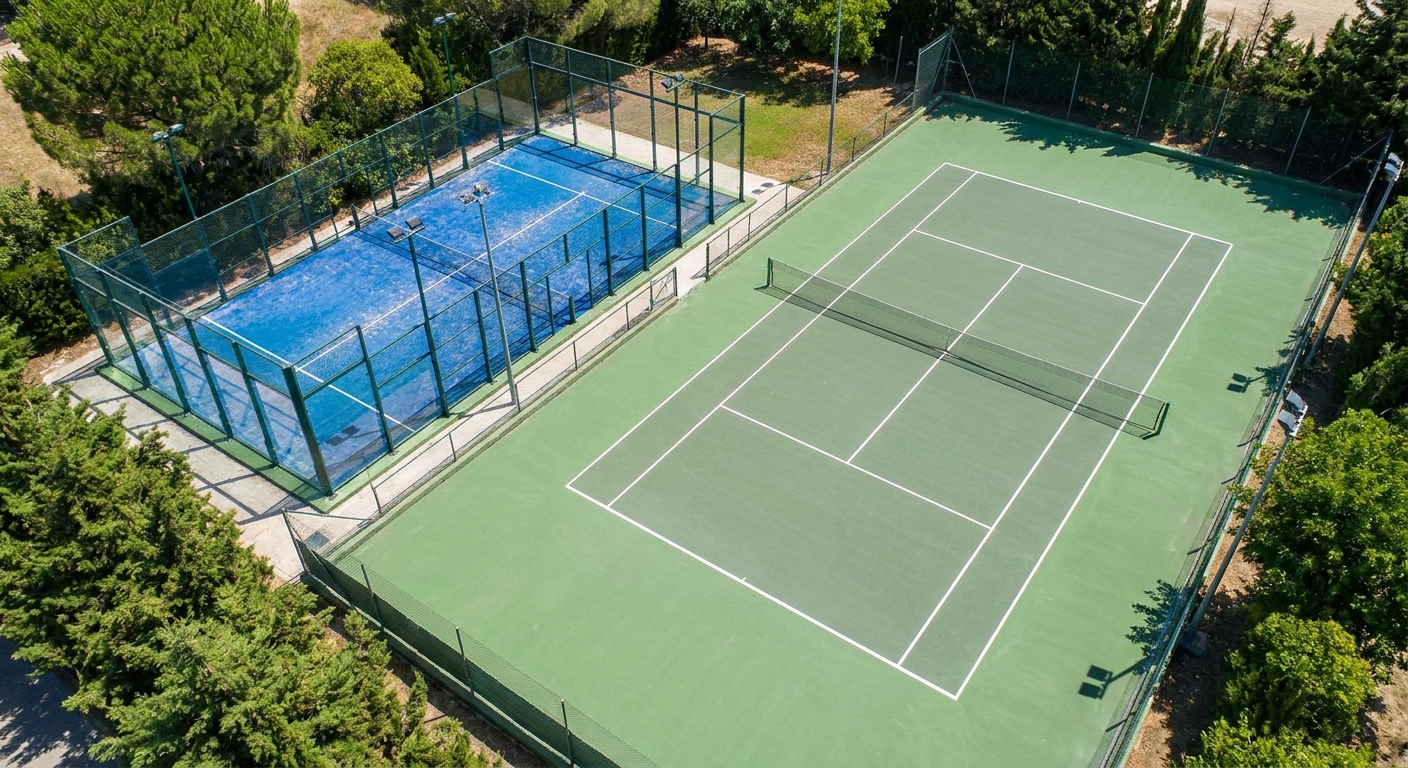
Padel differs from tennis primarily in its court size, equipment, and the use of surrounding walls to keep the ball in play. While tennis relies heavily on power and large court coverage, understanding what is padel sport reveals a game focused on strategy and positioning.
The difference is night and day. In padel, you serve underhand, which immediately lowers the barrier to entry for casual players who struggle with high-velocity overhead serves.
Why Investors Prefer Padel Over Tennis
For a facility owner, the land-use efficiency is the most compelling argument for switching from tennis to padel. You can serve more customers in the same square footage without increasing your footprint.
- Space Efficiency: Fit 3 padel courts in the space of 1 tennis court.
- Player Density: Host 12 players simultaneously instead of just 2 or 4.
- Revenue Potential: Triple your hourly rental income per square meter of land.
Key Takeaway: Padel offers superior commercial efficiency because it allows more players to compete in a smaller, more manageable space.
| Metric | Padel | Tennis |
|---|---|---|
| Serve Type | Underhand | Overhand |
| Space Needed | 200 sqm | 600+ sqm |
| Wall Play | Yes | No |
A comparative analysis shows that padel maximizes revenue density, making it a much safer bet for urban real estate development.
What is padel sport history and origins?
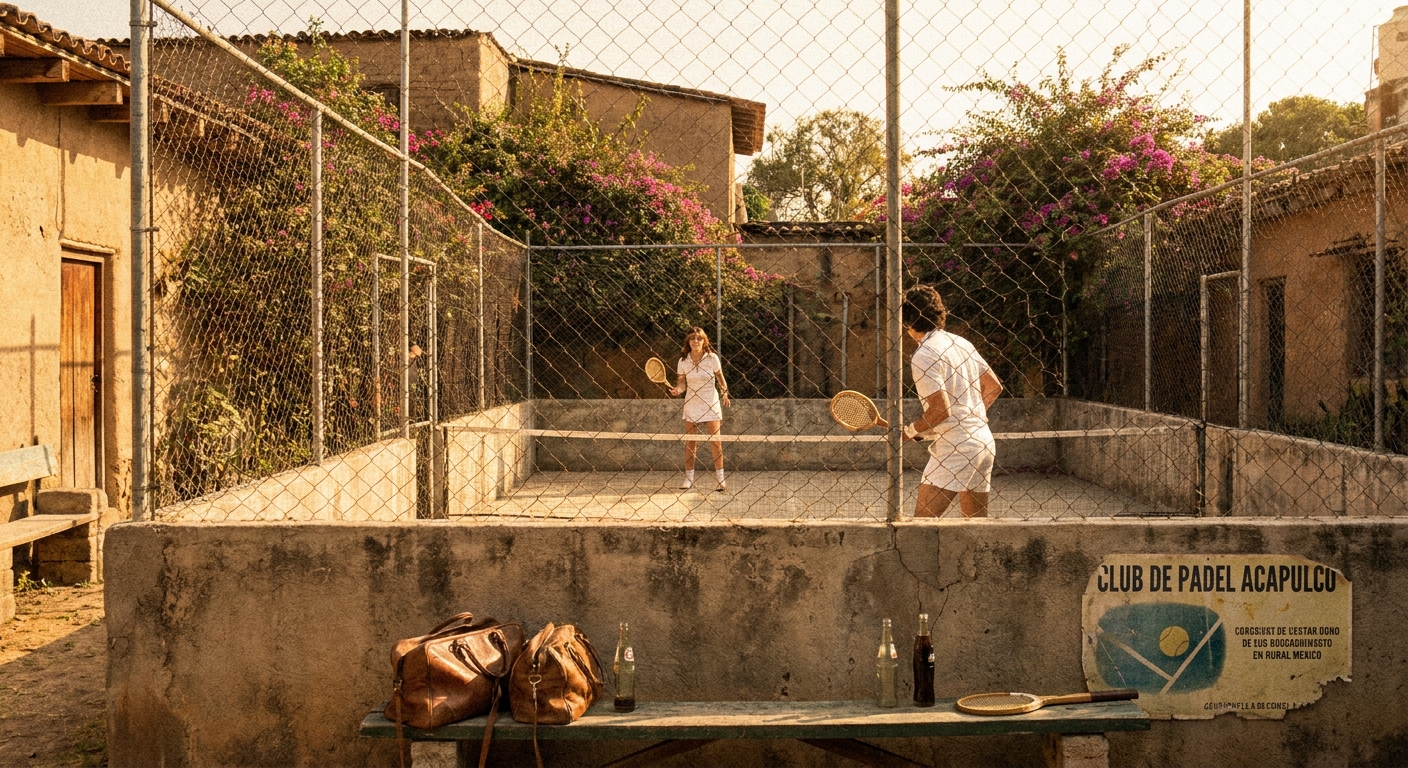
The sport was born in 1969 in Acapulco, Mexico, when Enrique Corcuera decided to adapt a small space at his home for a racquet game. He added walls to prevent the ball from escaping into his neighbor’s yard, unintentionally creating a global phenomenon.
Here is the kicker. What started as a private home solution quickly spread to Spain and Argentina, where it became a cultural staple before exploding across the rest of the world recently.
The Path to Global Dominance
The sport’s journey from a backyard in Mexico to professional arenas is a testament to its addictive nature. It has successfully bridged the gap between elite athletics and casual weekend fun.
- Mexican Roots: Founded as a private luxury amenity.
- Spanish Expansion: Became the second most popular sport in Spain after football.
- Global Boom: Now rapidly growing in the Middle East, USA, and Northern Europe.
Key Takeaway: Padel has a proven track record of becoming a primary national sport once it gains a foothold in a new region.
| Era | Milestone |
|---|---|
| 1969 | Invention in Mexico |
| 1974 | Introduction to Spain |
| 2020s | Worldwide commercial explosion |
Historical data suggests that once padel reaches a critical mass of courts, player participation rates grow exponentially.
What is padel sport equipment for players?
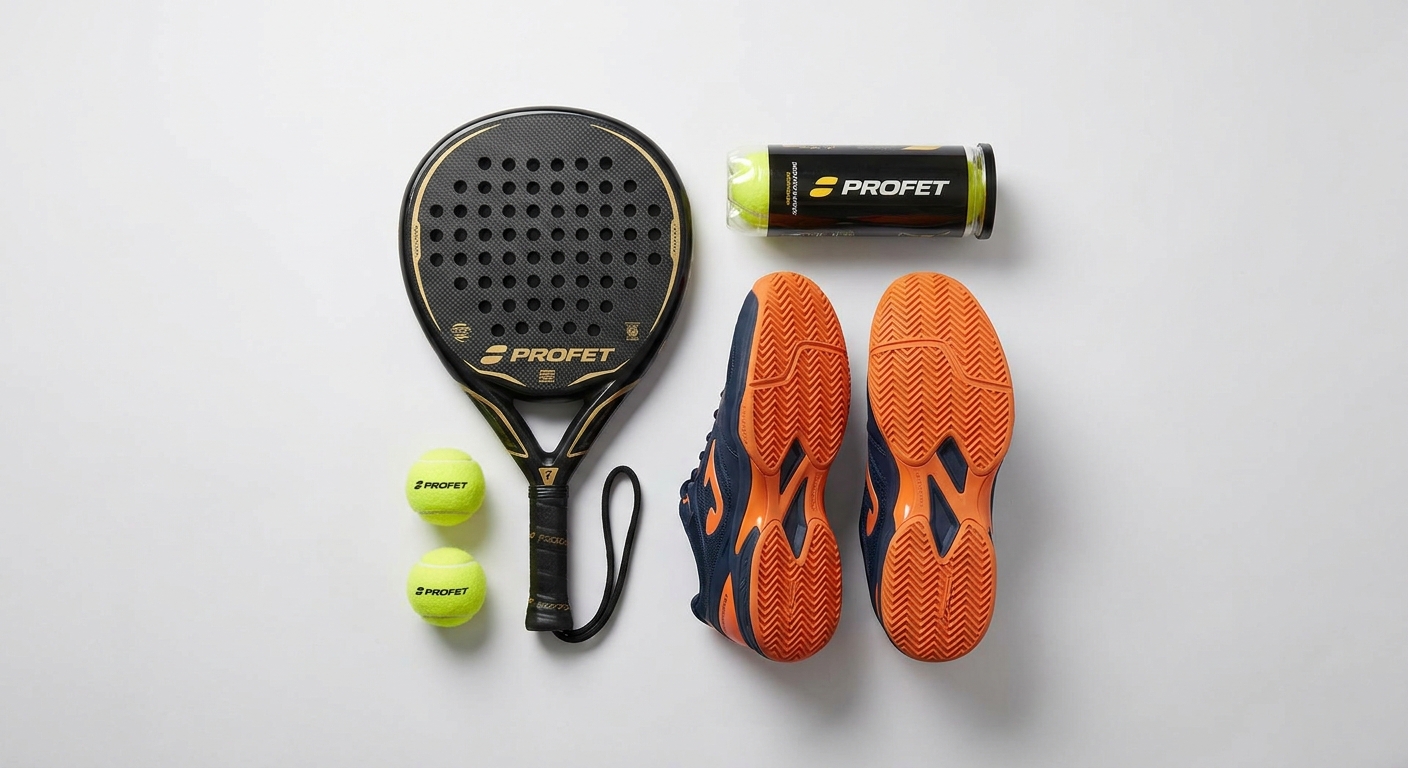
The essential kit includes a stringless perforated racquet, specialized low-pressure balls, and shoes designed for synthetic turf grip. When you are learning what is padel sport, you will notice the gear is significantly different from other racquet sports.
It gets better. Because the racquets are shorter and solid, players have much better control over the ball, which reduces the learning curve significantly for new participants.
Essential Gear for Performance
To play safely and effectively, you need equipment that handles the specific stresses of the court. Investing in quality gear prevents injuries and improves the overall experience.
- Padel Rackets: Solid foam cores with carbon fiber shells and no strings.
- Padel Balls: Slightly smaller and less pressurized than tennis balls for better control.
- Padel Shoes: Designed with herringbone patterns for maximum grip on sanded turf.
Key Takeaway: Proper equipment is vital for safety, particularly specialized footwear and rackets that handle the unique court surface.
| Item | Primary Benefit |
|---|---|
| Racket | High control, low vibration |
| Balls | Predictable bounce in small spaces |
| Shoes | Ankle support and turf traction |
Selecting the right gear is the first step toward a professional-grade experience, whether you are a player or a club pro-shop owner.
What is padel sport scoring and game rules?
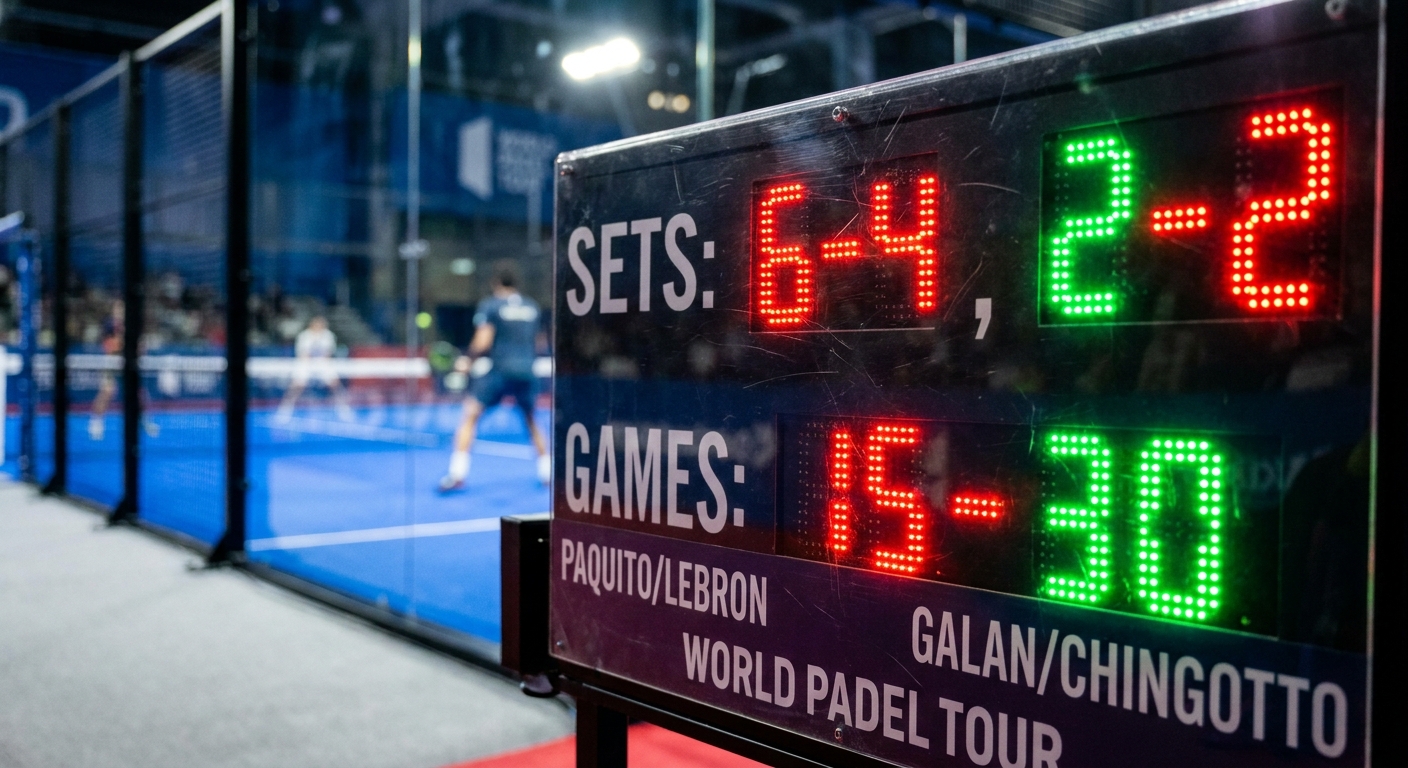
Scoring in padel follows the traditional tennis system of 15, 30, 40, and game, usually played as the best of three sets. However, the rules regarding the walls and the “Golden Point” differentiate it from its cousins.
Believe it or not, the game moves much faster than tennis. If a game reaches deuce, many professional circuits use a single deciding point to keep the energy high and the matches on schedule.
Navigating the In-Game Rules
Understanding when a ball is “in” or “out” is crucial for new players. The interaction between the ball and the glass is where the magic happens.
- The Bounce: The ball must hit the ground on the opponent’s side before hitting any wall.
- Rebound Play: You can hit the ball against your own glass wall to get it over the net.
- The Net: Hitting the fence directly on the serve is a fault, but play continues in rallies.
Key Takeaway: The scoring is familiar to tennis fans, but the wall-play rules add a layer of tactical depth that speeds up the game.
| Rule | Regulation |
|---|---|
| Set Format | First to 6 games (2 game lead) |
| Tie-break | Played at 6-6 in a set |
| Serve | Underhand, below waist level |
The combination of familiar scoring and unique wall rules makes the game easy to follow but difficult to master.
What is padel sport technique for beginners?
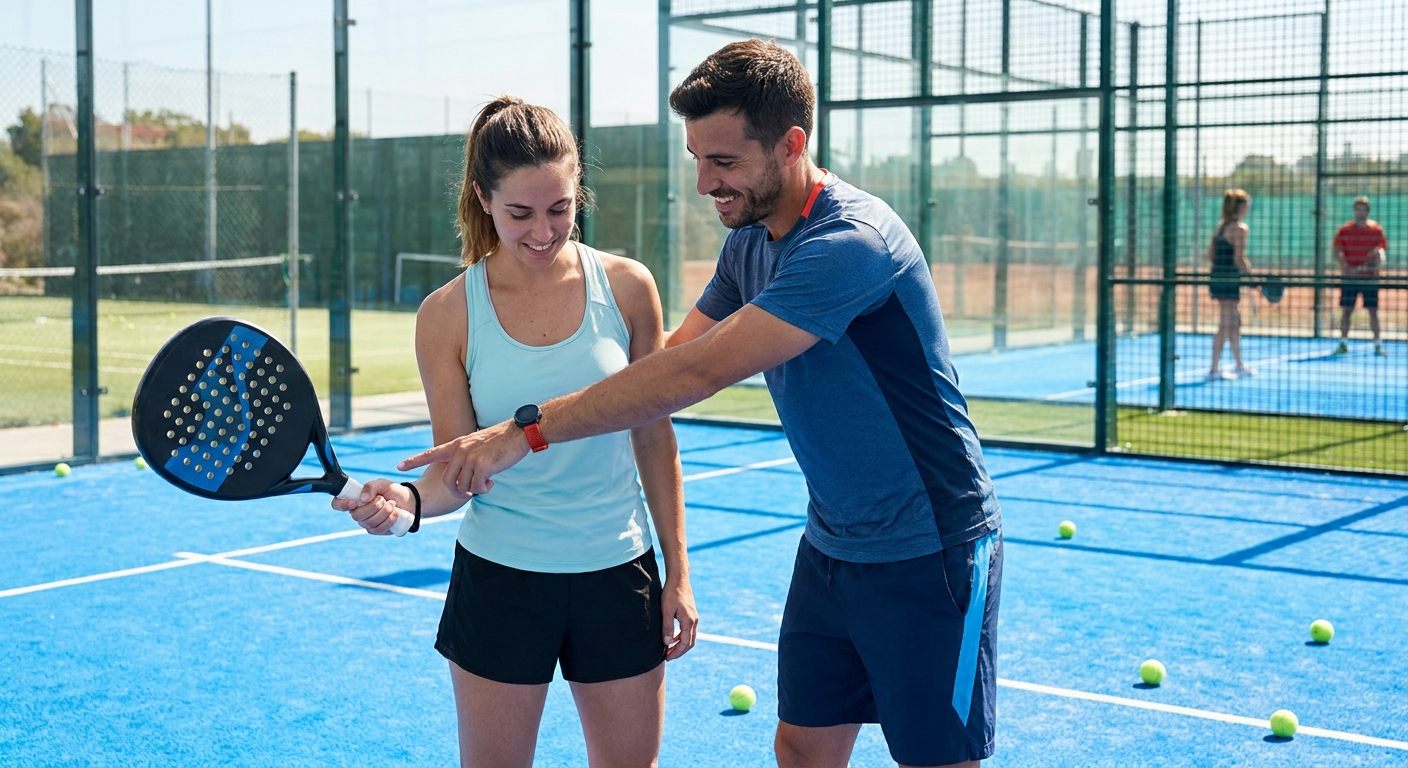
Beginner technique focuses on short backswings, keeping the ball low, and mastering the “Bandeja” to maintain a dominant position at the net. If you are just discovering what is padel sport, your biggest mistake will be trying to hit the ball too hard.
Don’t overcomplicate it. Use the walls to your advantage; if a ball is coming fast, let it pass you, hit the glass, and play it on the rebound when it has slowed down.
Mastering the Basics
Getting your footwork and racket positioning right will help you win more points than raw power ever could. Padel is a game of chess played with racquets.
- Short Swings: Minimizes errors and allows for better placement.
- Net Dominance: Most points are won at the net, so move forward whenever possible.
- Communication: Talk to your partner constantly to cover the court effectively.
Key Takeaway: Success for beginners comes from patience, placement, and learning to let the walls do the hard work for you.
| Technique | Goal |
|---|---|
| Bandeja | Defensive overhead to stay at the net |
| Chiquita | Soft shot to the opponent’s feet |
| Lob | Reset the point and force opponents back |
Technical proficiency in padel is about economy of motion and smart court positioning rather than athletic dominance.
What is padel sport’s list of global stars?
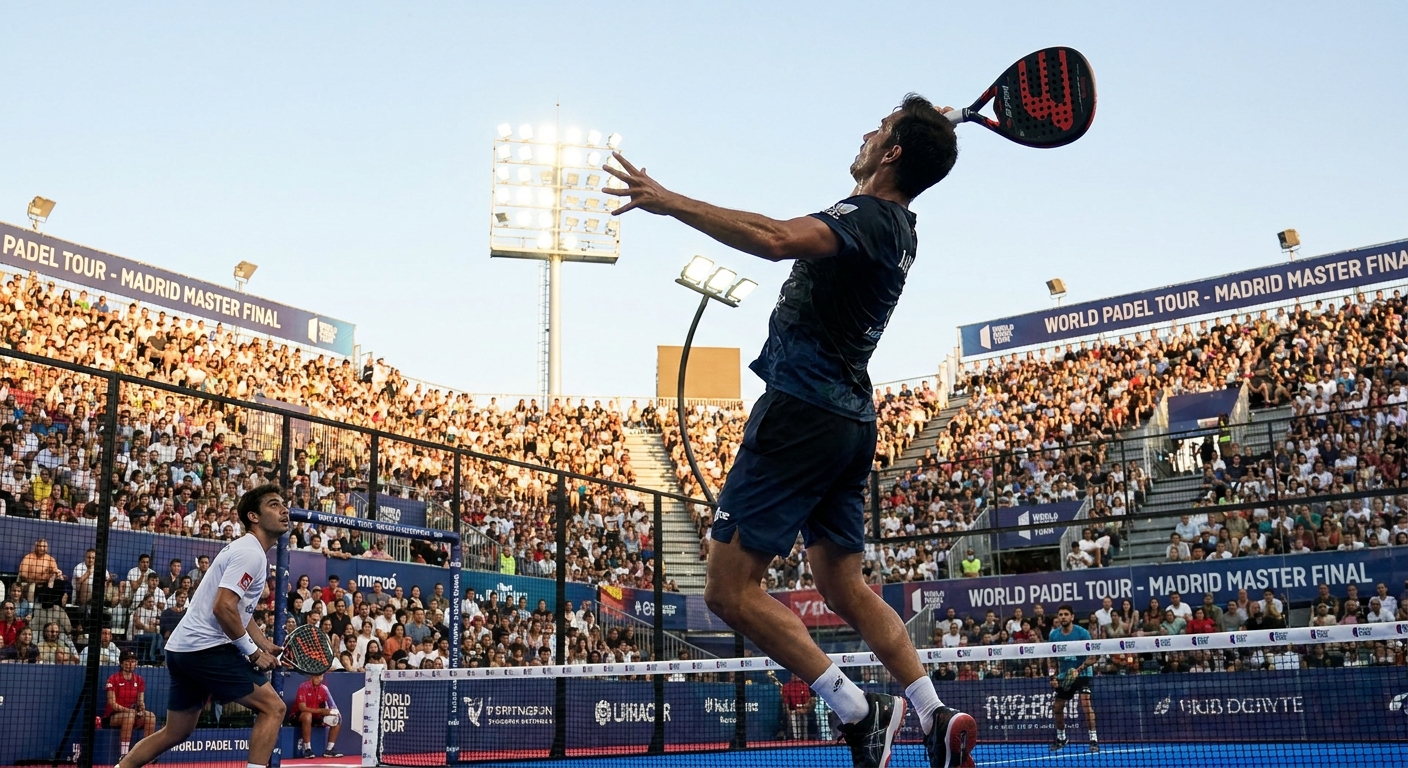
The professional circuit is currently dominated by Spanish and Argentine athletes who have been playing the sport since childhood. Names like Juan Lebron and Ale Galan have become global icons, showcasing the sport’s athletic potential on major TV networks.
But that’s not all. The women’s circuit is equally competitive, with stars like Paula Josemaria and Ariana Sanchez drawing massive crowds and sponsorship deals from major athletic brands.
Who to Watch in the Pro Ranks
Watching the pros is the best way to understand the tactical ceiling of the sport. They make the impossible look easy by utilizing every inch of the court.
- Juan Lebron: Known for his incredible power and “El Lobo” personality.
- Ale Galan: A master of the net with lightning-fast reflexes.
- Bea Gonzalez: A young phenomenon bringing flair and speed to the women’s game.
Key Takeaway: A professional ecosystem of recognizable stars is driving global viewership and local club participation.
| Player | Country | Known For |
|---|---|---|
| Juan Lebron | Spain | Aggressive power shots |
| Arturo Coello | Spain | Dominant reach and height |
| Bea Gonzalez | Spain | Creative and fast play |
The rise of professional stars has transformed padel from a hobby into a high-stakes spectator sport with massive commercial appeal.
What is padel sport’s real investment value?

The investment value lies in the sport’s high revenue per square meter and its ability to attract a wealthy, health-conscious demographic. When analyzing what is padel sport from a business perspective, the numbers speak for themselves.
The best part is the community aspect. Padel clubs often see much higher “secondary spend” on food, beverages, and gear because players tend to hang out long after their match ends.
Why the ROI is Unmatched
In the world of sports facilities, padel is currently the king of land-use efficiency. It offers a faster payback period than almost any other athletic investment.
- Low Maintenance: Synthetic turf and glass require minimal daily upkeep.
- Social Magnet: High player retention rates compared to gyms or tennis.
- Sponsorship Opportunities: The glass walls provide premium advertising space for local businesses.
Key Takeaway: Padel is a resilient investment because it combines low operational costs with high-frequency user engagement.
| Investment Factor | Benefit |
|---|---|
| Payback Period | Often 18–24 months |
| Occupancy | High (4 players per booking) |
| Scalability | Easy to add courts as demand grows |
Financial models consistently show that padel facilities outperform traditional sports clubs in both cash flow and member growth.
What is padel sport construction requirement?
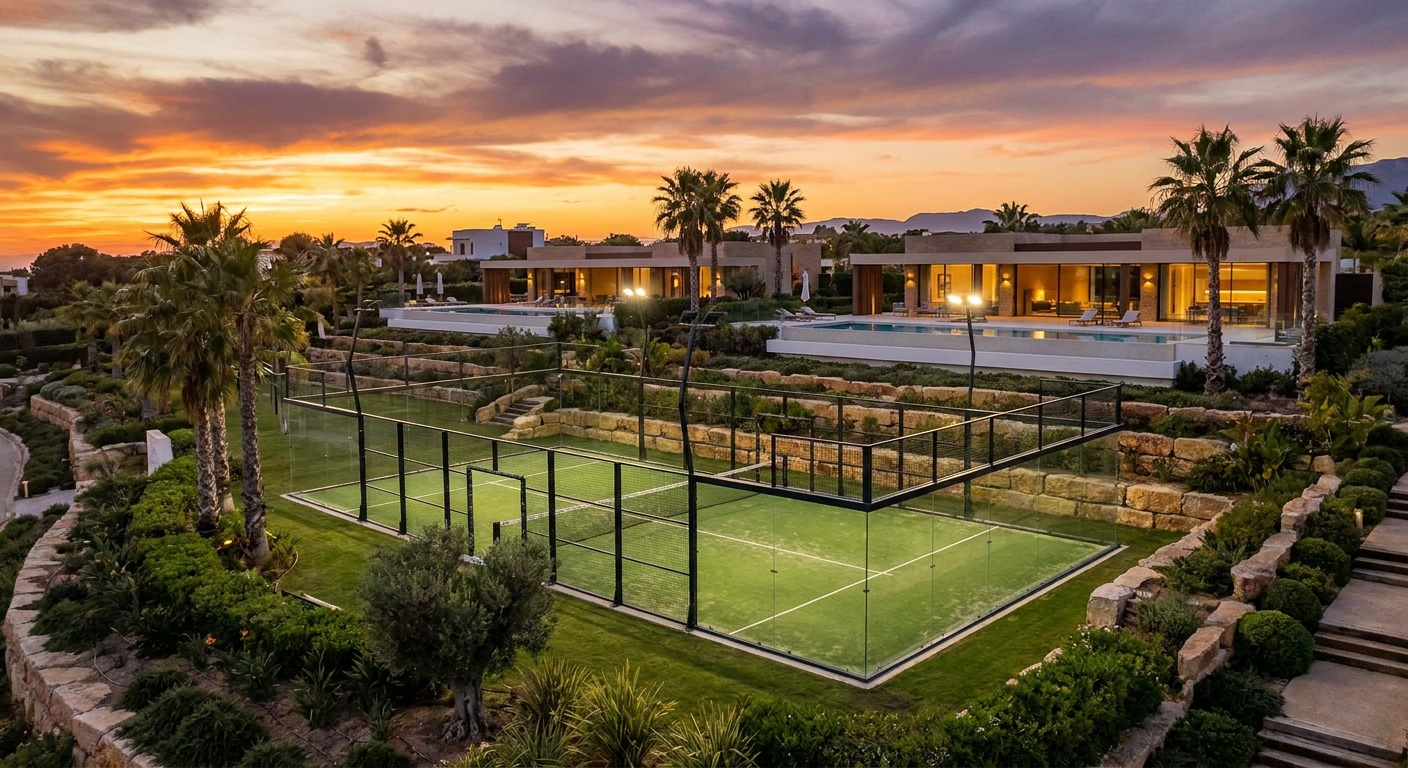
Constructing a court requires a flat concrete base, high-quality galvanized steel structures, and 12mm tempered safety glass. The foundation is the most critical part, as even a slight slope can ruin the ball bounce and player safety.
You have to get this right. Using inferior materials like non-galvanized steel or thin glass will lead to rust and breakage, costing you more in the long run.
The Pillars of Quality Construction
A premium court isn’t just about looks; it is about durability under heavy use. Your facility should be built to withstand thousands of hours of play.
- Modular Steel Frame: Hot-dip galvanized for maximum corrosion resistance.
- Safety Glass: 12mm thick to handle high-impact shots and player collisions.
- LED Lighting: 4 to 8 floodlights to ensure 24/7 playability and safety.
Key Takeaway: Quality construction using industrial-grade materials is the only way to ensure long-term profitability and player safety.
| Component | Standard Requirement |
|---|---|
| Glass Thickness | 12mm Tempered |
| Steel Finish | Hot-dip Galvanized |
| Lighting | IP66 Waterproof LED |
A well-constructed court is a long-term asset that requires very little intervention to remain in peak condition.
What is padel sport business profitability?
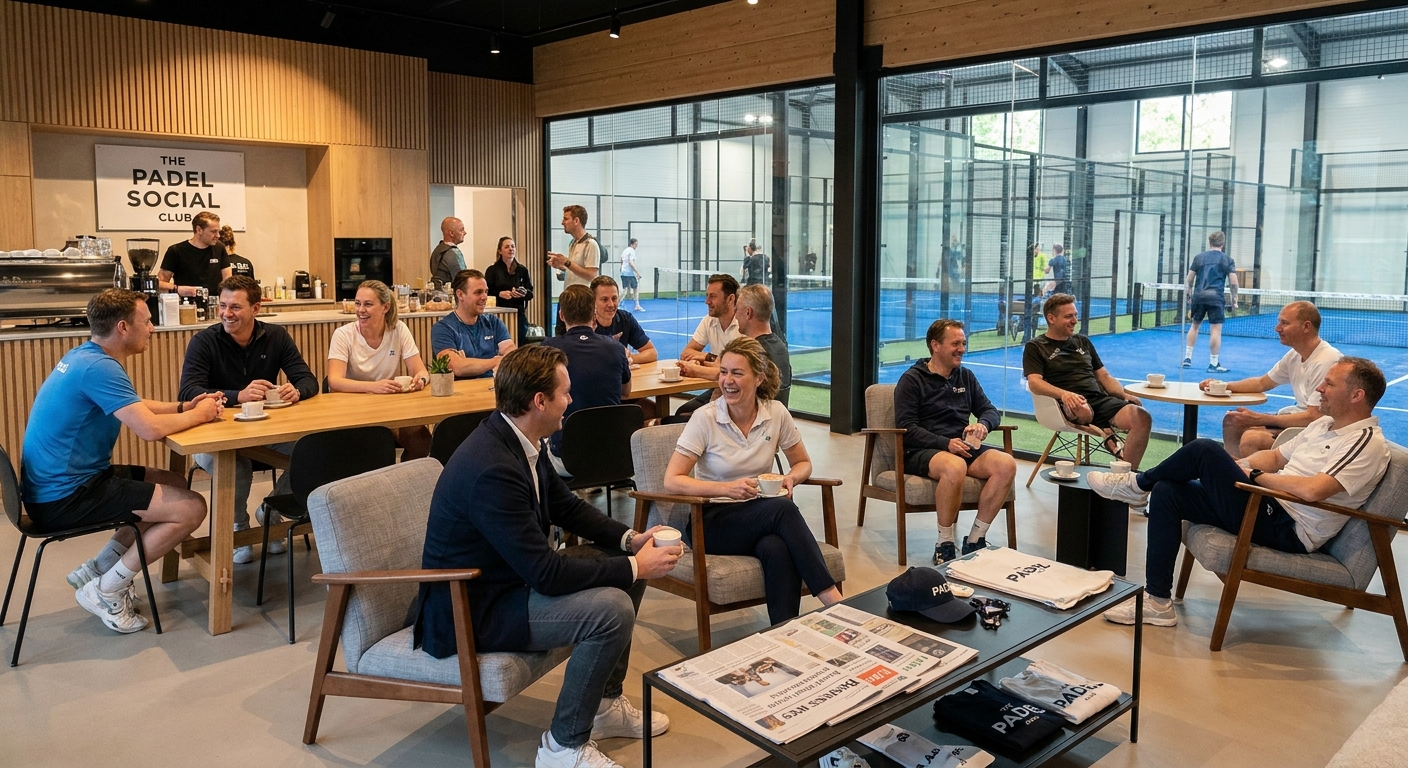
The profitability of a padel business is driven by court rentals, coaching academies, and retail sales within the club. After learning what is padel sport, you will see that it is a lifestyle business that generates multiple revenue streams.
Bottom line? A successful club isn’t just a place to play; it is a social hub where people spend their time and money on a healthy, addictive hobby.
Diversifying Your Revenue
Don’t just rely on hourly bookings. The most profitable clubs in the world leverage their community to create a comprehensive business model.
- Corporate Events: Perfect for team building due to the easy learning curve.
- Coaching Clinics: High-margin services for players looking to improve.
- Pro-Shop Sales: Selling rackets, balls, and apparel directly to a captive audience.
Key Takeaway: Maximum profitability is achieved by integrating social spaces and retail into the core court-rental business model.
| Revenue Stream | Profit Potential |
|---|---|
| Court Bookings | High (Recurring Income) |
| Coaching | Moderate (Service Based) |
| F&B / Retail | Significant (Community Based) |
Profitability in padel is limited only by your ability to foster a vibrant, active community of players.
Conclusion
Padel sport represents the future of social fitness and sports investment. By understanding the unique mechanics, the equipment needs, and the commercial scalability of the game, you are now positioned to make a confident decision in this booming market. Whether you are looking to build a single court for a private residence or a 20-court mega-club, the path to success is paved with quality construction and community engagement.
At Superbpadel, our vision is to empower investors and sports enthusiasts by providing factory-direct, world-class court solutions that stand the test of time. To receive a personalized consultation and a detailed quote for your project, contact us today.
Frequently Asked Questions
Can I build a padel court on a rooftop?
Yes. Because padel courts are relatively light and compact compared to tennis courts, they are ideal for urban rooftop installations, provided the structural load is verified.
What is the best way to maintain the court surface?
Regularly brushing the synthetic turf to redistribute the sand and cleaning the glass panels are the two most important tasks for keeping your court in top shape.
Can I customize the color of my padel court?
Yes. Most professional manufacturers allow you to choose custom colors for both the steel structure and the turf to match your club’s branding or personal preference.
Can I play padel in the rain?
Yes, but the balls will become heavy and the glass will get slippery, which changes the game significantly. Many clubs invest in roofed courts to ensure year-round play.
What is the average lifespan of a high-quality court?
A court built with hot-dip galvanized steel and 12mm tempered glass can easily last over 20 years with basic maintenance and occasional turf replacement.