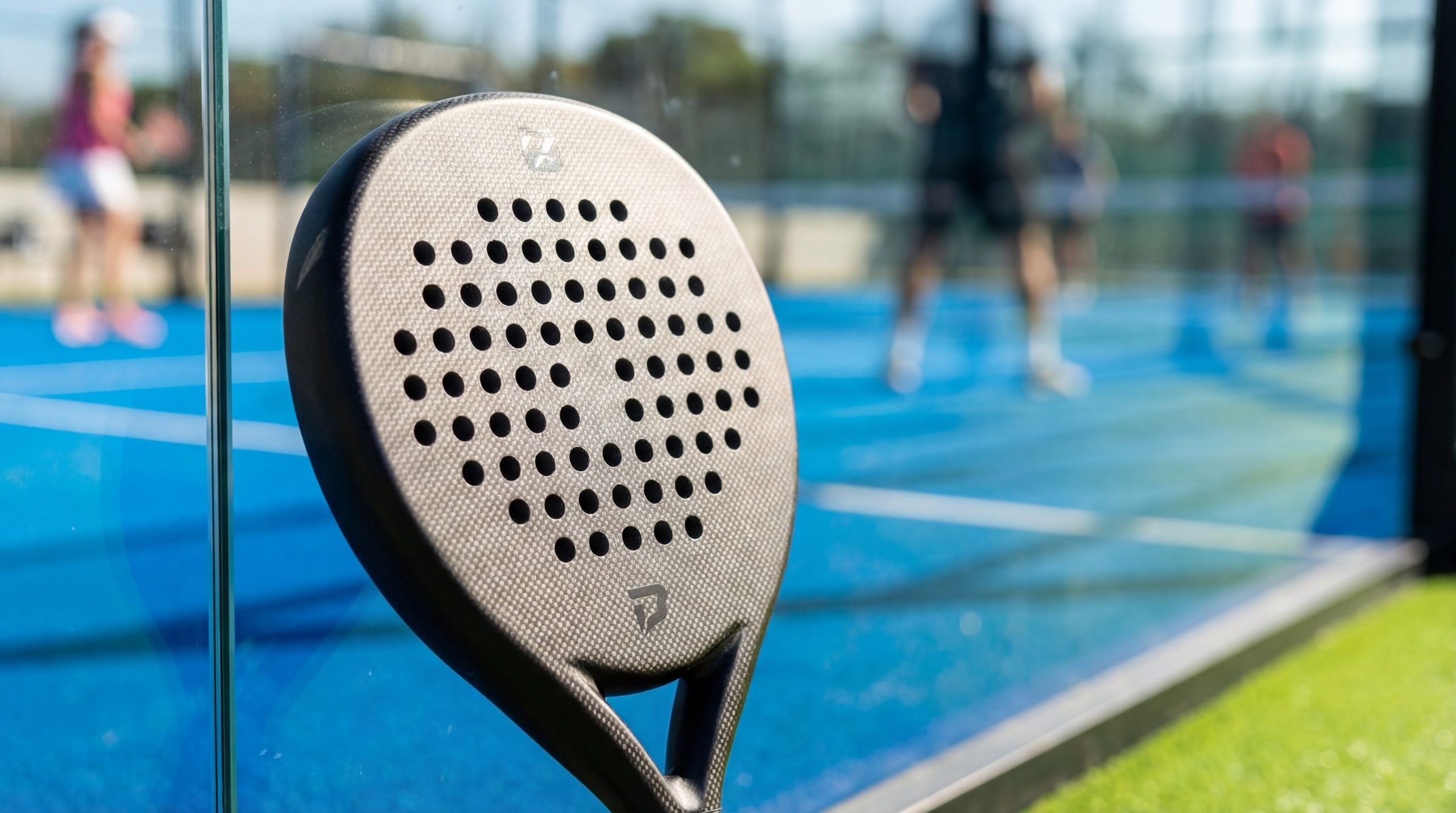
A raqueta de padel, commonly known as a “pala,” is a solid-surface sporting tool constructed from composite materials like carbon fiber and EVA foam, specifically designed for the high-intensity sport of padel. You might find yourself struggling to improve your game while using outdated or low-quality equipment that lacks the necessary power and control. This inconsistency leads to frustration on the court and prevents you from reaching your true potential as a player.
Here is the deal.
By understanding the precise anatomy and professional construction process of your gear, you can make informed decisions that will revolutionize your performance. This guide explores the engineering secrets behind every high-performance frame and how they are meticulously assembled for the modern game.
What defines a modern raqueta de padel today?
A modern raqueta de padel is defined by its stringless, perforated hitting surface and a maximum thickness of 38 millimeters.
Is it different from a traditional racket?
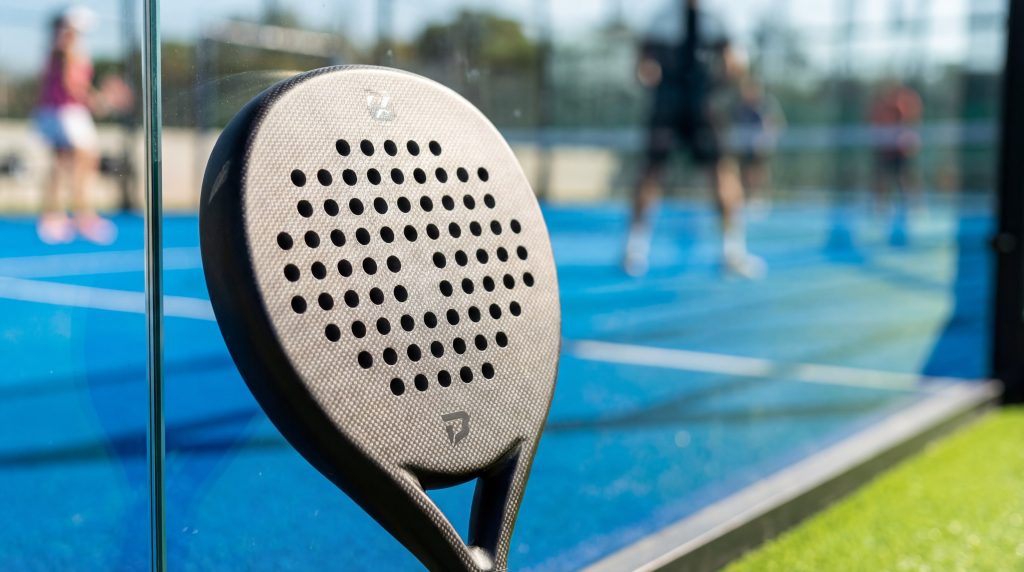
Think about it. While the terms are often used interchangeably, this specific tool lacks the strings found in traditional tennis equipment. You will notice it features a thick, solid hitting surface usually between 36mm and 38mm.
This solid construction allows for a unique style of play that emphasizes touch and placement over raw velocity. Many professionals in the industry, like those you can learn about at the About page, emphasize that the absence of strings is what defines the sport’s identity.
- Solid hitting surface without strings.
- Perforated holes for aerodynamics.
- Shorter handle for increased control.
What is the regulated standard size?
Stay with me here. You must follow specific regulations to ensure your gear is tournament-legal for competitive play. The total length cannot exceed 45.5 centimeters, and the width is capped at 26 centimeters.
The thickness is almost always 38 millimeters in the modern era. Staying within these bounds ensures you maintain a perfect balance between maneuverability and hitting power.
- Maximum length: 45.5 cm.
- Maximum width: 26 cm.
- Standard thickness: 38 mm.
Key Takeaway: A raqueta de padel is a stringless, solid-core tool regulated to specific dimensions for optimal balance and maneuverability.
| Feature | Standard Requirement |
|---|---|
| Max Length | 45.5 cm |
| Max Width | 26 cm |
| Core Thickness | 38 mm |
| Surface | Perforated / Solid |
How does it differ from a tennis racket?
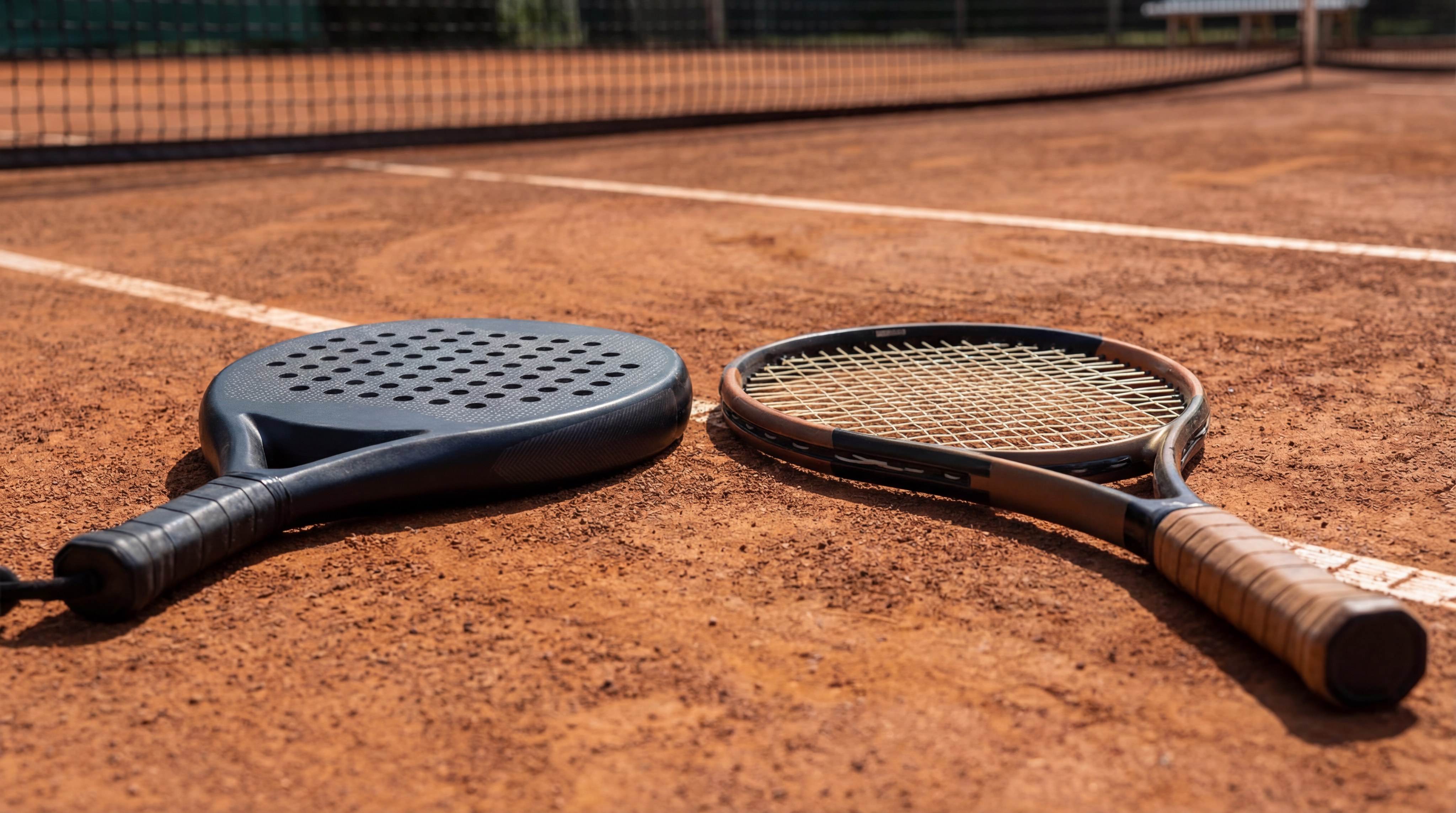
The primary difference lies in the raqueta de padel being shorter, having a solid face with holes, and utilizing a wrist safety strap.
Does the shorter handle affect play?
Here is why. The shorter handle of your equipment gives you much more control in tight spaces. Since the court is smaller, you need to react quickly to balls coming off the glass walls.
It gets better. This compact design reduces the leverage of the ball against your wrist, making it easier for beginners to learn the sport. You can explore the strategic nuances of these differences in this guide on Padel vs Tennis.
- Improved reaction speed at the net.
- Reduced strain on the wrist joint.
- Easier ball control for beginners.
Is the weight distribution unique?
Believe it or not. Tennis rackets are often head-light or head-heavy depending on the strings, but your pala’s weight is built into the solid frame. You will find that most models weigh between 350 and 390 grams.
Lower weights offer more agility for defensive play. Conversely, heavier frames provide the mass needed to smash the ball out of the court.
- Weight range: 350g to 390g.
- Balance points: Head, Middle, or Handle.
- Impact on swing speed and power.
Key Takeaway: The shorter handle and solid mass of the equipment favor quick reactions and defensive control compared to the leverage-based design of tennis.
| Comparison Factor | Raqueta de Padel | Tennis Racket |
|---|---|---|
| Hitting Surface | Perforated Foam/Carbon | Nylon/Gut Strings |
| Handle Length | Short | Long |
| Maneuverability | High (Close Proximity) | Moderate (Full Swing) |
| Weight Range | 350g – 390g | 270g – 340g |
Which raw materials build a raqueta de padel?
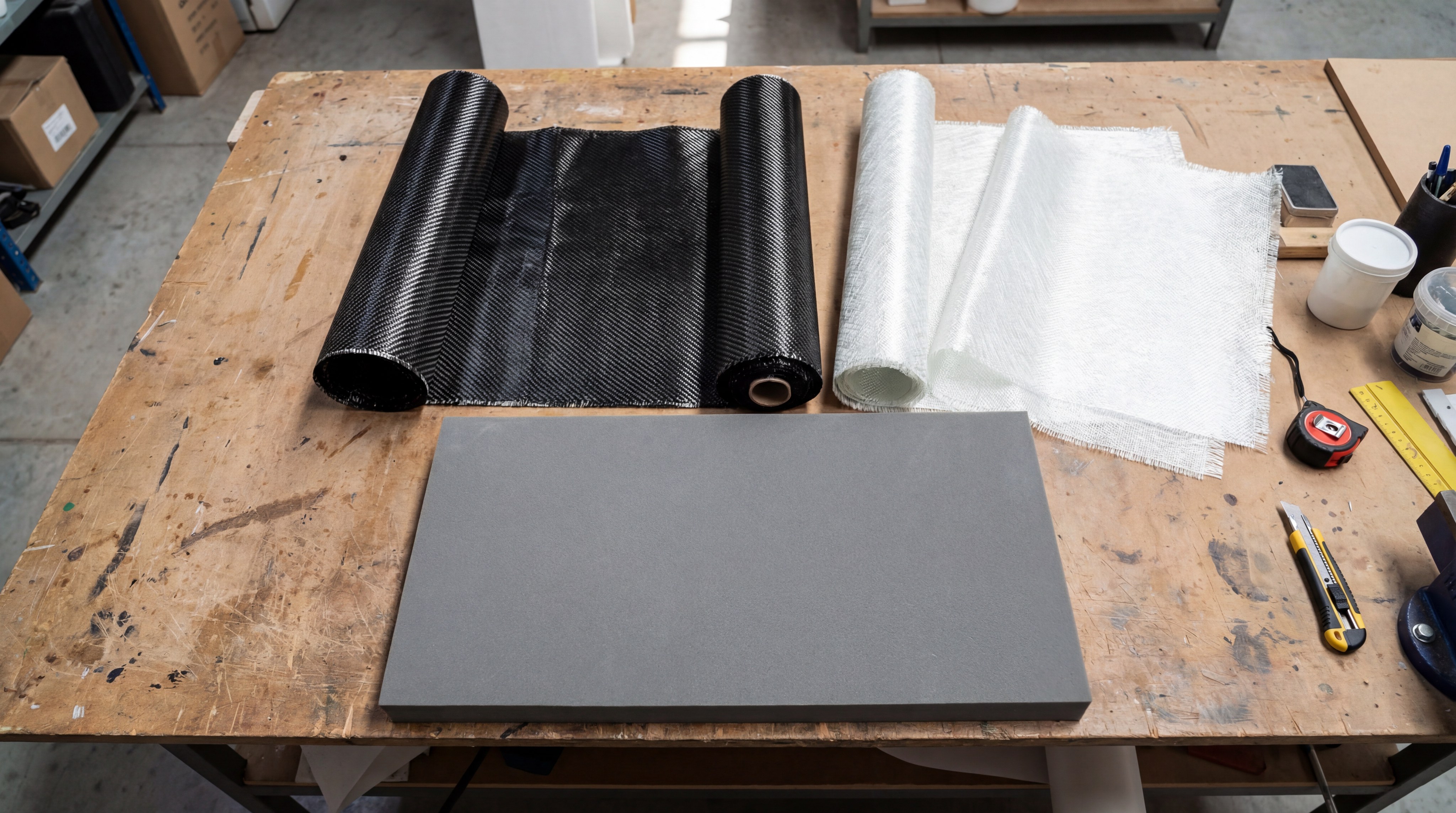
The essential materials include carbon fiber or fiberglass for the face and frame, with a core made of EVA or polyethylene foam.
Why is carbon fiber the preferred choice?
Let’s be honest. Carbon fiber is the gold standard for high-end equipment because of its incredible strength-to-weight ratio. You will benefit from a frame that doesn’t flex excessively when hitting high-speed shots.
This material also ensures your gear lasts longer through hundreds of matches. It provides a “stiff” feel that translates into pure power for aggressive players.
- High rigidity for maximum power.
- Exceptional durability over time.
- Professional-grade performance.
What role does fiberglass play?
You might be surprised. Fiberglass is more flexible and affordable than carbon. You will often find it in the “sweet spot” of intermediate models because it offers more comfort and ball output.
It absorbs vibrations better than carbon, which helps protect your elbow from injury. Most manufacturers use a hybrid blend to get the best of both worlds.
- Increased flexibility for comfort.
- Better vibration absorption qualities.
- Cost-effective for entry-level models.
Key Takeaway: Carbon fiber provides rigidity and durability for pros, while fiberglass adds comfort and flexibility for intermediate players.
| Material | Primary Benefit | User Level |
|---|---|---|
| Carbon Fiber | High Power & Durability | Professional / Advanced |
| Fiberglass | Comfort & Elasticity | Beginner / Intermediate |
| Graphene | Enhanced Strength | High Performance |
How is the racket frame molded and shaped?
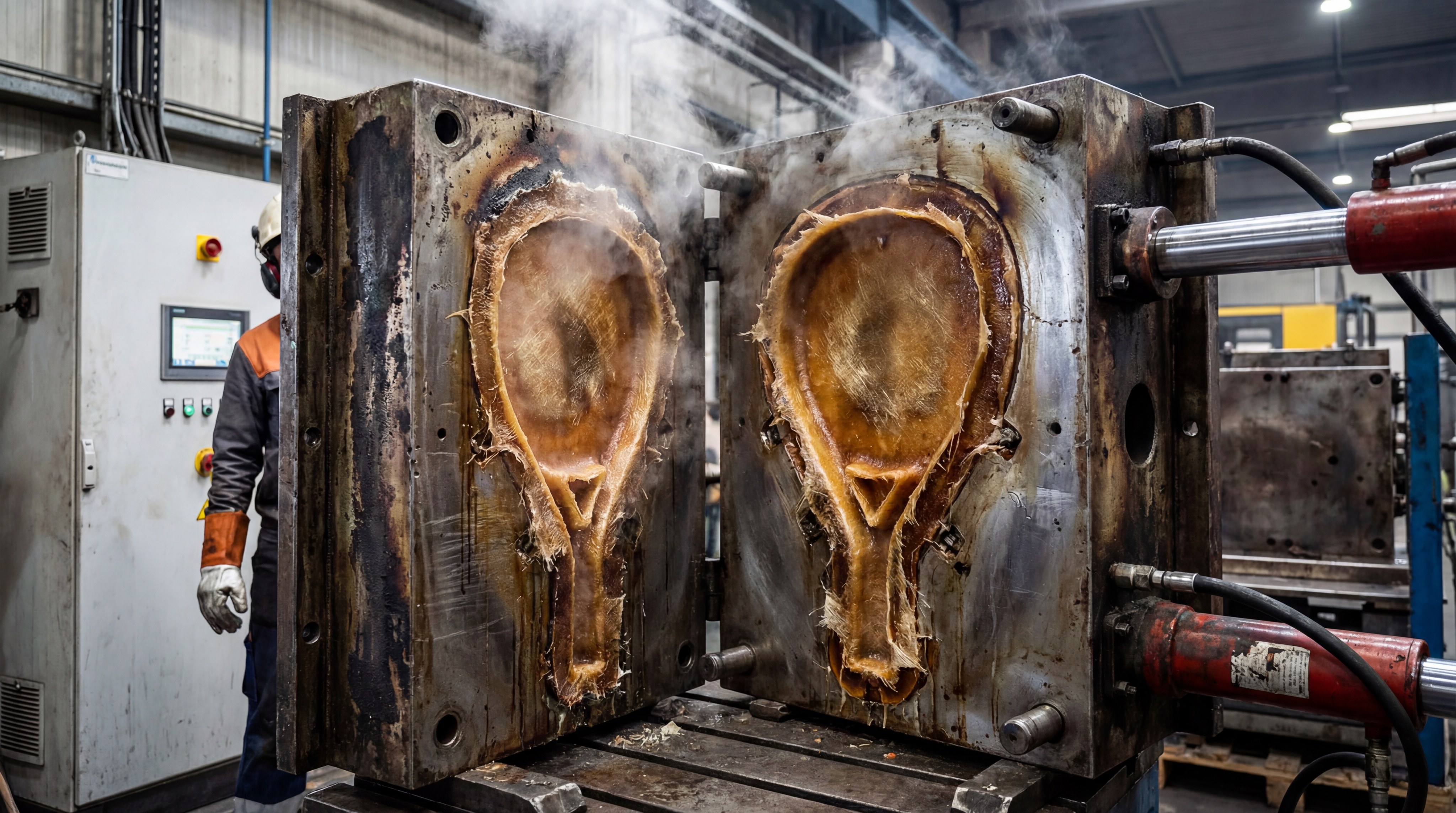
The raqueta de padel frame is shaped using industrial steel molds subjected to high pressure and heat to fuse composite layers.
What happens during the compression stage?
It gets interesting. The construction starts by placing layers of resin-soaked fabric into a precision steel mold. You must ensure every layer is perfectly aligned to avoid dead spots on the hitting surface.
Once closed, the mold is subjected to intense heat and pressure. This process fuses the different layers into a single, indestructible unit.
- Application of uniform pressure.
- Fusion of resin and carbon.
- Elimination of air bubbles.
How does heat curing affect quality?
The truth is. Temperature control is vital during the curing stage. If the mold is too hot, the resin becomes brittle; too cold, and it won’t bond.
The cooling phase must be gradual to prevent internal stress. You want a frame that is structurally sound and free of microscopic cracks.
- Controlled heating for resin bonding.
- Gradual cooling to prevent cracks.
- Structural integrity assurance.
Key Takeaway: Precision molding under controlled heat and pressure is the foundation of a structurally sound and durable racket frame.
| Step | Action | Critical Factor |
|---|---|---|
| Layering | Placing fabrics in mold | Alignment |
| Compression | Applying tons of pressure | Consistency |
| Curing | Heating the resin | Temperature control |
What is inside the core of the racket?
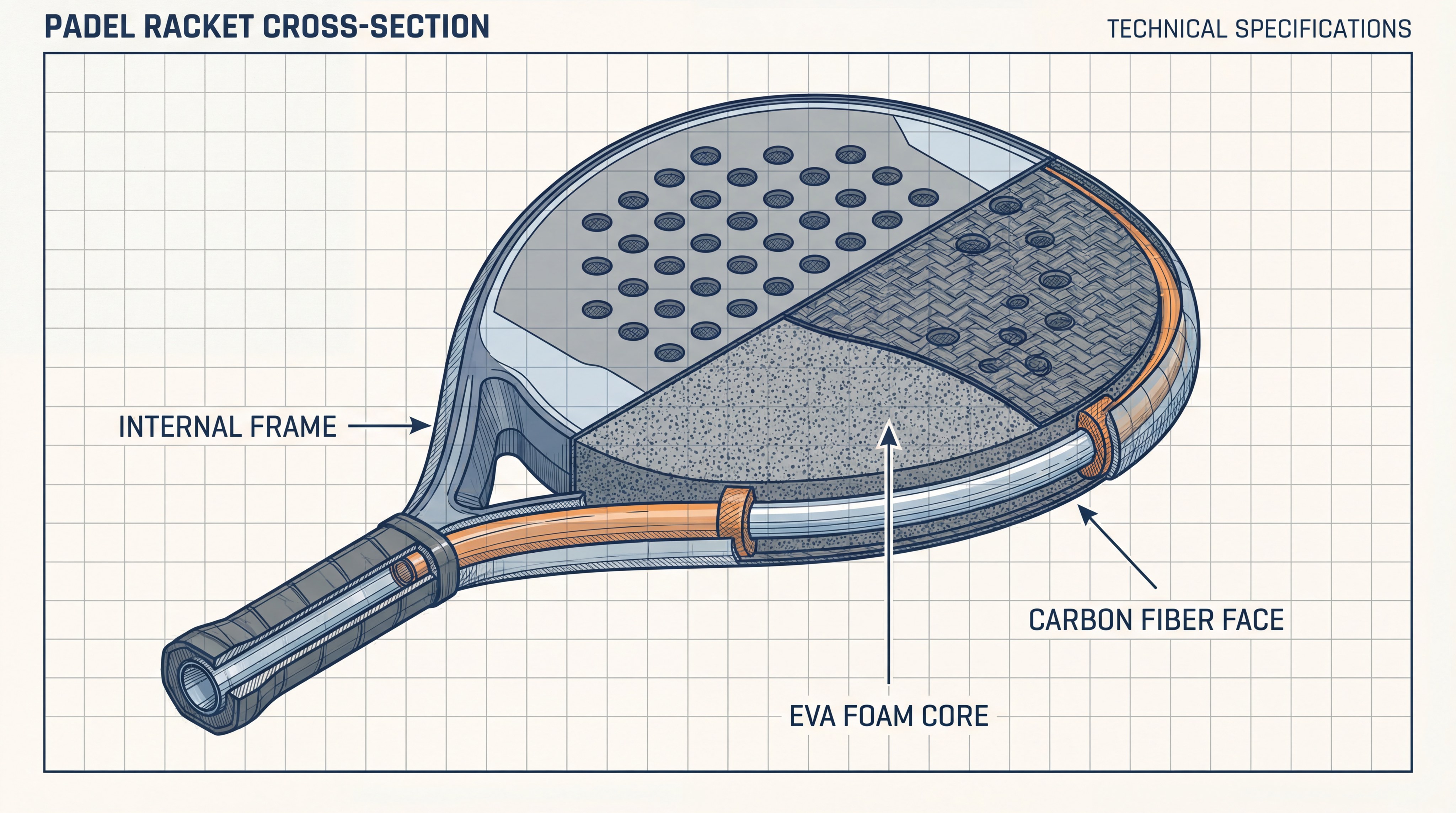
The internal core is typically made of EVA (Ethylene Vinyl Acetate) foam or Polyethylene, which dictates the racket’s power and feel.
Why is EVA foam so popular?
Listen closely. EVA is the most popular core material due to its memory properties. You will find that it returns to its original shape almost instantly after impact.
It comes in different densities, ranging from soft to hard. Harder foam gives you more control, while softer foam provides a “trampoline effect” for easy power.
- Excellent memory and recovery.
- Range of densities available.
- Long-lasting performance.
Does polyethylene offer more comfort?
The fact is. Standard polyethylene foam is often used for its vibration-dampening qualities. You might prefer this if you suffer from tendonitis or prefer a quieter sound upon impact.
It has a more porous structure compared to the dense rubber-like feel of EVA. However, it tends to lose its elasticity faster over time.
- Superior vibration reduction.
- Softer feel on impact.
- Ideal for injury prevention.
Key Takeaway: The core acts as the “engine,” with EVA offering durability and power, while polyethylene focuses on comfort and injury prevention.
| Core Type | Feel | Best For |
|---|---|---|
| EVA Soft | Bouncy | Beginners |
| EVA Hard | Stiff | Power Hitters |
| Polyethylene | Dampened | Injury Prevention |
How do craftsmen layer the composite skins?
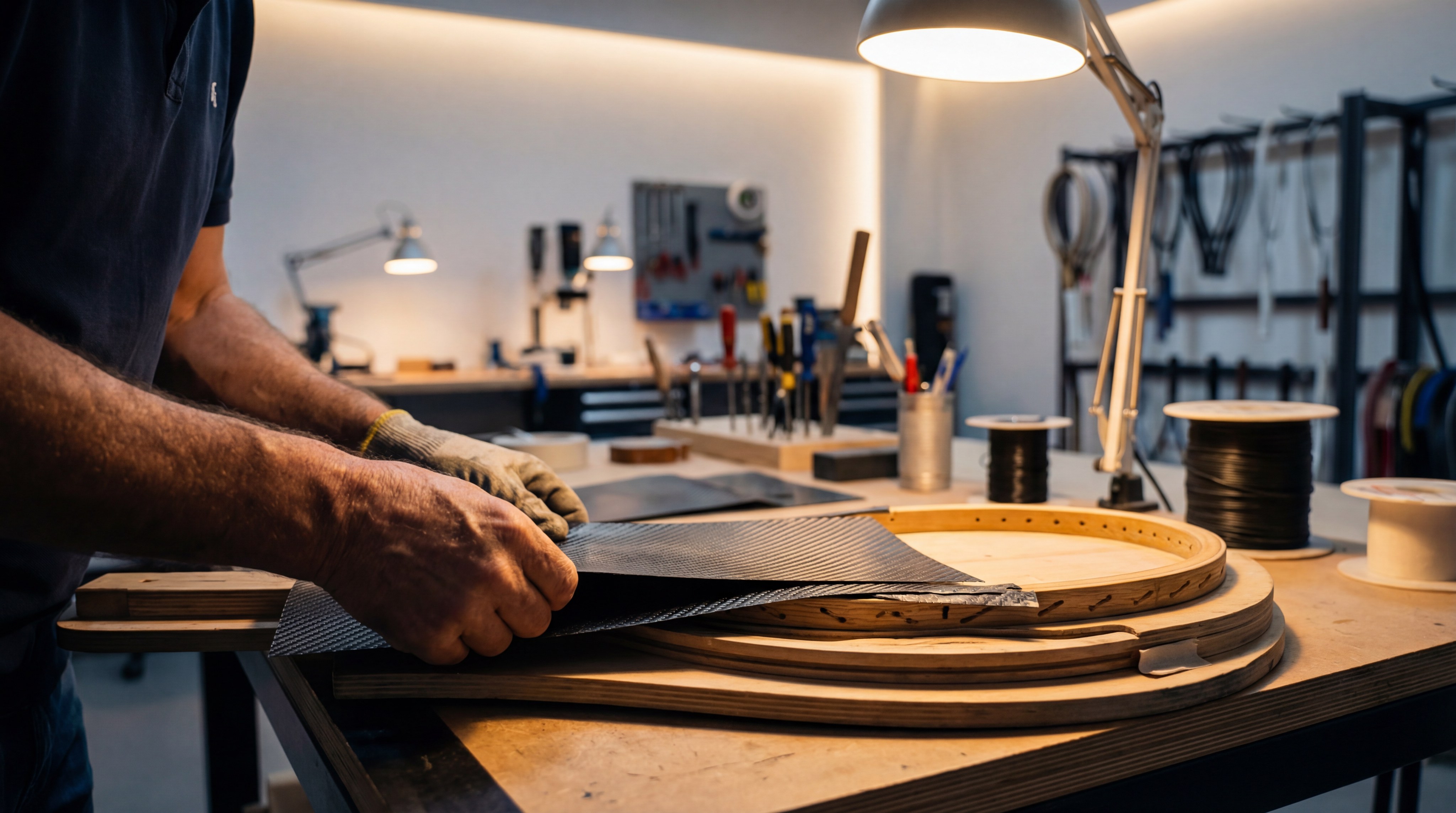
Craftsmen build the raqueta de padel by manually layering sheets of carbon or fiberglass over the foam core with epoxy resin.
Is the manual layering process precise?
You need to know. The core is sandwiched between several layers of carbon or fiberglass. You use a specialized epoxy resin to act as the glue between these disparate materials.
This creates a “monocoque” structure. It means the outer skin and the inner core work together to handle the forces of the game.
- Careful alignment of fiber grains.
- Uniform application of epoxy.
- Manual inspection for defects.
How long does the resin cure?
Give it time. After assembly, the unit must sit in a controlled environment for several hours. This allows the chemical reaction in the resin to complete fully.
Cutting corners here results in a product that will delaminate after just a few games. You need patience to ensure the bond is permanent and strong.
- 24-hour curing cycles.
- Humidity-controlled storage.
- Permanent structural bonding.
Key Takeaway: Manual layering and careful resin curing create a unified structure capable of withstanding high-impact play.
| Assembly Phase | Component | Purpose |
|---|---|---|
| Sandwiching | Core + Fabric | Structural integrity |
| Resin Infusion | Epoxy | Bonding agent |
| Stabilization | Drying racks | Chemical curing |
Why are holes drilled into the hitting surface?
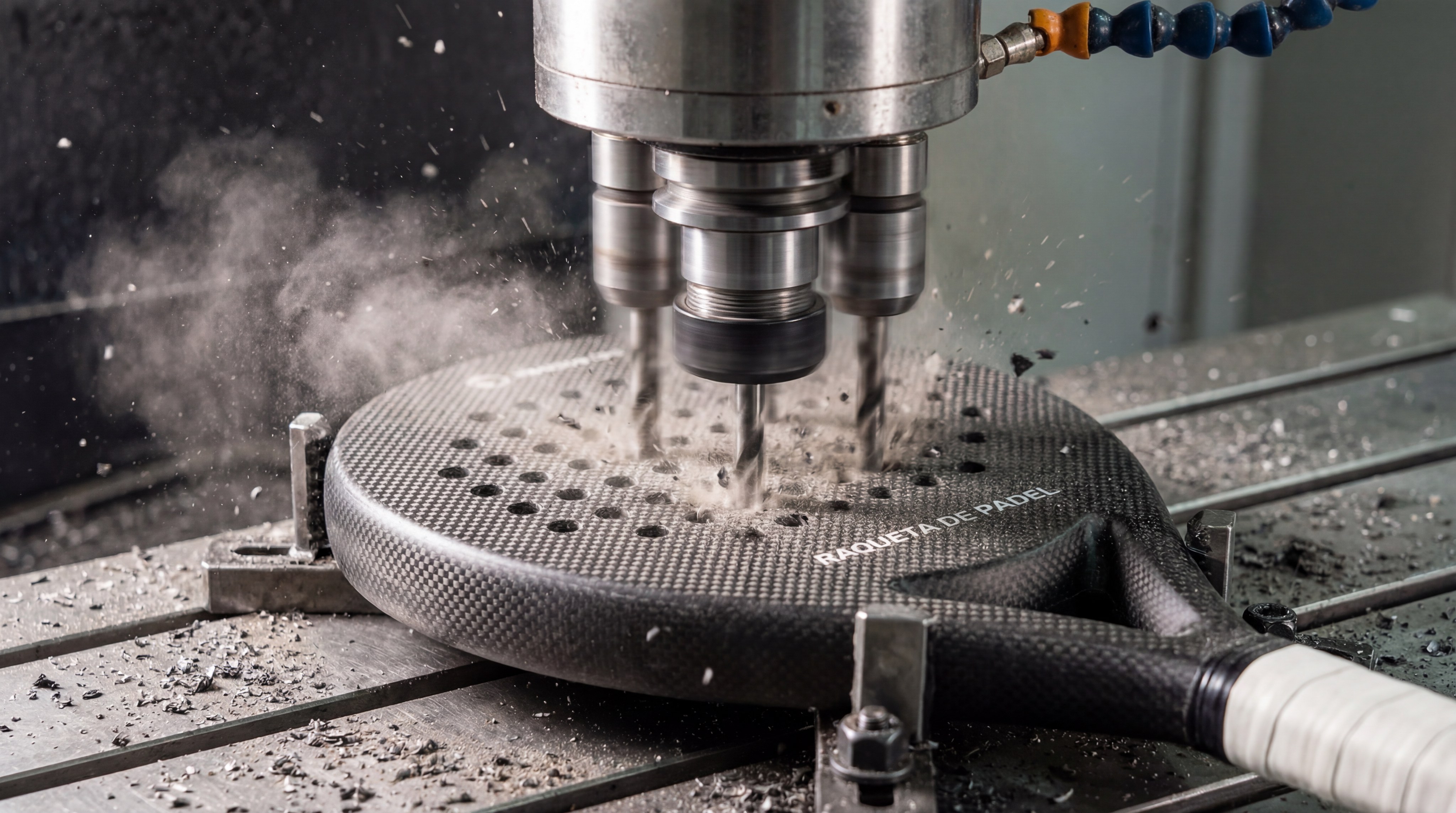
Holes are drilled to reduce air resistance and weight, allowing you to swing the racket faster through the air.
Do holes improve your swing speed?
Take a look. The primary reason for the holes is to reduce air resistance. You will notice that a solid board would be nearly impossible to swing quickly through the air.
The hole pattern also influences the “sweet spot” of the surface. Most designs place fewer holes in the center to maintain structural stiffness where you hit the most.
- Significant reduction in drag.
- Faster defensive reaction times.
- Defined sweet spot zones.
How does drilling affect durability?
Here is the catch. Engineers carefully calculate the hole placement to avoid compromising the frame. If holes are too close to the edge, the frame might snap during a heavy smash.
Modern CNC machines ensure that every hole is perfectly vertical. This precision prevents jagged edges that could tear the internal foam.
- Precision CNC alignment.
- Prevention of edge cracking.
- Smooth internal hole walls.
Key Takeaway: Strategic drilling reduces wind resistance and enhances maneuverability without compromising the structural integrity of the frame.
| Hole Pattern | Effect | Strategy |
|---|---|---|
| High Density | More Aerodynamic | Fast defensive play |
| Low Density | More Mass | Heavy offensive shots |
| Linear Rows | Consistent Flex | Balanced feel |
How is the final surface finish applied?
The final raqueta de padel finish involves applying protective coatings, aesthetic decals, and often a textured “grit” for ball spin.
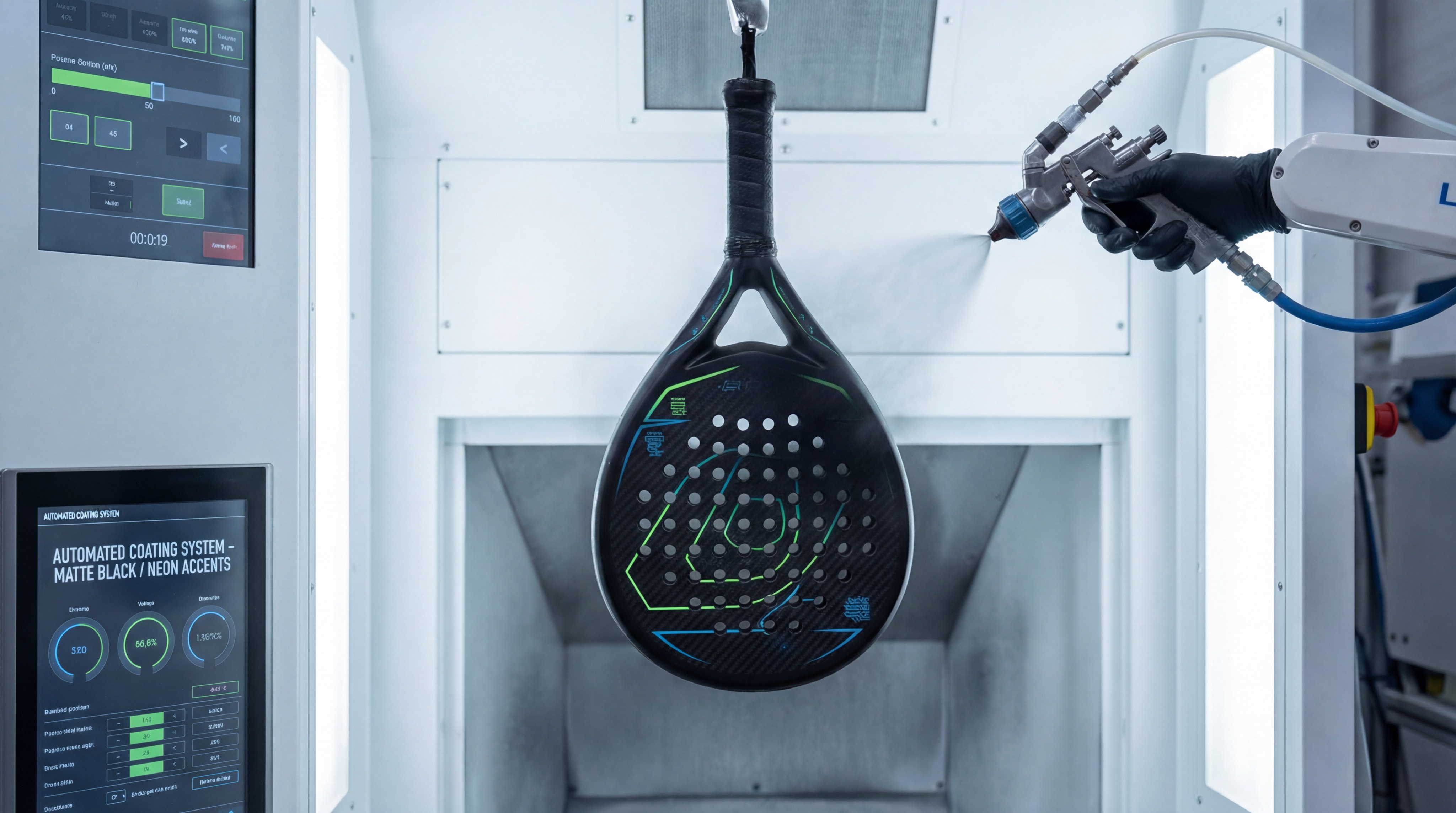
Does a rough finish add spin?
Think about this. You might see some models with a texture similar to sandpaper or 3D hexagons. This finish is designed to “grip” the ball during contact.
This extra friction allows you to put more spin on your serves and volleys. It is a game-changer for players who rely on “slice” to keep the ball low.
- Increased ball friction.
- Enhanced slice and top-spin.
- Professional-level ball control.
Why use UV protective paint?
Check this out. Manufacturers use water-transfer decals or direct UV printing for the aesthetics. These layers are extremely thin so they don’t add unnecessary weight.
A final clear coat is applied to protect the design from scratches. This keeps your gear looking brand new even after hitting the glass walls.
- Resistance to sun damage.
- Scratch-resistant clear coats.
- High-visibility aesthetic designs.
Key Takeaway: Surface coatings provide the final aesthetic touch while adding functional textures that allow for advanced ball manipulation.
| Finish Type | Grip Level | Benefit |
|---|---|---|
| Glossy | Low | Maximum Ball Speed |
| Matte | Medium | Aesthetic Style |
| Sandpaper | High | Maximum Spin |
Can you customize your own equipment setup?
Yes, you can customize your racket by adding lead or tungsten tape for weight and using different overgrips for comfort.
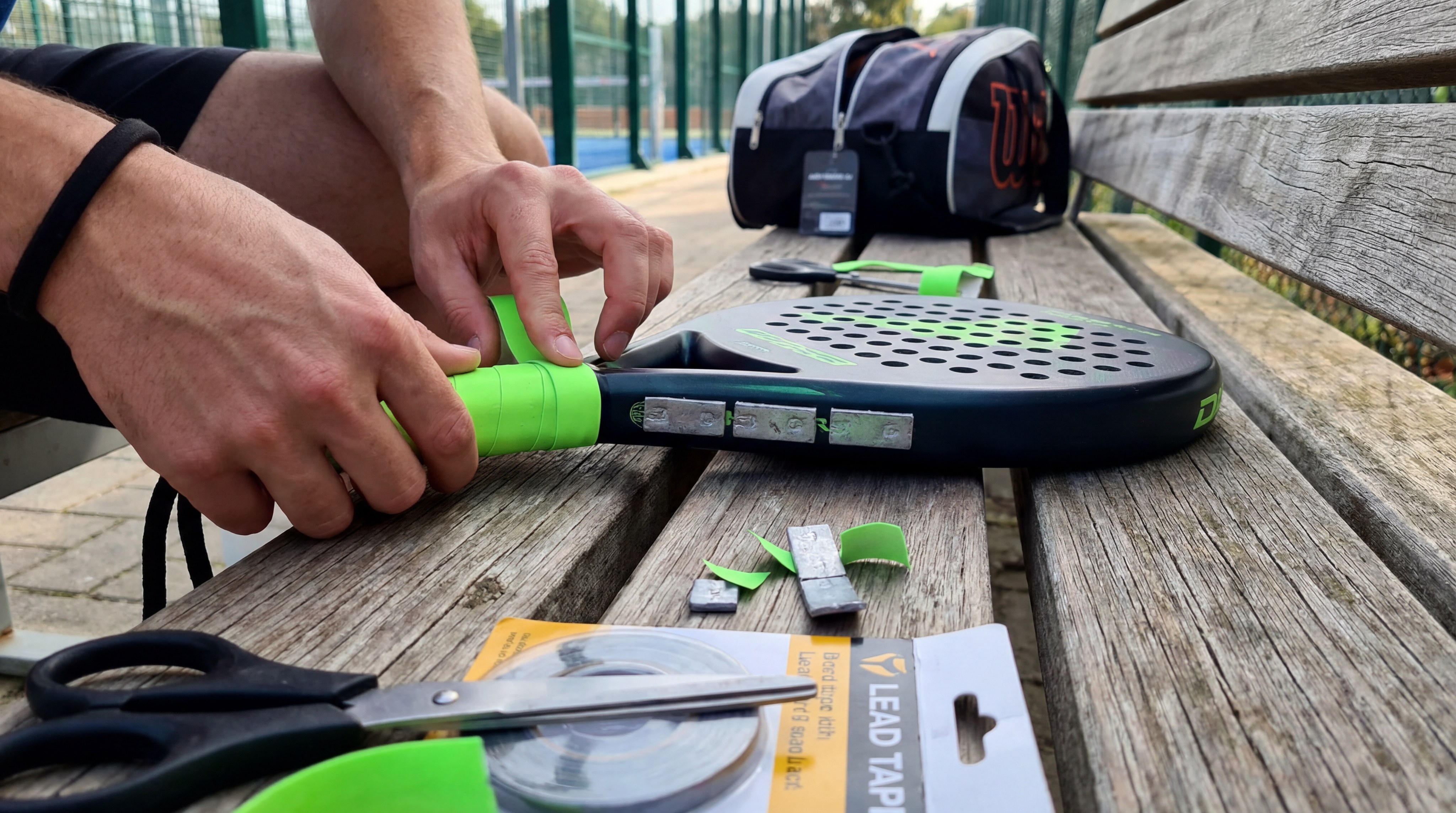
Should you use weight tape?
It makes sense. Customizing the weight is as simple as adding lead or tungsten tape to the frame. You can move the balance toward the head for power or toward the handle for control.
Many pro players do this to find their “perfect” feel. It allows you to transform a standard model into a bespoke weapon.
- Adjust balance to suit playstyle.
- Increase power with head weight.
- Improve control with handle weight.
How do overgrips change the feel?
Try this instead. You can easily swap the factory grip for an overgrip that fits your hand size. Some players prefer a thicker handle to prevent “tennis elbow” and improve comfort.
Using a hexagonal under-grip is another popular choice. It increases the surface area for your fingers, reducing the effort needed to hold the frame.
- Absorb sweat for better grip.
- Customize handle thickness.
- Reduce muscle fatigue.
Key Takeaway: Personalization through weights and overgrips allows you to tailor any standard model to your specific physical needs and style.
| Customization | Method | Result |
|---|---|---|
| Balance | Lead Tape | Shifts Power/Control |
| Grip Size | Overgrips | Better Comfort |
| Protection | Frame Guard | Prevents Scratches |
How do you maintain the racket’s lifespan?
To maintain your raqueta de padel, you must use a frame protector, clean the surface regularly, and avoid extreme temperatures.
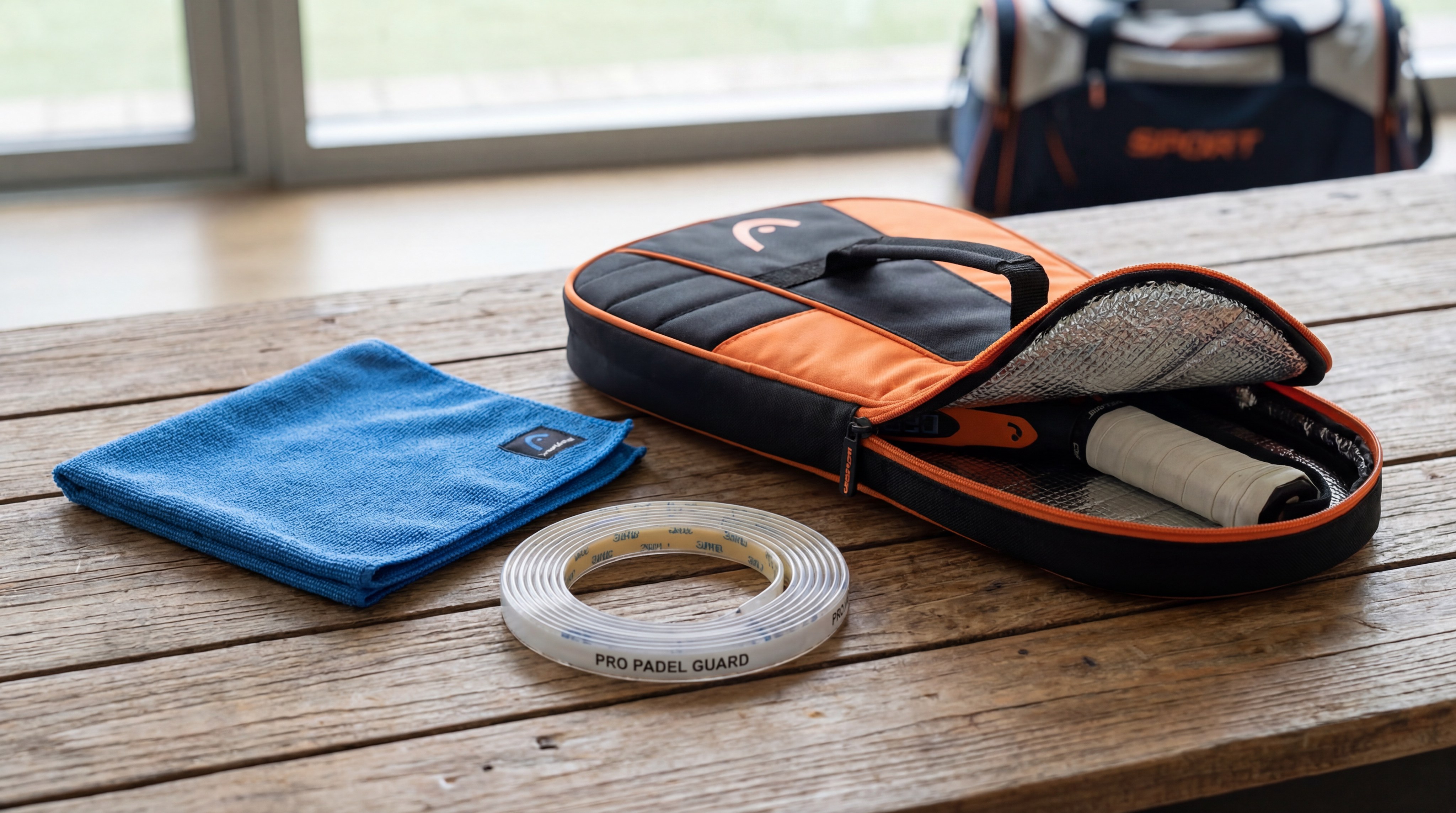
Is a frame protector necessary?
Don’t ignore this. Always apply a transparent or carbon-style protector to the top of the frame. You will inevitably scrape the court or the walls during intense rallies.
This simple strip of adhesive plastic can save the structural integrity of your gear. It absorbs the impact that would otherwise cause the carbon fiber to crack.
- Prevention of structural cracks.
- Shielding against wall impact.
- Extended racket longevity.
How should you store the racket?
Keep this in mind. Use a damp microfiber cloth to wipe away sweat after every match. You should avoid using harsh chemicals that could degrade the resin or the paint.
It is also important to keep your gear out of extreme heat, like a car trunk. Excessive heat can soften the EVA core and ruin the performance permanently. To ensure your gear lasts, always play on courts that meet Cancha Standards.
- Use thermal-lined bags.
- Avoid damp storage areas.
- Clean with microfiber only.
Key Takeaway: Protective strips and climate-controlled storage are the essential keys to extending the lifespan of your professional equipment.
| Care Tip | Action | Frequency |
|---|---|---|
| Cleaning | Damp Cloth | After every match |
| Protection | Frame Guard | Once (replace when worn) |
| Storage | Thermal Bag | Always when not playing |
Frequently Asked Questions
Can I use a tennis ball with my raqueta de padel?
Technically yes, but it is not recommended for long-term use. Padel balls have lower pressure, and using high-pressure tennis balls can cause the foam core of your gear to degrade or crack much faster than intended.
What is the best weight for a beginner?
If you are just starting, look for a weight between 350g and 360g. This lighter range allows you to focus on your technique without straining your arm muscles or wrist during long practice sessions.
How often should I replace my gear?
Most active players replace their equipment every 6 to 12 months. Over time, the internal foam loses its “memory” and becomes soft, resulting in a loss of power commonly known as a “dead” core.
Does a more expensive raqueta de padel make me play better?
Not necessarily, as the most expensive models are designed for experts. Advanced carbon frames might be too stiff and difficult for a beginner to handle, which could actually hinder your progress and technique development.
Is it possible to fix a crack in the frame?
Minor surface scratches can be ignored, but a deep crack in the carbon fiber is usually irreparable. Structural repairs are rarely successful because they change the balance and weight distribution of the equipment, ruining its performance.
Conclusion
Understanding the engineering behind a raqueta de padel empowers you to choose gear that truly matches your style of play. From the density of the EVA core to the precision of the hole pattern, every detail is designed to maximize your performance on the court. Proper maintenance and customization will ensure that your investment lasts through many victories.
If you have more questions about the sport or need professional advice on equipment, please feel free to contact us or visit our homepage for more resources. Play hard, and enjoy the game!