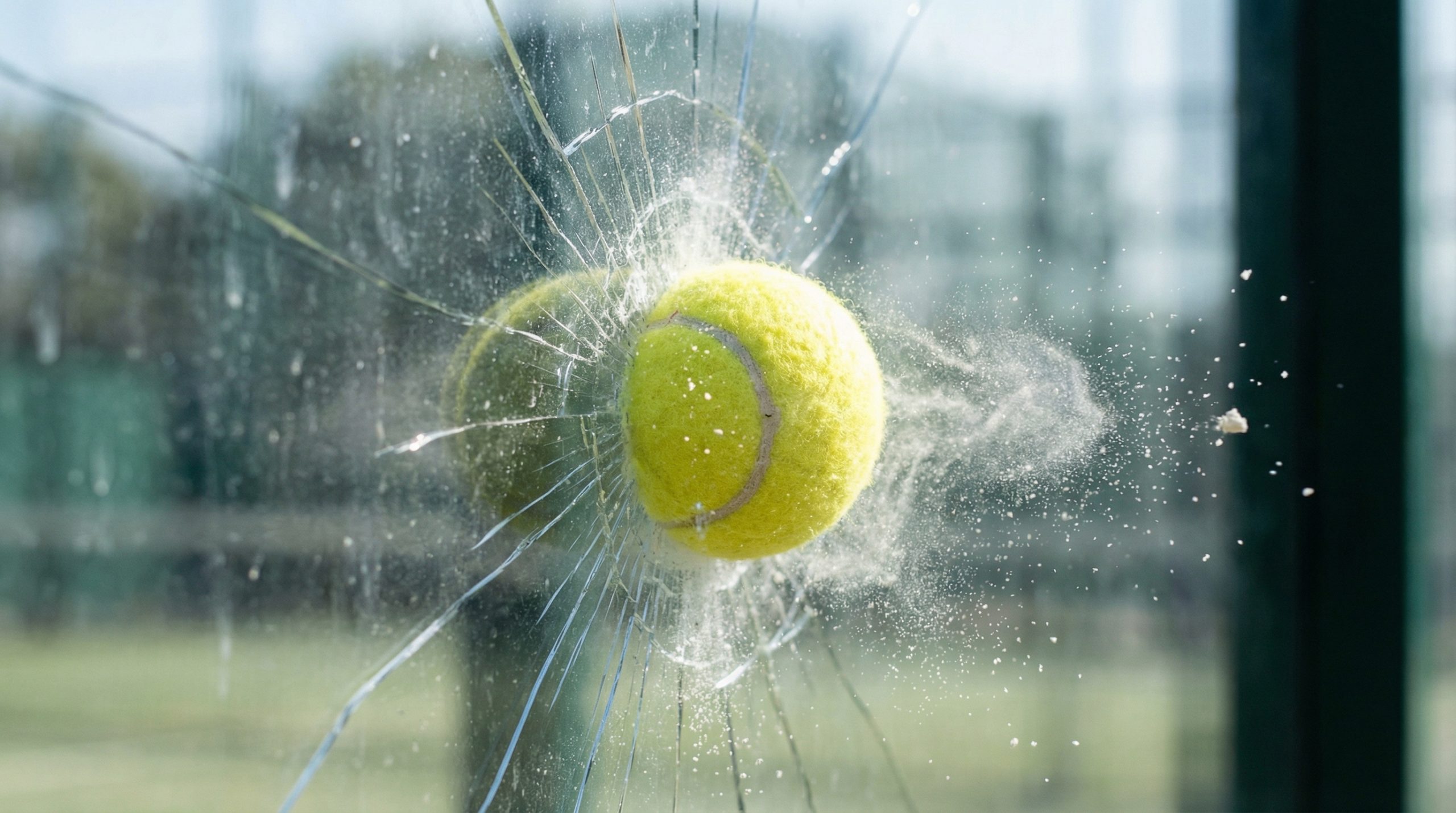
What defines the quality of the best padel balls?
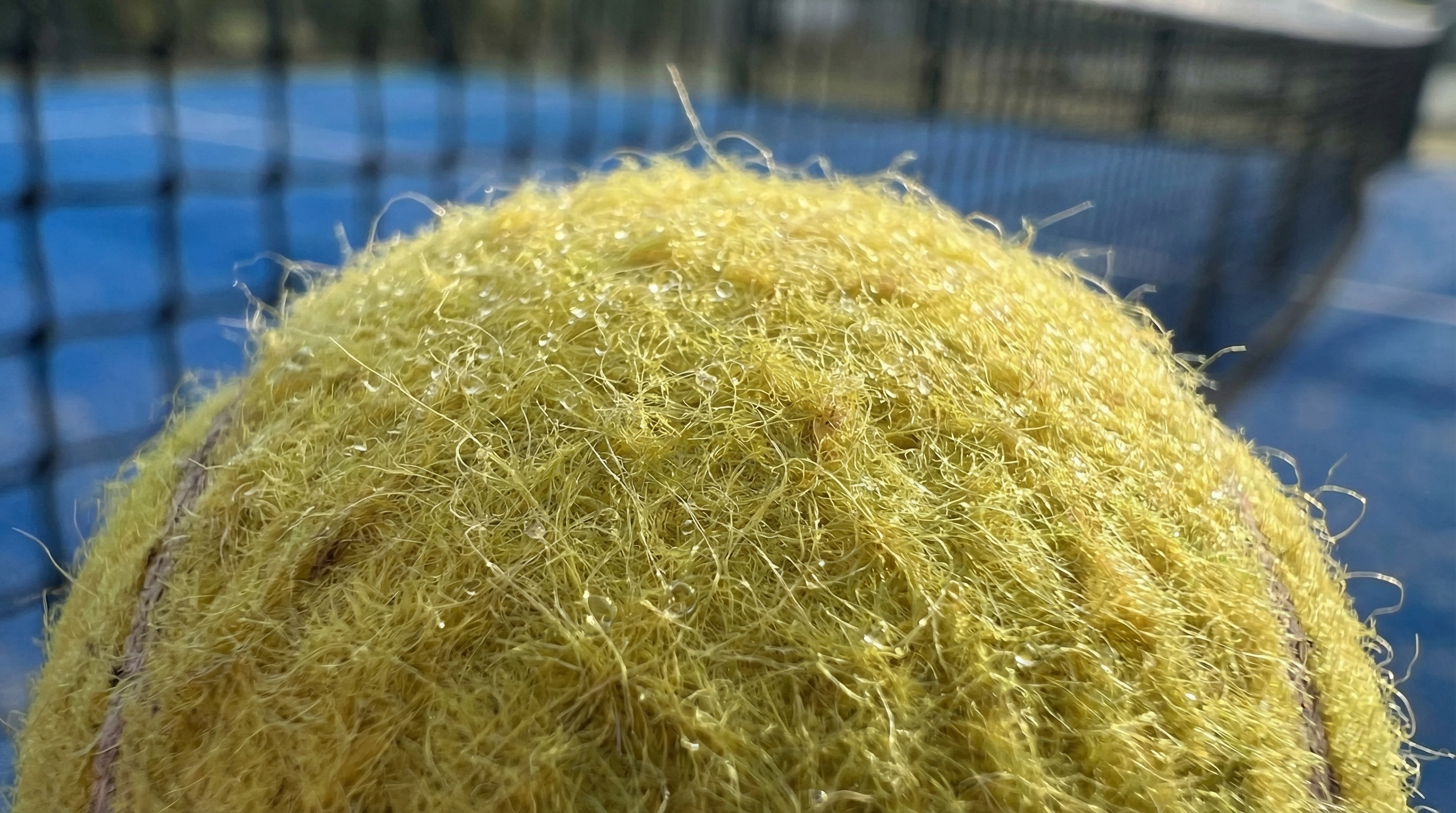
Quality in this category is defined by the marriage of core gas retention and the weave density of the outer felt. High-performance models use a high percentage of natural wool in the felt to ensure the best padel balls grip the court surface and racket face effectively.
Does felt quality impact the ball flight path?
Yes, the aerodynamic drag of a ball is entirely dependent on how the felt fibers interact with the air. Premium felt stays “fluffy” longer, allowing for better spin potential and more controlled lobs.
- High wool content for better grip.
- Synthetic blends for increased water resistance.
- Interwoven fibers to prevent premature balding.
Key Takeaway: Superior felt materials are the primary differentiator between professional-grade gear and cheap training alternatives.
| Feature | Premium Felt | Standard Felt |
|---|---|---|
| Wool Content | 40-60% | < 20% |
| Durability | 3-5 Matches | 1-2 Matches |
| Spin Control | Excellent | Moderate |
The following data explores how surface textures influence match speed.
How to select the best padel balls for your skill level?
You should match the internal pressure of your equipment to your ability to control the speed of the rally. Choosing the best padel balls involves understanding that faster balls are for pros, while slower, softer versions help beginners develop their touch. Look: players who guide their betting strategies often look at ball speed as a primary match variable.
What are the best options for beginner players?
Beginners should look for balls with slightly lower internal pressure to keep the game manageable. These “slower” balls give you more time to react to the rebound off the glass walls.
- Pressure-less training balls for consistency.
- Low-compression cores for elbow protection.
- High-visibility yellow for easier tracking.
Key Takeaway: Selecting a ball that matches your reaction speed will accelerate your learning curve and reduce frustration.
| Player Level | Recommended Speed | Core Type |
|---|---|---|
| Beginner | Slow/Control | Low Pressure |
| Intermediate | Balanced | Standard Pressure |
| Advanced | Fast/Pro | High Pressure |
This table illustrates the hierarchy of equipment based on technical proficiency.
Why are the best padel balls different from tennis balls?
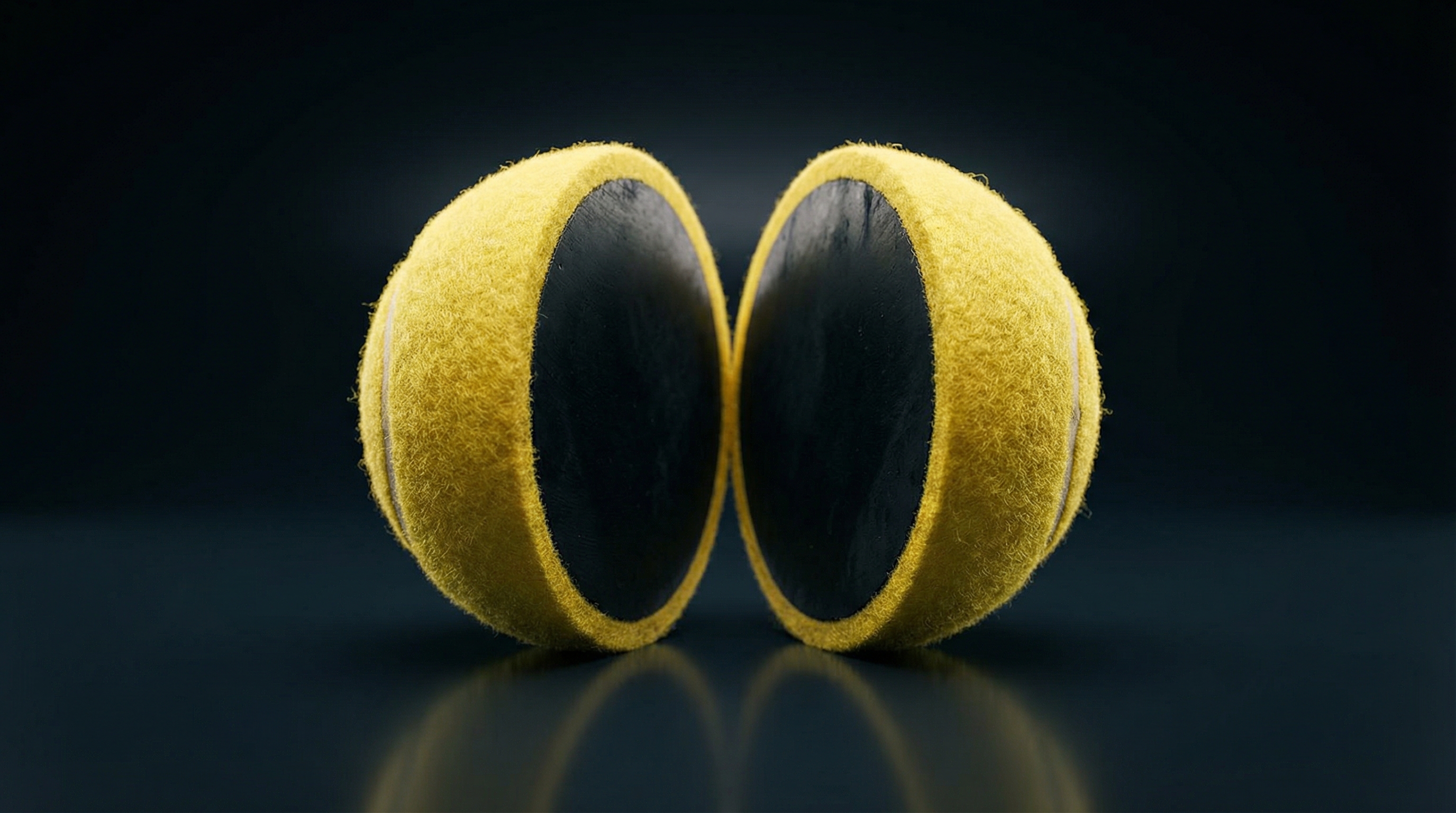
The primary difference lies in the internal pressure, which is significantly lower in the best padel balls compared to their tennis counterparts. This design ensures the ball doesn’t fly too wildly off the glass walls during high-speed exchanges.
Is the internal pressure significantly lower?
Think about it. A tennis ball is designed to travel across a large court, whereas a padel ball must stay within a 20×10 meter cage. Lower pressure allows for the controlled, technical “touch” game that defines the sport.
- Padel pressure: ~10-11 psi.
- Tennis pressure: ~14-15 psi.
- Specific gravity variations for wall rebounds.
Key Takeaway: Using tennis balls for padel can be dangerous for your racket and your joints due to the excessive internal force.
| Metric | Padel Ball | Tennis Ball |
|---|---|---|
| Internal Pressure | 10 PSI | 14+ PSI |
| Rebound Height | 135-147 cm | 135-151 cm |
| Common Diameter | 6.35 cm | 6.54 cm |
A technical breakdown shows why cross-sport equipment is never recommended.
Which are the best padel balls for high-altitude play?
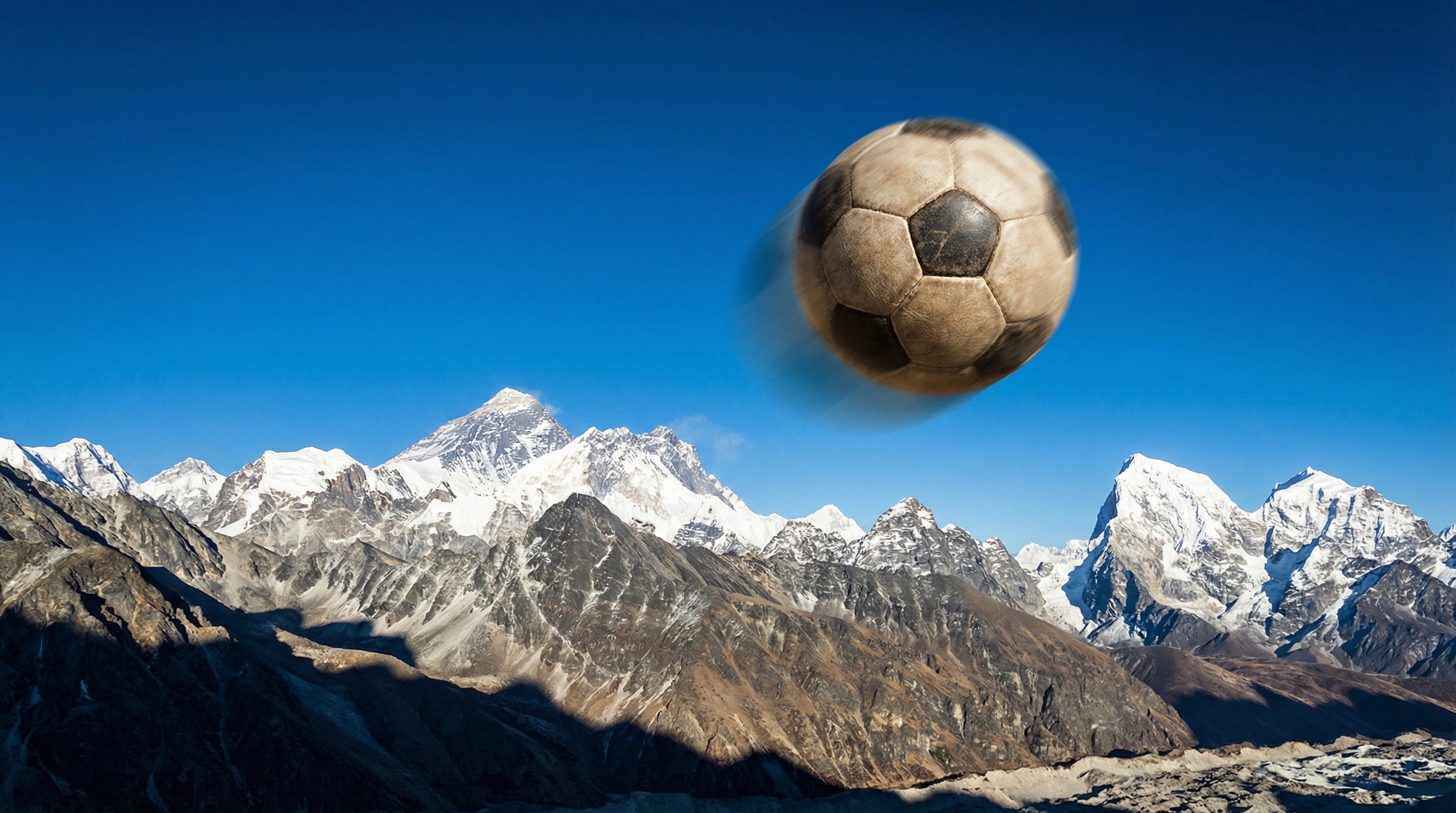
Matches played at high altitudes require specific equipment because the thinner air causes standard balls to fly faster and bounce higher. The best padel balls for these conditions are often labeled as “S” or “Speed” variants that have adjusted pressures. You can check the betting glossary for terms related to court environment impacts.
Do balls bounce higher in thinner air?
Absolutely, and it can completely ruin your timing if you aren’t prepared for the change. Thinner air offers less resistance, meaning your smashes will travel further and with much more “pop.”
- Altitude-specific pressure ratings.
- Dense felt to increase air drag.
- Core adjustments for consistent 2.54m drop tests.
Key Takeaway: Always verify your court’s altitude before purchasing a bulk set of balls to ensure match consistency.
| Environment | Ball Type | Expected Speed |
|---|---|---|
| Sea Level | Pro/Speed | Standard |
| High Altitude | Low Pressure | Very Fast |
| Mountain Clubs | Specialized | High |
Environmental elevation significantly alters the physics of the rebound.
Are the best padel balls more durable for club play?
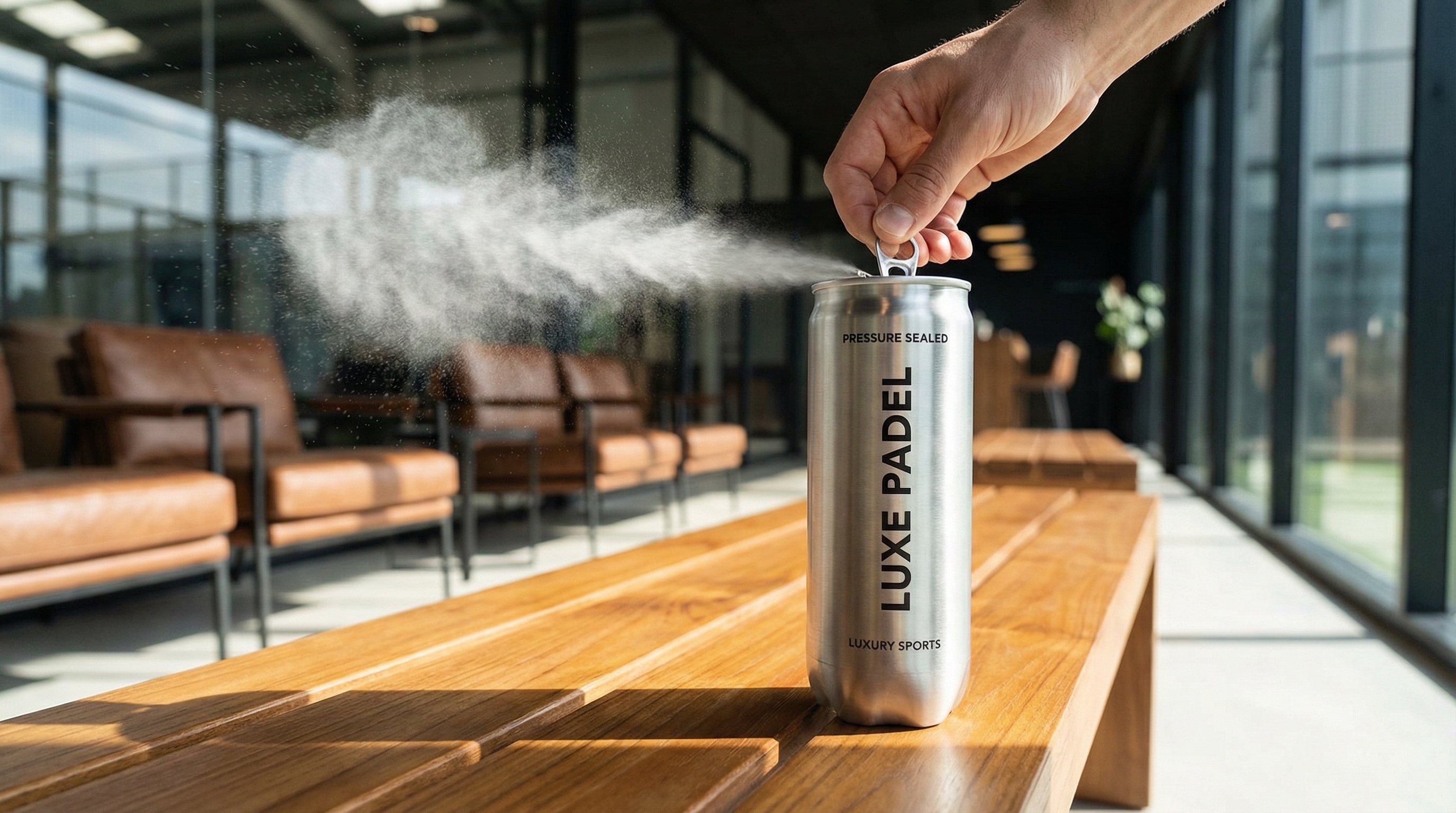
Durability is a function of how long the rubber core can maintain its gas seal under constant impact. The best padel balls use high-density rubber that resists the micro-leaks that occur every time you smash the ball against a wall.
What causes a ball to lose its bounce quickly?
The best part? It is usually a combination of temperature fluctuations and physical deformation. Each hit forces a tiny amount of air through the rubber membrane until the ball eventually goes “soft.”
- Temperature extremes causing gas contraction.
- Heavy spin usage wearing down the felt.
- Storage in unpressurized containers.
Key Takeaway: Investing in balls with reinforced cores saves money over time by extending the lifespan of each can.
| Duration | Rebound Quality | Felt Condition |
|---|---|---|
| Match 1 | 100% | Pristine |
| Match 3 | 85% | Frayed |
| Match 5 | 60% | Balding |
Long-term usage data highlights the importance of core integrity for club owners.
How do environmental factors affect the best padel balls?
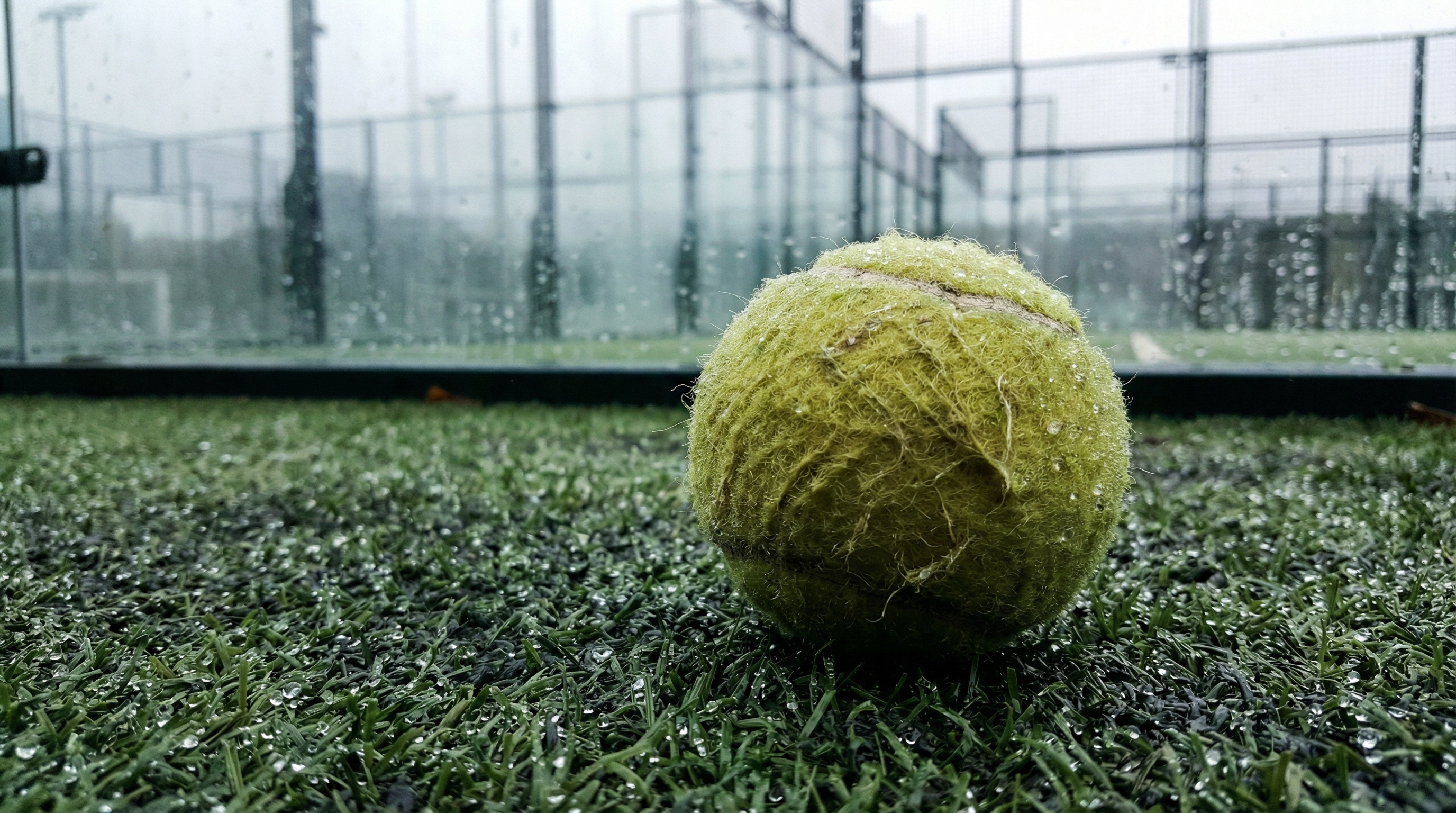
Humidity is the silent killer of game speed because the felt absorbs moisture and becomes significantly heavier. The best padel balls for coastal or humid clubs feature synthetic coatings that repel water to maintain their flight characteristics. Players looking for a betting bonus often track weather reports to predict low-scoring, heavy matches.
Does high humidity change the effective weight?
Here is the catch: a wet ball is a heavy ball. When the felt gets damp, the ball stays lower on the court and requires much more physical effort to clear the net.
- Moisture-wicking felt technology.
- Sealed cores for humid climates.
- Surface treatments to prevent “fuzzing” when wet.
Key Takeaway: Humidity requires a transition to faster, high-pressure balls to compensate for the added weight of the felt.
| Condition | Ball Behavior | Recommended Gear |
|---|---|---|
| Dry Heat | Very Bouncy | Control Ball |
| High Humidity | Heavy/Slow | Speed Ball |
| Cold/Damp | Low Rebound | High Pressure |
The following analysis looks at how moisture impacts match duration and player fatigue.
Where can you buy the best padel balls for matches?
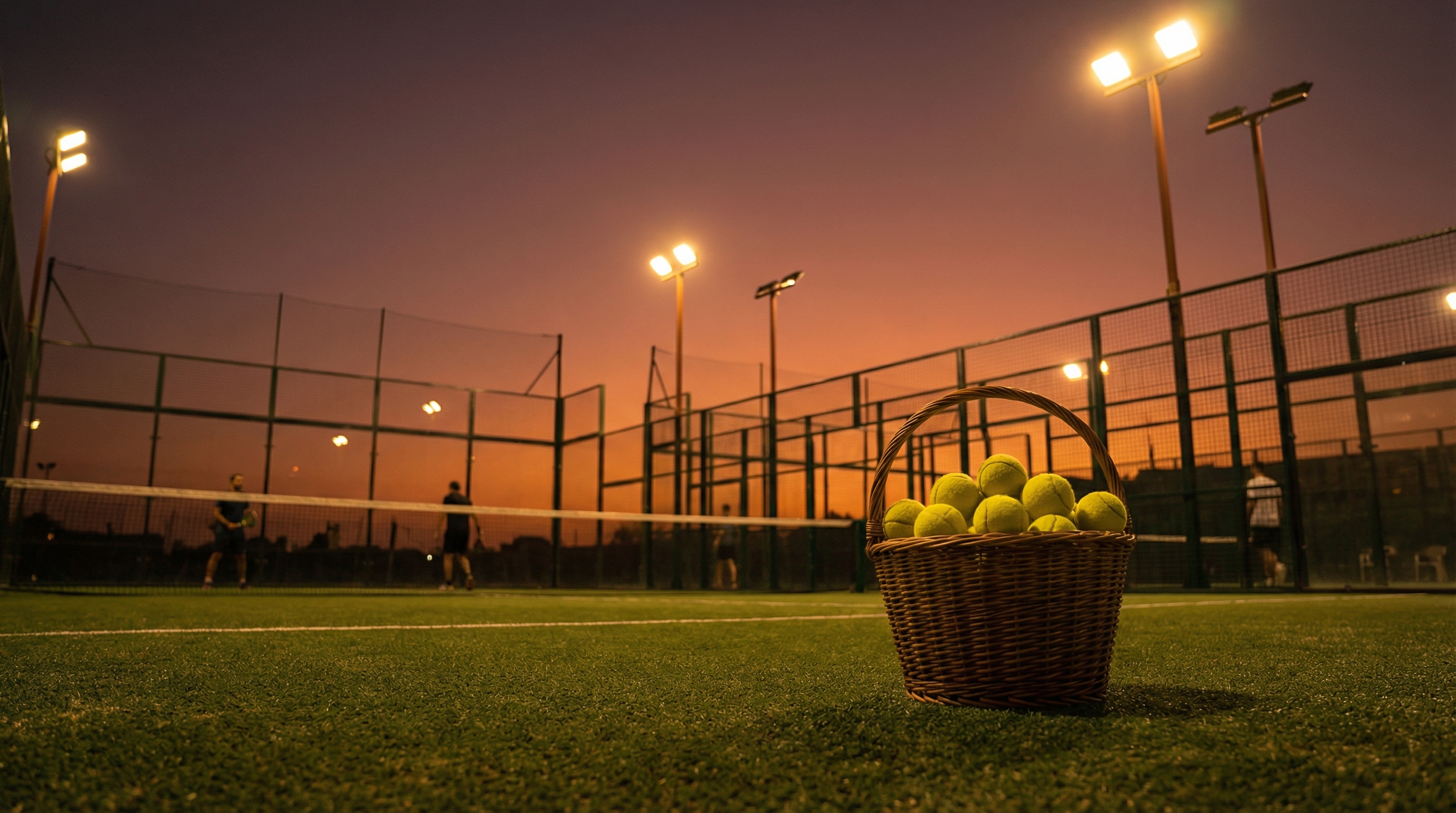
You should look for retailers that store their stock in climate-controlled environments to ensure the best padel balls haven’t degraded on the shelf. Professional shops and official tournament suppliers are your safest bet for fresh gear. For those on the move, check our mobile app for the latest match equipment insights.
Should you look for official tournament seals?
Yes, because these seals guarantee that the equipment has passed rigorous testing for bounce height and weight consistency. It is the only way to ensure you are playing with the same gear the pros use.
- FIP Approved (International Padel Federation).
- Tour-certified labels.
- Pressure-sealed packaging verification.
Key Takeaway: Buying from verified sources ensures your balls have not lost pressure due to poor warehouse storage.
| Source | Reliability | Freshness Guarantee |
|---|---|---|
| Pro Shop | High | Excellent |
| General Sports | Medium | Variable |
| Bulk Wholesaler | High | Good |
Supply chain quality is a critical factor in equipment performance.
Why does core compression matter in the best padel balls?
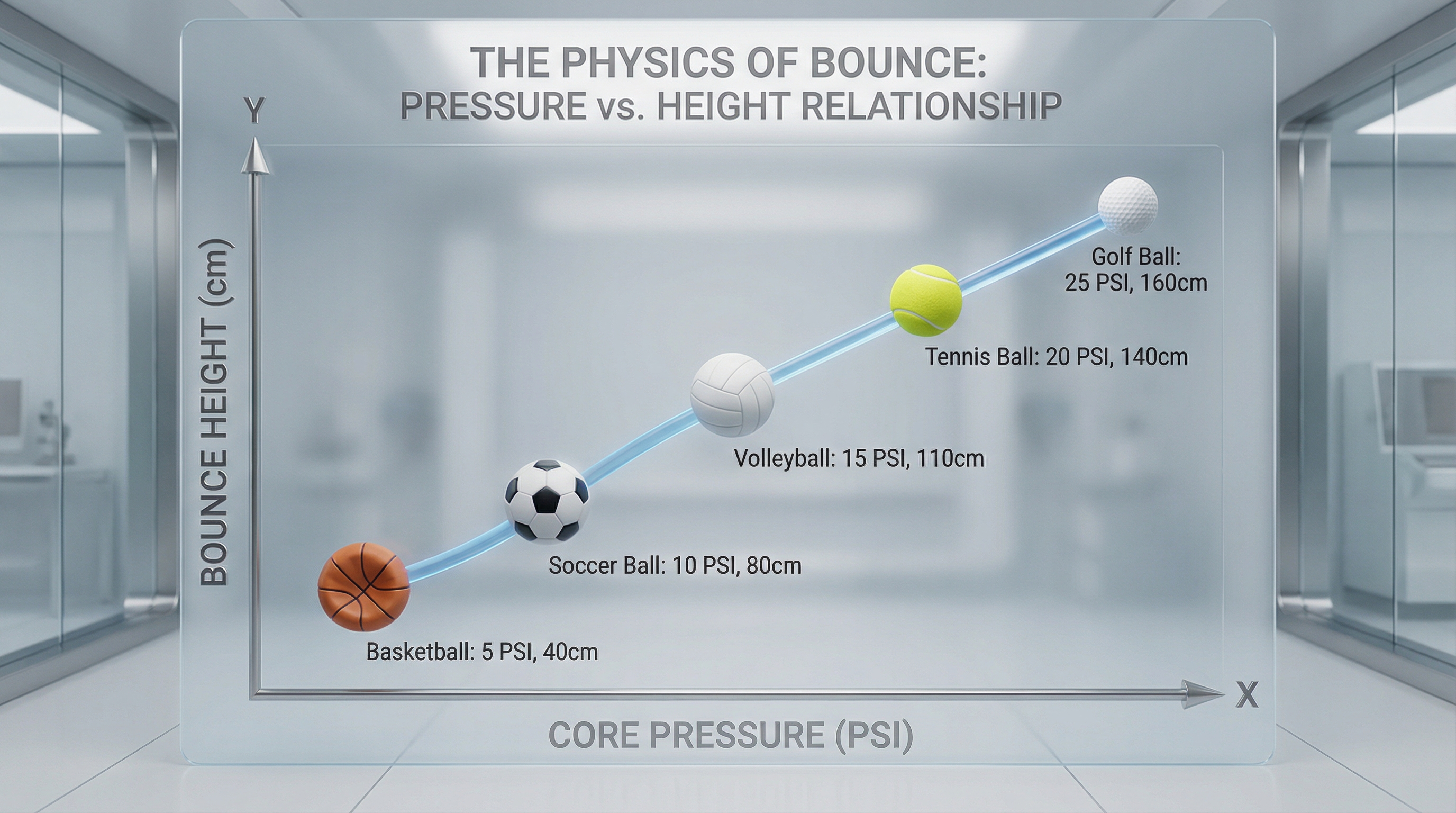
Core compression dictates the “energy return” of the ball when it strikes a hard surface like the court floor or glass walls. In the best padel balls, the rubber core is engineered to deform just enough to provide a stable contact patch without losing excessive speed.
What is the secret to a long-lasting rubber core?
Think about it. The rubber must be elastic enough to bounce thousands of times but rigid enough to hold gas at 10 psi. This balance is the hallmark of premium manufacturing.
- Natural rubber for elasticity.
- Synthetic additives for air tightness.
- Uniform wall thickness for true bounces.
Key Takeaway: High core density is the secret to defensive control, allowing you to “feel” the ball on the racket.
| PSI Level | Bounce Height | Ball Classification |
|---|---|---|
| 5 PSI | 80 cm | Dead/Waste |
| 10 PSI | 140 cm | Professional |
| 20 PSI | 160+ cm | Tennis (Unsafe) |
This technical chart displays the direct link between pressure and court performance.
Can the best padel balls reduce the risk of player injury?
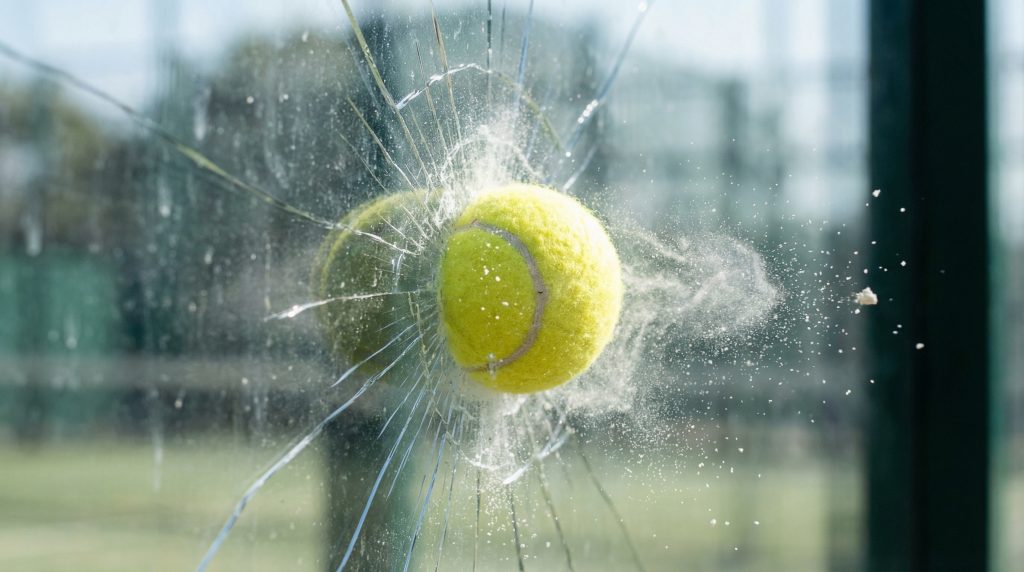
Softer, fresher balls absorb more vibration upon impact, which protects your elbow and shoulder from the repetitive shocks of a match. Using the best padel balls ensures that the energy of the shot goes into the court, not into your joints.
Can softer balls protect your elbow and shoulder?
Look: a hard, over-pressurized ball acts like a rock when it hits your racket strings. This sends a shockwave straight up your arm, which is the leading cause of lateral epicondylitis.
- Vibration-dampening core technology.
- Consistent rebound to prevent mistiming.
- Soft felt to extend contact time.
Key Takeaway: Replacing your balls every three matches is cheaper and more effective than a year of physical therapy for arm injuries.
| Injury Type | Cause | Prevention |
|---|---|---|
| Padel Elbow | Hard/Dead Balls | Fresh Equipment |
| Shoulder Strain | Over-swinging | Proper Ball Speed |
| Wrist Pain | High Vibration | Quality Racket + Balls |
Player health is intrinsically linked to the age and quality of the match equipment.
What makes the best padel balls professional approved?
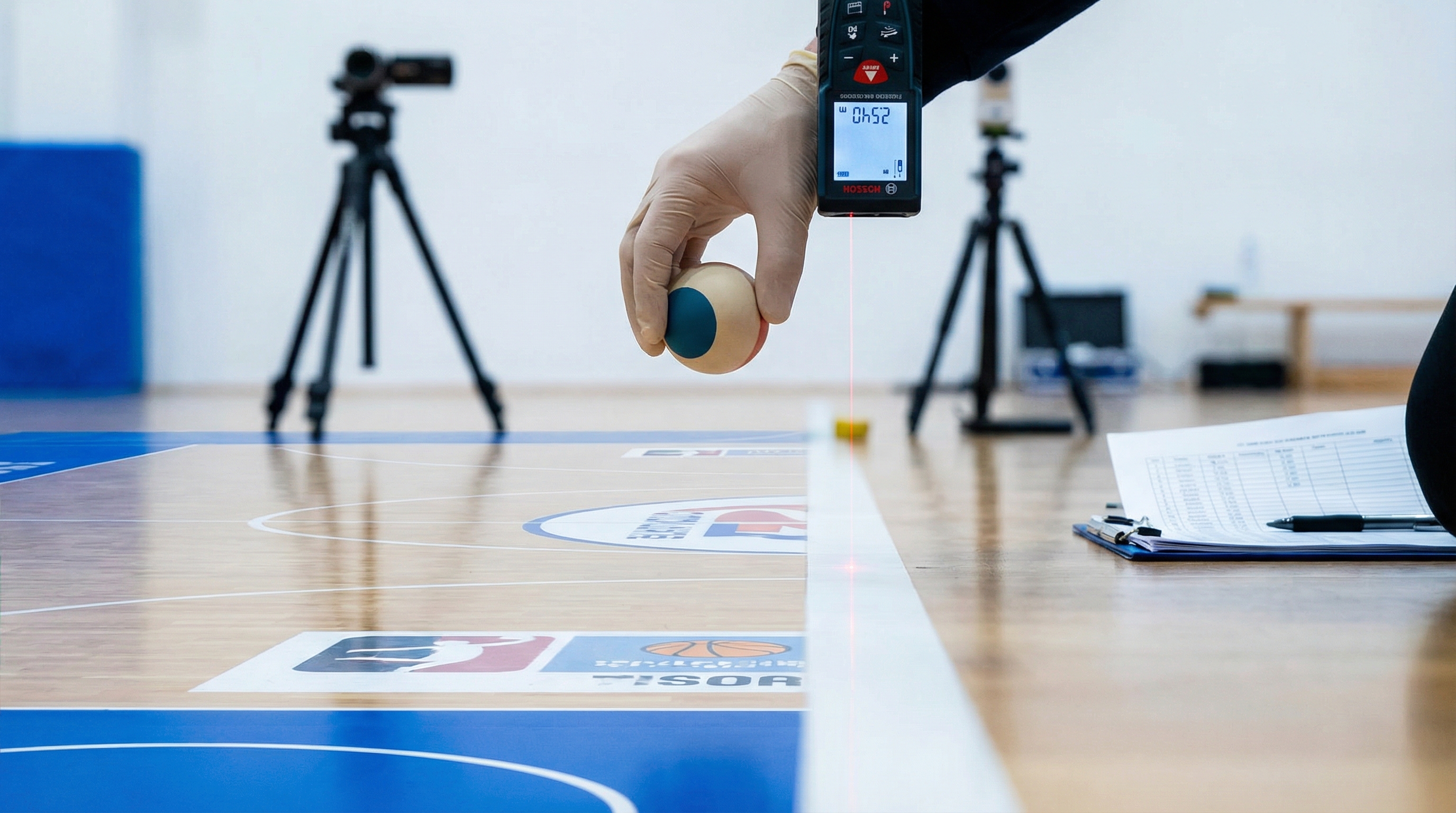
Certification involves a strict drop test from exactly 2.54 meters onto a smooth surface to ensure the rebound falls within the 135-147 cm range. The best padel balls pass these tests consistently across every batch produced. Check out the latest padel match types to see where these balls are used.
What standards do professional tours require?
Pros require absolute uniformity. If one ball bounces 5cm higher than another in the same can, it can ruin a professional rally and impact the fairness of the competition.
- Strict weight range (56.0 – 59.4g).
- Standardized internal pressure.
- Consistent felt thickness and color.
Key Takeaway: Professional approval is a badge of reliability that ensures your home matches have the same rhythm as the world tour.
| Test Parameter | FIP Standard | Result |
|---|---|---|
| Drop Height | 2.54 m | Fixed |
| Rebound | 135-147 cm | Required |
| Weight | 56-59.4 g | Required |
Certification processes ensure that matches are decided by skill, not gear variability.
Conclusion
Finding the best padel balls is not just about brand loyalty; it is about match integrity and physical health. We have seen how core compression prevents injury, how altitude shifts game dynamics, and why humidity requires a change in gear strategy. Our stance is clear: playing with “dead” equipment is the fastest way to ruin your technique and risk long-term injury. By choosing professional-grade, FIP-certified balls, you guarantee a consistent, high-energy experience every time you step on the court. Ready to upgrade your game? contact us today to find the perfect gear for your local club conditions.
FAQ
Can I use tennis balls for a casual padel match?
No, tennis balls are over-pressurized for padel courts and can damage the glass walls and your racket.
What’s the best way to extend the life of padel balls?
Store them in a dedicated pressurized tube after every match to prevent gas from leaking out of the core.
How do I know if my padel ball is dead?
Perform a drop test from head height; if the ball doesn’t bounce back up to at least your waist, it has lost its pressure.
Can I play with yellow balls only in professional matches?
Yes, yellow is the only officially approved color for tournament play to ensure maximum visibility for players and cameras.
How often should I open a new can?
Most professional clubs and advanced players open a new can every 1-2 matches to maintain peak performance.