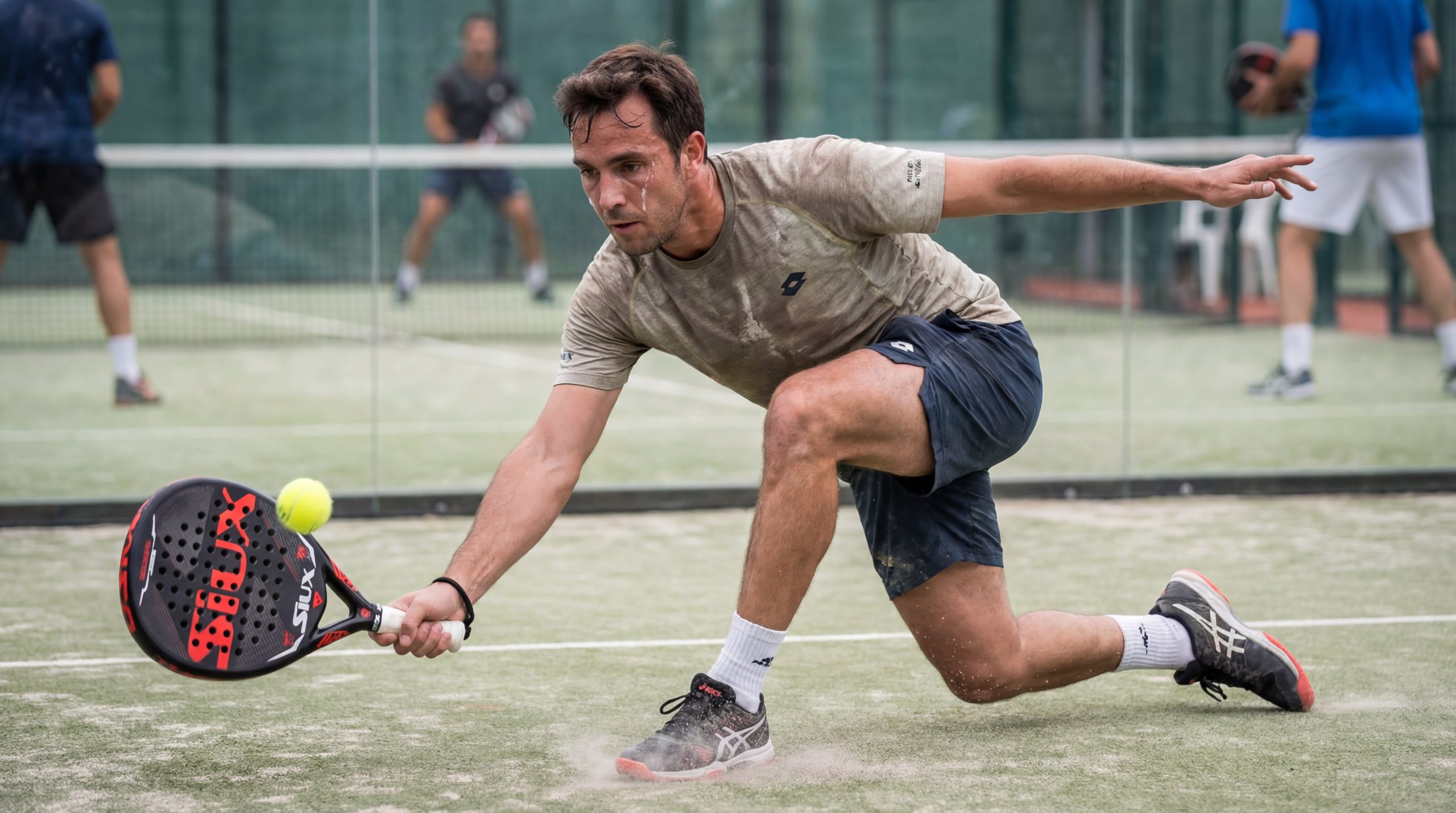
Siux padel is a premium Spanish brand specializing in high-performance equipment that you build through a combination of aerospace-grade materials, specialized carbon weaves, and ergonomic accessories tailored to your player profile. Finding the right gear often feels like a gamble where the stakes are your performance and physical health. Most players struggle with rackets that are either too heavy to control or too stiff, leading to immediate fatigue and the dreaded “tennis elbow” that keeps you off the court. This is why siux padel has revolutionized the market by focusing on modular construction and specialized materials that allow you to build a game based on precision and power.
What makes siux padel the top choice for pro players?
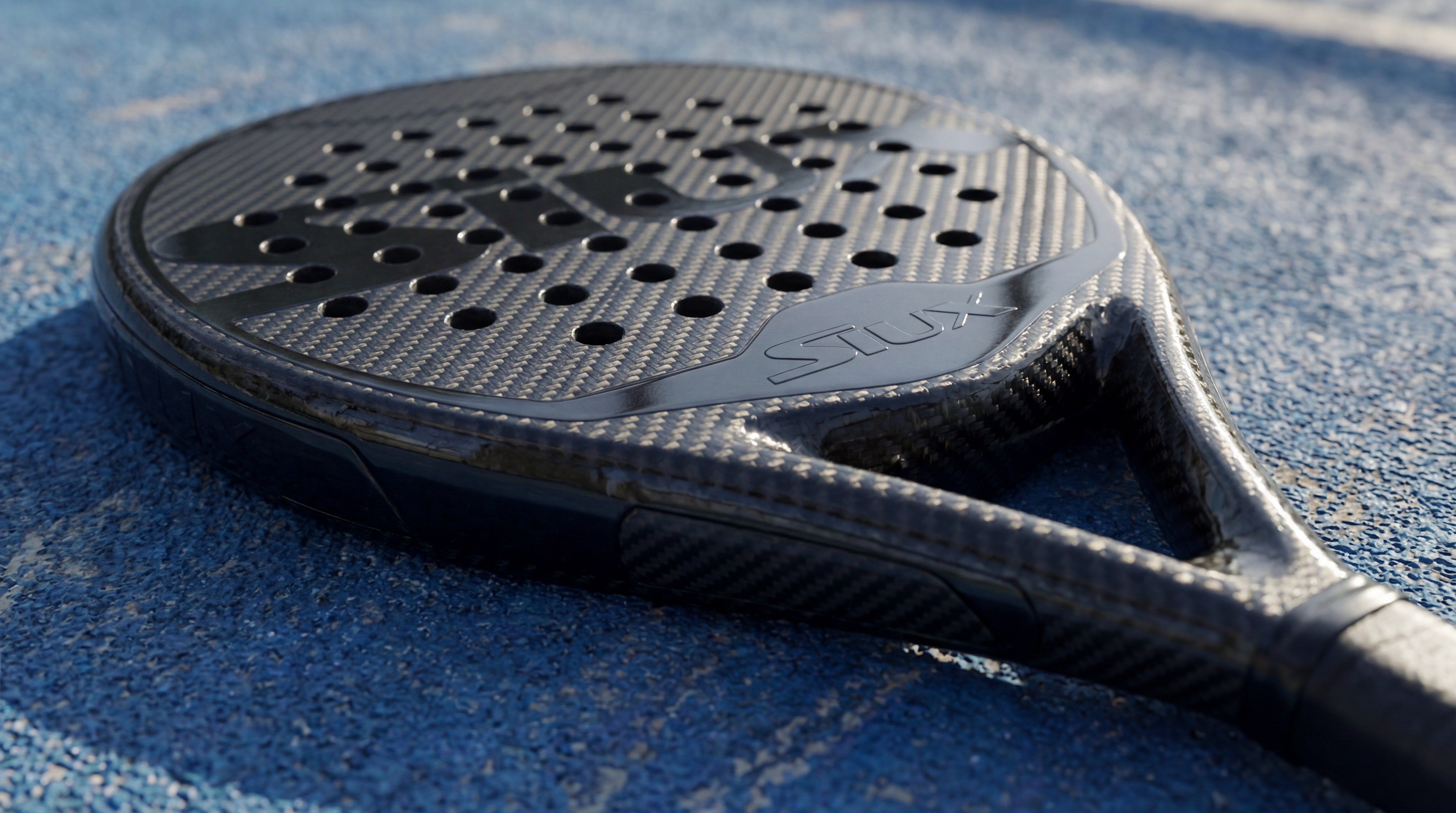
Professional adoption of this brand stems from its integration of aerospace-grade materials, such as 24K carbon, and ergonomic designs tailored for high-performance competition. Many stars choose siux padel because the equipment offers a unique blend of structural durability and explosive energy transfer.
The prestige of high-quality materials
You might be wondering: what exactly goes into these rackets? The secret lies in the sourcing of carbon and rubber that exceeds standard industry grades for competitive play.
- 24K Carbon: Provides the highest level of stiffness for power.
- Graphene: Used in specific models to enhance structural durability.
- Premium EVA: Ensures the core doesn’t lose its “pop” after a few matches.
If you are playing four times a week, you need materials that won’t degrade. This is why the best players in the world choose this specific brand.
Professional players and their chosen gear
Here is the deal: the professional circuit is the ultimate testing ground for any high-end equipment construction. Leading athletes rely on specific series to match their aggressive or defensive roles on the court.
- Franco Stupaczuk: Uses the Electra series for a versatile, all-around game.
- Leo Augsburger: Relies on the Fenix series for massive overhead power.
- Sofia Araújo: Demonstrates the precision capabilities of the Valkiria line.
Key Takeaway: Professional adoption is the result of consistent material innovation and a focus on player-specific needs across different styles.
| Feature | Benefit | Pro Player Example |
|---|---|---|
| 24K Carbon Faces | Maximum energy transfer | Leo Augsburger |
| Hybrid Shapes | Versatility in play | Franco Stupaczuk |
| Anti-vibration | Joint protection | Sofia Araújo |
The alignment between advanced engineering and player performance is what sets these rackets apart on the global stage.
How does siux padel use 24K carbon in its construction?
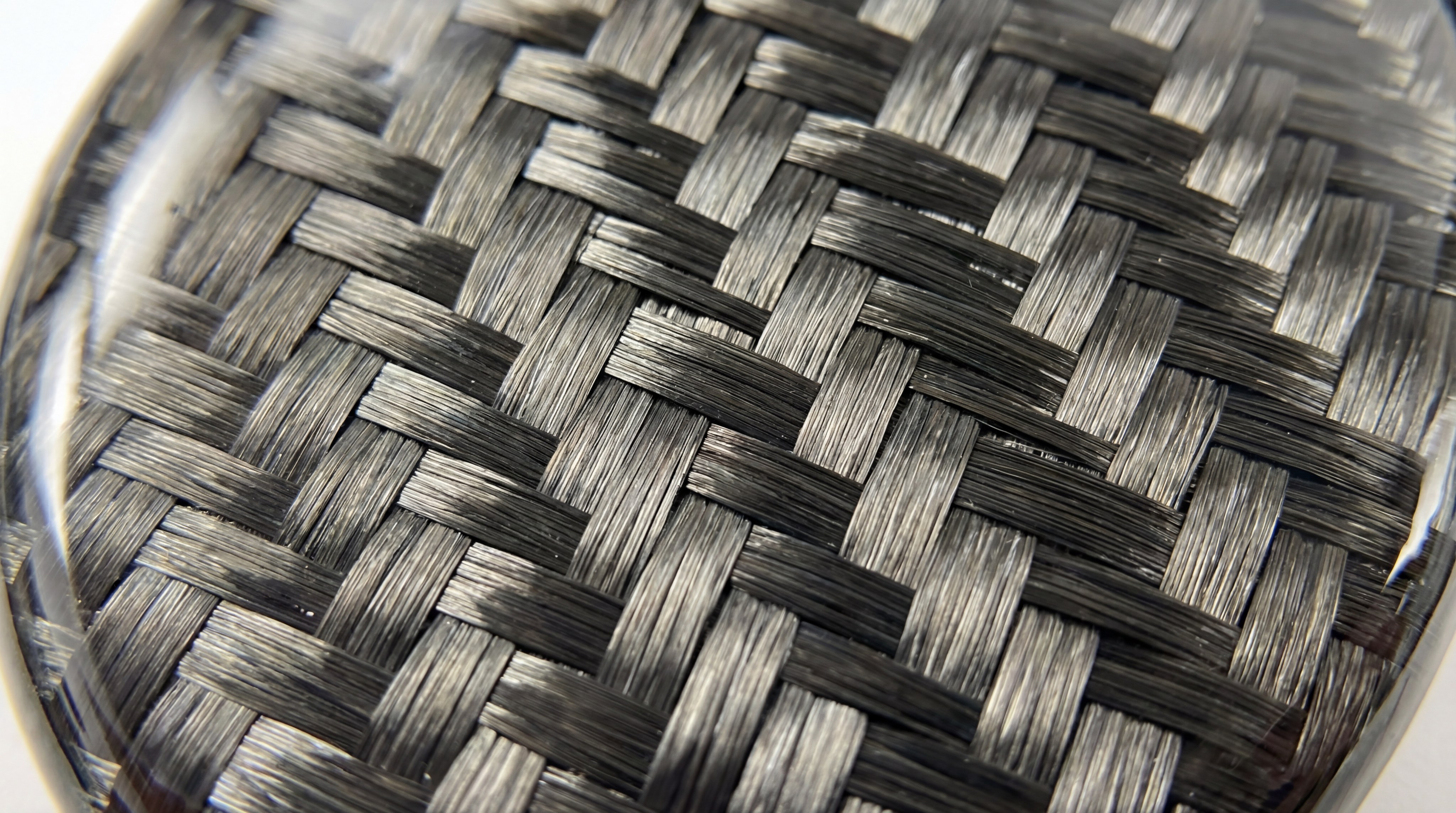
Constructing a racket with 24K carbon involves weaving 24,000 threads per carbon strip to create a surface that offers unparalleled rigidity and explosive power. Choosing siux padel allows players to access this high-density weave, which significantly changes how the frame reacts upon ball impact.
Understanding 24K versus 12K carbon
But wait, there’s more to it than just a higher number on the spec sheet. The density of the weave changes the flexibility and the size of the sweet spot for the player.
- 24K Carbon: The stiffest option, ideal for heavy hitters.
- 12K Carbon: A more flexible alternative that offers a larger sweet spot.
- 3K Alumesh: Used in intermediate models for better control and feel.
By choosing a specific carbon density, you are essentially building the power level of your racket. Stiffer materials reflect more energy back to the ball for faster shots.
How carbon density impact power
You might be thinking: “Is stiffer always better for my game?” The answer depends entirely on your swing speed and physical strength during intense matches.
- High Density: Reflects more energy back to the ball.
- Lower Density: Absorbs some energy, providing a “softer” sensation.
- Durability: Higher K-counts generally resist micro-fractures longer.
Key Takeaway: 24K carbon is the gold standard for power, but 12K or 3K options are vital for players prioritizing touch.
| Carbon Type | Feel | Best For |
|---|---|---|
| 24K | Very Hard | Advanced Power Players |
| 12K | Medium-Hard | Versatile Competitive Players |
| 3K | Medium-Soft | Intermediate Players |
The choice of carbon weave acts as the primary foundation for how much speed you can generate with minimal effort.
Why is the core essential to a siux padel racket’s feel?
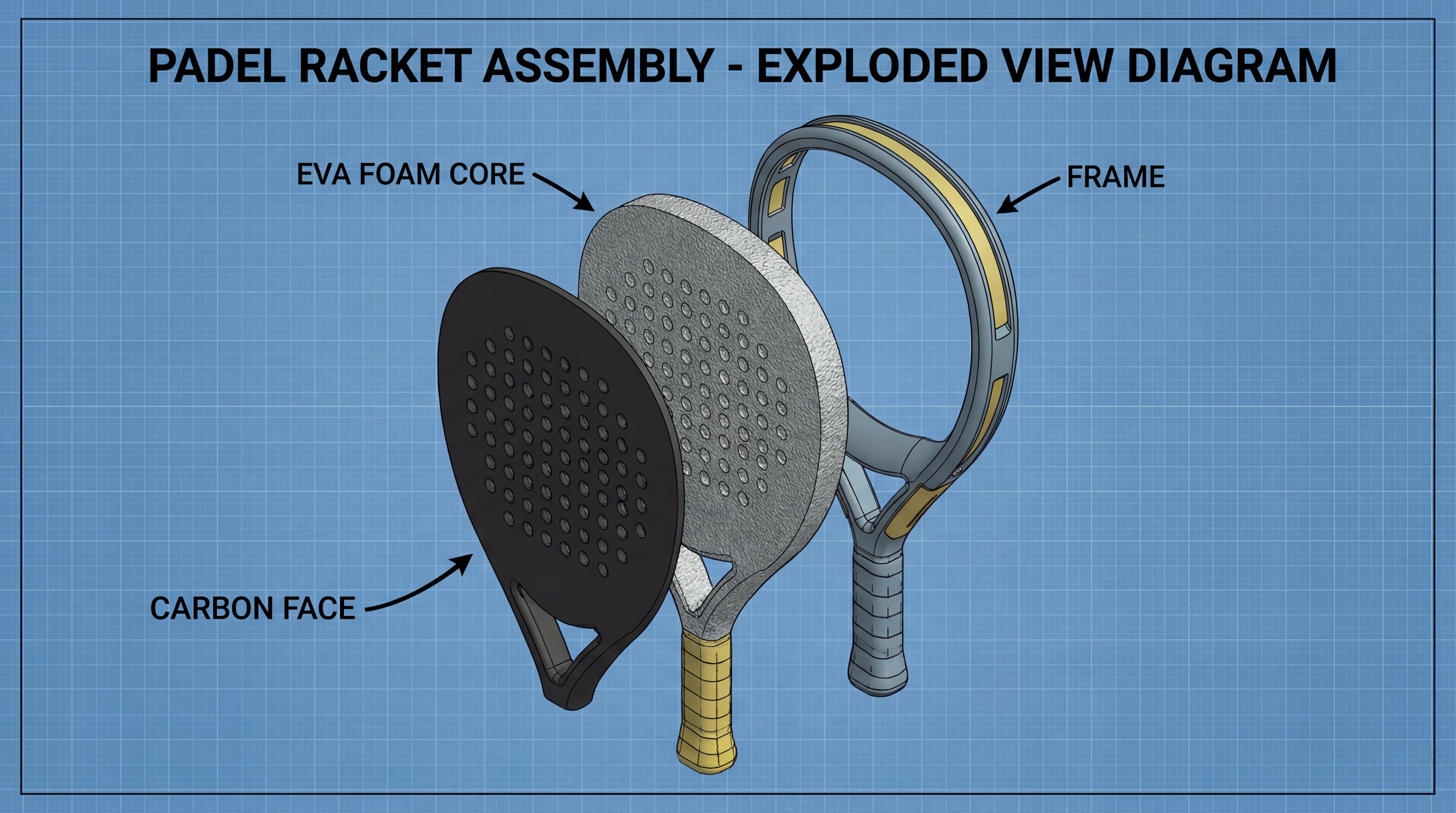
The core serves as the heart of the racket, utilizing various densities of EVA foam to balance shock absorption and power output during play. When you swing a siux padel, the internal rubber determines how long the ball stays on the face and the resulting vibration felt in the arm.
Hard EVA vs Soft EVA differences
How do you decide between a hard or soft core for your setup? The density of the foam dictates the “trampoline effect” and the level of manual control required.
- Hard EVA: Increases control at high speeds but requires more physical strength.
- Soft EVA: Provides high ball output from the back of the court.
- Medium Density: The most popular choice for players who want balance.
Believe it or not, most players actually perform better with a softer core. This material choice protects your joints during long rallies and prevents early fatigue.
What is the recovery speed of the foam?
The “recovery” refers to how fast the foam returns to its original shape after being compressed by the ball. This is a critical factor for fast-paced net play and quick volleys.
- High Recovery: Essential for fast-paced net play.
- Consistency: High-quality EVA maintains feel across different temperatures.
- Shock Absorption: Denser foams typically transmit more vibration to the arm.
Key Takeaway: The core construction determines whether your racket feels like a shield for defense or a catapult for attack.
| Core Type | Ball Output | Comfort Level |
|---|---|---|
| Hard EVA | Low (Manual) | Moderate |
| Soft EVA | High (Automatic) | Very High |
| Black EVA | Medium | High |
Selecting the right internal density is the most effective way to customize the “touch” of your equipment.
Can a siux padel racket improve your defensive gameplay?
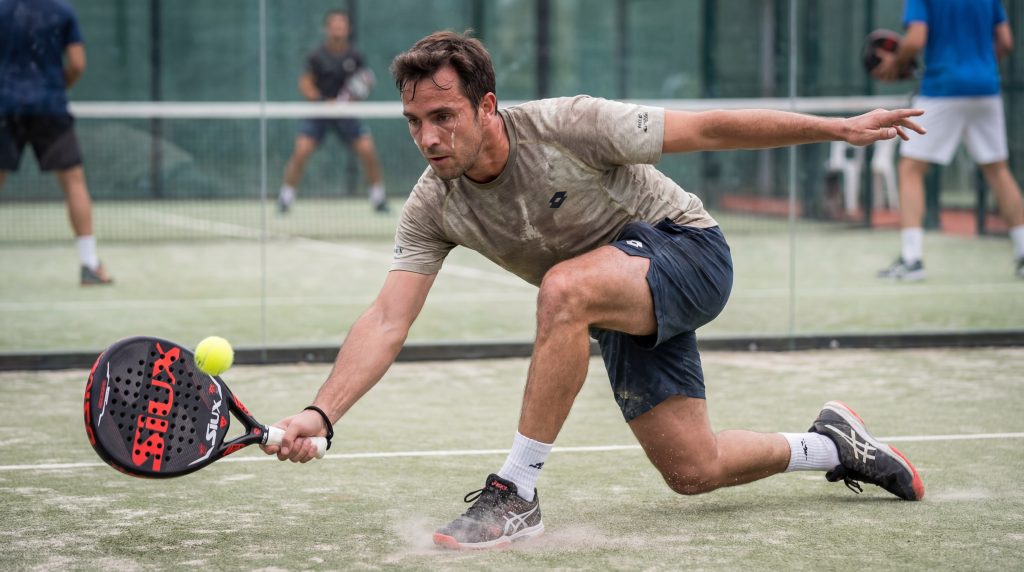
Defensive performance is significantly improved by a round racket shape and low balance, which provide a wider sweet spot and better maneuverability. Utilizing siux padel equipment designed with a low center of gravity allows you to react faster to low balls and difficult smashes.
Round shapes for maximum maneuverability
Looking for a way to stay in the point longer when under pressure? Round rackets are engineered to be easy to handle, especially during rapid defensive exchanges near the glass.
- Weight Distribution: Concentrated near the handle for quick movements.
- Sweet Spot: Centered and enlarged to reduce errors on off-center hits.
- Confidence: Easier to “find” the ball when defending fast smashes.
The best part is that you can react milliseconds faster when the weight isn’t pulling your wrist down. This agility is the difference between a winning lob and a missed shot.
Finding the sweet spot in your racket
Not all sweet spots are created equal across different frame geometries. The location of this zone determines how much forgiveness you have during a fast-paced match.
- Teardrop: Moves the zone slightly higher for a mix of defense and attack.
- Diamond: The smallest zone, located at the tip for power.
- Round: The most forgiving, covering almost the entire face.
Key Takeaway: Defensive mastery starts with a racket shape that prioritizes handling and forgiveness over raw force.
| Attribute | Round Shape | Diamond Shape |
|---|---|---|
| Maneuverability | High | Low |
| Forgiveness | Excellent | Challenging |
| Swing Weight | Light | Heavy |
A balanced defensive setup minimizes unforced errors and keeps your opponents working harder to finish the point.
How is the balance of a siux padel racket calculated?
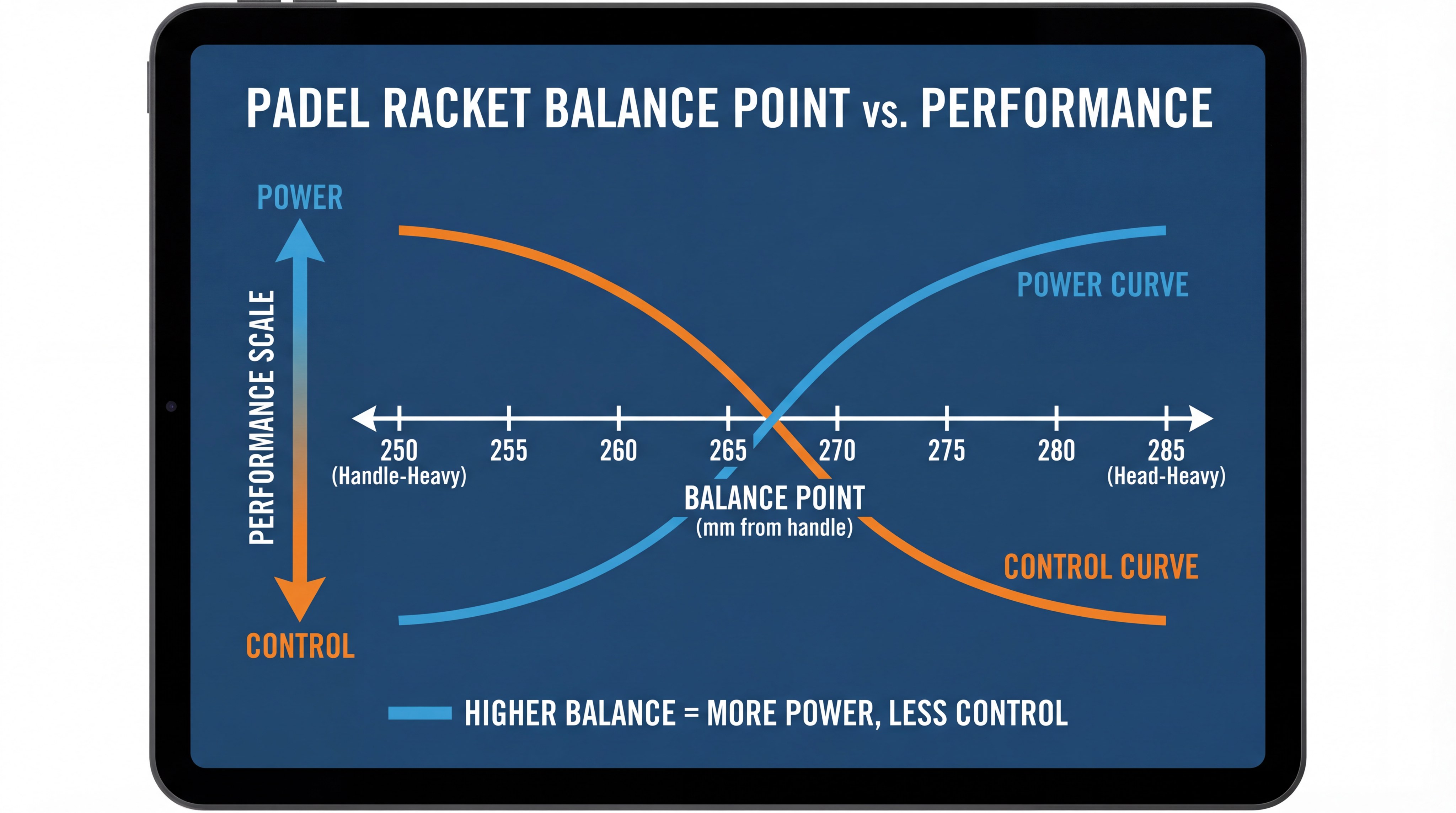
Balance is measured as the distance from the bottom of the handle to the point where the frame stays level, categorizing it as head-heavy or handle-heavy. In the world of siux padel, this measurement is crucial because it dictates the “perceived weight” and swing speed of the racket.
High balance vs low balance effects
Which one should you choose for your specific playing style? Understanding balance is the quickest way to customize your on-court performance and comfort levels.
- High Balance: Great for smashing but tires the arm faster.
- Low Balance: Feels lighter and allows for surgical precision.
- Medium Balance: The all-round setup used by versatile professionals.
Think about it: a 365g racket with high balance feels heavier than a 375g racket with low balance. This leverage effect is what causes muscle fatigue during long sets.
Can you adjust the balance yourself?
You might be surprised to know that you can build your own balance through small modifications. Adding mass to specific areas of the frame shifts the center of gravity instantly.
- Overgrips: Adding more grips moves the balance toward the handle.
- Protectors: Adding a frame protector moves the balance toward the head.
- Weights: Specific adhesive weights can be placed for fine-tuning.
Key Takeaway: Balance is a dynamic factor that you can modify to suit your evolving playing style and physical needs.
| Balance Point | Game Feeling | Injury Risk |
|---|---|---|
| 27cm+ (High) | Powerful / Heavy | Higher (Wrist/Elbow) |
| 25-26cm (Med) | Stable / Versatile | Moderate |
| <25cm (Low) | Fast / Light | Lower |
Fine-tuning the center of gravity allows you to optimize your swing for either maximum power or total control.
What is the secret behind siux padel spin technology?
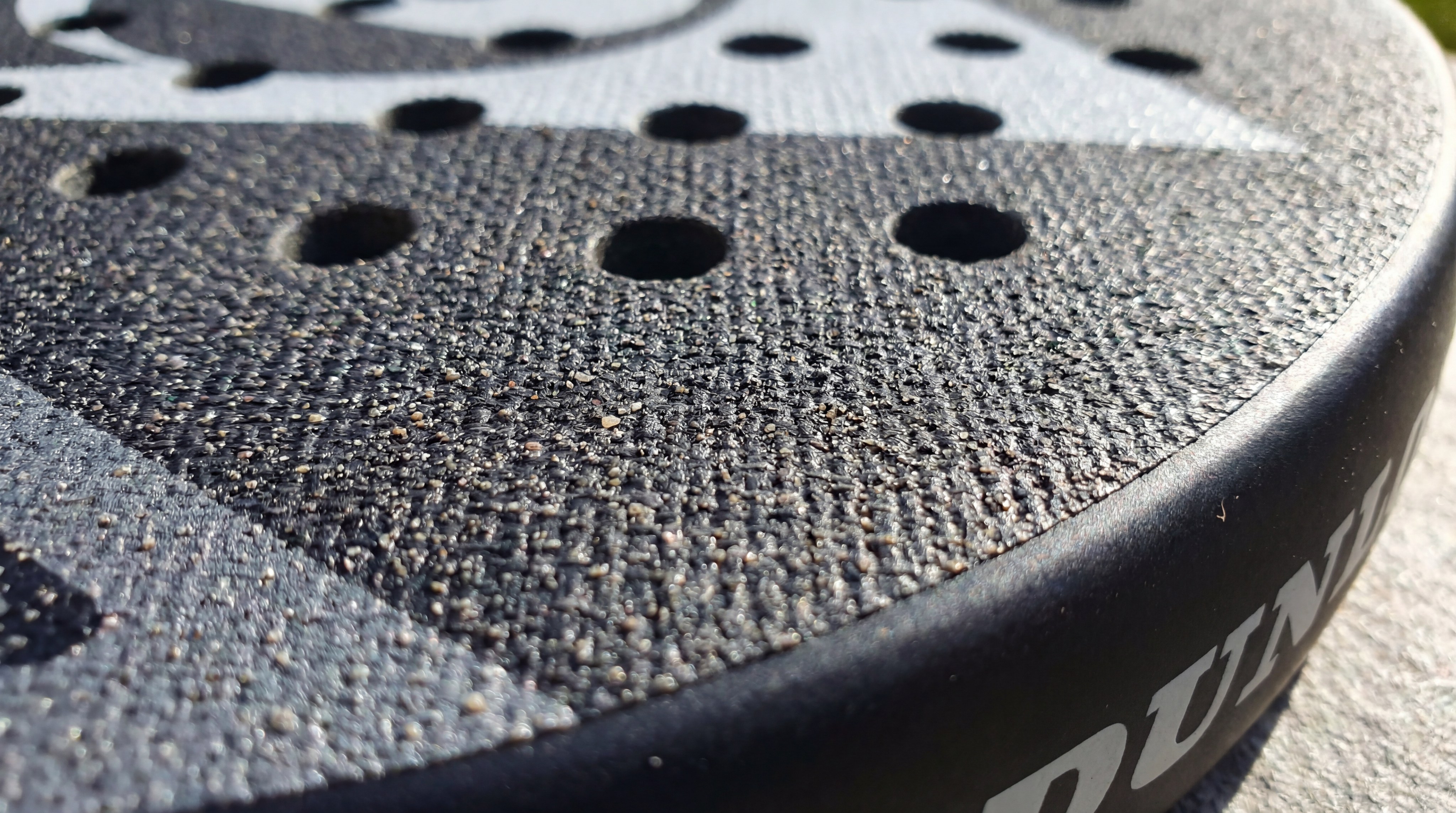
The secret to enhanced spin lies in specialized 3D textured finishes and sandy surfaces applied to the faces to increase friction with the ball. When using siux padel rackets, these surfaces allow for more aggressive slices and volleys that stay low after the bounce.
The role of 3D textured finishes
Want to hit that perfect slice that doesn’t bounce high for your opponent? Texture on the racket face is what makes the ball “bite” during the impact phase.
- 3D Relief: Molded into the carbon layer for permanent spin.
- Hexagonal Patterns: Optimized for lateral friction during volleys.
- Durability: Molded textures last much longer than painted-on grit.
Here is the deal: without texture, the ball slides off the racket face too quickly. This makes it significantly harder to control the trajectory of your technical shots.
Sandy surfaces for aggressive slices
Is there a difference between 3D relief and the popular sandy finishes? The choice between them depends on how much grip you want and how often you play.
- Sandy Finish: Provides the maximum possible grip for “Viper” shots.
- Effect: Ideal for aggressive slices that require heavy friction.
- Maintenance: These surfaces can wear down over time in humid conditions.
Key Takeaway: Texture isn’t just for show; it is a functional tool that allows for advanced technical spin shots.
| Finish Type | Spin Intensity | Longevity |
|---|---|---|
| 3D Relief | High | Permanent |
| Sandy Finish | Extreme | Moderate |
| Glossy/Smooth | Low | Permanent |
The application of surface technology is what enables players to dictate the pace and movement of the ball.
How does siux padel protect you from arm injuries?
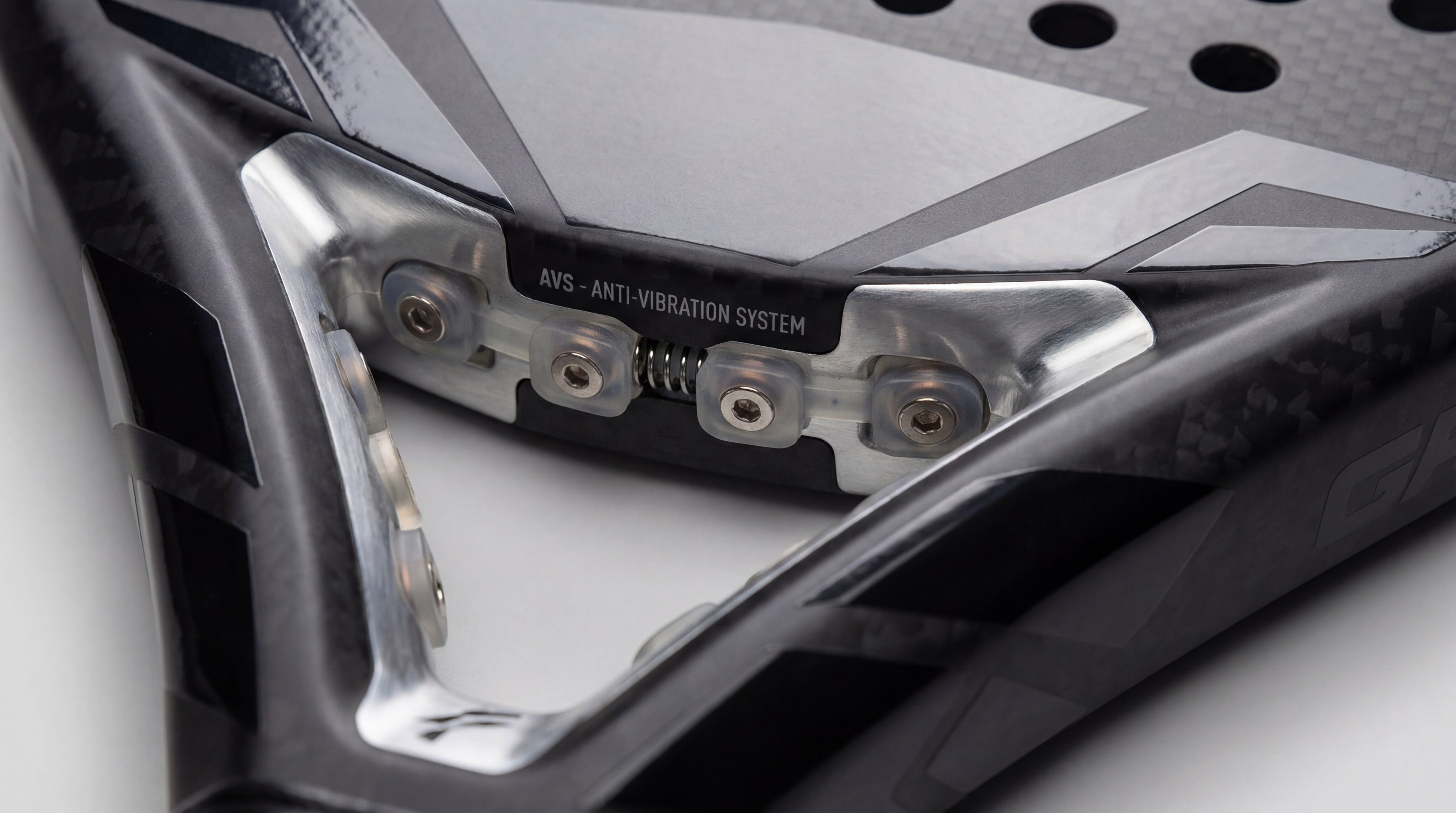
Protection from common injuries is achieved through anti-vibration technologies like the ShockOut system and the Dual Pro Grip, which absorb kinetic energy. A high-quality siux padel frame acts as a buffer, preventing the harsh “buzzing” sensation from traveling through the handle into your elbow.
Anti-vibration systems explained
Are you worried about developing epicondylitis from frequent play? The engineering team focuses on dampening the impact of every hit before it reaches your arm.
- ShockOut Dampeners: Small cylinders placed in holes to kill vibration.
- Bridge Design: Specific shapes in the heart to dissipate energy.
- Low-Density Foam: Acts as a cushion for the initial impact shock.
The best part is that you can play longer matches without feeling that soreness the next day. These systems are essential for players with previous joint issues.
Why the Dual Pro Grip matters
The grip is your only point of physical contact with the equipment during a match. A properly built grip reduces the amount of “death grip” strength required to hold the frame.
- Foam Underlay: Provides a soft layer between the frame and hand.
- Sweat Absorption: High-tech fabrics keep your palm dry and secure.
- Ergonomics: Designed to fill the palm naturally to reduce strain.
Key Takeaway: Injury prevention is built into the racket’s DNA, protecting the player from the core to the handle.
| Technology | Function | Benefit |
|---|---|---|
| ShockOut | Vibration reduction | Prevents Tennis Elbow |
| Dual Pro Grip | Ergonomic handling | Reduces hand fatigue |
| Soft EVA | Impact absorption | Protects joints |
Prioritizing health through technology ensures you can enjoy the sport for years without chronic pain.
Which siux padel shape suits your specific playing style?
Choosing the right shape depends on your position; offensive players should use diamond shapes, while defensive players benefit from round or teardrop models. By selecting a siux padel shape that matches your role, you optimize your natural strengths and minimize your weaknesses.
Diamond vs Teardrop vs Round
Confused about all the geometry options available on the market? Matching the frame shape to your playing style is the most important decision you’ll ever make.
- Diamond: Head-heavy. Built for the player who smashes everything.
- Teardrop: The “Hybrid.” Perfect for players who change roles often.
- Round: Handle-heavy. Built for the player who controls the tempo.
Think about it: a backhand player using a round racket might feel they lack finishing power. Conversely, a drive player with a diamond racket might make more unforced errors.
Key Takeaway: Your position on the court should dictate the geometry of your racket to maximize your performance.
| Player Style | Recommended Shape | Key Attribute |
|---|---|---|
| Aggressive / Smash | Diamond | Power |
| All-Around / Versatile | Teardrop | Balance |
| Precision / Defensive | Round | Control |
The right frame geometry acts as an extension of your arm, allowing for more natural and effective shots.
How to build the perfect siux padel gear bag?
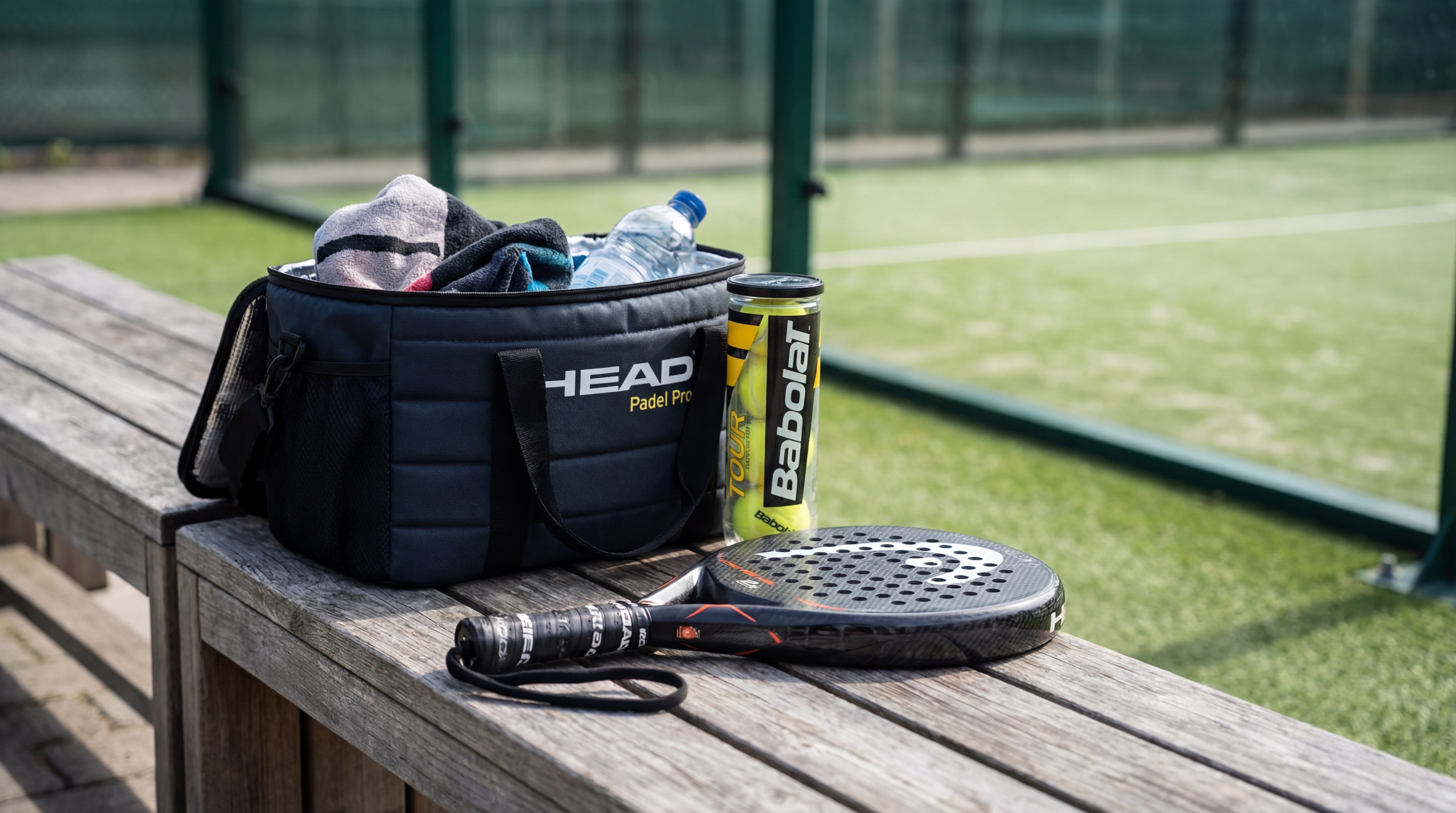
Building a complete kit requires a high-capacity “paletero” to protect your gear from temperature changes and high-quality accessories that maintain consistency. A proper siux padel setup ensures that your rackets are shielded from extreme heat, which can damage the sensitive internal foam.
Selecting the right paletero
Why do you need a specialized bag instead of a standard sports bag? Extreme heat or cold can quickly destroy the EVA core of your high-end equipment.
- Thermal Compartments: Keep the racket at a stable temperature.
- Separate Shoe Pocket: Keeps gear clean and free from odors.
- Padded Straps: Essential for carrying heavy gear to the club comfortably.
Here is the deal: if you leave your equipment in a hot car without a thermal bag, the foam will lose elasticity. This “dead” feeling will permanently ruin your racket’s performance.
Essential accessories for your kit
Building your setup requires these small but vital additions to ensure consistency on the court. Each component plays a role in how the racket feels in your hand over time.
- High-Pressure Balls: Designed for durability and consistent bounce.
- Overgrips: Change them every few matches to maintain a secure hold.
- Protective Tape: Applied to the top to prevent scratches against walls.
Key Takeaway: A professional setup protects your investment and ensures consistent performance every time you step on the court.
| Accessory | Importance | Replacement Frequency |
|---|---|---|
| Thermal Bag | High | Years |
| Overgrips | Critical | 3-5 Matches |
| Frame Protector | Moderate | Months |
A well-maintained gear bag ensures that your equipment is always ready for peak performance during competition.
Why is siux padel leading the 2025 innovation race?
Innovation in the 2025 collection is driven by “Ultimate Tech” core structures and 15K/24K carbon combinations that offer a stable hitting platform. Selecting siux padel for the upcoming season gives you access to aerospace-grade materials that were unavailable to pro players just five years ago.
Aerospace-grade materials in padel
What exactly makes the 2025 models different from previous versions? The brand has moved toward materials used in high-end aviation to reduce weight while increasing strength.
- Textreme Carbon: A thinner, flatter weave that is lighter and stronger.
- Natural Fibers: Integrated to improve vibration dampening significantly.
- Reinforced Bridges: Designs that prevent frame twisting during high impacts.
Believe it or not, the technology in your racket today is more advanced than pro gear from 2020. This evolution allows for faster swing speeds without sacrificing structural integrity.
The future of core structures
The core is no longer just a simple piece of foam inside a frame. Advanced multi-layered systems allow for a progressive feel that adapts to the force of your shot.
- Multi-layered EVA: Different densities in one core for a better feel.
- Airflow Systems: Improved aerodynamics for faster overhead swing speeds.
- Customizable Weighting: Systems that allow you to change weight in seconds.
Key Takeaway: The 2025 lineup represents the pinnacle of engineering, blending extreme durability with elite professional performance.
| Innovation | Impact | Target Player |
|---|---|---|
| 15K Carbon | Optimized Ball Output | Professional |
| Ultimate Tech Bridge | Structural Stability | Advanced |
| Switch Strap | Personal Customization | Everyone |
The commitment to research and development ensures that every model provides a competitive edge on the modern court.
Summary FAQ
Can I use a professional siux padel racket if I am a beginner?
Yes, but choosing a model with a round shape and soft EVA core is recommended to help with your early development.
What’s the best way to clean my siux padel racket?
Use a slightly damp cloth to wipe the surface and always store it in a thermal bag to avoid moisture and heat.
Can I play padel with tennis shoes?
It is not recommended, as padel courts require specific herringbone grip patterns to prevent slipping and potential ligament injuries.
How do I know if I need to change my racket?
For regular players, a high-quality racket should be replaced every 12-18 months to ensure the core maintains its original elasticity.
What’s the best way to add power to my racket?
You can use adhesive weights on the head of the frame to increase the swing weight and generate more leverage during smashes.
Conclusion
Building your perfect game starts with understanding the tools at your disposal. Whether you are seeking the explosive power of 24K carbon or the surgical precision of a round, low-balance frame, the options available within this ecosystem allow every player to construct a personalized path to victory. Don’t let improper gear hold your potential back; choose the engineering that professionals trust. To find the perfect match for your playing style or to get expert advice on your next setup, contact us today. Elevate your performance with the most advanced gear in the industry and dominate the court with confidence.