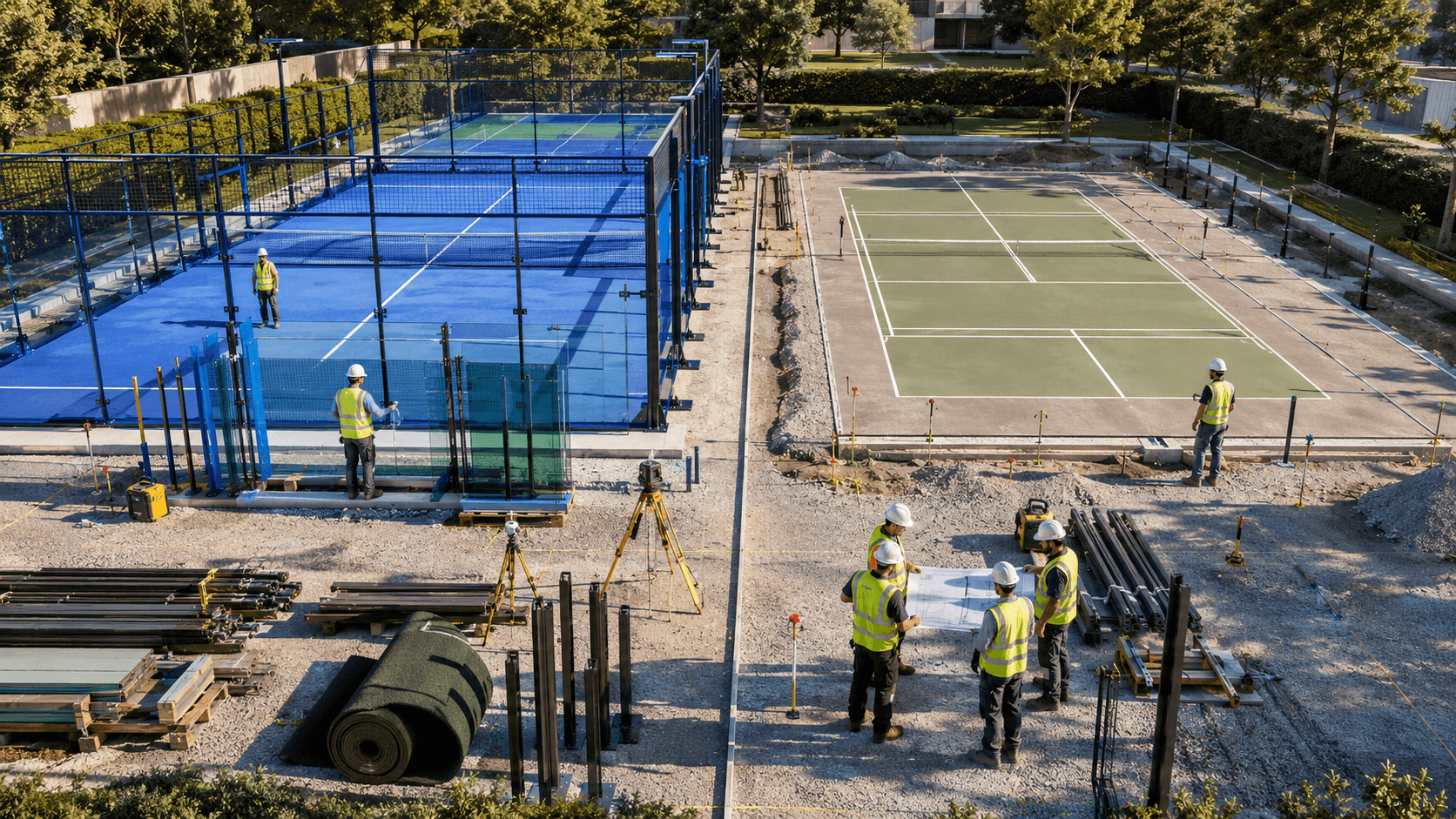
Planning court construction requires selecting the specific 20m x 10m footprint for Padel or the smaller 50ft x 20ft layout for Paddle while ensuring all glass and steel components meet international safety certifications. Imagine walking onto a newly finished sports facility only to realize the walls are the wrong height and the court dimensions don’t fit the league standards you promised your investors. This technical oversight can lead to massive reconstruction costs and a damaged professional reputation. By understanding the critical differences in padel vs paddle design early in the procurement phase, you can secure a high-performance facility that attracts elite players and maximizes your return on investment.
What are the size differences for padel vs paddle?
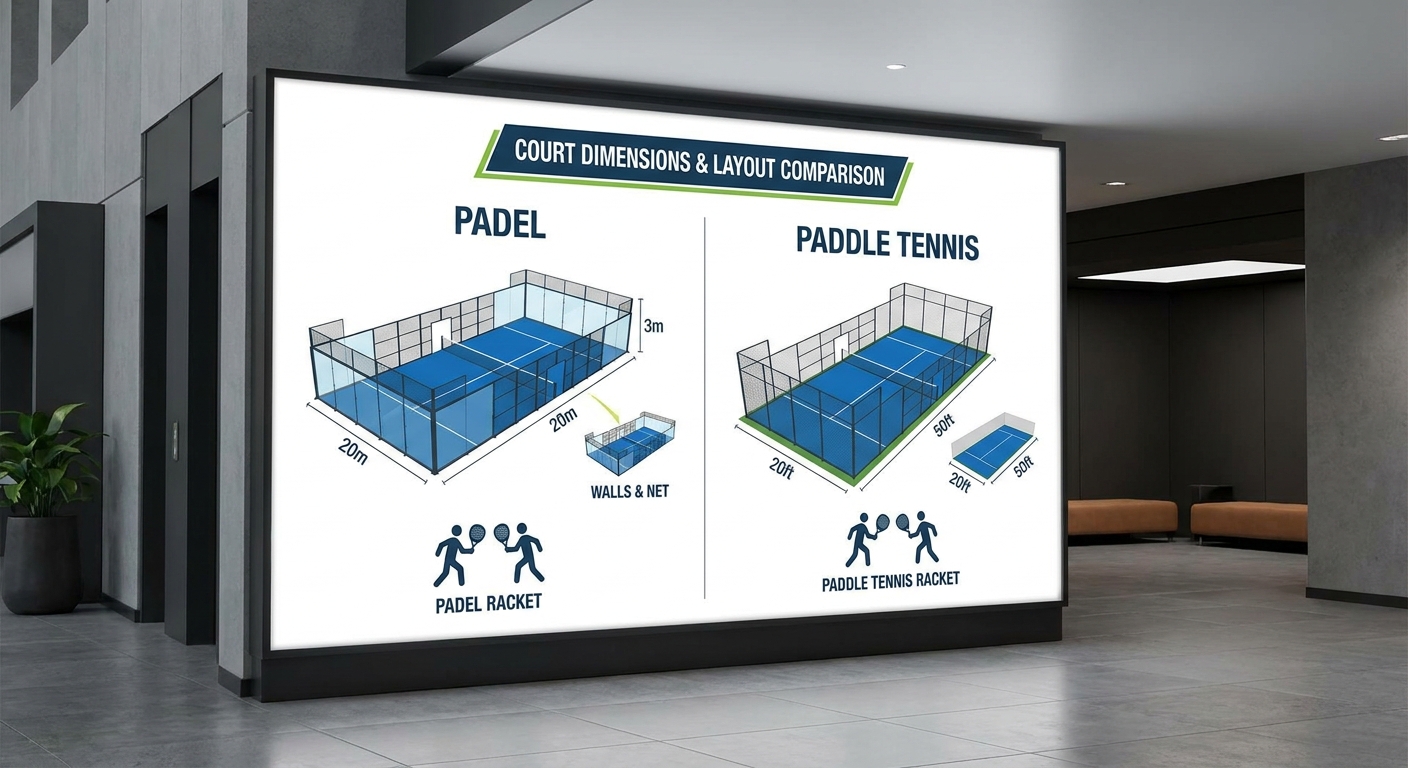
Padel courts are strictly 20m by 10m, whereas paddle tennis courts are smaller, measuring approximately 50ft by 20ft. Choosing the right dimensions is the first step in ensuring your facility is viable for international tournaments and professional play.
Is space the main constraint?
When you plan your layout, you must account for the safety perimeter outside the court lines. Padel requires at least 2 meters of out-of-court play area for professional matches.
Here is the kicker:
A padel court is roughly one-third the size of a traditional tennis court, allowing you to fit more revenue-generating units in a smaller area.
How do dimensions affect play?
The smaller target area in paddle tennis changes the speed of the game and the strategy required to score. Padel’s 200-square-meter area is designed specifically for doubles play, focusing on social interaction and long rallies.
- Padel: 20m length, 10m width.
- Paddle: ~15.2m length, ~6.1m width.
- Padel requires 10-meter high clearance.
Key Takeaway
Accurate dimensioning ensures your facility meets competitive standards and avoids costly layout errors during the concrete pouring phase.
| Standard | Padel Dimensions | Paddle Dimensions |
|---|---|---|
| Court Size | 20m x 10m | 50ft x 20ft |
| Play Style | Doubles Only | Singles & Doubles |
Selecting the correct footprint is the foundation of a successful sports facility development.
How do wall standards differ in padel vs paddle?
In the padel vs paddle debate, padel relies on 3-meter high glass walls as active play surfaces, while paddle often uses traditional fencing or specific target areas. The structural integrity of these walls determines the safety and playability of the entire installation.
Why is glass quality critical?
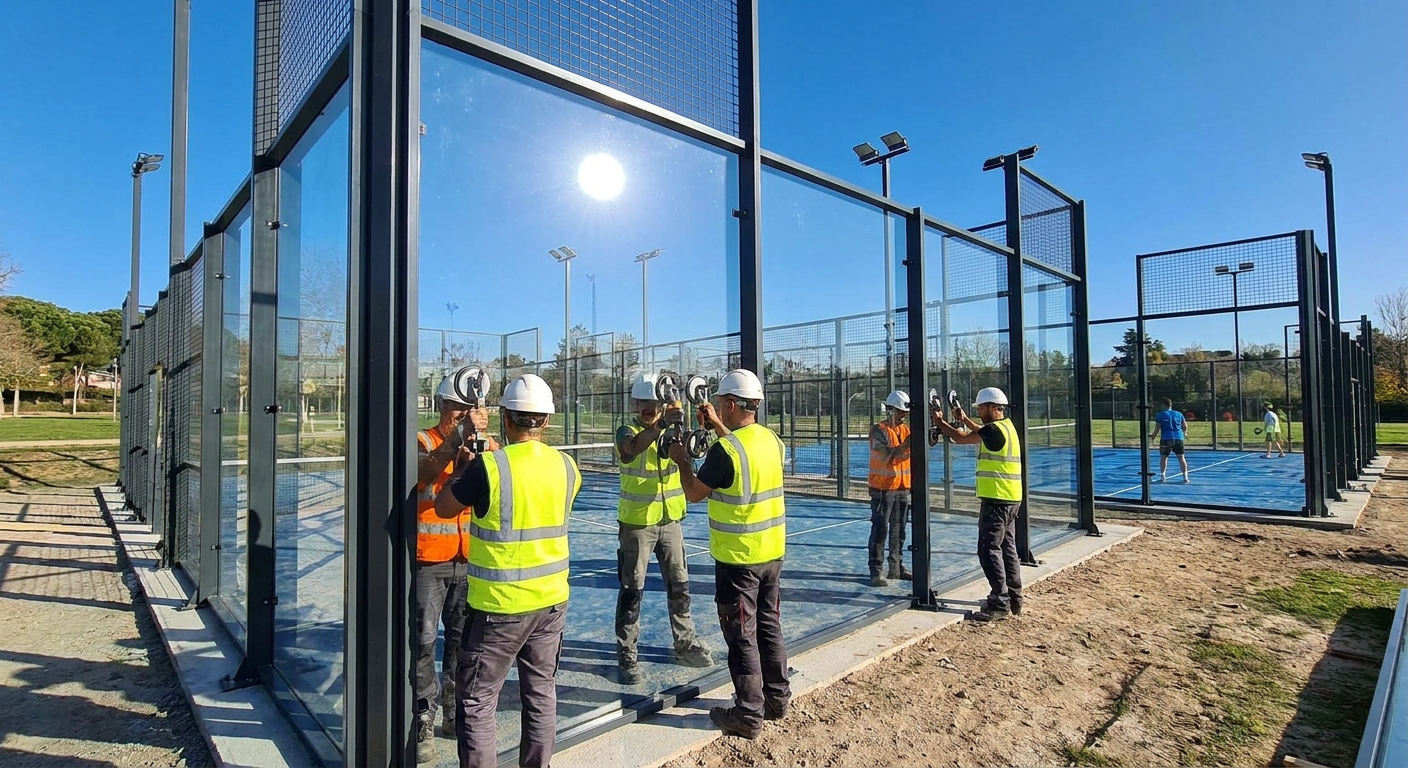
For padel, you must use 12mm anti-explosion tempered safety glass that complies with European EN 12150 standards. This material provides the necessary rebound consistency while protecting players from impact injuries.
But that’s not all:
The glass panels act as a structural component, meaning the mounting system must be engineered to withstand high wind loads and player collisions.
What role do fences play?
Metallic mesh sections are integrated into padel walls to provide “unpredictable” bounces, which is a core part of the game’s strategy. In paddle tennis, the fencing is typically more similar to traditional tennis enclosures.
- Use 12mm tempered glass for safety.
- Ensure mesh is flush with glass surfaces.
- Hot-dip galvanized frames prevent rust.
Key Takeaway
Investing in certified tempered glass and robust framing reduces your liability and ensures a premium playing experience for club members.
| Component | Padel Wall Standard | Paddle Enclosure |
|---|---|---|
| Material | Tempered Glass & Mesh | Modular Fencing |
| Height | 3m (sides) to 4m (back) | Variable |
Wall quality is a non-negotiable factor for facility longevity and player safety.
Which court is more popular for padel vs paddle?
Padel is significantly more popular globally with over 20 million players, making it the preferred choice over the localized paddle tennis markets. This massive player base translates directly into higher booking rates and faster capital recovery for your project.
Is the market growth sustainable?
Padel is currently the world’s fastest-growing sport, with thousands of new courts being installed across Europe and the Middle East annually. This trend is driven by the sport’s social nature and low barrier to entry for beginners.
Here is the deal:
The high demand for padel means you can command premium rental fees compared to more traditional racquet sports.
Where should you build?
Sports clubs and real estate developers are increasingly prioritizing padel due to its high player density per square meter. While paddle tennis remains popular in specific US regions, padel has achieved a truly global footprint.
- Over 20 million global padel players.
- Thousands of professional tournaments.
- High social media engagement and visibility.
Key Takeaway
Choosing padel allows you to tap into a massive, growing global market that guarantees consistent demand and high facility utilization.
| Metric | Padel Popularity | Paddle Popularity |
|---|---|---|
| Player Count | 20,000,000+ | ~25,000 |
| Growth Rate | Rapidly Increasing | Localized Growth |
The global momentum of padel makes it a safer and more profitable long-term investment.
What materials are used for padel vs paddle?
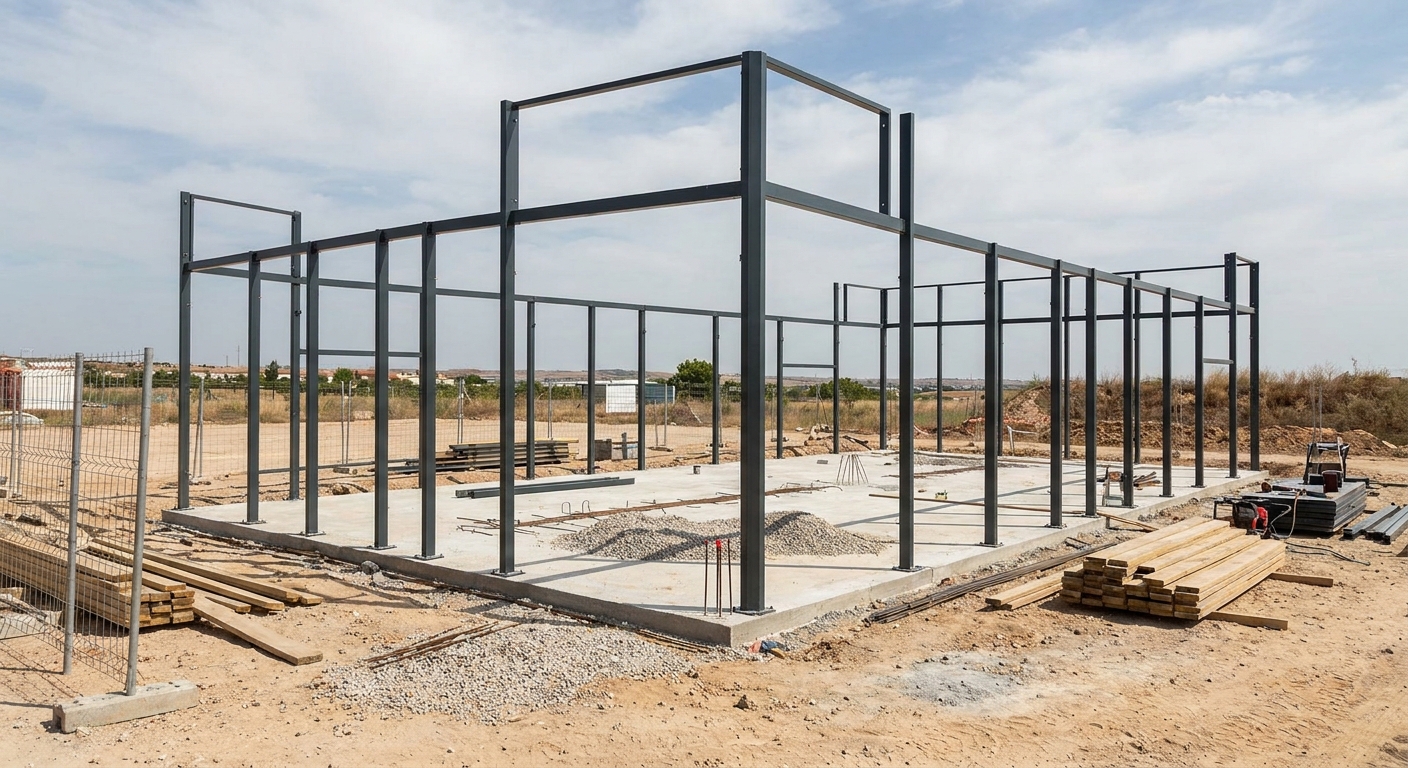
Professional padel vs paddle construction utilizes hot-dip galvanized steel for padel, while paddle courts might use simpler modular or tennis-style fencing. Using industrial-grade materials ensures the structure can withstand years of heavy use without requiring expensive repairs.
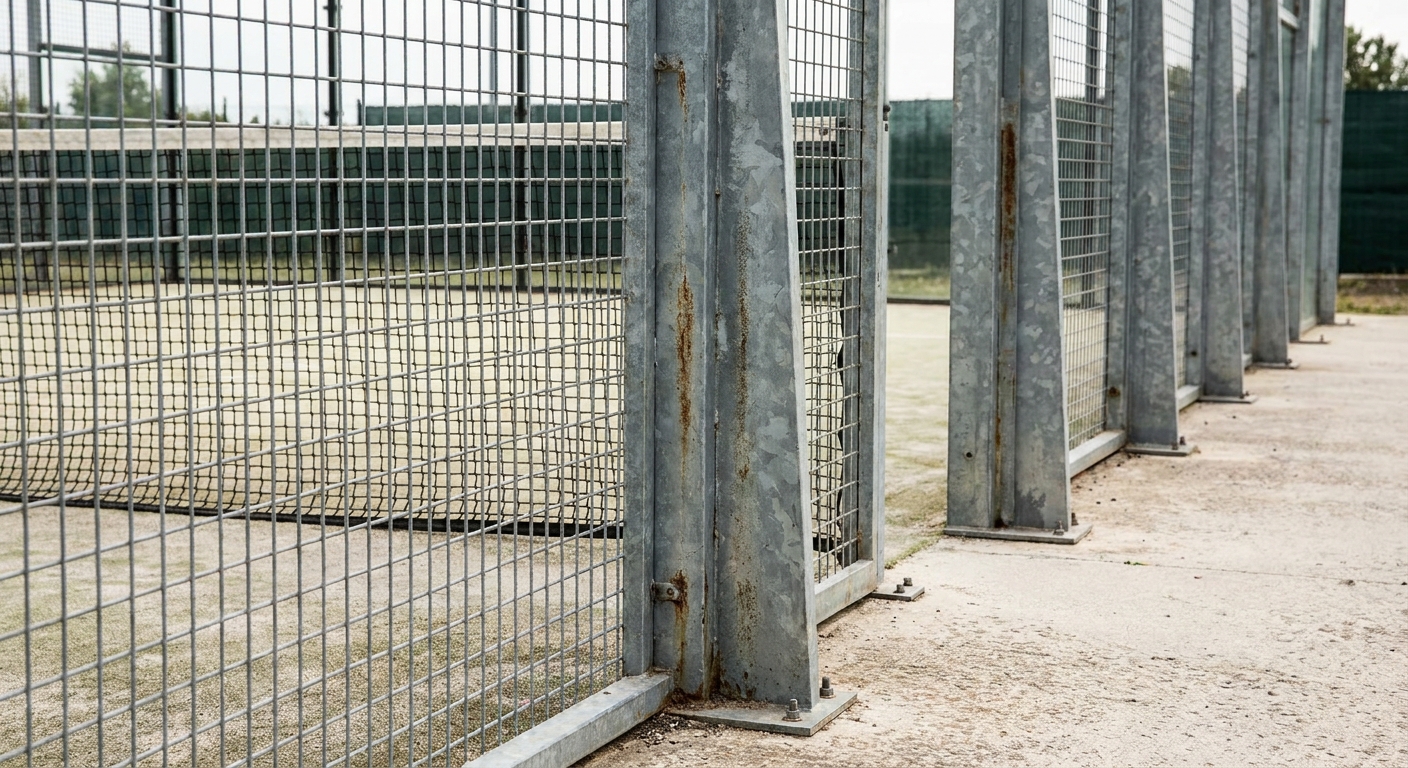
Why choose galvanized steel?
Hot-dip galvanization provides superior corrosion resistance, which is vital if you are building courts in coastal areas or high-humidity environments. This process guarantees a 20-year design life for your court’s structural skeleton.
Think about it:
A rusted frame not only looks unprofessional but can also lead to structural failure, posing a major risk to your business operations.
Is durability worth the cost?
While cheaper aluminum or painted steel frames exist, they often flake and degrade within a few seasons. Premium padel structures use modular designs that simplify assembly and maintain aesthetic appeal over time.
- 100mm x 100mm steel pillars.
- Laser-cut connection plates.
- Electrostatic powder coating.
Key Takeaway
Specifying hot-dip galvanized steel and modular components ensures a maintenance-free facility that maintains its value for decades.
| Material | Padel Court | Paddle Court |
|---|---|---|
| Frame | Galvanized Steel | Aluminum or Steel |
| Coating | Powder Coated | Painted or Anodized |
High-quality materials are the only way to avoid the hidden costs of constant structural maintenance.
How does lighting affect padel vs paddle?
Court lighting for padel vs paddle requires high-efficiency LED floodlights to ensure uniform visibility across the enclosed glass environment. Proper illumination is essential for evening play, which is often the most profitable time slot for facility owners.
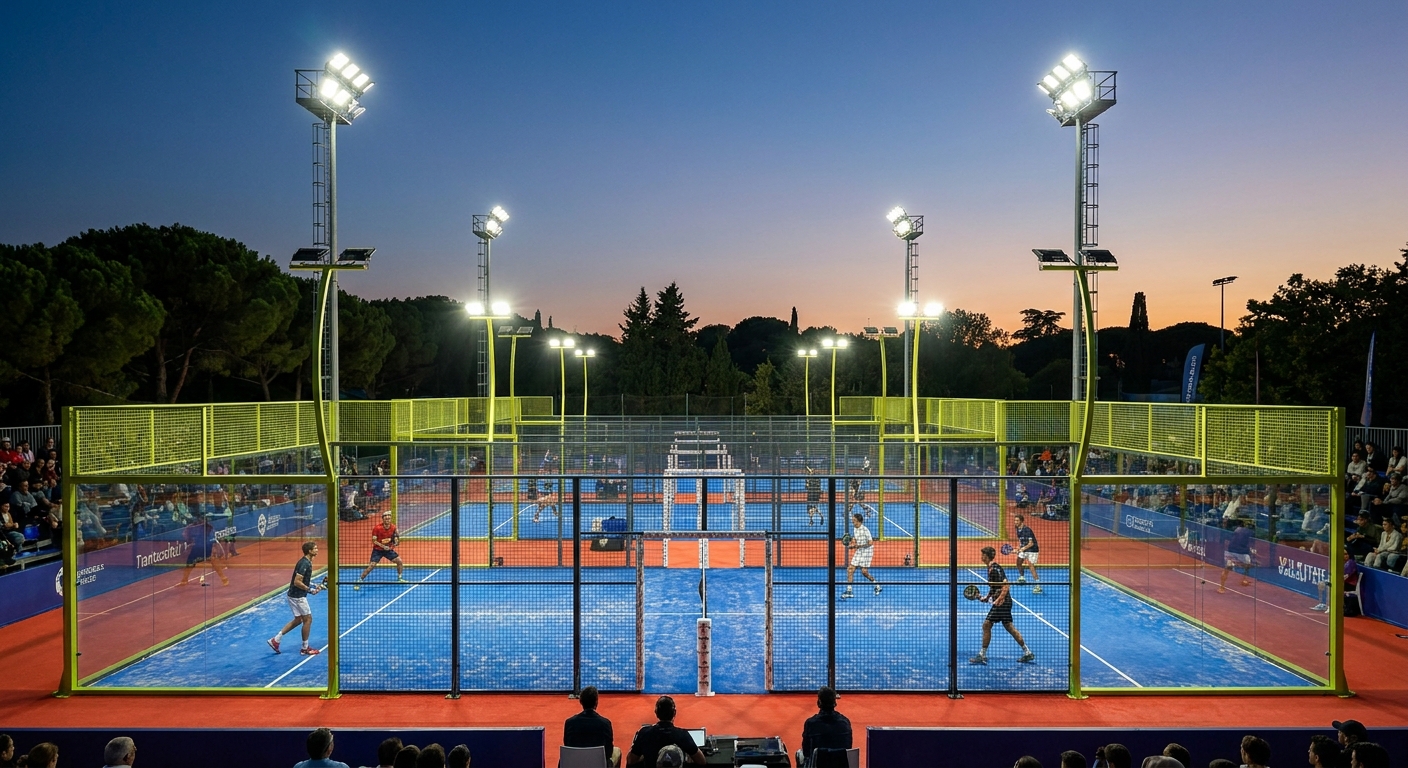
What are the lux requirements?
For professional padel play, you need a minimum of 500 to 750 lux to ensure the ball is visible at high speeds. Lower-quality lighting can create shadows on the glass, which distracts players and ruins the game experience.
You might be wondering:
How much energy will this consume? Modern IP66-rated LED systems provide brilliant light while significantly reducing your monthly electricity overhead.
Does glare affect performance?
The positioning of the light masts is critical to prevent glare on the glass walls. In a padel vs paddle comparison, the enclosed nature of padel makes light reflection a major technical challenge that must be managed during installation.
- 8x 200W LED floodlights per court.
- 6-meter mast height for coverage.
- Instant-on/off capability for bookings.
Key Takeaway
Advanced LED lighting extends your playable hours and ensures player satisfaction, leading to higher booking rates and member retention.
| Feature | LED Padel Lighting | Standard Lighting |
|---|---|---|
| Energy Savings | Up to 70% | Baseline |
| Uniformity | High (Emin/Eave > 0.7) | Variable |
Precision lighting is a key differentiator that separates amateur courts from professional-grade facilities.
What is the best turf for padel vs paddle?
For padel vs paddle standards, high-density fibrillated artificial grass is the industry benchmark for consistent ball bounce and player safety. The turf must be durable enough to withstand the pivoting and sliding movements common in high-level play.
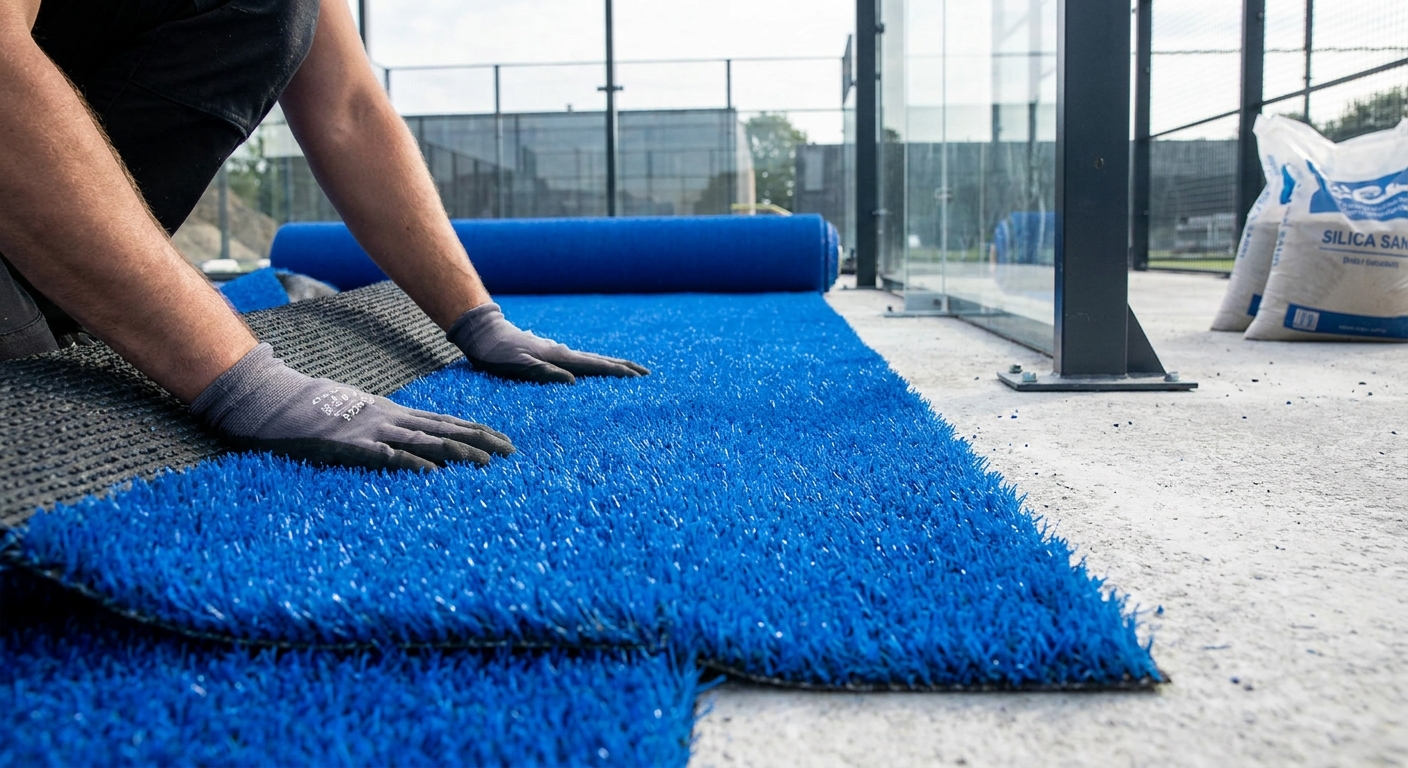
Does sand infill matter?
Yes, using kiln-dried silica sand is mandatory to keep the grass fibers upright and provide the correct level of friction. Without proper infill, the turf will wear out prematurely and become dangerously slippery for players.
Check this out:
Blue turf has become the iconic standard for padel because it provides the best visual contrast for the yellow ball, making it perfect for televised matches.
How often is maintenance needed?
High-quality fibrillated or monofilament grass requires minimal brushing to redistribute sand and prevent compaction. Choosing a turf that meets EU safety standards ensures the surface remains soft and injury-free for years.
- 12mm to 15mm pile height.
- Fibrillated or Monofilament fibers.
- UV-resistant for outdoor longevity.
Key Takeaway
Selecting professional-grade artificial grass guarantees a consistent playing surface that players will love, reducing the risk of joint injuries.
| Turf Property | Padel Specification | Paddle Specification |
|---|---|---|
| Fiber Type | Fibrillated/Texturized | Various Synthetics |
| Color | Blue/Green/Red | Green/Blue |
The right turf choice enhances playability and defines the aesthetic identity of your sports club.
Can I build roofed courts for padel vs paddle?
Yes, you can install integrated roofing systems for padel vs paddle to allow for year-round revenue generation regardless of weather conditions. A roofed facility prevents rain-outs and protects players from intense sun, ensuring your booking calendar stays full.
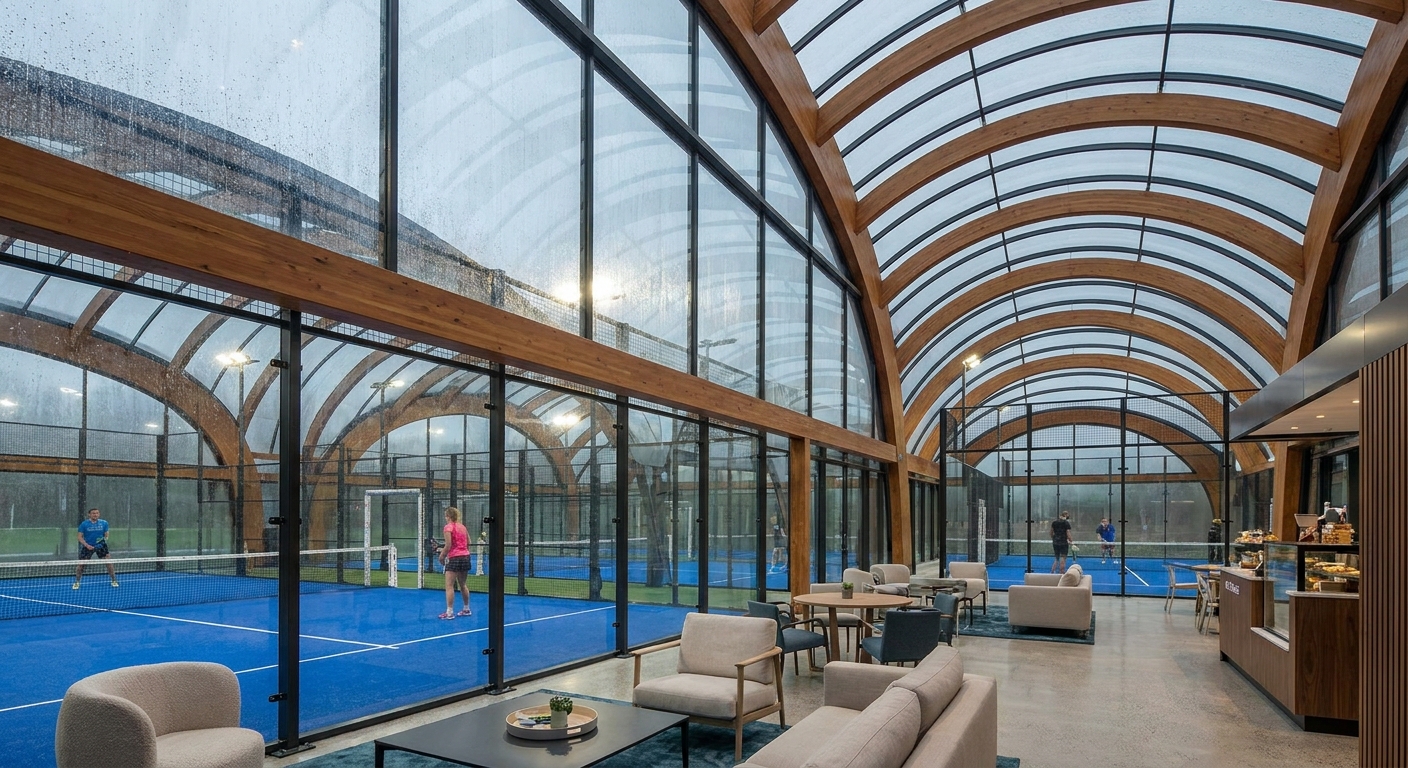
Does height impact play?
In padel, the “lob” is a vital defensive shot, so your roof must have a minimum clear height of 6 meters, though 8 to 10 meters is preferred. A roof that is too low will restrict the game and frustrate experienced players.
It gets better:
Roofed courts can be designed with open sides to maintain natural ventilation while providing complete protection from vertical rainfall.
What are the indoor benefits?
Indoor or roofed courts allow you to control the environment, including lighting and humidity. This level of consistency is highly valued by competitive players who want a predictable playing experience every time.
- Protects glass from water spots.
- Prevents turf drainage issues.
- Increases evening and winter revenue.
Key Takeaway
Adding a roofed structure transforms your court into an all-weather asset, significantly increasing your annual revenue potential.
| Setup | Outdoor Court | Roofed Court |
|---|---|---|
| Utilization | Weather Dependent | 365 Days/Year |
| Maintenance | High (Dust/Rain) | Low (Protected) |
Roofed solutions are the best way to hedge against climate risks and ensure a steady stream of booking income.
Are the rackets the same for padel vs paddle?
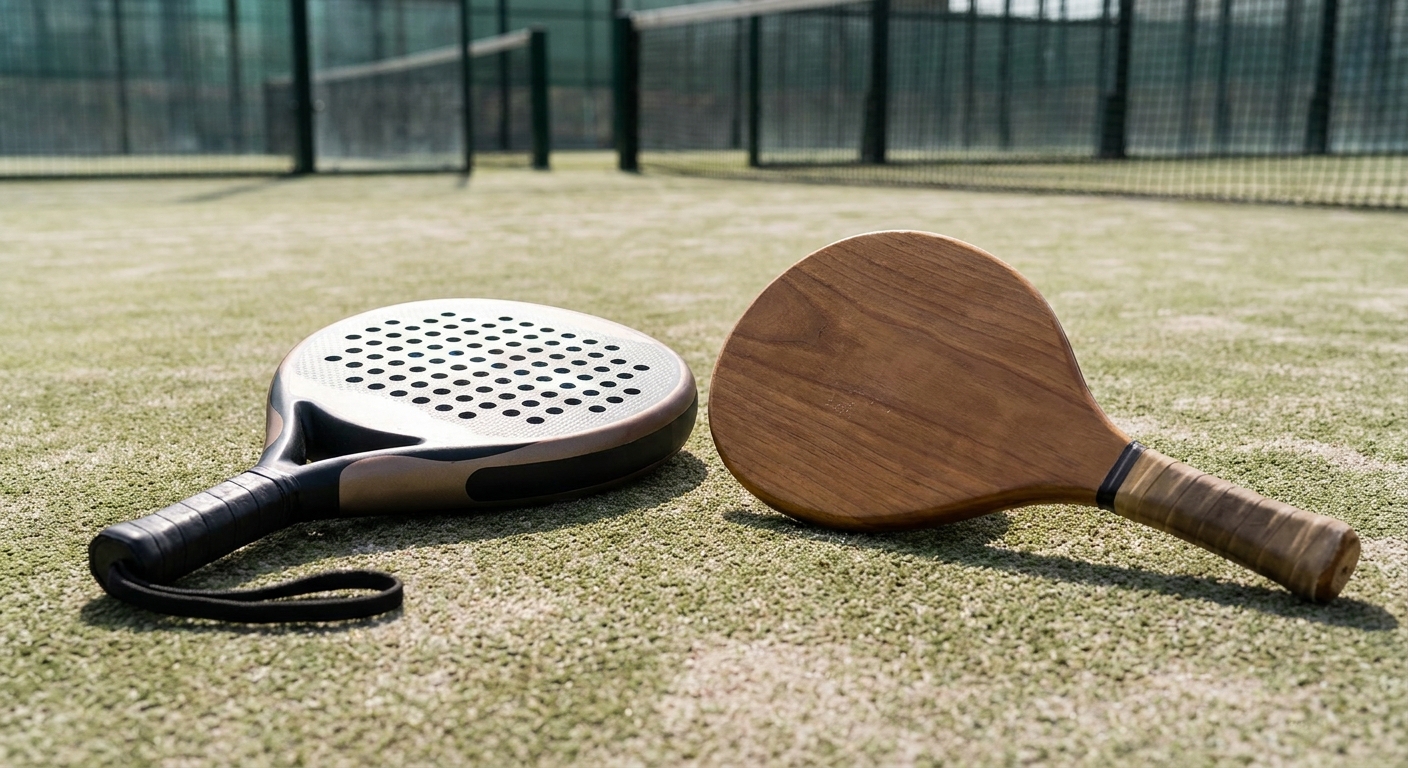
The equipment in padel vs paddle is vastly different, as padel uses thick, stringless carbon fiber rackets while paddle uses thinner versions. Understanding these differences helps you stock the right equipment for your pro-shop and player rentals.
Why does racket thickness matter?
Padel rackets are typically 38mm thick and feature a foam or EVA core that provides power and shock absorption. The solid surface is perforated with holes to reduce air resistance during fast swings.
Best of all:
These rackets are designed to work with low-pressure tennis balls, creating a unique sound and feel that defines the sport.
Are balls interchangeable?
While they look like tennis balls, padel balls have slightly less internal pressure to keep the game manageable within the glass walls. Paddle tennis often uses even softer, spongier balls to accommodate the smaller court size.
- Padel: 38mm thick, solid core.
- Paddle: Thinner, often wooden or composite.
- Padel balls: 0.06kg – 0.09kg pressure.
Key Takeaway
Providing the correct rackets and balls is essential for maintaining the integrity of the game and protecting your court’s glass surfaces.
| Gear | Padel Racket | Paddle Racket |
|---|---|---|
| Surface | Perforated Solid | Solid or Mesh |
| Ball Type | Low-Pressure Tennis | Spongy/Soft Ball |
Using the wrong equipment can lead to poor player performance and unnecessary wear on your court components.
Why choose panoramic designs for padel vs paddle?
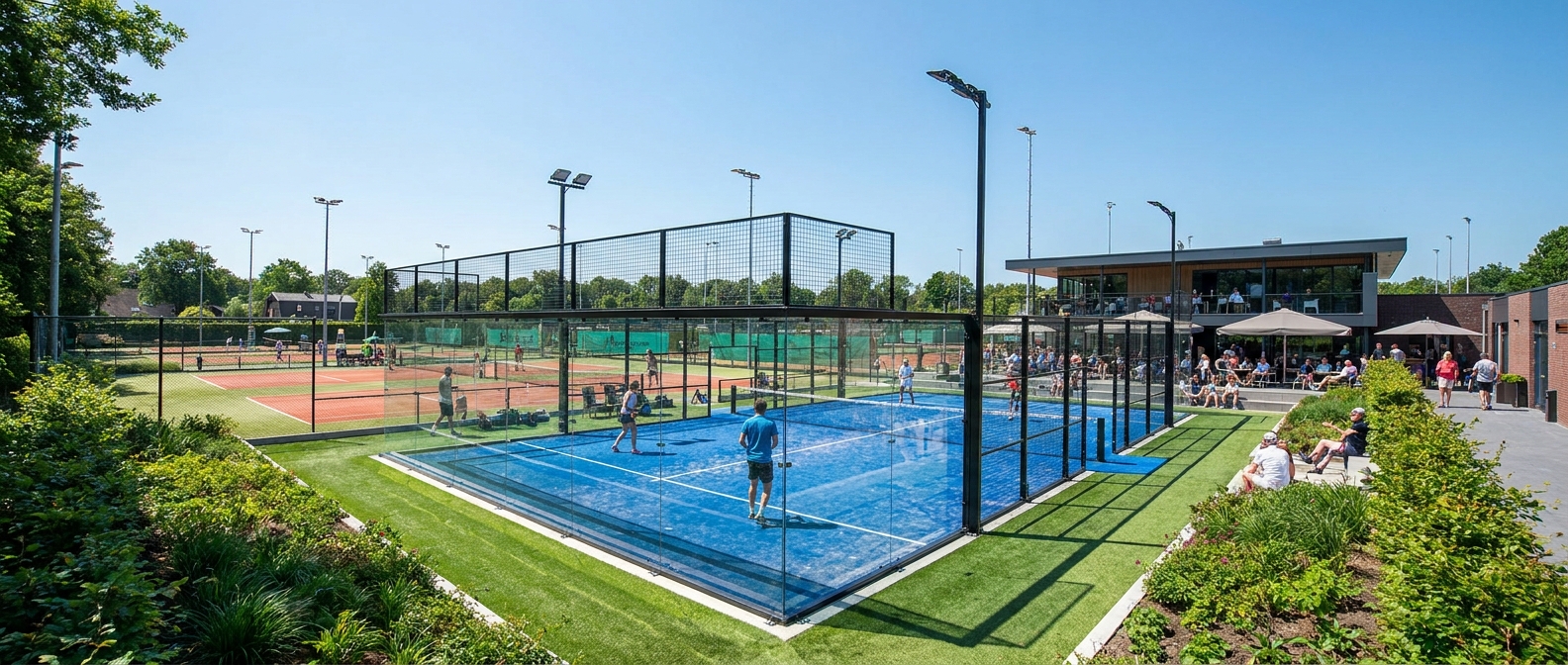
Panoramic designs are exclusive to padel vs paddle construction to provide spectators with an unobstructed view through post-less glass walls. This premium design is often the centerpiece of high-end sports clubs and luxury resorts.
Is visibility a revenue driver?
Panoramic courts are highly “Instagrammable” and attract elite clients who want a professional atmosphere. The lack of rear structural posts allows for better filming of matches, which is a major plus for tournament organizers.
Believe it or not:
Facilities with panoramic courts often report higher rental rates because players feel they are playing on a “show court” similar to those on the professional tour.
Are panoramic courts safer?
Despite having fewer structural posts, panoramic courts use thicker glass and reinforced base plates to maintain strict safety standards. They offer the same level of impact resistance as standard courts while providing a vastly superior aesthetic.
- 360-degree visibility for fans.
- Ideal for central “center court” locations.
- Increases club prestige and branding.
Key Takeaway
Panoramic courts serve as a powerful marketing tool that elevates your facility’s brand and attracts high-value members and sponsors.
| Design | Standard Court | Panoramic Court |
|---|---|---|
| Visibility | Good (has posts) | Exceptional (no posts) |
| Appeal | Functional | Premium/Elite |
Investing in a panoramic court is a strategic move to position your club at the top of the local market.
How to ensure ROI for padel vs paddle?
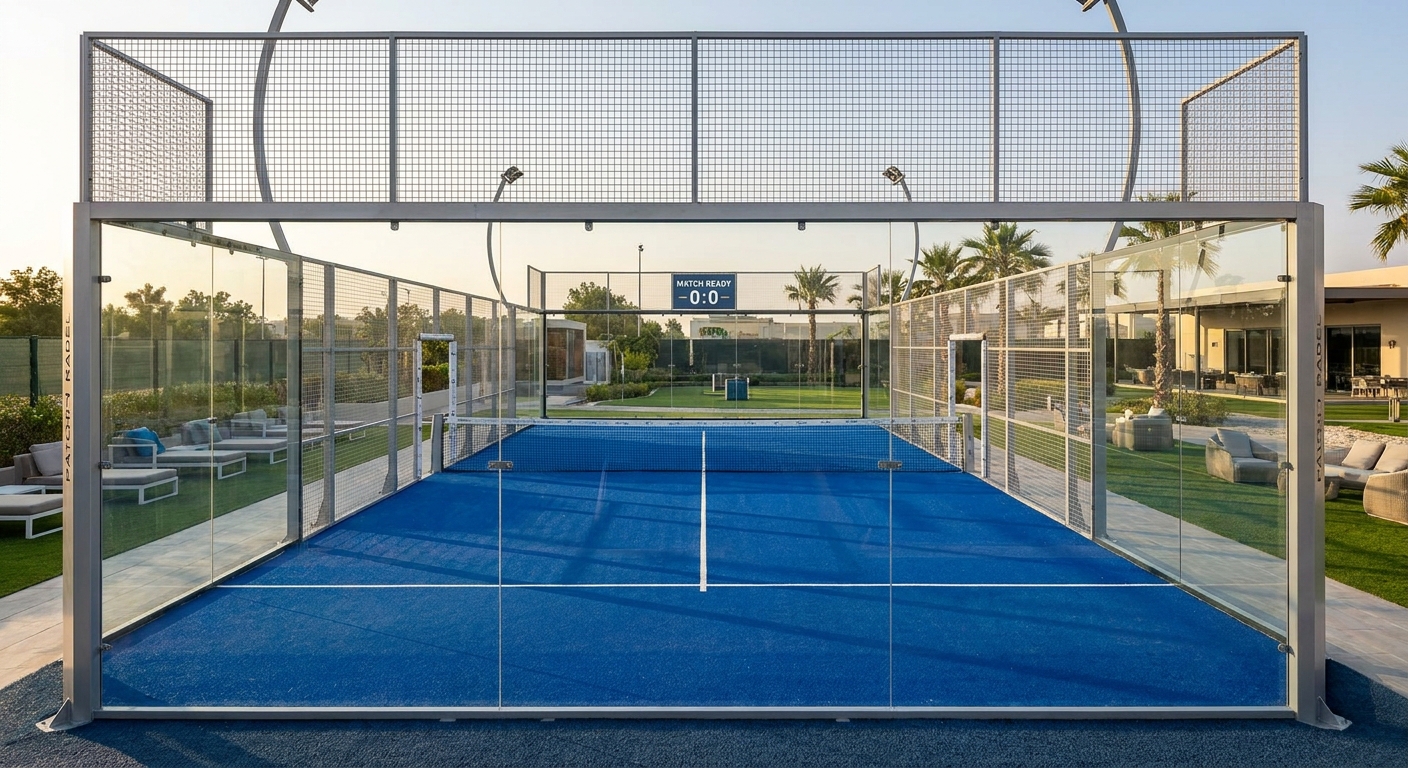
Maximizing ROI in padel vs paddle involves selecting high-traffic locations and using premium materials that minimize long-term maintenance costs. A well-planned facility can achieve full capital payback in as little as 18 to 24 months.
What are the rental trends?
Padel courts typically host four players at a time, meaning the revenue per hour is significantly higher than for tennis or squash. Clubs that use automated booking and smart lighting systems further increase their margins by reducing labor costs.
Here’s the deal:
By buying direct from the manufacturer, you can save up to 30% on procurement, which drastically improves your initial financial projections.
How do clubs retain members?
Offering a professional-grade surface with high-efficiency LEDs and panoramic views keeps players coming back. A social atmosphere, combined with high-quality amenities, ensures your courts remain booked even during off-peak hours.
- 4 players per booking.
- 18-month average ROI.
- Low operational overhead.
Key Takeaway
Focusing on quality and purchasing efficiency allows you to build a profitable, sustainable business that thrives on the global padel trend.
| ROI Factor | Contribution | Benefit |
|---|---|---|
| Factory Direct | -30% Cost | Faster Payback |
| High Player Density | 4 players/hour | Higher Revenue |
Strategic planning and quality procurement are the dual pillars of financial success in the sports industry.
The transition from a raw construction site to a world-class sports facility requires meticulous attention to international standards and material quality. By distinguishing the unique requirements of court design, you eliminate technical risks and set the stage for a thriving community hub. We are dedicated to providing the engineering expertise and premium components you need to transform your vision into a high-performance reality. To start your journey with a partner that values precision and durability, contact us today for a comprehensive consultation. Our vision is to empower facility owners to build the future of global racquet sports with confidence and excellence.
Frequently Asked Questions
Can I convert an existing tennis court into padel courts?
Yes, you can typically fit two to three padel courts within the footprint of a single traditional tennis court. This conversion is highly profitable because it increases the number of players paying per hour while utilizing the same land area.
What’s the best glass thickness for a commercial padel facility?
12mm tempered safety glass is the industry standard for commercial courts because it offers the best balance of safety and rebound performance. While 10mm glass is available, the extra durability of 12mm glass is essential for high-frequency public use and professional play.
How do I know if my court structure is rust-proof?
You should verify that the steel has undergone a hot-dip galvanization process rather than just a simple paint or spray-on coating. Genuine hot-dip galvanization involves submerging the steel in molten zinc, providing complete internal and external protection that lasts over 20 years.
Can I install lighting on my courts at a later date?
No, it is highly recommended to integrate the lighting masts into the initial structural design and concrete foundation. Retrofitting lighting often requires digging up finished surfaces or using external poles that can interfere with the court’s safety perimeter and aesthetic.
What’s the best way to handle international shipping for court components?
The most efficient method is to work with a manufacturer that provides professional loading services and direct-to-port logistics support. Proper container packing ensures that large glass panels and heavy steel beams arrive without damage, saving you significant time and potential replacement costs.