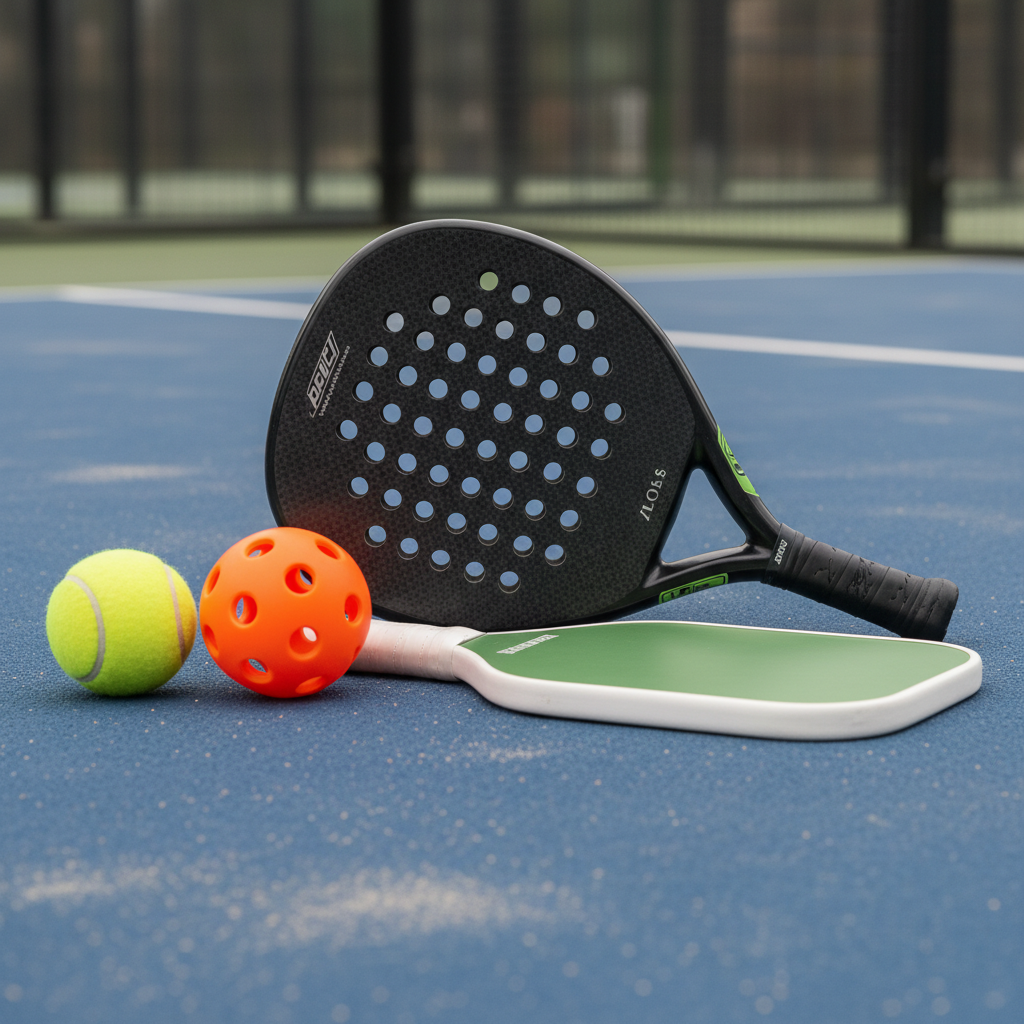
No, padel is not the same as pickleball, as these two sports differ significantly in their equipment, court dimensions, scoring systems, and structural requirements. Many facility developers struggle to choose between these options, fearing they might waste valuable real estate on a passing trend that doesn’t fit their demographic. If you build a court that fails to attract local players, you risk stagnant revenue and low utilization rates. You need a clear understanding of the market to design a facility that captures the highest possible return on investment. By determining is padel the same as pickleball, you can confidently select the sport that matches your site’s physical constraints and business goals.
Is padel the same as pickleball in basic origins?
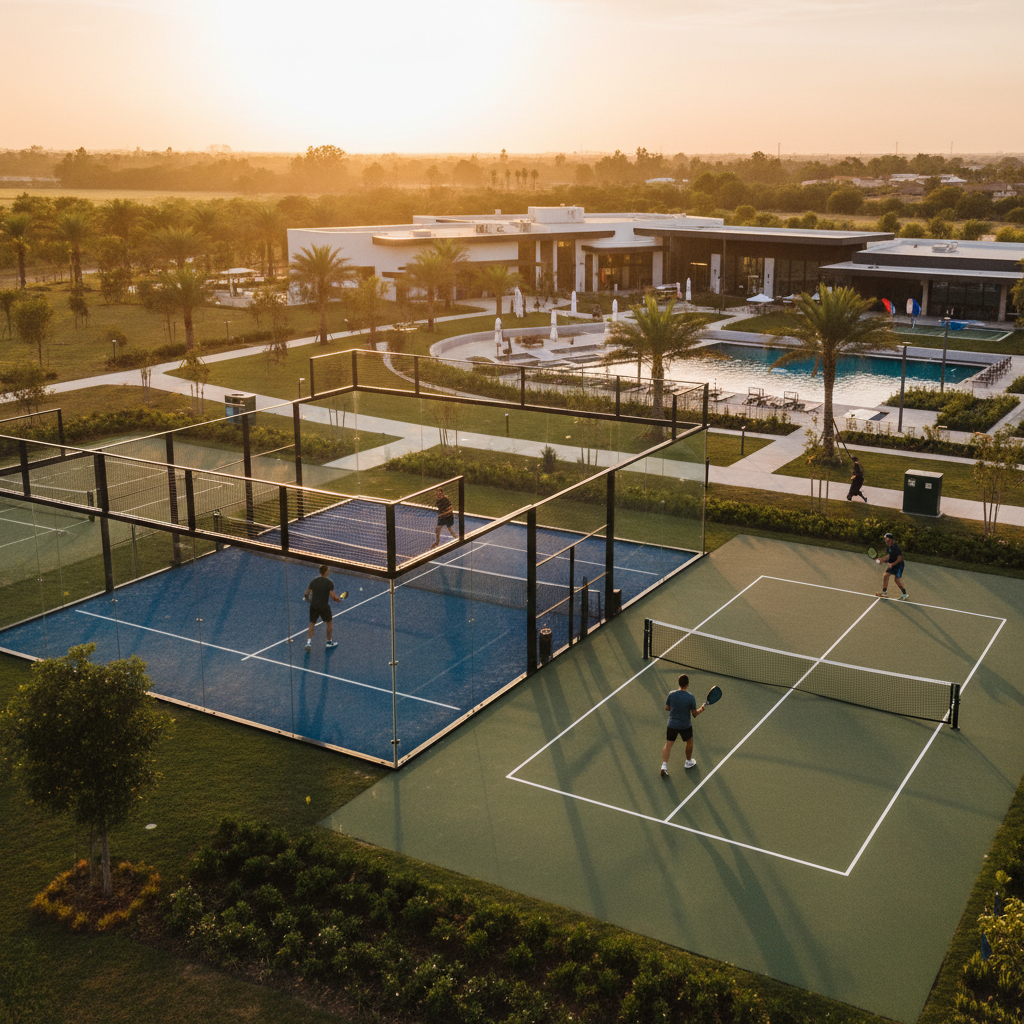
No, padel and pickleball originated in different countries and cultural contexts during the mid-1960s. You must understand that is padel the same as pickleball is a misconception because padel began as a luxury residential modification in Mexico while pickleball was born as a family backyard game in the United States. These distinct histories have shaped the specific social atmospheres and demographics you will see in clubs today.
Where did padel start?
Padel was created in 1969 by Enrique Corcuera in Acapulco, Mexico. He wanted to enjoy tennis in a smaller space, so he built walls to keep the ball from escaping into the brush.
- Founded in Mexico.
- Inspired by tennis and squash.
- Designed for residential privacy.
How did pickleball begin?
Pickleball started in 1965 on Bainbridge Island, Washington, when three fathers needed a way to entertain their children. They combined elements of badminton and table tennis to create a sport that was easy for all ages to pick up.
Think about it.
You are choosing between a sport with Latin European flair and a sport deeply rooted in North American recreation.
| Factor | Padel History | Pickleball History |
|---|---|---|
| Year Founded | 1969 | 1965 |
| Primary Influence | Tennis & Squash | Badminton & Table Tennis |
| Global Stronghold | Europe & Latin America | North America |
Analyzing these roots reveals why padel often commands a premium club atmosphere while pickleball thrives in public parks.
Key Takeaway: The cultural heritage of each sport determines the type of community and membership model you should implement at your facility.
Is padel the same as pickleball for court dimensions?
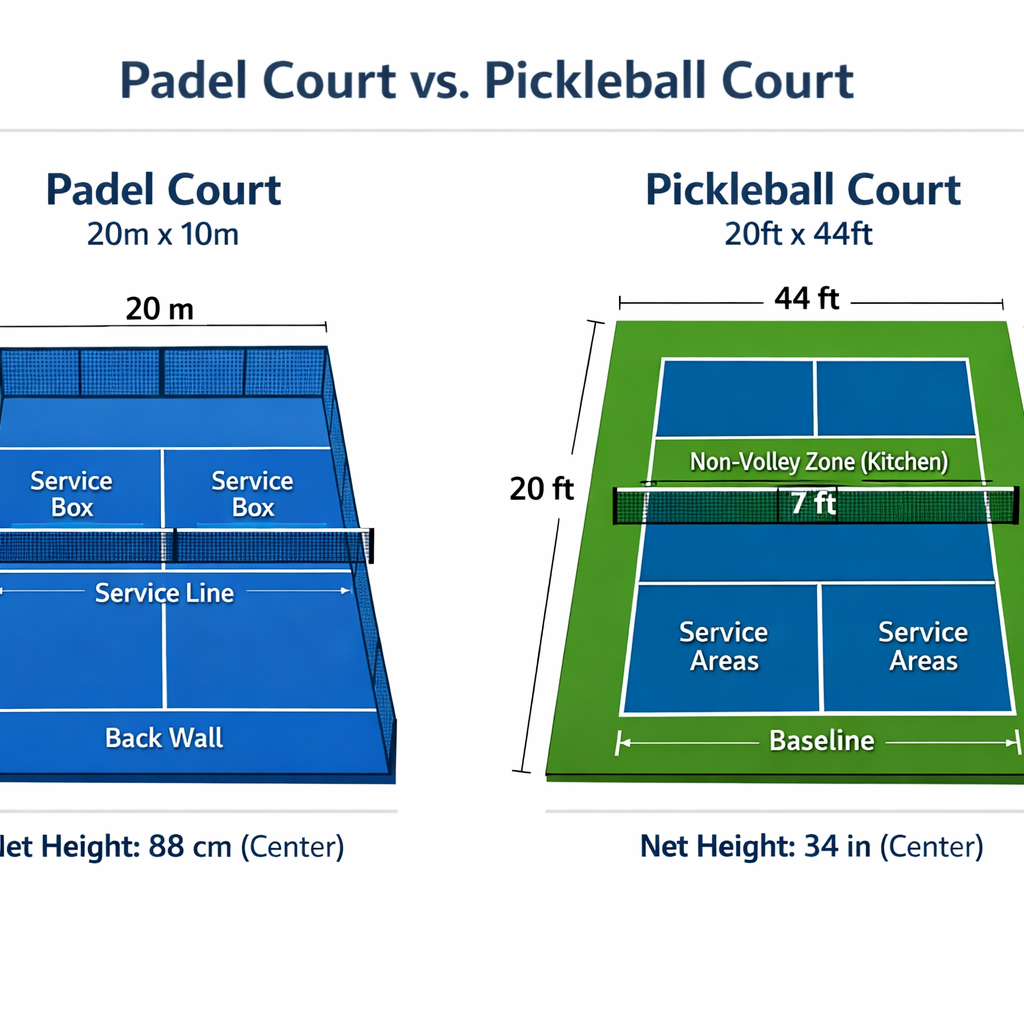
No, padel courts are significantly larger than pickleball courts and require specialized vertical clearance for the surrounding glass walls. When you ask is padel the same as pickleball regarding space, you must note that padel requires a 10×20 meter footprint. Pickleball is more compact, fitting into standard badminton-sized areas of 20×44 feet.
What are the padel metrics?
Padel installations utilize a rectangular enclosure that occupies exactly 200 square meters of total area. The structure is a permanent fixture that defines the perimeter of play with high-strength steel and glass.
- Length: 20 meters.
- Width: 10 meters.
- Net Height: 88cm at the center.
Are pickleball courts smaller?
Pickleball courts are modeled after badminton dimensions and occupy roughly one-third of the area of a standard tennis court. This layout allows you to fit multiple courts into a single converted area to increase your player density per hour.
You might be wondering:
Can you fit two pickleball courts in one padel space?
- Pickleball fits in 880 sq ft.
- Padel requires 2,152 sq ft.
- Smaller footprints allow more units.
| Metric | Padel Court | Pickleball Court |
|---|---|---|
| Length | 20 Meters | 13.4 Meters (44 ft) |
| Width | 10 Meters | 6.1 Meters (20 ft) |
| Total Area | 200 sqm | ~82 sqm |
Spatial efficiency is the cornerstone of a profitable facility, making precise dimension knowledge mandatory for your construction phase.
Key Takeaway: Determining if you have the vertical clearance for padel structures or the footprint for multiple pickleball courts is the first step in site selection.
Is padel the same as pickleball in equipment needs?
No, the equipment used in padel consists of heavy foam-core rackets and felt balls, while pickleball uses light composite paddles and plastic wiffle balls. You will quickly realize that is padel the same as pickleball is a myth once you hold the specialized gear in your hands. Padel rackets are much thicker and are perforated with holes to reduce wind resistance during power shots.
What gear does padel require?
Padel rackets are carbon fiber tools with no strings and a thickness of up to 38mm. They feature mandatory safety wrist straps to protect you and other players during high-intensity rallies.
- Perforated foam rackets.
- Low-pressure rubber balls.
- Mandatory wrist cords.
What equipment does pickleball use?
Pickleball paddles are much thinner and made from graphite or polymer honeycomb cores. The balls are hollow plastic with 26 to 40 circular holes, designed to limit flight speed and promote control over power.
Ready for the good part?
Padel balls look like tennis balls but have less internal pressure to ensure they react correctly when hitting the glass walls.
| Item | Padel Gear | Pickleball Gear |
|---|---|---|
| Paddle/Racket | Perforated Foam Core | Solid Flat Composite |
| Ball Material | Felt Covered Rubber | Perforated Plastic |
| Ball Speed | High / Dynamic | Low / Controlled |
Providing high-quality rental gear is a secondary revenue stream that requires you to understand these technical material differences.
Key Takeaway: Your pro shop inventory should reflect these technical differences to cater to the power of padel and the finesse of pickleball.
Is padel the same as pickleball technical specifications?
No, padel technical specifications require structural engineering for wind loads and glass impact, whereas pickleball focuses primarily on surface friction and coating. When researching is padel the same as pickleball for technical builds, you must account for the 12mm tempered glass used in padel. Pickleball is a surface-focused sport that does not require integrated perimeter walls or heavy steel pillars.
What are padel’s structural needs?
Padel courts must be anchored into a reinforced concrete ring beam to support the massive weight of the glass panels. The steel framework is usually hot-dip galvanized to prevent corrosion in outdoor environments.
- 12mm tempered safety glass.
- Galvanized steel pillars.
- Integrated LED lighting.
What are pickleball’s technical needs?
Pickleball technical specs focus on the quality of the acrylic surface to ensure consistent ball bounce and player traction. Since there are no walls, the primary technical concern is the sub-base flatness and the net post-installation.
But here is the kicker:
The foundation for a padel court is much more complex and expensive due to the structural enclosure requirements.
| Component | Padel Tech Spec | Pickleball Tech Spec |
|---|---|---|
| Enclosure | Glass & Steel Mesh | Open (Fencing optional) |
| Foundation | Reinforced Concrete Beam | Flat Asphalt/Concrete Pad |
| Lighting | Pillar-Mounted LED | Standard Court Lighting |
Precise engineering ensures your facility lasts for decades without structural failure or surface degradation.
Key Takeaway: Padel is a capital-intensive structural build, while pickleball is a surface-focused installation with lower technical entry costs.
Is padel the same as pickleball scoring and rules?
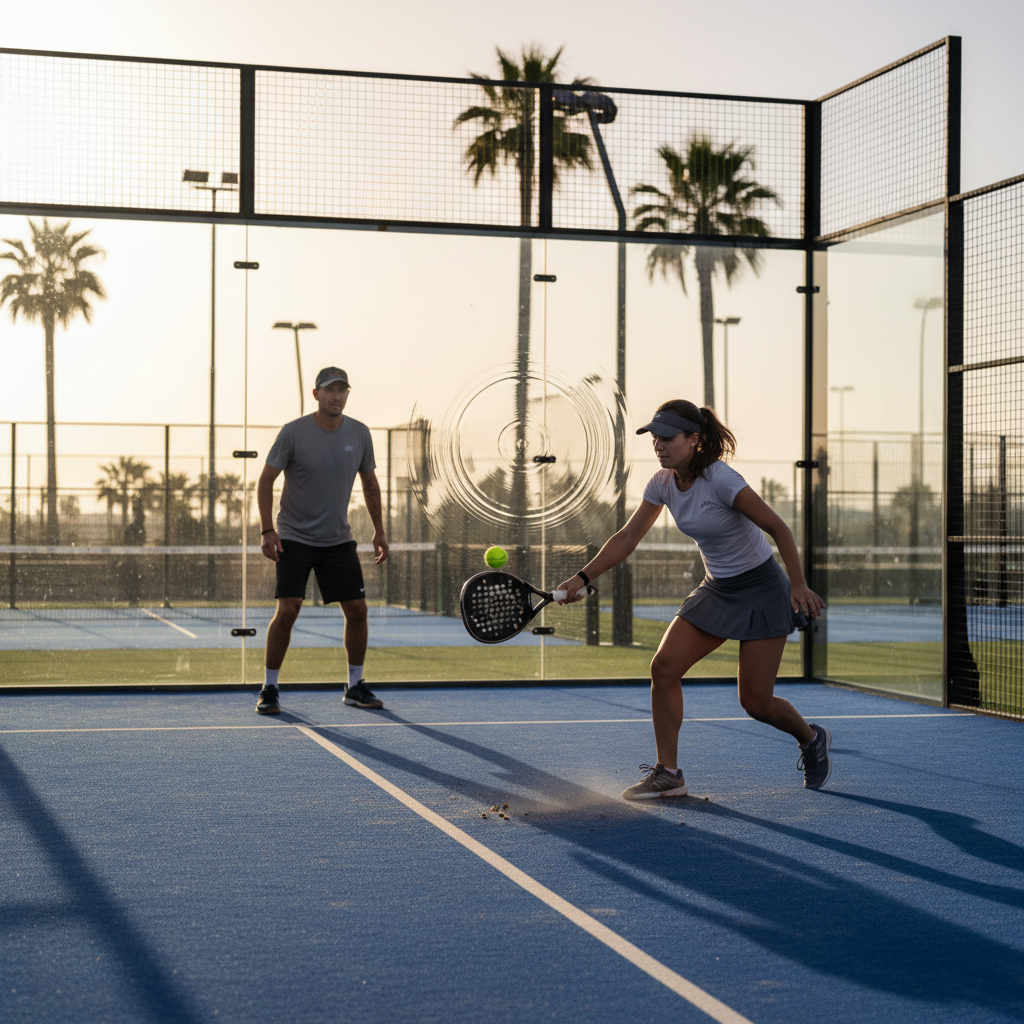
No, padel rules allow you to use the surrounding glass walls to keep the ball in play, whereas pickleball treats any contact with a fence as a dead ball. If you are wondering is padel the same as pickleball during a match, the “Kitchen” rule in pickleball will immediately clear up your confusion. This non-volley zone prevents you from attacking at the net, which is a restriction that does not exist in padel.
How does padel scoring work?
Padel follows the traditional tennis scoring system of 15, 30, and 40, which makes match duration predictable for your court booking software. This familiarity makes it very easy for you to transition from tennis to padel.
- Tennis-style scoring system.
- Wall play is active.
- Underhand serve with bounce.
What are the pickleball rules?
Pickleball features a unique scoring system where only the serving team can score points. You must navigate the “Two-Bounce Rule” and the “Kitchen” to win rallies, making the game more about patience than raw power.
Wait, there is more.
Padel matches are usually played as the best of three sets, providing a consistent experience for tournament organizers.
| Rule Feature | Padel Standards | Pickleball Standards |
|---|---|---|
| Point System | 15, 30, 40, Game | 1, 2, 3… (Serving Only) |
| Wall Usage | Mandatory Strategic Use | None (Out of Bounds) |
| Net Zone | Free Movement | Non-Volley Zone (Kitchen) |
Rule sets dictate the “flow” of your club, with padel offering more consistency for your scheduled league play.
Key Takeaway: Understanding these mechanics ensures your staff can provide accurate guidance and organize fair competitions for your club members.
Is padel the same as pickleball construction methods?
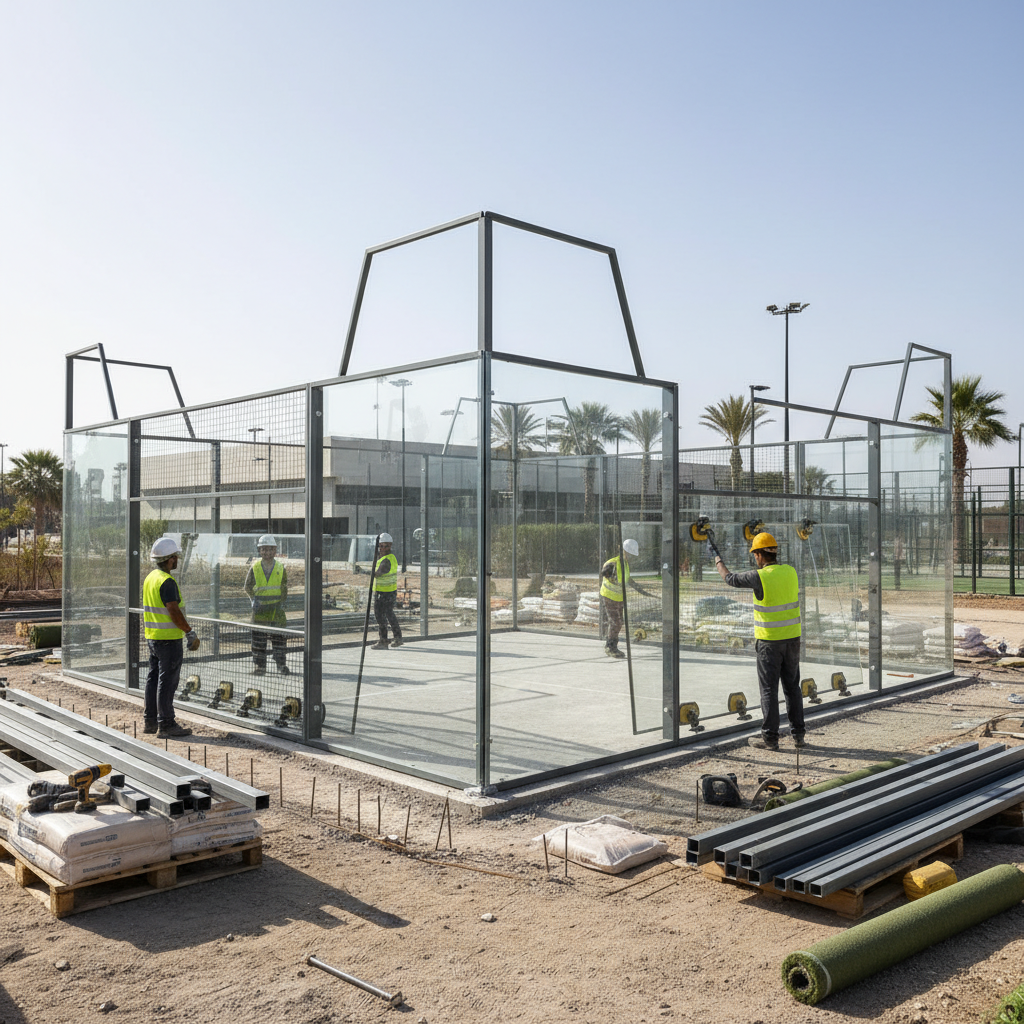
No, building a padel court involves complex steel frameworks and modular glass panels, whereas pickleball is typically a surface-only installation. You should know that is padel the same as pickleball in construction is a myth that could lead to significant budgeting errors. Padel courts are true engineering projects that must withstand heavy player impacts and high wind loads.
How is a padel court built?
Construction starts with a reinforced concrete beam to support the heavy pillars and glass panels. The walls are made of 10mm or 12mm anti-explosion tempered safety glass that serves as an active part of the court.
- Reinforced concrete foundation.
- Modular steel frame assembly.
- Synthetic turf installation.
What is the pickleball build process?
Pickleball courts are much simpler to install, often requiring only a high-quality acrylic coating over a flat sub-base. They do not require the massive perimeter enclosures or heavy structural engineering found in padel installations.
You might be wondering:
Can you build a padel court on a standard slab?
- Padel needs a ring beam.
- Pickleball needs flat asphalt.
- Sub-base requirements differ.
| Build Stage | Padel Method | Pickleball Method |
|---|---|---|
| Sub-base | Ring Beam Concrete | Flat Asphalt/Concrete |
| Enclosure | Structural Glass/Steel | Surface Markings Only |
| Playing Surface | Fibrillated Turf | Acrylic Hard Court |
Choosing the right construction method protects your capital investment and ensures the safety of your athletes.
Key Takeaway: Investing in a professional padel structure provides a premium aesthetic that differentiates your club from standard public parks.
Is padel the same as pickleball maintenance routines?
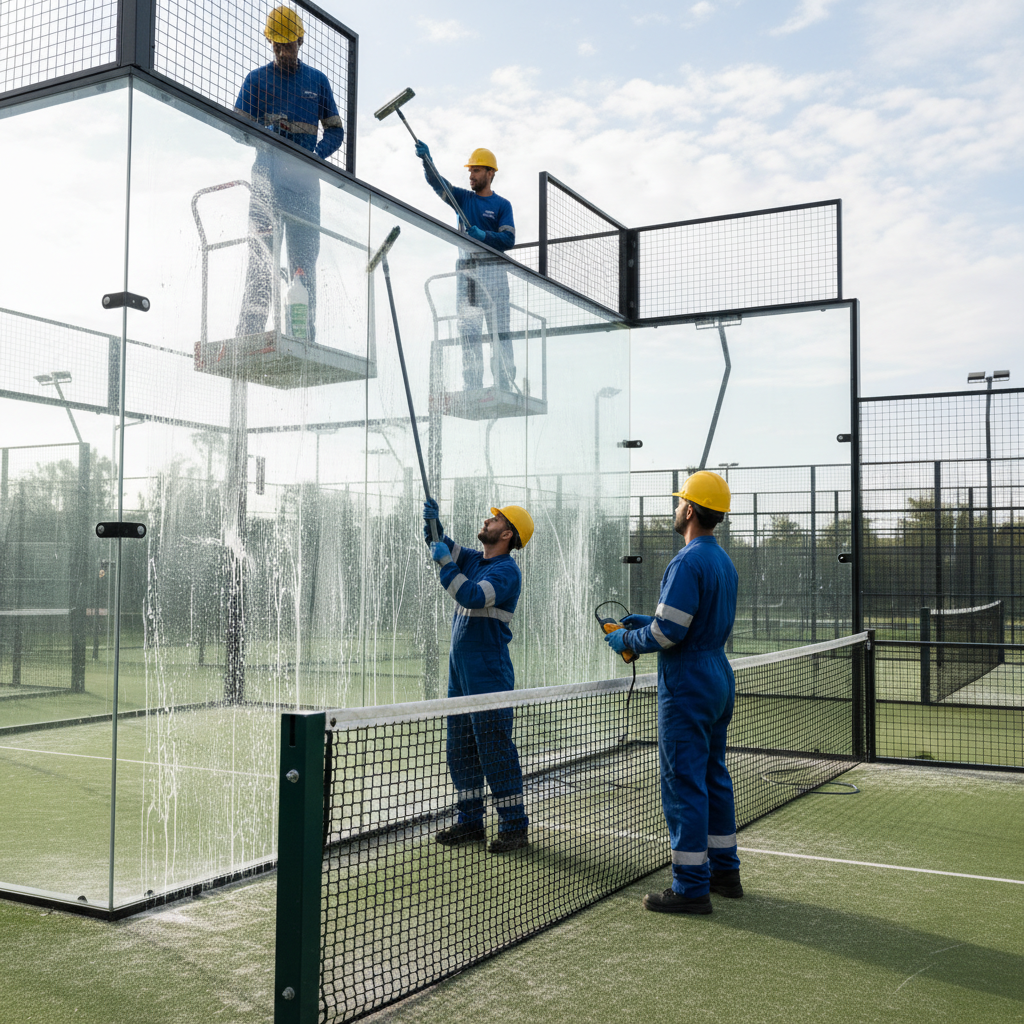
No, padel requires you to perform regular glass cleaning and turf brushing, whereas pickleball maintenance focuses on acrylic resurfacing and net tension. When evaluating is padel the same as pickleball for operational budgets, you must factor in the labor for keeping glass walls transparent. A dirty padel court quickly loses its premium appeal and impacts visibility for your players.
What does padel maintenance involve?
Padel courts use synthetic turf that requires periodic brushing to keep the sand infill evenly distributed for consistent bounces. You must clean the glass walls weekly to remove handprints and ball marks to maintain a professional look.
- Weekly glass cleaning.
- Bi-weekly turf brushing.
- Annual sand top-offs.
How do you maintain pickleball courts?
Pickleball courts are relatively low-maintenance but require a clean, debris-free surface to prevent the plastic ball from taking bad bounces. Over time, the acrylic surface will need a fresh coat of paint to maintain friction.
Look at the facts.
Padel’s maintenance is more frequent but keeps the court looking brand new for decades due to the robust materials used.
| Task | Padel Frequency | Pickleball Frequency |
|---|---|---|
| Surface Cleaning | Weekly (Turf Brush) | Daily (Blowing/Sweeping) |
| Wall Cleaning | Weekly | N/A |
| Resurfacing | Rare (Turf Swap) | Every 5-7 Years |
Consistent upkeep protects your brand image and ensures the long-term satisfaction of your facility’s members.
Key Takeaway: A well-maintained facility commands higher membership fees and reduces long-term repair costs through preventative care.
Is padel the same as pickleball for commercial ROI?
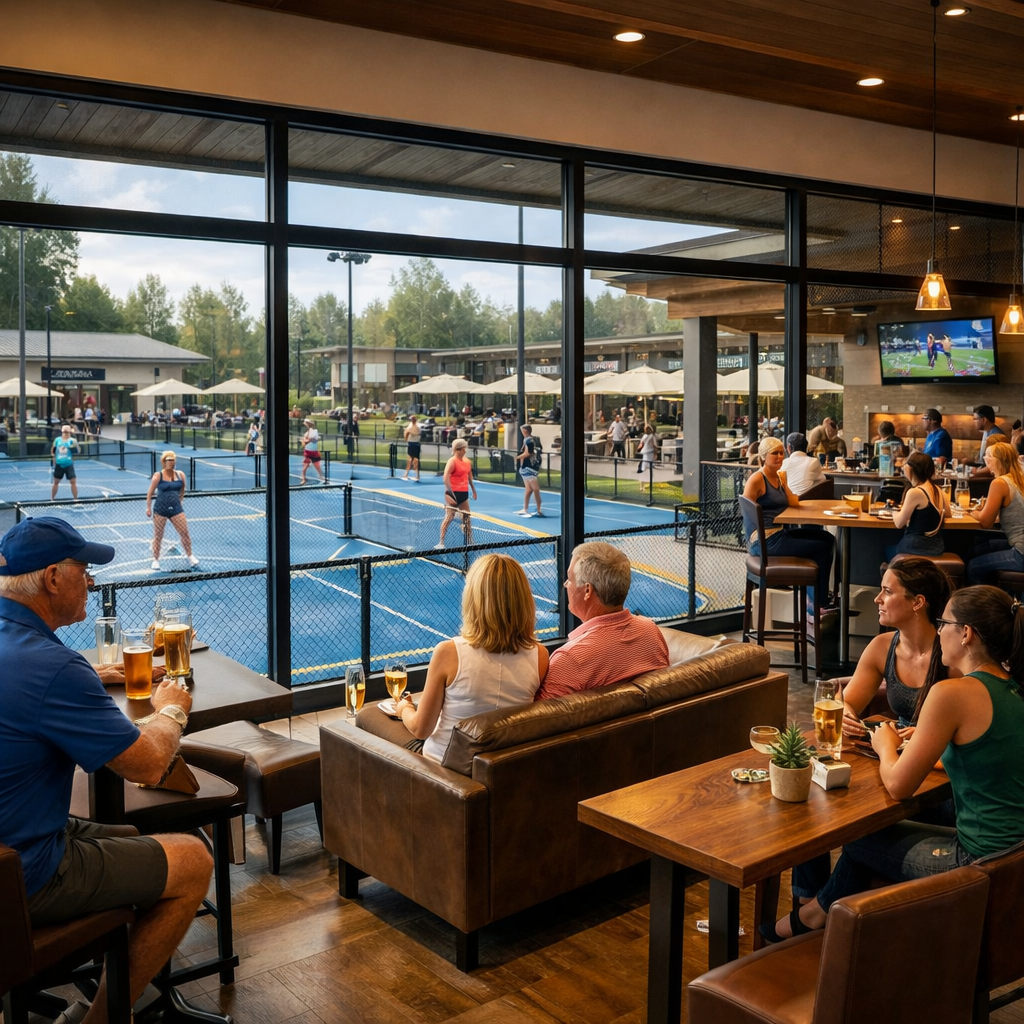
No, padel typically offers you a higher revenue per booking, while pickleball provides higher player volume due to its lower cost of entry. To determine if is padel the same as pickleball for your bottom line, you must analyze your local market’s willingness to pay for a premium experience. Padel attracts a corporate and affluent demographic that values high-end amenities and private club settings.
Is padel more profitable?
Padel courts can often be rented for $60 to $100 per hour in urban centers. Because four people play at once, the cost per person remains reasonable, making it a very high-yield use of your land.
- Higher hourly rental rates.
- Strong corporate booking appeal.
- Premium membership upsells.
Can pickleball generate more volume?
Pickleball excels at high-turnover community play. Because the courts are smaller, you can fit more units in the same space, potentially hosting 16 players in the area required for one tennis court.
The truth is simple.
Padel offers you better margins, while pickleball offers better occupancy rates for community-focused facilities.
| Financial Metric | Padel Facility | Pickleball Facility |
|---|---|---|
| Setup Cost | High ($25k – $50k+) | Low ($5k – $15k) |
| Avg. Rental | $40 – $100 / hr | $15 – $40 / hr |
| Target Market | Luxury / Corporate | Community / All Ages |
Maximizing your revenue involves balancing the high-end appeal of padel with the consistent traffic generated by pickleball enthusiasts.
Key Takeaway: Your choice should depend on whether you want to run a “boutique” high-margin club or a “high-volume” community center.
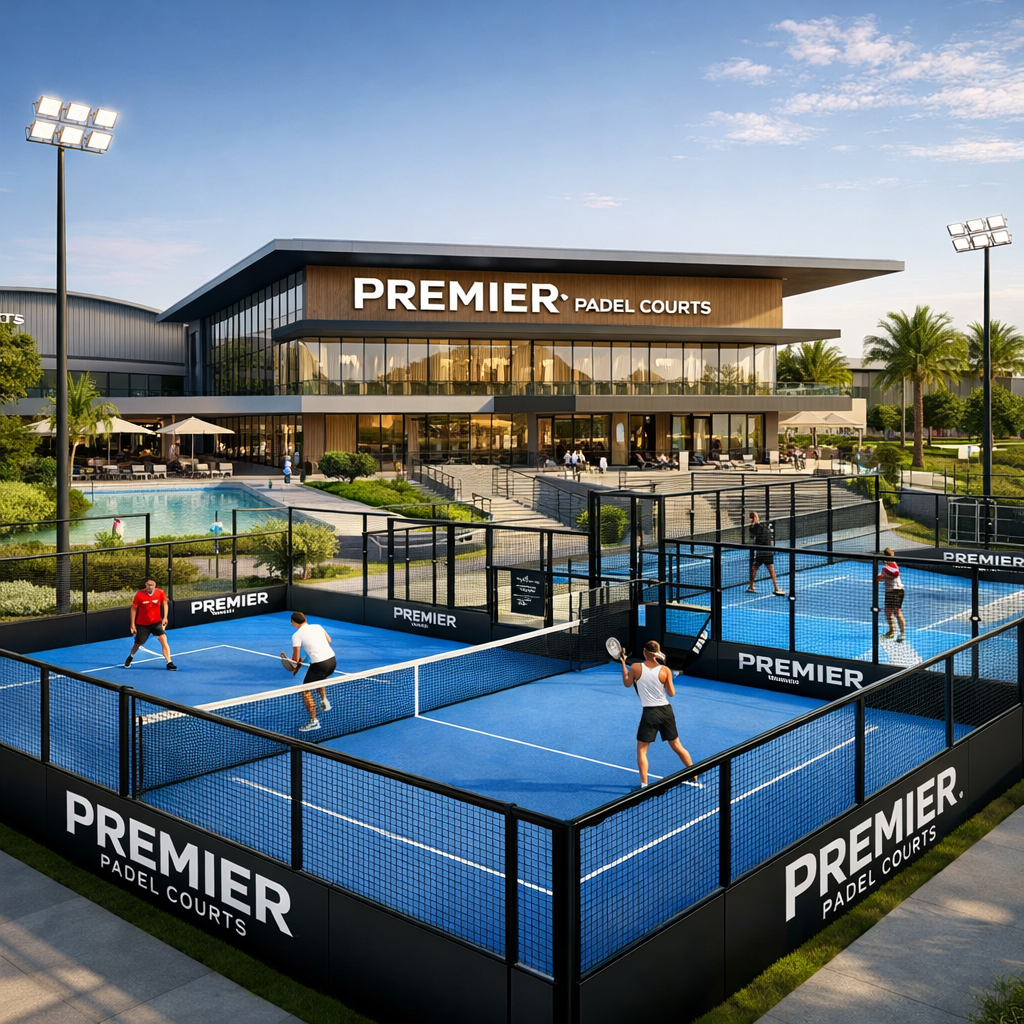
No, while both are inherently social, padel’s enclosed glass walls create a “stadium” feel for spectators that pickleball’s open courts do not provide. When analyzing is padel the same as pickleball for club engagement, look at how the glass allows your fans to be inches from the action. This transparency makes padel an exceptionally telegenic sport for your social media marketing efforts.
Is padel better for clubs?
Padel is designed exclusively as a doubles sport, meaning every booking you take brings in four players. The glass walls allow for spectacular defensive plays that draw crowds and keep members at your facility longer.
- Doubles-focused play.
- High spectator visibility.
- Premium club atmosphere.
Pickleball’s social draw comes from its extreme accessibility and “open-play” culture. The smaller courts allow you to communicate easily across the net, making it perfect for community-building and social mixers.
The best part?
You can integrate lounge areas directly between courts to foster a club-house atmosphere that increases your food and beverage sales.
| Social Factor | Padel Experience | Pickleball Experience |
|---|---|---|
| Player Format | Doubles (4) | Singles & Doubles |
| Vibe | High-Energy / Athletic | Community / Inclusive |
| Spectator View | Unobstructed Glass | Open Perimeter |
The visual appeal of a panoramic padel court acts as a magnet for new members seeking a modern, luxury sports lifestyle.
Key Takeaway: Building both sports allows you to dominate the local racket sport market and maximize your land’s total revenue potential.
Is padel the same as pickleball for long-term growth?
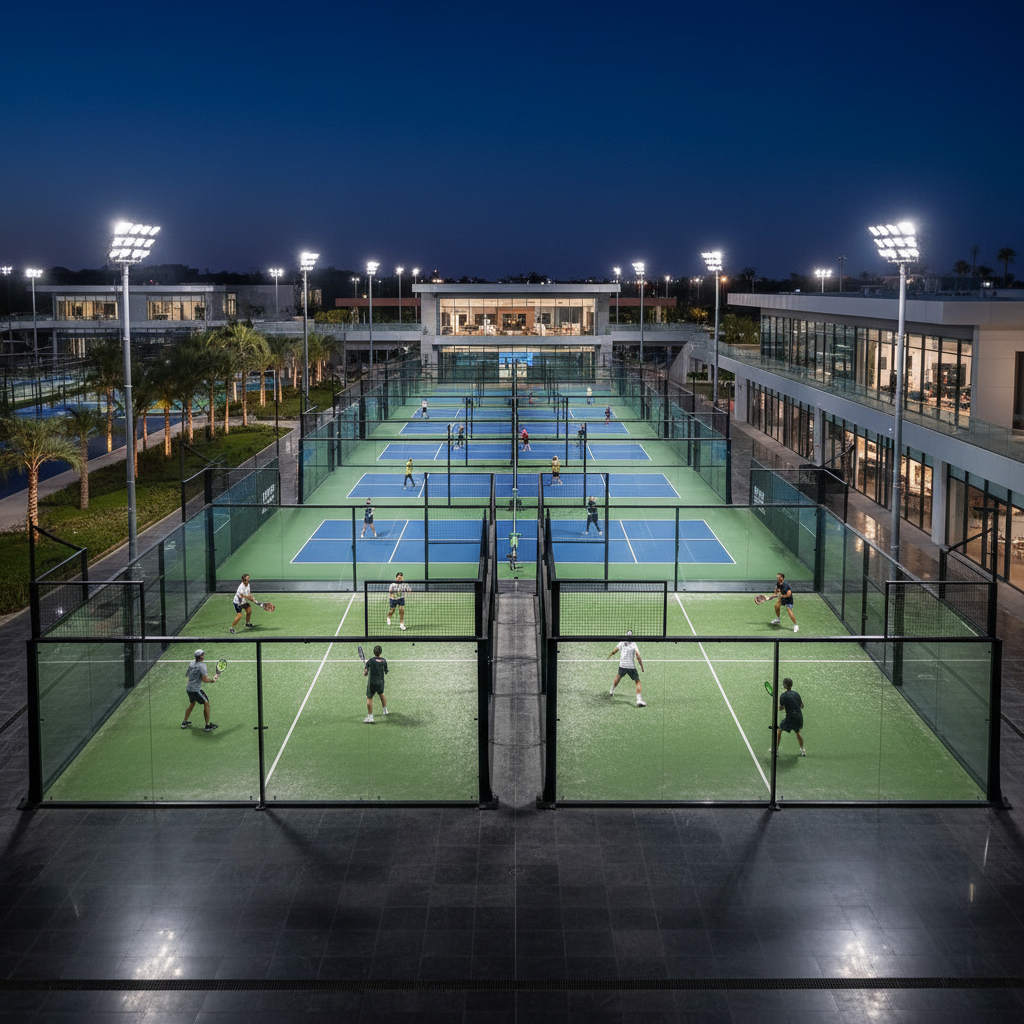
No, padel is currently the fastest-growing sport in Europe and the Middle East, while pickleball has seen an unprecedented explosion across North America. When you research is padel the same as pickleball for long-term scalability, consider that both sports are now competing for future Olympic recognition. A hybrid facility that offers both can capture the widest possible demographic in your local market area.
Why build a hybrid facility?
A hybrid facility captures every segment of the market, from the corporate professional playing padel to the retired community enjoying pickleball. This diversification protects your business from shifts in sport popularity over time.
- Captures multiple demographics.
- Maximizes court occupancy.
- Diversifies tournament revenue.
Which should you build first?
If you have a limited budget and a large outdoor space, pickleball is an excellent way to build a community quickly. If you want to create a premium, indoor, or high-end urban club, padel is the superior choice for luxury branding.
Here is the deal.
Padel’s architectural beauty with glass and steel elevates the entire look and feel of your sports complex.
| Strategic Value | Padel Court | Pickleball Court |
|---|---|---|
| Brand Image | Premium / Modern | Accessible / Community |
| Land Use | 200 sqm per 4 players | 82 sqm per 4 players |
| Longevity | High (Structural Steel) | Moderate (Surface Wear) |
By integrating both disciplines, you create a robust sports ecosystem that caters to athletes of all ages, skill levels, and budgets.
Key Takeaway: Your facility’s future depends on choosing the sport that aligns with your land’s potential and your community’s aspirations.
Success in the sports industry requires more than just land; it requires the right infrastructure and a deep understanding of player needs. Whether you choose the high-energy, glass-enclosed world of padel or the community-driven speed of pickleball, your goal is to create a destination. Our vision is to empower facility owners with the highest quality equipment to turn their vision into reality. To begin your journey toward a world-class facility, contact us today for a professional consultation and custom court specifications.
FAQ
Can I convert a tennis court into these sports?
Yes, you can typically fit one standard padel court or three to four pickleball courts within the footprint of a single standard tennis court.
What’s the best surface for a padel court?
Fibrillated synthetic turf with a specific sand infill is the international standard because it allows for controlled sliding and consistent ball bounce.
Can I use a pickleball paddle to play padel?
No, pickleball paddles are too thin and light for the pressurized padel ball, and they lack the perforated holes needed to reduce air resistance.
Can I build these courts indoors?
Yes, both sports thrive indoors, but padel requires a minimum ceiling clearance of 6 to 8 meters to accommodate high lobs and rebounds.
Can I play padel on a pickleball court?
No, because padel requires the ball to bounce off perimeter glass walls which do not exist on a pickleball court, and the dimensions are significantly different.