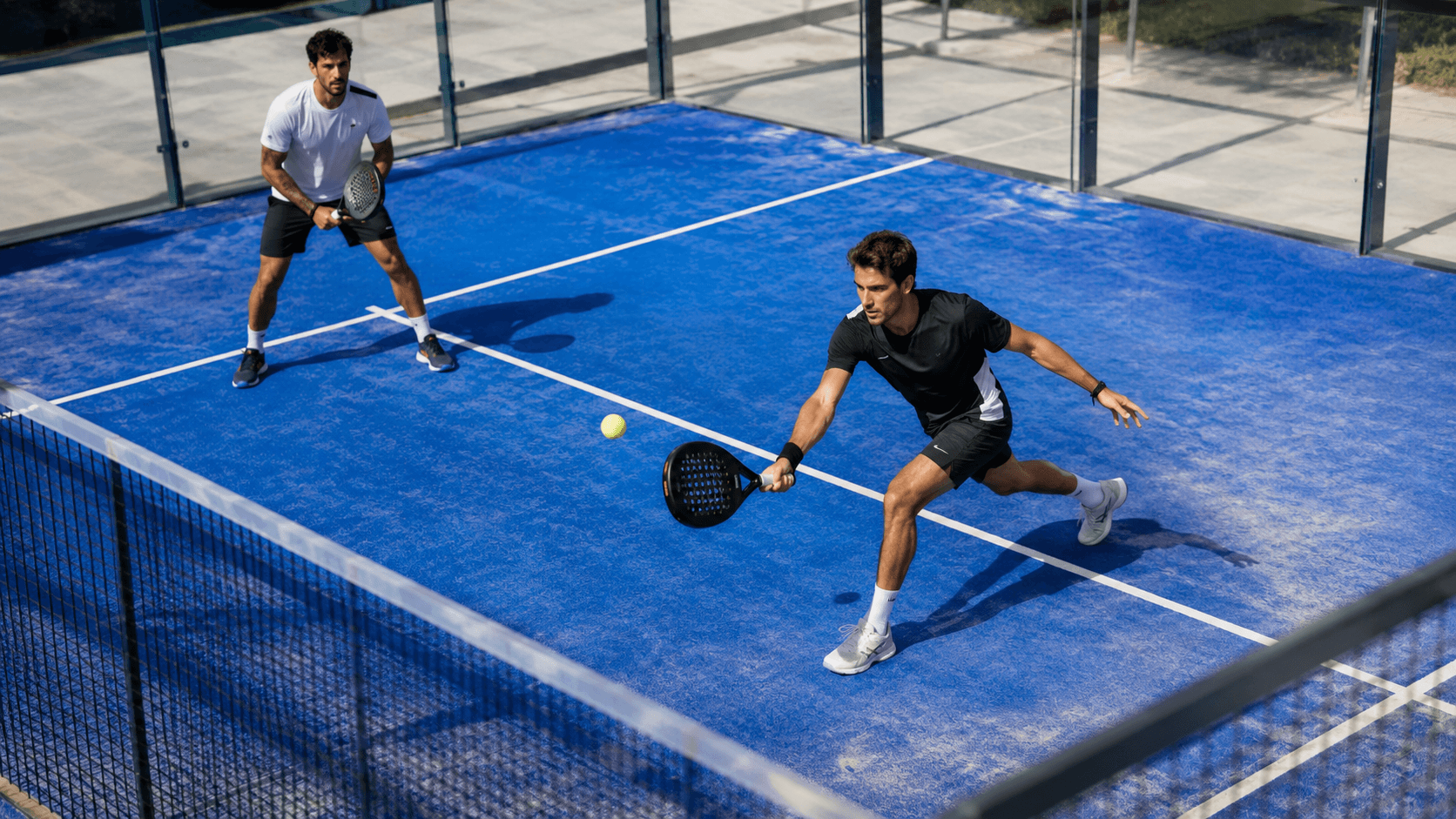
You play padel correctly by mastering the underhand serve, utilizing the glass walls strategically, and following the tennis-style scoring system within a 10×20 meter enclosed court. Many new players feel overwhelmed by the unique combination of racket skills and “cage” dynamics found at how to play padel. You might find yourself out of position or confused by how the ball bounces off the back glass, leading to lost points and mounting frustration. This comprehensive guide provides the official rules and professional techniques you need to transform from a beginner into a confident competitor on the court.
What are the official rules for how to play padel?
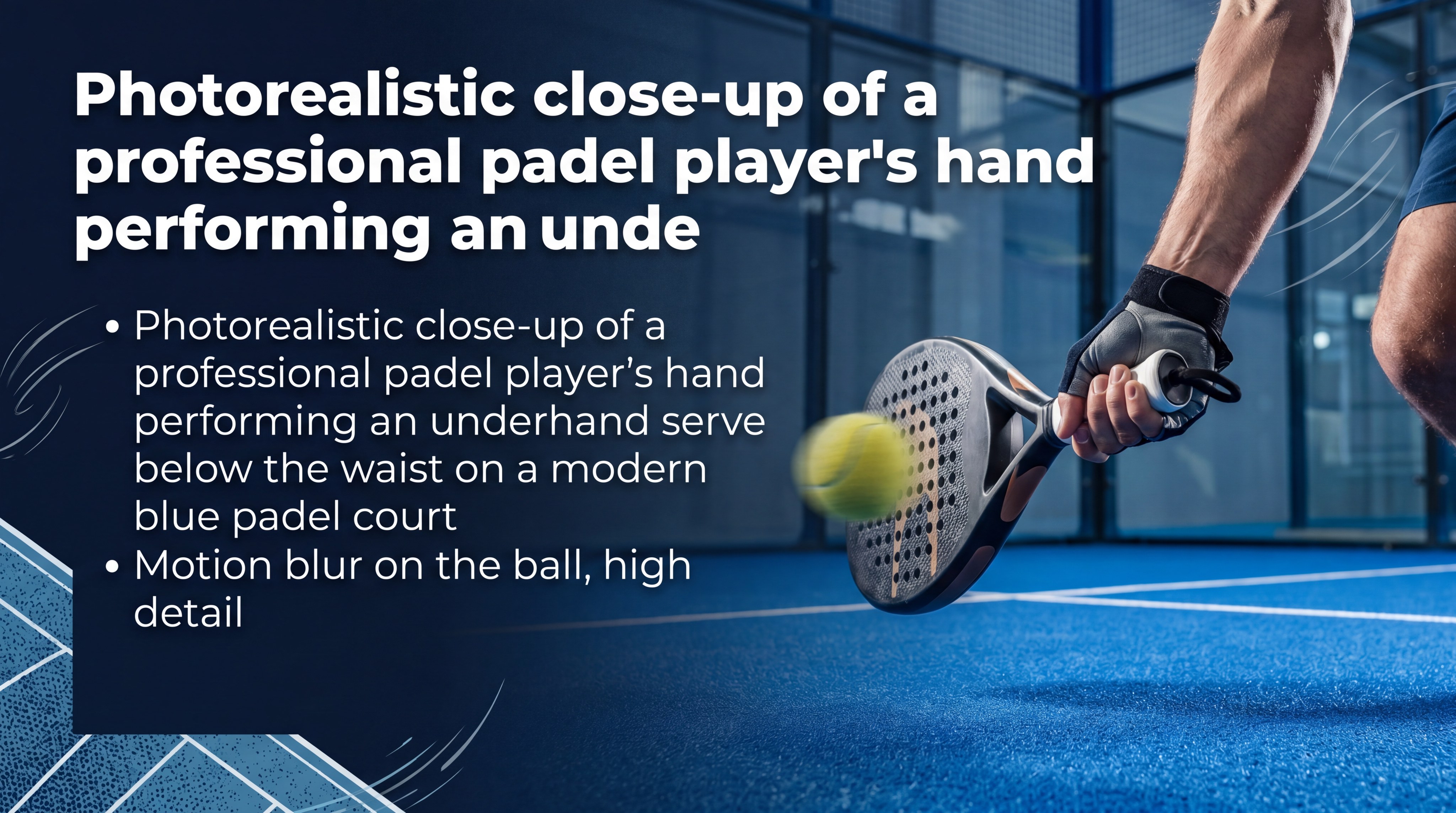
The official rules for how to play padel dictate that the game must be played in doubles on an enclosed court where the ball can be played off the walls. You must serve underhand, ensuring the ball is hit at or below waist level after a single bounce behind the service line. The ball must then cross the net into the opponent’s diagonal service box to start the point.
How do you perform a legal padel serve?
You must always start the point with an underhand motion while keeping at least one foot on the ground behind the service line. The ball must land in the opponent’s diagonal service box, and if it hits the wire fence after the bounce, it is considered a fault.
Think about it:
The serve isn’t just a start—it’s your first tactical advantage to control the point.
- The server has two attempts to deliver a valid serve.
- The ball must bounce once in the receiver’s box before being hit.
- Contact with the ball must occur strictly below the player’s waistline.
When is a ball considered out of bounds?
You can hit the ball against your own glass walls to send it over the net to the opponent’s side during active play. However, the ball is “out” if it hits the opponent’s wall or fence directly without bouncing on the ground first.
Here is the deal:
The walls are your best friends if you know how to use them to your advantage.
- The ball must bounce on the opponent’s floor before hitting their walls.
- You can play the ball “on the fly” (volley) except during the return of serve.
- Touching the net with your racket or body results in an immediate loss of the point.
Key Takeaway: Mastery of the underhand serve and understanding the wall-bounce sequence is the foundation of official padel play.
| Rule Category | Official Requirement |
|---|---|
| Serve Style | Underhand only (below waist) |
| Player Format | Doubles (2 vs 2) |
| Wall Usage | Ball must bounce on turf before hitting glass |
| Faults | Hitting the fence directly on the serve |
The fundamental rules emphasize a game of control and patience rather than raw power from the baseline.
What court dimensions are needed for how to play padel?
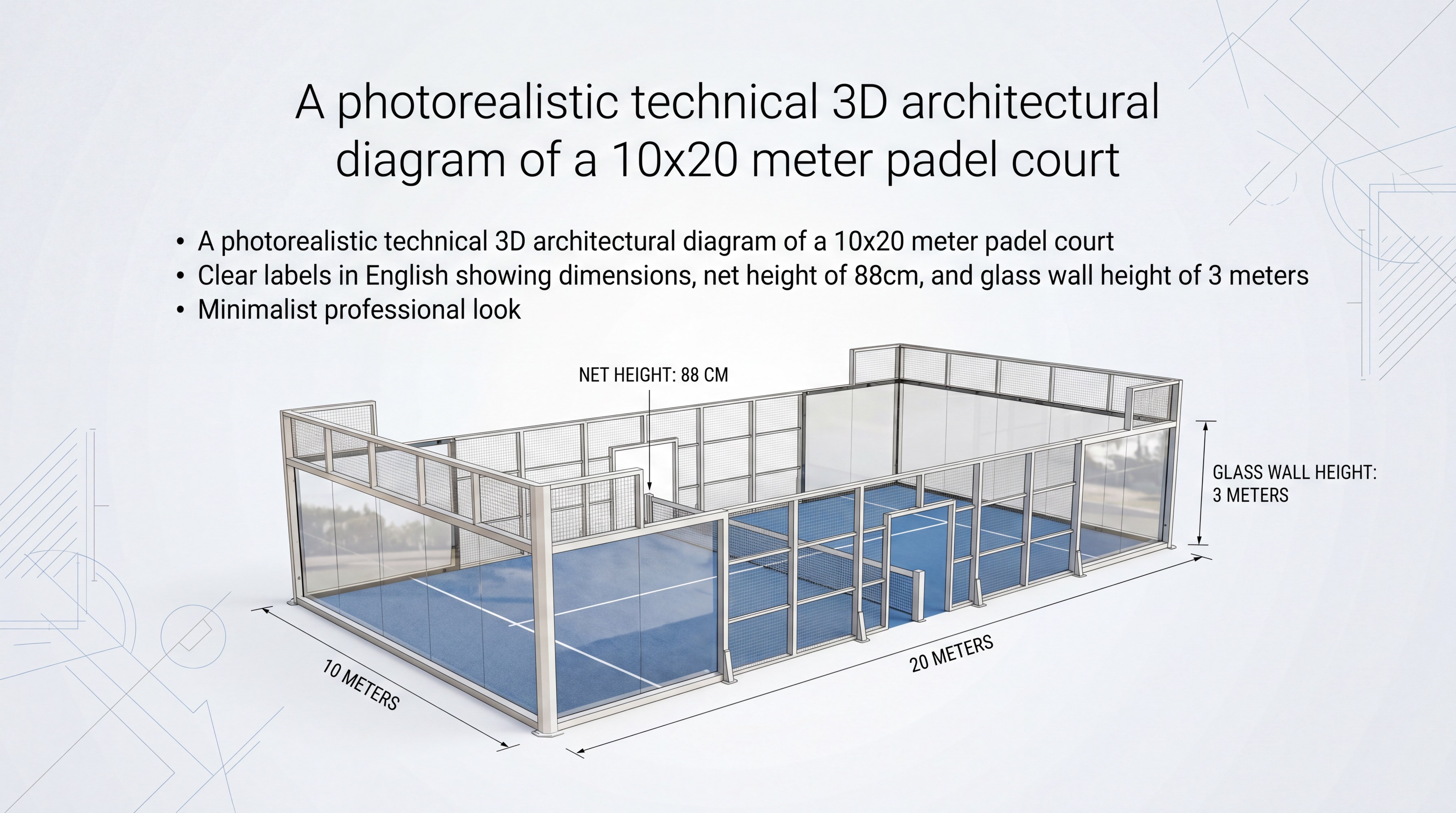
A standard court for how to play padel measures 10 meters wide by 20 meters long and is divided by a central net. You will find that these dimensions are roughly 25% smaller than a traditional tennis court, which encourages a faster and more social game. High-quality facilities often utilize a Standard Padel Court design to ensure the structural integrity of the frames and tempered glass.
How is the playing area layout structured?
Your playing area is split into two halves by a net that stands 88 centimeters high at the center. Each half contains two service boxes and a back area known as the defensive zone where most glass-play occurs.
The best part?
The compact size means you spend less time running and more time hitting the ball.
- The service line is located exactly 6.95 meters from the net.
- The center service line divides the service area into two equal boxes.
- All lines are 5 centimeters wide and usually marked in white for visibility.
What are the wall height specifications?
The back walls of the court must be 3 meters high, typically made of transparent glass to allow for spectator viewing and clear ball tracking. Side walls consist of a combination of glass and metallic mesh fencing, which creates unpredictable bounces you must learn to read.
But wait, there’s more:
The material of the wall changes the entire physics of every match you play.
- Back walls are 3m high and usually 10mm to 12mm tempered glass.
- Side walls feature a “step” design with mesh fencing above the glass.
- Modern clubs often opt for panoramic designs to eliminate visual obstructions for players.
Key Takeaway: A precise 10x20m layout with specific wall heights is essential for maintaining the game’s characteristic speed and tactical depth.
| Dimension Feature | Measurement |
|---|---|
| Total Court Length | 20 Meters |
| Total Court Width | 10 Meters |
| Net Height (Center) | 88 Centimeters |
| Back Wall Height | 3 Meters |
Understanding the physical boundaries allows you to position yourself correctly for every incoming shot.
What equipment is essential for how to play padel?
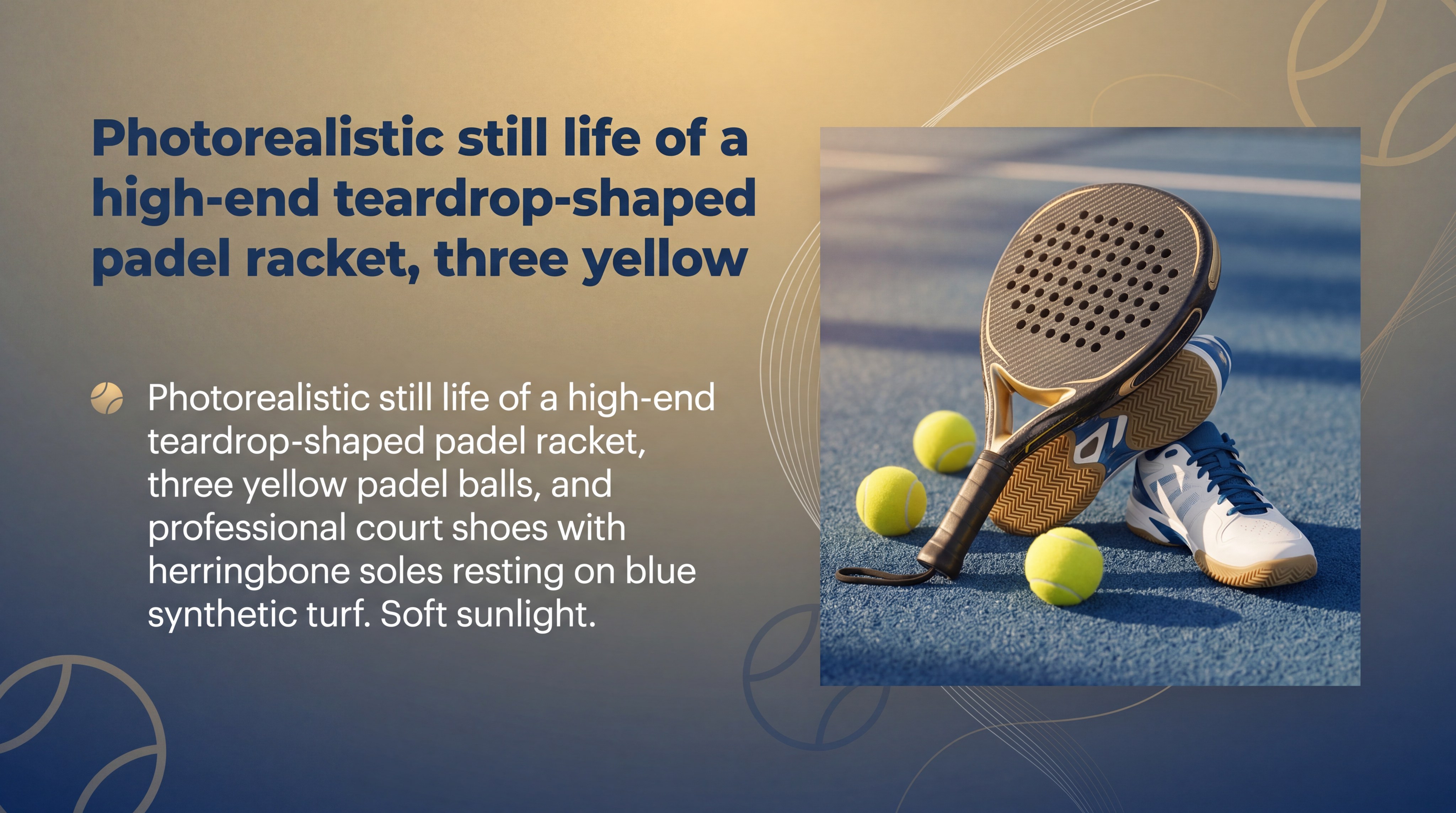
To learn how to play padel, you need a specialized stringless racket (pala), specific low-compression balls, and appropriate court shoes. Unlike tennis, the racket is made of composite materials with holes drilled through the face to reduce air resistance and weight. You should also ensure the facility has proper Padel LED Lighting to maintain visibility during evening sessions.
How do you choose the right racket?
You should select a racket based on your skill level, typically choosing between round, teardrop, or diamond shapes. Padel balls look like tennis balls but have less internal pressure, which keeps the bounce manageable within the glass walls.
You might be wondering:
Does the racket shape really change my game that much?
- Round rackets offer a larger “sweet spot” for beginners to hit.
- Teardrop rackets provide a balance between power and control for intermediates.
- Diamond rackets are top-heavy and designed for advanced attacking players.
What footwear provides the best grip?
You must wear shoes with a “herringbone” or “omni” sole pattern to grip the synthetic turf effectively. This prevents sliding and protects your ankles during the frequent lateral movements and sudden stops required in a match.
Don’t forget:
The right grip on the floor is just as important as the grip on your pala.
- Use a wrist strap (mandatory) to prevent the racket from flying out.
- Overgrips help absorb sweat and provide a better handle diameter.
- Specialized socks can prevent blisters during long tournament days.
Key Takeaway: Investing in a round racket and high-traction shoes is the most effective way for a beginner to start playing safely.
| Equipment Item | Purpose |
|---|---|
| Padel Racket | Stringless, composite tool for hitting the ball |
| Padel Balls | Low-pressure balls for controlled bouncing |
| Court Shoes | Specialized soles for synthetic turf grip |
| Wrist Strap | Safety tether to secure the racket to the wrist |
Proper gear selection reduces injury risks and allows your technique to develop more naturally.
Which attacking tactics help you learn how to play padel?
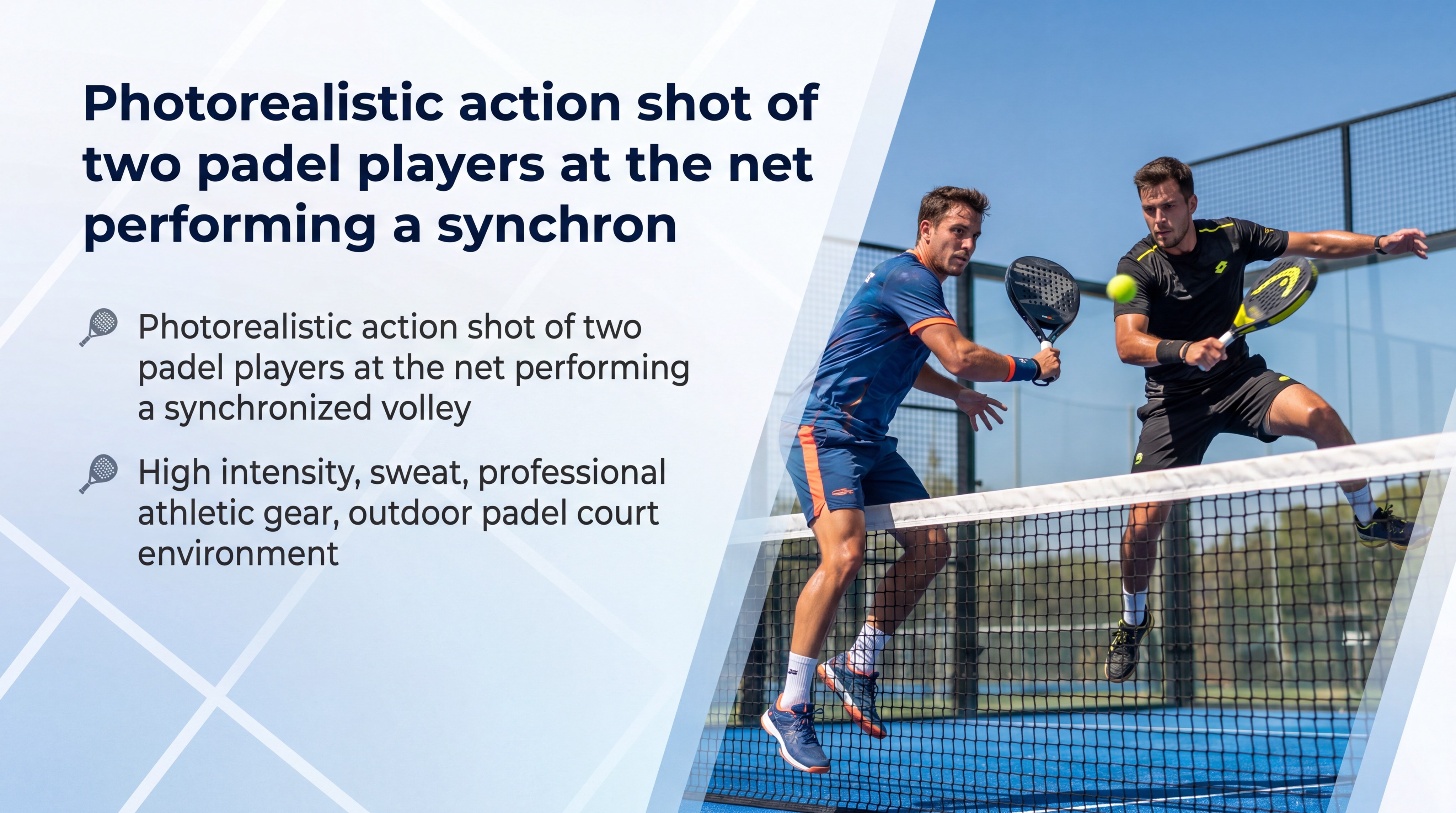
The primary attacking tactic for how to play padel involves taking control of the net position to pressure your opponents. You want to force your rivals to the back of the court using deep volleys and overhead smashes, making it difficult for them to return the ball effectively.
How do you master the volley?
You should aim to keep your volleys low and aimed toward the corners where the glass meets the fence. The “Bandeja” is a unique overhead shot used to maintain the net position when the opponent tries to lob the ball over you.
Check this out:
The Bandeja is the “bread and butter” shot of every consistent player.
- Hit the ball with a slicing motion to keep the bounce low.
- Target the “feet” of the opponents to force defensive errors.
- Avoid hitting the back glass too hard to prevent easy returns.
When should you use the smash?
You use the smash to finish the point by hitting the ball so hard it either bounces over the side wall or returns to your side. The “Vibora” is a more aggressive, side-spun version of the Bandeja designed to “bite” into the side glass.
Look:
Power is nothing without precision in an enclosed court environment.
- Use the smash when the ball is high and close to the net.
- Aim for the opponent’s side glass to create difficult angles.
- “X3” smashes bounce off the back wall and exit the court sideways.
Key Takeaway: Dominating the net and using specialized overheads like the Bandeja allows you to control the tempo of the game.
| Attack Shot | Primary Objective |
|---|---|
| Volley | Maintain net pressure and limit opponent reaction time |
| Bandeja | Neutralize a lob and retain the attacking net position |
| Smash (X3/X4) | Finish the point by hitting the ball out of the court |
| Vibora | Generate aggressive side-spin to force opponent errors |
Transitioning to the net as a team is the most effective way to win points in padel.
How is scoring managed when learning how to play padel?
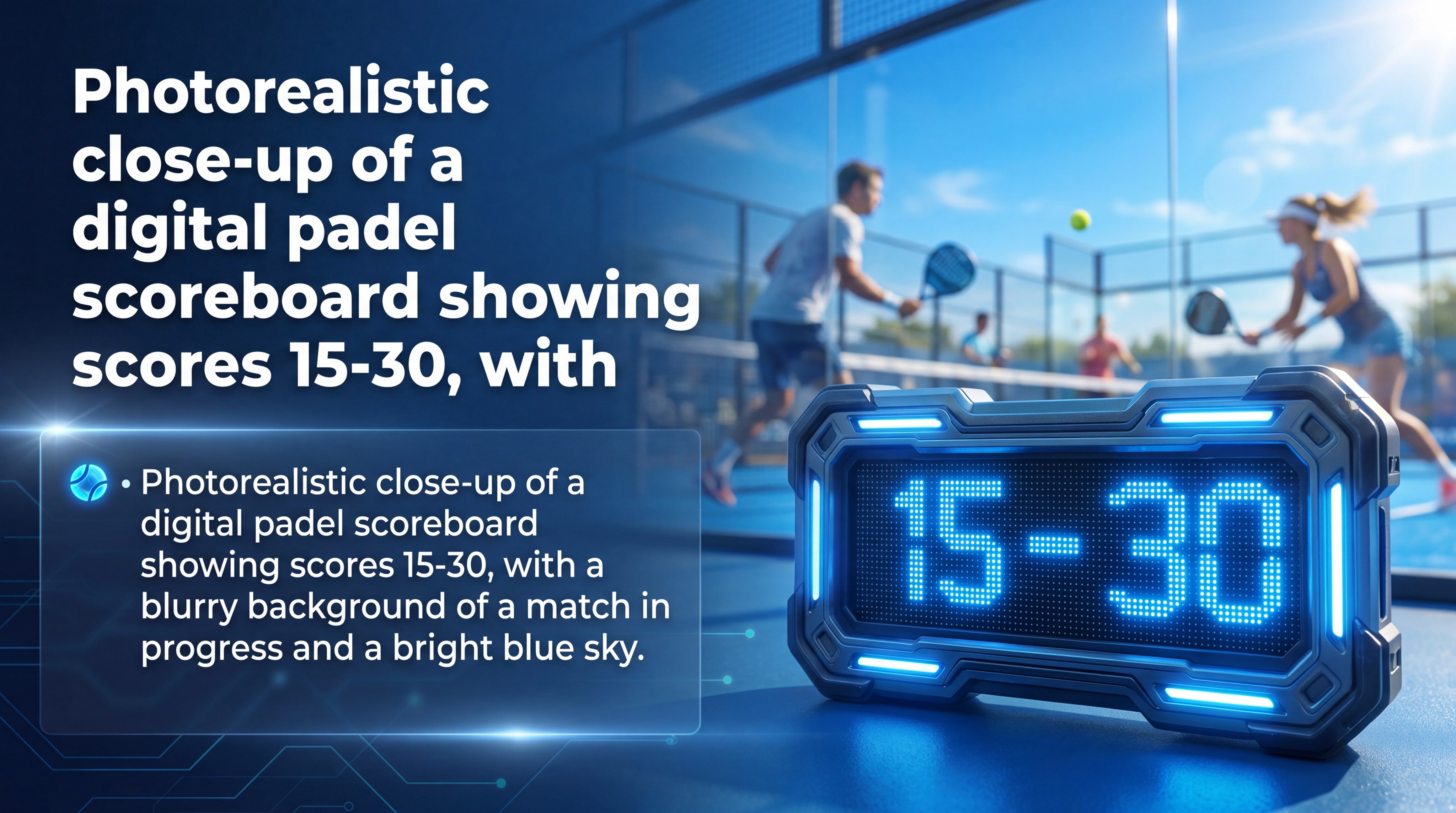
Scoring in how to play padel follows the same structure as tennis, using the 15, 30, 40, and Game sequence. You play matches usually as the best of three sets, with each set consisting of six games and a tie-break used if the score reaches 6-6.
How do points and games work?
You win a point when the ball bounces twice on the opponent’s side or when they hit the ball into the net. If the score reaches 40-40, it is called “deuce,” and you must win two consecutive points to take the game.
It gets better:
Many professional circuits now use the “Golden Point” to speed up play.
- 15 represents the first point won in a game.
- 30 represents the second point won in a game.
- 40 represents the third point won in a game.
What happens in a tie-break?
You enter a tie-break when the set score is tied at six games apiece to decide the winner. In a tie-break, the points are counted numerically (1, 2, 3…), and the first duo to reach seven points with a two-point margin wins.
Simply put:
A tie-break is the ultimate test of mental toughness and consistency.
- The first server serves once from the right side.
- Subsequent players serve twice, alternating sides of the court.
- Teams switch ends of the court every six points scored.
Key Takeaway: Padel uses traditional tennis scoring but often incorporates the “Golden Point” rule in modern tournament formats.
| Score Level | Description |
|---|---|
| Point | 15, 30, 40, Deuce |
| Game | First to win 4 points (with 2-point lead) |
| Set | First to win 6 games (with 2-game lead) |
| Match | Best of 3 sets |
Consistent scoring knowledge helps you manage the momentum and strategy during tight match situations.
What defensive strategies define how to play padel?
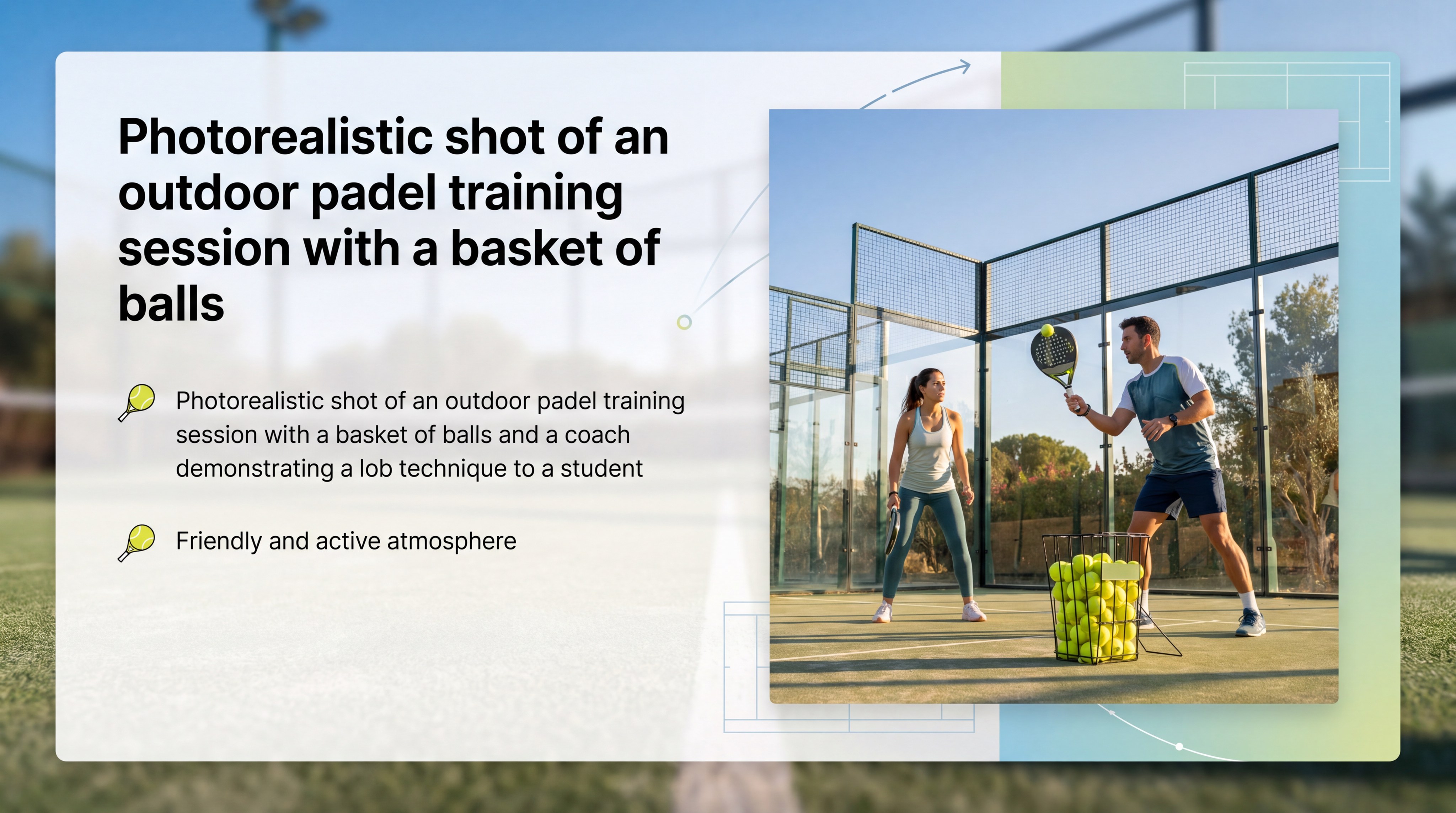
Defensive strategy for how to play padel revolves around “buying time” and reclaiming the net position through the use of the lob. You spend much of your defensive time at the back of the court, waiting for the ball to bounce off the glass to create a predictable hitting window.
Why is the lob so important?
You should use the lob to force your opponents away from the net, giving you and your partner a chance to run forward. A high, deep lob is the most effective defensive weapon in the game to reset the point.
The secret?
A great lob is often more dangerous than a powerful smash.
- Aim for the back corners to keep opponents away from the net.
- Use the wind and lighting to your advantage on outdoor courts.
- Follow your lob to the net to transition from defense to offense.
How do you play the ball off the glass?
You must learn to let the ball hit the back glass when it is hit with high speed, rather than trying to volley it. By letting the ball pass you and bounce off the wall, it slows down and becomes much easier to hit accurately.
Think about it:
The wall is essentially a second chance to make a perfect shot.
- Position yourself behind the ball’s expected path after it hits glass.
- Use a short backswing to ensure control in tight spaces.
- “Chiquita” shots (soft dips) can catch net players off guard.
Key Takeaway: Master the lob and the “glass return” to neutralize aggressive opponents and reclaim the net.
| Defensive Move | When to Use |
|---|---|
| Deep Lob | When opponents are crowding the net aggressively |
| Glass Return | When the ball is hit too fast for a comfortable volley |
| Chiquita | To force the net player to hit an upward volley |
| Block Volley | To reset the point during a fast exchange at the net |
Patience at the back of the court often leads to errors from over-eager opponents at the net.
Why is the global scene shifting how to play padel?
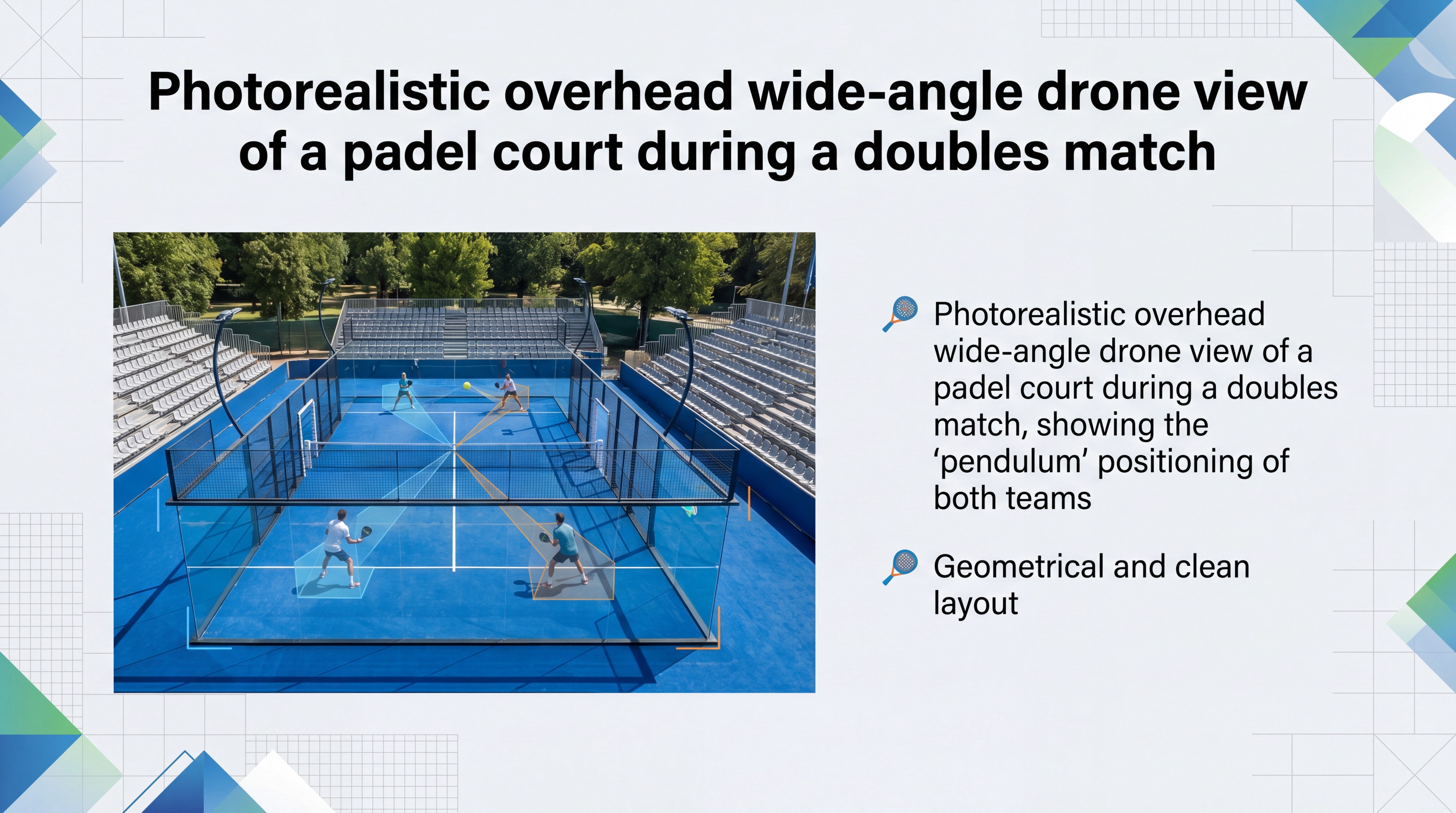
The global explosion of the sport is changing how to play padel by introducing professionalized training methods and standardized court manufacturing. As the sport moves from a social pastime to a global phenomenon, the level of athleticism and tactical complexity is reaching new heights.
How have professional circuits influenced the game?
You can now watch professional tours that showcase elite defensive skills and incredible “out of court” recoveries. These professionals have influenced recreational play by emphasizing the importance of physical conditioning and specialized coaching for all levels.
Believe it or not:
Padel is currently the fastest-growing racket sport in the world.
- Over 30 million active players are now registered globally.
- New clubs are opening at record rates in the US and Europe.
- Professionalization has led to more durable and high-tech court materials.
How does standardization impact court quality?
You will notice that modern courts are becoming more uniform, utilizing advanced materials like 12mm tempered glass and monofilament turf. This consistency allows players to travel internationally and find a familiar playing experience regardless of the location.
Here is the kicker:
Consistency in court construction leads to faster skill development for you.
- Standardized glass thickness ensures predictable ball rebound speeds.
- High-quality turf reduces the risk of joint injuries for players.
- Uniform lighting standards permit high-definition broadcasting and night play.
Key Takeaway: The professionalization of padel has raised the bar for both player skill and court infrastructure global standards.
| Region | Growth Status |
|---|---|
| Europe | Established market with massive club density |
| Middle East | Rapidly growing with luxury panoramic facilities |
| North America | The “new frontier” for high-end padel lifestyle brands |
| Latin America | The traditional heartland with deep talent pools |
Global interest is driving innovation in racket technology and court safety features every year.
How do you use glass walls while learning how to play padel?
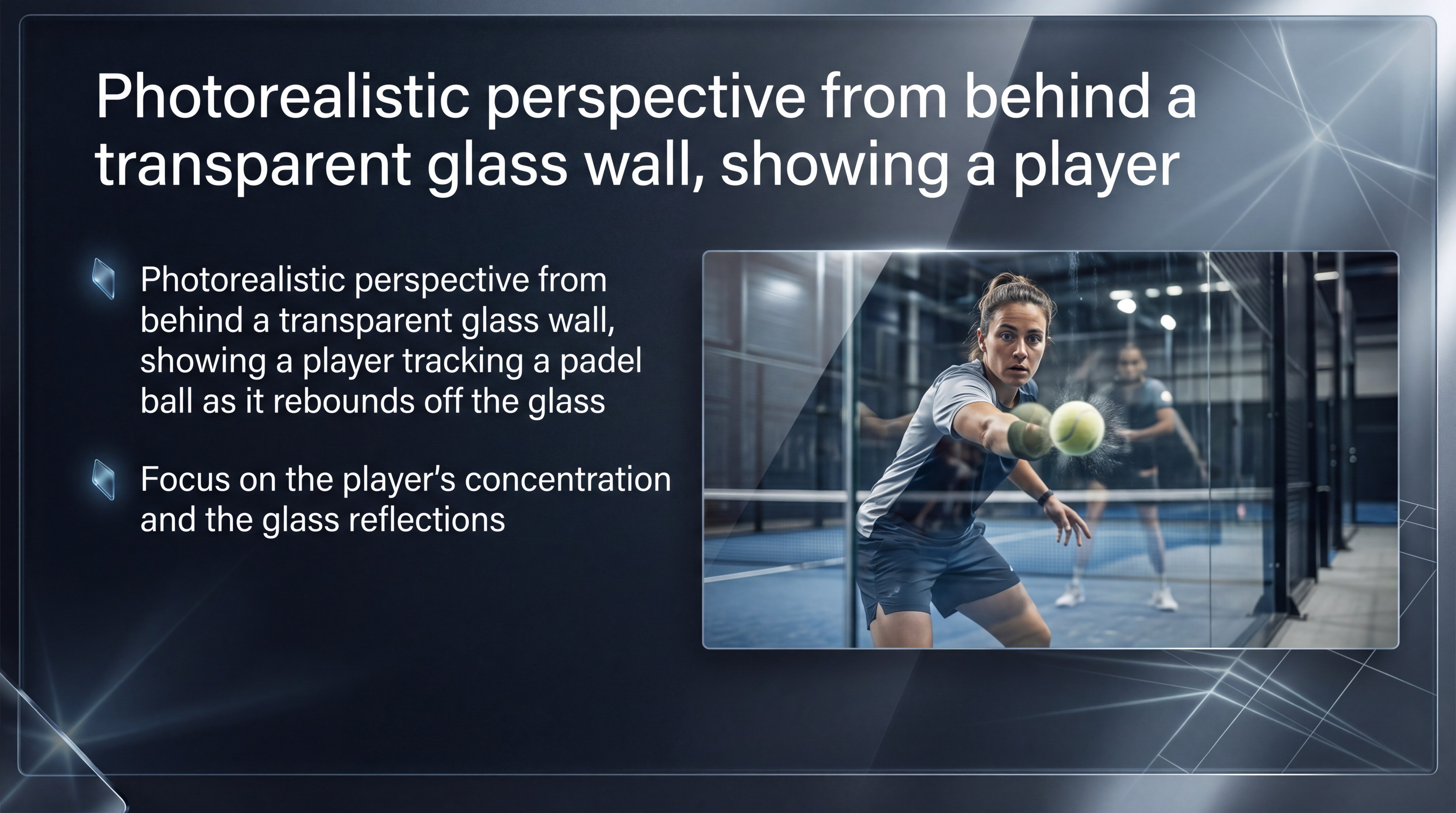
Using the glass walls correctly is the most distinct skill required for how to play padel. You must learn to track the ball’s trajectory as it moves toward the glass, adjusting your body position so you can hit the ball after it rebounds toward the center. Facilities like a Panoramic Padel Court provide the best environment for learning this skill clearly.
How do you read rebound angles?
You should observe the spin of the incoming ball, as topspin will cause the ball to climb the wall, while backspin will cause it to drop. Positioning yourself at a 45-degree angle to the back wall is often the most effective stance for returns.
Watch this:
The ball always follows the laws of physics—learn them, and you win.
- If the ball hits the side glass first, it will move toward the middle.
- If the ball hits the back glass first, it will bounce forward.
- Use your non-dominant hand to track the ball as it passes you.
What is the “Contrapared” shot?
You can hit the ball against your own back glass to lob it over the net when you are too close to the wall for a traditional stroke. This “emergency” shot requires a strong upward flick of the wrist to generate height.
It sounds crazy:
Hitting the wall behind you is sometimes the only way to save a point.
- Ensure the ball is high enough to clear the net after hitting your glass.
- Use this shot only as a last resort when out of position.
- Be careful not to hit the ball too hard into the opponent’s wall.
Key Takeaway: Anticipating the rebound angle and knowing when to use your own wall as a backboard are essential skills.
| Wall Interaction | Expected Ball Behavior |
|---|---|
| Topspin against glass | Ball kicks upward and forward with speed |
| Slice against glass | Ball stays low and “skids” off the surface |
| Side glass contact | Ball angles sharply toward the center of the court |
| Double wall (corner) | Unpredictable rotation; requires quick footwork |
Mastering the walls turns a defensive disadvantage into a tactical opportunity to reset the point.
What safety measures ensure you know how to play padel?
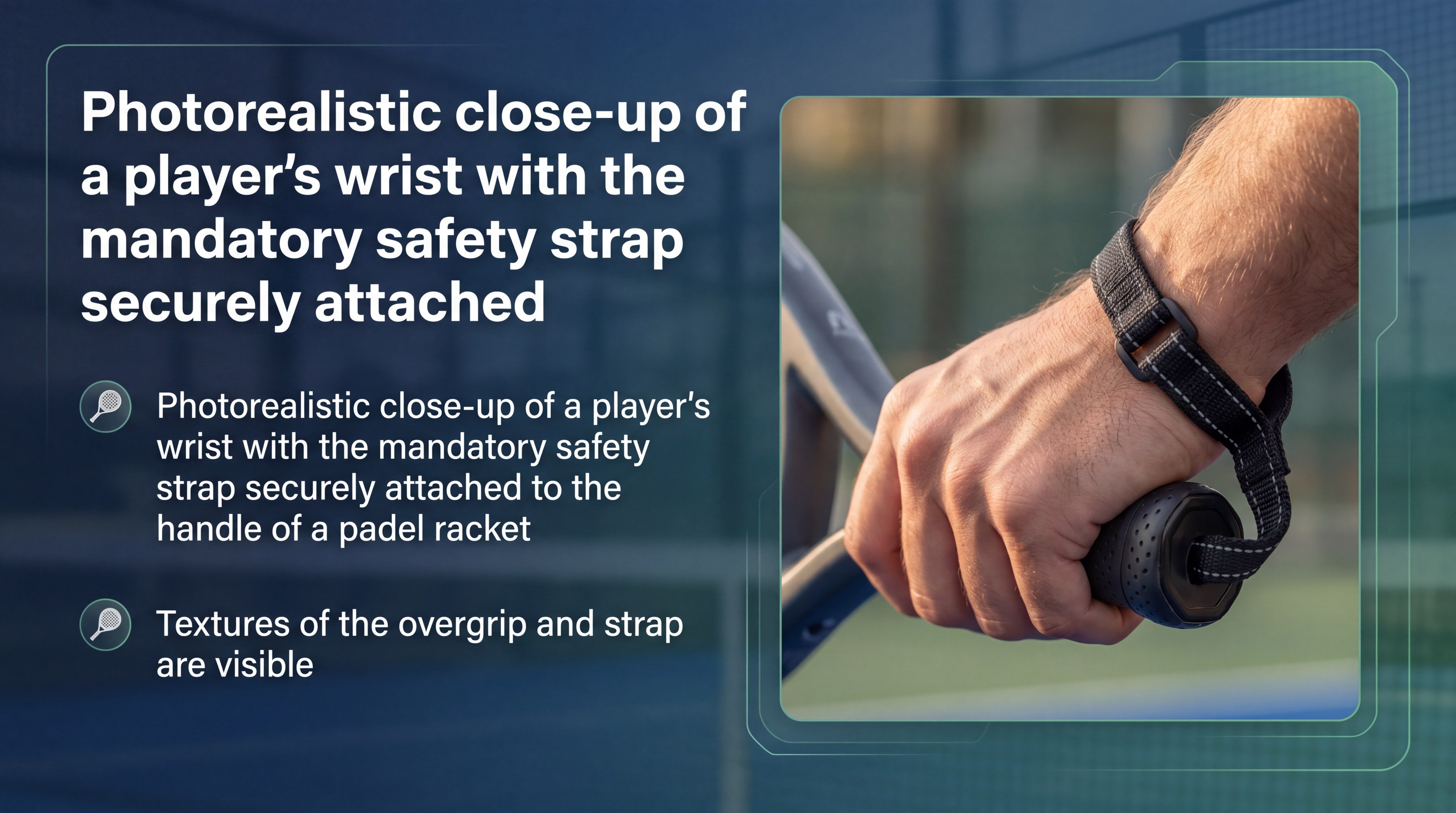
Safety measures for how to play padel focus on preventing collisions with the walls and ensuring you don’t accidentally strike your partner. Because the court is enclosed and the action is fast, maintaining “spatial awareness” is the most important safety skill you can develop over time.
Why is the wrist strap mandatory?
You are required by official rules to wear the safety cord attached to the handle of your racket during every match. This prevents the heavy pala from flying into other players or the glass if it slips from your hand during a smash.
Safety first:
The wrist strap is not a suggestion; it’s a strict safety requirement.
- Always check that the cord is securely tightened before starting play.
- Never swing the racket if your partner is within your “danger zone.”
- Replace frayed or damaged straps immediately to avoid potential accidents.
How do you communicate with your partner?
You must communicate constantly with your partner by calling “mine” or “yours” to avoid collisions in the middle of the court. You should also be aware of the “metallic mesh” sections, which can be abrasive if you run into them during a sprint.
Pro tip:
A loud partner is usually a safe partner on a crowded court.
- Call the position of the opponents to help your partner choose a shot.
- Avoid running backward toward the glass; turn and run forward instead.
- Be mindful of the “door” areas if the court allows out-of-bounds play.
Key Takeaway: Wearing the wrist strap and maintaining constant vocal communication are the two most critical safety protocols.
| Safety Protocol | Action Required |
|---|---|
| Wrist Strap | Loop around the wrist before every single match |
| Vocal Cues | Call “mine,” “yours,” or “switch” during fast points |
| Wall Awareness | Never run backward blindly toward the glass surface |
| Equipment Check | Ensure no cracks in the racket or loose overgrips |
Prioritizing safety ensures that you and your partner can play aggressively without the risk of unnecessary injuries.
How does footwork improve your ability on how to play padel?
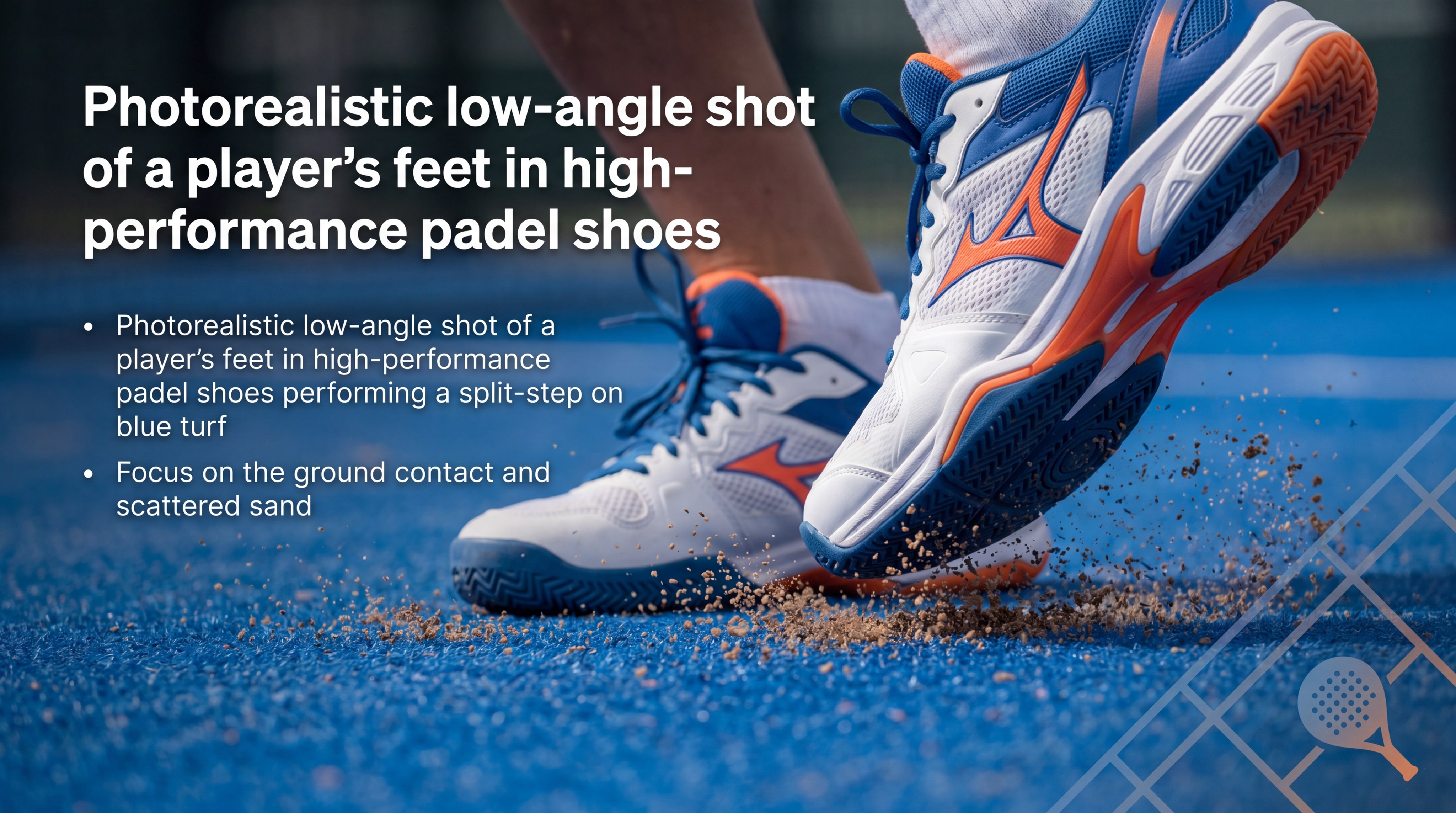
Effective footwork is the engine behind how to play padel because it allows you to maintain balance on the synthetic turf. You should use small, adjustment steps rather than long strides to stay agile on the Padel Grass, which is designed to provide a consistent surface for movement.
What is the split step?
You must perform a “split step”—a small hop onto the balls of your feet—every time your opponent strikes the ball. This primes your muscles to move in any direction instantly, which is vital in the narrow confines of a padel court.
Keep in mind:
Your feet should never be static while the ball is in play.
- Keep your weight on the balls of your feet, not your heels.
- Use “side-shuffling” to move laterally across the baseline area.
- Stay low to the ground to improve your center of gravity and balance.
How do you recover the center position?
You and your partner must move “like a pendulum,” staying synchronized so that there are no large gaps in your defensive coverage. After every shot, you should strive to recover to a neutral position that allows you to cover the most likely return.
The best part?
Good footwork makes even the hardest shots look easy and controlled.
- Always return to the “T” or the center of your quadrant after hitting.
- Move forward together when you have the opportunity to attack at the net.
- Avoid the “no man’s land” area in the middle of the court whenever possible.
Key Takeaway: Using adjustment steps and the split step ensures you are always balanced and ready for the ball’s bounce.
| Footwork Technique | Primary Benefit |
|---|---|
| Split Step | Immediate readiness and explosive movement in any direction |
| Side-Shuffling | Fast lateral coverage without losing your physical balance |
| Adjustment Steps | Fine-tuning your position for the perfect hitting strike |
| Pendulum Movement | Maintaining consistent court coverage with your partner |
Mastering movement is the final piece of the puzzle that separates recreational players from true competitors.
*
Frequently Asked Questions
Can I play padel on a tennis court?
No, because padel requires specific 10x20m dimensions and structural glass walls for the ball to bounce off. While you can practice some hitting skills, you cannot play a regulation game without the enclosed environment and glass.
What’s the best racket for a complete beginner?
A round-shaped racket is best because it features a centered and large sweet spot. This provides maximum control and forgiveness, which is essential while you are still learning to time your hits and read the ball.
How do I know if a ball is out of bounds?
The ball is out if it hits the fence or glass walls before it touches the ground on the opponent’s side. However, if it bounces on the turf first and then hits the wall, it remains in play.
Can I hit the ball twice if it’s a difficult save?
No, you may only hit the ball once per side, just like in tennis. If you or your partner touches the ball twice before it crosses the net, the point is immediately lost to the opponents.
What’s the best way to handle a ball coming fast toward the glass?
You should let the ball pass you and hit the glass first. By waiting for the rebound, the ball’s speed is neutralized, giving you more time to execute a controlled defensive lob or return.
Conclusion
Mastering how to play padel correctly requires a blend of technical precision, tactical patience, and the right environment. By understanding the official rules—from the underhand serve to the complex wall interactions—you position yourself for long-term success and enjoyment. Whether you are a club owner looking to install premium courts or a player seeking the best surface for your joints, the quality of your facility directly impacts your performance. At Superbpadel, we specialize in manufacturing professional-grade courts that solve the problems of inconsistent bounces and safety concerns. Our brand stands for durability and international standards in every build. If you are ready to elevate your facility with world-class equipment, contact us today to discuss your project. Let’s build the future of padel together!