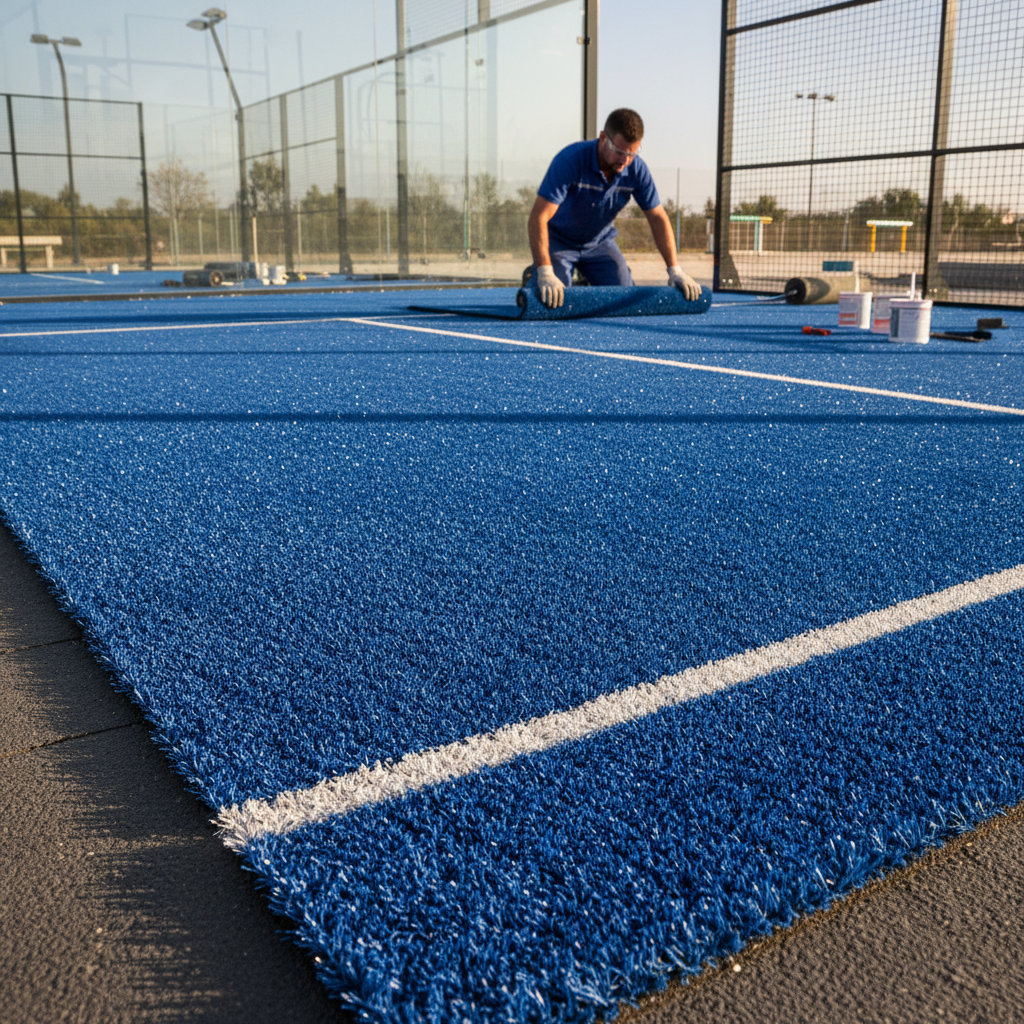
A padel court is a specialized sports enclosure measuring 20 meters by 10 meters that combines elements of tennis and squash. You may find that entering the sports industry without a technical grasp of infrastructure leads to wasted capital and poor player retention. Attempting to build a facility without adhering to international standards often results in a surface that plays inconsistently or poses safety risks. We provide the manufacturing expertise and technical blueprints to ensure your understanding of what is a padel court translates into a high-performance, profitable athletic venue.
What is a padel court in the modern sports industry?

A padel court in the modern sports industry represents a high-density revenue generator that utilizes a 200-square-meter footprint to accommodate four players simultaneously. You will notice that these facilities are rapidly replacing underutilized tennis courts due to their higher social engagement and lower barrier to entry for beginners. The structure typically features a mix of tempered glass and metallic mesh to facilitate a fast-paced, strategic game.
Is the sport growing globally?
The global expansion of this sport has created a massive demand for professional-grade installations in sports clubs and luxury resorts. Here is the deal. You can leverage this trend to diversify your facility’s offerings and secure long-term membership growth.
- Rapid adoption across Europe and the Middle East.
- High social media visibility driving youth participation.
- Increasing inclusion in multi-sport Olympic-style events.
How does the architecture influence play?
The architecture of the enclosure allows for the ball to remain in play after hitting the walls, which extends rallies and increases excitement. But wait, there is more. This design requires specific structural integrity to handle the constant vibration of ball impacts and player collisions.
- Glass panels act as active rebound surfaces.
- Metallic mesh introduces unpredictable ball angles.
- Compact dimensions prioritize strategy over raw power.
Key Takeaway: Understanding the role of the court enclosure as an active participant in the game is essential for any construction project.
| Feature | Specification | Role |
|---|---|---|
| Footprint | 20m x 10m | Playable Area |
| Enclosure | Glass & Mesh | Rebound Surface |
| Player Count | 4 (Doubles) | Social Density |
The combination of compact size and interactive walls makes this the most land-efficient racquet sport available today.
What is a padel court size compared to a tennis court?
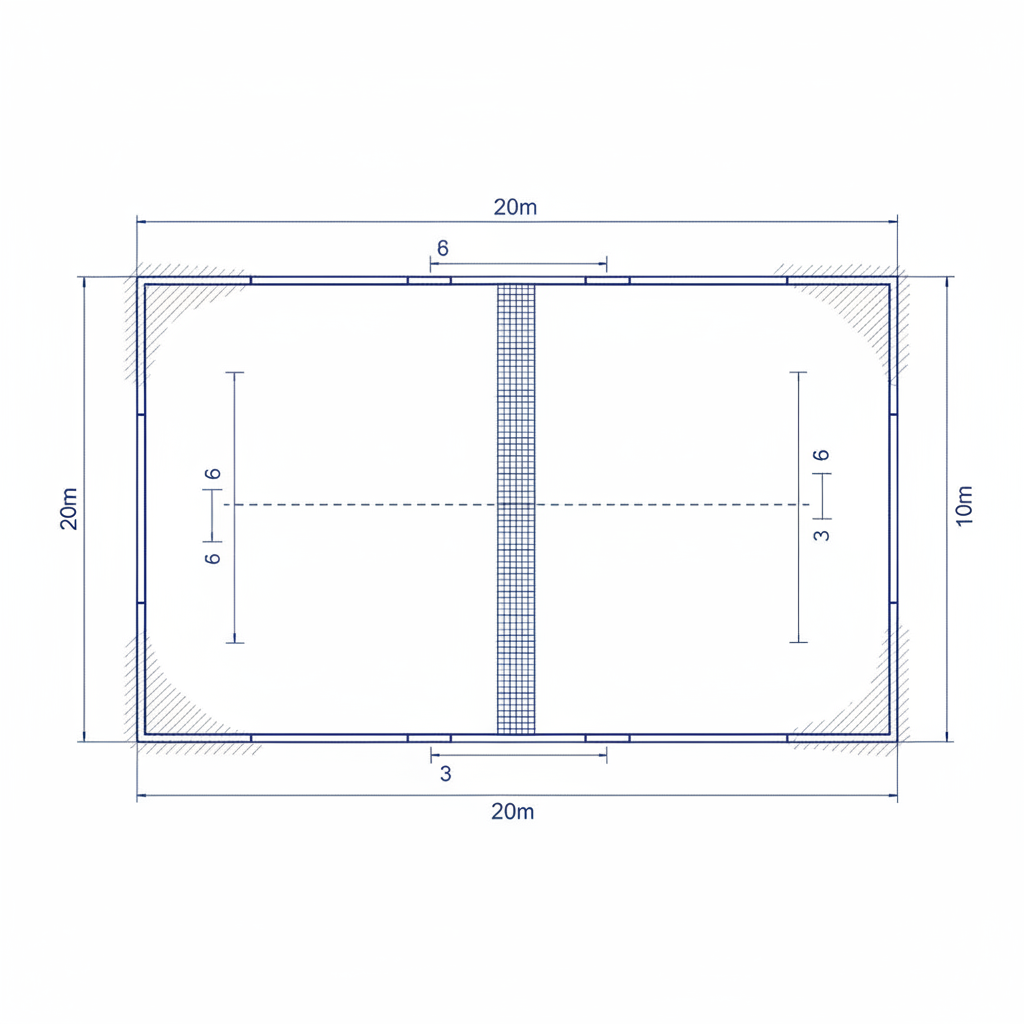
The what is a padel court size is exactly 20 meters long by 10 meters wide, making it roughly 25% smaller than a standard tennis court. You can comfortably fit three of these units into the footprint of one traditional tennis court, significantly increasing your potential for booking revenue. The rectangular area is divided by a central net and surrounded by a four-meter-high structure.
Why does the footprint matter for ROI?
Land optimization is the primary driver of profitability for modern sports club owners and urban developers. What’s the real story? By maximizing the number of courts on your property, you increase the frequency of matches and the total number of active members.
- Higher revenue per square meter of land.
- Ability to host larger tournaments in smaller spaces.
- Reduced maintenance costs compared to large clay courts.
Are there vertical clearance requirements?
For indoor installations, you must ensure that the ceiling height provides enough space for high “lob” shots common in professional play. Ready for the good part? Maintaining a clearance of 6 to 8 meters ensures that your facility meets international competition standards.
- Minimum height of 6 meters is required.
- Professional standard prefers 8 meters or more.
- Obstructions like rafters must be avoided.
Key Takeaway: The compact size of the court allows for superior land utilization while requiring strict adherence to vertical clearance for elite play.
| Metric | Padel Court | Tennis Court |
|---|---|---|
| Total Length | 20 Meters | 23.77 Meters |
| Total Width | 10 Meters | 10.97 Meters |
| Total Area | 200 sqm | ~260 sqm |
Investors should prioritize these dimensions to maximize the density of their athletic offerings within a fixed property boundary.
What is a padel court wall made of for professional use?
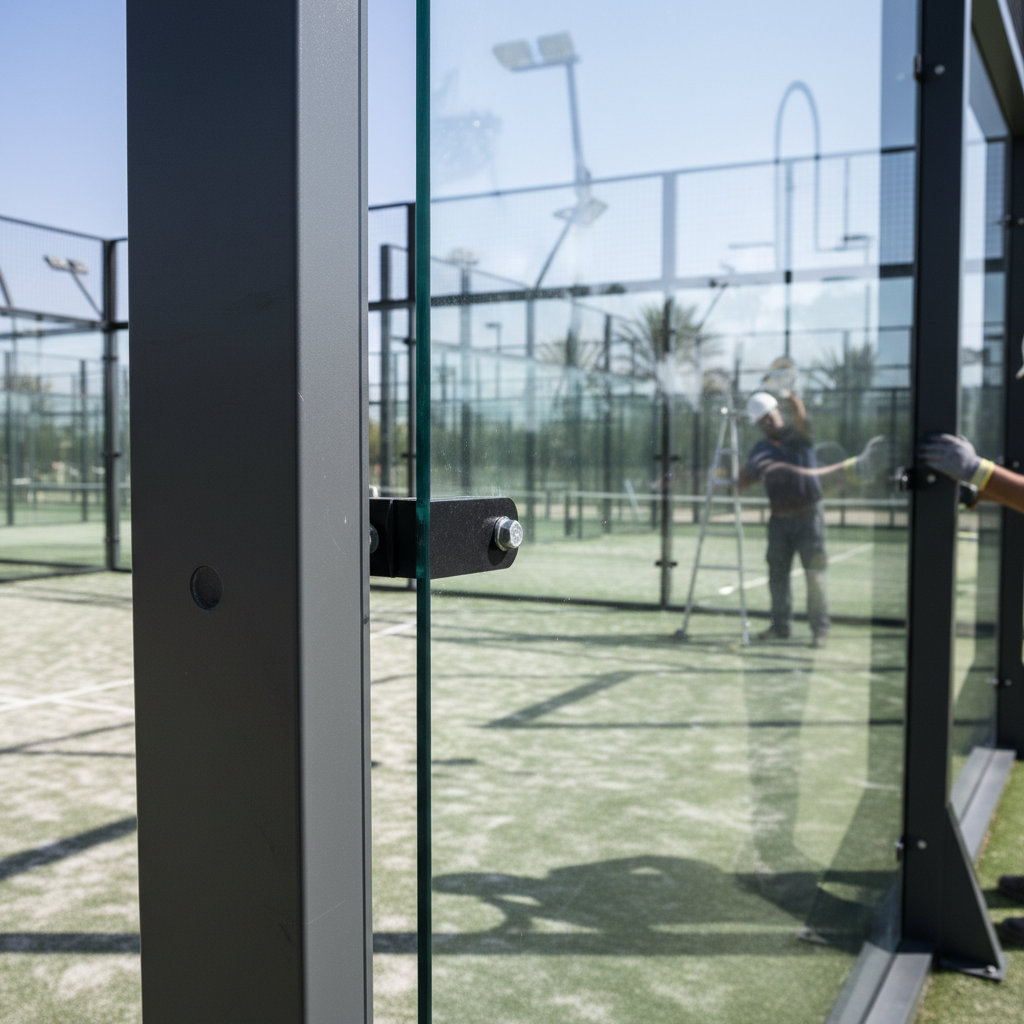
A professional what is a padel court wall consists of 10mm or 12mm tempered safety glass panels integrated with electro-welded metallic mesh. You must use certified safety glass that meets EN 12150 standards to ensure the structure can withstand high-velocity body impacts. The metallic mesh provides ventilation and allows the ball to bounce at irregular angles, which is a core mechanic of the sport.
Is tempered glass necessary for safety?
Safety glass is mandatory because it is designed to crumble into small, blunt pieces if it ever shatters during an intense match. But here’s the kicker. High-quality 12mm glass also provides a more consistent rebound for the ball, which professional players expect from a top-tier facility.
- Resistant to extreme temperature fluctuations.
- Capable of absorbing heavy kinetic energy.
- Offers clear visibility for spectators and cameras.
How does the mesh affect ball behavior?
The metallic mesh panels must be installed with high tension to prevent warping or “dead zones” where the ball might get stuck. What’s the catch? The mesh size of 50mm by 50mm is the industry standard for preventing the ball from passing through the enclosure.
- Galvanized steel prevents rust and corrosion.
- Powder coating adds aesthetic value and durability.
- Rigid frames maintain structural alignment over time.
Key Takeaway: Selecting the right thickness of tempered glass and high-tension mesh is the most important factor for player safety and structural longevity.
| Component | Standard | Thickness |
|---|---|---|
| Back Wall Glass | Tempered Safety | 10mm – 12mm |
| Side Walls | Metallic Mesh | 4.0mm Wire |
| Frame Pillars | Galvanized Steel | 80x80mm – 100x100mm |
Professional-grade materials ensure that your walls remain clear and secure for decades of high-frequency commercial use.
What is a padel court grass surface requirement?
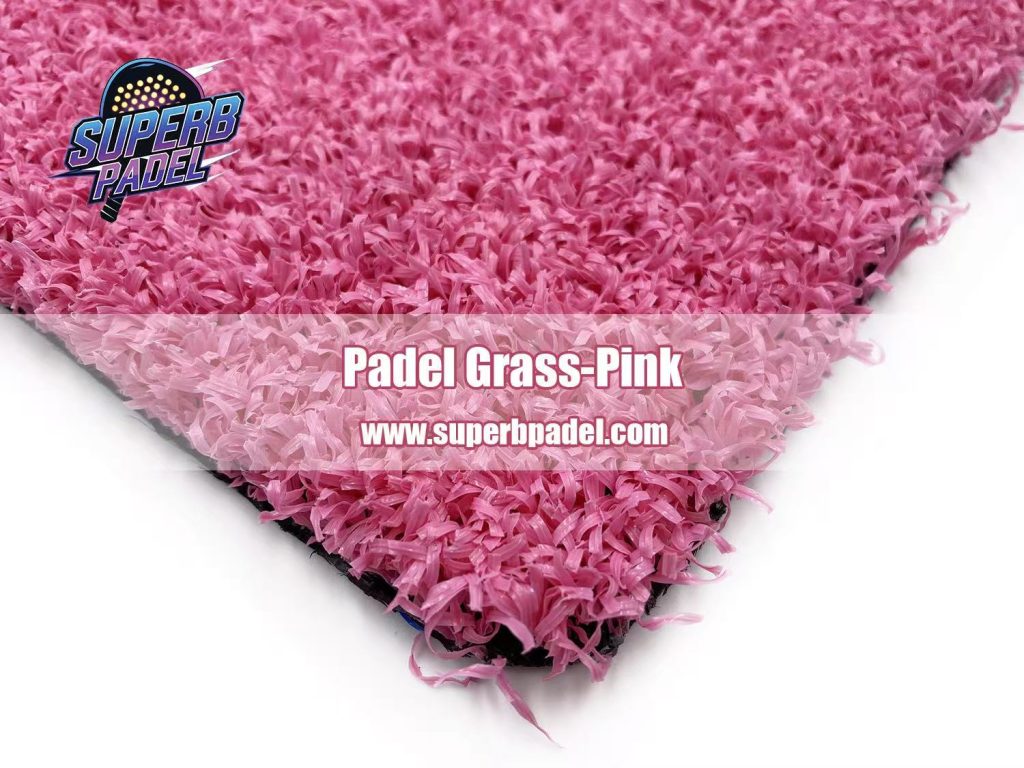
The what is a padel court grass surface requires a high-density synthetic turf filled with fine silica sand to provide the correct traction and ball bounce. You will find that monofilament textured fibers are the preferred choice for professional clubs because they offer excellent durability and reduce the risk of player injury. The turf must be laid over a perfectly level concrete or asphalt base to prevent water pooling.
Why is silica sand infill required?
Silica sand stabilizes the synthetic grass blades and allows players to slide safely into shots without catching their joints. Believe it or not. The correct amount of sand—typically 3 to 5 kg per square meter—is what creates the signature fast-paced rallies associated with the sport.
- Prevents the turf from shifting under foot.
- Regulates the speed of the ball bounce.
- Protects the underlying carpet from UV damage.
Should you choose monofilament or fibrillated turf?
Monofilament turf is widely considered the premium option due to its ability to stand upright even after thousands of hours of play. This is where it gets interesting. Fibrillated turf is a more budget-friendly alternative that works well for recreational play but may flatten faster in high-traffic zones.
- Monofilament: Higher precision and resilience.
- Fibrillated: Good initial grip and lower cost.
- Texturized: The current elite standard for pro tours.
Key Takeaway: The playing surface is a complex system of synthetic fibers and sand that must be calibrated for both speed and safety.
| Surface Type | Durability | Player Comfort | Price |
|---|---|---|---|
| Monofilament | Excellent | High | Premium |
| Fibrillated | Moderate | Standard | Budget |
| Texturized | Elite | Maximum | Luxury |
Investing in high-grade monofilament turf will significantly reduce your long-term maintenance costs and improve the player experience.
What is a padel court lighting standard for night play?
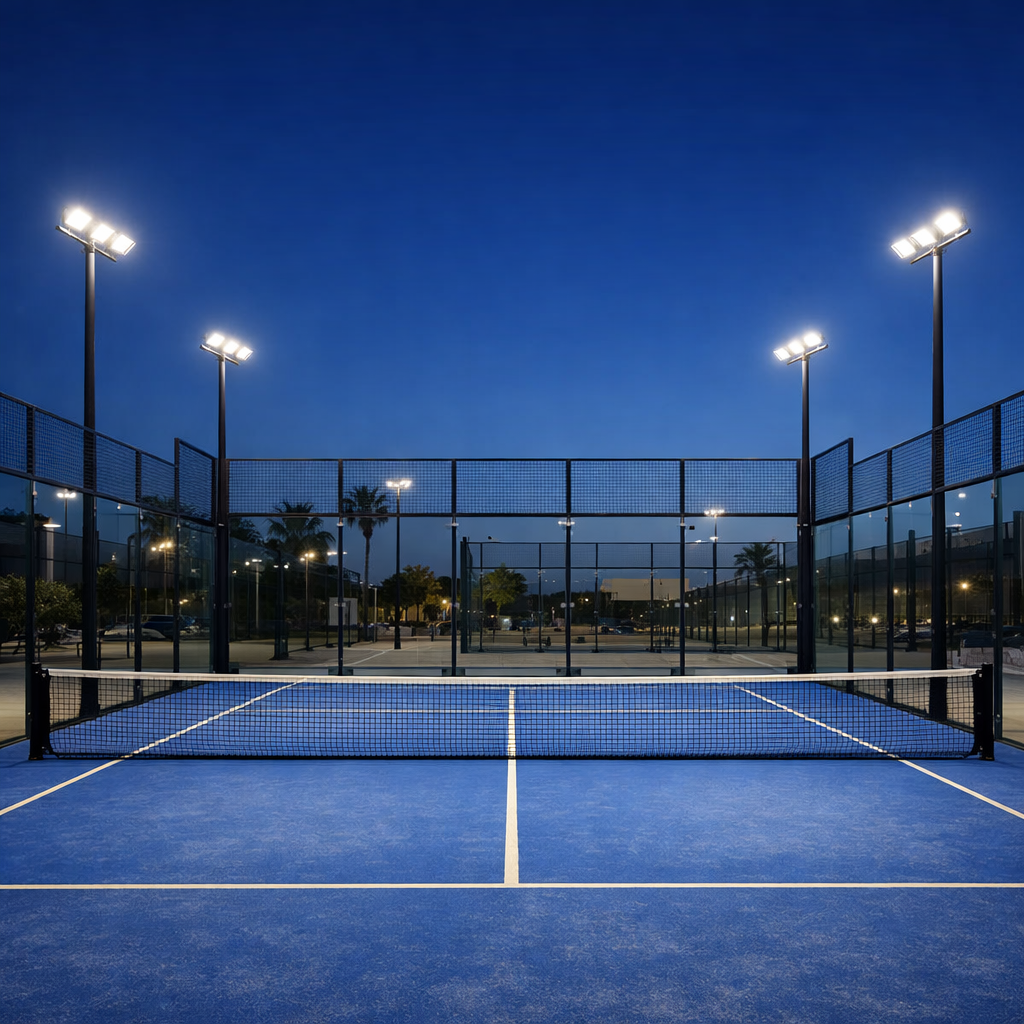
The what is a padel court lighting standard demands a uniform distribution of at least 300 to 750 lux across the entire surface to ensure visibility during fast rallies. You need at least eight LED floodlights mounted on four 6-meter-high masts to eliminate shadows and prevent glare during overhead shots. Proper illumination is essential for commercial clubs that rely on evening bookings for the majority of their revenue.
How do LEDs improve facility ROI?
Switching to high-efficiency LED floodlights reduces your operational energy costs while providing superior daylight-quality visibility for your members. But wait, there is more. These lights have an IP66 waterproof rating, ensuring they function perfectly in outdoor environments regardless of the weather conditions.
- Instant on/off capabilities for energy management.
- Lower heat emission reduces cooling needs indoors.
- Long lifespan minimizes maintenance labor costs.
What is anti-glare technology?
Anti-glare optics are crucial for preventing players from losing sight of the ball when they look up for high lobs or smashes. Now for the best part. Modern asymmetrical lenses direct the light precisely onto the court without spilling into the eyes of the athletes or neighboring properties.
- Enhances contrast for high-speed tracking.
- Complies with local light pollution ordinances.
- Provides a professional, stadium-like atmosphere.
Key Takeaway: Strategic lighting placement and high-intensity LEDs are vital for extending your facility’s operational hours and ensuring match safety.
| Standard | Lux Level | Application |
|---|---|---|
| Recreational | 300 Lux | Training/Club Play |
| Competition | 500 Lux | Tournaments |
| Broadcast | 750+ Lux | Televised Events |
A professional lighting setup ensures that your venue remains active and profitable long after the sun has set.
What is a padel court foundation preparation process?
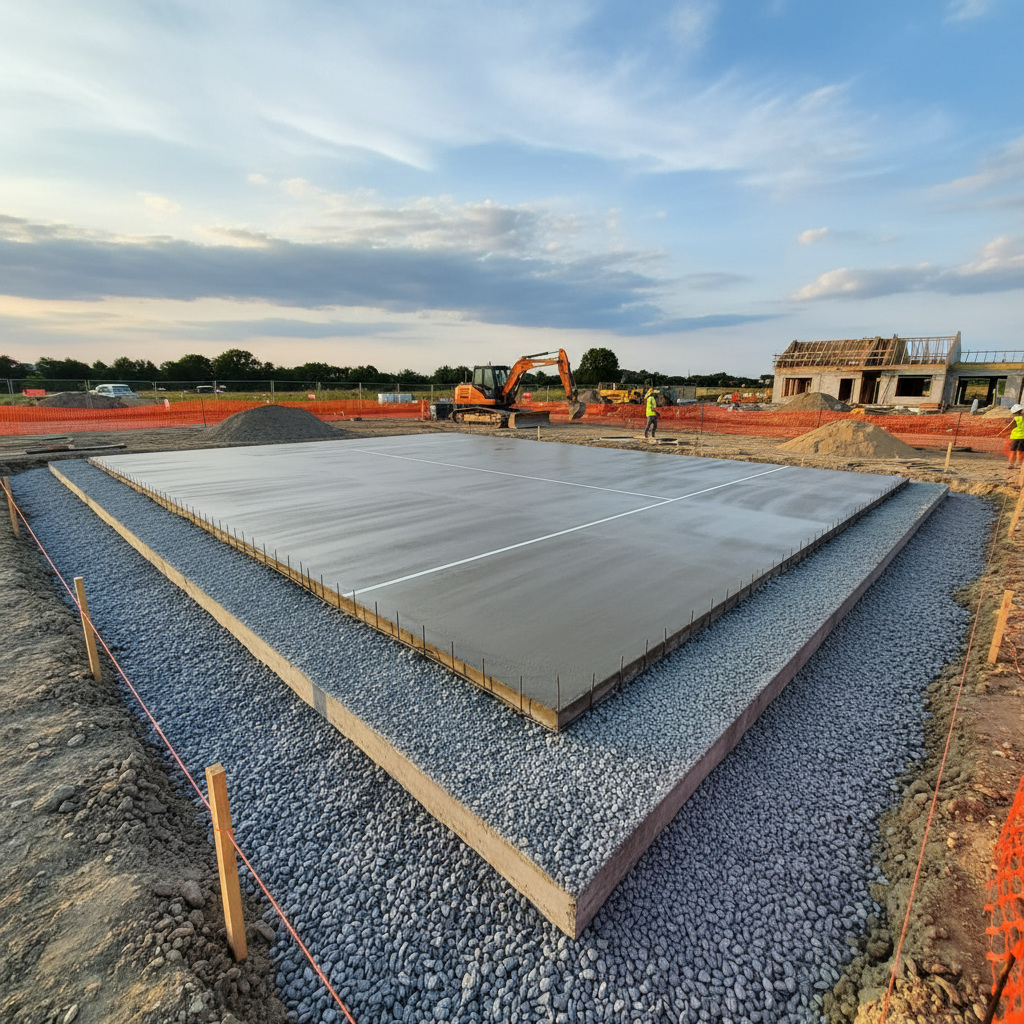
The what is a padel court foundation preparation process involves pouring a reinforced concrete slab that is at least 15cm thick and perfectly level. You must ensure the base is laser-leveled with a maximum deviation of 3mm over any 3-meter distance to prevent structural stress on the glass panels. A solid foundation is the most critical element for ensuring the longevity of the metallic enclosure and the safety of the players.
Why is drainage essential for outdoor courts?
Outdoor foundations must include a slight slope or a porous sub-base to allow rainwater to drain quickly and prevent the turf from becoming waterlogged. Here is the deal. Without proper drainage, your facility will face significant downtime after rainstorms, leading to lost booking revenue and potential mold growth.
- Perimeter drainage channels prevent pooling.
- Porous concrete allows vertical water evacuation.
- Protective vapor barriers prevent rising dampness.
Does soil compaction impact stability?
Inadequate soil compaction before pouring the concrete can lead to cracks or shifts that will cause the glass walls to misalign or break. What’s the real story? You must excavate the topsoil and install a compacted layer of crushed stone to provide a stable sub-base for the heavy concrete slab.
- Prevents future settling and structural warping.
- Distributes the weight of the steel pillars evenly.
- Ensures the court remains perfectly flat for decades.
Key Takeaway: A laser-leveled, reinforced concrete foundation is the non-negotiable anchor that holds your entire sports facility together.
| Layer | Material | Thickness |
|---|---|---|
| Main Slab | Reinforced Concrete | 15cm – 20cm |
| Sub-base | Compacted Gravel | 10cm – 15cm |
| Surface | Synthetic Turf | 10mm – 12mm |
Investing in a high-quality foundation protects your expensive glass and steel assets from structural failure.
What is a padel court indoor facility requirement?
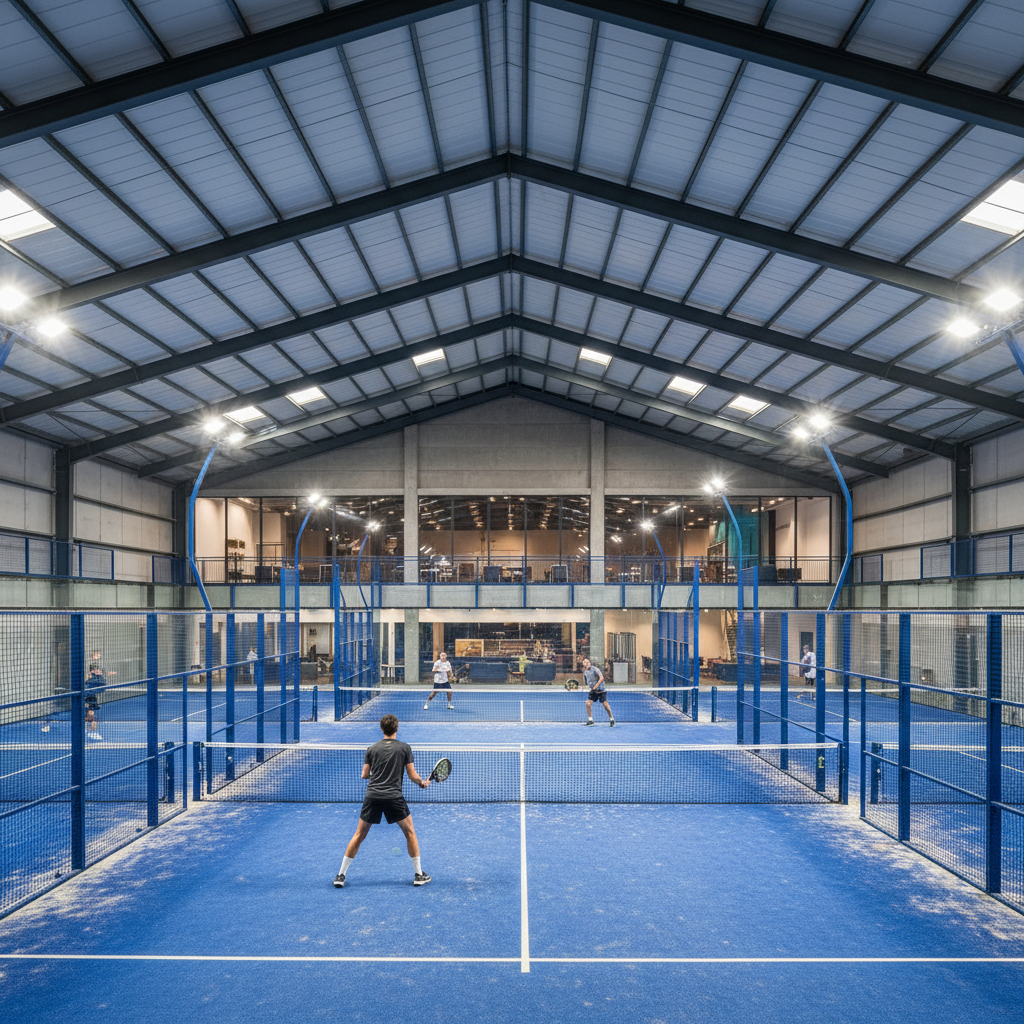
A what is a padel court indoor facility requirement specifies a minimum ceiling clearance of 6 meters to accommodate high-arc shots that are central to the strategy of the game. You should also prioritize ventilation and humidity control to prevent condensation on the glass walls, which can make them dangerously slippery. Indoor venues are highly profitable because they guarantee year-round playability regardless of the external climate or weather conditions.
Is ventilation important for player health?
Proper air circulation ensures that players remain cool during intense matches while also preventing the buildup of odors in a high-density club. Ready for the good part? Installing high-volume fans or HVAC systems maintains a comfortable environment that keeps members coming back for longer sessions.
- Prevents fogging on the transparent glass walls.
- Reduces the risk of respiratory strain during play.
- Enhances the overall prestige of the facility.
How does roof height affect competitive play?
If your ceiling is too low, it will limit the tactical options of your players and prevent you from hosting sanctioned professional tournaments. Think about this. Aiming for 8 meters of clearance allows for elite lobs and ensures that your club is viewed as a premier destination for top-ranked athletes.
- Eliminates obstructions for professional ball flight.
- Allows for the installation of overhead LED lighting.
- Increases the perceived value of the court rental.
Key Takeaway: Indoor facilities provide a controlled environment that ensures maximum booking revenue and elite match standards.
| Feature | Indoor Requirement | Purpose |
|---|---|---|
| Ceiling Height | 6m – 8m | Vertical Ball Flight |
| Ventilation | Mechanical/HVAC | Glass Clarity/Comfort |
| Lighting | 500+ Lux LED | High Contrast Play |
Maintaining strict indoor standards allows you to operate 365 days a year without the risk of weather-related cancellations.
What is a padel court construction budget for investors?
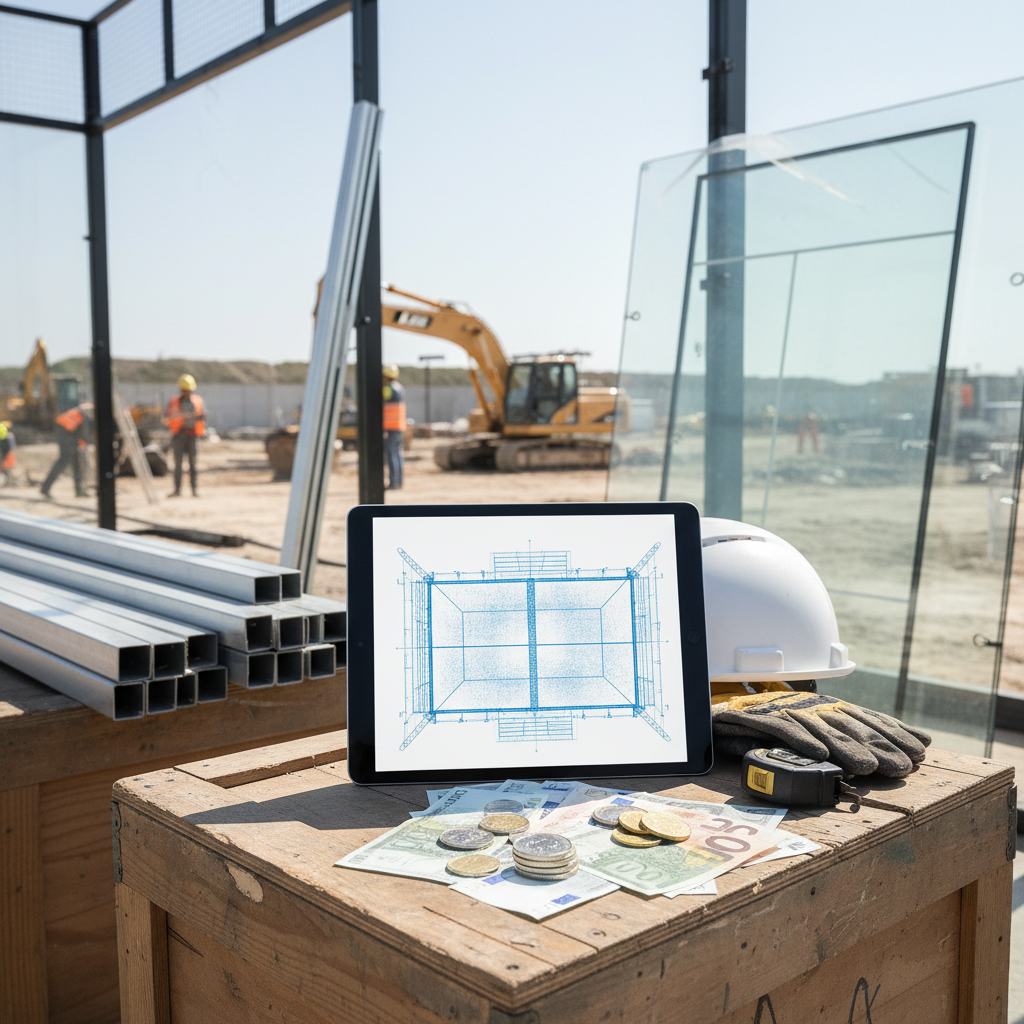
The what is a padel court construction budget typically ranges from $25,000 to $50,000 per unit, depending on the site preparation and model complexity. You must account for the court kit procurement, foundation civil works, and professional installation by a certified team to ensure structural safety. Investing in a panoramic model may increase the initial cost but often justifies higher booking fees and faster return on investment.
Beyond the court kit itself, you must budget for shipping logistics, local building permits, and the electrical connection for your high-intensity lighting systems. But wait, there is more. Professional assembly is a requirement because the 12mm glass panels weigh hundreds of kilograms and require specialized equipment to handle safely.
- Shipping and import duties for international kits.
- Professional installation labor by expert crews.
- Long-term maintenance equipment and sand top-ups.
How fast can you see a return on investment?
Because you can host four players simultaneously in a small space, the revenue-per-hour for this sport is significantly higher than that of tennis or squash. The bottom line is this. Most well-managed clubs see a full return on their capital expenditure within 12 to 24 months of operation through membership and booking fees.
- High turnover of players throughout the day.
- Social aspect encourages higher spend on F&B.
- Low operational overhead once construction is finished.
Key Takeaway: A well-planned budget covers both the high-quality materials and the expert labor required for a safe, professional installation.
| Expense Category | Estimate (USD) | Priority |
|---|---|---|
| Foundation | $10,000 – $15,000 | Critical |
| Court Kit | $20,000 – $35,000 | High |
| Installation | $3,000 – $6,000 | Essential |
Investors who focus on quality materials will benefit from lower maintenance costs and higher member retention in the long run.
What is a padel court maintenance routine for longevity?

A what is a padel court maintenance routine involves weekly brushing of the synthetic turf and regular inspection of the glass fasteners and metallic mesh. You should ensure that the silica sand is evenly distributed to prevent the grass fibers from flattening or becoming slippery for the players. Regular cleaning of the transparent walls keeps your facility looking professional and ensures perfect visibility for spectators and cameras.
Why is surface brushing necessary?
Brushing the turf redistributes the sand infill and lifts the synthetic fibers, which prevents the surface from hardening over time. You might be wondering… If the sand is not leveled, “dead spots” will develop where the ball does not bounce predictably, causing frustration for your high-level members.
- Extends the lifespan of the expensive turf carpet.
- Maintains consistent ball bounce and speed.
- Improves player safety by ensuring uniform traction.
How often should you check the structure?
Safety inspections of the steel pillars and glass mounting hardware should occur every six months to identify any loosening caused by player impacts. What’s the real story? Tightening the bolts and ensuring the neoprene gaskets are in good condition prevents spontaneous glass failure and protects your business from liability.
- Prevents structural shifting and misalignment.
- Identifies early signs of corrosion in outdoor units.
- Ensures the net tension remains at the legal height.
Key Takeaway: Proactive maintenance preserves the aesthetic appeal of your club while maximizing the operational lifespan of your infrastructure.
| Task | Frequency | Objective |
|---|---|---|
| Turf Brushing | Weekly | Sand Redistribution |
| Glass Cleaning | Monthly | Visual Clarity |
| Bolt Inspection | Semi-Annual | Structural Safety |
A clean and well-maintained facility is the best marketing tool for attracting and retaining premium club members.
What is a padel court construction timeline for new clubs?
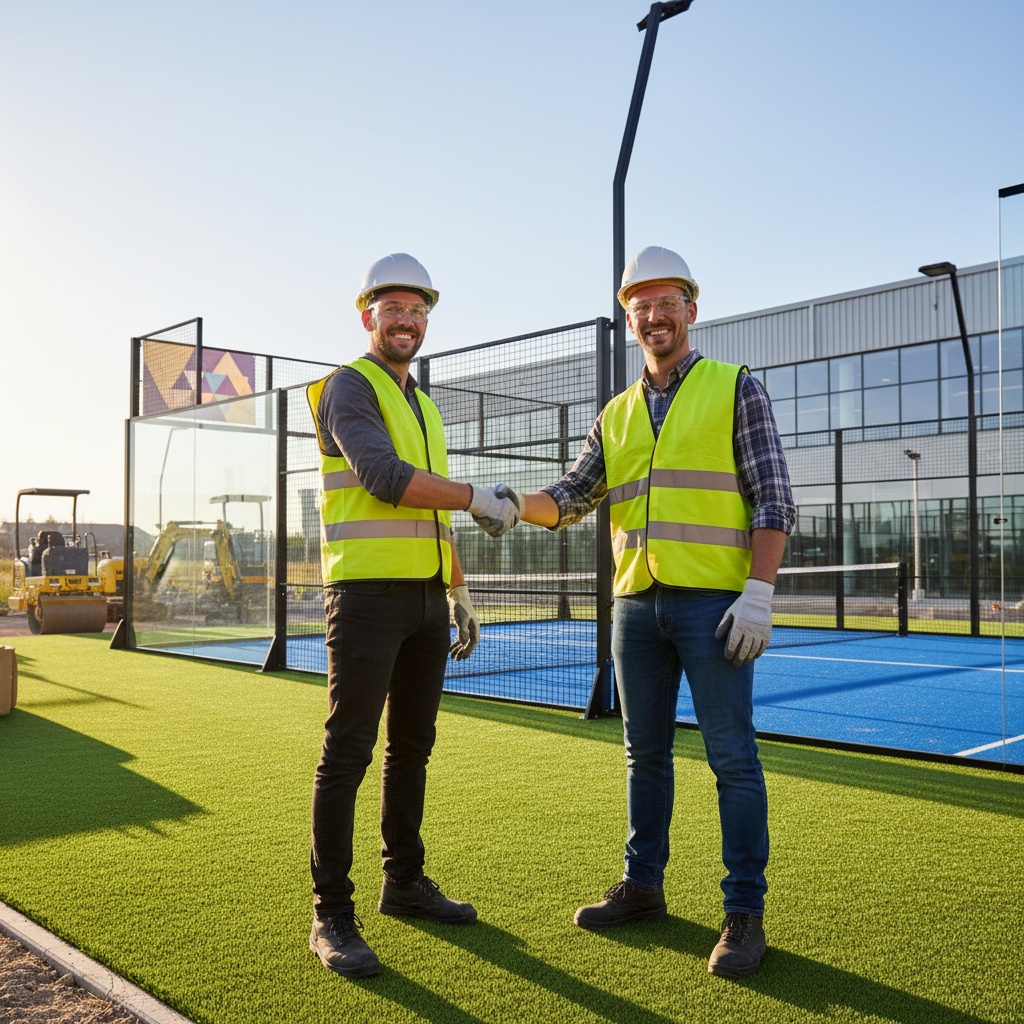
The what is a padel court construction timeline usually spans 4 to 8 weeks, depending on the complexity of the site preparation and local permitting processes. You must coordinate the civil works for the foundation with the arrival of the modular court kit to ensure a seamless and efficient assembly process. Professional crews can typically assemble the steel and glass structure in just 3 to 5 days once the concrete has fully cured.
How does site preparation impact speed?
If your site requires significant excavation or soil stabilization, the civil works phase can be the longest part of your project. Ready for the good part? Pre-planning your drainage and electrical conduits before pouring the concrete ensures that the final assembly phase proceeds without any technical delays.
- Soil testing avoids future structural settling.
- Laser-leveling minimizes adjustment time for glass.
- Pre-installed anchors speed up the pillar mounting.
What is the final assembly sequence?
Once the foundation is ready, the assembly follows a strict sequence: steel frame, glass panels, net posts, synthetic turf, and finally the silica sand infill. But here’s the kicker. Each stage must be verified for precision because even a 1-centimeter error in the frame can prevent the large glass panels from fitting securely.
- Frame assembly: 1 to 2 days.
- Glass installation: 1 day using suction equipment.
- Turf and Sand: 1 day for final playing surface.
Key Takeaway: Efficient project management and expert assembly crews can transform an empty lot into a professional sports facility in less than two months.
| Phase | Duration | Focus |
|---|---|---|
| Foundation | 2 – 3 Weeks | Stability/Leveling |
| Kit Delivery | 1 – 2 Weeks | Logistics/Inventory |
| Assembly | 3 – 5 Days | Precision/Safety |
Following a modular construction approach allows you to launch your sports business quickly and start generating booking revenue with minimal downtime.
FAQ
Can I build a padel court on an existing tennis court surface?
Yes, but you must verify that the base is perfectly level and capable of supporting the localized weight of the steel pillars and 12mm glass panels. You will likely need to reinforce the areas where the posts are anchored to prevent cracking.
What’s the best way to handle outdoor drainage issues?
You should design the concrete slab with a 0.5% slope toward the edges and install a perimeter drainage channel to redirect rainwater. This ensures the turf dries rapidly after storms, maximizing your playable hours.
How do I know if my soil is stable enough for a concrete slab?
You must perform a geotechnical survey to determine the soil’s load-bearing capacity and identify any potential for shifting or settling. If the soil is unstable, you may need to install deeper footings or a thicker reinforced base.
Can I install the court myself to save on budget?
No, because the tempered glass panels are extremely heavy and require specialized vacuum tools and safety training to handle. Professional installation is a requirement for maintaining structural warranties and ensuring commercial safety.
How do I know if the turf fibers are worn out?
You will see that the fibers have flattened permanently and the sand is no longer staying trapped between them, creating a slick surface. If the black backing of the turf becomes visible through the pile, it is time for a replacement.
Conclusion
Constructing a professional-grade facility requires a deep understanding of structural standards, material performance, and player safety. By prioritizing high-density tempered glass, monofilament turf, and precise concrete foundations, you ensure that your athletic venue delivers a world-class experience for years to come. We solve the common problems of niche sports development by providing factory-direct expertise and modular designs that simplify the construction process. Our vision is to empower investors to create elite sports destinations that foster community engagement and healthy competition. If you are ready to transform your property into a high-performance venue, contact us today for a personalized project consultation and quotation.