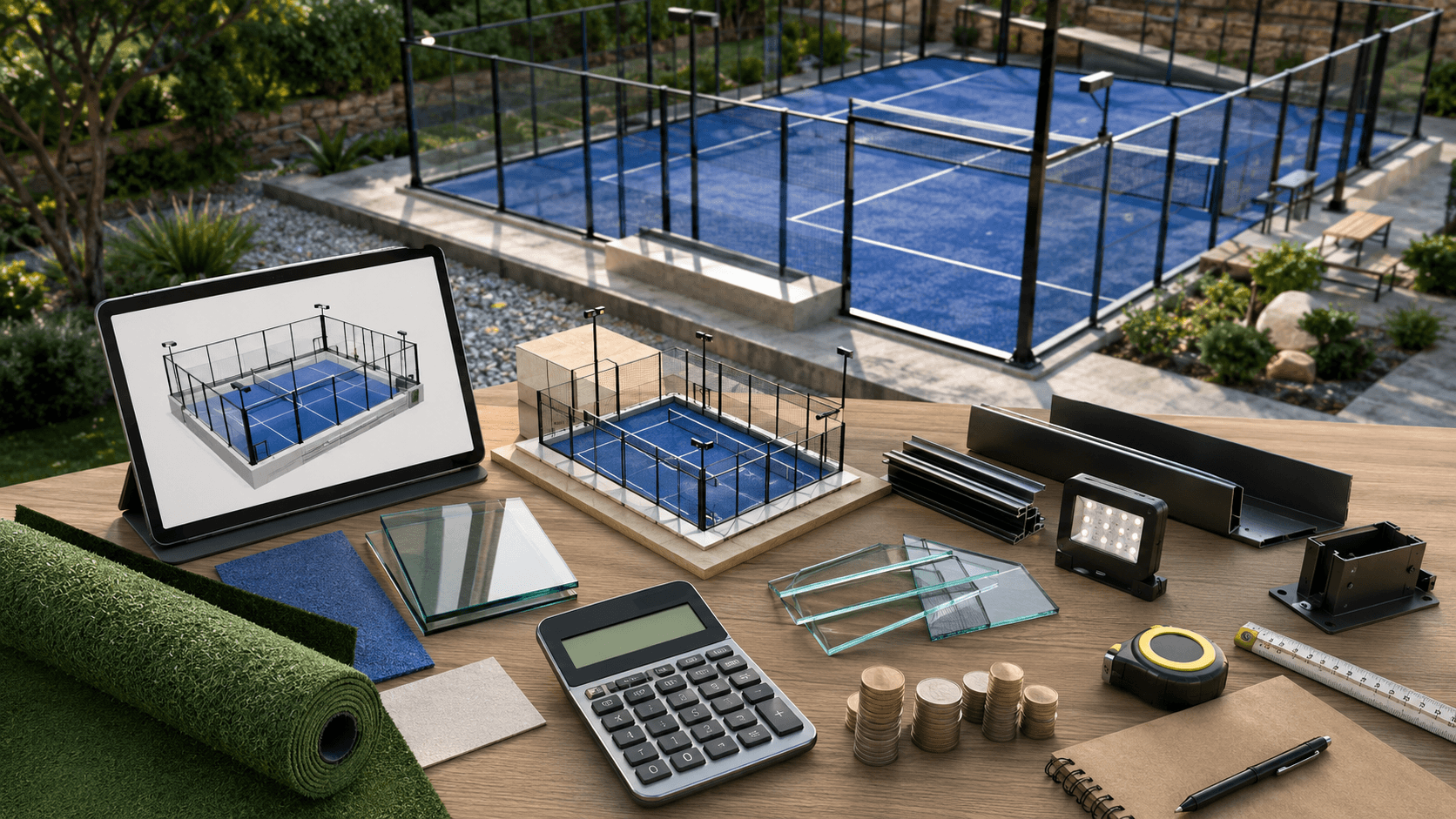
Calculating the total padel court cost requires summing the hardware price, site preparation expenses, shipping fees, and local permitting costs. You might be struggling to find a transparent breakdown of the investment required for a high-quality padel facility. The lack of clear data makes it nearly impossible to pitch to investors or secure internal funding. By understanding the granular components of a padel court cost, you can build a precise budget that ensures long-term profitability and avoids mid-project financial shocks. Find more detailed pricing information on superbpadel.com .
What is the average padel court cost today?
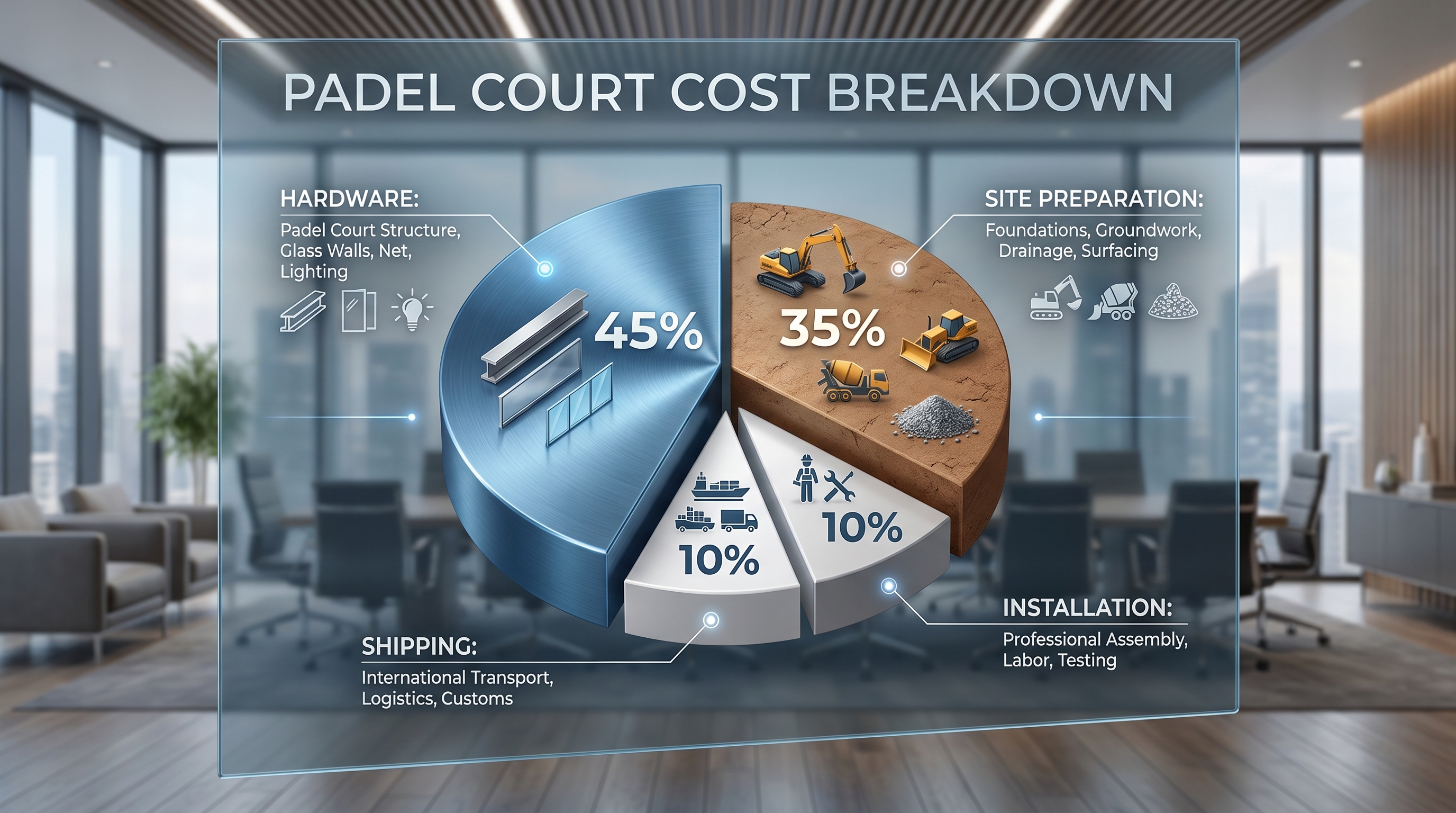
The average base padel court cost for high-quality hardware typically ranges between 20,000 and 27,000 depending on the model. This figure serves as the foundation for your project, covering the primary structural components.
Understanding the base investment
Hardware is only the starting point for a commercial facility. You must account for the specific model choices that drive player satisfaction.
- Standard commercial courts: 20,000−22,000.
- Premium panoramic models: 24,000−27,000.
- Roofed or specialty enclosures: $30,000+.
Here is the kicker: Buying directly from a manufacturer can save you up to 30% on your procurement. This effectively lowers your break-even point for the entire project.
| Expense Category | Typical Range (USD) | |
|---|---|---|
| Hardware & Glass | 20,000−27,000 | |
| Professional Labor | 6,000−8,000 | |
| Logistics & Duty | 3,000−8,000 |
Key Takeaway:Securing a factory-direct price is the single most effective way to manage your initial capital expenditure.
How do base materials affect padel court cost?
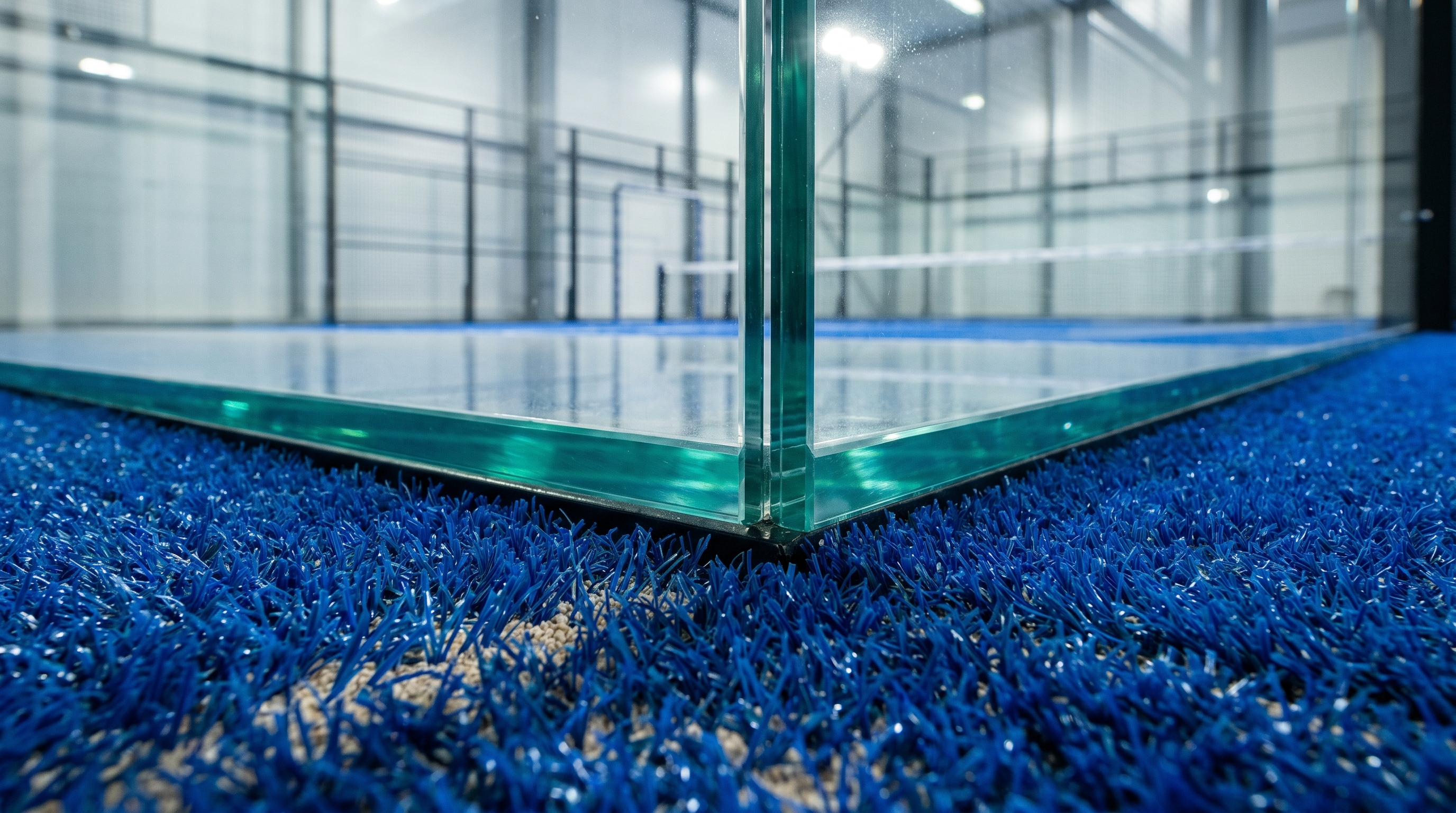
Material choices like glass thickness and turf density significantly influence the total padel court cost. Selecting the right materials ensures your padel court cost yields a durable, low-maintenance asset.
Selecting glass and turf quality
The quality of the playing surface and walls determines the longevity of the facility. Cutting corners here often leads to expensive repairs within the first 24 months.
- 12mm Tempered Glass: The industry standard for safety.
- Monofilament Turf: Offers superior ball bounce and drainage.
- Galvanized Steel: Essential for preventing rust in outdoor settings.
But wait, there is more: Certified anti-explosion glass is non-negotiable for commercial liability management. High-density turf also requires less frequent sand replenishment over time.
| Material Component | Benefit to Owner | Cost Impact | |
|---|---|---|---|
| 12mm Tempered Glass | Maximum Safety | Moderate Increase | |
| Fibrillated Turf | Entry-level Pricing | Budget Friendly | |
| Hot-dip Galvanization | 20-year Lifespan | Essential for Outdoor |
Key Takeaway:Investing in 12mm glass and galvanized steel reduces the long-term total cost of ownership by preventing premature structural failure.
Does the court model change your padel court cost?
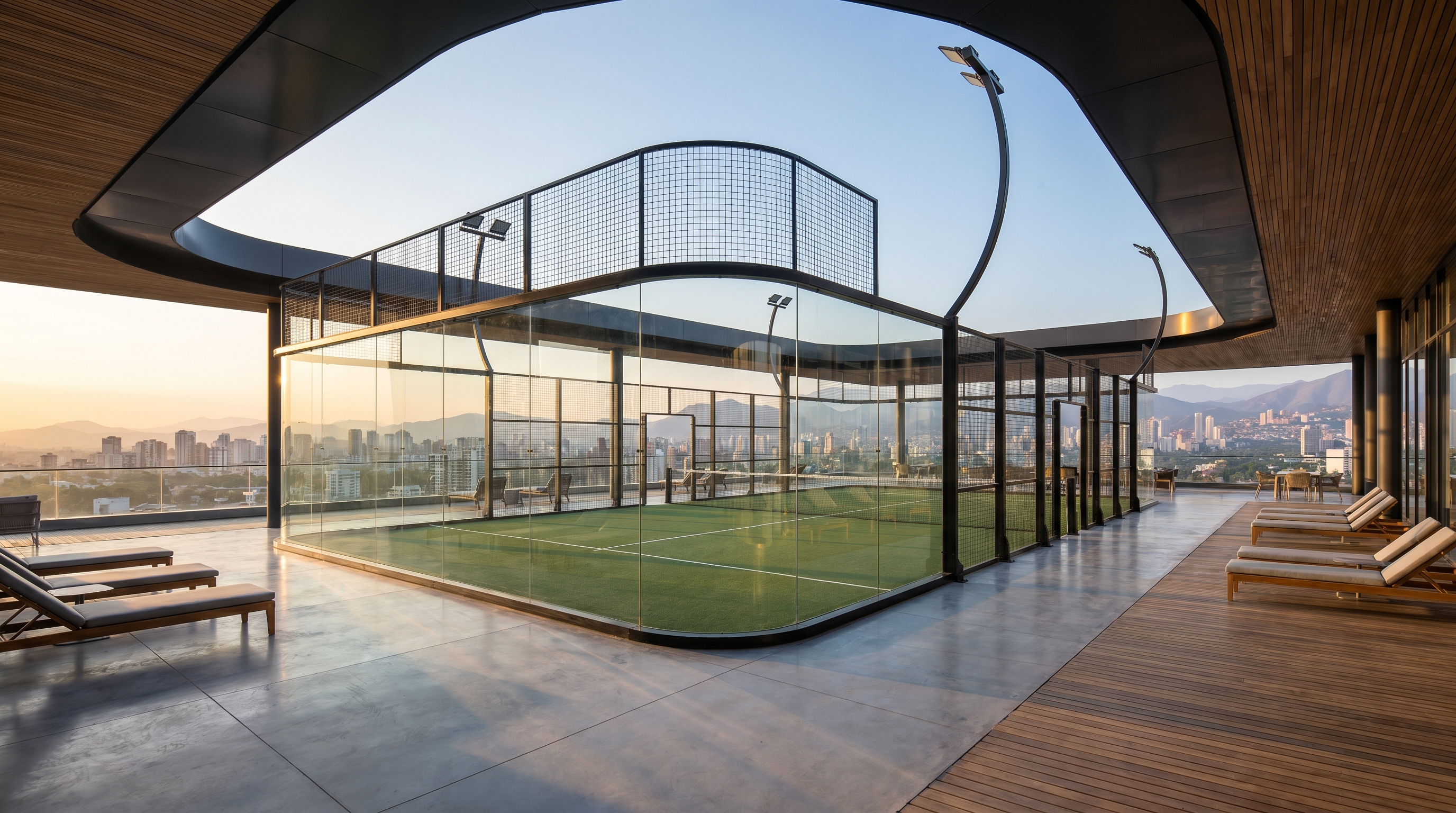
Moving from a standard model to a panoramic or roofed version will naturally increase the padel court cost. Premium models are designed for high-visibility locations where the aesthetic appeal attracts elite players.
Panoramic vs. Standard models
Panoramic courts eliminate back-wall pillars to provide a seamless viewing experience. While this increases the manufacturing complexity, it justifies higher booking fees.
- Standard Courts: Best for community clubs and high-density layouts.
- Panoramic Courts: Ideal for “center courts” and tournament play.
- Super Panoramic: Maximum transparency for luxury resorts.
Believe it or not: A panoramic design can increase your court rental revenue by 15-20% due to its prestige. Most club owners use at least one panoramic court as a marketing centerpiece.
| Court Model | Aesthetic Value | ROI Potential | |
|---|---|---|---|
| Standard | Functional | High (fast payback) | |
| Panoramic | Premium | Very High (prestige) | |
| Roofed | All-weather | Stable (year-round) |
Key Takeaway:Your choice of model should align with your target demographic and the premium you intend to charge for court time.
What site prep adds to your padel court cost?
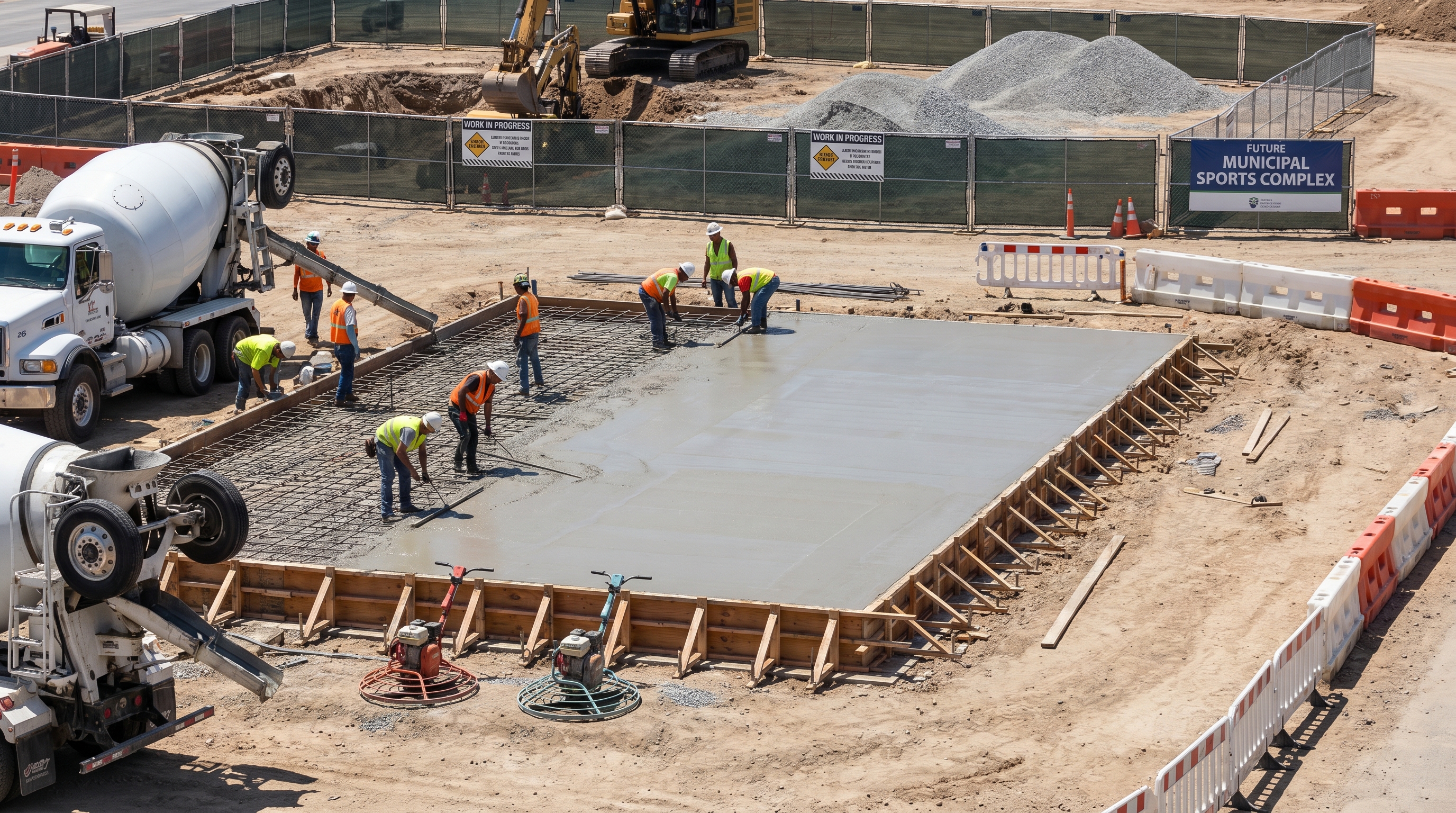
Excavation and concrete slab construction typically add 15,000 to 25,000 to the total padel court cost. This “civil work” is often the most variable part of the padel court cost because it depends on your local geography.
Foundations and soil stability
A level, reinforced concrete slab is the backbone of a safe padel court. Without a proper foundation, the glass panels can shift and shatter under pressure.
- Excavation and leveling: 5,000−10,000.
- Concrete pouring (15cm thickness): 10,000−15,000.
- Drainage systems: 2,000−4,000.
Make no mistake: Soil testing is the first step you should take to avoid foundation cracking. A geotechnical study prevents thousands of dollars in structural remediation later.
| Site Prep Task | Estimated Cost | Importance | |
|---|---|---|---|
| Soil Geotech Study | 1,500−3,000 | Critical for Safety | |
| Reinforced Concrete | 15,000−20,000 | Foundation Base | |
| Perimeter Drainage | 2,500−5,000 | Turf Longevity |
Key Takeaway:Never skimp on site preparation; a solid foundation is the only way to guarantee the safety of your glass and steel structures.
How do accessories impact the padel court cost?
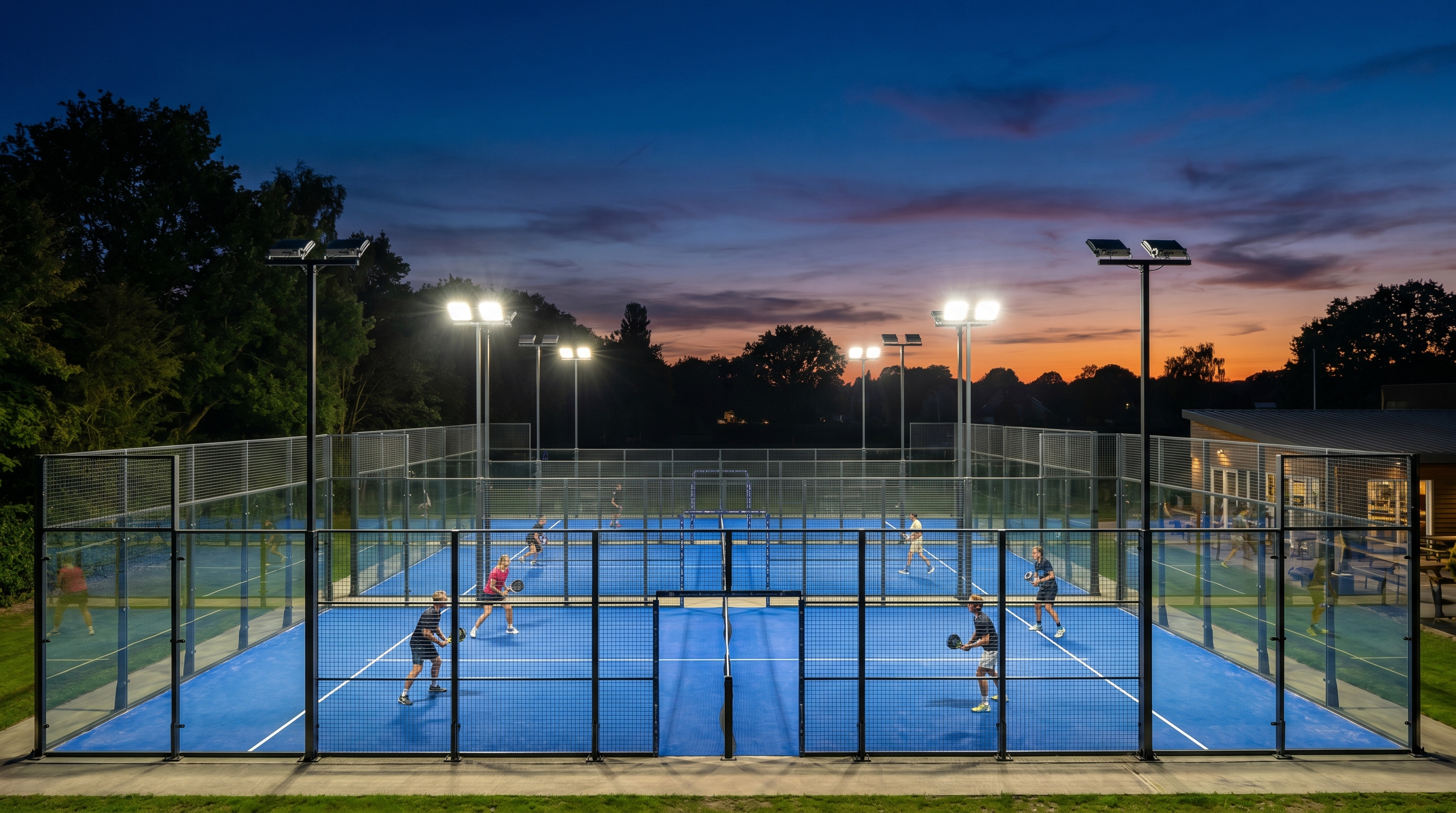
Adding high-efficiency LED lighting and safety padding can add approximately 3,000 to 5,000 to your padel court cost. These accessories are essential for creating a professional environment and maximizing playability.
Lighting and player safety
Night play is often the most profitable time for sports clubs. High-quality LED systems ensure uniform brightness without creating a glare for the players.
- 8-LED Floodlight System (200W): 2,000−3,000.
- Post and Net Padding: 500−1,000.
- Benches and Ball Storage: 300−600.
Here is the bottom line: Switching to 200W LEDs can reduce your monthly energy bills by 40% compared to traditional metal halide bulbs. This makes the upfront accessory cost a wise long-term investment.
| Accessory | Purpose | Monthly ROI Impact | |
|---|---|---|---|
| LED Floodlights | Night Play | Increases Bookings | |
| Safety Padding | Injury Prevention | Reduces Liability | |
| Ball Stop Netting | Crowd Control | Improves UX |
Key Takeaway:Accessories are not just “extras”; they are revenue drivers that extend your operating hours and protect your business from liability.
What is the shipping impact on padel court cost?
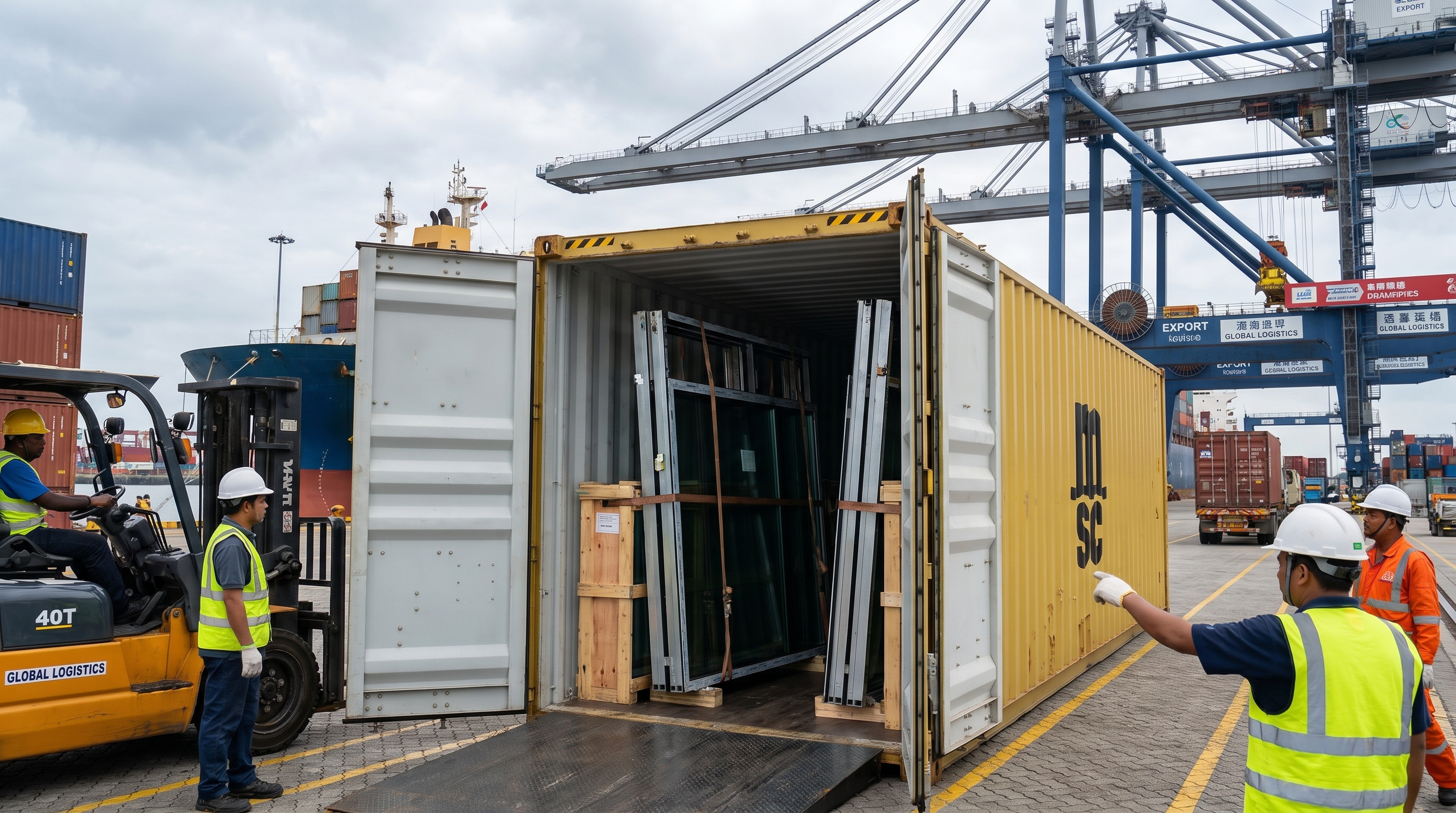
International shipping and local logistics usually account for 10% to 15% of the overall padel court cost. Managing these logistics correctly is vital to keeping your padel court cost within the initial budget.
Logistics and container optimization
Most padel courts are shipped in 40ft containers. Understanding how to consolidate orders can significantly lower the freight cost per unit.
- Ocean Freight: 3,000−7,000 per container.
- Local Port Fees: 500−1,500.
- Customs and Duties: Varies by region (0% – 10%).
The secret is this: Shipping two courts in a single container can cut your per-court logistics cost in half. Always look for ways to optimize your bulk procurement.
| Logistics Step | Typical Cost | Optimization Tip | |
|---|---|---|---|
| Container Freight | $5,000 | Order 2+ courts | |
| Inland Transport | $1,500 | Use local port | |
| Import Duty | Varies | Check FTA status |
Key Takeaway:Effective logistics planning, especially bulk ordering, can save you thousands of dollars in unnecessary freight markups.
How do permits influence the padel court cost?
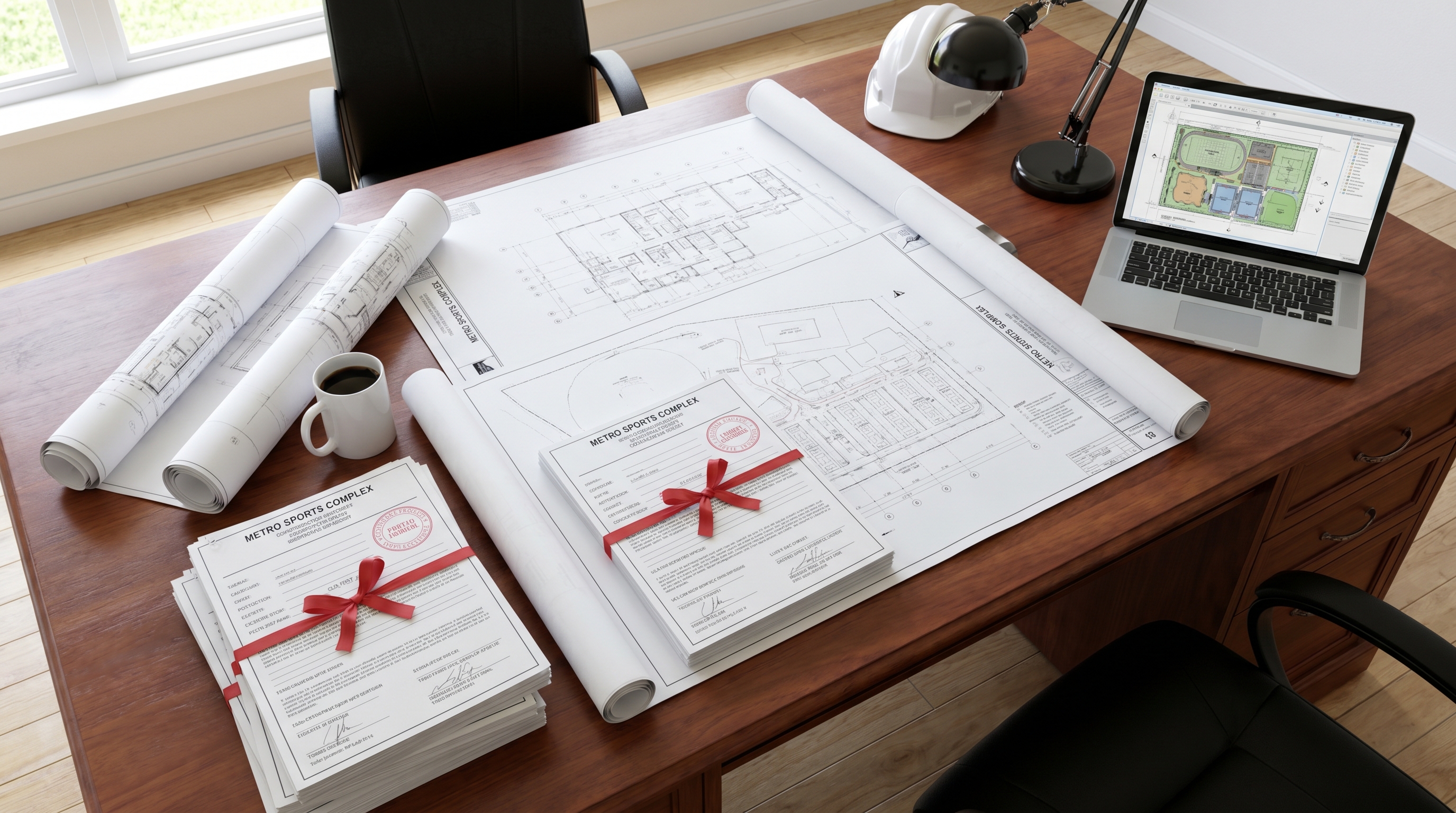
Zoning fees and structural engineering permits are essential variables in your final padel court cost calculation. These costs are highly localized and must be researched during the feasibility phase.
Navigating local regulations
Every municipality has different rules for sports facilities. In some areas, a padel court is viewed as a minor structure, while in others, it requires full zoning approval.
- Building Permits: 1,000−3,000.
- Structural Engineering: 2,000−4,000.
- Zoning Consultation: $1,500+.
Think about it: Securing a permit for a “movable” or modular structure can sometimes be faster and cheaper than a permanent building permit. Consult a local expert to find the best path forward.
| Permit Type | Estimated Fee | Processing Time | |
|---|---|---|---|
| Building Permit | $2,000 | 4 – 8 Weeks | |
| Electrical Permit | $500 | 1 – 2 Weeks | |
| Soil Inspection | $1,000 | 1 Week |
Key Takeaway:Starting the permitting process early prevents expensive construction delays and ensures your facility is fully compliant with local safety codes.
Can conversions reduce the padel court cost?
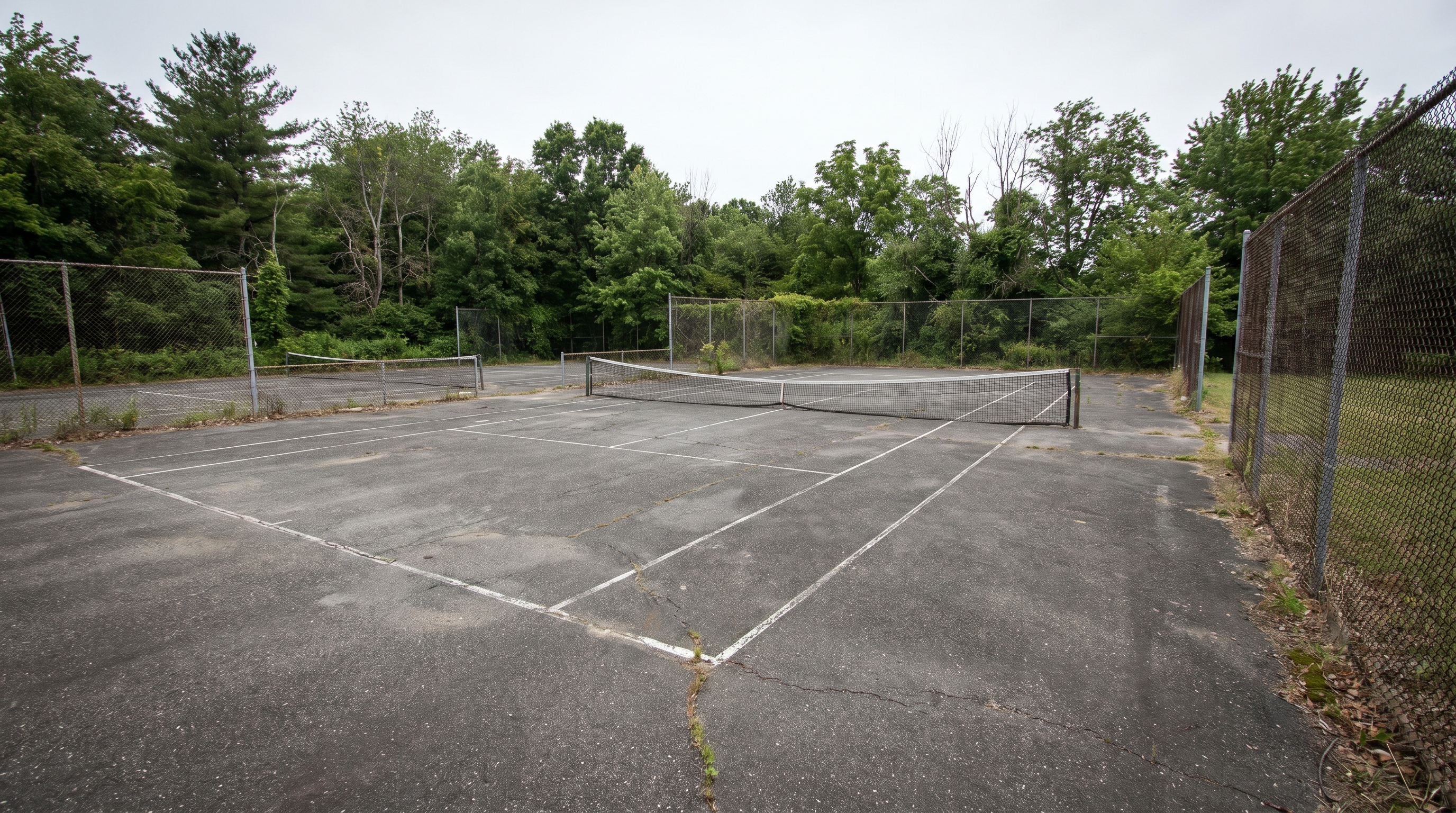
Converting an existing tennis court can lower your padel court cost by up to 30% by reusing the foundation. This approach significantly reduces the padel court cost associated with heavy civil work.
Reusing existing foundations
A standard tennis court can often accommodate two full padel courts. Since the concrete or asphalt slab is already there, you avoid the cost of new excavation.
- Surface Leveling: 2,000−5,000.
- Structural Anchoring: 1,000−2,000.
- Hardware Installation: 6,000−8,000.
It gets better: Conversion projects often have a 40% faster ROI because the initial site preparation costs are almost non-existent. This is the fastest way to scale a sports facility.
| Conversion Task | Cost Range | Savings vs. New | |
|---|---|---|---|
| Concrete Reuse | $0 | Saves ~$15,000 | |
| Fence Removal | $1,500 | Necessary expense | |
| Surface Prep | $3,000 | Minor leveling |
Key Takeaway:For clubs with underutilized tennis courts, conversion is the most capital-efficient strategy to enter the high-growth padel market.
What is the long-term padel court cost?
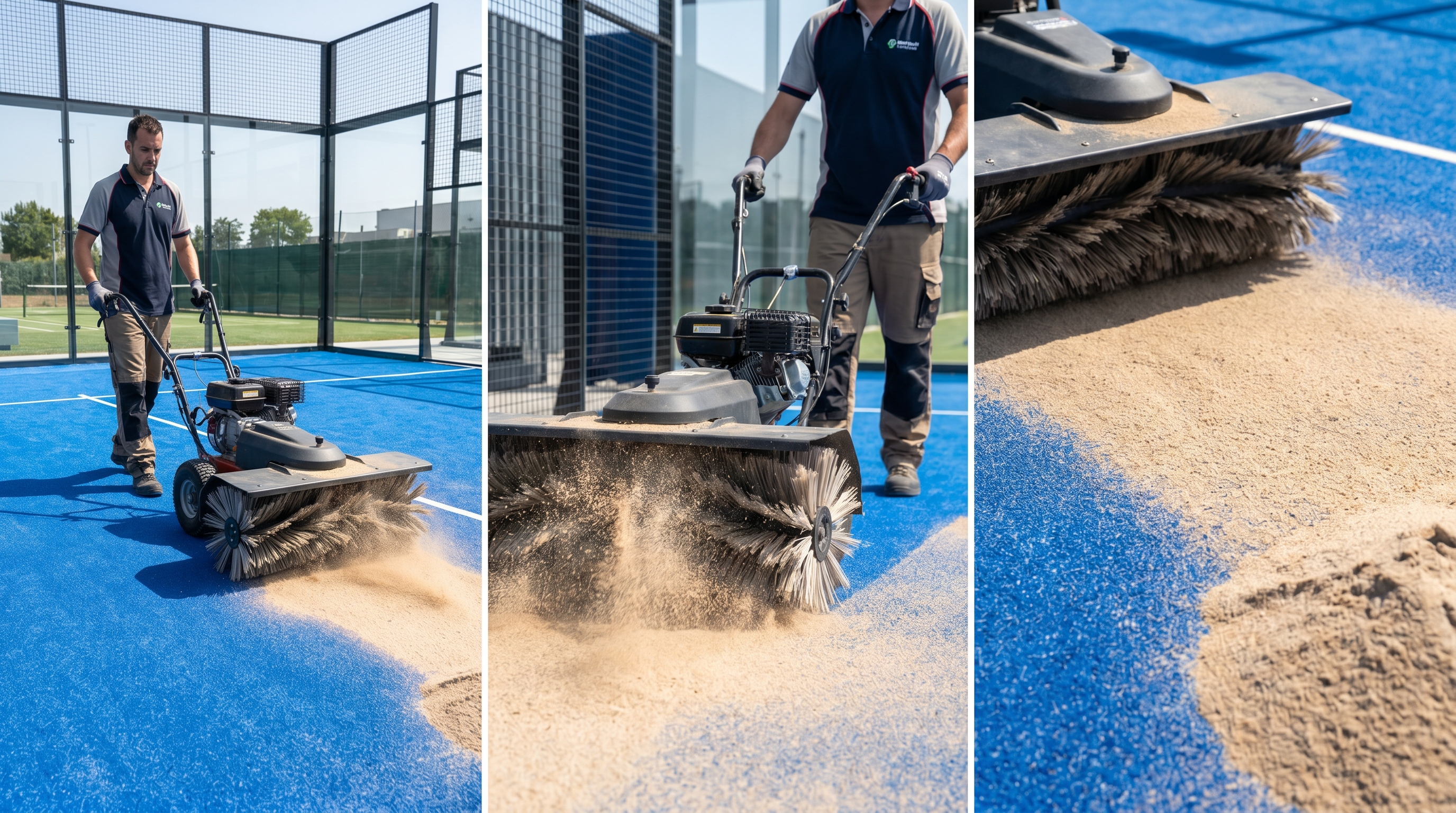
Ongoing maintenance and surface cleaning contribute a small but steady amount to the multi-year padel court cost. Understanding these operational expenses is crucial for calculating your true net profit.
Maintenance and upkeep
A well-maintained court lasts twice as long as one that is neglected. Regular sand brushing and glass cleaning are essential for both performance and aesthetics.
- Turf Brushing (Monthly): 50−100.
- Glass Cleaning: 100−200 per month.
- Annual Inspection: 500−1,000.
The kicker is: Preventive maintenance costs less than 2% of the initial investment per year. This tiny expense protects your massive initial capital outlay from degrading.
| Maintenance Task | Frequency | Annual Cost | |
|---|---|---|---|
| Sand Redistribution | Monthly | $600 | |
| Net Tensioning | Quarterly | $200 | |
| Structure Check | Annually | $800 |
Key Takeaway:Prioritizing monthly maintenance ensures player safety and extends the physical life of your court components by several years.
How to get a custom padel court cost quote?
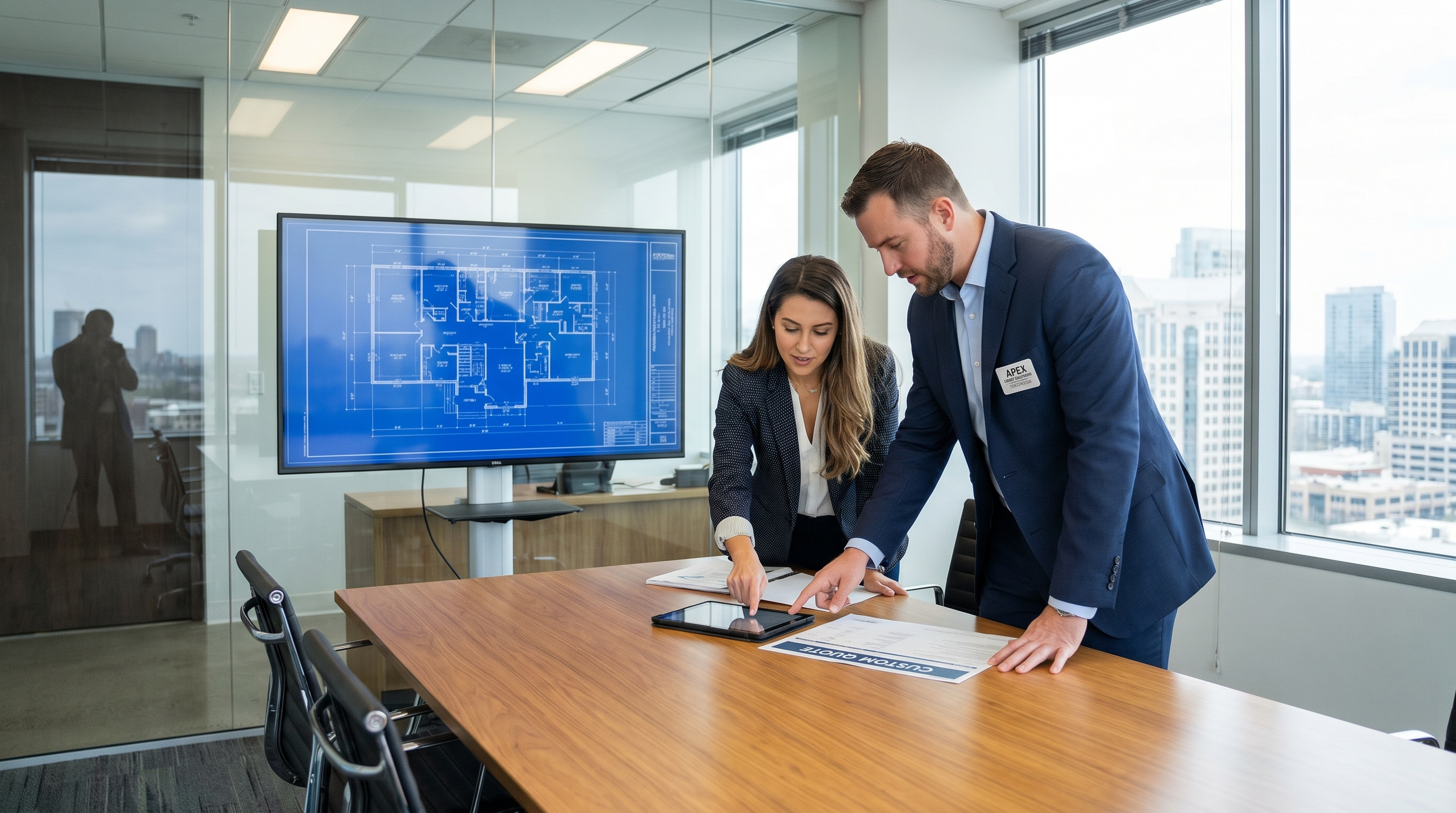
The most accurate way to determine your specific padel court cost is to request a factory-direct quotation. Engaging with a manufacturer for your padel court cost allows you to customize the order to your project’s unique needs.
Requesting your formal quotation
When you contact a manufacturer, providing detailed site information helps them give you a precision quote. This includes shipping port details and desired customization levels.
- Specify number of courts.
- Select OEM branding options.
- Request shipping and logistics estimates.
You will be glad to know: Most professional manufacturers provide a formal quote within 24 hours. This speed allows you to move your planning phase forward without waiting weeks for data.
| Quotation Detail | Impact | Purpose | |
|---|---|---|---|
| Destination Port | Logistics Price | Accurate Freight | |
| Court Model | Base Hardware | Spec Selection | |
| Branding | Aesthetic Choice | OEM Logo |
Key Takeaway:A direct quote is the only way to eliminate middleman fees and get a firm number for your investor presentations or internal budgeting.
Ready to Launch Your Project?
Calculating the cost of a padel court is a multifaceted process that involves hardware, site work, and logistics. By following this framework, you have successfully identified the core expenses and hidden variables that define a successful sports facility investment.
Our vision is to empower project managers and club owners with factory-direct solutions that maximize ROI without compromising on safety or performance. We bridge the gap between high-quality Spanish engineering and affordable procurement.
Contact us today to receive a customized quotation and take the first step toward building your world-class padel facility.
Frequently Asked Questions
Can I install the padel court myself to save money?While the courts are modular, professional installation is highly recommended to ensure the 12mm glass is tensioned correctly and the turf is perfectly level. Improper installation can void your warranty and create safety hazards.
What’s the best way to lower shipping costs?The most effective way is to order multiple courts simultaneously. A 40ft container can often accommodate the components for two full courts, which effectively halves the freight cost per unit compared to ordering a single court.
Do I need a special permit for an indoor court?Usually, you only need an electrical permit if you are installing within an existing sports hall. However, you should always check with your local building department to ensure your floor load capacity meets the requirements for the glass and steel structure.
How long does a padel court last?A high-quality, hot-dip galvanized structure with 12mm tempered glass is designed to last 20+ years with proper maintenance. The turf typically needs replacement every 5 to 7 years depending on usage intensity.
Is it cheaper to build padel courts in bulk?Yes, bulk orders reduce both the per-unit hardware price and the per-unit shipping cost. Additionally, installation crews can often complete two or three courts in a single visit, reducing the travel and lodging expenses per court.