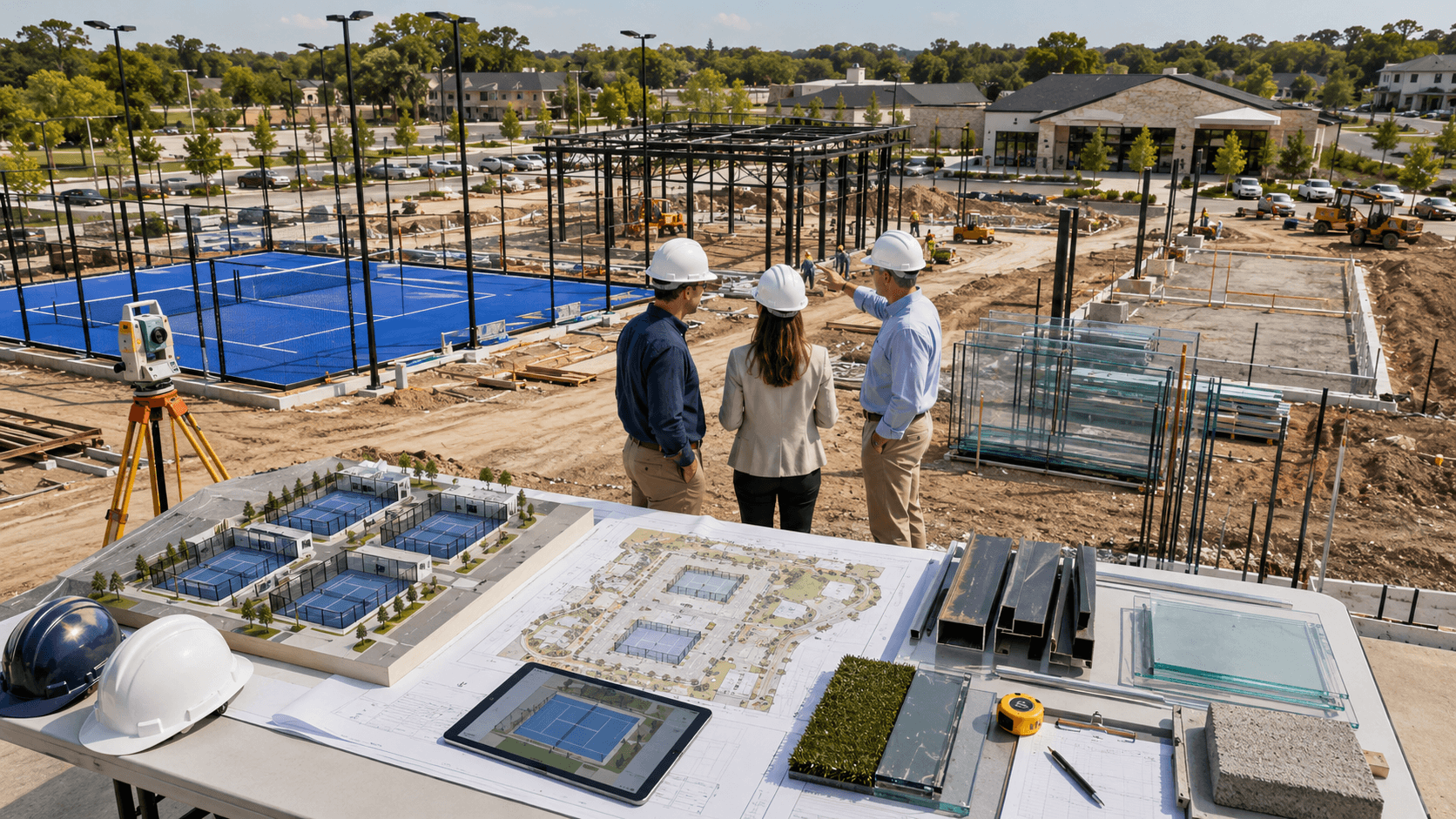
Planning professional padel court construction USA requires a systematic approach that balances site feasibility, high-end material procurement, and precise engineering. Many developers across the United States are eager to capitalize on the current padel boom but lack the technical expertise to execute a high-quality build. Substandard construction often leads to rapid structural wear, safety hazards like shattering glass, and inconsistent ball bounces that inevitably drive club members away.
Building a court without a rigorous professional plan results in structural corrosion, uneven foundations, and improper orientation that ruins the playing experience. A failed investment not only wastes significant capital but also exposes you to legal liabilities if safety standards like EN 12150 are ignored. This guide provides the solution: a comprehensive roadmap for padel court construction USA that covers everything from initial site preparation to finding factory-direct manufacturers to ensure a durable, high-performance facility.
1. Why is padel court construction USA booming now?
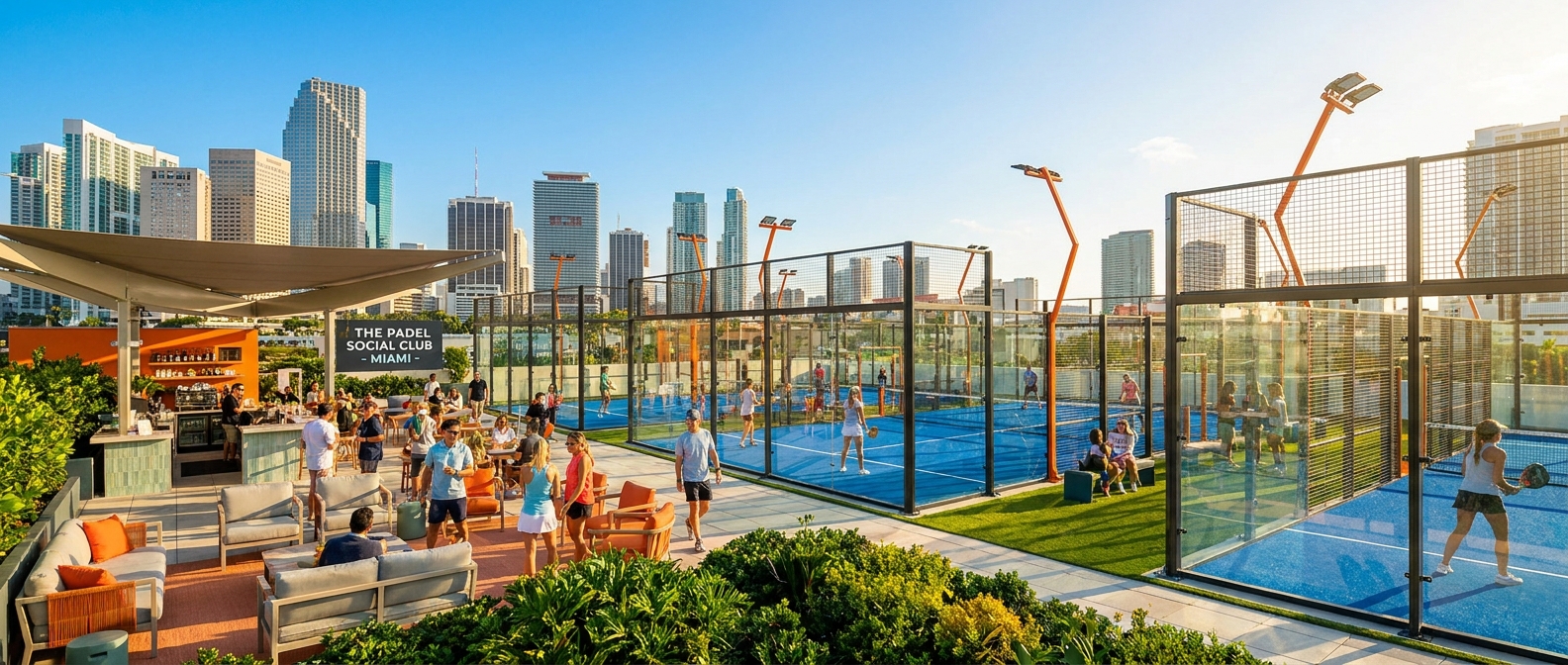
Padel is booming across the country because it offers an unprecedented combination of high social engagement and lucrative revenue potential for facility owners. The current wave of padel court construction USA is transforming how sports clubs and luxury resorts approach their amenity offerings. You are seeing a shift where tennis enthusiasts and social players are gravitating toward this fast-paced, accessible sport.
Is padel the next big trend in American sports?
Market data suggests that padel is currently the fastest-growing global sport, finally finding its footing in major US metropolitan areas.
- Growth is driven by high-density social interaction.
- Luxury resorts are using courts to attract international guests.
- Private clubs see it as a high-retention membership tool.
But here is the catch: to truly benefit from this trend, your facility must meet international quality standards to satisfy discerning players.
Why sports clubs are investing in padel today?
Clubs are pivoting to padel because it allows for more players per square foot compared to traditional tennis courts. This efficiency translates directly into higher hourly rental income and better utilization of available real estate.
Key Takeaway: The demand for padel court construction USA is fueled by a massive market gap and the high revenue-per-square-foot that padel facilities provide.
| Aspect | Market Insight | |
|---|---|---|
| Growth Rate | Over 300% increase in court demand since 2020. | |
| Target Audience | Social players, fitness enthusiasts, and luxury guests. | |
| Facility Types | Gyms, hotels, private residences, and dedicated clubs. |
This table illustrates why the American market is currently ripe for large-scale padel facility expansion.
2. What space is needed for padel court construction USA?
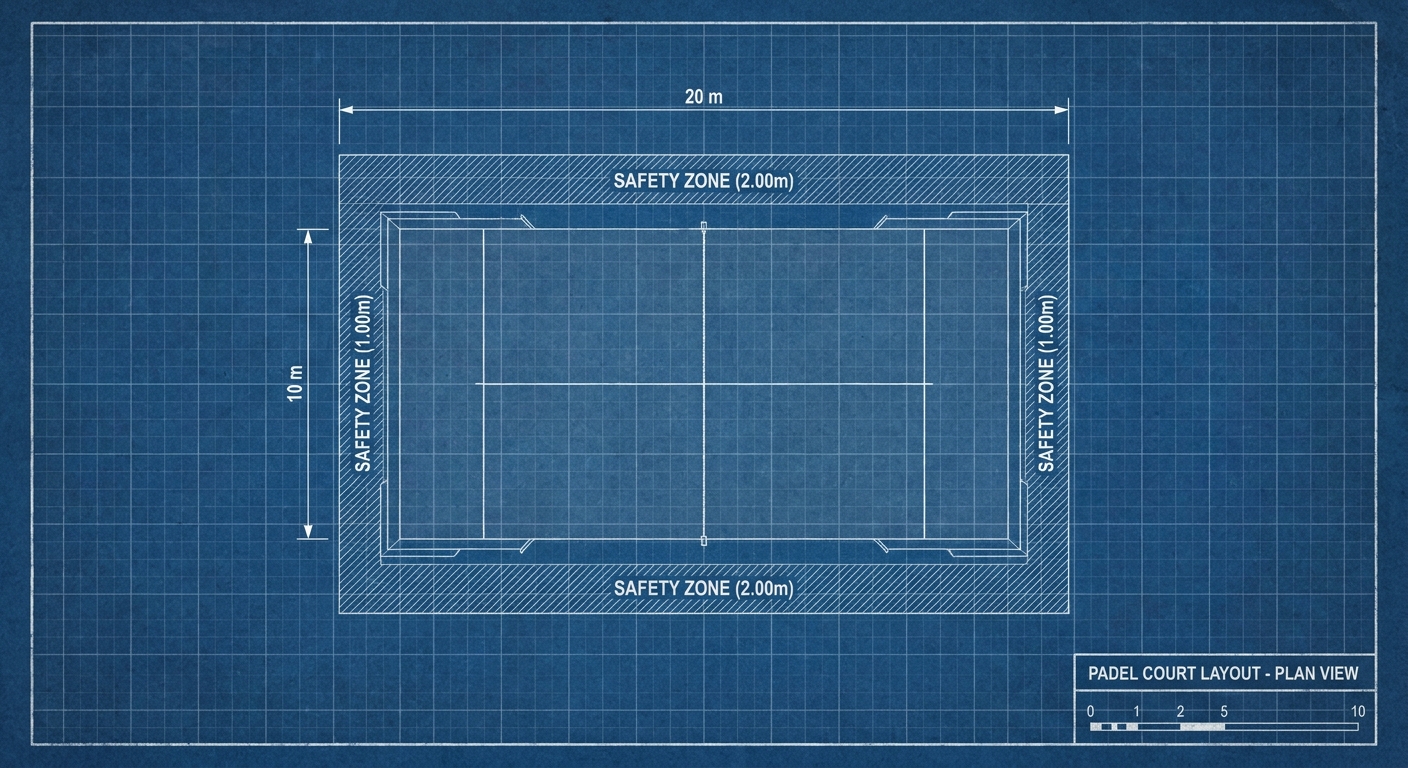
A standard court requires a precise internal playing area of 20 meters by 10 meters, plus additional clearance for safety and access. Professional padel court construction USA projects must account for these exact dimensions to ensure the facility is eligible for official tournament play. If you skimp on the surrounding footprint, you risk player collisions and a cramped atmosphere that degrades the user experience.
What are the official dimensions of a padel court?
The core of your project is the 20×10 meter rectangle, but the total footprint is actually larger when considering structural supports and player movement.
- Internal playing area: 20m x 10m.
- Safety zone: Minimum 2 meters on each side recommended.
- Ceiling height: At least 6 meters for indoor builds.
Think about it: providing extra space for player benches and social areas makes your court a destination rather than just a place to play.
Why does court orientation matter for players?
For outdoor projects, the orientation of the court is vital to prevent the sun from blinding players during peak hours. North-South alignment is the gold standard for minimizing glare and ensuring a fair match for both sides.
Key Takeaway: Professional planning must integrate the 20x10m playing area with essential safety zones and proper orientation to guarantee an optimal user experience.
| Requirement | Specification | |
|---|---|---|
| Playing Area | 20 meters long x 10 meters wide. | |
| Total Footprint | Approx. 22m x 12m minimum for safe play. | |
| Height Clearance | 6m minimum; 8m+ preferred for professional play. |
Ensuring these dimensions are met is the first step in avoiding costly redesigns during the installation phase.
3. Which materials define padel court construction USA?
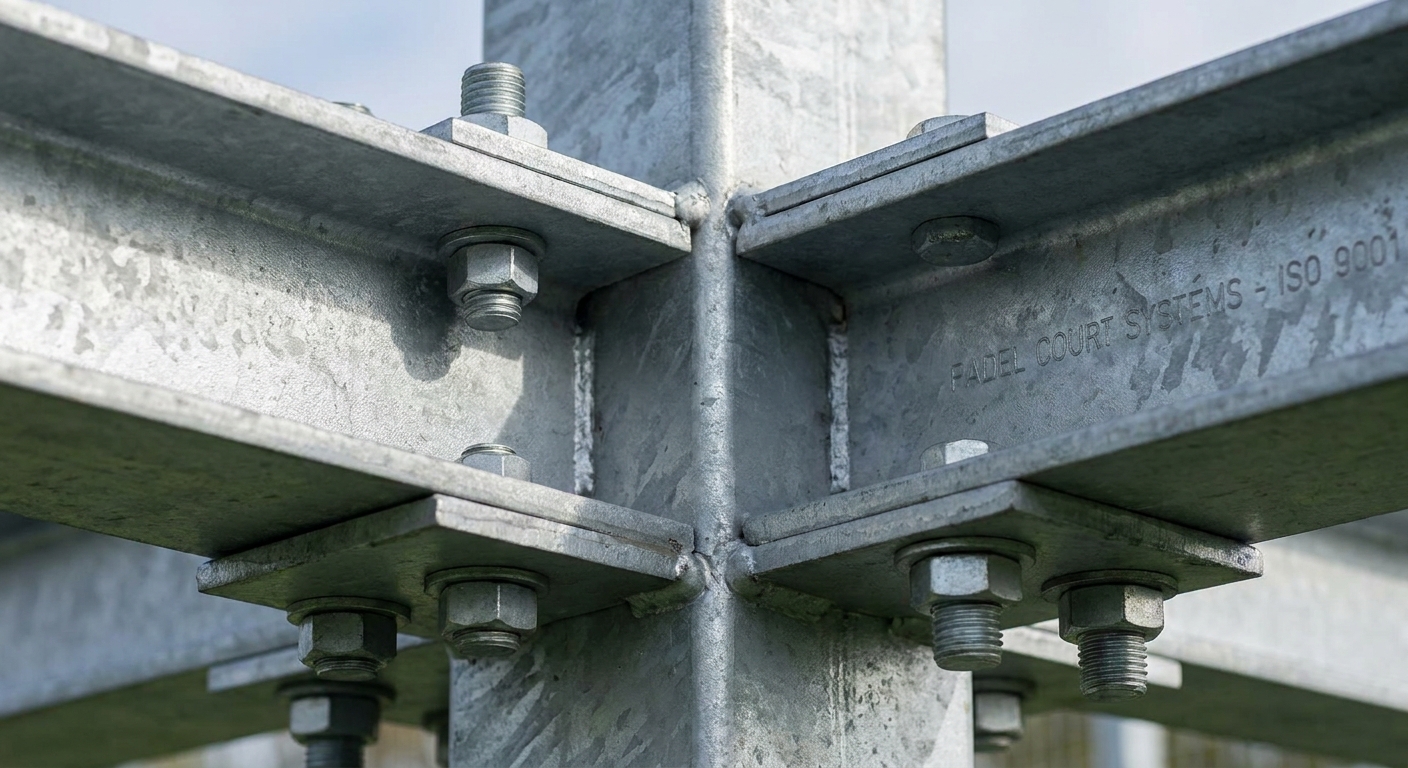
Premium materials like hot-dip galvanized steel and certified safety glass are the hallmarks of high-quality padel court construction USA . Because the US experiences diverse weather conditions—from humid coastal air to freezing northern winters—your choice of structural materials determines the lifespan of the investment. Using anything less than industrial-grade coatings will lead to premature rust and structural instability within just a few years.
Why use hot-dip galvanized steel for structures?
Hot-dip galvanization provides a thick layer of zinc that protects the steel framework from the elements.
- It prevents corrosion in high-humidity environments.
- The coating is durable enough to withstand ball impacts.
- It ensures a 20-year structural design life.
The best part? This material requires almost zero maintenance compared to standard painted steel, saving you long-term operational costs.
How do materials affect the court’s lifespan?
The quality of every bolt, joint, and panel contributes to the overall stability and safety of the court. When you invest in premium materials, you are essentially buying insurance against future repairs and downtime.
Key Takeaway: High-quality padel court construction USA relies on hot-dip galvanized structures to provide the durability needed for the varied American climate.
| Component | Technical Standard | |
|---|---|---|
| Structure | Hot-dip galvanized steel for rust prevention. | |
| Fasteners | Stainless steel hardware to prevent joint failure. | |
| Design Life | 20 years of structural integrity with proper care. |
Selecting the right materials from day one prevents the structural degradation that plagues cheaper, non-galvanized alternatives.
4. How to choose turf for padel court construction USA?
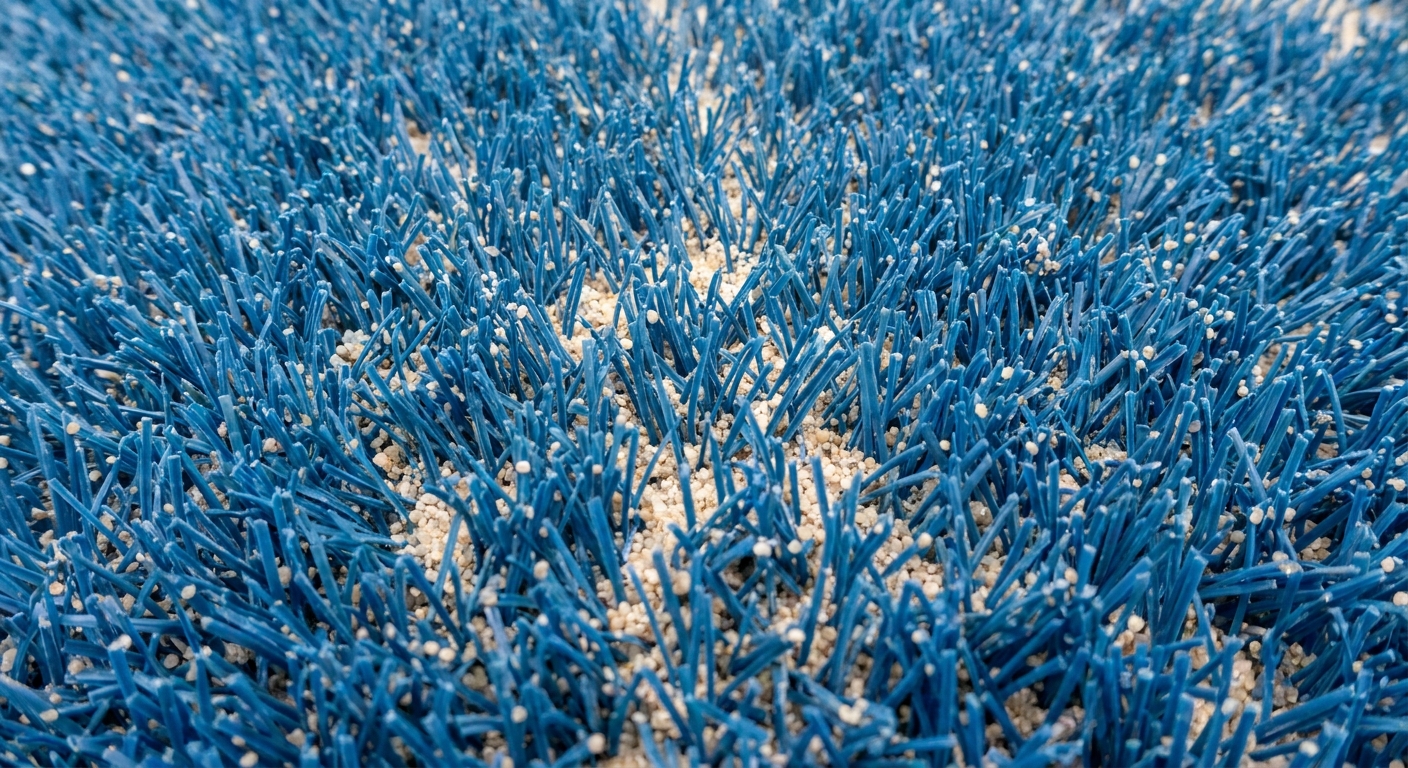
You should choose a high-density artificial turf that balances player comfort with consistent ball performance. In the realm of padel court construction USA, the “grass” is actually a sophisticated system of synthetic fibers and silica sand infill. The quality of this surface dictates how the ball bounces and how much strain is placed on the players’ joints during intense matches.
Fibrillated vs. Monofilament: Which is better?
Fibrillated turf is often chosen for its durability and ability to hold sand in place, while monofilament offers a more premium look and feel.
- Fibrillated: High wear resistance, excellent for heavy club use.
- Monofilament: Superior aesthetics and softer feel for luxury resorts.
- Sand Infill: Must be high-purity silica for stability.
Believe it or not: the wrong turf choice can make a court feel “dead” or cause players to slip, leading to potential injuries.
How does artificial turf impact ball performance?
A uniform turf surface ensures that the ball bounce is predictable across the entire 200-square-meter area. High-quality fibers stay upright longer, maintaining the intended speed of the game even after thousands of hours of play.
Key Takeaway: The quality of the turf determines the consistency of the ball bounce and the long-term joint comfort for every person who uses your court.
| Feature | Premium Turf Specification | |
|---|---|---|
| Material | EU-standard compliant polyethylene (PE). | |
| Density | High-stitch count for maximum fiber support. | |
| Infill | Evenly distributed silica sand for fiber stability. |
Consulting with a turf specialist is essential to matching the grass type to your specific project’s expected foot traffic.
5. Why is lighting vital in padel court construction USA?
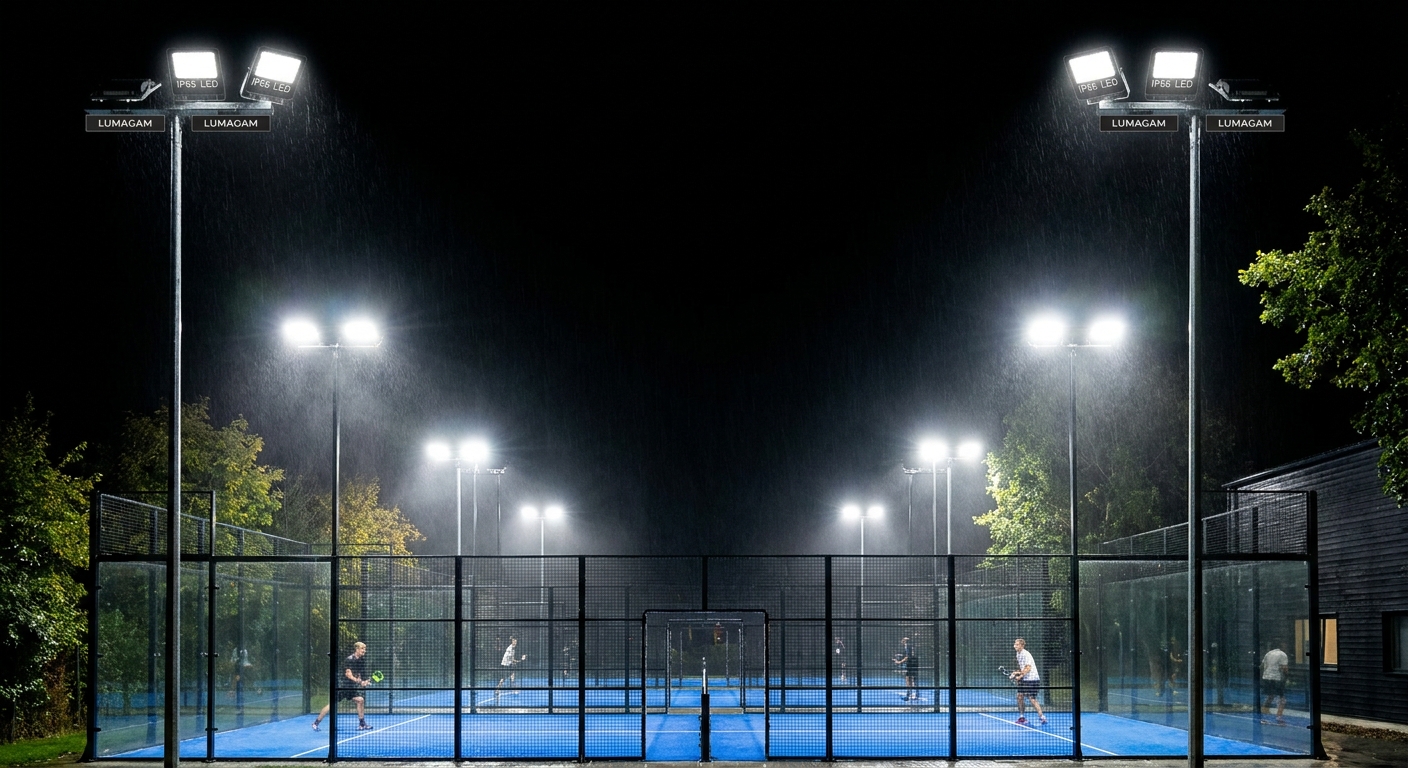
Lighting is critical because it extends your playable hours into the night, significantly increasing the revenue potential of your project. Professional padel court construction USA utilizes high-output LED floodlights designed to eliminate shadows and glare. If players cannot see the ball clearly against the glass or the sky, the court becomes unusable after sunset, wasting 50% of your earning capacity.
What are the benefits of IP66 LED floodlights?
An IP66 rating means your lighting system is completely protected from dust and high-pressure water jets, which is vital for outdoor courts.
- Reduced energy consumption compared to old metal halides.
- Instant-on capability with no warm-up period required.
- Uniform light distribution across the entire playing surface.
But here is the catch: improper placement of lights can create “hot spots” on the glass walls that temporarily blind the athletes.
How to ensure uniform illumination across the court?
Strategic positioning of the light poles is necessary to ensure that light reaches every corner of the 10x20m area. Using 200W to 400W LED fixtures allows for a bright, daylight-like atmosphere that players love.
Key Takeaway: Investing in specialized LED lighting systems ensures safe night-time play while drastically reducing your facility’s long-term energy and maintenance costs.
| Lighting Factor | Professional Standard | |
|---|---|---|
| Efficiency | High-lumen output LEDs for cost savings. | |
| Protection | IP66 waterproof rating for outdoor longevity. | |
| Visibility | Uniform spread to eliminate harsh shadows. |
Properly configured lighting is one of the highest-value upgrades you can include in your initial construction phase.
6. How does glass impact padel court construction USA?
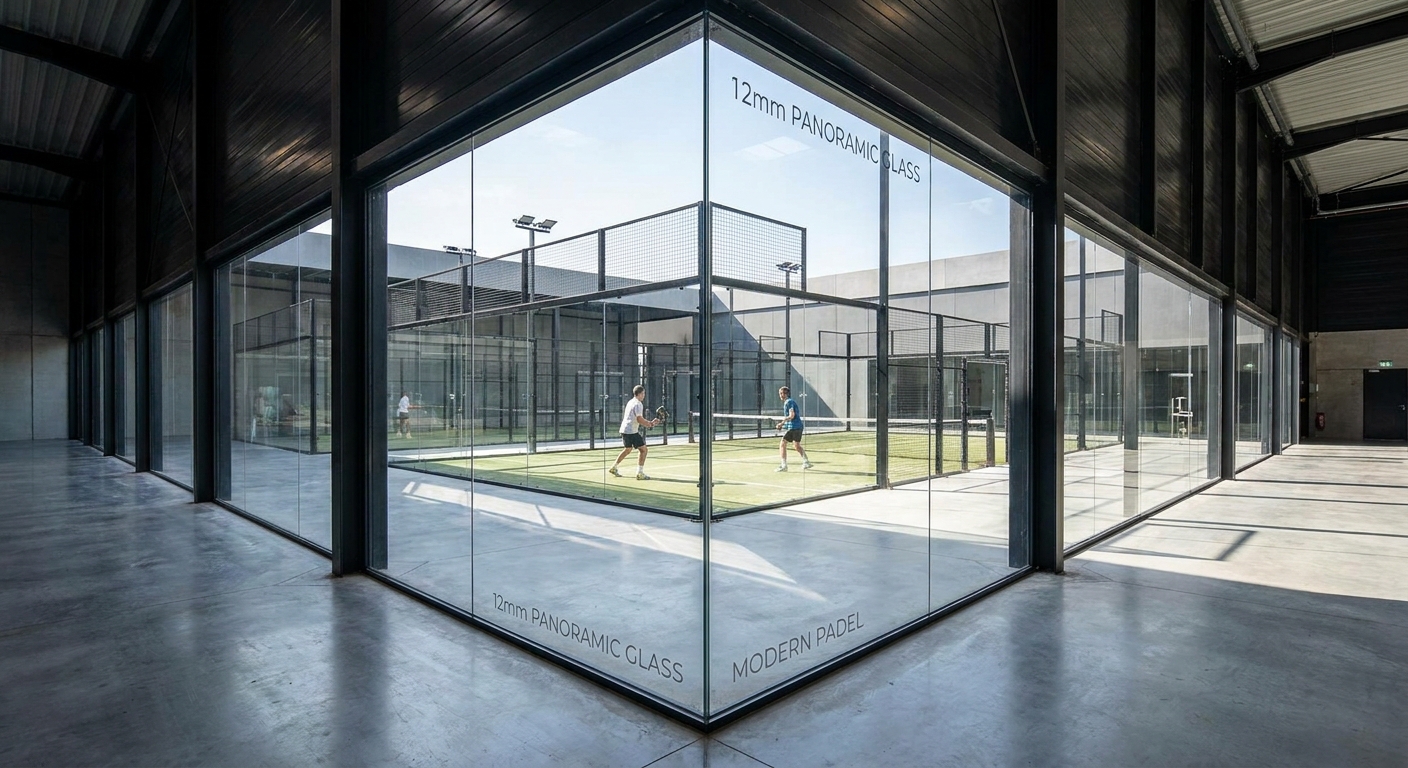
Glass is the most prominent safety feature of the court and must be strong enough to withstand both environmental pressure and high-velocity ball impacts. In padel court construction USA, using 12mm tempered safety glass is the industry standard for commercial and professional-grade facilities. Subpar glass poses a massive liability risk; if a panel shatters during a match, it can lead to severe injuries and expensive legal disputes.
Why is 12mm tempered safety glass the standard?
Tempered glass is processed to be much stronger than standard glass, and it breaks into small, harmless granules instead of sharp shards.
- It meets the strict EN 12150 international safety standards.
- The thickness provides the necessary rigidity for consistent ball rebound.
- It offers crystal-clear visibility for spectators and cameras.
Make no mistake: using thinner glass might save money upfront, but it compromises the integrity of the entire game.
Standard vs. Panoramic: Which glass layout to choose?
While standard courts use metal posts between glass panels, panoramic designs offer an unobstructed view that is perfect for televised matches or high-end club environments.
Key Takeaway: For premium clubs, panoramic glass layouts offer a superior spectator experience and help justify charging higher rental fees to your members.
| Glass Type | Benefit | |
|---|---|---|
| 12mm Tempered | Anti-explosion safety glass for maximum protection. | |
| Panoramic | Unobstructed views for spectators and media. | |
| Standard | Cost-effective with robust structural support. |
The choice of glass layout directly impacts the “premium” feel of your facility and its attractiveness to high-level players.
7. What are the steps for padel court construction USA?
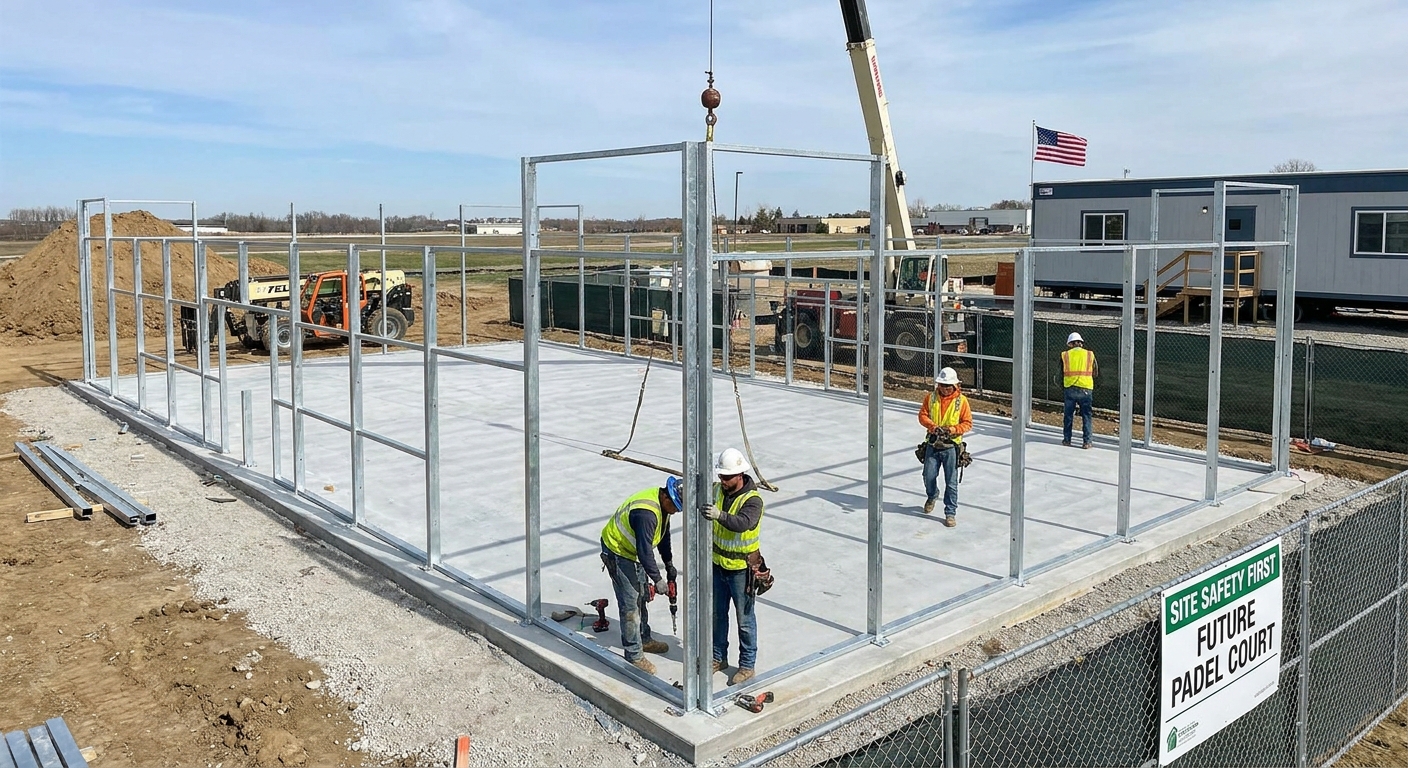
Successful installation begins with a perfectly level concrete foundation and moves through a modular assembly of the metal framework. During padel court construction USA , you must coordinate various technical teams to ensure each component is secured according to engineering specifications. Skipping even a minor step in ground preparation can lead to drainage issues or an uneven playing surface that ruins the court later.
How to prepare the foundation and ground?
The foundation is the most critical part of the build, as it must support several tons of steel and glass while remaining perfectly flat.
- Excavation and leveling of the site are mandatory.
- Reinforced concrete pouring ensures long-term stability.
- Drainage systems must be integrated for outdoor courts.
The result? A solid base that prevents the structure from shifting or settling over time.
What is the timeline for structure installation?
Once the concrete has fully cured, the actual assembly of the steel frame, glass panels, and turf usually takes a specialized crew about 7 to 10 days.
Key Takeaway: Successful construction requires a strictly coordinated approach, starting from a flawless foundation and ending with a final inspection of all safety components.
| Phase | Critical Actions | |
|---|---|---|
| Site Prep | Ground leveling and concrete foundation pouring. | |
| Framework | Erecting galvanized steel and securing glass. | |
| Finishing | Turf laying, sand infill, and lighting setup. |
Following a structured timeline prevents delays and ensures that all components fit together perfectly during the final assembly.
8. Should you customize padel court construction USA?
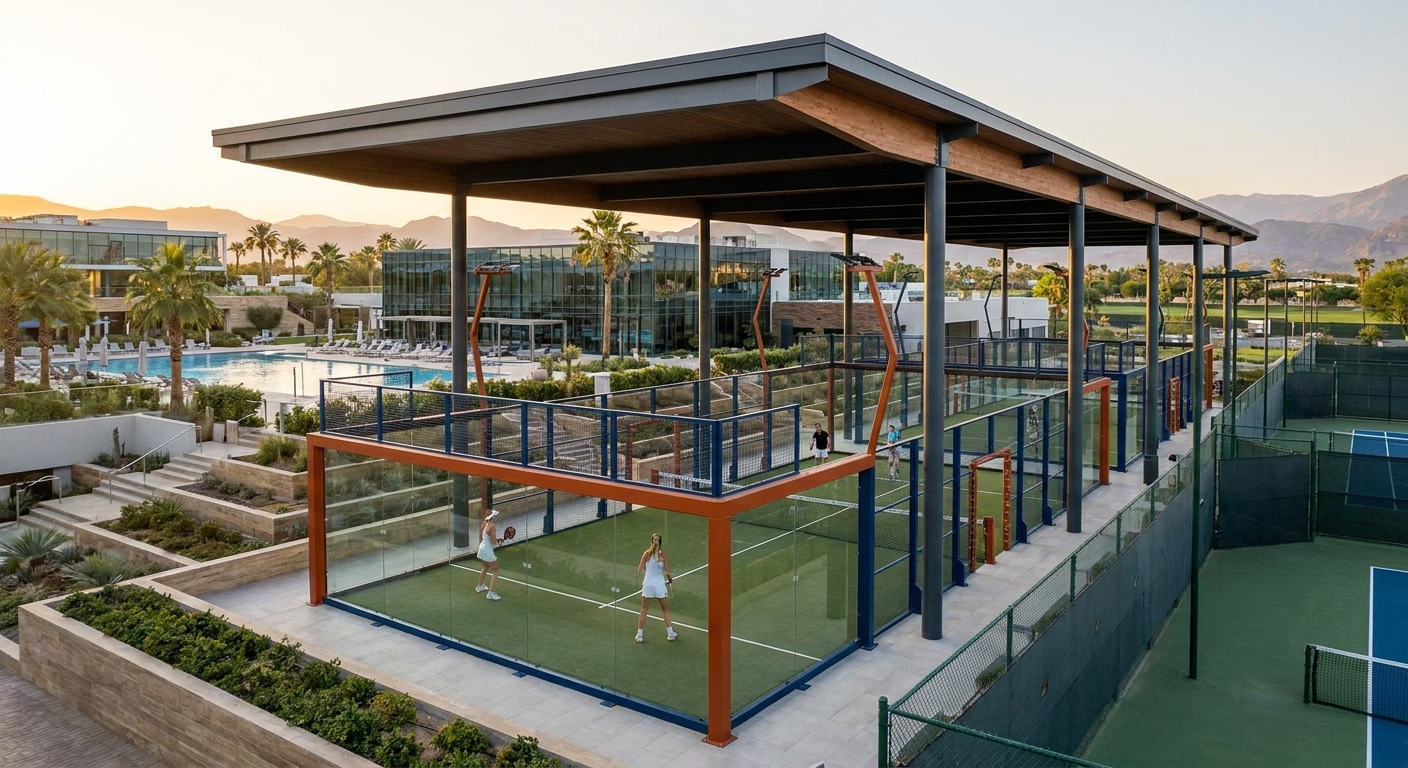
Yes, you should customize your courts to build a unique brand identity and protect your revenue from unpredictable weather. Customization in padel court construction USA allows you to select specific RAL colors for the structure that match your club’s logo or the surrounding architecture. Furthermore, adding a roofed system can be the difference between a facility that operates 365 days a year and one that closes whenever it rains.
Can you integrate custom branding and colors?
Customizing the metal frame’s color and adding your logo to the net or glass panels creates a professional, cohesive look.
- Choose from hundreds of RAL colors for the structure.
- Integrate your club logo onto the padding or net.
- Coordinate turf colors (blue, green, or red) with your brand.
The bottom line: a branded court feels like a premium product, which allows you to command higher booking rates.
Why consider a roofed system for your project?
A roofed system protects your investment from UV damage and rain, ensuring that matches are never canceled due to poor weather conditions.
Key Takeaway: Customization allows you to build a recognizable brand, while roofed options maximize your year-round revenue by eliminating weather-related downtime.
| Customization | Options | |
|---|---|---|
| Branding | Custom RAL colors and integrated facility logos. | |
| Weather | All-weather roofed systems for consistent uptime. | |
| Design | Flexible structural engineering for unique sites. |
Tailoring your court to your specific business needs is a strategic move that enhances both aesthetics and profitability.
9. How to find experts for padel court construction USA?
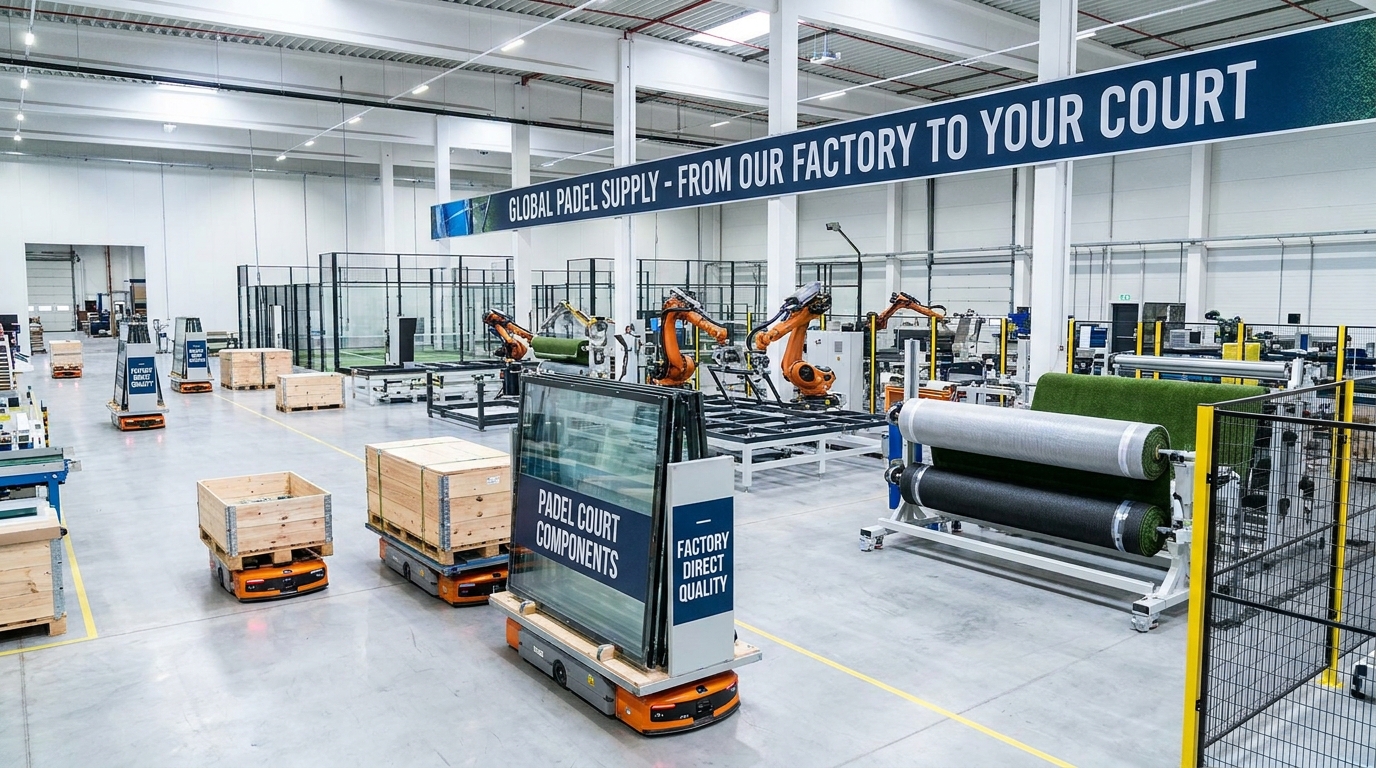
The most effective way to find experts is to partner with a factory-direct manufacturer that provides end-to-end technical support and documentation. For padel court construction USA , working directly with a manufacturer eliminates middleman markups and gives you a direct line to the engineers who designed your court. You should look for partners who offer comprehensive structural drawings and remote video guidance to assist your local installation crews.
Why buy factory-direct from a manufacturer?
Buying direct can save you up to 30% on procurement costs while ensuring you receive the latest structural innovations.
- Eliminate distributor fees and markups.
- Gain access to full OEM and customization services.
- Benefit from direct quality control at the source.
The best part? You can often order a single court to test the quality before committing to a multi-court club expansion.
What technical documentation should you expect?
You must receive detailed blueprints, material certificates, and safety ratings to secure local building permits in the United States.
Key Takeaway: Partnering with a manufacturer that provides detailed technical documentation and global support simplifies the logistical challenges of US-based projects.
| Sourcing Factor | Why It Matters | |
|---|---|---|
| Cost | Direct pricing increases your project’s net ROI. | |
| Support | Technical manuals reduce installation errors. | |
| Flexibility | No MOQ requirements for pilot projects. |
Choosing a partner with a proven global track record ensures that your American project meets international professional standards.
10. What is the ROI of padel court construction USA?
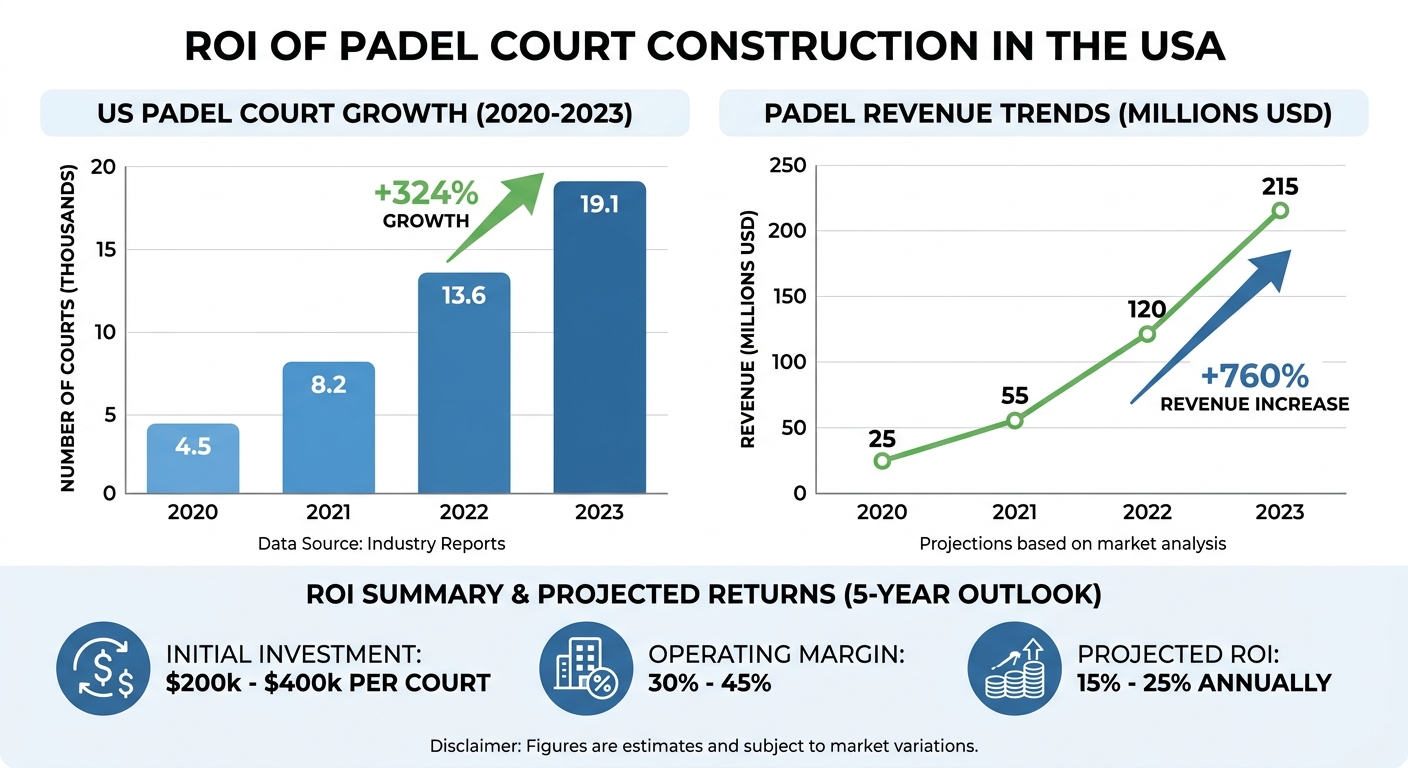
The return on investment is exceptionally high because padel courts have lower maintenance costs and higher occupancy rates than most other sports facilities. In the context of padel court construction USA, a well-planned facility can achieve a significant annual ROI through booking fees, memberships, and auxiliary sales like equipment and refreshments. As the sport continues to grow, your facility becomes a valuable real estate asset that appreciates over time.
How to maximize court profitability in peak season?
During peak months, implementing a tiered pricing strategy and hosting social tournaments can maximize your hourly revenue.
- Premium rates for evening and weekend slots.
- Introductory clinics to attract new long-term members.
- Cross-selling with food, beverage, and pro-shop items.
Think about it: a single padel court can accommodate four players in half the space of a tennis court, doubling your potential rental income.
Is padel a sustainable real estate amenity?
Adding padel courts to a residential or commercial development increases the lifestyle value of the property, attracting high-net-worth tenants and buyers.
Key Takeaway: Professional construction is a high-yield strategic investment that offers rapid returns through court rentals and significantly increased property valuations.
| ROI Driver | Impact | |
|---|---|---|
| Booking Fees | High demand supports premium hourly pricing. | |
| Property Value | Modern amenities attract elite residents and guests. | |
| Retention | The social nature of padel builds long-term loyalty. |
The financial data clearly shows that padel is not just a trend, but a sustainable business model for the American sports market.
FAQ
What is the typical cost for padel court construction USA?Costs vary based on whether you choose a Standard or Panoramic model, but buying factory-direct can save you up to 30% on the procurement of the structure and glass.
Do I need a special permit for padel court construction USA?Yes, most US states require local building permits; you should ensure your manufacturer provides detailed structural drawings and material specifications for city approval.
How long does it take to install a professional padel court?Once your concrete foundation is ready, a specialized team can typically complete the physical assembly of the steel frame, glass, and turf in 7 to 10 days.
Can I build an outdoor padel court in rainy climates?Absolutely, but you must ensure your foundation has a proper drainage system and consider a roofed system to maintain a consistent booking schedule.
What maintenance is required for a padel court?Maintenance is minimal and involves regular brushing of the artificial turf, checking the tension of the net, and ensuring the structural bolts remain secure.
Planning your sports facility is a major milestone, and we are here to ensure your vision is executed with precision and quality. To get started on your specific project and receive a personalized quote, contact us today and let our engineering team guide you through every step of the process. Our brand vision is to empower developers across the United States to build world-class padel facilities that foster community, health, and long-term financial success.