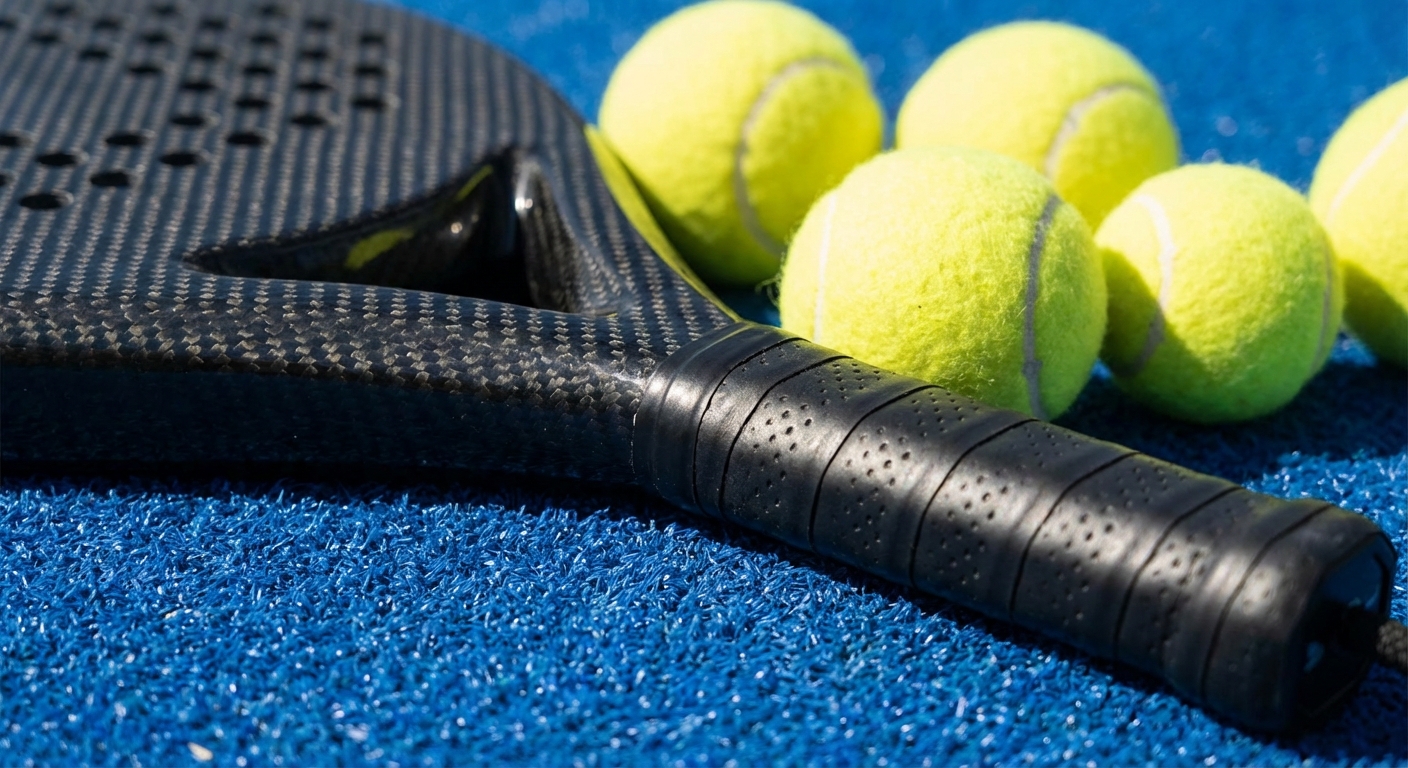
What is the best way to learn how to play padel tennis?
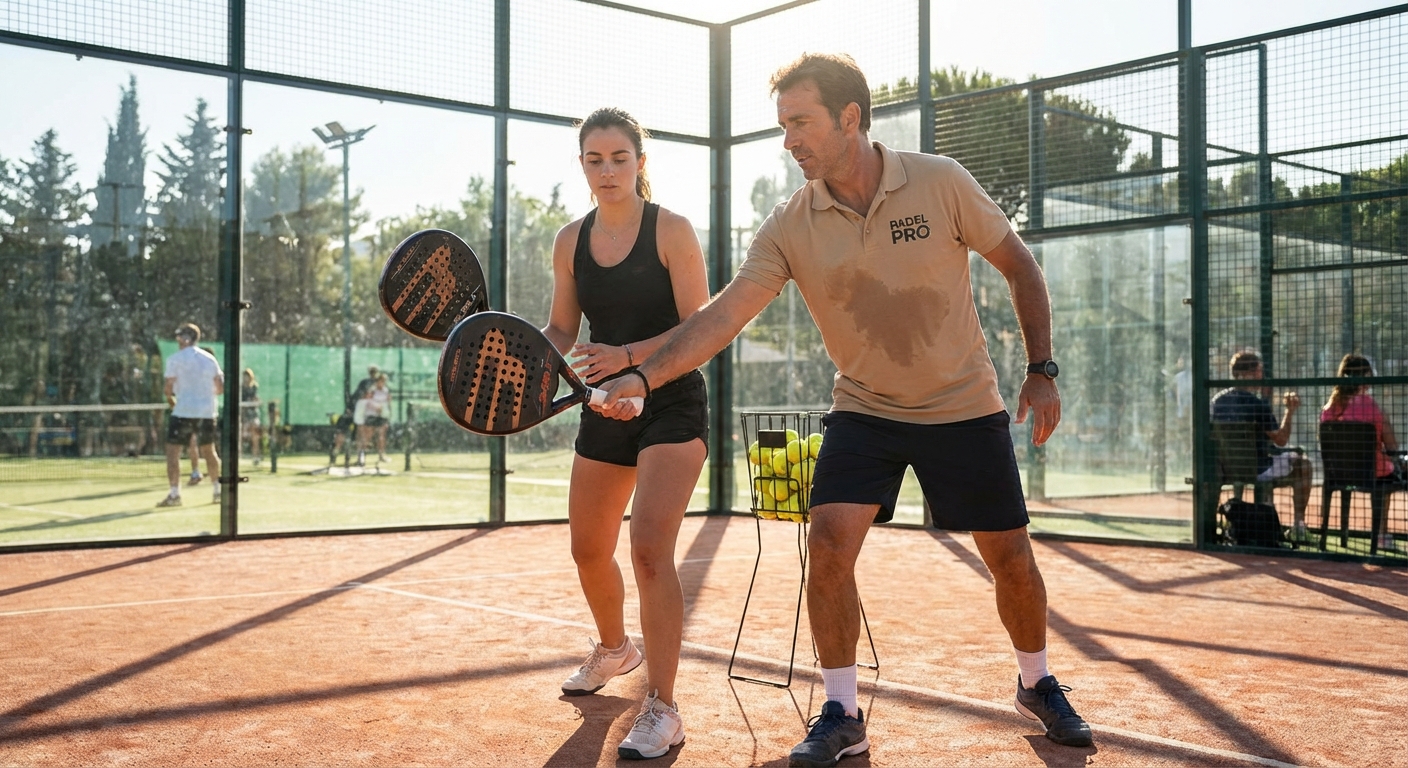
The most effective method is to start with professional coaching to master the unique geometry of the glass walls. Learning how to play padel tennis involves understanding that this is a game of patience and positioning rather than just raw power. You should focus on short, controlled movements and proper court coverage early in your journey.
What makes padel different from traditional tennis?
Here is the deal: padel is not just “small tennis” but a unique game of rebounds. You must adapt to different spatial constraints to be successful.
- The court is 25% smaller than a standard tennis court.
- Rackets are solid with holes instead of strings.
- Walls are active participants in every point played.
How do you find a local club to start?
Most major urban areas now feature dedicated facilities where you can book introductory sessions. Simply searching for “padel courts near me” will reveal local hubs for the sport.
Key Takeaway
Mastering the basics requires a shift in mindset from pure power to tactical wall usage and positioning.
Summary Table
| Feature | Padel | Tennis |
|---|---|---|
| Court Walls | In-play | Out of bounds |
| Serve Style | Underarm | Overarm |
| Main Focus | Strategy | Power |
This comparison clarifies why technical coaching is vital for players transitioning from other racket sports.
Why is everyone learning how to play padel tennis now?
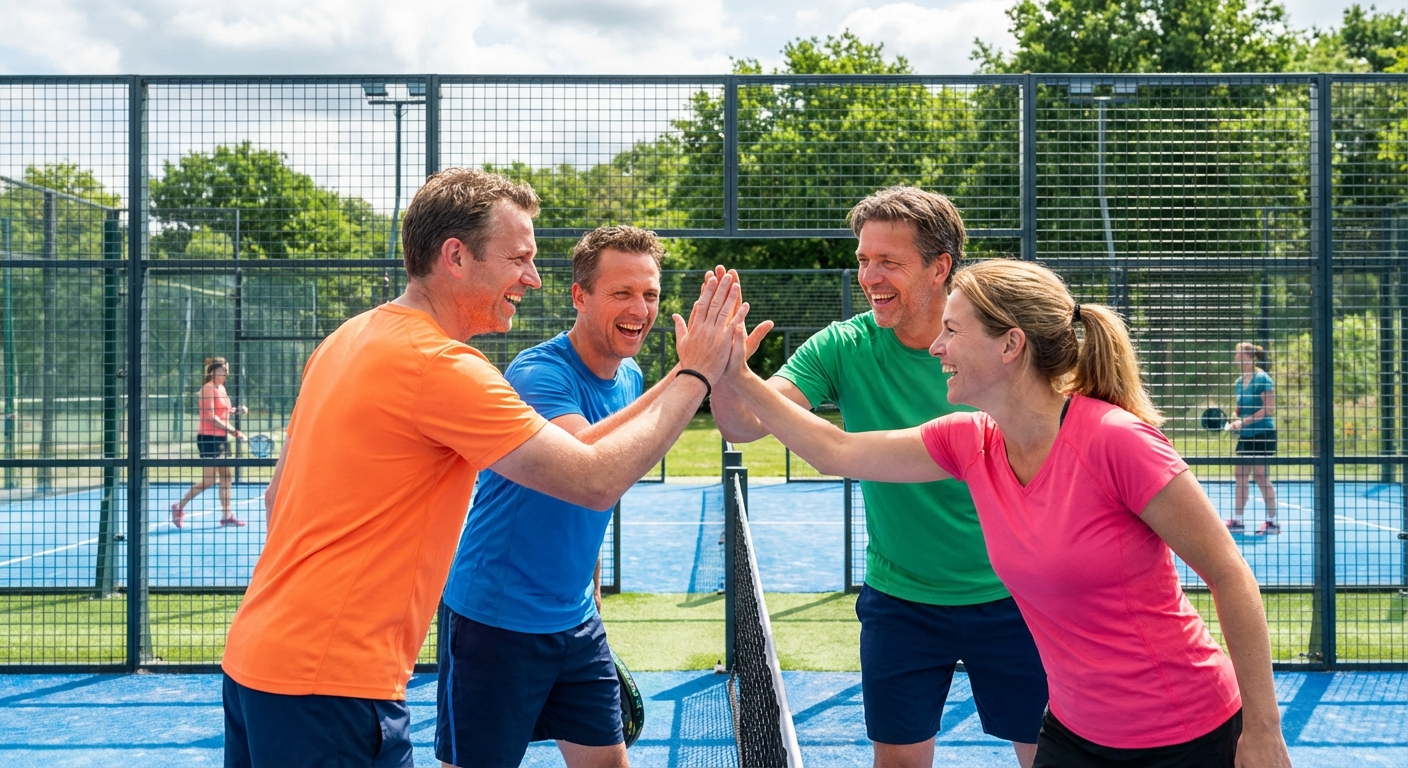
People are flocking to the sport because it offers a highly social doubles format that is easier on the body than most alternatives. Learning how to play padel tennis allows beginners to participate in long, satisfying rallies almost immediately. This rapid gratification makes it the ideal investment for community-focused sports facilities.
Why is padel considered a social sport?
But wait, there’s more: the proximity of the players on a smaller court naturally encourages conversation and laughter. You are never more than a few meters away from your partner or your opponents.
- Matches are almost exclusively played as doubles.
- The enclosed space creates a vibrant atmosphere.
- Game breaks allow for quick social interactions.
Is padel easy for beginners to learn?
Most newcomers can sustain a competitive rally within their first thirty minutes of play. The underarm serve removes one of the most difficult barriers to entry found in tennis.
Key Takeaway
The low barrier to entry and high social engagement are the primary drivers of the sport’s global expansion.
Summary Table
| Factor | Benefit |
|---|---|
| Physical Impact | Low impact on joints |
| Learning Curve | Fast and rewarding |
| Social Level | High interaction |
These factors demonstrate why padel is currently outperforming traditional sports in membership growth and facility development.
What are the official rules on how to play padel tennis?
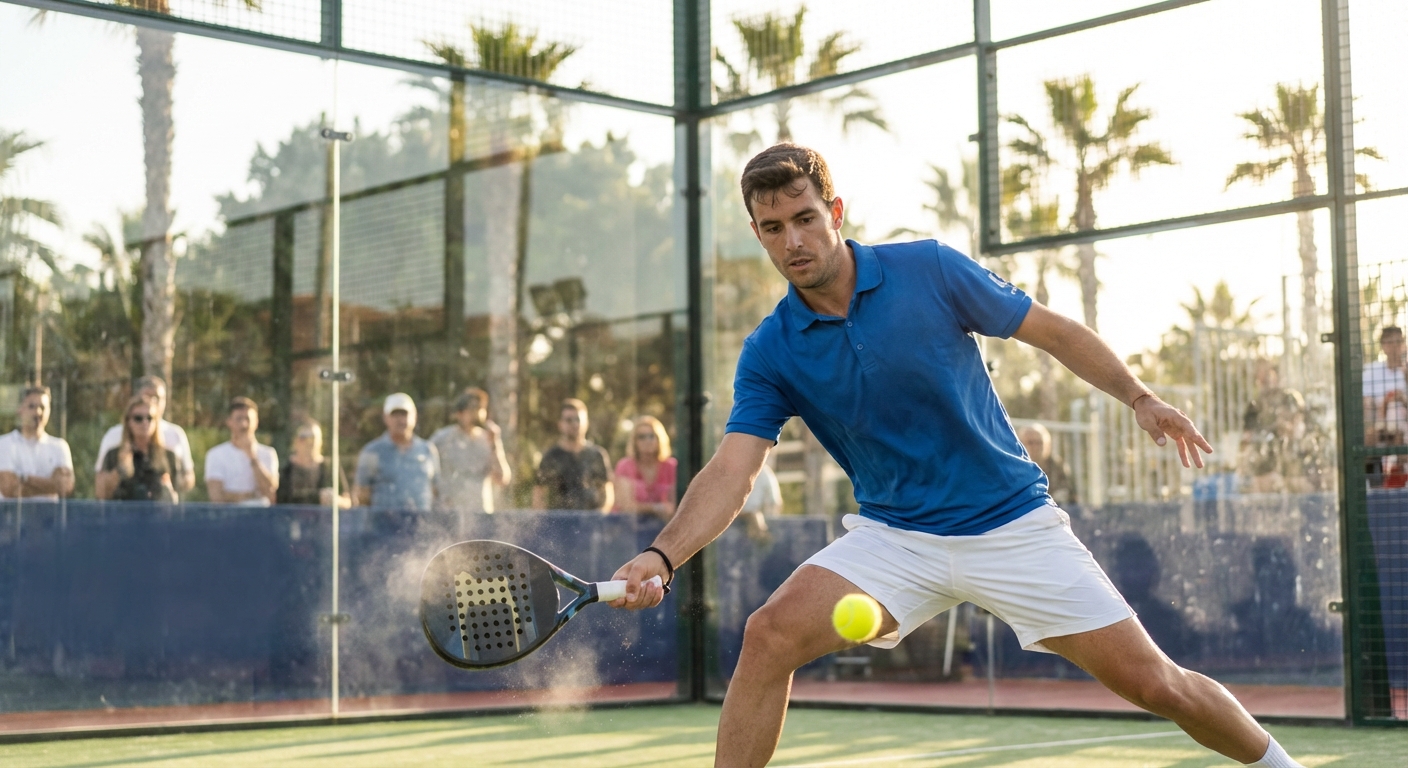
The primary rules mandate an underarm serve and dictate that the ball must bounce once before striking any walls. Mastering how to play padel tennis requires strict adherence to these service and boundary regulations to maintain competitive integrity. You lose the point if the ball strikes the mesh fence directly after your hit.
How do you perform a legal serve?
Believe it or not, the serve is meant to be a defensive or neutral start to the point rather than an ace. You must drop the ball and strike it at or below waist height.
- The ball must bounce once in the server’s box.
- It must land in the opponent’s diagonal service box.
- The ball cannot hit the fence after the serve bounce.
When is the ball considered out?
A shot is out if it hits the walls or the fence before bouncing on the ground. Once it bounces on the turf, the ball can strike the glass and still be in play.
Key Takeaway
Understanding the interaction between the ball, the turf, and the walls is the foundation of legal gameplay.
Summary Table
| Action | Outcome |
|---|---|
| Hits glass first | Point lost |
| Hits turf then glass | In play |
| Hits turf then fence | In play (except serve) |
Knowing these distinctions prevents common scoring disputes and ensures a fluid match for all participants.
Which equipment is required for how to play padel tennis?
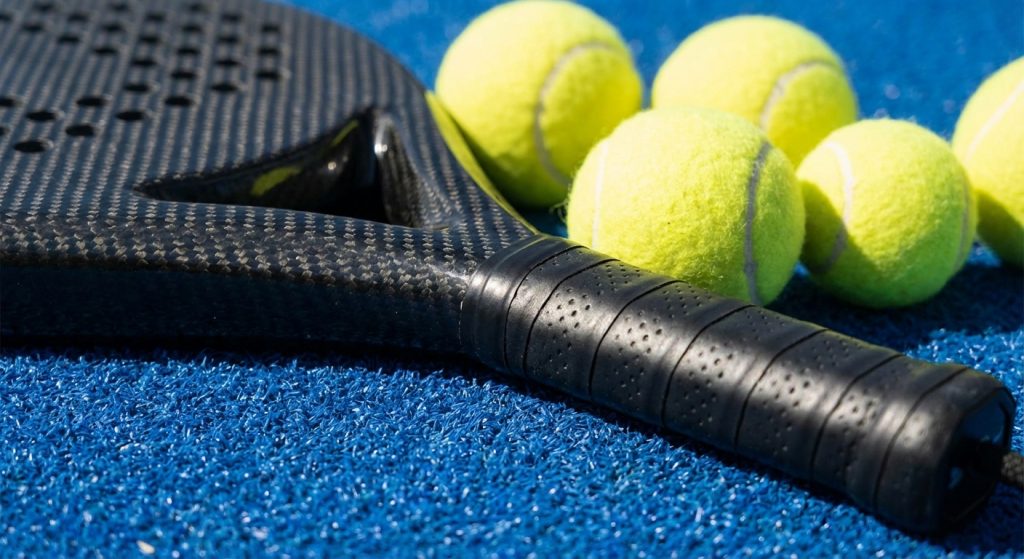
You need a solid, stringless racket and low-compression balls specifically designed for the sport’s enclosed environment. Understanding how to play padel tennis starts with selecting a racket shape that matches your current skill level and style. Using standard tennis gear will negatively impact the bounce and overall control on the turf.
How do padel rackets vary?
Look: the shape of your racket determines whether you will have more control or more power during the game. Beginners usually benefit from round rackets that offer a larger sweet spot.
- Round rackets for maximum control.
- Teardrop rackets for a balanced feel.
- Diamond rackets for advanced power players.
Why use specialized padel balls?
Padel balls are under lower pressure than tennis balls to prevent them from bouncing too high off the walls. This design ensures that rallies remain tactical and manageable within the 10×20 meter space.
Key Takeaway
Investing in the correct stringless racket is the most important step for any player looking to improve.
Summary Table
| Item | Requirement |
|---|---|
| Racket | EVA foam core with carbon/fiberglass |
| Balls | Lower pressure (approx. 11-14 psi) |
| Shoes | Herringbone or clay court grip |
Proper equipment not only improves your performance but also significantly reduces the risk of common sports injuries.
What are the expert tips for how to play padel tennis?
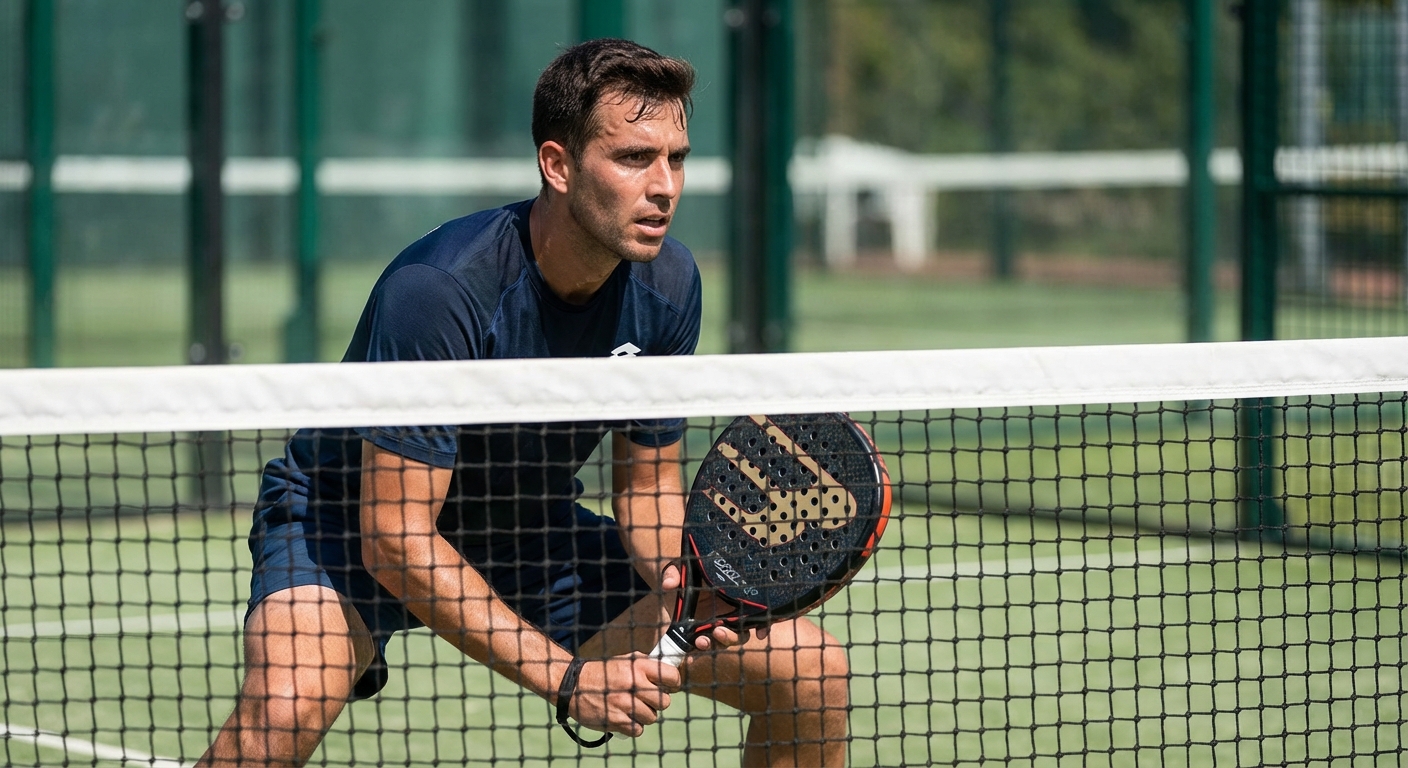
Expert players prioritize court positioning and the “taking the net” strategy to dominate the opponent’s movements. To excel at how to play padel tennis, you must learn to move in synchronization with your doubles partner at all times. This tactical cohesion prevents gaps in your defense and allows for aggressive, low-risk volleys.
Why focus on control over power?
The secret is that hitting the ball too hard often results in an easy return for your opponent. A fast ball hitting the back wall will bounce right into their hitting zone.
- Use the “Chiquita” to hit soft balls at the feet.
- Aim for the corners to force awkward returns.
- Maintain a high percentage of “in” shots over winners.
How do you improve court coverage?
You should move as if you and your partner are connected by a rope. When one moves forward to the net, the other should follow to maintain a solid front.
Key Takeaway
Positional dominance at the net is usually the deciding factor in competitive padel matches.
Summary Table
| Strategy | Objective |
|---|---|
| Taking the Net | Control the offensive tempo |
| The Lob | Reset the point from defense |
| Net Synchronization | Close passing lanes |
Following these guidelines will help you transition from a beginner to an intermediate player with strategic depth.
How to play padel tennis by using the court walls?
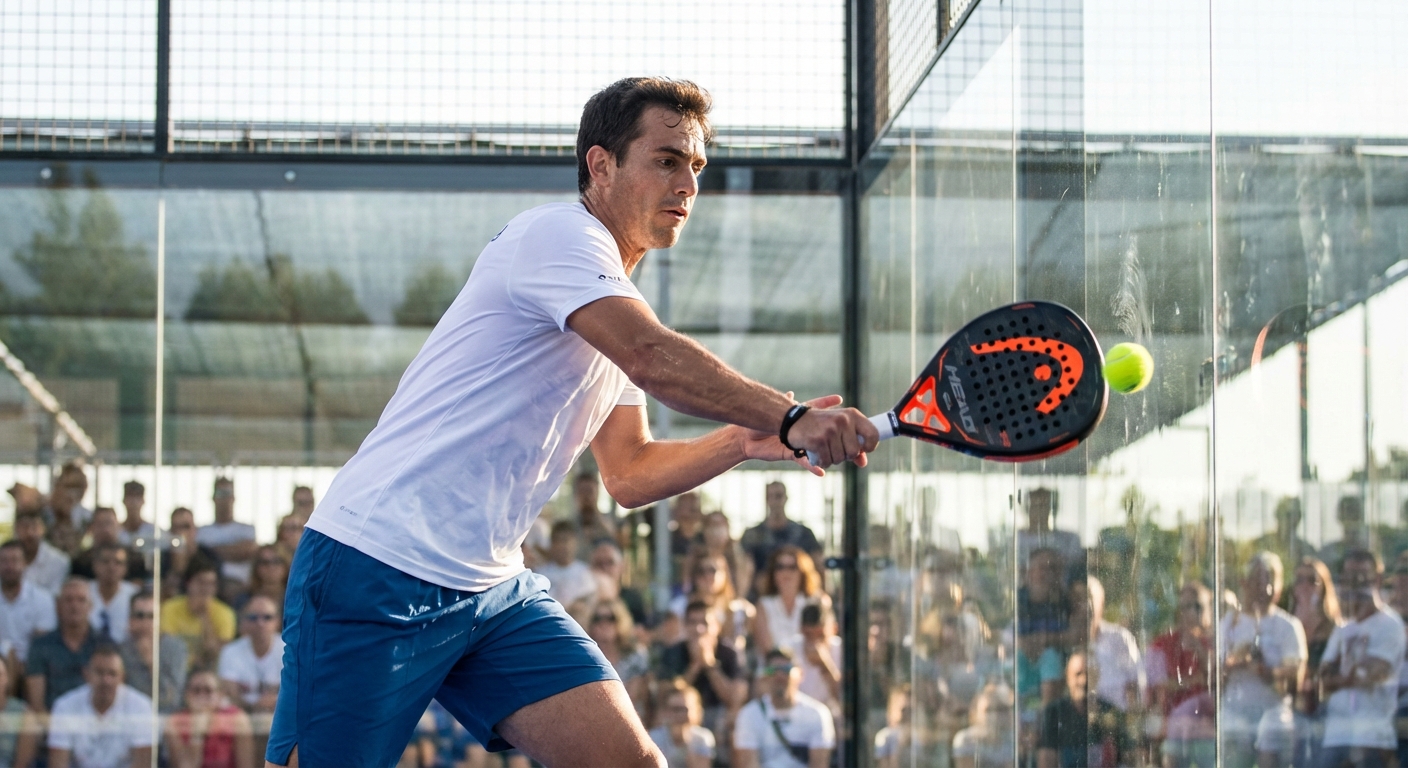
Utilizing the back and side glass is essential for returning high-speed shots that pass your initial defensive line. Learning how to play padel tennis requires you to let the ball pass you and play it as it rebounds off the glass. This unique mechanic turns defensive situations into offensive opportunities by slowing down the game’s pace.
Can you hit the ball against your own wall?
The deal is that you are legally allowed to smash the ball into your own glass wall to get it over the net. This is often a last-resort defensive move when you are trapped in a corner.
- Ball must hit your wall then cross the net.
- It cannot hit your own wall after crossing the net.
- Glass walls provide a much more predictable bounce than mesh.
How do you handle the back glass?
You must wait for the ball to come to you after it rebounds. Rushing toward the wall often results in poor contact or missed shots due to lack of space.
Key Takeaway
The glass walls are defensive assets that allow you more time to react to powerful shots.
Summary Table
| Surface | Interaction |
|---|---|
| Tempered Glass | Predictable, clean rebound |
| Metallic Mesh | Unpredictable, deadens the ball |
| Corners | Most difficult area to defend |
Integrating the walls into your defensive movement is what separates padel from every other racket sport.
How to play padel tennis effectively as a doubles team?
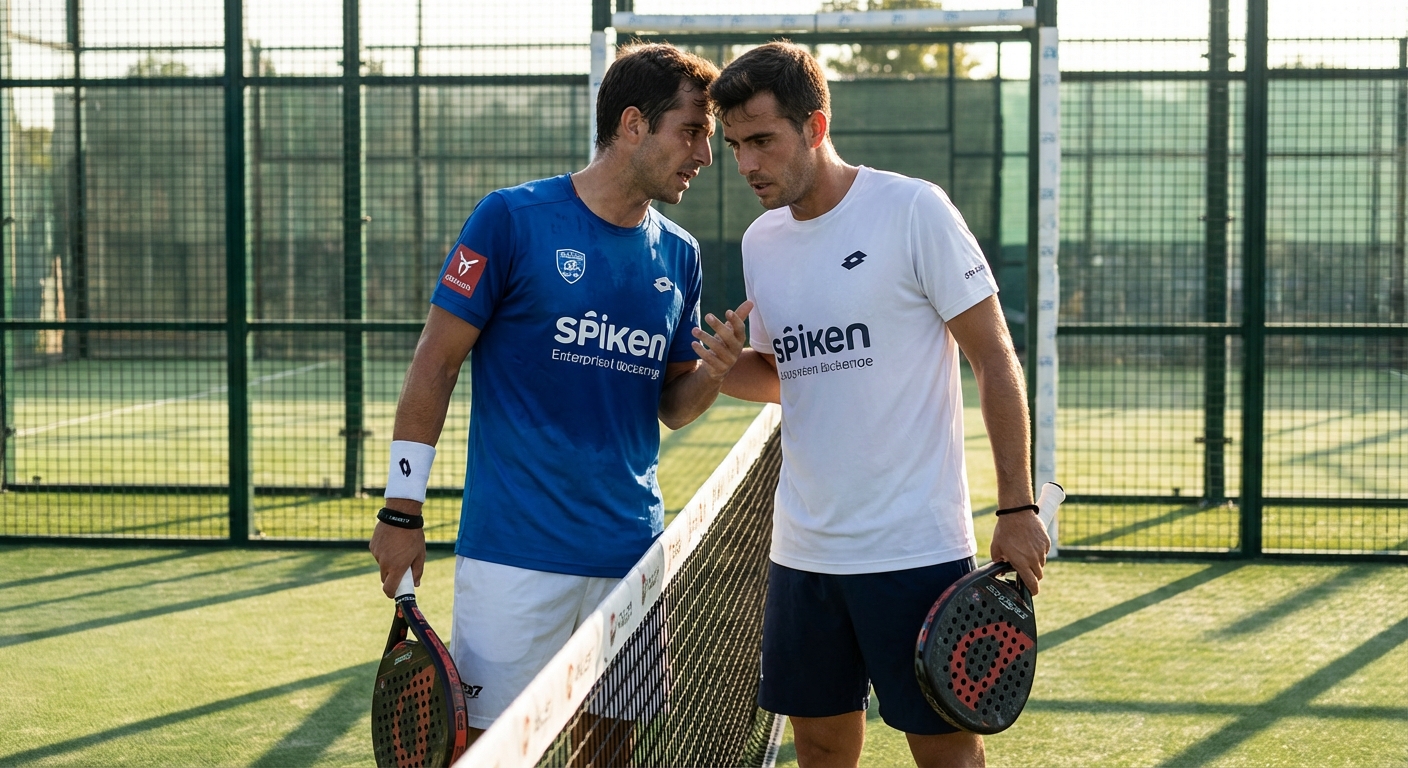
Effective doubles play centers on constant verbal communication and sharing responsibilities for the middle of the court. When you learn how to play padel tennis, you realize that individual brilliance is often secondary to team chemistry and geometry. You must work together to close angles and force your opponents into making high-risk errors.
Why is talking vital during a match?
Wait, there’s more: calling “mine” or “yours” prevents collisions and ensures the best-positioned player takes the shot. You must also communicate the position of your opponents at the net.
- Call for middle balls to avoid confusion.
- Update your partner on opponent movements.
- Encourage each other after difficult points.
Where should you stand during a serve?
The non-server should start at the net to capitalize on the advantage created by a deep serve. This puts immediate pressure on the returning team to hit a perfect shot.
Key Takeaway
Team chemistry and verbal cues are just as important as physical technique in winning matches.
Summary Table
| Role | Primary Task |
|---|---|
| Server | Accurate placement |
| Net Player | Closing the volley angles |
| Defender | Deep lobs to regain position |
A cohesive team can often defeat players with superior individual skills through better court coverage and communication.
What is the scoring format for how to play padel tennis?
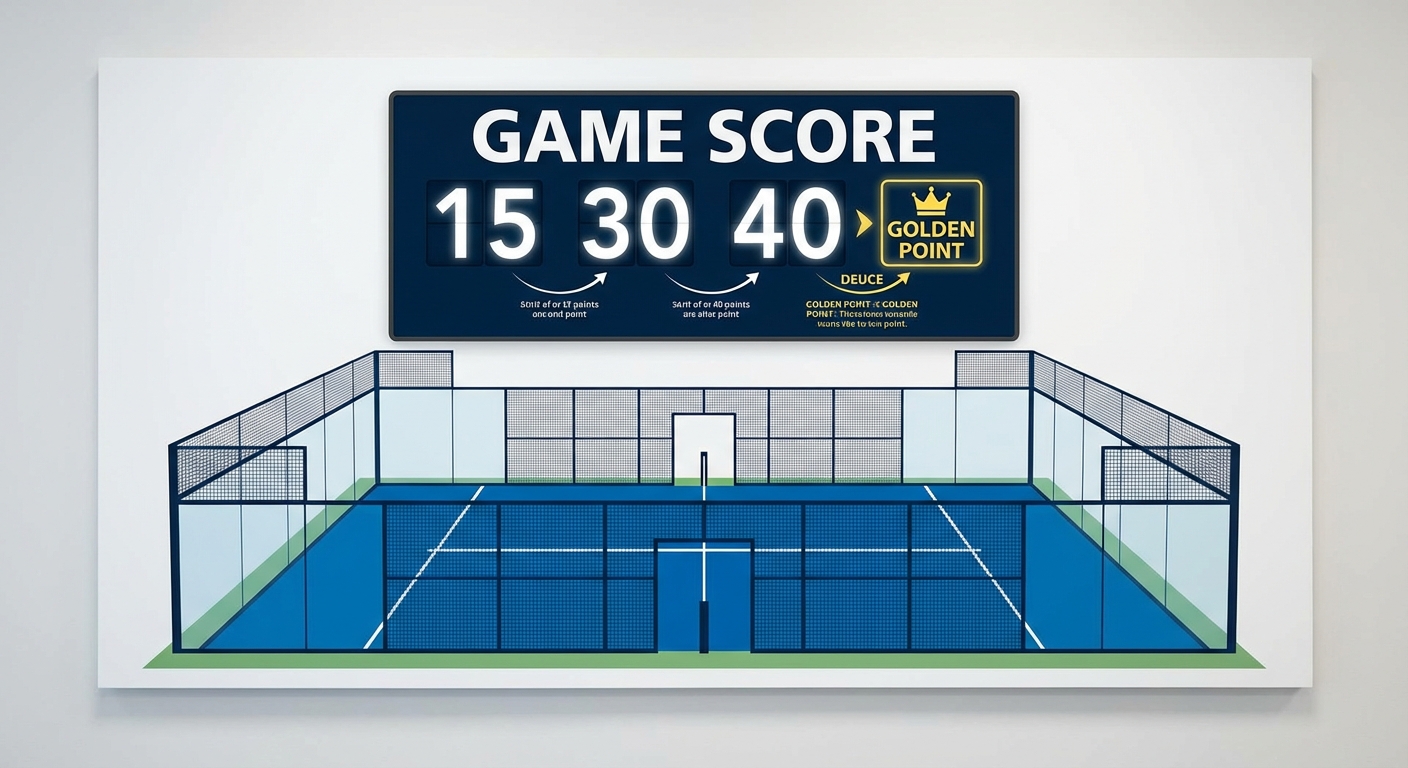
The scoring follows the traditional tennis sequence of 15, 30, and 40, though many circuits employ the “Golden Point” rule. Discovering how to play padel tennis means preparing for high-pressure deuce points where the winner takes the game immediately. This format keeps the match duration predictable and heightens the excitement for both players and spectators.
How does the Golden Point work?
Here is the deal: when a game reaches 40-40, the returning team chooses which side the server must play to. The winner of that single point wins the entire game without needing an advantage.
- Eliminates long, repetitive deuce cycles.
- Increases the intensity of “big” points.
- The returning team gets the tactical choice.
What is the set structure?
Most matches are played as a best-of-three-sets format. If a set reaches 6-6, a traditional seven-point tiebreak is played to determine the set winner.
Key Takeaway
The scoring system is designed for speed and psychological intensity through the “Punto de Oro” mechanic.
Summary Table
| Event | Scoring Rule |
|---|---|
| Deuce | Golden Point |
| Set | First to 6 games |
| Match | Best of 3 sets |
Familiarizing yourself with these nuances ensures you stay focused during the most critical moments of the match.
How to play padel tennis specialized shots and volleys?
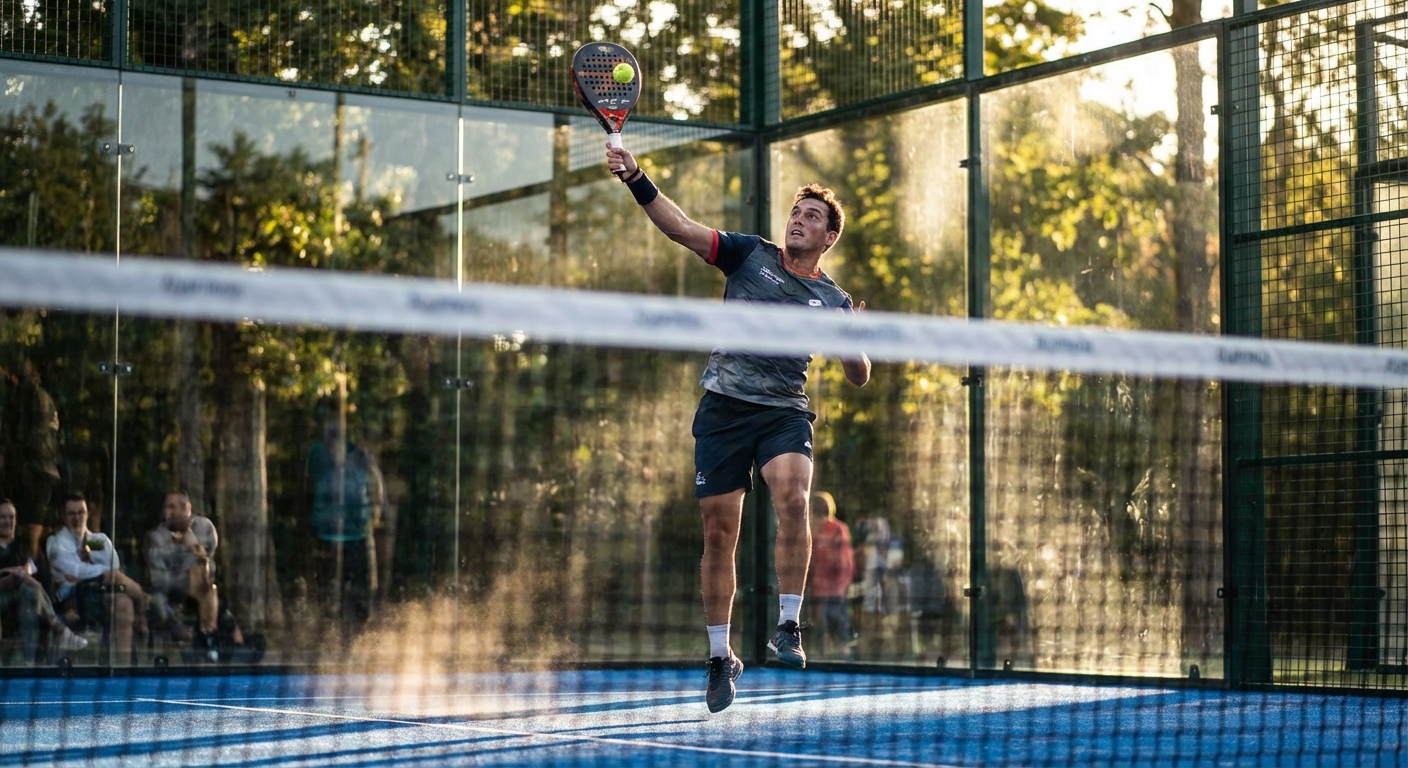
Success at higher levels depends on mastering the “Bandeja” overhead shot to maintain your position at the net. To truly understand how to play padel tennis, you must differentiate between aggressive smashes and tactical placement shots. These specialized techniques allow you to keep the ball low and prevent easy returns from the back glass.
What is a Bandeja shot?
But wait, there’s more: the Bandeja is a defensive overhead hit with slice that keeps the ball deep and low. It is used when you are caught mid-court and need to stop opponents from attacking.
- Hit with an open racket face.
- Targeted at the feet or the corners.
- Focuses on spin over raw speed.
How do you hit a successful volley?
You must keep your backswing very short to handle the fast pace of padel rallies. Contact the ball in front of your body and use your legs to provide the necessary depth.
Key Takeaway
Advanced shots like the Bandeja are necessary tools for maintaining offensive pressure during a point.
Summary Table
| Shot | Trajectory | Goal |
|---|---|---|
| Bandeja | Sliced and deep | Keep the net |
| Vibora | Fast and curved | Force an error |
| Smash | Steep and high | Win the point |
Mastering these variations allows you to dictate the tempo of the game regardless of your opponent’s power.
How to play padel tennis and build a professional court?
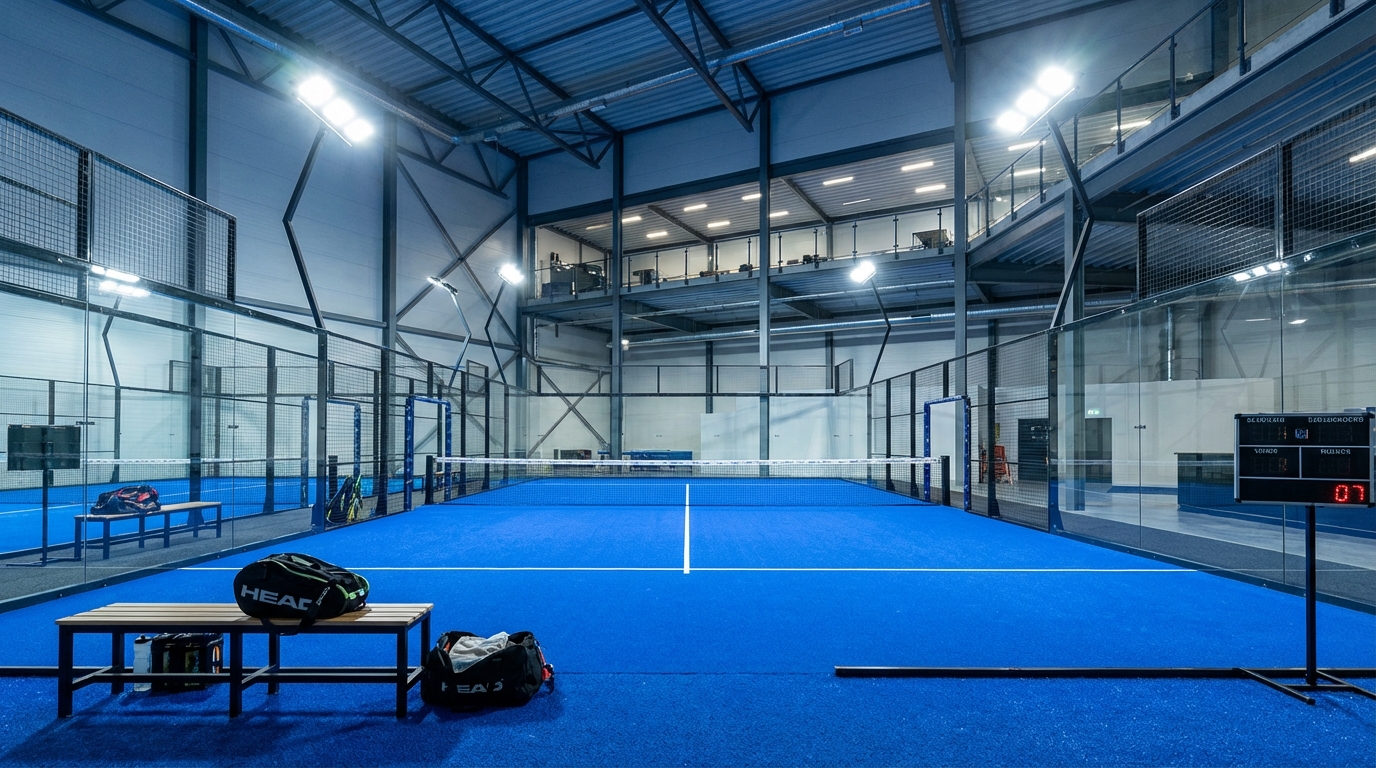
Building a court requires high-grade tempered glass panels and specialized monofilament turf to ensure a consistent, safe bounce. If you are serious about how to play padel tennis, you must prioritize structural integrity and professional installation for long-term facility success. Proper lighting and drainage are also critical factors for indoor and outdoor installations respectively.
What materials are standard for courts?
Actually, the quality of the glass is the most expensive and important component of the entire build. Standard courts use 10mm to 12mm tempered safety glass to withstand high-impact play.
- Galvanized steel for the structural frames.
- Anti-injury mesh for the side fences.
- High-density LED lighting for visibility.
How do you evaluate demand for building?
You should look at the local demographic and the lack of existing racket sports facilities. Padel facilities often thrive in areas where traditional tennis courts are underutilized or overbooked.
Key Takeaway
Professional construction is an investment in both player safety and the longevity of the sports facility.
Summary Table
| Component | Quality Standard |
|---|---|
| Glass | 12mm Tempered Safety |
| Turf | Textured Monofilament |
| Lights | 8 x 200W LED fixtures |
Choosing premium materials ensures that the playing surface remains consistent for years, attracting more members to your club.
Conclusion
Mastering padel tennis is a journey that combines physical skill with tactical intelligence. Whether you are stepping onto the court for the first time or looking to develop a world-class facility, the sport offers endless opportunities for growth. At the core of every great player is a foundation of solid fundamentals and a respect for the game’s unique geometry.
Ready to elevate your game or start your own club project? Contact us today to explore professional-grade equipment and facility solutions. We believe in the power of padel to transform communities through sport, and we are here to support your progress every step of the way.
FAQ
Can I play padel if I have never played tennis before?
Absolutely. Many players find padel more intuitive than tennis because the underarm serve and smaller court make it easier to get the ball in play from day one.
What’s the best way to handle a ball that hits the corner?
Corners are difficult. The best strategy is to stay low, keep your racket short, and try to play a soft “Chiquita” or a high lob to reset your position.
How do I choose the right racket shape for my style?
Choose based on control requirements. Round rackets offer the most control (best for beginners), Teardrop shapes provide a balance, and Diamond shapes are designed for maximum power.
Can I use tennis shoes on a padel court?
Yes, but it is not ideal. It is highly recommended to use shoes with a “herringbone” or “clay” sole pattern to ensure you have enough grip on the sand-filled turf.
What is the minimum ceiling height for an indoor padel court?
At least six meters is required. For a professional experience, a minimum height of 8 meters or more is preferred to allow for high defensive lobs.