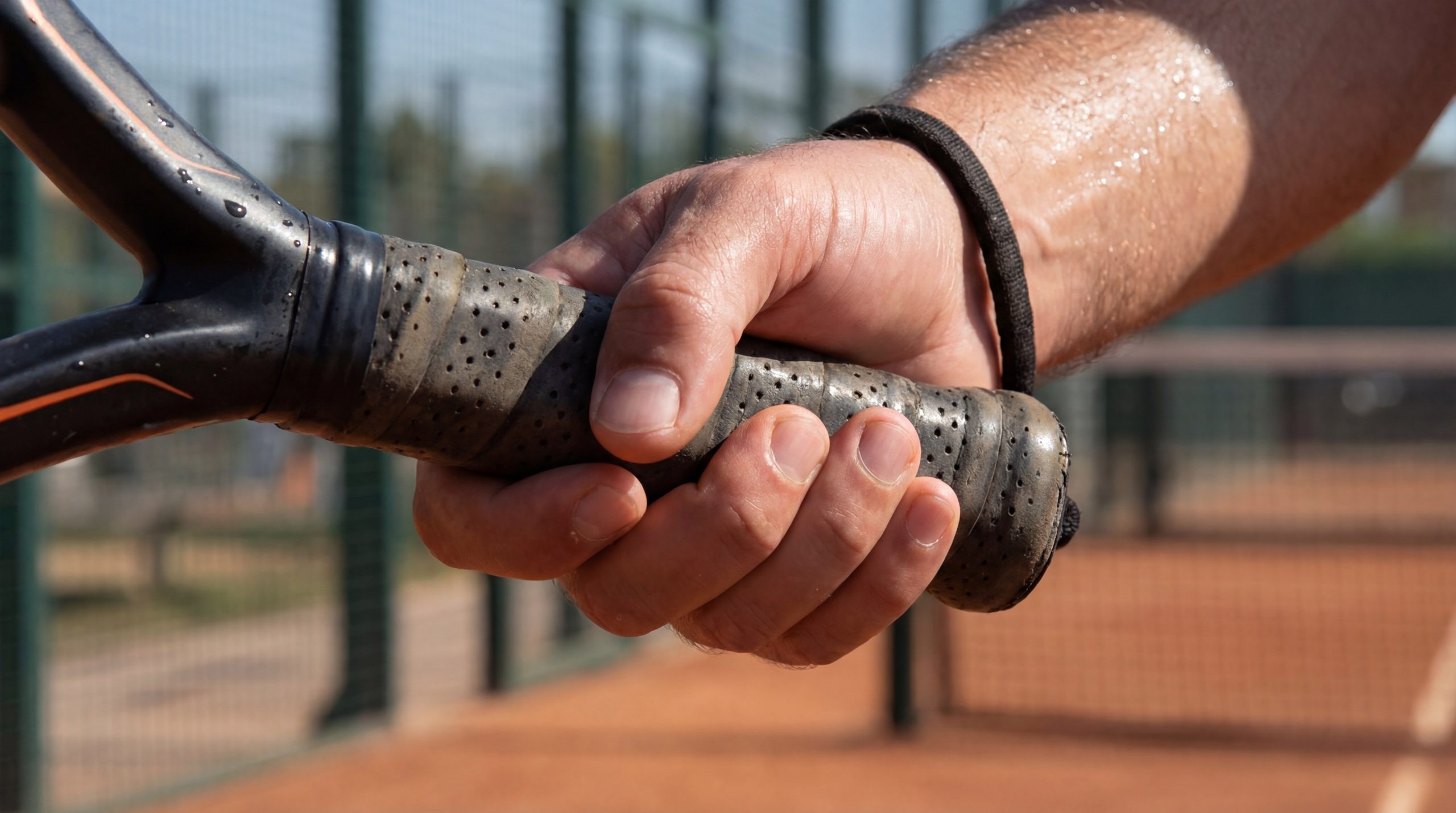
Understanding the mechanics of grips padel involves learning how to layer synthetic wraps over a racket handle to maximize traction and comfort. Does your racket slip during high-intensity volleys? Many players struggle with a handle that feels too thin or slick, leading to unforced errors and a lack of confidence on the court.
A poor connection to your racket doesn’t just ruin your game; it can lead to physical pain. Constantly over-squeezing to compensate for a bad surface is the primary cause of blisters and “Padel Elbow.” By mastering the art of the handle build, you can instantly improve your performance and protect your health.
Why are grips padel essential for control?
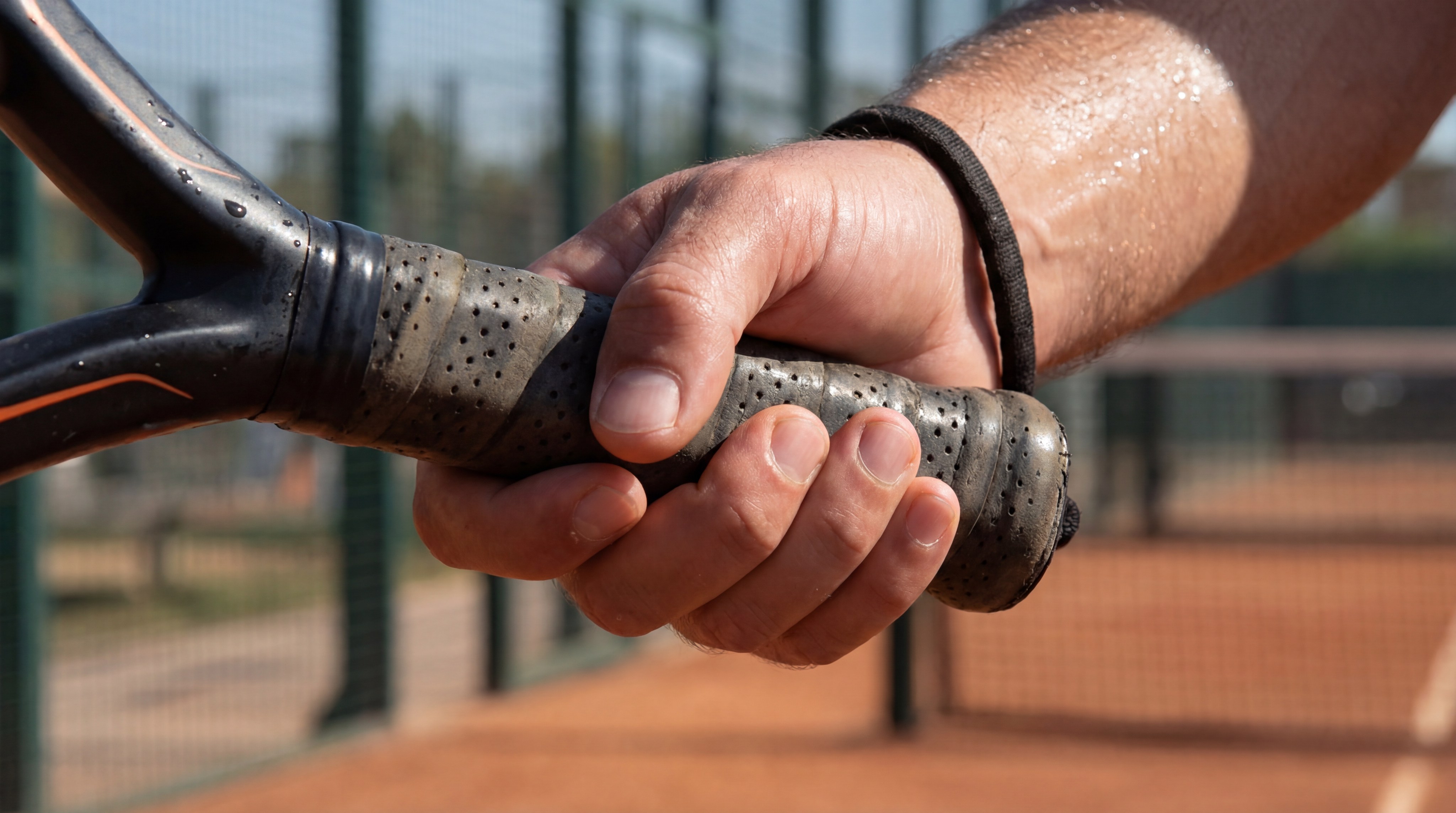
These components are essential because they provide the primary friction point between your hand and the equipment to prevent slipping. High-quality grips padel ensure that the racket face remains stable even when you hit off-center shots.
How do they prevent slipping?
They work by using advanced polymer surfaces that react to pressure and moisture.
Think about it:
- Textured surfaces increase the contact area.
- Moisture-wicking layers keep the palm dry.
- Tacky resins provide a “sticky” feel for stability.
Can they prevent common injuries?
The right handle setup reduces the vibration transferred from the frame to your joints.
The best part?
- Proper thickness prevents over-tightening the hand.
- Soft materials absorb the shock of heavy smashes.
- Improved ergonomics lead to a more relaxed swing.
Key Takeaway: Customizing your handle setup is the most cost-effective way to improve accuracy and protect your arm from repetitive strain.
| Control Factor | Impact Level | Benefit |
|---|---|---|
| Friction | High | Prevents racket rotation |
| Cushioning | Medium | Absorbs impact shock |
| Surface Type | High | Manages sweat levels |
The interaction between material texture and hand pressure dictates the overall stability of your defensive game.
What are the main types of grips padel available?
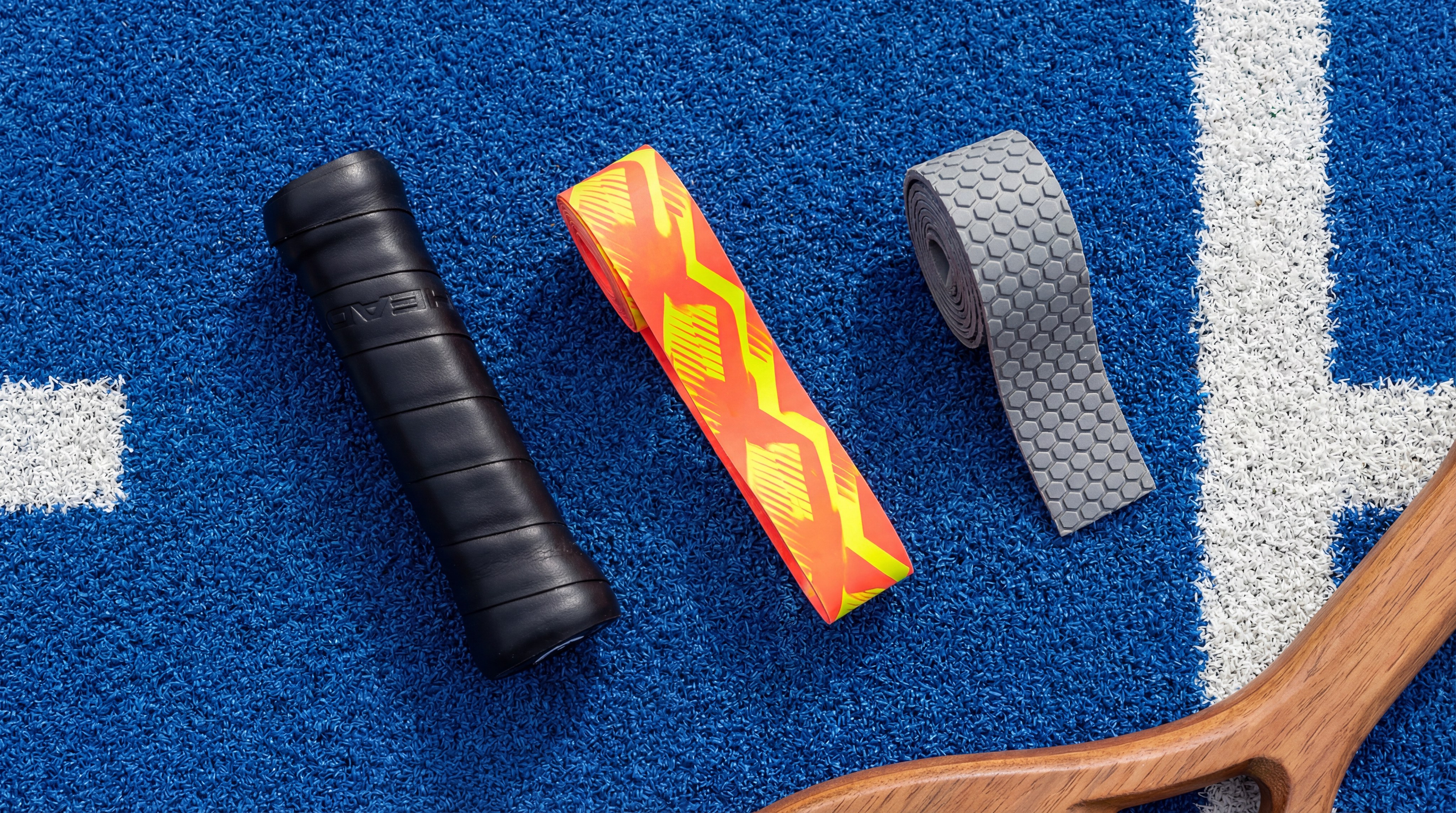
There are three primary categories known as undergrips, replacement options, and overgrips. Selecting the right combination of grips padel depends on your hand size and how much you sweat during a match.
Should you use overgrips?
Overgrips are thin layers designed to be wrapped over the original factory surface.
Look:
- They are inexpensive and easy to replace.
- You can stack multiple layers to increase handle size.
- Most players prefer a “tacky” overgrip for extra stickiness.
What is a replacement grip?
This is a thicker, padded wrap that goes directly onto the hexagonal frame of the racket.
Here is the deal:
- It provides the foundational cushioning.
- It is usually more durable than thin wraps.
- You should only use one replacement layer at a time.
Key Takeaway: Understanding the layering system allows you to fine-tune the weight and feel of your racket for better maneuverability.
| Grip Category | Typical Thickness | Replacement Frequency |
|---|---|---|
| Undergrip | 1.0mm – 2.0mm | Rarely |
| Replacement | 1.5mm – 2.5mm | 6 – 12 Months |
| Overgrip | 0.4mm – 0.7mm | 2 – 5 Matches |
Identifying the correct base layer is the first step in creating a handle that supports high-performance play.
How to choose the right thickness for grips padel?
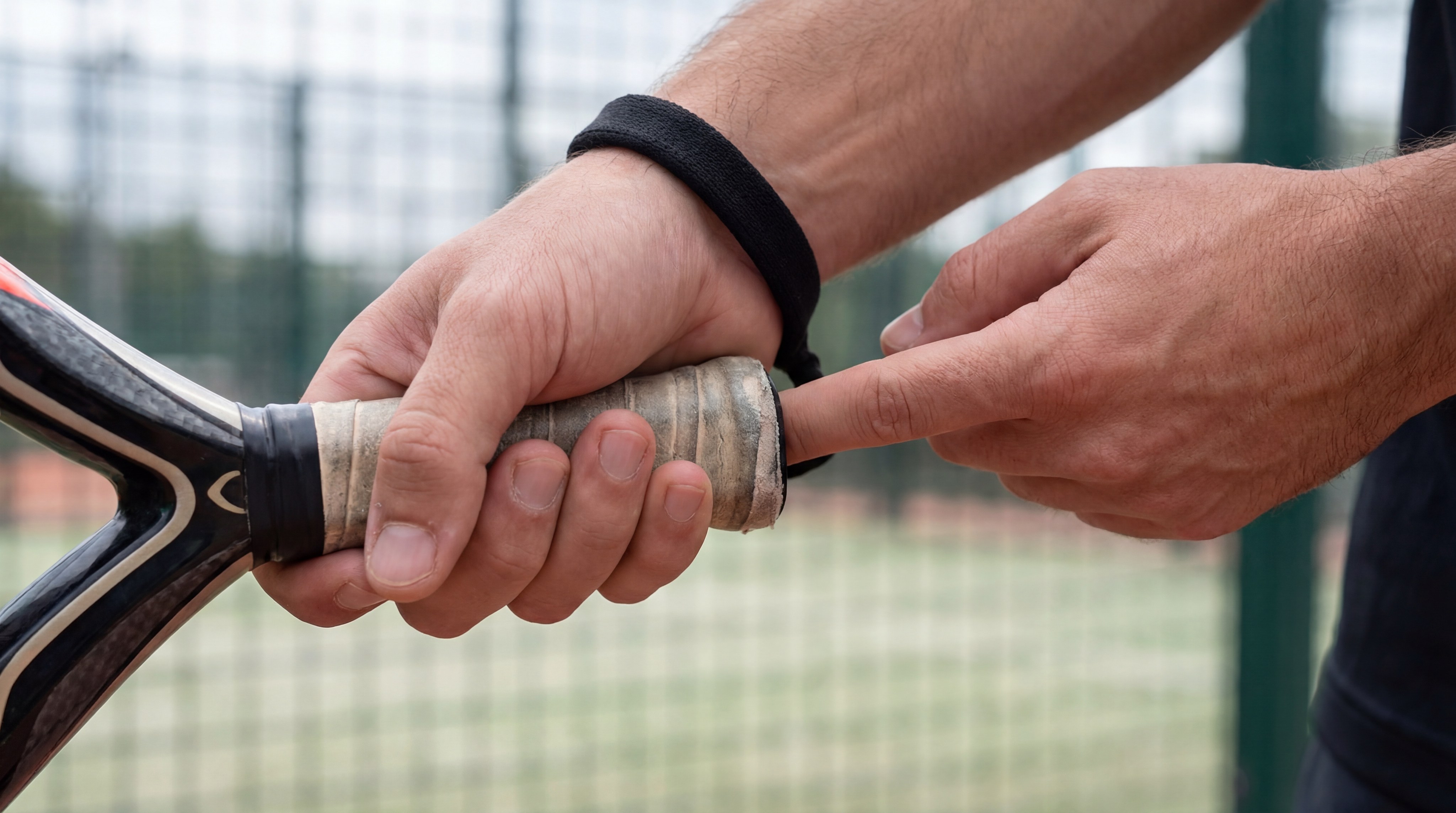
The ideal thickness is achieved when there is a small gap between your fingertips and your palm. Finding the right grips padel diameter is a personal process that significantly affects your wrist mobility.
How many layers do you need?
Most male players use one or two overgrips on top of the original factory base.
But wait, there’s more:
- Too many layers can make the racket feel heavy.
- Too few layers can lead to wrist fatigue.
- Juniors typically prefer a thinner, single-layer setup.
What is the Pinky Finger Rule?
This is a standard test used by pros to ensure the handle isn’t too large or small.
Check this out:
- Grip the racket naturally in your dominant hand.
- Try to fit your other pinky finger in the gap.
- If it fits snugly, the thickness is perfect.
Key Takeaway: Using the pinky finger rule ensures you have enough range of motion to snap your wrist for powerful smashes.
| Player Type | Recommended Layers | Goal |
|---|---|---|
| Power Player | 2-3 Overgrips | Better leverage |
| Control Player | 1 Overgrip | Maximum feel |
| Junior/Lady | 0-1 Overgrip | Easy handling |
Precise handle measurement prevents the mechanical errors associated with a grip that is either too bulky or too slim.
Can professional grips padel influence match outcomes?
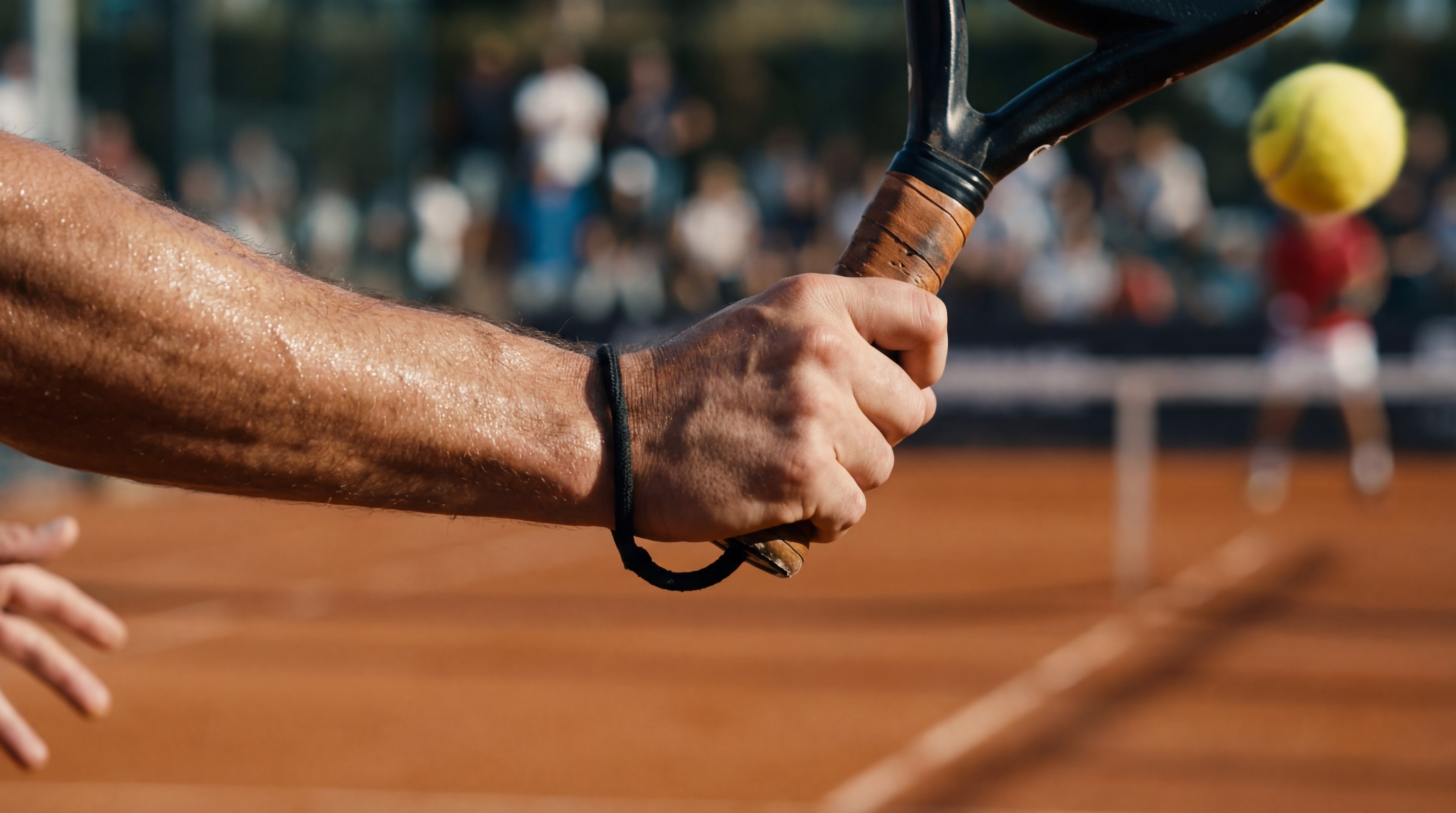
Yes, because equipment stability directly correlates to shot consistency under pressure. In high-stakes matches, a fresh set of grips padel can provide the extra millisecond of control needed for a winning drop shot.
Does a tacky surface improve spin?
A tacky wrap allows you to hold the racket more loosely while maintaining a firm connection.
Believe it or not:
- Loose hands generate faster racket head speed.
- Increased speed creates more friction against the ball.
- This results in more aggressive “slice” or “topspin.”
How does comfort affect endurance?
When your hand is comfortable, you spend less energy fighting to keep the racket straight.
Think about it:
- Lower tension in the forearm reduces lactic acid.
- You can play longer matches without losing strength.
- Consistent feel builds muscle memory faster.
Key Takeaway: Professionals change their wraps frequently to ensure their equipment never becomes a liability during long rallies.
| Performance Metric | Worn Grip Effect | Fresh Grip Effect |
|---|---|---|
| Shot Accuracy | Decreased | Maximum |
| Spin Potential | Low | High |
| Player Confidence | Low | Very High |
Maintenance of your contact points is just as vital as the technical skills you practice on the court every day.
What materials are used in high-quality grips padel?
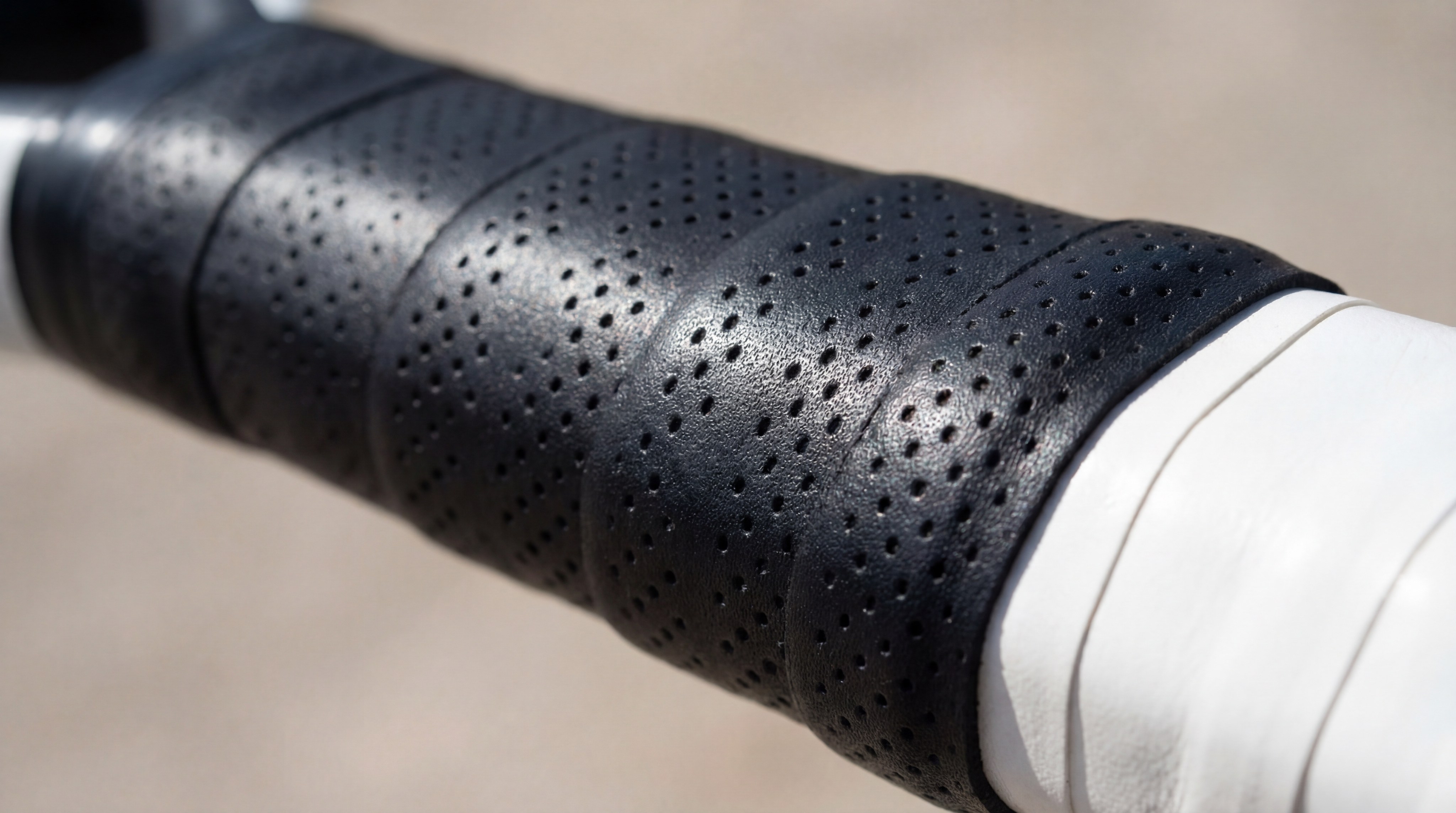
Premium wraps are typically made from Polyurethane (PU) combined with absorbent fibers. You can find high-performance grips padel that feature specialized perforations to help manage extreme humidity.
Is PU foam better than leather?
While leather offers a classic feel, PU foam is the modern standard for several reasons.
Here is the deal:
- PU is significantly lighter and more flexible.
- It provides much better shock absorption.
- Synthetic materials are easier to dye in various colors.
What about perforated surfaces?
Perforations are small holes punched into the wrap to facilitate airflow and drainage.
Look:
- They are ideal for players with sweaty palms.
- The texture provides extra mechanical “bite.”
- Perforated wraps often dry faster between sets.
Key Takeaway: Choosing the right material blend helps you maintain a consistent feel regardless of the weather conditions or sweat levels.
| Material Feature | Smooth Surface | Perforated Surface |
|---|---|---|
| Tackiness | Higher | Moderate |
| Sweat Drainage | Lower | Excellent |
| Durability | High | Moderate |
Technical material selection is the foundation of a handle setup that remains reliable throughout a grueling tournament.
How to install custom grips padel on your racket?
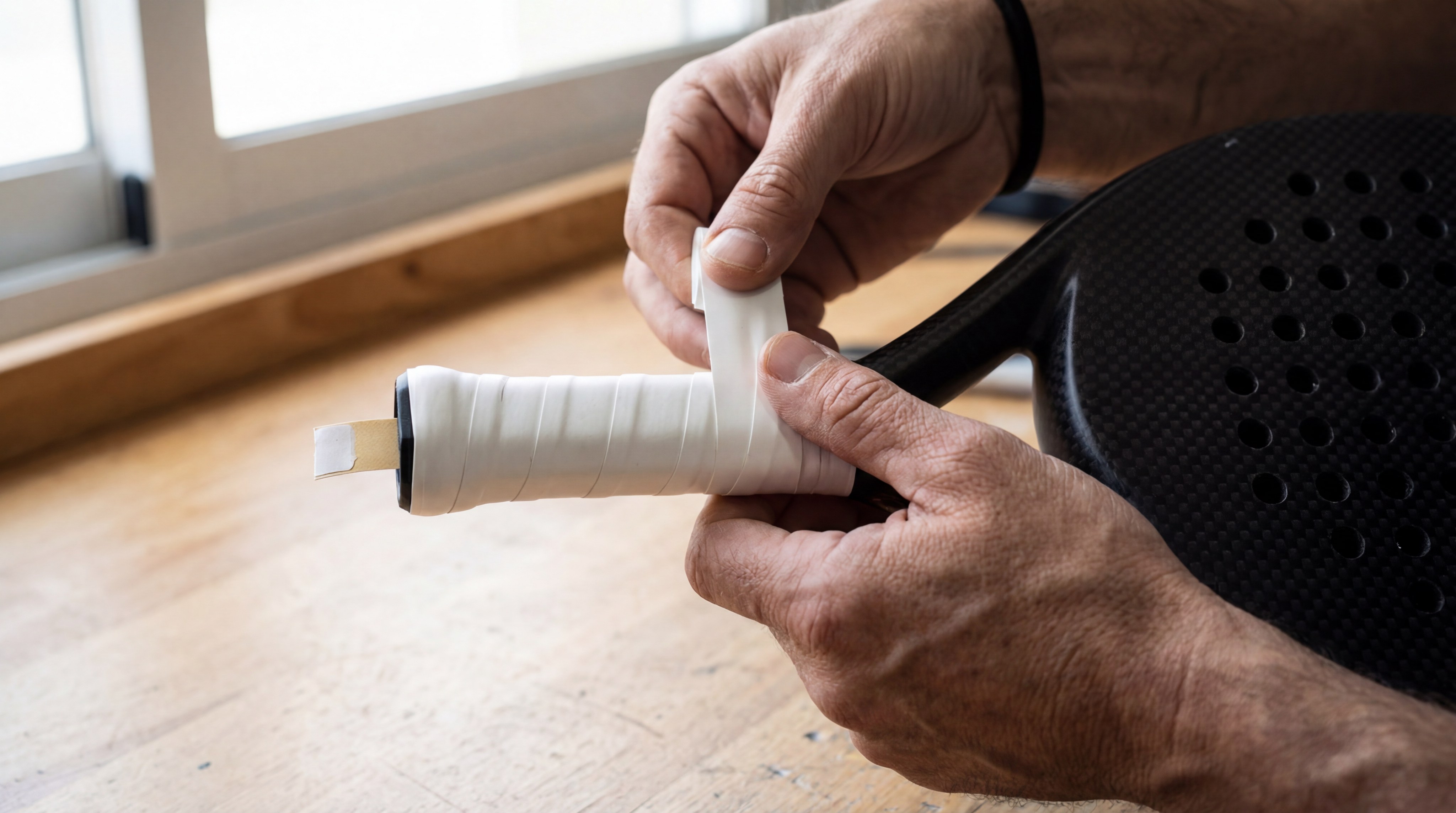
Installing a new wrap requires starting at the butt cap and winding upward toward the throat. Learning to apply grips padel correctly ensures there are no bumps or loose edges that could distract you during play.
Where do you start the wind?
You must always start at the very bottom of the handle, securing the thin adhesive end first.
The best part?
- A tight start prevents the wrap from sliding off.
- Overlapping the butt cap slightly provides more comfort.
- Wrapping upwards follows the natural curve of your hand.
How much overlap is needed?
The “50/50 rule” is the most common technique for achieving a uniform thickness throughout the handle.
Believe it or not:
- Each turn should cover half of the previous turn.
- Pulling the wrap tight prevents air bubbles.
- Finish at the top with the provided finishing tape.
Key Takeaway: Mastering the wrapping technique allows you to customize the taper of your handle to suit your specific palm shape.
| Installation Step | Action | Common Mistake |
|---|---|---|
| Starting | Secure adhesive at base | Wrapping too loosely |
| Winding | Maintain 50% overlap | Uneven spacing |
| Finishing | Use tape at the throat | Leaving edges exposed |
Correct application technique is the only way to ensure the material performs according to its design specifications.
When is it time to change your grips padel?
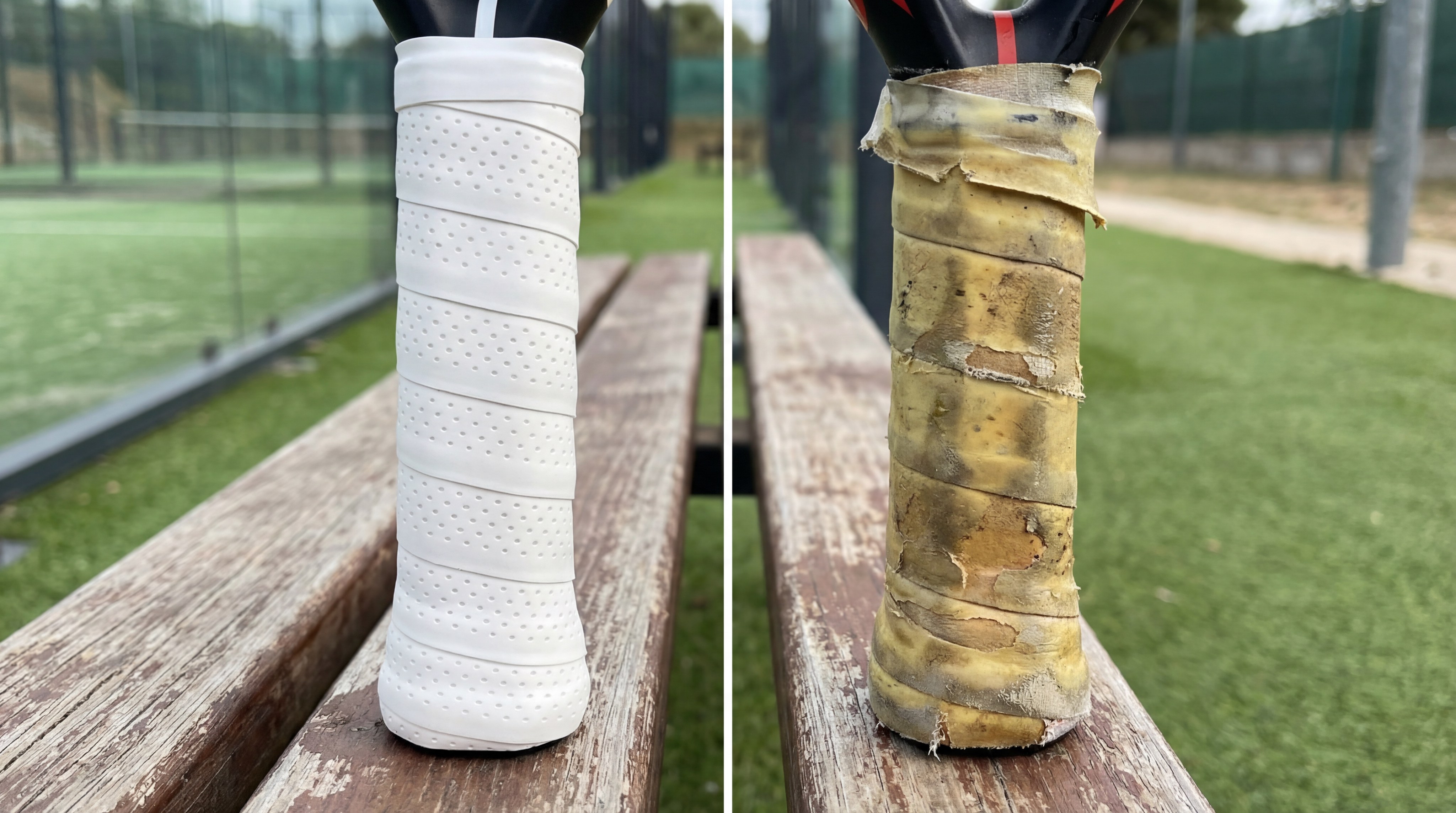
You should change your wrap as soon as it loses its tackiness or begins to show visible fraying. Monitoring the condition of your grips padel is a simple habit that prevents equipment failure in the middle of a set.
What are the visual signs?
The most obvious sign is a change in color or the appearance of smooth, shiny patches.
Look:
- Darkening indicates the material is saturated with sweat.
- Peeling edges mean the adhesive is failing.
- Cracks in the surface reduce the total friction available.
Does sweat absorption decrease?
Over time, the fibers in the wrap become clogged with salt and oils from your skin.
Think about it:
- A “clogged” grip will feel slippery even when dry.
- It will no longer cushion the vibrations effectively.
- This can lead to the racket “spinning” in your hand.
Key Takeaway: Changing your overgrip every 3 to 5 matches is a small investment that maintains your peak playing performance.
| Usage Level | Condition | Recommendation |
|---|---|---|
| Low (1-2 hrs/week) | Fresh | Change monthly |
| Medium (4-6 hrs/week) | Worn | Change bi-weekly |
| High (Daily) | Saturated | Change weekly |
Regular replacement ensures that your physical connection to the sport remains as sharp as your tactical awareness.
Which options provide the best grips padel today?
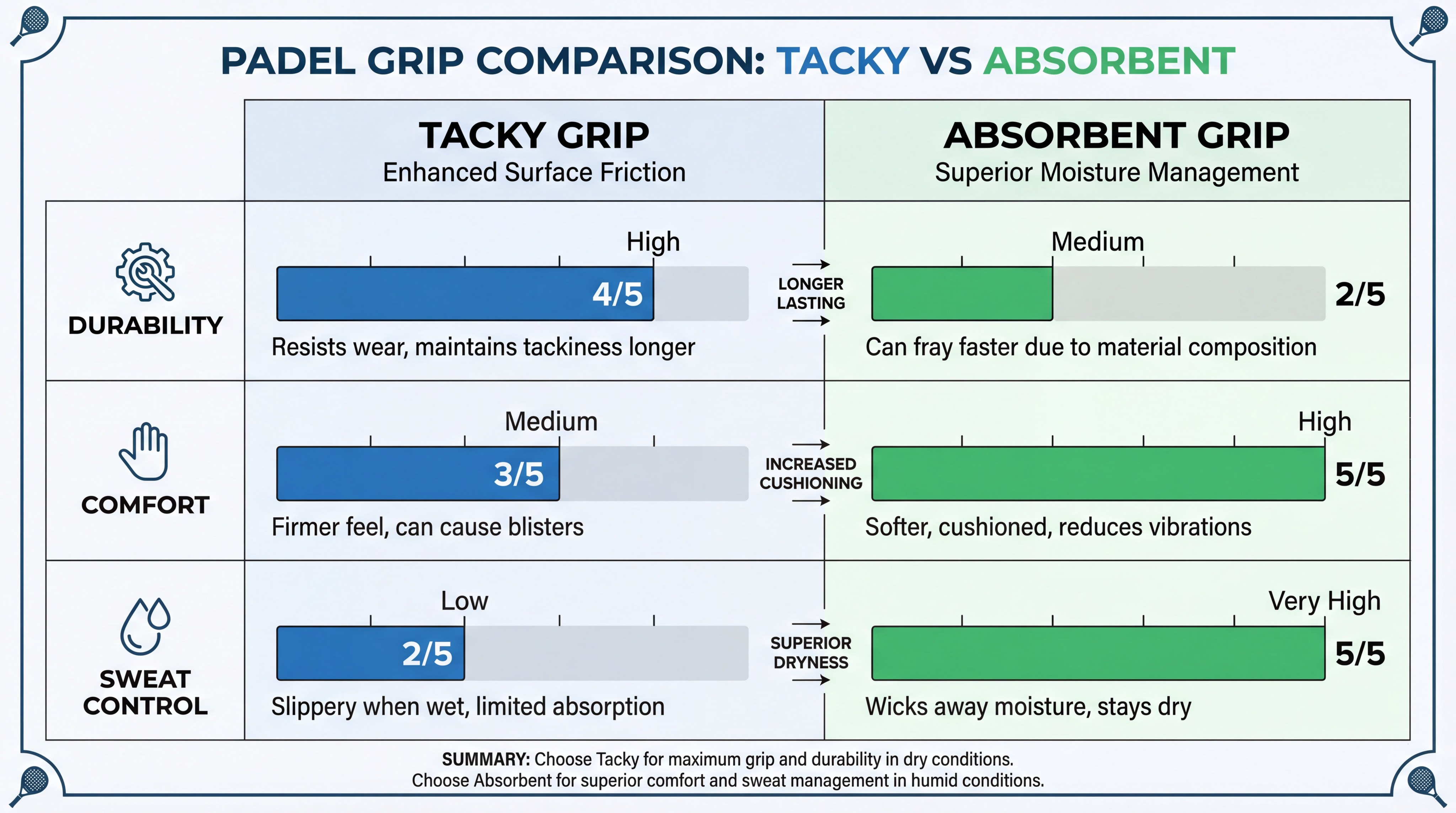
The best options are those that balance durability with a high level of moisture management. While many brands offer grips padel, the most popular choices among elite players are often the simplest, high-tack white wraps.
Why are white wraps so popular?
Many professional players believe that white pigment allows for the purest material feel.
Check this out:
- White wraps don’t have heavy dyes that can affect tackiness.
- They show dirt easily, reminding you when to change them.
- They match almost any racket design perfectly.
Are Japanese brands worth it?
Premium imports from Japan are often praised for their incredible longevity and superior resin quality.
The best part?
- They maintain their “sticky” feel for longer.
- They are often slightly thinner for better handle feedback.
- Professional circuits frequently use these as the gold standard.
Key Takeaway: Investing in premium wraps pays off because they require fewer changes and provide a more reliable surface.
| Feature Priority | Recommended Type | Player Profile |
|---|---|---|
| Max Traction | High-Tack Resin | Aggressive Attackers |
| Dry Hands | Towel/Cotton Blend | Heavy Sweaters |
| Vibration Dampening | Thick PU Foam | Injury-Prone Players |
Choosing a high-quality wrap ensures that you aren’t fighting your equipment while trying to outplay your opponents.
Can technical accessories enhance grips padel performance?
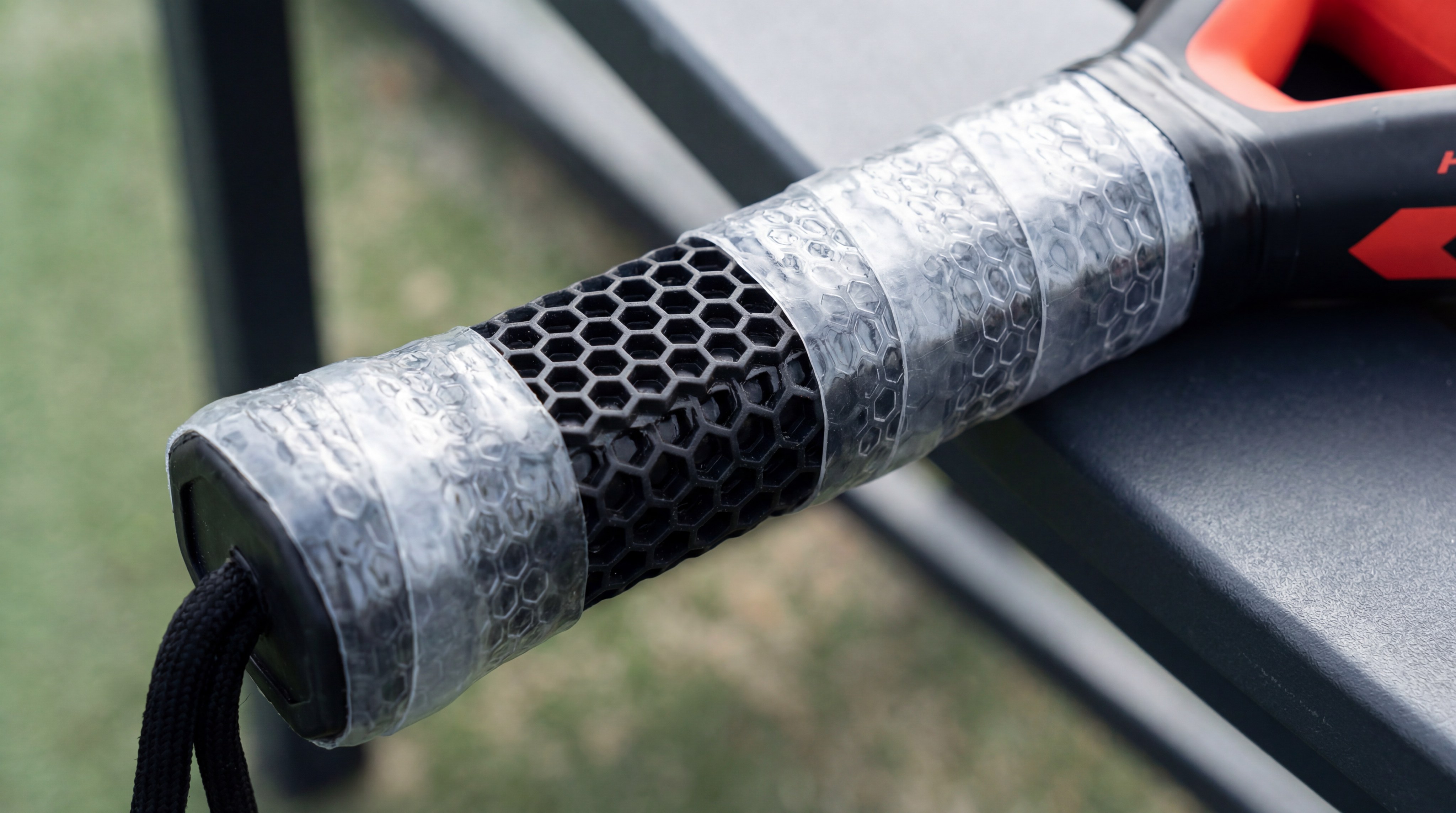
Modern innovations like ergonomic undergrips can fundamentally change how the racket feels in your palm. Adding these to your grips padel setup can provide a significant advantage in terms of comfort and power.
What is an ergonomic undergrip?
These are honeycomb-shaped silicone sleeves that replace the traditional flat base.
Here is the deal:
- The hexagonal pattern increases the surface area for your fingers.
- It allows you to hold the racket with much less effort.
- It significantly reduces the vibration from the frame.
Do anti-sweat sprays work?
Sprays and gels are designed to be applied to either your hands or the wrap itself.
Believe it or not:
- They create a moisture barrier to keep the palm dry.
- Some formulas add extra resin for a “super-tack” effect.
- They are a great backup for extremely hot summer days.
Key Takeaway: Combining technical undergrips with premium overgrips creates the ultimate custom handle for serious competitors.
| Accessory Type | Primary Benefit | Ease of Use |
|---|---|---|
| Honeycomb Undergrip | Vibration reduction | Moderate |
| Anti-Sweat Gel | Dryness | Very Easy |
| Overgrip Spray | Instant Tack | Easy |
Integrating these advanced tools into your gear bag helps you adapt to any playing environment with ease.
How to maintain your grips padel for longevity?
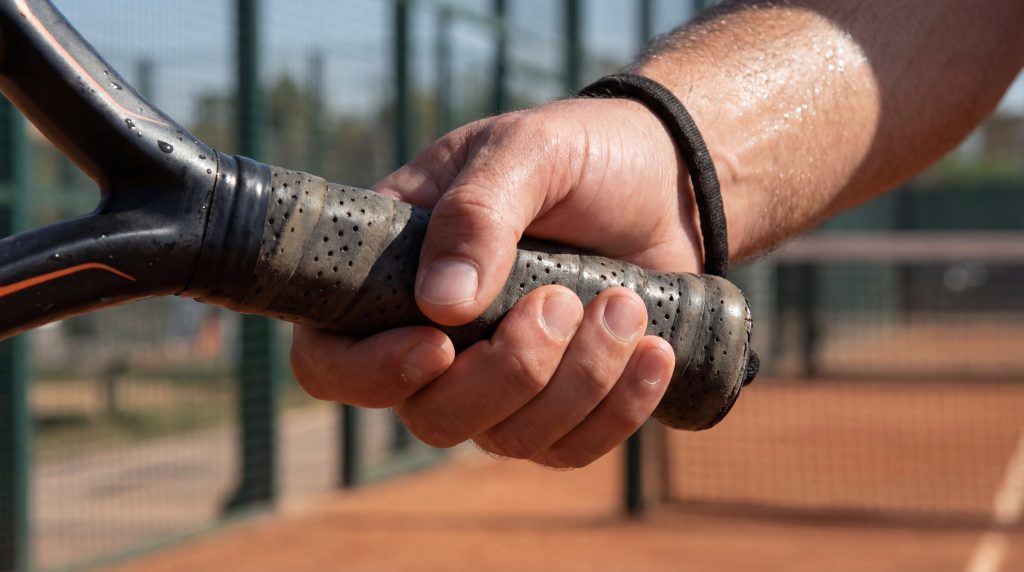
To extend the life of your wraps, you should always store your racket in a temperature-controlled bag. Protecting your grips padel from extreme heat and humidity prevents the synthetic materials from breaking down prematurely.
How should you store your racket?
Avoid leaving your equipment in a hot car, as the heat can melt the adhesive on the handle.
Look:
- Use a thermal-lined racket bag if possible.
- Wipe the handle with a dry towel after every session.
- Keep the racket away from direct sunlight when not in use.
Can you clean a dirty grip?
While you can lightly wipe a wrap, it is generally better to replace it once it becomes soiled.
Think about it:
- Soap and water can ruin the tacky resin layer.
- Excessive scrubbing can fray the delicate PU fibers.
- A fresh wrap always performs better than a cleaned one.
Key Takeaway: Simple hygiene and storage habits ensure that your handle stays fresh and functional for as many games as possible.
| Maintenance Task | Frequency | Benefit |
|---|---|---|
| Towel Drying | After every match | Prevents salt buildup |
| Thermal Storage | Always | Preserves adhesive |
| Visual Inspection | Weekly | Identifies wear early |
By following these maintenance steps, you ensure that your racket is always ready for peak performance when you step on the court.
If you struggle with a slippery racket or constant arm fatigue, mastering your handle build is the definitive solution. Start by assessing your current thickness and upgrading to premium materials to regain total control of your game. Our vision is to empower every player with the technical knowledge to excel, ensuring that your equipment is an extension of your skill. To learn more about optimizing your sports experience, contact us today.
FAQ
Can I use a tennis overgrip for my padel racket?
Yes, but you should be aware that padel handles are shorter than tennis handles. You will likely need to trim the excess material at the top to ensure a clean finish.
What’s the best way to avoid blisters on my palm?
The best way is to ensure your handle thickness is correct and to change your wrap frequently. Soft, absorbent materials reduce the friction and heat that cause blisters to form.
How do I know if my grip is too thick?
You know it is too thick if your fingertips cannot reach around the handle or if you feel a “pumping” sensation in your forearm. This lack of closure prevents you from generating proper wrist snap.
Can I wash my overgrip to make it tacky again?
No, because washing typically strips away the specialized resins that provide the stickiness. It is much more effective to simply replace the thin overgrip layer with a new one.
How do I know if I should use a perforated grip?
You should use a perforated version if you notice sweat pooling on the surface of a smooth wrap. The holes allow moisture to move away from the contact point, maintaining your traction.