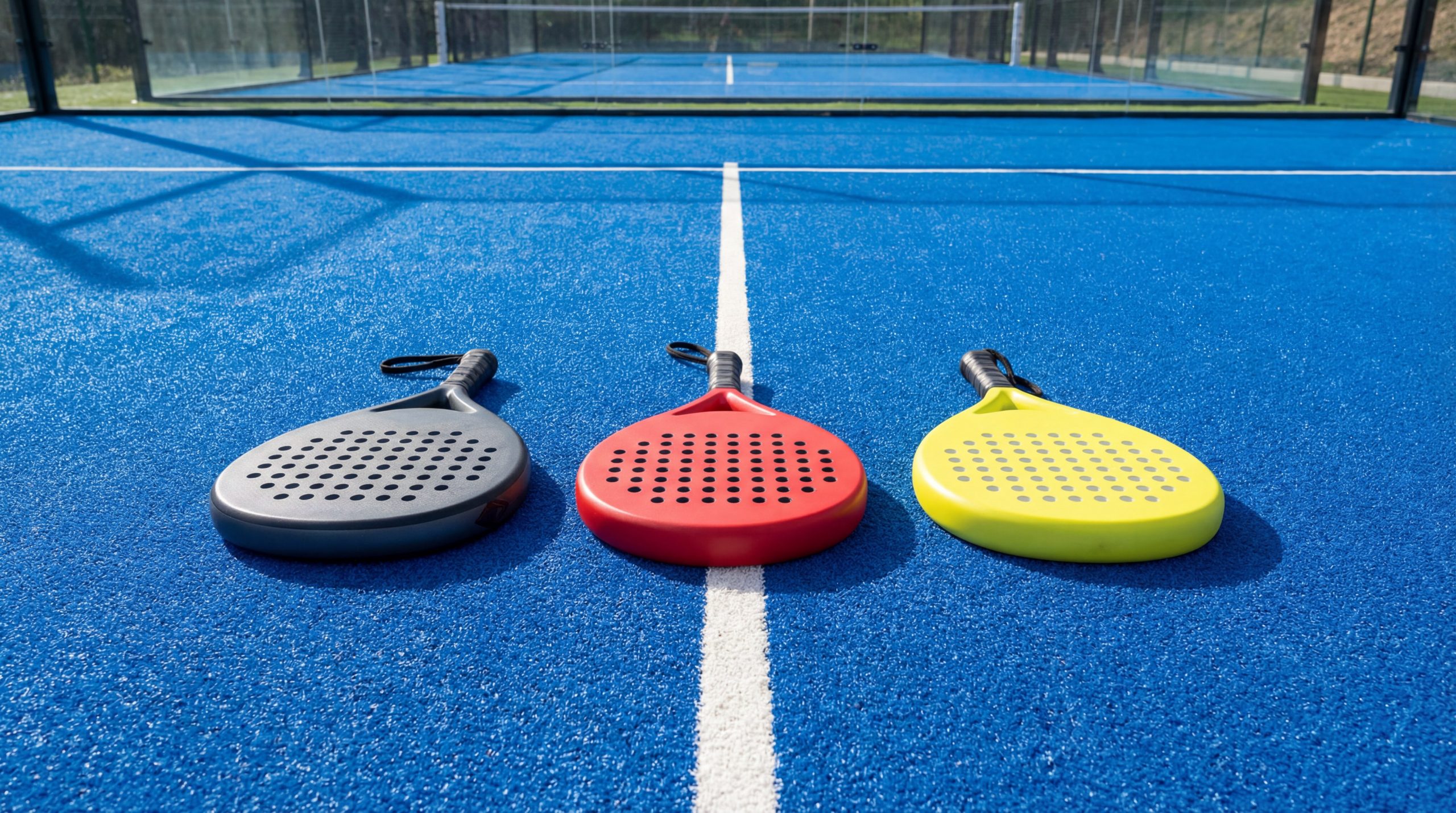
Professional drop shot padel rackets are precision-engineered tools designed to facilitate technical play through advanced vibration dampening and elastic material layering. Many padel players find themselves hitting a “wall” in their progression because their equipment doesn’t match their technical ambitions. Specifically, executing a delicate touch requires a level of vibration control that entry-level gear simply cannot provide. By investing in professional gear, you gain the engineering necessary to master the softest aspects of the game. This guide breaks down the architecture and manufacturing secrets that make professional-level play possible.
1. What defines the technology in drop shot padel rackets?
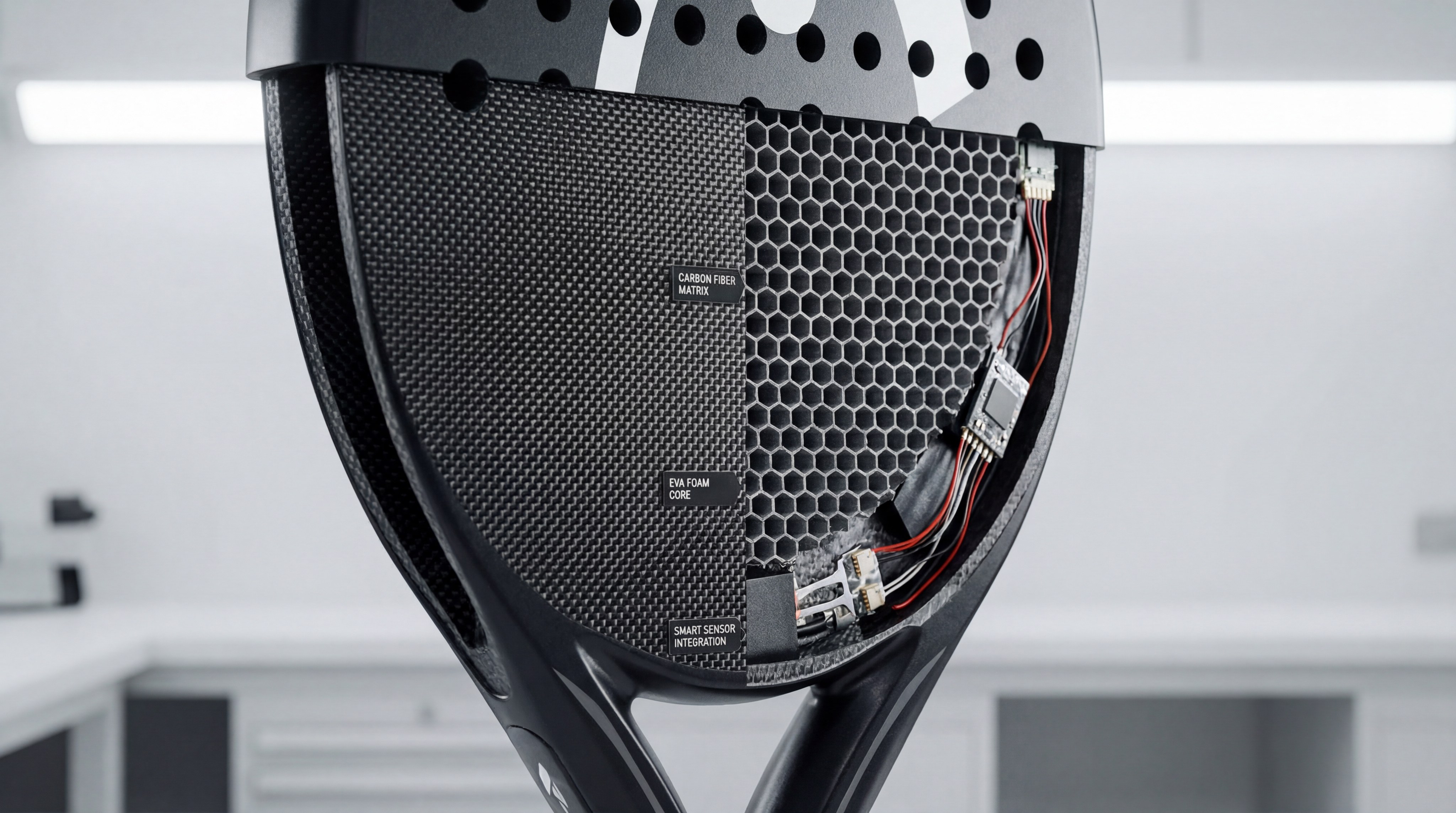
The technology in drop shot padel rackets focuses on the delicate balance between structural rigidity and the elastic response required for touch play. Modern construction relies on materials that allow you to feel the ball impact without the jarring shock of a rigid frame. These components are meticulously layered to ensure that the energy transfer remains predictable during slow-speed exchanges.
Think about it:
- Advanced composite fibers replace standard wood for better feedback.
- “Twill” weaves offer more flexibility than traditional cross-patterns.
- Hybrid resins help the racket maintain its shape after high-impact hits.
The Evolution of Advanced Materials
The transition from simple wood to high-tech composite fibers has revolutionized how you control the ball. Why “Twill” weaves are replacing standard carbon patterns comes down to how they distribute stress across the face. These hybrid materials significantly impact ball output, allowing for a softer feel during technical shots.
Engineering for the Professional Circuit
Professional feedback directly shapes how these rackets are manufactured to maximize “dwell time.” This duration determines how long the ball stays on the face, giving you more control over the trajectory. Finding the right balance between stiffness and elasticity is the holy grail of technical racket engineering.
Key Takeaway: Technical rackets are built to maximize “dwell time,” giving the player more control over the ball’s trajectory.
| Feature | Benefit |
|---|---|
| Flexible Frame | Increased touch |
| Rigid Core | Power on demand |
| Hybrid Faces | Versatility |
2. How does carbon fiber weave impact drop shot padel rackets?
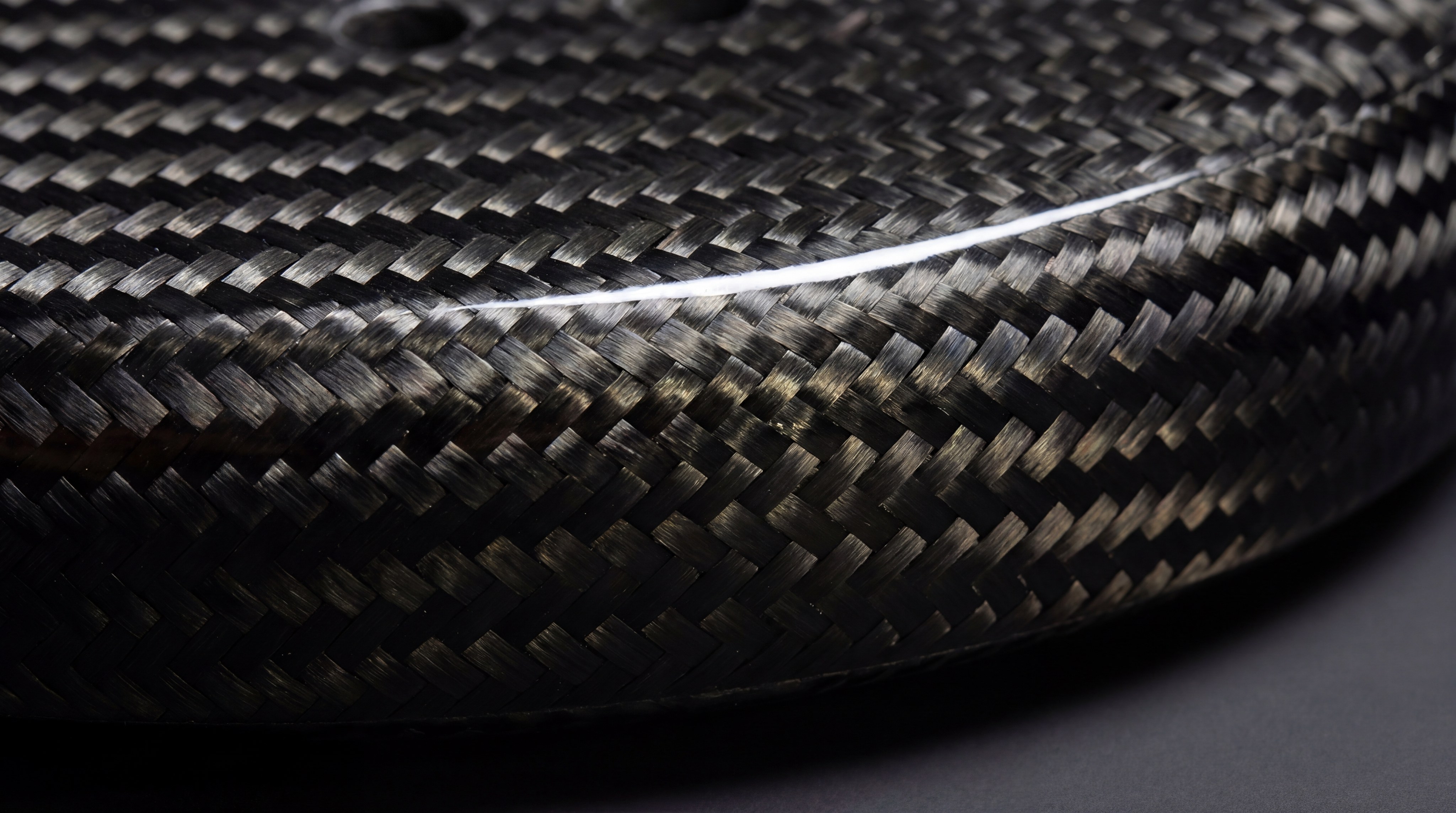
When building drop shot padel rackets, the choice of carbon fiber is the most critical decision for the manufacturer to ensure both durability and tactile feedback. By identifying innovation in the weave, you can see that 24K Twill offers a unique pattern providing greater flexibility than standard unidirectional carbon. This material choice determines whether the racket feels like a rigid board or a responsive extension of your arm.
The truth is:
- Higher fiber counts (K) generally increase the density of the striking surface.
- Twill patterns allow for a slight diagonal stretch that absorbs impact.
- Proper resin saturation is required to prevent the carbon from becoming brittle.
Comparing 18K and 24K Carbon Strengths
The density and weight distribution of different weaves change how the racket reacts to high-impact stress. While 18K carbon is often favored for explosive power, 24K Twill is the preferred choice for technical players. This higher fiber count provides a more nuanced response when you are trying to take the speed off an incoming ball.
Key Takeaway: Higher “K” counts generally indicate more fibers, but the weave pattern determines the actual feel.
| Carbon Type | Feel | Best For |
|---|---|---|
| 18K Textreme | Explosive | Power players |
| 24K Twill | Responsive | Technical players |
3. Which racket shapes are best for executing technical drop shots?
The geometry of drop shot padel rackets dictates where the energy is concentrated upon the moment of impact and how much control you have over the ball. While power hitters often prefer diamond shapes, those looking to build a perfect drop shot usually opt for teardrop or round molds. These shapes offer a larger, more forgiving sweet spot that is essential for precision.
But wait, there’s more:
- Diamond shapes move the balance toward the head for heavy smashing.
- Teardrop molds provide a “polyvalent” style suitable for all situations.
- Round molds offer the most control due to a centered sweet spot.
The Diamond vs. Teardrop Debate
A diamond shape might help your smash, but it often makes the racket feel “clunky” during delicate net play. In contrast, teardrop molds provide a versatile game style that adapts to both defense and attack. The mold also affects how the racket cuts through the air, influencing your reaction speed.
Round Molds and Defensive Precision
The primary benefit of a centered sweet spot is the consistency it provides for touch shots. Low balance reduces wrist fatigue, allowing you to maintain a steady hand during long rallies. You will find that round shapes are often the safest bet for players who prioritize placement over raw power.
Key Takeaway: A teardrop shape is the “sweet spot” of racket design, offering a balance of aerial power and net-side control.
| Shape | Balance | Sweet Spot |
|---|---|---|
| Diamond | High | Top-heavy |
| Teardrop | Medium | Large/Central |
| Round | Low | Maximum |
4. How do core densities change drop shot padel rackets?
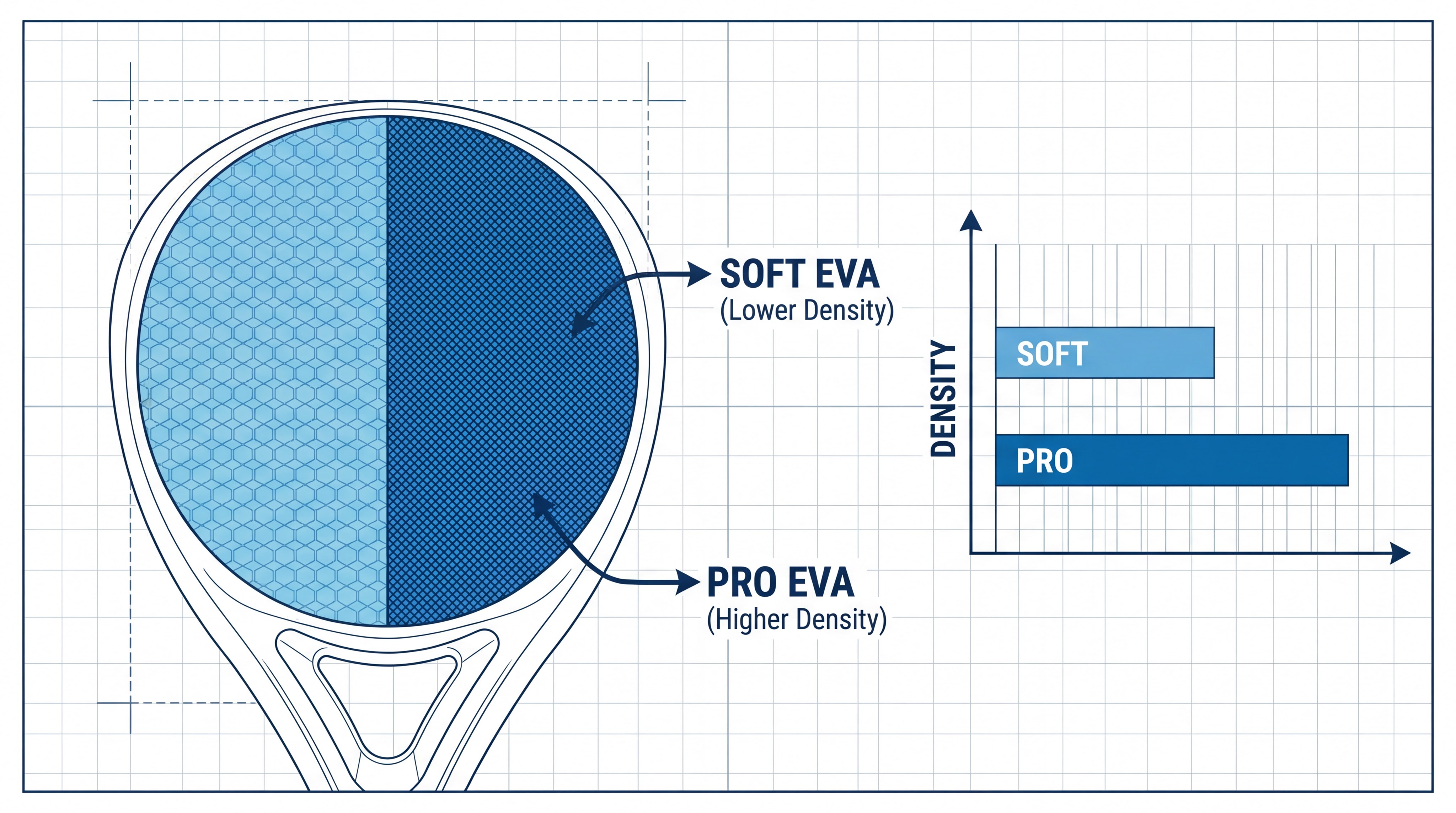
Inside drop shot padel rackets lies the “engine” known as the EVA core, which determines the racket’s rebound characteristics. When you compare different racket sports, you realize that the density of this foam creates either a “firm” or “soft” sensation. This core is responsible for the ball’s exit speed and the amount of feedback you receive through the handle.
Here’s the kicker:
- High-density EVA Pro cores offer more precision for advanced players.
- EVA Soft cores help beginners by absorbing excessive ball speed automatically.
- Memory foam technology allows the core to recover its shape instantly between hits.
High-Density EVA Pro vs. EVA Soft
The recovery rate of memory foam cores is essential for maintaining a consistent feel during fast-paced play. Soft cores are excellent for cushioning the ball, which is a major advantage when defending a fast smash. However, a harder core requires better technique but rewards you with significantly more “dry” precision.
The Science of Ball Output
Energy transfer from the core to the ball determines how much effort you need to put into each swing. Professional players often prefer “Pro” density because it provides a more direct and predictable response. Choosing the right core density is the most effective way to tune your equipment to your physical strength.
Key Takeaway: Soft cores are better for defending and “cushioning” drop shots, while hard cores excel at high-speed attacks.
| Core Type | Sensation | Skill Level |
|---|---|---|
| EVA Soft | Elastic | Beginner/Intermediate |
| EVA Pro | Rigid | Advanced |
5. What innovations reduce vibrations in high-end padel rackets?
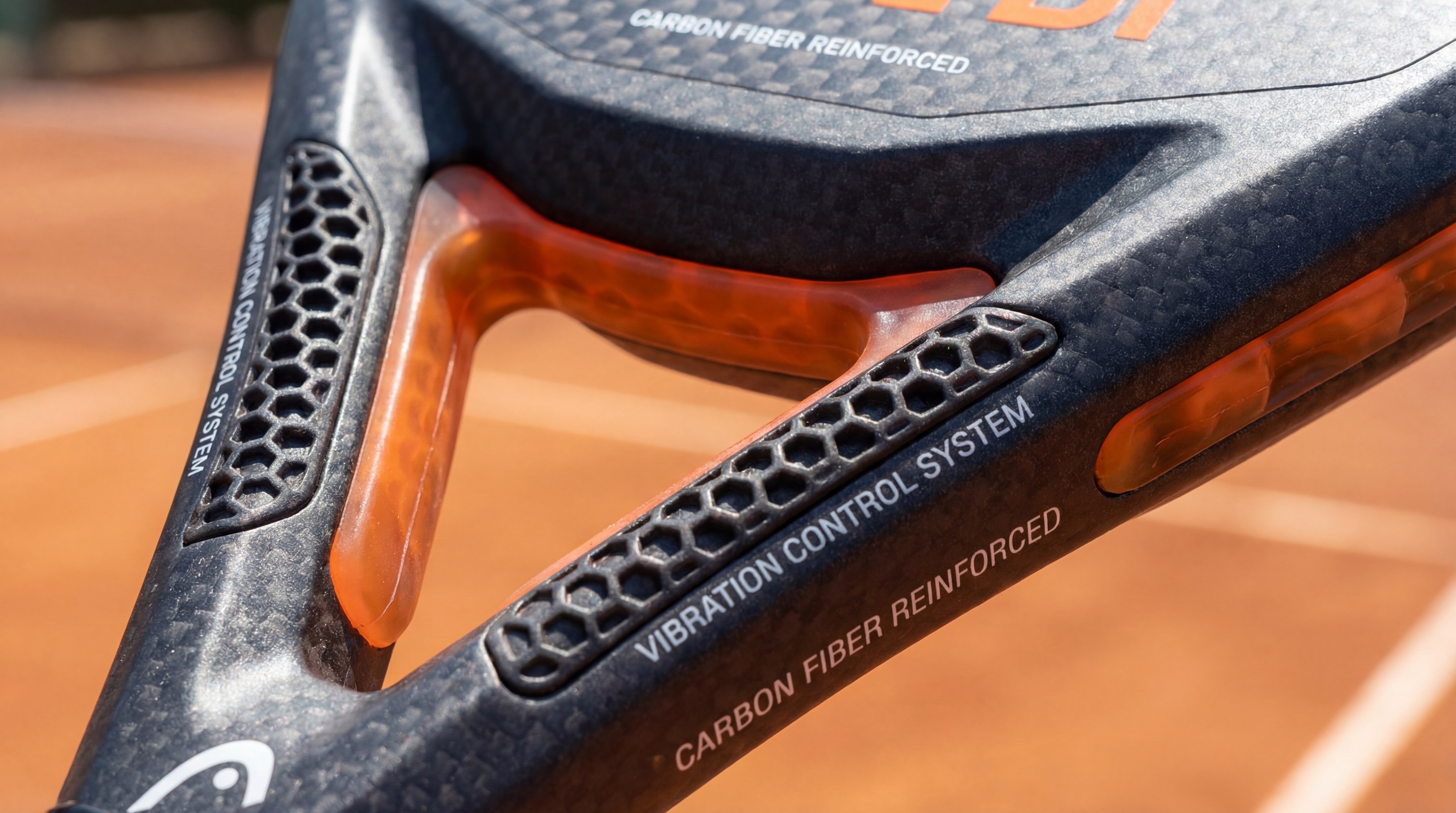
Modern drop shot padel rackets are designed to protect your arm from common injuries like tennis elbow by incorporating active absorption technology. This is achieved by building vibration-dampening systems directly into the heart and the handle during the manufacturing process. These systems act as a filter, removing the high-frequency shocks that cause muscle fatigue.
Let’s be clear:
- Structural bridges in the heart prevent the frame from twisting on impact.
- Power beams increase stiffness without adding unnecessary weight to the frame.
- Integrated silicone inserts help to neutralize vibrations before they reach the grip.
The Role of the Racket Heart
The design of the racket’s heart is crucial for maintaining stability during off-center hits. By using reinforced bridges, manufacturers can reduce the torque that often leads to wrist strain. These structural elements ensure that the racket remains a solid platform for your most technical shots.
Cork and Silicone Dampening Systems
Using cork in the grip is an age-old technique that effectively absorbs micro-vibrations. Modern “Vibra Tech” angles in the frame further redirect energy away from the player’s hand. Reducing vibration doesn’t just prevent injury; it improves the “clarity” of the feedback you feel while playing.
Key Takeaway: Reducing vibration doesn’t just prevent injury; it improves the “clarity” of the feedback you feel in your hand.
| Technology | Location | Function |
|---|---|---|
| Cork Grip | Handle | Vibration absorption |
| Bridge Inserts | Heart | Stability |
6. How does balance affect the feel of drop shot padel rackets?
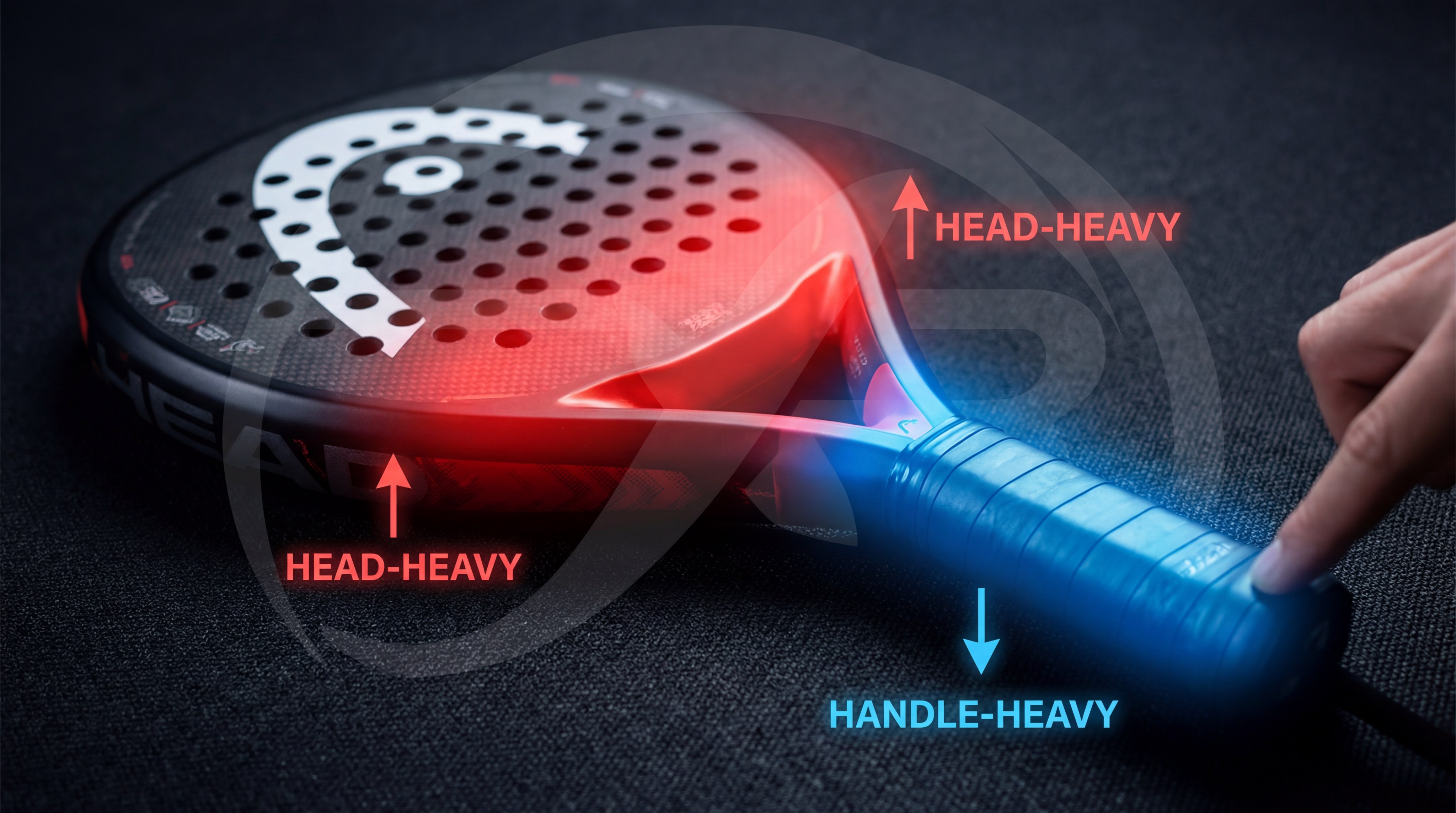
The feel of drop shot padel rackets is largely determined by the center of gravity relative to the handle, which impacts swing weight and maneuverability. Throughout history, the shift from head-heavy designs to more balanced rackets has allowed for a much more technical game. A well-balanced tool feels lighter in motion, enabling you to react faster at the net.
The point is:
- Balance is measured in millimeters from the bottom of the handle.
- High balance points (head-heavy) increase the leverage for power smashes.
- Low balance points (handle-heavy) provide maximum maneuverability for defense.
Managing Head-Heavy vs. Handle-Heavy
A racket that is too head-heavy can be difficult to move quickly during a fast volley exchange. While it aids in generating downward force for smashes, it often compromises your ability to make “last-second” adjustments. Most technical players look for a middle ground that doesn’t sacrifice one for the other.
Why Medium Balance is the Technical Choice
Medium balance is generally considered the “sweet spot” for players who want a versatile game. This setup allows for enough mass to hit through the ball while keeping the racket agile for drop shots. Look for a balance point between 260mm and 270mm to achieve this specific feel.
Key Takeaway: For the best drop shots, look for a balance between 260mm and 270mm.
| Balance Point | Game Style | Feel |
|---|---|---|
| High (>275mm) | Power | Heavy |
| Medium (265mm) | All-around | Balanced |
| Low (<260mm) | Control | Light |
7. What role do hole patterns play in racket performance?
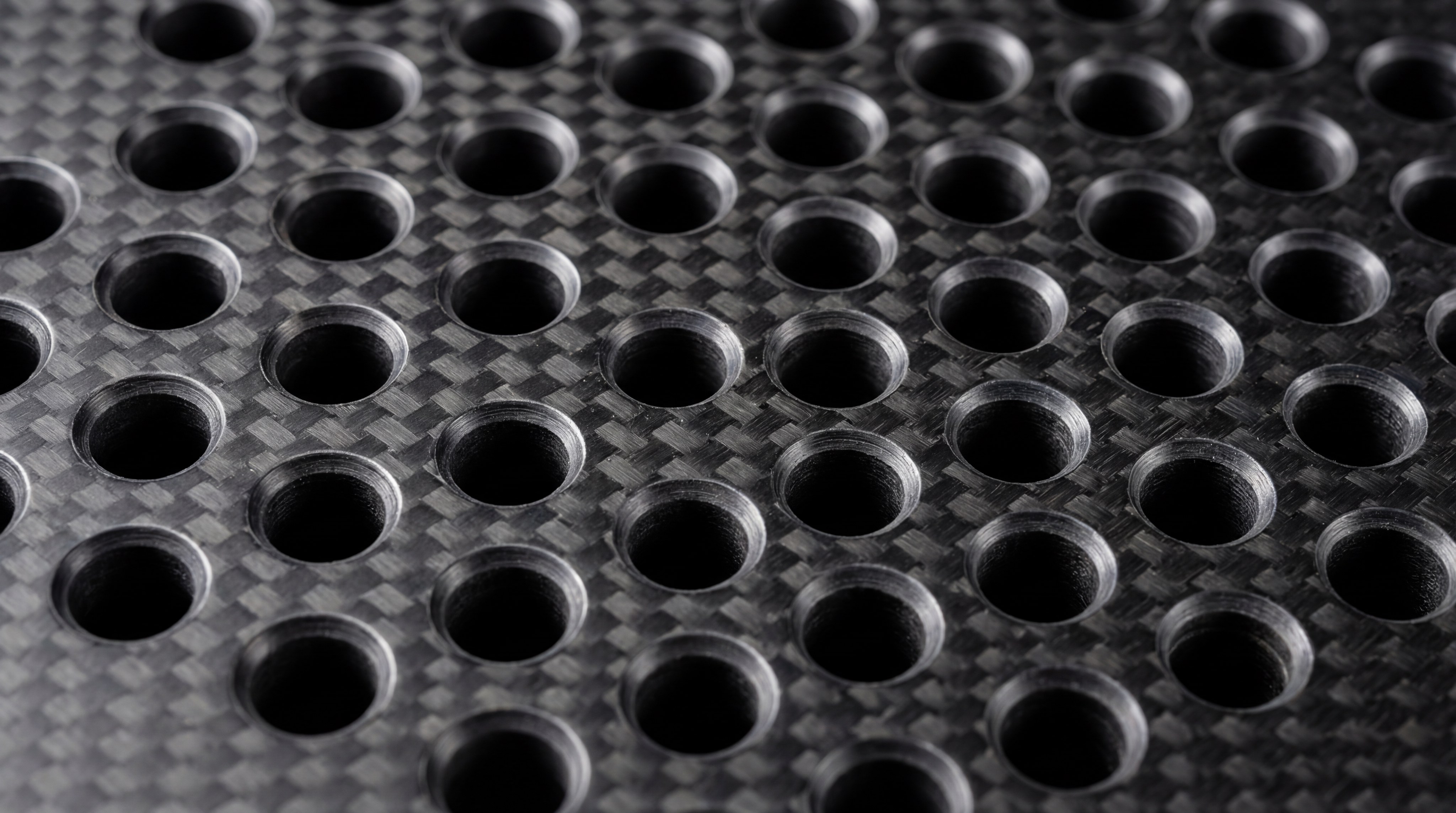
The hole distribution in high-quality drop shot padel rackets is a product of complex aerodynamic engineering designed to maximize the sweet spot. These patterns are designed to optimize the striking area and reduce air resistance during your swing. Strategic drilling also helps to maintain the structural integrity of the carbon face over time.
Don’t overlook this:
- Specialized hole patterns can increase the “grip” the racket has on the ball.
- Aerodynamics play a role in how fast you can accelerate the racket head.
- Variable hole diameters are sometimes used to expand the effective hitting area.
Optimizing the Sweet Spot via Drilling
Holes are often concentrated in specific areas to change how the face flexes upon impact. By strategically removing material, engineers can make the center of the racket more or less elastic. This process ensures a consistent response no matter where you strike the ball on the face.
Aerodynamics and Swing Speed
Reducing the “drag” of the racket allows you to generate more head speed with less physical effort. This is particularly important for the flick-of-the-wrist movements required for a deceptive drop shot. A well-designed hole pattern prevents the racket from feeling “clunky” in high-speed situations.
Key Takeaway: Strategic hole placement prevents the racket from feeling “clunky” and ensures a consistent response across the entire face.
| Feature | Benefit |
|---|---|
| Curved Patterns | Better spin |
| Variable Diameters | Forgiveness |
8. Can you customize the weight of drop shot padel rackets?
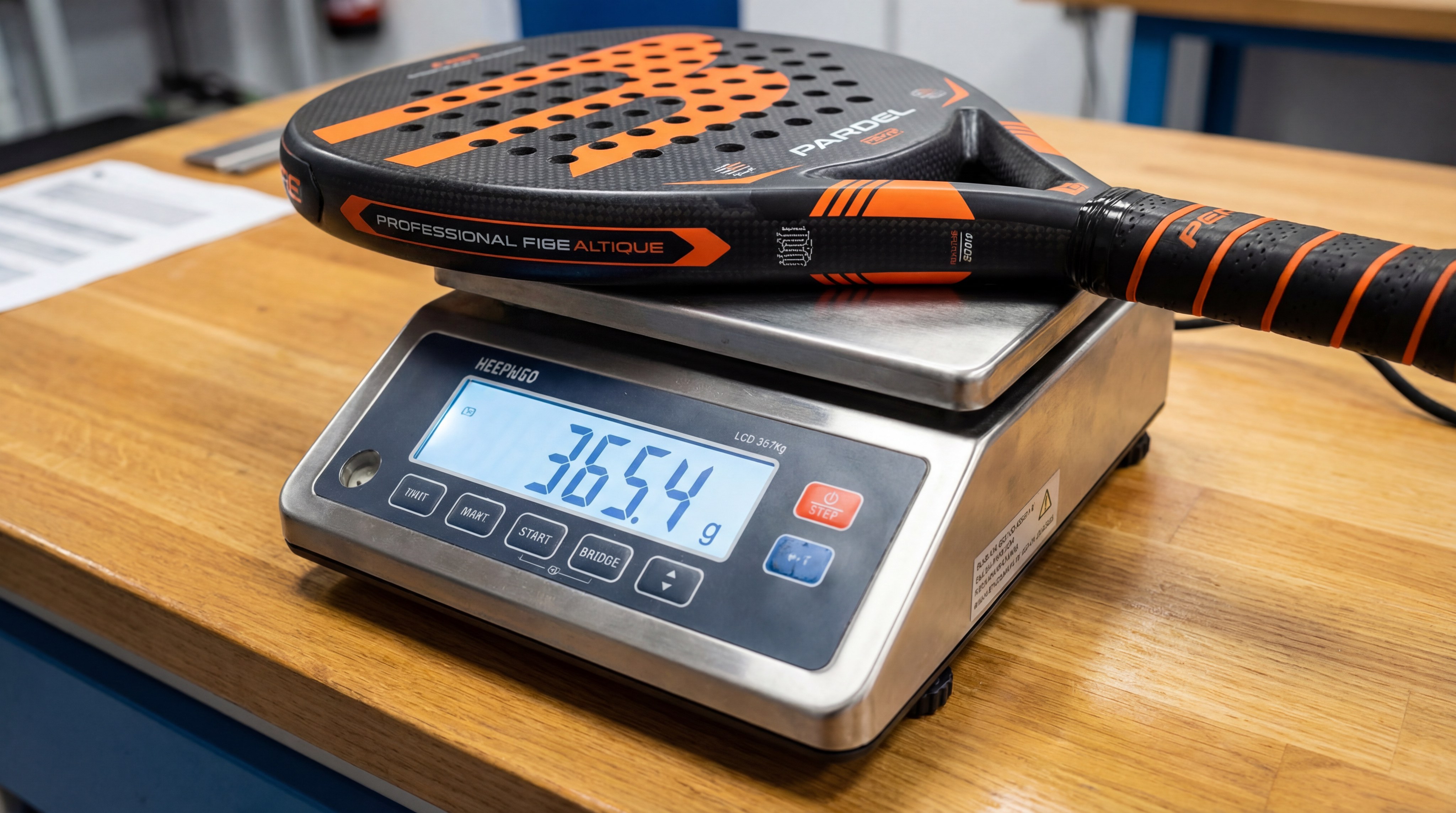
Weight is a highly personal preference that can fundamentally alter how drop shot padel rackets perform on the court and impact your physical endurance. A lighter racket is generally easier to handle for beginners, whereas a heavier one provides more stability for advanced players. You must find a weight that allows you to play comfortably for hours without fatigue.
Keep in mind:
- Lighter versions (340g-355g) are ideal for preventing shoulder strain in newer players.
- Standard professional weights usually fall between 360g and 375g.
- Adding overgrips or edge protectors can increase the final weight by up to 15 grams.
The Impact of “Lite” Versions
“Lite” models often incorporate fiberglass into the construction to reduce the overall mass. These are excellent for junior players or those who prioritize speed over heavy ball impact. However, the trade-off is often a reduction in the “plow-through” effect when hitting against heavy shots.
Pro-Weight vs. Club-Weight
A heavier racket (370g+) offers more stability, meaning it won’t twist in your hand when blocking a fast smash. While it requires more strength to swing, the added mass does a lot of the work for you. Most intermediate men find their ideal performance in the 365g range.
Key Takeaway: Choose a weight that allows you to play for two hours without shoulder fatigue; usually 360-365g for most men and 345-355g for most women.
| Weight Range | Classification | User Profile |
|---|---|---|
| 340g – 355g | Lite | Beginners/Women |
| 360g – 375g | Standard | Intermediate/Pro |
9. How do surface textures enhance spin for drop shots?
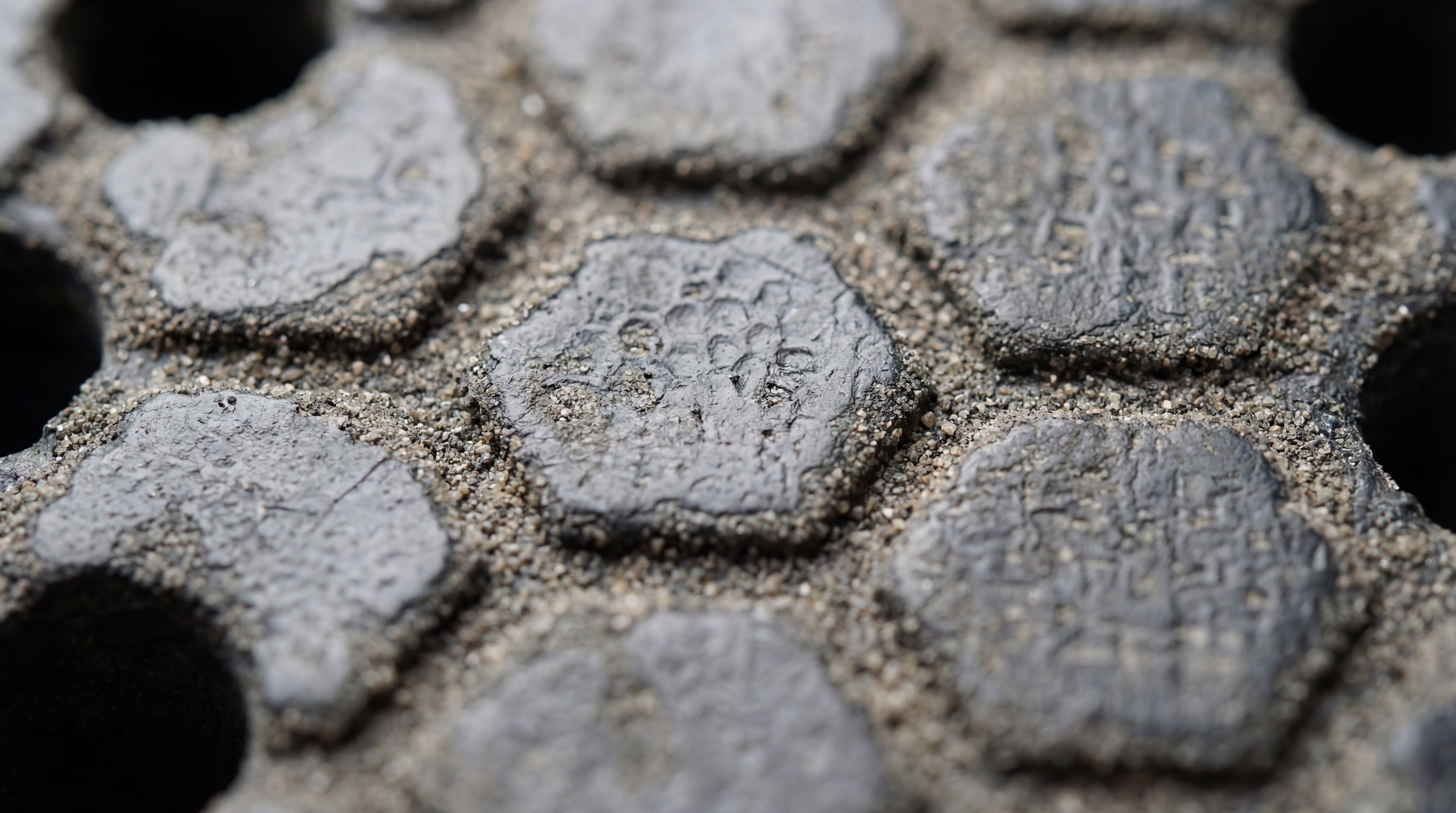
To build a drop shot that “dies” upon hitting the court, you need to generate significant backspin on drop shot padel rackets through friction. Premium rackets utilize specialized surface textures to grip the ball’s felt for a split second longer. This friction allows you to “cut” the ball, changing its bounce profile dramatically.
It’s simple:
- Molded 3D textures are built directly into the frame for long-term durability.
- Sandpaper finishes offer the maximum possible spin but tend to wear off.
- The rougher the surface, the more “grip” you have during technical slices.
3D Hexagonal vs. Sandpaper Finishes
Molded hexagonal patterns are preferred by those who want a consistent feel throughout the life of the racket. While sandpaper finishes are incredibly effective when new, they can lose their “bite” after several months of play. Your choice should depend on how often you plan to replace your equipment.
The Physics of “The Slice”
Surface friction is what allows you to convert forward energy into rotational energy. When you hit a “cut” shot, the texture grabs the ball and forces it to spin backward. This results in a ball that stays low to the ground and is much harder for your opponent to return.
Key Takeaway: A textured surface is essential for “cut” shots and serves, making the ball bounce lower and stay closer to the glass.
| Surface Type | Longevity | Spin Potential |
|---|---|---|
| Molded 3D | High | Consistent |
| Sandpaper | Medium | Maximum (Initially) |
10. Why is the handle construction vital for drop shot padel rackets?
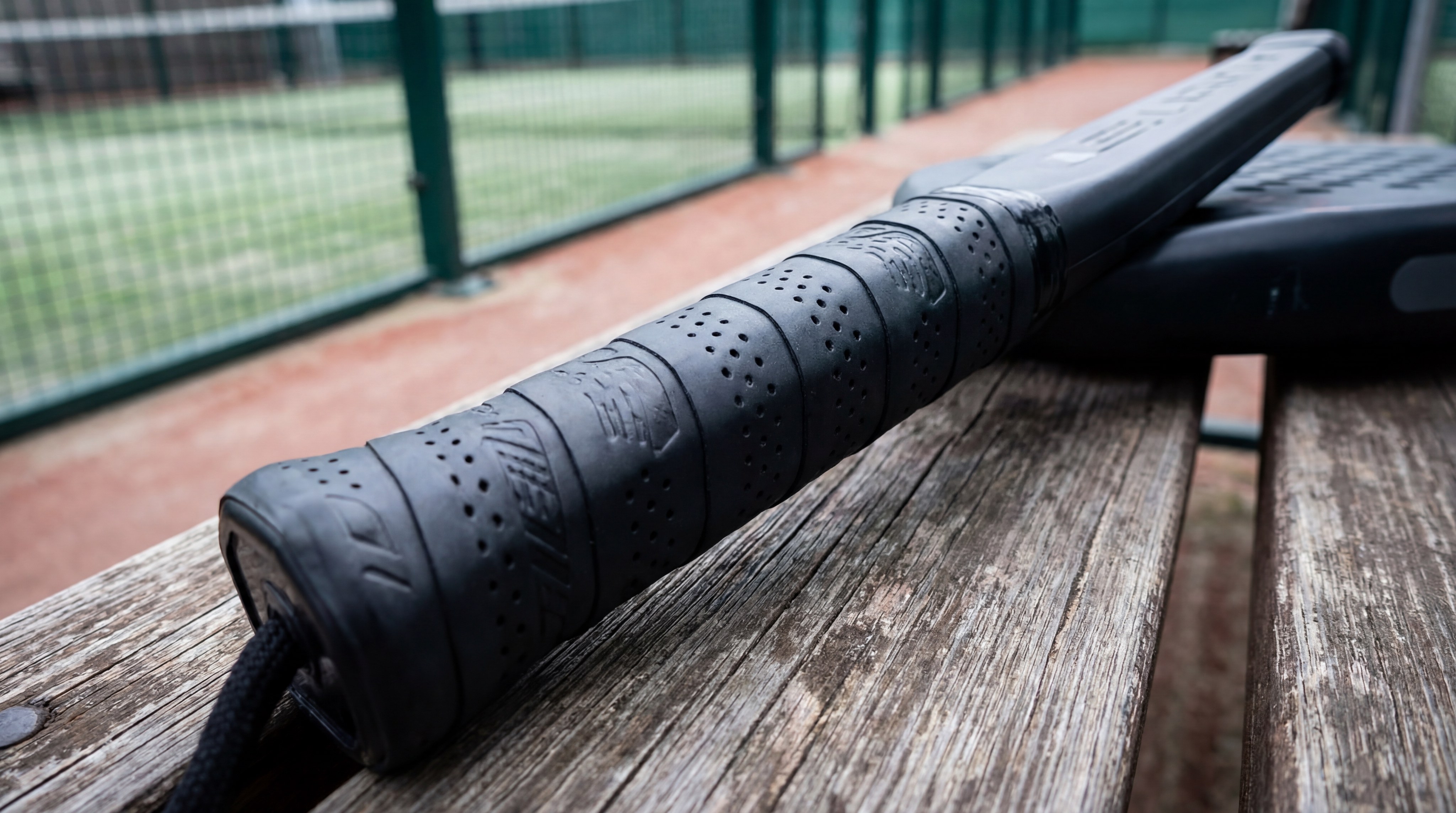
The handle is your only physical connection to drop shot padel rackets, making its construction vital for both comfort and control during intense rallies. Modern building techniques now include elongated grips that cater to players who use a two-handed backhand. A well-engineered handle also incorporates the “Twin Tubular System” to ensure the frame doesn’t snap at the neck.
The reality is:
- The frame should extend deep into the handle for maximum structural integrity.
- Longer handles provide more leverage, which can help in generating head speed.
- Ergonomic protectors help the racket fit more naturally into the palm of your hand.
The Twin Tubular System
This manufacturing technique involves using two carbon tubes for the frame instead of one. These tubes meet at the handle, creating a much stronger foundation that resists the stress of high-speed play. It is a hallmark of high-end rackets designed to last through intense competition.
Ergonomics and Grip Length
A longer grip isn’t just for two-handed players; it also allows you to shift your hand position for different shots. Moving your hand lower on the grip increases power, while moving it higher increases control for drop shots. If you have questions about which handle style fits your grip, feel free to contact us today for expert advice.
Key Takeaway: A well-built handle provides the leverage needed to accelerate the racket head for power while maintaining the delicate touch needed for drop shots.
| Handle Feature | Purpose |
|---|---|
| Twin Tubular | Durability |
| Elongated Grip | Leverage/Comfort |
Summary
Mastering the technical side of padel requires equipment that understands the physics of the game. From the 24K carbon weave to the strategic balance points, every element of a professional racket is designed to give you the ultimate advantage at the net. If you’re ready to upgrade your game, reach out to our team or contact us today for a personalized recommendation.
FAQ
What is the best weight for a technical padel racket?
For most men, 360-365g offers the best balance of speed and stability. Women typically benefit from a lighter range of 345-355g.
How often should I replace a carbon fiber racket?
Professional players often change rackets every 3-6 months. For club players, every 12-18 months is standard, as the EVA core eventually loses its elasticity.
Does a rough surface actually help with drop shots?
Yes. A textured surface increases friction, allowing you to generate the backspin necessary to make the ball die quickly after the bounce.
Is 18K carbon better than 24K?
Not necessarily; it depends on your style. 18K is generally stiffer and more powerful, while 24K Twill is more flexible and better suited for technical “touch” players.