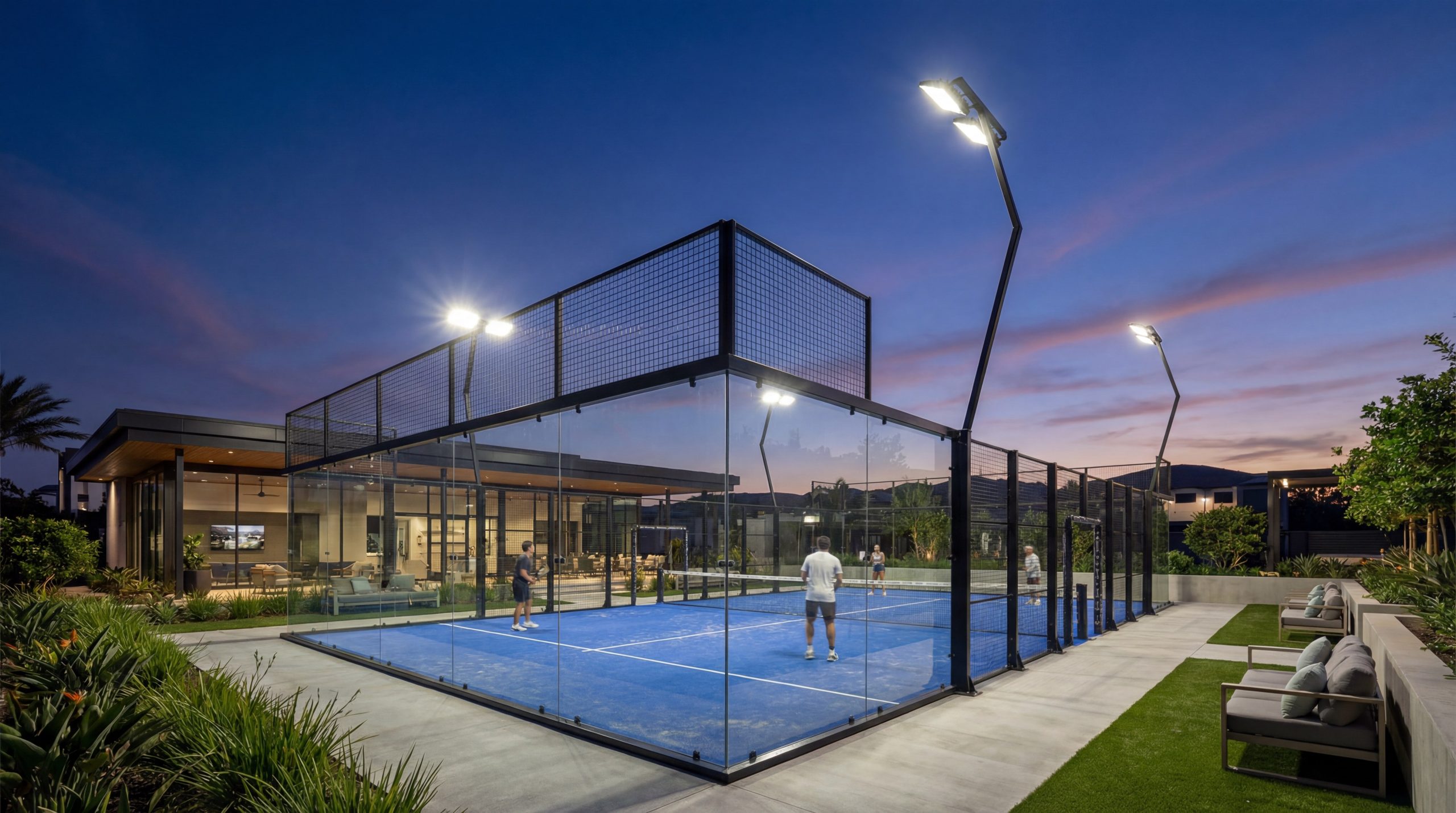
Imagine stepping onto a court where every shot leads to an argument because no one agrees on the boundaries or the score. This chaotic experience quickly drains the excitement from the game, leaving players frustrated and the facility in disarray. These comprehensive padel regler provide the definitive framework for gameplay and construction to ensure every match is professional and fair.
What are the basic padel regler for beginners?
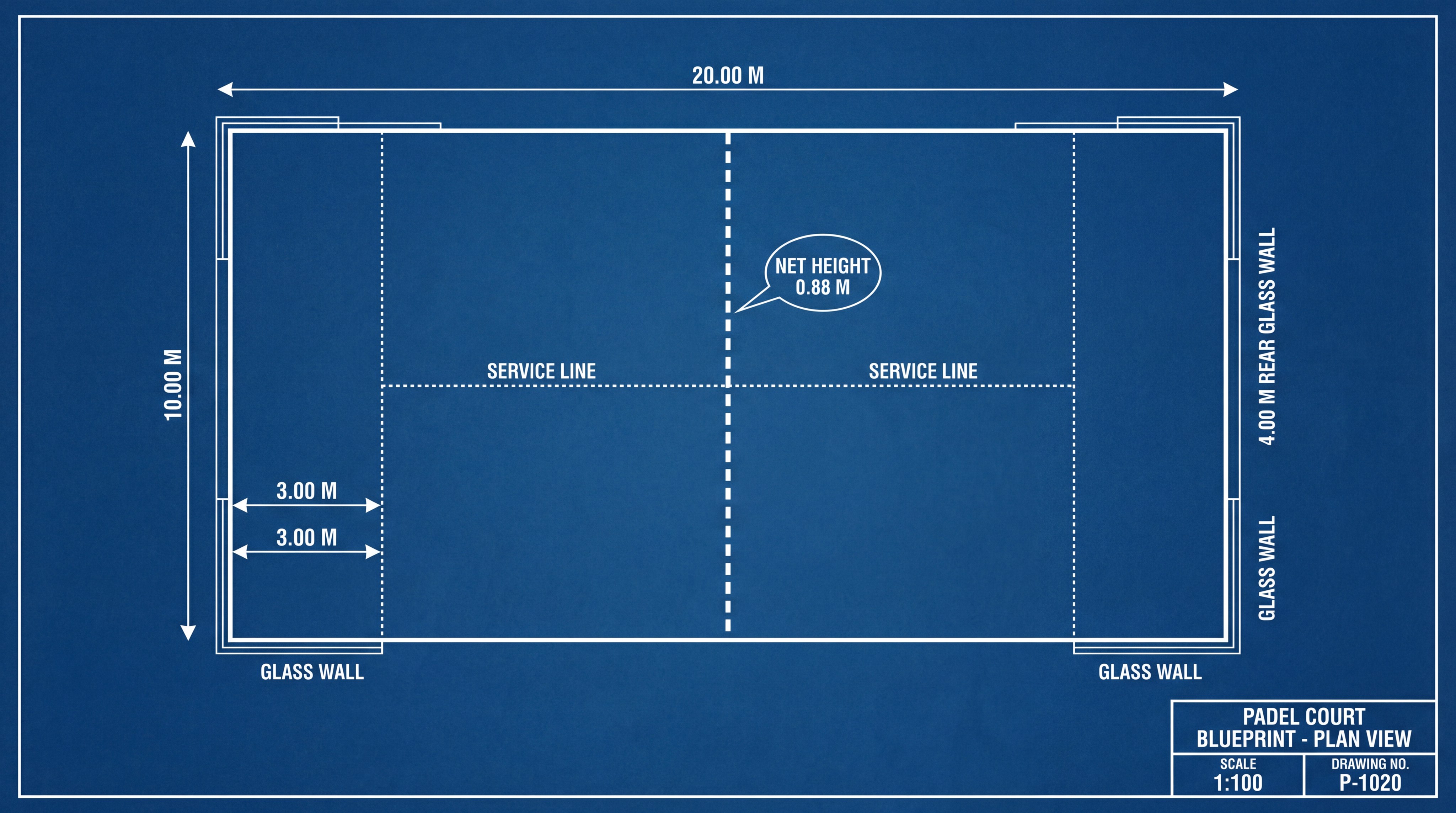
Basic padel regler dictate that the game is primarily played in doubles on a 20×10 meter court enclosed by glass and mesh walls. These padel regler establish a flow that resembles tennis but incorporates the unique strategic use of the surrounding environment.
How is the court layout structured?
The court is divided into two halves by a central net, with service lines located 6.95 meters from the net.
Check this out:
- The service boxes are 5 meters wide.
- The net height is 0.88 meters at the center.
- The back walls must be 4 meters high.
Is padel always played in pairs?
While the standard format is doubles, the rules remain consistent for the rarer singles version played on a narrower court.
Wait, there’s more:
- Singles courts measure 6×20 meters.
- The scoring and service rules are identical to the doubles format.
| Feature | Standard Requirement |
|---|---|
| Court Size | 10m x 20m |
| Players | 4 (Doubles) |
| Wall Material | Tempered Glass/Mesh |
Key Takeaway: Beginners should focus on understanding the 10x20m dimensions and the presence of four players to master the foundational flow of the game.
How does the scoring system work in padel regler?

Scoring in padel regler follows the traditional tennis methodology of 15, 30, 40, and game. Adhering to these padel regler ensures that matches are tracked accurately across sets and tiebreakers.
What happens during a deuce?
When the score reaches 40-40, the game enters a deuce phase where two consecutive points are needed to win.
Listen to this:
- The first point won after deuce is called “Advantage.”
- If the advantage player loses the next point, the score returns to deuce.
- Some tournaments use the “Golden Point” rule to decide the game immediately.
How are sets and matches determined?
Most matches are played as the best of three sets, with each set consisting of six games.
Check this out:
- A set must be won by a margin of at least two games.
- At 6-6 in a set, a tiebreaker is played to seven points.
- The winner of the tiebreaker takes the set 7-6.
| Score Level | Technical Term |
|---|---|
| 1 Point | 15 |
| 3 Points | 40 |
| 40-40 | Deuce |
Key Takeaway: Mastering the set and tiebreak rules is essential for maintaining the competitive pace and resolving close games fairly.
What are the service and fault padel regler?
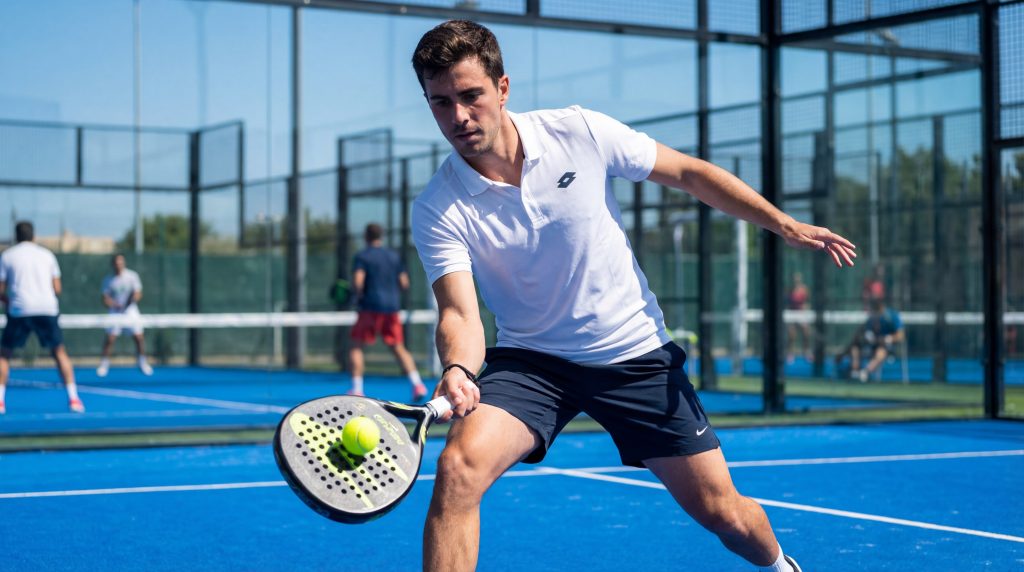
Service padel regler require the player to hit the ball at or below waist height after letting it bounce once behind the service line. These padel regler are strictly enforced to prevent players from gaining an unfair vertical advantage during the start of a point.
What defines a legal serve?
The serve must travel diagonally across the net and land within the opponent’s service box.
Don’t miss this:
- Both feet must be behind the service line during the hit.
- The server must keep at least one foot on the ground.
- The ball must bounce in the correct box before the receiver hits it.
When is a serve considered a fault?
A fault occurs if the ball fails to land in the box or hits the metallic fence after the bounce.
Wait, there’s more:
- If the ball hits the net and lands in the box, it is a “let” and is replayed.
- Two consecutive faults result in the loss of the point.
- Hitting the ball above the waist is an immediate fault.
| Serve Outcome | Action Required |
|---|---|
| Hits Net then Box | Replay (Let) |
| Hits Fence after Bounce | Fault |
| Hits Glass after Bounce | Legal Play |
Key Takeaway: The underhand serve is a tactical tool that must stay below waist level to comply with official competitive standards.
How do glass walls and fences affect padel regler?
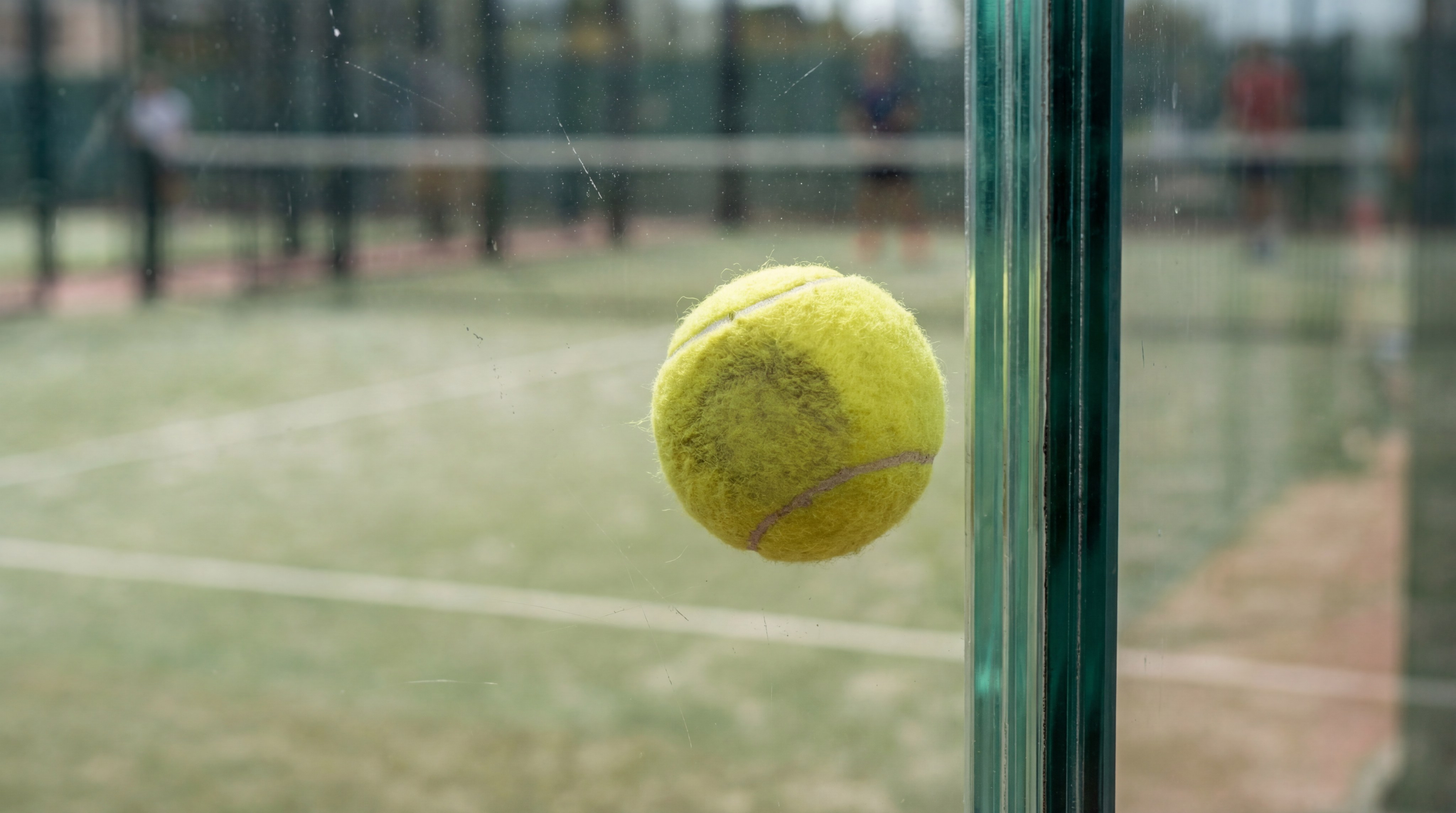
Walls and fences are active play zones in padel regler, allowing the ball to be played after it rebounds off the glass. Understanding these padel regler regarding rebounds is crucial for defensive positioning and offensive trick shots.
Can you hit the ball against your own wall?
Players are permitted to hit the ball into their own glass walls to propel it over the net to the opponent’s side.
Check this out:
- The ball must clear the net after hitting your own glass.
- You cannot hit the ball directly into your own metallic fence.
- Using the glass allows for creative angles and defensive lobs.
What are the rules for the metallic fence?
The fence creates an unpredictable bounce and has specific rules regarding when the ball can touch it.
Listen closely:
- A serve that hits the fence after the first bounce is a fault.
- During a rally, the ball can hit the fence after bouncing on the ground.
- You lose the point if the ball hits the fence before touching the ground.
| Surface Type | Rule During Rally |
|---|---|
| Rear Glass | Legal after ground bounce |
| Lateral Fence | Legal after ground bounce |
| Own Fence | Immediate point loss |
Key Takeaway: Utilize the glass for defense but avoid hitting your own fence to stay within the legal limits of the rally.
What defines a legal court under padel regler?
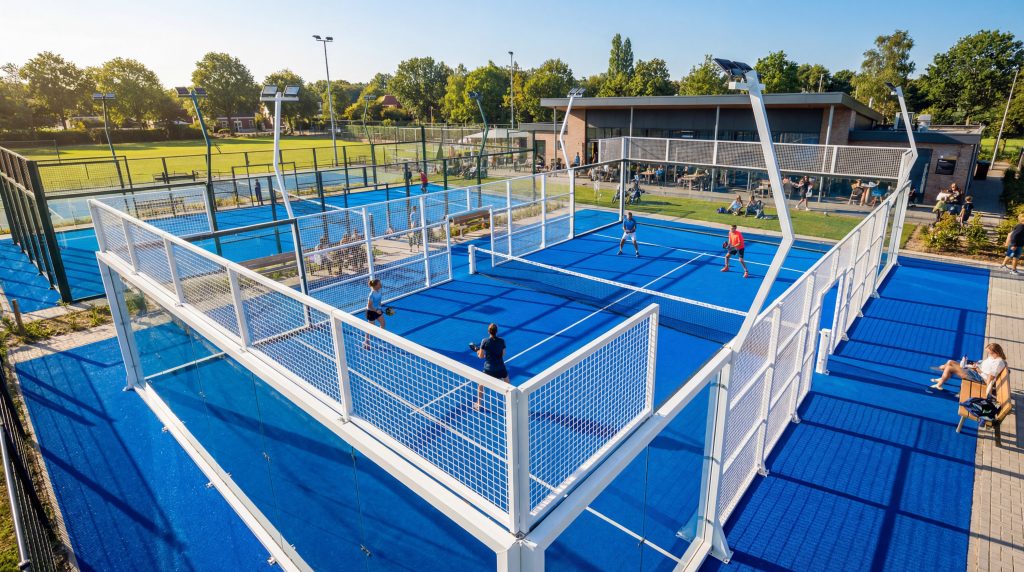
A legal court according to padel regler must measure exactly 20 meters long and 10 meters wide with a tolerance of only a few centimeters. These padel regler ensure that every facility provides a standardized playing experience for athletes worldwide.
What are the exact dimensions?
The court is a rectangle with a tolerance of 0.5% for the total length and width.
Check this out:
- Service lines are 3 meters from the back glass.
- The center service line divides the area into two equal boxes.
- The net must be 10 meters long and 0.92 meters high at the posts.
What materials are required for the surface?
Surfaces must be made of synthetic turf, porous concrete, or cement to meet safety standards.
Wait, there’s more:
- Artificial grass must be filled with silica sand for traction.
- The color is typically blue, green, or terracotta.
- Proper drainage is required for outdoor court surfaces.
| Component | Standard Measurement |
|---|---|
| Court Length | 20 Meters |
| Net Center Height | 0.88 Meters |
| Post Height | 0.92 Meters |
Key Takeaway: Strict adherence to the 20x10m dimensions and approved materials is mandatory for a court to be certified for official play.
How do court views impact professional padel regler?
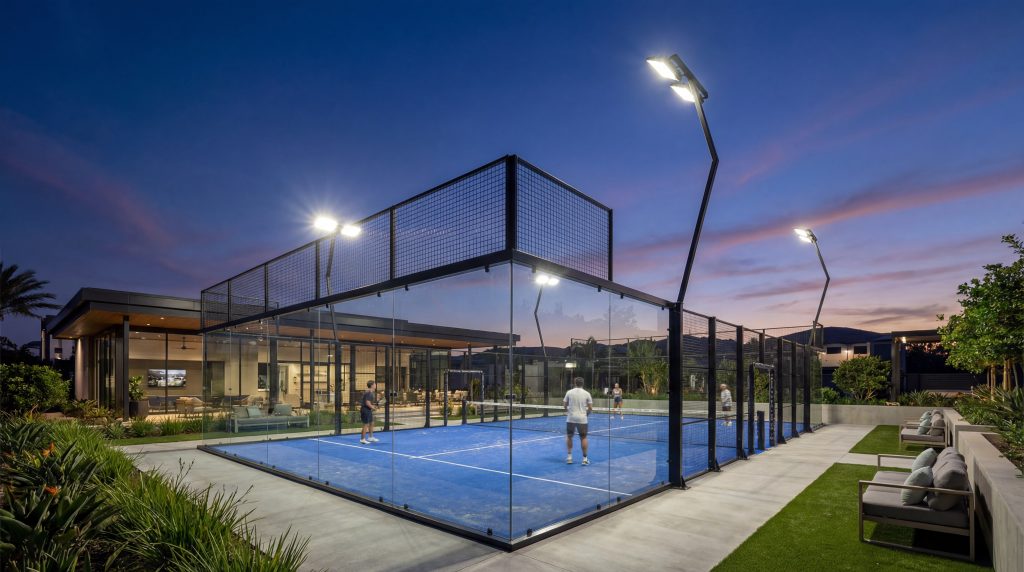
Professional padel regler emphasize high visibility for spectators and broadcast cameras, leading to the rise of panoramic glass walls. These padel regler prioritize the use of 12mm tempered glass to ensure maximum safety and uninterrupted sightlines.
Why is glass thickness important?
The use of 12mm EN 12150 tempered glass is a standard for professional courts to withstand high-velocity ball impacts.
Don’t miss this:
- Thicker glass reduces the risk of shattering during intense play.
- It provides a more consistent and predictable ball rebound.
- Tempered glass is up to four times stronger than standard options.
How does lighting enhance the view?
Professional arenas must meet specific lux levels to ensure players and spectators can track the ball easily.
Check this out:
- Lighting should be at least 500-750 lux for high-level matches.
- 200W IP67 LED floodlights are the preferred choice for efficiency.
- Lights must be positioned to avoid glare on the glass walls.
| View Element | Standard Feature |
|---|---|
| Glass Type | 12mm Tempered |
| Lighting Power | 200W LED |
| Frame Finish | Galvanized Steel |
Key Takeaway: Panoramic designs with 12mm glass fulfill the professional requirement for safety and high-definition visibility.
What are the high-end design padel regler for arenas?
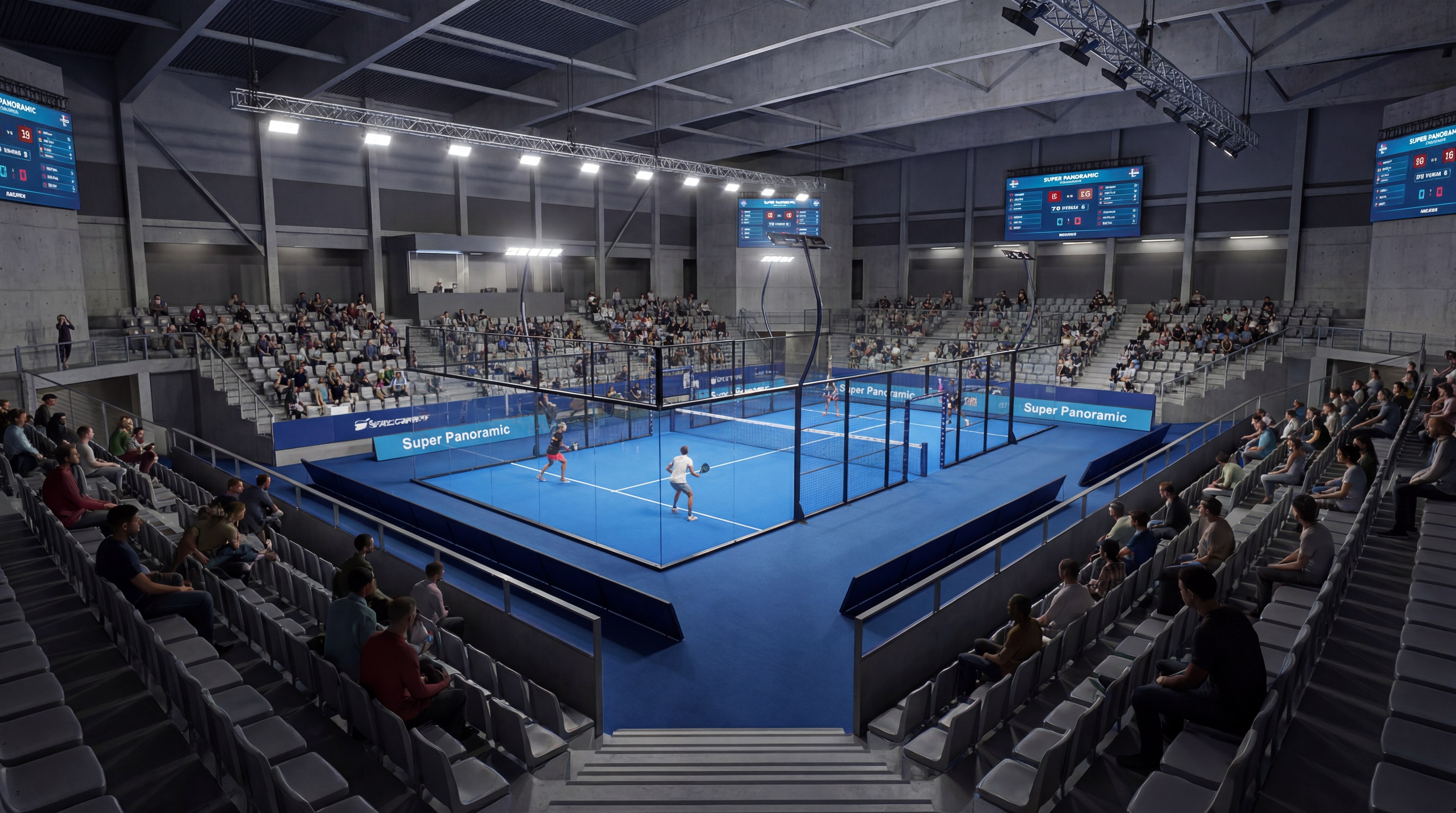
High-end arena padel regler often specify “Super Panoramic” courts that eliminate vertical posts at the back of the structure. These padel regler are designed to cater to elite sports clubs that host televised tournaments and professional leagues.
What is a super panoramic court?
A super panoramic court uses specialized structural engineering to support the glass without obstructing the view with metal beams.
Listen to this:
- It offers 360-degree uninterrupted visibility for fans.
- The structure uses hidden joint systems for a sleek aesthetic.
- Reinforced steel frames ensure stability without vertical posts.
Are there specific lighting requirements?
Premium arenas require pro-grade lighting systems that offer uniform coverage across the entire artificial turf.
Wait, there’s more:
- High-end courts often feature integrated lighting trusses.
- The lights must be flicker-free for slow-motion camera replays.
- Smart control systems allow for adjustable brightness levels.
| Arena Feature | High-End Specification |
|---|---|
| Rear View | Zero Vertical Posts |
| Joint System | Hidden/Integrated |
| Frame Grade | Q355 Galvanized Steel |
Key Takeaway: Super panoramic courts represent the pinnacle of arena design, merging structural innovation with professional broadcast needs.
Are there specific all-weather padel regler for courts?
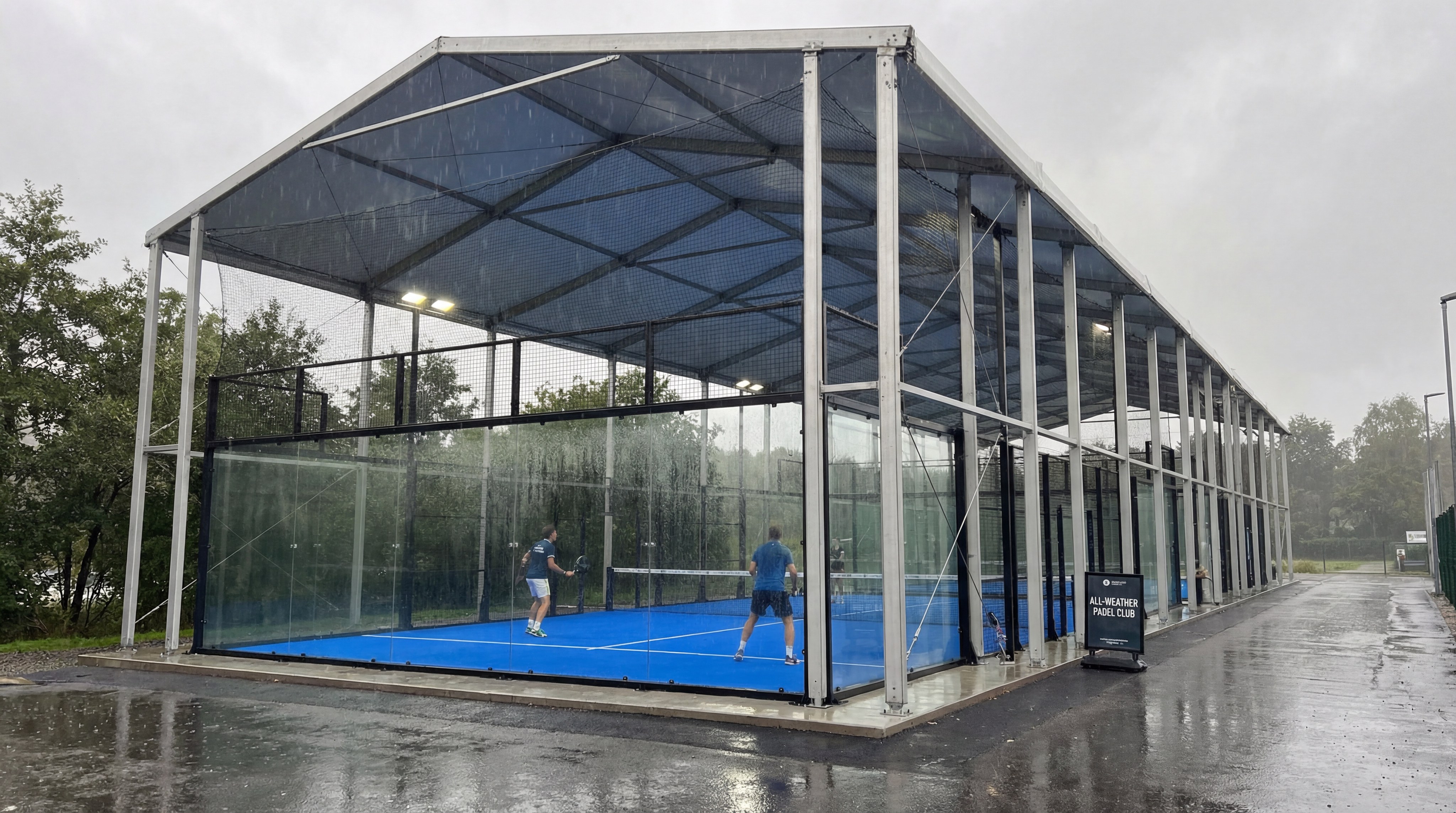
All-weather padel regler focus on the structural requirements for canopies that protect the court from rain and UV radiation. Implementing these padel regler allows clubs to operate 365 days a year, significantly increasing the utility of the investment.
How do canopies protect the court?
Steel canopies are designed to divert rainwater and block up to 99% of harmful UV rays from the playing surface.
Check this out:
- Canopies prevent the artificial turf from becoming waterlogged.
- They reduce the heat on the court during peak summer hours.
- Integrated gutters ensure proper water drainage away from the glass.
What are the structural steel requirements?
Roofed courts require hot-dip galvanized steel trusses that can withstand local wind and snow loads.
Listen to this:
- The steel must be corrosion-resistant for long-term outdoor use.
- CNC-welded joints provide the necessary strength for the roof.
- The height of the roof must not interfere with ball lobs.
| Protection Type | Benefit |
|---|---|
| UV Coating | Blocks 99% of rays |
| Galvanized Steel | Rust and wind resistance |
| Integrated Roof | All-year playability |
Key Takeaway: All-weather canopies are essential for maximizing court uptime and protecting players from environmental elements.
What are the tournament and rotation padel regler?
Tournament padel regler frequently utilize the Americano format, where players rotate partners after every set to find an individual winner. These padel regler are popular in social clubs because they allow players to interact with a wider variety of skill levels.
How does player rotation work?
In an Americano tournament, each player is assigned a number and rotates through different court positions and partners.
Check this out:
- Matches are often played for a fixed number of points.
- Every point won by a pair is added to the individual’s total.
- The player with the most points at the end wins the trophy.
What is the benefit of the Americano format?
This format encourages community building and ensures that no single team dominates the entire event.
Don’t miss this:
- It allows for rapid multi-match play in a single afternoon.
- The system is inherently fair as you play with and against everyone.
- It is ideal for social mixers and corporate team-building events.
| Tournament Type | Scoring Basis | Rotation Style |
|---|---|---|
| Americano | Individual Points | Individual Partner Swap |
| Standard | Team Wins | Fixed Partners |
| Mexicano | Relative Ranking | Performance-Based |
Key Takeaway: Tournament rotation rules like Americano maximize social interaction and ensure balanced competitive play.
How to win or lose a point within padel regler?
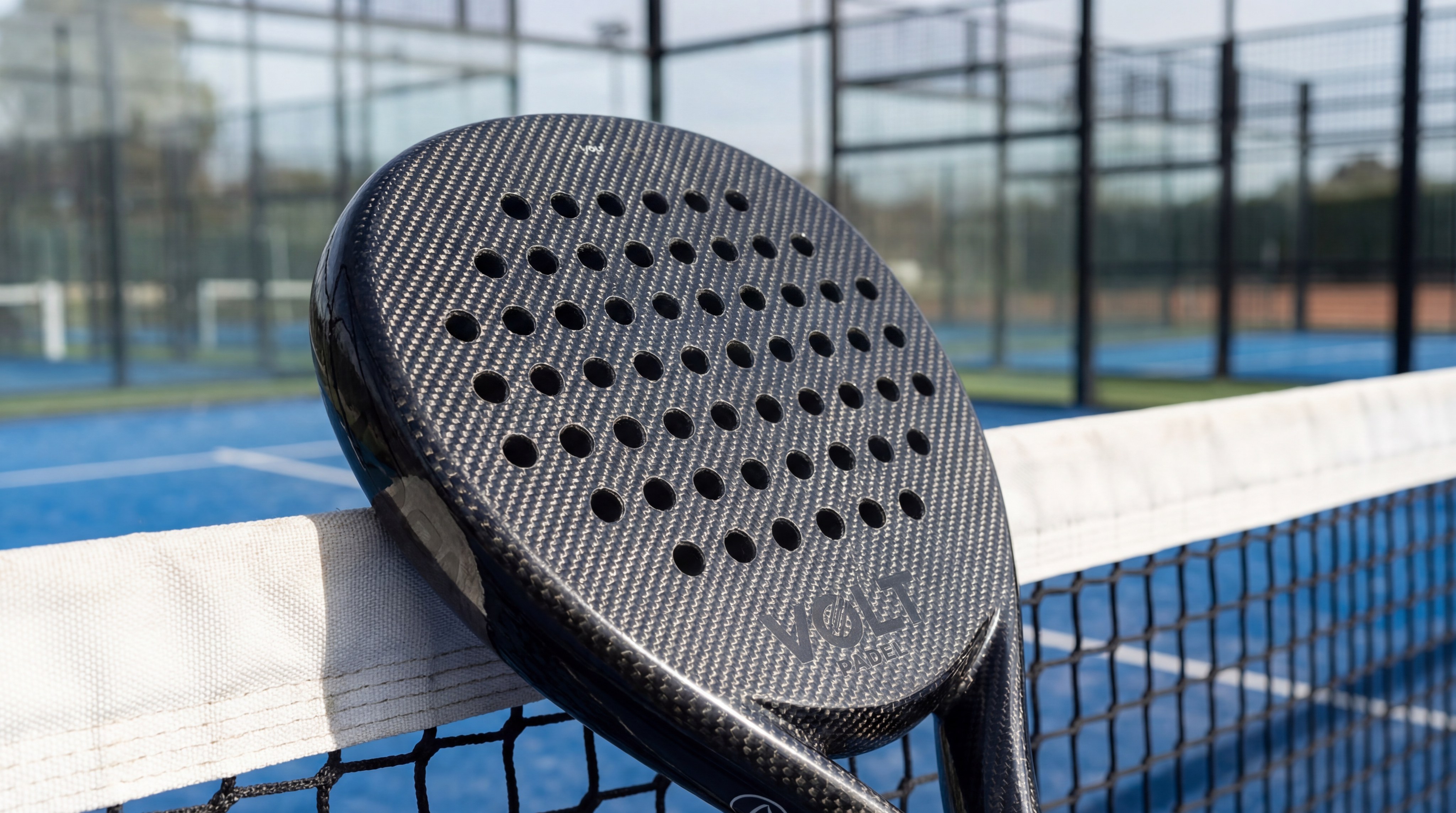
Points are won or lost in padel regler based on the ball’s movement relative to the ground, net, and the player’s body. These padel regler define the technical boundaries that separate a legal defensive save from a point-ending error.
What actions result in an immediate point loss?
Touching the net with your body or racket at any point during a rally results in an immediate loss of the point.
Check this out:
- Hitting the ball twice with your racket is a fault.
- If the ball touches you or your partner, the point is lost.
- Letting the ball bounce twice on your side ends the rally.
How can you strategically win a point?
You win the point when the ball bounces twice on the opponent’s side or is hit out of bounds by the other team.
Wait, there’s more:
- Smashes that bounce out of the court after hitting the ground are legal.
- Hitting the ball into the opponent’s glass after a ground bounce is a winner.
- Forcing the opponent to hit the ball directly into the net or fence.
| Action | Result |
|---|---|
| Ball Bounces Twice | Point Won/Lost |
| Racket Touches Net | Immediate Loss |
| Ball Hits Body | Immediate Loss |
Key Takeaway: Discipline regarding net touches and ball bounces is the foundation of high-level competitive success.
*
By following these guidelines, you have solved the issues of inconsistent scoring, faulty court dimensions, and confusing wall interactions. We are here to help you design, build, and play on the highest-quality facilities available. Contact us today to start your journey with a partner dedicated to excellence in every match. Our vision is to elevate the global padel community through innovative court design and uncompromising structural integrity.
FAQ
Can I build a padel court in my backyard?
Yes, provided you have a 10×20 meter space and follow local zoning laws for permanent structures. You will need a level concrete base and professional installation for the glass walls.
What’s the best way to clean padel glass?
A simple mixture of water and mild detergent is best for maintaining the clarity of tempered glass walls. Avoid abrasive tools that could scratch the surface over time.
Can I play padel with a tennis racket?
No, padel rackets are solid with holes and have no strings, which is essential for the ball’s unique bounce and spin. Using a tennis racket would be dangerous and against the rules.
What’s the best surface for reducing injury?
Monofilament artificial grass with proper sand infill provides the best shock absorption for players’ joints. This surface offers a consistent slide that prevents sudden ankle strains.
Can I hit the ball before it bounces on my side?
Yes, you can hit the ball in the air (a volley) as long as it has already crossed the net to your side. However, you cannot volley a serve; the serve must always bounce first.