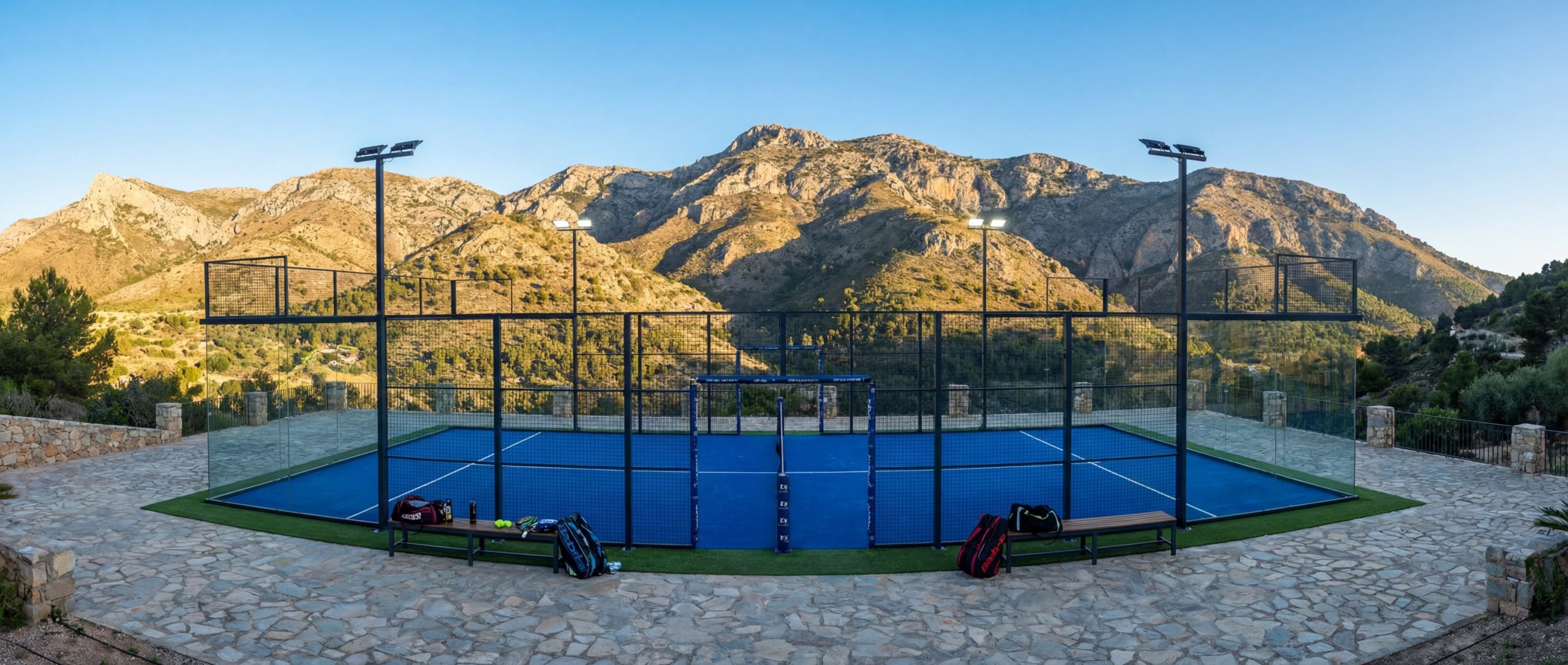
The average padel court cost for a full professional installation typically ranges between $25,000 and $55,000 depending on specific site conditions. Building a new sports facility involves many hidden expenses that can cause your budget to spiral out of control. Without a clear plan for the padel court cost, you might face expensive delays or poor construction quality. This guide provides a definitive breakdown to ensure your project is both cost-effective and built to elite standards.
What is the average padel court cost for a new club?
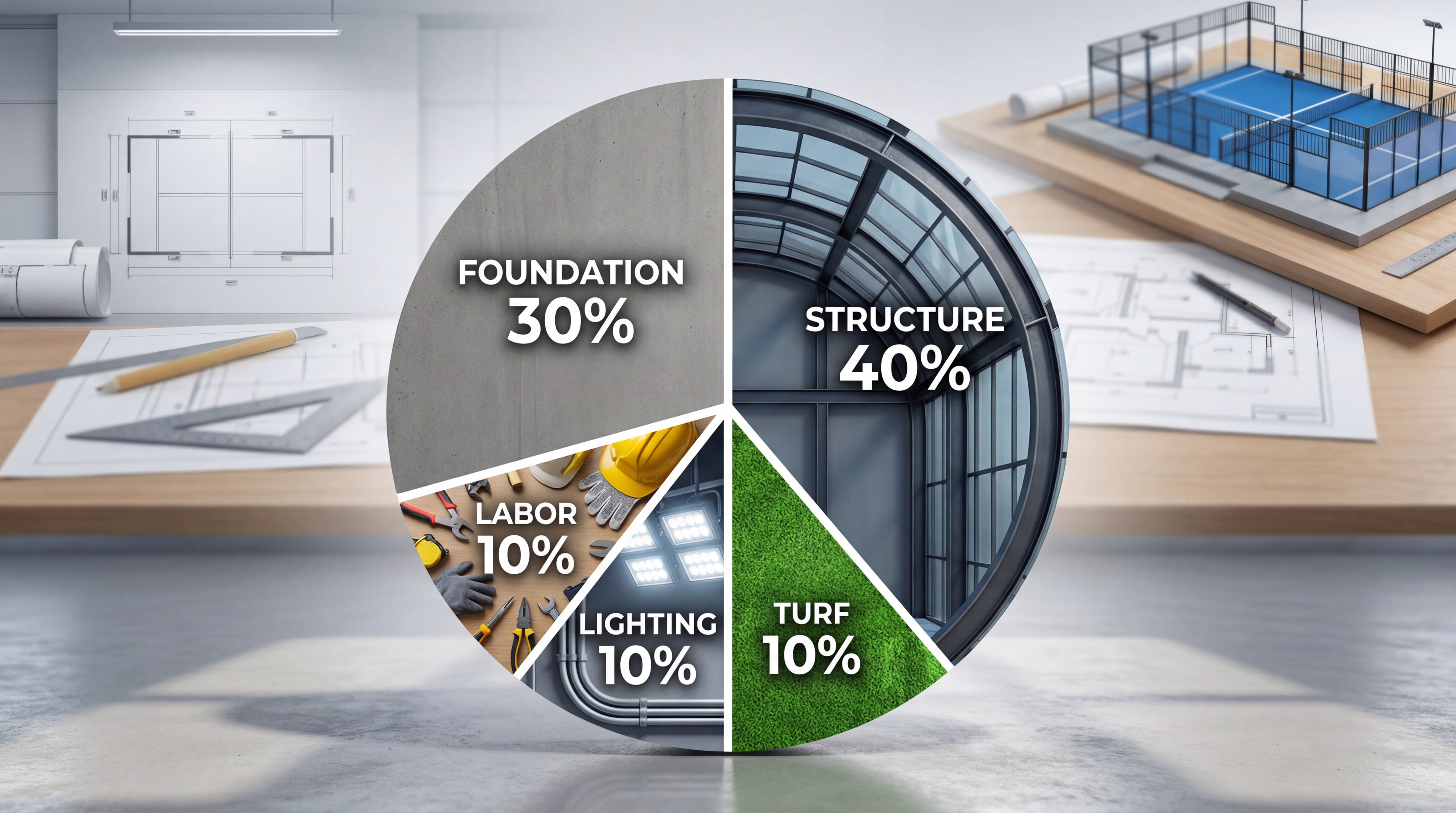
The total padel court cost for a standard professional installation usually ranges from $25,000 to $55,000. This investment covers the basic structure, glass panels, and synthetic turf.
Understanding the baseline for standard models?
Think about it: choosing a standard model is the most reliable way to keep your initial investment low. You will find that these models offer high durability without the premium price of custom designs.
- Standard galvanized steel frames.
- 10mm tempered safety glass.
- Professional monofilament turf.
How does regional labor impact the total?
But wait, there’s more. Local labor rates significantly influence your final project bill. You should expect installation crews to charge more in high-demand urban areas.
Detailed pricing for commercial installations?
The best part? Commercial installations often benefit from bulk pricing when you build multiple courts at once. You can save a significant percentage by scaling your project early.
Key Takeaway: The baseline investment for a standard court provides the best balance of quality and affordability for new club owners.
| Component | Estimated Cost (USD) |
|---|---|
| Basic Structure | $18,000 – $25,000 |
| Glass Panels | $4,000 – $7,000 |
| Professional Turf | $3,000 – $5,000 |
| Total Baseline | $25,000 – $37,000 |
How does site preparation affect padel court cost?
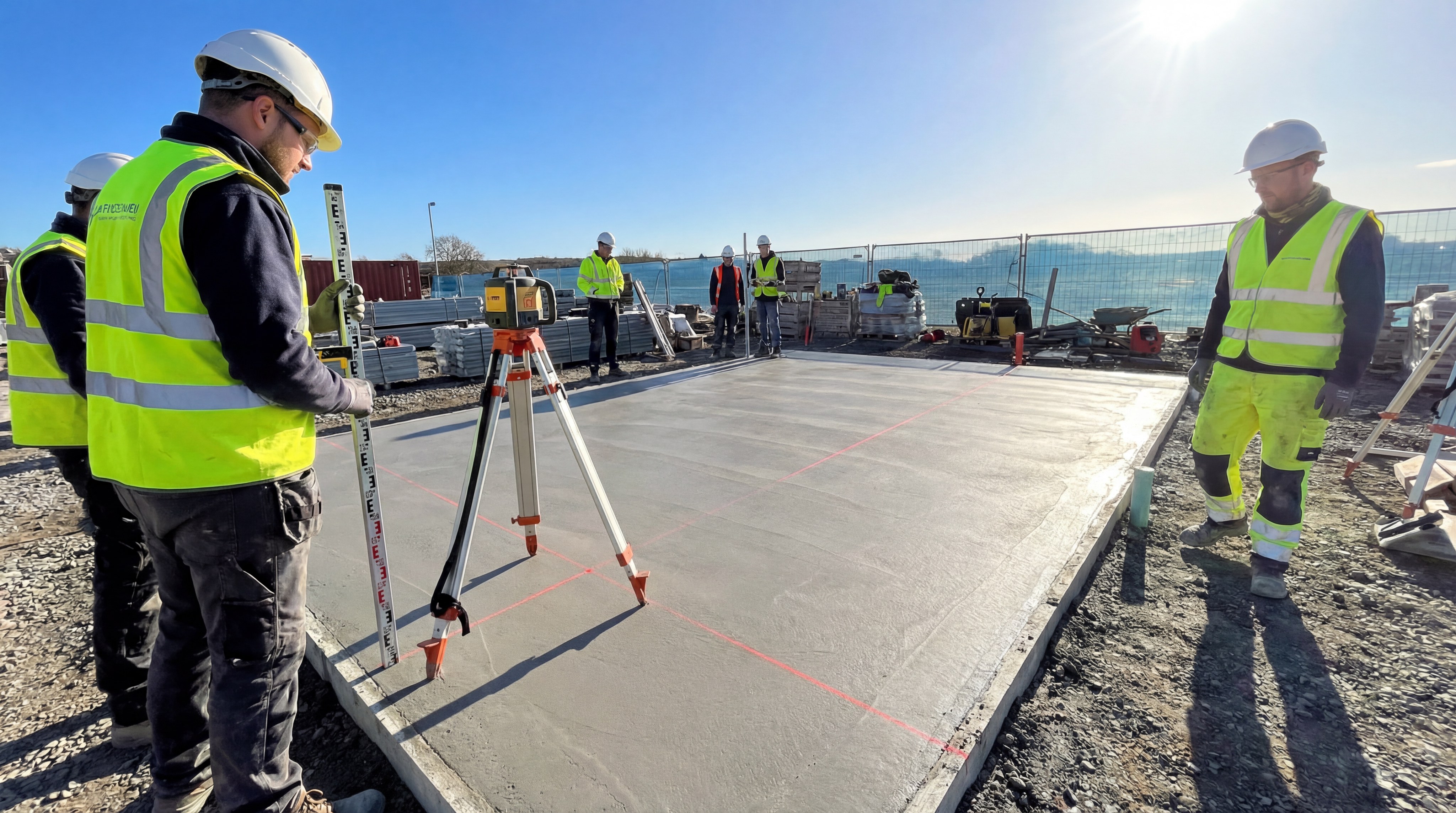
Your initial padel court cost can increase by $15,000 to $30,000 based on the complexity of ground preparation. Learning how to build a padel court starts with a perfect foundation.
The price of concrete foundations and drainage?
Here is the thing: a solid concrete slab is the most critical part of your build. You must ensure the surface is perfectly level to prevent water pooling.
- High-strength reinforced concrete.
- Peripheral drainage systems.
- Laser-leveled finishing.
Is grading your land more expensive than expected?
Think about this: uneven terrain requires extensive earthmoving which adds to your labor hours. You might need to hire heavy machinery to clear the site properly.
Total earthwork and ground prep breakdown?
It gets better. Proper ground preparation prevents the court from shifting over time. You will save money on repairs by investing in a quality foundation now.
Key Takeaway: Never cut corners on groundworks, as a stable foundation prevents expensive structural issues in the future.
| Prep Stage | Estimated Cost (USD) |
|---|---|
| Excavation | $2,000 – $5,000 |
| Concrete Slab | $10,000 – $18,000 |
| Drainage System | $3,000 – $7,000 |
| Total Site Prep | $15,000 – $30,000 |
Why does glass selection impact total padel court cost?
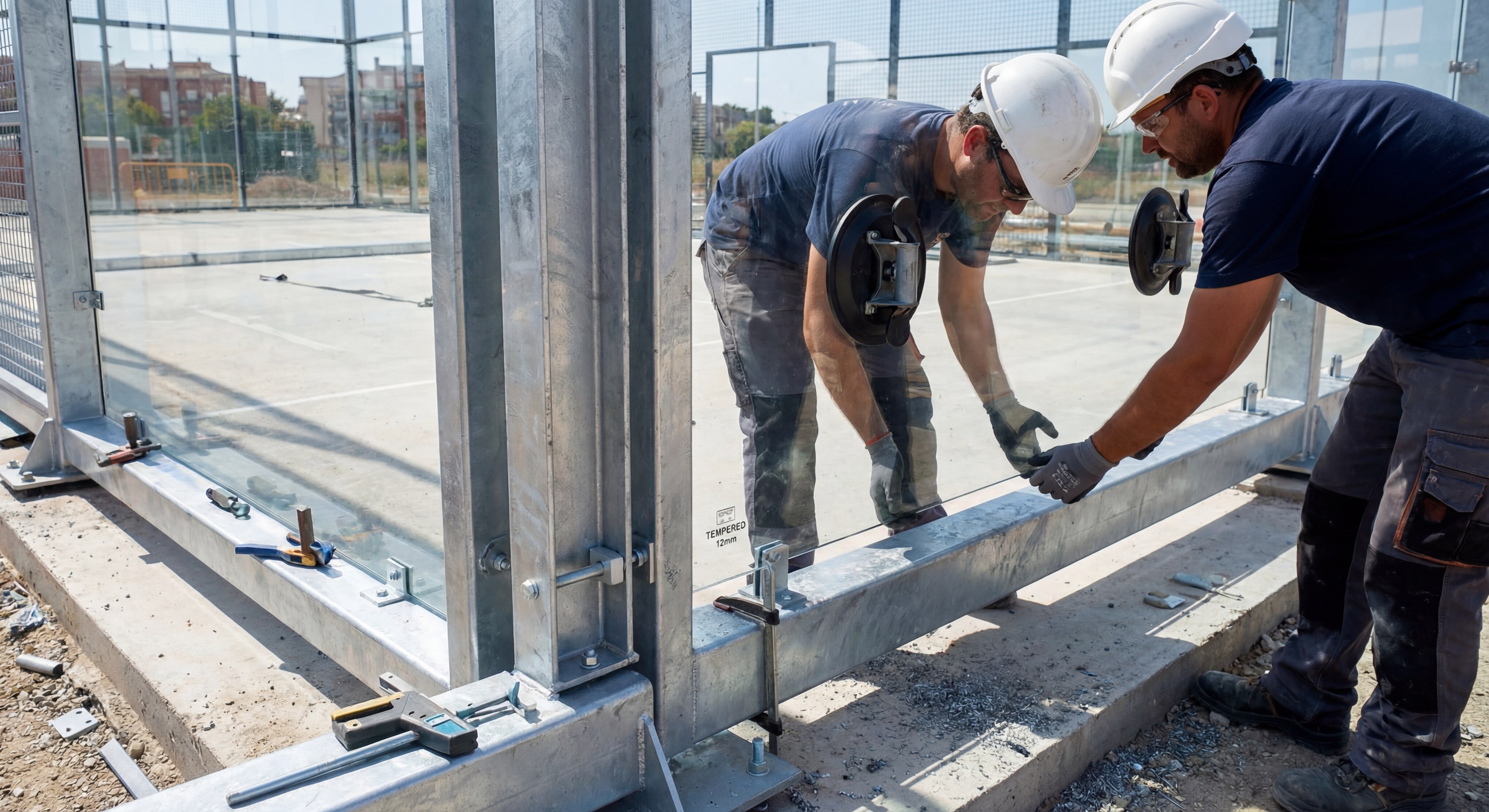
Safety and durability requirements dictate the padel court cost associated with your choice of glass panels. Most professional facilities use 10mm or 12mm tempered glass to handle high-impact play.
Tempered glass vs. laminated options?
The best part? Tempered glass is the industry standard because it is incredibly strong and shatters safely. You will find that laminated options offer even higher safety but come at a premium.
What is the cost difference in glass thickness?
Now, let’s dive deeper. Upgrading from 10mm to 12mm glass increases the stability of the entire structure. You should choose thicker glass for high-wind areas or professional tournament courts.
- 10mm Standard Glass.
- 12mm Premium Glass.
- Custom laminated safety glass.
Safety standards and glass pricing tiers?
But here is the kicker: glass thickness directly affects how the ball bounces off the wall. You will attract better players if your court provides a consistent and predictable rebound.
Key Takeaway: Investing in 12mm glass enhances player safety and improves the overall quality of the game.
| Glass Type | Typical Thickness | Price Impact |
|---|---|---|
| Standard Tempered | 10mm | Base Price |
| Premium Tempered | 12mm | +$1,500 – $2,500 |
| Laminated Safety | 6+6mm | +$3,000 – $5,000 |
What is the padel court cost for indoor vs outdoor?
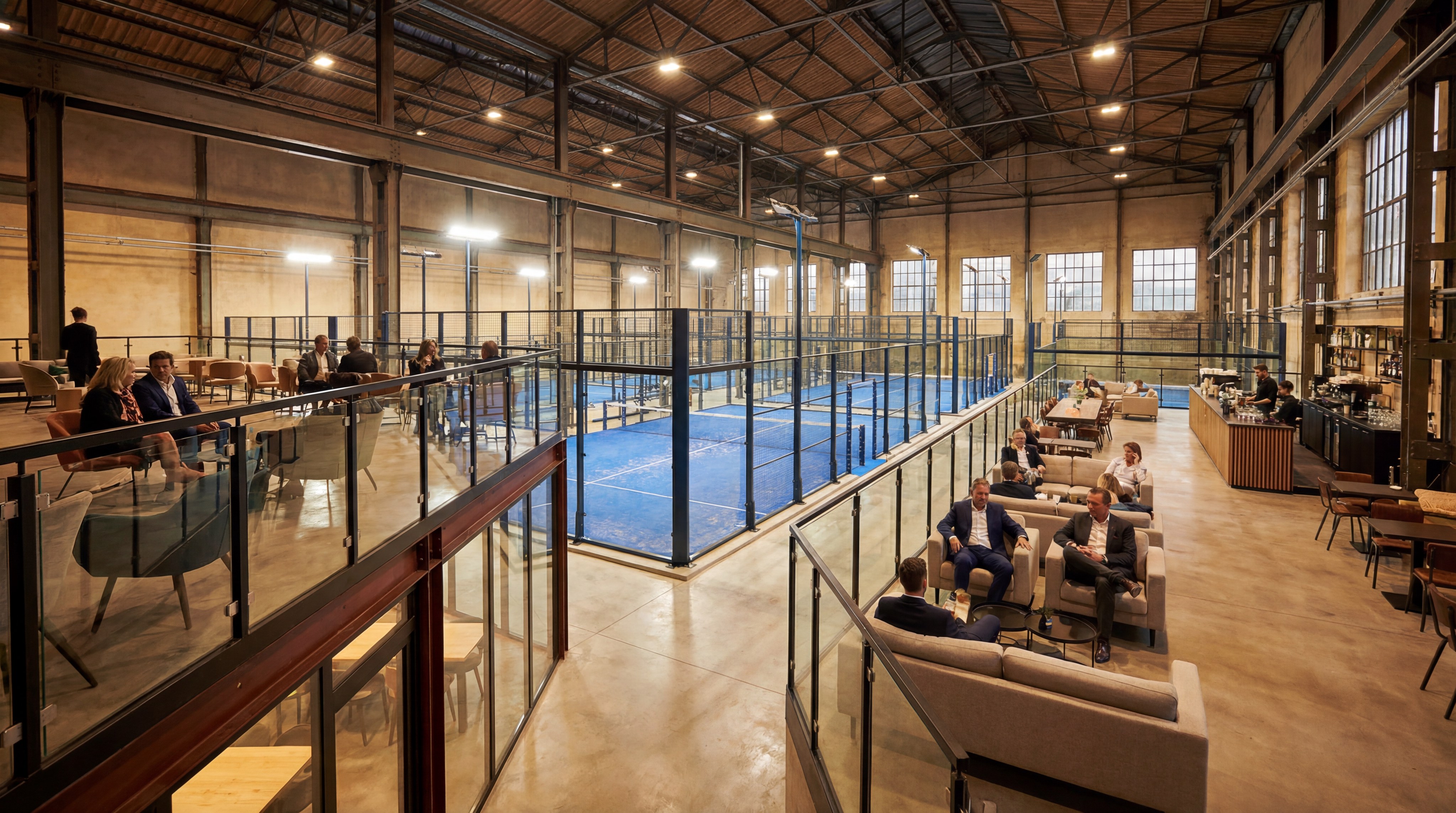
The padel court cost for indoor facilities is often lower because you do not need expensive weather-resistant groundworks. However, indoor builds require high ceilings and specialized lighting systems.
Does an indoor facility require higher investment?
Think about it: building indoors protects your investment from the elements and sun damage. You will save on long-term maintenance by keeping the court away from rain.
Ventilation and height clearance expenses?
Here is the thing: you must have at least 6 to 8 meters of clear height for the sport. You will need to budget for professional air circulation to keep players comfortable.
- High-volume fans.
- Industrial HVAC systems.
- LED high-bay lighting.
Comparative budget for facility types?
It gets better. Indoor courts can operate 24 hours a day regardless of the weather outside. You will likely see a much faster return on investment with indoor play.
Key Takeaway: Indoor courts offer better playability and higher revenue potential despite the initial HVAC costs.
| Facility Type | Construction Focus | ROI Speed |
|---|---|---|
| Outdoor | Foundation & Weathering | Seasonal / Moderate |
| Indoor | Lighting & Ventilation | Year-round / Fast |
How much padel court cost goes toward lighting?
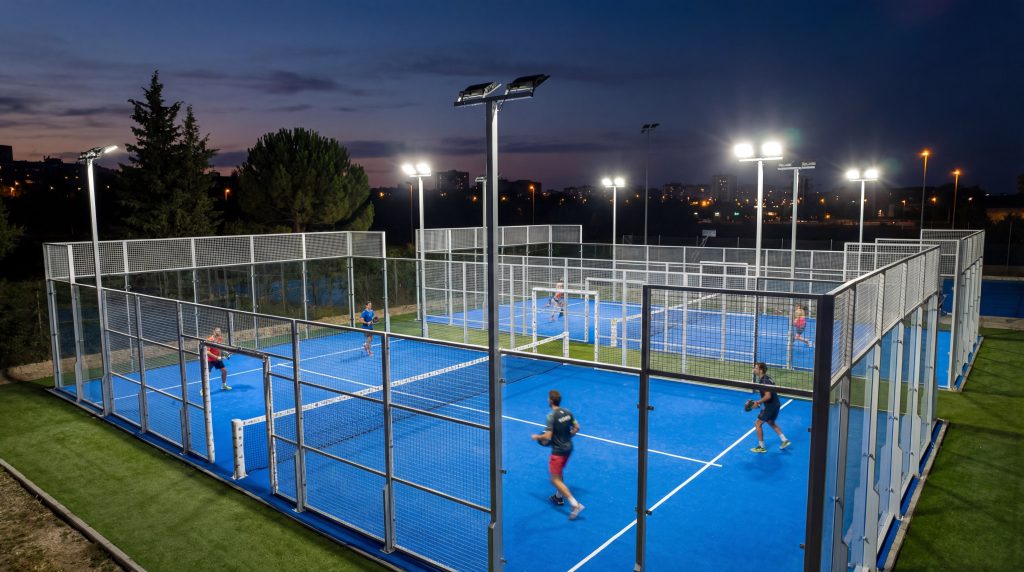
High-quality LED systems represent about 10% of the total padel court cost for a professional build. Proper illumination is essential for evening matches and player safety.
LED technology and energy efficiency savings?
The best part? Modern LED lights consume 50% less energy than older halogen systems. You will see a significant drop in your monthly utility bills by choosing LEDs.
Why do light pole designs vary in price?
Think about this: curved poles look modern but usually cost more than straight designs. You should prioritize poles that minimize shadows on the playing surface.
- 200W LED Projectors.
- Galvanized steel poles.
- Anti-glare lens technology.
Professional illumination and installation fees?
Now, let’s dive deeper. Hiring an expert to align your lights ensures that players are never blinded during a lob. You will appreciate the professional look of a well-lit court.
Key Takeaway: Quality LED lighting is a non-negotiable expense that ensures your facility can operate during peak evening hours.
| Light Component | Quantity | Estimated Price (USD) |
|---|---|---|
| LED Projectors | 8 Units | $2,500 – $4,500 |
| Steel Poles | 4 Units | $1,500 – $2,500 |
| Installation | 1 Site | $1,000 – $2,000 |
Does a panoramic design increase padel court cost?
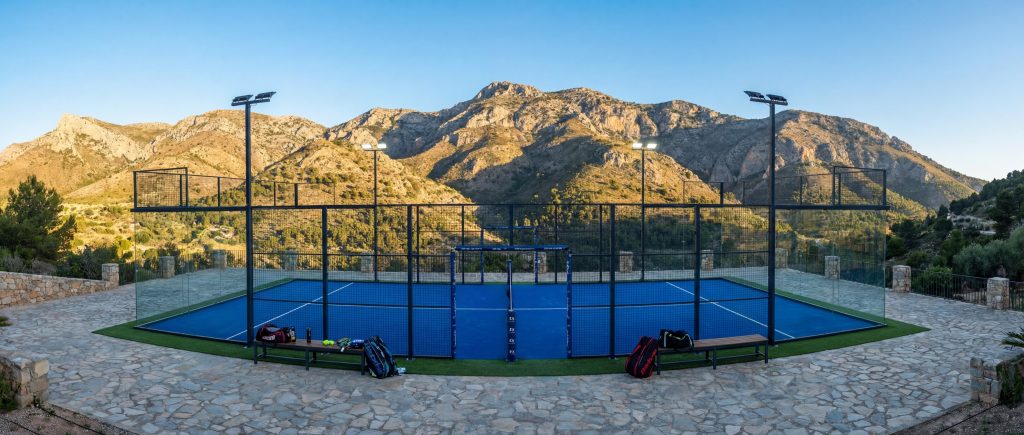
Choosing a padel court panoramic style will increase your padel court cost by approximately $5,000 to $10,000. This design removes the middle pillars to provide spectators with an unobstructed view.
The visual value of pillar-less structures?
Think about it: panoramic courts are the gold standard for televised matches and high-end clubs. You will create a more luxurious atmosphere that attracts premium members.
Engineering requirements for panoramic views?
Here is the thing: removing structural pillars requires thicker glass and stronger steel reinforcements. You must ensure the frame can handle the wind load without the extra support.
- Reinforced base plates.
- 12mm thick tempered glass.
- Specialized structural connectors.
Pricing panoramic vs. standard frames?
The best part? The increased visibility makes your facility more attractive for sponsors and events. You will find that the aesthetic upgrade pays for itself through higher booking rates.
Key Takeaway: Panoramic designs offer a superior spectator experience and elevate the prestige of your sports club.
| Model | Structural Support | View Quality |
|---|---|---|
| Standard | Corner & Side Pillars | Good |
| Panoramic | Corner Pillars Only | Excellent |
| Super Panoramic | No Vertical Pillars | Elite |
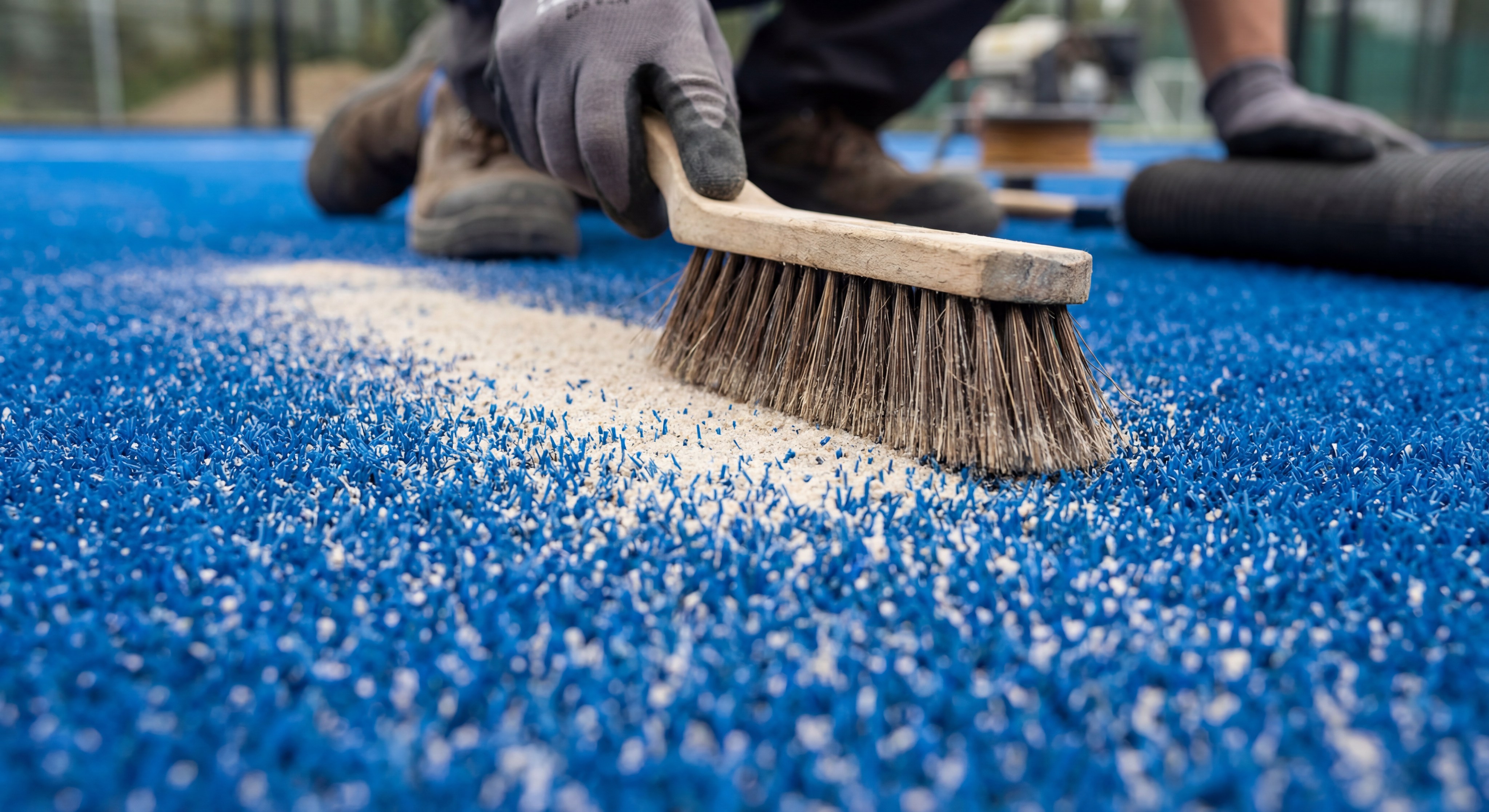
The padel court cost for synthetic turf ranges from $3,000 to $6,000 depending on the fiber quality. High-end monofilament grass provides a more natural feel and lasts longer under heavy use.
Monofilament vs. fibrillated synthetic grass?
Think about this: monofilament fibers stay upright longer and require less maintenance than fibrillated options. You will notice that the ball bounce remains consistent over many years.
How does sand infill affect your budget?
It gets better. You must use specialized silica sand to support the turf fibers and allow for player sliding. You should budget for periodic sand top-ups to maintain the court.
- Kiln-dried silica sand.
- UV-resistant turf fibers.
- Reinforced backing material.
Longevity and maintenance costs per turf type?
Now, let’s dive deeper. Textured turf is the latest innovation that reduces sand movement on the surface. You will spend less time brushing the court if you choose this premium option.
Key Takeaway: Selecting high-quality monofilament turf reduces long-term maintenance and improves the player experience.
| Turf Type | Durability | Maintenance Level |
|---|---|---|
| Fibrillated | Moderate | High |
| Monofilament | High | Medium |
| Textured (Pro) | Elite | Low |
How do shipping fees change the padel court cost?
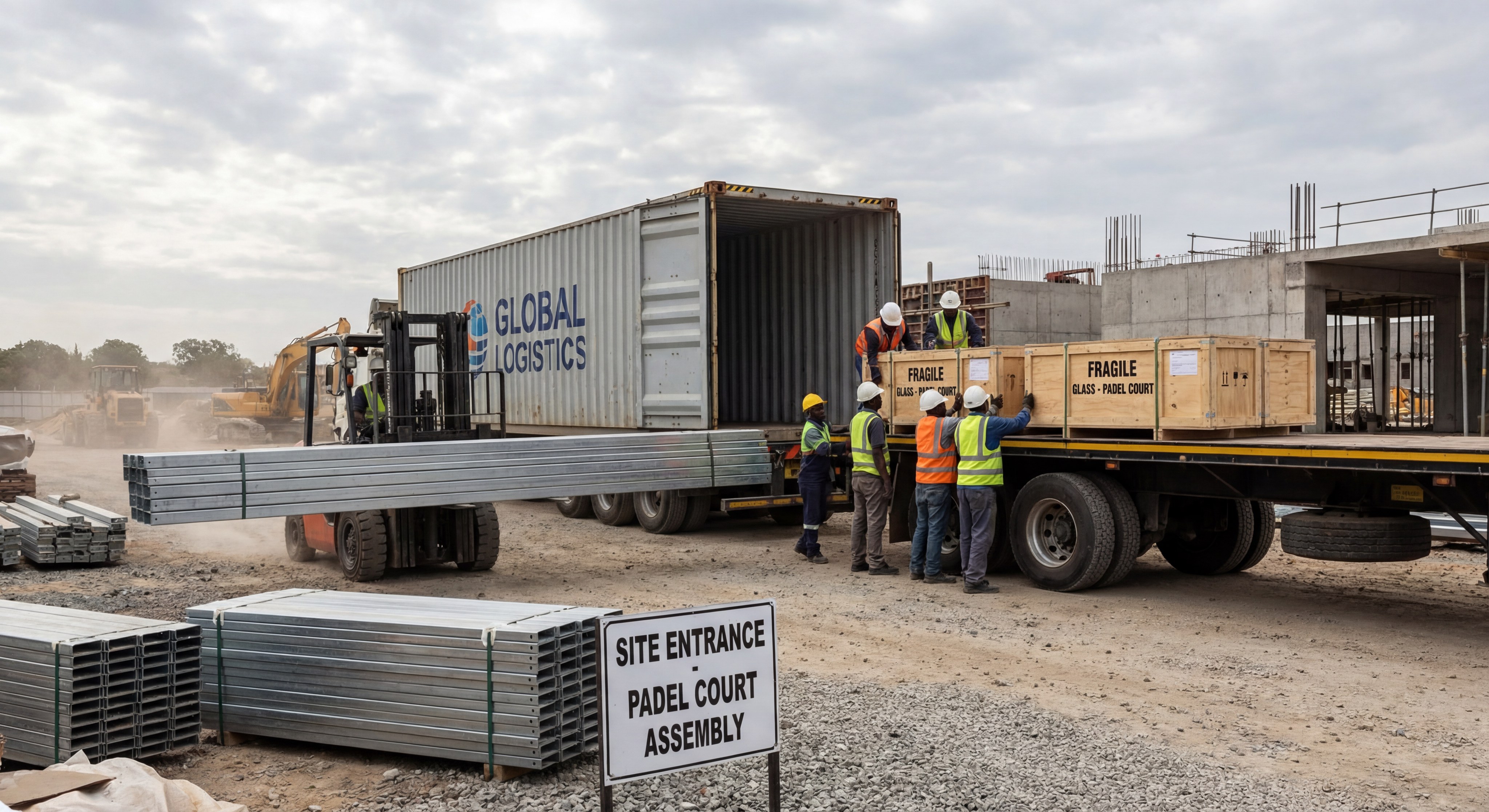
International logistics can add $3,000 to $8,000 to your total padel court cost based on your location. Heavy steel and glass require specialized shipping containers and careful handling.
Managing logistics for international delivery?
The best part? Planning your delivery during off-peak shipping seasons can save you hundreds of dollars. You should coordinate with your supplier to consolidate multiple courts into one shipment.
Understanding customs, duties, and port fees?
Think about it: import taxes vary wildly between countries and can catch you by surprise. You must factor in local port handling fees and trucking costs to the final site.
- Import customs duties.
- Warehouse storage fees.
- Local flatbed trucking.
Shipping cost variables for the US market?
But here is the kicker: long-distance inland transport can sometimes cost more than the ocean freight itself. You will need a reliable logistics partner to navigate these complex variables.
Key Takeaway: Always get a “landed cost” quote that includes shipping and taxes to avoid budget surprises.
| Shipping Factor | Estimated Impact | Strategy |
|---|---|---|
| Ocean Freight | $2,000 – $5,000 | Consolidate shipments |
| Import Duties | 5% – 20% | Check local trade laws |
| Local Trucking | $500 – $2,000 | Use local contractors |
Can roofing systems lower long-term padel court cost?
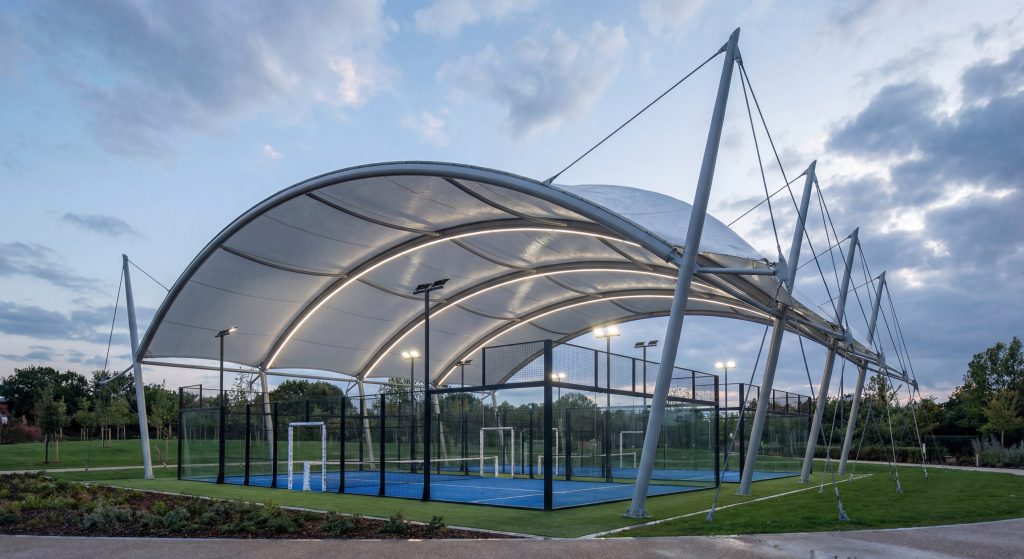
Adding a padel court roof will increase your initial padel court cost but significantly boosts your annual revenue. A covered court ensures that rain or extreme sun never cancels a booking.
ROI of year-round play in all weather?
The best part? You can charge a premium for covered courts during the rainy season. You will find that player loyalty increases when they know their matches are guaranteed.
Comparison of roof materials and structure types?
Now, let’s dive deeper. Tensile fabric structures are often more affordable and faster to install than metal roofs. You should consider the wind and snow load requirements for your specific region.
- Tensile fabric covers.
- Steel frame structures.
- Retractable roof options.
Total cost of adding a court cover?
Think about this: a roof also protects your turf and glass from UV degradation. You will likely extend the lifespan of your court materials by several years.
Key Takeaway: A roofing system is a strategic investment that maximizes court occupancy and protects your physical assets.
| Roof Type | Cost Range (USD) | Main Benefit |
|---|---|---|
| Tensile Fabric | $15,000 – $30,000 | Lightweight / Modern |
| Metal Structure | $25,000 – $50,000 | Maximum Durability |
How to manage the padel court cost for high ROI?
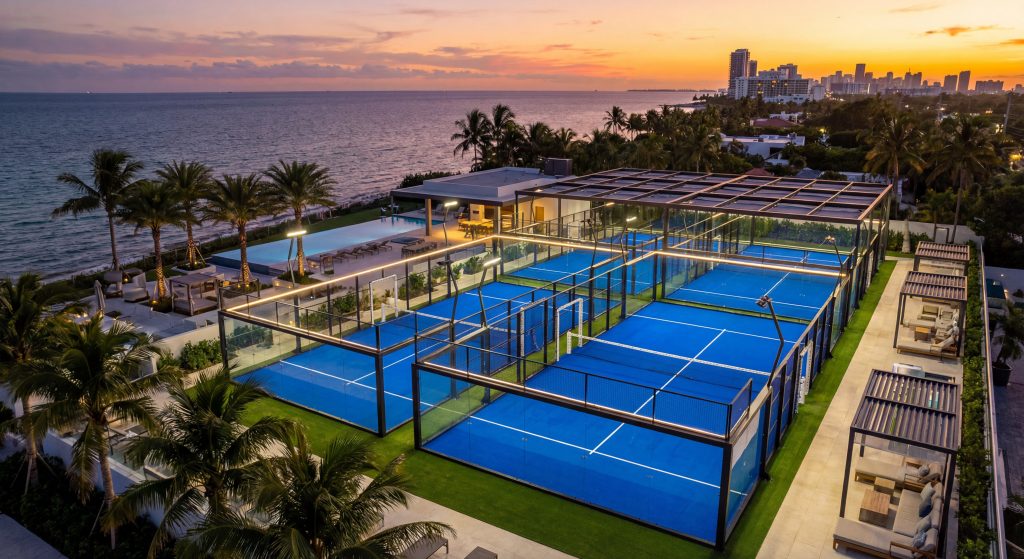
You can manage your padel court cost by focusing on durability and high-traffic features that drive rental income. A well-built court can pay for itself within two years in a popular location.
Strategies for reducing initial overhead?
Think about it: starting with two courts instead of four can help you test the local market. You will be able to expand your facility as your player community grows.
Here is the thing: permits and zoning applications can often take longer and cost more than expected. You should always keep a 10% contingency fund for unforeseen site issues.
- Building permit fees.
- Utility connection costs.
- Perimeter fencing and paths.
Long-term profit vs. initial build quality?
It gets better. Buying a higher-quality structure now means you will spend almost nothing on repairs for the first five years. You will enjoy higher profits by minimizing your operational downtime.
Key Takeaway: Prioritizing build quality over the lowest price ensures a sustainable business with a high return on investment.
| ROI Phase | Focus Area | Expected Result |
|---|---|---|
| Year 1 | Marketing & Bookings | High Occupancy |
| Year 2 | Maintenance Control | Peak Profitability |
| Year 3+ | Expansion | Scaled Revenue |
FAQ
Can I build a padel court on an existing tennis court?
Yes, you can save significant money on foundations by using an existing hard court surface. However, you must verify that the concrete is thick enough to anchor the heavy steel pillars safely.
What’s the best way to save on shipping costs?
The best way is to order multiple court kits at once to fill an entire 40ft shipping container. This strategy drastically reduces the per-court freight cost and simplifies the customs process.
Can I install the court myself to save money?
While possible, professional labor is highly recommended to ensure the glass is aligned and the turf is seamed correctly. Mistakes in DIY installation can lead to broken glass or poor ball bounce which hurts your ROI.
What’s the best glass thickness for a commercial club?
We recommend 12mm tempered glass for any commercial facility with high player turnover. It provides superior impact resistance and a much better rebound experience for competitive players.
How do I know if my soil is stable for a foundation?
You should hire a local engineer to perform a soil compaction test before pouring any concrete. Unstable soil can cause the slab to crack, which will ruin the alignment of your glass walls.
Conclusion
Building a professional facility requires a deep understanding of every padel court cost variable, from the foundation to the final lighting bolt. By selecting high-quality materials like 12mm glass and monofilament turf, you ensure that your investment is both safe and profitable. Our vision is to provide elite sports infrastructure that empowers club owners to create thriving communities. If you are ready to start your journey into the world of padel, we are here to help you every step of the way. To get a custom quote for your project, please contact us today.