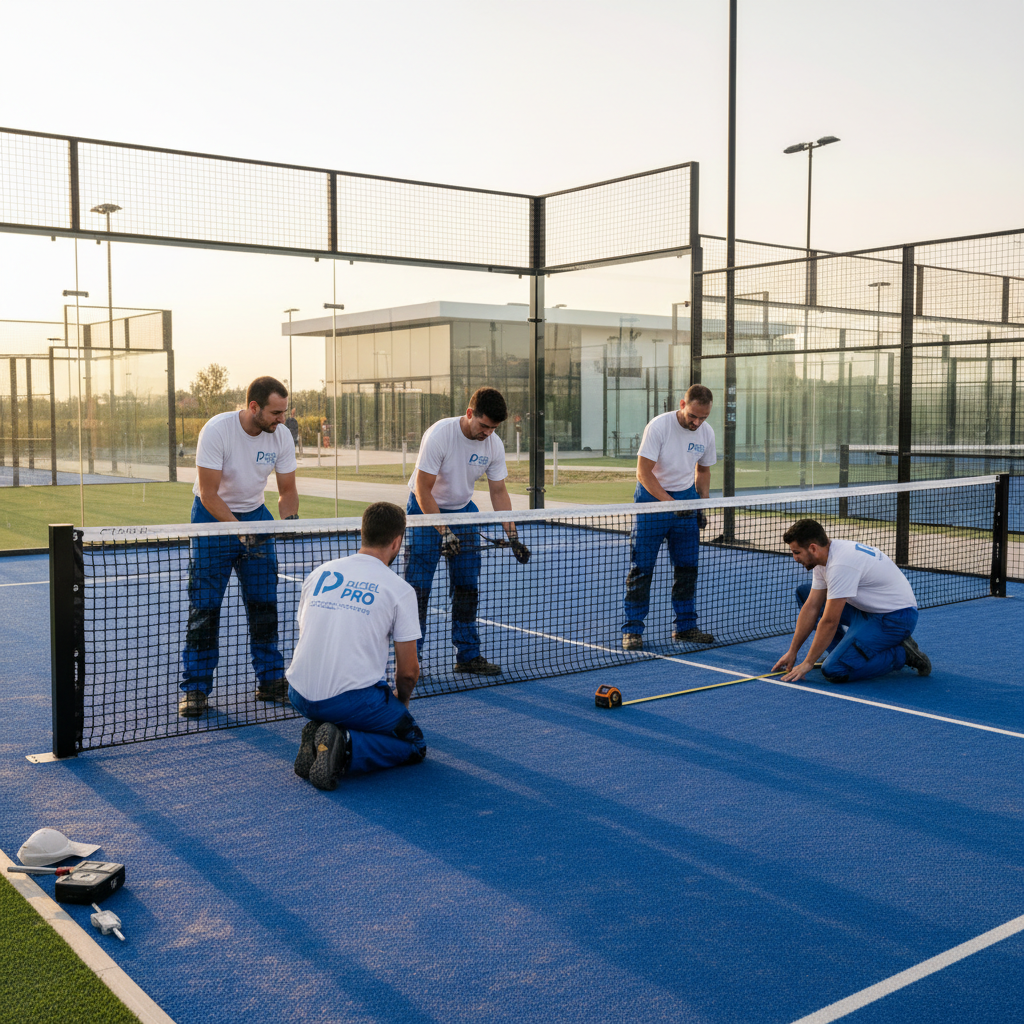
A professional padel court layout consists of a 20-meter by 10-meter architectural configuration utilizing tempered glass walls and metallic mesh to facilitate high-intensity racket sports. You likely recognize that managing an underperforming sports facility leads toward significant financial losses and frustrated club members who demand modern recreational environments. This lack of high-quality infrastructure agitates the business model because elite athletes and commercial sponsors prioritize venues with certified technical specifications and superior player safety standards. Implementing a state-of-the-art padel court layout allows you to transform underutilized real estate into a premium revenue stream that attracts the global growth of this fast-paced social sport.
What defines a professional padel court layout?
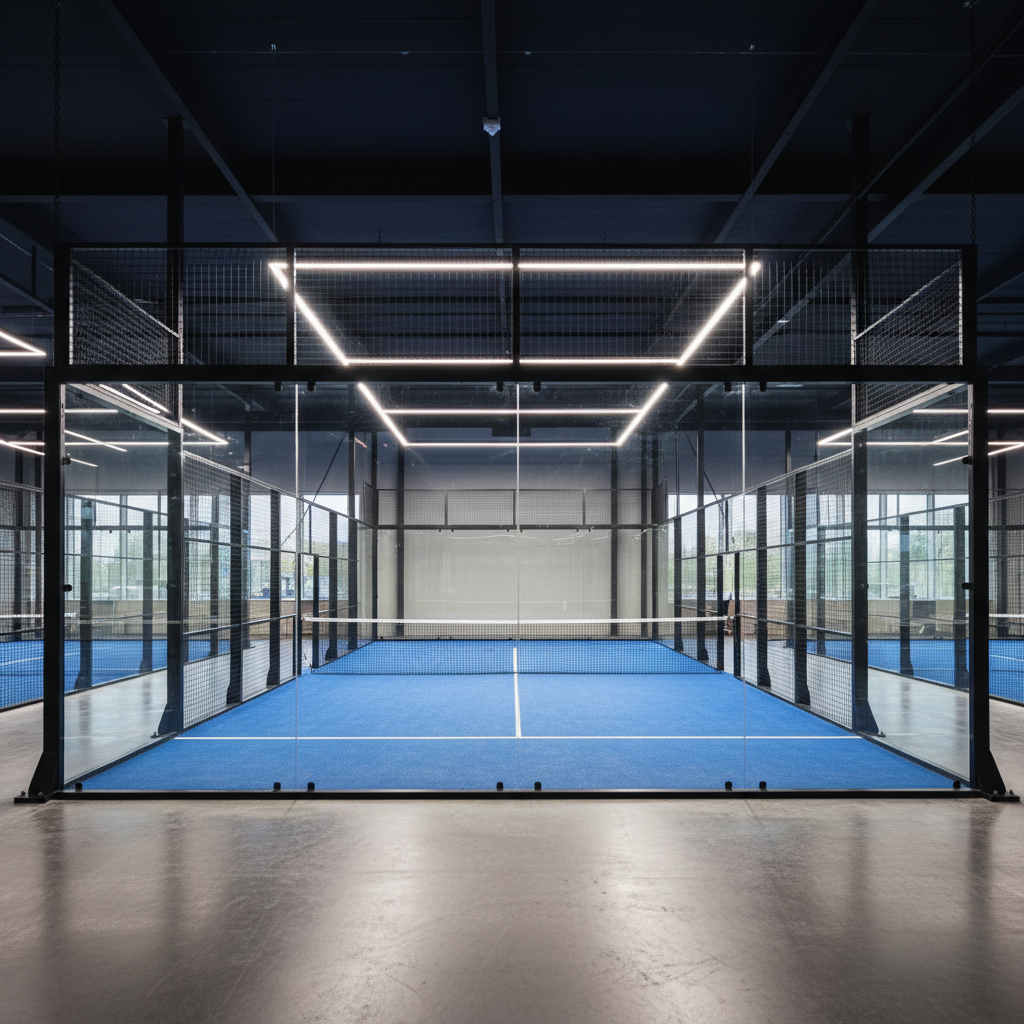
A professional padel court layout requires a precise 20-meter by 10-meter footprint defined by modular steel frames and safety glass boundaries that ensure consistent ball rebound properties. This configuration integrates high-density polyethylene turf systems with integrated LED lighting masts to create a functional environment suitable for competitive matches. You must prioritize precision-engineered foundations which prevent structural shifting while maintaining perfectly flat surface levels across the entire playing area during high-frequency commercial usage.
Which materials are essential?
The durability of your court depends on high-grade components that withstand mechanical stress. Selecting verified manufacturing partners remains a primary objective for successful facility completion this season.
The real story starts here.
- Hot-dip galvanized steel frames
- 12mm anti-explosion tempered glass
- Fibrillated or monofilament synthetic turf
- Integrated LED lighting masts
Key Takeaway: A professional layout is defined by the synergy of galvanized steel, safety glass, and specialized turf within an international standard footprint.
| Feature | Requirement | Benefit |
|---|---|---|
| Playing Area | 20m x 10m | International Standard |
| Safety Zone | 2m Perimeter | Injury Prevention |
| Frame Finish | Galvanized Steel | Corrosion Resistance |
| User Flow | Multi-directional | Reduced Congestion |
The technical integration of these components ensures that your facility meets international certifications required for hosting official ranking tournaments and attracting elite members.
How do dimensions influence the padel court layout?
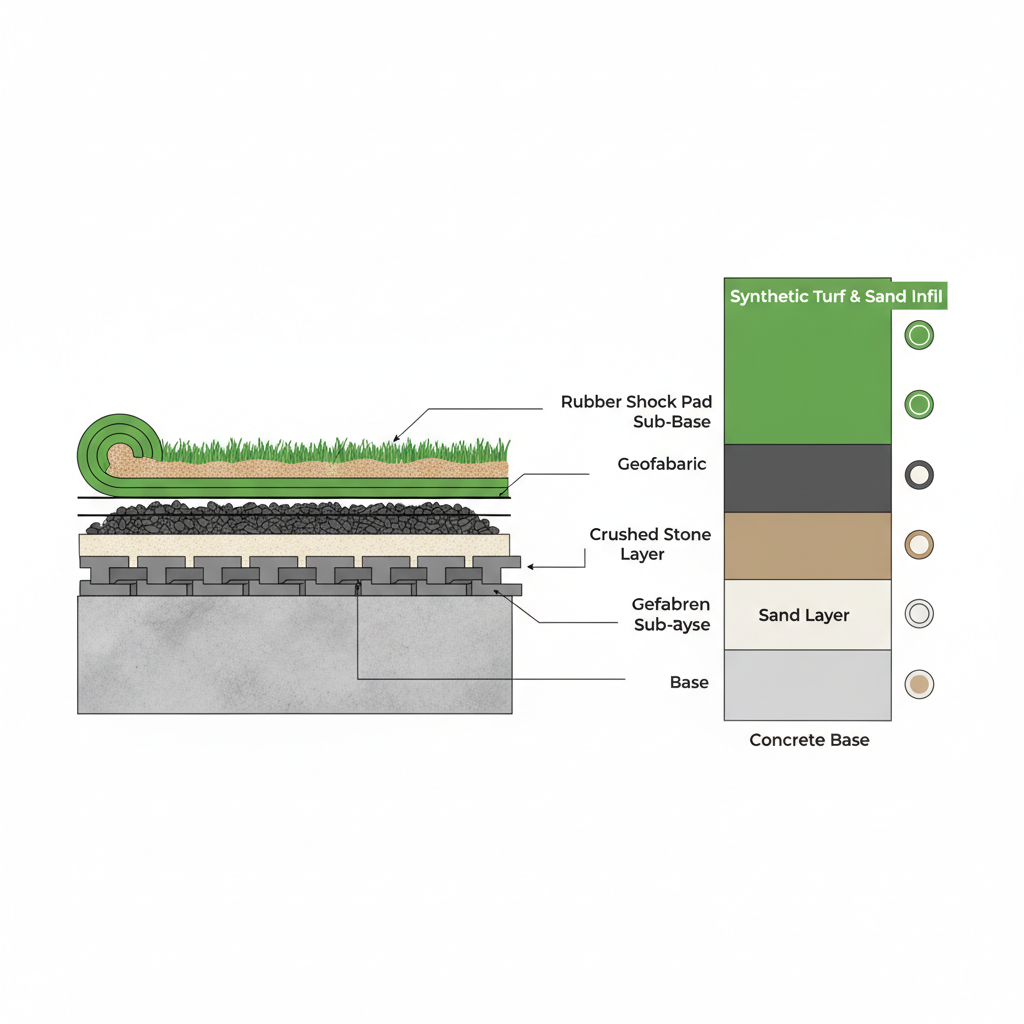
International regulations strictly dictate the padel court layout measurements to maintain fair competition and consistent ball physics across global venues. Accurate measurement tools remain necessary throughout every stage of construction to guarantee that finished courts meet every technical specification required by demanding club members. Choosing a Panoramic Padel Court provides extra space perception but the footprint remains identical to ensure standard gameplay dynamics.
Why is vertical clearance critical?
The spatial planning of overhead volume directly affects the technical growth of your members because low ceilings limit defensive maneuvers. You need to ensure that no structural beams or lighting fixtures intrude into this vertical playing zone to avoid match disputes.
Think about it.
- Minimum clearance: 6 meters
- Professional clearance: 9 meters
- Fixture height offset: 0.5 meters
- Obstruction-free volume: 1,200m³
Key Takeaway: Adhering to the exact 20m x 10m footprint and maintaining at least 6m–9m of height is non-negotiable for sanctioned play.
| Metric | Dimension | Level |
|---|---|---|
| Length | 20.00 Meters | Absolute |
| Width | 10.00 Meters | Absolute |
| Min Height | 6.00 Meters | Amateur |
| Pro Height | 8.00+ Meters | Competitive |
Precision during the pouring of concrete foundations prevents costly errors where frames might not align correctly with pre-drilled anchoring points during final assembly.
Why is aerial planning key for padel court layout?
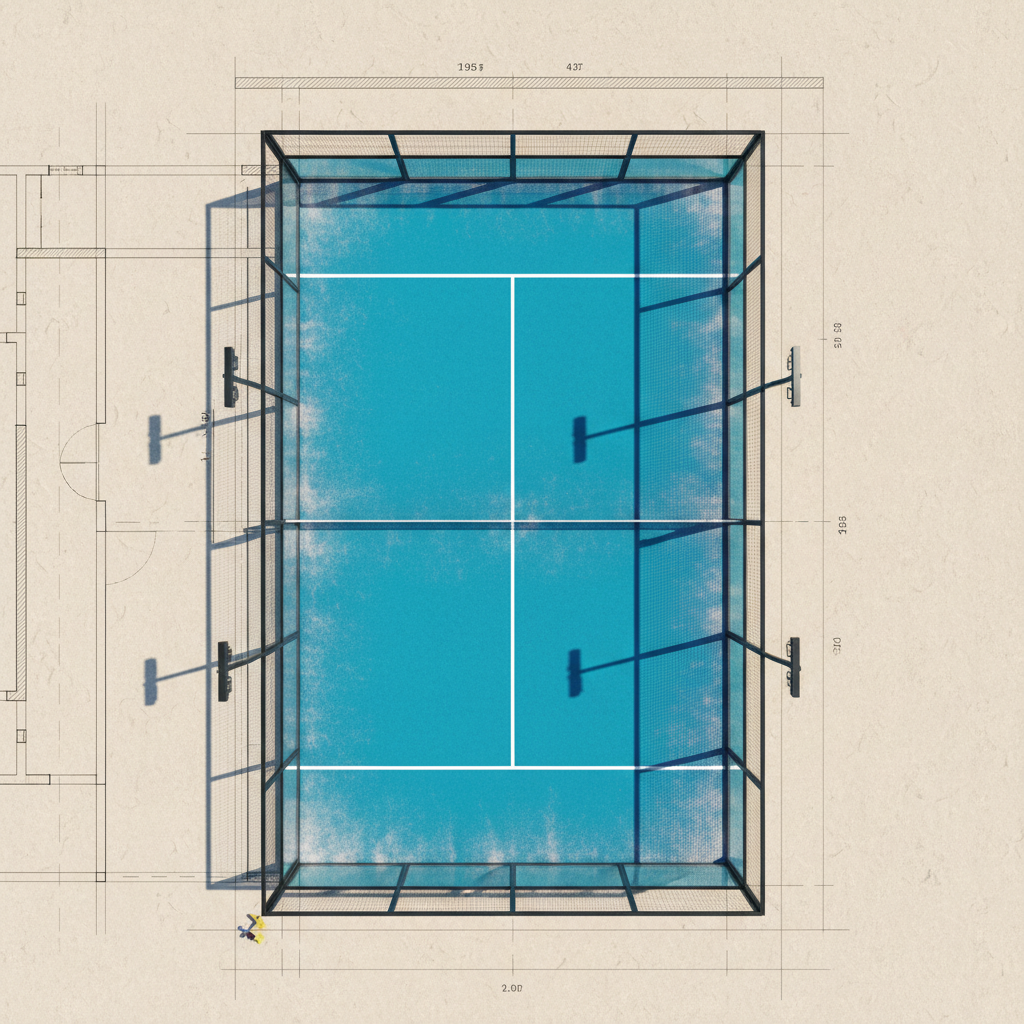
Aerial spatial planning determines the padel court layout efficiency regarding spectator flow and maintenance access within a modern sports facility. Proper spacing facilitates better airflow and natural lighting which significantly improves the overall atmosphere for both athletes and fans visiting your venue. You need to calculate total square footage including walkways and social spaces before committing toward a final site plan to avoid overcrowding.
How do runoff zones impact safety?
External safety runoff zones surrounding the perimeter prevent injuries when players sprint outside the frame for difficult defensive shots. Properly designed circulation paths reduce congestion during peak hours and enhance the social experience that drives recurring revenue.
Ready for the good part?
- External safety runoff zones
- Spectator seating pathways
- Maintenance access corridors
- Facility ventilation gaps
Key Takeaway: Strategic aerial planning must account for player safety zones and spectator circulation to maximize the commercial viability of the site.
| Zone Type | Dimensions | Purpose |
|---|---|---|
| Runoff Area | 2.0m x 4.0m | Player Safety |
| Main Path | 1.5m Width | Crowd Control |
| Service Gap | 0.8m Width | Maintenance Access |
| Buffer Zone | 3.0m Distance | Noise Reduction |
Properly documented spatial metrics serve as a pivotal asset when applying for tournament certifications from regional sports federations.
Does glass choice affect the padel court layout?
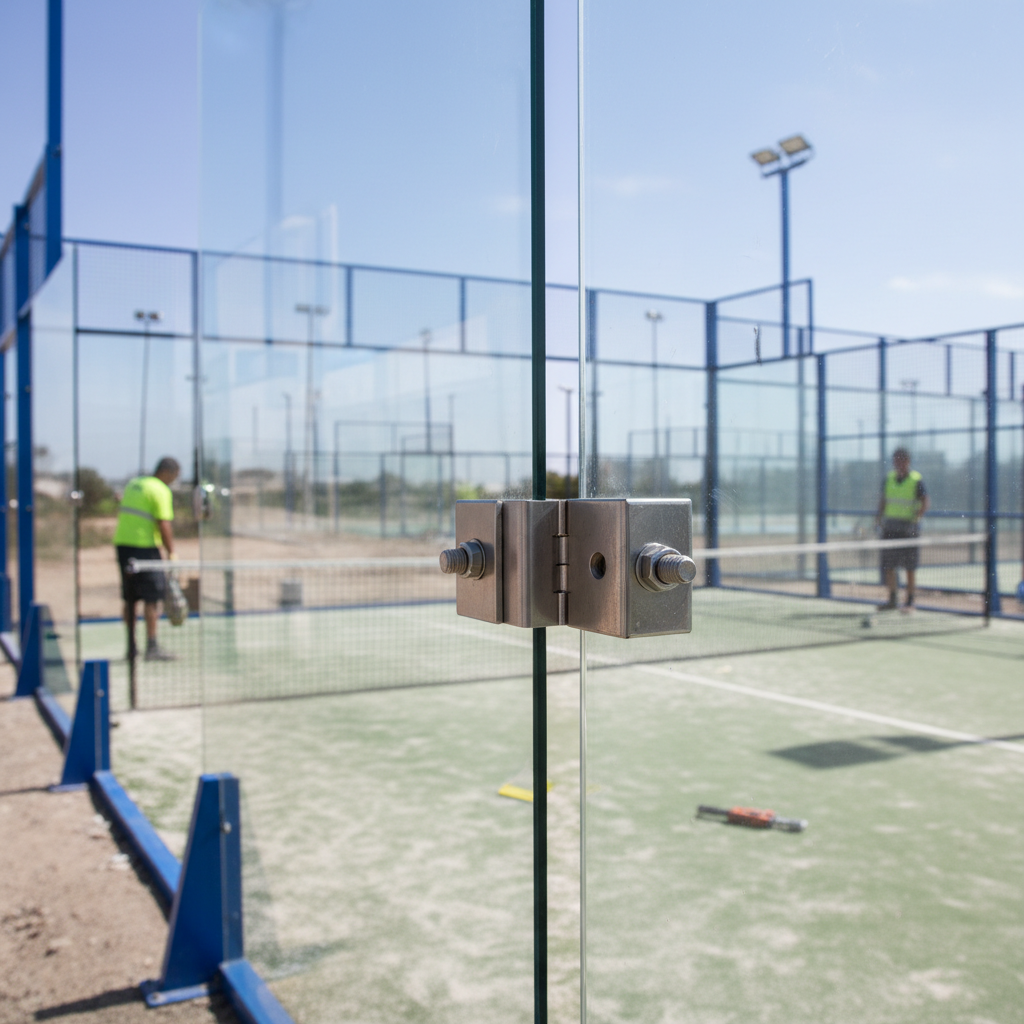
Selecting the appropriate glazing material significantly alters the padel court layout performance regarding ball rebound consistency and player safety. Only certified materials meeting international safety standards should be utilized to prevent dangerous shattering incidents that could harm athletes or spectators nearby. Professional facilities invest in Padel Glass to mitigate liability risks and maintain a premium appearance that reflects high brand standards.
Why is 12mm glass preferred?
The use of 12mm premium panels provides a more solid feel for players who rely on wall bounces for strategic maneuvers. You need to ensure that your installation team uses proper gaskets to prevent the glass from contacting the metal frame directly.
Wait, there’s more.
- Thermal toughening process
- Polished safety edges
- Countersunk hole drilling
- High impact durability
Key Takeaway: High-quality 12mm tempered glass is the industry standard for ensuring consistent playability and long-term safety in commercial courts.
| Property | 10mm Glass | 12mm Glass |
|---|---|---|
| Impact Strength | Standard | High |
| Rebound Quality | Fast | Precise |
| Weight per m² | 25 kg | 30 kg |
| Visibility | Excellent | Excellent |
Regular inspections of the anchoring hardware are fundamental to maintaining the structural integrity of these transparent walls over years of heavy use.
Can lighting optimize your padel court layout?
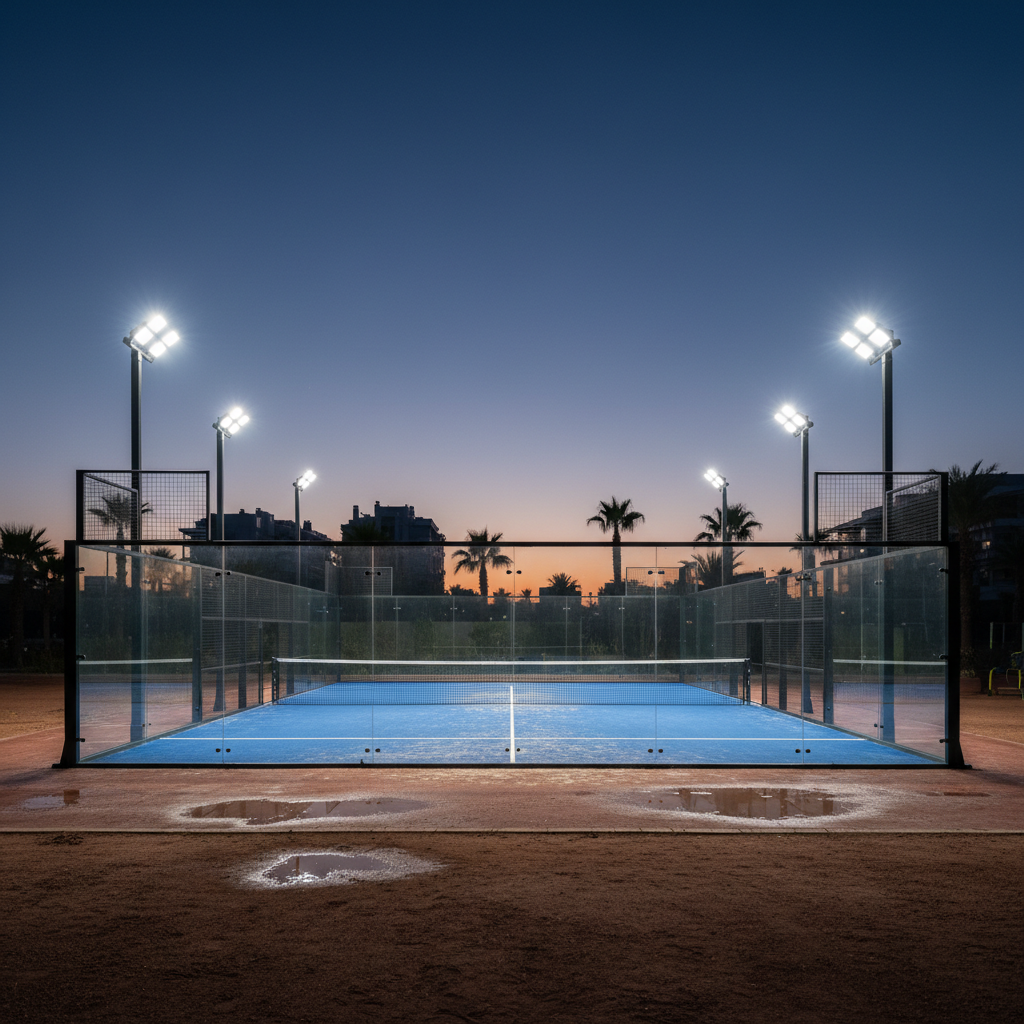
Strategic lighting mast positioning improves the padel court layout by providing uniform illumination across the playing surface without creating distracting shadows. Quality lighting systems represent a decisive factor for player retention because people prefer venues where they can see the ball clearly during evening sessions. You can position poles at specific intervals along the side fences to maximize light coverage while minimizing the risk of physical contact.
What are the benefits of LED?
Advanced LED fixtures reduce operational costs through lower energy consumption and longer component lifespans compared to traditional halide systems. Modern controllers also allow managers to dim lights during off-peak hours which saves money without compromising basic safety.
But here’s the kicker.
- Horizontal illuminance levels
- Color rendering index (CRI)
- Flicker-free driver technology
- Asymmetric light distribution
Key Takeaway: Professional LED lighting at 500-750 Lux ensures the facility is playable 24/7 and ready for high-quality video broadcasting.
| Level | Min Lux | Uniformity |
|---|---|---|
| Amateur | 300 Lux | 0.5 |
| Competitive | 500 Lux | 0.7 |
| Professional | 750+ Lux | 0.8 |
| Broadcasting | 1000+ Lux | 0.9 |
Proper tilt angles for the fixtures are pivotal to avoid blinding players during high lobs or overhead smashes common in the modern game.
Which posts stabilize the padel court layout?
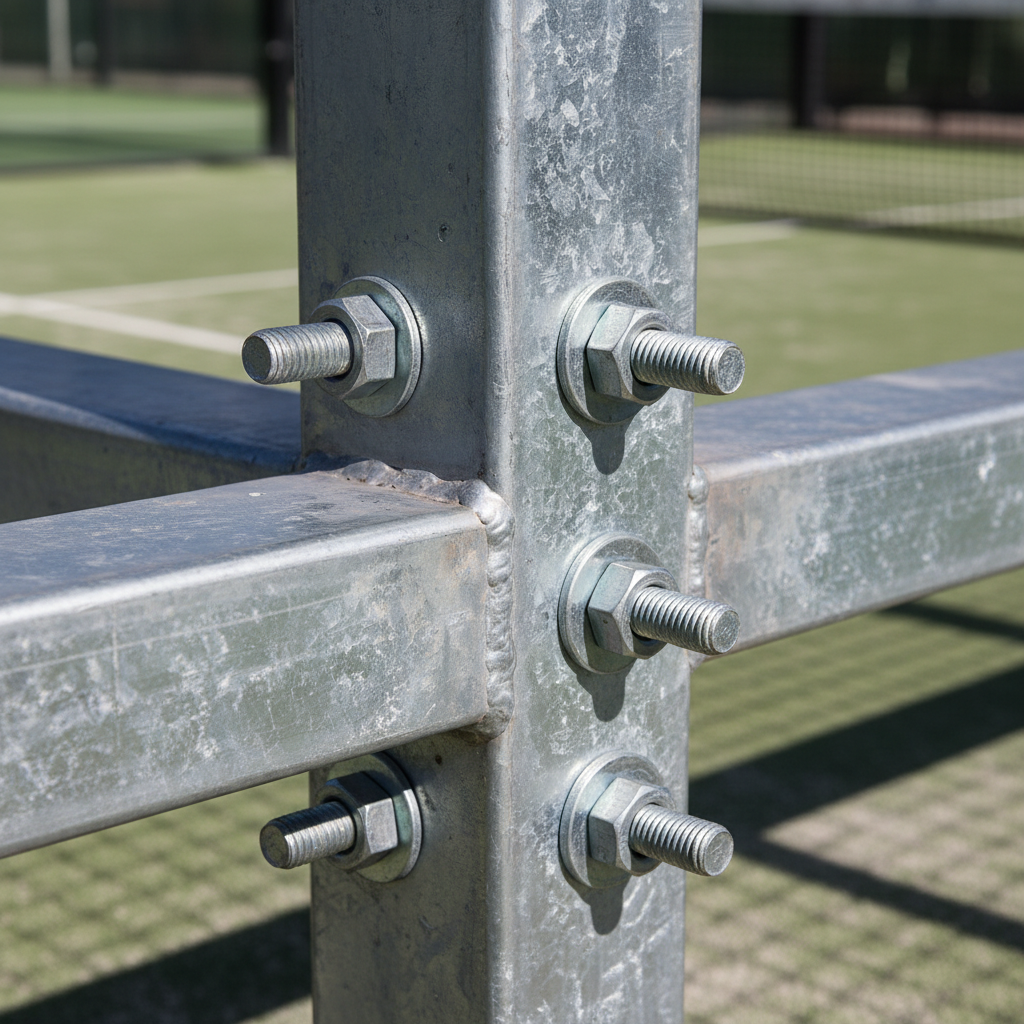
Structural integrity depends upon heavy-duty steel profiles that stabilize the padel court layout against constant vibration from ball impacts and high wind loads. You should select components like those in a Super Panoramic Padel Court to protect your capital investment because robust frames require fewer repairs. Engineering teams specify particular wall thicknesses for metal tubes to prevent bending or fatigue over several years of commercial use.
How is long-term stability achieved?
Advanced welding techniques alongside modular bolt systems facilitate rapid assembly while ensuring every joint remains secure against mechanical stress. You need to verify that all structural posts are anchored into reinforced concrete footing of at least 30cm depth.
The best part?
- Tubular steel profiles
- Zinc-rich primer coating
- Modular bolt-together joints
- Vibration-damping gaskets
Key Takeaway: Stabilizing the court requires galvanized steel posts and reinforced concrete anchoring to ensure the structure remains rigid and safe.
| Element | Specification | Function |
|---|---|---|
| Main Pillars | 100mm x 100mm | Vertical Load Support |
| Frame Mesh | 50mm x 50mm | Ball Rebound Control |
| Bolt Type | M12 Stainless | Corrosion-free Joining |
| Finish | Powder Coated | Aesthetic Protection |
Modern modular designs favor easier transportation and faster onsite installation without the need for specialized heavy machinery in tight urban spaces.
Does mesh quality impact the padel court layout?
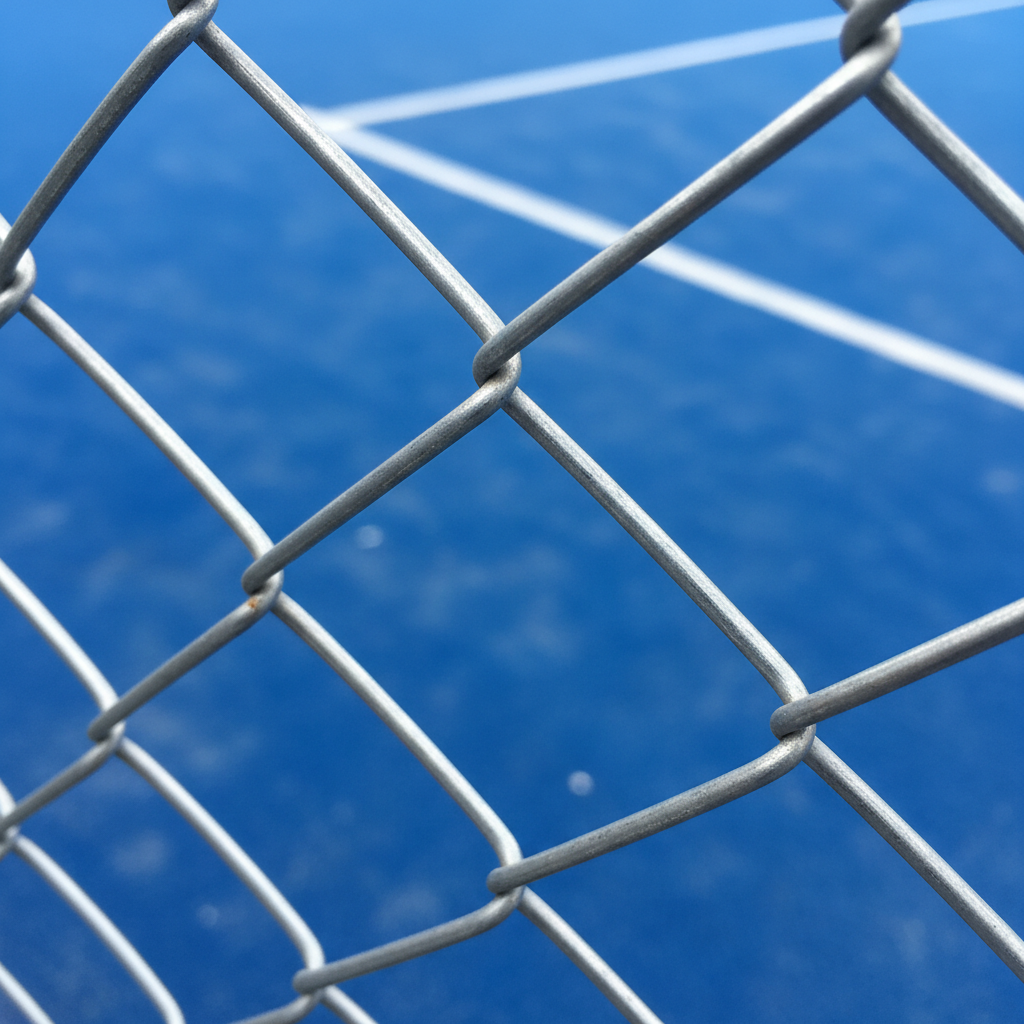
The specific tension and wire thickness of the metallic mesh directly impact the padel court layout playability regarding ball rebound behavior. High-quality wire systems ensure that your courts remain playable for many years while maintaining a professional aesthetic that attracts new club members consistently. You can choose different mesh textures to offer performance benefits regarding ball spin and player grip based on your target demographic.
Why is weld strength important?
Electrowelded panels must remain rigid to prevent sagging or deformation which would compromise the technical standards required for tournament play. Maintaining the correct tension in these panels is a significant task that ensures your facility continues to meet high standards.
Here is the deal.
- Interlocking frame segments
- Standardized glass brackets
- Uniform anchoring plates
- Replaceable mesh panels
Key Takeaway: High-frequency welded mesh with a 4-5mm diameter provides the necessary rigidity for accurate and professional ball rebounds.
| Property | Metric | Importance |
|---|---|---|
| Wire Diameter | 4.0mm – 5.0mm | Structural Rigidity |
| Aperture Size | 50mm x 50mm | Rebound Accuracy |
| Weld Strength | High-Frequency | Impact Resistance |
| Coating | Anti-Corrosive | Outdoor Longevity |
Selecting durable mesh components protects your structural investment from environmental degradation while providing the predictable bounce characteristics competitive players expect.
Is maintenance vital for a padel court layout?
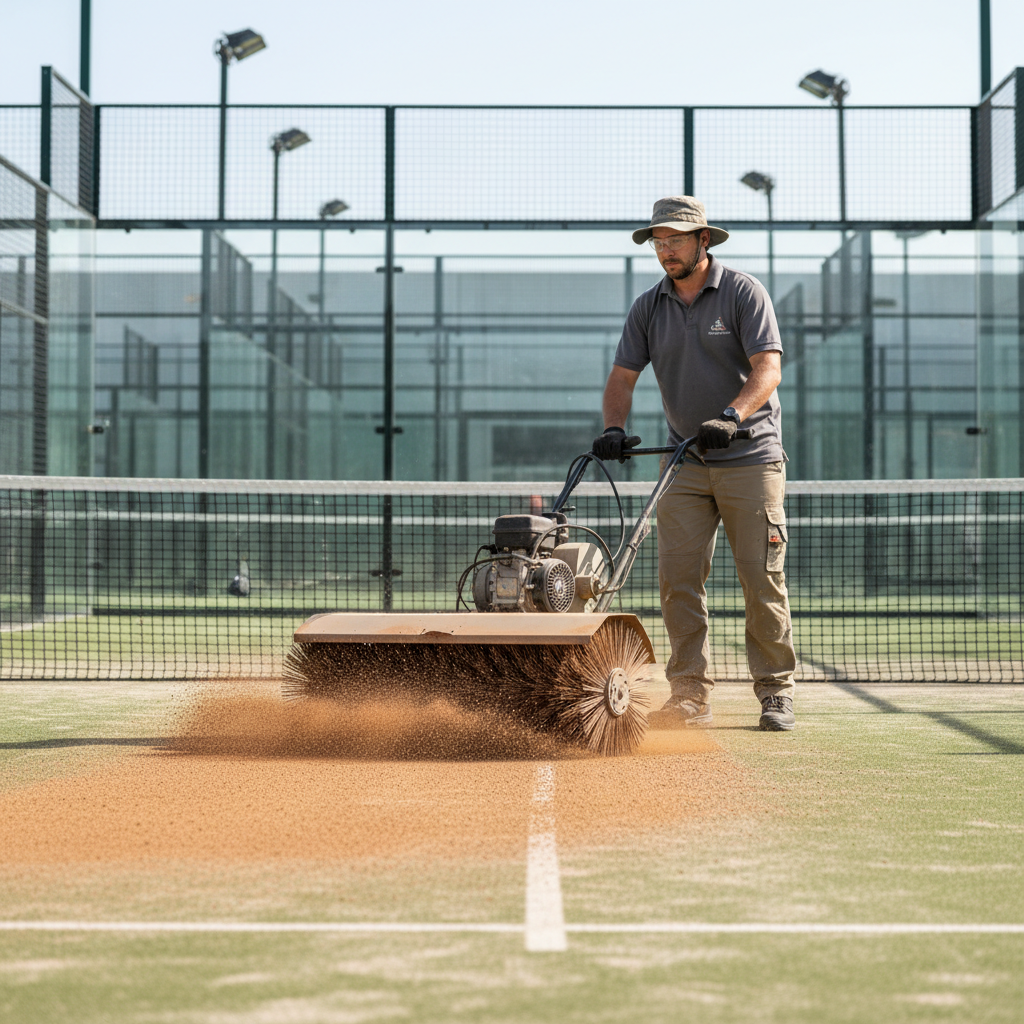
Proactive daily maintenance protocols preserve the padel court layout quality by ensuring that synthetic turf and structural components remain in optimal condition. Regular surface grooming redistributes sand infill across high-traffic areas which prevents the synthetic fibers from flattening and losing their natural characteristics. You should use soft-bristled brushes from a Standard Padel Court kit to move sand from the edges back toward the center.
What are the consequences of neglect?
Neglecting daily brushing leads toward uneven wear patterns that can eventually require expensive full-turf replacements much sooner than projected. Keeping a detailed maintenance log allows you to track the lifespan of every part and schedule proactive repairs before shutdowns occur.
Let’s face it.
- Cross-pattern brushing techniques
- Sand leveling procedures
- Fiber uprighting methods
- Debris removal routines
Key Takeaway: Consistent maintenance, especially weekly sand brushing and quarterly bolt tightening, is essential to maximize the lifespan of your investment.
| Task | Frequency | Priority |
|---|---|---|
| Sand Brushing | Weekly | High |
| Bolt Tightening | Quarterly | Medium |
| Glass Cleaning | Monthly | Medium |
| Deep Grooming | Annually | Low |
Cleaning the glass walls with appropriate non-abrasive solutions ensures that spectators have a clear view and that the venue maintains its premium aesthetic appeal.
How does zoning support a padel court layout?
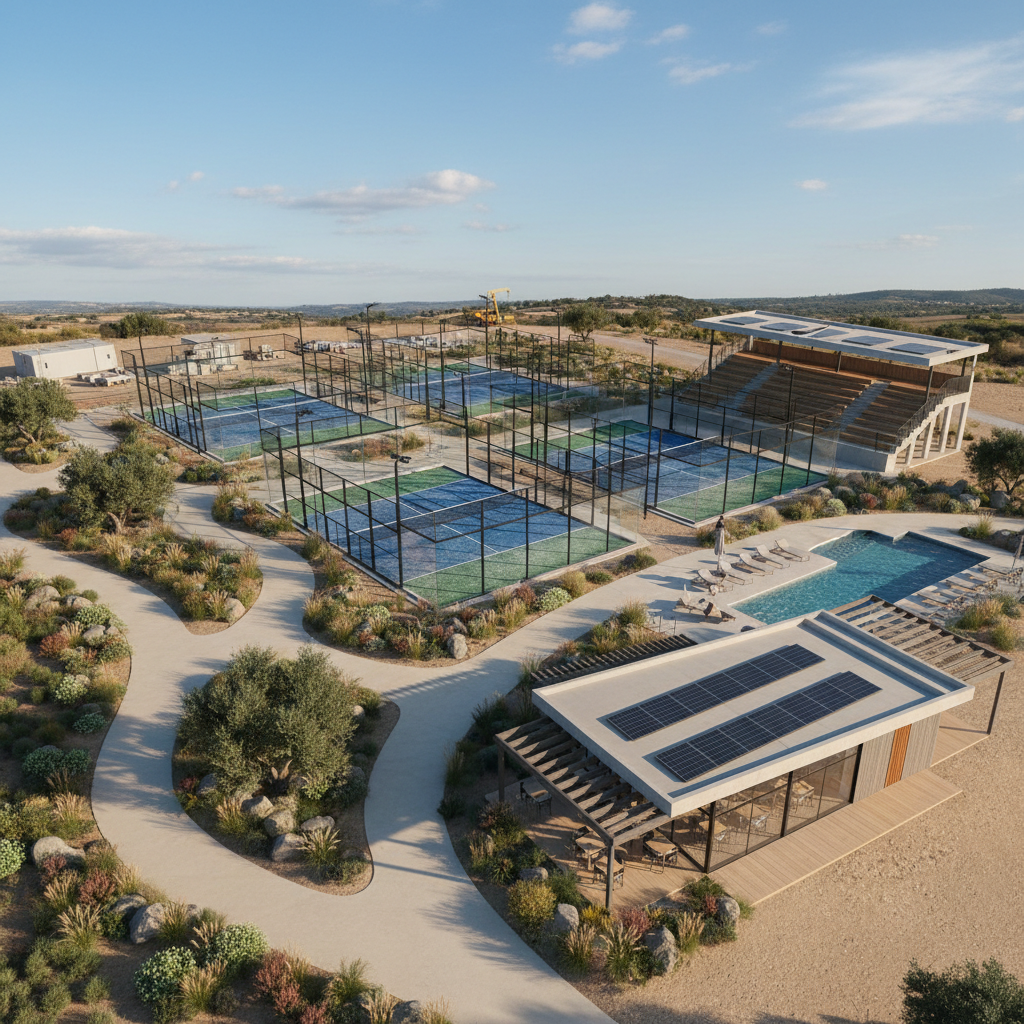
Legal compliance with local zoning laws ensures that your padel court layout project receives necessary building permits without facing costly delays or legal penalties. You need to consult professional engineers to verify that the concrete foundation and high steel frames meet all environmental and safety regulations. Navigating these complex rules represents a fundamental step for business owners who seek long-term operational success and positive community relations.
Why is acoustic assessment needed?
Integrating noise reduction strategies is pivotal because padel generates unique sound profiles that can disturb nearby neighbors during late evening hours. Consulting with a local planning expert can help you identify any specific environmental requirements such as light pollution limits.
What’s the real story?
- Land use classifications
- Setback distance rules
- Maximum height limits
- Structural engineering stamps
Key Takeaway: Securing the correct permits and conducting noise/soil studies are mandatory steps to ensure the legal and structural viability of your court.
| Requirement | Detail | Impact |
|---|---|---|
| Planning Permit | Municipal Approval | Legal Operation |
| Soil Report | Geotechnical Study | Foundation Integrity |
| Noise Study | Acoustic Assessment | Neighbor Relations |
| ADA Compliance | Accessible Design | Universal Access |
Ensuring that your facility is fully accessible to people with disabilities is also a significant requirement that expands your potential membership base.
Why build a panoramic padel court layout?
Premium facilities often select a panoramic padel court layout because it eliminates rear structural pillars to provide an unobstructed view for spectators watching matches. This sleek aesthetic creates a high-end atmosphere that justifies higher rental prices and attracts prestigious corporate events or televised tournaments. You can achieve this look by utilizing thicker glass and reinforced corner brackets like those in a Super Panoramic Padel Court.
How does it affect spectator engagement?
Athletes enjoy playing in visually open environments that feel more spacious and modern compared toward older designs with heavy metal frames. The professional appearance encourages social media sharing among club members which provides free marketing and increases brand visibility.
You might be wondering.
- Full-view glass backwalls
- Hidden structural supports
- Premium aesthetic appeal
- Enhanced spectator engagement
Key Takeaway: Panoramic layouts offer superior aesthetics and spectator views, making them the preferred choice for high-end clubs and tournament venues.
| Feature | Standard Model | Panoramic Model |
|---|---|---|
| Rear View | Obstructed | Unobstructed |
| Cost | Lower | Higher |
| Prestige | Moderate | High |
| Structural Style | Visible Pillars | Hidden Supports |
Offering a mix of standard and panoramic options allows you to cater toward different market segments while maximizing the overall profitability of your sports business.
How can you finalize your padel court layout today?
Executing a professional padel court layout requires a strategic balance of precision engineering and high-quality material selection to ensure long-term profitability. You likely understand that poor spatial planning and substandard materials lead toward decreased revenue and unhappy club members who demand high-quality recreational experiences. This frustration agitates your business potential because weak infrastructure fails to attract the elite athletes and corporate sponsors necessary for growth. Selecting a modular, certified system allows you to build a high-performance facility that meets international standards while remaining profitable over many operating years. If you require expert guidance on technical specifications or procurement, contact us today for a professional consultation tailored toward your specific facility goals. Building a sustainable sports business starts with the right foundation, so reach out now to secure your project’s success and transform your vision into a reality.
FAQ Section
Q1: Can I customize the colors of a padel court layout?
Yes. We offer full OEM support including custom RAL colors for the metallic frame and integrated logos to strengthen your specific brand identity in the local market.
Q2: What’s the best foundation for a permanent padel court layout?
Reinforced concrete is the industry standard. This material provides the most stable level surface for frame anchoring and prevents long-term structural shifting regardless of local soil conditions.
Q3: How do I know if my padel court layout requires a permit?
You should consult your local authorities. Most municipalities classify these structures as permanent because of their concrete bases and high frames, which usually necessitates formal building and zoning approvals.
Q4: Can I install a padel court layout in an indoor facility?
Yes. Indoor installations are very common but require at least six to nine meters of vertical clearance to accommodate defensive lobs and professional lighting mast heights.
Q5: What’s the best way to maintain the synthetic turf?
Weekly brushing is the most effective method. Professional clubs should redistribute sand infill at least once per week to prevent fibers from flattening and ensure consistent ball bounce.