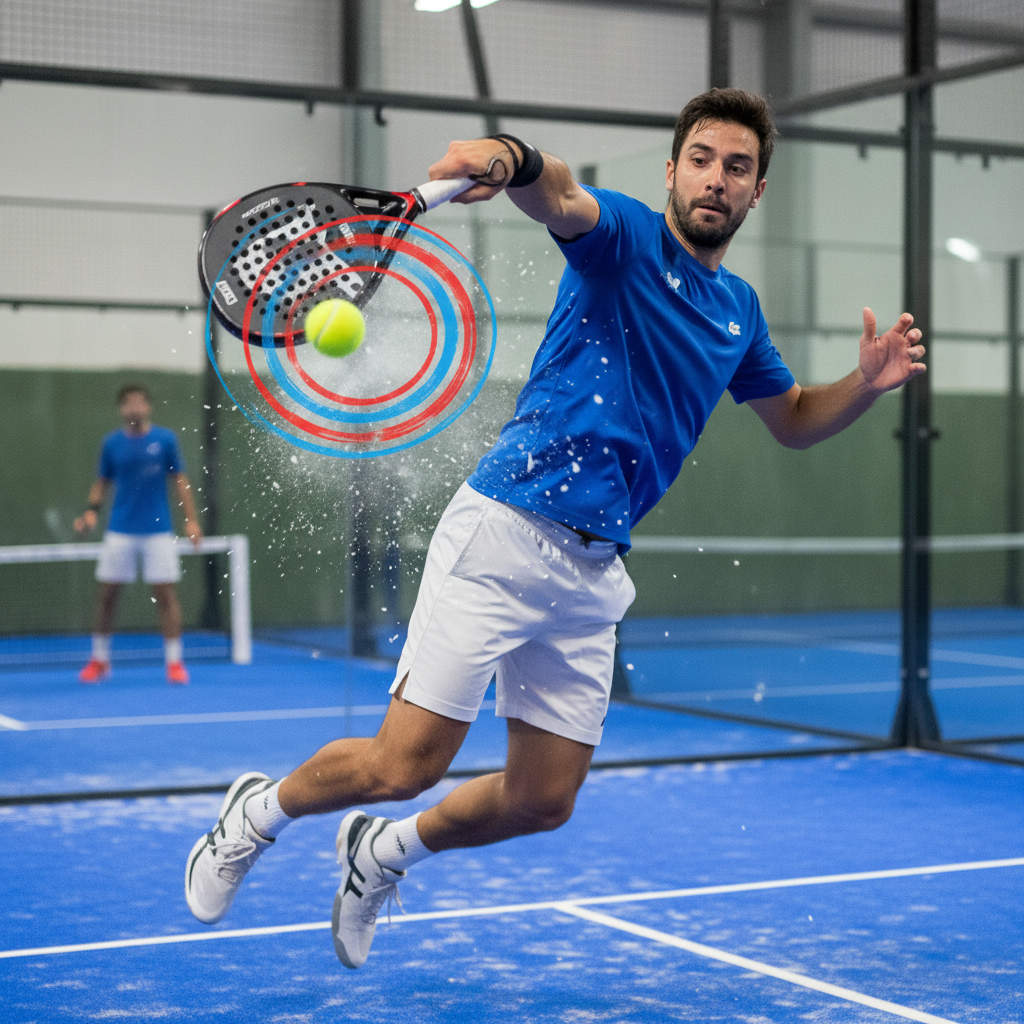
Many athletes struggle with finishing points effectively while standing near the net. You watch weak lobs sail overhead yet your response often lacks sufficient power or tactical precision. This failure allows opponents back into rallies and creates frustration during competitive matches.
Finding a reliable way for ending points consistently remains a primary challenge for many facility managers and club players alike. Our expertise in professional court construction and gear optimization provides deep insight regarding elite performance mechanics. Here is the deal. This guide breaks down every technical nuance so you can dominate court positions with authority.
1. What is a padel smash and why does it matter?
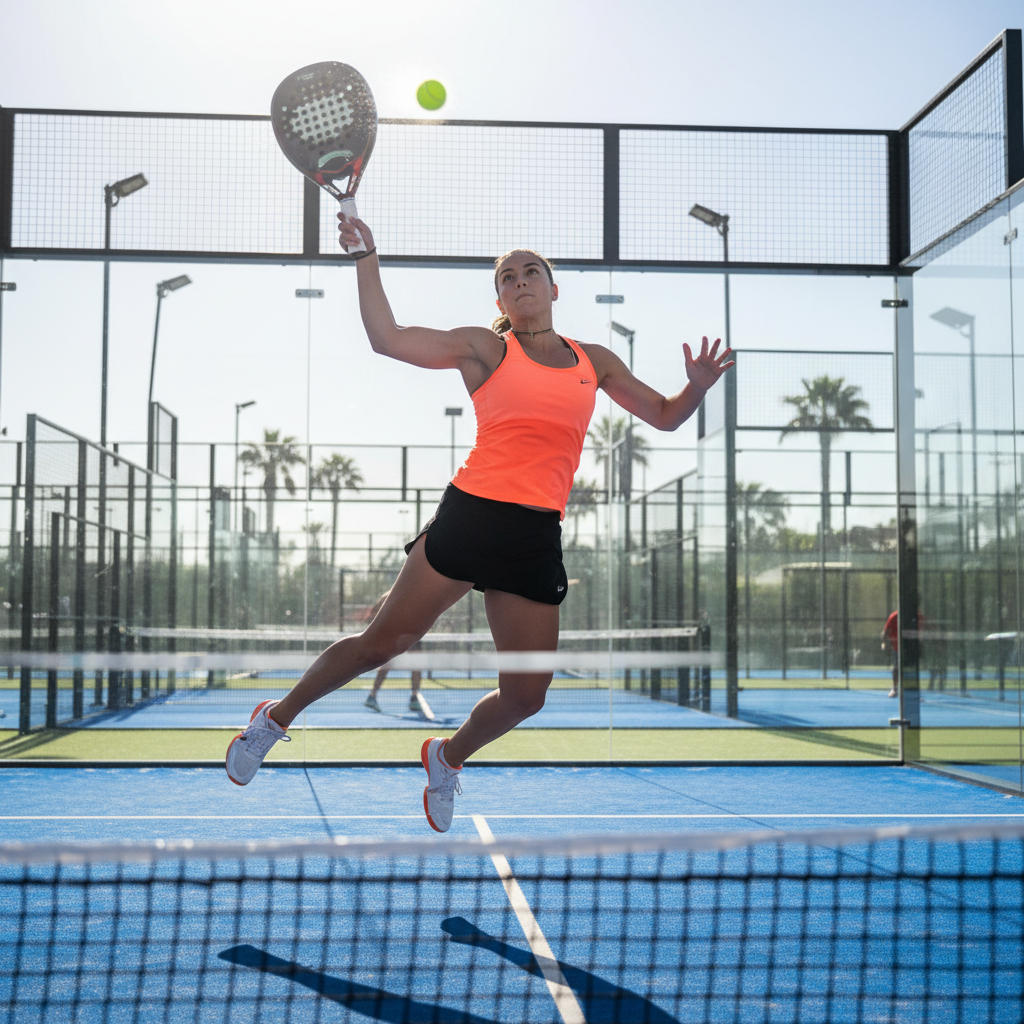
Defining the fundamental overhead strike serves as our starting point for professional development. Success depends on timing rather than just muscle power to end a rally immediately. You might be wondering. Why does this single move dictate match outcomes so frequently? High-level play demands net dominance and these overheads represent your primary weapon for maintaining that pressure.
A powerful strike forces adversaries into difficult defensive corners. It serves as a deterrent against lazy lobs from your opponents. Without this threat your rivals will comfortably lob you all day without fear of retribution. Professional athletes spend hours refining their preparation phase to ensure every contact feels clean.
Strategic Importance in Professional Matches
| Component | Goal | Focus Area |
|---|---|---|
| Preparation | Early Positioning | Feet Alignment |
| Impact | Energy Transfer | Contact Height |
| Result | Point Termination | Target Selection |
- Key Insight: Controlling the space near the center line prevents opponents from recovering momentum.
2. How does the padel smash differ from tennis?
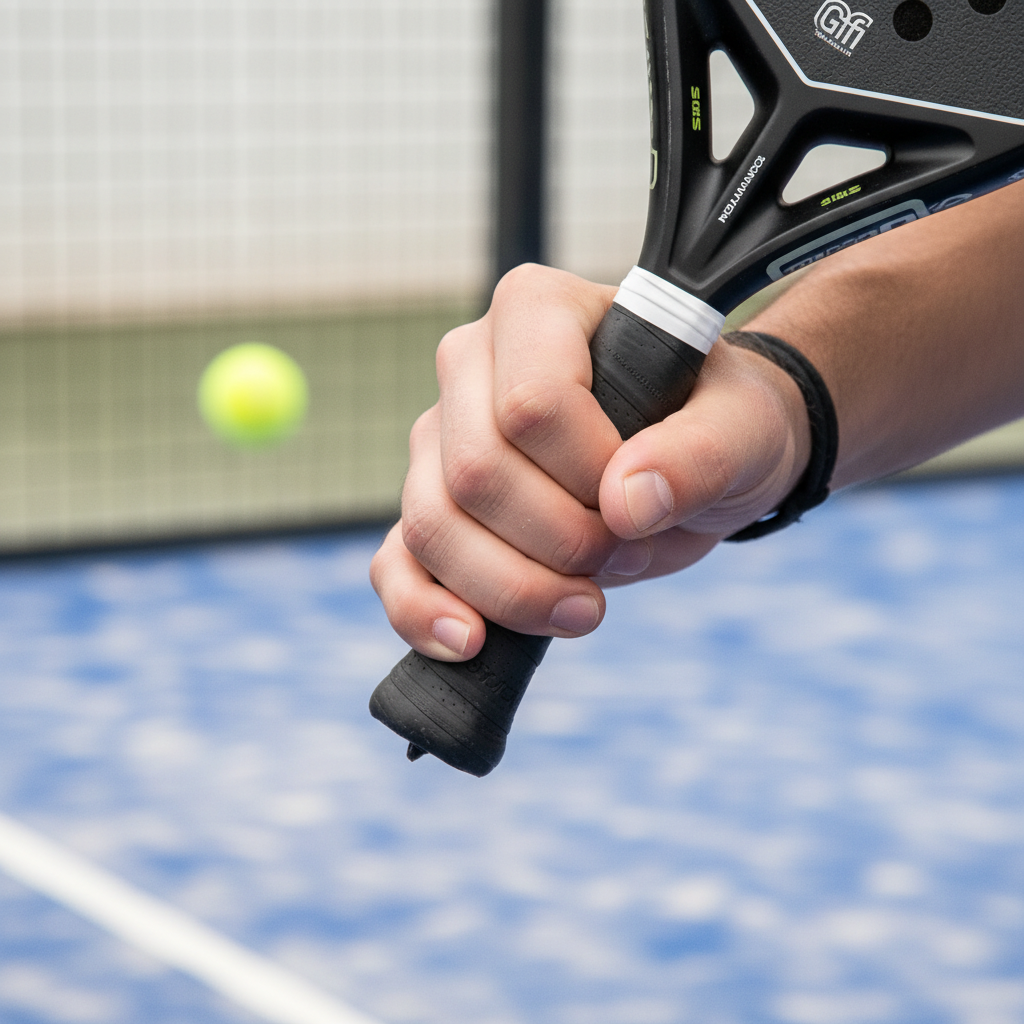
Many people assume these sports share identical mechanics regarding overhead strikes. Ready for the truth? A padel smash actually requires a shorter backswing and more controlled follow-through. Tennis players often try to hit through the court but padel involves walls that change every outcome.
If you hit too flat in this sport that ball bounces high off the glass and returns straight to your opponent. You need to understand how racquet surface textures interact with ball felt differently here. Most courts have smaller dimensions so precision outweighs pure velocity. Adjusting your swing path represents a major step towards professional competence.
Comparison of Technical Mechanics
| Feature | Padel Technique | Tennis Technique |
|---|---|---|
| Backswing | Compact / Short | Large / Full |
| Follow-through | Downward / Controlled | Forward / Extended |
| Court Walls | Primary Scoring Tool | Not Applicable |
- Key Insight: Padel involves vertical bounce management rather than just horizontal depth.
3. Which type of padel smash should you choose?
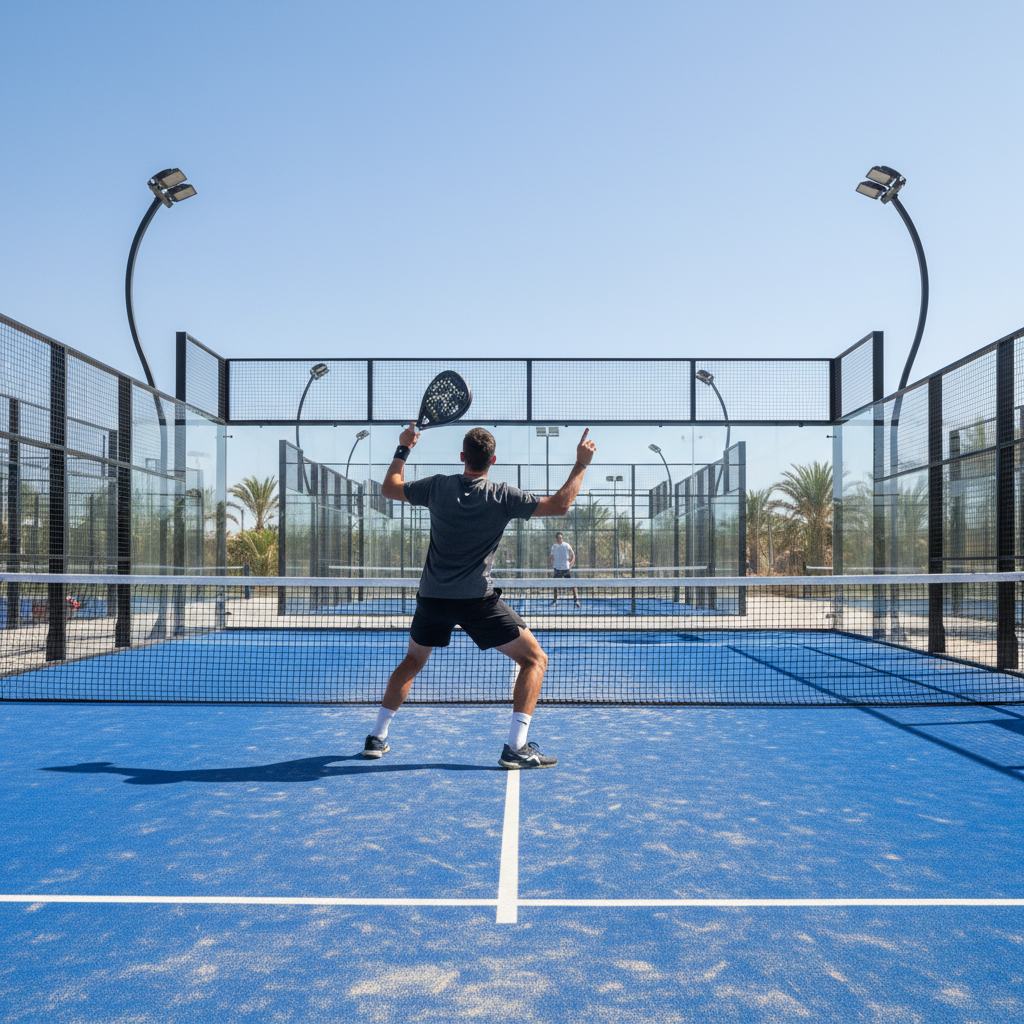
Selecting your specific overhead variation depends heavily on where you stand on the court. A flat smash works best when you are very close to that net for maximum finishing speed. What is the secret? Use a topspin variation when you find yourself slightly further back in the transition zone. This creates a high kick off the glass which makes defense nearly impossible.
The Vibora and Bandeja represent two other overhead options that players often confuse with smashes. Use a Bandeja as a defensive overhead when you are moving backward to maintain position. Most club players over-hit their overheads when a soft Vibora would win the point. Efficiency represents the mark of a true expert in this field.
Tactical Selection for Overheads
| Smash Type | Spin Applied | Tactical Situation |
|---|---|---|
| Flat | None | Close Net / Finish |
| Topspin | Heavy Forward | Mid-Court / High Kick |
| Vibora | Side / Slice | Aggressive / Side Glass |
- Key Insight: Varied spins keep opponents guessing and prevent them from timing defensive moves.
4. What technical steps build a perfect padel smash?
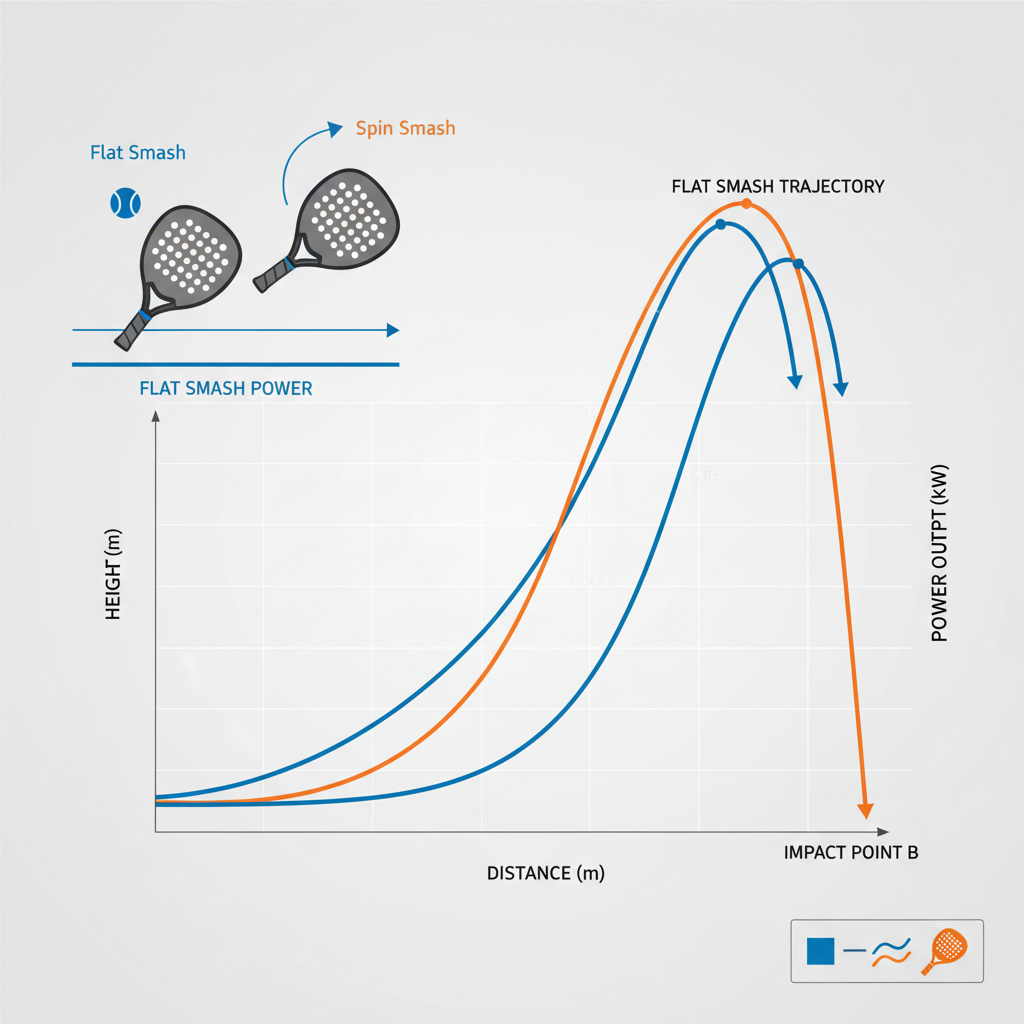
Building a perfect strike begins with your feet rather than your hands. Early preparation means turning your body sideways as soon as that ball leaves the opponent’s racquet. Here is the deal. This alignment creates a coiled spring effect in your core. You then uncoil during contact to generate effortless speed without straining your shoulder.
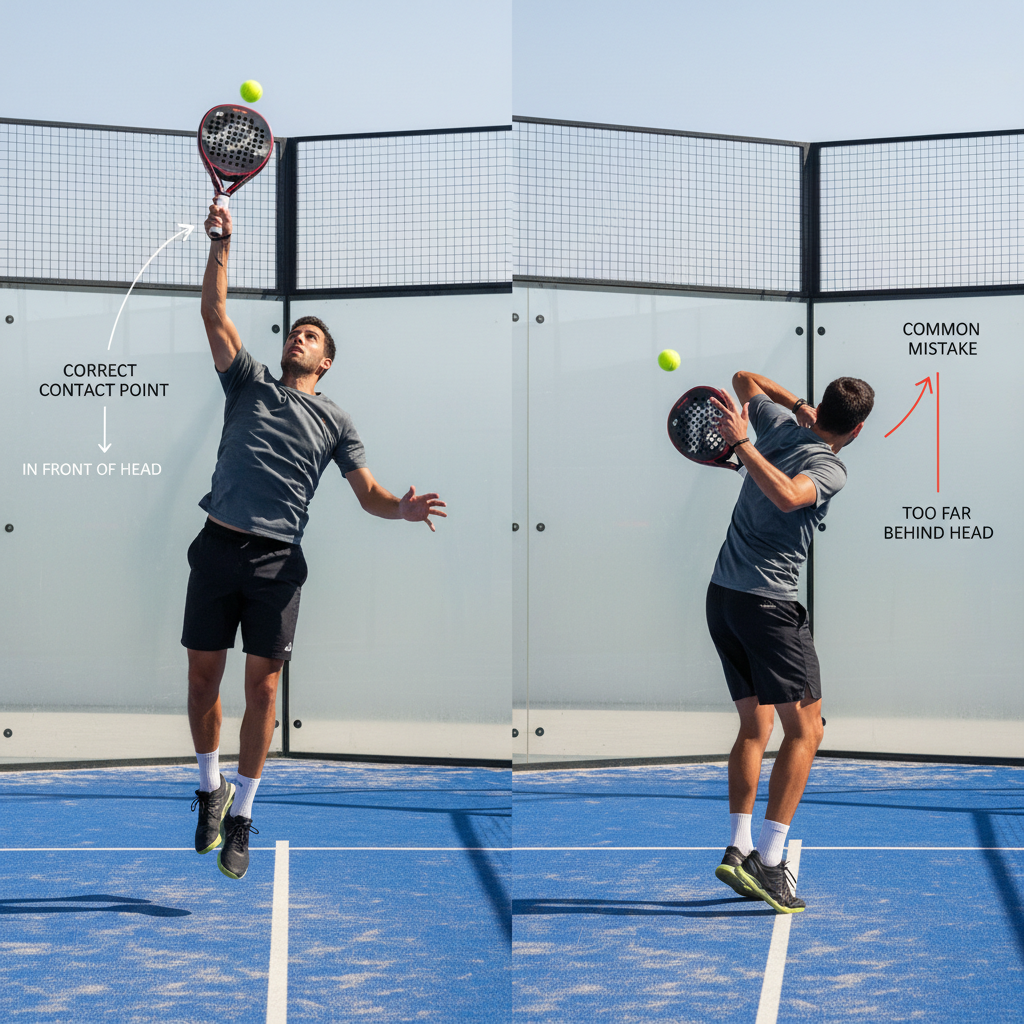
Contact height represents another significant factor for success. You want to strike the ball at its highest reachable point while maintaining balance. Think about this. Pronation of the wrist during contact adds that extra snap needed for professional power. Keeping your head up throughout the swing ensures better accuracy and cleaner impact.
Phases of the Technical Motion
| Phase | Key Action | Technical Tip |
|---|---|---|
| Prep | Side Turn | Tracking hand points up |
| Contact | Peak Reach | Snap wrist at top |
| Follow | Extension | Guide racquet to hip |
- Key Insight: Meeting the ball in front of your head is crucial for downward force.
5. How do racquet materials influence your padel smash?
Selecting the right equipment changes how your overheads behave on court. Carbon fiber frames offer incredible stiffness for players seeking raw power output. But wait, there is more. This material translates every ounce of your energy directly into the ball. Fiberglass racquets feel softer and provide more comfort but they lack that same explosive response.
The internal core remains just as important as the external frame for energy transfer. EVA foam exists in various densities to suit different playing styles and strike speeds. High-density foam rewards players who hit hard by offering a firm striking surface. Proper gear selection minimizes injury risks while maximizing your offensive potential at the net.
Equipment Material Analysis
| Material | Advantage | Best For |
|---|---|---|
| Carbon Fiber | Maximum Power | Advanced Players |
| Fiberglass | Increased Comfort | Beginners |
| Hard EVA | Energy Transfer | Smash Specialists |
- Key Insight: Head-heavy racquets add momentum but require more arm strength to maneuver.
6. Where should you target your padel smash on court?
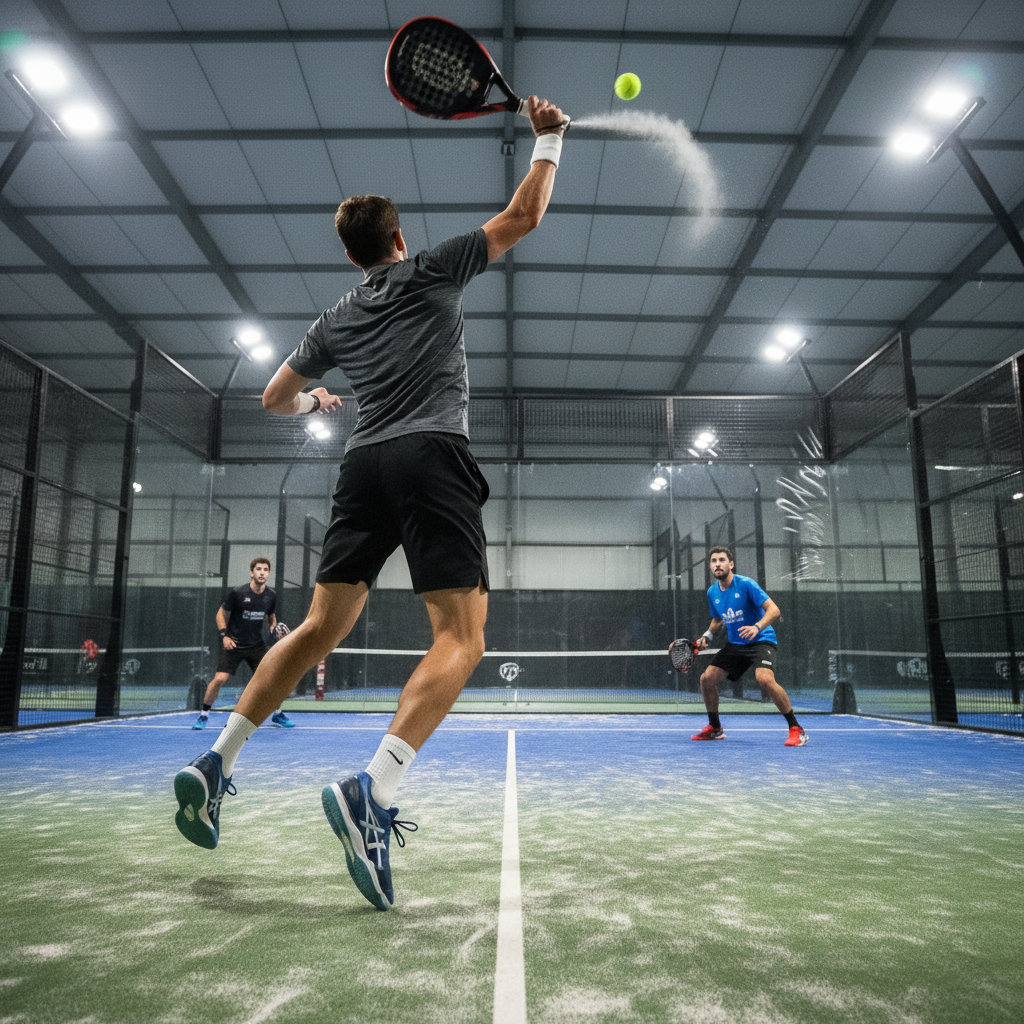
Targeting the correct zone remains a priority for competitive success. Aiming for the fence often results in a chaotic bounce that confuses defenders. What’s the real story? Shorter angles usually lead to more winners because they move away from the defender faster. You should target the side glass to force opponents into uncomfortable stretching movements.
Executing a “Bring it Back” shot requires hitting the ball so it returns over the net after hitting the back glass. This move completely eliminates the possibility of a return from your opponent. Learning these targets transforms your overhead from a simple hit into a tactical weapon. Professionals spend hours practicing these specific trajectories to ensure high success rates.
Primary Target Zones
| Target Zone | Ball Result | Player Risk |
|---|---|---|
| Metal Fence | Unpredictable Rebound | Medium |
| Side Glass | Wide Angle / Exit | Low |
| Back Glass | High Kick / Return | High |
- Key Insight: Strategic targeting eliminates the possibility of defensive recovery during a point.
7. What common mistakes ruin a professional padel smash?

Poor footwork stands as the most frequent error among club players today. Many athletes stand flat-footed and wait for the ball to reach them. Look at this. This lack of movement leads to hitting the ball while it is behind your body. You must stay on your toes and take many small steps to adjust your position.
Over-relying on arm strength represents another major mistake for many power hitters. True power comes from your legs and core rotation rather than just your bicep. Here is the deal. Use a smooth kinetic chain starting from your feet through your hips to your wrist. This provides more speed with much less physical effort over time.
Common Error Identification
| Mistake | Consequence | Simple Fix |
|---|---|---|
| Late Prep | Hitting into Net | Turn shoulders early |
| Flat Feet | Poor Contact Point | Small shuffle steps |
| Arm Hitting | Shoulder Strain | Use core rotation |
- Key Insight: Fixing your stance is the fastest way to improve reliability under match pressure.
8. How can you practice the padel smash effectively?
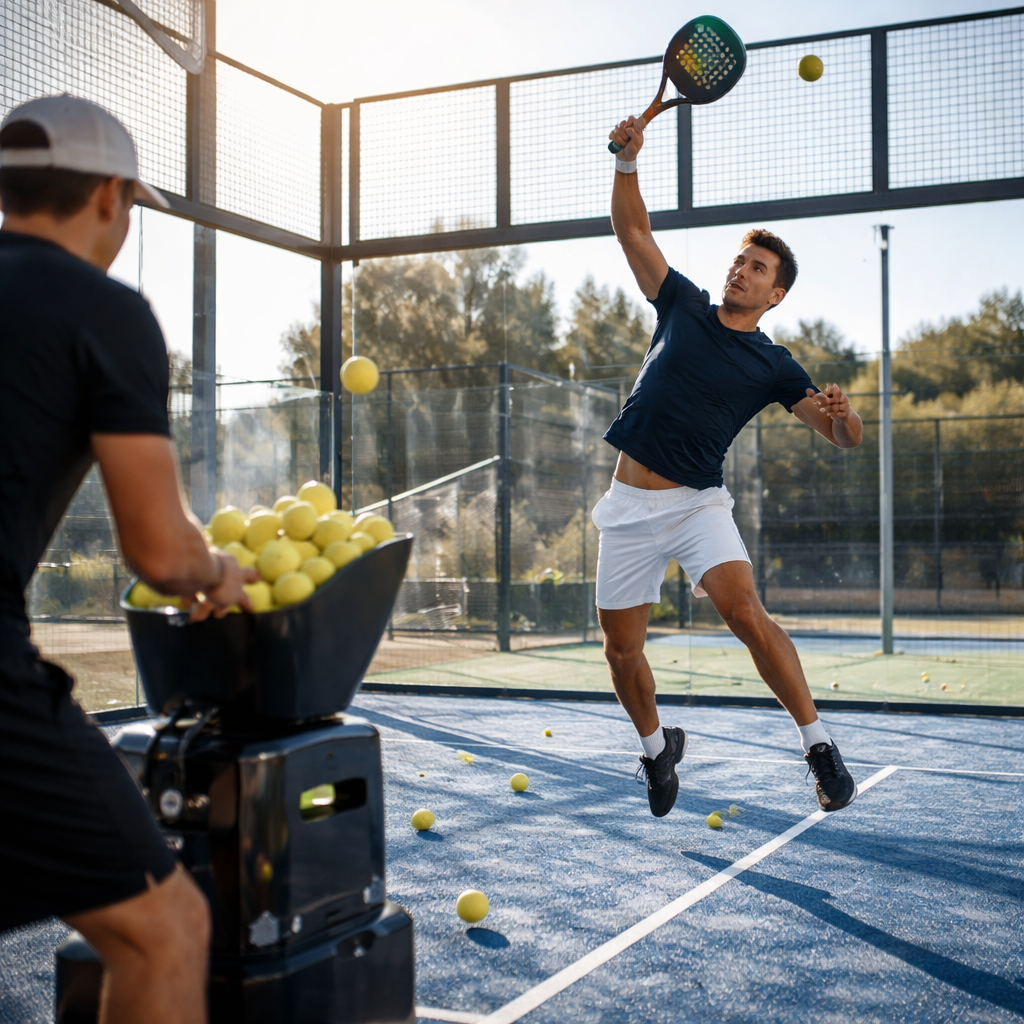
Effective practice requires more than just hitting lobs back and forth. You should use drills that simulate real match pressure to build a reliable technique. Ready for the truth? Start with “basket drills” where a coach feeds balls from different heights and angles. This allows you to focus solely on your mechanics without worrying about court movement initially.
Simulation of high-pressure scenarios helps bridge the gap between practice and competition. Try playing games where you only win points if you finish with an overhead winner. Think about this. Seeing your mistakes on video provides a new perspective on your technical flaws. Improvement happens through quality repetitions rather than just quantity during your training sessions.
Recommended Training Drills
| Drill Type | Objective | Player Effort |
|---|---|---|
| Static Basket | Stroke Mechanics | High Focus |
| Movement Lob | Footwork / Timing | High Cardio |
| Target Hitting | Precision | High Control |
- Key Insight: Consistency is built through repetitive, focused drills that mimic real gameplay.
9. How do court conditions affect the padel smash?
Environmental factors play a massive role in how your overheads behave. High humidity makes the ball heavier and less responsive to spin. Here is why. This means you need more raw power to achieve the same result as a dry day. Altitude also affects ball flight by reducing air resistance.
Surface texture and sand levels also influence your strategy. A court with too much sand might cause the ball to skid rather than bounce. It gets better. You can use this skidding effect to your advantage with slice-heavy Viboras. Adjusting your expectations based on the facility quality is a sign of a seasoned professional.
Environmental Variable Effects
| Condition | Ball Effect | Adjustment |
|---|---|---|
| High Heat | High Bounce | Use more spin |
| Humidity | Heavy / Slow | Hit harder flat |
| Excessive Sand | Skidding Bounce | Aim for corners |
- Key Insight: Understanding the venue’s “personality” allows for better tactical adaptation.
10. What gear optimizes your padel smash performance?
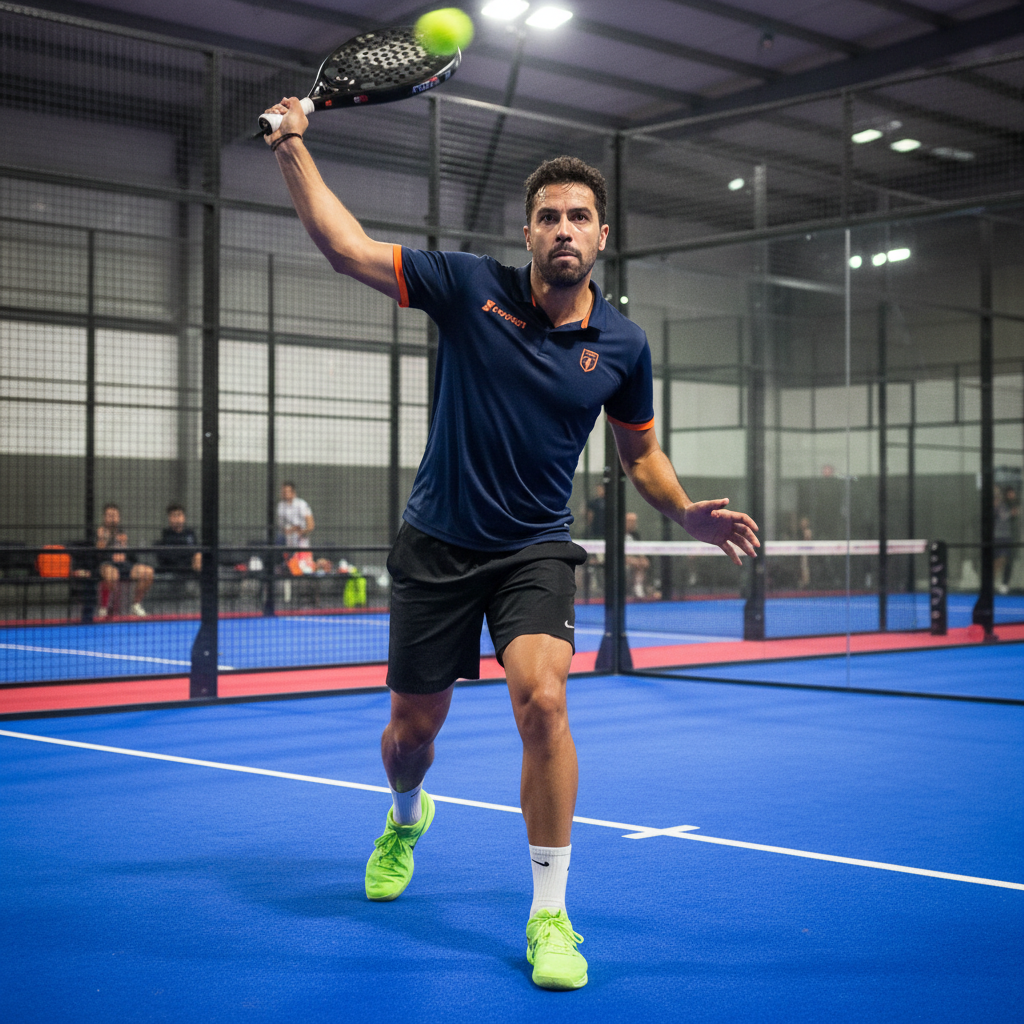
Optimizing your padel smash involves selecting high-performance balls designed for speed. New balls have more internal pressure which makes them bounce higher and faster. What is the secret? Investing in a pressurized tube can help extend the life of your equipment. Professional facilities prioritize ball quality to ensure players get the best possible experience.
Professional accessories like specialized grips also enhance your striking ability. A tacky overgrip prevents the racquet from twisting in your hand during high-speed contact. You might also consider using weight tape on the head of your racquet to increase power. Finding the right combination of accessories takes time and experimentation for elite results.
Performance Gear Optimization
| Accessory | Benefit | Player Impact |
|---|---|---|
| Tacky Grip | Slip Prevention | Better Stability |
| Pro Balls | High Rebound | Easier Winners |
| Head Tape | More Momentum | Increased Power |
- Key Insight: Small equipment details often make the difference between a good shot and a winner.
This analysis demonstrates that a successful overhead requires a blend of technical precision and proper gear selection. We explored how positioning and body rotation generate power without excessive physical strain. Every player should focus on early preparation and target selection to dominate the net area effectively. By understanding environmental factors and racquet materials you can adapt your game to any professional facility.
Consistent practice using match-like drills will transform your confidence on court. Ready for the good part? Start refining your overhead today to see immediate results in your competitive rankings. Our brand vision focuses on providing world-class infrastructure and gear to elevate your sporting experience. For those seeking elite equipment or court solutions please contact us today for expert guidance.
Frequently Asked Questions
Q1: What is a padel smash?
This strike represents an overhead shot designed to finish points by hitting the ball into the opponent’s court with high speed or spin.
Q2: How does racquet weight work for overheads?
A heavier racquet provides more momentum and stability which helps in generating power during high-impact strikes like the flat smash.
Q3: When should I use a Vibora instead of a flat smash?
Utilize a Vibora when you want to apply side-spin to keep the ball low and wide after it hits the side glass.
Q4: Does humidity affect my power shots?
Yes, because high humidity makes the air and ball heavier which reduces the speed and bounce height during your overhead strikes.
Q5: How often should I replace my overgrip?
You should replace it as soon as it loses its tackiness to ensure your racquet stays stable during fast swings.