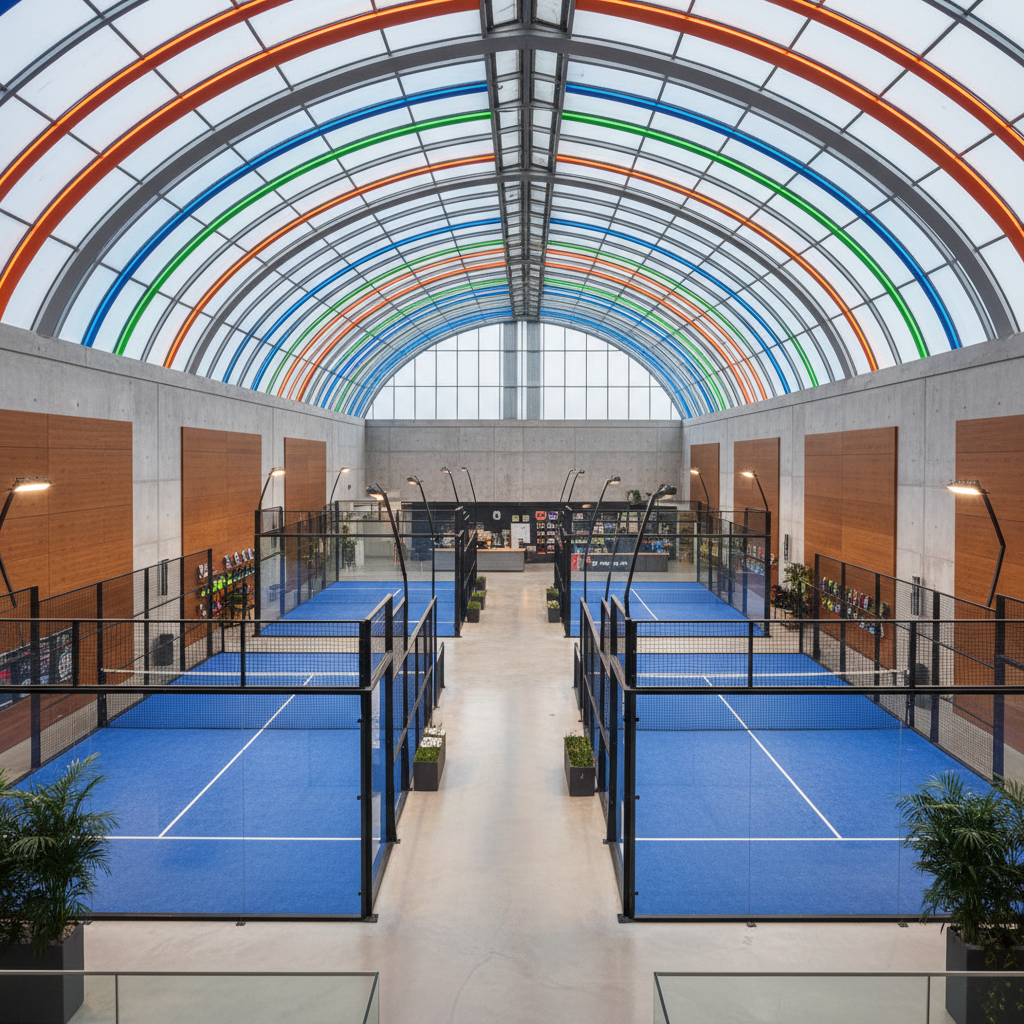
A padel court is a 20×10 meter sports facility constructed by installing a modular steel and glass enclosure over a high-precision reinforced concrete foundation. You face significant operational risks if your sports infrastructure is built using substandard materials or non-compliant dimensions. These technical failures lead to rapid turf degradation and glass breakage that can bankrupt your sports club venture. Our expert blueprint ensures you padel court bauen correctly to maximize safety and achieve professional tournament certification.
What defines the choice to padel court bauen?
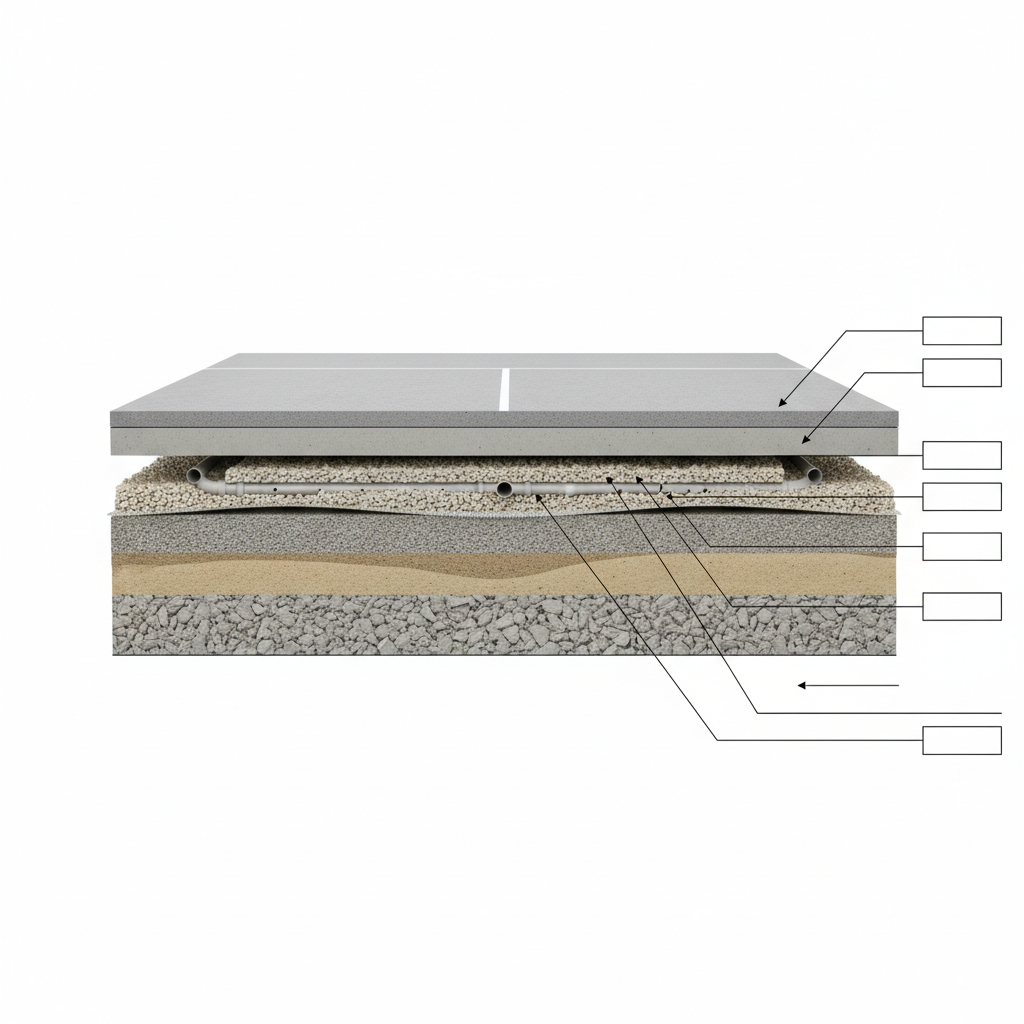
Answer: Constructing a court involves creating a specialized playing area enclosed by tempered glass walls and metallic mesh atop a leveled sub-base.
When you decide to padel court bauen, you are investing in a 200-square-meter footprint that requires civil engineering precision. This process integrates heavy structural steel with delicate high-impact glass to ensure a consistent ball bounce for athletes.
Precision Playing Dimensions
The standard footprint for a doubles court must be exactly twenty meters long and ten meters wide. Net height reaches eighty-eight centimeters at the center and rises slightly toward the supporting posts. Even a small measurement error during the framing stage will disqualify your facility from hosting official sanctioned matches.
Foundation Engineering Requirements
A reinforced concrete slab or porous asphalt layer provides the necessary base for the heavy glass and steel framing. High-density concrete with a thickness of fifteen to twenty-five centimeters prevents the structure from shifting during seasonal temperature changes. The secret to ensuring the turf stays flat lies in achieving a laser-leveled surface with a maximum tolerance of three millimeters across the entire area.
| Base Component | Metric | Function |
|---|---|---|
| Concrete Slab | 200mm | Structural Support |
| Steel Mesh | 8mm Gauge | Tension Reinforcement |
| Perimeter Beam | 400mm Depth | Frame Anchoring |
Key Takeaway: A professional padel court requires a precise 20x10m laser-leveled foundation to ensure structural stability and tournament-grade playability.
Why should you padel court bauen for profit?
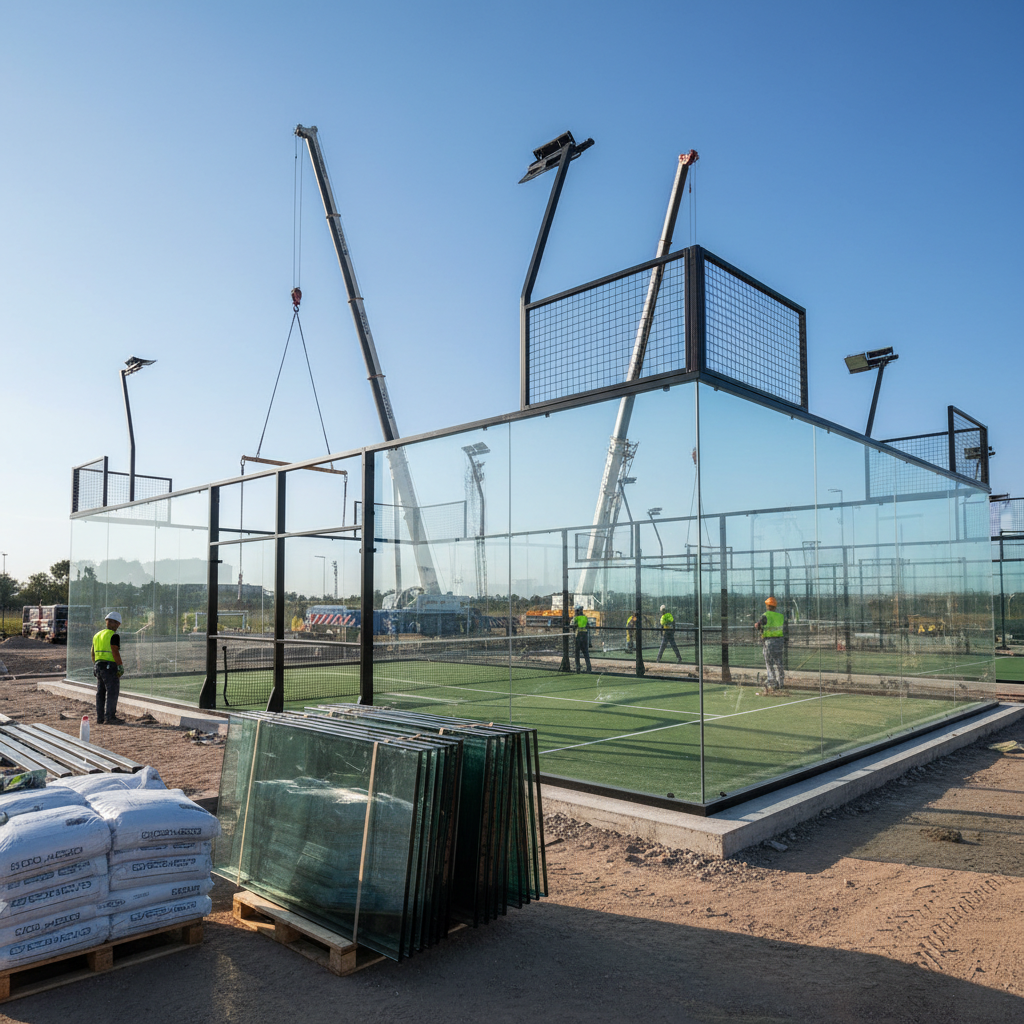
Answer: Investing in this infrastructure offers high revenue density because four players occupy a significantly smaller space than in traditional tennis.
Many commercial developers choose to build courts to capitalize on the rapid global growth and high social engagement of the sport. This efficiency allows you to fit three courts into the space of a single tennis court, tripling your hourly rental potential.
High Revenue Density
Padel allows for double the player density in less than half the space of a standard tennis facility. This translates to higher occupancy rates and a faster return on your initial capital expenditure. You can often charge the same hourly rate for a padel court as a tennis court while utilizing only a fraction of the land.
Social and Community Impact
The sport is easy to learn and highly social, making it the perfect choice for families and corporate networking groups. Because the court is enclosed, the ball stays in play longer, leading to more enjoyable rallies for beginners. Social dynamics within the glass walls create a unique club atmosphere that keeps members returning every week.
| Financial Metric | Padel Court | Tennis Court |
|---|---|---|
| Area Required | 200 sqm | 650 sqm |
| Players/Sqm | 1 per 50 sqm | 1 per 162 sqm |
| Rental Income | €30 – €60/hr | €25 – €50/hr |
Key Takeaway: Building padel courts maximizes your land utility and generates higher hourly revenue compared to traditional racket sports.
How much capital helps you padel court bauen?
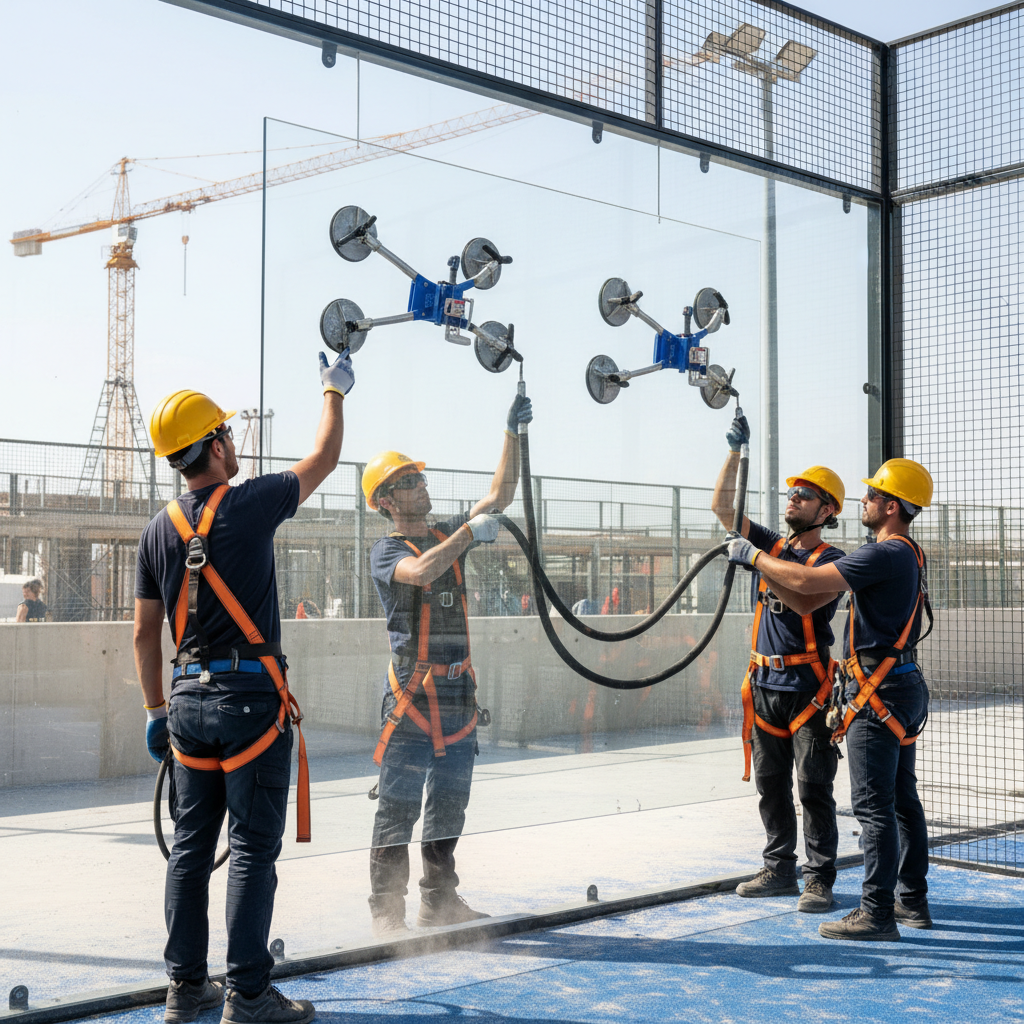
Answer: A professional court installation typically costs between twenty-five thousand and forty-five thousand Euros per unit, excluding local civil works.
When you padel court bauen with high-end panoramic glass, your budget must account for specialized shipping and heavy lifting equipment. High-quality materials like galvanized steel and 12mm tempered glass ensure your asset maintains its value for over a decade.
Hardware and Material Costs
The structural steel frame and safety glass represent the largest portion of your hardware expenditure. Selecting hot-dip galvanized steel protects your investment against rust and corrosion, especially in humid or coastal environments. Cutting costs on glass thickness by using 10mm instead of 12mm panels significantly increases the risk of breakage during high-impact play.
Civil Works and Installation
Foundation excavation, concrete pouring, and lighting permits can add another forty percent to your total project cost. You must hire specialized crews who understand the millimeter-level tolerances required for anchoring the steel pillars. Poorly installed foundations often crack within two years, requiring you to dismantle the entire court for repairs.
| Budget Category | % of Total | Estimated Range |
|---|---|---|
| Court Hardware | 50% | €15k – €25k |
| Civil Works | 35% | €10k – €18k |
| Installation | 15% | €4k – €8k |
Key Takeaway: Budget at least €30,000 per court for quality materials to avoid expensive structural repairs and frequent turf replacements.
Where is the ideal site to padel court bauen?
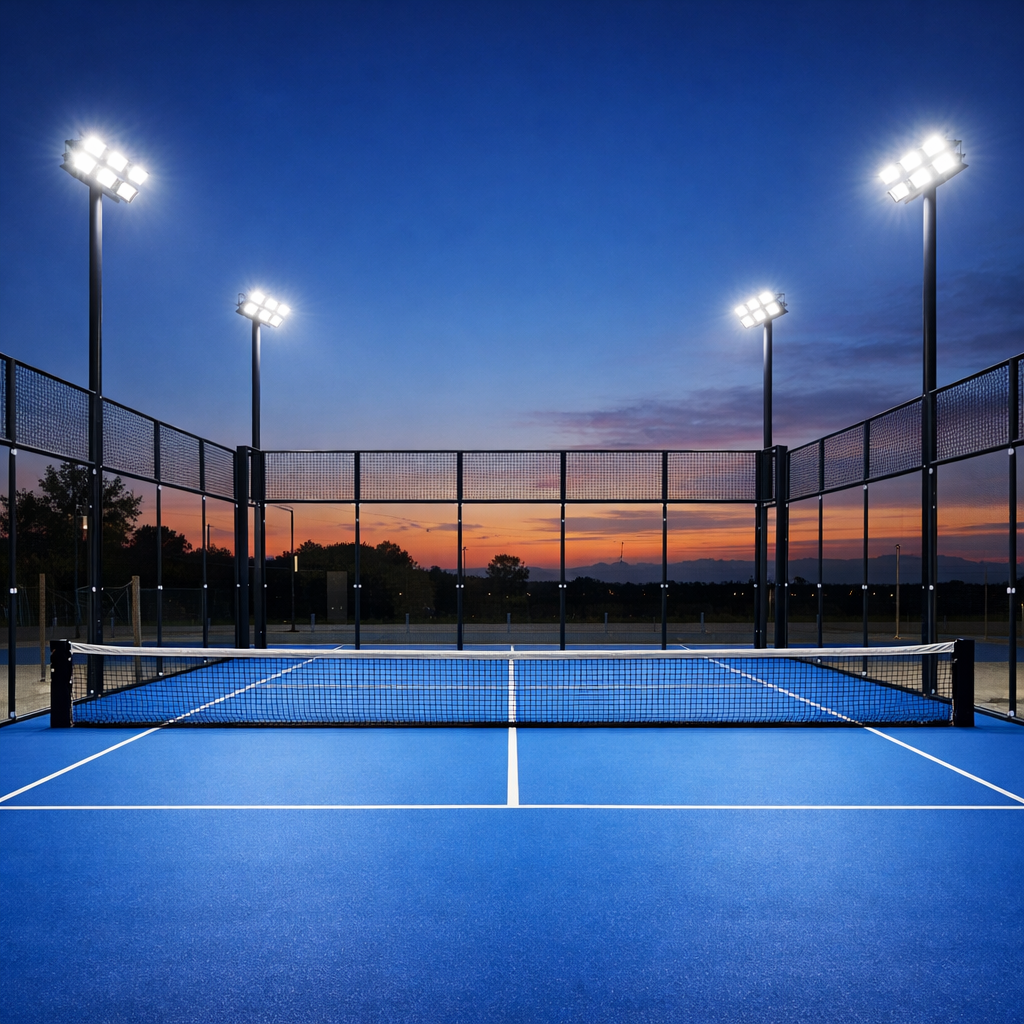
Answer: The best site is a high-visibility urban area with flat terrain and easy access to existing power and water utilities.
You should locate your project in areas with high foot traffic, such as shopping centers, luxury hotels, or existing sports clubs. Proximity to amenities like cafes and parking increases the likelihood of spontaneous bookings and social play.
Zoning and Accessibility
Verify that your chosen plot is zoned for recreational use and has the structural capacity to support a heavy concrete slab. Players prefer locations that are easy to reach by public transport or have ample parking for four players per court. Placing courts in high-traffic residential zones requires careful acoustic planning to avoid noise complaints.
Environmental Factors
Outdoor sites must account for wind exposure and sun position to prevent glare and structural stress during storms. Orienting the court along a North-South axis ensures that players are not blinded by the sun during sunrise or sunset. Using specialized glass coatings can reduce sun glare and improve the visual experience for players and spectators.
| Site Feature | Importance | Advantage |
|---|---|---|
| Urban Hub | High | High Booking Volume |
| Flat Terrain | Medium | Lower Civil Costs |
| Utility Access | Medium | Easier LED Installation |
Key Takeaway: Select a high-visibility, North-South oriented site with easy parking to ensure maximum occupancy and player comfort.
Which glass helps you padel court bauen safely?

Answer: Professional courts use 12mm tempered safety glass to withstand the heavy impacts of sprinting athletes and high-speed balls.
If you padel court bauen with inferior glass, you risk catastrophic failures that can lead to severe player injury and legal liability. These thick panels provide the consistent and predictable bounce required for high-level tactical play against the back walls.
Safety Standards and Quality
Tempered glass is processed through controlled thermal treatments to increase its strength compared to normal plate glass. When it breaks, it crumbles into small granular chunks instead of jagged shards. Using heat-soaked tempered glass is the only way to minimize the risk of spontaneous breakage due to nickel-sulfide inclusions.
Panoramic Visual Clarity
Panoramic designs remove the vertical steel pillars between glass panels to provide a clear, unobstructed view for spectators and cameras. This aesthetic upgrade significantly increases the prestige of your facility and allows you to host televised tournaments. Special reinforced structural beams at the top and bottom ensure the glass remains secure even without intermediate pillars.
| Glass Type | Thickness | Safety Level |
|---|---|---|
| Standard Tempered | 10mm | Basic |
| Premium Tempered | 12mm | Professional |
| Heat-Soaked Glass | 12mm | Maximum |
Key Takeaway: Always specify 12mm tempered safety glass to ensure the highest level of player safety and structural durability for your court.
What steps let you padel court bauen quickly?
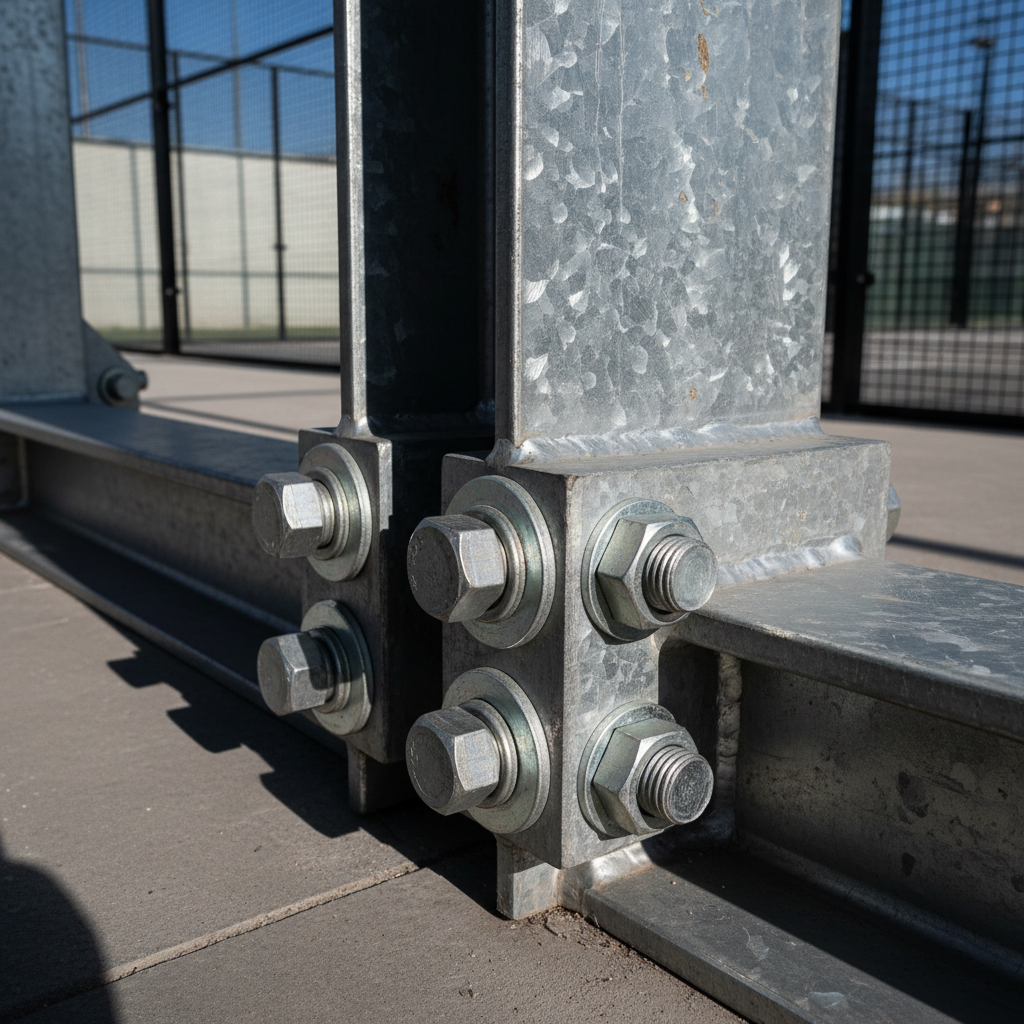
Answer: Construction begins with a solid sub-base followed by the meticulous assembly of the modular metallic structural skeleton.
You must follow a specific sequence—foundation, framing, lighting, and finally glass—to minimize the risk of damage during assembly. Professional crews can complete the physical installation in less than two weeks once the concrete foundation has fully cured.
Framing and Anchoring
The steel pillars are anchored to the concrete base using high-strength chemical bolts that resist the leverage of wind and impact. Every pillar must be perfectly vertical and aligned within a two-millimeter tolerance to allow the glass panels to fit correctly. Using a laser-guided alignment system during the framing stage is the only way to prevent glass stress fractures later.
Turf and Infill Process
The artificial turf is glued directly to the concrete base and then filled with fine silica sand to stabilize the fibers. This sand infill allows players to slide safely while providing the necessary grip for rapid changes in direction. If the sand is not distributed evenly, the ball will have an inconsistent bounce, making the court unplayable for experts.
| Build Phase | Duration | Key Dependency |
|---|---|---|
| Concrete Cure | 14 – 21 Days | Temperature/Mix |
| Steel Framing | 3 – 5 Days | Level Base |
| Glass Fitting | 2 – 3 Days | Wind Conditions |
Key Takeaway: Follow a strict installation sequence and use laser alignment to ensure your court is finished quickly and correctly.
Can you padel court bauen in an indoor space?
Answer: Yes, building indoors is a popular strategy to ensure year-round operation and consistent revenue regardless of external weather conditions.
To padel court bauen inside an existing warehouse, you must verify that the floor slab can support the localized weight of the glass walls. Indoor facilities require specialized lighting and ventilation systems to maintain a comfortable environment for high-intensity sports activity.
Ceiling Height Requirements
The minimum clearance for a padel court is seven meters, though professional centers prefer nine to ten meters to accommodate high lobs. If your ceiling is too low, the tactical variety of the game is restricted, frustrating advanced and competitive players. You must check for overhead obstructions like fire sprinklers and structural beams before signing a lease.
Climate and Acoustic Control
Indoor courts can suffer from high humidity and excessive noise echoes if they are not managed with proper HVAC and acoustic panels. Using specialized insulation on the warehouse walls dampens the sound of ball strikes, creating a much more pleasant atmosphere. High humidity levels cause moisture to condense on the glass, making the walls slippery and affecting ball bounce.
| Indoor Factor | Requirement | Benefit |
|---|---|---|
| Floor Load | > 5kN/sqm | Structural Integrity |
| Lux Level | 500 – 750 | Better Ball Tracking |
| HVAC System | Dehumidification | Dry Glass Walls |
Key Takeaway: Indoor courts provide stable 365-day revenue but require a minimum of 7m ceiling clearance and robust climate control.
How fast can a team padel court bauen?
Answer: A professional team can assemble the physical structure of a court in ten to fourteen working days after the foundation has cured.
You should work with a crew of at least four experienced technicians who have specialized equipment for handling heavy glass. Delays in the construction timeline are usually caused by shipping logistics or poor weather conditions during the outdoor turf gluing phase.
Logistics and Material Handling
Coordination between the steel manufacturer, glass supplier, and installation team is vital for maintaining a rapid construction schedule. Shipping heavy glass panels from international factories requires specialized packaging to prevent breakage during transport. Pre-drilled steel frames and modular components can shave three days off the on-site assembly time.
Weather and On-Site Variables
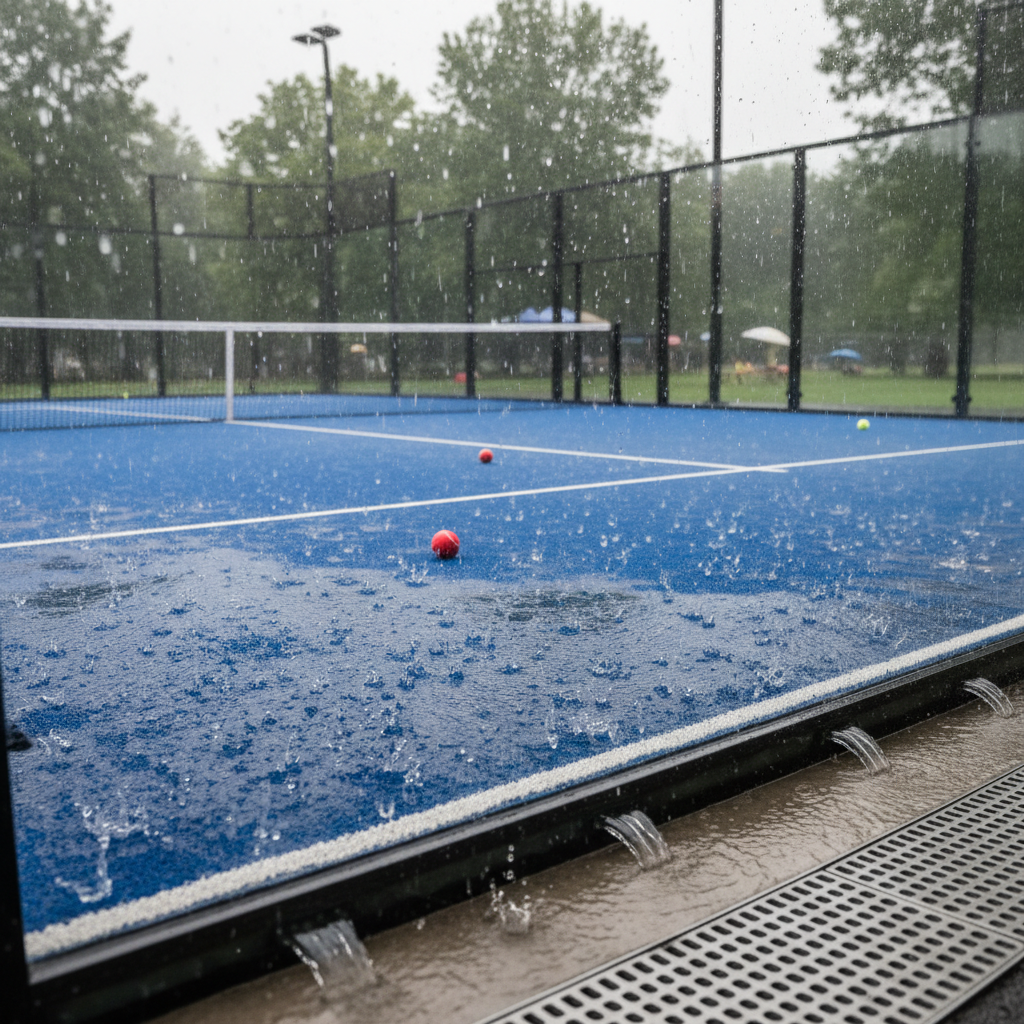
Rain and high winds are the primary enemies of a fast outdoor court installation. You cannot glue the artificial turf to the concrete base if the surface is wet, as the adhesive will fail to bond correctly. Attempting to install large glass panels in winds exceeding thirty kilometers per hour is extremely dangerous and can lead to shattered glass.
| Build Task | Working Days | Crew Needed |
|---|---|---|
| Site Preparation | 2 Days | 2-3 People |
| Structure & Glass | 5 Days | 4-5 People |
| Turf & Finishing | 3 Days | 3 People |
Key Takeaway: Expect a two-week on-site assembly window once your foundation is dry and all hardware components have arrived.
Who helps you padel court bauen professionally?
Answer: Selecting a certified contractor with a proven track record ensures your facility meets international safety and performance standards.
You should choose a partner to padel court bauen who offers a comprehensive warranty on both the steel structure and the artificial turf. Professional builders understand the nuances of glass tension and turf seam alignment better than general civil laborers.
Manufacturer vs. Local Builder
Specialized manufacturers provide turnkey solutions that include design, engineering, shipping, and professional on-site installation. While local builders might be cheaper for foundation work, they often lack the specialized tools needed for glass and turf precision. Many clubs that used uncertified builders ended up with rusted frames and shifting glass within just three years.
Certification and Compliance
A professional partner ensures that your court complies with the technical standards set by the International Padel Federation (FIP). This certification is essential if you plan to host official rankings tournaments or want to attract elite professional players to your club. FIP-compliant courts have a higher resale value and are more attractive to corporate sponsors.
| Provider Type | Best For | Risk Level |
|---|---|---|
| Turnkey Provider | Commercial Clubs | Very Low |
| Local Sports Builder | Private Backyard | Medium |
| DIY Kit | Budget Projects | High |
Key Takeaway: Hire a specialized turnkey provider to ensure your court is safe, compliant, and backed by a long-term warranty.
Which rules limit how you padel court bauen?
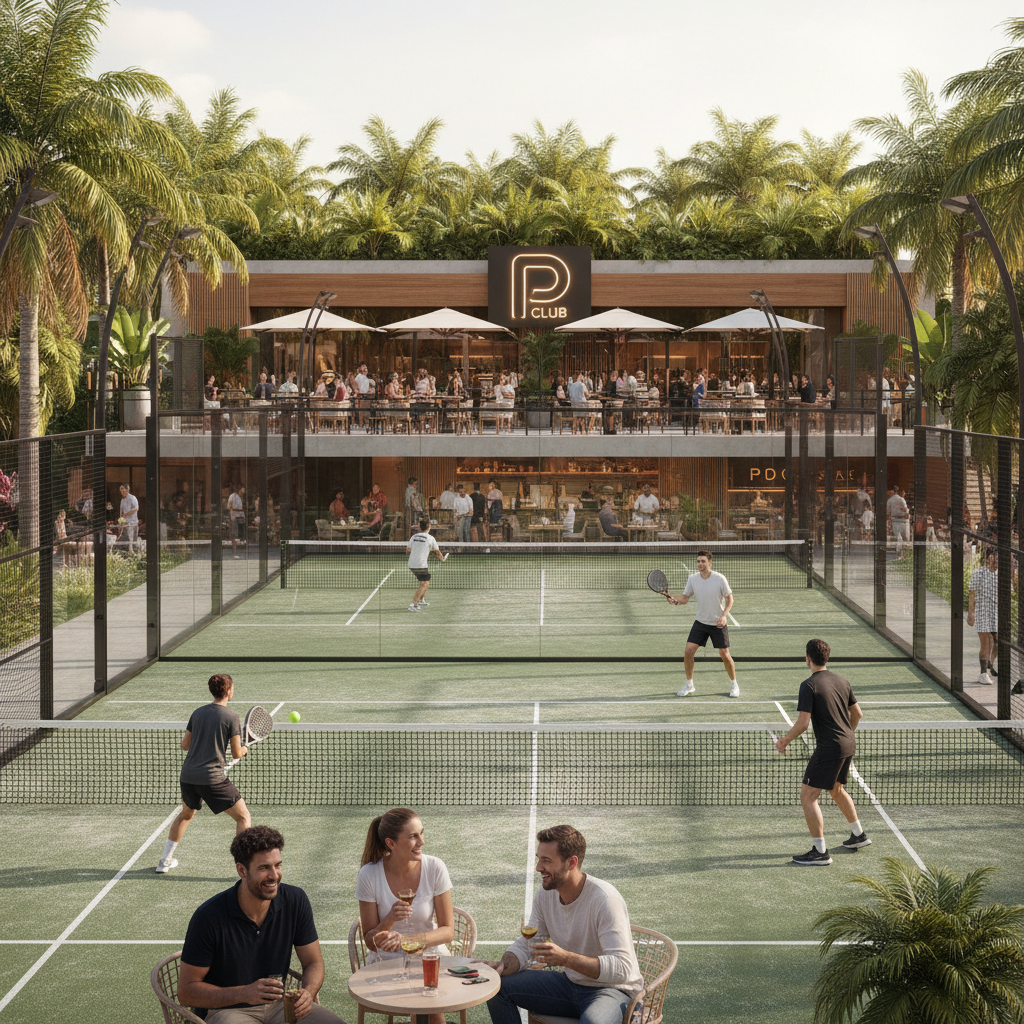
Answer: Official regulations from the International Padel Federation dictate every technical aspect of the court, from mesh tension to net height.
You must ensure your project follows the rules to build a facility that is safe for players and spectators alike. These standards guarantee a fair and consistent playing environment, which is vital for maintaining the integrity of the sport.
Net and Mesh Specifications
The metallic mesh must have a specific diamond or square shape and be tensioned to allow for a predictable ball bounce. The net must stand eighty-eight centimeters high at the center and be supported by posts that do not exceed ninety-two centimeters in height. If the mesh is too loose, the ball will not bounce correctly, ruining the strategic flow of the game.
Lighting and Visibility
Commercial courts must provide a minimum lighting level of 300 lux for leisure play and up to 750 lux for professional televised matches. The LED floodlights must be positioned to avoid creating shadows on the playing surface and to prevent blinding players during overhead shots. Modern LED arrays use fifty percent less energy than old metal-halide lamps.
| Regulation Area | FIP Standard | Player Impact |
|---|---|---|
| Wall Bounce | Uniform 12mm Glass | Tactical Consistency |
| Turf Slide | 3kg/sqm Sand | Joint Protection |
| Frame Safety | No Sharp Edges | Injury Prevention |
Key Takeaway: Strict adherence to FIP technical standards is mandatory for commercial credibility, player safety, and hosting sanctioned tournaments.
Successful sports ventures depend on the intersection of quality engineering and strategic planning. You have seen how the right glass, foundation, and professional assembly create a high-performance environment that attracts long-term members. Prioritizing these technical details ensures your facility remains safe and profitable for decades. If you are ready to launch your project or need a technical consultation, please contact us today to speak with our lead sports engineer.
FAQ
Can I install a padel court on a normal tennis court surface?
No; you must usually pour a new reinforced concrete base as tennis courts lack the thickness required to anchor heavy glass walls safely.
What is the best way to maintain the artificial turf?
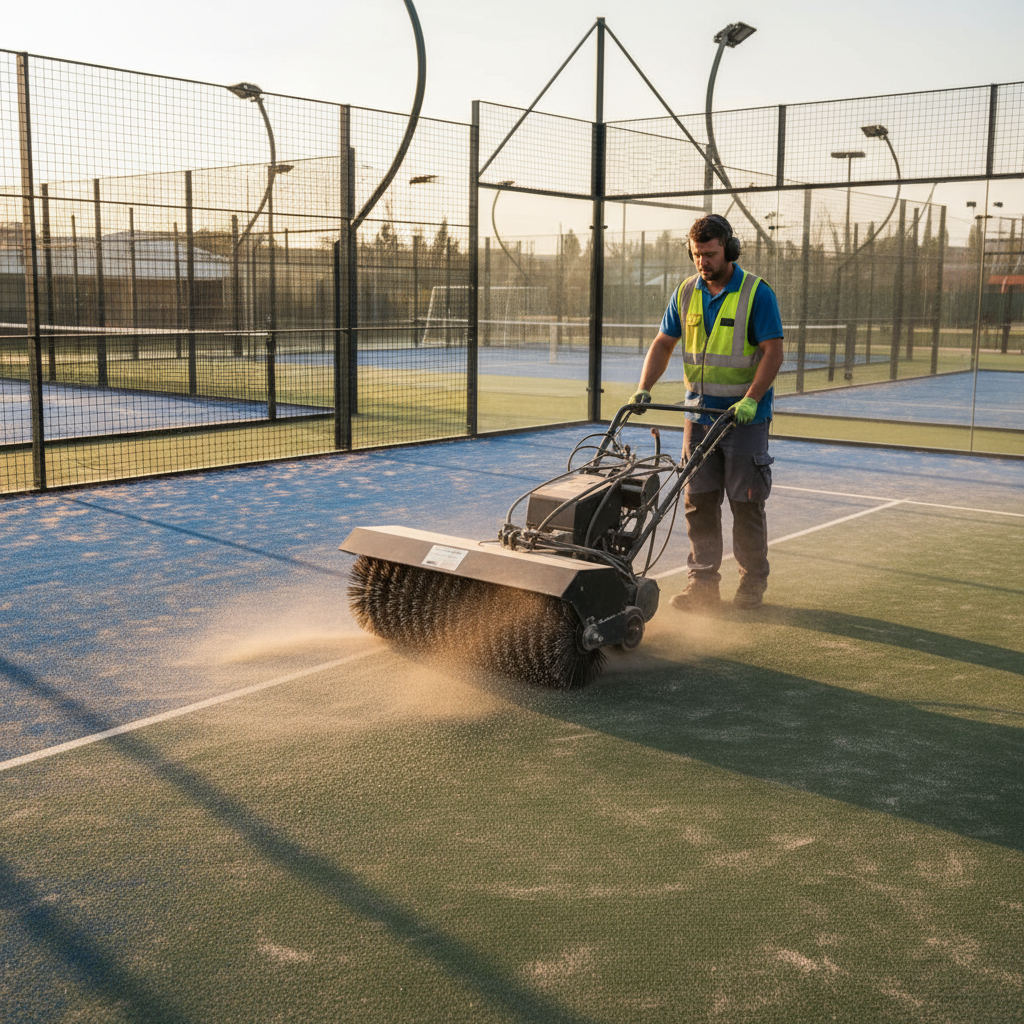
You must brush the sand infill weekly to prevent compaction and remove organic debris to ensure the drainage system remains clear.
How much electricity does a professional court use?
A typical court with eight LED floodlights uses approximately 1.6 to 2.4 kilowatts per hour at full competition-grade brightness.
Who is responsible for obtaining building permits?
The property owner holds primary responsibility, though specialized contractors provide the technical drawings and calculations required for the application.
Is it possible to customize the color of the steel and turf?
Yes; you may customize both the frame and turf colors to match your brand identity using standard RAL codes and UV-stable dyes.