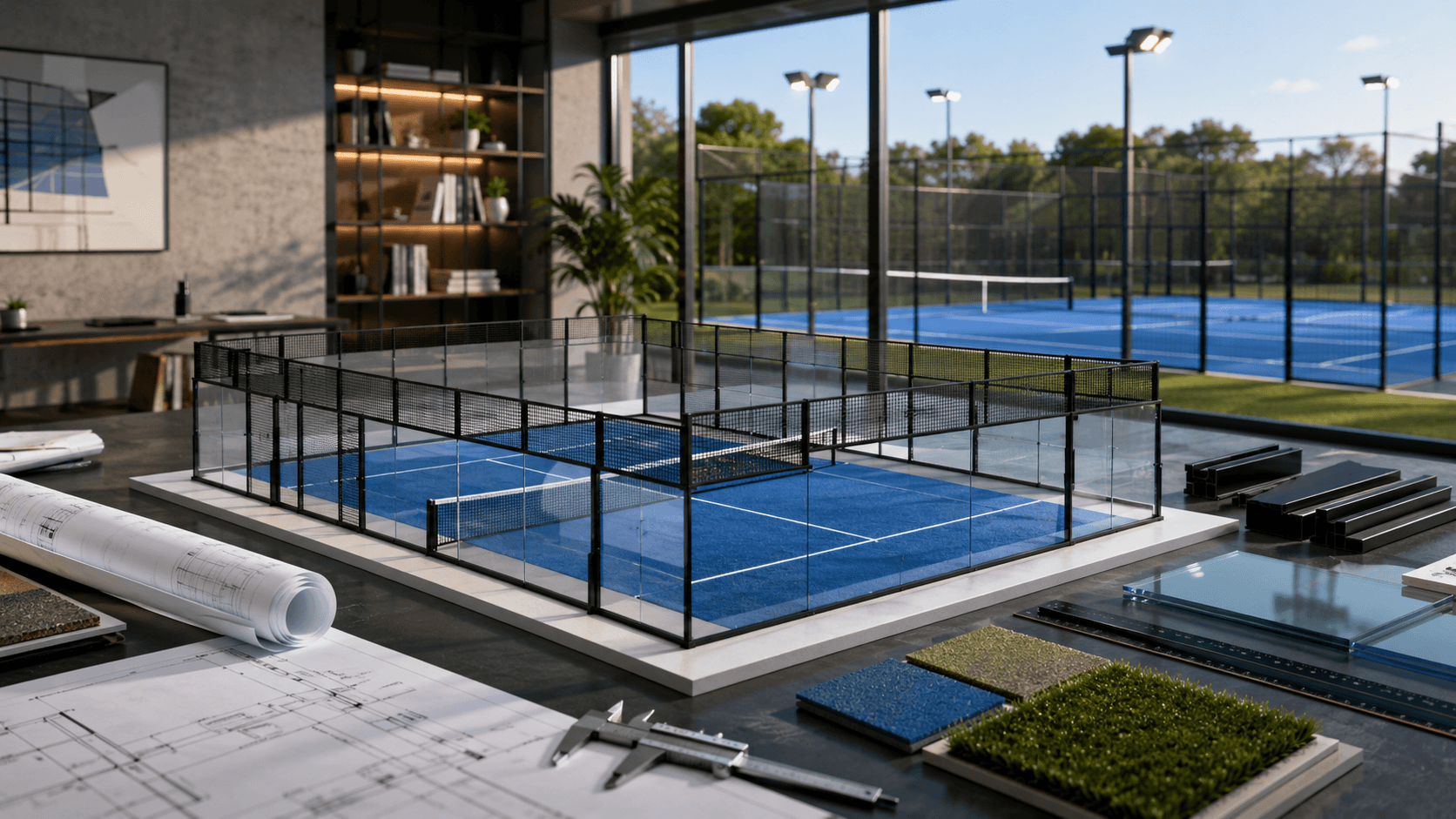
Designing regulation compliant padel fields requires a meticulous adherence to International Padel Federation standards to ensure tournament-grade playability. Many facility owners invest heavily in construction only to discover that minor measurement errors or poor lighting choices disqualify their courts from official professional use. This lack of compliance doesn’t just frustrate elite players; it jeopardizes your entire business model and delays your return on investment. By following precise engineering guidelines and using certified materials, you can create a premier sports destination that meets every regulatory benchmark and attracts top-tier talent.
What are the official dimensions of professional padel fields?
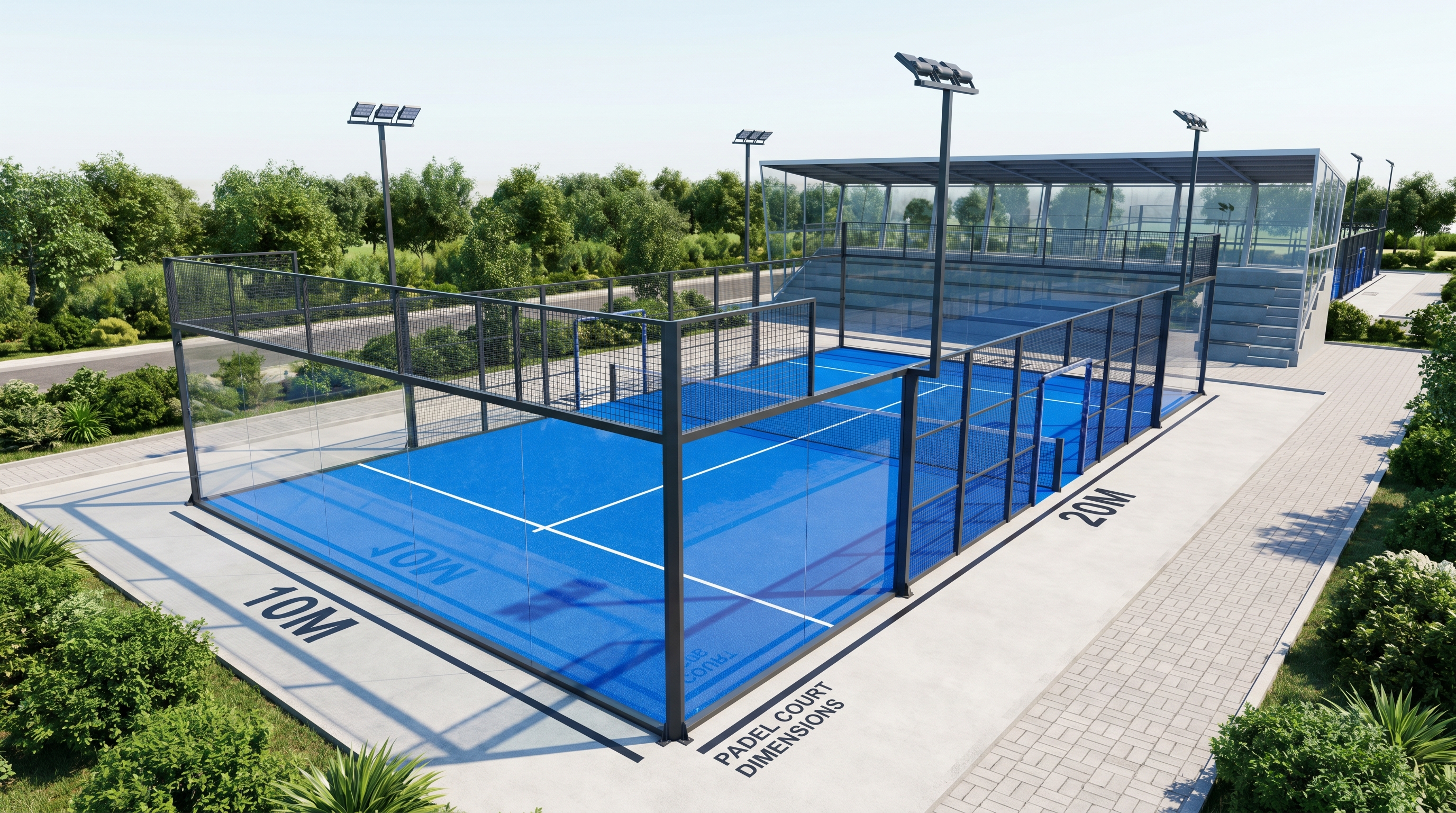
Official padel fields must measure exactly 20 meters in length and 10 meters in width to comply with professional standards. This 2:1 ratio is strictly enforced to ensure the unique physics of the game remain consistent across different venues. You must measure from the internal face of the enclosure to ensure the playing area is exactly 200 square meters. Precision at this stage prevents costly modifications during the final certification process.
Does the total playing area require specific markings?
Are you wondering how to divide the court? Professional play requires a central net that splits the 20-meter length into two equal 10-meter halves. You must then place service lines 6.95 meters away from the net on both sides.
- Length: 20 Meters (65′ 7″)
- Width: 10 Meters (32′ 10″)
- Total Area: 200 Square Meters
- Tolerance: Minimal margins allowed for pro play
Key Takeaway: Adhering to the 20×10 meter footprint is the non-negotiable foundation for any court seeking international accreditation.
| Dimension | Standard Requirement |
|---|---|
| Internal Length | 20 Meters |
| Internal Width | 10 Meters |
| Service Line Distance | 6.95 Meters from net |
This table illustrates the primary measurements required to ensure your facility is ready for competitive tournament brackets.
How much perimeter space is required for padel fields?
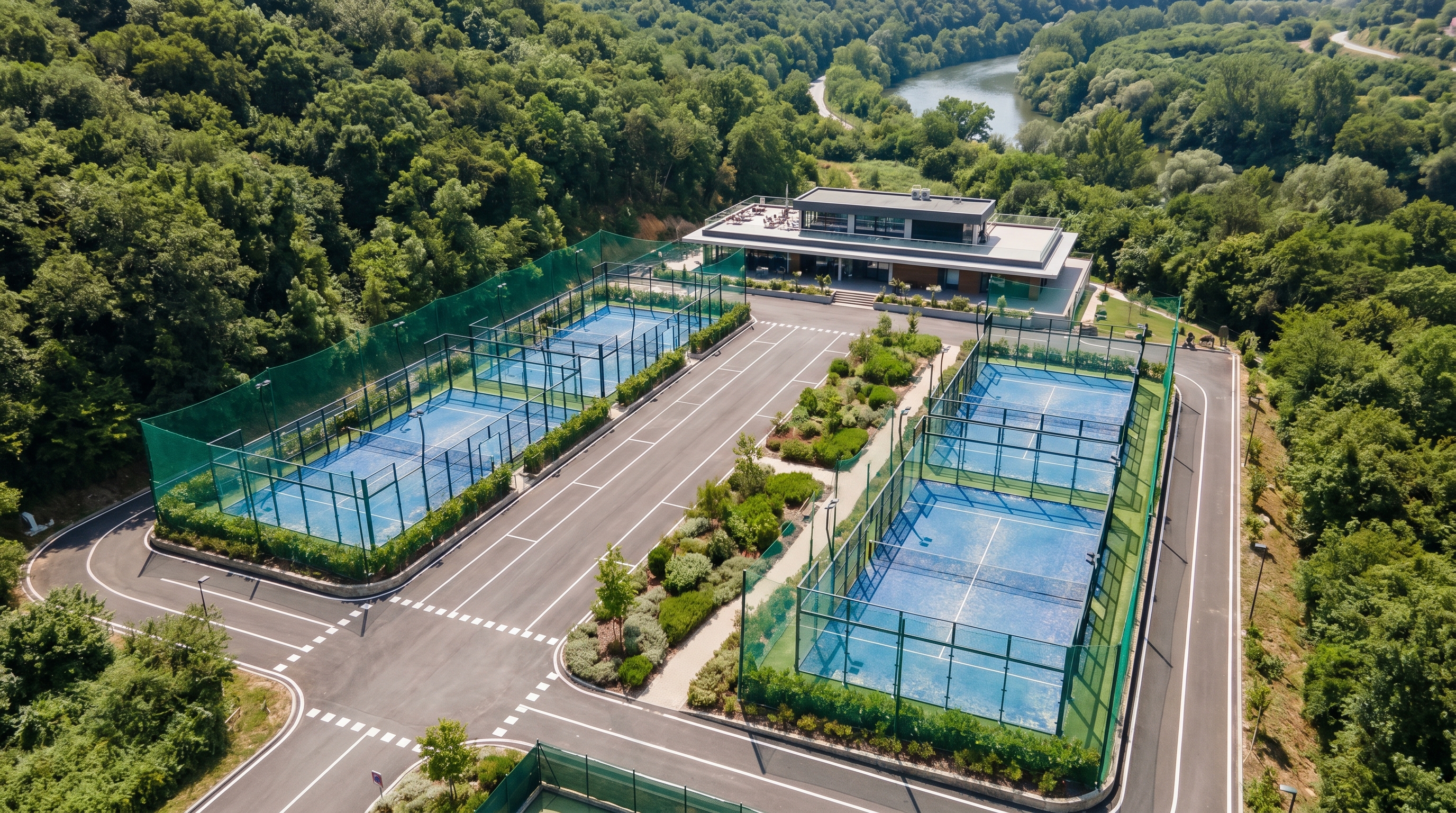
Professional padel fields require a mandatory safety zone around the external structure to protect players during high-intensity rallies. You must allocate at least 0.5 meters of cleared space around the entire perimeter of the court. This space ensures that players moving at high speeds do not collide with adjacent walls or spectators. Planning for this extra footprint is essential during the initial site survey phase.
Is extra space needed for multi-court facilities?
What happens when you install multiple courts? In professional complexes, you should consider wider corridors to accommodate referee chairs and spectator seating.
- Minimum Safety Zone: 0.5 Meters
- Recommended Zone: 1.0 Meter
- Traffic Flow: Clear paths for player entry
- Accessibility: Room for maintenance equipment
Key Takeaway: Safety zones are not optional; they are a critical safety requirement for player protection and tournament clearance.
| Feature | Requirement |
|---|---|
| Perimeter Clearance | 0.5 Meters (Min) |
| Multi-court Buffer | 1.0 – 2.0 Meters |
| Entrance Width | Standard ADA compliant |
Providing adequate space between courts prevents player interference and enhances the overall professional atmosphere of your sports club.
What is the minimum height clearance for indoor padel fields?
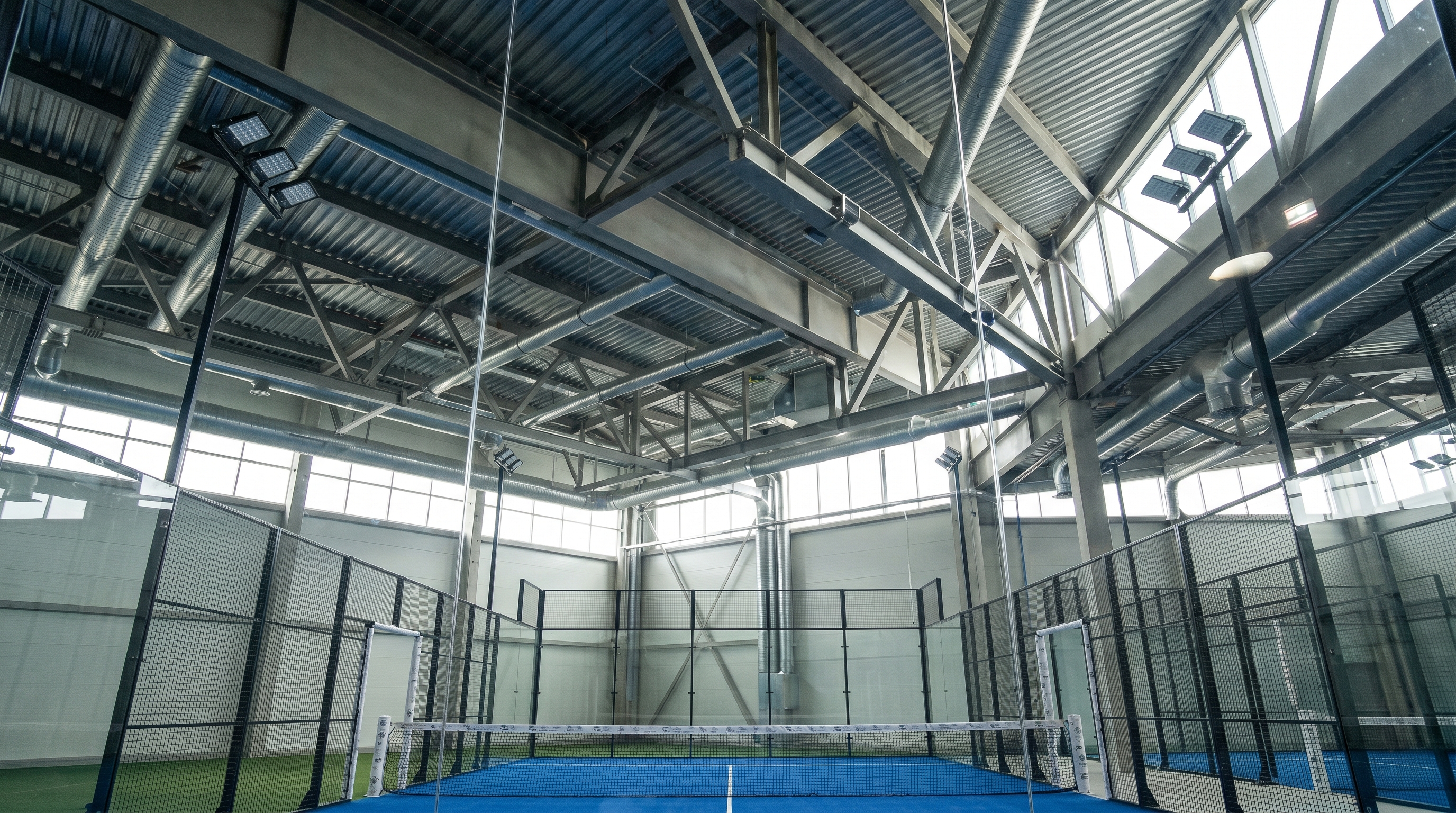
Indoor padel fields must maintain a minimum cleared height of 6 meters from the playing surface to the lowest overhead obstruction. This vertical space is vital because the “lob” is a fundamental tactical shot in professional padel. If your ceiling is too low, the ball will frequently strike beams or lights, resulting in interrupted play. For elite competitive play, many designers now aim for a clearance of 8 meters.
Why is vertical freedom critical for pro players?
Can you imagine a high-stakes match being ruined by a low-hanging light fixture? Professional athletes rely on high-trajectory shots to reset the pace of a point.
- Minimum Height: 6.0 Meters
- Recommended Pro Height: 8.0 Meters
- Lighting Clearance: Must stay above the limit
- HVAC Obstructions: Must be recessed or elevated
Key Takeaway: Vertical clearance directly impacts the tactical variety of the game, making higher ceilings a significant competitive advantage.
| Clearance Type | Height Metric |
|---|---|
| Absolute Minimum | 6 Meters |
| Tournament Standard | 7 Meters |
| Elite/Pro Preference | 8 Meters |
Facilities with higher ceilings are much more likely to be selected as hosts for international tour events and professional clinics.
How should the walls be structured for regulation padel fields?
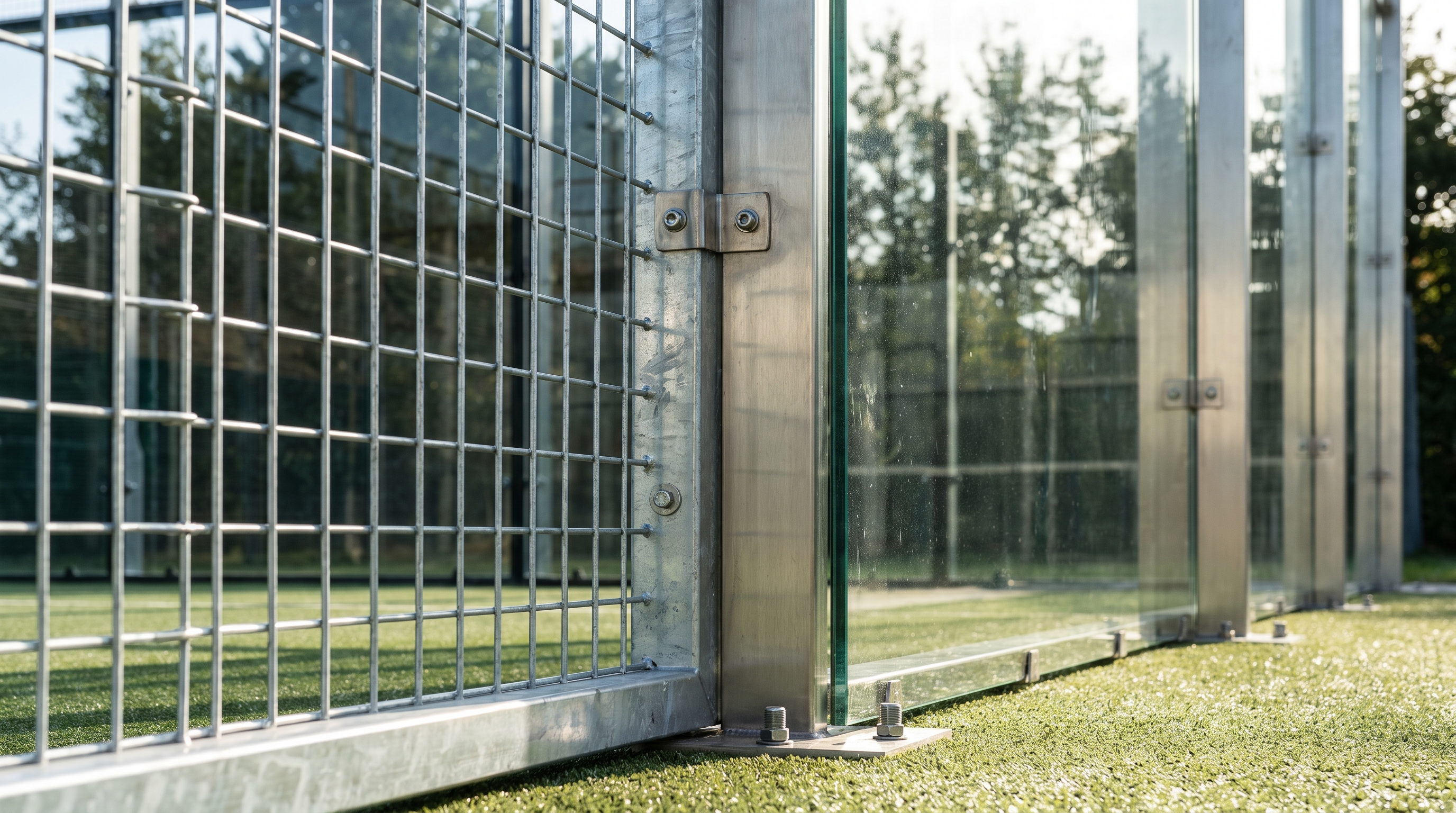
Regulation padel fields must utilize a combination of transparent walls and metallic mesh to provide the correct rebound characteristics. The back walls must stand 4 meters high, typically consisting of 3 meters of glass topped by 1 meter of mesh. Side walls follow a specific “stepped” pattern that allows the ball to interact with both materials during play. You must ensure that all glass panels are made of anti-explosion tempered safety glass.
What are the specific glass requirements?
Do you know which glass thickness is safest? For professional venues, 12mm tempered glass is the standard due to its superior impact resistance and clarity.
- Glass Thickness: 12mm (Safety Rated)
- Back Wall Height: 4.0 Meters total
- Mesh Aperture: 50mm x 50mm typically
- Frame Material: Hot-dip galvanized steel
Key Takeaway: The structural integrity of the glass and mesh enclosure is the most critical factor for player safety and ball rebound.
| Component | Standard Height |
|---|---|
| Back Wall Glass | 3.0 Meters |
| Back Wall Mesh | 1.0 Meter (Above glass) |
| Side Wall Panels | Stepped 3m to 4m |
Using high-quality, certified tempered glass ensures that your facility can withstand the rigorous demands of daily professional-level competition.
Which line marking rules apply to professional padel fields?
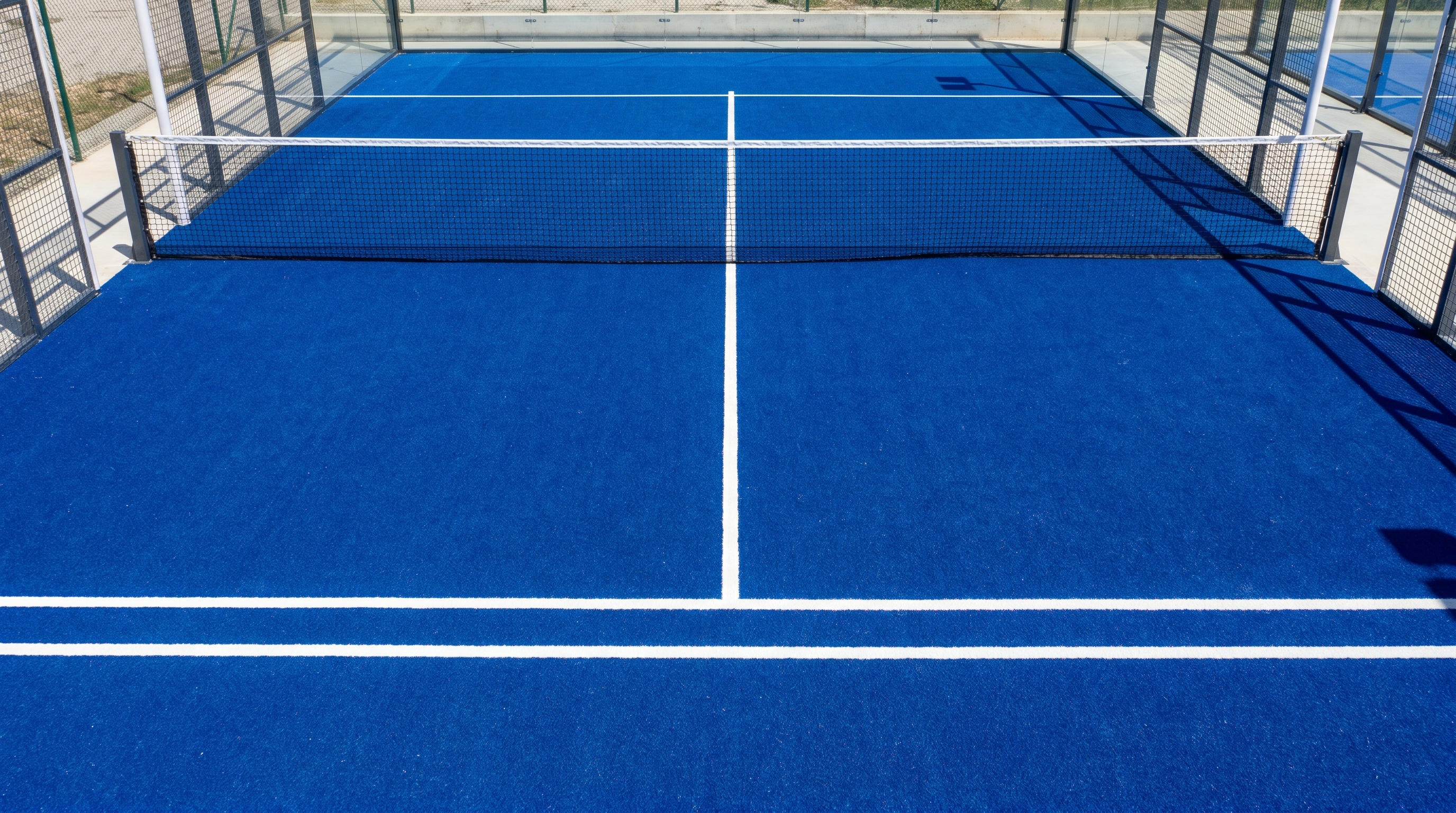
All lines on professional padel fields must be exactly 5 centimeters wide to provide consistent visual cues for players and referees. You should choose a color—usually white or yellow—that provides the highest contrast against the chosen turf color. The center service line must bisect the area between the net and the service lines perfectly. Accurate line painting or turf weaving is essential for fair play and correct officiating.
How do you ensure long-term line visibility?
Are you worried about lines fading? Professional installations often use “inlaid” lines where the white turf is woven directly into the green or blue carpet.
- Line Width: 5 cm (Standard)
- Color Contrast: High visibility required
- Installation Type: Inlaid turf preferred
- Precision: Measured from outer edges
Key Takeaway: Precise line markings ensure that “in or out” calls are objective and consistent with international federation rules.
| Line Type | Dimension |
|---|---|
| Width | 5 Centimeters |
| Service Line Distance | 6.95m from net |
| Back Zone | 3.05m from service line |
Consistent line widths across all professional venues allow players to maintain their spatial awareness regardless of where they are competing.
What are the official net requirements for padel fields?
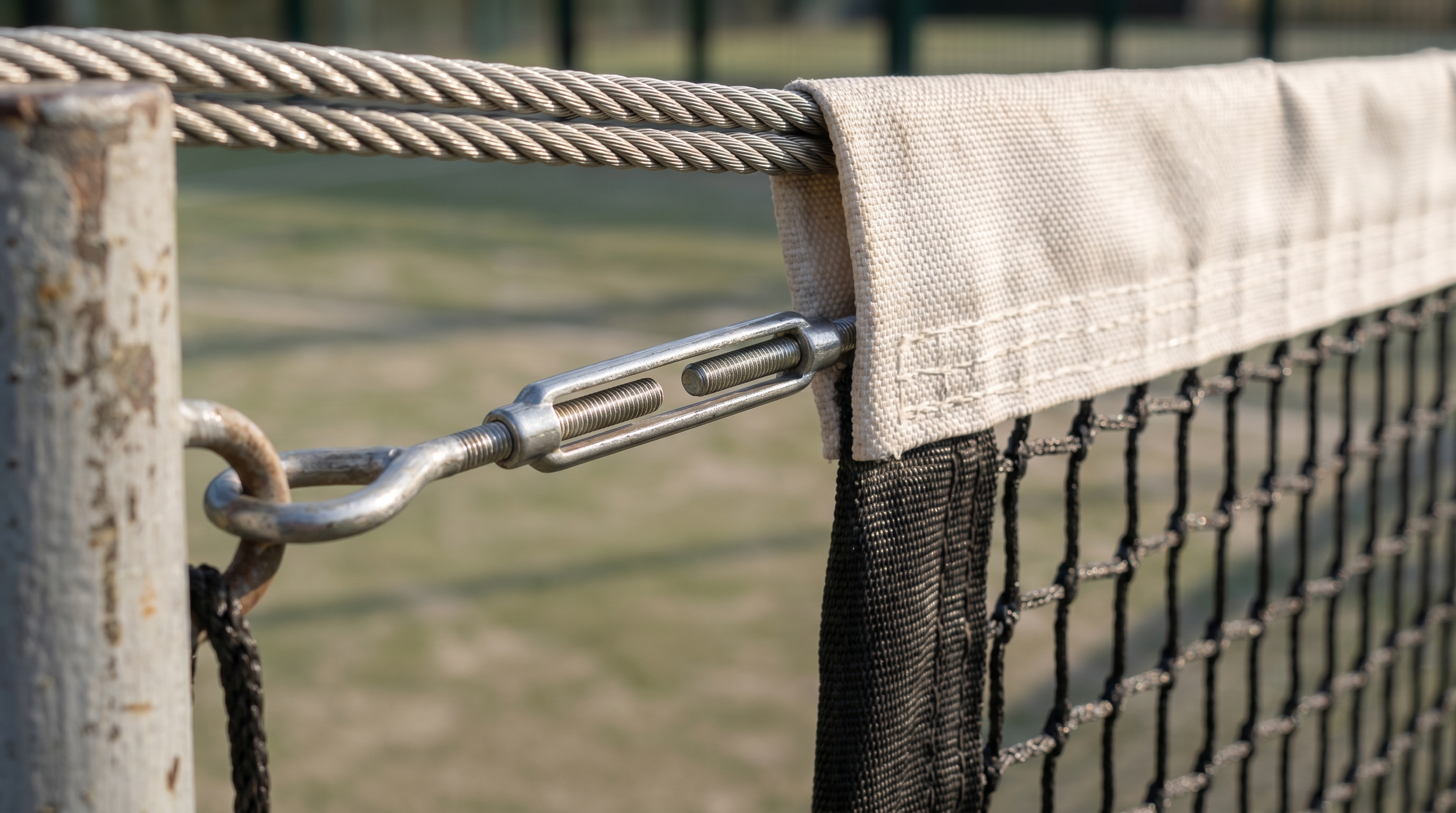
Professional padel fields require a net that is exactly 10 meters long and suspended at a specific height. You must ensure the net is 88 centimeters high at the center and reaches 92 centimeters at the posts. The tension must be sufficient to prevent the ball from passing through or the net from sagging excessively. A white top-band between 5cm and 6.3cm wide is mandatory for visibility during high-speed play.
How do you maintain proper net tension?
Is your net sagging in the middle? Professional systems use an internal tensioning wire hidden within the top band to keep the height consistent.
- Center Height: 88 cm
- Post Height: 92 cm
- Total Length: 10 Meters
- Top Band Color: Solid White
Key Takeaway: The net acts as the primary focal point of the court, requiring daily checks to ensure regulation height is maintained.
| Net Feature | Regulation Metric |
|---|---|
| Center Height | 88 Centimeters |
| Post Height | 92 Centimeters |
| Top Band Width | 5.0 – 6.3 cm |
Properly tensioned nets ensure that let cords and net touches are judged fairly according to the official rules of the sport.
How do you design the lighting system for padel fields?
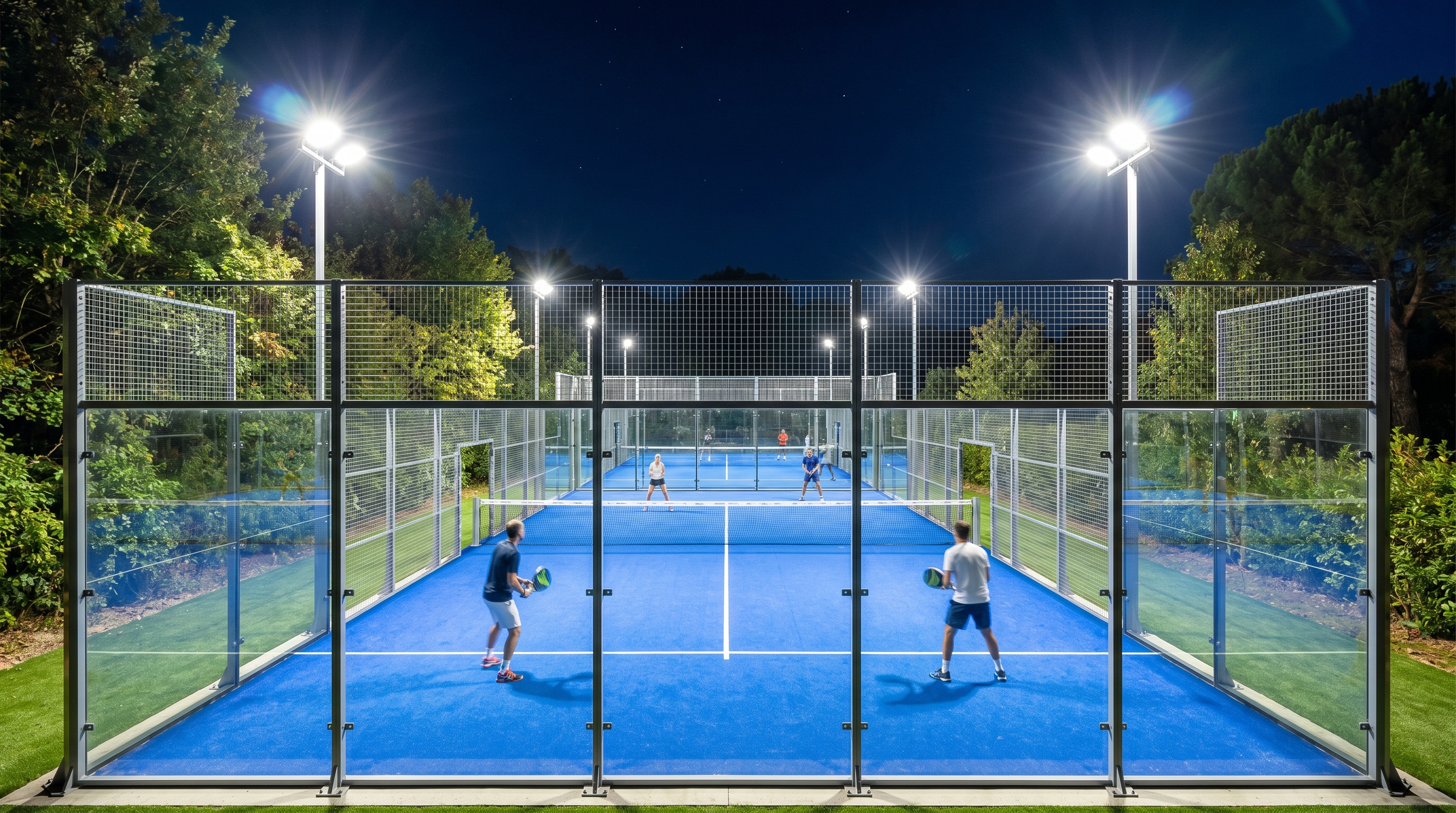
High-performance padel fields require a lighting system that provides at least 500 to 750 lux for professional tournament play. You should install LED floodlights because they offer instant-on capabilities and superior energy efficiency compared to older metal halide systems. It is crucial to position the lights at a minimum height of 6 meters to avoid blinding players during high lobs or overhead smashes.
Can lighting improve the spectator experience?
Have you thought about glare-free broadcasting? Modern LED arrays are designed to provide uniform light distribution, which is essential for high-definition video recording.
- Minimum Illuminance: 500 Lux (Pro level)
- Light Source: High-efficiency LED
- Floodlight Height: 6.0 Meters (Min)
- Uniformity: No shadows on court
Key Takeaway: Professional lighting must balance high visibility for the players with energy savings for the facility owner.
| Lighting Level | Lux Requirement |
|---|---|
| Recreational | 200 – 300 Lux |
| Professional | 500 – 750 Lux |
| Televised Events | 1000+ Lux |
Investing in a high-quality LED system reduces long-term maintenance costs while significantly extending the playable hours of your facility.
What turf specifications are used for professional padel fields?
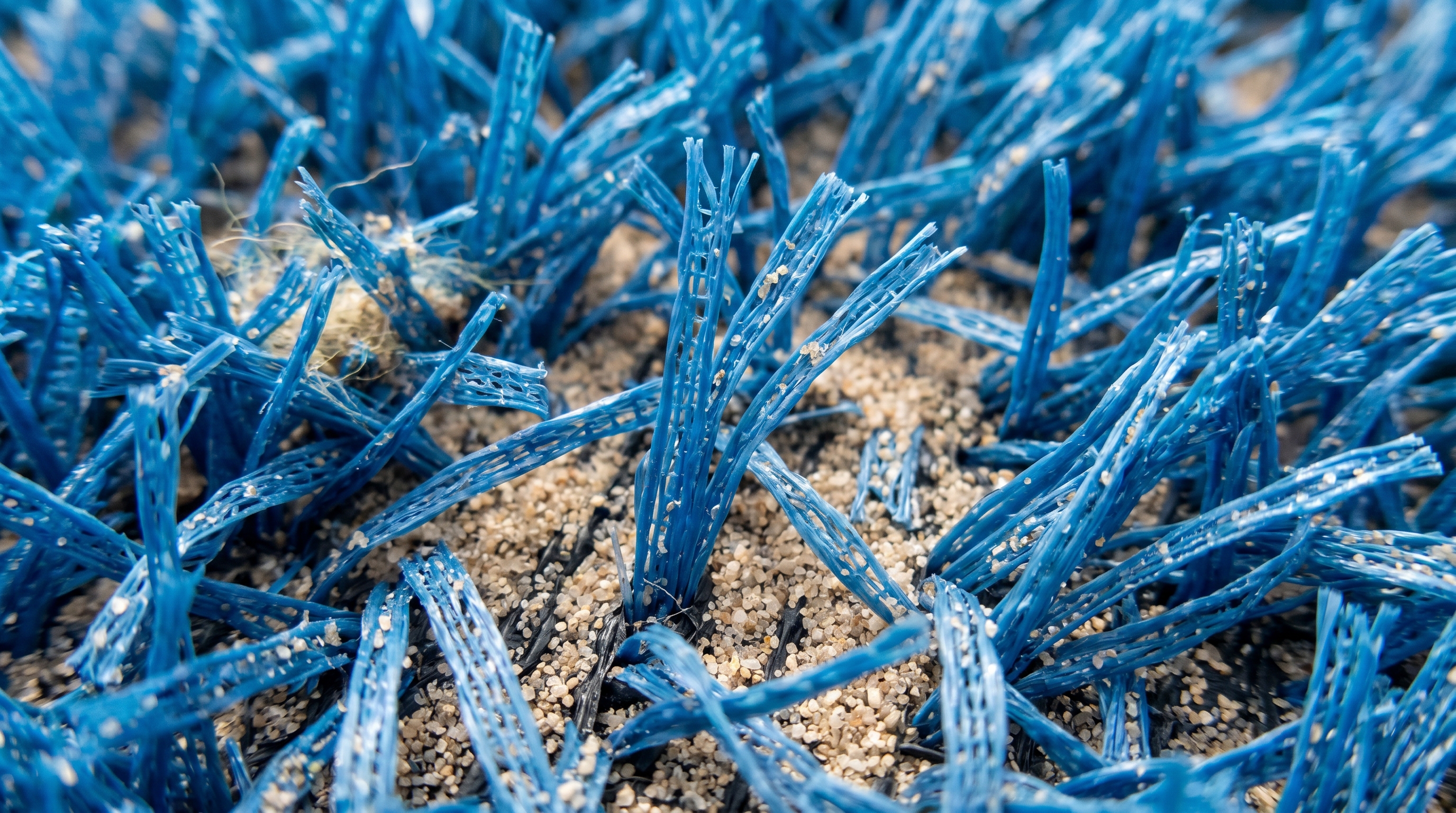
Professional padel fields utilize synthetic turf that is specifically engineered for high-frequency pivots and fast ball speeds. You must choose a fibrillated or monofilament polyethylene grass with a pile height usually between 10mm and 12mm. The turf is then filled with a fine, rounded silica sand that ensures a consistent ball bounce and allows players to slide safely. High-density turf is essential to withstand the intense wear and tear of professional use.
Why is sand distribution so important?
Does the ball bounce differently on certain parts of your court? Regular brushing and correct sand infill levels are required to prevent “dead spots” on the surface.
- Material: Polyethylene (PE)
- Pile Height: 10mm – 12mm
- Infill: Rounded Silica Sand
- Color: Blue, Green, or Clay
Key Takeaway: The playing surface is the most direct interface for the athlete, making turf quality the primary driver of playability.
| Turf Metric | Requirement |
|---|---|
| Pile Height | 12mm (Standard) |
| Gauge | 3/16 inch |
| Dtex | 8,000 – 10,000 |
High-quality synthetic grass reduces the risk of joint injuries by providing the necessary shock absorption and rotational friction for the players.
Why choose panoramic designs for high-end padel fields?
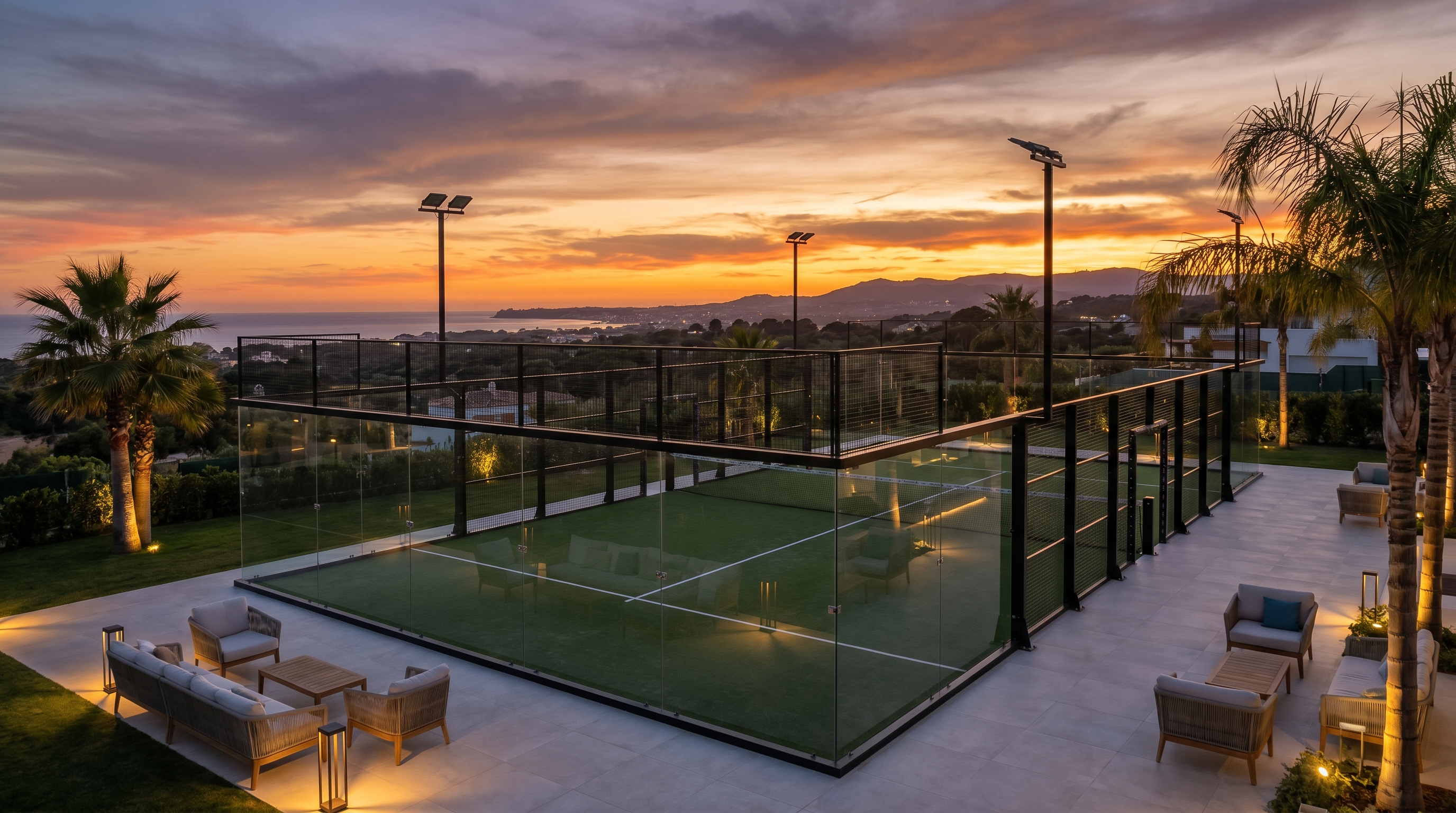
Panoramic padel fields are the preferred choice for elite clubs because they remove the rear structural posts, providing a 360-degree view for spectators. You will find that these courts create a much more immersive experience for fans and are far better suited for televised matches. Because the glass must support itself without traditional corner posts, the engineering relies on thicker 12mm glass and reinforced base plates.
Is the panoramic look worth the investment?
Are you looking to attract high-end members? The sleek, modern aesthetic of a panoramic court significantly increases the prestige and marketability of your sports facility.
- View: 100% Unobstructed
- Glass: 12mm Tempered (Required)
- Structure: Reinforced base beams
- Appeal: Premium/Elite branding
Key Takeaway: Panoramic courts represent the pinnacle of padel design, offering a “stadium feel” that justifies higher rental rates.
| Design Type | Visibility | Structural Style |
|---|---|---|
| Standard | Good | Visible corner posts |
| Panoramic | Excellent | No rear corner posts |
| Super Panoramic | Elite | Maximum glass exposure |
While more expensive to install, panoramic courts often see much higher booking rates from players who want a professional-grade experience.
How can you finance the construction of padel fields?

Financing the construction of professional padel fields requires a strategic approach to capital and long-term revenue projections. You should investigate local government sports grants, as many municipalities offer funding to encourage community health and physical activity. Additionally, the high popularity of padel makes these facilities attractive to private investors and banks who see the rapid growth of the sport globally.
Are corporate sponsorships a viable option?
Can you sell naming rights? Many facilities offset construction costs by partnering with local businesses for court sponsorships and branding on the glass panels.
- Government Grants: Community health funds
- Bank Loans: Traditional commercial financing
- Sponsorships: Naming rights and branding
- Crowdfunding: Community-led initiatives
Key Takeaway: A diversified funding strategy reduces your personal financial risk while building community buy-in for the project.
| Funding Source | Typical Percentage |
|---|---|
| Private Equity | 40% – 60% |
| Bank Financing | 20% – 40% |
| Sponsorships | 10% – 20% |
Developing a clear business plan with realistic ROI projections will help you secure the necessary capital to build a top-tier padel destination.
Frequently Asked Questions
Can I build professional padel fields on a residential lot?
Yes, provided you have a cleared area of at least 21×11 meters to accommodate the court and the mandatory 0.5-meter safety perimeter. You must also check local zoning laws regarding structure height and lighting.
What is the best way to maintain the playing surface?
You should brush the synthetic turf weekly to ensure even sand distribution and prevent the fibers from flattening. Removing debris and checking for loose seams monthly will extend the life of your professional turf.
Can I customize the color of the court structure?
Absolutely, professional manufacturers offer a wide range of RAL colors for the galvanized steel frame. This allows you to match the court aesthetics to your club’s branding without compromising regulation standards.
What is the best lighting for outdoor courts?
IP66-rated LED floodlights are the gold standard for outdoor facilities. They provide high-intensity, uniform light while remaining completely waterproof and resistant to dust and environmental wear.
Can I install a padel court over an existing tennis court?
Yes, a standard tennis court footprint is large enough to fit two to three regulation padel fields. You will need to ensure the base is level and capable of supporting the weight of the glass and steel structure.
Designing a regulation-compliant facility is the first step toward building a successful and sustainable sports business. By adhering to international standards for dimensions, lighting, and materials, you solve the problem of professional accreditation and ensure your courts are ready for elite competition. At Superbpadel, we believe that every court should be a masterpiece of engineering and aesthetics. To transform your vision into a world-class reality and receive a customized quote for your project, contact us today and let our experts guide your installation.