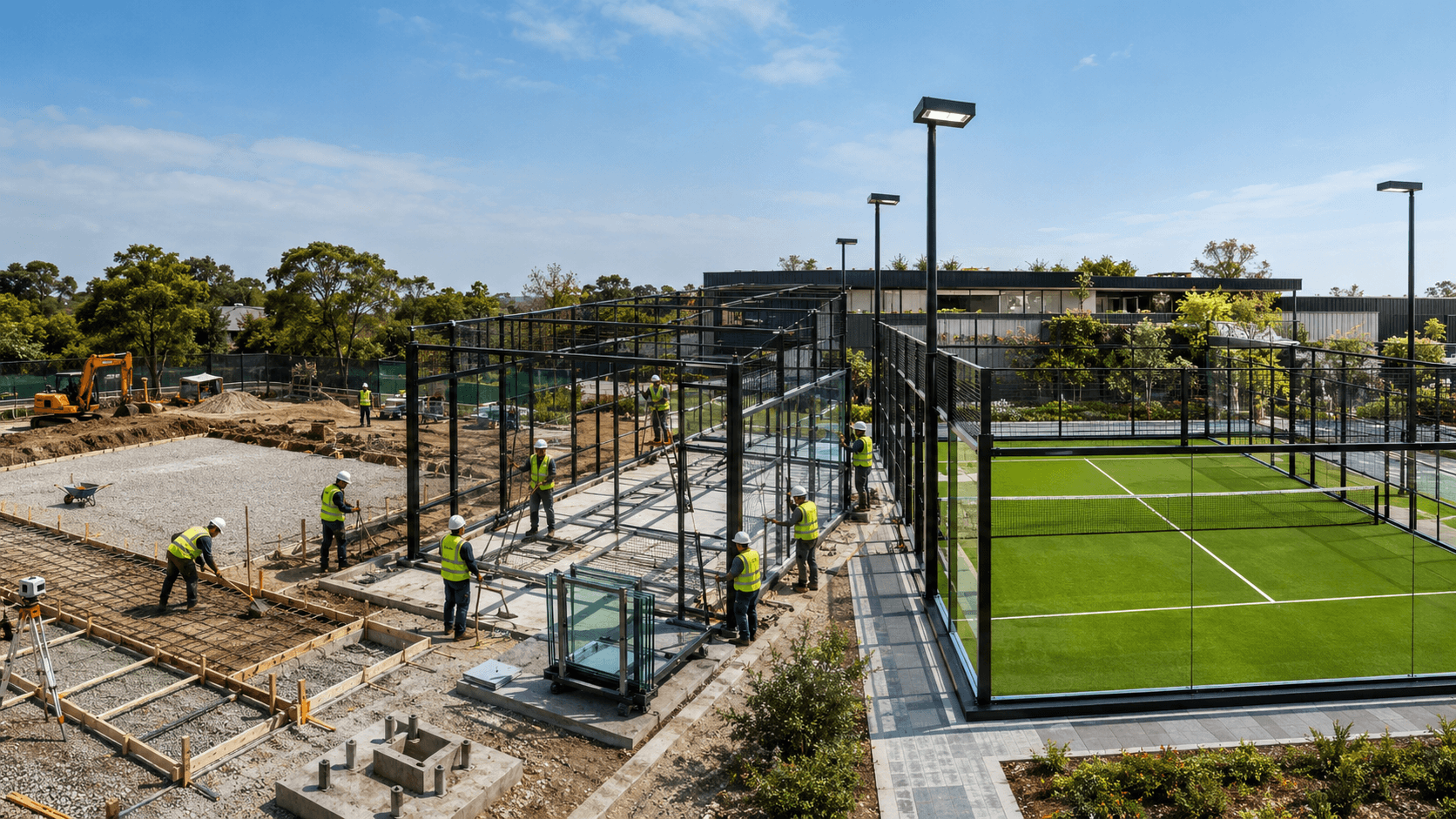
The rapid expansion of padel across the globe has created a massive opportunity for sports facility owners, yet many projects stall due to poor planning. You might be worried about high maintenance costs or choosing the wrong materials that fail after a single season. Think about it: a sub-par court doesn’t just look bad; it drives players away and eats into your margins. Here is the kicker: following a professional padel court construction blueprint ensures you build a high-performance asset that lasts for decades.
Why invest in professional padel court construction?
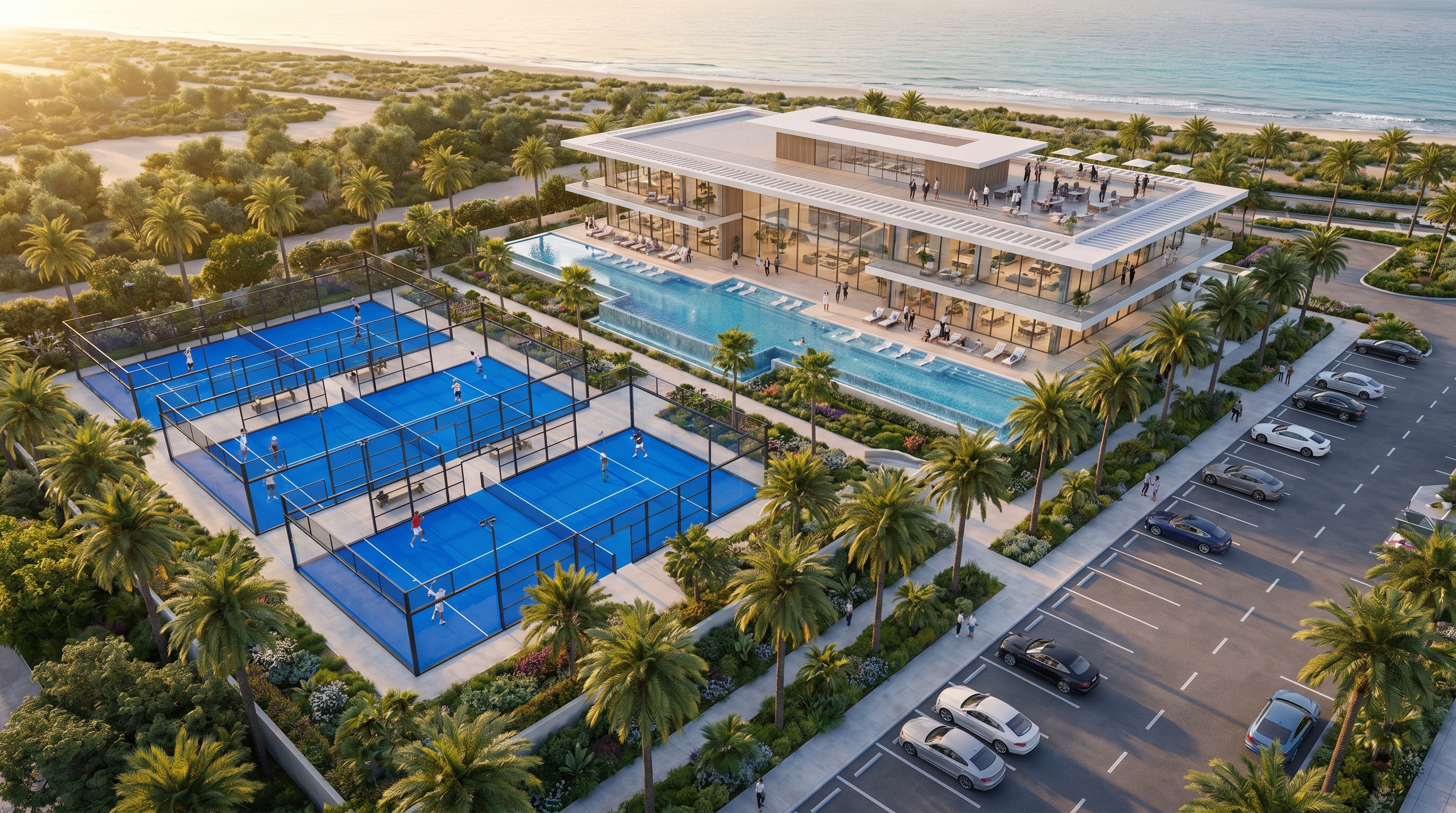
Professional padel court construction is the most effective way to modernize your sports facility and tap into a high-growth market. By choosing professional-grade standards, you ensure that every match played on your site feels like a world-class experience. This level of quality directly correlates with higher booking rates and member satisfaction.
Maximizing your return on investment
Commercial success depends on the durability and appeal of your courts. High-quality installations allow you to charge premium rental fees and reduce long-term repair costs.
- Increases property value significantly.
- Attracts elite sponsorship opportunities.
- Reduces insurance premiums through safety compliance.
Building a community hub
Padel is inherently social, and a professional setup fosters a vibrant club atmosphere. When you provide a top-tier environment, players stay longer and spend more at your pro shop or café.
- Encourages repeat bookings from local teams.
- Supports hosting official tournaments.
- Enhances the overall aesthetic of your complex.
Key Takeaway: Investing in professional standards secures your facility’s reputation as a premier destination for athletes.
| Factor | Impact on ROI | Long-term Value | |
|---|---|---|---|
| Build Quality | High | 20+ Year Lifespan | |
| Player Experience | Critical | High Retention |
Analysis Guide: Evaluate your target demographic to determine if a premium or standard build offers the best local competitive advantage.
What are the official dimensions of a padel court?
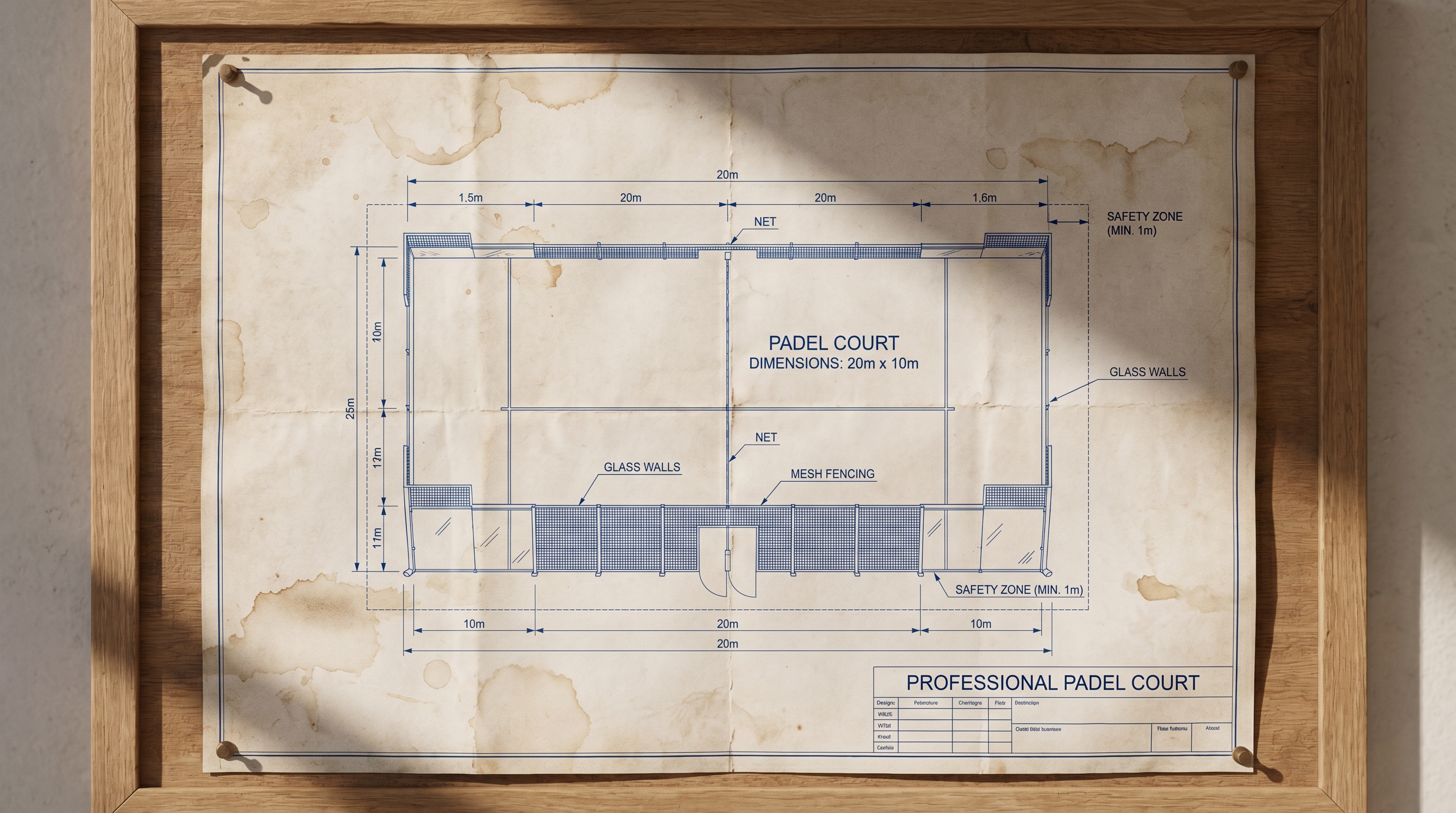
Professional padel court construction requires strict adherence to the International Padel Federation (FIP) standards of 20 meters by 10 meters. Deviating from these metrics even by a few centimeters can render your court ineligible for official matches. You must account for the internal playing area while leaving room for external structural supports and safety zones.
Precision in the internal playing area
The internal perimeter must be exactly 200 square meters to ensure the tactical nature of the game remains intact. Lines must be precisely 5cm wide and painted in a contrasting color for maximum visibility during fast-paced rallies.
- 20m length between the internal faces of the walls.
- 10m width to maintain doubles play dynamics.
- Service lines set 6.95m from the center net.
Safety zones and external clearance
But there’s more to consider than just the lines on the grass. You need a buffer zone around the enclosure to accommodate doors opening outward and to prevent player collisions with nearby obstacles.
- Minimum 0.5m safety buffer on all sides.
- Ceiling clearance of at least 6 meters for indoor builds.
- Space for spectator seating and player walkways.
Key Takeaway: Accurate dimensions are non-negotiable for achieving a professional certification and ensuring fair play.
| Component | Official Measure | Tolerance | |
|---|---|---|---|
| Court Length | 20 Meters | ±0.5% | |
| Net Height (Center) | 0.88 Meters | ±0.01m |
Analysis Guide: Always use laser-guided measuring tools during the foundation phase to prevent costly structural misalignments later.
How do you prepare the ground for a new court?
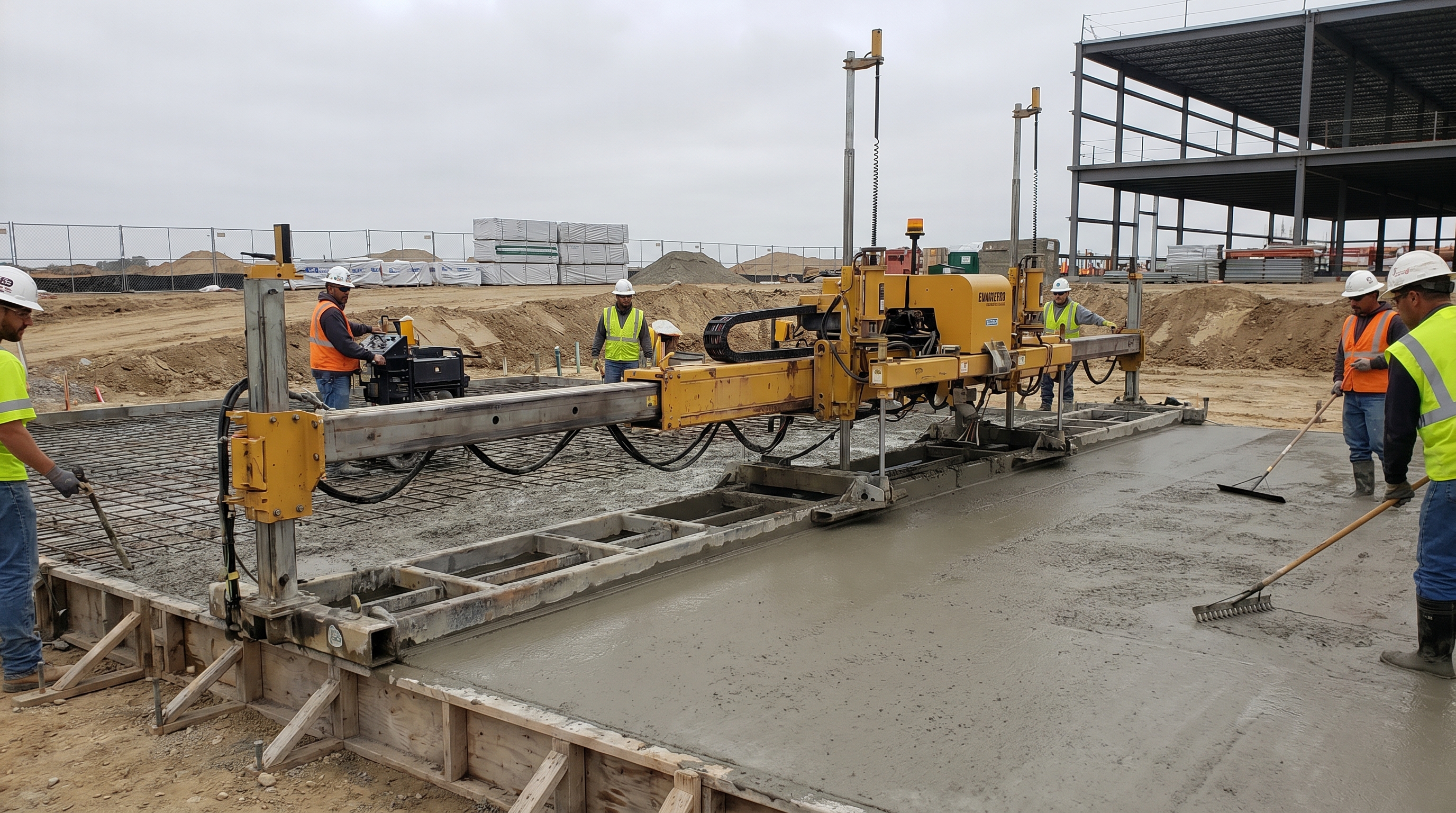
Professional padel court construction begins with a flawless foundation that prevents water pooling and structural shifting. You cannot simply lay turf on dirt; the ground must be excavated, stabilized, and leveled with precision equipment. A failed base will cause the glass to crack or the turf to ripple within months.
Excavation and soil stabilization
The first step is removing the topsoil and creating a stable sub-base using crushed stone and gravel. This layer provides the necessary structural integrity to support the heavy steel frames and glass panels.
- Remove 20-30cm of soil depending on local conditions.
- Install a geo-textile membrane to prevent weed growth.
- Compact the aggregate layers to ensure zero settlement.
Drainage and concrete slab pouring
Proper drainage is critical for outdoor courts to remain playable after rain. A reinforced concrete slab, typically 15cm thick, provides the perfectly flat surface required for a consistent ball bounce.
- Slope the base 0.5% to 1% for water runoff.
- Use high-strength reinforced concrete for longevity.
- Allow a full 14-day curing period before adding the court.
Key Takeaway: A rock-solid foundation is the only way to protect your glass and turf investment from environmental damage.
| Foundation Layer | Material | Purpose | |
|---|---|---|---|
| Sub-Base | Crushed Stone | Load Bearing & Drainage | |
| Top Layer | Reinforced Concrete | Level Playing Surface |
Analysis Guide: Conduct a soil test before excavation to identify potential drainage issues that could undermine the concrete slab.
What materials are used for the court structure?
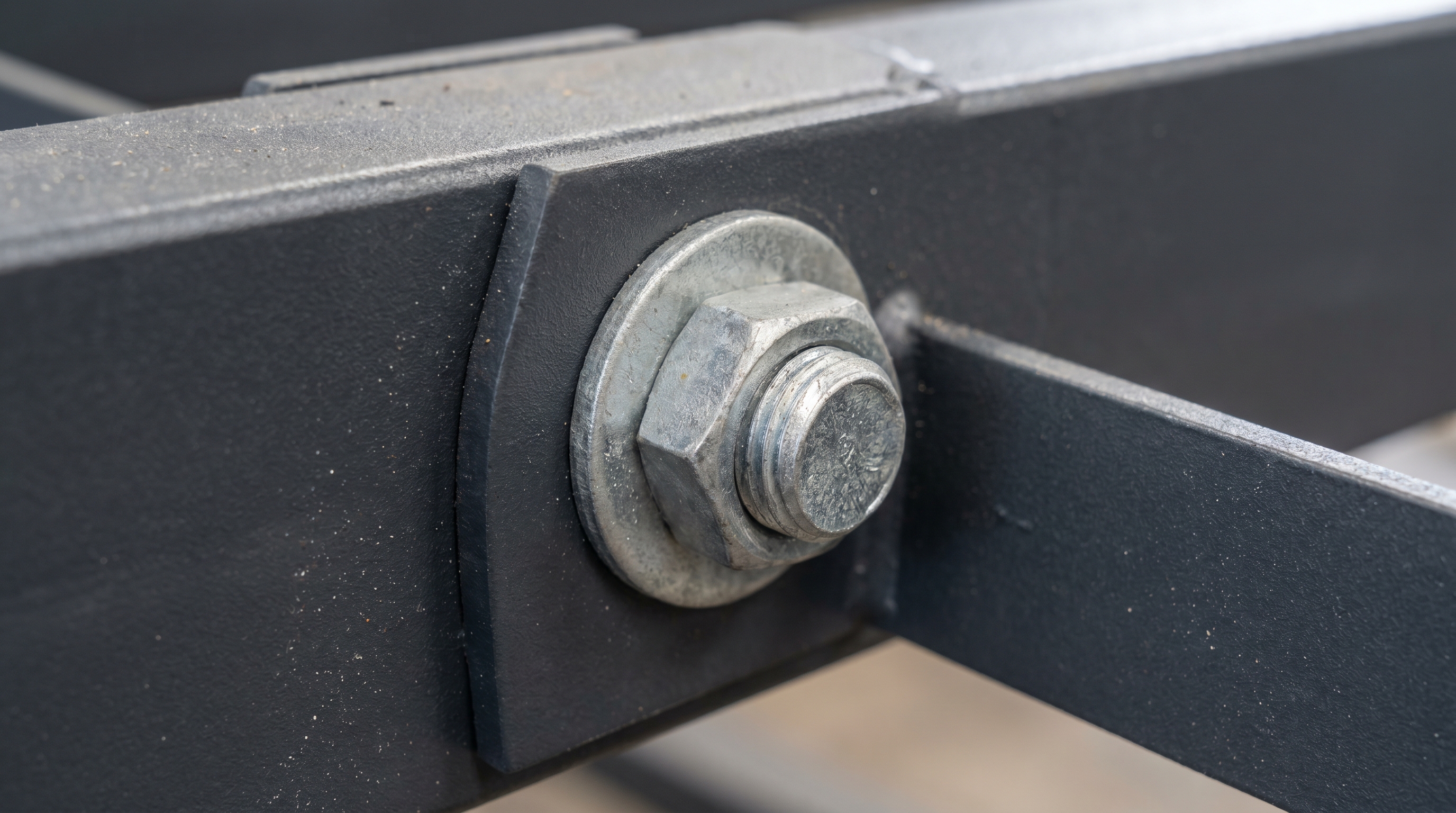
Professional padel court construction utilizes hot-dip galvanized steel frames to ensure the structure can withstand the high-impact environment of the game. These frames are engineered to hold heavy glass panels securely while resisting rust in outdoor settings. The best part? Modular designs allow for faster installation without sacrificing structural integrity.
Corrosion-resistant steel frames
Standard steel will fail in humid or coastal environments, leading to unsightly rust and safety risks. Galvanized steel, often finished with a high-quality powder coating, provides a 20-year design life for your facility.
- Hot-dip galvanization for maximum rust protection.
- Custom RAL colors for brand consistency.
- Industrial-grade bolts and fasteners for flush joints.
High-tension mesh and net systems
The side walls feature metal mesh fencing that must be taut enough to provide a predictable ball rebound. Quality nets and posts must be anchored deeply into the concrete base to survive the tension and player contact.
- Anti-injury mesh design with no sharp edges.
- Weatherproof synthetic fiber mesh for the net.
- Adjustable tension hardware for perfect net alignment.
Key Takeaway: Premium structural materials reduce maintenance costs and ensure the court remains safe for competitive use.
| Component | Material | Durability | |
|---|---|---|---|
| Pillars | Galvanized Steel | 20+ Years | |
| Mesh Fencing | Powder-Coated Metal | High Impact |
Analysis Guide: Verify that all metal components are certified for outdoor use to prevent structural degradation in varied climates.
Why is glass quality critical for player safety?
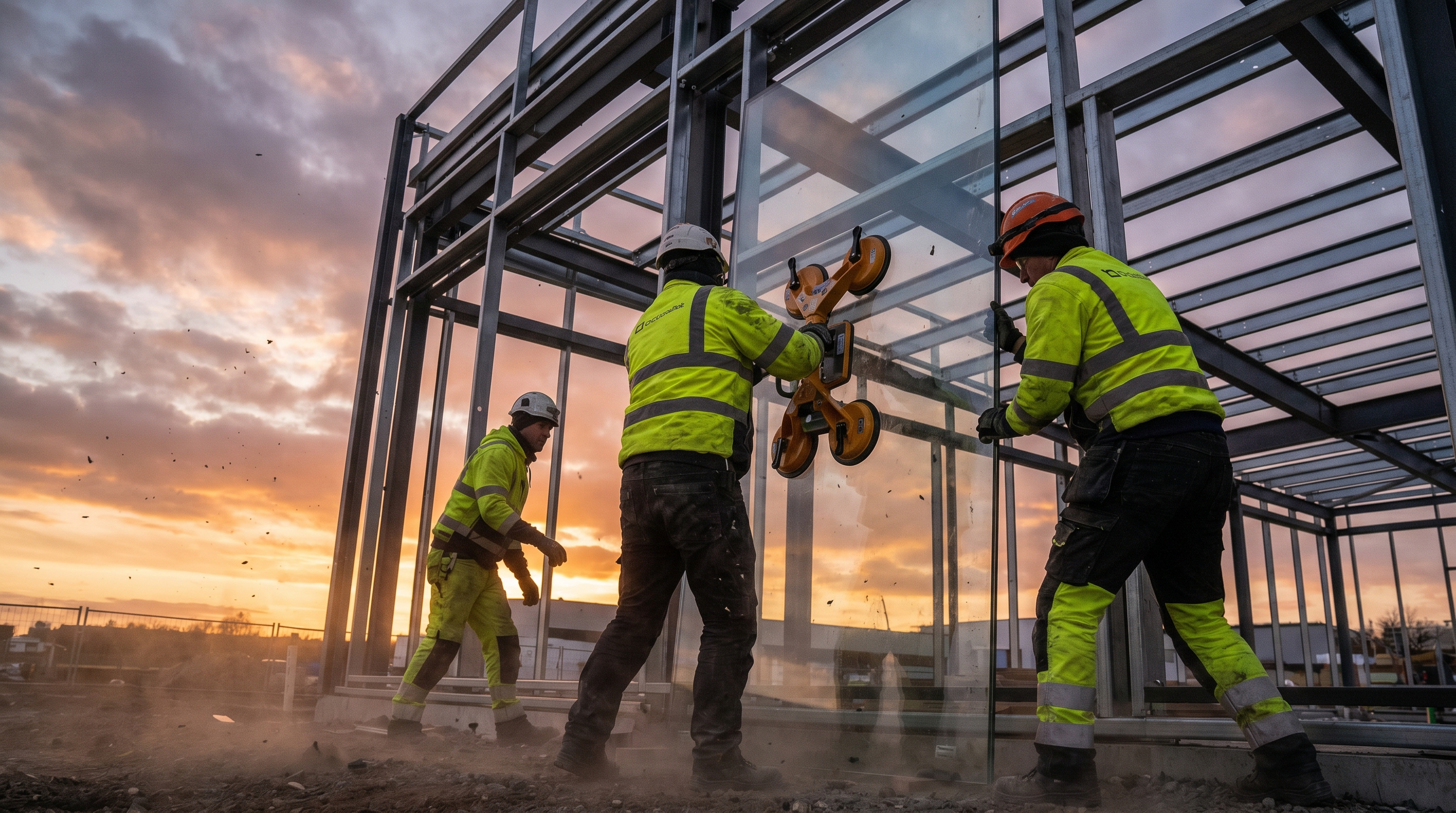
Professional padel court construction mandates the use of 12mm tempered safety glass to protect players from high-velocity impact. Unlike standard glass, tempered panels are designed to shatter into small, harmless pieces if they ever fail. Check this out: the glass isn’t just a barrier; it’s an active part of the game that determines ball speed and angle.
Tempered safety glass standards
You must ensure your glass meets European EN 12150 standards to guarantee its ability to absorb the shock of a player running into the wall. Thick 12mm panels provide the necessary rigidity to prevent the walls from swaying during play.
- Tempered for 5x more strength than regular glass.
- Anti-explosion properties for maximum safety.
- Polished edges to prevent cuts during installation.
Impact on ball rebound and visibility
Glass walls allow for a transparent viewing experience, which is essential for spectators and referees. The surface must be perfectly flush with the frame to ensure the ball doesn’t take erratic bounces off the joints.
- Clear or extra-clear glass for high-definition viewing.
- Flush mounting hardware to avoid play disruption.
- UV-resistant gaskets to maintain a tight seal over time.
Key Takeaway: Safety glass is the most critical safety feature of a padel court, requiring professional sourcing and installation.
| Glass Thickness | Standard | Player Safety Level | |
|---|---|---|---|
| 10mm | Recreational | Standard | |
| 12mm | Professional | Maximum |
Analysis Guide: Inspect glass panels for imperfections or chips during delivery, as small flaws can lead to shattering under thermal stress.
What is the best turf for professional performance?
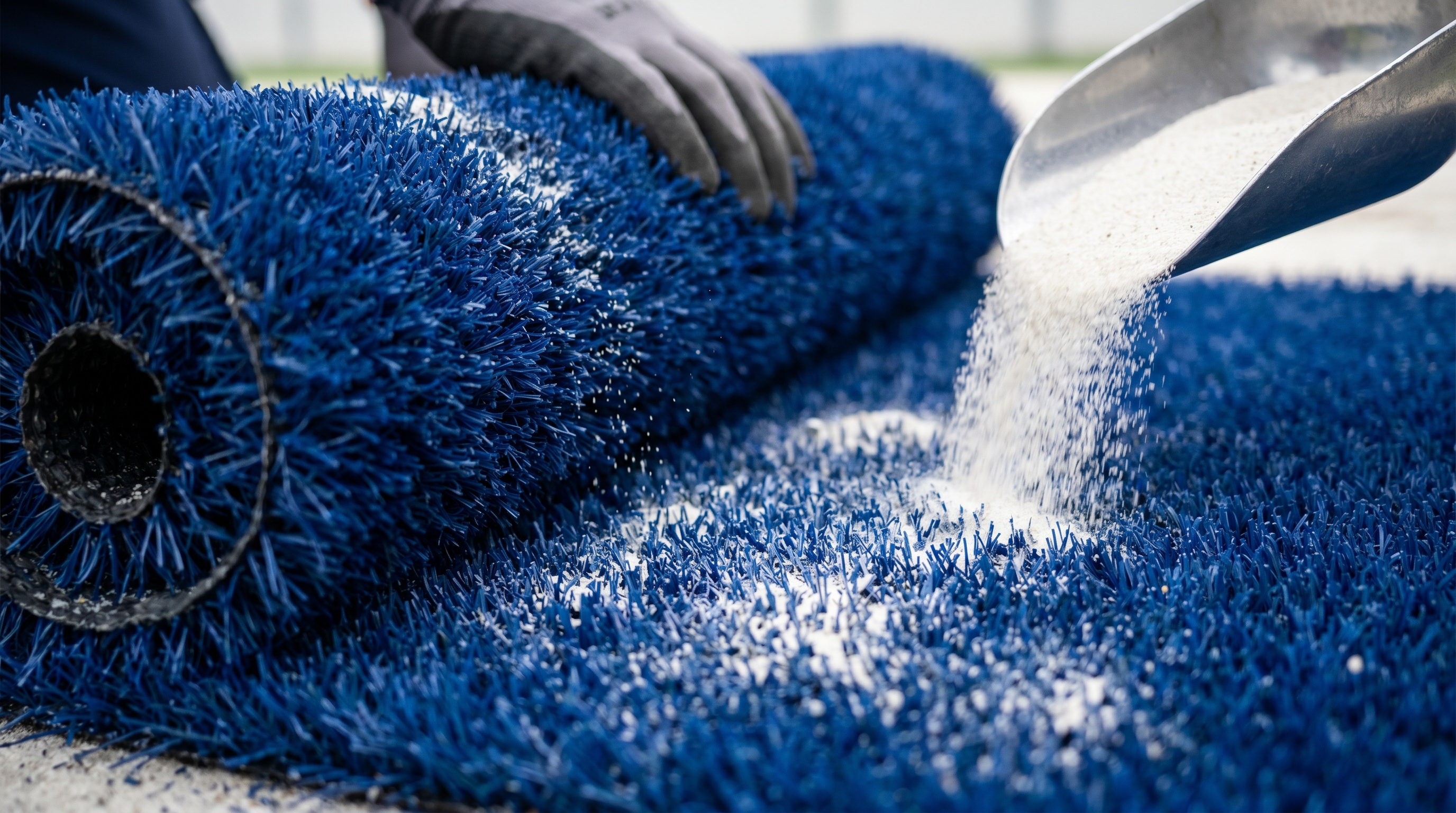
Professional padel court construction relies on high-density fibrillated or monofilament synthetic grass to provide the perfect balance of grip and slide. The turf is the interface between the player and the court, so it must be engineered for wear resistance. Poor quality grass will flatten quickly, making the court dangerously slippery and ruining the game’s pace.
Selecting fibrillated vs. monofilament turf
Fibrillated turf is a classic choice known for its durability and ability to hold silica sand infill in place. However, monofilament turf is becoming the standard for professional clubs due to its superior resilience and aesthetic appeal.
- High-density fibers for long-term wear resistance.
- UV-stabilized materials to prevent color fading.
- EU-standard compliance for athletic safety.
The role of silica sand infill
You cannot have a professional court without a precise application of fine silica sand. The sand supports the grass fibers and allows players to slide into shots without catching their ankles on the turf.
- Aids in consistent ball bounce across the court.
- Prevents the turf from shifting under heavy use.
- Reduces the risk of player knee and ankle injuries.
Key Takeaway: Choosing high-quality padel grass is essential for maintaining consistent performance and player safety.
| Turf Feature | Professional Spec | Benefit | |
|---|---|---|---|
| Pile Height | 12mm – 15mm | Optimal Speed | |
| Infill Type | Silica Sand | Traction Control |
Analysis Guide: Measure the sand infill depth weekly to ensure it remains even across high-traffic areas like the service boxes.
Should you choose a panoramic or standard design?
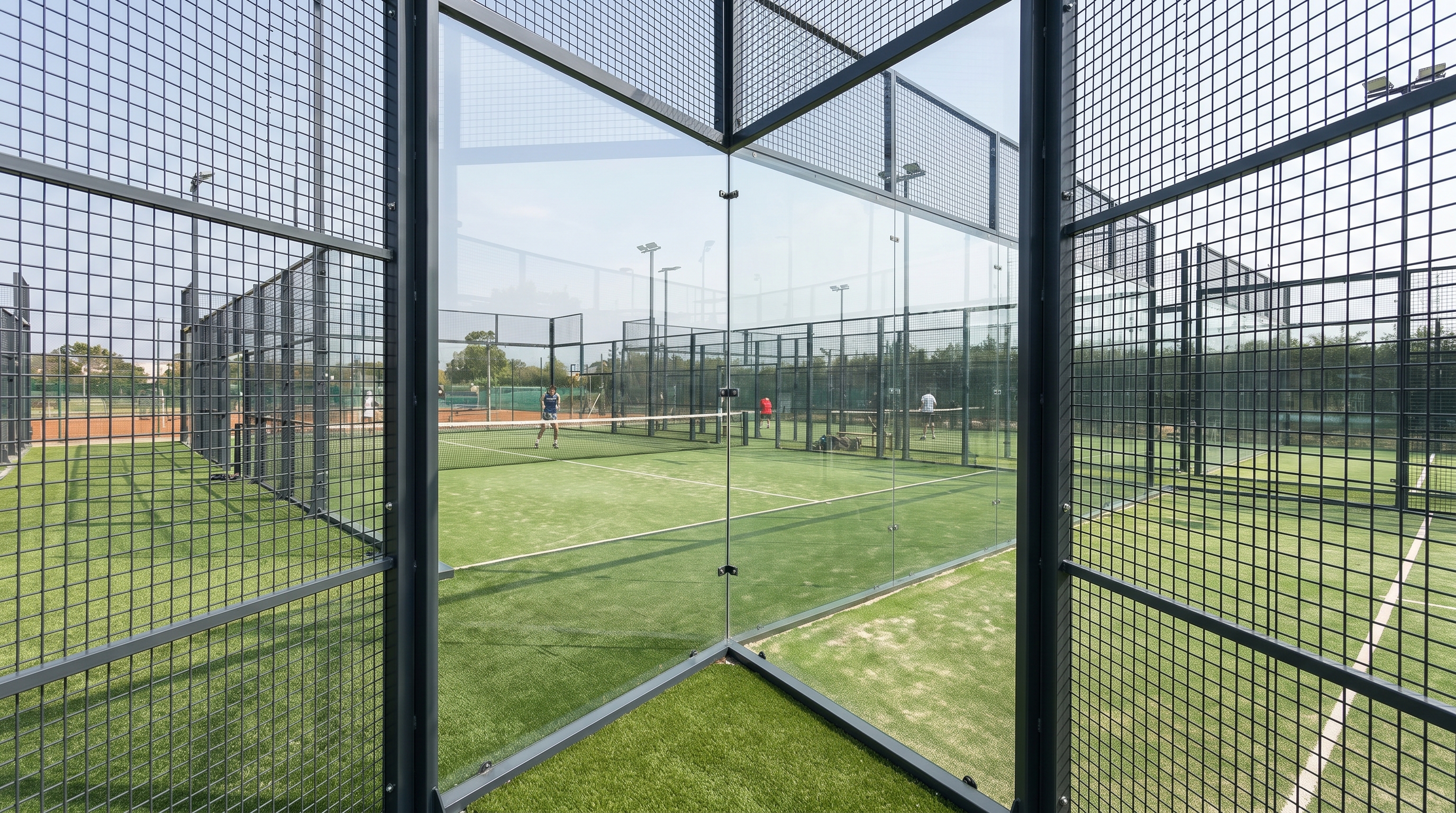
Professional padel court construction offers two primary design paths: the unobstructed panoramic view or the robust classic structure. Panoramic courts use thicker glass and fewer pillars to provide a 360-degree view for spectators. While standard courts are more budget-friendly, the panoramic aesthetic is often what attracts high-end members to a new club.
Advantages of panoramic enclosures
Panoramic courts are the “show courts” of the padel world, offering a stunning visual that looks incredible in marketing photography. They remove the vertical steel pillars from the back walls, creating a seamless glass experience.
- Superior viewing for televised or filmed matches.
- Elite branding opportunities for your facility.
- Modern, high-end feel that justifies higher fees.
Reliability of standard classic courts
Don’t dismiss the standard padel structure just because it’s traditional. These courts are incredibly robust and cost-effective, making them the perfect choice for clubs looking to install multiple courts on a budget.
- Proven structural stability in all environments.
- Easier and faster to install with standard teams.
- Lower procurement cost for multi-court projects.
Key Takeaway: Panoramic courts are ideal for showpieces, while classic courts offer the best value for high-volume club operations.
| Court Type | Visual Impact | Price Point | |
|---|---|---|---|
| Panoramic | Maximum | Premium | |
| Standard | High | Accessible |
Analysis Guide: Compare the padel court price of both types against your projected rental income to find the fastest break-even point.
How do you install lighting for night-time play?
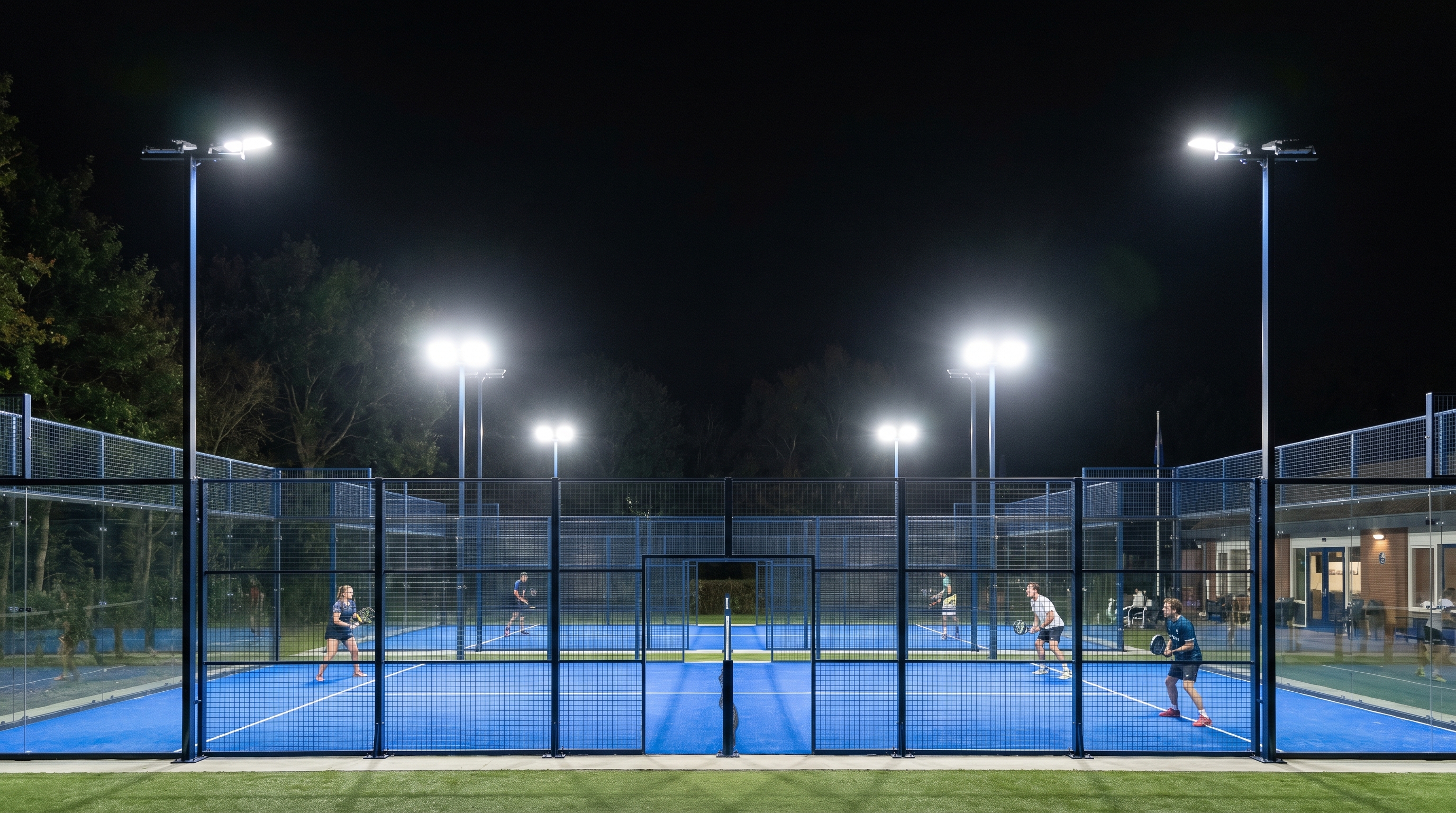
Professional padel court construction is incomplete without a high-efficiency padel LED lighting system that eliminates shadows and glare. Night games are the most profitable hours for many clubs, so your illumination must be perfect. You need IP66-rated waterproof fixtures that can withstand the elements while providing uniform brightness across the entire 200sqm surface.
Positioning for zero-shadow play
Lighting poles are typically 6 to 8 meters high and must be positioned to avoid blinding players during lobs or overhead smashes. Using eight LED floodlights—four on each long side—is the industry standard for professional-grade uniformity.
- Eliminates “dark spots” in the corners of the court.
- Prevents glare that disrupts player concentration.
- High color rendering index (CRI) for clear visibility.
Energy efficiency and durability
Switching to LED technology can reduce your facility’s energy consumption by up to 50% compared to traditional metal halide lamps. Furthermore, LEDs turn on instantly, avoiding the long warm-up times that can frustrate players.
- IP66 waterproof rating for outdoor reliability.
- 50,000-hour lifespan reduces maintenance labor.
- Instant-on capability for smart booking systems.
Key Takeaway: High-quality lighting extends your revenue hours and ensures a safe playing environment after sundown.
| Lighting Feature | Requirement | Benefit | |
|---|---|---|---|
| Power per Pole | 200W – 400W LED | Brilliant Visibility | |
| IP Rating | IP66 | Total Weatherproof |
Analysis Guide: Aim for a minimum of 500-750 lux on the surface to meet professional tournament lighting standards.
Is an indoor or outdoor installation better?
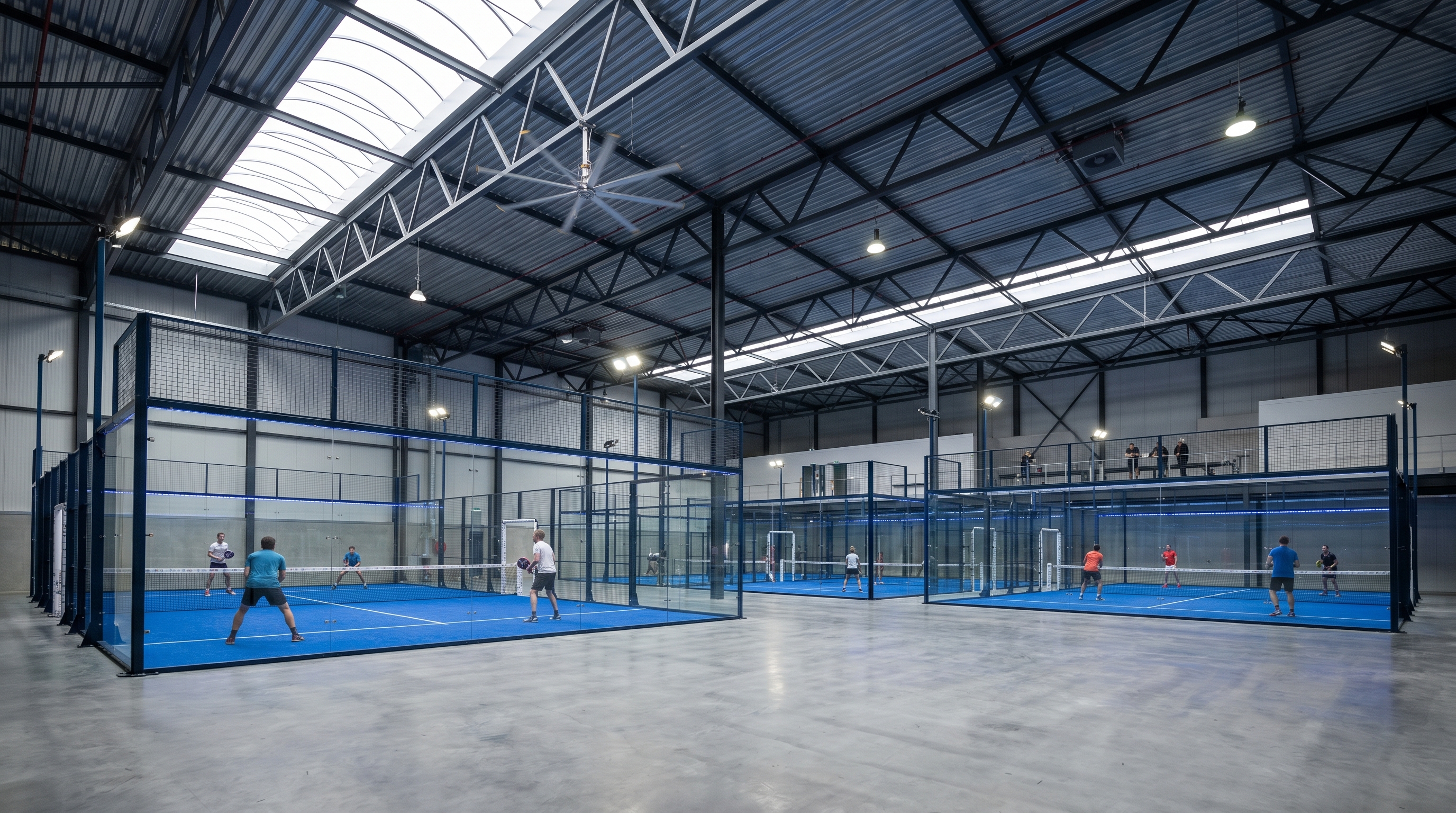
Professional padel court construction for indoor spaces guarantees 365-day playability regardless of the weather. Outdoor courts are often cheaper and more scenic, but they are vulnerable to rain, wind, and extreme sun. You must weigh the higher structural costs of an indoor roofed padel court against the potential loss of revenue from canceled outdoor matches.
Benefits of indoor environments
Indoor courts offer a controlled climate that protects the turf and glass from UV degradation and moisture. This leads to a significantly longer lifespan for the materials and consistent ball behavior for competitive players.
- Uninterrupted revenue during rainy seasons.
- Protection from wind interference during play.
- Lower long-term maintenance for glass and turf.
The appeal of outdoor facilities
Outdoor courts provide an airy, social atmosphere that is hard to replicate inside a building. They are often the preferred choice for resorts and residential complexes where the court serves as a visual landscape feature.
- Lower initial investment as no building is required.
- Ideal for summer camps and social club events.
- Higher visual impact for passers-by and new members.
Key Takeaway: Choose indoor for consistent revenue and outdoor for lower entry costs and aesthetic integration.
| Environment | Playability | Initial Cost | |
|---|---|---|---|
| Indoor | 100% (All Year) | High | |
| Outdoor | Weather Dependent | Lower |
Analysis Guide: Review local weather patterns over the last three years to calculate how many “rain days” would affect your outdoor court revenue.
How do you maintain a court for long-term use?
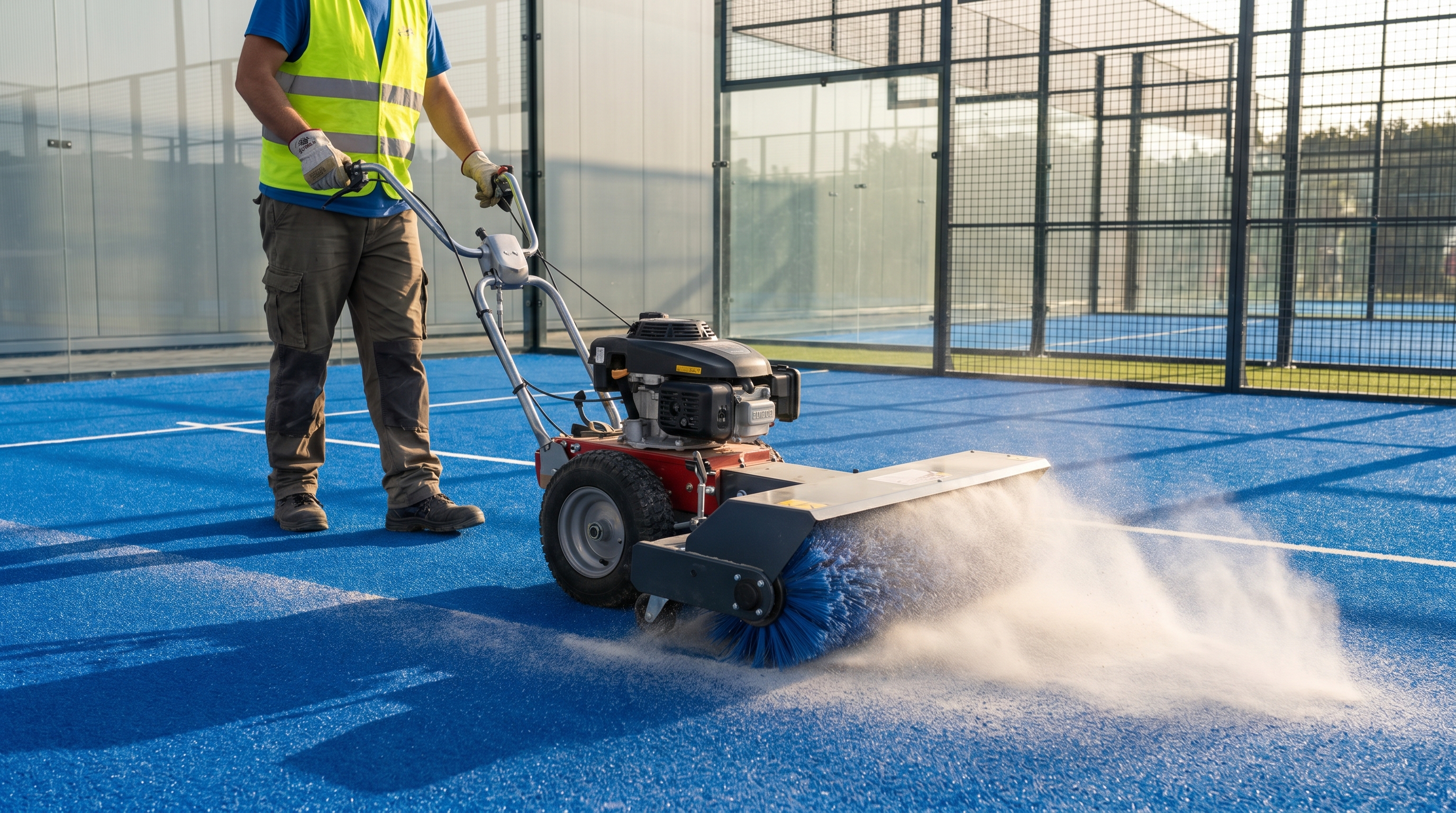
Professional padel court construction quality is only as good as the maintenance routine that follows. Even the most expensive court will deteriorate if the sand becomes clogged with dirt or the glass remains covered in smudges. You must implement a strict grooming schedule to preserve the traction of the turf and the clarity of the walls.
Weekly grooming and sand redistribution
Over time, silica sand migrates toward the corners of the court, leaving high-traffic areas like the net line slippery. Using a specialized mechanical brush once a week keeps the sand level and the grass fibers standing upright.
- Prevents “slick spots” that cause player injuries.
- Reduces wear on the synthetic grass fibers.
- Keeps the court surface looking brand new.
Glass cleaning and structural checks
Fingerprints and ball marks on the glass panels don’t just look unprofessional; they can obscure the view for spectators. Furthermore, you should inspect the structural bolts every few months to ensure the frame remains rigid and vibration-free.
- Clean glass weekly with non-abrasive solutions.
- Inspect pillars and mesh for signs of impact damage.
- Verify that all safety gaskets are still in place.
Key Takeaway: Consistent maintenance protects your capital investment and ensures the highest safety standards for your members.
| Task | Frequency | Estimated Time | |
|---|---|---|---|
| Turf Brushing | Weekly | 30 Minutes | |
| Glass Cleaning | Weekly | 60 Minutes |
Analysis Guide: Create a digital maintenance log for your staff to ensure no inspection or cleaning task is missed during the busy season.
Building a professional court is a journey from detailed planning to meticulous maintenance. If you are ready to transform your facility and capitalize on the padel boom, don’t leave your project to chance. For expert guidance and premium factory-direct equipment, contact us today to start your project.
Professional Construction FAQ
Can I build a padel court on a tennis court base?Yes, but you must ensure the concrete is thick enough to anchor the steel pillars securely and that the drainage is sufficient for padel turf.
What’s the best glass thickness for a commercial club?We recommend 12mm tempered safety glass for commercial clubs to ensure maximum durability and player safety under high-frequency use.
Can I customize the color of the court frame?Absolutely. Professional manufacturers offer custom RAL colors for the steel structure and mesh to match your club’s branding.
What is the minimum ceiling height for indoor padel?The FIP requires a minimum of 6 meters, but 8 meters is ideal to allow for high lobs without hitting the ceiling or lights.
How long does the construction process take?The actual court assembly takes about 5-7 days, but you must factor in foundation curing and site preparation, which can add 2-3 weeks.