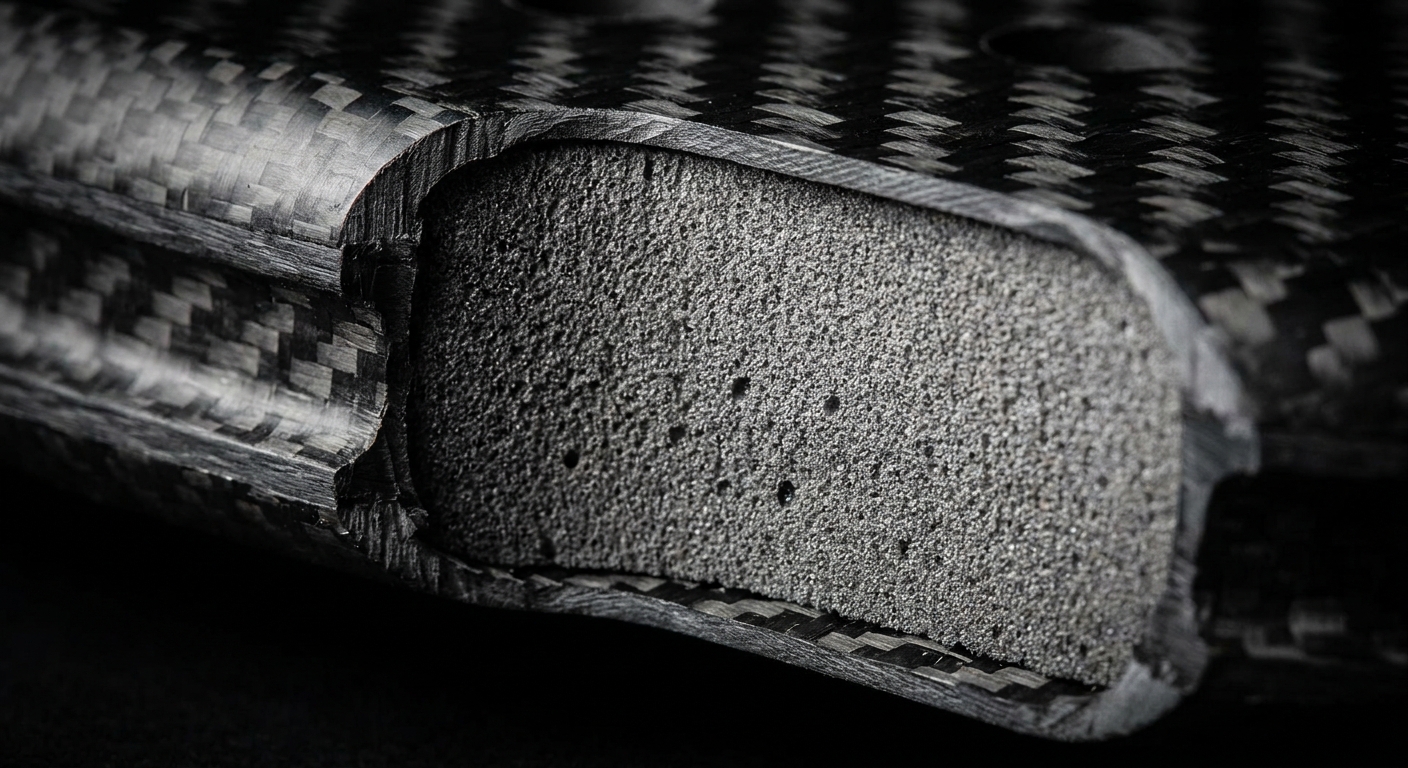
A racchetta padel is a solid-surface sports instrument without strings, engineered with composite materials and a perforated face to balance power and control. Choosing the wrong equipment leads to persistent technical frustration and avoidable physical strain during high-intensity matches. You might find yourself struggling with a tool that vibrates excessively or lacks the structural “pop” needed for a decisive overhead smash. Understanding the technical construction allows you to select or build a racchetta padel that aligns perfectly with your professional playing requirements.
What exactly is a modern racchetta padel?
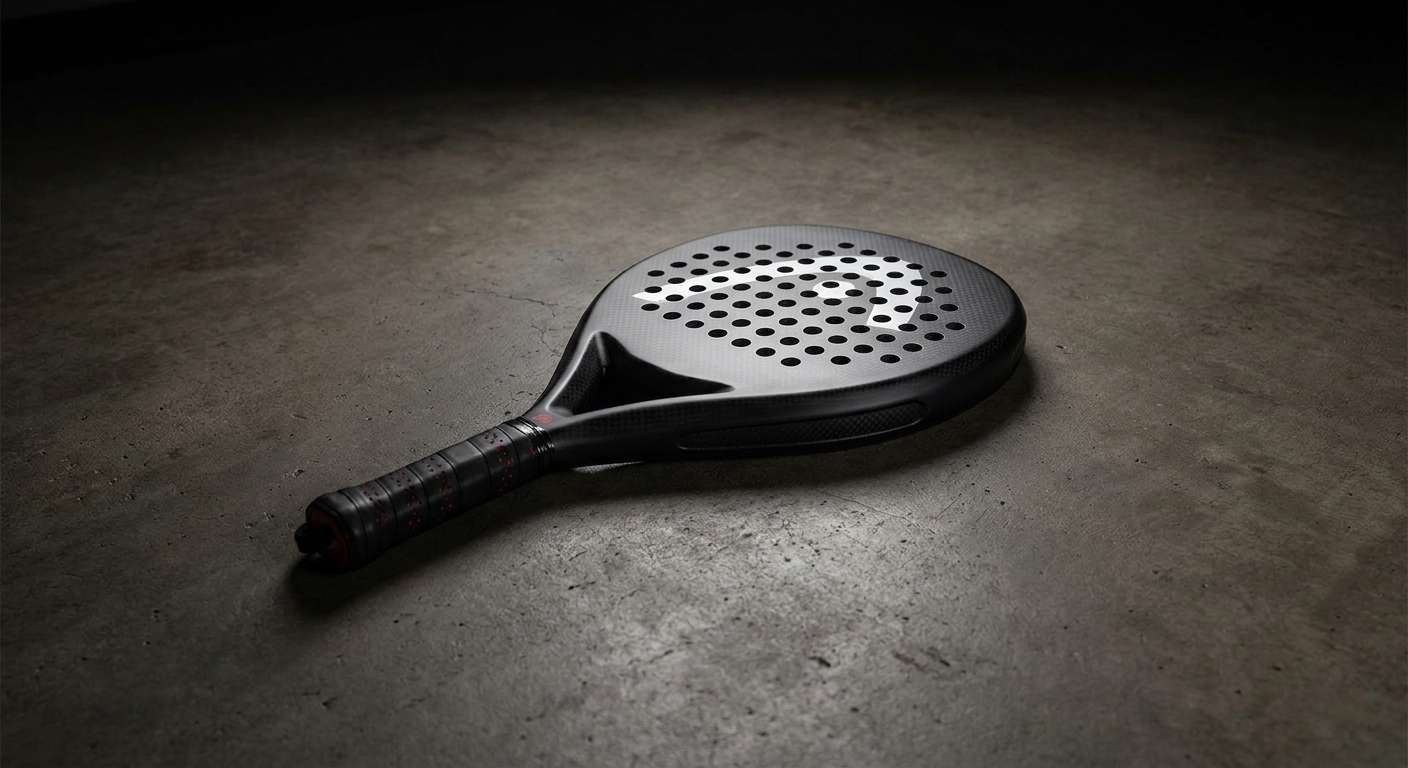
Modern construction defines a racchetta padel as a rigid, perforated “pala” designed to manage aerodynamic speed while providing high impact absorption. This specialized tool relies on a solid face rather than strings to interact with the ball.
What are the main components?
Think about it. You must understand that the frame and the core are the most critical parts of the assembly.
- Rigid carbon frame
- Internal foam core
- Perforated surface face
Believe it or not. You will see that the holes are not just for weight reduction but also for air resistance management.
- Reduced wind drag
- Vibration dampening
- Sweet spot expansion
Key Takeaway
The modern pala is a complex composite of foam and fiber designed to maximize energy transfer while protecting the player’s arm from vibration.
| Component | Function | Material |
|---|---|---|
| Frame | Structure | Carbon Fiber |
| Core | Elasticity | EVA Foam |
| Face | Friction | Glass/Carbon |
The integration of these three layers determines the final performance profile of the instrument.
Which shape fits your racchetta padel?
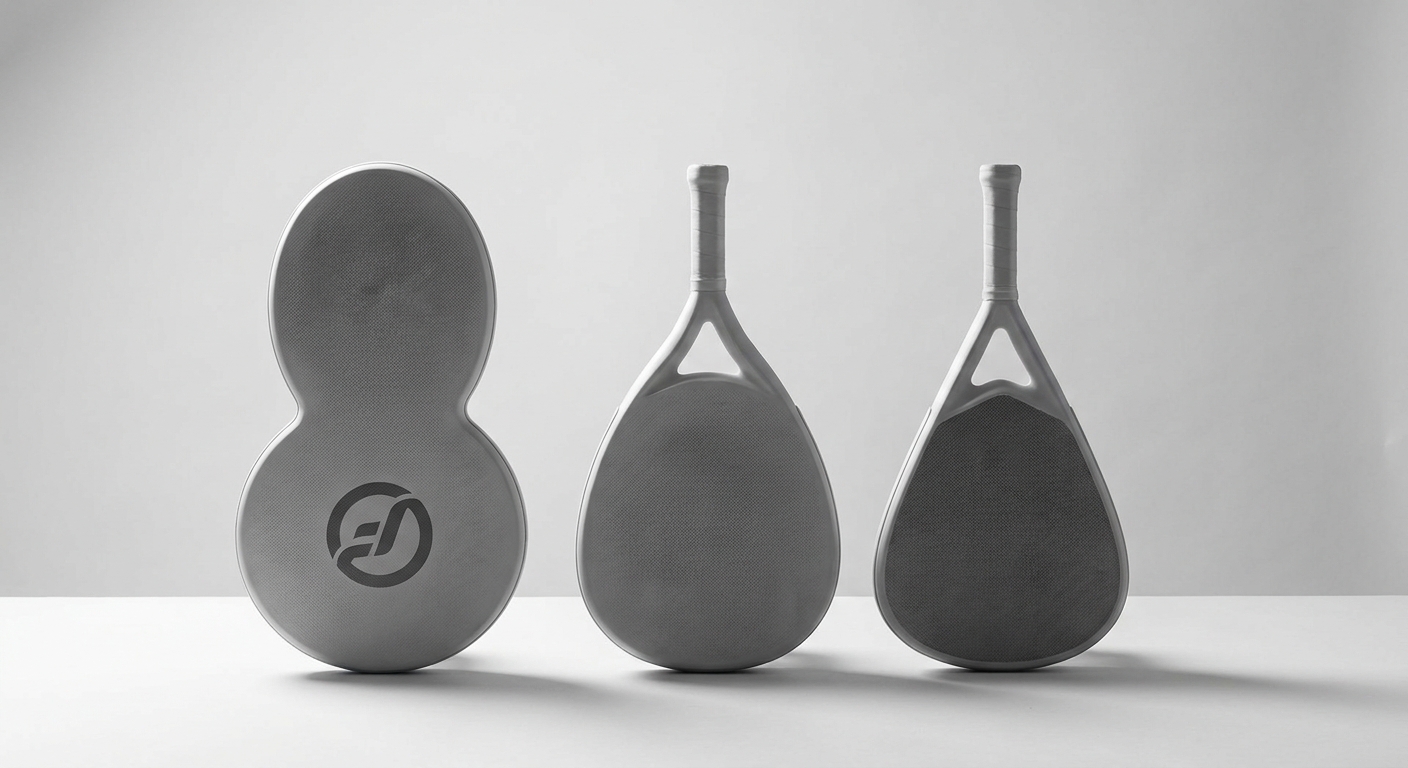
The geometry of a racchetta padel dictates its primary utility by moving the sweet spot toward the tip or the handle. Choosing the right silhouette is the first step toward specialized performance on a racchetta padel intended for club play.
Is round the best for control?
As you can see. You should opt for a round shape if you prioritize defensive play and precision.
- Low center of gravity
- Wide sweet spot
- Excellent maneuverability
Surprisingly. You will find that even advanced players use round shapes for high-control matches.
- Reduced error margin
- Easier lobs
- Better net reflexes
Key Takeaway
Round rackets provide the highest level of forgiveness and are ideal for players who build their game on defense and placement.
| Shape | Skill Level | Benefit |
|---|---|---|
| Round | Beginner/Defensive | High Control |
| Teardrop | Intermediate/Hybrid | Versatility |
| Diamond | Advanced/Attacking | Maximum Power |
Selecting the geometry is a strategic decision that shapes your entire tactical approach to the game.
How does balance affect a racchetta padel?
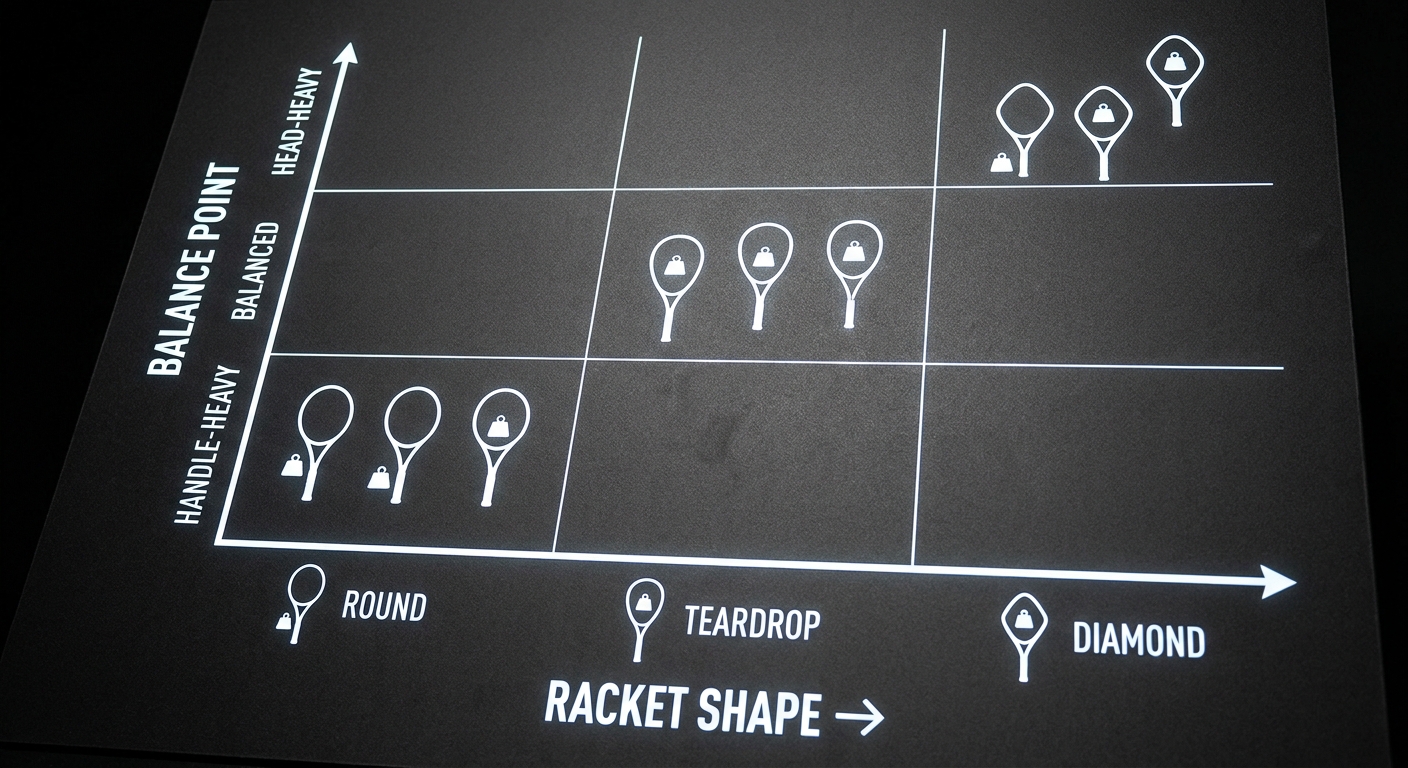
The balance point of a racchetta padel determines the “perceived weight” and how the tool moves through the air during a swing. A high balance increases leverage for smashes but makes the racket feel heavier in the hand.
How is balance measured?
Here is the deal. You can identify the balance by finding the exact point where the racket rests horizontally on your finger.
- Handle-heavy (Low)
- Balanced (Neutral)
- Head-heavy (High)
Think about this. You will find that head-heavy rackets require more wrist strength to move quickly.
- Increased swing speed
- More power potential
- Higher injury risk
Key Takeaway
Balance is often more important than static weight because it dictates the agility of the frame during rapid net exchanges.
| Balance | Distribution | Player Style |
|---|---|---|
| Low | Toward Handle | Defensive |
| Mid | Center | All-around |
| High | Toward Head | Offensive |
The center of gravity is the “soul” of the racket, defining its personality during every strike.
What weight is right for your racchetta padel?
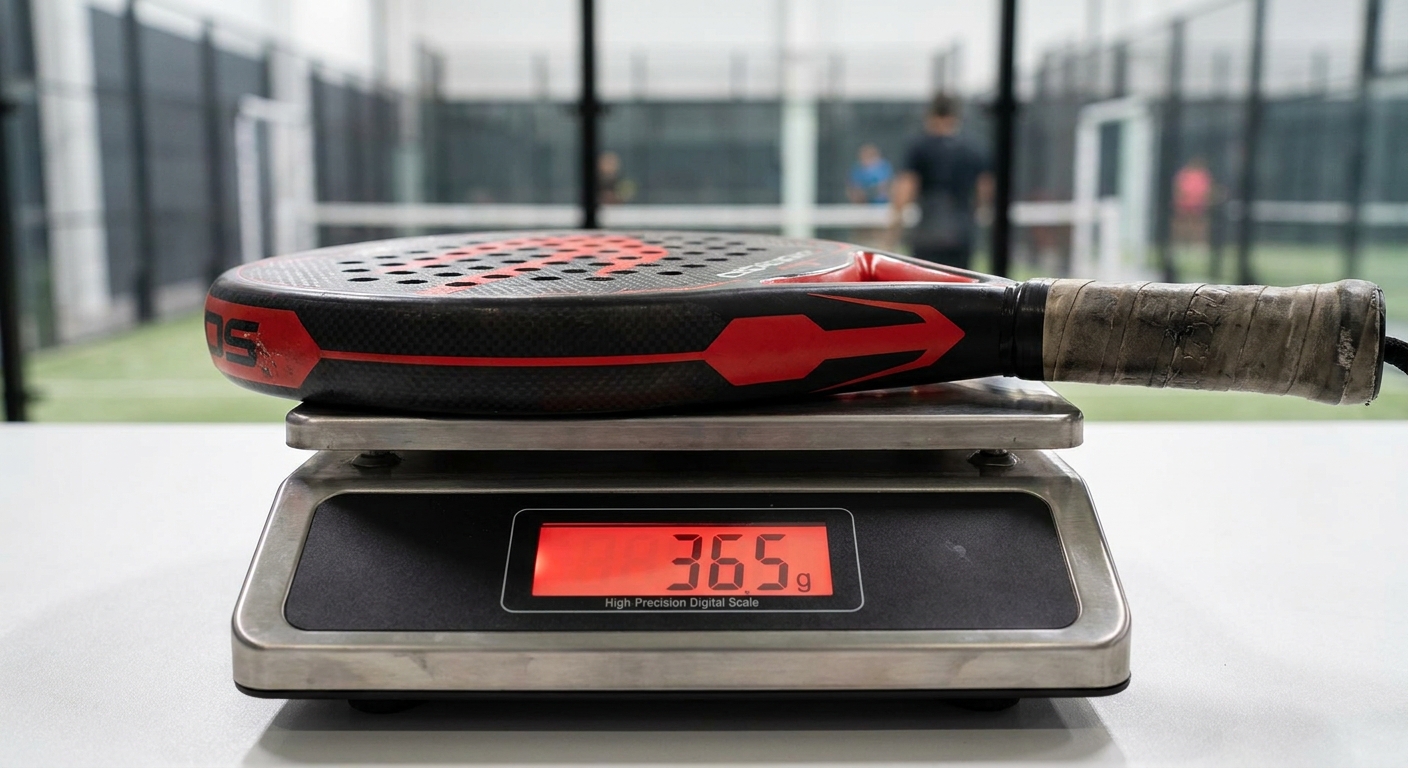
Standard weights for a high-quality racchetta padel generally fall between 350g and 390g to ensure a mix of speed and stability. Finding the perfect mass for your racchetta padel prevents muscle fatigue while maintaining shot power.
Does a lighter racket help?
Surprisingly. You might prefer a lighter frame if you struggle with elbow pain or need faster defensive reactions.
- Easier to swing
- Faster net play
- Lower power output
The best part is. You can always add weight later using specialized lead or tungsten adhesive strips.
- Custom weight zones
- Stability adjustments
- Balance fine-tuning
Key Takeaway
Weight is a trade-off where lighter frames offer agility and heavier frames provide the mass needed to crush the ball.
| Weight Range | Classification | User Group |
|---|---|---|
| 350-365g | Light | Women/Juniors |
| 365-375g | Mid | Standard Men |
| 375-390g | Heavy | Pro Power Players |
Static weight must be chosen based on your physical build to avoid long-term overuse injuries.
How is a high-end racchetta padel built?
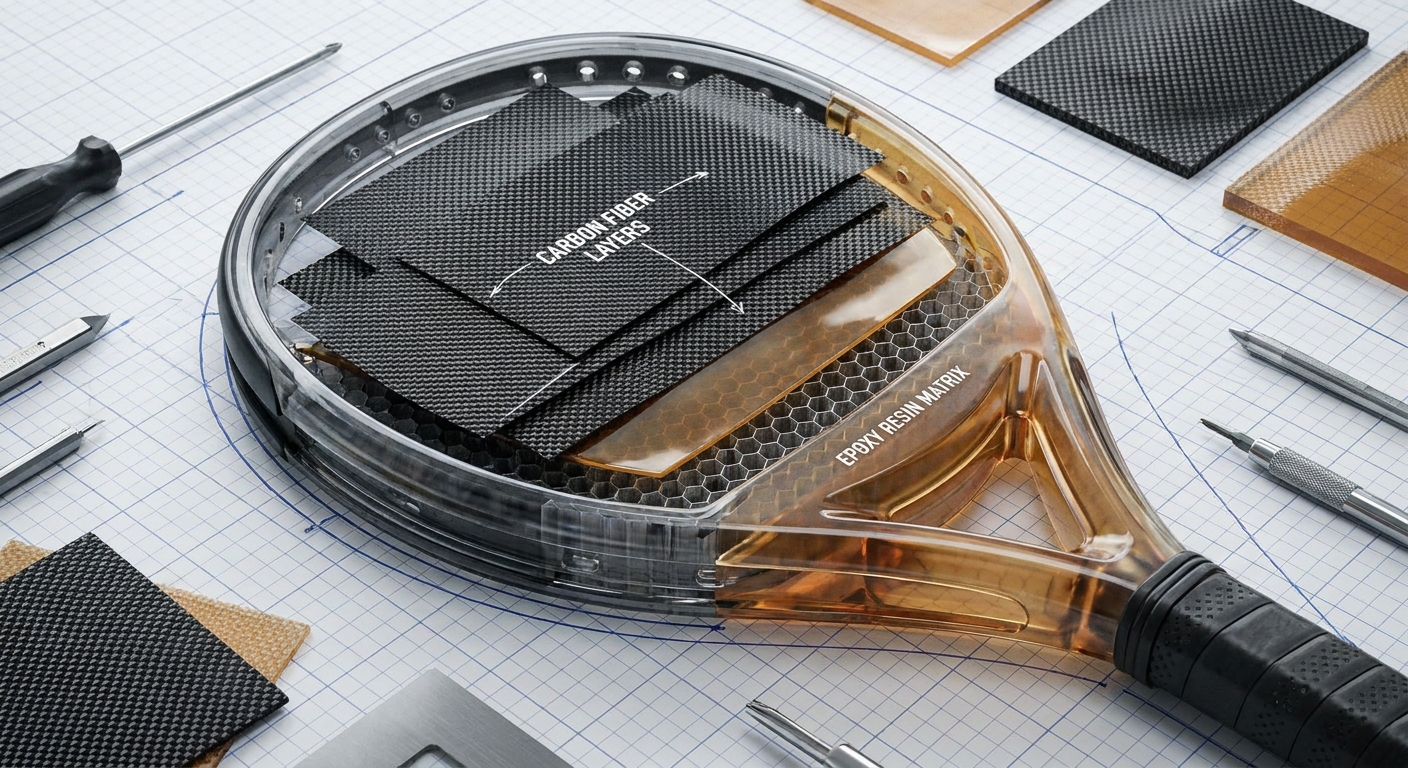
Building a racchetta padel involves layering composite materials like carbon fiber and epoxy resin over a pre-formed foam core. This “sandwich” construction ensures the frame is lightweight yet incredibly stiff.
What materials are used?
Believe it or not. You will see that professional rackets use 12K or 18K carbon fiber for maximum rigidity.
- Woven carbon fiber
- Glass fiber layers
- Epoxy resin matrix
As you can imagine. You need to combine different fibers to reach the desired flexibility level.
- Reactivity control
- Impact resistance
- Durability enhancement
Key Takeaway
Composite layering allows manufacturers to tune the “stiffness” of the face to match specific player velocities.
| Material | Property | Impact |
|---|---|---|
| Glass Fiber | Flexible | Comfortable |
| 3K Carbon | Standard | Balanced |
| 12K/18K Carbon | Stiff | Powerful |
Technical mastery of these materials separates a commercial product from a high-performance instrument.
What core is inside a racchetta padel?
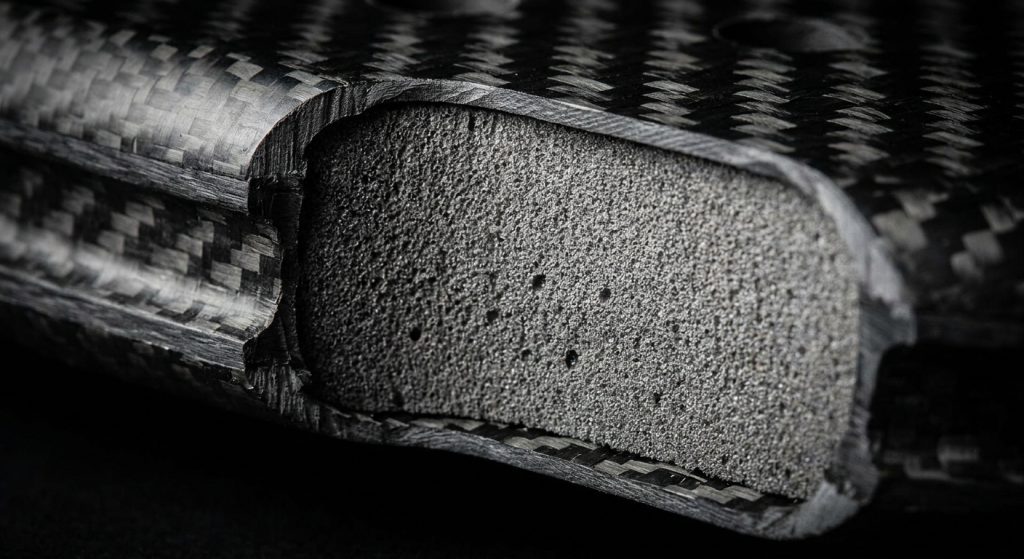
The internal core of a racchetta padel is typically made from Ethylene Vinyl Acetate (EVA) or Polyethylene to manage energy return. This foam is the “engine” of your racchetta padel and dictates the feeling of every shot.
Is hard or soft foam better?
Make no mistake. You should choose soft foam if you want more “ball output” with less effort.
- High energy return
- Better vibration absorption
- Less precision control
On the other hand. You will find that hard EVA is the choice for elite players seeking surgical accuracy.
- Direct energy transfer
- Longer durability
- Higher power threshold
Key Takeaway
The density of the internal foam determines how long the ball stays on the face and how much energy is returned.
| Foam Type | Density | Game Feel |
|---|---|---|
| Soft EVA | Low | Bouncy/Easy |
| Black EVA | Medium | Versatile |
| Hard EVA | High | Precise/Stiff |
Understanding foam density is critical because the core eventually loses its “memory” and elastic properties.
How does the racchetta padel surface impact spin?
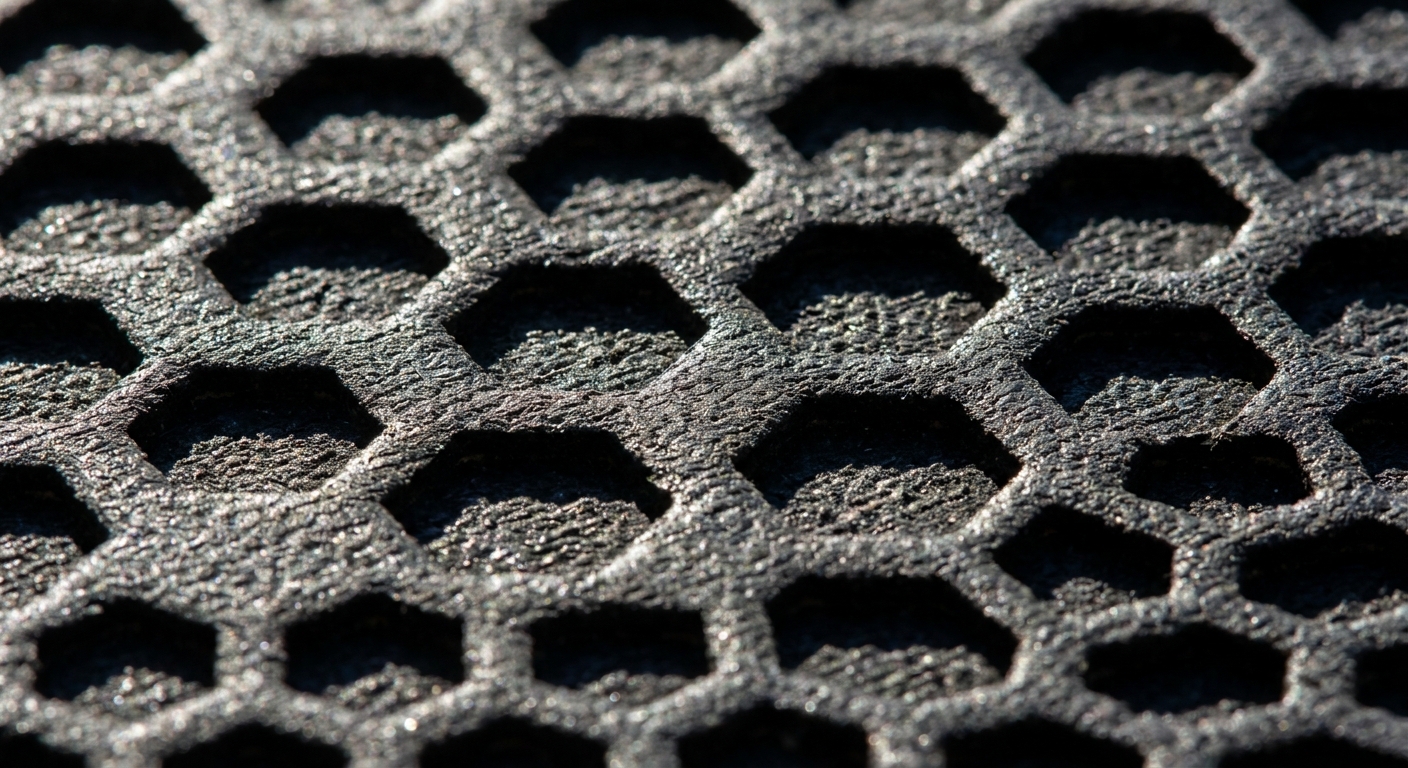
Surface treatments on a racchetta padel use rough textures or 3D patterns to increase the friction between the racket and the ball. This allows you to impart significant spin during technical shots like the bandeja.
Does a rough surface help?
The truth is. You will find that sand-grit or hexagonal textures significantly increase the “grip” on the ball.
- Increased ball rotation
- Better technical control
- Tactile feedback
Interestingly. You should know that smooth surfaces offer more consistent trajectories for beginners.
- Predictable bounce
- Simplified mechanics
- Easier cleaning
Key Takeaway
Rough surfaces are a tactical advantage for advanced players who use spin to keep the ball low after hitting the glass.
| Finish Type | Texture | Spin Level |
|---|---|---|
| Smooth | Glossy/Matte | Low |
| Sand Grit | Rough | High |
| 3D Relief | Patterned | Intermediate |
Spin technology has become a standard requirement for competitive play in the modern era.
How to maintain your new racchetta padel?
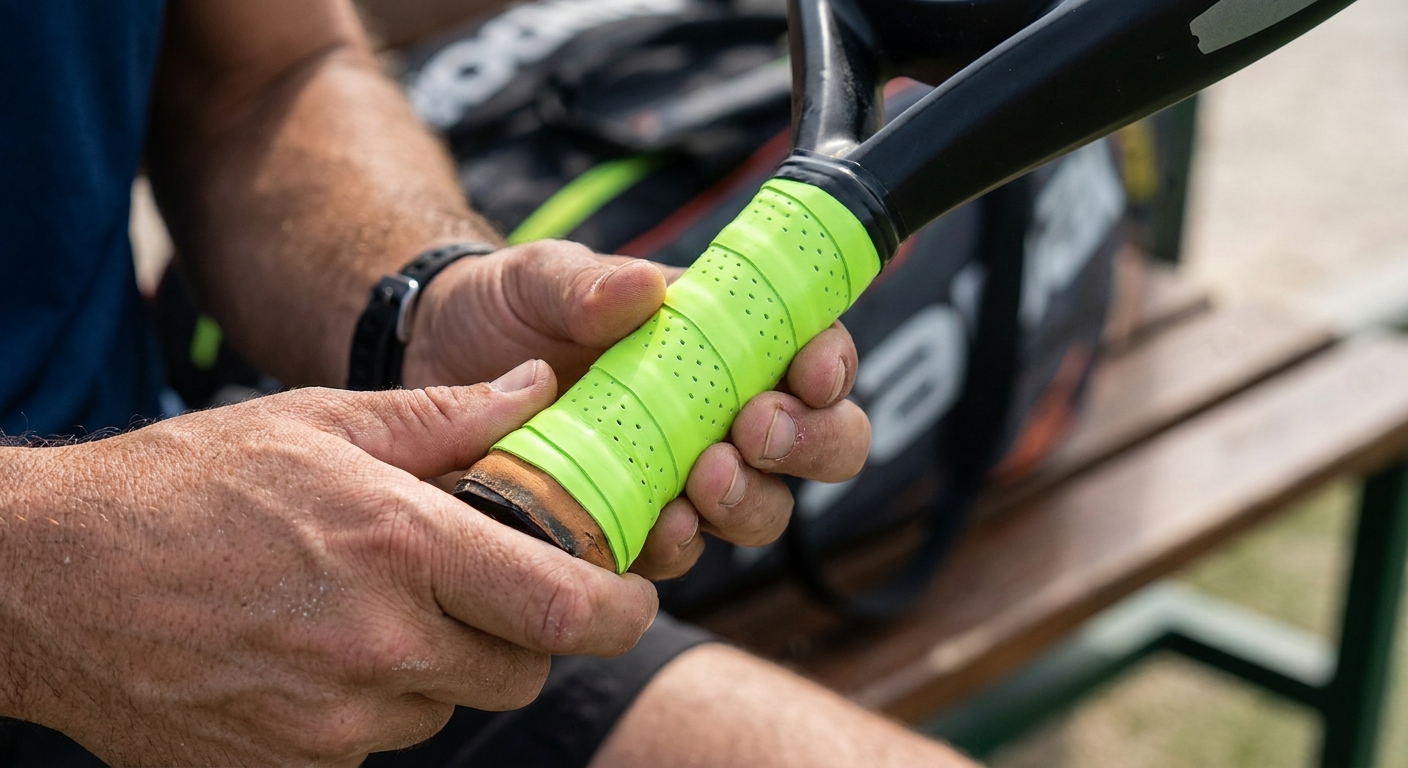
Maintaining a racchetta padel involves protecting the frame from impacts and keeping the handle grip fresh. Regular maintenance of your racchetta padel ensures that the composite materials do not degrade prematurely.
Why use an overgrip?
Think about it. You need to replace your overgrip frequently to maintain a secure, slip-free connection to the racket.
- Sweat absorption
- Thickness adjustment
- Vibration dampening
As you can see. You should also apply a frame protector to the top of the racket.
- Impact shielding
- Scratch prevention
- Weight balancing
Key Takeaway
Small investments in overgrips and protectors can double the functional lifespan of an expensive high-end racket.
| Item | Replacement Frequency | Benefit |
|---|---|---|
| Overgrip | Every 3-5 matches | Better Grip |
| Frame Protector | When Cracked | Frame Safety |
| Storage Bag | Daily Use | Thermal Protection |
Caring for the handle and frame is essential for maintaining consistent performance over several seasons.
When should you replace your racchetta padel?
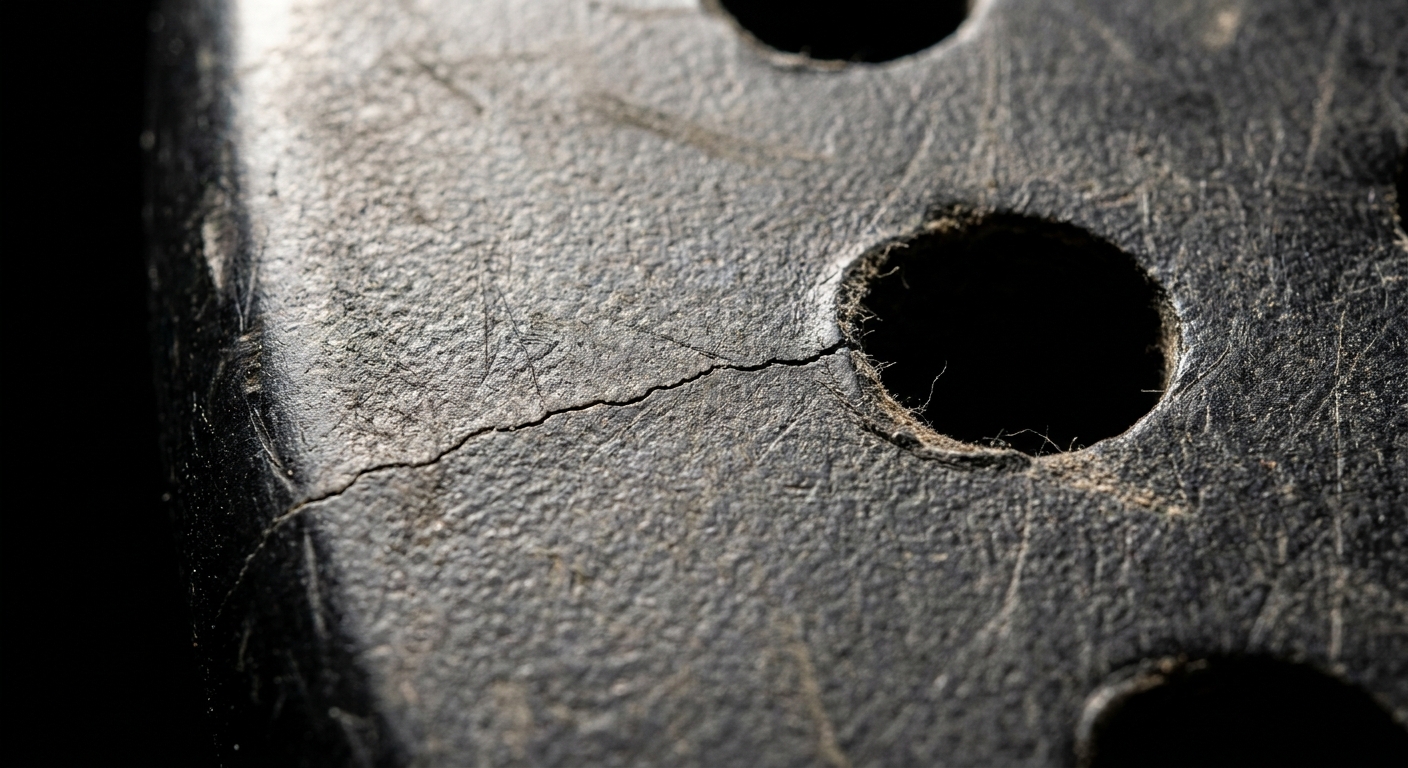
You should replace a racchetta padel when the internal foam loses its elasticity or when micro-cracks appear in the carbon frame. Structural fatigue is often invisible but significantly reduces the power and comfort of your game.
Can I see the damage?
Look closely. You will often see hairline fractures spreading from the holes after heavy usage.
- Reduced structural sound
- Increased vibration
- Loss of power
Believe it or not. You will notice that the racket feels “dead” once the EVA core loses its memory.
- Softening of the face
- Inconsistent bounce
- Arm pain onset
Key Takeaway
Average rackets last between 6 to 12 months for frequent players before the materials lose their optimal performance characteristics.
| Sign of Fatigue | Primary Cause | Solution |
|---|---|---|
| Micro-cracks | High Impact | Replacement |
| Dead Feel | Core Compression | Replacement |
| Loose Handle | Internal Failure | Professional Repair |
Monitoring these signs prevents you from playing with a sub-optimal tool that could cause “tennis elbow.”
Can any racchetta padel handle all court types?
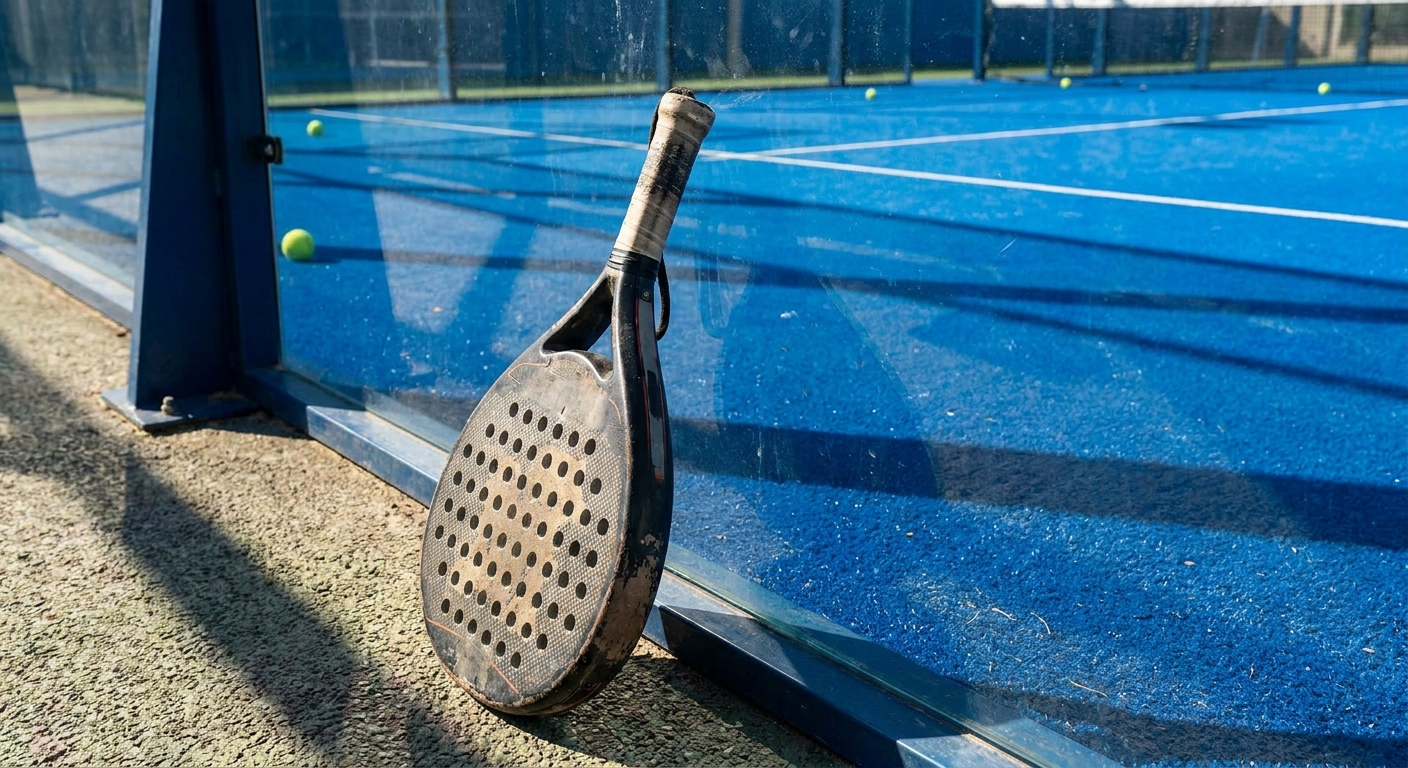
The performance of a racchetta padel changes based on environmental factors like temperature and the type of racchetta padel court surface used. Cold weather makes the internal foam harder, while heat softens the composite layers.
Does humidity affect play?
Here is the deal. You will find that high humidity makes the ball heavier and the racket surface more slippery.
- Reduced spin grip
- Heavier ball feel
- Increased core stress
Surprisingly. You need to adjust your racket choice if you play primarily on sandy versus textured turf.
- Sand affects bounce
- Turf increases speed
- Surface grit wear
Key Takeaway
Environmental conditions are a hidden factor that can change the behavior of your equipment mid-match.
| Condition | Effect on Racket | Adjustment |
|---|---|---|
| High Heat | Softens Core | Use Harder Racket |
| Extreme Cold | Hardens Core | Use Softer Racket |
| High Humidity | Slippery Surface | Rougher Texture |
Adapting your gear to the local climate ensures that your technical skills remain effective year-round.
*
Selecting or constructing the perfect instrument is a balance of physics, material science, and personal comfort. Whether you are building a custom tool or selecting a professional model, focusing on core density, frame balance, and surface texture will elevate your performance. If you are ready to upgrade your facility or your equipment, contact us today to explore professional-grade solutions.
FAQ
Can I customize the weight of my racket?
Yes, you can use adhesive lead or tungsten tapes on the frame to adjust the balance and overall mass.
What’s the best shape for a beginner?
The round shape is best because it offers a large sweet spot and the most control for developing players.
Can I repair a crack in the frame?
Minor surface scratches are fine, but structural cracks usually require a full replacement for safety and performance.
What’s the best way to store my racket?
You should keep it in a thermal-lined bag to protect the EVA core from extreme temperature fluctuations.
Can I use a tennis overgrip on my padel racket?
Yes, tennis overgrips are compatible and provide the same sweat absorption and grip benefits.