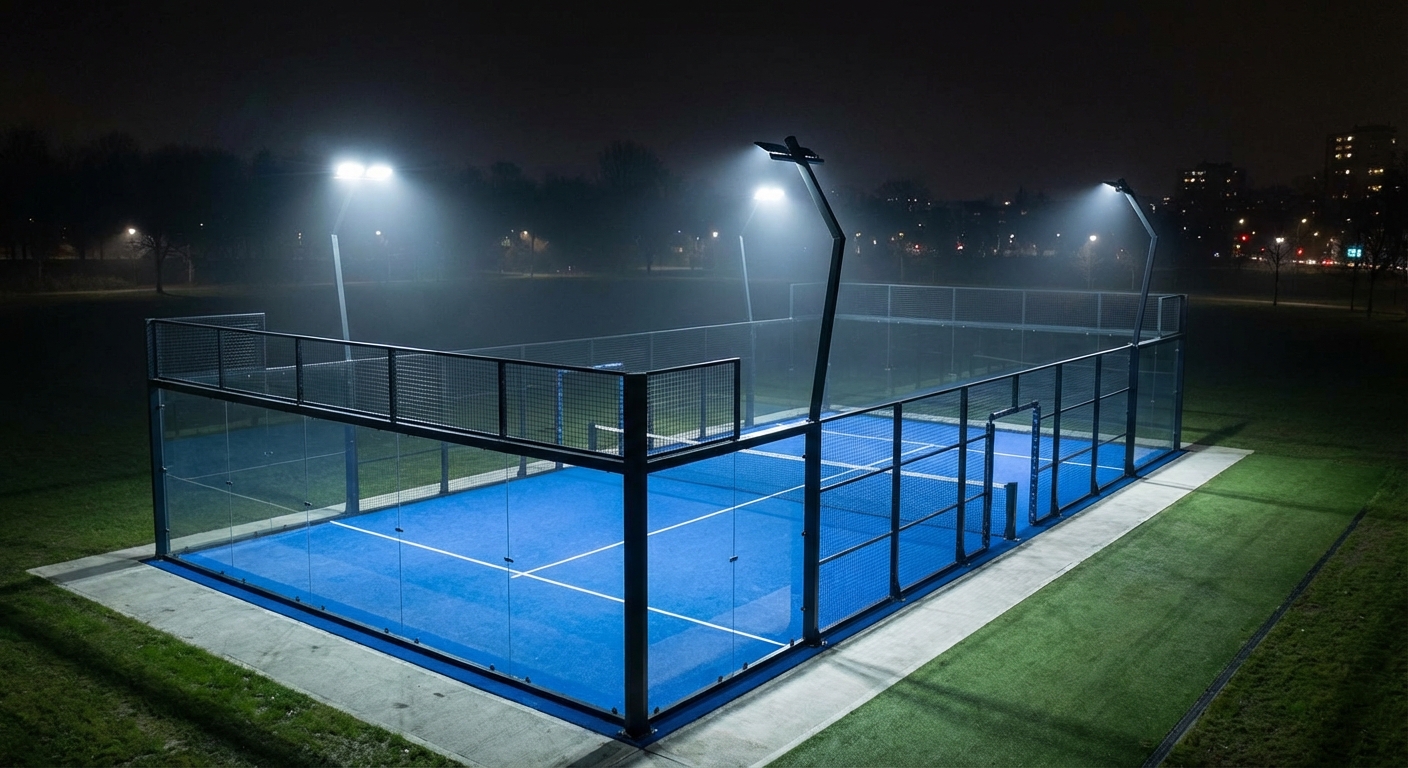
Why is padel houston the ultimate solution for your fitness burnout?
padel houston is a high-intensity, social racket sport played on a 10×20 meter court enclosed by glass walls. Traditional gym routines often leave you feeling uninspired, trading genuine engagement for repetitive movements that yield diminishing returns. You likely find yourself stuck in a cycle of plateaus where the motivation to stay active vanishes before the weekend even arrives.
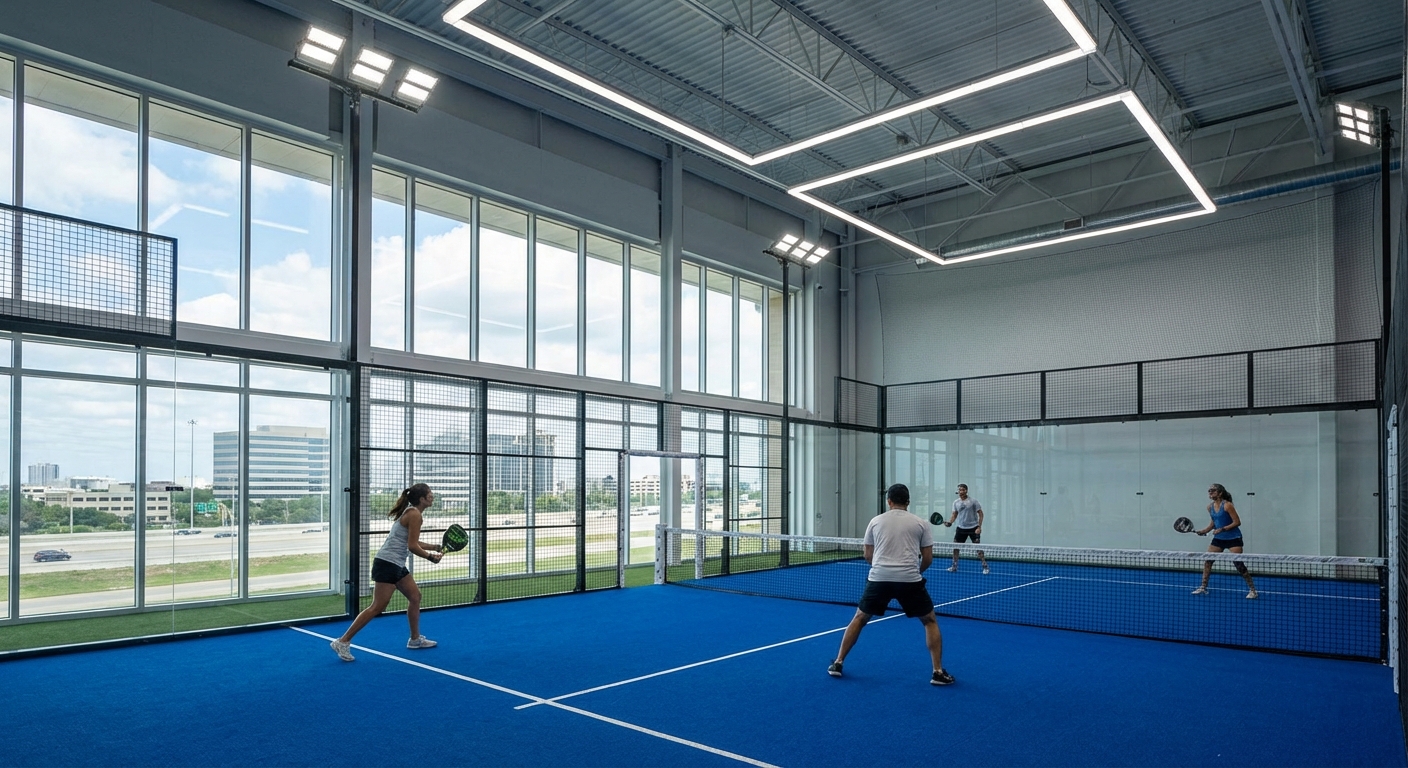
Escaping the fitness plateau
Transitioning to this sport offers a dynamic alternative that challenges both your cardiovascular system and your strategic thinking. Because the walls are part of the game, every rally is an unpredictable puzzle that demands focus and agility.
Think about it:
- Rallies last longer than in tennis.
- Social interaction is built into the doubles-only format.
- The learning curve is remarkably short for beginners.
Here is the kicker: you burn more calories per hour through constant movement than you would on a standard treadmill walk.
Building a sustainable habit
Consistency is the hardest part of any wellness journey, but the community aspect of the sport makes it effortless. When you are part of a four-person team, the accountability shifts from a chore to a social highlight of your week.
The fact is:
- Low-impact movements protect your joints.
- Strategic play improves cognitive function.
- High-frequency play builds explosive power.
Make no mistake: this isn’t just a game; it is a lifestyle shift that keeps you coming back without the dread of a typical workout.
Key Takeaway: Padel offers a high-burn, low-stress fitness solution that prioritizes social connection and long-term engagement over monotonous repetition.
What defines the unique padel houston gameplay experience?
A unique padel houston gameplay experience is defined by the enclosure’s tactical depth and the use of specialized carbon fiber rackets. Unlike other racket sports, the ball remains live after hitting the back or side glass, allowing for creative defensive “off-the-wall” shots.
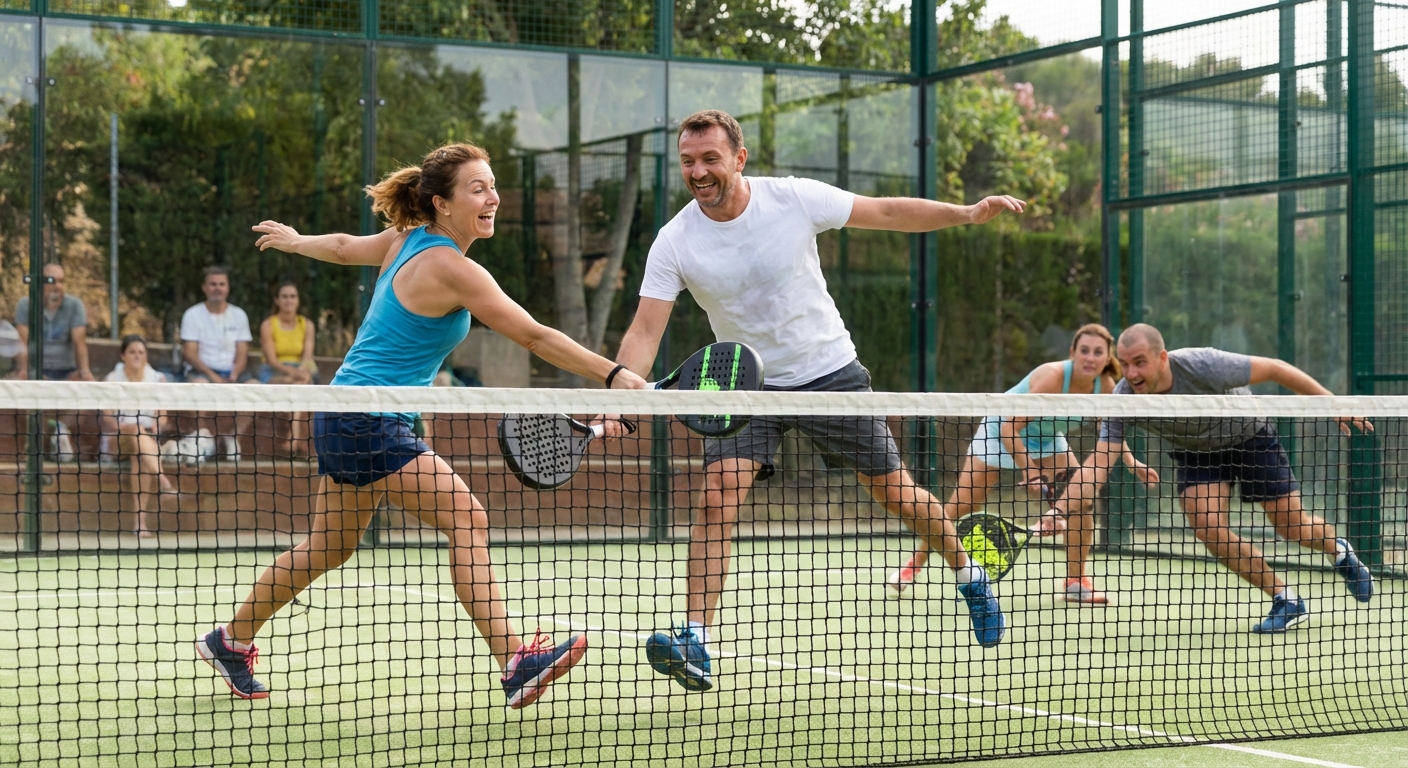
Mastering the glass dynamics
The glass walls are your best friend on the court, acting as a second chance for every shot you might have missed. Learning to let the ball pass you and play it off the rebound is the hallmark of a skilled player.
Think about it:
- The ball stays in play longer, increasing heart rates.
- Underhand serves make the game accessible to all skill levels.
- The smaller court size keeps you in the thick of the action.
Here is the kicker: the game rewards patience and placement over raw, unbridled power.
Gear for peak performance
Using the right equipment is essential for maximizing the spin and control required for high-level play. Solid rackets with perforated faces allow for aerodynamic swings and precise ball placement during fast-paced exchanges.
The truth is:
- Carbon fiber frames offer the best durability.
- EVA foam cores absorb vibration to prevent injury.
- Textured surfaces help you “grip” the ball for spin.
Believe it or not: the right gear can shave weeks off your initial learning curve.
| Gameplay Feature | Impact on Player Experience |
|---|---|
| Enclosed Glass | Extends rallies and increases tactical options |
| Underhand Serve | Lowers the barrier to entry for new players |
| Doubles Format | Enhances social bonding and communication |
Analysis: The combination of wall-play and accessible serving mechanics creates a sport that is easy to learn but difficult to master.
Key Takeaway: Strategic use of the court’s architecture transforms standard racket play into a multi-dimensional tactical experience.
Is padel houston better suited for the local Houston climate?
The local padel houston environment is ideal for this sport because the court structures are designed to withstand high humidity and intense heat. Modern court installations utilize galvanized steel and tempered glass to ensure structural integrity during the Gulf Coast’s volatile weather cycles.
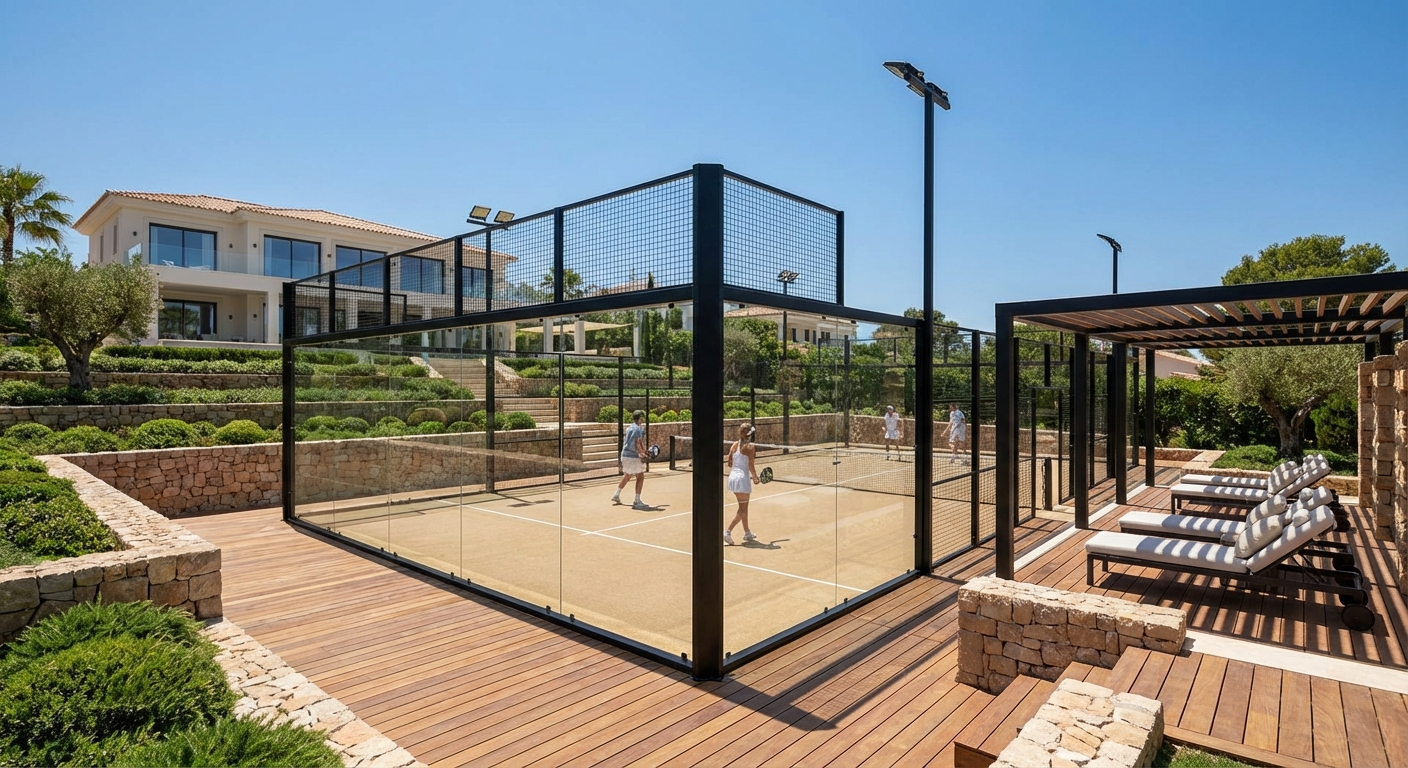
Weatherproof engineering
Professional courts in the region are built with premium coatings that prevent rust and corrosion from the humid air. High-grade artificial turf is engineered to drain quickly, allowing you to return to the court shortly after a heavy rain shower.
Think about it:
- Galvanized frames resist the Texas humidity.
- Specialized drainage layers prevent puddling on the turf.
- UV-resistant glass coatings protect players from harsh rays.
Here is the kicker: you can play year-round regardless of the typical Texas summer heat.
Indoor vs Outdoor options
While outdoor play is popular, many developers are opting for roofed structures to provide a climate-controlled experience. These facilities allow for consistent play sessions without the interruption of unpredictable afternoon thunderstorms.
The reality is:
- Indoor courts offer 24/7 playability.
- Roofed structures provide shade while maintaining airflow.
- LED lighting ensures high visibility during late-night matches.
Look at it this way: your investment stays protected from the elements while providing a premium experience for every guest.
| Climate Factor | Court Design Solution |
|---|---|
| High Humidity | Hot-dip galvanized steel frames |
| Heavy Rainfall | Porous sub-base and drainage-optimized turf |
| Intense Sun | UV-stabilized materials and LED-integrated covers |
Analysis: Engineering focused on durability ensures that the courts remain a permanent fixture despite the local weather challenges.
Key Takeaway: Specialized materials like galvanized steel and UV-treated glass make padel the most resilient racket sport for the local climate.
Can you realistically build a padel houston court in your yard?
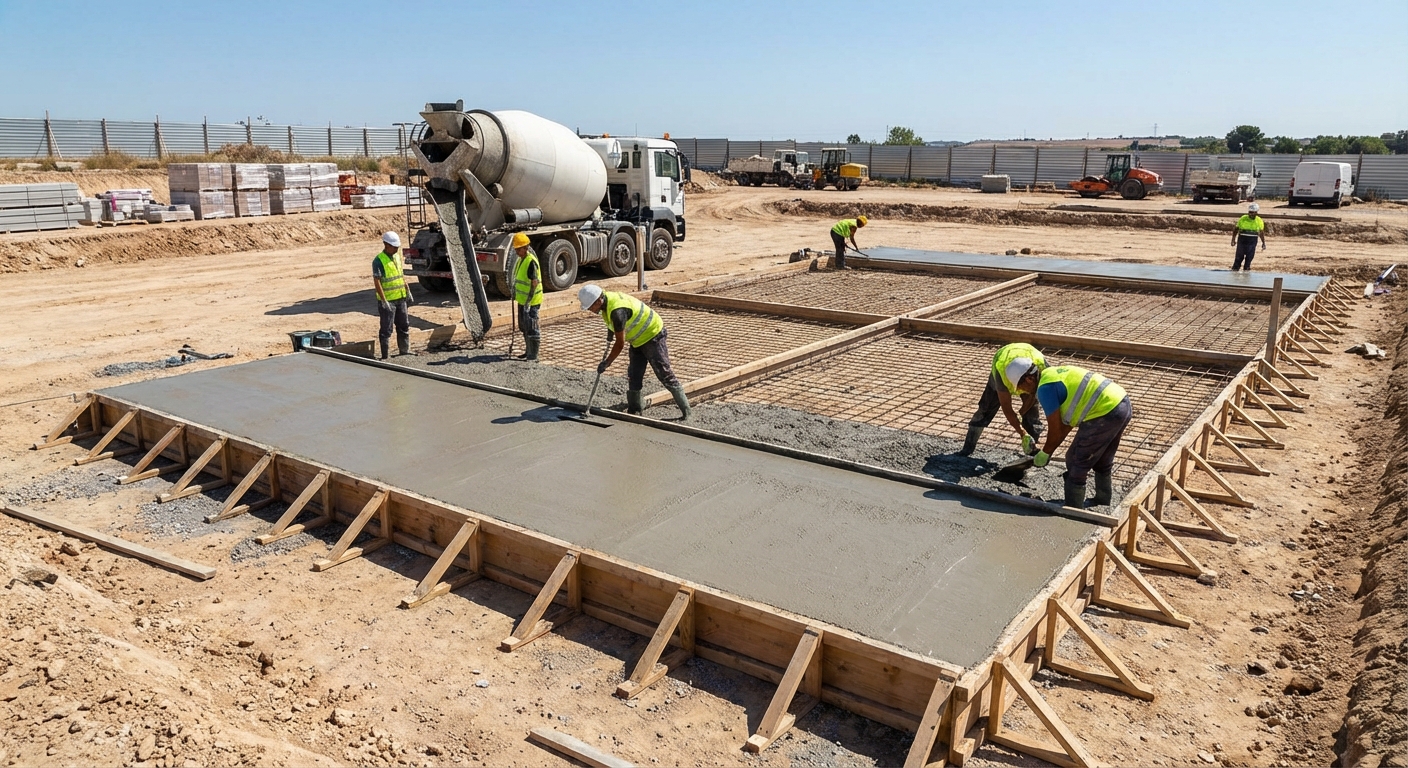
You can build a padel houston court in your yard if you have a flat area of at least 11×21 meters to account for the structure and safety zones. The process involves precise ground leveling and the installation of a reinforced concrete slab to support the weight of the glass walls.
Navigating the foundation phase
The foundation is the most critical part of the construction process to ensure the glass panels remain perfectly aligned over time. Any shifting in the ground can lead to glass breakage or an uneven playing surface that ruins the game.
Think about it:
- 15cm of reinforced concrete is the industry standard.
- Proper perimeter beams support the heavy steel pillars.
- Laser-leveling is required for a professional-grade finish.
Here is the kicker: a solid foundation increases the resale value of your property significantly.
Permitting and local zoning
Before breaking ground, you must check with local authorities regarding noise ordinances and structure height limits. Because the glass walls stand 3 to 4 meters high, some residential areas may require specific variances or setbacks.
The fact remains:
- Drainage plans must be approved to avoid flooding neighbors.
- Night lighting must be shielded to prevent light pollution.
- Professional installers handle the complex glass assembly safely.
Keep in mind: hiring an expert team ensures that your court meets international competition standards from day one.
| Requirement | Specification for Home Build |
|---|---|
| Footprint | Minimum 231 square meters of clear space |
| Foundation | 150mm thick reinforced concrete slab |
| Power | 220V connection for integrated LED lighting |
Analysis: While the footprint is significant, the logistical requirements are manageable for most standard residential lots with professional oversight.
Key Takeaway: Residential construction is feasible provided you prioritize a professional-grade foundation and adhere to local zoning regulations.
What are the primary costs of a padel houston project?
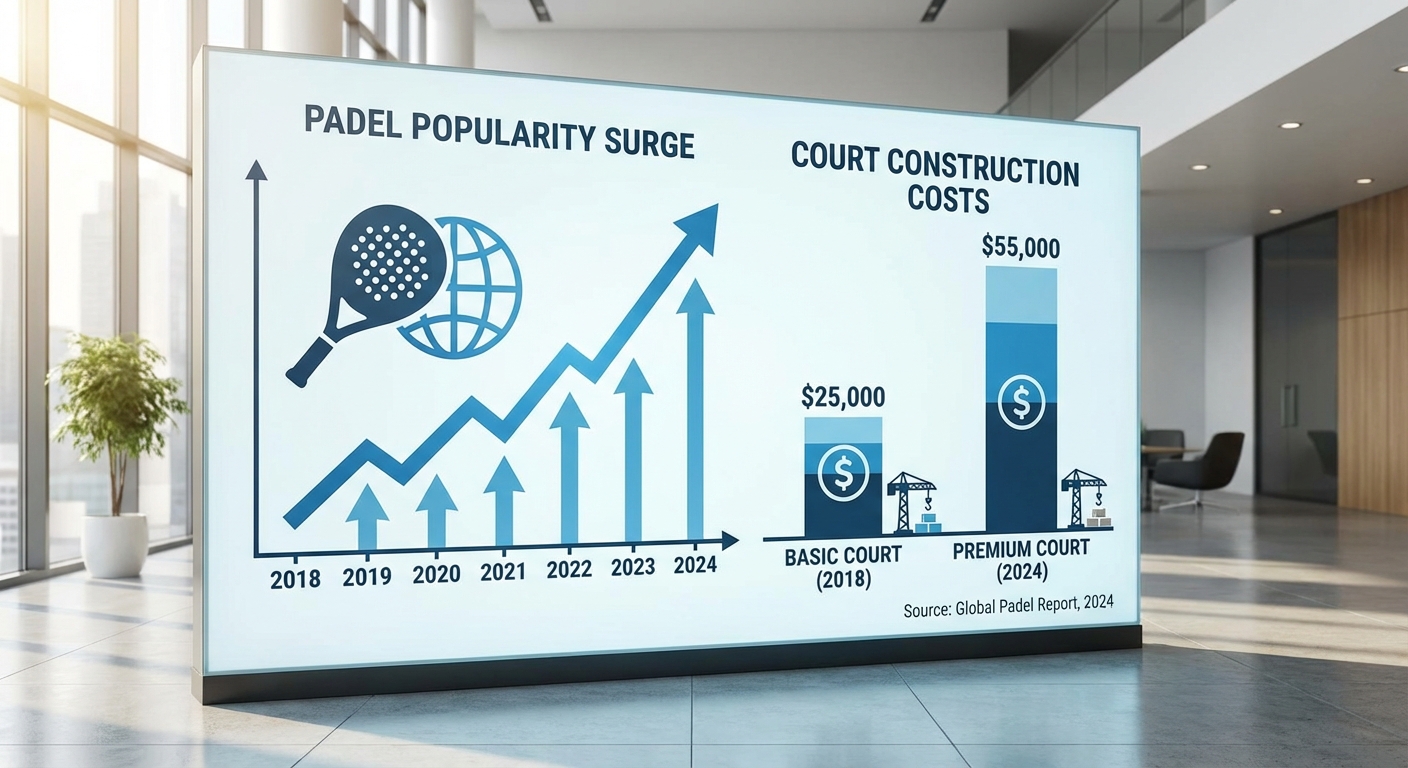
The primary costs of a padel houston project range from $25,000 for basic models to over $55,000 for premium panoramic installations. These figures cover the court kit itself, but you must also budget for groundwork, shipping, and professional labor.
Breaking down the court kit
The court kit includes the steel structure, tempered glass panels, artificial grass, and the lighting system. Choosing a panoramic design—which removes the corner pillars for better visibility—will increase the initial material cost significantly.
Think about it:
- Standard frames are more budget-friendly for private use.
- Panoramic glass provides a luxury look and feel.
- High-end monofilament turf improves the bounce and longevity.
Here is the kicker: investing in high-quality materials now saves you thousands in maintenance costs later.
Installation and hidden fees
Shipping and professional assembly can add a substantial percentage to your total project budget. You should also account for the cost of the concrete base and any electrical work needed to power the court’s LED system.
The truth is:
- Groundwork often costs as much as the court itself.
- Specialized glass cranes are needed for safe installation.
- Lighting kits vary in price based on wattage and design.
Don’t forget: a turnkey solution often provides the best value by bundling these complex logistics into a single price.
| Expense Category | Estimated Cost Range |
|---|---|
| Court Materials | $18,000 – $35,000 |
| Foundation Work | $10,000 – $20,000 |
| Professional Assembly | $5,000 – $10,000 |
Analysis: Strategic budgeting should prioritize the foundation and structural integrity to ensure the court’s long-term ROI.
Key Takeaway: Total project costs are driven largely by the choice between standard and panoramic glass and the complexity of the groundwork.
Which materials ensure the longevity of a padel houston court?
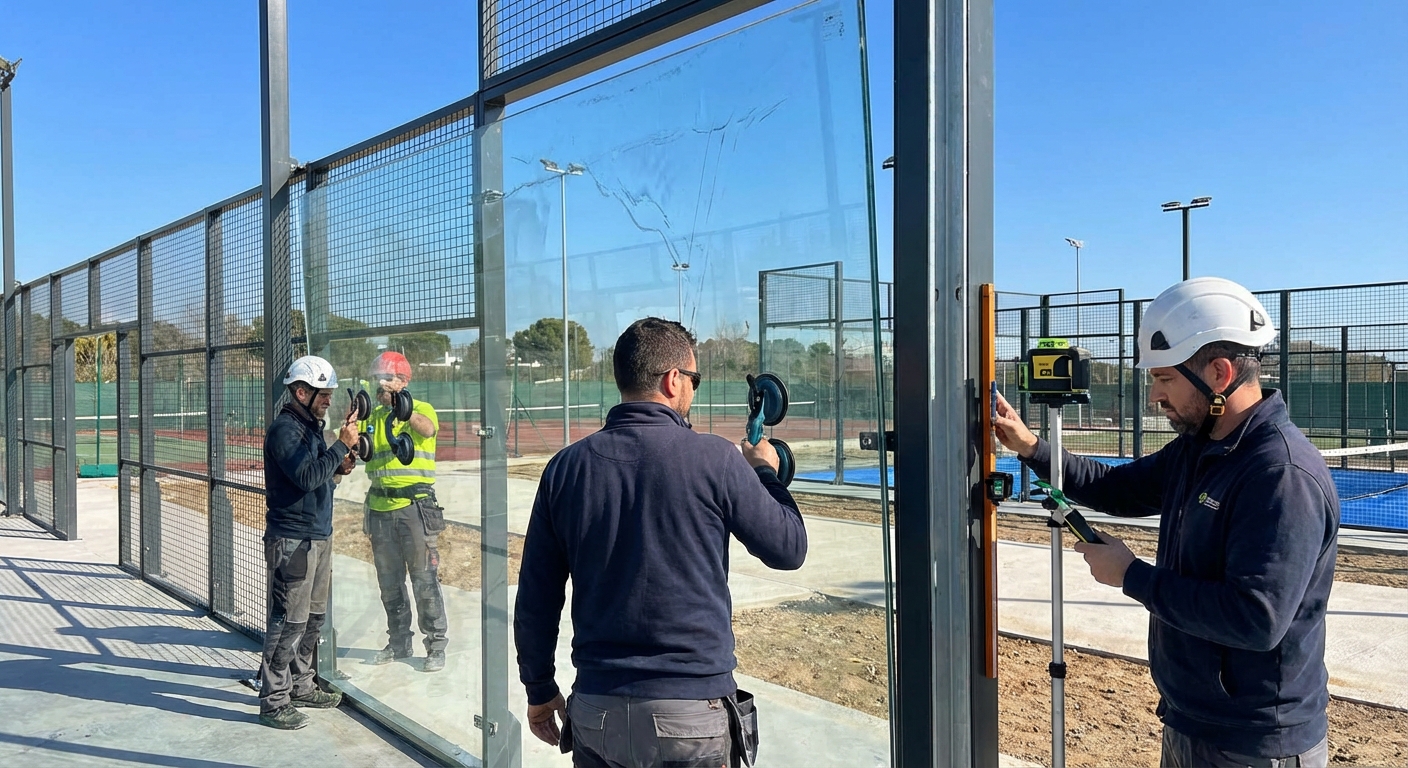
The materials that ensure longevity are 12mm tempered glass and hot-dip galvanized steel frames. Using inferior metals or thin glass will lead to rapid deterioration in a humid environment, potentially compromising the safety of the players.
The importance of structural steel
The frame must be robust enough to handle the immense weight of the glass and the impact of players running into the walls. Hot-dip galvanization provides a protective zinc layer that prevents oxygen from reaching the steel, halting the oxidation process.
Think about it:
- Powder coating adds an extra layer of aesthetic protection.
- Stainless steel hardware prevents unsightly rust streaks.
- Thick pillars reduce vibrations during high-impact play.
Here is the kicker: a well-maintained galvanized frame can last over 20 years without structural failure.
Selecting high-performance turf
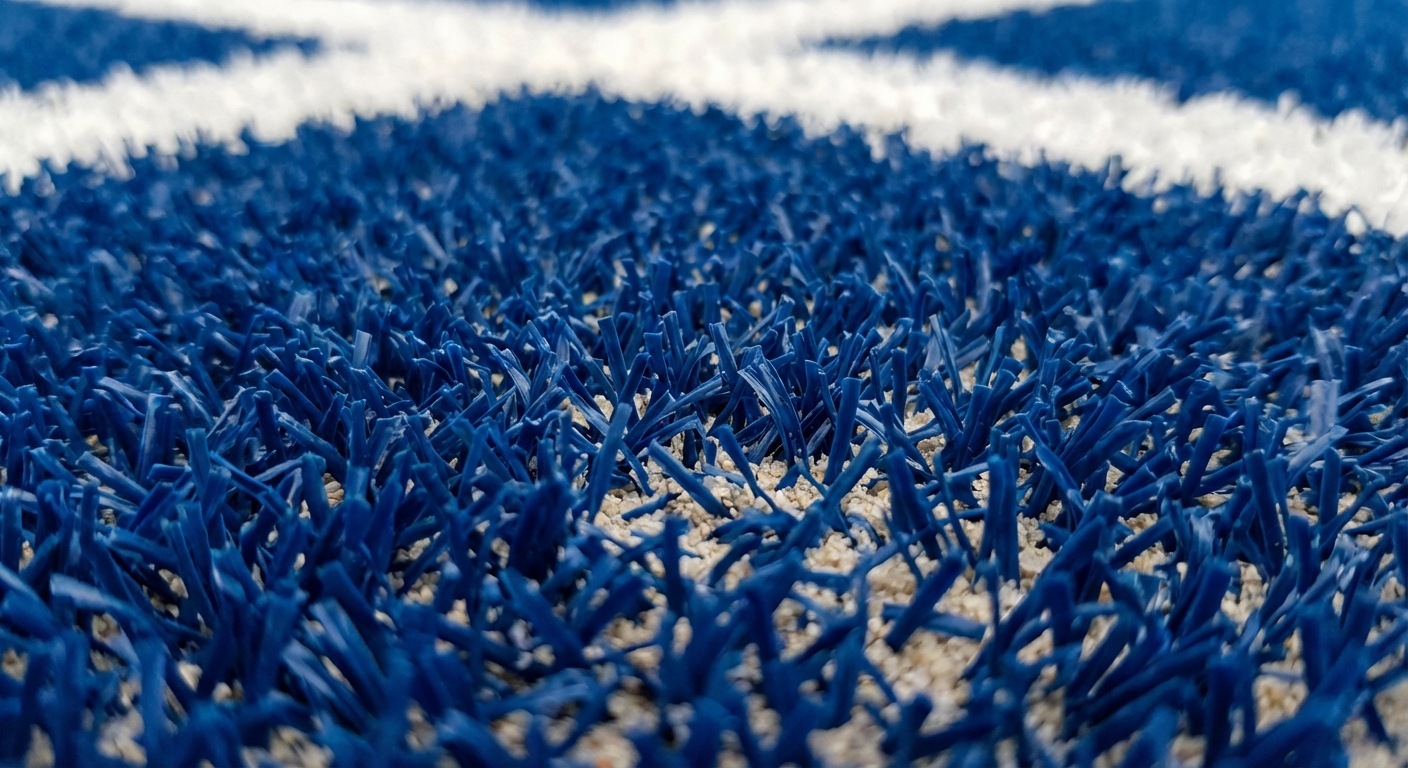
The playing surface is subject to constant friction and needs to be filled with specialized silica sand to maintain the correct bounce. Monofilament fibers are preferred because they recover their shape quickly and resist the “flattening” effect of heavy use.
The reality is:
- Blue turf provides the best contrast for yellow balls.
- High-density stitching prevents the grass from peeling.
- UV-stabilized fibers won’t fade under the intense Texas sun.
Think of it this way: your turf is the only part of the court your body touches; don’t skimp on quality.
| Material | Why It Matters |
|---|---|
| 12mm Tempered Glass | Maximum safety and consistent ball rebound |
| Galvanized Steel | Essential for rust prevention in humid climates |
| Silica Sand Infill | Protects turf fibers and ensures player grip |
Analysis: High-grade materials are not an upgrade; they are a requirement for any court intended to last more than a few seasons.
Key Takeaway: Prioritizing 12mm glass and galvanized steel is the only way to guarantee a safe and durable playing environment.
How does padel houston contrast with the pickleball trend?
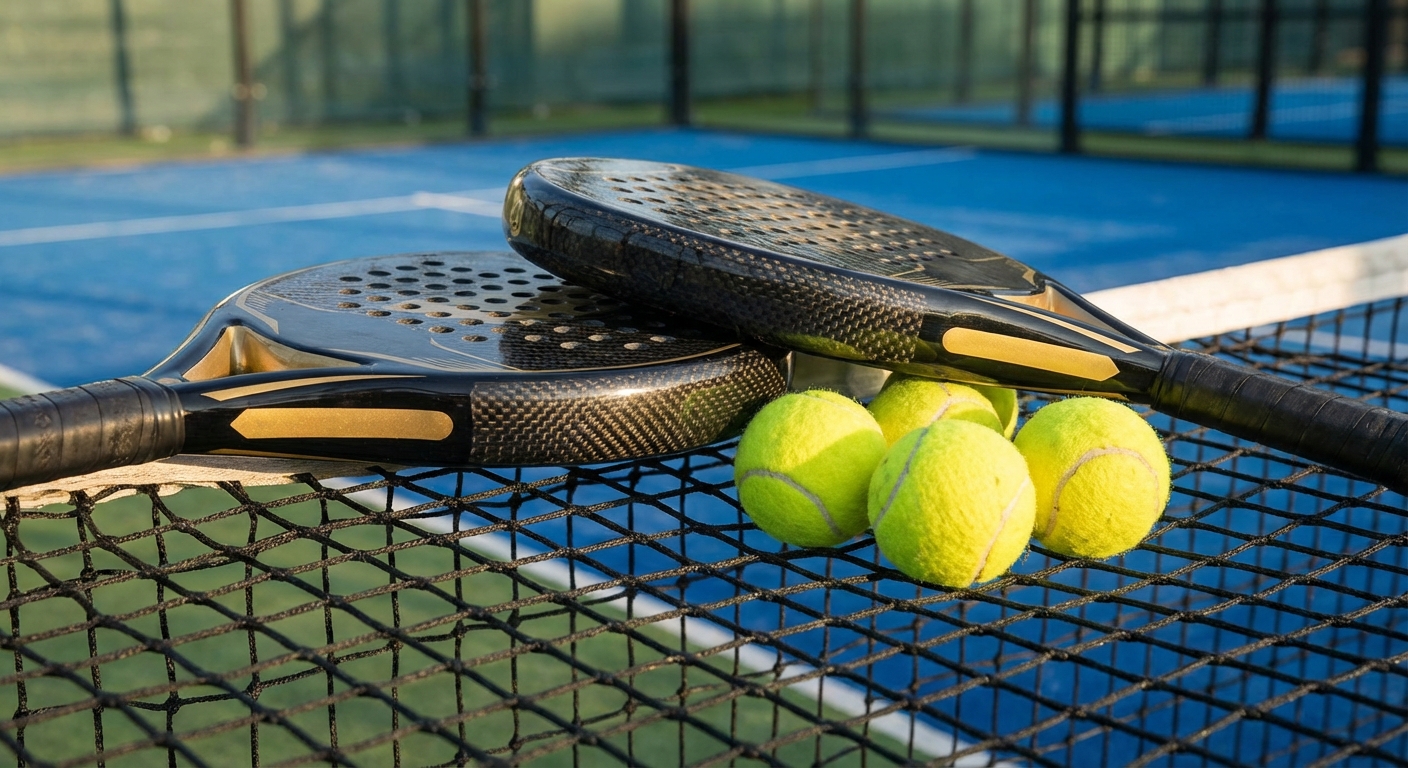
Padel houston contrasts with pickleball by offering a 360-degree playing field where the walls are active participants in every point. While both are social and played on smaller courts, the vertical dimension of this sport adds a layer of complexity that appeals to those seeking a more athletic challenge.
Tactical depth and athleticism
In padel houston, the rallies are typically longer because the ball can bounce off the walls and remain in play. This requires players to develop better spatial awareness and footwork compared to the more stationary nature of some pickleball matches.
Think about it:
- The walls prevent “cheap shots” from ending the point.
- Racket tech allows for more varied spin and power.
- The physical footprint is larger, demanding more movement.
Here is the kicker: players often find the transition from tennis to this sport much more natural.
Infrastructure and community
Building a court for this sport is a more significant investment, which often leads to a more “club-like” atmosphere with premium amenities. The enclosed nature of the court also contains noise much better than the “pop” sound associated with other paddle sports.
The fact is:
- Glass walls create a stadium-like feel for spectators.
- Integrated lighting allows for high-end night play.
- The social doubles format is the core of the experience.
Make no mistake: while both sports are booming, this one offers a more immersive and aesthetically pleasing environment.
| Feature | Padel Experience | Pickleball Experience |
|---|---|---|
| Boundaries | Glass and mesh walls (Active) | Painted lines only (Passive) |
| Sound | Low-thud impact | High-pitch “pop” sound |
| Complexity | High (3D spatial play) | Moderate (Linear play) |
Analysis: The inclusion of walls fundamentally changes the geometry of the game, making it a distinct tactical evolution.
Key Takeaway: Padel offers a more athletic and acoustically friendly alternative to the current pickleball trend.
Is a commercial padel houston club a profitable investment?
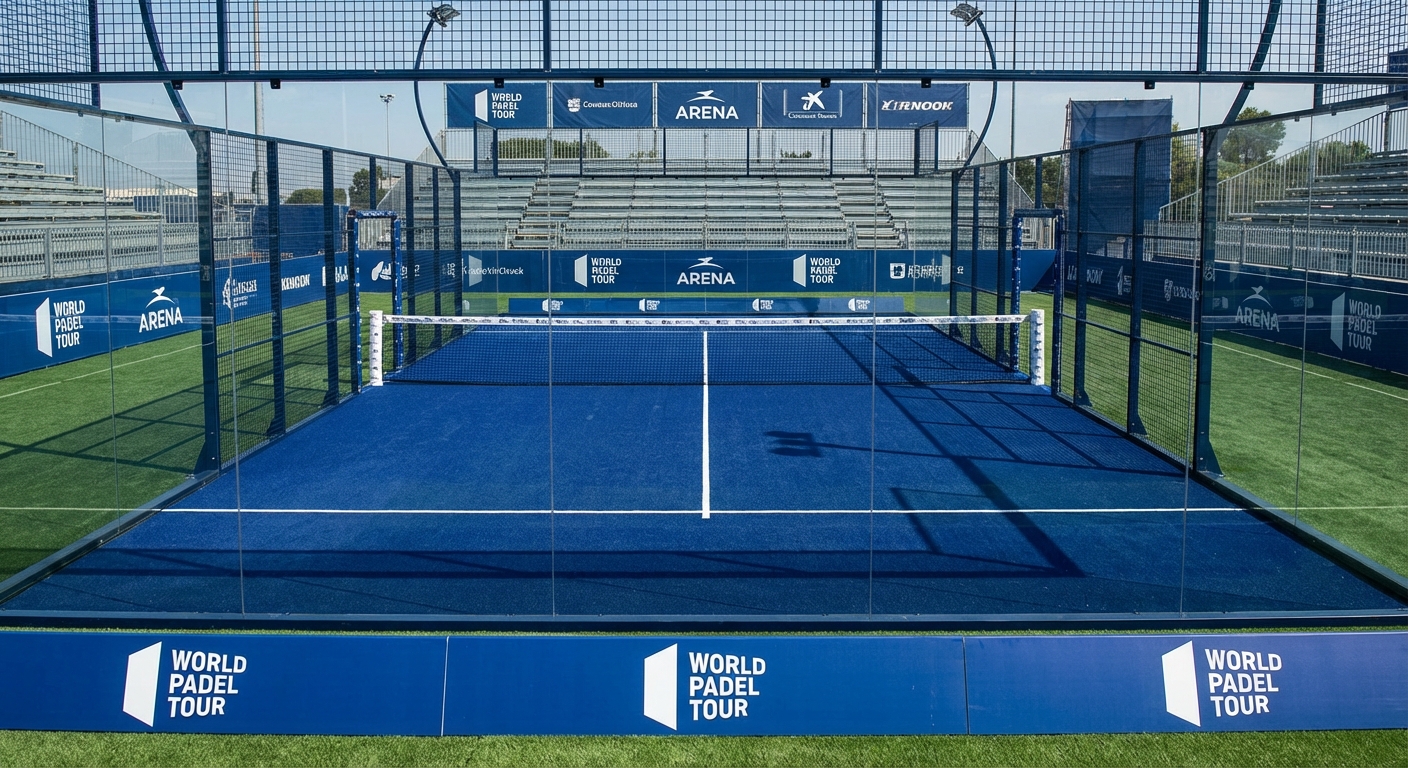
A commercial padel houston club is a highly profitable investment due to the high player-to-square-foot ratio and low recurring maintenance costs. With four players on every court, the revenue generated per hour significantly exceeds that of traditional tennis or swimming facilities.
Maximizing court utilization
The high demand for social sports means that courts are often booked from early morning until late at night. By offering leagues, tournaments, and coaching clinics, a club can diversify its income streams beyond simple hourly rentals.
Think about it:
- Small court sizes allow for more courts per acre.
- Automated booking systems minimize staffing overhead.
- Pro shops and cafes add high-margin secondary revenue.
Here is the kicker: most clubs see a full return on investment within 24 to 36 months of operation.
Operational efficiency
Unlike pools or gyms, these courts require very little daily upkeep once installed. Periodic brushing of the turf and cleaning of the glass are the only major tasks needed to keep the facility in top condition.
The truth is:
- LED lighting is energy-efficient and long-lasting.
- Durable steel frames require almost no maintenance.
- High player retention rates lead to predictable income.
Look at the numbers: the social nature of the game creates a “sticky” customer base that returns multiple times per week.
| Revenue Stream | Growth Potential |
|---|---|
| Court Rentals | Consistent daily cash flow |
| Memberships | Predictable monthly recurring revenue |
| Events/Tournaments | High-impact marketing and surge revenue |
Analysis: Low operational costs combined with high demand make the sport one of the most attractive ventures in modern leisure.
Key Takeaway: Commercial success is driven by the sport’s high density of players and the minimal maintenance required for the infrastructure.
How do you choose the ideal site for padel houston construction?
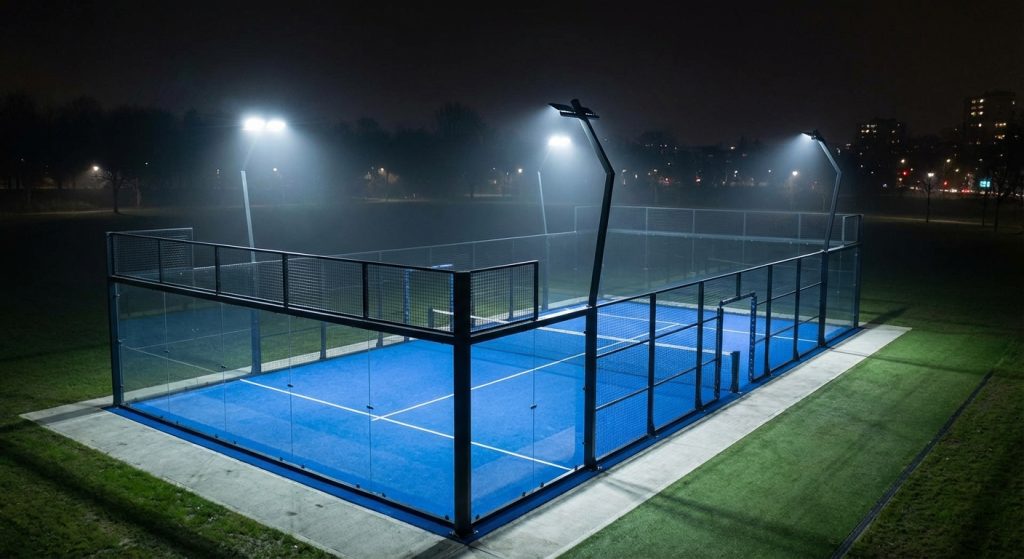
To choose the ideal site for padel houston construction, you must prioritize a location with excellent drainage and a North-South orientation. Improper orientation can lead to sun glare that makes playing during sunrise or sunset nearly impossible for one side of the net.
Optimizing for sun and wind
Placing your court in a North-South direction ensures that the sun stays to the sides of the players rather than in their eyes. You should also consider wind patterns, as high-profile glass walls can act as a sail if not properly anchored.
Think about it:
- Avoid areas with large overhanging trees that drop debris.
- Ensure easy access for the heavy machinery needed for glass.
- Check for underground utilities before pouring the slab.
Here is the kicker: a well-placed court can save you thousands in future landscaping and cleaning costs.
Lighting and accessibility
For commercial and high-end residential builds, integrated LED lighting is non-negotiable for extending play into the evening. The site should have sufficient power capacity and be located in an area where evening play won’t disrupt the surrounding neighborhood.
The fact is:
- Corner lighting reduces shadows on the playing surface.
- Level ground reduces the cost of the foundation work.
- Proximity to social hubs increases commercial foot traffic.
Keep in mind: the best site is one that combines functional geography with a vibrant social atmosphere.
| Site Factor | Recommended Action |
|---|---|
| Orientation | Align the net East-West (Court North-South) |
| Topography | Select the flattest possible ground |
| Power | Ensure 5-10kW capacity for full court lighting |
Analysis: Site selection is a one-time decision that dictates the quality of play for the life of the court.
Key Takeaway: North-South orientation and professional-grade LED lighting are the two most important factors in choosing a site.
How can we help you start your padel houston journey today?
Recapping the solution, this sport provides the perfect escape from fitness burnout by offering a high-energy, social experience that is built to last. Whether you are looking to install a private court in your backyard or launch a profitable commercial club, we provide the engineering expertise and premium materials to make it happen.
If you are ready to transform your lifestyle or your business portfolio, contact us today to begin your consultation. Our brand vision is to empower athletes and entrepreneurs alike with world-class racket sport infrastructure that stands the test of time and the elements.
FAQ
Can I build a padel court on an existing tennis court?
Yes, but you will likely need to reinforce the foundation. A standard padel court is smaller, but the weight of the glass walls requires a thicker concrete base than a typical tennis surface.
What’s the best way to maintain the glass walls?
Standard glass cleaner and a squeegee are all you need. For commercial clubs, cleaning the glass twice a week ensures a premium look and prevents the buildup of sweat and handprints.
Can I customize the color of the court frame?
Absolutely. While “Rolex green” and classic black are popular, most professional manufacturers offer a full range of powder-coated colors to match your home or brand identity.
What’s the best lighting for night play?
Integrated LED systems with at least 8 projectors are the gold standard. They provide uniform light distribution without the “blind spots” often found with older metal halide lamps.
Can I install the court myself?
It is not recommended due to the weight and fragility of the 12mm glass panels. Professional installers use specialized suction cranes and laser-leveling tools to ensure the structure is safe and perfectly aligned.