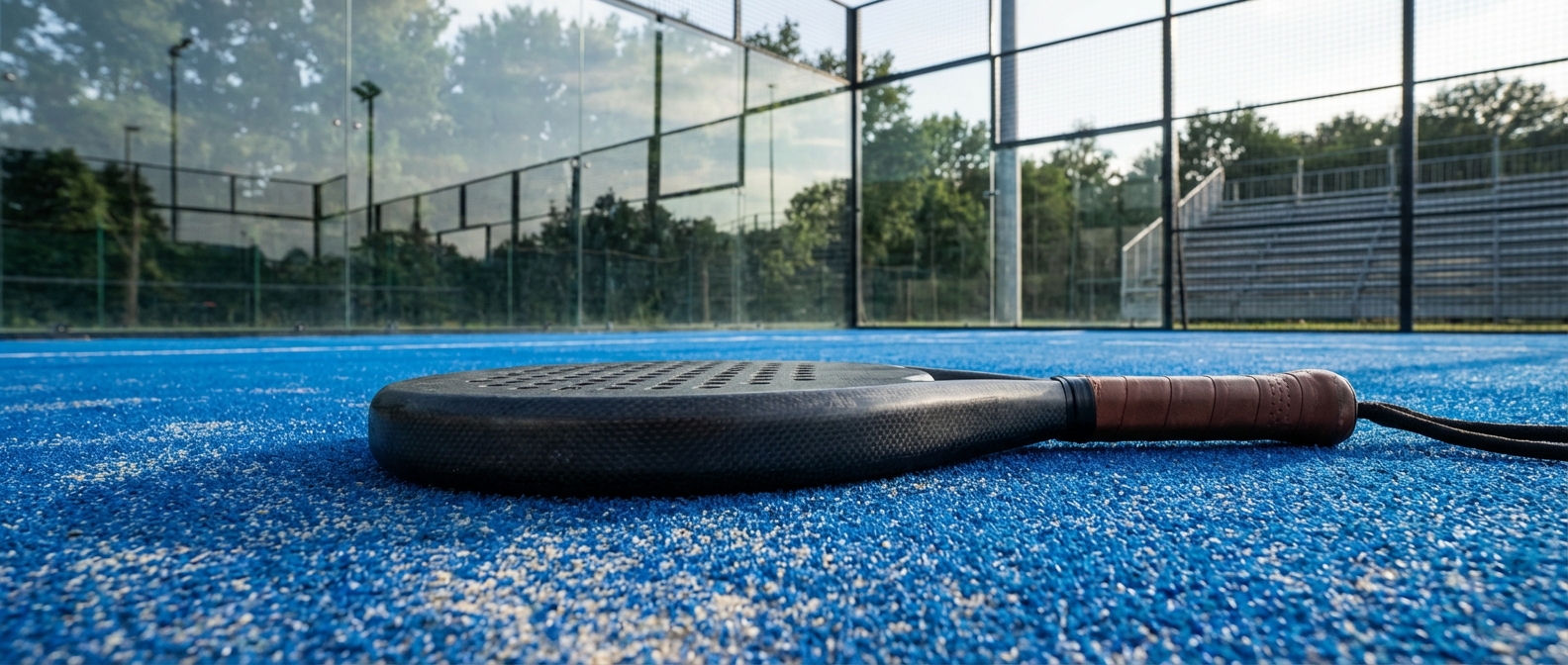
A wilson padel racket is a precision-engineered piece of sports equipment consisting of a composite frame, a specialized foam core, and a perforated hitting surface designed for optimal ball rebound. Many facility managers face the problem of equipment degradation, where low-quality gear fails under the high-frequency use typical of commercial clubs. This rapid wear and tear doesn’t just increase your replacement costs; it agitates your members who expect consistent, professional performance during every match. By investing in a premium wilson padel racket , you provide a durable solution that enhances player satisfaction while maintaining the structural integrity required for elite-level competition.
What is the quality standard of a wilson padel racket ?
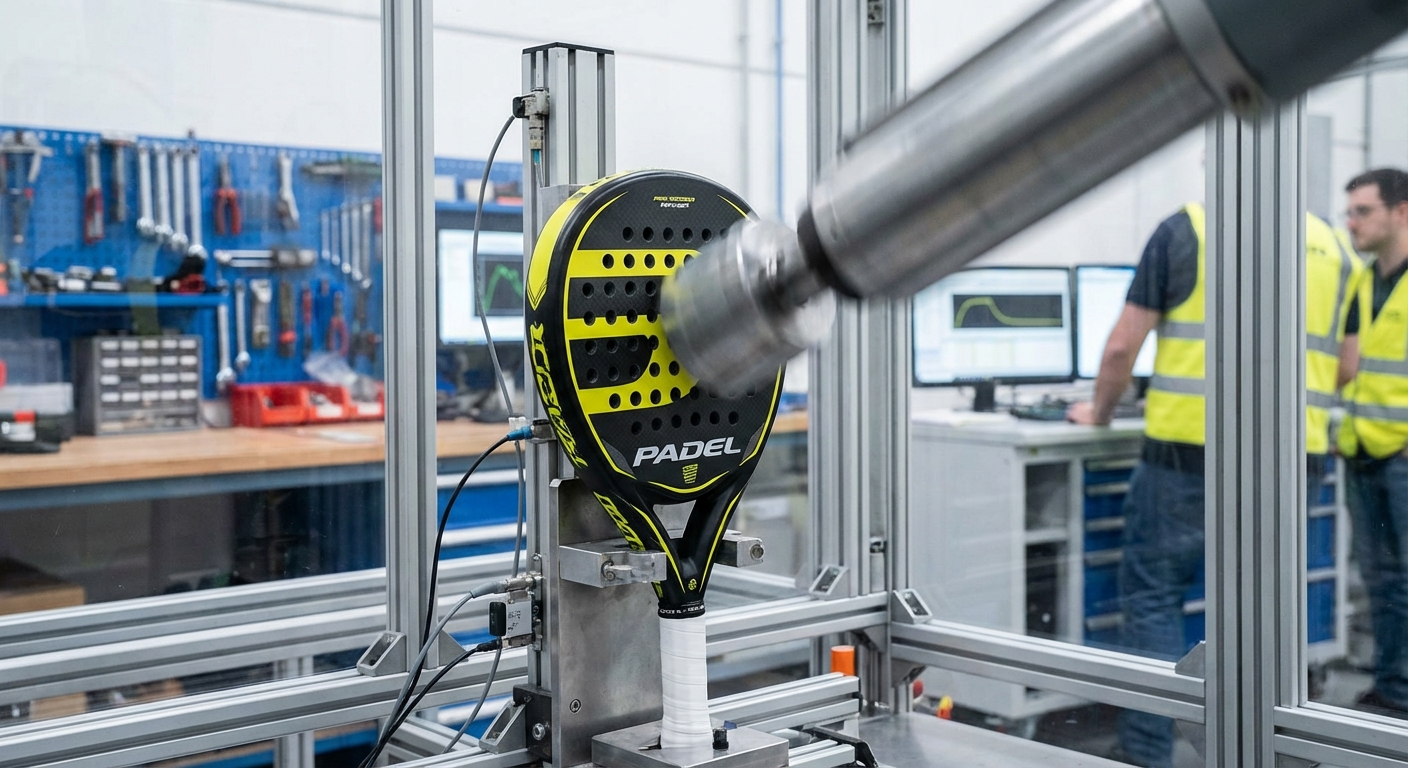
The quality standard of a wilson padel racket is defined by rigorous stress testing and adherence to professional-grade material tolerances. Every unit must undergo compression audits and drop tests to ensure the resin bonds remain intact during high-velocity impacts.
Ensuring Structural Integrity
You must verify that every piece of equipment can withstand thousands of high-intensity hits without losing its “pop” or elasticity. A high-quality build uses specialized resins that prevent the carbon layers from delaminating over time.
Here is the deal:
Consistency in the quality control lab translates directly to reliability for your club’s members on the court.
- Compression resistance testing.
- Resin bond verification.
- Hole-drilling precision audits.
Evaluating Surface Finish
The surface of your racket dictates how much spin players can generate, making the grit application a critical quality metric. You should look for 3D grain textures that provide long-lasting friction against the ball.
Key Takeaway: Rigorous quality checks ensure that each racket performs consistently from the first serve to the final point of its lifespan.
| Quality Metric | Testing Method | Target Outcome |
|---|---|---|
| Durability | Drop & Stress Test | No micro-fractures |
| Consistency | CNC Drilling | Symmetrical air flow |
| Grip | Sand-Grit Application | Enhanced ball spin |
This structured testing protocol guarantees that the equipment meets the highest performance expectations of competitive athletes.
How is a professional wilson padel racket manufactured?
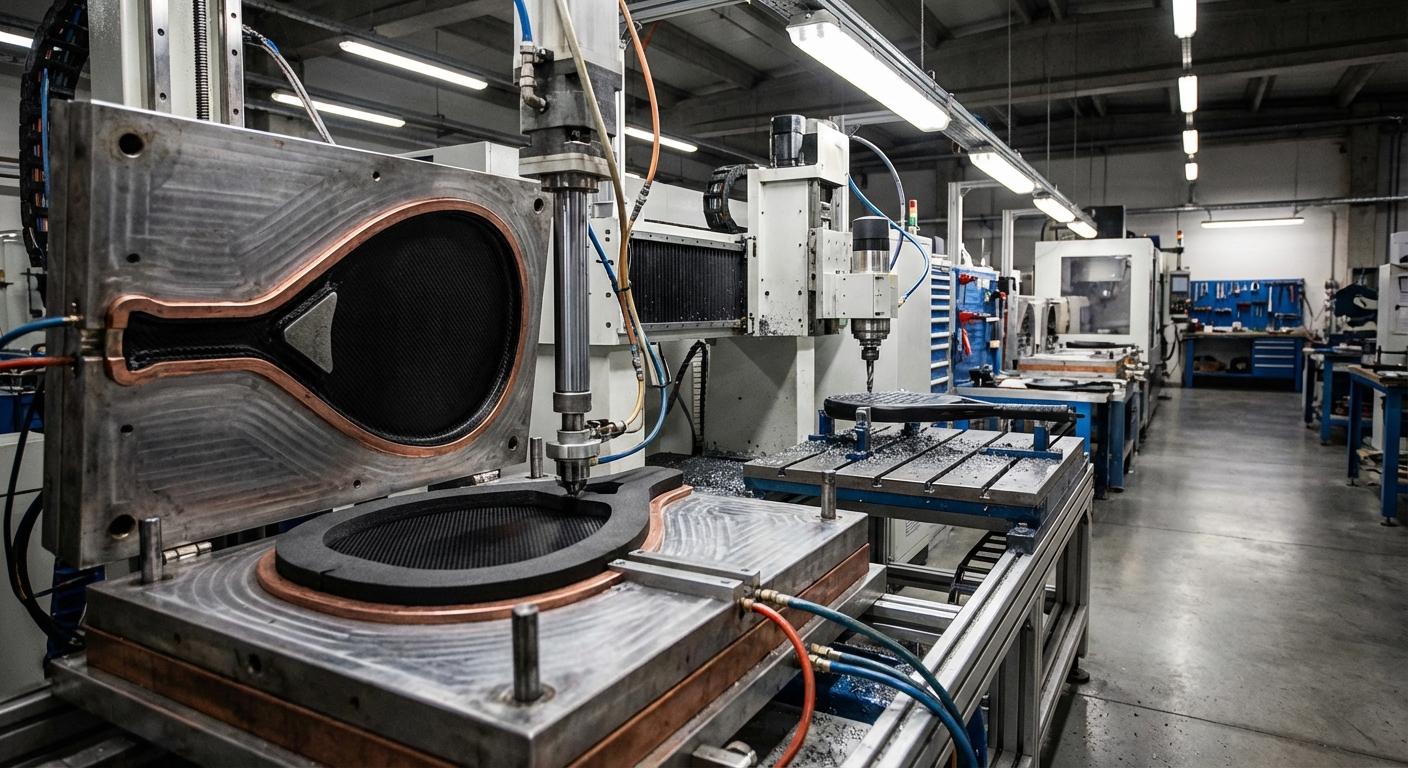
A professional wilson padel racket is manufactured through a meticulous process of hand-laying carbon fiber sheets into CNC-machined molds followed by heat-infusion curing. This wilson padel racket construction method ensures that the weight distribution remains exact across every production batch.
The Molding and Infusion Phase
You will find that the highest performance comes from rackets where the carbon layers are precisely aligned before the resin is injected. This manual oversight prevents air pockets that could cause internal failures during a heavy smash.
But there is more:
The curing phase must happen at specific temperatures to lock the molecular structure of the materials for maximum strength.
- Hand-laid carbon fiber sheets.
- CNC mold precision.
- Controlled heat curing.
Automated Finishing Processes
Once the frame is cured, you need to rely on automated CNC machinery to drill the hole patterns for perfect aerodynamics. This stage also includes the application of protective paints and UV-resistant coatings to prevent cosmetic wear.
Key Takeaway: Combining artisan hand-laying techniques with automated finishing creates a product that is both aesthetically pleasing and structurally superior.
| Process Stage | Key Tool | Primary Function |
|---|---|---|
| Lamination | Manual Lay-up | Structural layering |
| Curing | Thermal Press | Resin solidification |
| Drilling | CNC Machine | Aerodynamic balancing |
The integration of manual craftsmanship and digital precision results in a racket that feels like an extension of the player’s arm.
Why does the balance of a wilson padel racket matter?
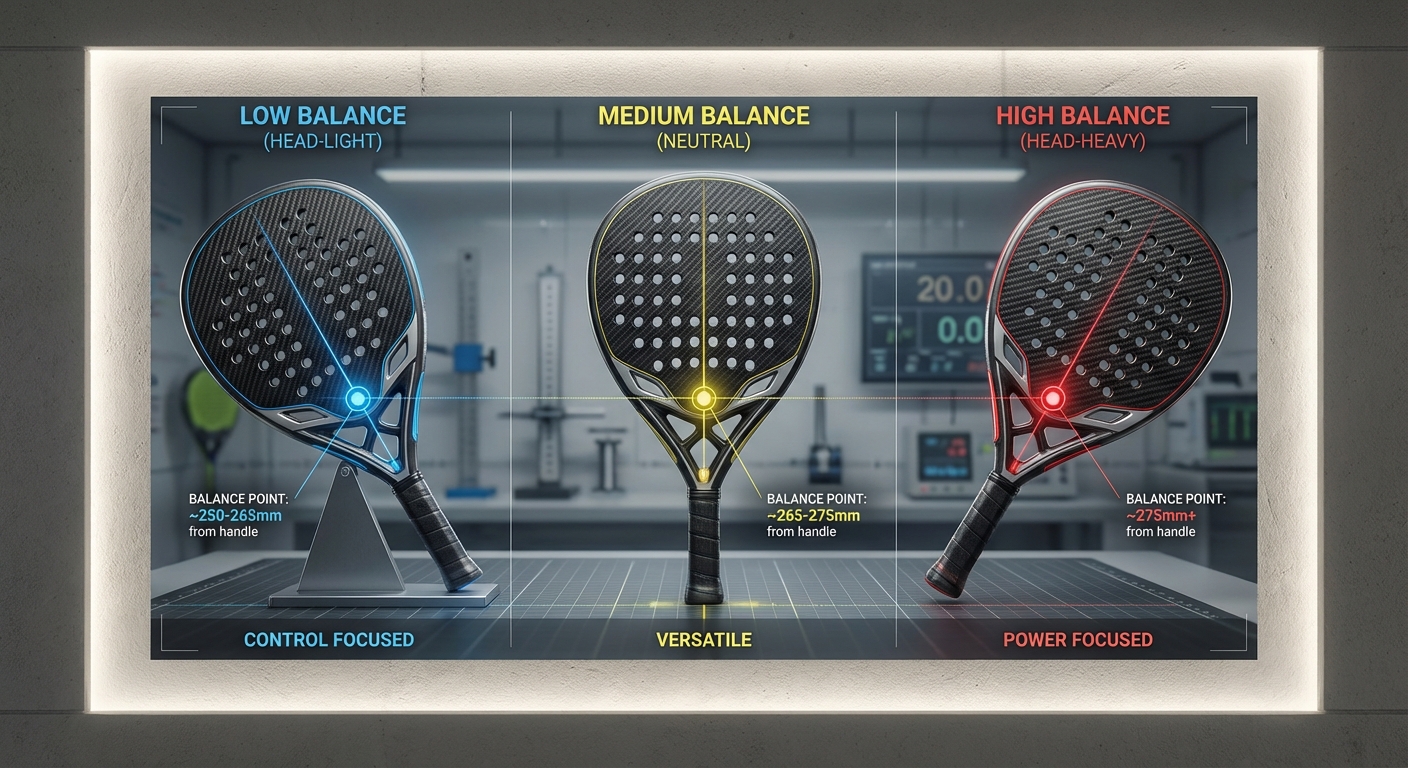
The balance of a wilson padel racket matters because it determines whether the equipment favors defensive control or offensive power based on its center of gravity. You must choose the balance point—low, medium, or high—to align with the specific playing style of your clientele.
High vs. Low Balance Points
If you provide head-heavy rackets, your players will experience increased leverage for power shots but may find quick volleys more difficult. Conversely, a handle-heavy design offers superior maneuverability, making it ideal for defensive players who value precision.
Think about it:
A shift of just five millimeters in the balance point can completely transform how the racket feels during a swing.
- High Balance: Head-heavy for power.
- Medium Balance: Neutral for versatility.
- Low Balance: Handle-heavy for control.
Impact on Maneuverability
You should consider that balance points also affect the perceived weight of the racket during fast-paced exchanges at the net. A well-balanced tool reduces the strain on the player’s wrist, allowing for longer sessions without fatigue.
Key Takeaway: Selecting the right balance distribution is essential for matching the equipment to the player’s physical capabilities and strategic needs.
| Balance Type | Weight Center | Player Profile |
|---|---|---|
| Head-Heavy | Top of face | Aggressive hitters |
| Neutral | Middle of face | All-around players |
| Head-Light | Near handle | Defensive specialists |
Understanding these geometric profiles allows you to curate a selection of gear that serves every type of athlete in your facility.
What materials make a wilson padel racket durable?
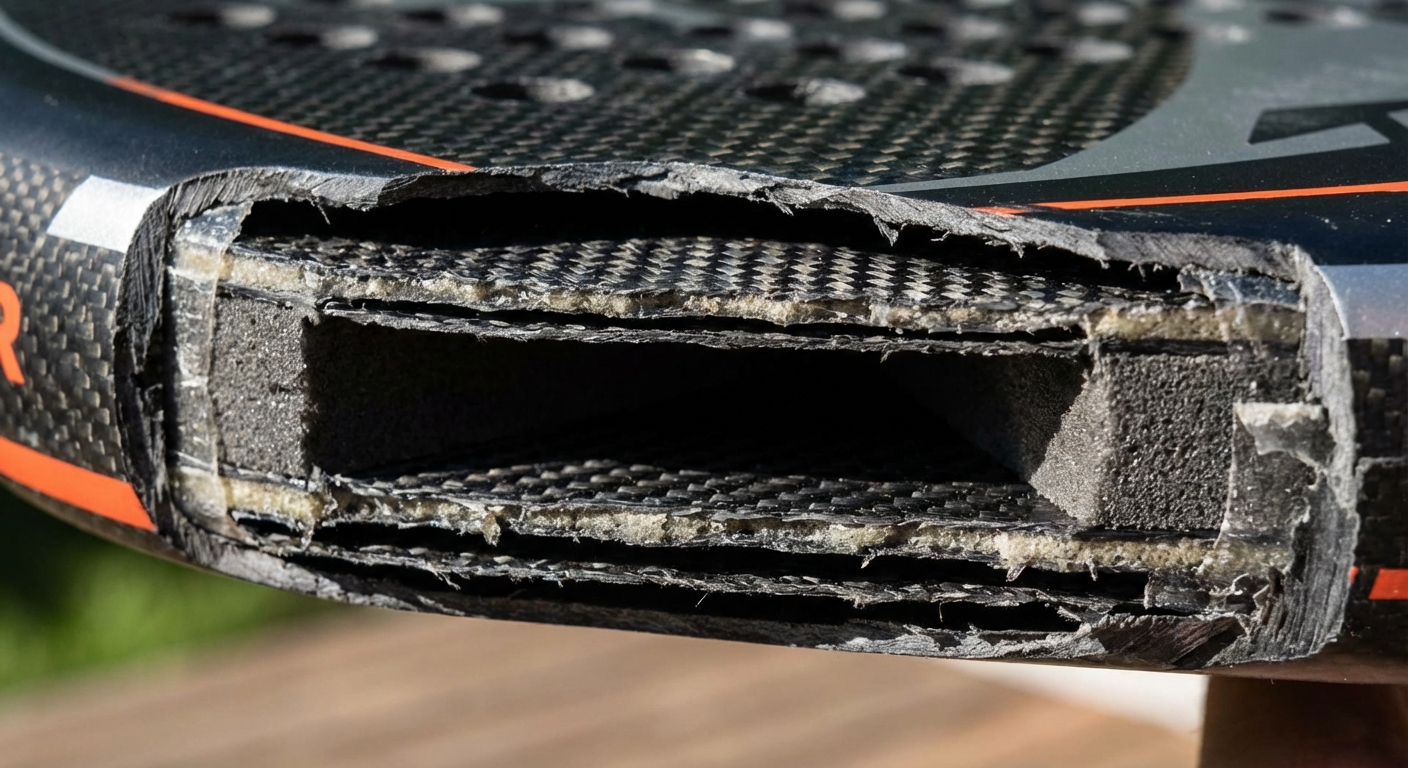
The materials that make a wilson padel racket durable include high-modulus carbon fiber, specialized epoxy resins, and impact-resistant frames. This advanced wilson padel racket composition ensures the frame remains rigid under the stresses of modern competitive play.
Carbon Fiber Grades
You need to understand the difference between 3K, 12K, and 18K carbon, as the thread count directly affects the stiffness and longevity of the face. Higher thread counts generally offer a firmer feel and greater energy return on impact.
It gets better:
Using premium carbon fiber reduces the overall weight of the racket while actually increasing its total structural strength.
- 18K Carbon: Peak stiffness and power.
- 12K Carbon: Balanced durability and feel.
- 3K Carbon: More flexibility and comfort.
Frame Reinforcement Technology
Beyond the face, you must ensure the frame utilizes a tubular carbon structure to prevent cracks from wall collisions. These reinforcements act as a “skeleton” that protects the delicate internal foam core from external damage.
Key Takeaway: High-grade carbon fiber is the foundation of any racket intended for heavy commercial or professional use.
| Material | Key Property | Benefit to Player |
|---|---|---|
| 18K Carbon | High Density | Maximum power output |
| Epoxy Resin | Strong Bonding | Prevents delamination |
| Tubular Frame | Impact Resistance | Longevity against walls |
The choice of materials is the primary factor in determining how long the equipment will maintain its original performance specifications.
How does a wilson padel racket differ by material?
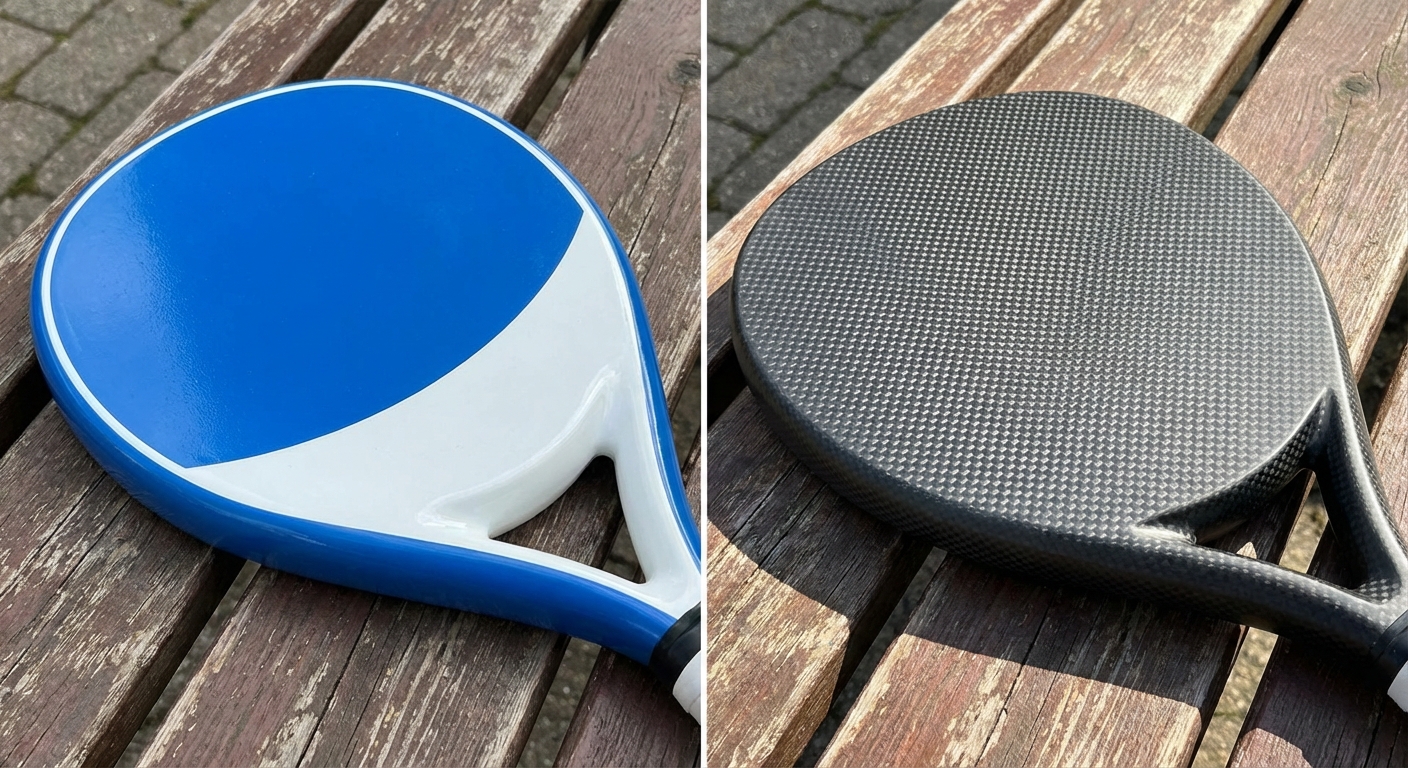
A wilson padel racket differs by material primarily through the use of fiberglass for entry-level models versus carbon fiber for professional-grade versions. Fiberglass offers a softer, more forgiving touch for new players, whereas carbon provides the stiffness required for advanced power.
Beginner vs. Pro Materials
As you evaluate your inventory, remember that beginners often prefer fiberglass because it absorbs more vibration and has a larger sweet spot. For your advanced league players, full carbon construction is necessary to handle the high speeds of competitive matches.
Here is the deal:
The transition from glass to carbon represents a shift from comfort-focused play to performance-oriented competition.
- Fiberglass: Soft and comfortable.
- Carbon/Glass Hybrid: Versatile and durable.
- Full Carbon: Rigid and powerful.
Impact on Ball Exit Speed
You will notice that stiffer materials provide a more linear transfer of energy, resulting in higher ball exit speeds. This material science allows elite players to finish points with less physical effort during high-pressure games.
Key Takeaway: Aligning the material composition with the skill level of the user ensures a better playing experience and reduces the risk of injury.
| Skill Level | Ideal Material | Primary Benefit |
|---|---|---|
| Beginner | Fiberglass | Comfort & Forgiveness |
| Intermediate | Carbon Hybrid | Balanced Maneuverability |
| Advanced | 18K Carbon | Power & Precision |
By offering a range of materials, you cater to the full spectrum of players, from casual weekenders to dedicated club professionals.
How should you store a wilson padel racket properly?
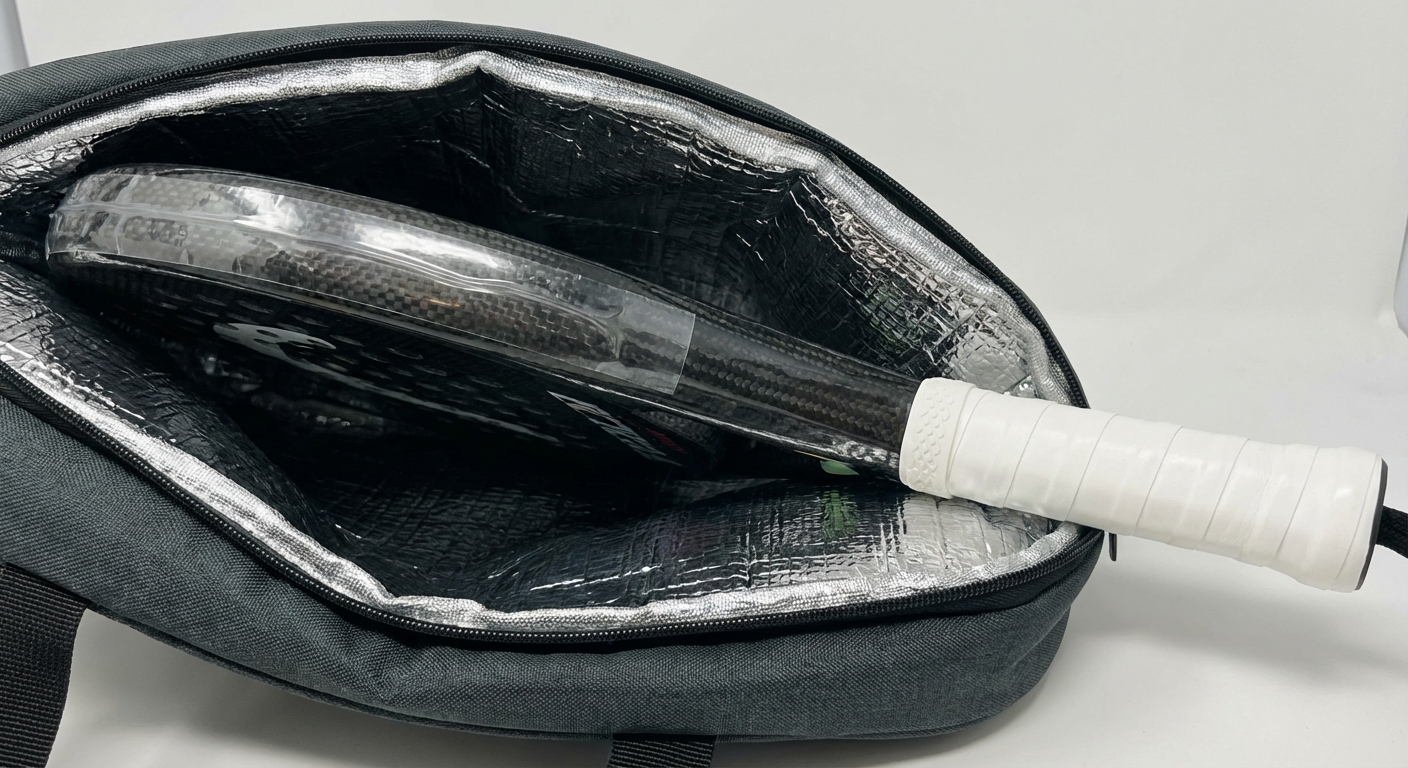
You should store a wilson padel racket in a temperature-controlled environment away from direct sunlight to preserve the molecular bond of the internal foam. Proper storage is especially critical when your facility uses high-quality wilson padel racket surfaces that demand consistent racket performance for a fair game.
Avoiding Temperature Extremes
You must educate your members not to leave their gear in hot car trunks, as extreme heat causes the EVA foam to expand and lose its elasticity. Conversely, extreme cold can make the carbon frame brittle and prone to snapping upon impact.
Believe it or not:
Thermal-lined bags are the best investment for maintaining the factory-standard feel of professional sports equipment.
- Use thermal-lined racket bags.
- Avoid humid storage areas.
- Clean the surface after every match.
Grip and Frame Maintenance
You should also encourage players to replace their overgrips regularly to prevent moisture from seeping into the handle’s core. Applying a protective tape to the top of the frame can also shield the carbon from scratches and minor dings.
Key Takeaway: Simple maintenance routines can extend the lifespan of professional equipment by several months, maximizing your investment.
| Threat | Impact on Racket | Prevention Step |
|---|---|---|
| Heat | Foam degradation | Thermal bag storage |
| Moisture | Handle softening | Regular grip changes |
| Impact | Frame cracking | Protective head tape |
Consistency in maintenance ensures that every player who steps onto your court has equipment that performs at its peak.
Which foam is inside a high-end wilson padel racket ?
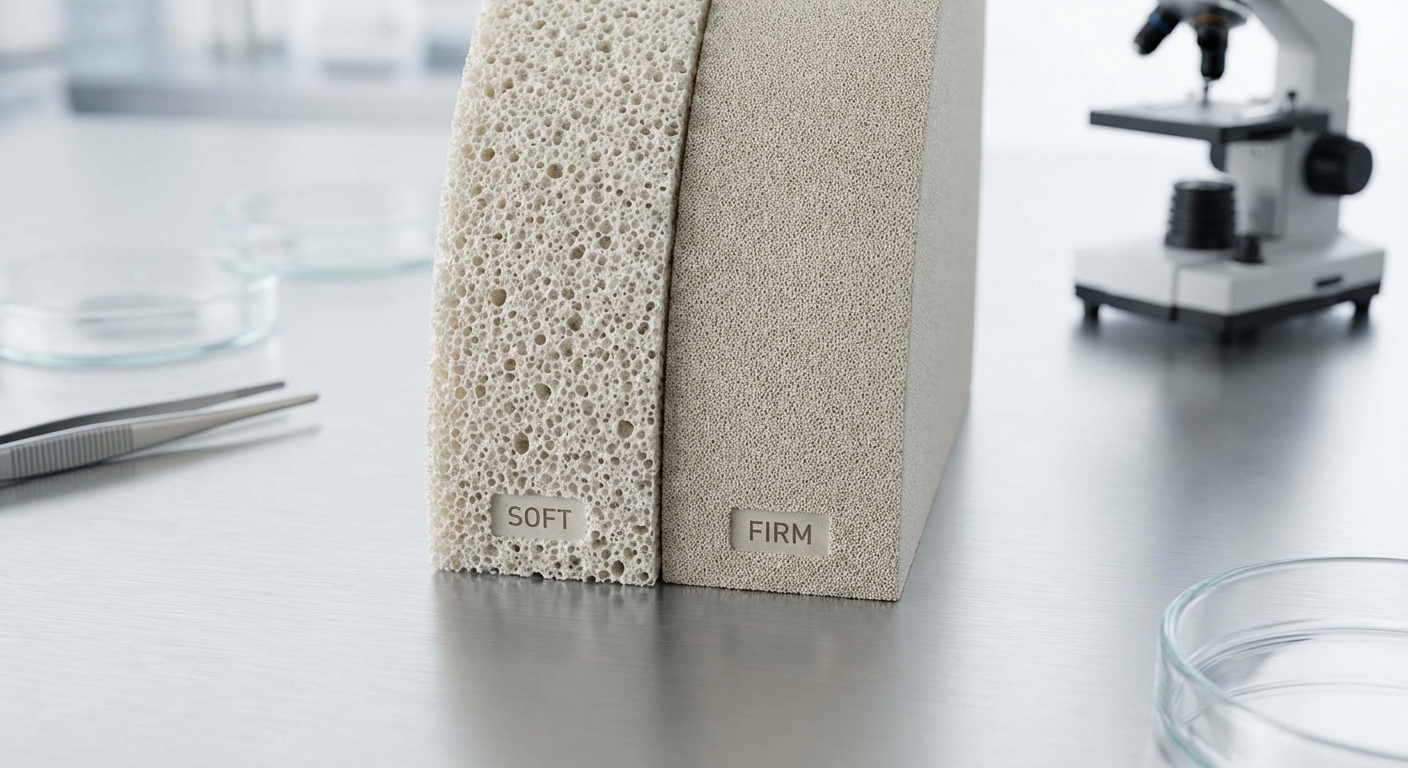
A high-end wilson padel racket typically contains either Soft EVA or Firm EVA foam, depending on whether the player prioritizes comfort or control. The foam core acts as the “engine” of the racket, dictating how much energy is absorbed or reflected during contact.
Soft vs. Firm EVA Densities
You will find that Soft EVA provides a “trampoline effect,” making it easier for players to generate power with slower swing speeds. Firm EVA, however, offers a much more direct response, which is preferred by advanced athletes who want total control over ball placement.
The secret is:
Density determines the “dwell time”—the fraction of a second the ball stays on the racket face during a hit.
- Soft EVA: High comfort, more power.
- Firm EVA: High control, precise feel.
- Core Foam: Stable, entry-level performance.
Vibration Dampening Properties
You should note that softer foams are excellent at absorbing the micro-vibrations that cause tennis elbow. If your club caters to an older demographic, providing rackets with softer EVA cores can significantly improve their long-term playing comfort.
Key Takeaway: The internal foam is the most important factor in determining the “feel” and comfort level of the equipment during play.
| Foam Type | Density | Best For |
|---|---|---|
| Soft EVA | Low | Joint protection & Power |
| Firm EVA | High | Tournament-level Control |
| Core Foam | Medium | Training & Beginners |
Choosing the correct foam density allows you to tailor the racket’s performance to the specific physical needs of your members.
Why choose a wilson padel racket for pro courts?
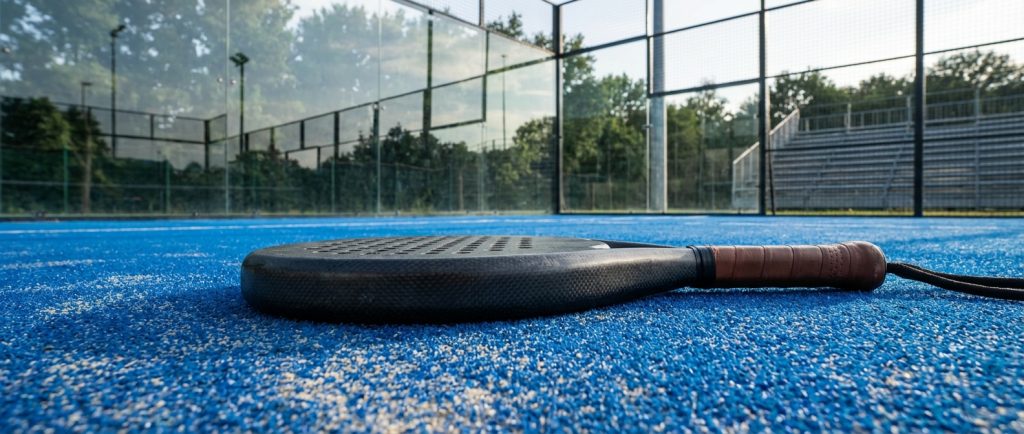
You should choose a wilson padel racket for pro courts because its high-performance specifications are designed to complement the fast ball speeds of a wilson padel racket environment. Professional facilities require gear that doesn’t just look the part but actually stands up to the rigors of 20+ hours of weekly play.
Equipment and Court Synergy
The interaction between the racket’s foam and the court’s surface tension determines the quality of the bounce and the overall game flow. You must ensure your equipment is as high-quality as your facility’s infrastructure to provide a truly elite experience for your guests.
Don’t miss this:
Top-tier rackets act as a magnet for high-spending members who value premium amenities and professional-grade standards.
- Complements high-density turf.
- Matches professional court aesthetics.
- Attracts competitive league players.
Building Brand Reputation
You can enhance your club’s market value by offering equipment that is recognized globally for its engineering excellence. Providing professional gear signals to your customers that you are committed to the highest standards of the sport.
Key Takeaway: Elite equipment is the final piece of the puzzle for any facility aiming to be a destination for serious padel athletes.
| Facility Type | Required Gear | Customer Benefit |
|---|---|---|
| Private Club | Full Carbon Rackets | Premium status |
| Public Center | Hybrid Materials | Durability & Value |
| Academy | Soft EVA Rackets | Injury prevention |
Investing in high-end equipment ensures that your facility remains the preferred choice for the local padel community.
What goes into a wilson padel racket design concept?
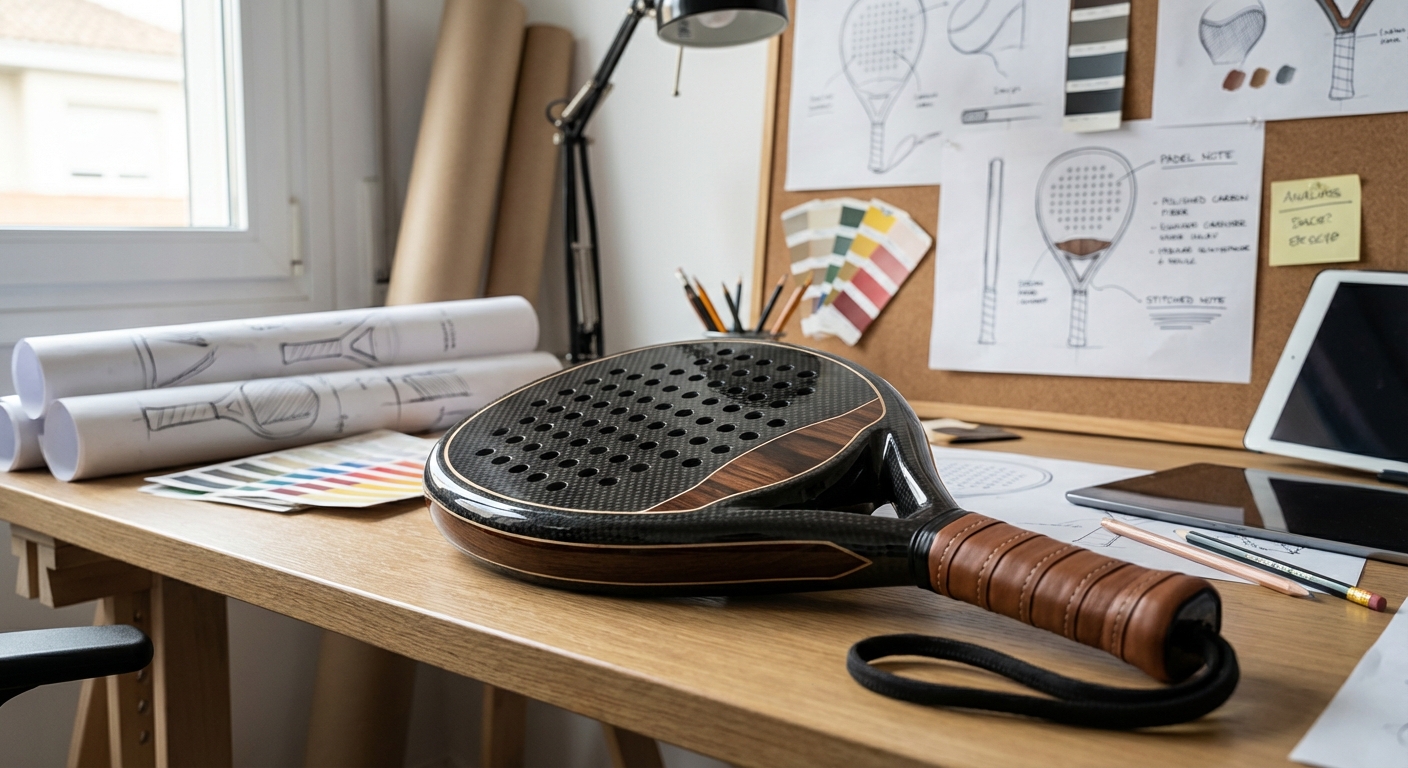
A wilson padel racket design concept involves balancing aerodynamics, weight distribution, and visual branding to create a cohesive professional product. Every curve and hole placement is modeled to minimize air resistance while maximizing the “sweet spot” on the hitting surface.
Ergonomics and Aesthetics
You must consider that a racket’s handle shape and grip circumference are just as important as the face material. Designers focus on ergonomic grips that reduce slip, ensuring that players maintain a secure hold during intense, high-sweat matches.
But there is more:
Modern design also includes aesthetic customization that allows club owners to integrate their own branding into the equipment.
- Aerodynamic frame shaping.
- Ergonomic handle design.
- Integrated branding options.
Functional Customization
You should look for designs that offer functional advantages, such as specialized bridge geometries that reduce vibration transfer to the arm. These design “small wins” accumulate to create a vastly superior playing experience over standard, generic models.
Key Takeaway: Thoughtful design transforms a simple tool into a specialized instrument that elevates the performance of every player.
| Design Element | Function | Impact |
|---|---|---|
| Bridge Design | Vibration absorption | Improved comfort |
| Hole Pattern | Air flow management | Faster swing speed |
| Grip Shape | Hand positioning | Better shot control |
The synergy of form and function ensures that the equipment looks as good as it performs on the professional stage.
Which shape of wilson padel racket fits your style?
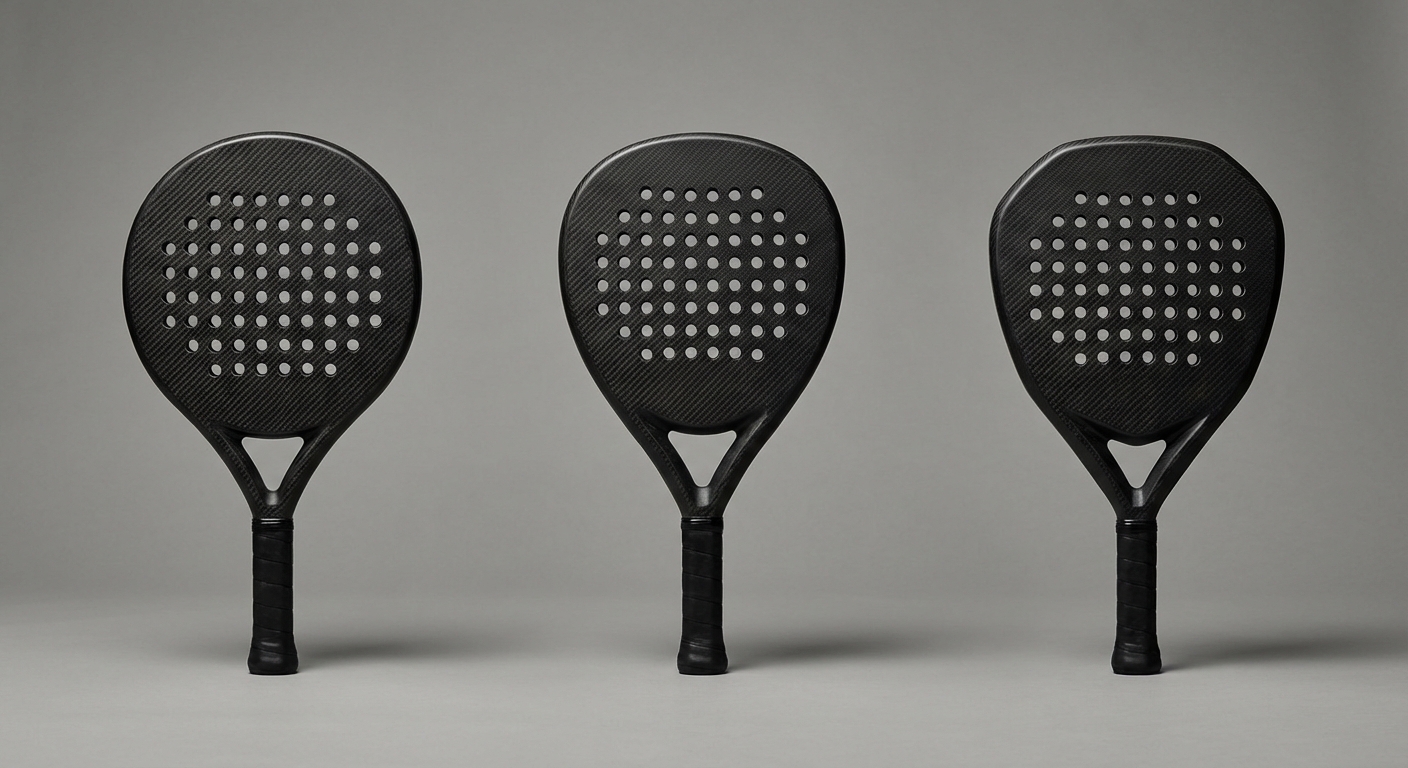
The shape of a wilson padel racket fits your style based on whether you prefer the control of a round head, the power of a diamond head, or the versatility of a teardrop. Each geometry shifts the sweet spot, which is critical for players navigating a wilson padel racket with varying bounce heights.
Round, Diamond, and Teardrop
You will find that the round shape is the most forgiving, making it the standard choice for beginners and defensive strategists. Diamond shapes are designed for the “smashers” who want to hit the ball out of the park, while teardrop models provide the perfect middle ground for all-around play.
Here is the deal:
Choosing a shape is about deciding whether you want to play a game of attrition or a game of sudden, powerful finishes.
- Round: Low sweet spot, max control.
- Diamond: High sweet spot, max power.
- Teardrop: Mid sweet spot, balanced performance.
Geometric Strategic Advantage
You should select your racket shape based on your most frequent court position—back of the court players usually favor round shapes, while net players often prefer diamond. Understanding these geometric profiles helps you advise your members on the best gear for their specific progression path.
Key Takeaway: Geometry dictates strategy; always align the racket shape with the player’s role and skill level on the court.
| Racket Shape | Sweet Spot | Strategy |
|---|---|---|
| Round | Low/Center | Defensive Control |
| Teardrop | Mid-High | Balanced Versatility |
| Diamond | High/Top | Offensive Power |
Mastering the selection of shapes ensures that every athlete has the right tool to unlock their full potential on the padel court.
Conclusion
At Superbpadel, our vision is to empower facility owners with the engineering insights and professional-grade equipment needed to dominate the growing global padel market. Whether you are building an elite academy or a community club, the technical integrity of your gear is the foundation of your success. We invite you to contact us today to discuss how our factory-direct solutions can elevate your facility’s performance and profitability.
FAQ
Can I use a diamond-shaped racket if I am a beginner?
While you can use any racket, diamond-shaped models have a smaller, higher sweet spot that is very difficult for beginners to hit consistently. We recommend starting with a round shape to build fundamental skills before moving to more aggressive geometries.
What is the most durable material for a professional racket?
High-modulus 18K carbon fiber is the most durable material available for professional equipment today. It provides the stiffness and structural integrity required to withstand high-frequency use without losing performance over time.
How do I know if the internal foam has lost its elasticity?
You can tell the foam has “died” if the racket produces a dull, hollow sound upon impact instead of a crisp “pop.” Additionally, if you notice a significant drop in power and “dwell time” during your shots, the foam has likely degraded.
Can I customize the weight of my racket with lead tape?
Yes, you can apply adhesive lead tapes to the frame to adjust the balance and total weight of your racket after purchase. Placing tape at the top increases power, while placing it near the handle increases maneuverability.
What is the ideal storage temperature for carbon rackets?
The ideal storage temperature is between 15°C and 25°C (59°F to 77°F) in a dry environment. Avoiding extreme fluctuations in temperature ensures that both the carbon frame and the EVA foam core maintain their factory specifications.