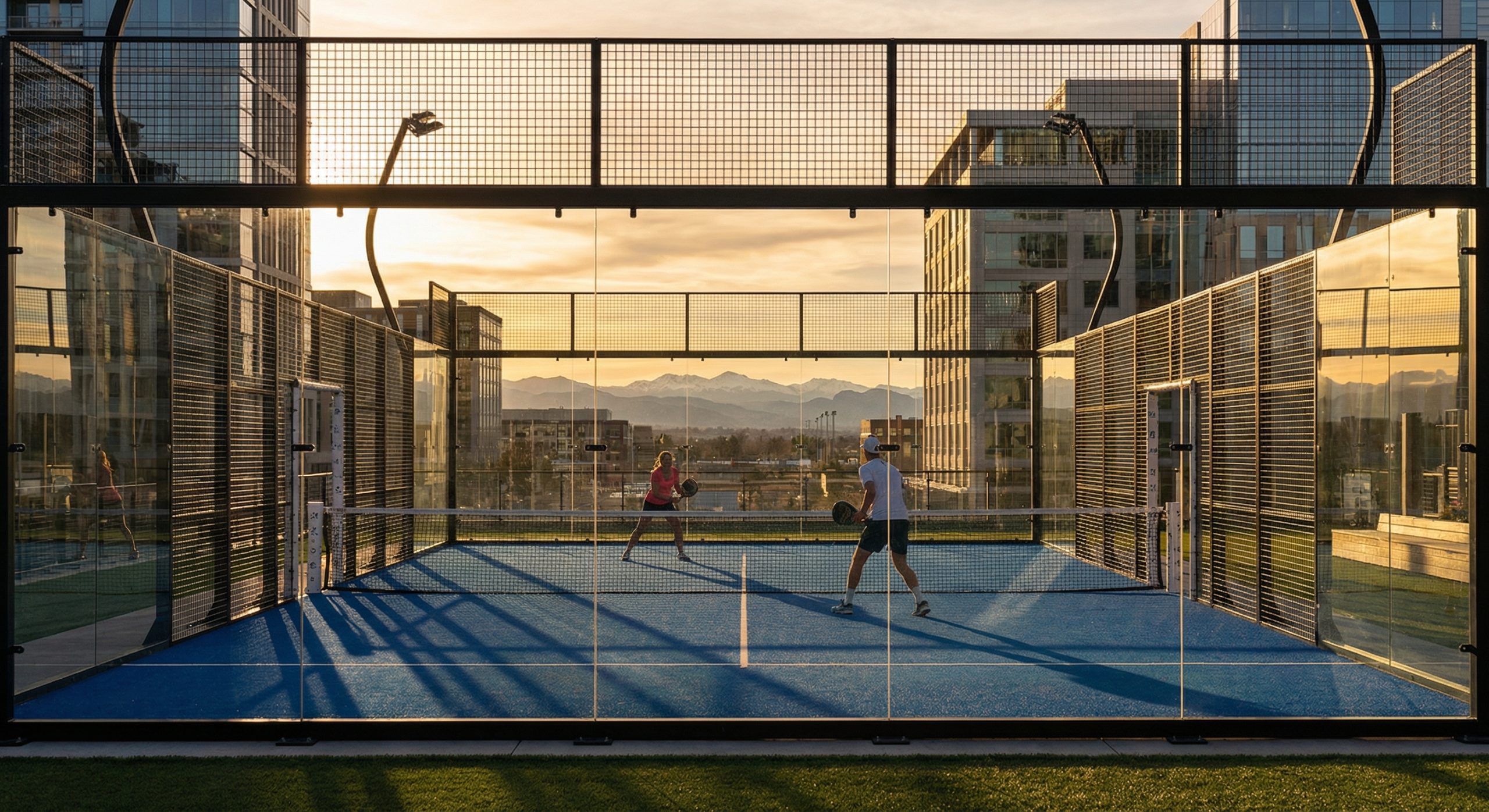
Padel is a fast-paced, social racket sport played on an enclosed glass court that effectively combines elements of tennis and squash. While the city’s love for outdoor activity is legendary, many local athletes are finding that traditional tennis courts are overcrowded and lack the high-energy, social atmosphere they crave. If you are tired of fighting for court times or looking for a more engaging way to stay active, then padel denver offers the ultimate solution for modern urban recreation.
padel denver game: what is this new sport?
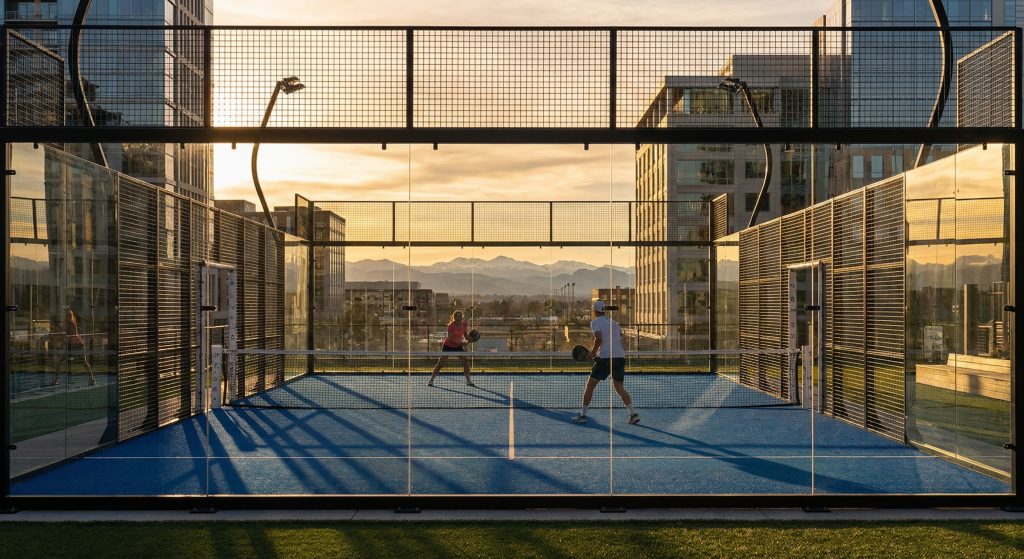
The padel denver phenomenon refers to a hybrid racket sport played on a 20×10 meter court surrounded by glass and mesh walls. It utilizes a solid, perforated paddle rather than a stringed racket, making the game significantly more accessible for beginners while maintaining a high ceiling for professional play. The ball can be played off the walls, which keeps the rally going longer and emphasizes strategic positioning over raw power.
Denver residents are increasingly adopting this sport because it provides a lower barrier to entry than tennis but offers more intensity than pickleball. The compact court size allows for four players to engage in a highly social environment, fitting perfectly into the Mile High City’s wellness-focused culture. As more people discover the “F1 of racket sports,” the demand for dedicated infrastructure continues to skyrocket across Colorado.
Is padel similar to pickleball?
While both are played on smaller courts, padel is much more three-dimensional due to the use of glass walls for rebounds. The equipment differs significantly, as padel uses a pressurized ball and a specialized depressed-surface paddle.
Why is it becoming so popular?
The social aspect is the primary driver of growth, as the close proximity of players allows for constant communication and fun. Furthermore, the learning curve is gentle, allowing you to have competitive rallies within your very first hour of play.
Here is the deal:
- Padel is played exclusively in doubles format.
- Scoring follows the traditional tennis system (15, 30, 40, Game).
- The enclosed walls are active parts of the field of play.
Key Takeaway: Understanding the unique mechanics of padel helps you appreciate why it is the fastest-growing sport globally and why Denver is the perfect environment for its expansion.
| Feature | Padel | Pickleball |
|---|---|---|
| Court Size | 10m x 20m | 6.1m x 13.4m |
| Enclosure | Glass & Mesh Walls | Open Court |
| Players | Always 2 vs 2 | 1 vs 1 or 2 vs 2 |
| Ball Type | Pressurized Rubber | Perforated Plastic |
Analyzing these differences reveals why padel offers a more dynamic and athletic experience for those transitioning from tennis.
padel denver locations: where can you play now?
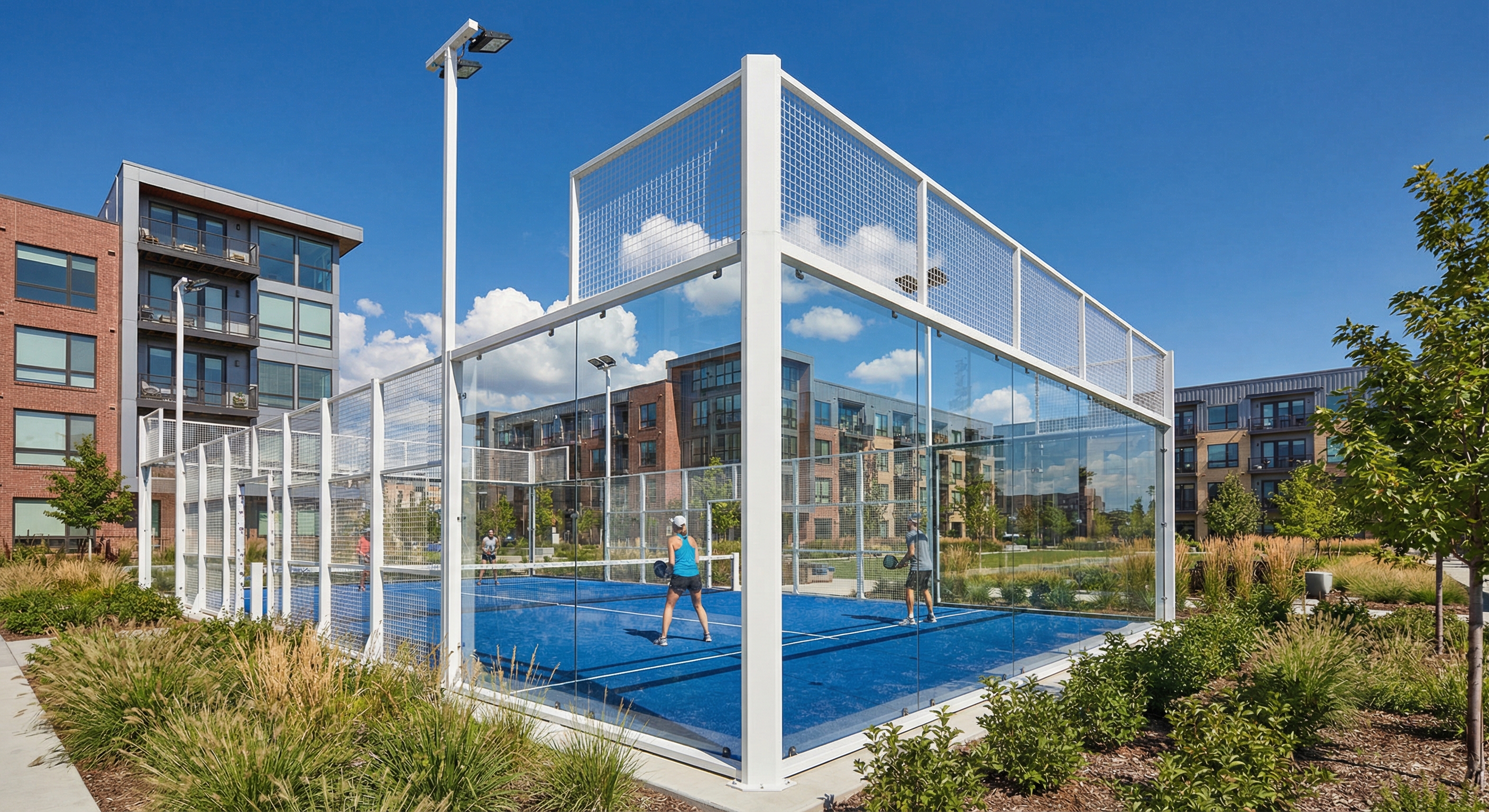
You can currently find padel denver courts at several high-profile locations including the 9+CO development in the Hale neighborhood and the Racket Social Club. These venues offer premium playing surfaces and have become the central hubs for the growing local community. Most of these facilities operate on a pay-as-you-play model, making it easy for you to book a session through mobile apps like Playbomic or Matchi.
The expansion is reaching beyond the city center, with new courts popping up in suburban areas to meet the neighborhood demand. Whether you are looking for an upscale club atmosphere or a casual weekend match, the current landscape provides several professional-grade options. Joining these clubs is the best way to immerse yourself in the local ecosystem and find players of your skill level.
What is the 9+CO facility like?
The court at Cloud 9 Park offers an incredible urban setting with high-quality turf and professional lighting for evening matches. It serves as a primary gathering point for players in the central Denver area, often hosting local “Americano” style tournaments.
Are there indoor options available?
While many current courts are outdoor, the rapid development of indoor clubs ensures that the heavy Colorado snow won’t stop your game. Facilities like the Racket Social Club are leading the way in providing climate-controlled environments for year-round play.
But wait, there is more:
- Suburban hubs in Parker and Boulder are currently in the planning phases.
- Most clubs offer equipment rentals, so you don’t need to buy a paddle immediately.
- WhatsApp groups are the “secret sauce” for finding last-minute match substitutions.
Key Takeaway: Knowing the specific locations allows you to start playing immediately and connects you with the vibrant athletic community in the city.
| Location | Type | Accessibility |
|---|---|---|
| Cloud 9 Park (Hale) | Outdoor | Public Booking |
| Racket Social Club | Indoor/Outdoor | Membership & Guest |
| Boulder Area | Private/Club | Residential |
Finding your local court is just the first step in mastering the sport’s unique social and physical demands.
padel denver expansion: upcoming private clubs
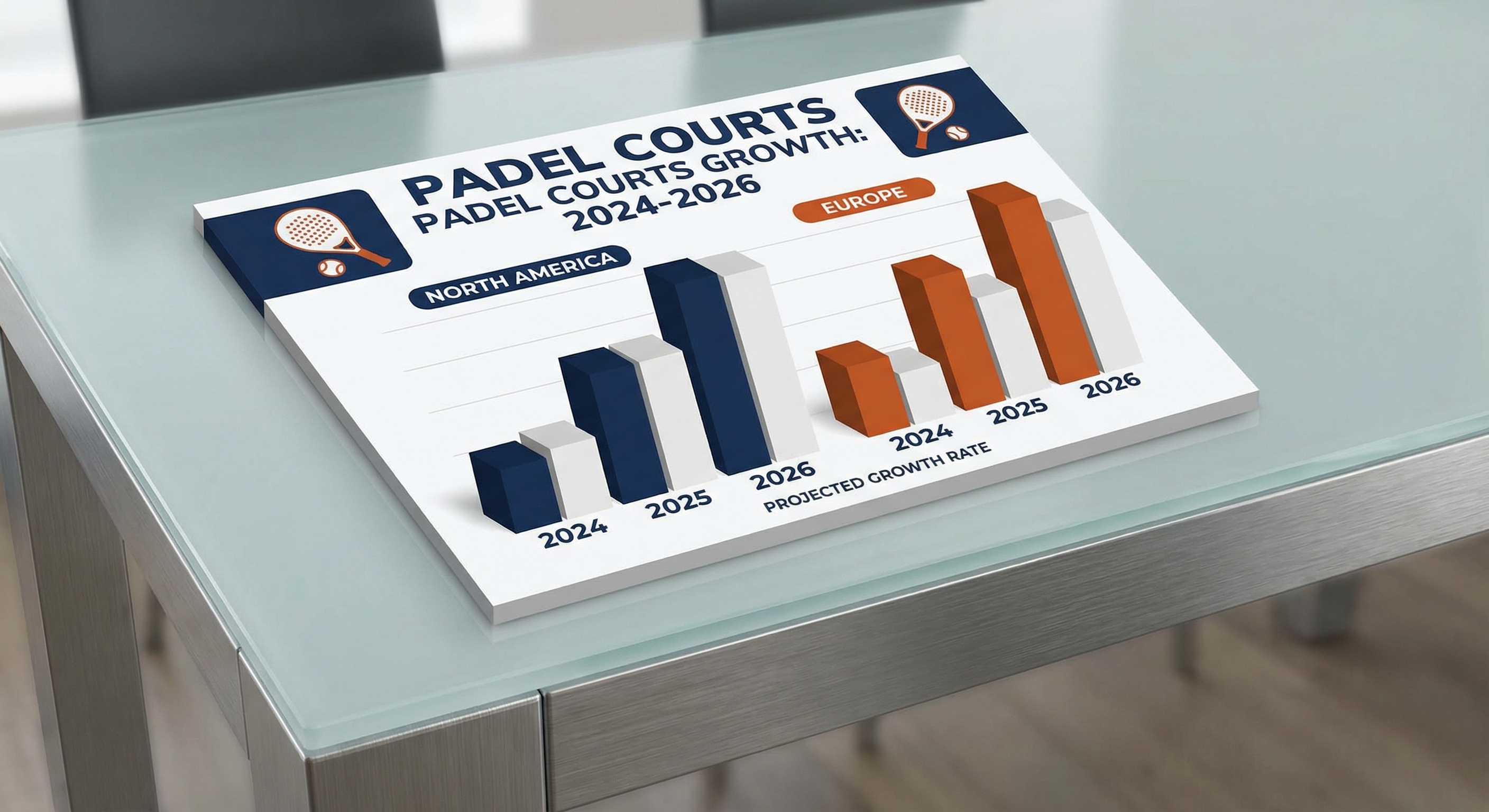
The future of padel denver includes massive projects such as Padel Haus in Five Points and potential court installations at the Great Divide Brewing Co. These upcoming projects are designed to be “social wellness” centers, combining high-end sports facilities with lounges, juice bars, and coworking spaces. This shift toward private equity investment signals that the local market is maturing into a premier destination for the sport.
As these private clubs open, they will introduce more court inventory to alleviate the current overbooking issues faced by players. You can expect a surge in membership-driven models that offer perks like locker rooms, saunas, and professional coaching clinics. The integration of padel into the RiNo Arts District and other trendy neighborhoods ensures the sport remains at the heart of the city’s social life.
What makes Padel Haus unique?
This facility is expected to bring a New York-style luxury to the Colorado scene, focusing on a premium athlete experience. It will likely feature multiple indoor courts to guarantee playability regardless of the unpredictable Denver weather.
Why is RiNo a target for development?
The RiNo district’s focus on craft breweries and modern lifestyle brands makes it the perfect demographic fit for a social sport like padel. Developers are looking to pair active recreation with the existing food and beverage culture in the area.
The truth is:
- Private clubs often offer better court maintenance and ball quality.
- You gain access to a more curated community of enthusiasts and professionals.
- Membership often includes early access to tournament registrations and league play.
Key Takeaway: Anticipating the arrival of these private clubs helps you plan your long-term involvement in the sport and potential membership investments.
| Upcoming Club | Location | Key Feature |
|---|---|---|
| Padel Haus | Five Points | Luxury/Indoor Focus |
| Social Padel RiNo | RiNo District | Integrated Social Spaces |
| Boulder Expansion | Boulder | High-Alt Conditioning |
Monitoring these developments is essential for anyone looking to stay ahead of the recreational curve in Colorado.
padel denver building: planning your facility
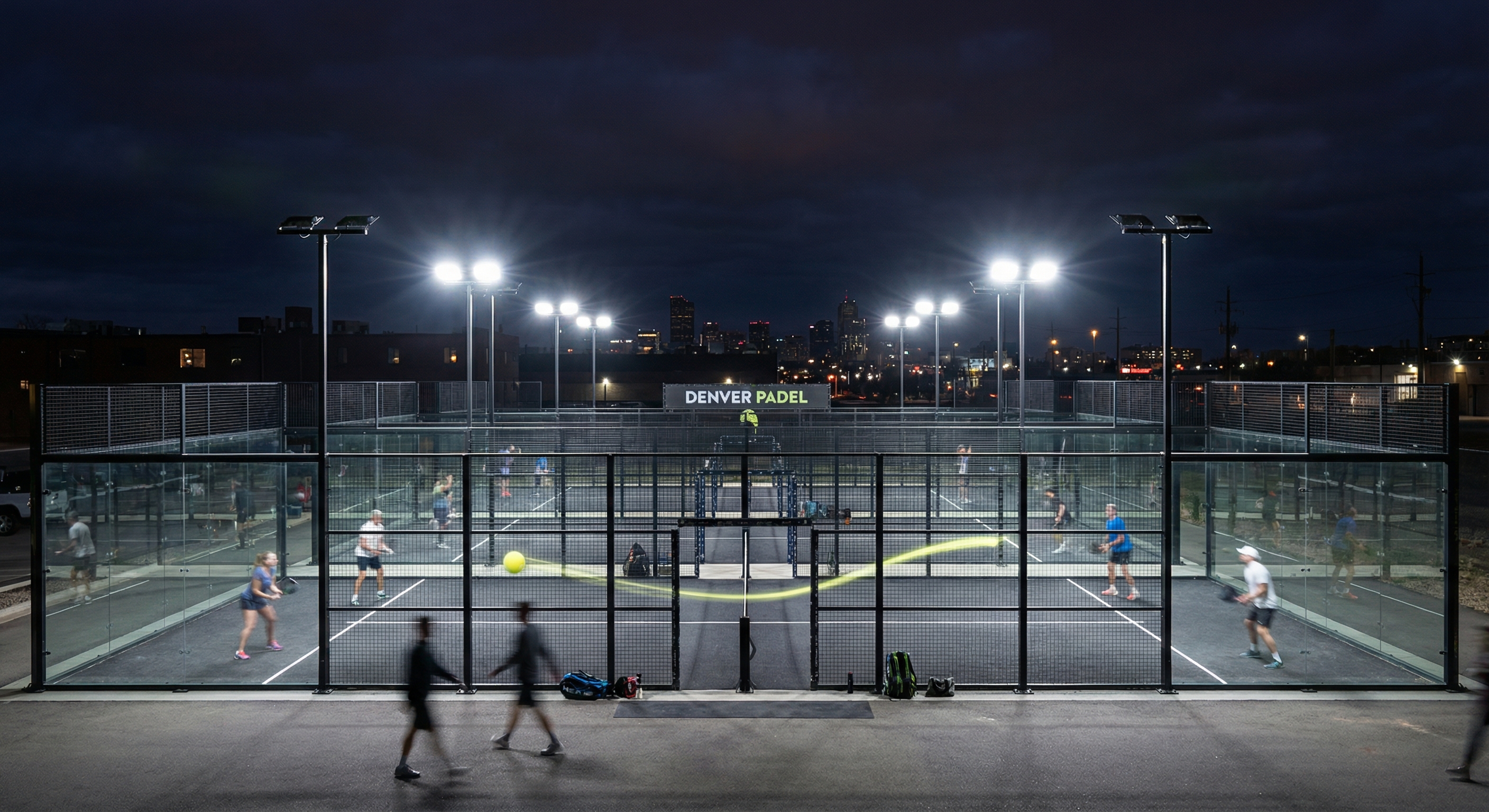
Building a padel denver facility requires a flat 20×10 meter space and careful consideration of local zoning laws and climate factors. If you are an investor or developer, you must prioritize the structural integrity of the court to withstand high winds and heavy snow loads common in the foothills. Utilizing specialized components like a Roofed Padel Court can significantly increase your facility’s utilization rates during the winter months.
A successful installation starts with a professional site evaluation to ensure the concrete slab is perfectly level and includes proper drainage systems. You should also consider the ROI potential, as a single padel court can accommodate four players in a smaller footprint than a tennis court, generating higher revenue per square foot. Planning for amenities like seating areas and lighting will elevate your project from a basic court to a top-tier destination.
What are the space requirements?
A standard court is 20 meters long and 10 meters wide, but you should allow for at least an extra meter of clearance around the perimeter for maintenance and safety. Outdoor installations must also account for the sun’s path to prevent glare during peak playing hours.
Can I build one in a residential backyard?
Yes, provided you have the space and meet local HOA or municipal codes regarding permanent structures and noise. Many homeowners are now choosing padel over traditional swimming pools due to its lower maintenance and higher social value.
And the best part?
- Padel courts offer a 4:1 player-to-space ratio compared to singles tennis.
- Modular construction allows for relatively fast installation times.
- Premium materials ensure the court remains a long-term asset for your property.
Key Takeaway: Detailed planning and choosing the right weather-protected structures are the foundations of a profitable and durable padel investment.
| Project Stage | Focus Area | Critical Requirement |
|---|---|---|
| Planning | Zoning & Permits | Local Code Compliance |
| Foundation | Concrete & Drainage | Laser-Level Accuracy |
| Structure | Steel & Glass | Wind/Snow Load Rating |
Analyzing these steps ensures that your facility meets both safety standards and player expectations for years to come.
padel denver structure: the core components
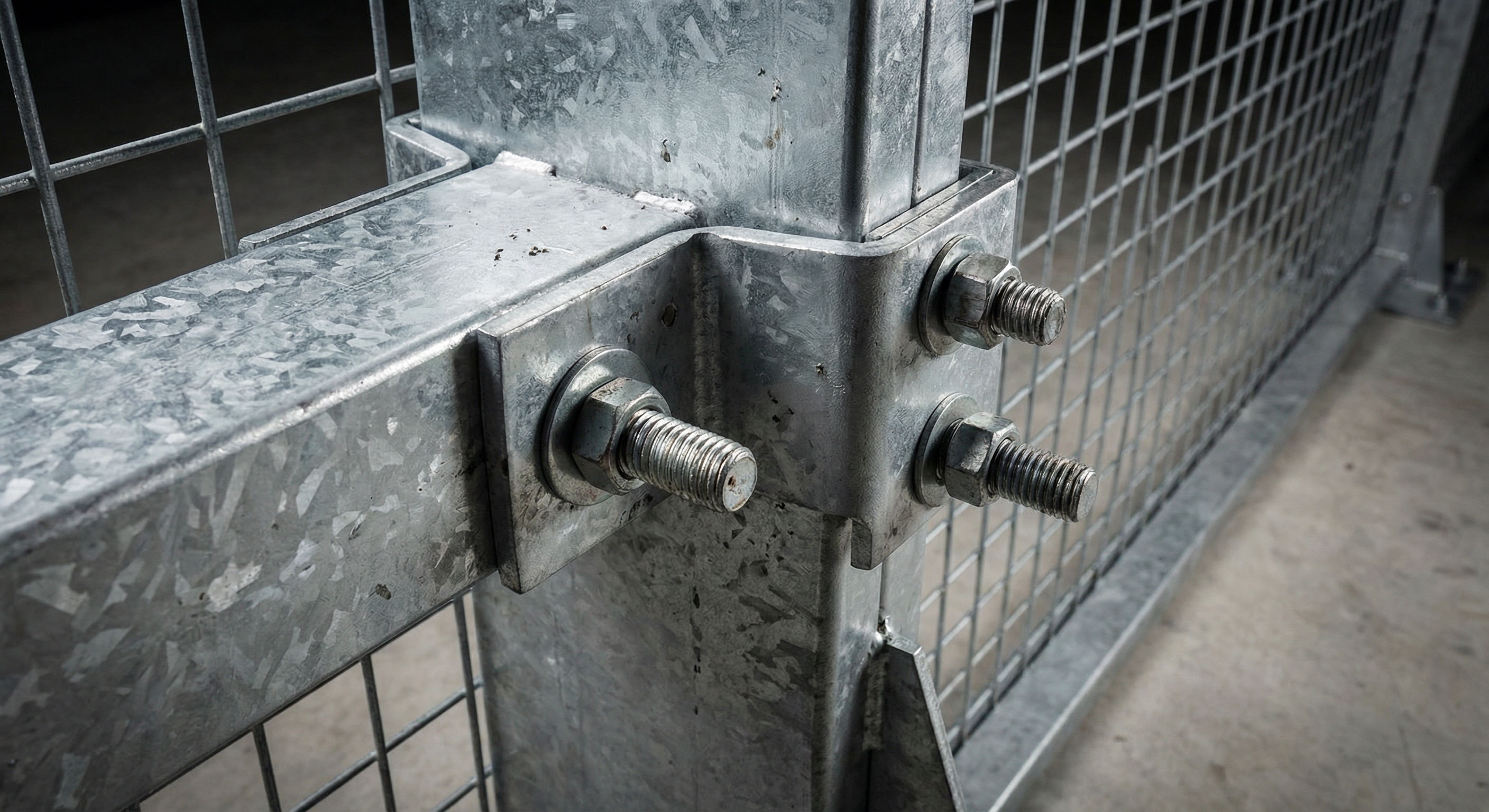
The padel denver structure is comprised of high-grade galvanized steel frames, tempered glass panels, and electro-welded mesh. Because Denver experiences intense UV exposure and rapid temperature swings, it is vital to use the Padel Structure designed with hot-dip galvanization to prevent rust and corrosion. This industrial-strength framework provides the necessary stability for the glass walls, which must withstand both player impact and environmental pressure.
Modular assembly is a key advantage of modern padel structures, allowing for precision engineering and a cleaner installation process. You want a frame that uses high-tensile bolts and reinforced joints to maintain court tension over time. A professional-grade structure not only ensures safety but also provides the consistent ball bounce that experienced players demand from a high-performance court.
Why is galvanization so important?
Denver’s climate can be harsh on metal; hot-dip galvanization creates a metallurgical bond that provides the best protection against the elements. Without this, the steel frames can quickly develop surface rust, compromising the aesthetic and structural integrity of your club.
What is the lifespan of a court?
When using premium materials and proper coatings, a commercial padel structure is designed to last over 20 years. Regular inspections of the bolts and glass fittings will ensure the court remains in peak condition for decades of use.
Here is the deal:
- The mesh must be anti-injury, featuring recessed welds.
- Steel thickness usually ranges from 3mm to 4mm for commercial durability.
- Proper structural engineering prevents “whiplash” in the glass panels during play.
Key Takeaway: Investing in a high-quality, galvanized structure is non-negotiable for anyone looking to build a facility that survives the Colorado climate.
| Component | Material | Purpose |
|---|---|---|
| Frame | Galvanized Steel | Structural Integrity |
| Mesh | Electro-welded Steel | Ball Containment |
| Fasteners | Stainless Steel | Corrosion Resistance |
The strength of your court’s skeleton directly correlates to the safety and longevity of your recreational investment.
padel denver glass: safety and visibility
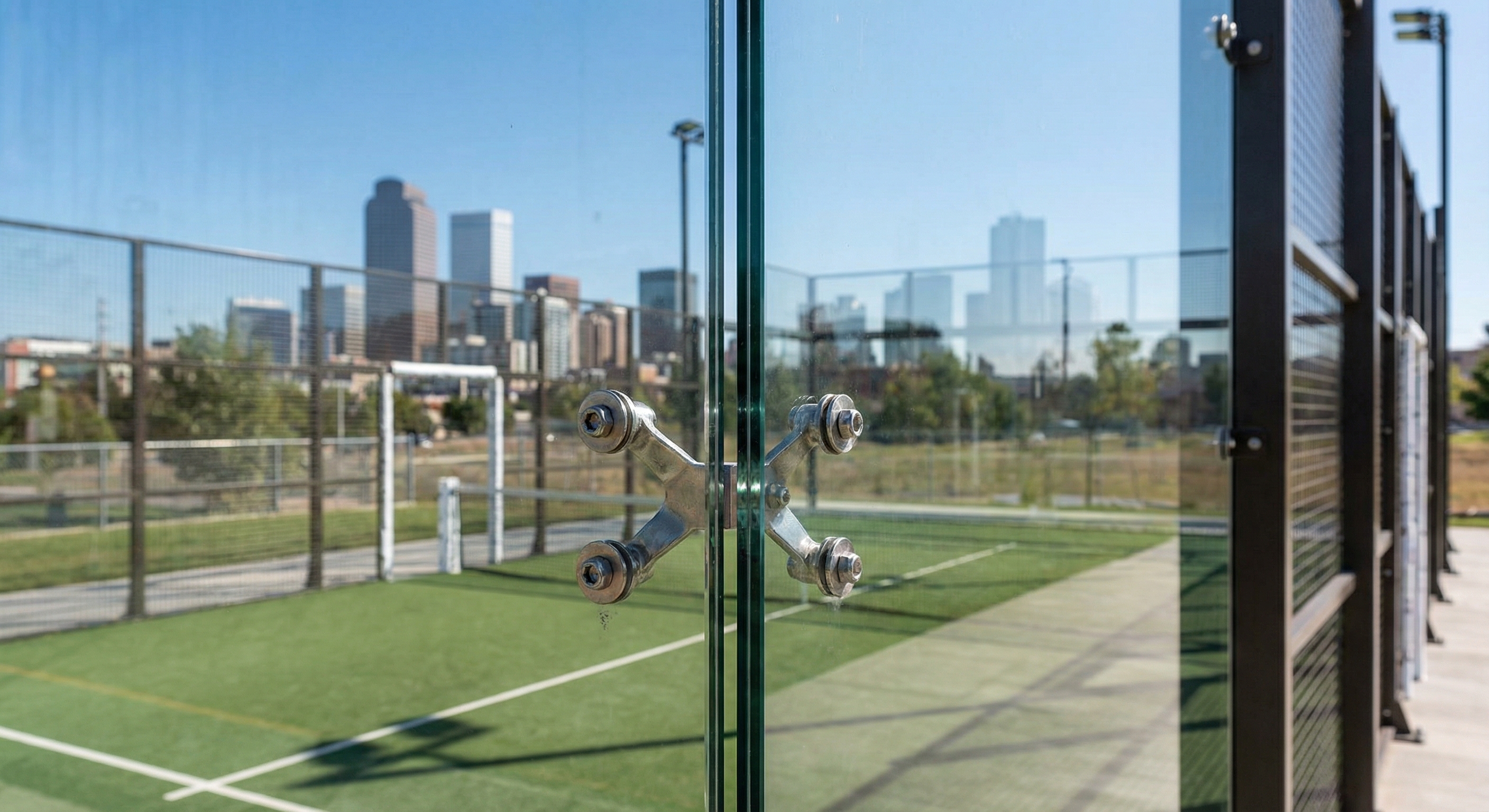
For padel denver projects, you must use 10mm or 12mm tempered safety glass that meets the stringent EN 12150 standards. The glass is a critical play surface, as the ball must bounce predictably off the walls to maintain the flow of the game. Choosing between a standard court or a Panoramic Padel Court will determine the aesthetic appeal and spectator visibility of your facility.
Keeping the Padel Glass clean is essential in Denver where dust and rain can quickly obscure the view. High-quality tempered glass is designed to crumble into small, blunt pieces in the rare event of a breakage, providing maximum safety for the players inside. Furthermore, the fasteners and gaskets must be of the highest quality to prevent “glass-to-metal” contact, which is the leading cause of structural failure in lower-quality installations.
What is a Panoramic court?
A panoramic design removes the vertical steel pillars at the back of the court, replacing them with thicker glass and subtle connectors. This offers an unobstructed view for spectators and cameras, making it the preferred choice for tournament courts and high-end clubs.
How do I maintain the glass?
Regular cleaning with non-abrasive solutions and periodic checks on the tension of the stainless steel “spiders” or fasteners will keep the walls secure. In high-altitude environments, checking for any shifts in the foundation is also important to prevent stress on the glass panels.
But wait, there is more:
- Tempered glass is five times stronger than regular annealed glass.
- Polished edges prevent micro-cracks from spreading under thermal stress.
- Transparent gaskets provide an airtight seal between the glass and the frames.
Key Takeaway: Prioritizing safety-certified glass and choosing a panoramic design will enhance the player experience and professional look of your facility.
| Glass Type | Thickness | Best Use |
|---|---|---|
| Standard Tempered | 10mm | Residential/Light Commercial |
| Professional Grade | 12mm | High-Traffic Clubs |
| Panoramic | 12mm | Show Courts/Tournaments |
High visibility and safety ratings are the hallmarks of a world-class padel installation in any urban setting.
padel denver surface: choosing local turf
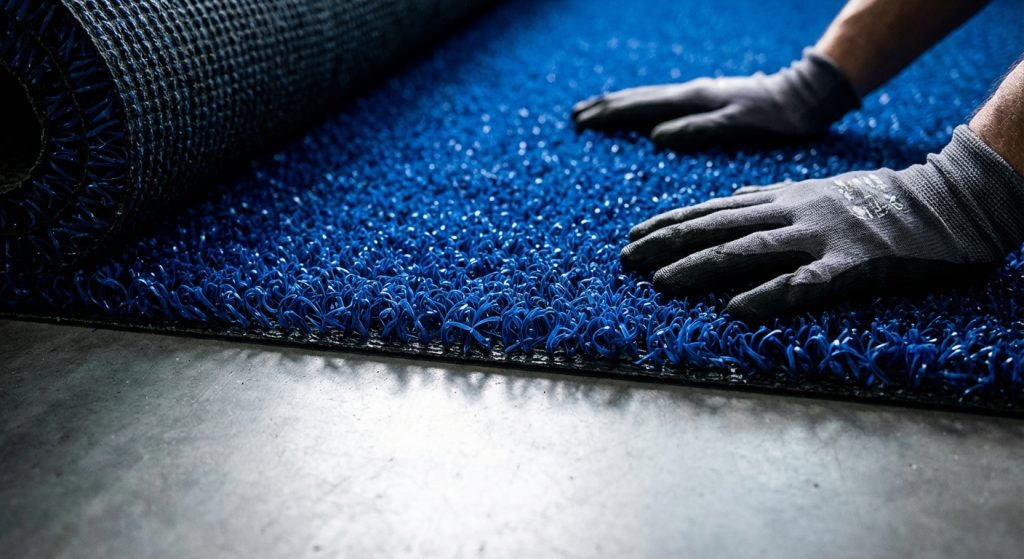
The playing surface for a padel denver court is typically made of specialized synthetic turf infilled with fine silica sand. This Padel Grass is engineered to provide the perfect balance between player traction and ball slide, ensuring a consistent bounce across the entire court. You can customize the turf color—with “Denver Blue” being a popular choice—to match your brand’s aesthetic while maintaining professional performance standards.
Fibrillated or monofilament grass technologies are the two main options, each offering different durability and play characteristics. Given the extreme temperature ranges in Colorado, you need turf with high UV resistance and excellent drainage capabilities to handle sudden summer downpours or melting snow. The sand infill must be distributed evenly to prevent “dead spots” and to protect the grass fibers from premature wear during intense matches.
Which is better: Fibrillated or Monofilament?
Monofilament turf is generally considered the premium option as the individual blades stand more upright, providing a more consistent ball bounce and better aesthetics. Fibrillated turf is often used for high-durability environments where budget is a primary consideration, though it may require more frequent brushing.
How much maintenance does the turf need?
You should brush the turf weekly to redistribute the sand and keep the fibers upright. This simple task prevents the surface from becoming slippery and extends the life of the artificial grass significantly.
Consider these factors:
- Silica sand acts as a weighted anchor for the turf.
- Proper drainage holes in the turf backing prevent water pooling.
- High-density stitch counts (e.g., 26,000+ per sqm) offer the best durability.
Key Takeaway: Selecting a high-density, UV-stabilized monofilament grass will provide the best playing experience and longevity for your Denver court.
| Turf Quality | Stitch Count | Maintenance |
|---|---|---|
| Standard | ~20,000/sqm | High |
| Premium Monofilament | ~26,000/sqm | Moderate |
| STX/Professional | ~28,000/sqm | Low |
A well-maintained surface is the most important factor in player satisfaction and safety during high-speed rallies.
padel denver lighting: play after sunset
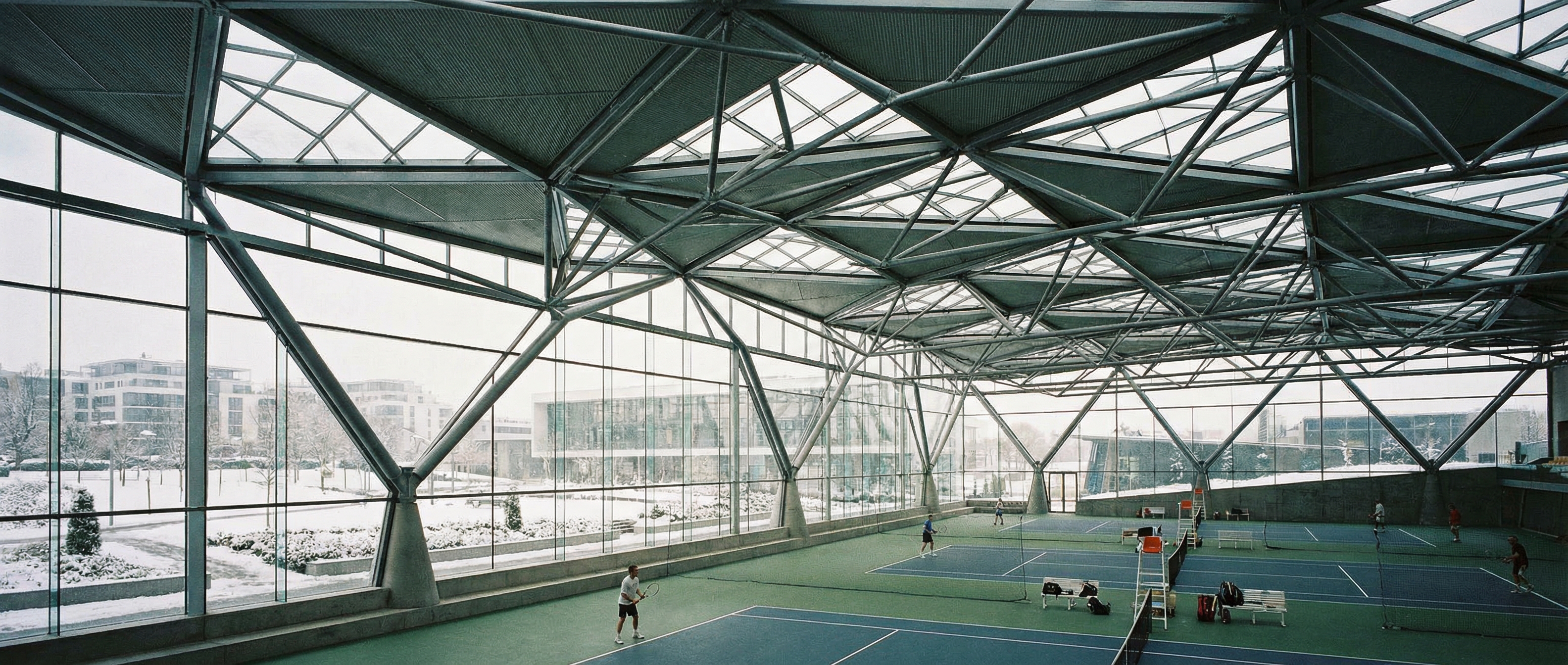
Lighting is essential for padel denver because many players enjoy the sport after work during the shorter winter days. You must install IP66 waterproof-rated LED floodlights to ensure the system survives Colorado’s blizzards and spring storms. Utilizing high-efficiency Padel LED Lighting reduces operational costs for club owners while providing uniform illumination that eliminates distracting shadows on the court.
The lighting masts are usually integrated into the court structure, standing at about 6 meters high to provide downward light without blinding players during lobs. Aim for an average illuminance of 500 to 750 lux for professional competition standards. Modern LED systems also offer “instant-on” capabilities, which is a major upgrade over old metal-halide bulbs that required long warm-up periods.
What is the ideal lux level?
For casual play, 300-400 lux is sufficient, but professional tournament venues in the city should aim for 750 lux to satisfy broadcasting and high-speed play requirements. Uniformity is key; you don’t want bright spots and dark corners that confuse the players.
How much energy do LEDs save?
Switching to high-output LEDs can reduce your energy consumption by up to 60% compared to traditional lighting. This makes a significant difference in the monthly overhead for any commercial club operation in Denver.
Here is the deal:
- IP66 ratings protect against dust and heavy water jets.
- LED lifespans often exceed 50,000 hours of operation.
- Anti-glare lenses are vital for a comfortable player experience.
Key Takeaway: High-performance LED lighting extends your court’s usable hours and provides a professional atmosphere that attracts serious athletes.
| Lighting Spec | Target Value | Benefit |
|---|---|---|
| Brightness (Lux) | 500 – 750 | Professional Clarity |
| Protection Rating | IP66 | Weather Resistance |
| Color Temp | 5000K – 6000K | Daylight Simulation |
Analyzing the light distribution ensures your facility remains a safe and attractive place to play long after the sun sets behind the Rockies.
padel denver costs: factory direct savings
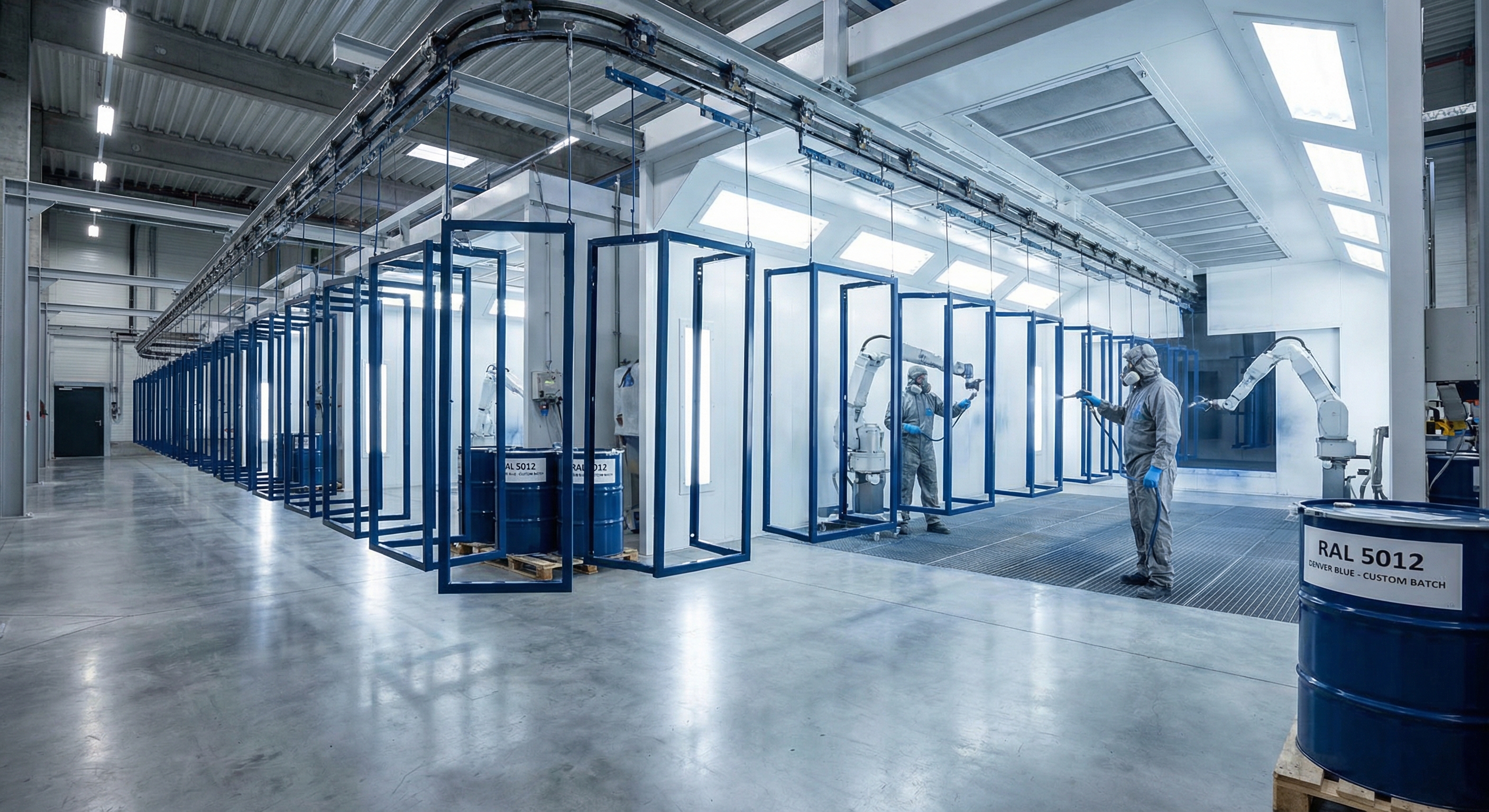
When planning a padel denver project, purchasing factory-direct can save you up to 30% on procurement costs by eliminating local middlemen and retail markups. Working directly with a manufacturer allows you to customize every aspect of the court, from the RAL color of the steel frames to the specific thickness of the glass. This approach also gives you access to OEM branding services, allowing you to place your club’s logo directly on the glass or the court nets.
Shipping logistics to Denver can be complex, but factory-direct providers often have established routes for moving heavy components efficiently. By consolidating your order and shipping in a 40HQ container, you can fit up to three complete court structures, maximizing your shipping budget. The savings realized from direct procurement can then be reinvested into premium amenities or marketing to grow your player base.
Why go factory-direct?
Bypassing local distributors means you get the most up-to-date technology and safety certifications directly from the source. It also simplifies communications regarding custom specifications and technical support during the installation phase.
What are the main cost drivers?
The quality of the steel (galvanization grade), the thickness of the glass, and the type of turf selected are the primary variables. Shipping and local foundation work (concrete) represent the largest portion of the non-equipment budget.
But wait, there is more:
- Standardizing your club with one manufacturer makes future maintenance easier.
- Direct access to spare parts (glass panels, nets) reduces downtime if something breaks.
- OEM customization builds a stronger, more professional brand identity.
Key Takeaway: Buying factory-direct is the most efficient way to maximize your budget while ensuring your court meets international professional standards.
| Expense Category | Local Retail | Factory Direct |
|---|---|---|
| Main Court Structure | Higher Markup | Base Price |
| Custom RAL Colors | Limited | Included/Low Cost |
| Technical Support | Variable | Direct/Expert |
The economic benefits of direct sourcing allow for a faster ROI and a higher-quality final product.
padel denver success: your installation path
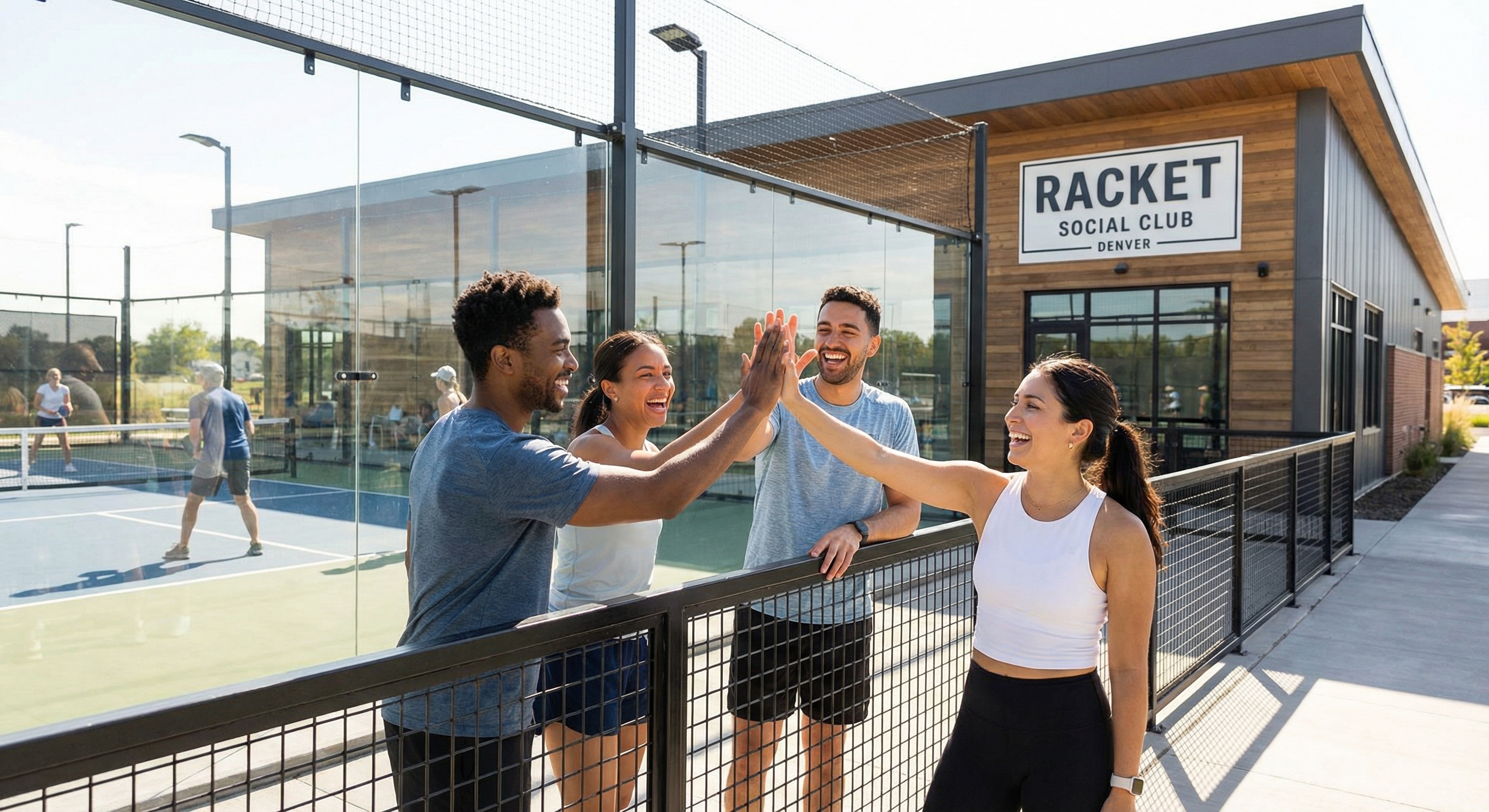
To achieve success with padel denver, your installation path must begin with a solid concrete foundation and end with a strong community engagement strategy. Proper preparation of the sub-base is the most critical technical step, as any shifting will cause the glass to misalign or the turf to wrinkle. Utilizing remote video support and detailed assembly manuals from your supplier can help local crews perform the installation with expert precision.
Once the physical court is ready, the “soft” launch involves building a social network. Successful clubs in areas like the 9+CO development have shown that organizing introductory clinics and social mixers is the fastest way to book your courts. Providing a seamless booking experience and a welcoming atmosphere will turn first-time players into long-term members of your local padel family.
How long does installation take?
Once the concrete slab is cured (usually 21-28 days), the actual assembly of the steel, glass, and turf takes about 4 to 6 days with a skilled four-person crew. It is a surprisingly fast process once the site is prepared.
What is the key to a successful opening?
Focus on education; many people in Denver still confuse padel with pickleball. Hosting “Open House” days where people can try the equipment for free is the most effective way to build immediate demand.
The truth is:
- A flat, 15cm reinforced concrete slab is the standard court foundation.
- Hiring a local contractor who specializes in sports flooring is highly recommended.
- Community digital platforms (WhatsApp/Playtomic) are essential for growth.
Key Takeaway: Success is a combination of technical precision during construction and active community building during the grand opening phase.
| Milestone | Timeframe | Focus |
|---|---|---|
| Foundation Work | 3-4 Weeks | Leveling/Curing |
| Court Assembly | 1 Week | Steel/Glass/Turf |
| Community Launch | Ongoing | Marketing/Clinics |
A structured approach to both the build and the business will ensure your facility becomes a landmark in the city’s sports landscape.
*
The rise of padel represents the next major evolution in Colorado’s recreational history. For too long, athletes have dealt with the limitations of aging tennis infrastructure and the lack of social interaction in traditional fitness centers. We solve these problems by providing factory-direct, world-class court structures that are built to handle the unique demands of the High Desert climate.
Whether you are a developer looking for a high-ROI addition to a luxury apartment complex or a player wanting to bring this addictive sport to your local neighborhood, our team is ready to support your vision. We offer everything from standard padel courts to fully panoramic, roofed solutions that ensure the game never stops. Our industry vision is to make Denver a global hub for this incredible sport, combining top-tier engineering with the city’s unparalleled outdoor spirit. Let us help you transform your space into a premier sports destination; contact us today to start your project.
padel denver faq
Can I play padel in Denver if I’ve never played tennis?
Absolutely. One of the greatest advantages of padel is its accessibility. Because the court is smaller and the paddles are shorter than tennis rackets, beginners typically find it much easier to time their shots and keep the ball in play. The focus is more on social fun than difficult technique, making it perfect for anyone regardless of their racket sports background.
What’s the best way to book a court at Cloud 9 Park?
You should use the Aspen Padel Club portal for the Hale location. Reservations are primarily handled online, and it is highly recommended to book several days in advance during peak hours (mornings and after 5:00 PM). Most local players also use the Playtomic app to find matches and reserve court times across the various clubs in the city.
Can I build a padel court in my backyard in Denver?
Generally, yes, as long as you have the required 20×10 meter flat area. You must check with your local HOA and municipal building department regarding permits for sports courts, lighting, and any noise ordinances. Because the glass walls reflect sound back toward the court, padel is often quieter for neighbors than pickleball, making it a more homeowner-friendly option.
Can I get a custom color for my court’s steel frame?
Yes, you certainly can. When you buy factory-direct, you have access to the full RAL color spectrum, allowing you to choose a “Denver Blue,” “Mountain Green,” or even a sleek “Carbon Black” to match your home or brand. Customization also extends to the turf color and logo placement on the glass, giving you a truly unique facility.
What’s the best footwear for Denver padel courts?
You really should wear padel-specific shoes. While tennis shoes can work, padel shoes are designed with a specific herringbone sole pattern that provides the best grip on sand-filled turf. This prevents slipping during those quick, explosive movements required to reach the ball after it bounces off the glass walls.