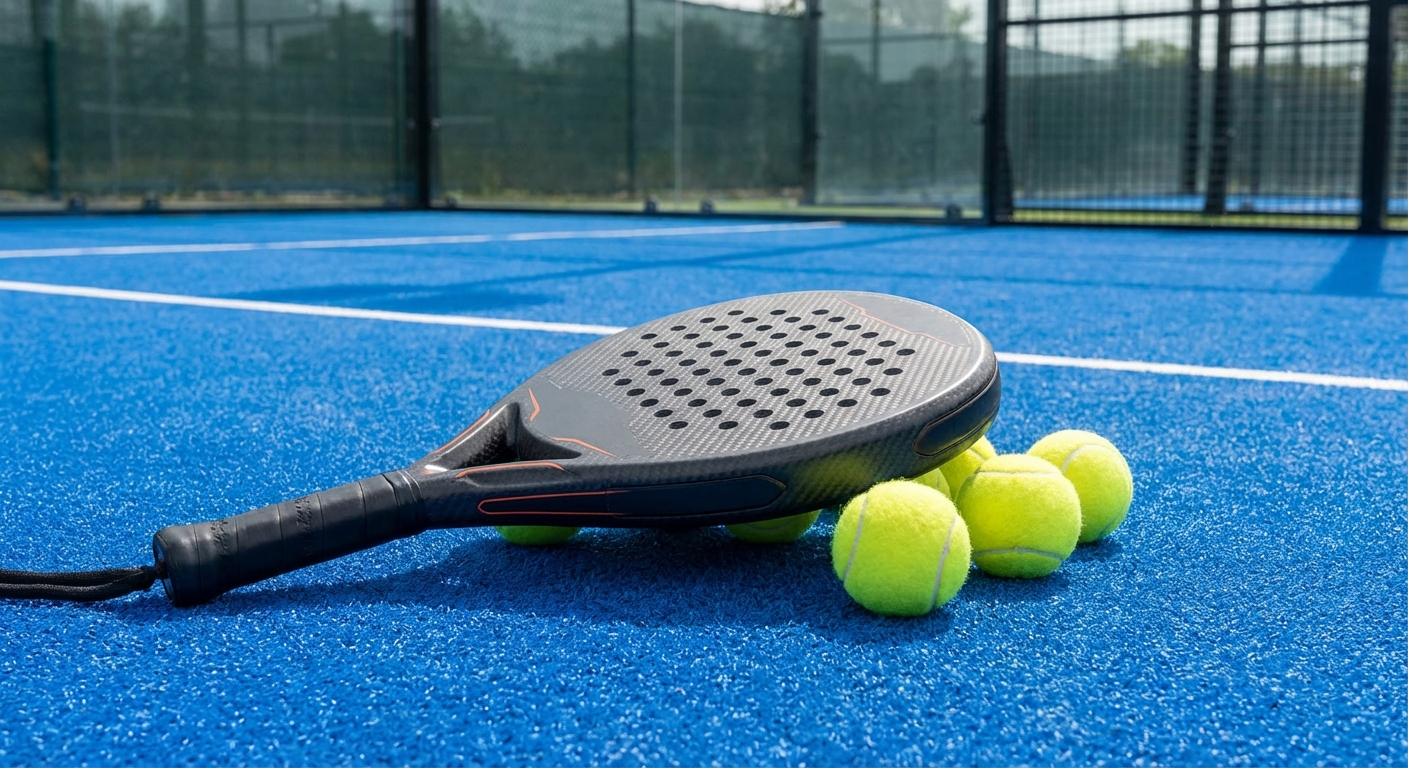
Choosing the right equipment for a high-intensity sport often feels like a guessing game that stalls your progression. Using mismatched gear leads to erratic performance on the court and a significantly higher risk of chronic injuries like tennis elbow. This engineering guide ensures you understand the technical construction of your gear so you can play with confidence and precision. wilson padel rackets are specialized sporting tools featuring carbon fiber or fiberglass faces and EVA foam cores engineered for maximum energy transfer and shock absorption, and you can find them at superbpadel.com/.
What shapes define Wilson padel rackets?
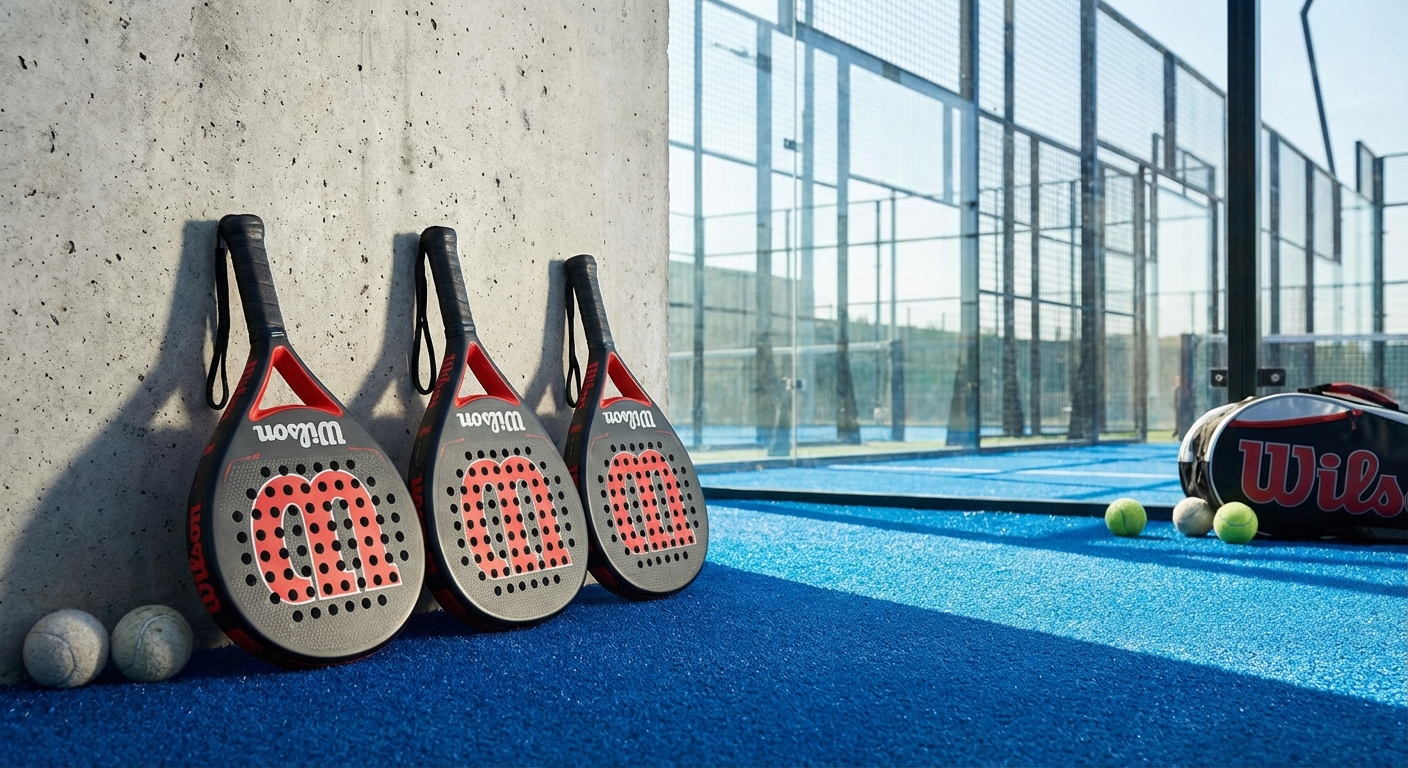
The primary shapes utilized in wilson padel rackets include round, diamond, and teardrop geometries to cater to different playing styles. These shapes determine where the sweet spot is located and how the weight is distributed across the frame.
Is the round shape best for control?
Think about this: a round shape offers the most forgiving experience for defensive players. This geometry places the sweet spot directly in the center and closer to the handle for better maneuverability. When you are playing on a Panoramic Padel Court, the wide viewing angles match the strategic, controlled playstyle of round-racket users.
- Lower balance point for quick reactions.
- Larger hitting surface to minimize errors.
- Enhanced stability during long rallies.
- Ideal for beginners and tactical experts.
But here is the kicker: maneuverability is nothing without the right court positioning.
Why choose diamond for power?
You might be wondering why professional hitters almost exclusively use the diamond shape. This top-heavy design shifts the weight toward the head of the racket to generate massive leverage during smashes. It is a more challenging tool to master because the sweet spot is smaller and positioned higher on the face.
- High balance point for explosive speed.
- Aerodynamic frame for faster swings.
- Concentrated power in the upper hitting zone.
- Best suited for aggressive, advanced players.
Key Takeaway: Shape dictates the location of the sweet spot, which directly impacts whether the racket is built for speed or defensive stability.
| Shape | Sweet Spot Location | Primary Benefit | Skill Level |
|---|---|---|---|
| Round | Center/Low | Control | Beginner/Intermediate |
| Teardrop | Mid-High | Versatility | Intermediate/Advanced |
| Diamond | High/Head | Power | Advanced |
The shape of the frame is the foundational decision that defines a player’s strategic role on the court.
Which foams are in Wilson padel rackets?
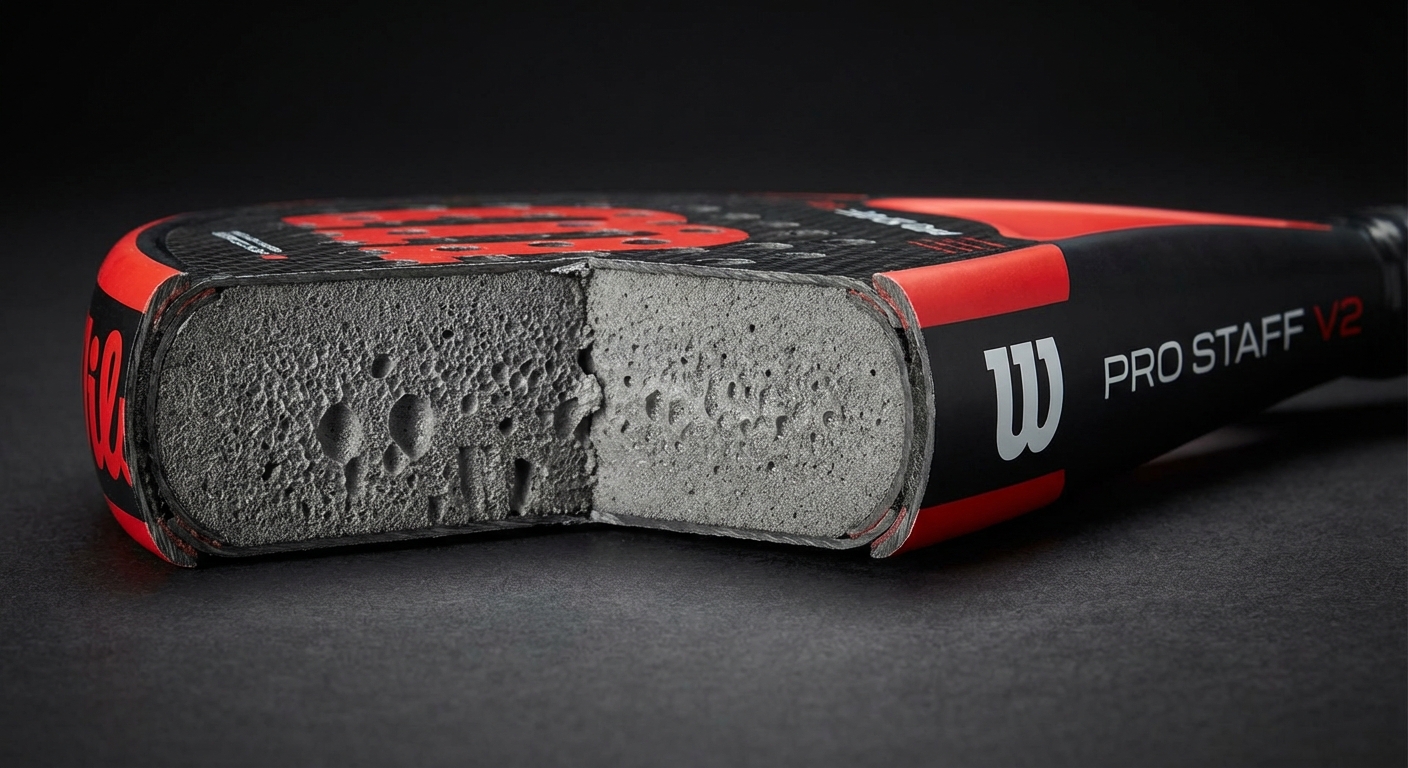
Core materials in wilson padel rackets consist of three main foam densities: Core Foam, Soft EVA, and Firm EVA. Each material provides a distinct “feel” and determines how much energy is returned to the ball versus absorbed by your arm.
What makes Soft EVA foam comfortable?
The secret lies in the cushioning effect of the low-density material. Soft foam absorbs high-frequency vibrations, much like the shock-absorption qualities of high-quality Padel Grass during intense rallies. This makes it an excellent choice for players who want to avoid joint fatigue.
- High vibration dampening for arm safety.
- Effortless ball exit on slow shots.
- Greater comfort during extended play sessions.
- Forgiving response on off-center hits.
Here is the reality: comfort often comes at the cost of absolute power.
How does Firm EVA improve power?
It gets even better when you transition to high-density foams for competitive play. Firm EVA provides a stiffer response that resists deformation, allowing you to hit the ball with maximum velocity. Advanced players prefer this because it offers a direct connection between their swing and the ball’s trajectory.
- Stiff response for peak energy return.
- Enhanced precision for surgical ball placement.
- Durable construction that resists compression.
- Preferred by professional-level power hitters.
Key Takeaway: Foam density is the primary factor in determining “feel” and controls how much energy is returned to the ball during impact.
| Foam Type | Density | Feel | Best For |
|---|---|---|---|
| Core Foam | Low | Stable | Beginners |
| Soft EVA | Medium | Cushioned | Comfort/Joint Safety |
| Firm EVA | High | Stiff | Peak Power |
Selecting the right foam density is crucial for balancing shot power with long-term physical comfort.
How is balance set in Wilson padel rackets?
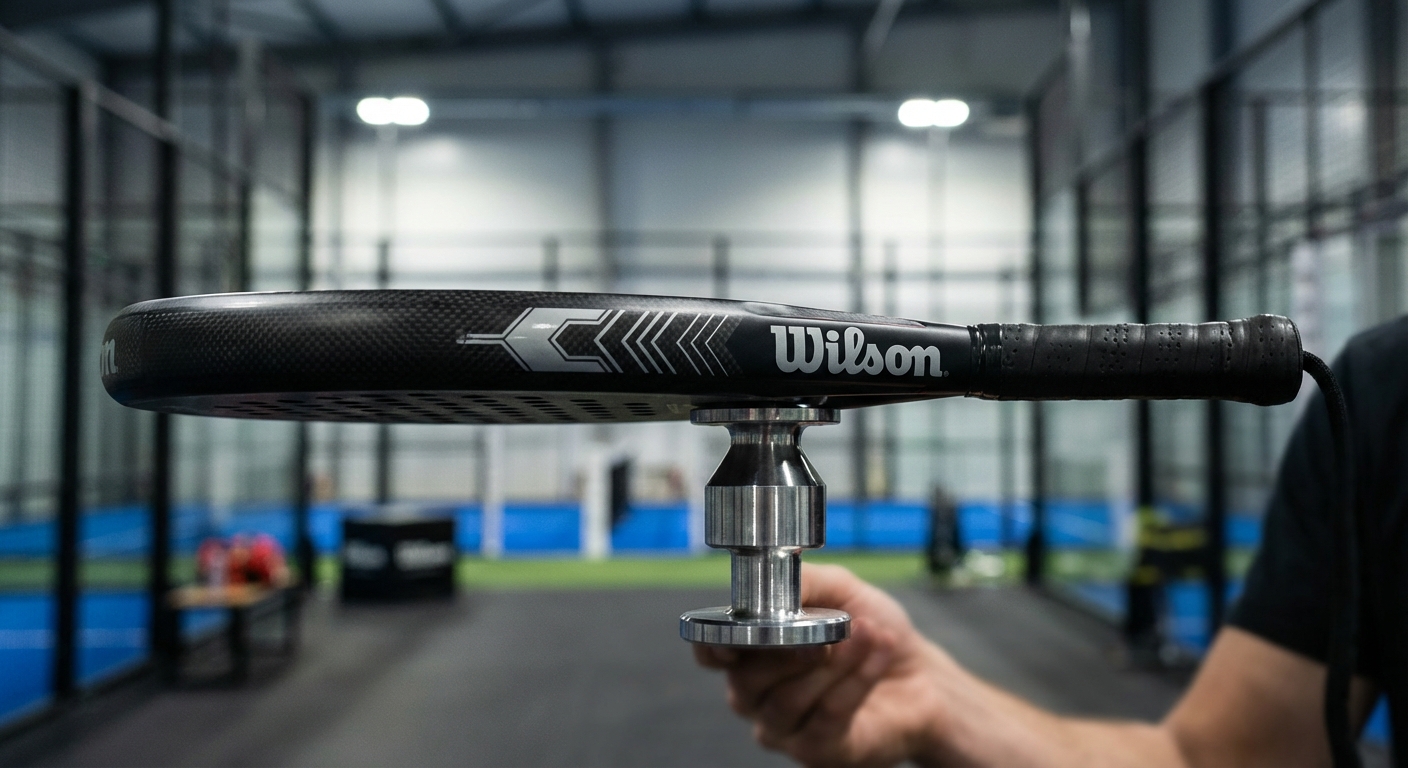
Balance in wilson padel rackets is measured in millimeters from the bottom of the handle to the point where the racket sits level. This measurement significantly alters the “swing weight” and how heavy the racket feels during a full motion.
Does head-heavy balance add speed?
Look at it this way: a head-heavy racket acts like a hammer to provide more momentum. By moving the weight toward the tip, the racket gains leverage that translates into faster ball exit speeds on aggressive overheads. It requires more wrist strength but rewards you with unstoppable power.
- Measurement typically exceeds 275mm.
- Increases the force of the smash.
- Provides a stable hitting platform for hard shots.
- Demands higher physical conditioning from the player.
The truth is: high balance can be tiring over a three-set match.
Why use low balance for defense?
You might want to consider a low balance point if you play primarily at the net. Keeping the weight near the handle makes the racket feel lighter and easier to flick during quick volleys. This “handle-heavy” setup is the gold standard for players who prioritize reaction time over raw force.
- Measurement typically stays below 265mm.
- Exceptional maneuverability for net play.
- Reduces strain on the shoulder and elbow.
- Facilitates quick defensive transitions.
Key Takeaway: Balance is measured in millimeters and fundamentally alters the swing weight to suit defensive or offensive styles.
| Balance Type | Measurement | Maneuverability | Power Potential |
|---|---|---|---|
| High | >275mm | Low | Very High |
| Medium | 265mm-275mm | Medium | Moderate |
| Low | <265mm | High | Low |
Balance settings allow players to fine-tune their equipment to match their specific physiological strengths and on-court duties.
Why does weight matter for Wilson padel rackets?
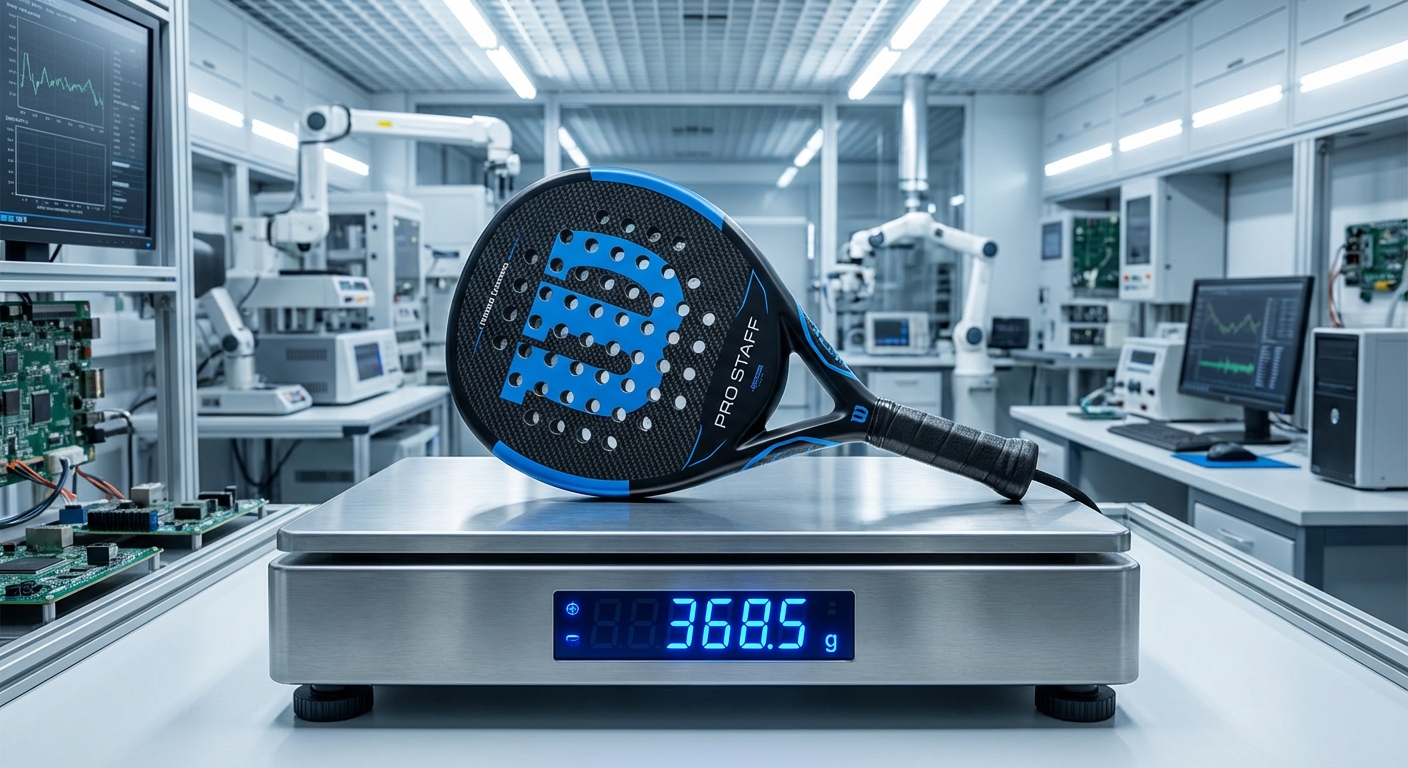
The overall mass of wilson padel rackets typically ranges from 350 to 375 grams to balance ease of use with structural stability. Weight must be carefully matched to your physical strength to ensure you can maintain shot depth without risking injury.
Are lighter rackets easier to swing?
It is no secret that lighter models are the preferred choice for juniors and beginners. Rackets weighing around 355 grams reduce the effort required to start and stop the swing, which prevents early fatigue. This allows you to focus on your technique rather than wrestling with the equipment.
- Lower inertia for faster hand speed.
- Reduced risk of muscle strain and fatigue.
- Easier to control for new players.
- Highly effective for quick defensive blocks.
But wait, there’s more: light weight can lead to instability against heavy hitters.
How do heavy rackets impact stability?
Let’s face it: heavy rackets provide the “plow-through” needed to handle high-speed incoming balls. Professional players often choose weights above 370 grams because the extra mass absorbs the impact of the ball. This prevents the racket from twisting in your hand during high-intensity exchanges.
- Increased stability on heavy ball impacts.
- More natural depth on baseline shots.
- Better vibration absorption through mass.
- Requires advanced technique to avoid late hits.
Key Takeaway: Total weight must be balanced against player strength to maintain shot depth and prevent long-term injury.
| Weight Category | Range (grams) | Target User | Key Advantage |
|---|---|---|---|
| Lightweight | 350g – 355g | Juniors/Women | Ease of Use |
| Standard | 360g – 370g | Most Adults | Balanced Play |
| Heavy | 375g+ | Pro/Advanced | Stability |
Proper weight selection ensures that the racket remains an extension of the arm rather than a physical burden.
Which Wilson padel rackets suit your level?
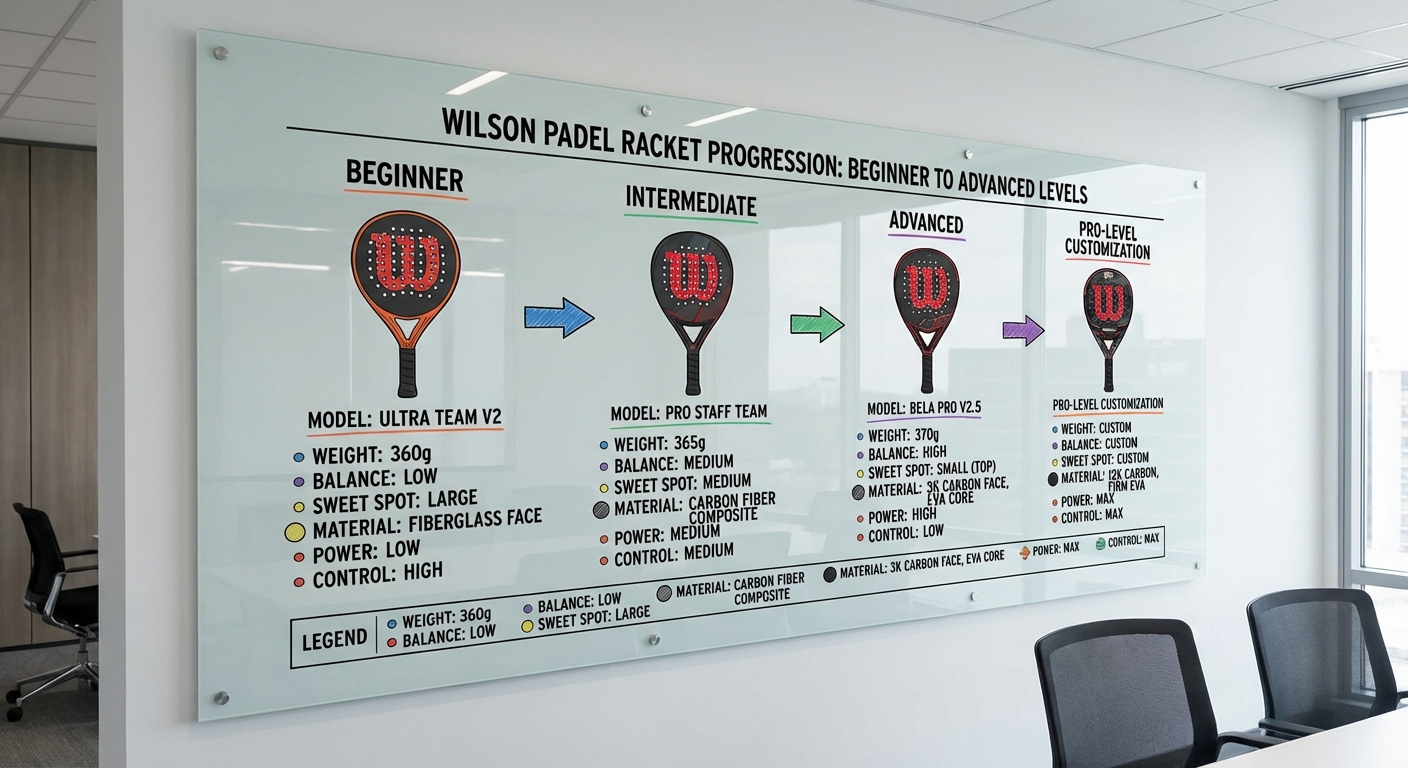
Matching wilson padel rackets to your skill level is essential for preventing frustration and accelerating your improvement. Beginners need forgiveness and comfort, while advanced competitors require precision and the ability to generate their own power.
What features help beginner players?
Believe it or not, the best starter rackets use flexible fiberglass faces and large sweet spots. These materials are more elastic, helping you get the ball over the net even if your swing isn’t perfect. Playing on a Standard Padel Court provides the consistent environment needed for beginners to master these specialized tools.
- Fiberglass construction for a softer feel.
- Round frames to maximize the hitting area.
- Soft EVA foam for maximum arm comfort.
- Lightweight builds for easy handling.
You may be wondering: when is it time to upgrade to carbon?
Do advanced players need stiff frames?
The answer is a resounding yes if you want maximum performance. Advanced frames are built with high-modulus carbon fiber to provide a rigid hitting surface that doesn’t flex under pressure. This stiffness allows for extreme precision, though it requires a cleaner hit to be effective.
- Full carbon weave for structural integrity.
- Diamond or Teardrop shapes for versatile play.
- Firm EVA foam for direct feedback and power.
- Textured faces for advanced spin techniques.
Key Takeaway: Matching the racket’s technical difficulty to the player’s skill level prevents frustration and accelerates improvement.
| Player Level | Materials | Racket Series Example | Focus |
|---|---|---|---|
| Beginner | Fiberglass | Team Series | Consistency |
| Intermediate | Carbon/Glass Blend | Elite Series | Playability |
| Advanced | Full Carbon | Pro Series | Precision |
Progressing through the gear tiers ensures that your equipment always supports, rather than hinders, your growing skill set.
How to build Wilson padel rackets’ cores?
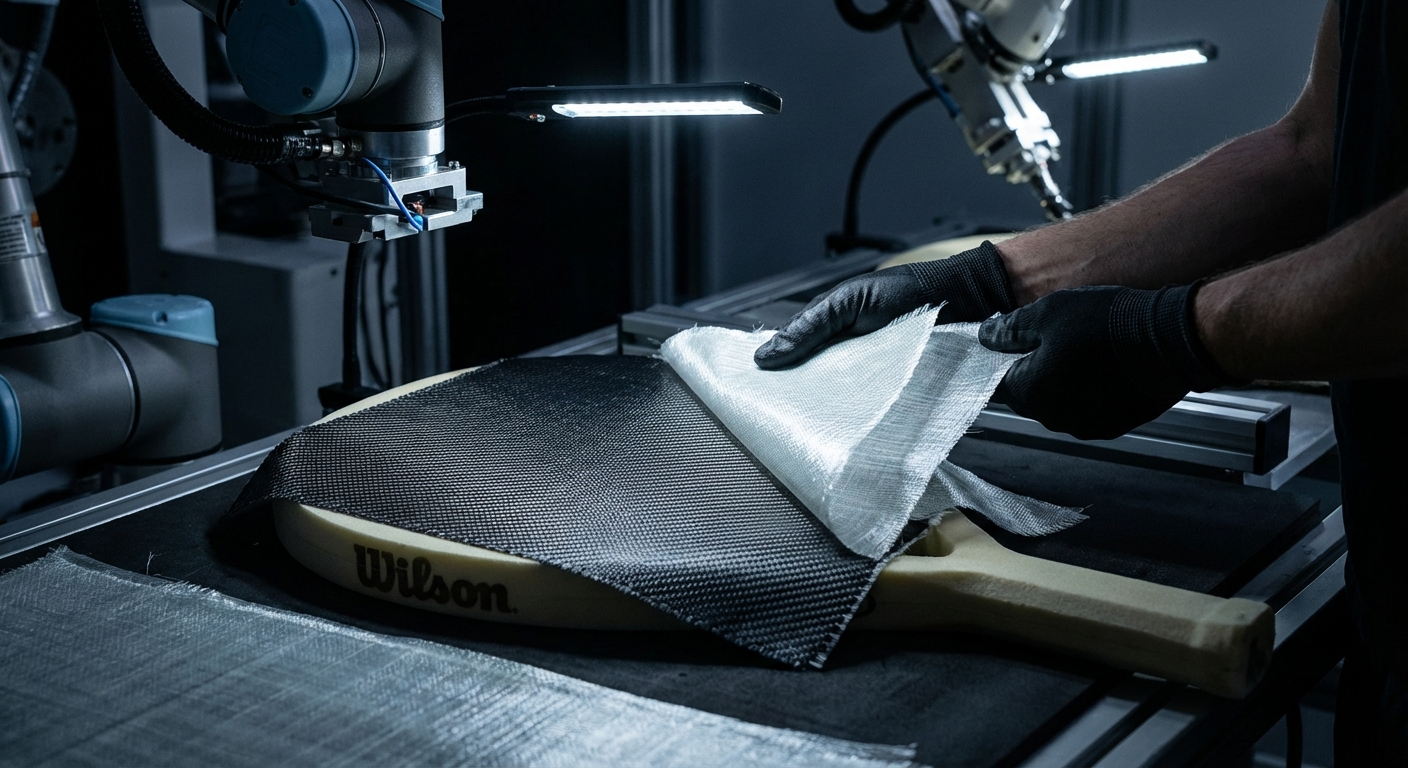
Building the core of wilson padel rackets involves a “sandwich” construction method where layers of carbon fiber or fiberglass are bonded to an EVA core. This multi-layered approach determines the racket’s durability and its specific elastic response.
Is carbon fiber essential for the face?
You should know that carbon fiber is the gold standard for high-performance racket faces. Manufacturers weave 3K, 12K, or 18K carbon strands to create a surface that is both incredibly light and exceptionally strong. This material ensures that the racket retains its shape and performance through thousands of impacts.
- Superior tensile strength for long-term use.
- Lightweight properties for better balance.
- Sharp, crisp feel upon ball contact.
- High resistance to structural warping.
But here is the catch: carbon fiber can feel too “stiff” for casual players.
Can fiberglass improve ball exit?
The simple truth is that fiberglass provides a natural “trampoline effect” that helps generate depth. Because glass fibers are more elastic than carbon, they stretch more upon impact before snapping back. This makes it easier for players with slower swing speeds to hit the ball deep into the opponent’s court.
- High elasticity for easier power generation.
- More affordable manufacturing costs.
- Comfortable and forgiving on off-center hits.
- Excellent for learning defensive lobs.
Key Takeaway: The “sandwich” construction of the core determines the durability and the elastic response of the hitting face.
| Face Material | Elasticity | Durability | Power Level |
|---|---|---|---|
| Fiberglass | High | Moderate | Low (Easy) |
| Carbon Weave | Low | High | High (Difficult) |
The internal core construction is the engine of the racket, defining its power and long-term reliability.
How are Wilson padel rackets frames made?
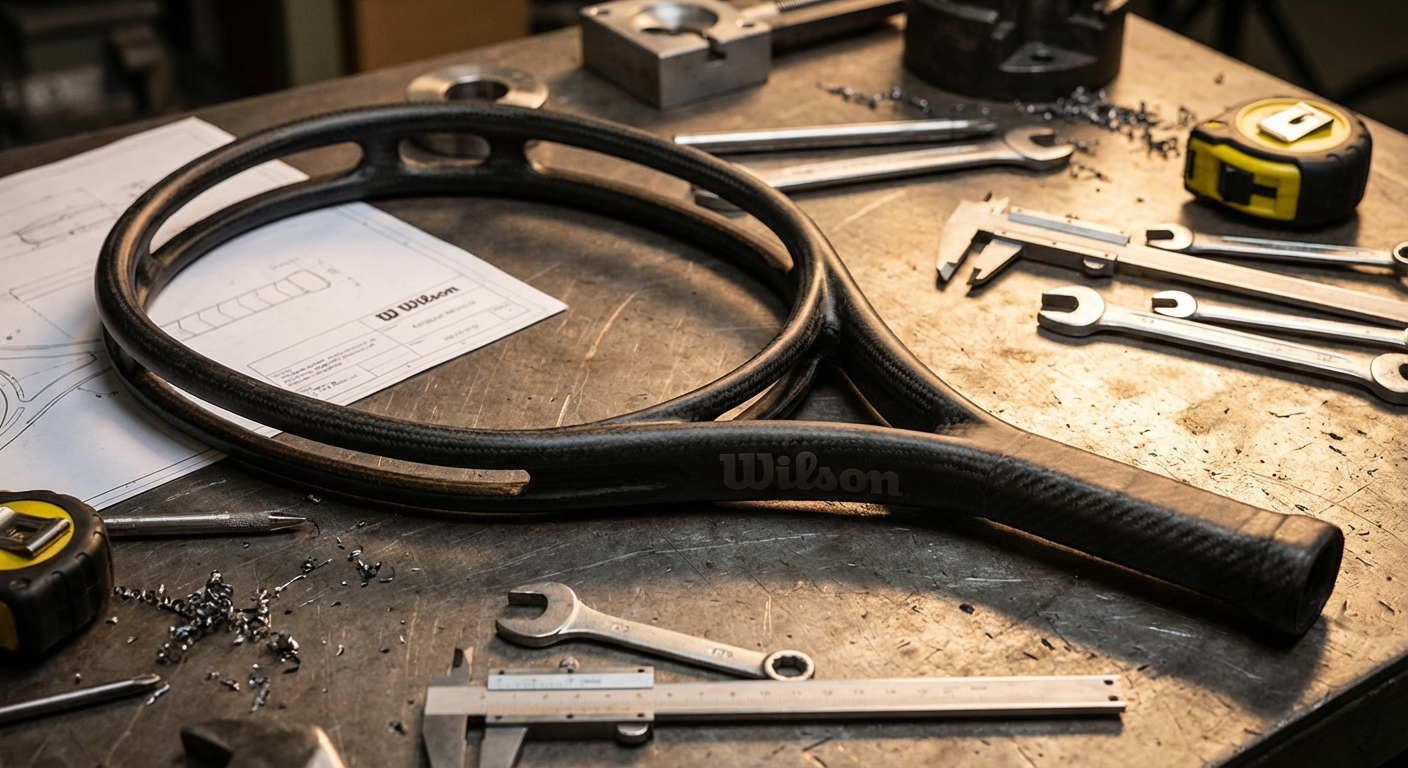
The frames of wilson padel rackets are engineered using hollow carbon tubes to provide a rigid skeleton for the hitting surface. This tubular design offers the best strength-to-weight ratio, ensuring the racket can withstand high-velocity collisions.
Does a tubular frame increase strength?
Think of the tubular frame as the chassis of a high-performance car. By using hollow carbon fiber tubes, engineers can create a frame that is extremely stiff but remains lightweight enough for rapid net play. This rigid Padel Structure prevents the racket from bending during hard smashes, which preserves your shot’s accuracy.
- Hollow design for weight optimization.
- Extreme rigidity to prevent energy loss.
- High resistance to torsional twisting.
- Uniform tension across the hitting face.
It gets better: modern frames now include integrated protectors.
How to integrate a structural protector?
You might notice a plastic or TPU strip along the top edge of professional rackets. This structural protector is engineered to shield the carbon frame from impacts against the walls or floor. It is a critical addition for players who dive for low balls and want their gear to last for multiple seasons.
- Impact-resistant TPU or plastic materials.
- Replaceable or permanent adhesive options.
- Shields the frame from gravel and wall scratches.
- Extends the operational life of the racket.
Key Takeaway: A rigid frame prevents energy loss during the stroke and ensures the racket lasts through thousands of impacts.
| Frame Component | Material | Purpose | Benefit |
|---|---|---|---|
| Tubular | Carbon Fiber | Skeleton | Structural Rigidity |
| Protector | TPU/Plastic | Shielding | Impact Resistance |
The frame’s engineering is what allows a padel racket to survive the rigors of competitive club play.
How are Wilson padel rackets faces textured?
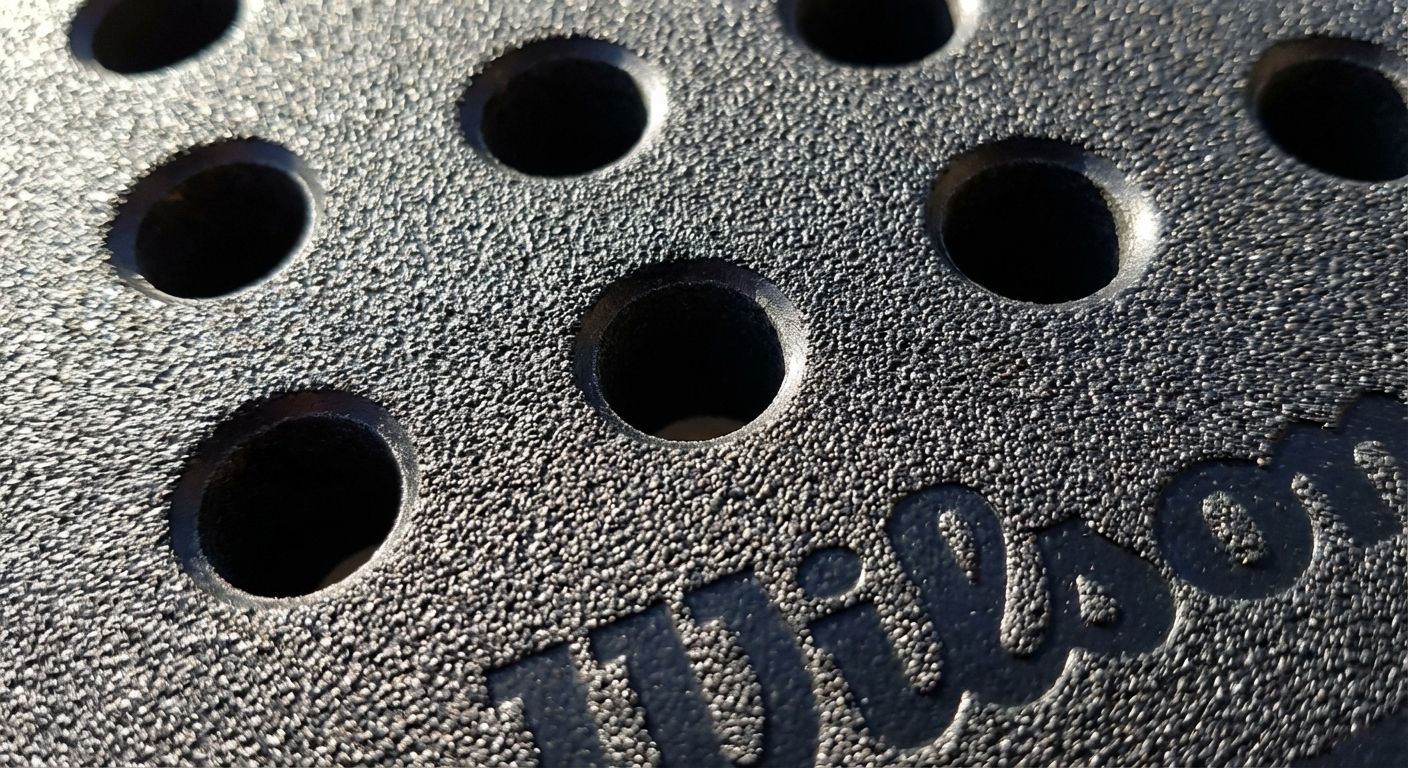
Surface treatments on wilson padel rackets involve specialized textures and hole patterns designed to grip the ball for increased spin. These final manufacturing steps are what allow players to execute advanced “slice” and “topspin” techniques with consistency.
Does grit surface enhance spin?
It is widely known that a rough, sand-like texture provides the best grip on the ball’s felt. By applying a grit paint or a 3D-embossed pattern, the racket can “bite” into the ball during the stroke. This creates higher RPMs, making your shots much harder for opponents to return off the glass.
- Sand-blast finishes for maximum friction.
- 3D decals for long-lasting texture.
- Enhanced control on delicate drop shots.
- Greater effectiveness for aggressive “vibora” shots.
But here is the kicker: different textures wear out at different rates.
How to design the hole pattern?
You may find it interesting that the holes aren’t just for show; they are precision-drilled for aerodynamics. Modern “Sharp Hole Technology” uses a specific drilling process to ensure the holes assist in ball grip while reducing air resistance. This allows you to swing faster while maintaining a consistent sweet spot across the face.
- Aerodynamic patterns for faster swing speeds.
- Strategically placed holes to enlarge the sweet spot.
- Reduced weight without sacrificing strength.
- Consistent feel across the entire hitting surface.
Key Takeaway: Surface treatment is the final step in building a racket that allows for advanced “slice” and “topspin” techniques.
| Texture Type | Application | Spin Effect | Durability |
|---|---|---|---|
| 3D Decal | Embossed | Moderate | High |
| Grit Paint | Sand-blast | High | Moderate |
Texture and aerodynamics work in tandem to give skilled players the edge in point construction.
How to customize Wilson padel rackets design?
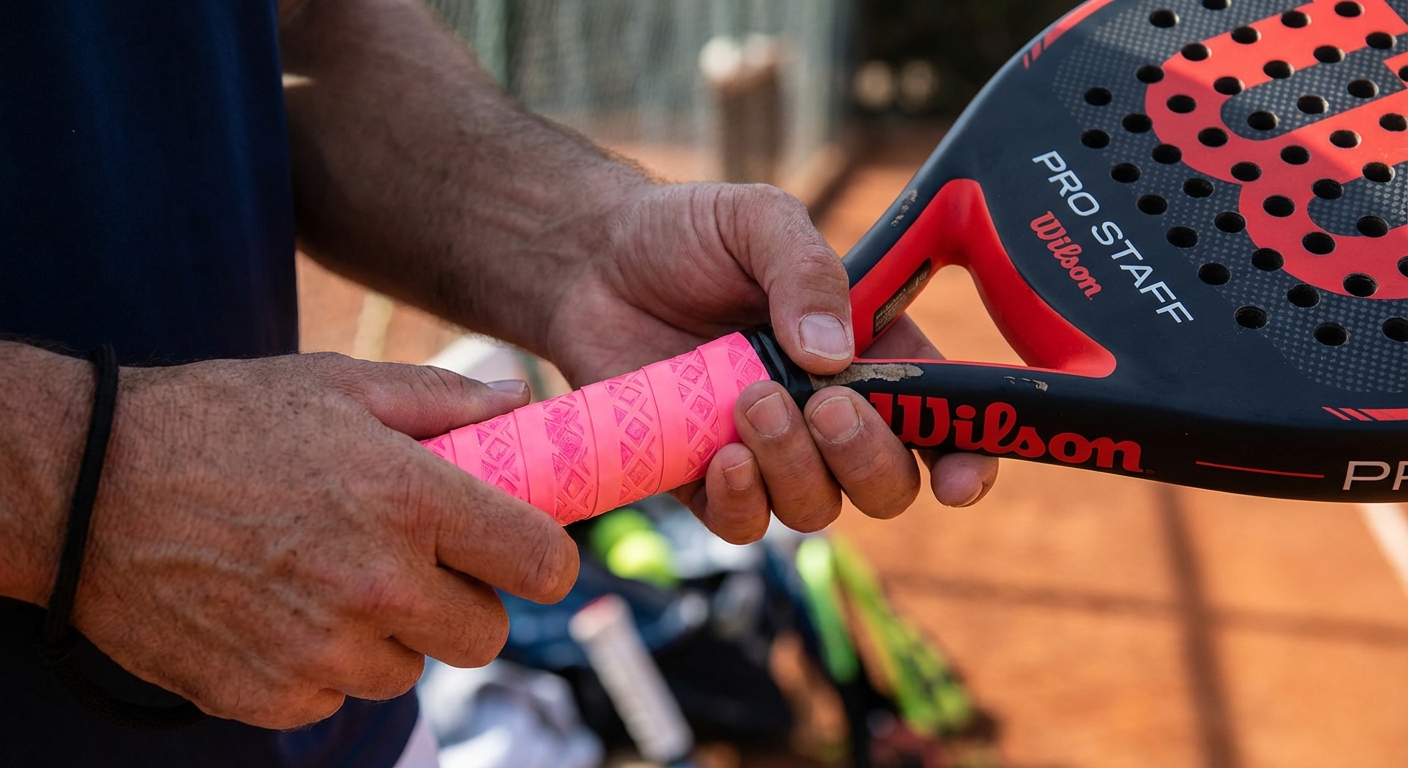
Customization of wilson padel rackets allows players to adjust the aesthetics and ergonomics to fit their personal preferences. From UV-resistant paint finishes to specialized grip wraps, these details improve both the look and the feel of the equipment.
Can you add custom brand logos?
Keep in mind that modern manufacturing utilizes water decals and UV paints for high-fidelity aesthetics. These finishes are not just for branding; they protect the underlying carbon fibers from sun damage and moisture. Custom logos can be integrated during the final coating phase to give the racket a unique professional identity.
- UV-resistant coatings for outdoor play.
- High-resolution water decals for branding.
- Matte or gloss finishes for personalized style.
- Protective layers that prevent paint chipping.
The best part: ergonomic customization is even more important than looks.
Is the grip size adjustable for users?
The reality is that one size does not fit all when it comes to racket handles. Using a “Sublime Grip” or adding multiple overgrips allows you to customize the diameter to your hand size. This is a crucial safety step because a correctly sized grip reduces the muscle tension in your forearm, preventing injury.
- Overgrips for moisture and sweat absorption.
- Adjustable handle thickness for hand comfort.
- Padded wrist straps for added security.
- Vibration-dampening under-grips for arm safety.
Key Takeaway: Modern manufacturing allows for functional aesthetics that represent a brand while improving player ergonomics.
| Feature | Customization Option | Player Benefit |
|---|---|---|
| Grip | Overgrip/Undergrip | Vibration Control |
| Strap | Padded/Standard | Security/Comfort |
Functional customization ensures that the player remains comfortable and secure throughout a competitive match.
How to test Wilson padel rackets quality?
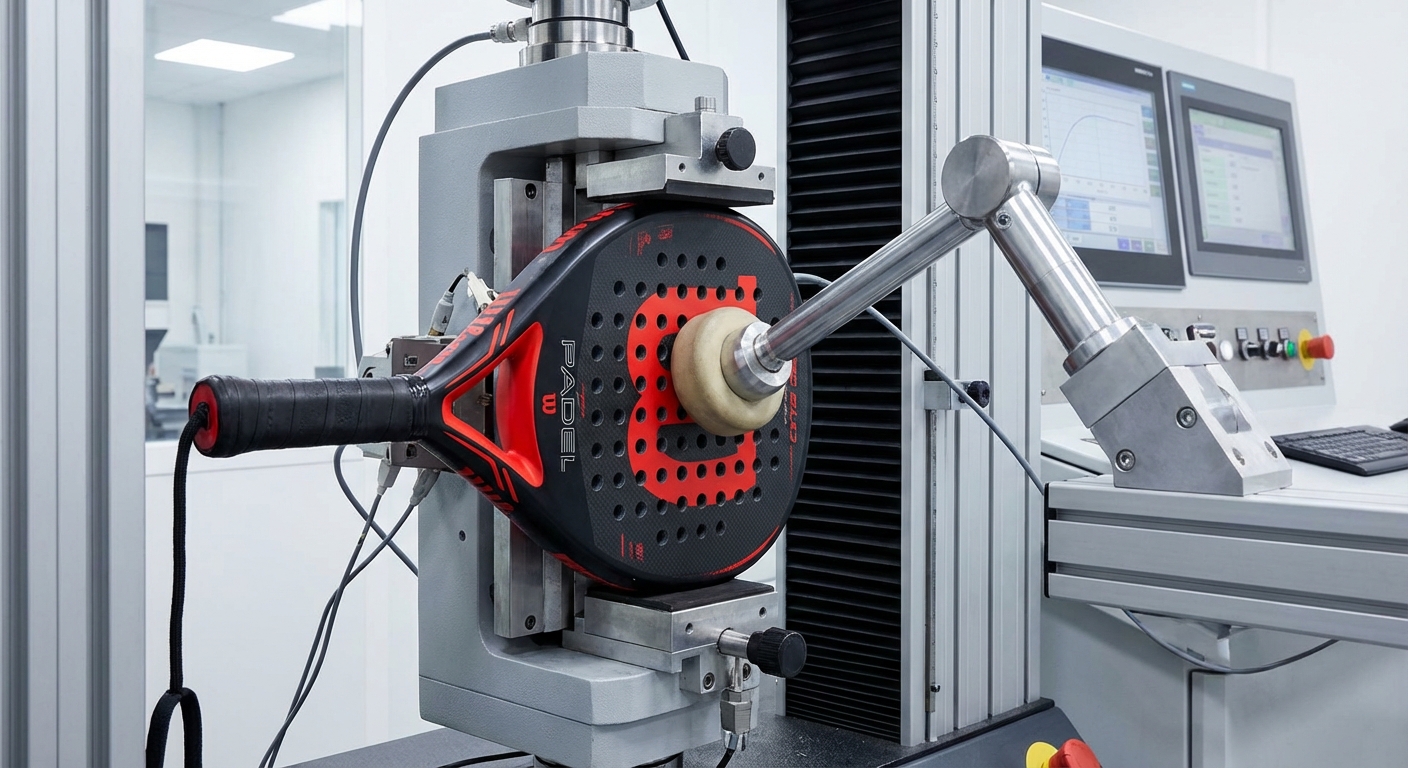
Testing protocols for wilson padel rackets involve rigorous stress simulations and weight checks to ensure every unit meets professional standards. These quality control steps guarantee that your racket will perform consistently under the pressure of real matches.
Is the glass impact relevant?
You must understand that a racket has to survive repeated contact with the Padel Glass. Testing teams simulate these impacts to ensure the frame doesn’t crack or delaminate during accidental collisions. This durability is what separates a professional-grade tool from a budget alternative.
- High-impact simulation tests.
- Durability checks for frame-to-face bonding.
- Fatigue testing over thousands of cycles.
- Resistance testing against extreme temperatures.
But wait, precision is just as important as durability.
How to measure frame durability?
Think about this: a racket that is too flexible won’t provide a consistent shot. Quality control teams use compression tests to measure the exact deflection of the frame. By ensuring that every unit has the same stiffness, manufacturers can guarantee that two identical models will play exactly the same on the court.
- Deflection measurement in millimeters.
- Precise weight tolerance checks (+/- 2g).
- Ultrasonic scanning for internal core voids.
- Balance point verification for every batch.
Key Takeaway: Quality control ensures that every racket provides a consistent response and meets safety standards for competitive play.
| Test Type | Metric | Goal |
|---|---|---|
| Flexibility Test | Deflection (mm) | Consistency |
| Drop Test | Impact Resistance | Durability |
| Weight Check | Tolerance (+/- 2g) | Precision |
Rigorous testing is the final barrier that ensures only the most reliable equipment reaches the hands of the player.
Investing in high-performance sports equipment is a major decision that directly influences your health and success on the court. Whether you are struggling with control or looking to increase your power, understanding the engineering behind your gear is the first step toward mastery. Our brand stance is simple: we believe that every player deserves access to professional-grade equipment that is as durable as it is innovative. If you are ready to elevate your game with a custom facility or professional gear, contact us to find the perfect solution for your needs. Resolve your performance issues today by choosing a setup that matches your specific playing style.
Frequently Asked Questions
Can I use these rackets for professional play?
Yes, several models are specifically engineered with Firm EVA and Carbon faces to meet the rigorous demands of professional circuits.
What’s the best Wilson padel racket for power?
The diamond-shaped Pro series is the top choice because it features a high balance point and a stiff carbon face for maximum energy return.
Can I adjust the balance of my racket at home?
You can slightly shift the balance toward the handle by adding extra overgrips, which is a common tactic for players seeking more control.
Are Wilson padel rackets good for beginners?
The “Team” series is designed specifically for new players because it utilizes fiberglass and larger sweet spots for maximum forgiveness.
What is the best way to protect my racket frame?
Applying a TPU or plastic structural protector to the top edge is the best way to prevent damage from wall impacts.